gdanmitchell wrote:
I just have to point out that if you want a photograph of completely stopped fan blades, there’s an easier way to get than buying a camera that can perfectly stop their motion with no distortion…
Turn off the fan to take the picture. ;-)
Haha, I said the same thing to bird photographers - wait for the bird to land. But for some reason they like photos of them in flight
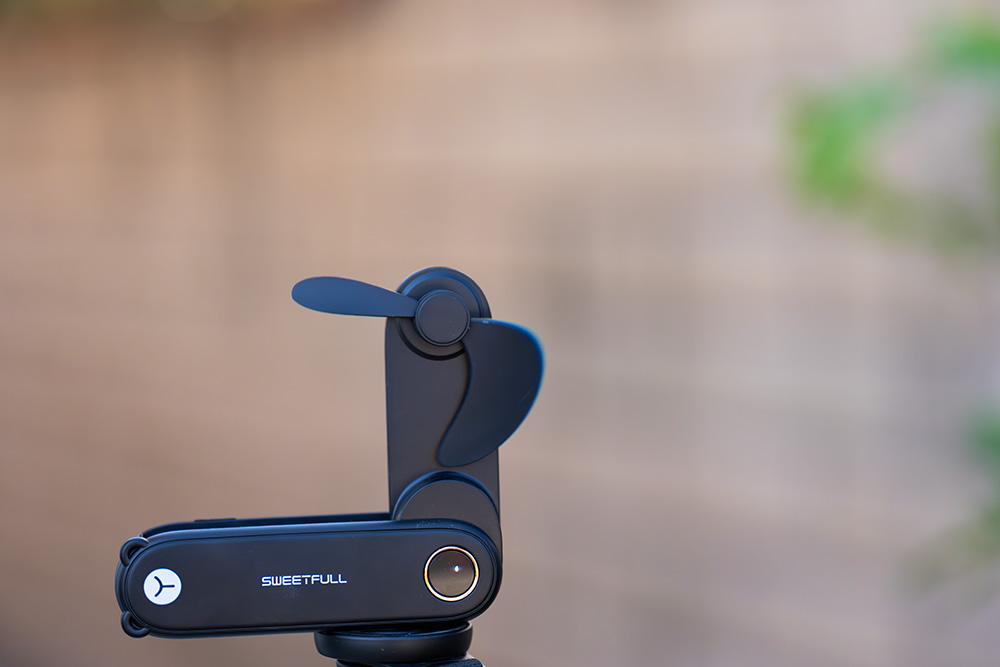
I've got a volunteer to test his a7rVI with the same Amazon hand-held fan. He should be testing it this weekend. Still looking for an A1 or A1 II volunteer...
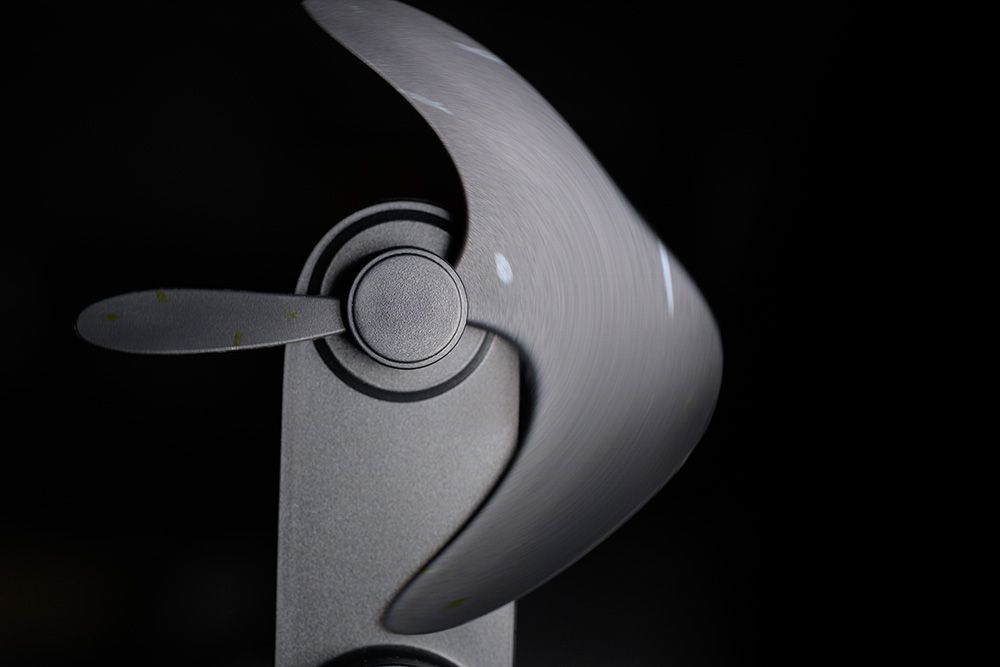
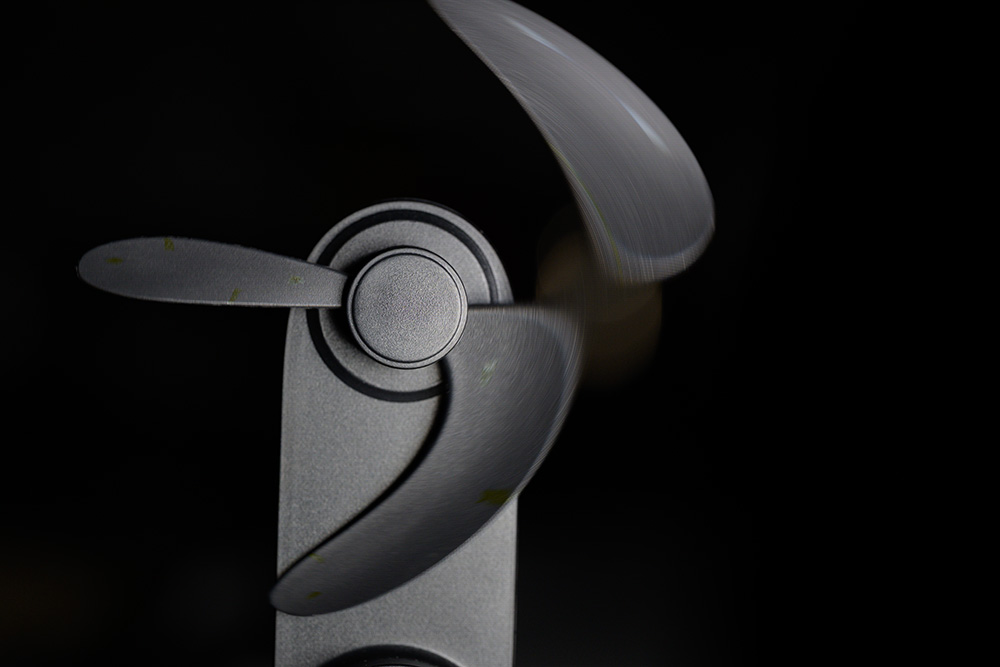
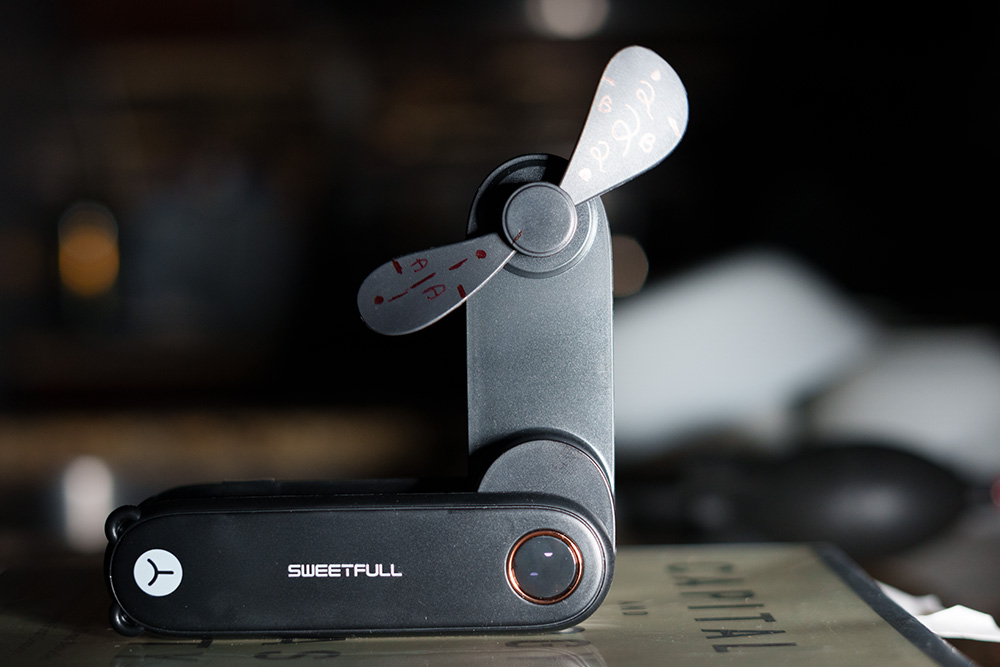
In the meantime, here is some geeky fun with rolling shutter distortions with the fan propeller.
First, some calculations...
Using my Sony ZV-1 and its 960 fps high-speed video capture (1.0416 ms/frame), it took 24 frames for the propeller to complete a full revolution at its slowest speed setting. 24 frames * 1.0416 ms/frame = 25 ms per full revolution = 40 revolutions per second = 2,400 revolutions per minute.
The Z6 III's full-sensor readout is 14.4103 ms, which means it captures 0.57 revolutions of the propeller (14.4103 ms readout / 25 ms per revolution). Basically a Z6 III readout captures half a rotation of the propeller.
The propeller rotates clockwise, which of course means a propeller in the top-half of the frame moves left to right, while a propeller at the bottom-half of the frame moves right to left.
The Z6 III electronic shutter travel direction is from the physical sensor bottom to the top, which due to the vertically-inverted lens projection, means it reads from scene top to bottom. This causes left-leaning verticals for subjects moving left to right across the image plane and right-leaning verticals for subjects moving right to left.
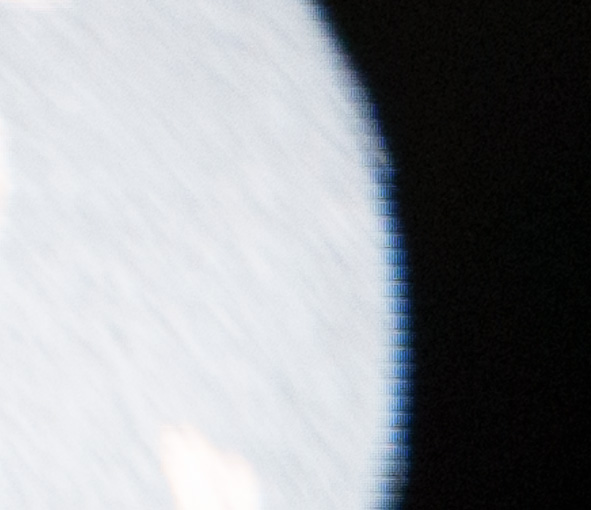
And now the interesting rolling shutter captures... It's fun doing the mental gymnastics to figure out how the above details correspond to how the rolling shutter presents for both sides of the propeller, esp thinking about linear vs angular velocity between the sensor readout and rotating propeller.
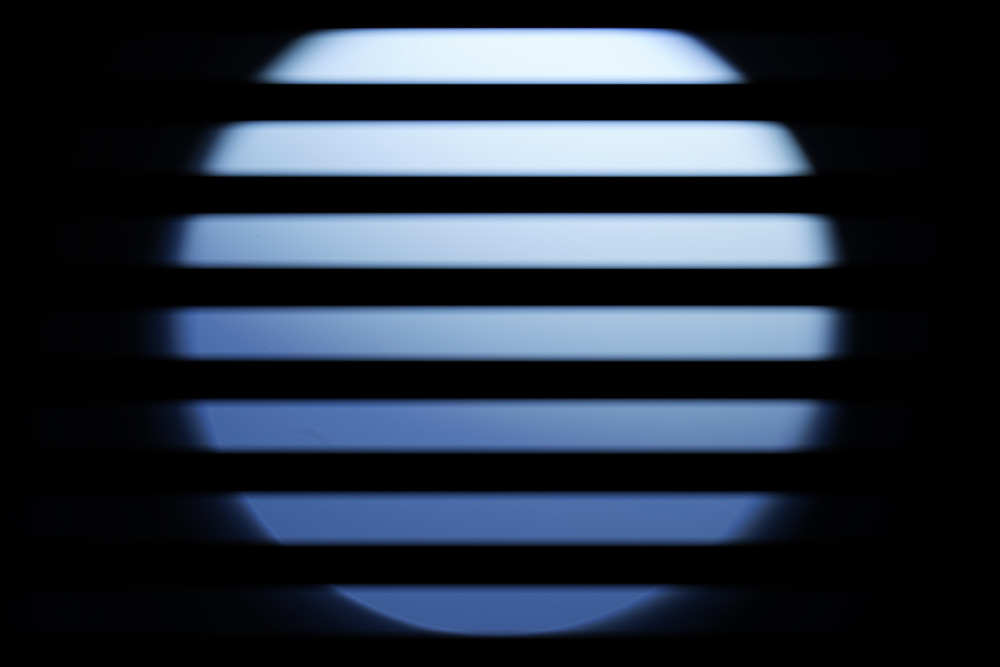
I reviewed my Panasonic S1 M2 rolling shutter measurement 500hz LED images and found 4-row groups, just like all the other partially-stacked sensors. This sensor shares many of the same characteristics as the Sony a7V, including DGO support.
So far every partially or fully stacked sensor I've tested has these multi-row artifacts. Hopefully I'll have a7rVI results tomorrow, with A1 results sometime in the near future.
Panasonic S1 II multi-row artifacts from 500Hz LEDs, full-view
Panasonic S1 II multi-row artifacts from 500Hz LEDs, Magnification #1
Panasonic S1 II multi-row artifacts from 500Hz LEDs, Magnification #2
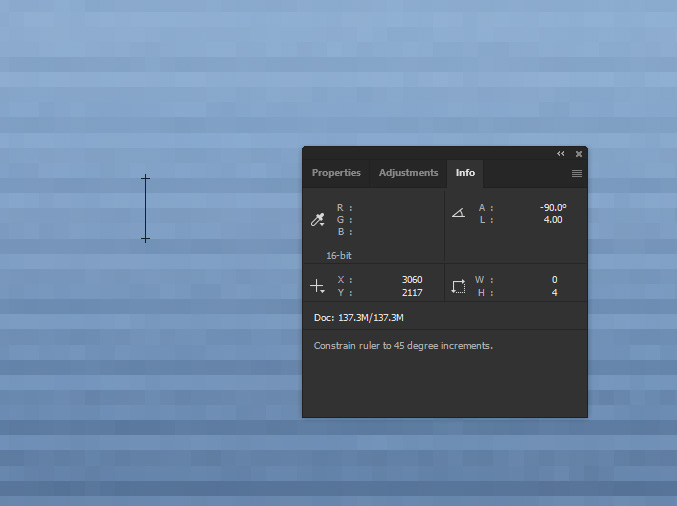
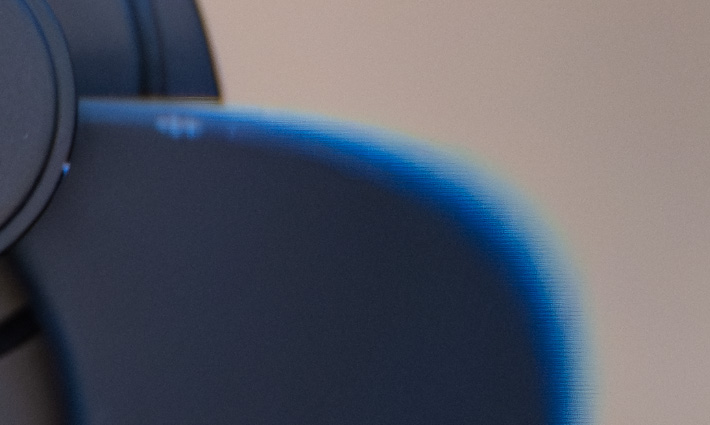
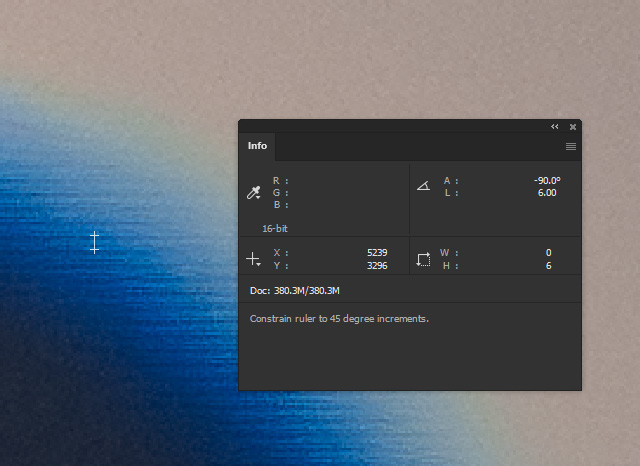
I just received a7rVI test images from @AGeoJO using the same model Amazon fan. The results indicate multi-row groups, like all the previous stacked/partially-stack sensors I've tested. Looks like the group is 6 rows, although the light levels were a little low and plus the high resolution it's harder to see through the noise but it tentatively looks like 6 rows. Images are below. I had to apply some NR to help with the visualization.
I have an A1 on the way that I'll be testing myself. Should reach me by next weekend.
@speedmaster20d and @dclark, Today I started a thread on the Dpreview PST (link) forum asking for theories on what these artifacts could be if not from multi-row readouts. Eric Fossum visits that forum occasionally so hopefully he'll weigh in.
I found a short article from 2014 and referenced Sony patent describing a method of reading out 4 rows in parallel to reduce rolling shutter. I'm still trying to understand the patent and diagrams but intuitively it seems to line up with what we're seeing. Here's a link to my post on DPR describing it:
I see requests for A1 and A1m2 data.
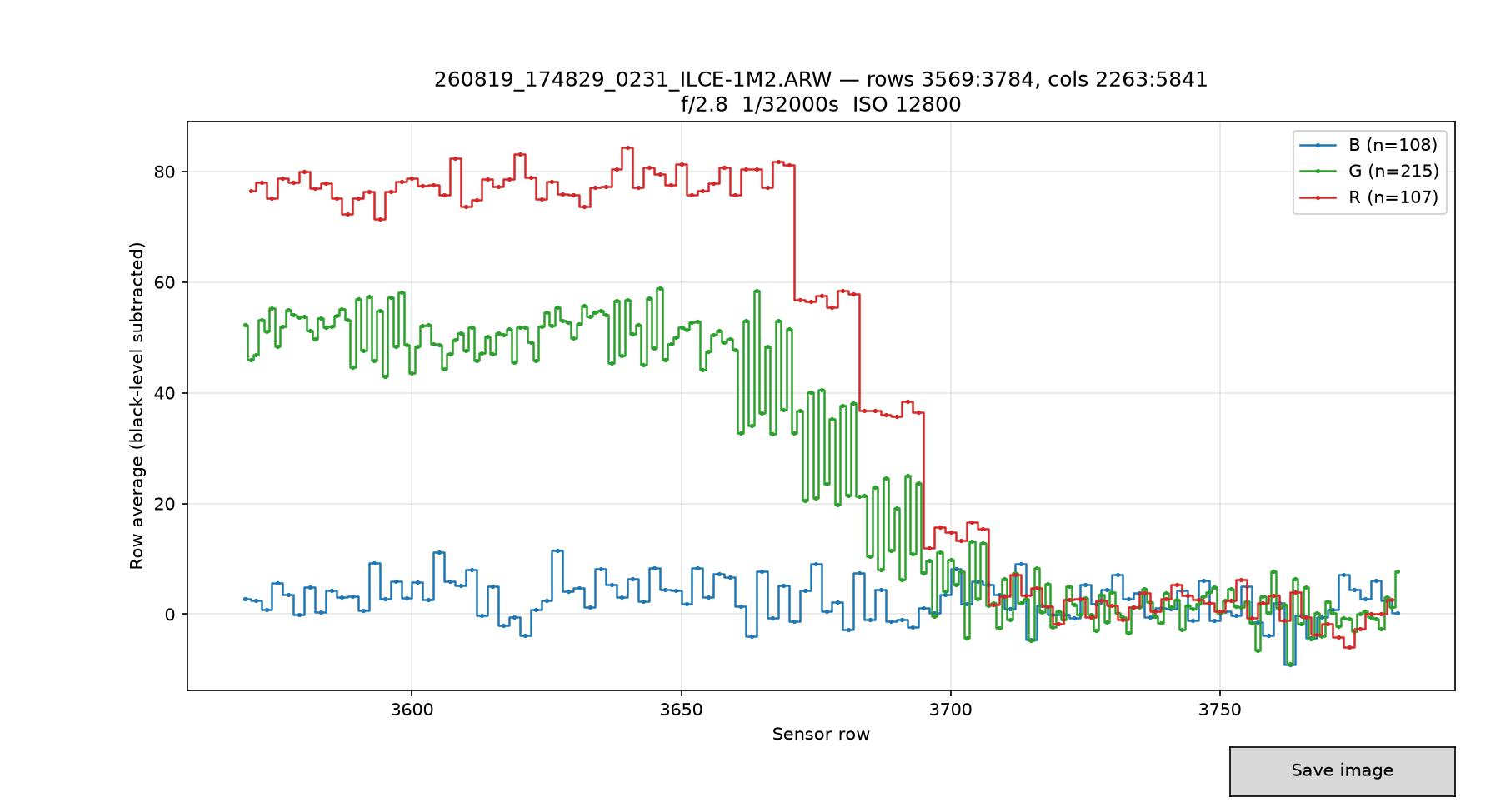
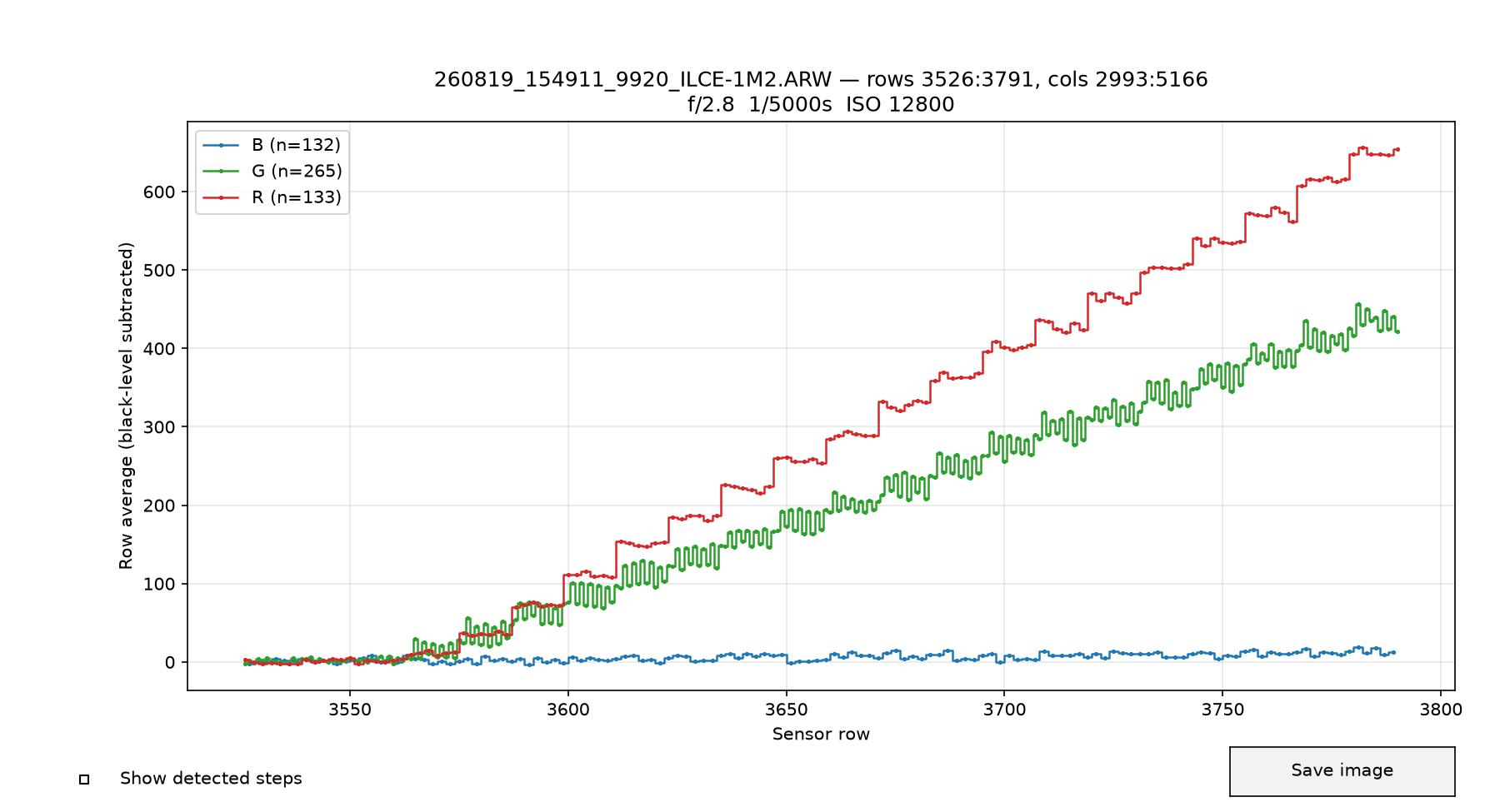
The post P3 #7 provides a link to my post from 2021 reporting on measurements of the A1, that showed 12 row readout. Those measurements were done using a switched LED.
I have duplicated those measurements for the A1m2, with identical results.
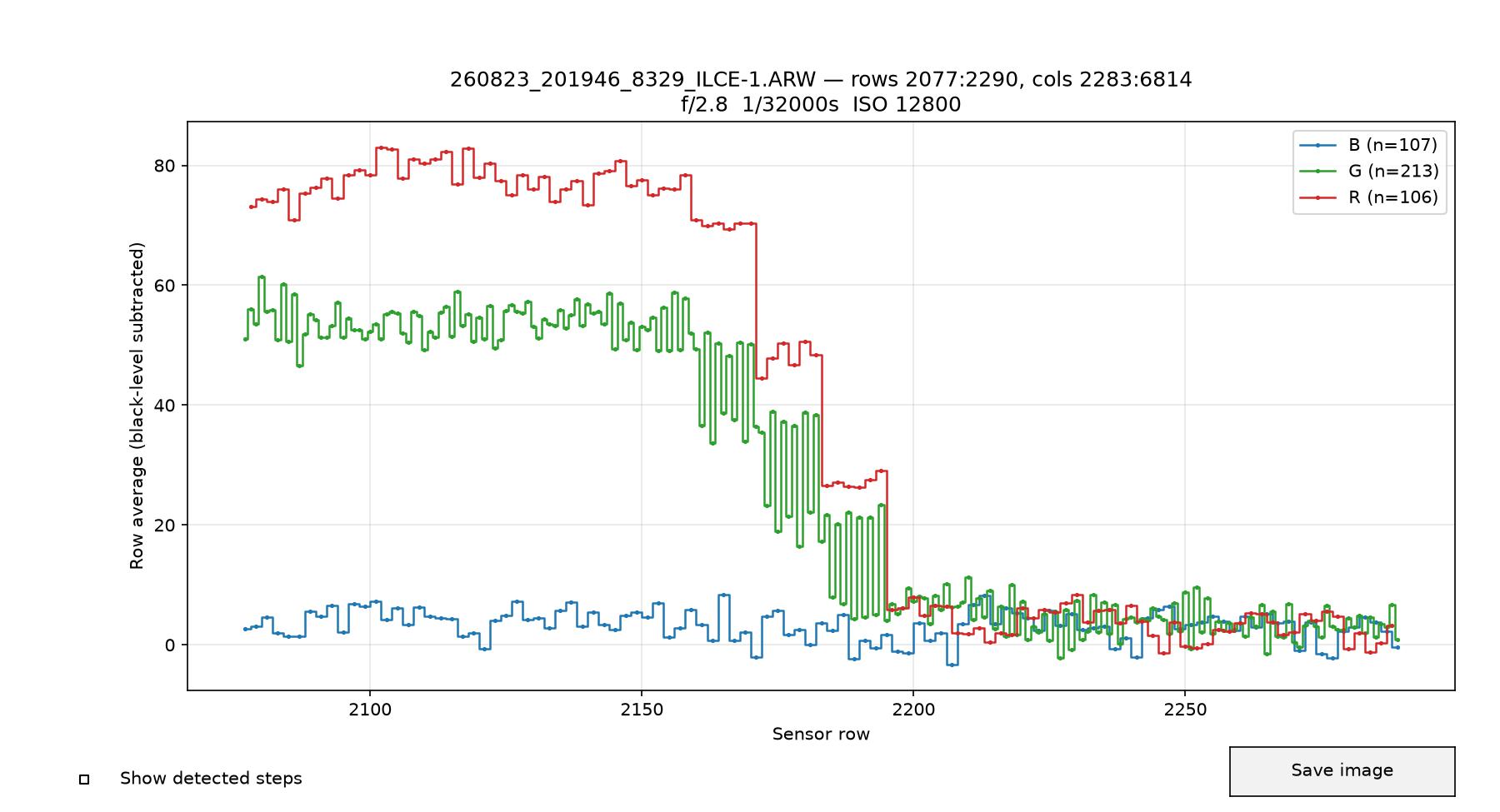
In order to show the bands, I wrote a small program (actually Claude did most of the work but I take all the credit) that takes a section of the RAW image where the LED is transitioning and where the bands show up due to the illumination change as the electronic shutter curtains are traversing the sensor, and it averages along the row the digital response of the red, green and blue pixels in the RAW file. That shows the bands. Below are a couple of examples of the resultant plots that show the bands and allow the width of the bands to be extracted. You need to keep in mind that the red and blue pixels are only present in alternate rows because of the Bayer pattern.
That matches what I'm seeing online from others and my own experience. I just got my A7rVI a bit over a week ago adding to my stable which includes the A1ii and A9iii. Clearly, the changes in this model:
Vastly improved viewfinder .... ie - brightness and color accuracy
Better battery
and what helps that battery - single merged chip for AI and processing using much less power
Compressed HQ - a lossy compression where the lossy-ness is only applied to the low detail areas that won't care
10 easy to access Memory slots for different camera setups (* on the top dial), 10 each for photo, movie, and s and q movie
The dual mode sensor readouts combined in single shots or movies to increase dynamic range (making this great for landscapes and still pretty great for BIF)
These combination of features will now be in each new camera that comes out. I'm very excited to see what's coming in an a1iii and if that's a global shutter, the A9 niche will vanish.
What has surprised me, of course, in the past my A7rV was pretty useless for BIF with the blackout viewfinder making my own tracking hard and the cpu losing AF input as well, is how well the A7rVI does with fast subjects.
I assumed it be pretty useless on humingbirds, but it did fine this week when one showed up with very little wing distortion. In fact it was very dim lighting deep in the woods and it was darting almost randomly to whatever it could find. The a7rvi still picked it right up and locked on the eye easily outperforming that initial acquisition compared to either of my other cameras.
Dragonflys in flight, of course, were still a mess with the even not bad rolling shutter, but they are mess even on my A1ii so no surprise there. All or great on the A9iii.
I guess, what surprises me is how much of how I use my A1ii is actually just fine on the A7rVI or even better than fine. Eyes on great herons clear across the pond where I shoot nearly daily immediately pick up on the eye where neither the A1ii nor A9iii will do so.
As far as refresh rate on the viewfinder when shooting high FPS, I'm not that concerned with it. Simply having it bright enough in bright sunlight birding without having to wear a hat with a visor arleady puts it way over my A1ii or A9iii in my mind.