Voigtlander 35mm f/1.4 Nokton Review
p.1 #1Voigtlander 35mm f/1.4 Nokton Review
|
Pre-order at Cameraquest: Z-mount | RF-mount
Pre-order at B&H Photo: Z-mount | RF-mount
_______
This review is cross-posted on both the Nikon and Canon boards, since the Nikon Z and Canon RF versions of the Voigtlander 35mm f/1.4 Nokton share the same optical design, with only minor adjustments made to accommodate the different sensor stack thicknesses between mounts.
Review Quick Links:
- About the lens
- Infinity Resolution and Contrast on Nikon ZF (24MP)
- Field Curvature
- Minimal Focus Distance: Resolution and Contrast
- Distortion
- Sunstar rendering, Flare resistance and Vignetting
- Rendering
- Chromatic aberration control: Purple Fringing, Axial and Lateral CA
- Flare Resistance
- Final Thoughts
- Samples 1: At various distances and lighting
- Samples 2: Various Subjects and Lighting Conditions
- Samples 3: Various Subjects at Different Distances
- Samples 4: Various Subjects at f/1.4
- Samples 5: Low Light with the Family
Voigtlander 35mm f/1.4 Nokton Z-mount - Intro:
Is the Voigtlander 35mm f/1.4 Nokton Z-mount the perfect match for the Nikon Zf?
 |
||
 |
||
|
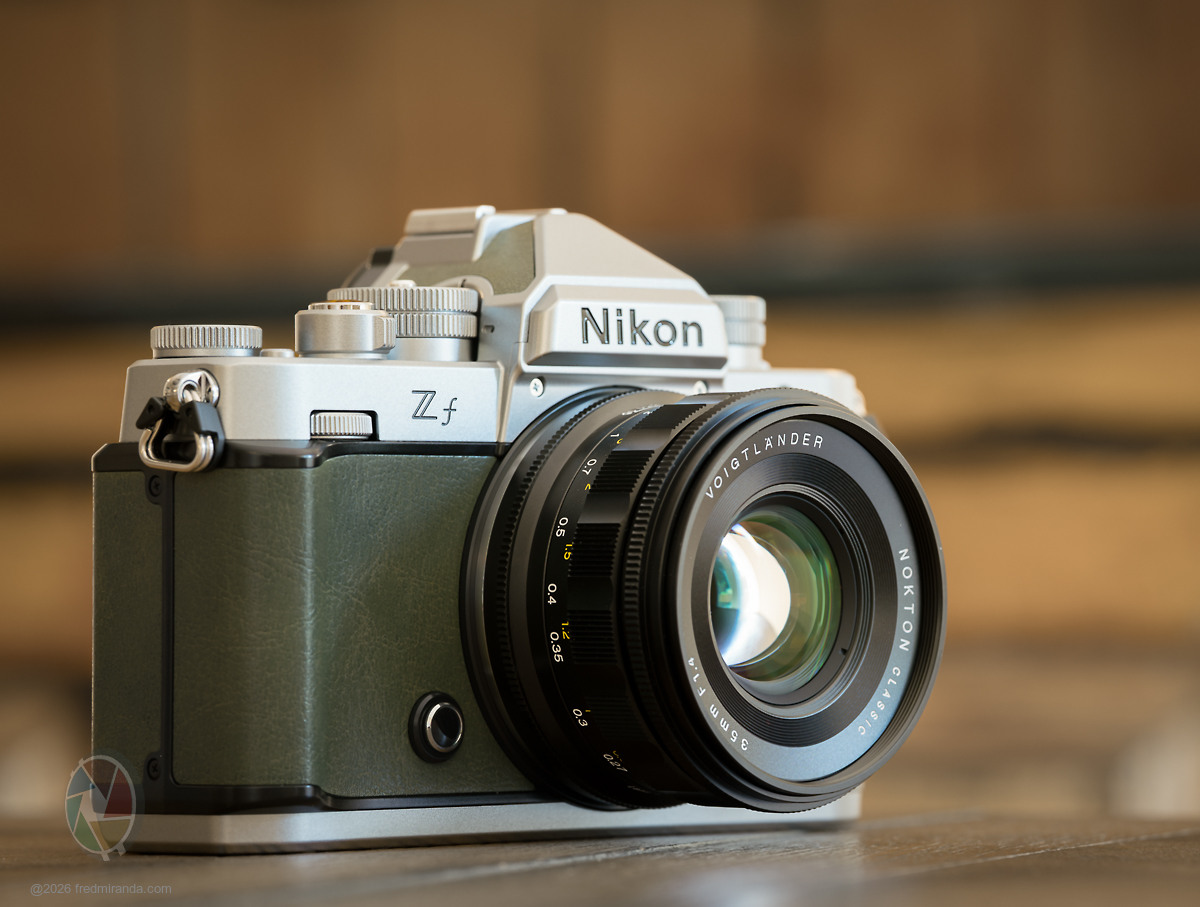
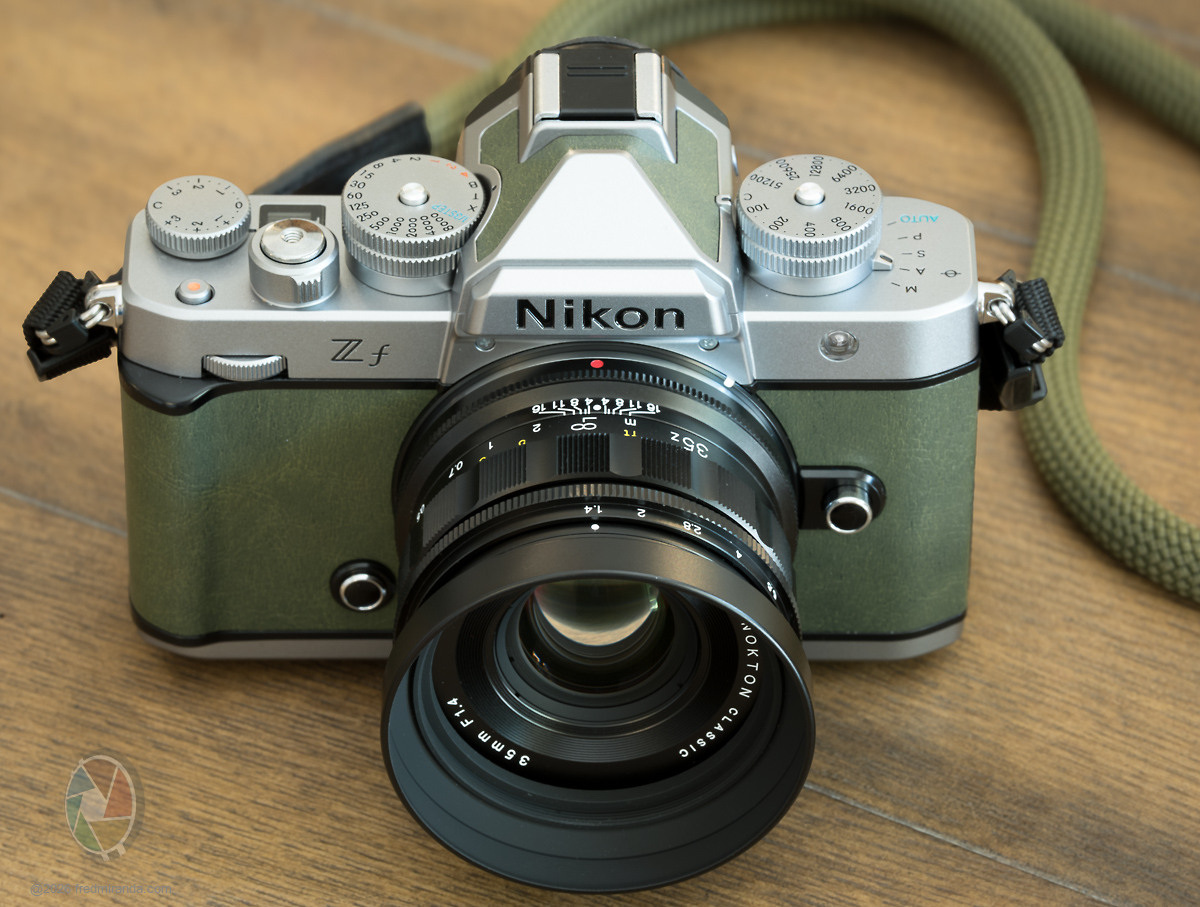
There is a certain kind of lens that doesn't try to win charts, it tries to win you over. This new Voigtlander 35mm f/1.4 Nokton for Nikon Z-mount lands in that camp, and paired with the Nikon Zf and its 24MP sensor, it just feels right.
On paper, it almost reads like a contradiction. A very compact 35mm with a fast f/1.4 aperture, modern electronic contacts, full EXIF support, in-body stabilization compatibility, and even focus confirmation. That's all very 2026. But the moment you start shooting, it is clear this lens is chasing something else entirely. Cosina deliberately leaves some aberrations undercorrected, not because they couldn't fix them, but because they chose not to. The goal isn't clinical perfection. It's character, drawing style, and the way an image feels.
|
||
 |
||
|
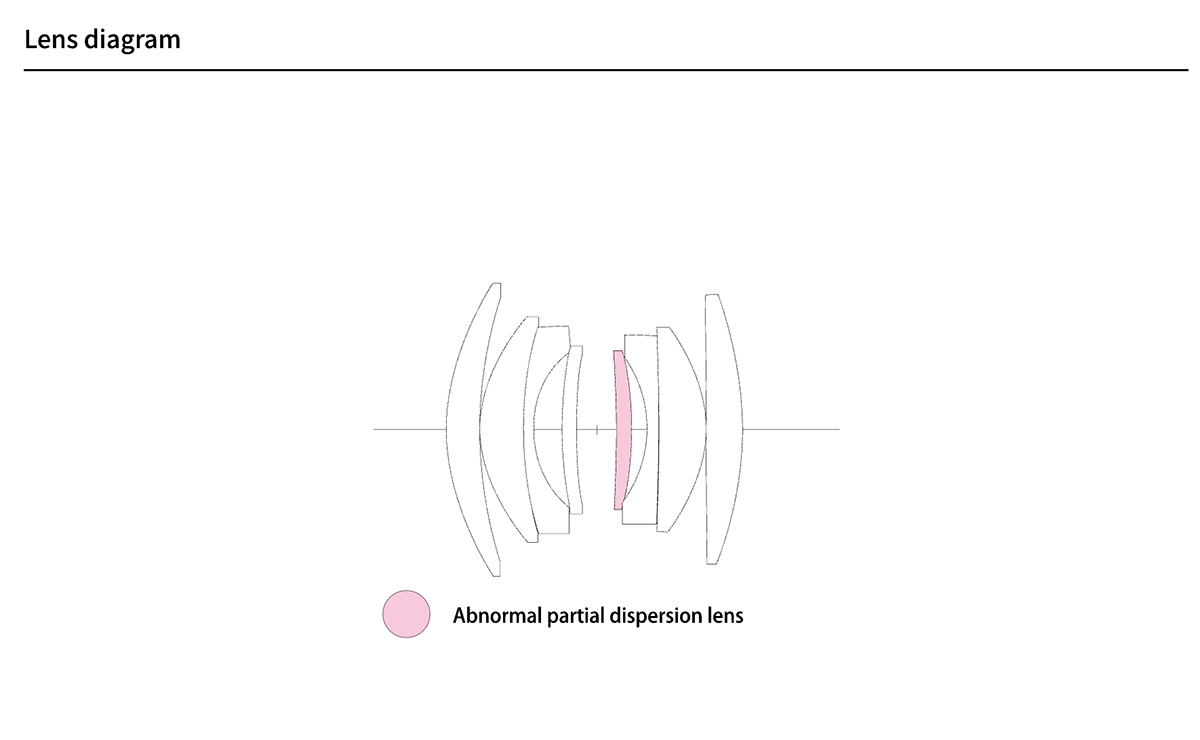
The optical design takes inspiration from a classic symmetrical approach, updated with modern glass and coatings. A high refractive index element was added, taming excessive glow while still delivering that fast aperture look. At its core, this is a double Gauss, near-symmetrical design with 6 groups and 8 elements. Cosina didn't reinvent anything here, they refined a proven formula.
|
||
 |
||
|
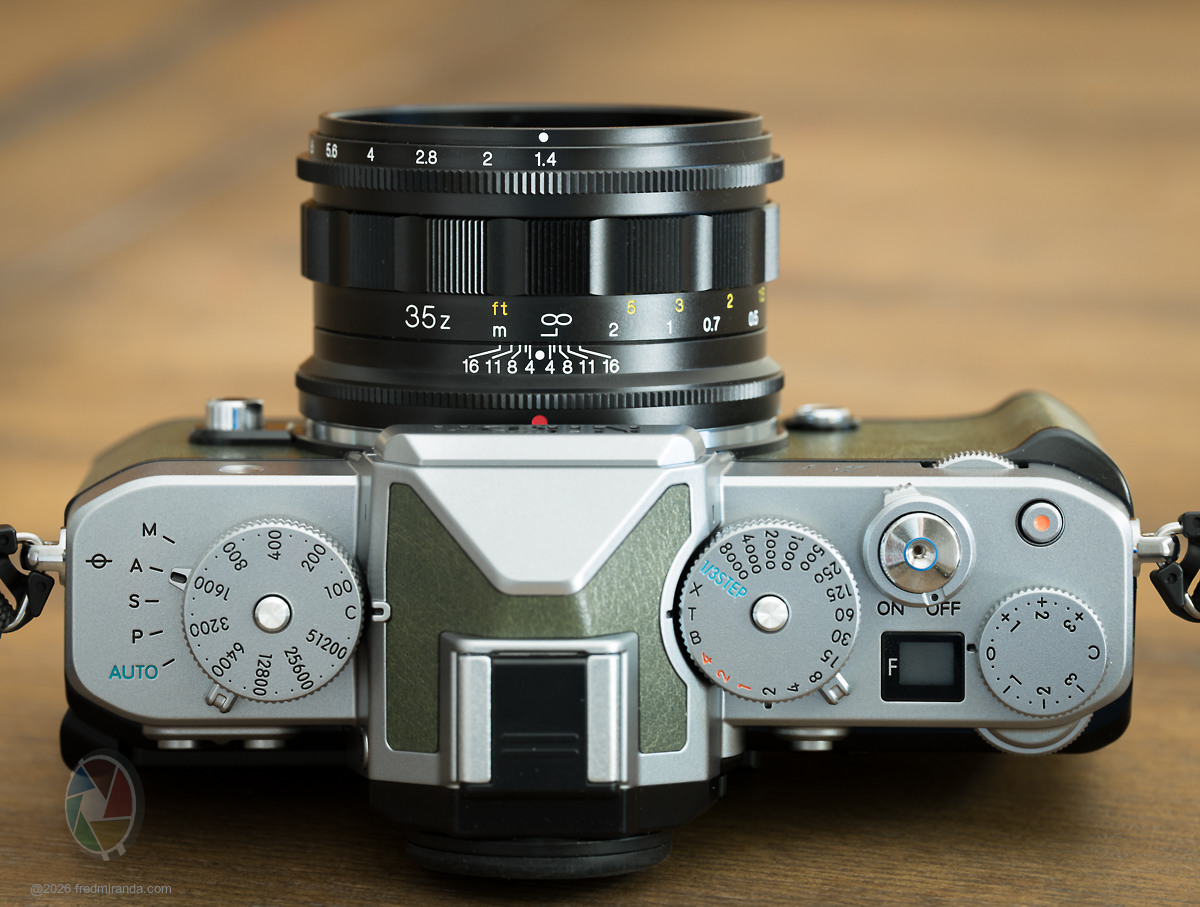
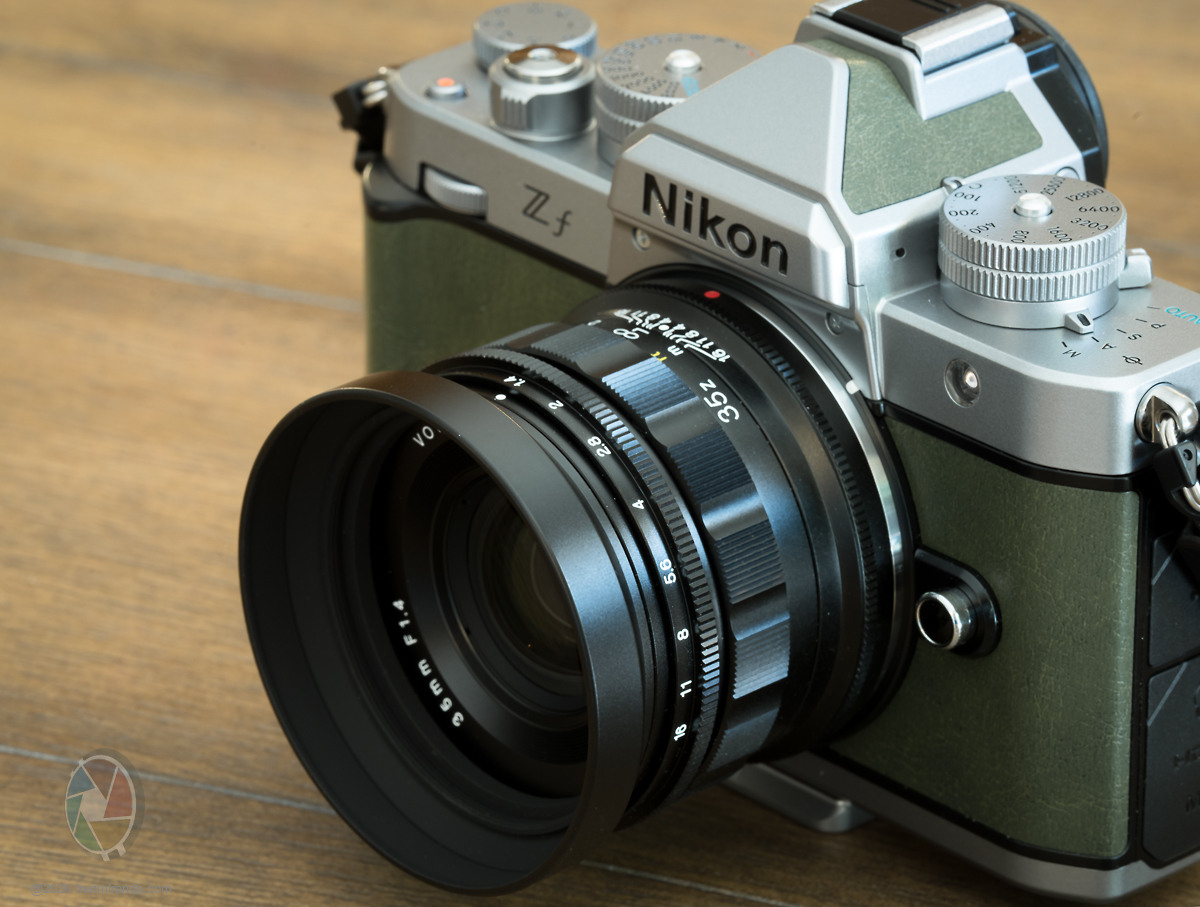
The aperture uses a 10 blade straight design, typical of many Cosina lenses. You won't get perfectly round highlights when stopped down, but you will get well-defined sunstars that a lot of people, myself included, appreciate.
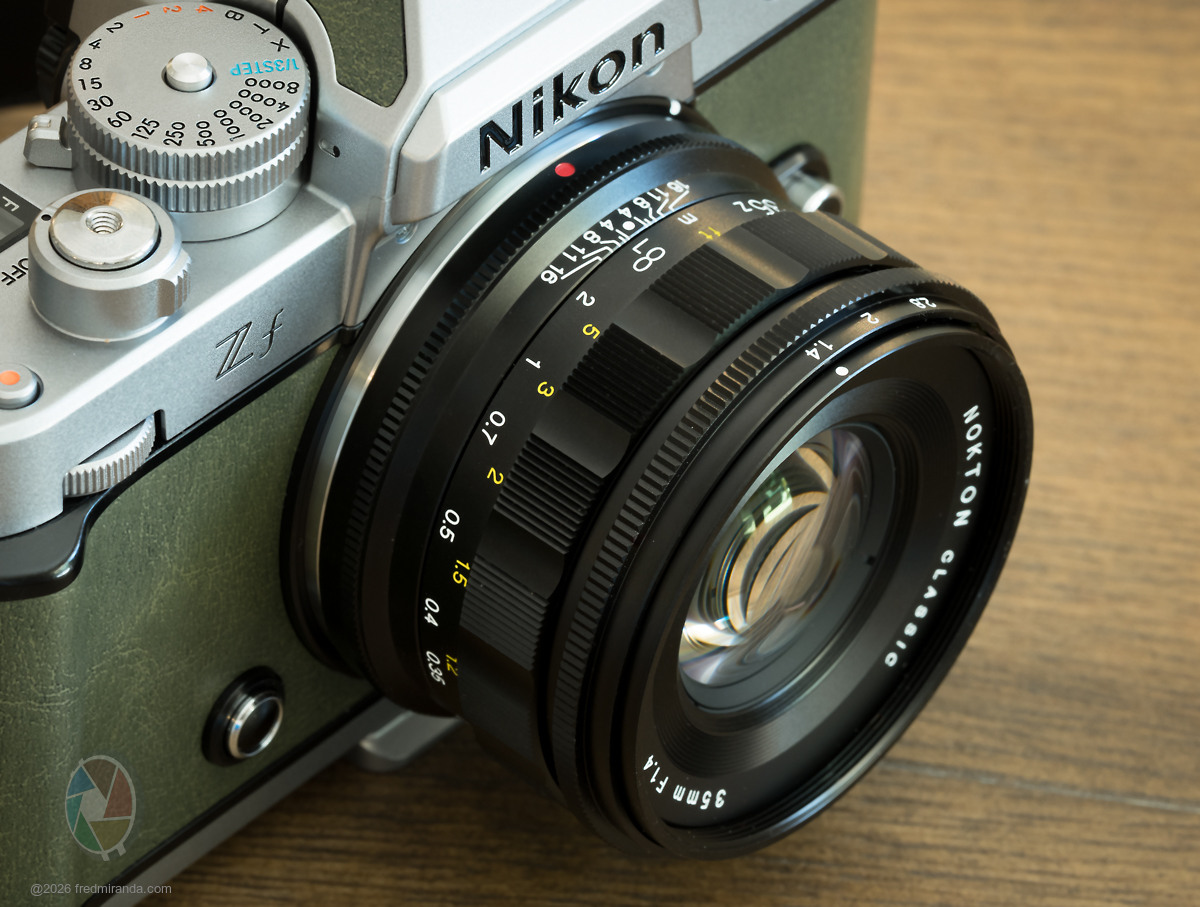
Filter size stays at 58mm, same as the E-mount version. It keeps the lens compact and practical, especially if you already have filters in that size.
|
||
 |
||
|
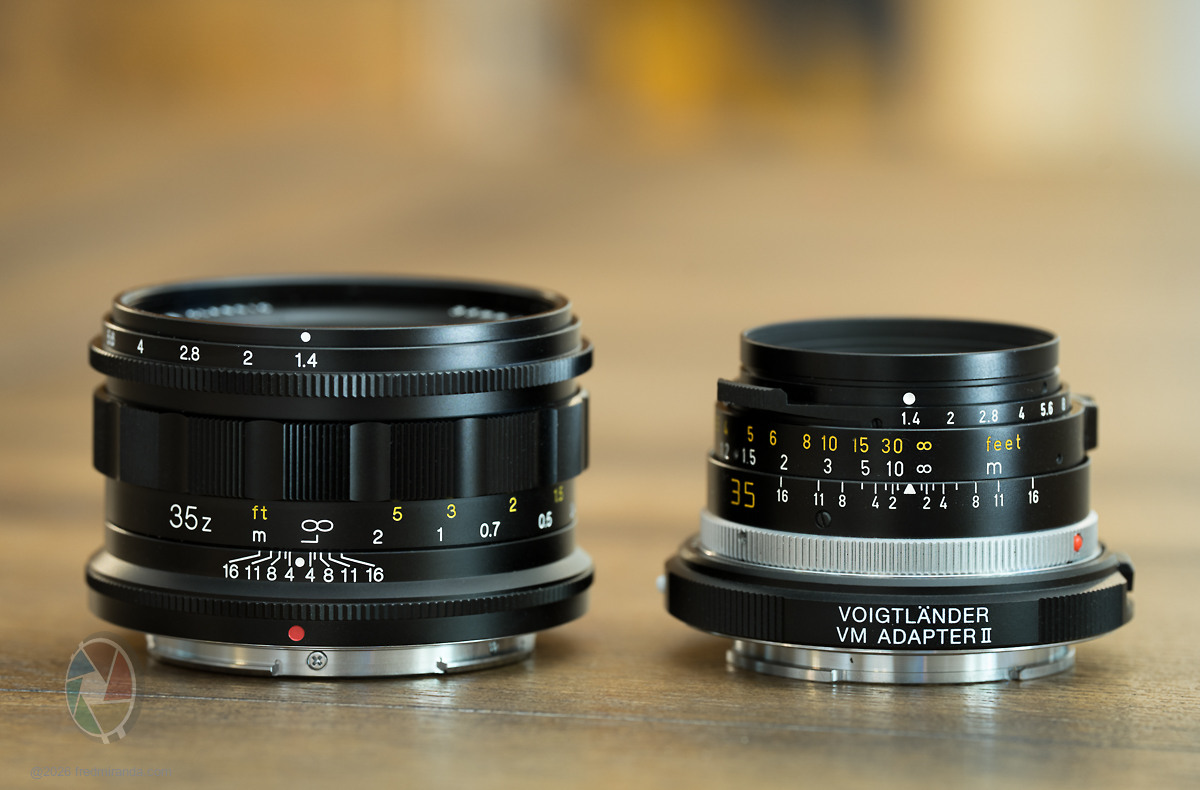
One thing that genuinely surprised me is that Cosina managed to make the Voigtlander 35mm f/1.4 Nokton Z-mount version lighter than the E-mount. The Z version comes in at 248 grams versus 262 grams for E-mount. It is not a big difference in hand, but it goes against the usual trend where lenses get heavier as mounts get larger. Even better, the minimum focus distance is now 0.27m instead of 0.3 meters. It's a small change, but it gives you just a bit more flexibility up close, and in real shooting, that does matter.
|
||
 |
||
|
I've spent a lot of time with the E-mount version over the years, and I know the M-mount version well too. The DNA here clearly traces back to the Leica 35mm f/1.4 Summilux pre-ASPH, one of the most iconic character lenses ever made. That lineage shows. This isn't about corner to corner perfection at f/1.4. It's about how the lens draws, how it transitions, and how it renders a scene in a way that feels intentional rather than a modern optimized look.
|
||
 |
||
|
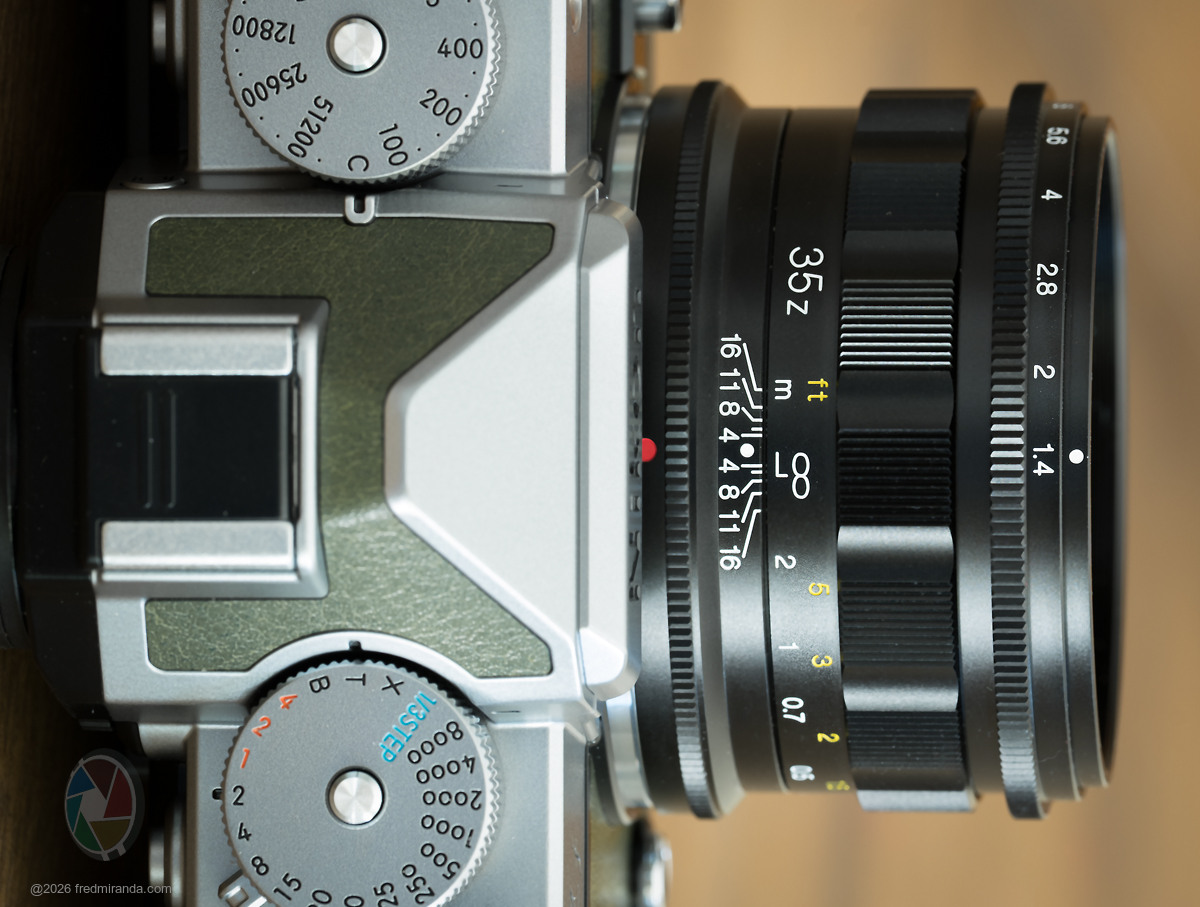
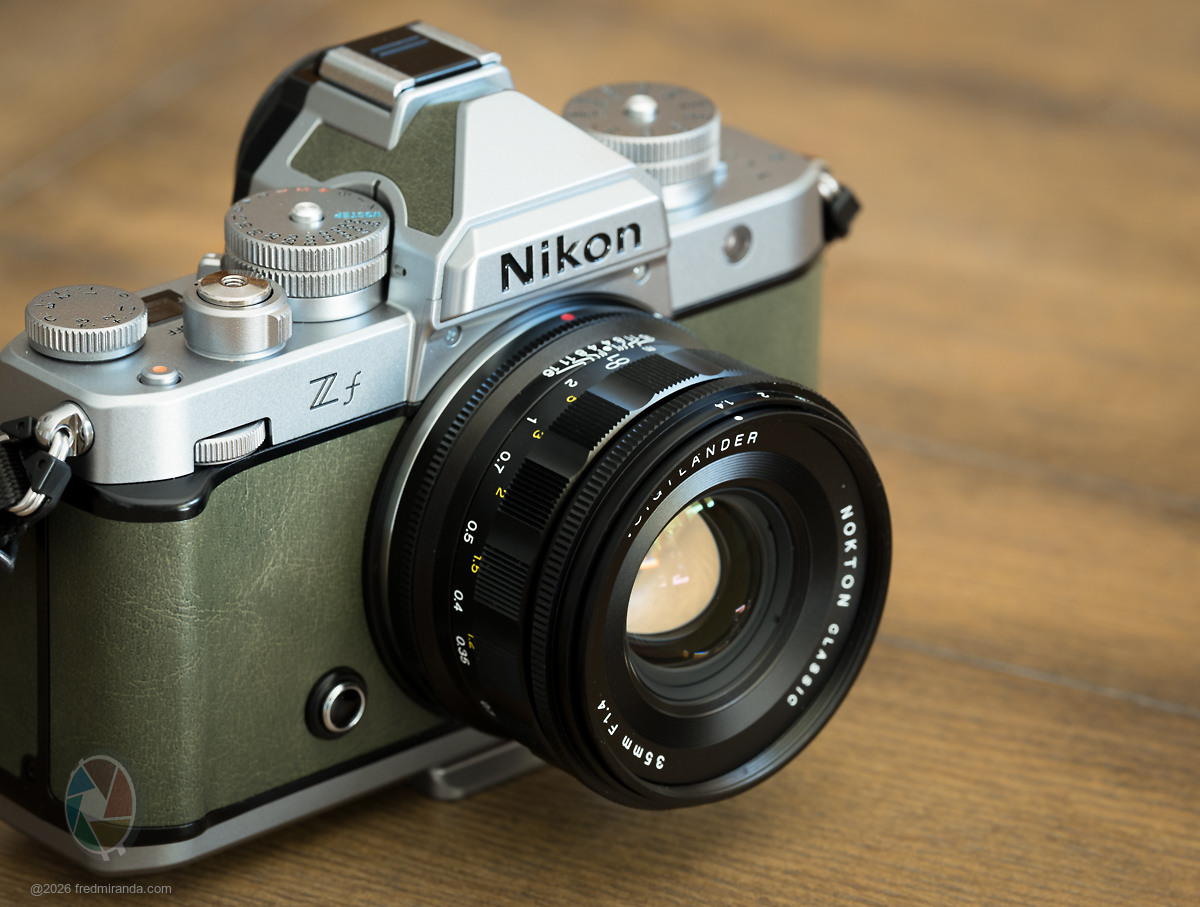
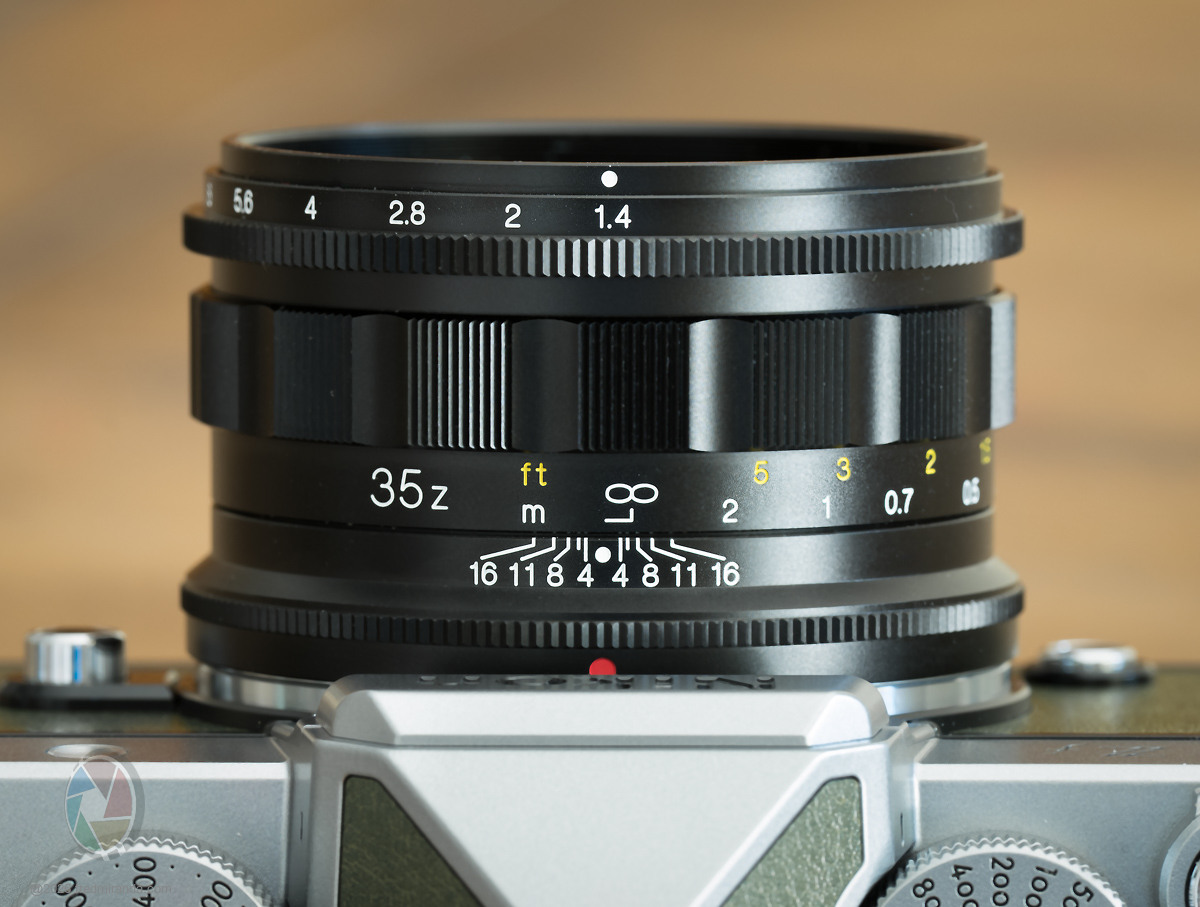
Add in a beautifully machined all metal helicoid with just the right damping and crisp, well-defined aperture clicks, and the shooting experience really comes together. This review copy is perfectly centered.
|
||
 |
||
|
Manual focus here is a pleasure and honestly, one of the things I've been enjoying most using the Nikon system again is the focus confirmation. It changes the whole experience. It almost feels like shooting a rangefinder, except instead of a patch, you get that clean confirmation signal while composing. You stay in the moment, you stay connected to your composition.
In a world chasing speed and sharpness above everything else, this lens goes the other way. That is exactly why it stands out.
|
||
 |
||
|
Voigtlander 35mm f/1.4 Nokton Z-mount Specifications:
- Focal Length: 35mm
- Maximum Aperture: f/1.4
- Minimum Aperture: f/16
- Angle of View: 62.9°
- Minimum Focus Distance: 0.27m
- Magnfication: 1:5.47
- Optical Design: 6 groups 8 elements
- Special Glass: 1 anomalous partial dispersion glass (low dispersion)
- Filter Size: 58mm
- Aperture blades: 10 (straight)
- Dimensions (ø x L): φ67.6×41.6mm
- Weight: 248 grams (measured)
- Hood: Included
|
||
 |
||
|
May 04, 2026 at 02:57 PM
p.1 #2Voigtlander 35mm f/1.4 Nokton Review
Omg help me. That looks and sounds fantastic.
May 04, 2026 at 03:58 PM
RoamingScott
Offline
Activity
[X]
Details
p.1 #3Voigtlander 35mm f/1.4 Nokton Review
newyork wrote:
Omg help me. That looks and sounds fantastic.
Just wait till the sample pics/rendering examples
Omg help me. That looks and sounds fantastic.
Just wait till the sample pics/rendering examples
May 04, 2026 at 04:02 PM
p.1 #4Voigtlander 35mm f/1.4 Nokton Review
Something's funky with the shutter button on those last two images. Looks like an AI boo-boo.
May 04, 2026 at 04:17 PM
p.1 #5Voigtlander 35mm f/1.4 Nokton Review
Think it’ll be bad you’re saying?
RoamingScott wrote:
Just wait till the sample pics/rendering examples
RoamingScott wrote:
newyork wrote
Omg help me. That looks and sounds fantastic. May 04, 2026 at 04:20 PM
p.1 #6Voigtlander 35mm f/1.4 Nokton Review
MikeEvangelist wrote:
Something's funky with the shutter button on those last two images. Looks like an AI boo-boo.
Thanks Mike. It was just a copy-paste dust reduction from another image. Fixed.
Something's funky with the shutter button on those last two images. Looks like an AI boo-boo.
Thanks Mike. It was just a copy-paste dust reduction from another image. Fixed.
May 04, 2026 at 04:55 PM
p.1 #7Voigtlander 35mm f/1.4 Nokton Review
Back to Quick Links
Infinity Resolution and Contrast on Nikon ZF (24MP)
It's easy to get the wrong impression from this lens if you don't separate how it behaves wide open versus stopped down.
Wide open at f/1.4, the Voigtlander 35mm Nokton is not trying to be a high-resolution, high-contrast performer across the frame. Contrast is lower, and fine detail, especially toward the corners, takes a hit. That's mostly due to residual spherical aberration, along with some astigmatism and a bit of field curvature. The center holds up reasonably well, but away from it, things get softer and a bit less defined.
Once you start stopping down, the lens begins to clean up quickly. At f/2 and f/2.8, you can already see a noticeable improvement as spherical aberration gets under control. By f/4, the lens really snaps into place. That's where you see a clear jump in high-frequency detail and contrast across the entire frame, center, mid-zone, and corners. I would call f/4 the sweet spot.
For the corners to fully come together, you will want to be around f/5.6 or f/8. At those apertures, performance is strong and even across the frame. Field curvature also becomes much less of a factor since it's completely masked, which helps give a more consistent result edge to edge.
None of this is surprising when you consider the design. This lens traces back to the classic double Gauss formula used in the Leica 35mm f/1.4 Summilux pre-ASPH, later refined in the Voigtlander 35mm f/1.4 Nokton VM. What we have here is essentially that same Voigtlander design, tweaked for the Nikon sensor stack. So this behavior is expected. If anything, I'd say this Z-mount version performs slightly better in the corners compared to the VM version.
In real use, it comes down to intent. Shoot it wide open and you get a softer, more organic look with rendering many will appreciate. Stop it down to f/2.8 and it sharpens up nicely, and by f/5.6 or f/8 it becomes a very solid performer for landscapes with good consistency across the frame.
 |
||
 |
||
|
|
||
 |
||
|
- Distance: Infinity
- Focus: Center - Best of three shots at maximum magnification
- White Balance: Daylight
- Both lenses are perfectly centered, as verified with my decentering test.
- Software used: Lightroom with FM Default Landscape Sharpening; all other settings are at default.
PS: Vignetting, Chromatic Aberration (CA), and distortion were not corrected either in post-processing or in-camera.
Center Resolution and Contrast
Infinity Resolution and Contrast on Nikon ZF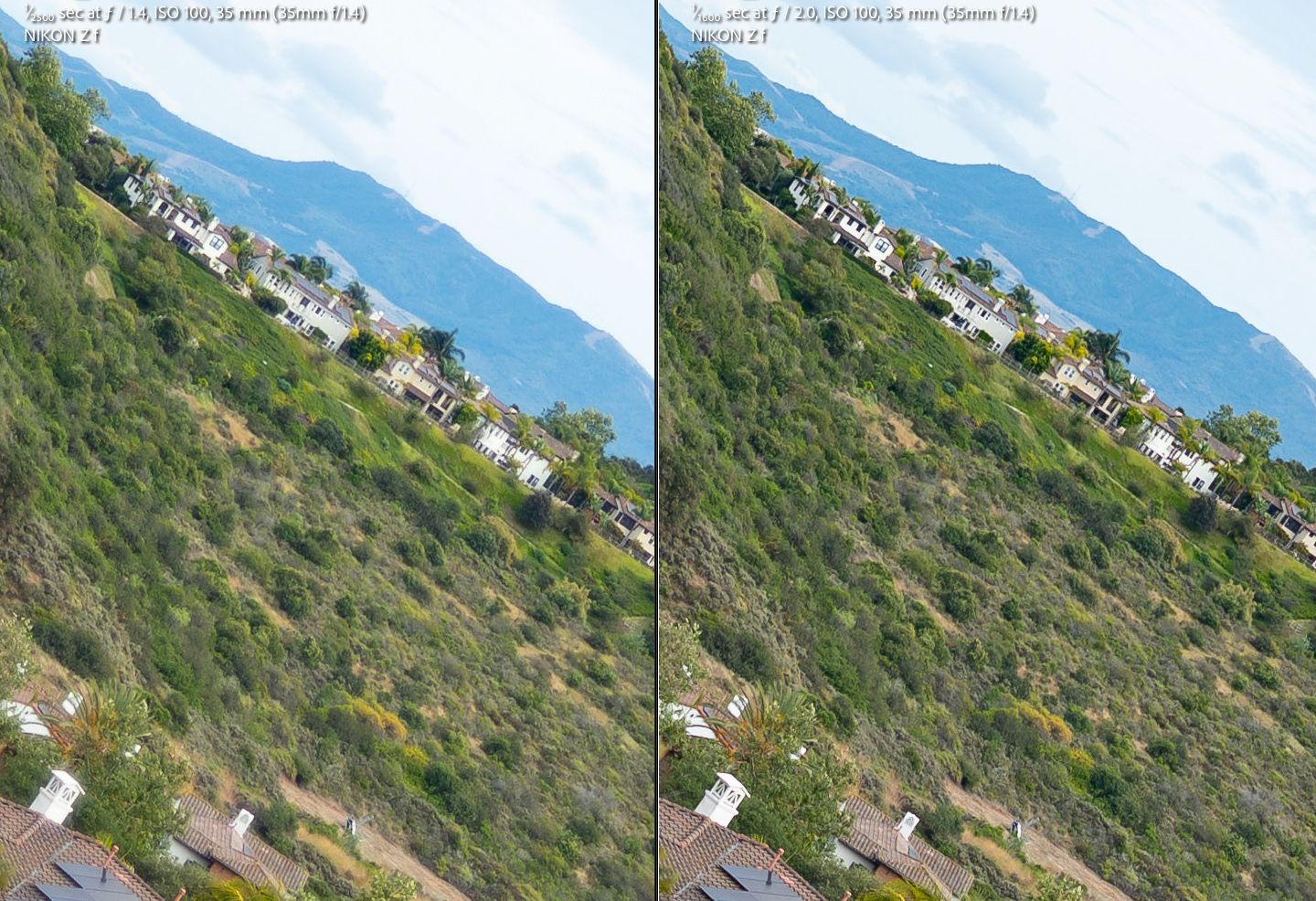
Center: f/1.4 (LEFT) | f/2 (RIGHT)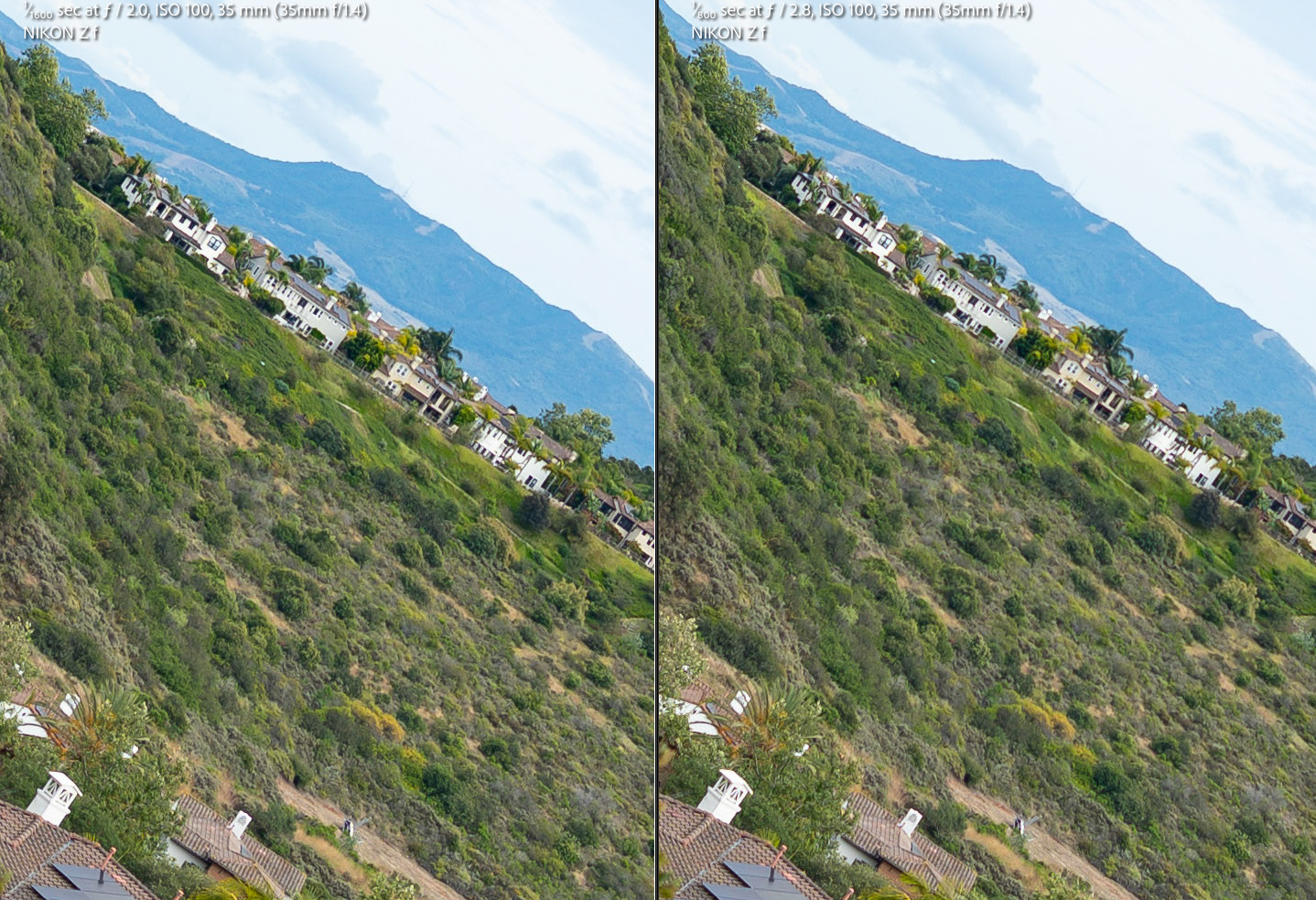
Center: f/2 (LEFT) | f/2.8 (RIGHT)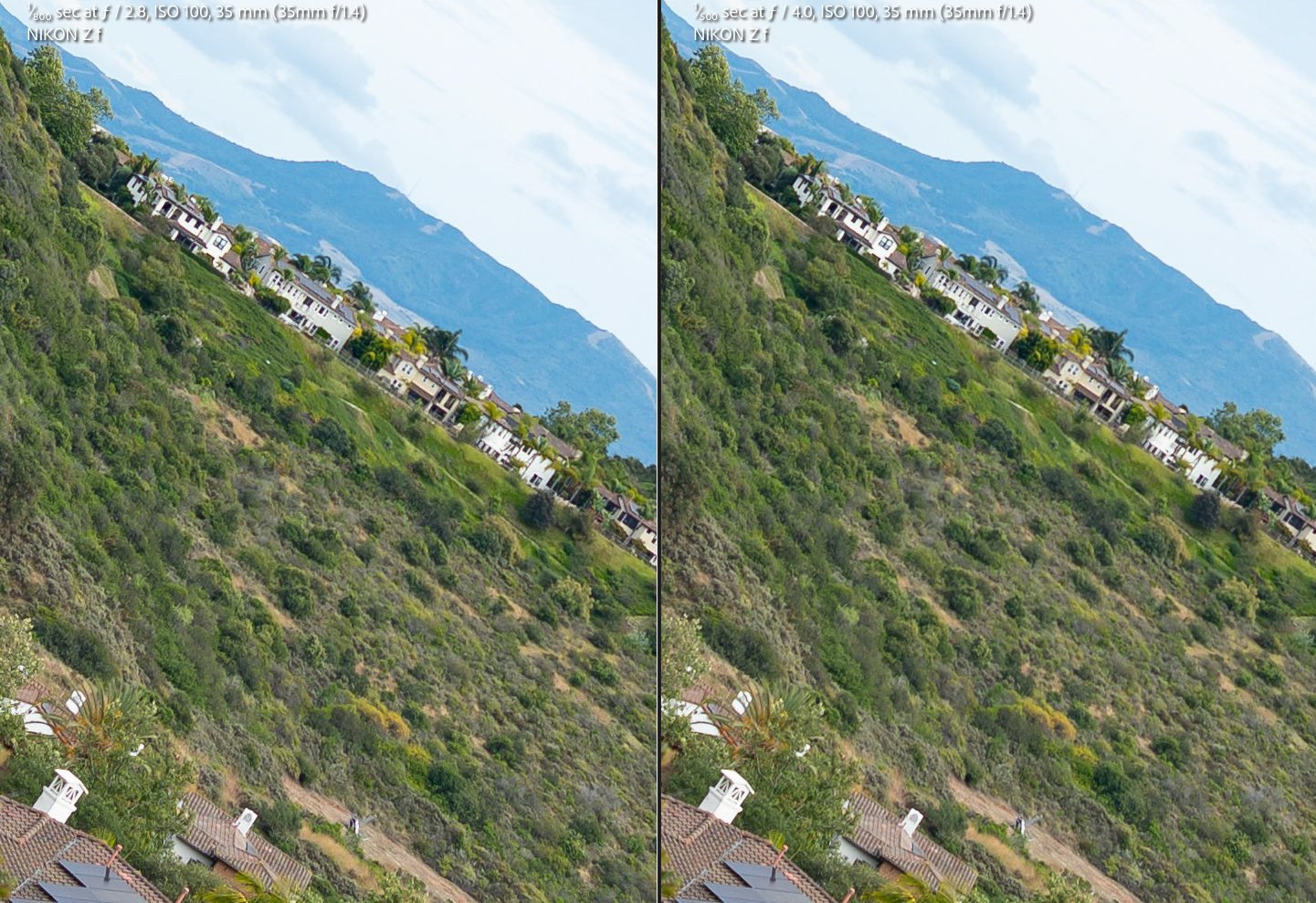
Center: f/2.8 (LEFT) | f/4 (RIGHT)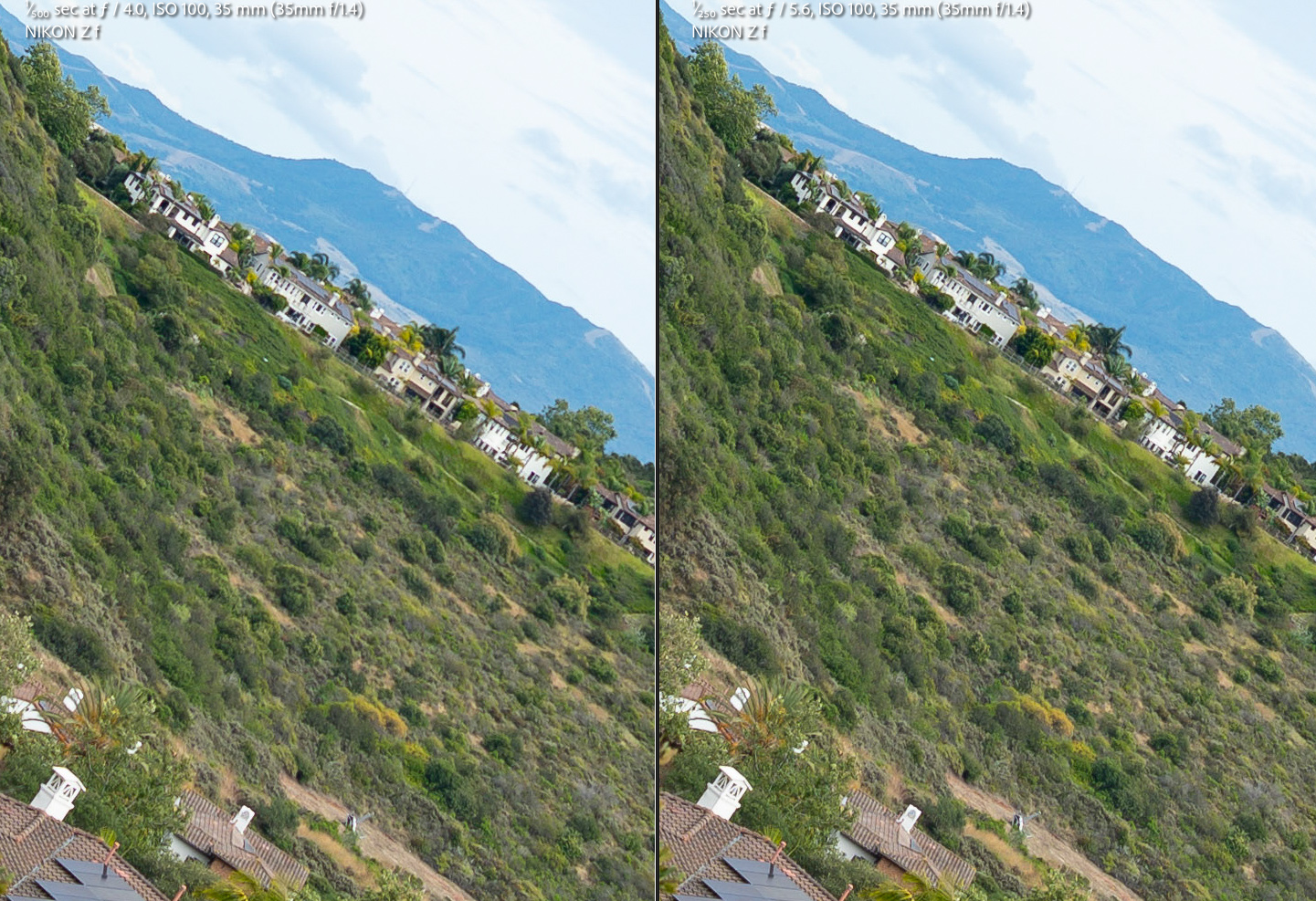
Center: f/4 (LEFT) | f/5.6 (RIGHT)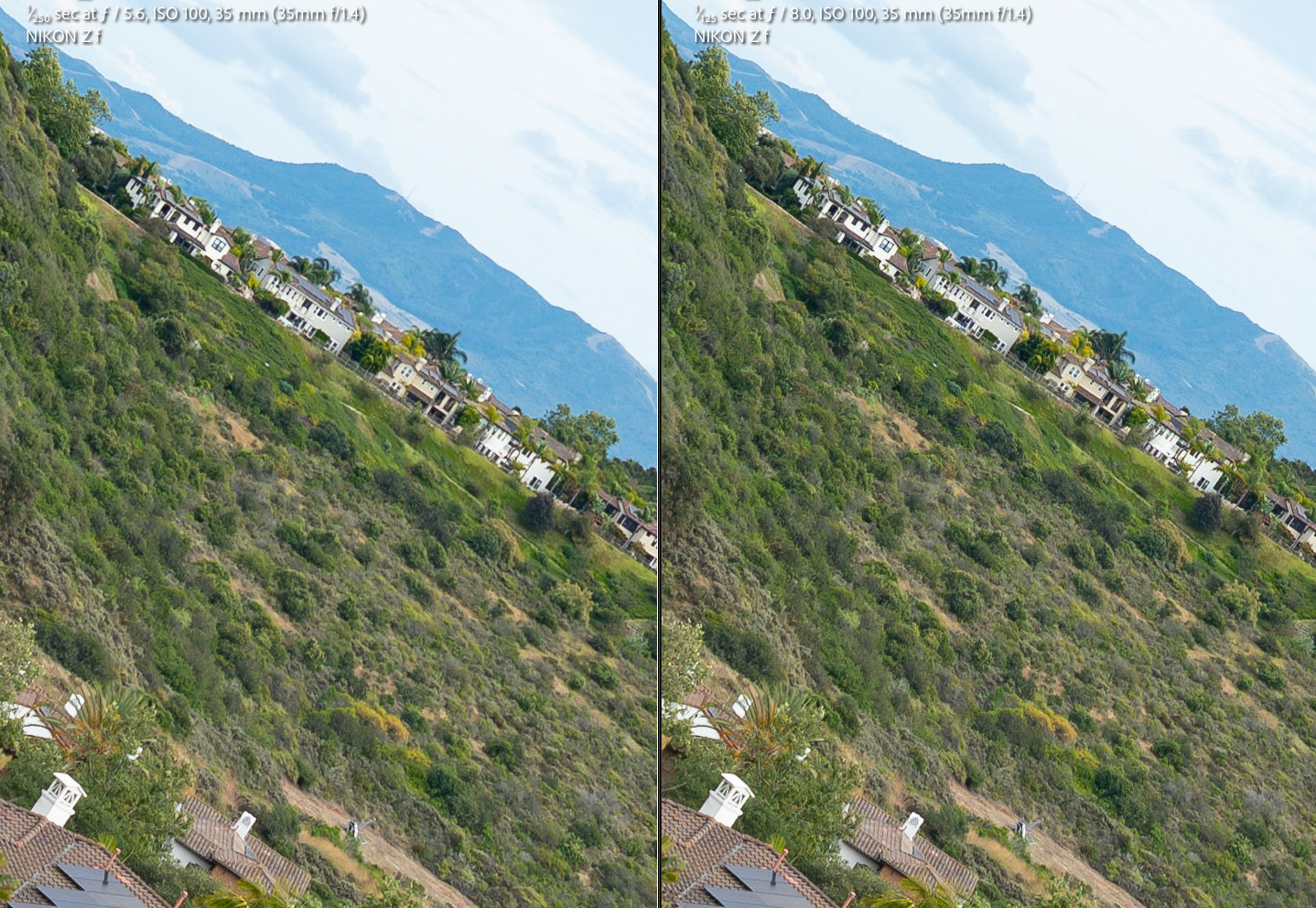
Center: f/5.6 (LEFT) | f/8 (RIGHT)
May 04, 2026 at 05:55 PM
p.1 #8Voigtlander 35mm f/1.4 Nokton Review
Mid-field Resolution and Contrast
Infinity Resolution and Contrast on Nikon ZF
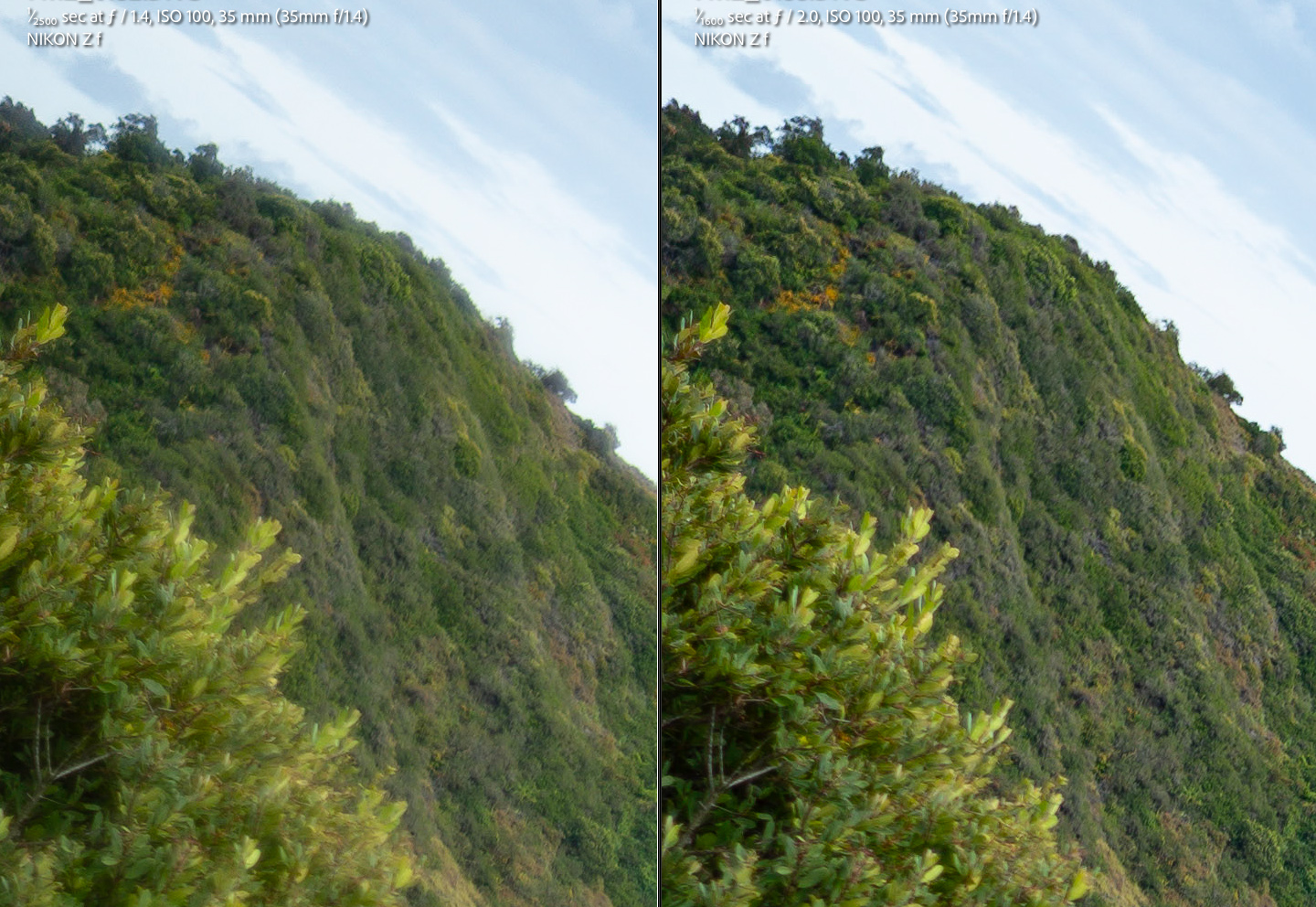
Mid-field: f/1.4 (LEFT) | f/2 (RIGHT)
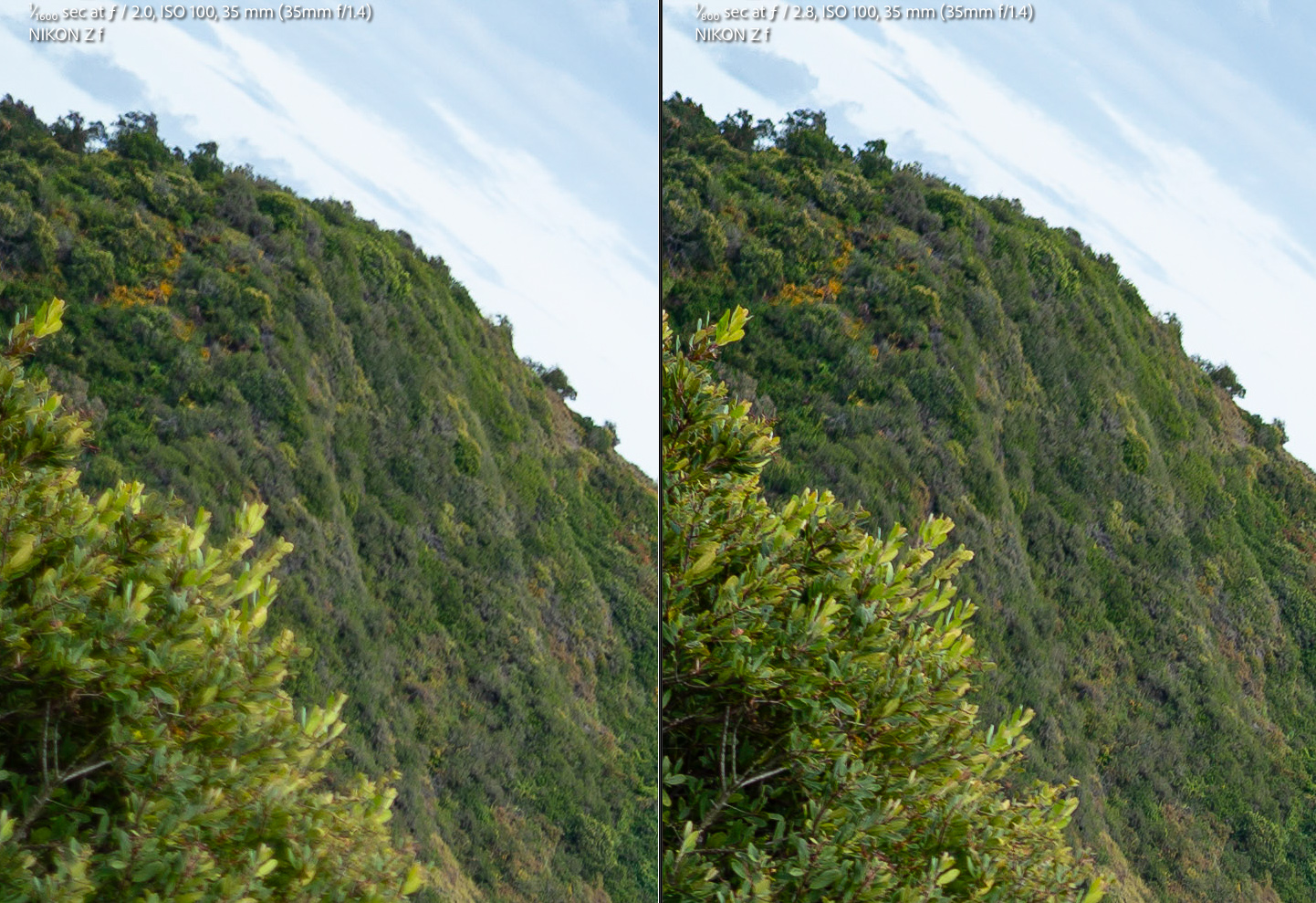
Mid-field: f/2 (LEFT) | f/2.8 (RIGHT)
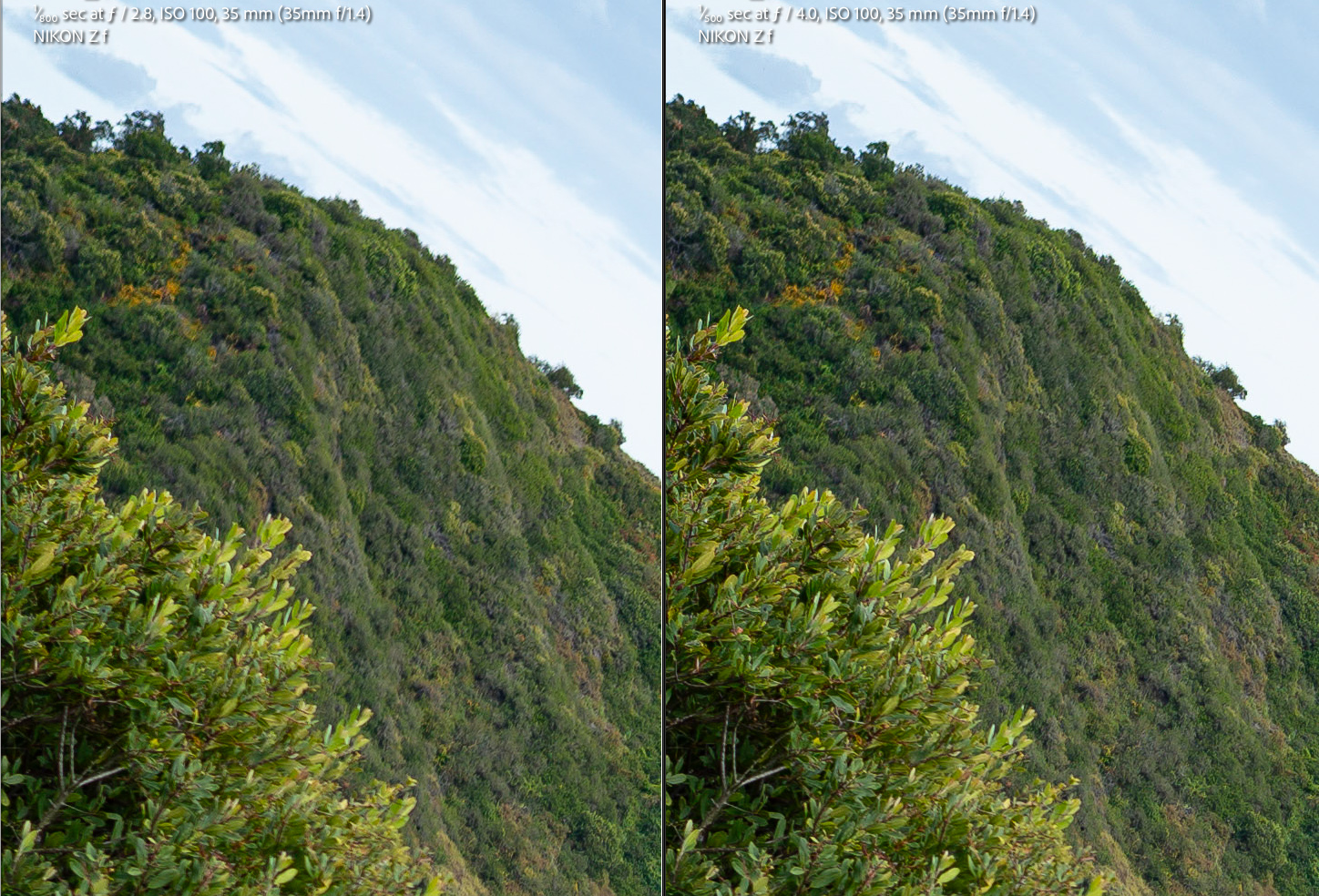
Mid-field: f/2.8 (LEFT) | f/4 (RIGHT)
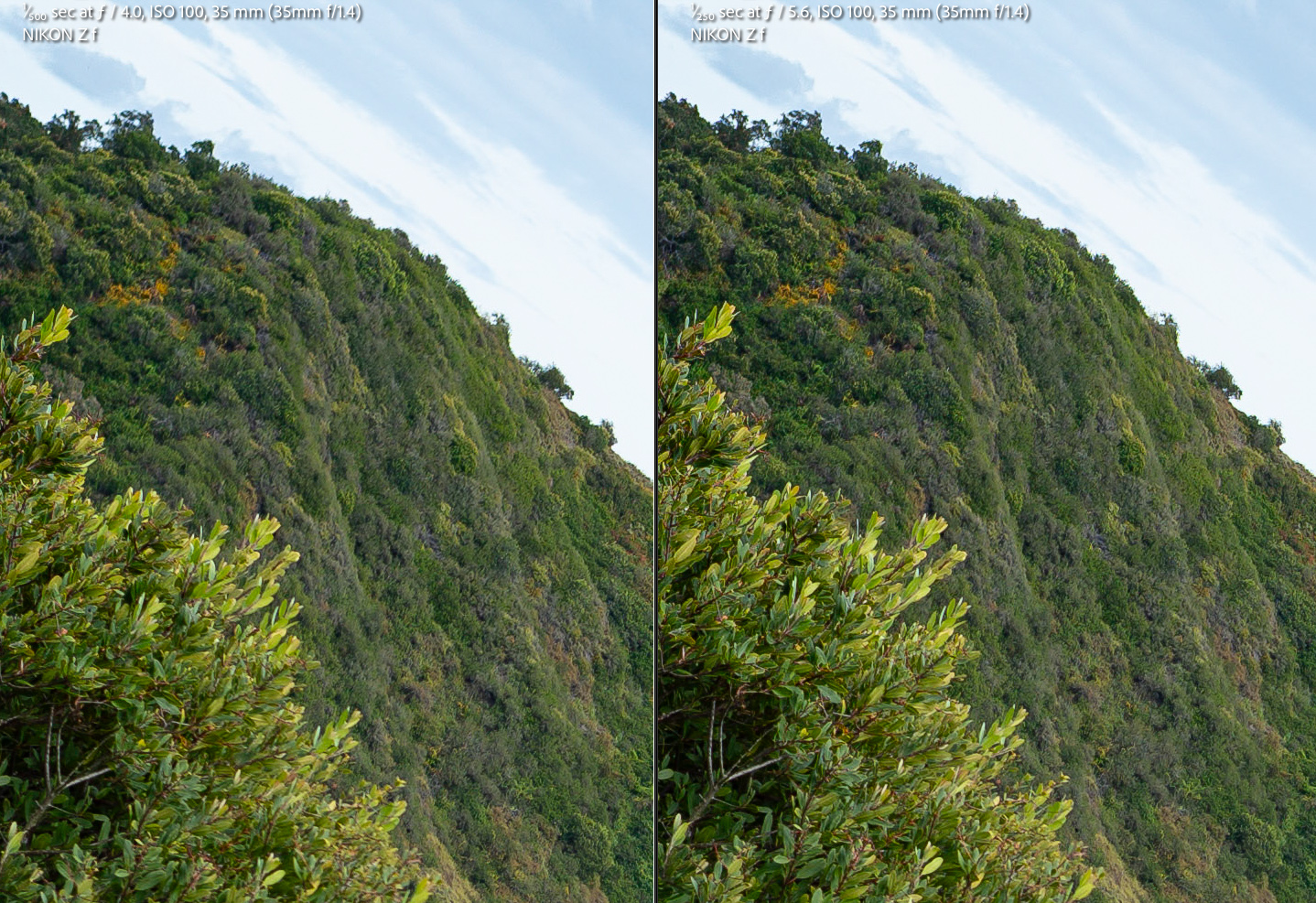
Mid-field: f/4 (LEFT) | f/5.6 (RIGHT)
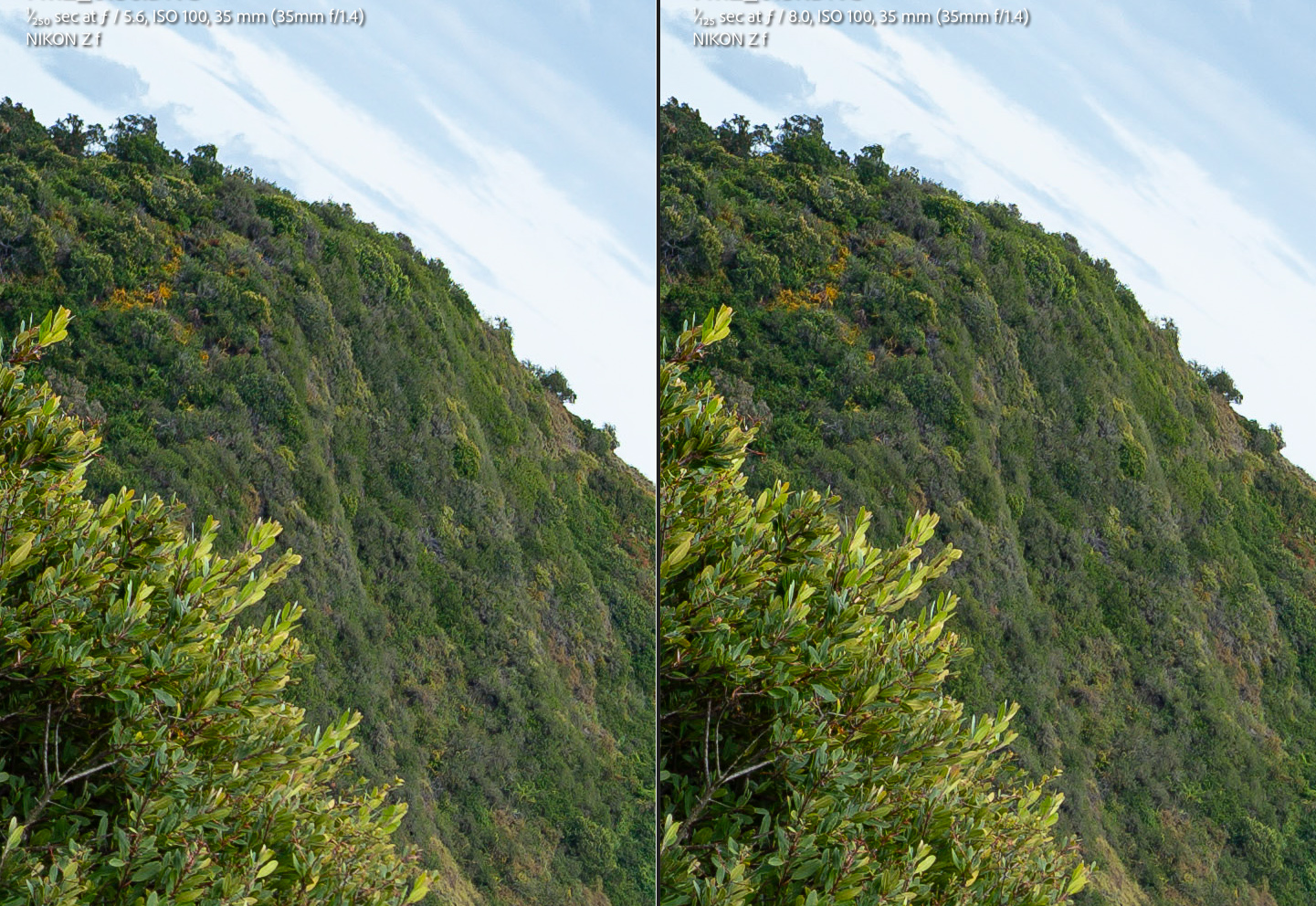
Mid-field: f/5.6 (LEFT) | f/8 (RIGHT)
Infinity Resolution and Contrast on Nikon ZF
Mid-field: f/1.4 (LEFT) | f/2 (RIGHT)
Mid-field: f/2 (LEFT) | f/2.8 (RIGHT)
Mid-field: f/2.8 (LEFT) | f/4 (RIGHT)
Mid-field: f/4 (LEFT) | f/5.6 (RIGHT)
Mid-field: f/5.6 (LEFT) | f/8 (RIGHT)
May 04, 2026 at 05:58 PM
p.1 #9Voigtlander 35mm f/1.4 Nokton Review
Extreme Corner Resolution and Contrast
Infinity Resolution and Contrast on Nikon ZF
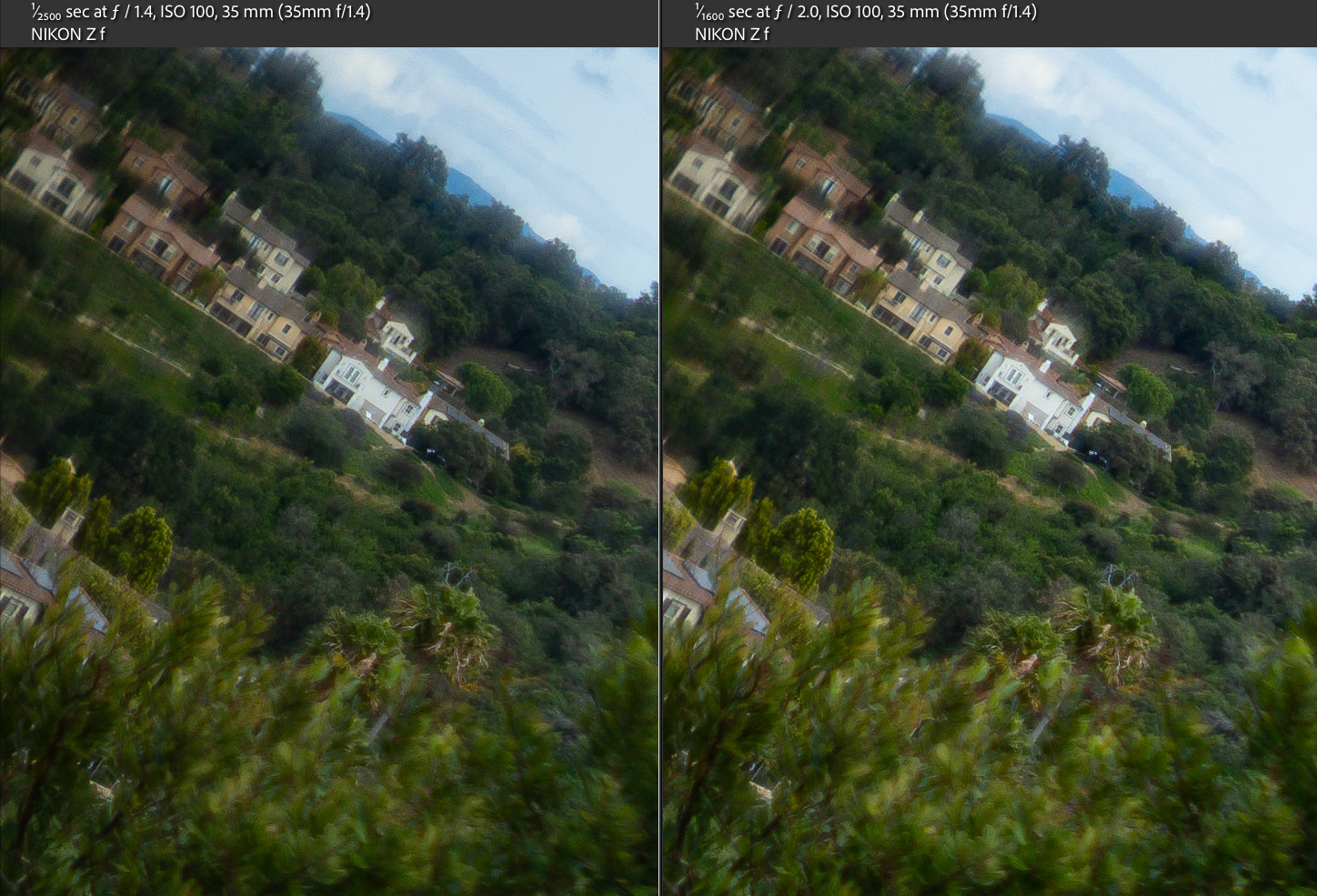
Extreme Corner: f/1.4 (LEFT) | f/2 (RIGHT)
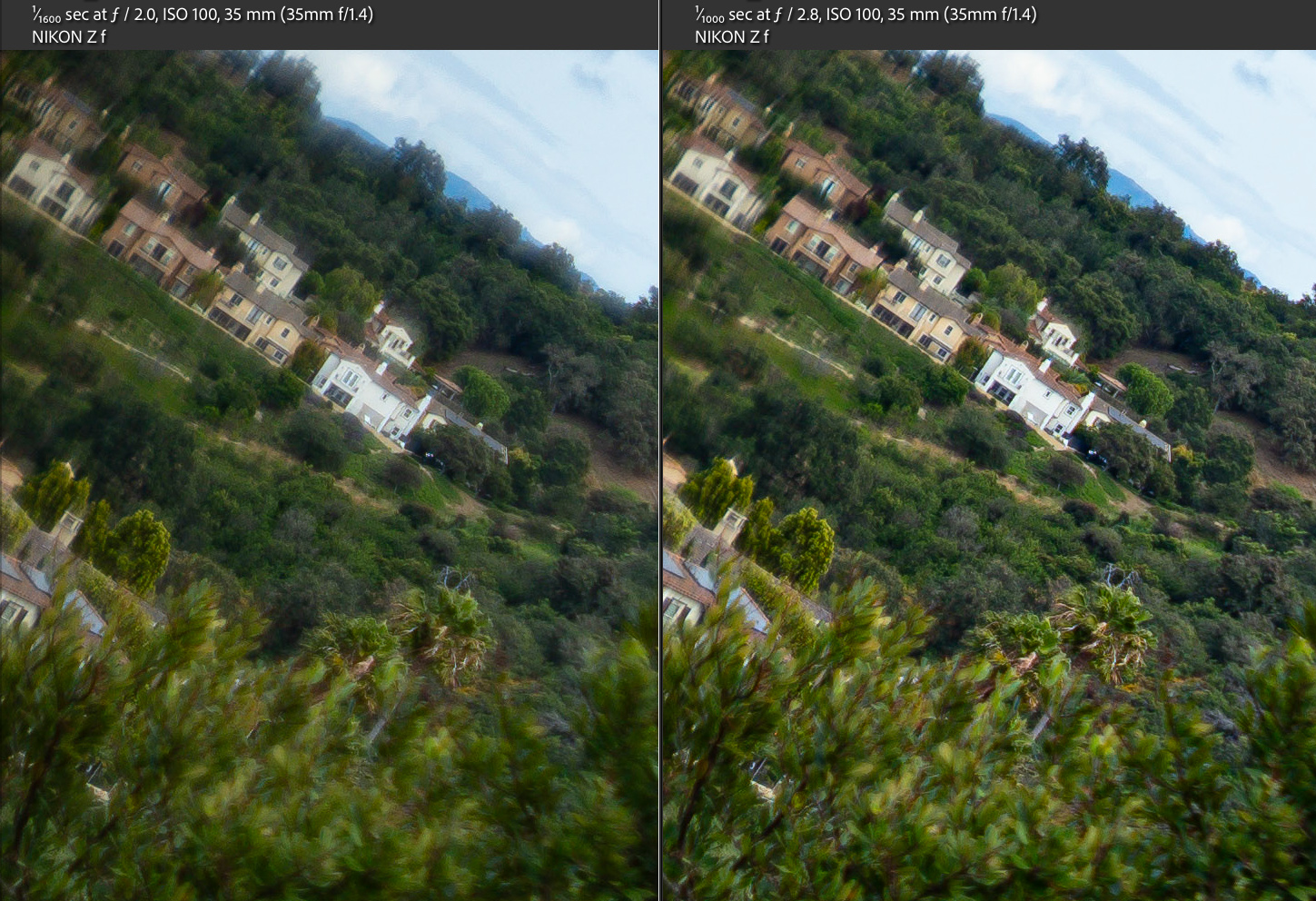
Extreme Corner: f/2 (LEFT) | f/2.8 (RIGHT)
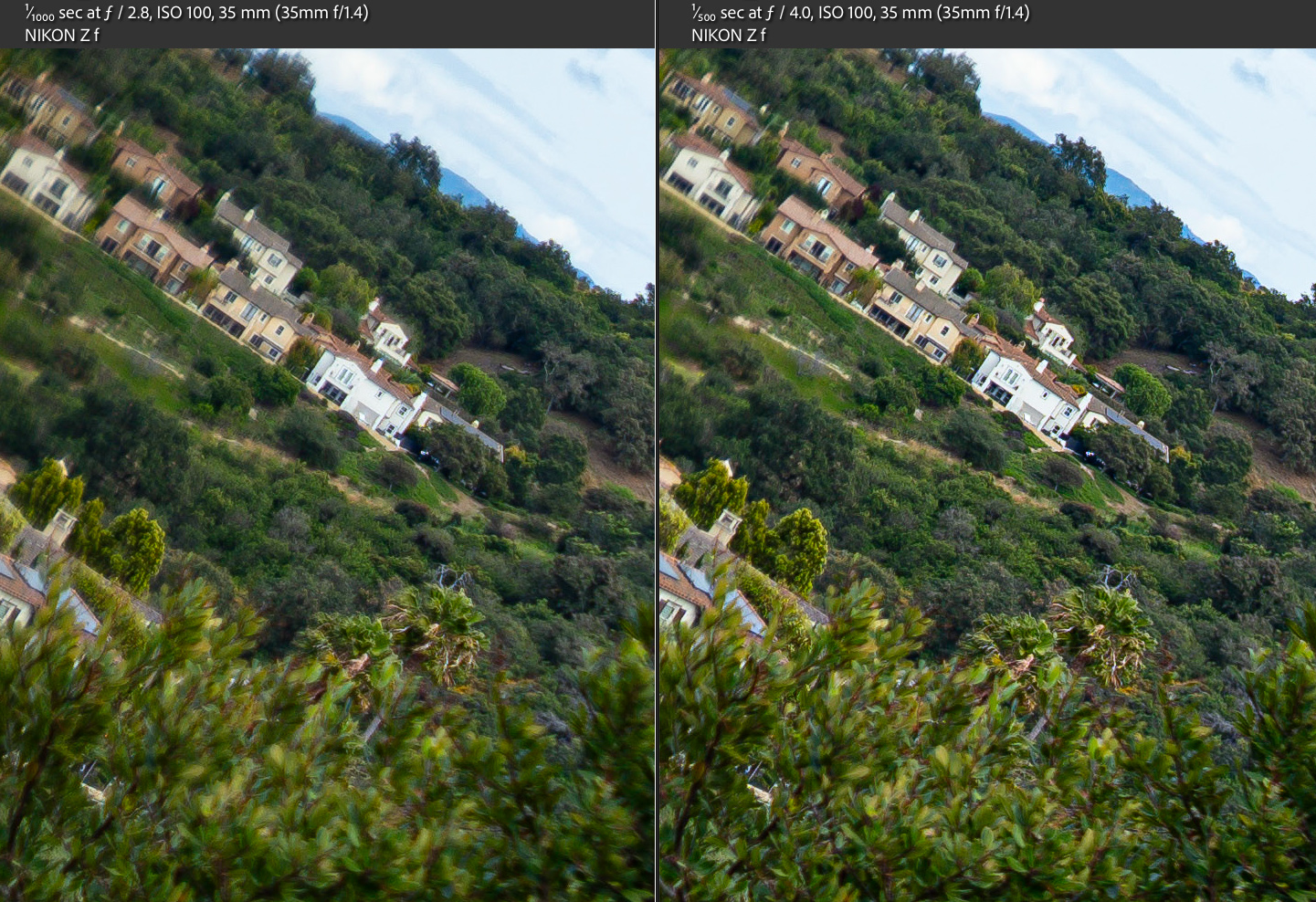
Extreme Corner: f/2.8 (LEFT) | f/4 (RIGHT)
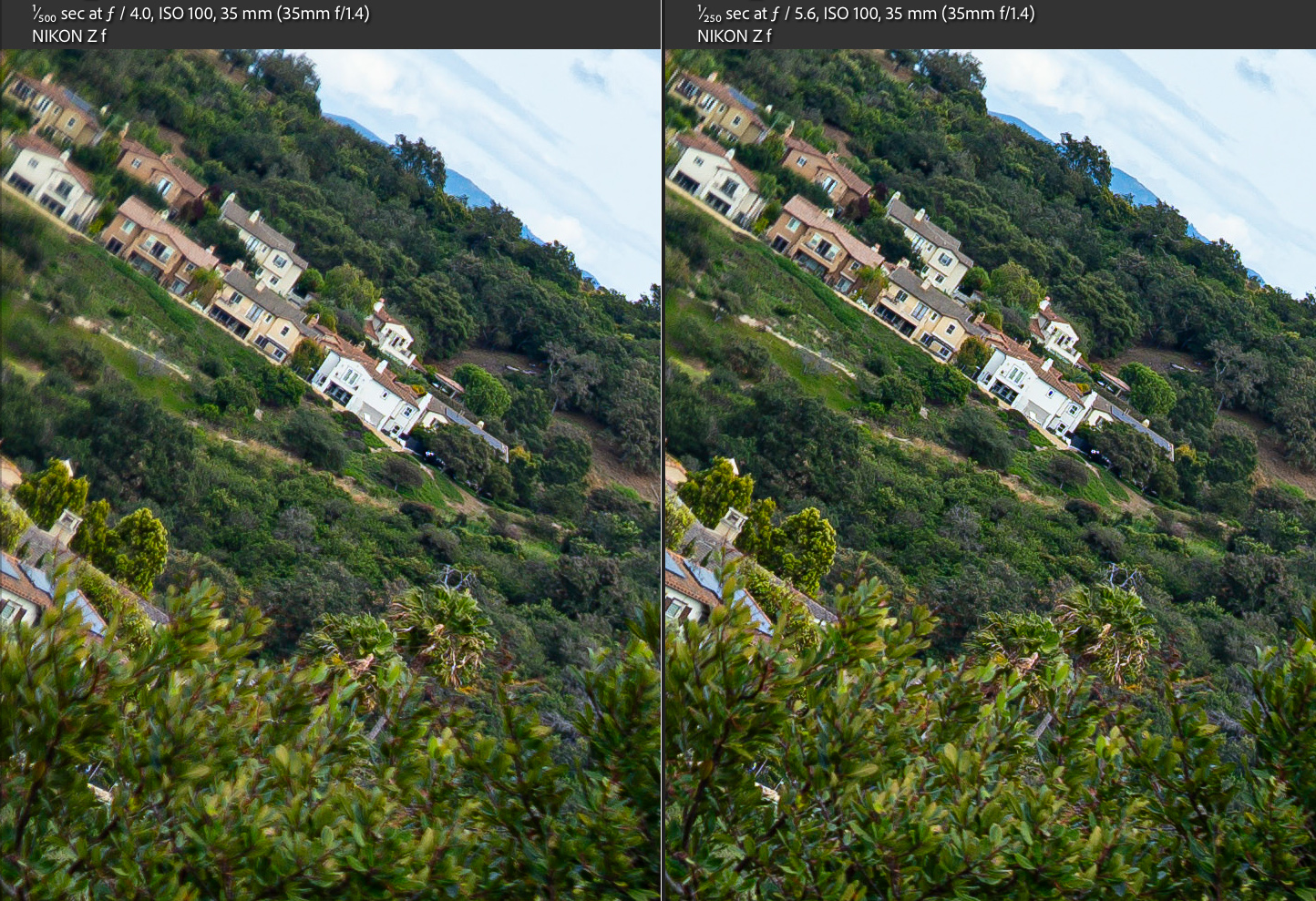
Extreme Corner: f/4 (LEFT) | f/5.6 (RIGHT)
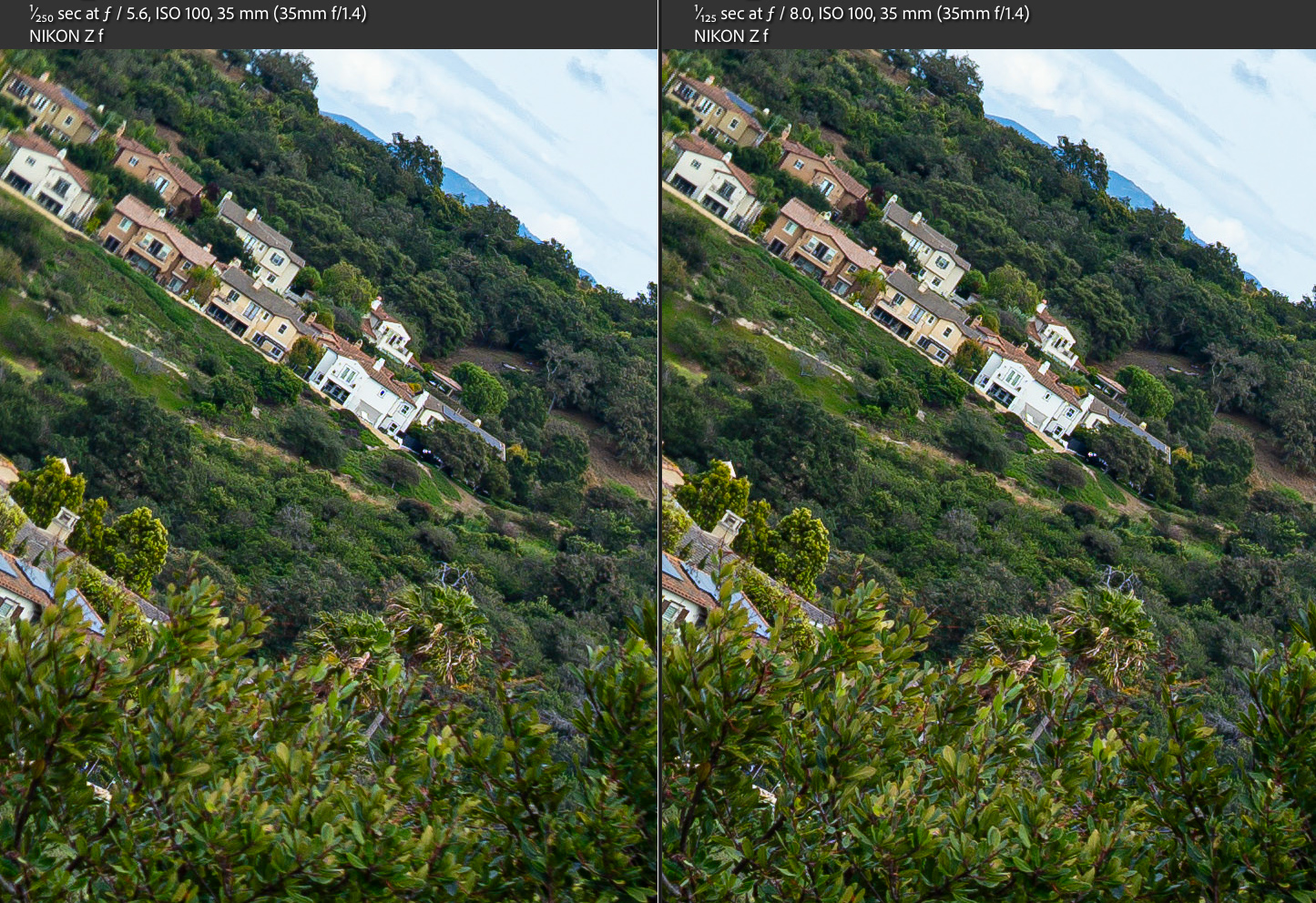
Extreme Corner: f/5.6 (LEFT) | f/8 (RIGHT)
Infinity Resolution and Contrast on Nikon ZF
Extreme Corner: f/1.4 (LEFT) | f/2 (RIGHT)
Extreme Corner: f/2 (LEFT) | f/2.8 (RIGHT)
Extreme Corner: f/2.8 (LEFT) | f/4 (RIGHT)
Extreme Corner: f/4 (LEFT) | f/5.6 (RIGHT)
Extreme Corner: f/5.6 (LEFT) | f/8 (RIGHT)
May 04, 2026 at 05:59 PM
p.1 #10Voigtlander 35mm f/1.4 Nokton Review
FS: Voigtlander 35z APO used once w/box.
May 05, 2026 at 03:49 AM
|
p.1 #11Voigtlander 35mm f/1.4 Nokton Review
This is the lens I have been waiting for to really solidify my ZF as my main camera. I've used it on film leica M for a few years and its rendering remains to be a total sweet spot for me. Really looking forward to your review Fred - I know how magical it can be, and with the focus confirm capability on the ZF I feel there's finally a manual focus system to rival the M-mount rangefinder manual focussing capability.
Interestingly this Z mount iteration seems to be more consistent for sharpness across the frame than what I'm used to from the M-mount version.
Interestingly this Z mount iteration seems to be more consistent for sharpness across the frame than what I'm used to from the M-mount version.
May 05, 2026 at 04:35 AM

p.1 #12Voigtlander 35mm f/1.4 Nokton Review
taildraggin wrote:
FS: Voigtlander 35z APO used once w/box.
Please pay for upload and sell forum privileges and put this message on the Buy and Sell forum. Hopefully you just didn't know that was how to sell things on this site and weren't cheaping out on the very modest buy and sell fees.
FS: Voigtlander 35z APO used once w/box.
Please pay for upload and sell forum privileges and put this message on the Buy and Sell forum. Hopefully you just didn't know that was how to sell things on this site and weren't cheaping out on the very modest buy and sell fees.
May 05, 2026 at 05:25 AM
p.1 #13Voigtlander 35mm f/1.4 Nokton Review
it's a comment. Sorry for the confusion.
(I'll post it in B&S when the 35z Nok is available, which Gandy says will be several months.)
Steve Spencer wrote:
Please pay for upload and sell forum privileges and put this message on the Buy and Sell forum. Hopefully you just didn't know that was how to sell things on this site and weren't cheaping out on the very modest buy and sell fees.
(I'll post it in B&S when the 35z Nok is available, which Gandy says will be several months.)
Steve Spencer wrote:
taildraggin wrote
FS: Voigtlander 35z APO used once w/box.May 05, 2026 at 06:59 AM
p.1 #14Voigtlander 35mm f/1.4 Nokton Review
taildraggin wrote:
FS: Voigtlander 35z APO used once w/box.
I see no reason to swap an excellent lens for a compromise-lens with uncorrected aberrations people call "character" .
This 35 Nokton is smaller and faster for sure. It would be interesting to compare the VM 35/1.4 Nokton on Leica vs the 35/1.4 Z on Zf.
FS: Voigtlander 35z APO used once w/box.
I see no reason to swap an excellent lens for a compromise-lens with uncorrected aberrations people call "character" .
This 35 Nokton is smaller and faster for sure. It would be interesting to compare the VM 35/1.4 Nokton on Leica vs the 35/1.4 Z on Zf.
May 05, 2026 at 09:14 AM
p.1 #15Voigtlander 35mm f/1.4 Nokton Review
Ripolini wrote:
I see no reason to swap an excellent lens for a compromise-lens with uncorrected aberrations people call "character" .
This 35 Nokton is smaller and faster for sure. It would be interesting to compare the VM 35/1.4 Nokton on Leica vs the 35/1.4 Z on Zf.
I agree that a swap does not seem logical, but speaking for myself I can see this Nokton as an addition because it can deliver pictures that the APO can’t. And vice versa. I see myself using this lens wide open or at f2.
taildraggin wrote
FS: Voigtlander 35z APO used once w/box.This 35 Nokton is smaller and faster for sure. It would be interesting to compare the VM 35/1.4 Nokton on Leica vs the 35/1.4 Z on Zf.
I agree that a swap does not seem logical, but speaking for myself I can see this Nokton as an addition because it can deliver pictures that the APO can’t. And vice versa. I see myself using this lens wide open or at f2.
May 05, 2026 at 10:38 AM
p.1 #16Voigtlander 35mm f/1.4 Nokton Review
taildraggin wrote:
it's a comment. Sorry for the confusion.
(I'll post it in B&S when the 35z Nok is available, which Gandy says will be several months.)
Please pay for upload and sell forum privileges and put this message on the Buy and Sell forum. Hopefully you just didn't know that was how to sell things on this site and weren't cheaping out on the very modest buy and sell fees.
I am sorry for not understanding. Not a swap I would make, but it is interesting that people are thinking of doing so.
it's a comment. Sorry for the confusion.
(I'll post it in B&S when the 35z Nok is available, which Gandy says will be several months.)
Steve Spencer wrote
taildraggin wrote
FS: Voigtlander 35z APO used once w/box.I am sorry for not understanding. Not a swap I would make, but it is interesting that people are thinking of doing so.
May 05, 2026 at 10:42 AM
p.1 #17Voigtlander 35mm f/1.4 Nokton Review
In Fred We Trust:
None of this is surprising when you consider the design. This lens traces back to the classic double Gauss formula used in the Leica 35mm f/1.4 Summilux pre-ASPH, later refined in the Voigtlander 35mm f/1.4 Nokton VM. What we have here is essentially that same Voigtlander design, tweaked for the Nikon sensor stack. So this behavior is expected. If anything, I'd say this Z-mount version performs slightly better in the corners compared to the VM version.
...
I've spent a lot of time with the E-mount version over the years, and I know the M-mount version well too. The DNA here clearly traces...Show more →
I don't mean to insult your baby. The APO is wonderful but suits a purpose that isn't mine. What I want is chipped Z Ultron and this gets closer. This one might be good enough.
Better or worse, most of the Noktons are clones of a particular (older or newer) Summilux and the APOs, Summicrons. Two different looks for nearly 70 years.
Ripolini wrote:
I see no reason to swap an excellent lens for a compromise-lens with uncorrected aberrations people call "character" .
This 35 Nokton is smaller and faster for sure. It would be interesting to compare the VM 35/1.4 Nokton on Leica vs the 35/1.4 Z on Zf.
Edited on May 05, 2026 at 11:33 AM · View previous versions
None of this is surprising when you consider the design. This lens traces back to the classic double Gauss formula used in the Leica 35mm f/1.4 Summilux pre-ASPH, later refined in the Voigtlander 35mm f/1.4 Nokton VM. What we have here is essentially that same Voigtlander design, tweaked for the Nikon sensor stack. So this behavior is expected. If anything, I'd say this Z-mount version performs slightly better in the corners compared to the VM version.
...
I've spent a lot of time with the E-mount version over the years, and I know the M-mount version well too. The DNA here clearly traces...Show more →
I don't mean to insult your baby. The APO is wonderful but suits a purpose that isn't mine. What I want is chipped Z Ultron and this gets closer. This one might be good enough.
Better or worse, most of the Noktons are clones of a particular (older or newer) Summilux and the APOs, Summicrons. Two different looks for nearly 70 years.
Ripolini wrote:
taildraggin wrote
FS: Voigtlander 35z APO used once w/box.This 35 Nokton is smaller and faster for sure. It would be interesting to compare the VM 35/1.4 Nokton on Leica vs the 35/1.4 Z on Zf.
Edited on May 05, 2026 at 11:33 AM · View previous versions
May 05, 2026 at 10:43 AM
p.1 #18Voigtlander 35mm f/1.4 Nokton Review
I use 28nok & 50apo&nok. 35 is an experiment, going up the middle. Tried a little adapted 35 Sumaron and found it "tight", but I kinda liked it so I tried the 35APO. The APO is not great living on the Zf all day walking around the city and I don't need NASA satellite IQ. It's probably fine on a modern grip camera. From what is posted here, it looks like the IQ of this one is fine, in a reasonable size for the Zf.
Steve Spencer wrote:
(I'll post it in B&S when the 35z Nok is available, which Gandy says will be several months.)
Please pay for upload and sell forum privileges and put this message on the Buy and Sell forum. Hopefully you just didn't know that was how to sell things on this site and weren't cheaping out on the very modest buy and sell fees.I am sorry for not understanding. Not a swap I would make, but it is interesting that people are thinking of doing so.
Steve Spencer wrote:
taildraggin wrote
it's a comment. Sorry for the confusion.(I'll post it in B&S when the 35z Nok is available, which Gandy says will be several months.)
Steve Spencer wrote
taildraggin wrote
FS: Voigtlander 35z APO used once w/box.May 05, 2026 at 11:17 AM
RoamingScott
Offline
Activity
[X]
Details
p.1 #19Voigtlander 35mm f/1.4 Nokton Review
lol, the SEPTON is the chipped Z Ultron (kinda, but not really) in way more ways than...this...thing.
May 05, 2026 at 11:38 AM
p.1 #20Voigtlander 35mm f/1.4 Nokton Review
Back to Quick Links
Field Curvature
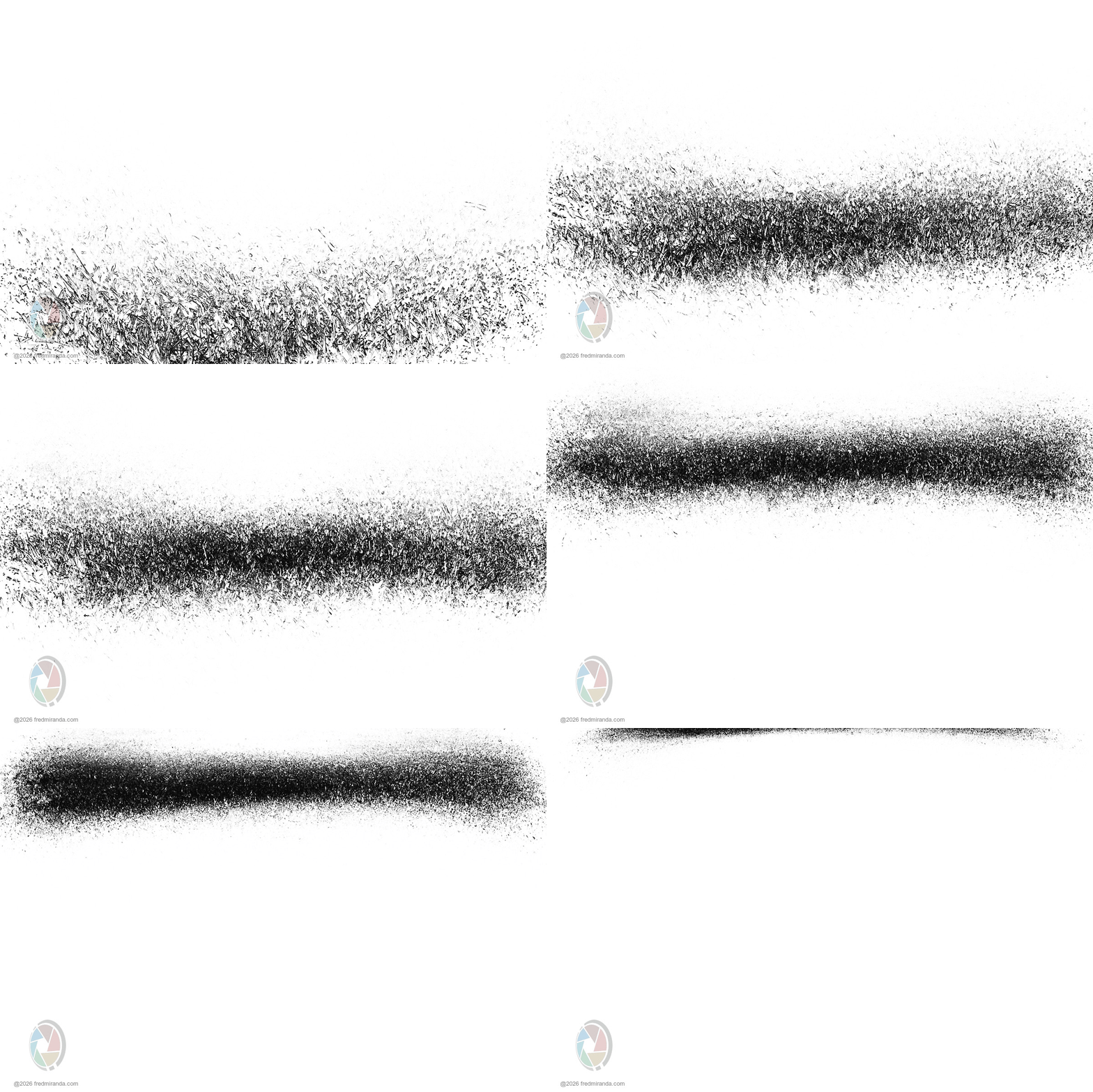
The Voigtlander 35mm f/1.4 Nokton Z-mount behaves very similarly to the original VM version when it comes to field curvature (FC).
Because the FC pattern remains consistent with the M-mount version, this suggests that Cosina adjusted the optical design to account for the Nikon sensor stack thickness while preserving the same rendering characteristics.
As shown in the animation below, the FC changes with focus distance, curving outward up close, flattening at mid distance, and turning inward at longer distances.
The GIF illustrates the focus plane moving from close distance to infinity in several steps. At f/1.4, the depth of field is shallow enough to clearly reveal the shape of the FC at each distance, which makes these transitions easy to see.
|
||
 |
||
|
May 05, 2026 at 11:57 AM