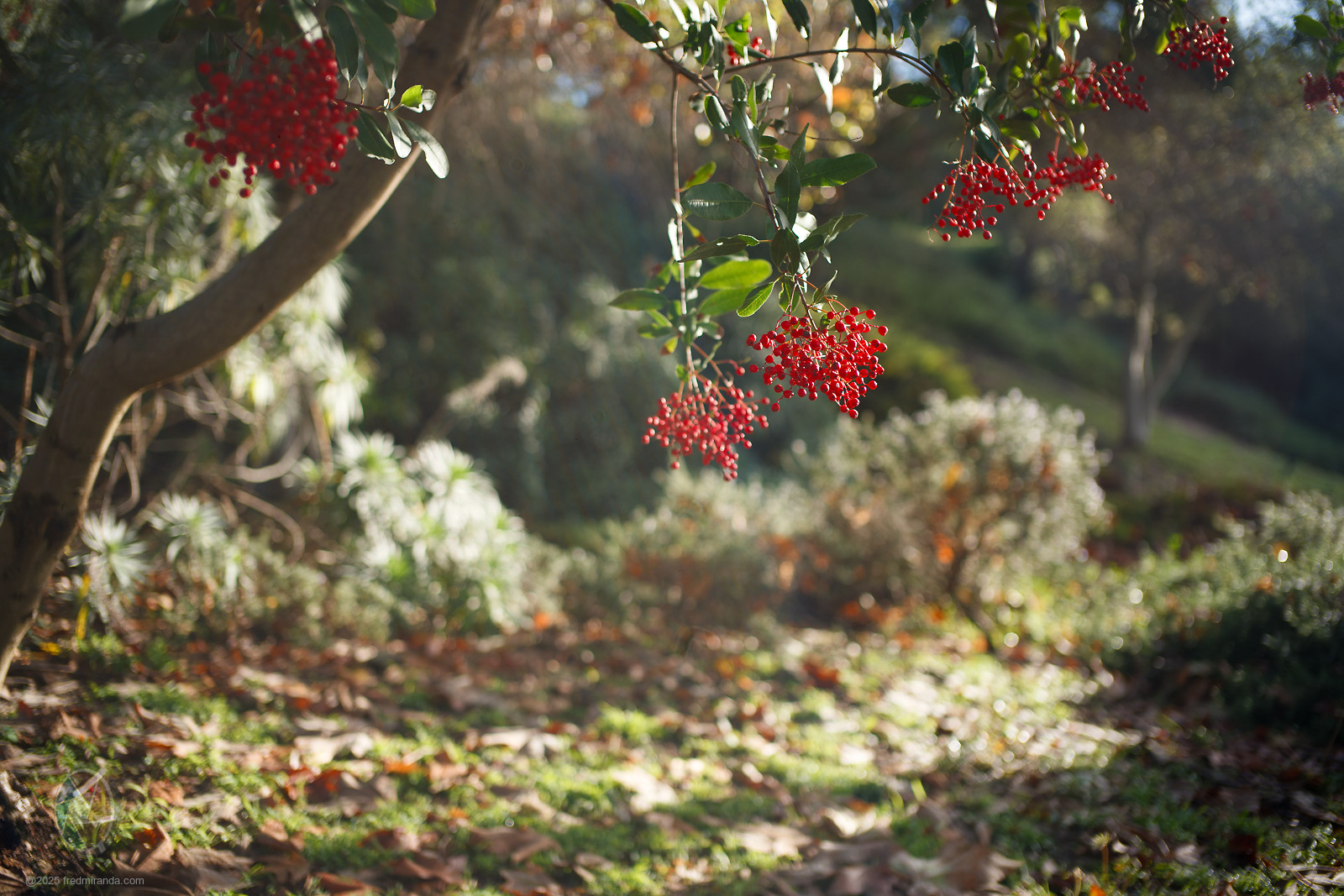
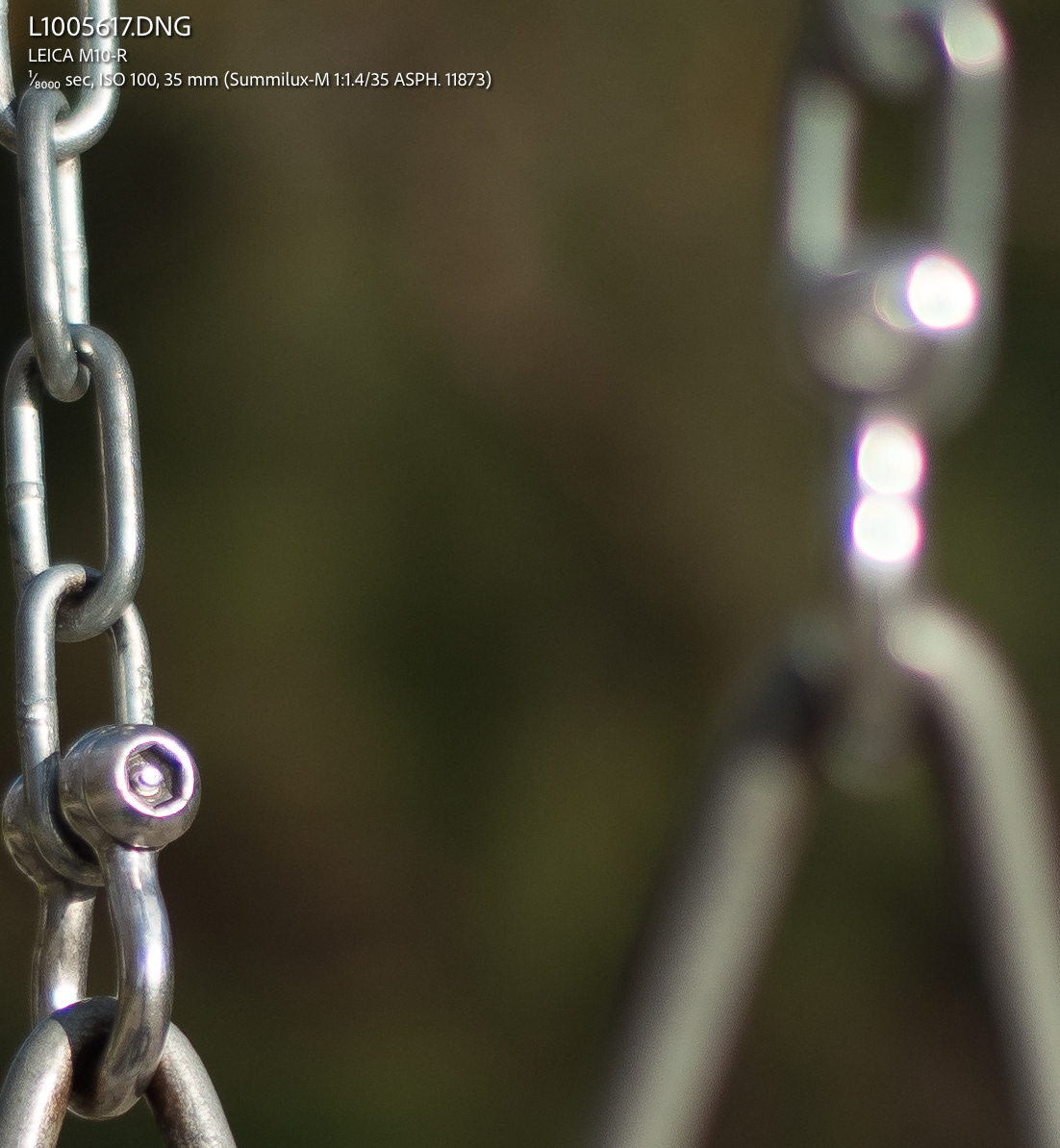
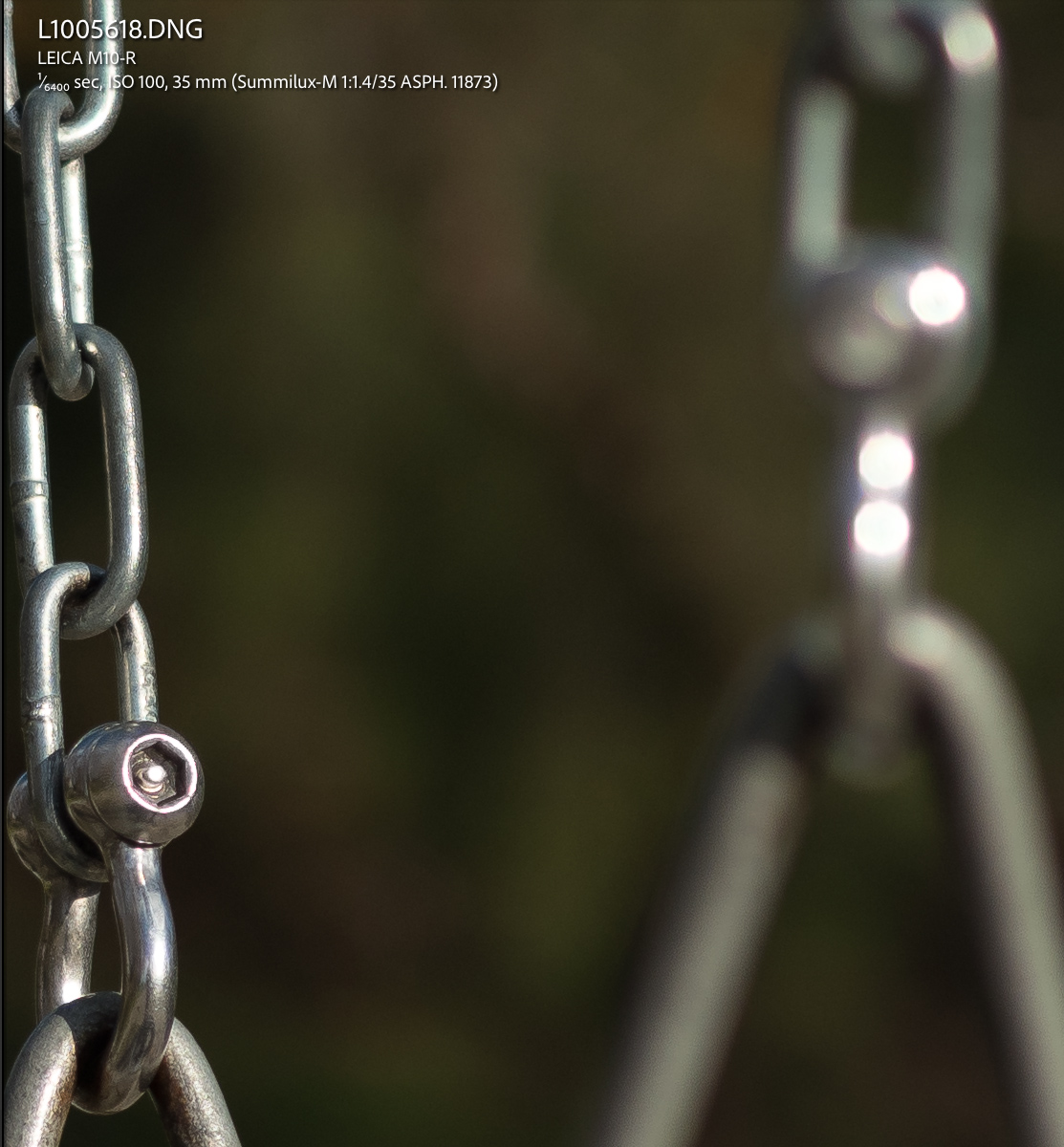
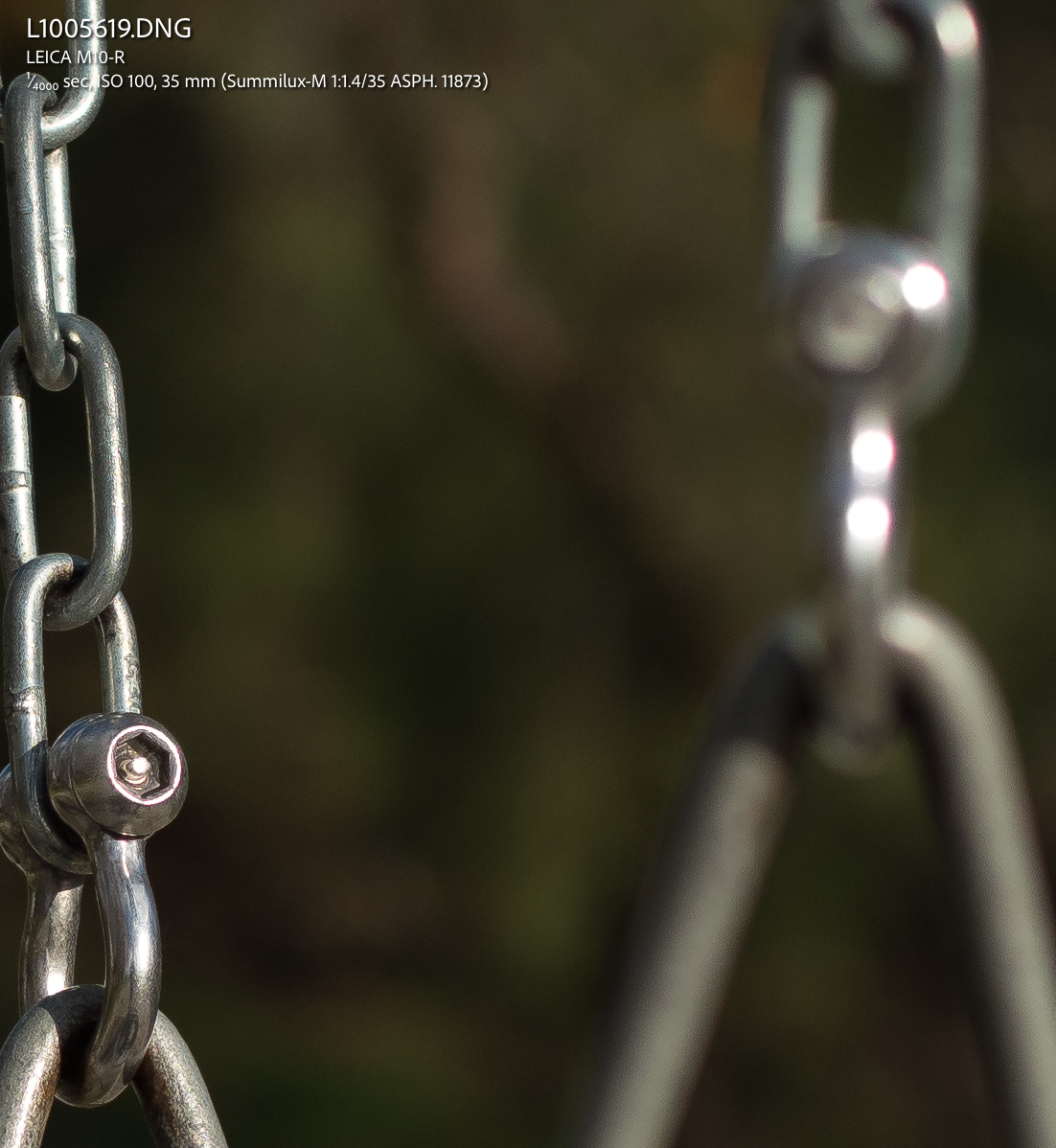
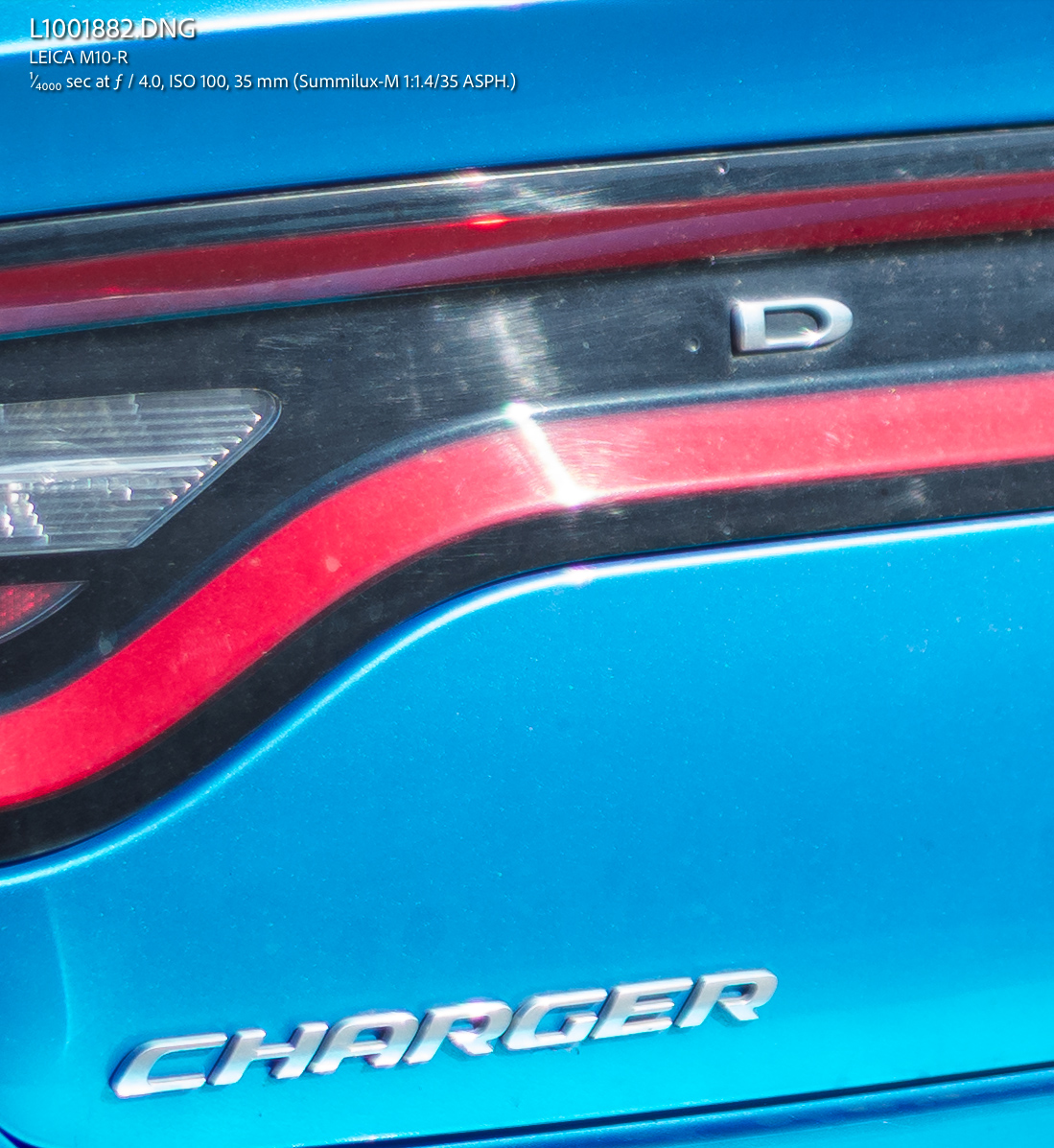
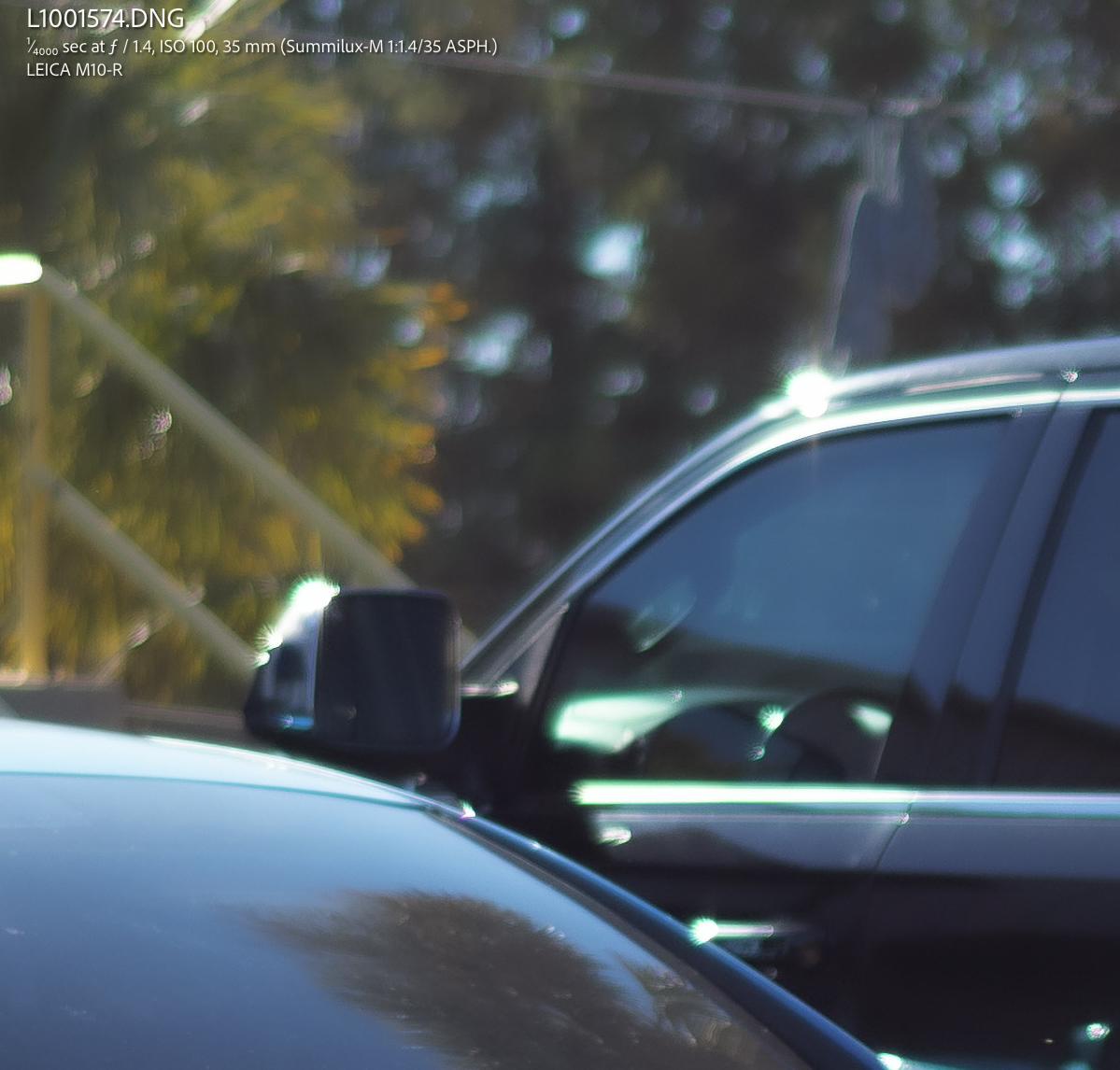
Very useful comparisons, thanks so much Fred. I'd love you to do a few comparisons between the LLL 11873, the FLE, and the FLE with either a 1/4 Glimmer glass or a 1/4 Tiffen black Pro mist. So many of the LLL images to me look like my FLE with one of those filters added.
Other than the softer bokeh balls usually without the perimeter ring.. for my work not focusing on close nature I'm not sure how much that applies.
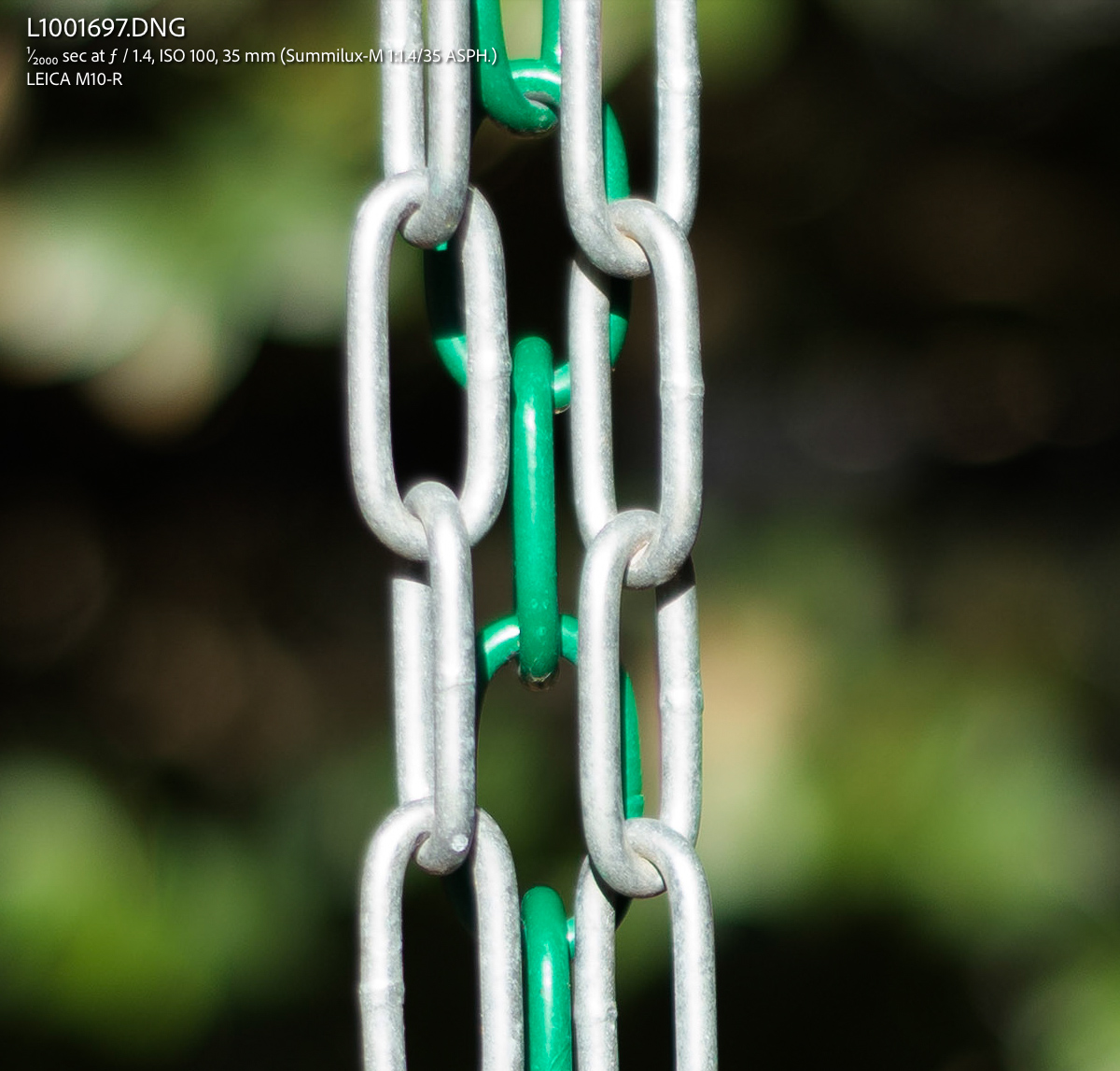
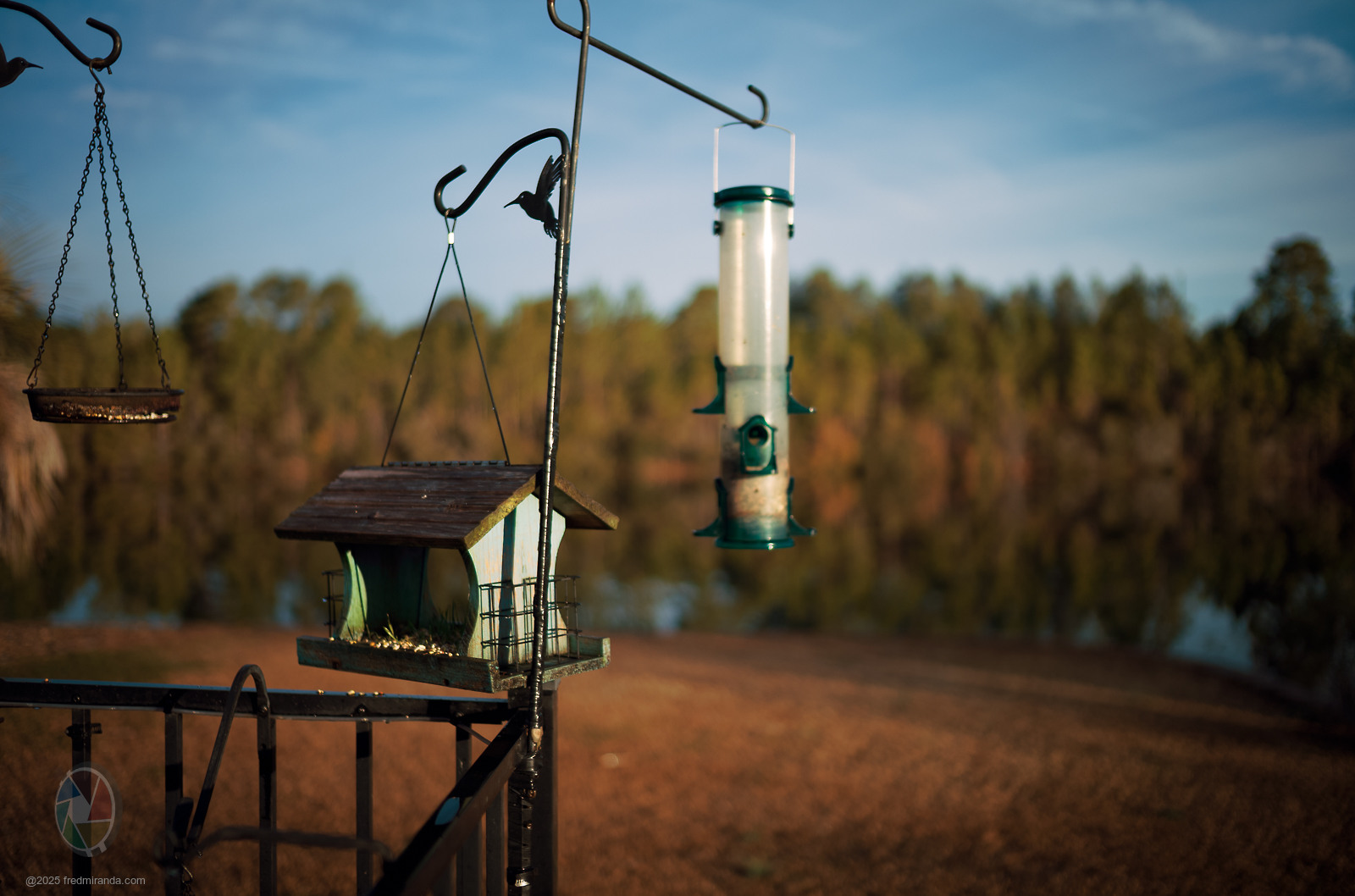
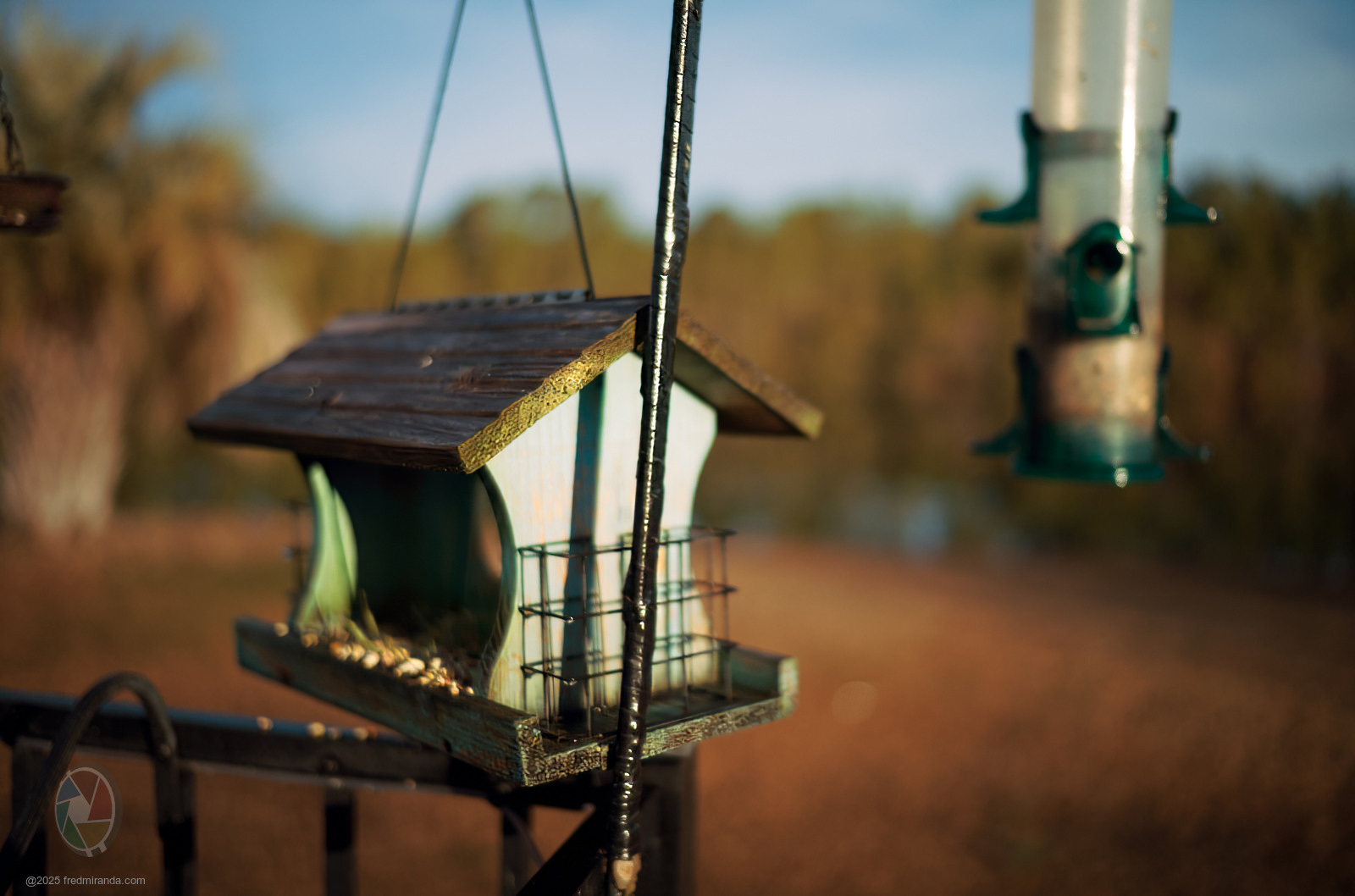
I also notice moments where the FLE has that 3D quality I don't see in the LLL lens. Particularly the close up of the swing chain as one example. The LLL is a bit more 2D perhaps.. which adds to its more vintage quality.
The FLE has the closer focus of course and seems less prone to flare. Without that if you don't need the extra sharpness of the FLE.. the LLL is right up there. Kudos to Light Lens Lab.
ftllens wrote:
Regular usage over past few days have resolved some of the uneven stiction at both ends of the focus ring that was present when brand new. Pretty smooth and consistent throughout now. LLL aperture ring feels great (think they have some of the best feeling clicks for me).
Pretty happy so far with the output in a broad range of scenarios.
Same here. The focus ring has loosened up since I first got it, and the grease feels more evenly distributed now. It turns more smoothly across the entire range with no sticky spots. I can focus very precisely now, even when using the tab.
The aperture ring has the best tactile feel of any lens I own. It's precise and satisfying to rotate. My Leica 35mm f/1.4 Summilux ASPH FLE aperture ring feels good too, but it's a bit looser by comparison, while its focusing ring has just the right resistance, slightly better than the LLL.
JohnKraus wrote:
Very useful comparisons, thanks so much Fred. I'd love you to do a few comparisons between the LLL 11873, the FLE, and the FLE with either a 1/4 Glimmer glass or a 1/4 Tiffen black Pro mist. So many of the LLL images to me look like my FLE with one of those filters added.
Other than the softer bokeh balls usually without the perimeter ring.. for my work not focusing on close nature I'm not sure how much that applies.
I also notice moments where the FLE has that 3D quality I don't see in the LLL lens. Particularly the close up of the swing chain as one example. The LLL is a bit more 2D perhaps.. which adds to its more vintage quality.
The FLE has the closer focus of course and seems less prone to flare. Without that if you don't need the extra sharpness of the FLE.. the LLL is right up there. Kudos to Light Lens Lab. ...Show more →
Thanks so much for the thoughtful feedback and observations, John. I really appreciate you taking the time to dig into the comparisons.
Personally, I'm not a big fan of using diffusion filters for stills. They don't really behave the same way as natural SA, which tends to affect highlights in a more localized, optical way, while a filter changes the entire image uniformly. I went down that rabbit hole for a while, and in the end I realized I prefer letting the lens speak for itself and appreciating its native character. Having said that, if I can find a 46mm BPM, I may still try it out just for curiosity's sake.
I agree with you on the character differences. The LLL definitely leans more vintage, with a bit more veiling and spherical aberration, especially at closer distances, and a calmer, gentler presentation. Some people feel the FLE is a little too corrected and clinical by comparison, which is why the LLL may appeal to many. I like both for what they are, and to me they each bring something unique to the table while still sitting in a similar overall rendering signature.
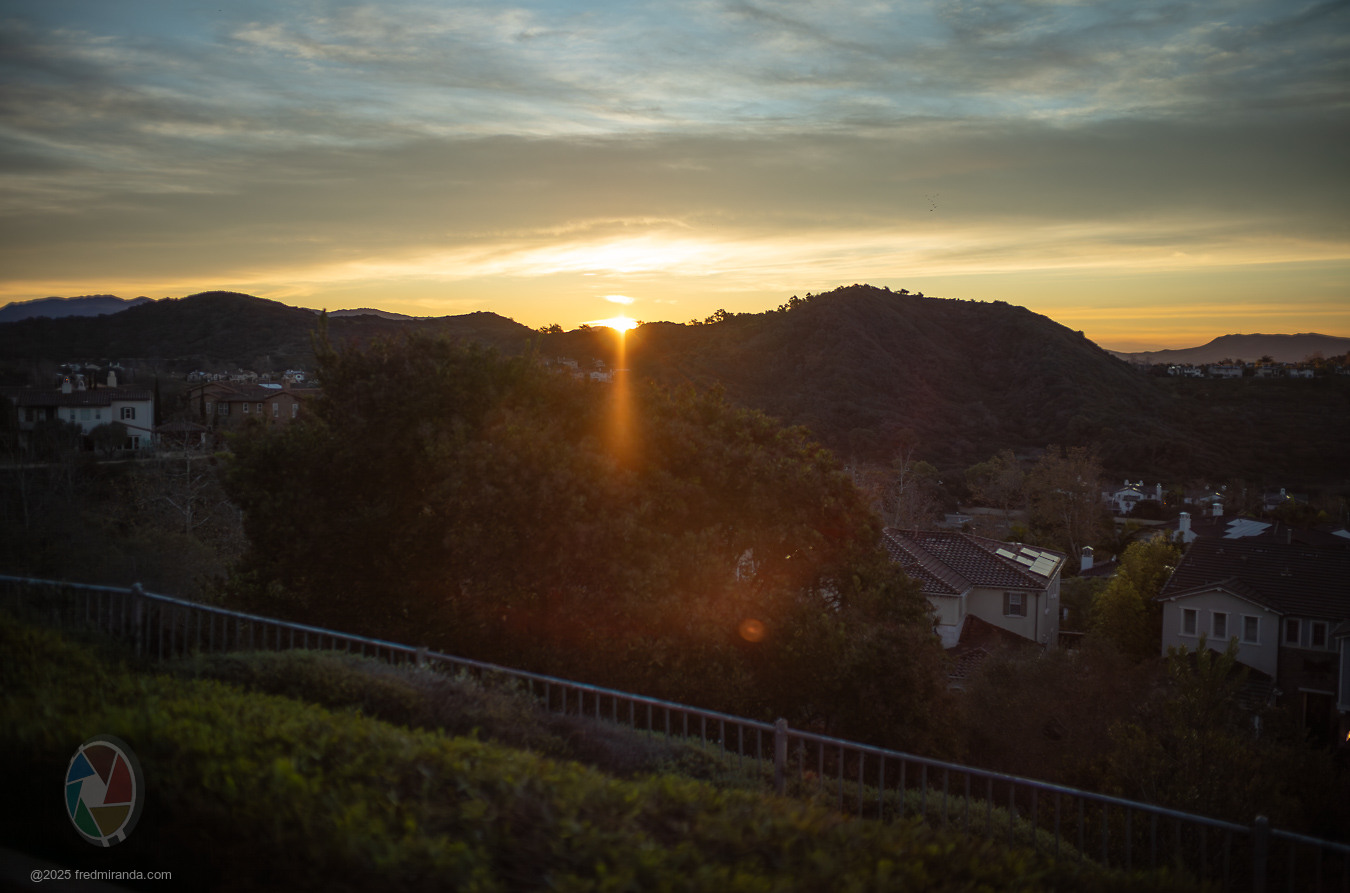
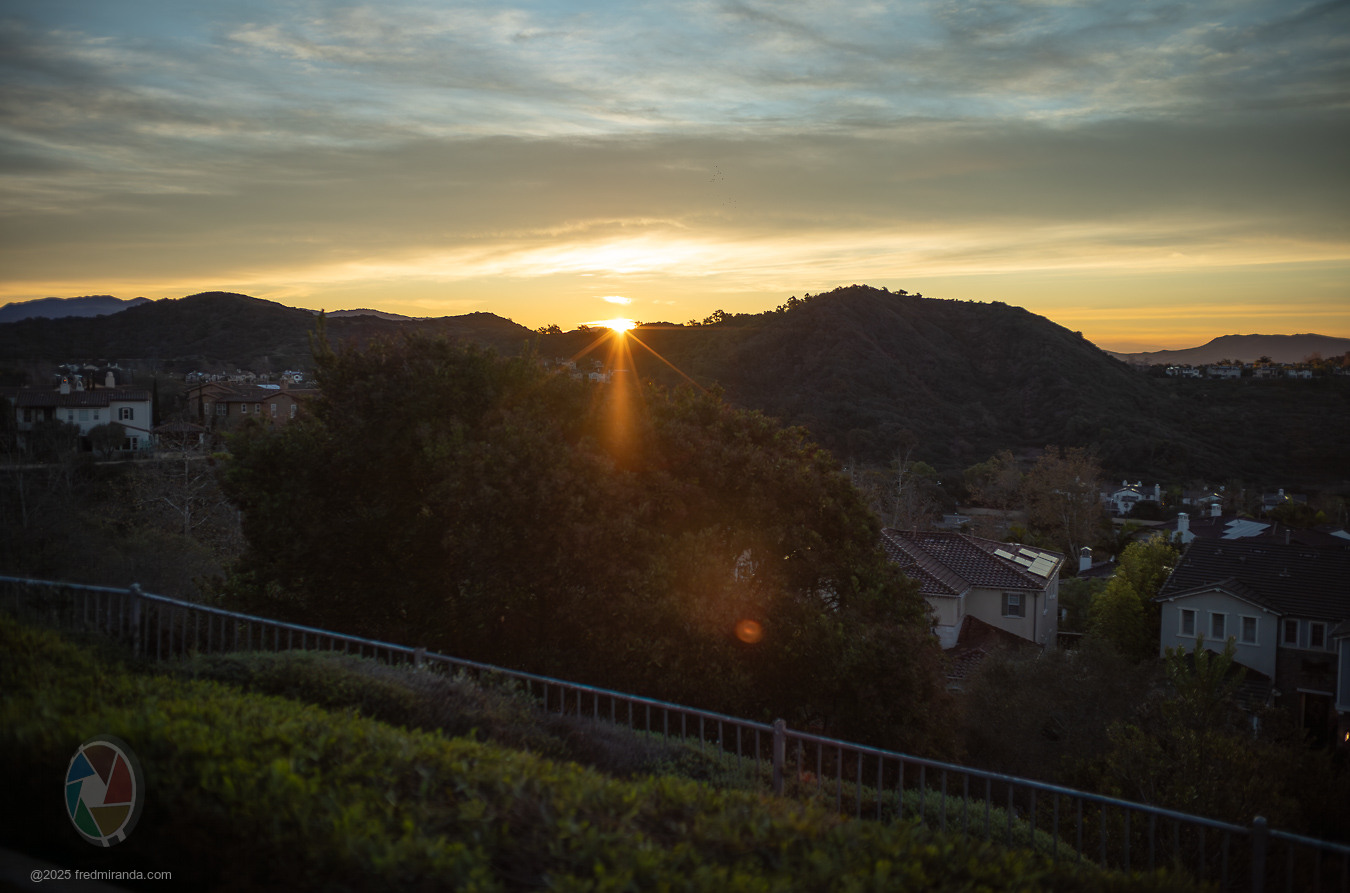
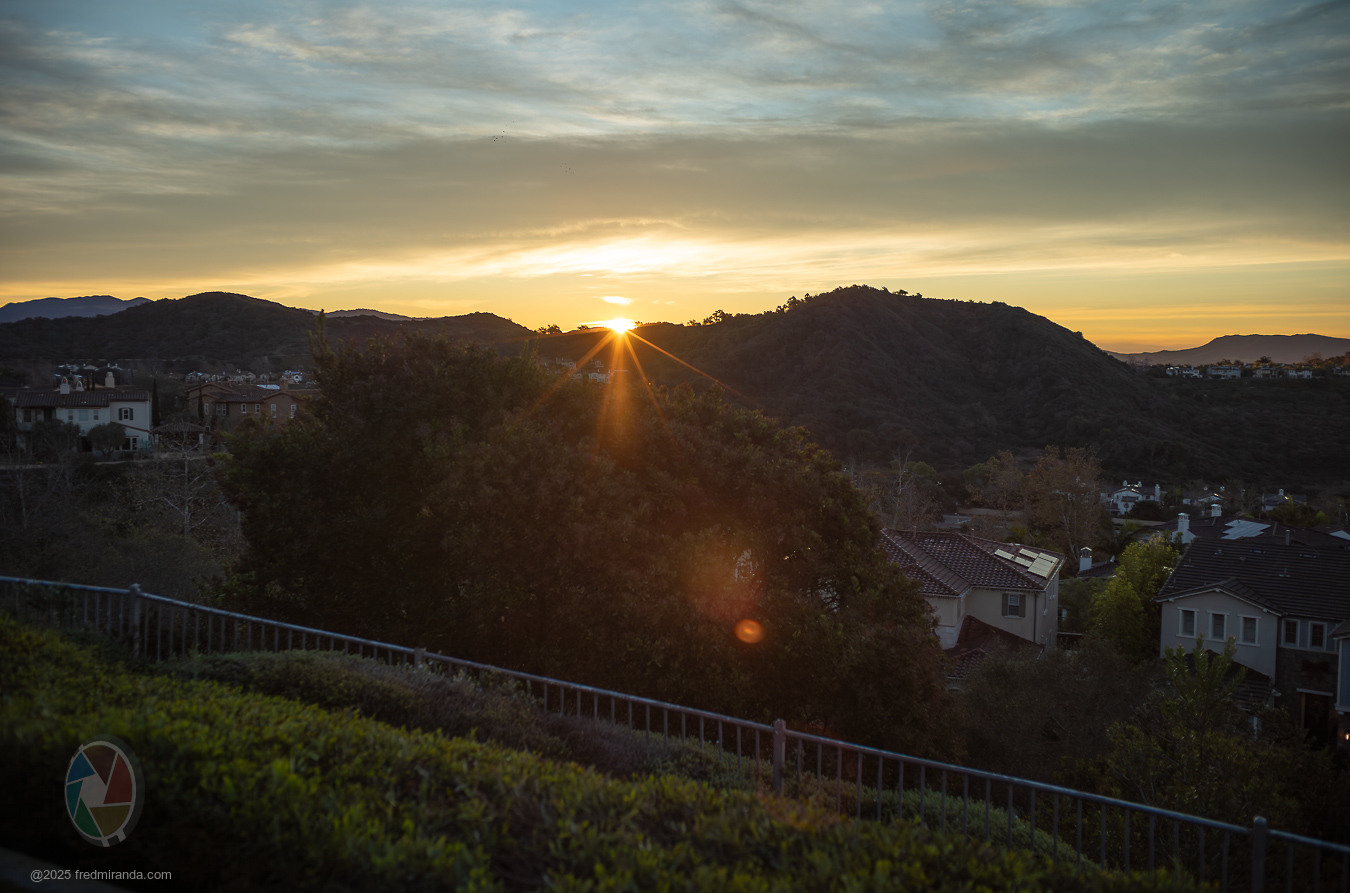
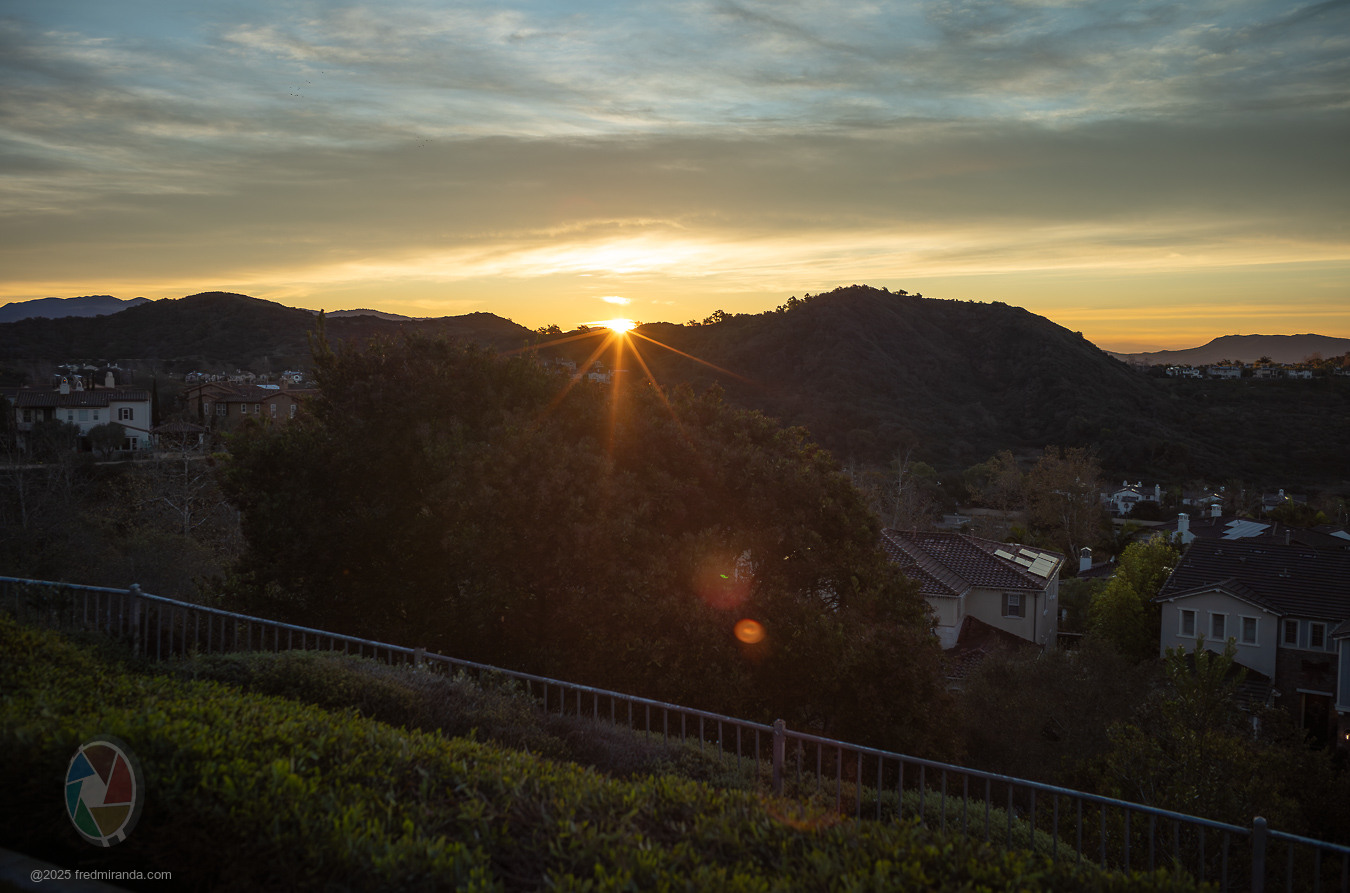
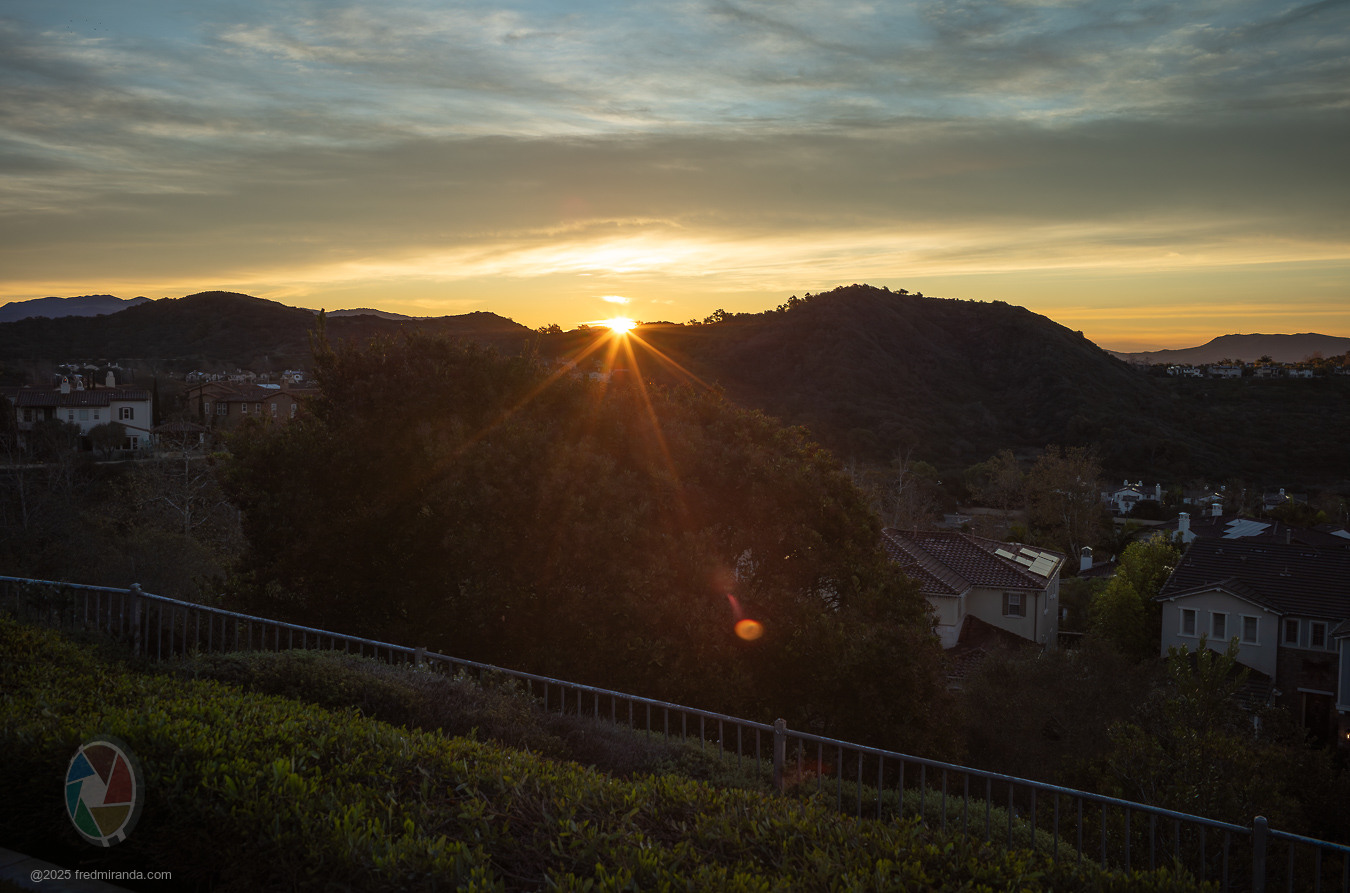
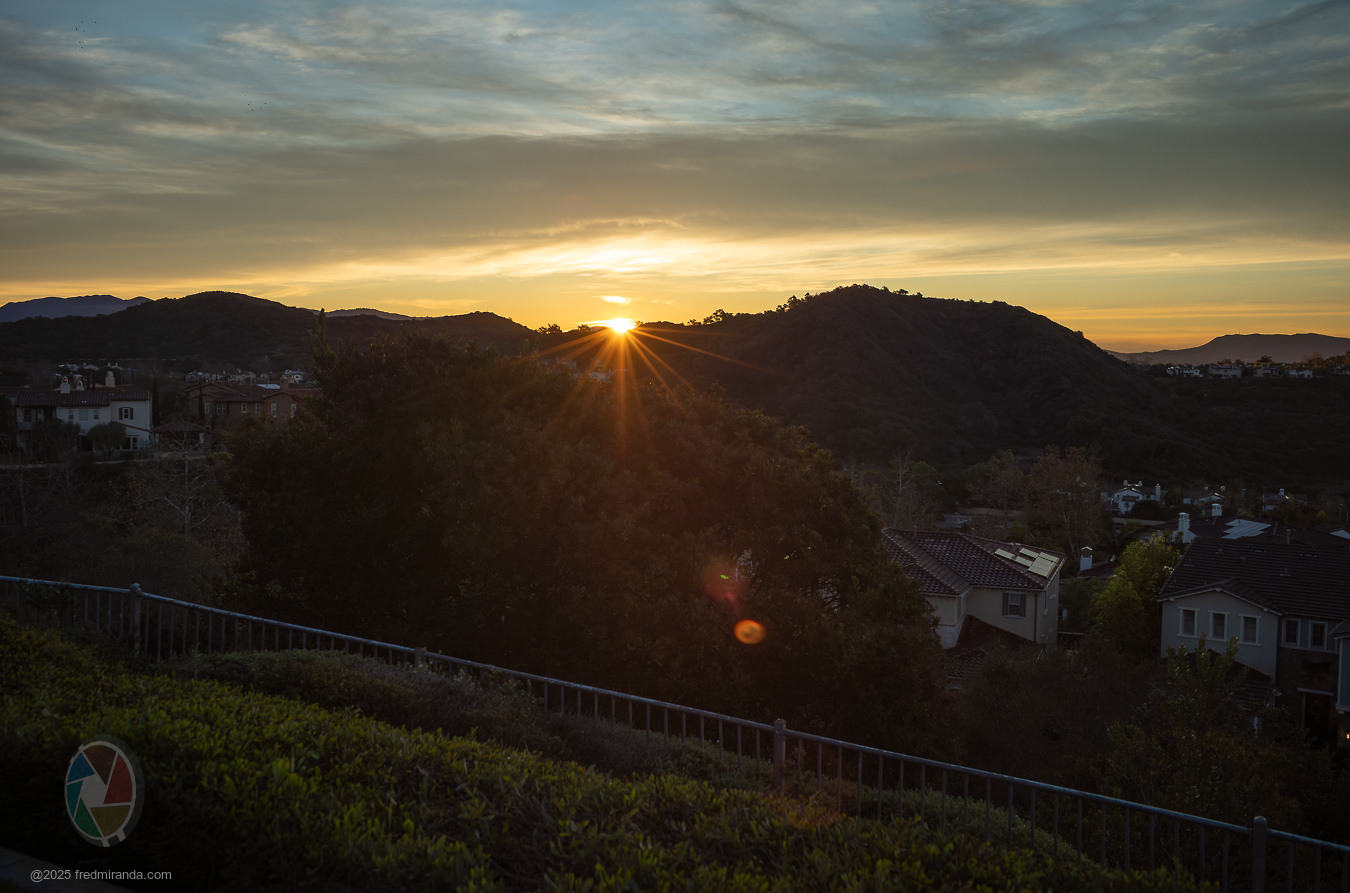
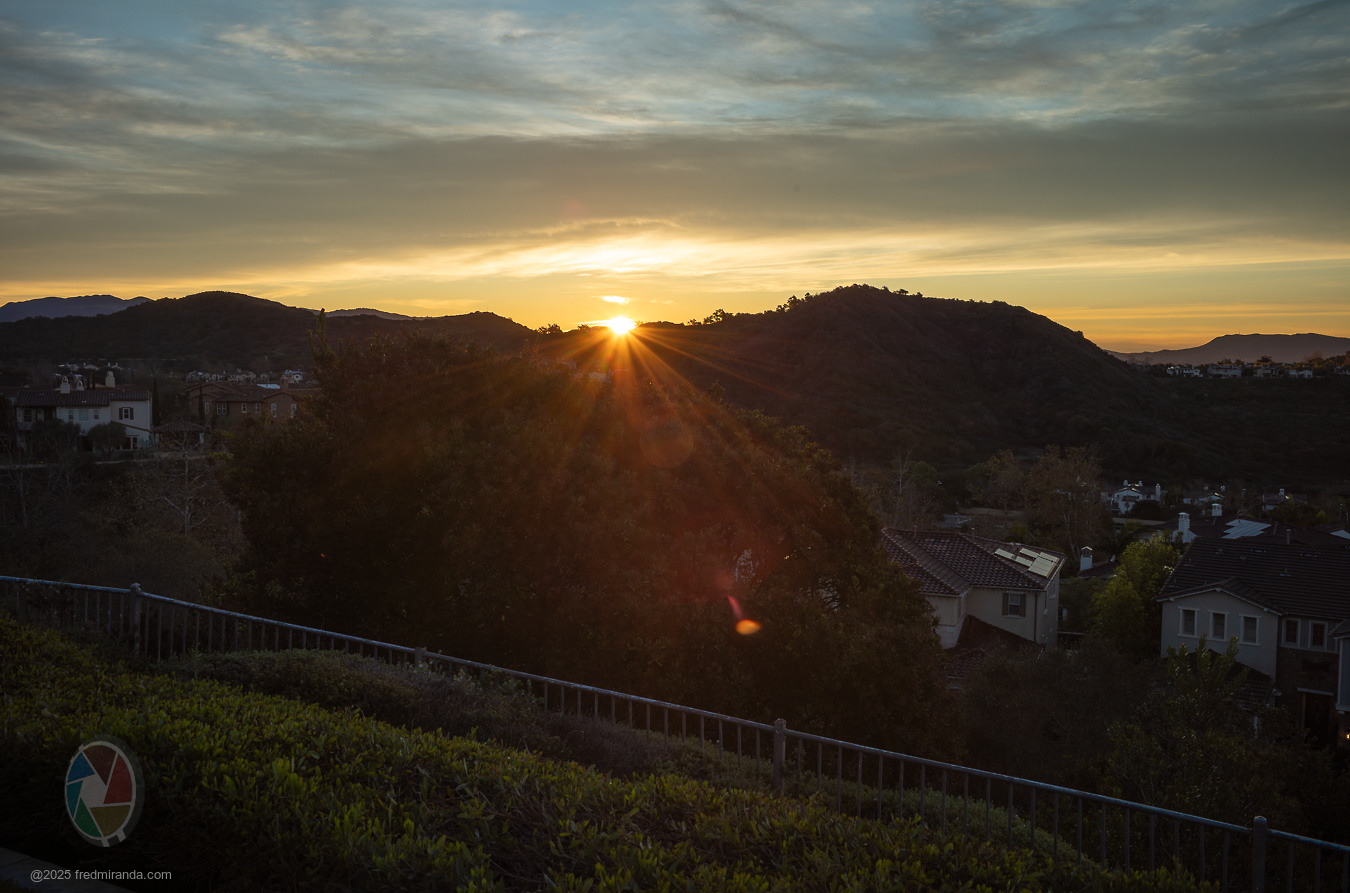
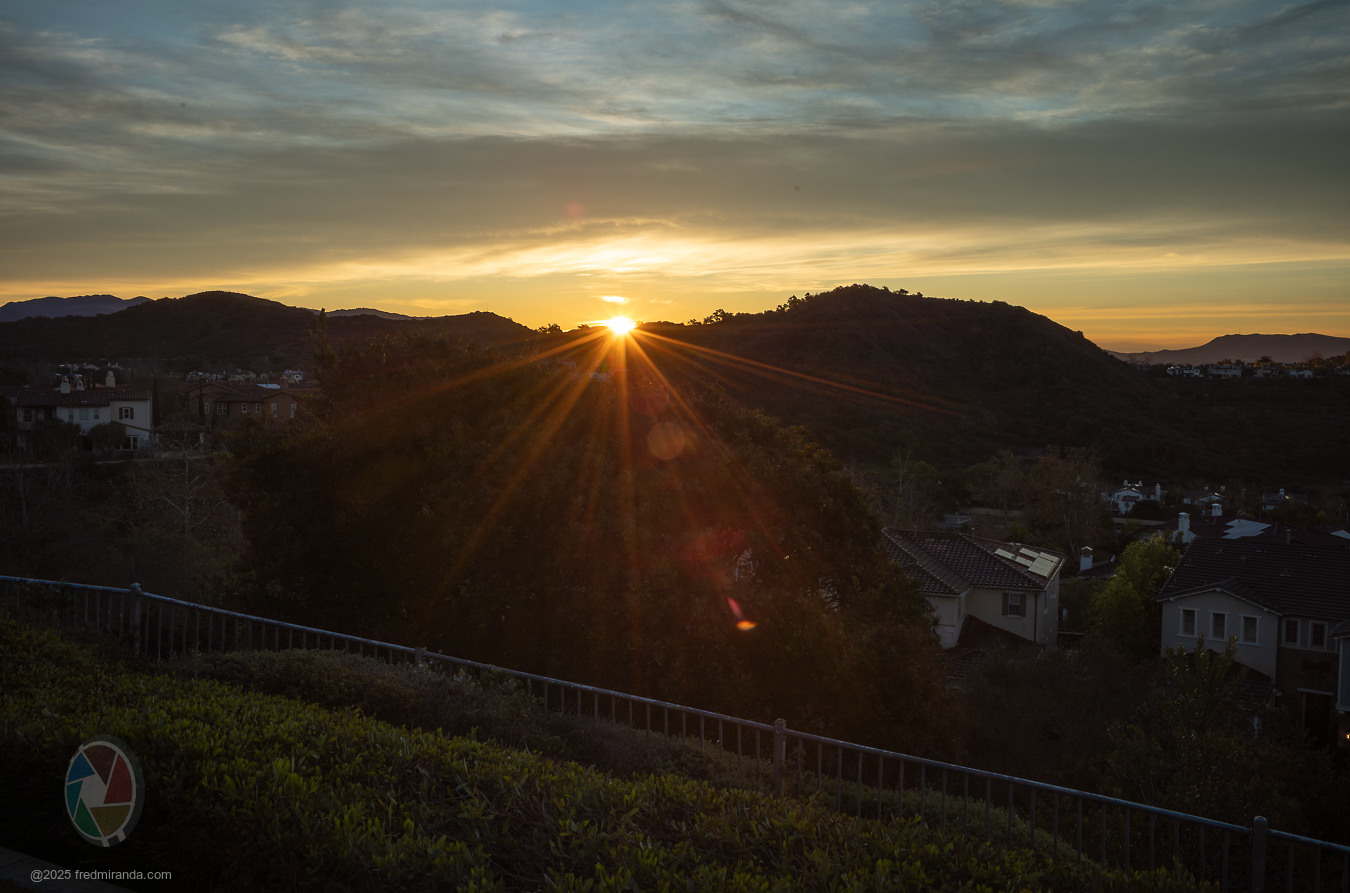
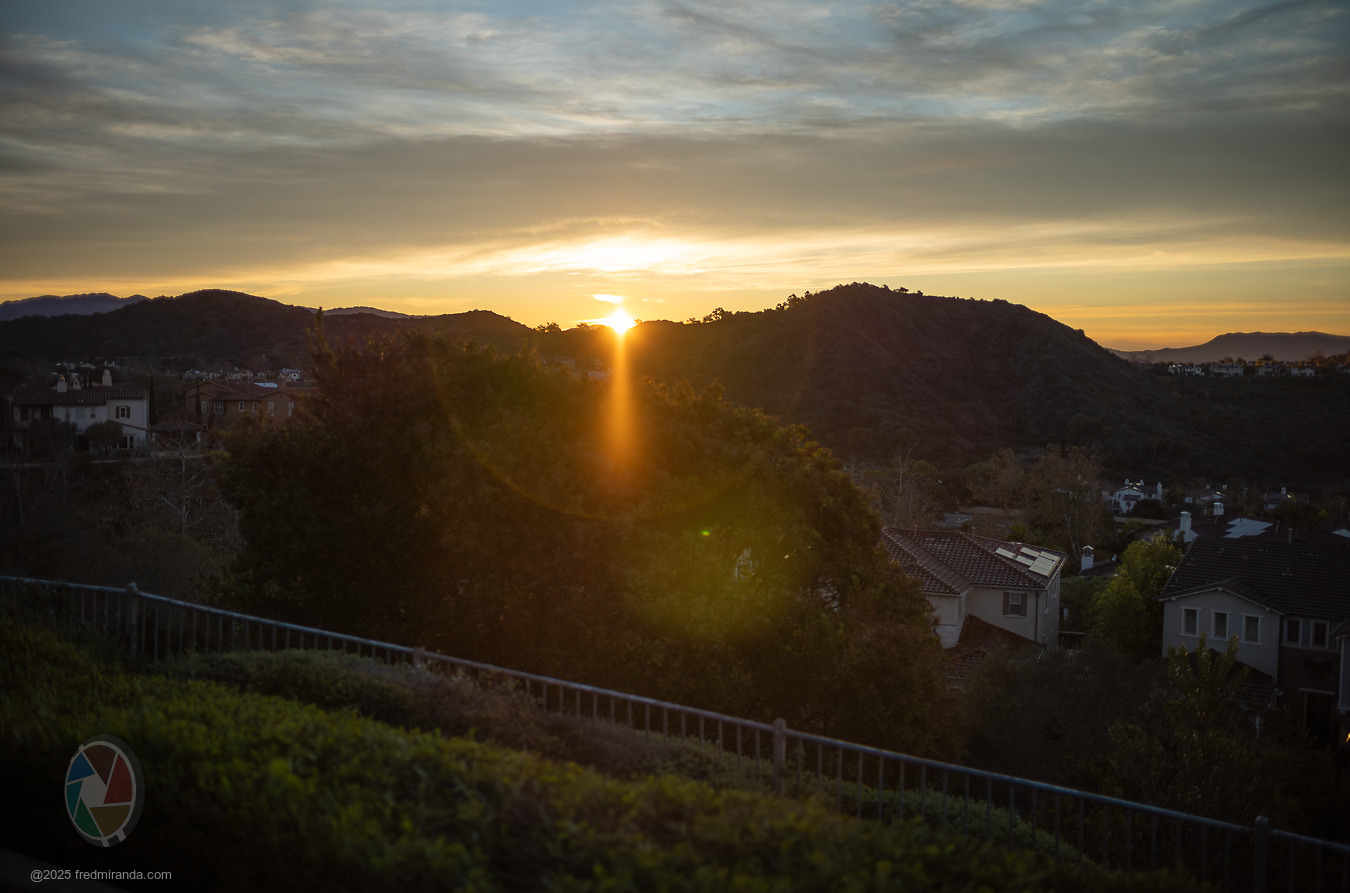
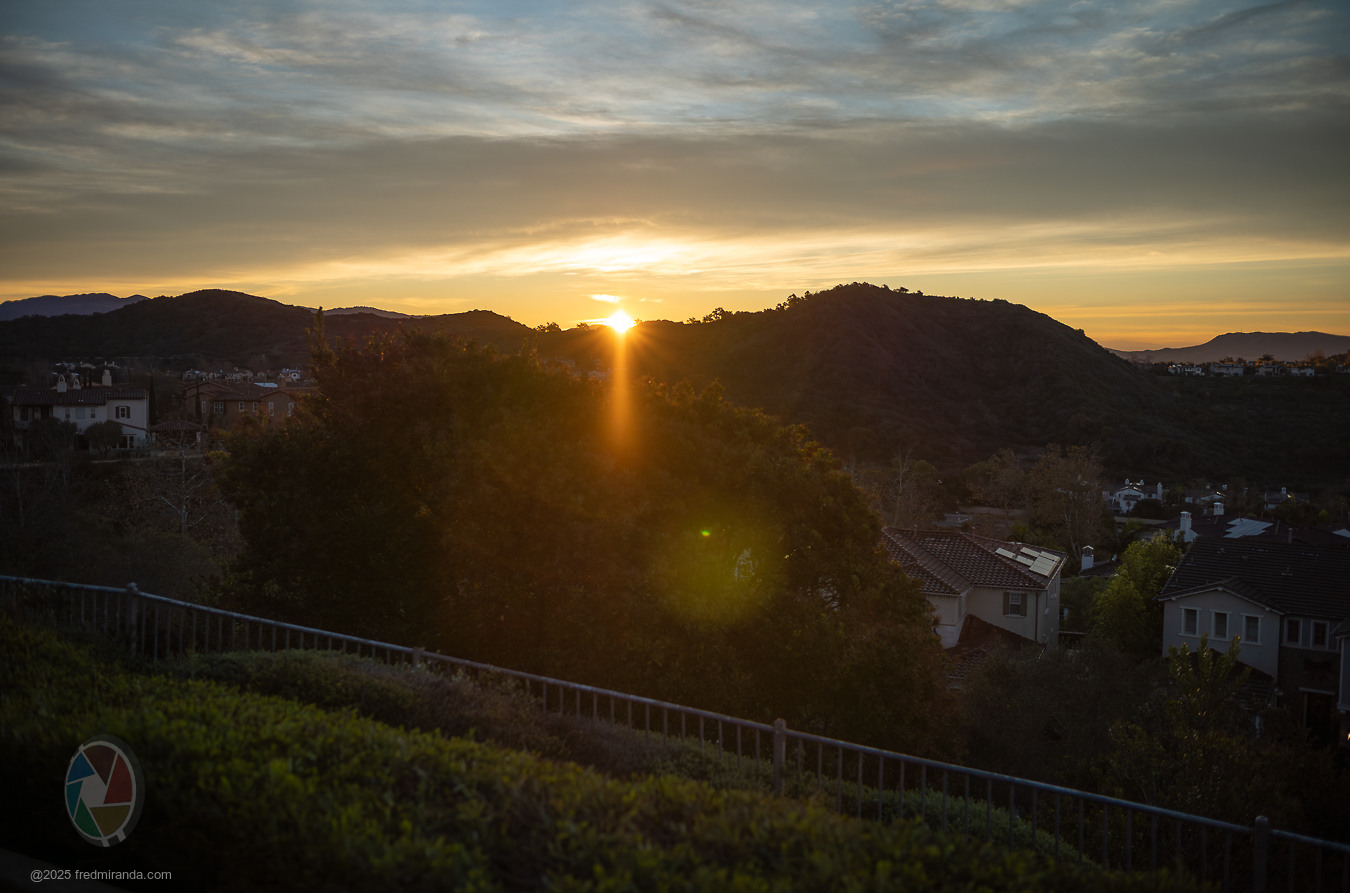
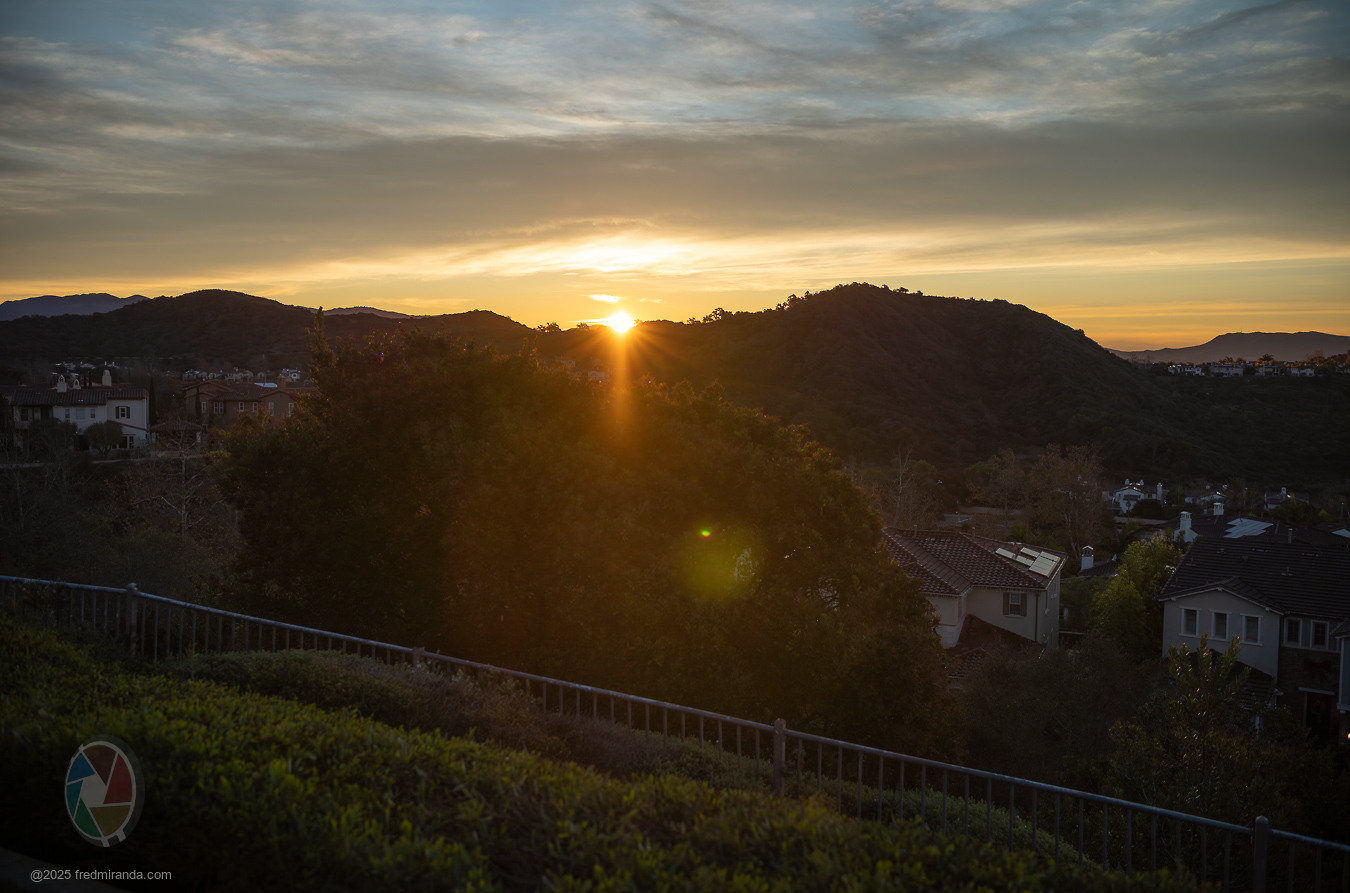
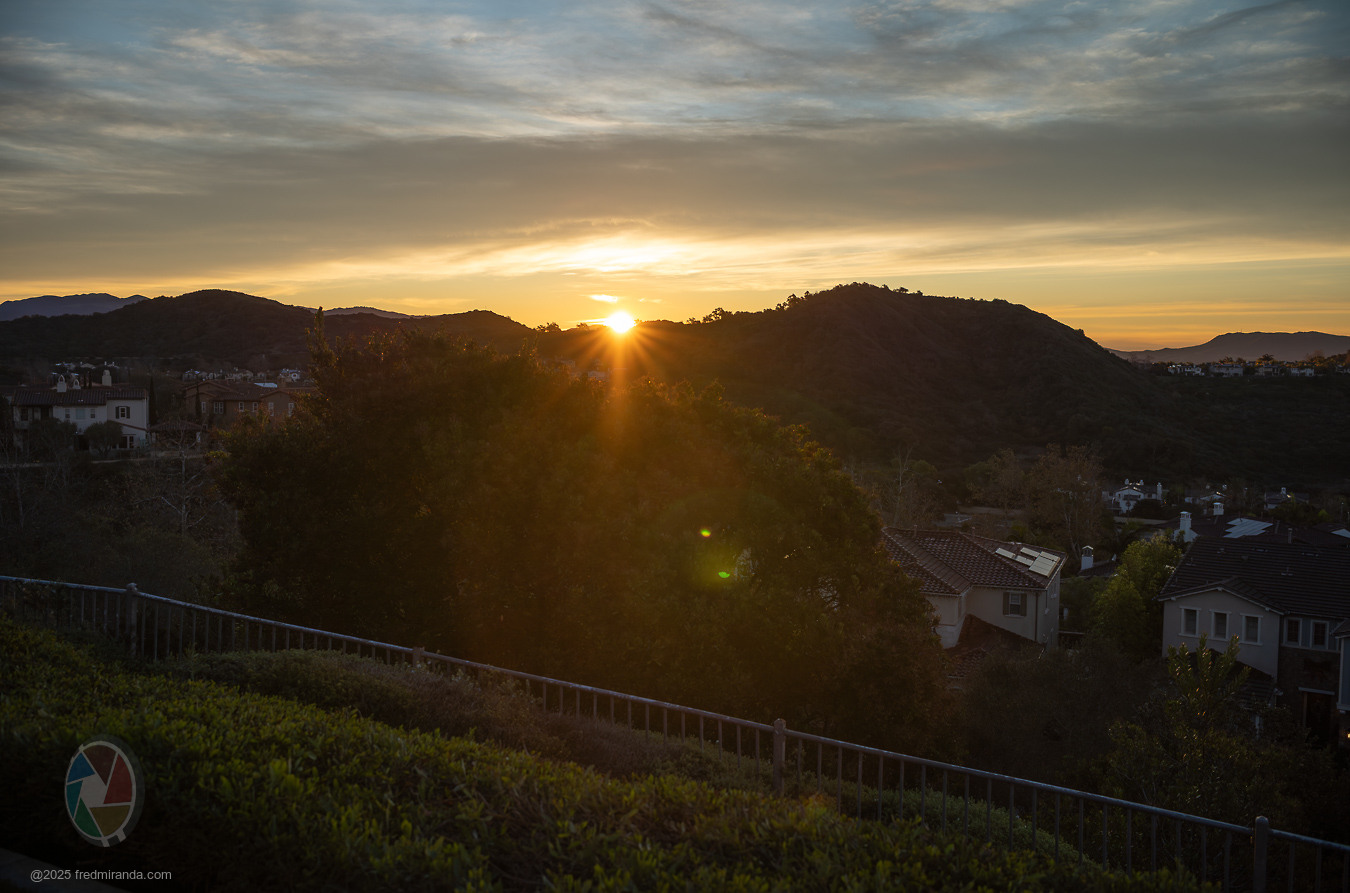
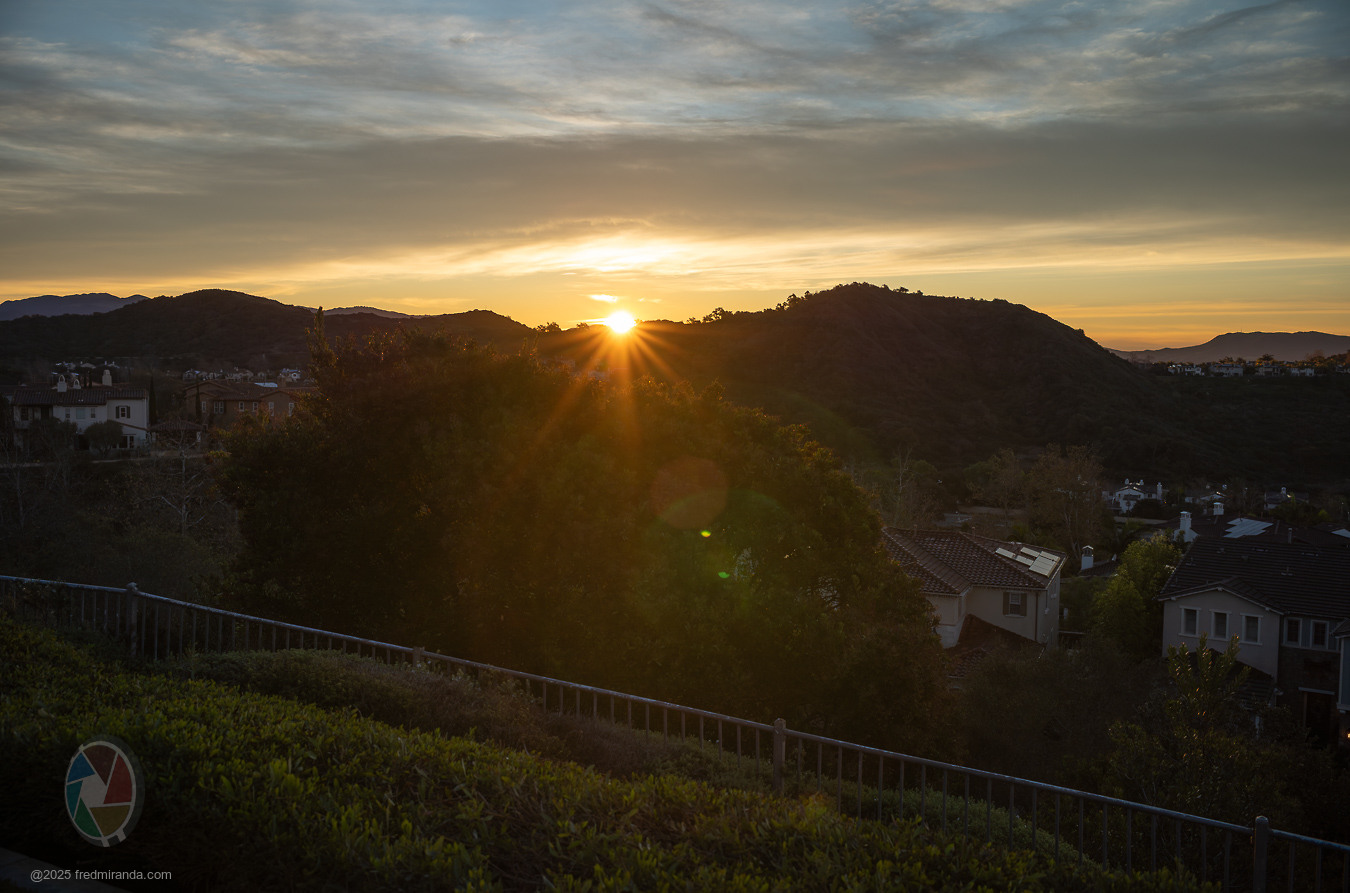
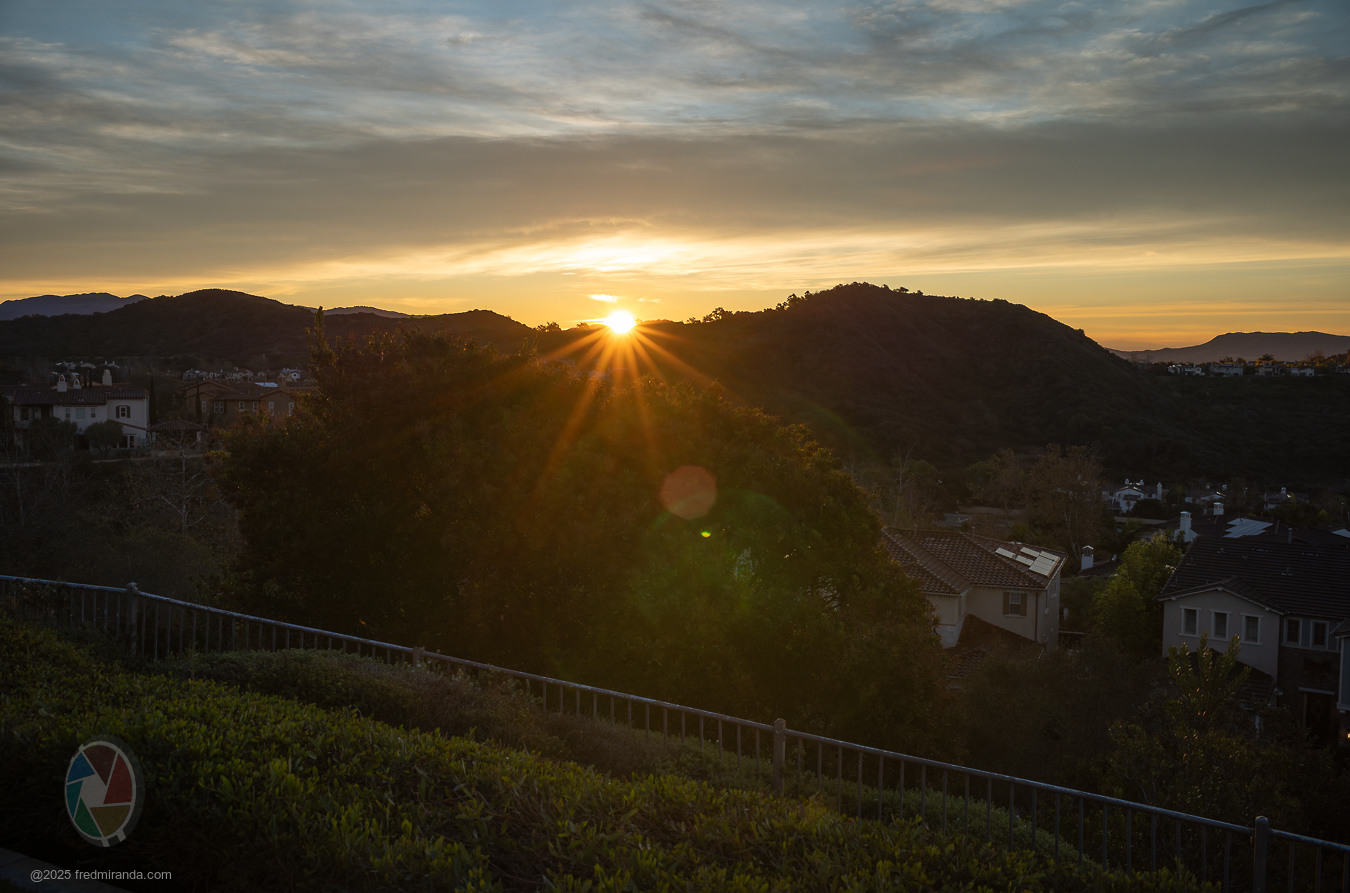
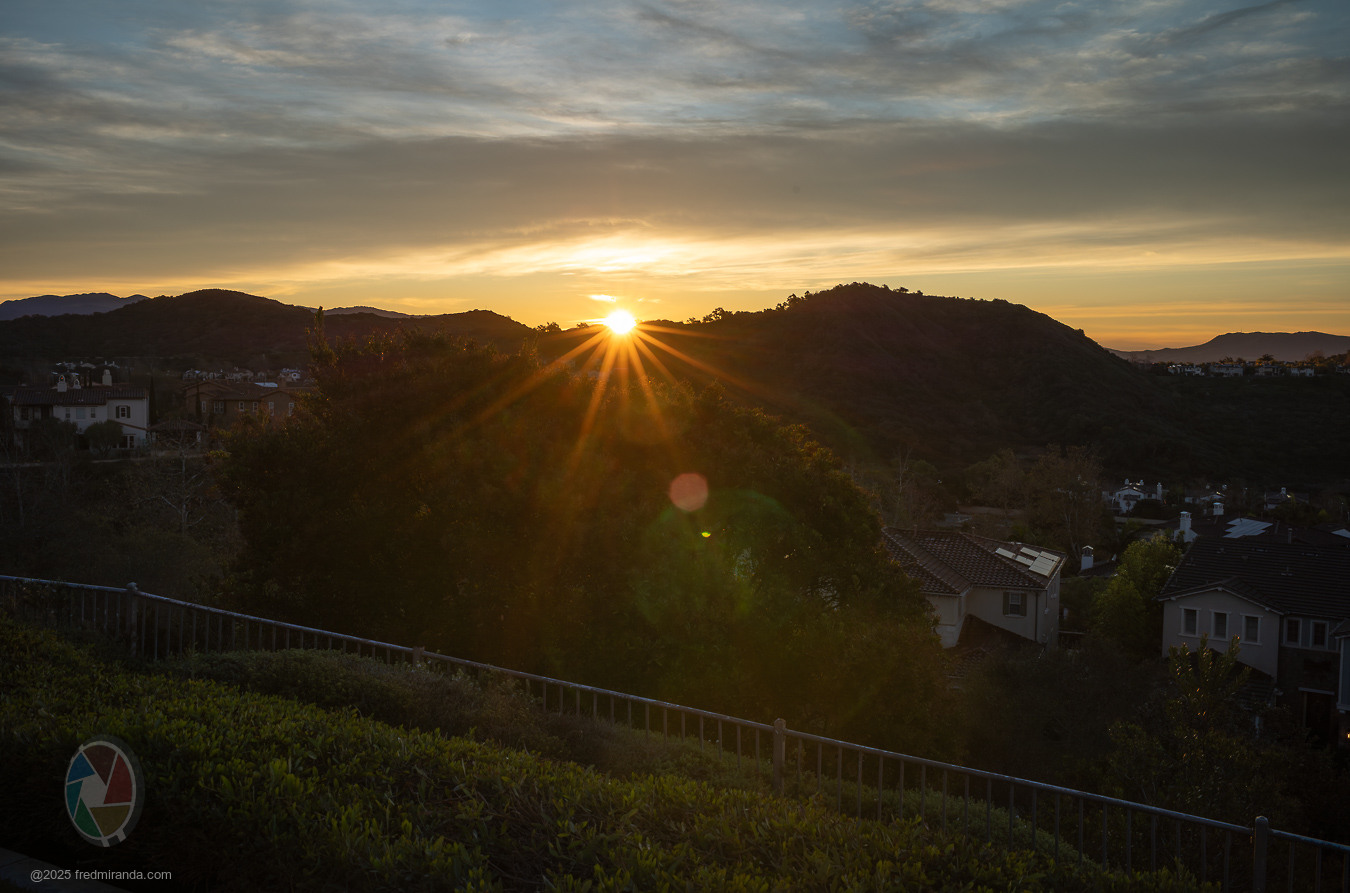
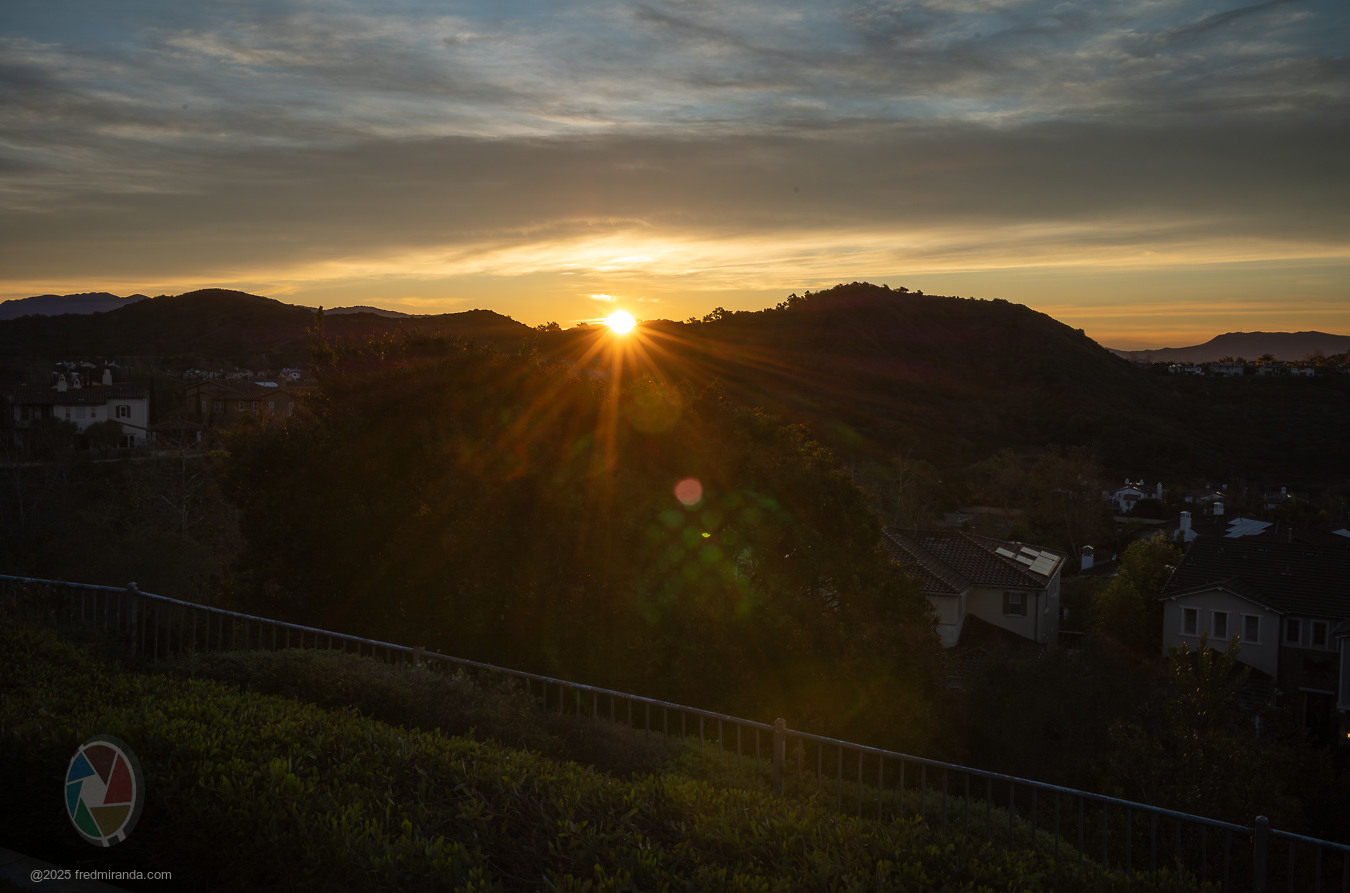
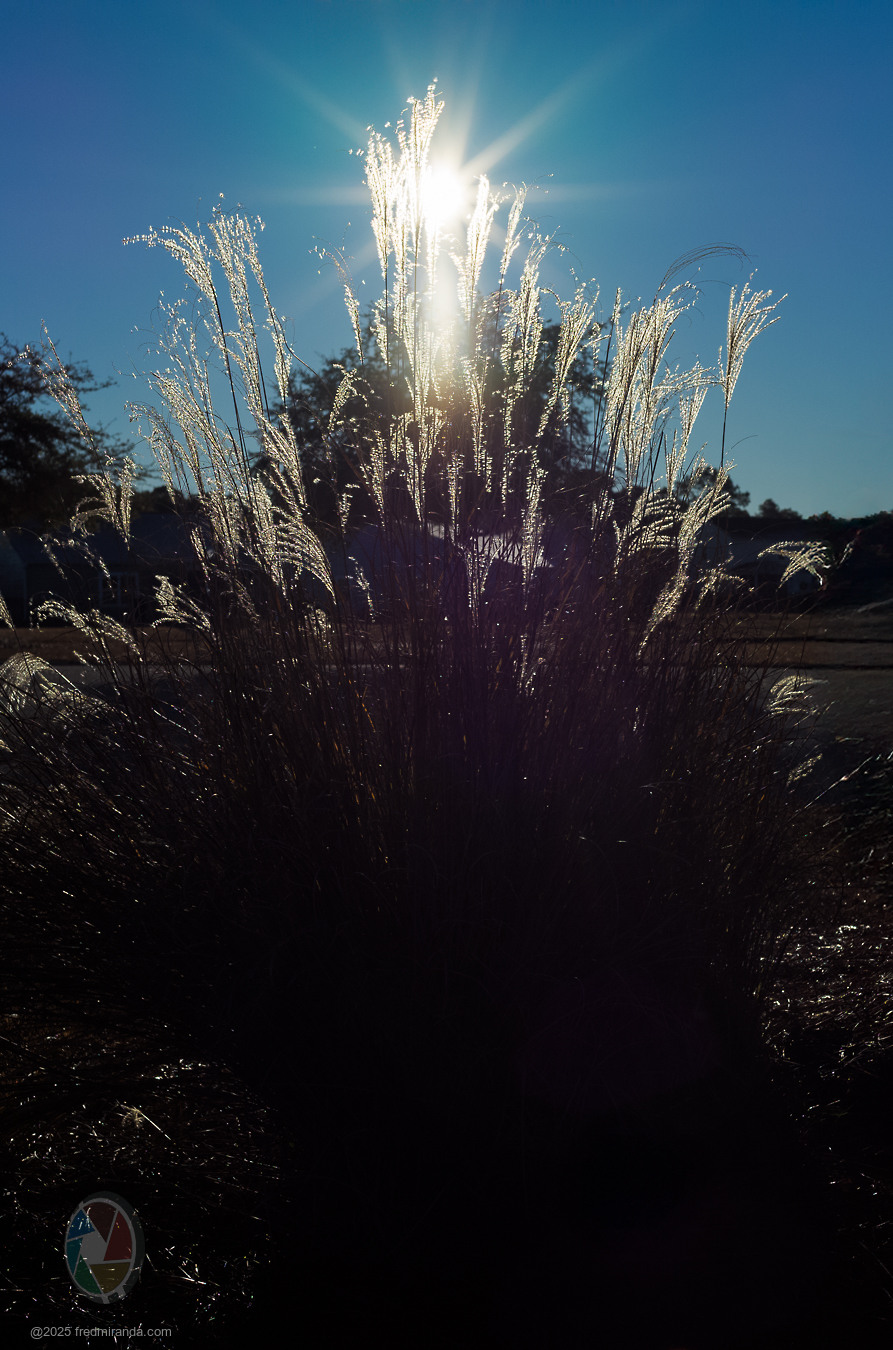
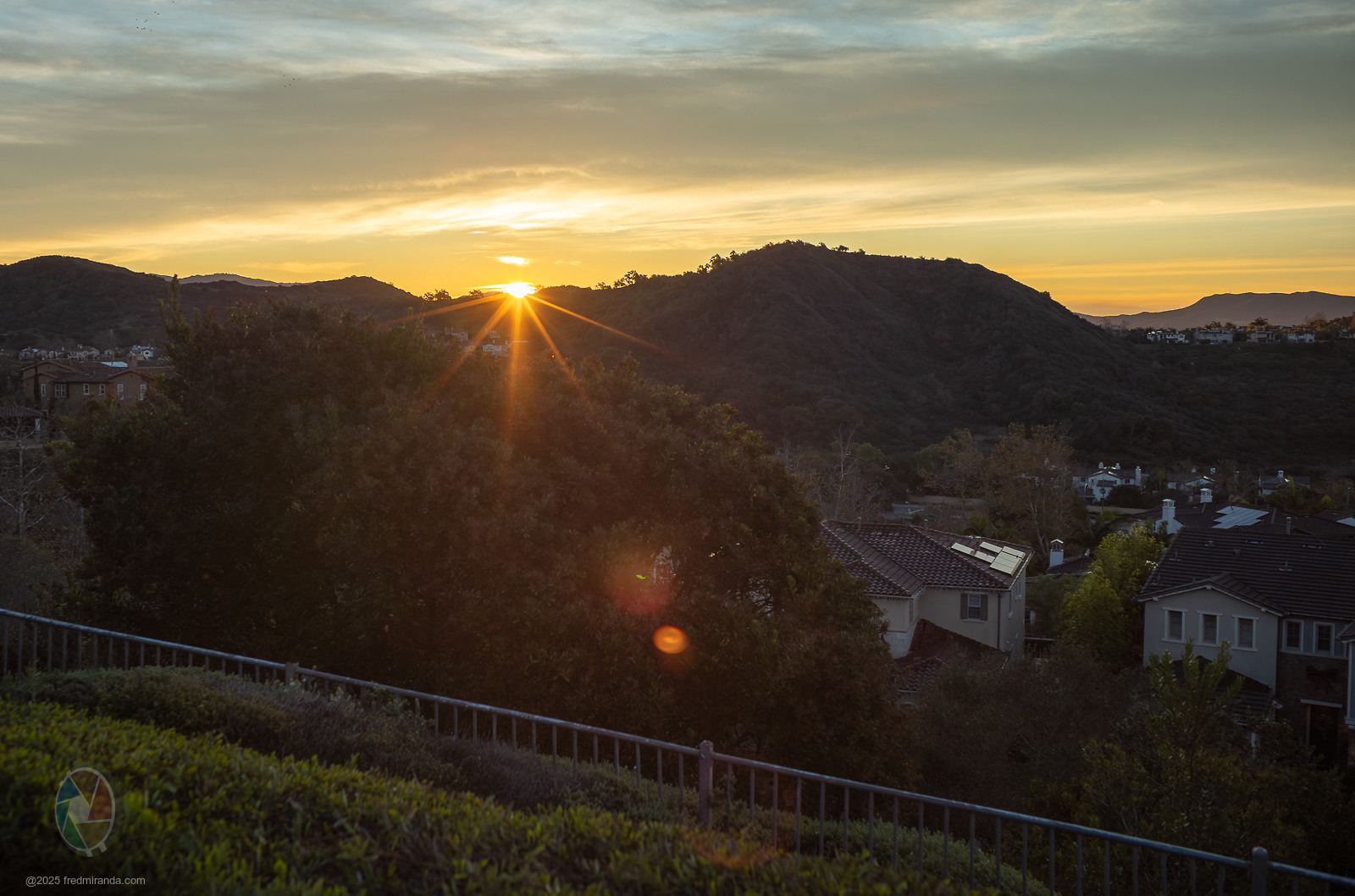
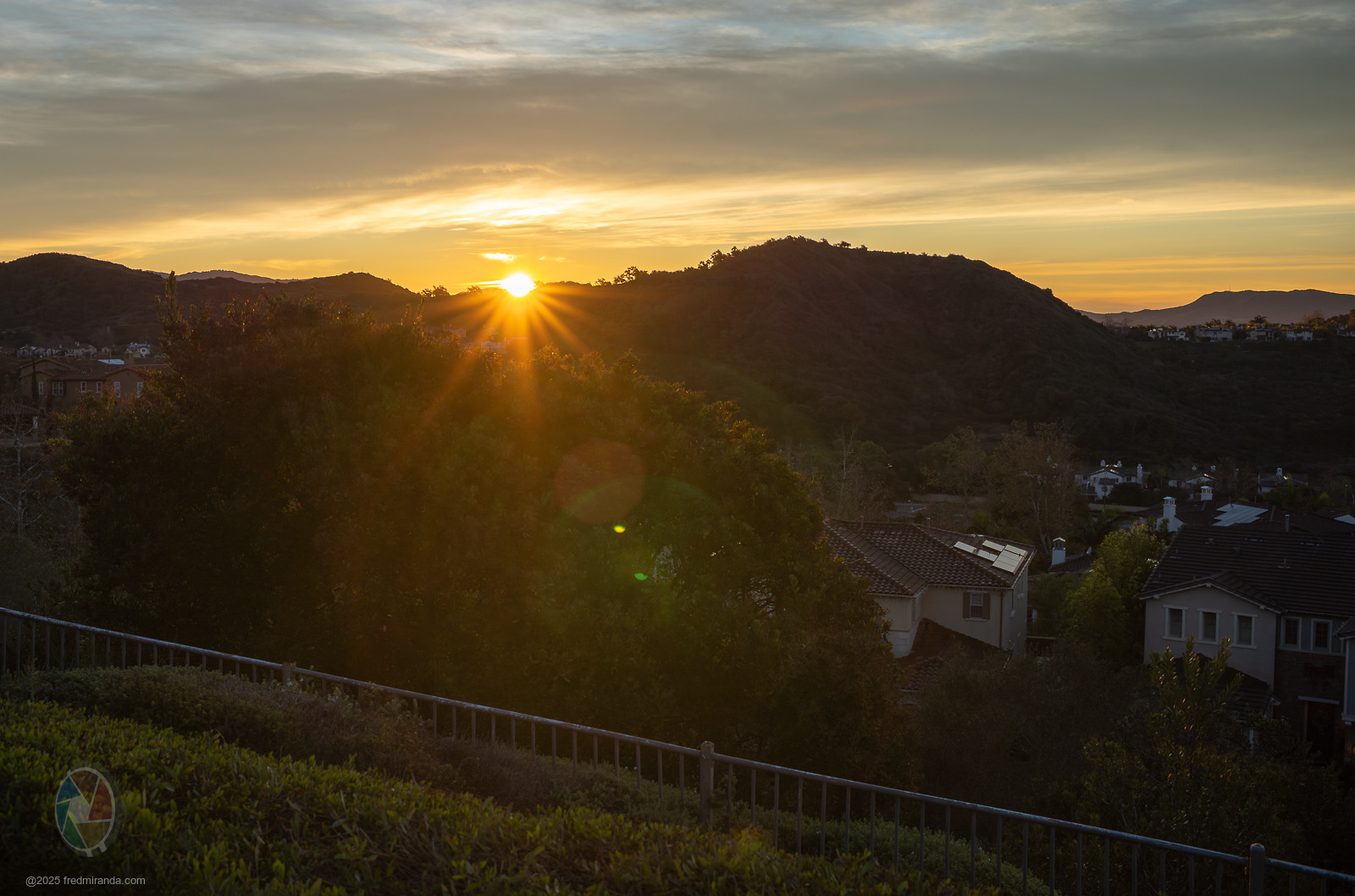
Photographers who care about defined, well-shaped sunstars will appreciate what the Light Lens Lab aperture delivers, even at wider apertures. The lens renders distinct 10-point sunstars from its ten 'mostly' straight aperture blades, and surprisingly, there is already visible definition in the rays at f/2, with the effect looking best around f/4. If you enjoy adding sunstars to your images, you can do so in relatively low light without sacrificing the look.
At f/5.6, the aperture shape changes and the rays develop a slight doubling effect. The rendering is no longer optimal the way it is at f/4, although the rays remain clear and well defined. This happens because, as the diaphragm closes, the blade geometry shifts from straighter edges to a more rounded form, which affects both the rendering and the character of the sunstars.
By f/8 the rays become longer with some doubling, although the intensity drops. At f/11 and f/16 the pattern starts to look busy and less refined. This test also reveals the lens's flare behavior. There is some veiling and ghosting, both of which come across as gentle and aesthetically pleasing.
Surprisingly, the Light Lens Lab showed better flare resistance than the Leica 35mm f/1.4 Summilux ASPH (FLE) when shooting directly into the sun. I will share the Leica sunstar samples next so we can compare the results side by side.
First, here's the Light Lens Lab 35mm f/1.4 Aspherical, showing sunstar behavior from f/1.4 through f/16 in one-stop increments.
f/1.4
LEICA M10-RSummilux-M 1:1.4/35 ASPH. lens35mmf/1.41/4000s100 ISO-2.7 EV
f/2
LEICA M10-RSummilux-M 1:1.4/35 ASPH. lens35mmf/1.71/3000s100 ISO-2.7 EV
F/2.8
LEICA M10-RSummilux-M 1:1.4/35 ASPH. lens35mmf/2.41/1500s100 ISO-2.7 EV
F/4
LEICA M10-RSummilux-M 1:1.4/35 ASPH. lens35mmf/3.41/1000s100 ISO-2.7 EV
F/5.6
LEICA M10-RSummilux-M 1:1.4/35 ASPH. lens35mmf/8.01/250s100 ISO-2.7 EV
F/8
LEICA M10-RSummilux-M 1:1.4/35 ASPH. lens35mmf/5.61/500s100 ISO-2.7 EV
f/11
LEICA M10-RSummilux-M 1:1.4/35 ASPH. lens35mmf/9.51/125s100 ISO-2.7 EV
f/16
LEICA M10-RSummilux-M 1:1.4/35 ASPH. lens35mmf/16.01/60s100 ISO-2.7 EV
Thanks Fred, and I agree with your analysis. Though I don't have a problem adding a filter to slightly affect a lens and take the digital edge off.
Of course let's not forget the LLL 11873 is 1/4 price of the new FLE, and 40-60 grams lighter- which is really nice for walk around and travel- actually both points.
I hope to see more portrait/fashion work comparing the 2 lenses... but do agree each has a unique presentation. Thanks for shooting a comparison with a 1/4 BPM if possible.
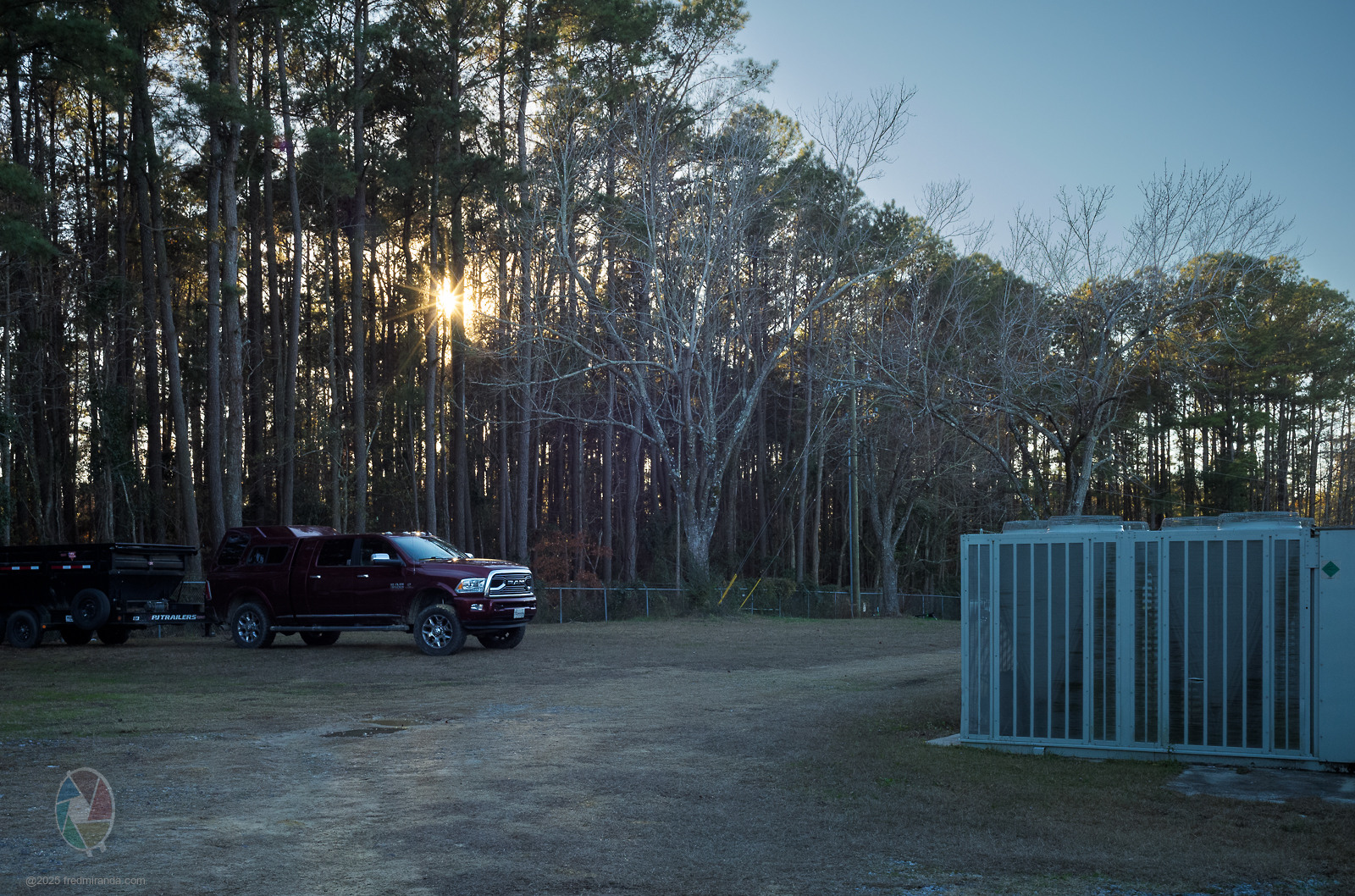
I wasn't able to capture many sunstar real world samples earlier since the weather didn't cooperate, but here are a couple shots at f/4 from previous sessions:
f/4
LEICA M10-RSummilux-M 1:1.4/35 ASPH. lens35mmf/4.01/60s320 ISO+1.0 EV
f/4
LEICA M10-RSummilux-M 1:1.4/35 ASPH. lens35mmf/1.41/4000s100 ISO0.0 EV
Thanks Fred for the comparison photos. I gotta say, I was really surprised to see the 100% crops of the LLL out-of-focus specular highlights. At screen resolution, the texture looks like flannel to me - even the edges of the 'blur discs' are a little fuzzy, but zoomed in, what a surprise to see two sets of offset concentric rings - like rain drops on a pond. Interesting!
Also, the rainbow flare and veiling flare are a feature...and a bug...depending on the situation. My 50 Summilux ASPH 11891 makes crazy rainbow flares (so, at least the LLL is doing something Leica is known to do as well).
On the topic of flare...one of my favorite attributes of my 11874 is how poorly it contains highlights...leading to a beautiful bloom around bright light sources. It's quite unique amongst all of my 35mm lenses. I'll be very excited to see how it compares to my LLL 11873.
Overall, the resolving power of the LLL seem good enough and your comparisons show that it draws quite differently from the FLE (and my gut says that it will be different enough from my 11874 to warrant keeping them all...but who am I kidding, I never sell anything).
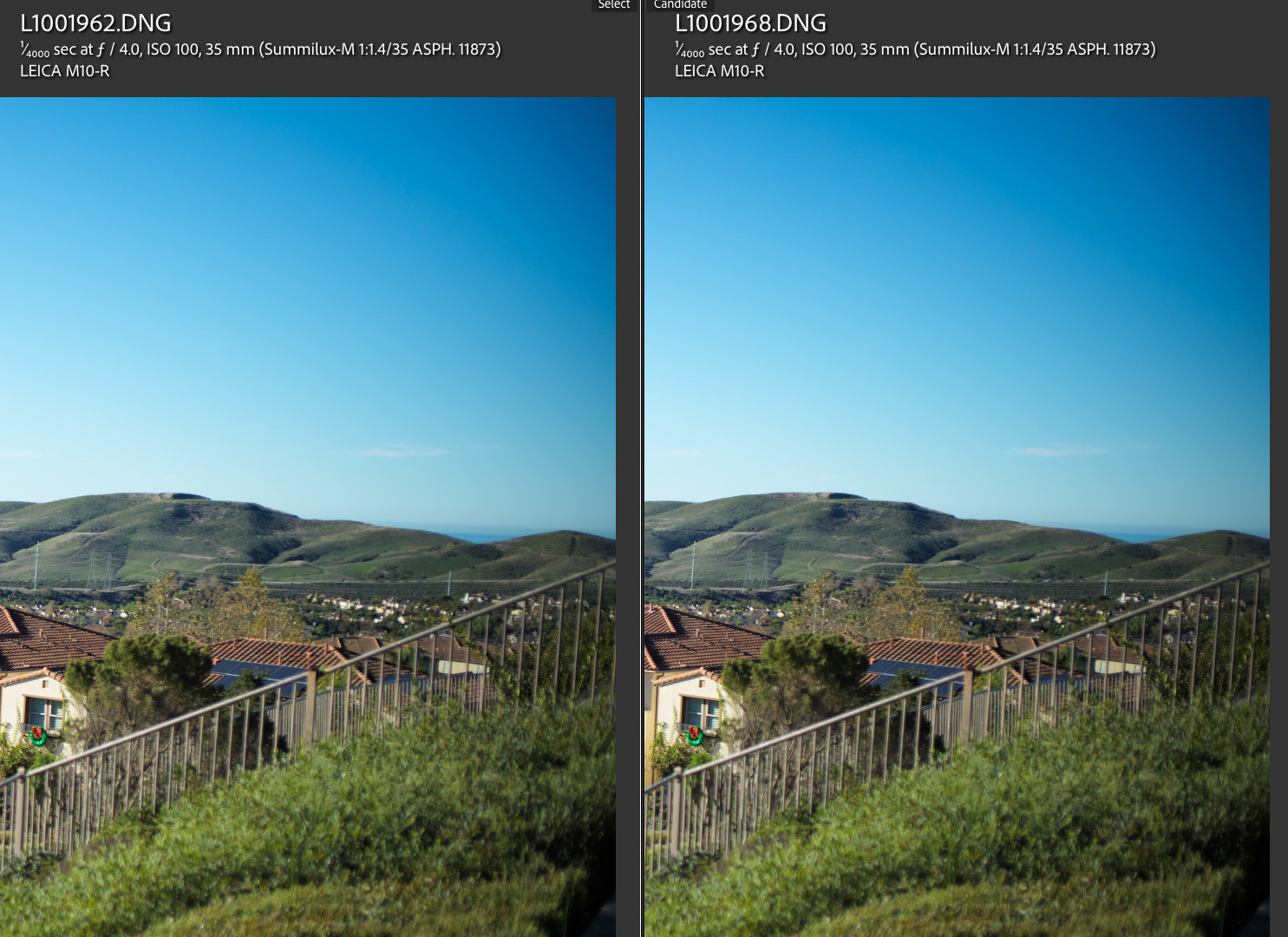
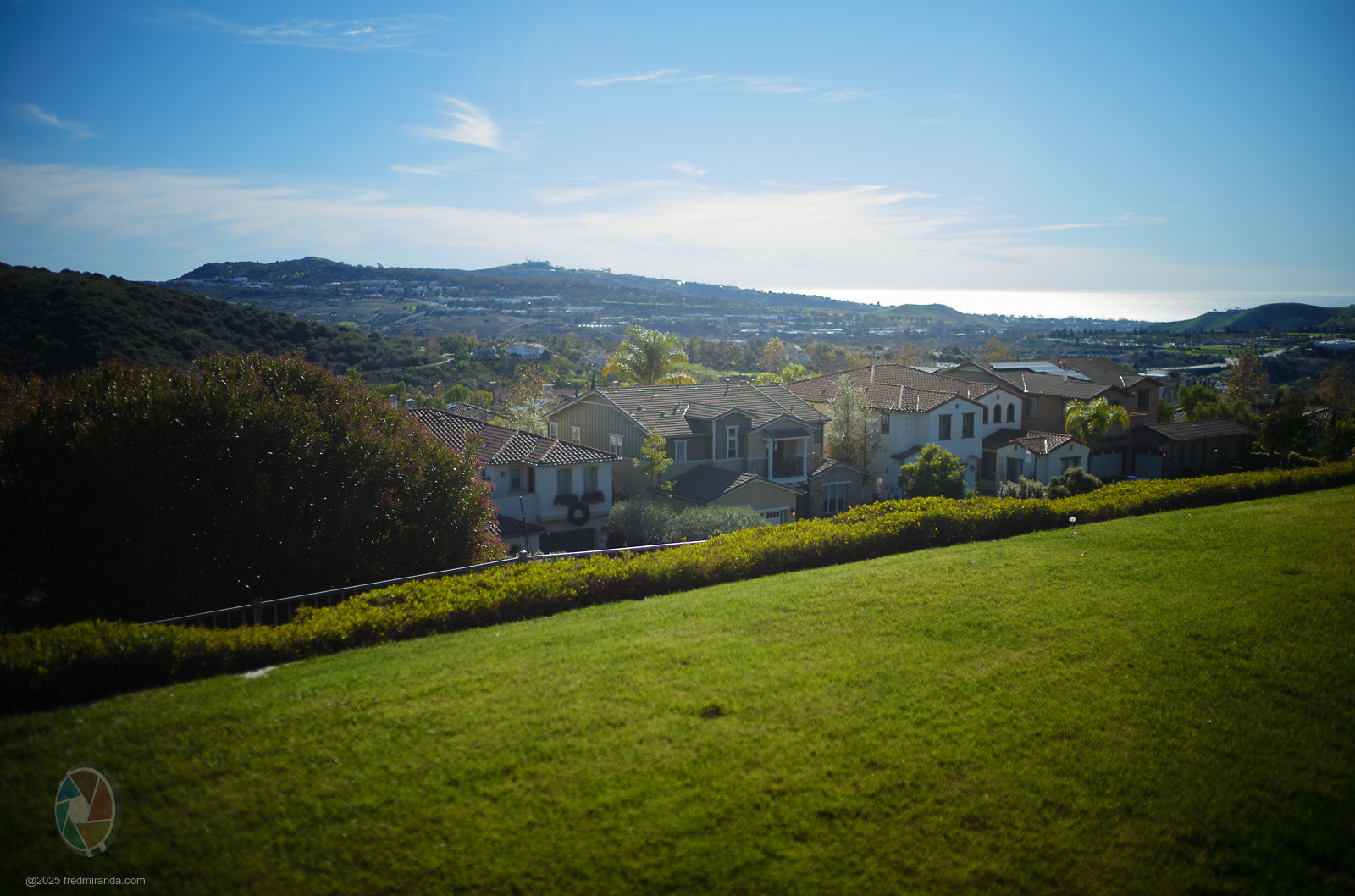
While testing the Light Lens Lab 35mm f/1.4 Aspherical, I intentionally set my Leica M10-R's Lens Detection to “Off” to observe the natural vignetting. This gives a clear sense of how much vignetting to expect in real-world images and in comparison to the Leica 35mm f/1.4 Summilux ASPH. FLE.
I also wanted to see how the lens performs with Lens Detection turned on using the Leica 11873 in-camera profile. Surprisingly, the difference in vignetting is minimal, especially when the lens is stopped down slightly, as I will demonstrate below.
Based on this, I would simply leave in-camera Lens Detection set to "Off". Even if you forget to set it, it doesn't make a significant difference.
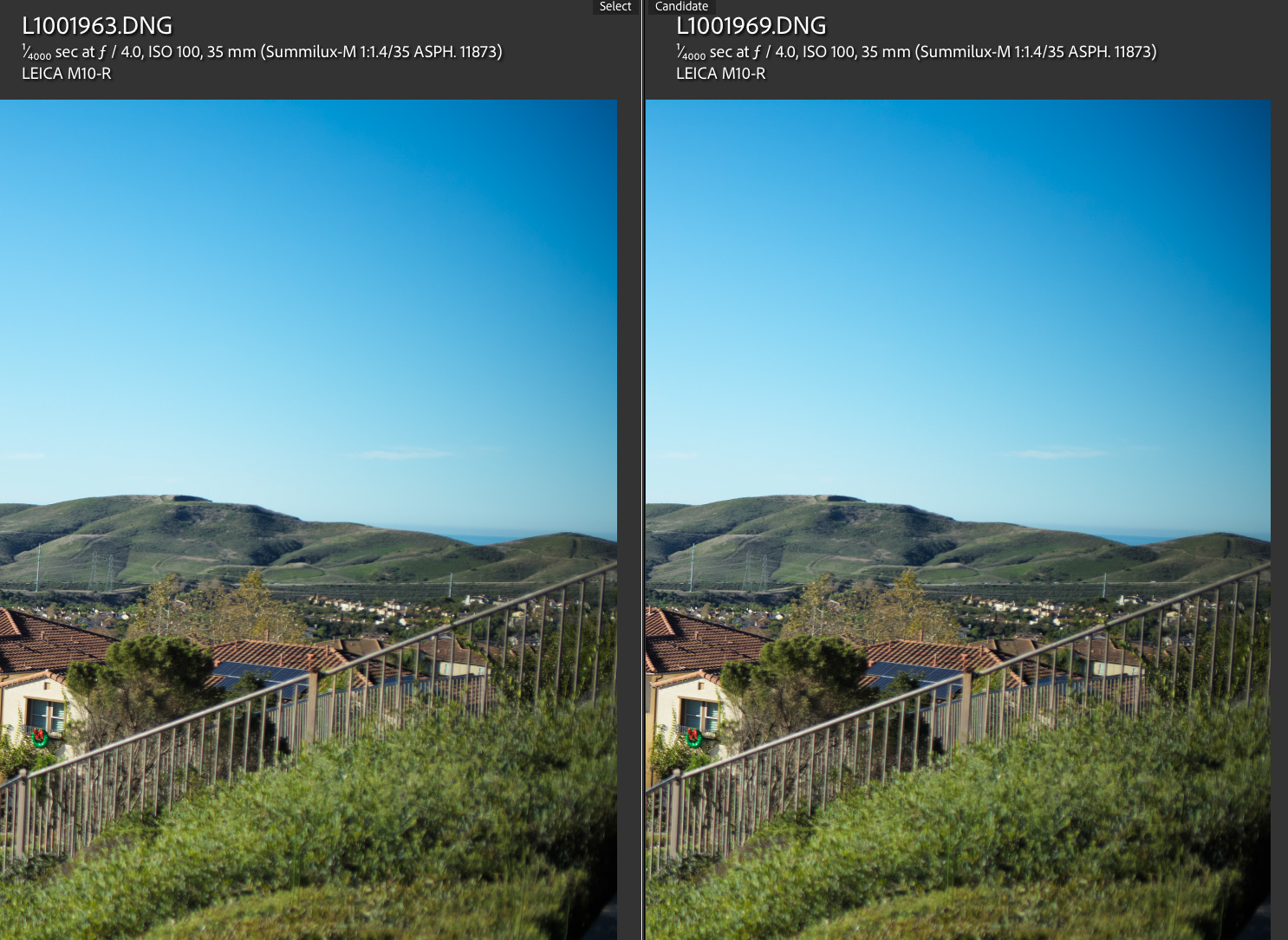
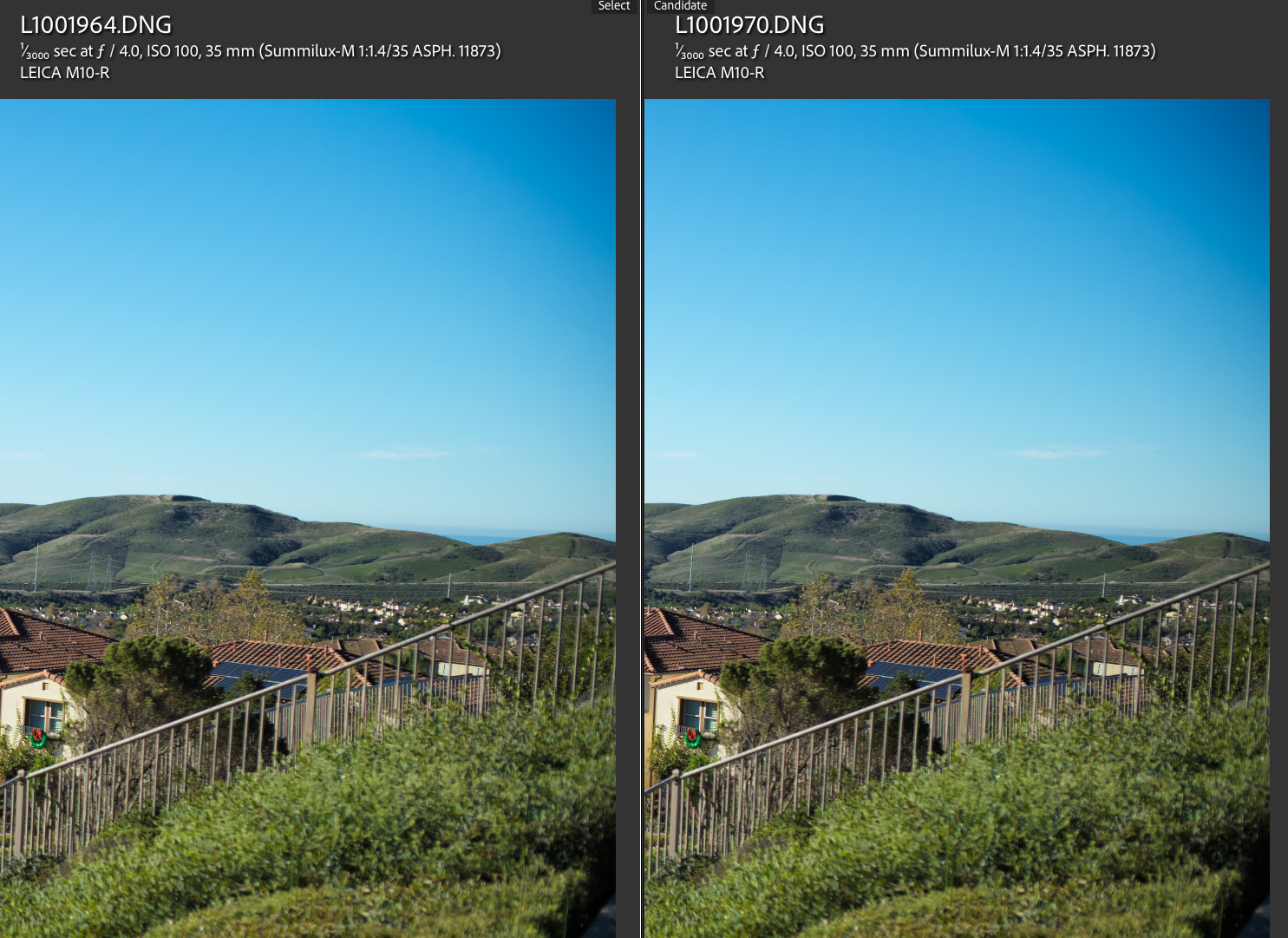
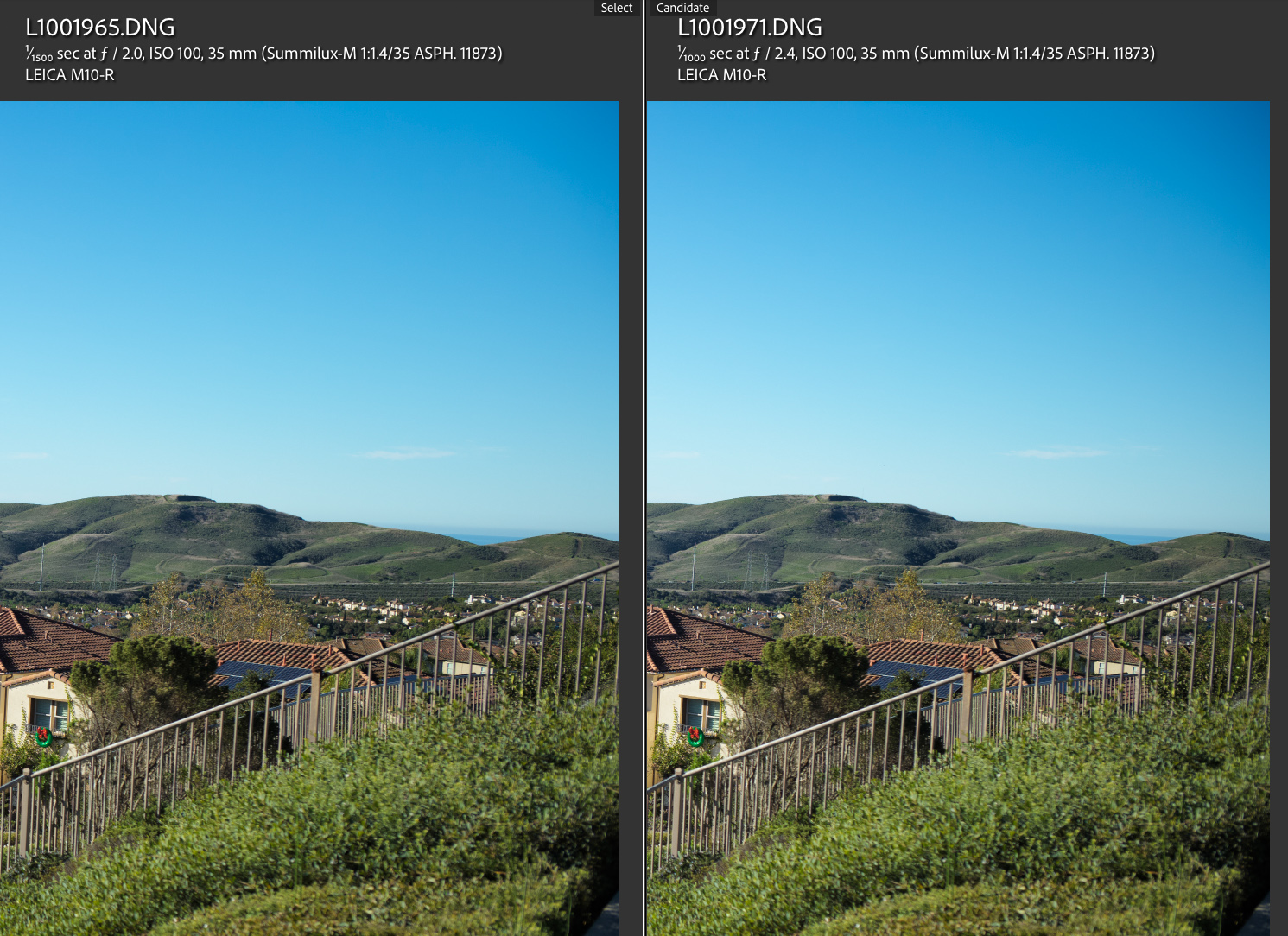
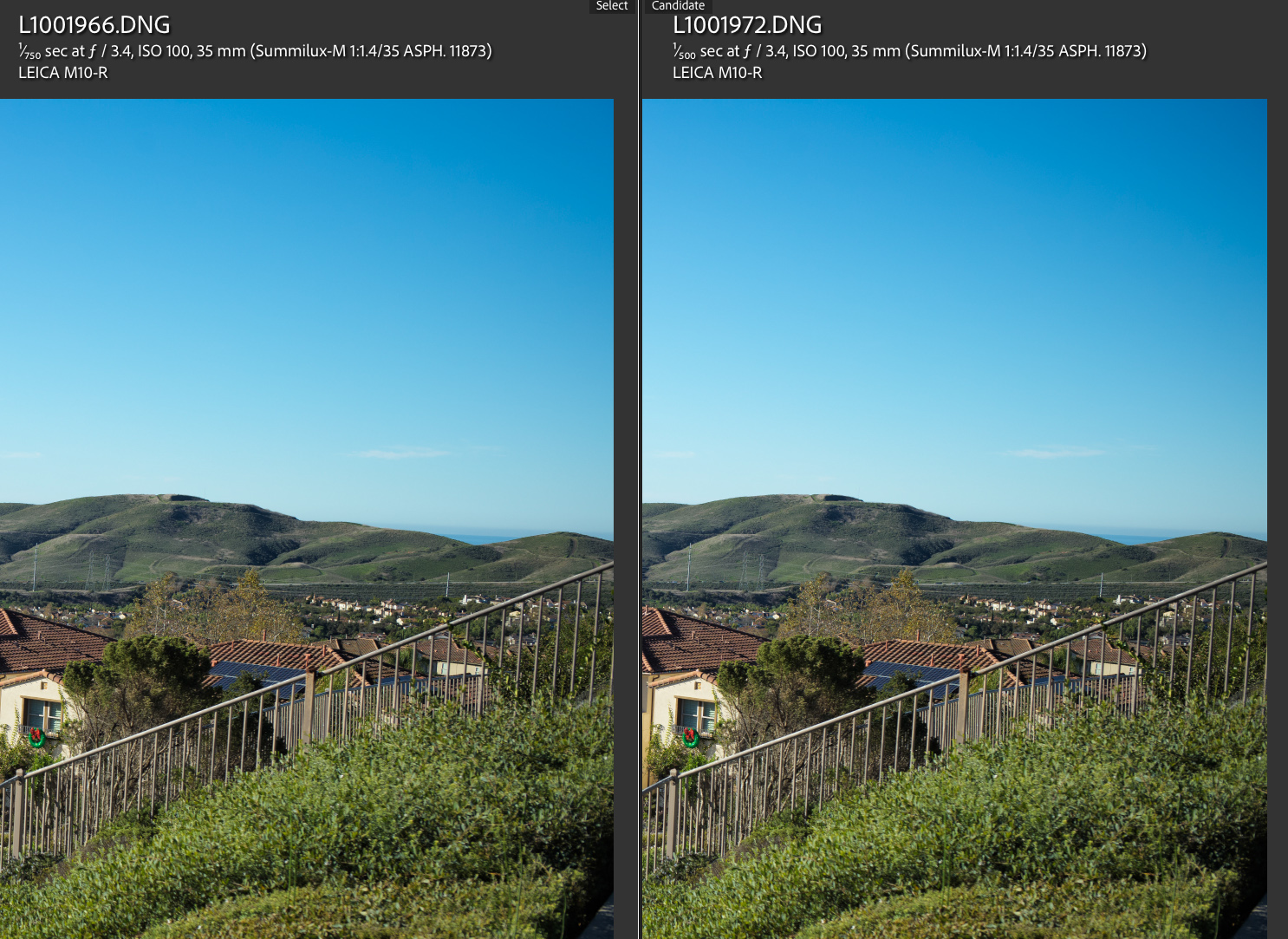
Here is the sequence from f/1.4 until f/8:
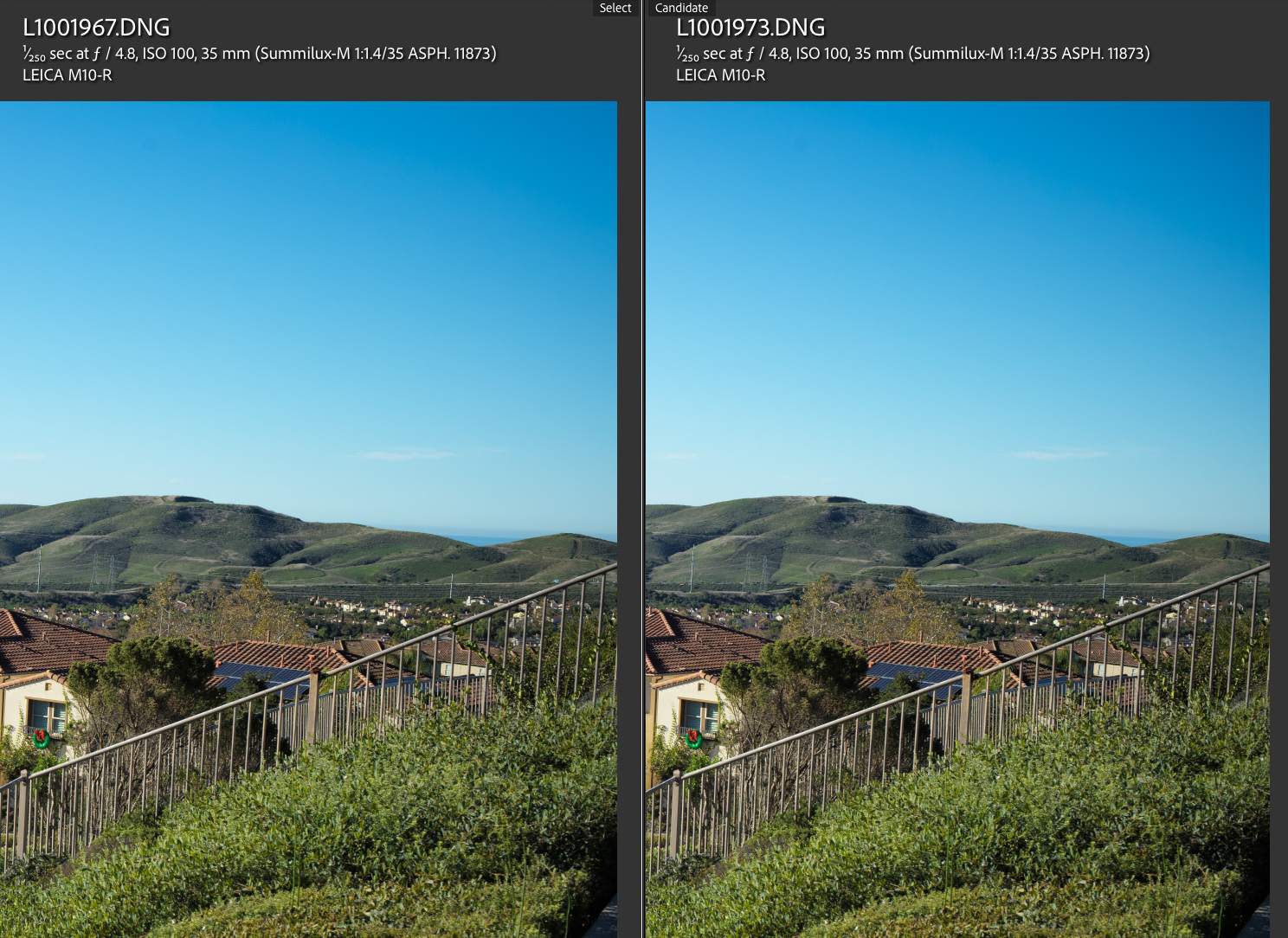
On the left, you have the Lens Detection on set to "Leica 35mm f/1.4 11873", and on the right, Lens Detection is set to "Off".
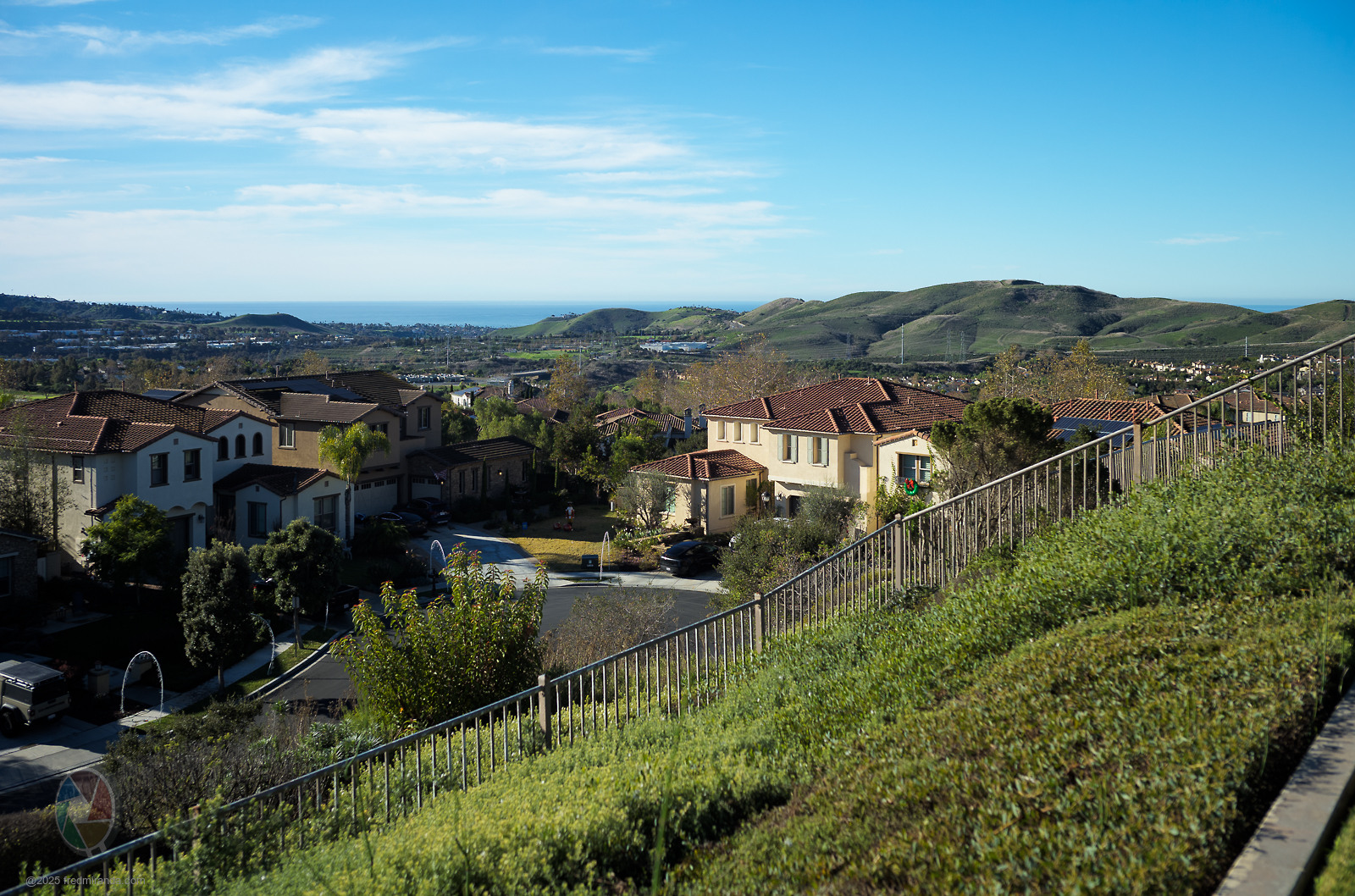
Full scene at f/4
LEICA M10-RSummilux-M 1:1.4/35 ASPH. 11873 lens35mmf/2.01/1500s100 ISO0.0 EV
_jim_ wrote:
Thanks Fred for the comparison photos. I gotta say, I was really surprised to see the 100% crops of the LLL out-of-focus specular highlights. At screen resolution, the texture looks like flannel to me - even the edges of the 'blur discs' are a little fuzzy, but zoomed in, what a surprise to see two sets of offset concentric rings - like rain drops on a pond. Interesting!
Also, the rainbow flare and veiling flare are a feature...and a bug...depending on the situation. My 50 Summilux ASPH 11891 makes crazy rainbow flares (so, at least the LLL is doing something Leica is known to do as well).
On the topic of flare...one of my favorite attributes of my 11874 is how poorly it contains highlights...leading to a beautiful bloom around bright light sources. It's quite unique amongst all of my 35mm lenses. I'll be very excited to see how it compares to my LLL 11873.
Overall, the resolving power of the LLL seem good enough and your comparisons show that it draws quite differently from the FLE (and my gut says that it will be different enough from my 11874 to warrant keeping them all...but who am I kidding, I never sell anything)....Show more →
The 11874 has always been one of my most favored 35mm lens, especially the way it draws, handles highlights, flair characteristics and even when necessary, put into service for landscapes that require higher resolving power (when used stopped down). It's strength in my opinion is for environmental portraits and close to mid distance use. It has just the right amount of SA, especially when shot wide open, to give images some character without overdoing or overpowering the image. Of course every lens has their own set of unique properties that some may favor, where they accentuate certain optical properties and/or performance. Lenses like the steel rim, especially used wide open for its "look" or alternatively the more technically proficient modern lenses such as the FLE or Zeiss ZM 35mm f1.4. Each has its place in use or favored over another.
From all I have seen so far, the LLL seems a worthy successor to the 11874, especially without the 11874's considerable focus shift. Whether one of these lenses has other optical desirable advatages over the other, will require actual head to head testing in my opinion. Personally for myself, although the FLE, LLL, AA and Pre FLE are closely related and can be considered in the same closely nit family of lenses based on optical properties, I'd almost further separate them into groups...the 11874 along with the LLL, then separately the FLE along with the Zeiss 35mm f1.4 (aside from their size/weight differences) and that leave the AA and my conjecture is it might be categorized along with the LLL and Pre FLE but that's just a guess at this point.
Loved examining everyone's images and perspectives, especially with regards to the LLL lens! Thanks to Fred and all others who contributed!
ftllens wrote:
Some screenshot caps [no processing] of the DNG files from the M60 [M240 output]. Mostly WO ISO 200-800, Auto WB, Auto SS and with the LLL Ti filter on.
These samples are 1617x1078 res phone screen captures from the 24mpx original so not the best indicator of final quality.
Initially I thought it would be closer to the original AA which was close to the FLE output from my usage with it, but the LLL is a nice complementary.
Regarding the colormatch of the lens body; on my M60 the LLL is touch darker, cooler, and more magenta shade. But the stainless steel/Ti coating on the M60 is clearcoated so I'm curious to see how it matches on the non coated bodies.
The haptics are great, similar to the original but feel much crisper. So, the uneven stiction on the focus ring seems to happen when your other supporting fingers are resting on the base of the lens vs on the actual geared area. Maybe helicoid sensitive to off center torque. But it did break in nicely over just 1 day so will need to revisit.
Haven't done any tests against the FLE yet but there's a pretty clear difference in rendering....Show more →
I'd love to invite all FM members who have their Light Lens Lab 35mm f/1.4 Aspherical "11873" to post their own samples in this thread. I will make sure to link them on the first page of the review so everyone can easily see them.
The Light Lens Lab 35mm f/1.4 Aspherical offers what I would call average flare resistance. Its coatings and optical design make it more resistant to ghosting and veiling flare than most vintage lenses and also more controlled than the Leica 35mm f/1.4 Summilux pre ASPH. However, it still sits a step behind Leica's more modern 35mm f/1.4 designs.
Interestingly, there were situations where it actually outperformed the Leica 35mm f/1.4 Summilux ASPH FLE, such as in the sunstar comparison. In other situations, the FLE handled flare better, especially with regard to veiling flare.
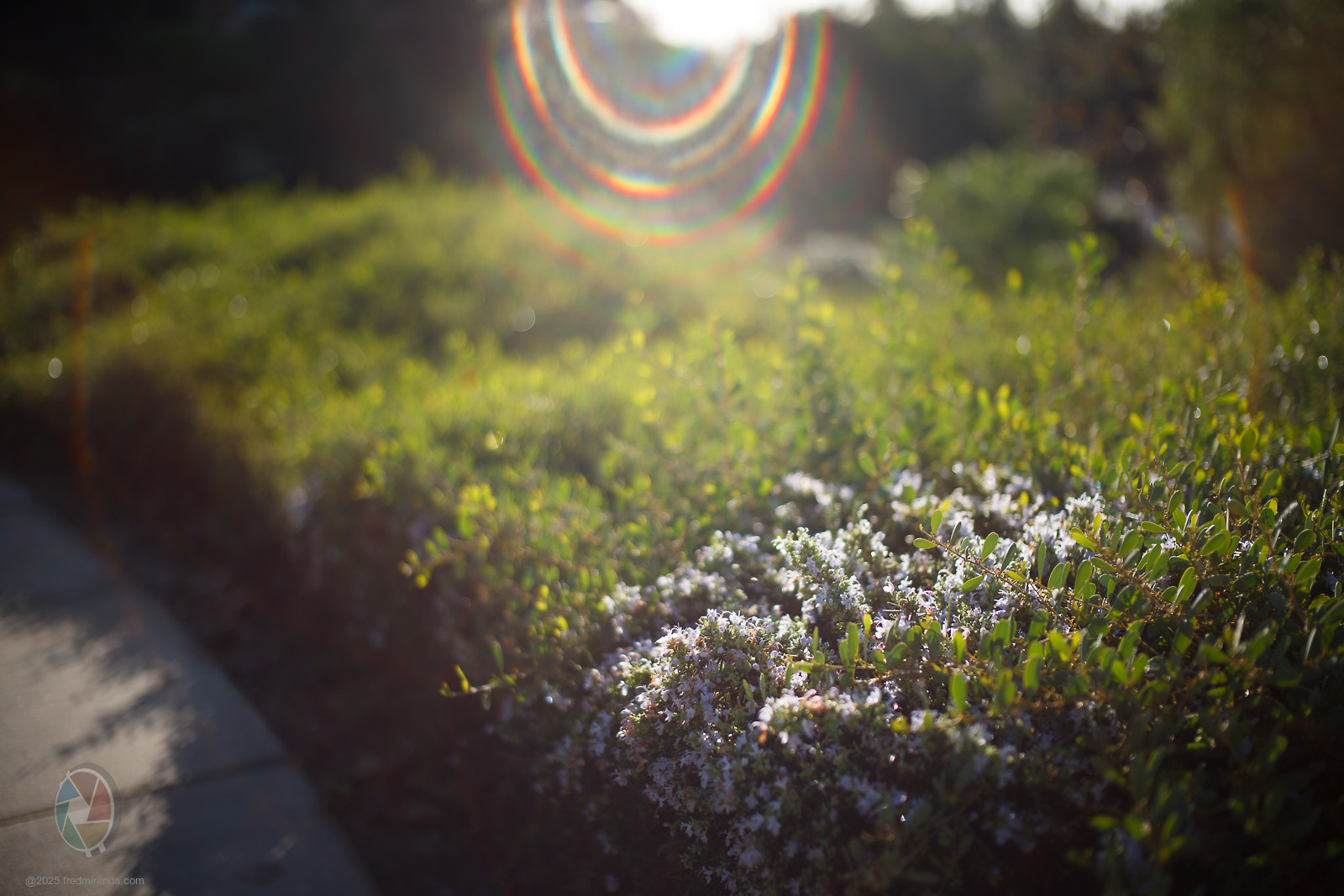
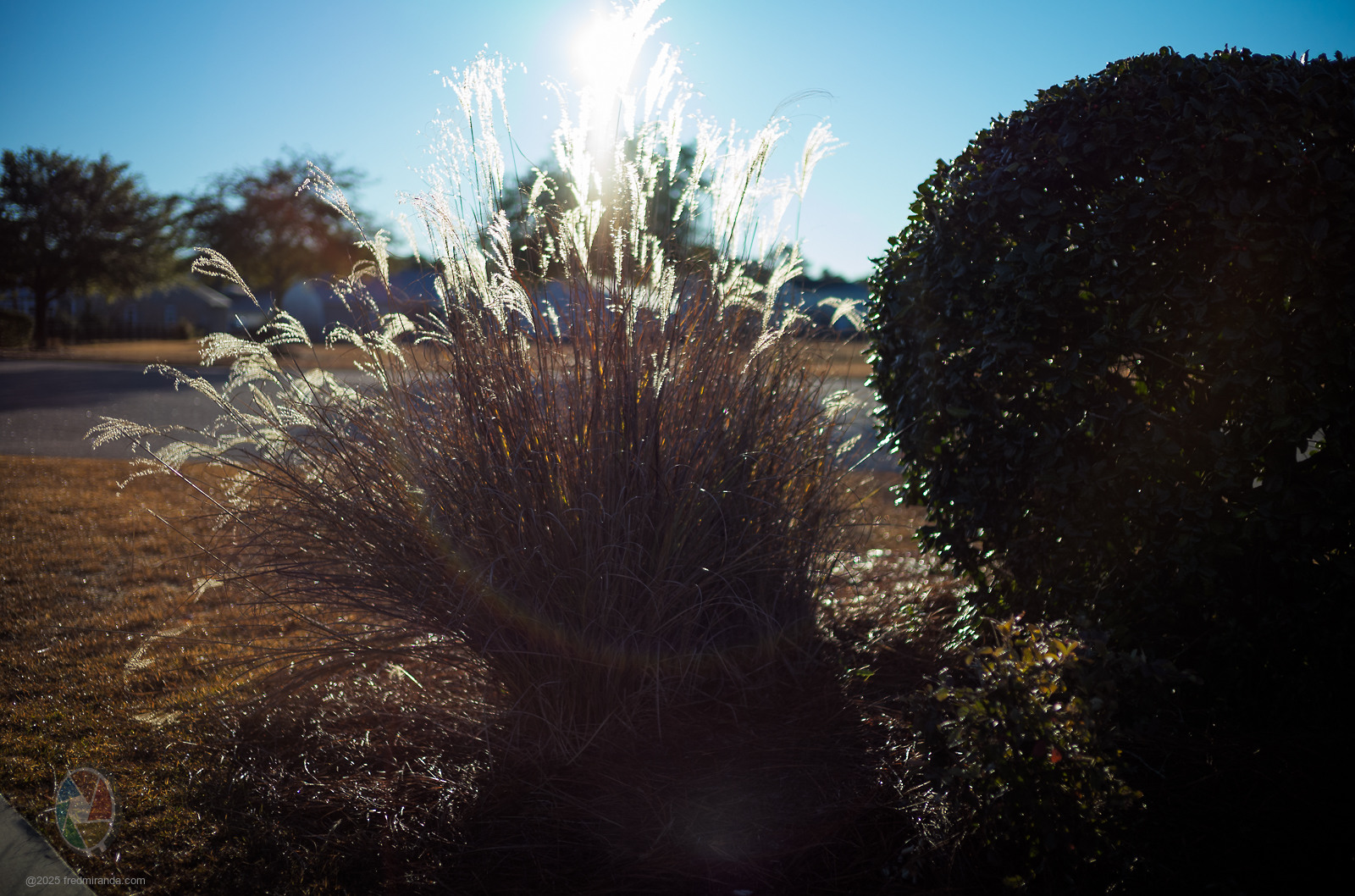
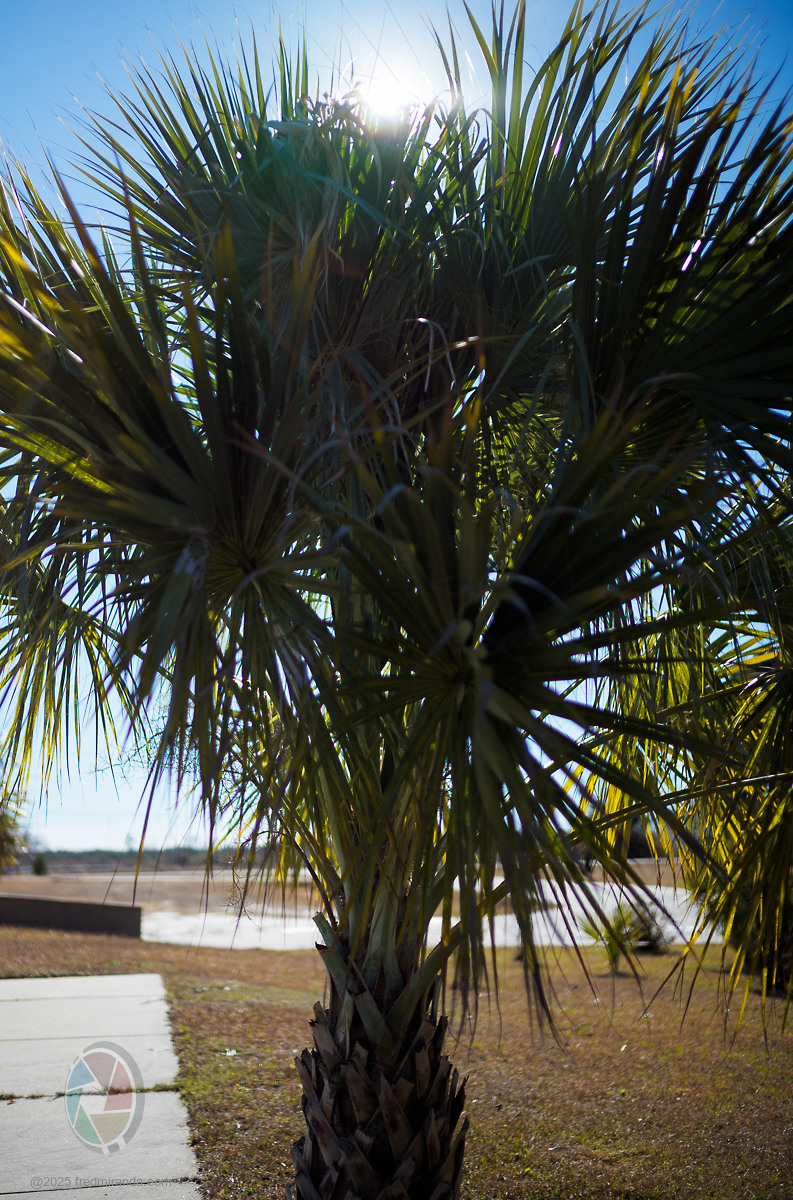
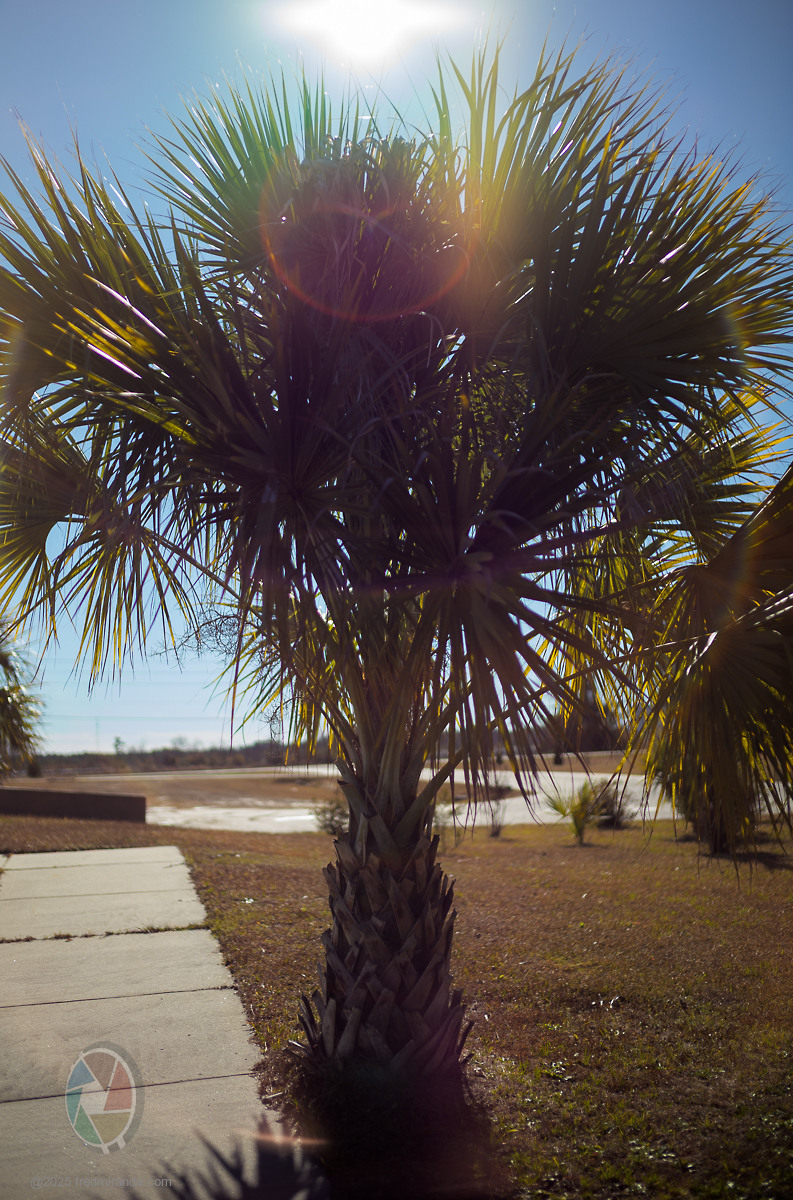
The Light Lens Lab produces a very characteristic layered rainbow flare when shot against strong contrast, as you can see in the examples below. Most of the time the rendering has a cinematic veiling effect with very little ghosting. What I am showing here represents the worst case scenarios I came across after shooting nearly a thousand images with this lens. In real world use, flare is usually mild and often adds character rather than distraction.
So, it is not on the same level as the best modern optics, especially those from Cosina, but overall I would rate the performance as solidly average and in some cases even slightly above average depending on the scene and light angle.
Lower contrast and veiling flare
LEICA M10-RSummilux-M 1:1.4/35 ASPH. 11873 lens35mm1/800s100 ISO0.0 EV
Layered rainbow flare, which diminishes at smaller apertures
LEICA M10-RSummilux-M 1:1.4/35 ASPH. 11873 lens35mm1/3200s100 ISO0.0 EV
Typical ring flare
LEICA M10-RSummilux-M 1:1.4/35 ASPH. lens35mmf/1.41/4000s100 ISO0.0 EV
Layered rainbow flare with subtle veiling
LEICA M10-RSummilux-M 1:1.4/35 ASPH. lens35mmf/1.41/2000s100 ISO0.0 EV
Careful composition makes all the difference. From this angle there was no visible flare and no loss of contrast.
LEICA M10-RSummilux-M 1:1.4/35 ASPH. lens35mmf/2.01/4000s100 ISO0.0 EV
But when I positioned the sun farther into the frame, this was the result.
LEICA M10-RSummilux-M 1:1.4/35 ASPH. lens35mmf/1.41/4000s100 ISO0.0 EV
Sunstar in the frame at f/4, showing strong contrast and minimal ghosting.
LEICA M10-RSummilux-M 1:1.4/35 ASPH. lens35mmf/3.41/1000s100 ISO-2.7 EV
Here, at the same aperture, position, and time, the Leica 35mm f/1.4 Summilux FLE shows more ghosting and veiling.
LEICA M10-RSummilux-M 1:1.4/35 ASPH. FLE lens35mmf/8.01/500s100 ISO-2.7 EV
Shooting directly into the light with the sun just above the frame. No ghosting, only subtle veiling flare creating a pleasant atmosphere.
LEICA M10-RSummilux-M 1:1.4/35 ASPH. lens35mmf/4.01/4000s100 ISO0.0 EV
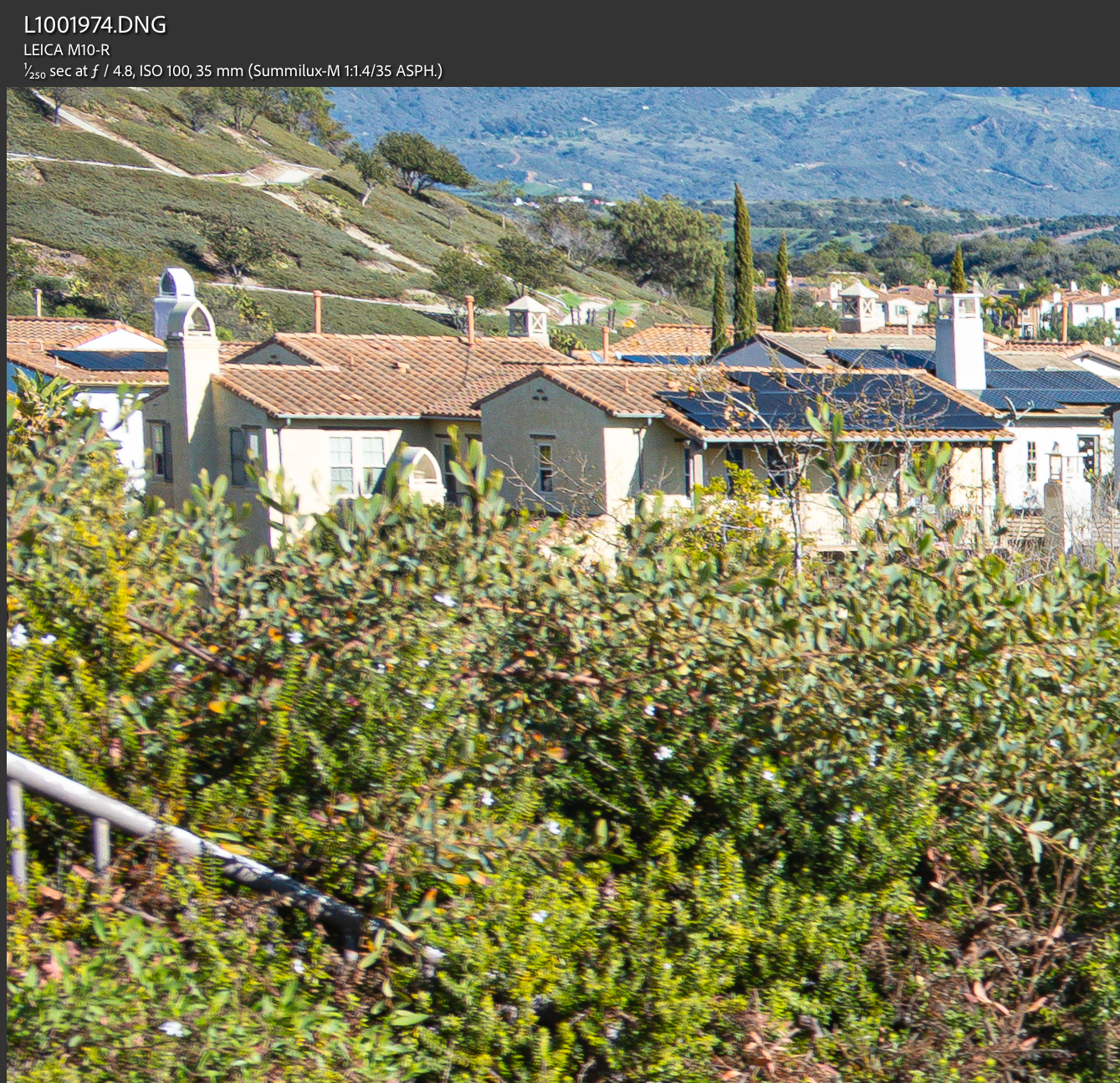
The Light Lens Lab 35mm f/1.4 Aspherical "11873" shows excellent lateral CA correction. In my tests, I could not detect any noticeable lateral chromatic aberration in regular shooting, which typically appears off-axis at any aperture. Even when examining high-contrast subjects in the extreme corners of the frame, the effect is extremely subtle, with only minor traces of color error. Lightroom’s "Remove Chromatic Aberration" adjustment reduces it to virtually zero.
Here's a 100% crop of a high-contrast subject near the corner of the frame, shown before and after adjustment. As you can see, the lateral CA is minimal.
Photographers sensitive to LaCA will likely appreciate this. I also think this is one of the areas where Light Lens Lab improved upon the original Leica 35mm f/1.4 AA, along with a full correction of focus shift.
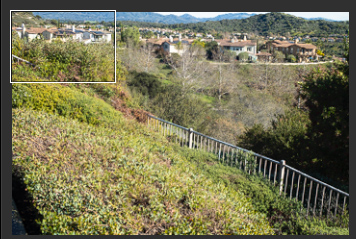
Thumbnail showing the full image with the section analyzed for CA correction.
Longitudinal Chromatic Aberration (LoCA) and Purple Fringing
LLL did an excellent job minimizing purple fringing on the 35mm f/1.4 Aspherical. This has been a common criticism of the current Leica 35mm f/1.4 Summilux ASPH. (FLE), which shows noticeable purple fringing wide open and even when stopped down on high-contrast subjects. This is one area where the Light Lens Lab clearly pulls ahead, which will please shooters sensitive to color errors.
Regarding longitudinal or axial chromatic aberration, the lens is not immune and will show green or magenta fringing in out-of-focus areas. It is not excessive, though, and performs in line with the best fast 35mm lenses, including the FLE.
Below are 100% crops showing axial CA and purple fringing in different images. Overall, the Light Lens Lab performs above average for a 35mm f/1.4 lens, though it is still behind lenses like the Leica 50mm f/1.4 Summilux ASPH. or APO lenses.
f/1.4: Slight purple fringing appears at the focus plane, with magenta fringing visible in the front out-of-focus area.
f/2: Just one stop down, and color fringing is largely corrected
Here are a few more 100% crops showing purple fringing and axial CA from the Light Lens Lab 35mm f/1.4 Aspherical.
Plane of focus: Not much purple fringing
Green fringning in the out of focus background
APO-like control of purple fringing, even wide open at f/1.4.
Worst-case scenario I’ve encountered. Significant color fringing appears in the out-of-focus areas of this high-contrast image, with axial CA showing as green fringing behind the focal plane.
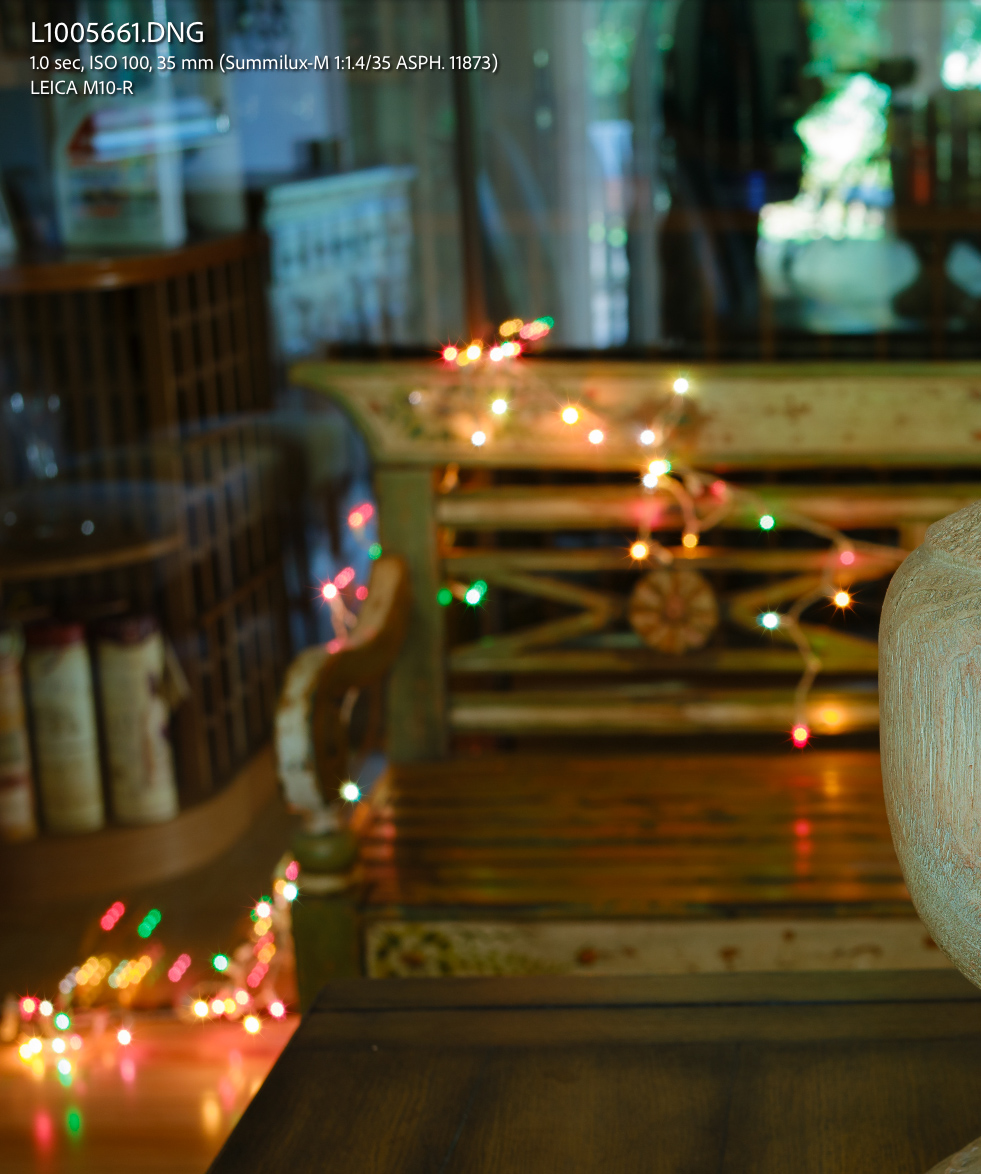
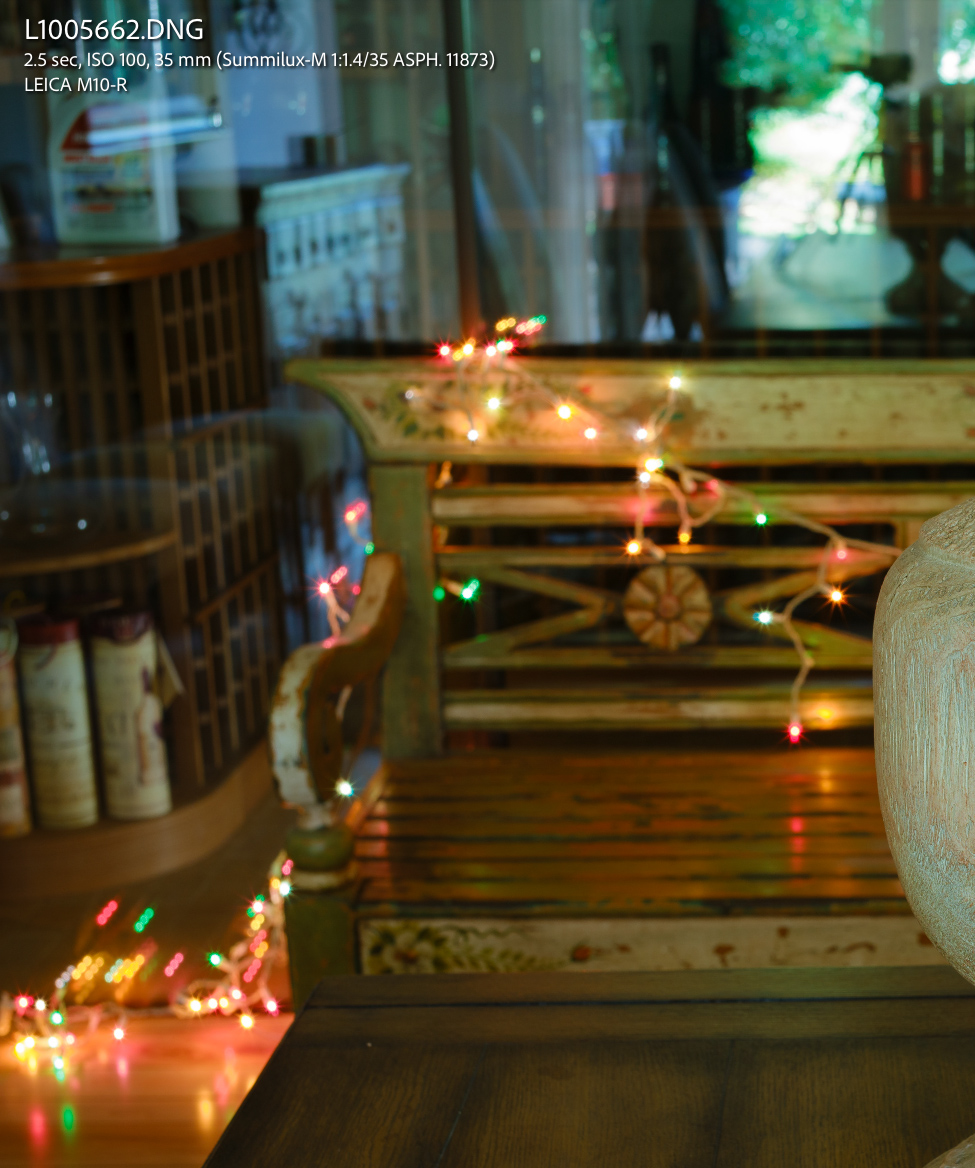
I've already covered how the inner structure of specular highlights looks. It’s not perfectly clean like in spherical lenses, and with the LLL 35mm f/1.4 Aspherical using two molded aspherical elements, you get a subtle texture inside the bokeh balls.
What about the bokeh ball shapes themselves? Across the samples I’ve posted, they remain fairly round in the center and gradually take on a slightly conical shape toward the edges of the frame. Optical vignetting is about average for a 35mm f/1.4, and at the extreme edges you’ll see cat’s eye-shaped highlights. This behavior is consistent with many Leica lenses, including the 35mm f/1.4 Summilux ASPH. FLE.
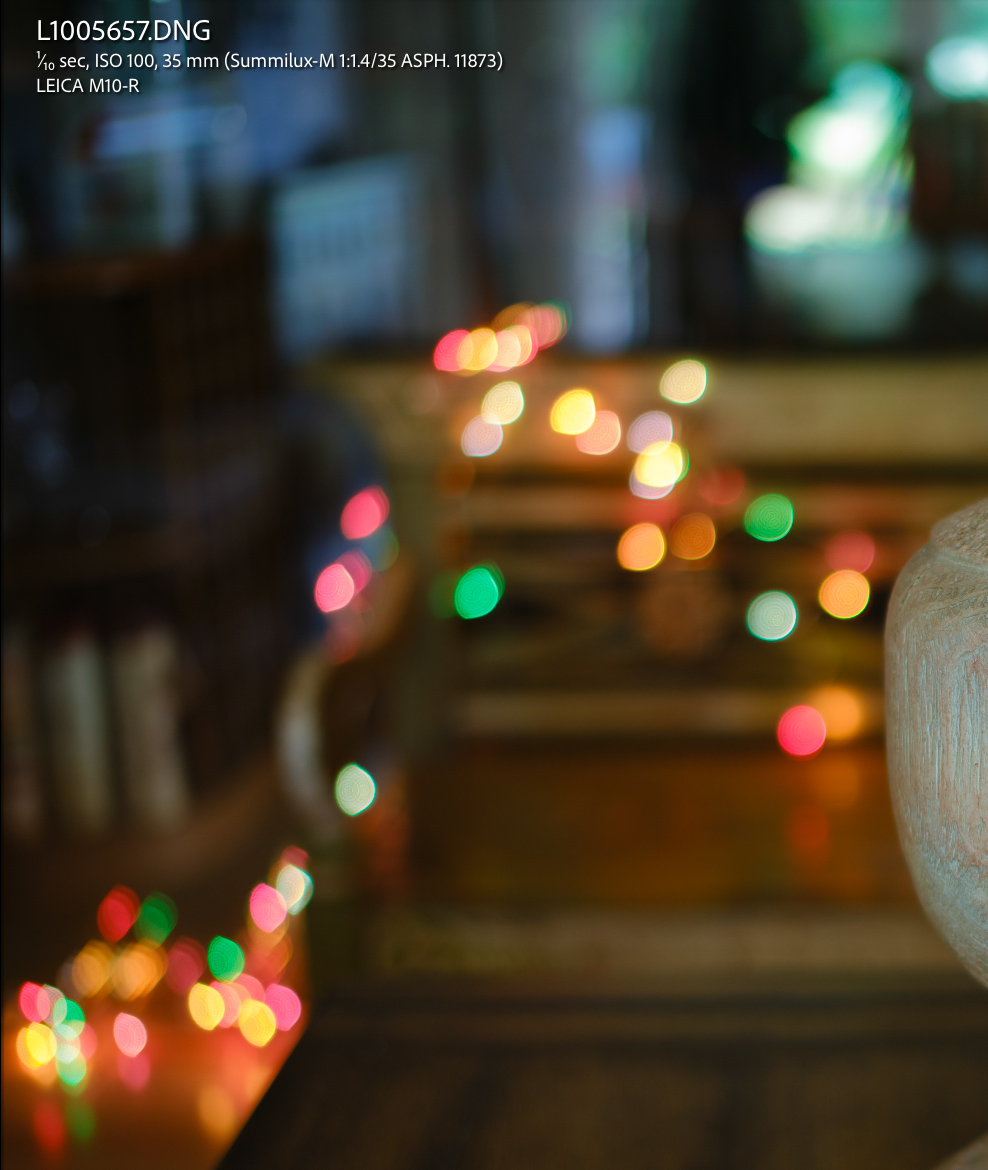
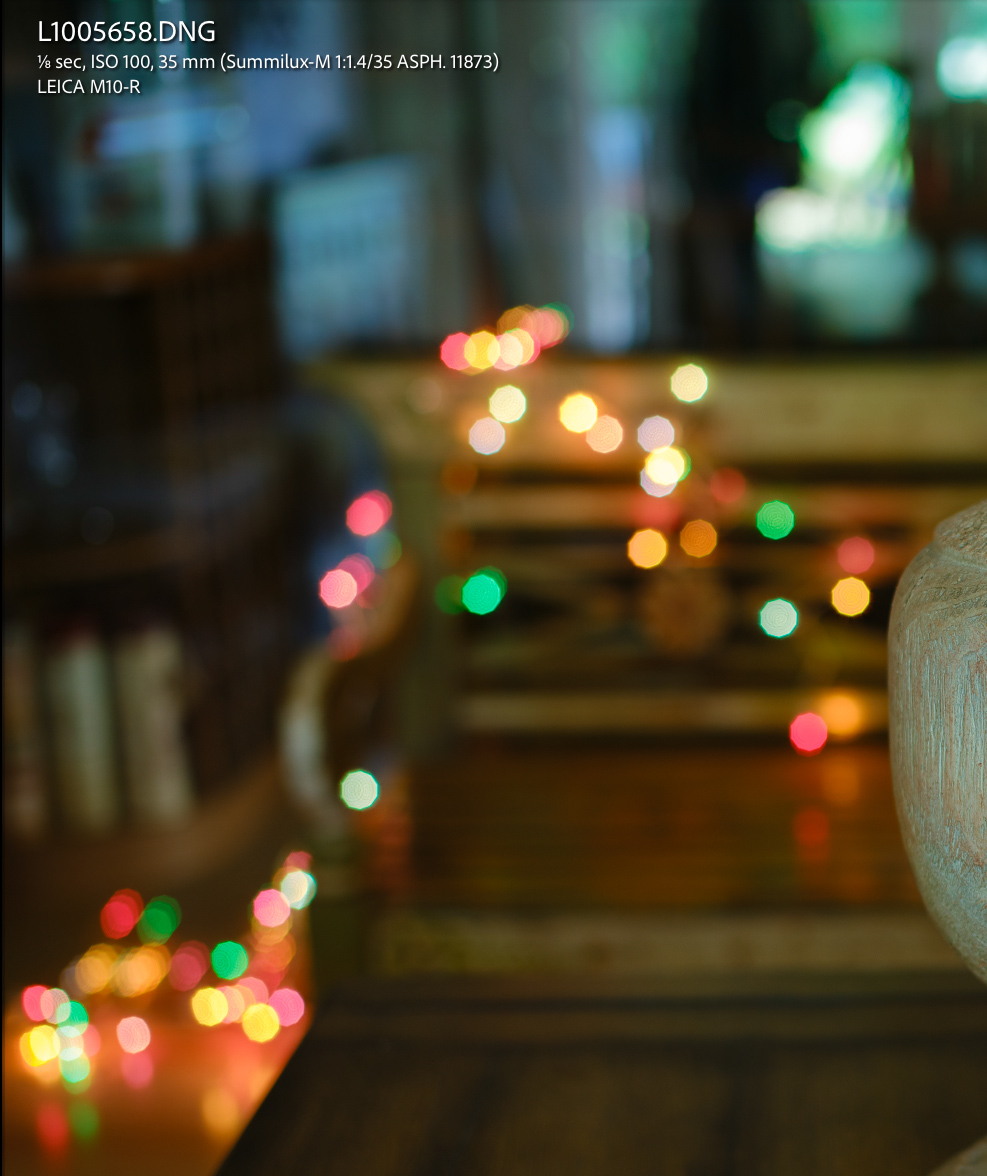
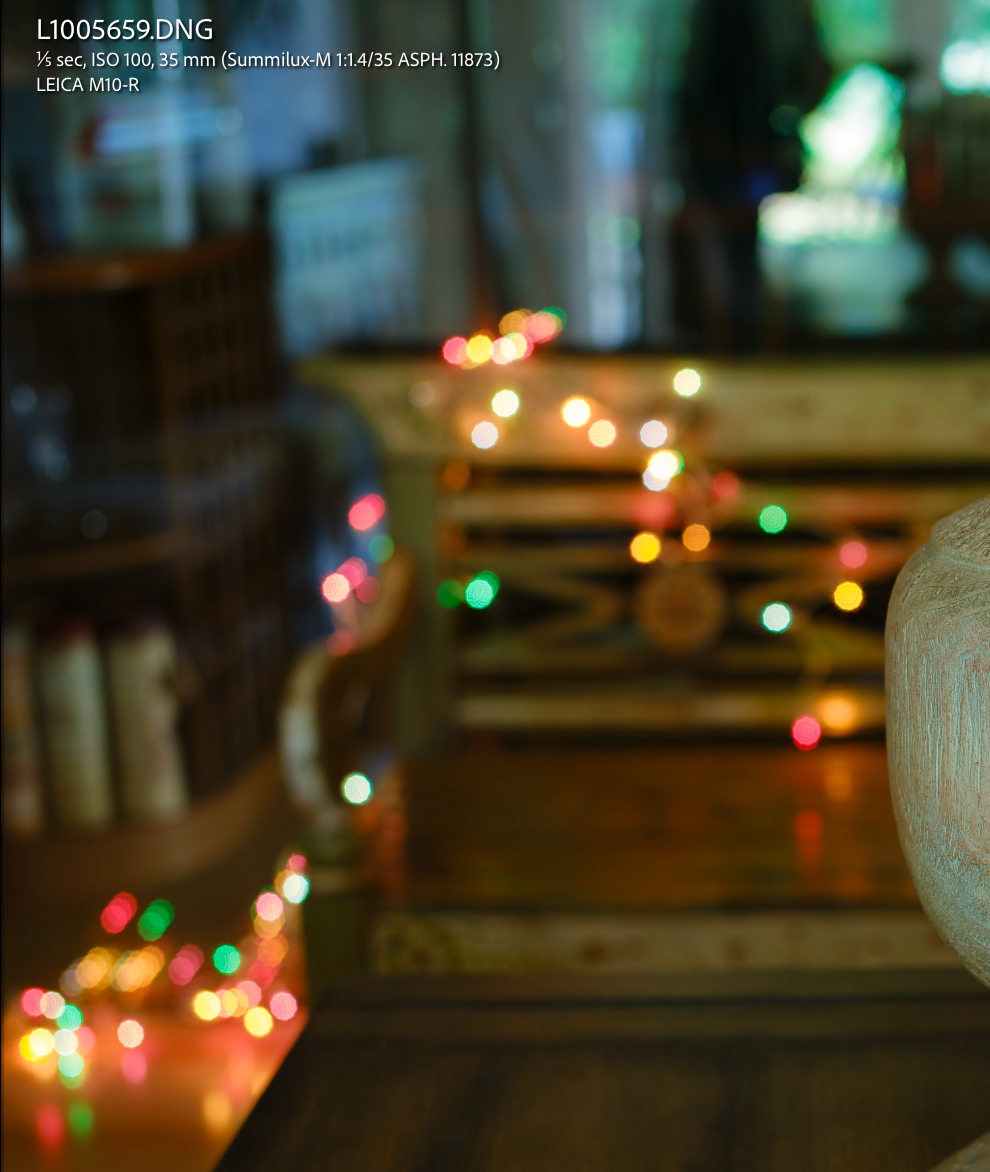
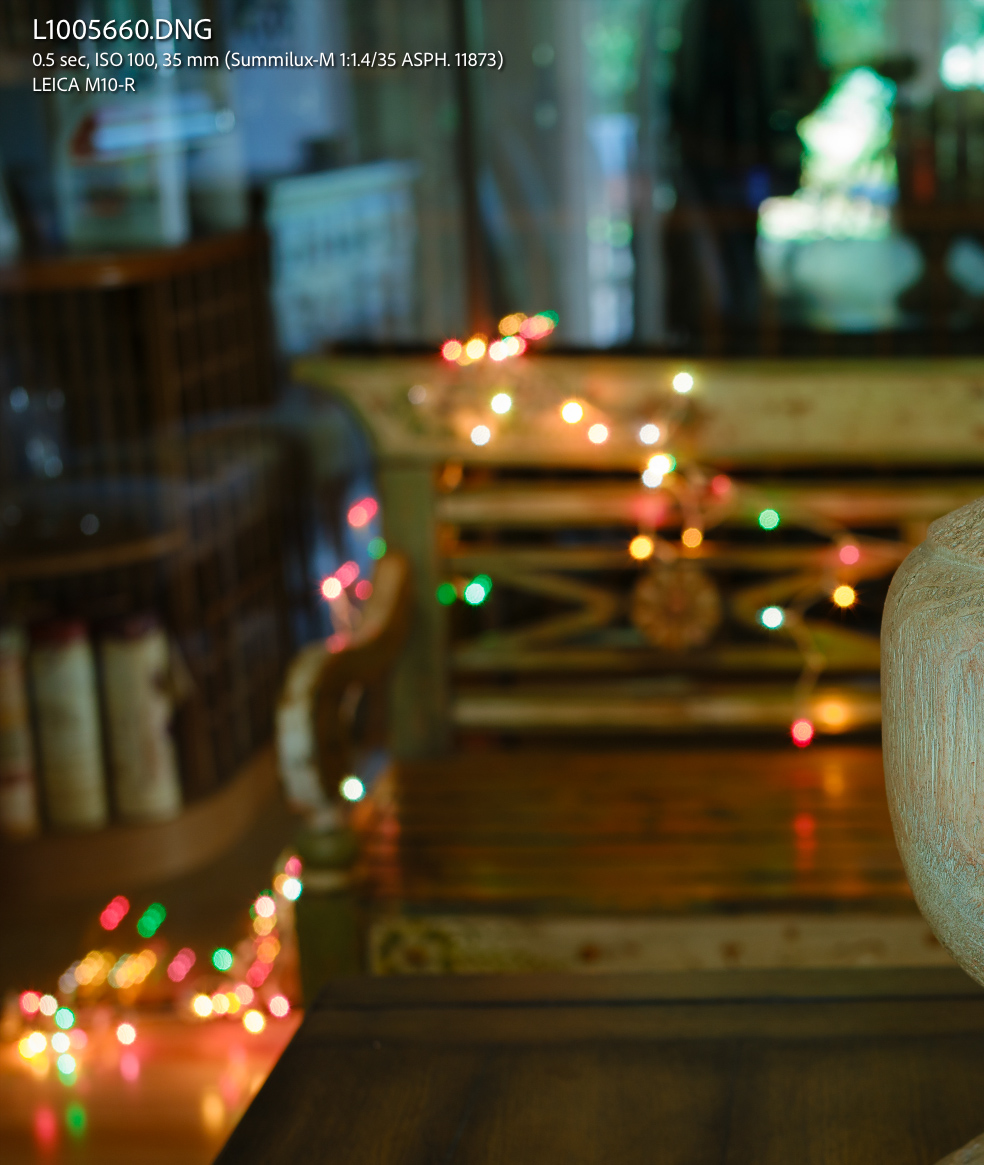
Below is a sequence from f/1.4 to f/8 showing the bokeh balls at the center (right side) and extreme corner (left side) of the frame. Specular highlights form a polygon (decagon) but overall still appear quite rounded.