Fred Miranda
Offline
Admin
Upload & Sell: On
|
 p.1 #1 · Light Lens Lab 35mm f/1.4 Aspherical "11873" Review p.1 #1 · Light Lens Lab 35mm f/1.4 Aspherical "11873" Review | |
Order the Light Lens Lab 35mm f/1.4 Aspherical "11873"
At the moment, this lens is only available for purchase directly from https://lightlenslab.com.
Get a 5% discount when you use the FREDMIRANDA code at checkout.
_____________
About the Light Lens Lab 35mm f/1.4 Aspherical "11873" lens:
Light Lens Lab released their 35mm f/1.4 Aspherical on October 17, 2025. This lens is based on Leica's original 35mm f/1.4 Double Aspherical design, often referred to as the AA, one of the rarest and most sought after M mount lenses ever made.
For this review, I received the Titanium version, which was produced in a single, one time batch based on pre-order demand rather than a fixed numerical limit. Aside from the finish and material, the optical design is identical to the black and silver aluminum versions.
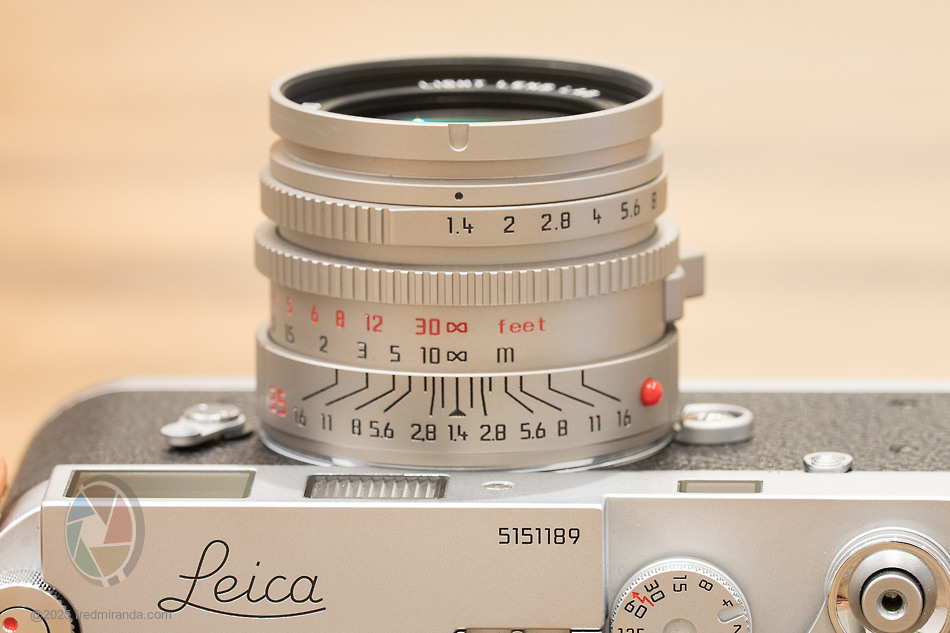
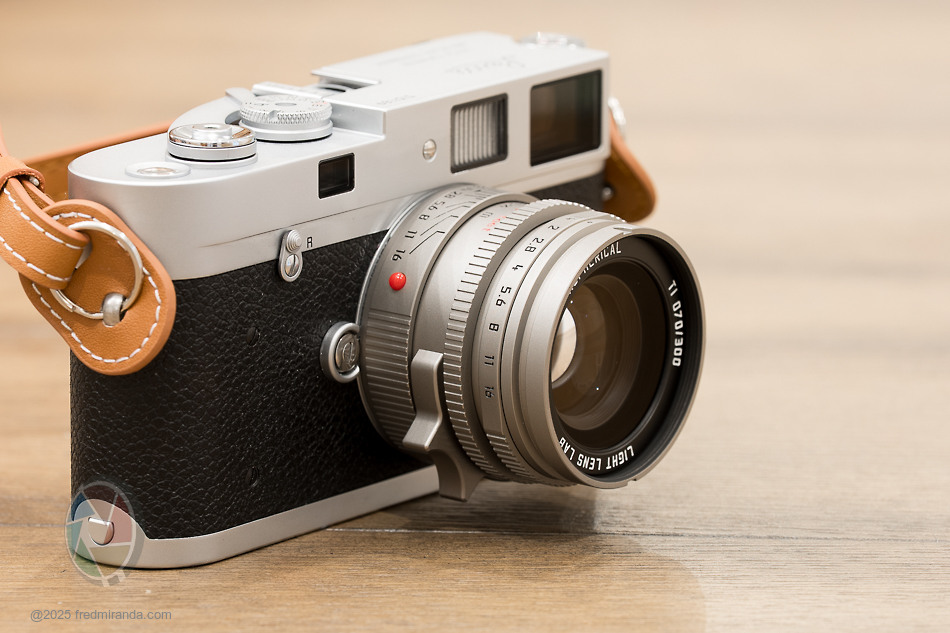
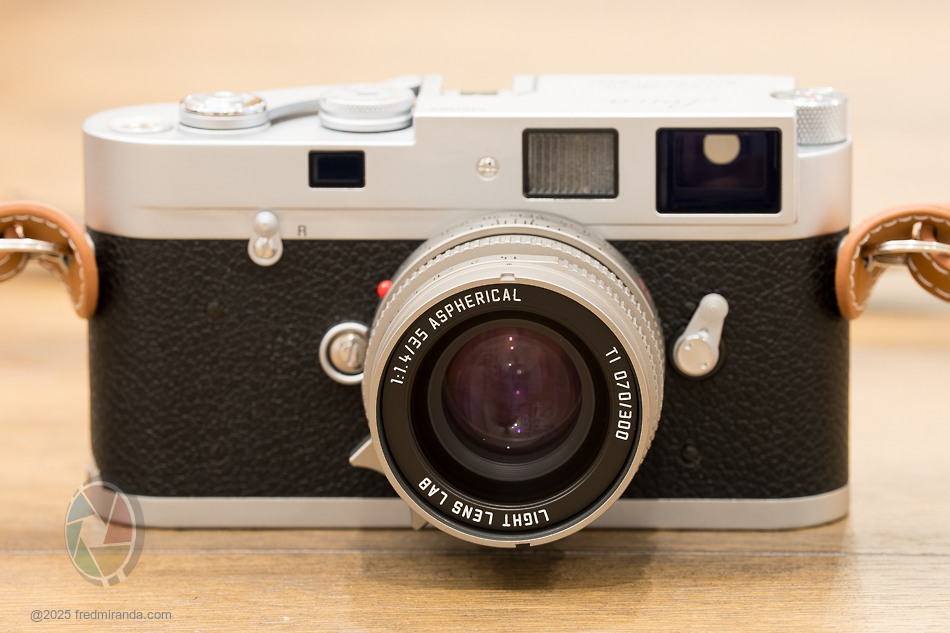
Light Lens Lab 35mm f/1.4 Aspherical mounted on Leica M-A
Review Quick Links:
- Initial thoughts
- Infinity Resolution and Contrast: Light Lens Lab 35mm f/1.4 Aspherical "11873"
- Infinity Resolution and Contrast compared Leica 35mm f/1.4 Summilux ASPH.
- Distortion
- Field Curvature
- Minimal Focus Distance performance and Focus Shift
- Sunstar Rendering
- Vignetting
- Flare Resistance
- Chromatic Aberration control
- Optical Vignetting and Specular Highlights shape
- Rendering comparison: Light Lens Lab 35mm f/1.4 Aspherical vs Leica 35mm f/1.4 Summilux ASPH.
- Rendering comparison 2: Light Lens Lab 35mm f/1.4 Aspherical vs Leica 35mm f/1.4 Summilux ASPH.
- Rendering comparison 3: Light Lens Lab 35mm f/1.4 Aspherical vs Leica 35mm f/1.4 Summilux ASPH. vs Leica 35mm f/1.4 Summilux Steel Rim
- Rendering comparison 4: Light Lens Lab 35mm f/1.4 Aspherical vs Leica 35mm f/1.4 Summilux "Steel Rim" (pre-ASPH)
- Final Thoughts
- Samples 1: Overcast early morning
- Samples 2: Sunny, high-contrast conditions at various distances
- Samples 3: At various distances under a textile factory artificial lighting
- Samples 4: Early morning and late afternoon at various distances
- Samples 5: Mostly people at various lighting and distances
- Samples 6: Inside a textile factory under artificial lighting
- Samples 7: Night shots showcasing specular highlights from Christmas lights
- Samples 8: Hazy and foggy night
- Samples 9: Assorted shots with mixed lighting and varying distances.
- Samples 10: Assorted shots with sunset lighting and varying distances (Leica M10-P)
Sample images shared by FM members:
- @ftllens: Sample 1, 2, 3, 4, 5,6, 7
- @xenon99: Sample 1, 2, 3
- @rsolti13: Sample 1, 2
- @viper563: Sample 1
- @EMH2025: Sample 1
- @_jim_: Sample 1, 2
- @rji2goleez: Sample 1
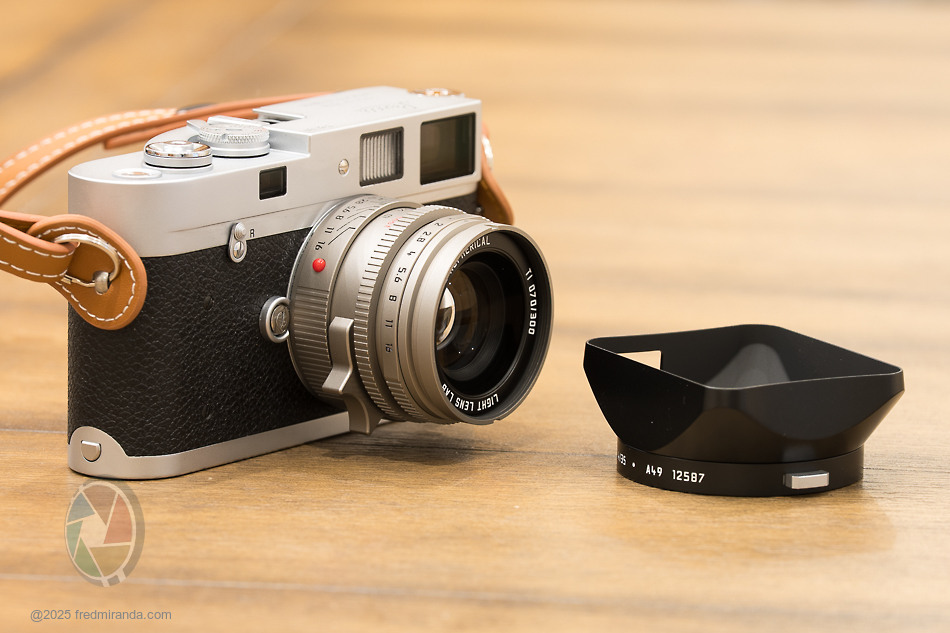
Light Lens Lab 35mm f/1.4 Aspherical mounted on Leica M-A with black 12587 hood
Specs (from Light Lens Lab, with measured weight):
• Design frame coverage: 35mm Full Frame (24mm x 36mm)
• Number of lenses/assemblies: 9 Elements in 5 groups (Aspherical in groups 2 and 5)
• Focus range: 0.7 meters with rangefinder focusing
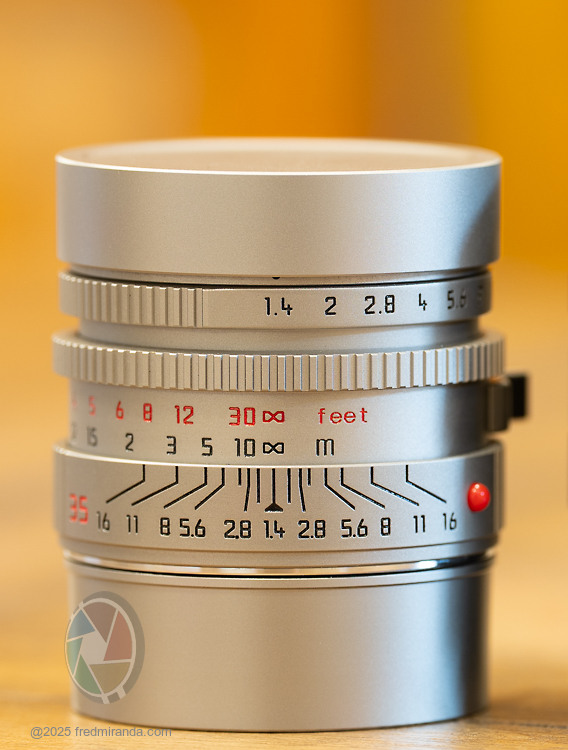
• Diaphragm f-stop range: f/1.4 - f/16 (1/2-stop clicks)
• Number of aperture blades: 10
• Lens mount: M-Mount
• Filter diameter: E46
• Lens Hood: E46
• Length: 43mm
• Diameter: 52.94mm
• Weight: 278g (Aluminum), 298g (Titanium) - no caps (measured)
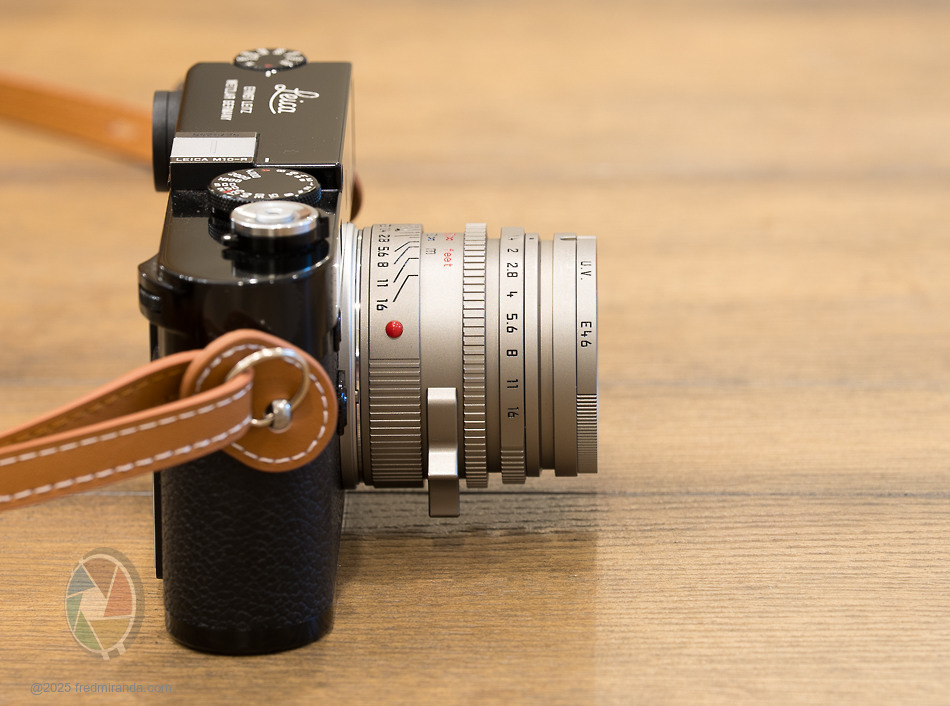
Light Lens Lab 35mm f/1.4 Aspherical mounted on Leica M10-R
Back to Quick Links
Initial Thoughts:
The appeal here becomes more clear when you consider it's history. In 1988, Leica unveiled the 35mm f/1.4 Summilux Double Aspherical as a bold technical statement. Back then, manufacturing even a single hand ground aspherical element was extremely difficult. Stacking two in the same lens wasn't just ambitious, it pushed the very limits of what was possible in lens manufacturing.
The lens was made in very limited numbers. Its hand-molded and polished aspherical elements slowed production, made consistency hard to achieve, and drove costs exceptionally high. The double-aspherical Summilux followed the earlier pre-ASPH 35mm f/1.4, and represented Leica’s first major attempt to push optical performance beyond the classic design. As Leica improved its ability to produce reliable single aspherical lenses at scale, the double-aspherical formula became impractical and was eventually discontinued. It was replaced by the more consistent and producible 35mm f/1.4 Summilux ASPH. (known as pre-FLE), which later evolved into the FLE version with a floating element system.
What made the Double Aspherical special was not perfection, but rendering. It balanced resolution with character, offering smooth, organic bokeh, gentle micro contrast, and a subtle softness around highlights and edges. It never aimed to be clinical, which is precisely why it became so desirable long after it disappeared from Leica's lineup.
Original copies are now extremely rare and command high prices, not because they outperform modern designs, but because their look is difficult to replicate. This is the chapter of Leica's 35mm f1.4 history that Light Lens Lab is clearly drawing from, updated for modern manufacturing and digital use rather than recreated as a literal replica.
Light Lens Lab 35mm f/1.4 Aspherical mounted on Leica M10-R
Optically, the Light Lens Lab version sits closer to the later Summilux ASPH than many people might expect. It does not use floating elements, so it is effectively a pre-FLE design, but the overall rendering should be familiar to anyone who has used the modern ASPH. Differences are more about behavior at close distances, contrast response, and how highlights and transitions are handled, rather than dramatic changes in sharpness.
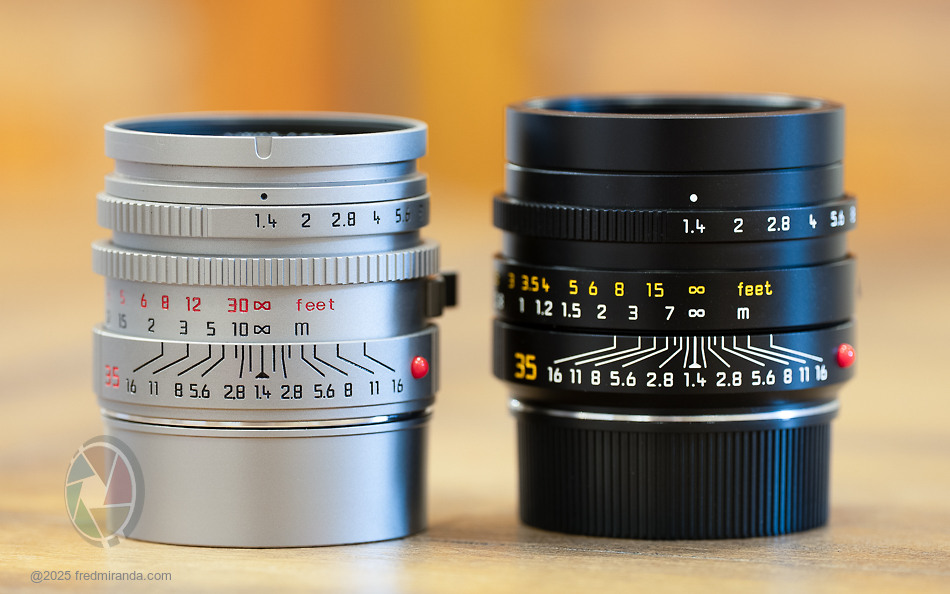
Light Lens Lab 35mm f/1.4 Aspherical Titanium | Leica 35mm f/1.4 Summilux ASPH.
One important update is how the aspherical elements are produced. Instead of the older ground and polished method, the Light Lens Lab 35mm f/1.4 Aspherical lens uses modern molded and polished aspherical elements. In practical terms, this should result in better consistency from copy to copy and fewer onion ring artifacts in out of focus highlights, something that was more noticeable in earlier Light Lens Lab designs like the 50mm f/1.2 "1966". That said, based on my initial tests, don't expect perfectly clean bokeh. Molding and polishing artifacts in specular highlights are still visible.
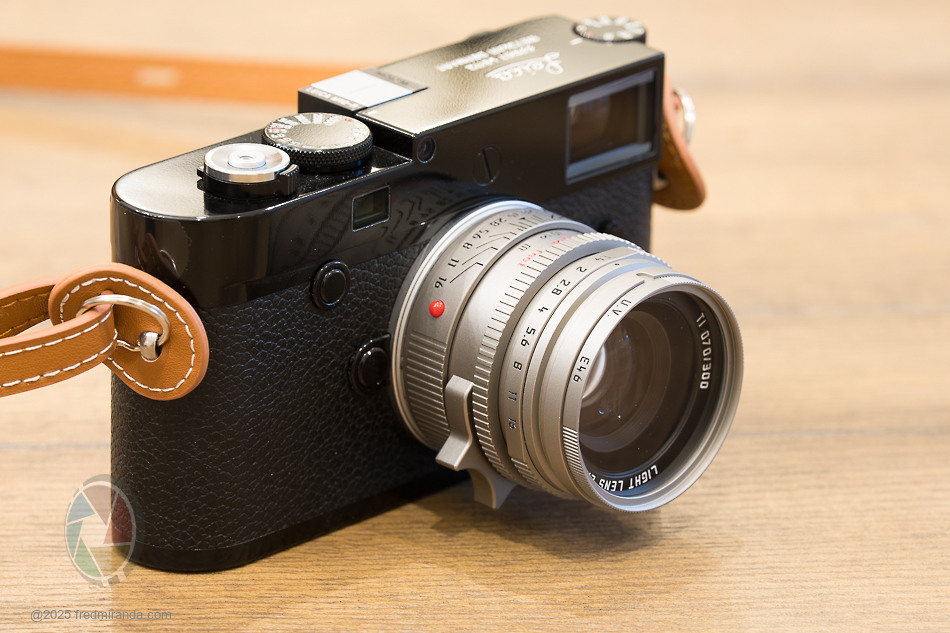
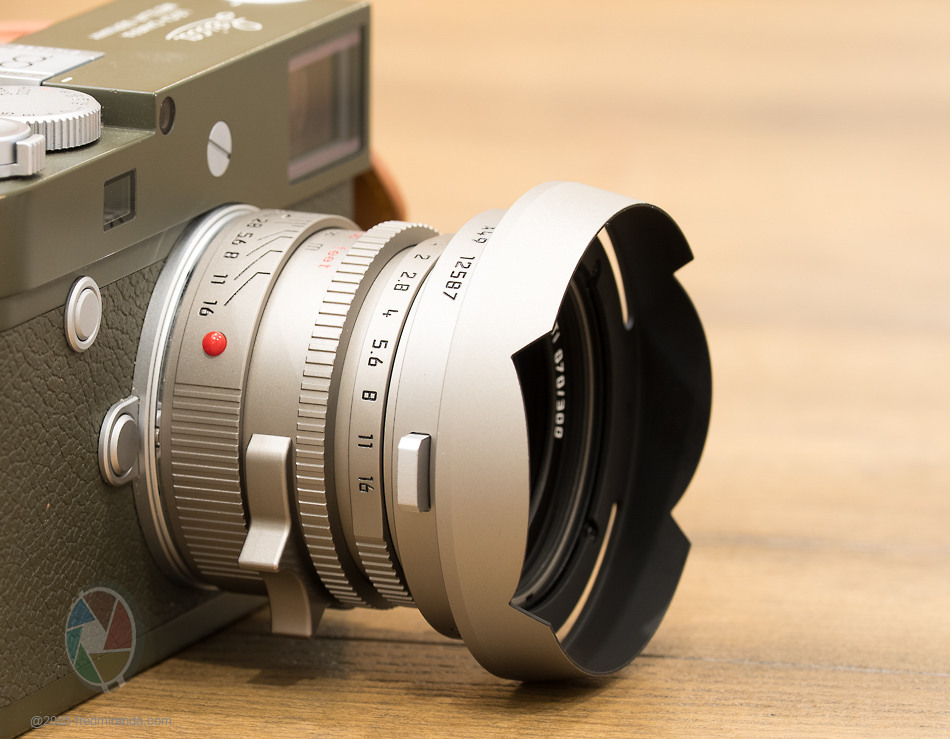
Light Lens Lab 35mm f/1.4 Aspherical mounted on Leica M10-P Safari - With exclusive matching titanium hood (12587)
Light Lens Lab also introduced new ED and achromatic elements into the original optical formula. The goal here is to better control distortion and chromatic aberration while still preserving the character that made the original lens special. Assembly tolerances and spacing have also been tightened, and the rear element design was slightly revised to improve performance on modern digital sensors without breaking M-mount compatibility. It is also worth noting that the LLL 35mm f/1.4 Aspherical has a focus throw of roughly 120 degrees, which is consistent with lenses from that era and noticeably longer than modern 35mm f/1.4 designs such as the FLE, which travels about 90 degrees.
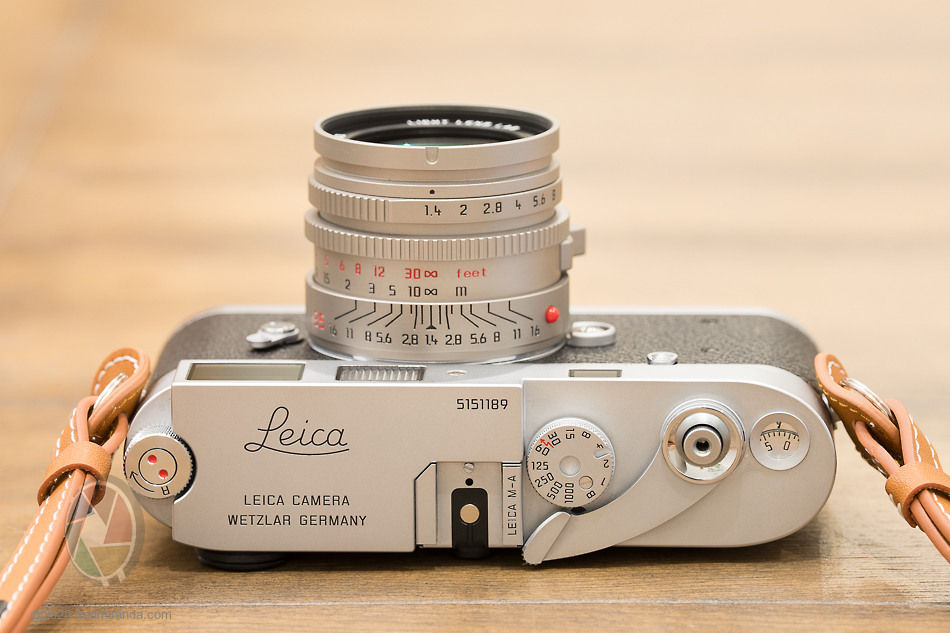
Light Lens Lab 35mm f/1.4 Aspherical mounted on Leica M-A
My review copy is well centered and accurately calibrated to the rangefinder. Focus accuracy has not been an issue, and the focusing ring feels tight and precise, with no looseness or slack when turning it. However, the focus rotation is not the smoothest, especially as you approach minimum focus distance, where resistance becomes more noticeable. I expect that with regular use, the grease will settle and the feel will become more even across the entire focus range.
On the other hand, the aperture ring is excellent, with zero play and crisp half stop clicks. It honestly feels better than the aperture ring on my Leica 35mm f/1.4 Summilux FLE.
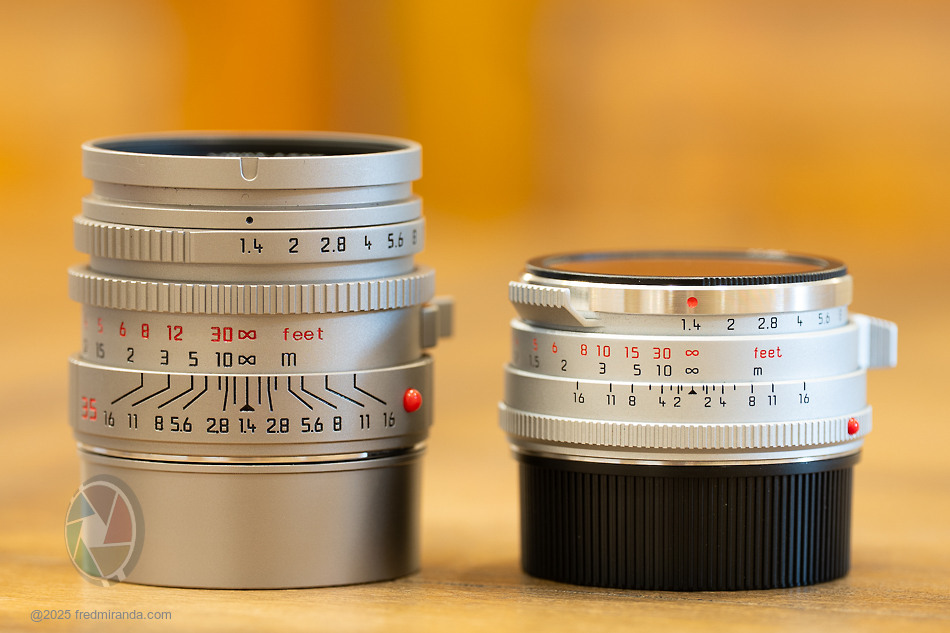
Light Lens Lab 35mm f/1.4 Aspherical | Leica 35mm f/1.4 Summilux Steel Rim (pre-ASPH.)
This review will focus primarily on comparisons with the Leica 35mm f/1.4 Summilux ASPH FLE, since that lens represents the modern reference point for Leica’s 35mm f/1.4 lineup. I will also include rendering comparisons with its predecessor, the Leica 35mm f/1.4 Summilux pre-ASPH, to provide broader historical context.
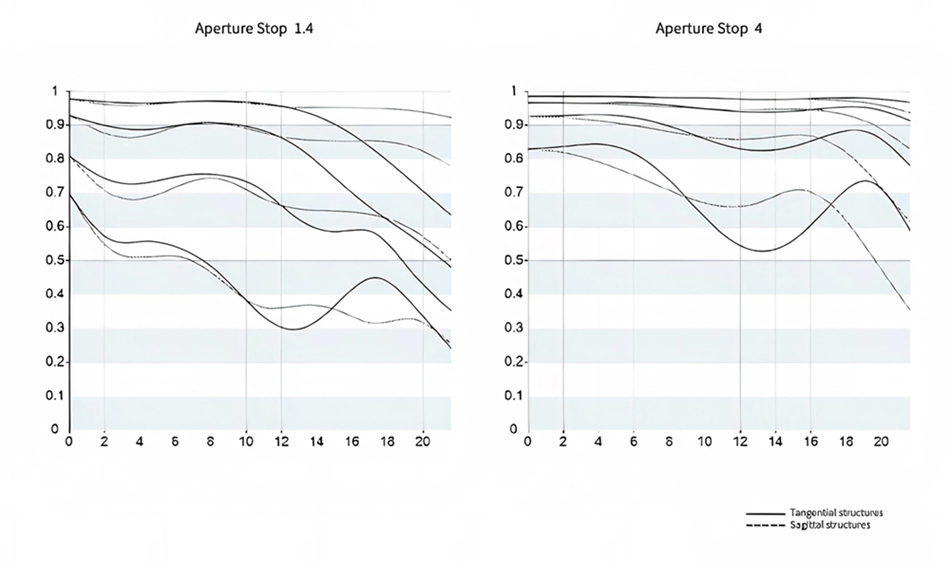
Light Lens Lab's published MTF graph
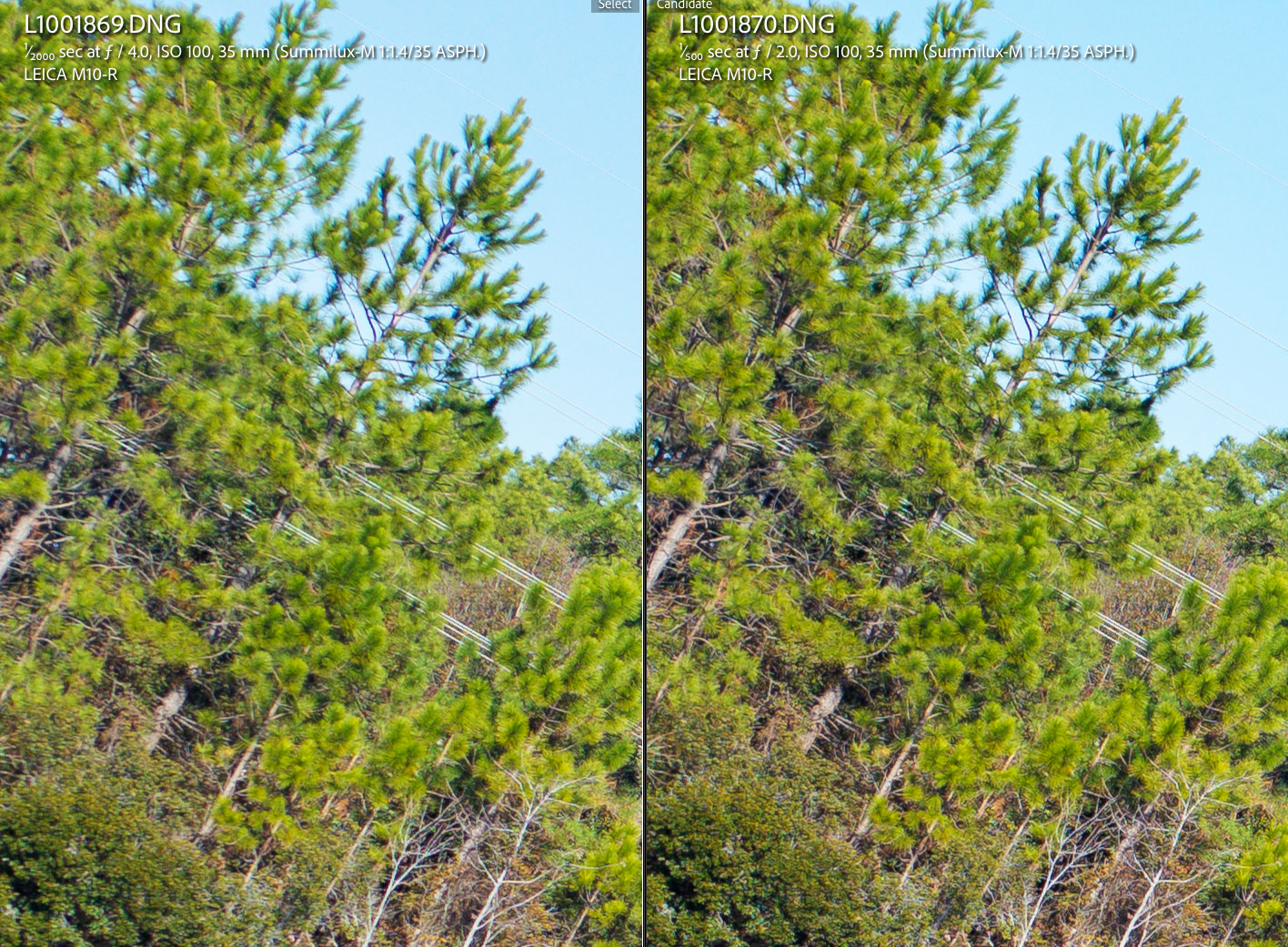
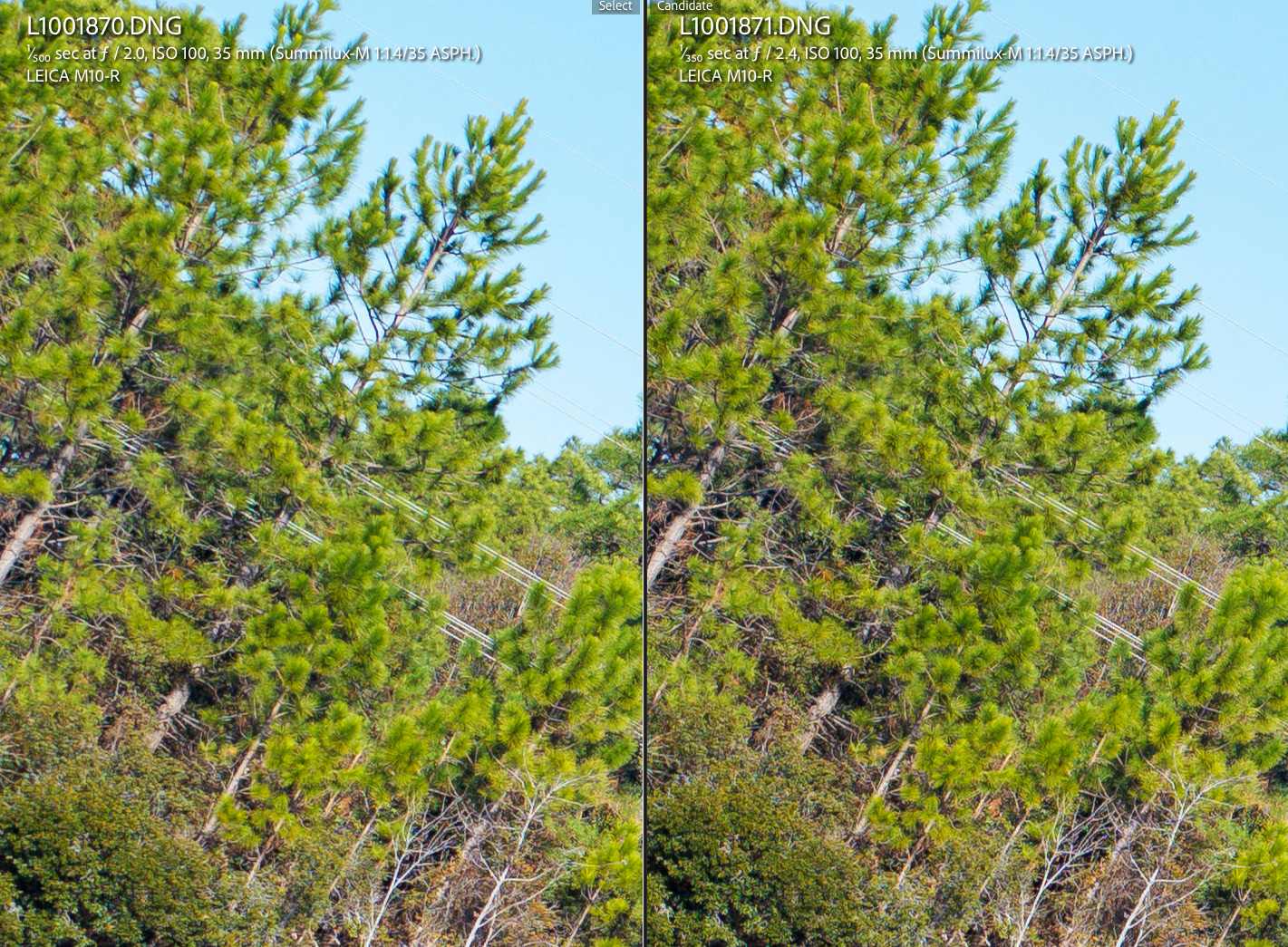
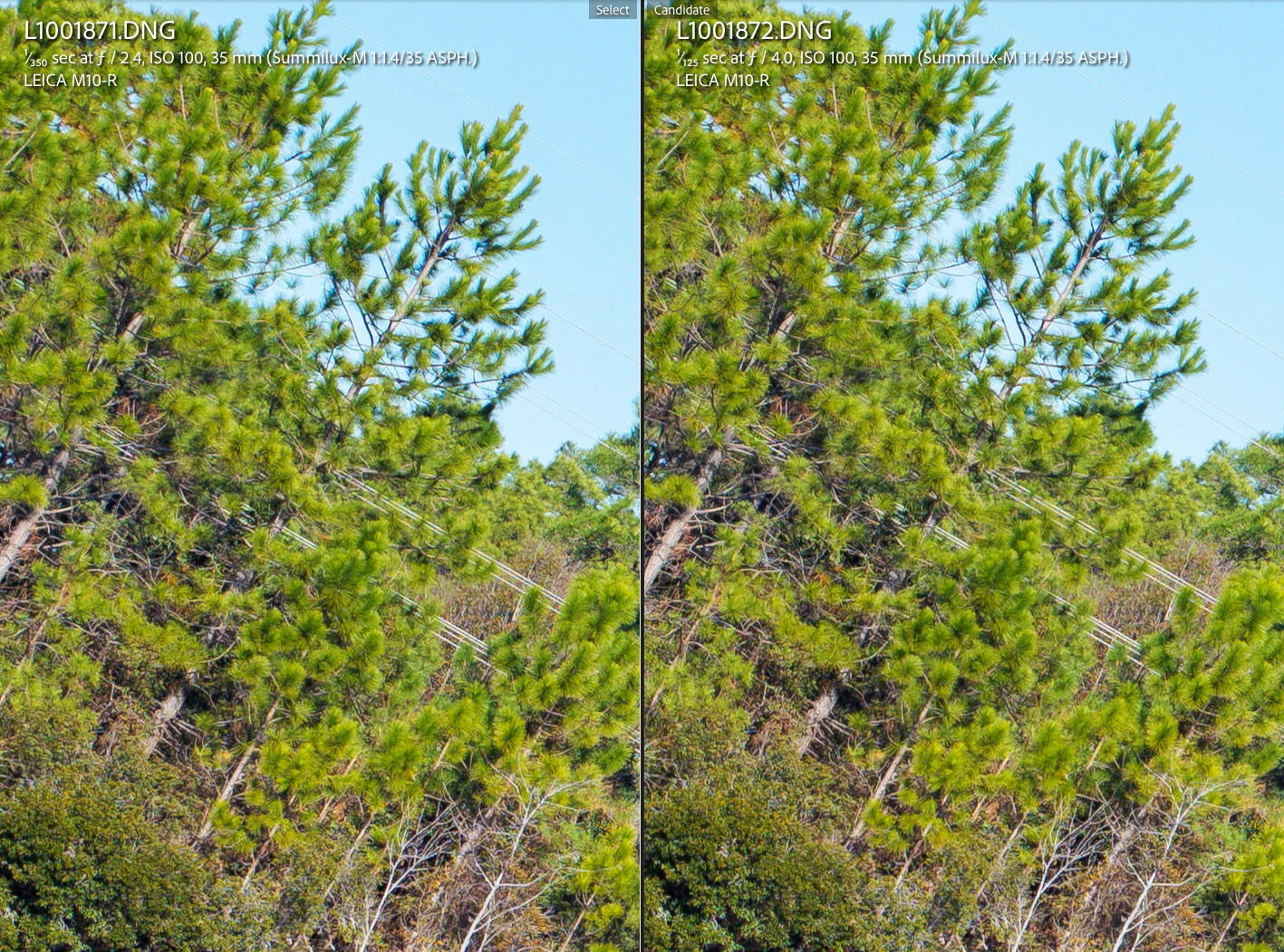
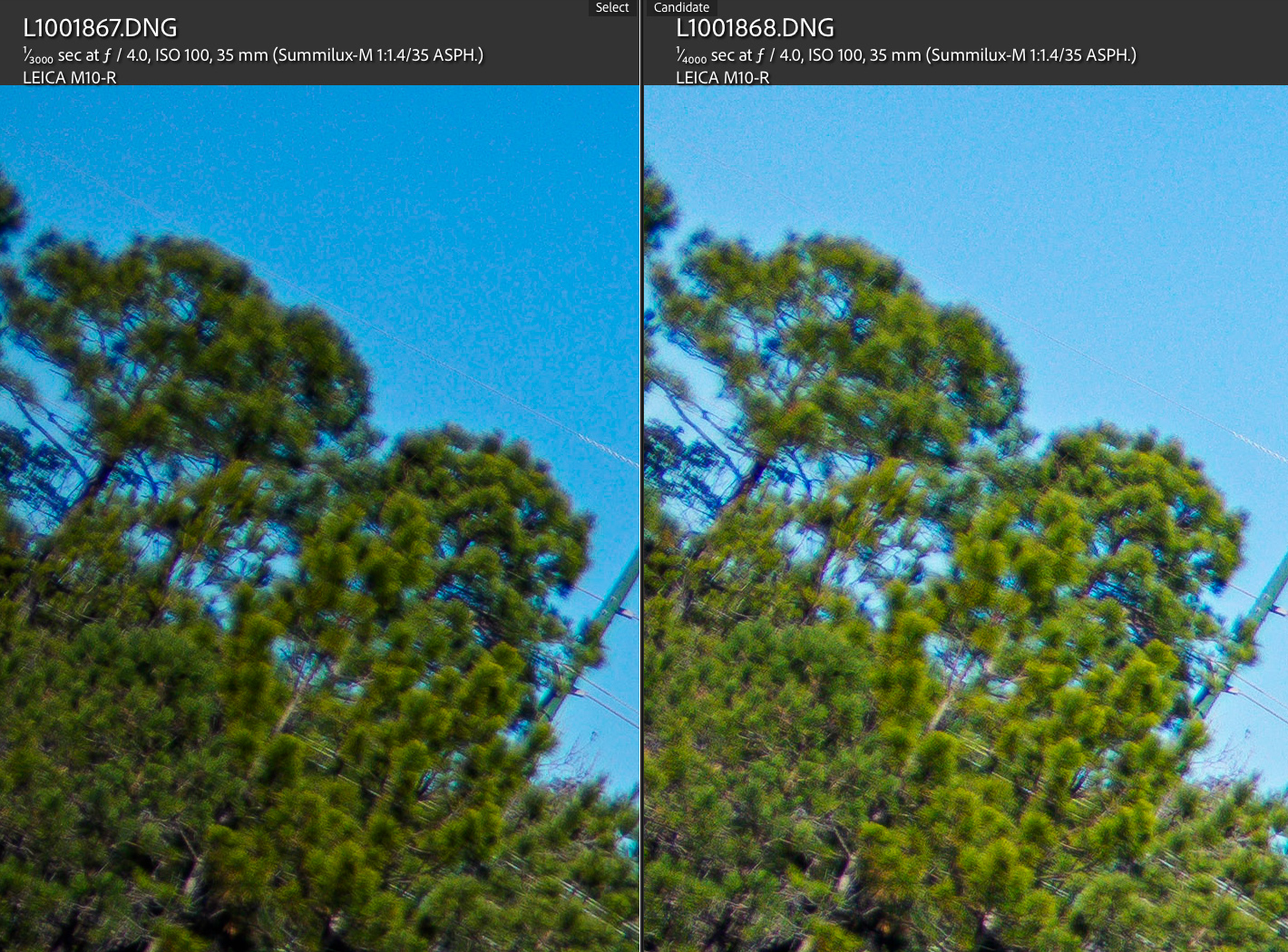
As expected, proper resolution and contrast tests will be part of this review, but based on real world shooting so far, the published Light Lens Lab MTF data lines up well with what I'm seeing in my images. Center performance is strong, with a gradual fall off toward the edges and some noticeable field curvature. That said, astigmatism, chromatic aberration, and coma are well controlled. By f4, the lens already delivers optimal corner to corner performance. (See image above)
Light Lens Lab 35mm f/1.4 Aspherical mounted on Leica M-A
Comparing these three lenses side by side, the LLL 35mm f/1.4 Aspherical "11873" under review, the Leica 35mm f/1.4 Summilux FLE, and the Leica 35mm f/1.4 Summilux pre-ASPH (Steel Rim), allows us to evaluate not only resolution and contrast but also color correction and, most importantly, rendering. Together, they represent three distinct chapters in Leica's 35mm f/1.4 Summilux history, and examining them directly shows where the Light Lens Lab lens fits in both character and performance.
Light Lens Lab 35mm f/1.4 Aspherical mounted on Leica M-A
In the rest of this review, I will focus on how it actually performs in real world shooting, what it does well, where it falls short, and how it compares in practice rather than on paper.
Light Lens Lab 35mm f/1.4 Aspherical mounted on Leica M10-P Safari
|