Fred Miranda
Offline
Admin
Upload & Sell: On
|
 p.4 #20 · Light Lens Lab 35mm f/1.4 Aspherical "11873" Review p.4 #20 · Light Lens Lab 35mm f/1.4 Aspherical "11873" Review | |
rscheffler wrote:
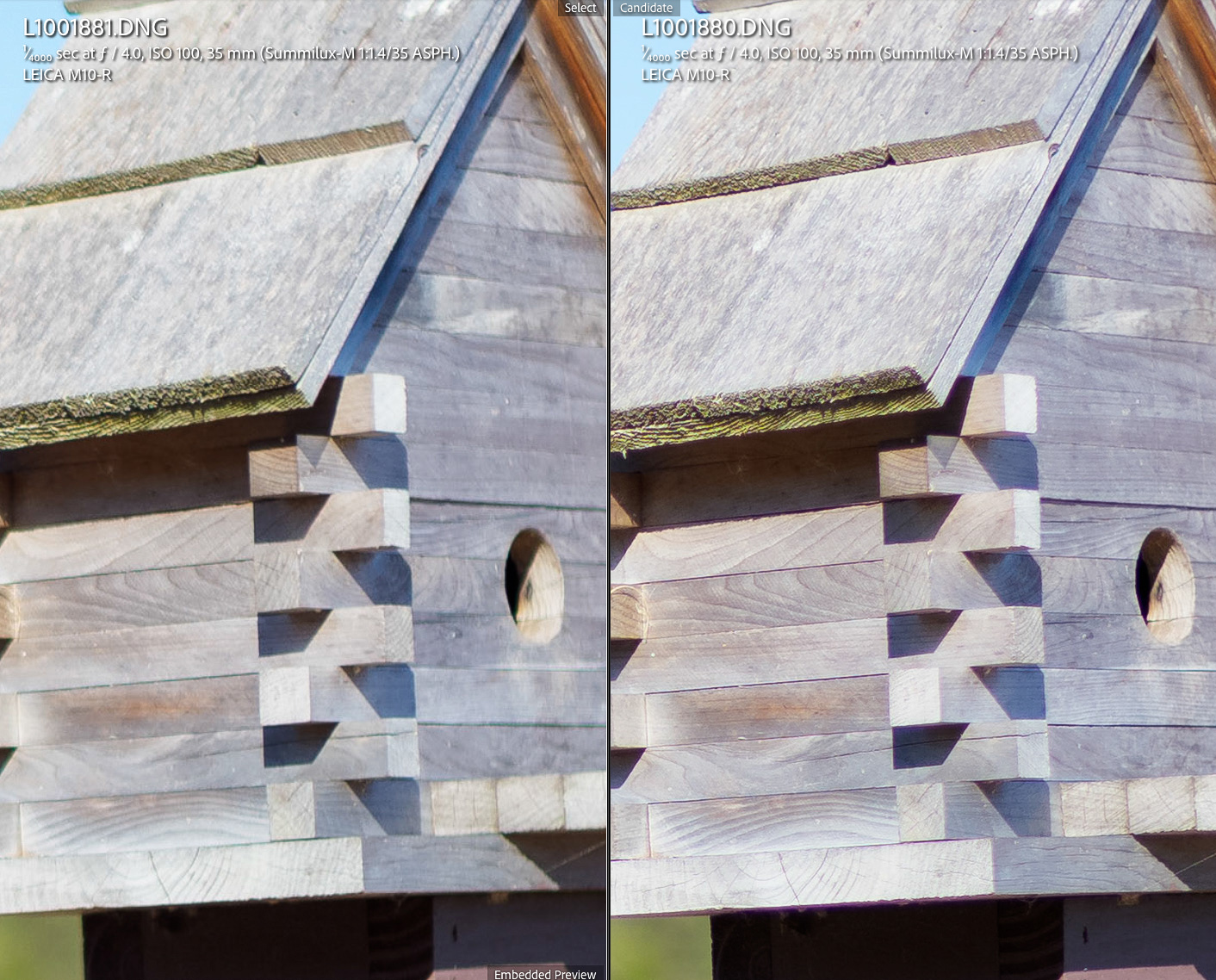
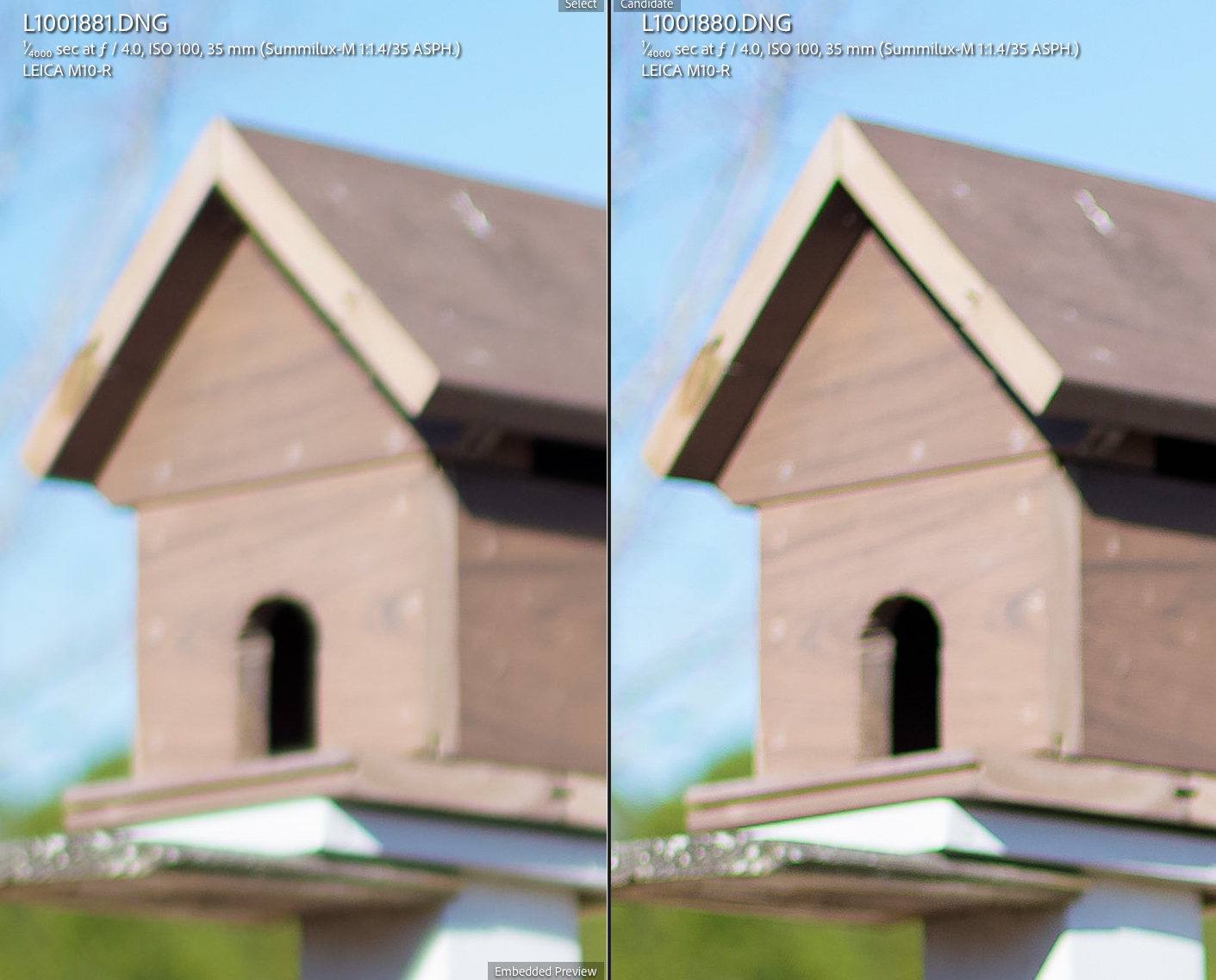
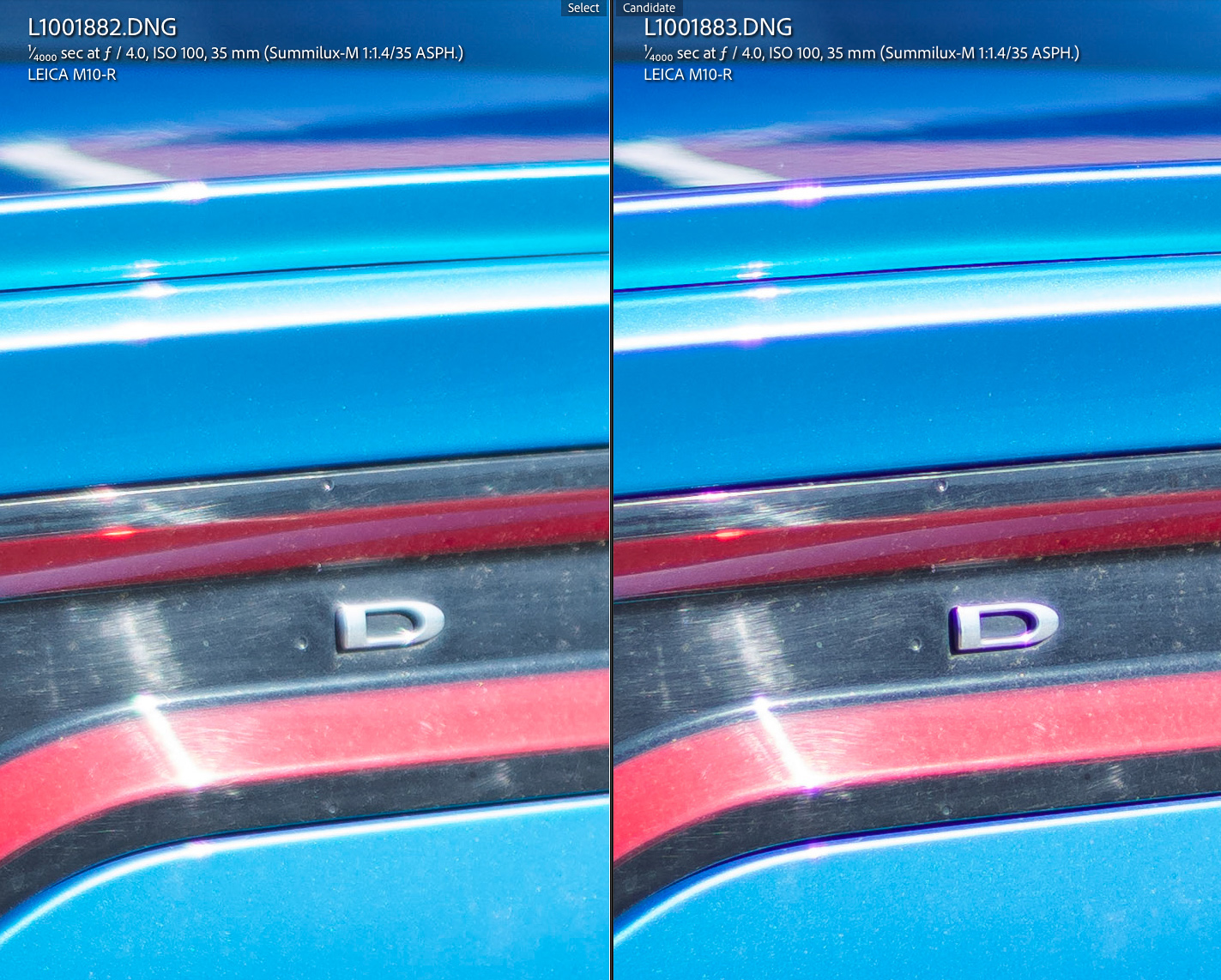
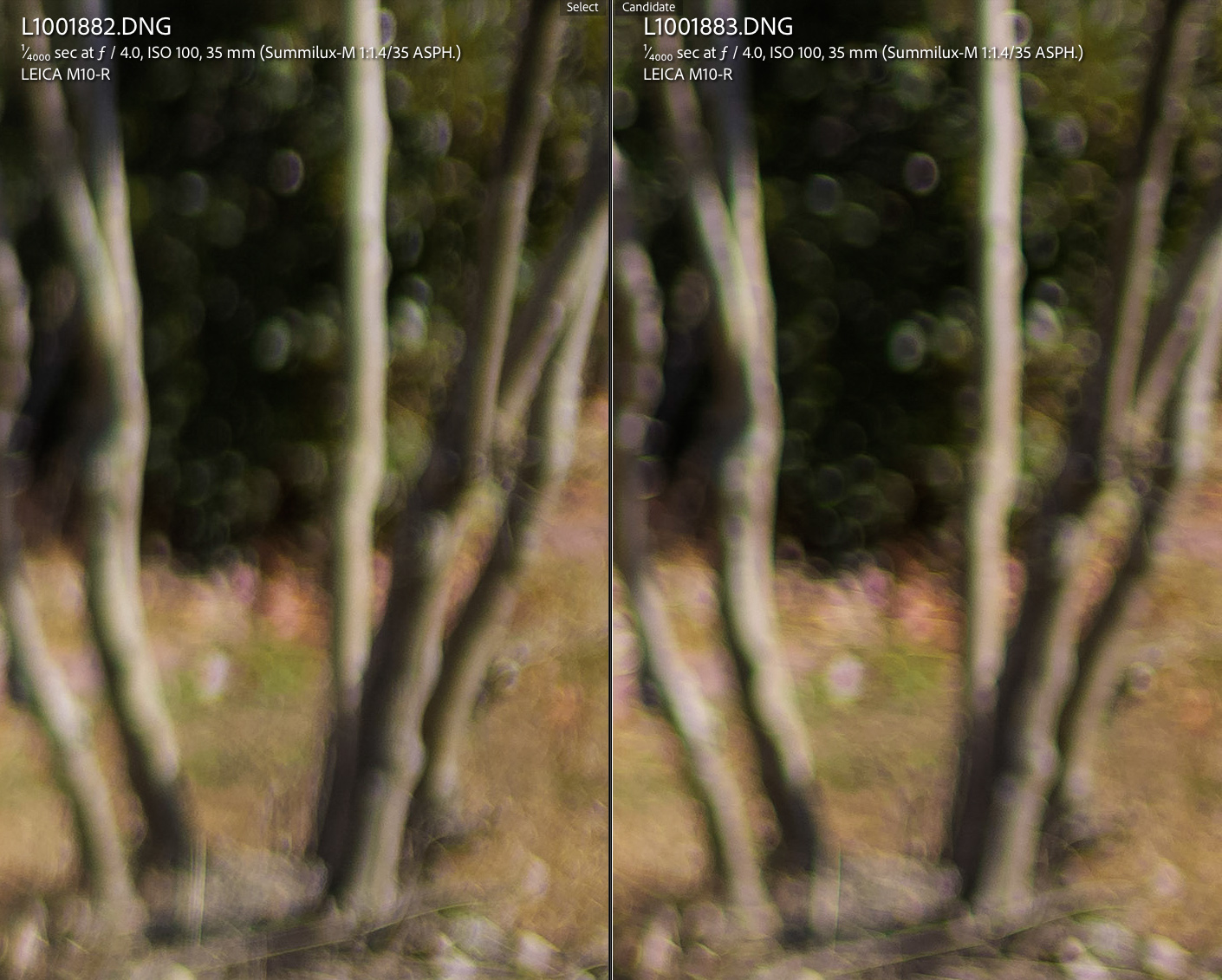
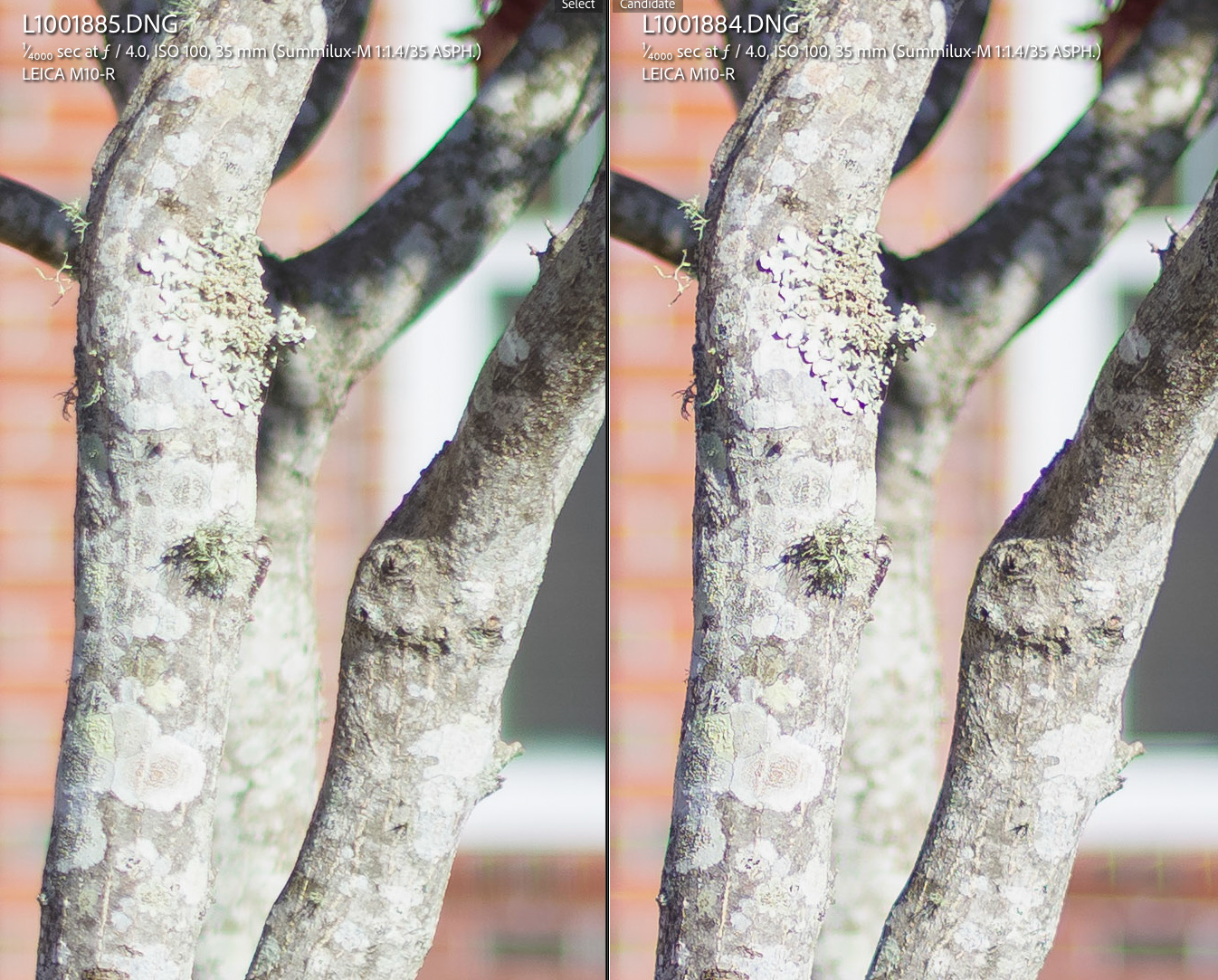
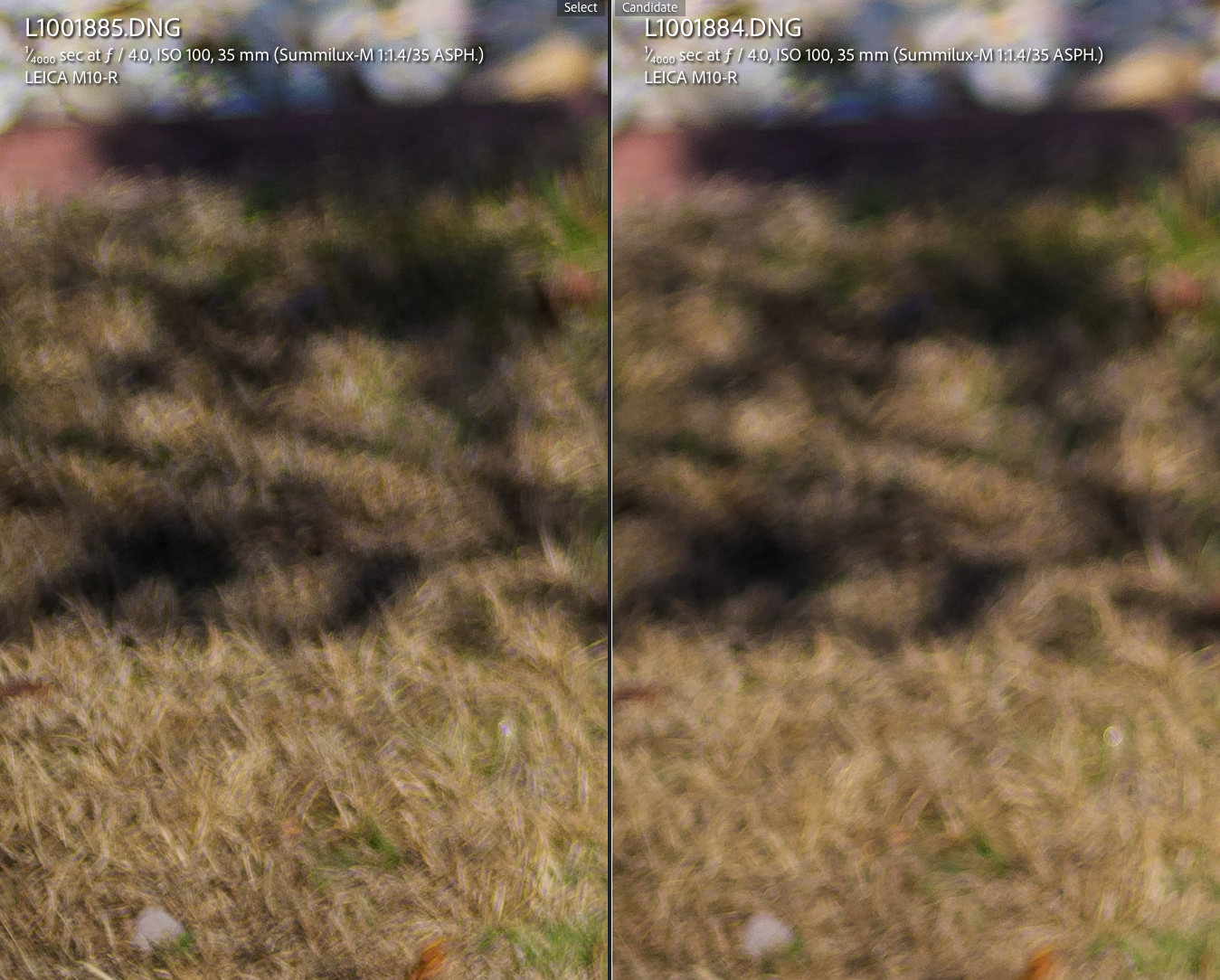
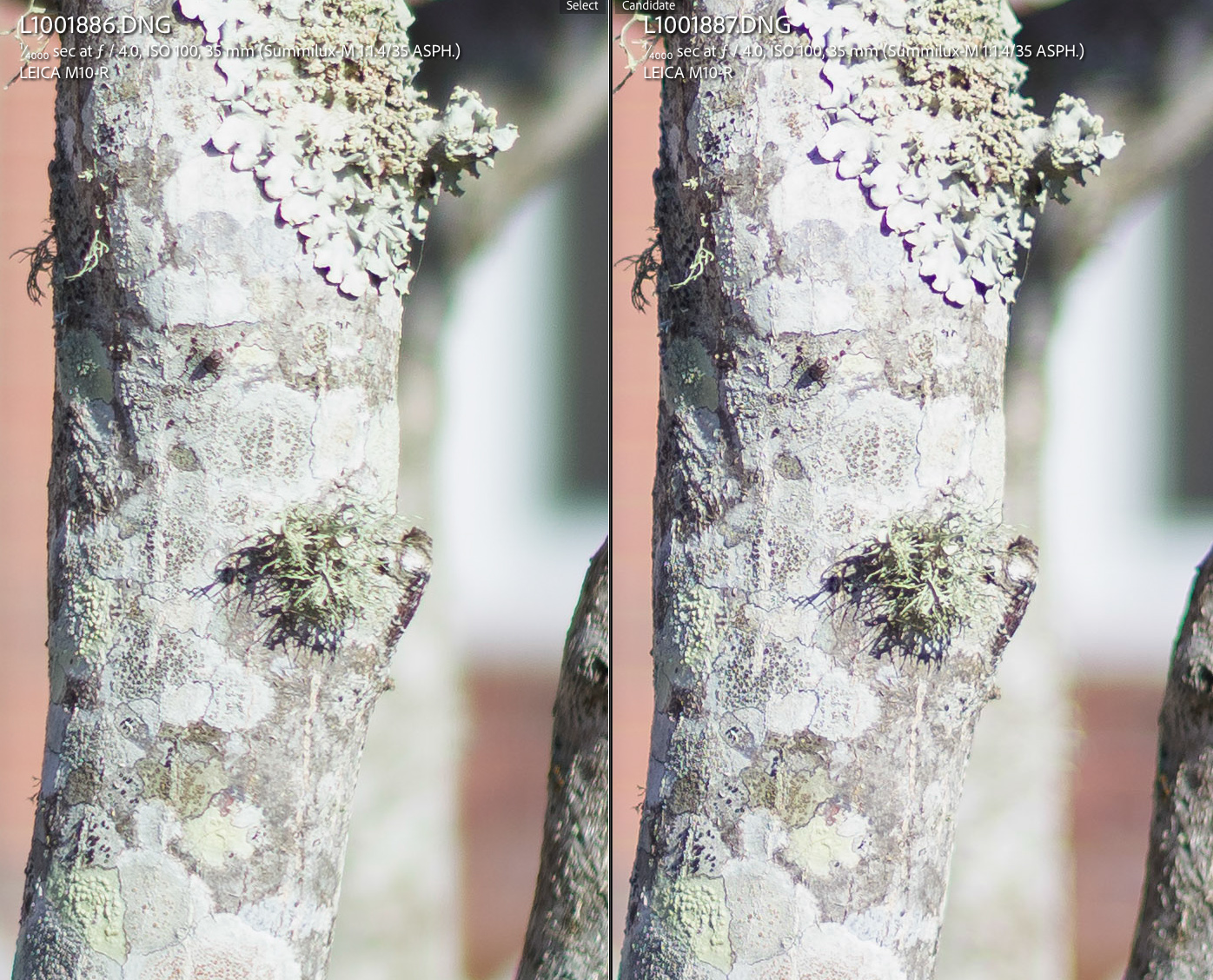
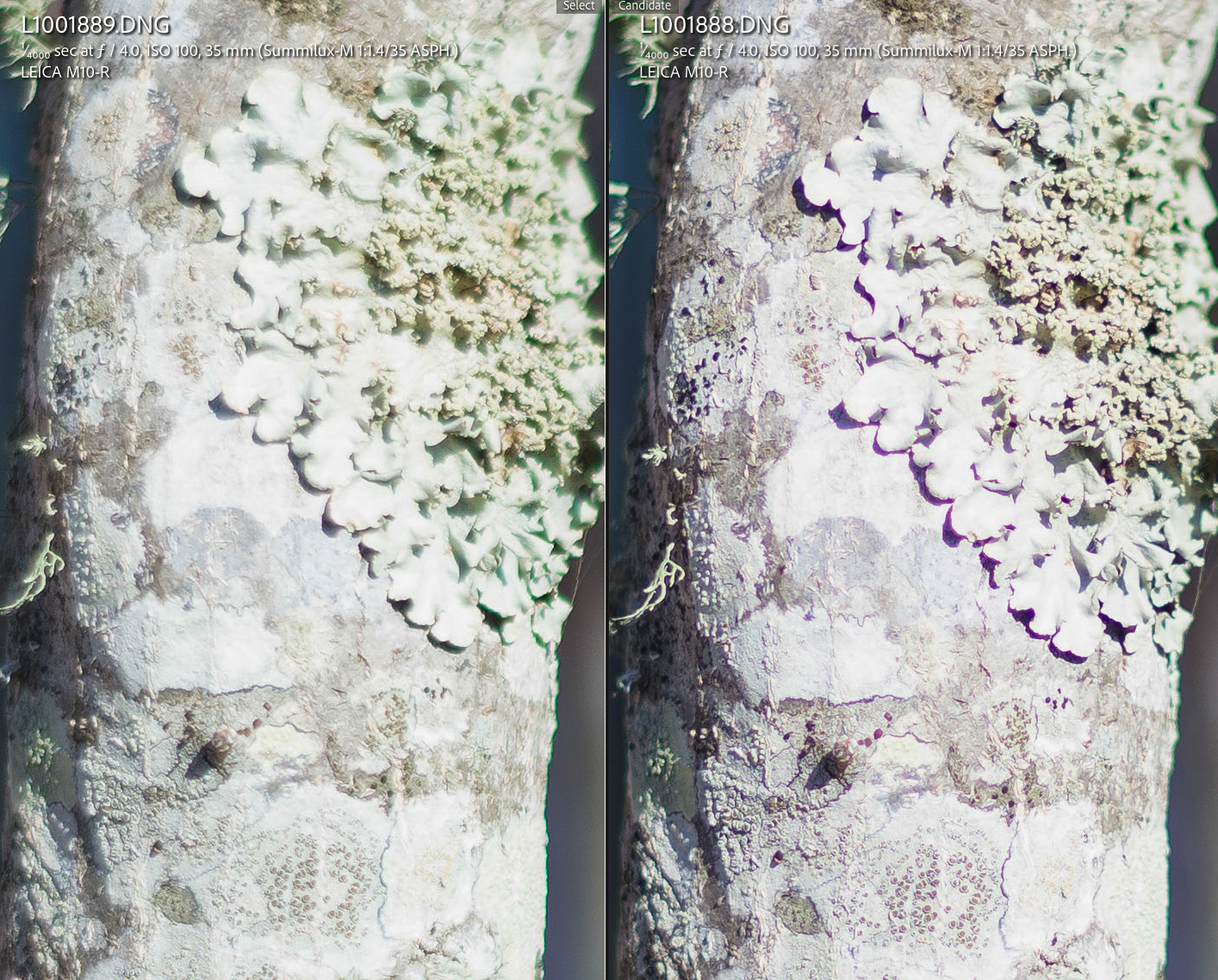
The bokeh crop comparisons are interesting. First of all, both lenses seem to exhibit similar bokeh color fringing outside the plane of focus, yet the LLL exhibits little to no purple fringing in the plane of focus. Perhaps obscured/obliterated by SA? Purple fringing is one thing that significantly annoys me about my Leica Lux lenses, except the 50 Lux ASPH...
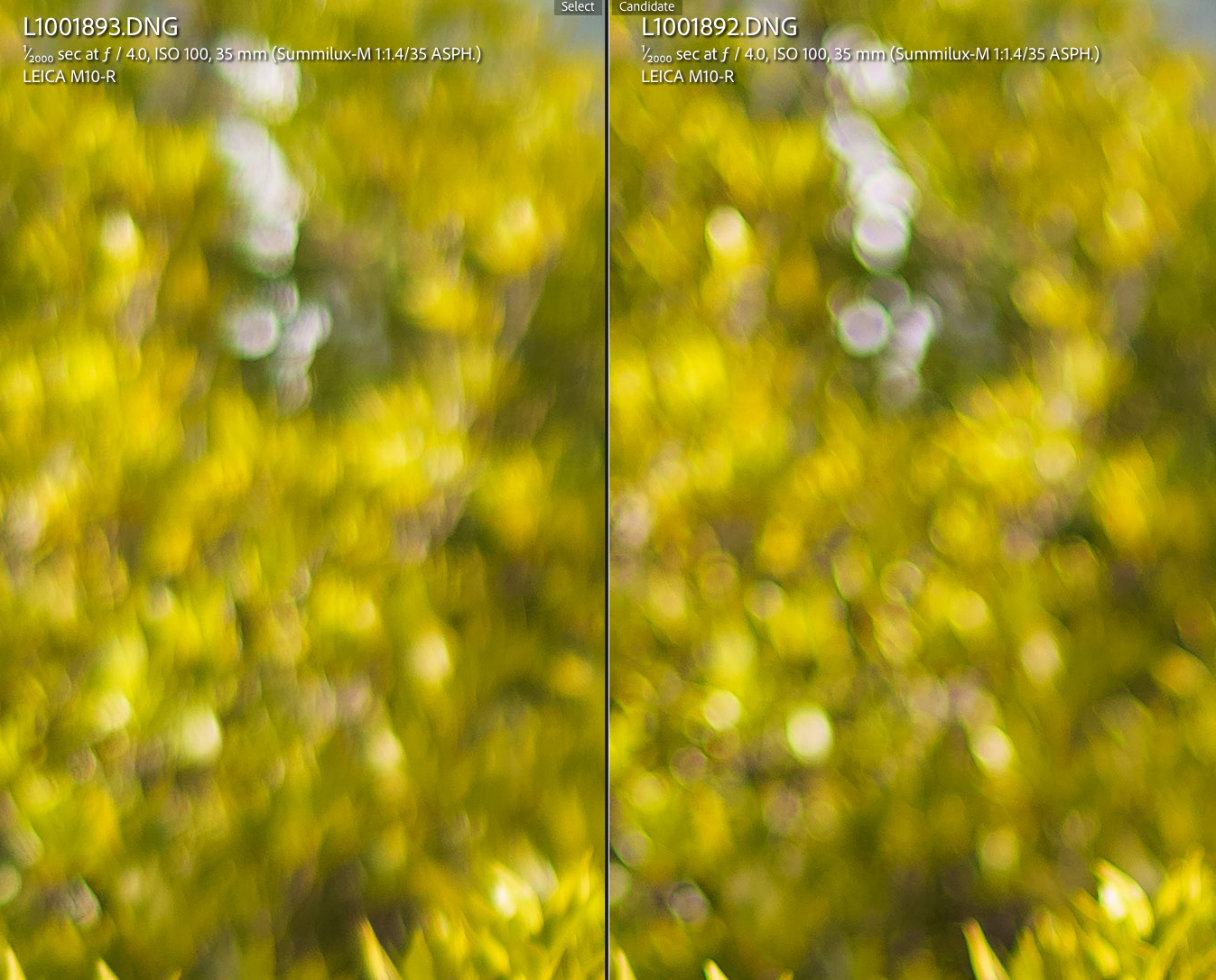
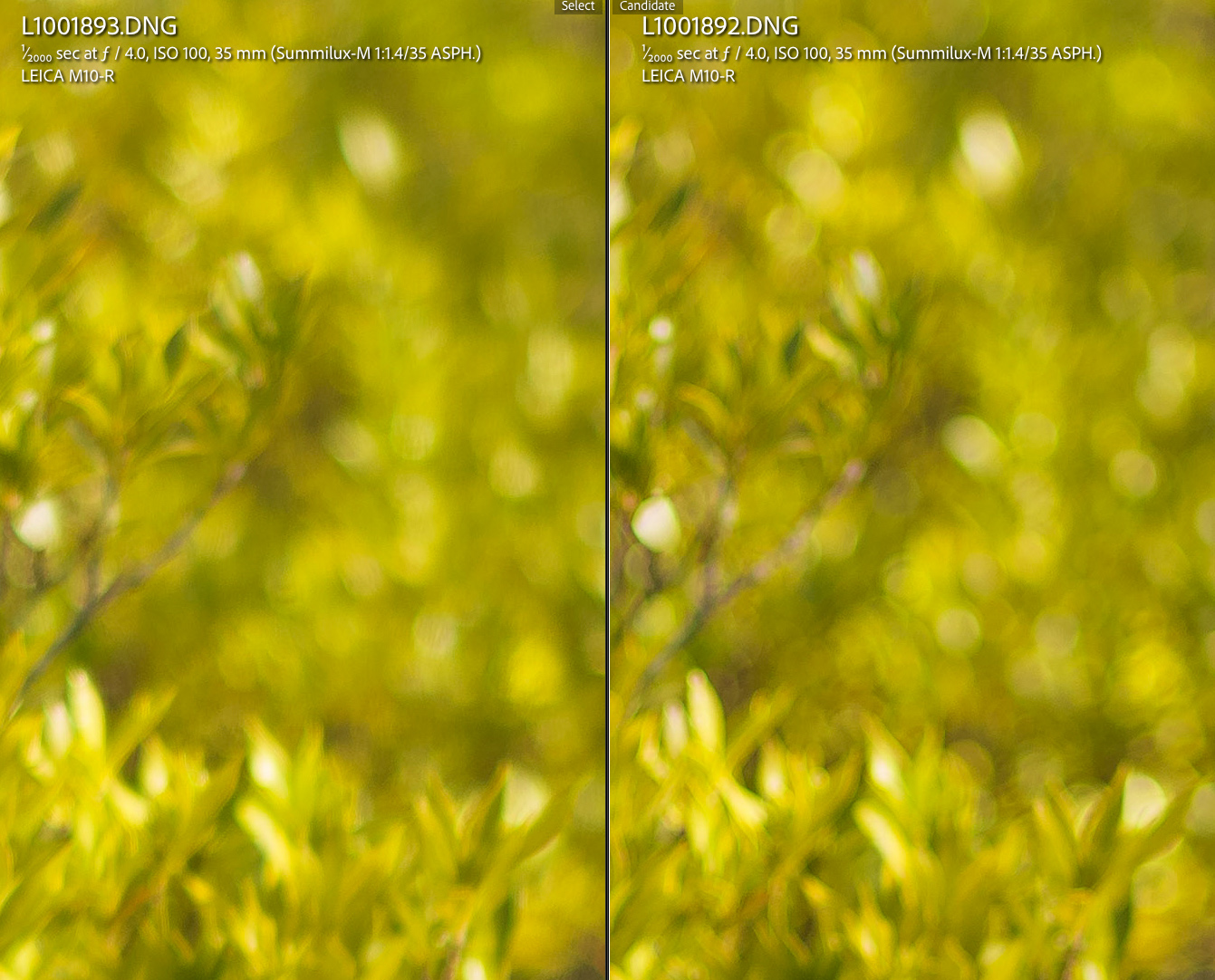
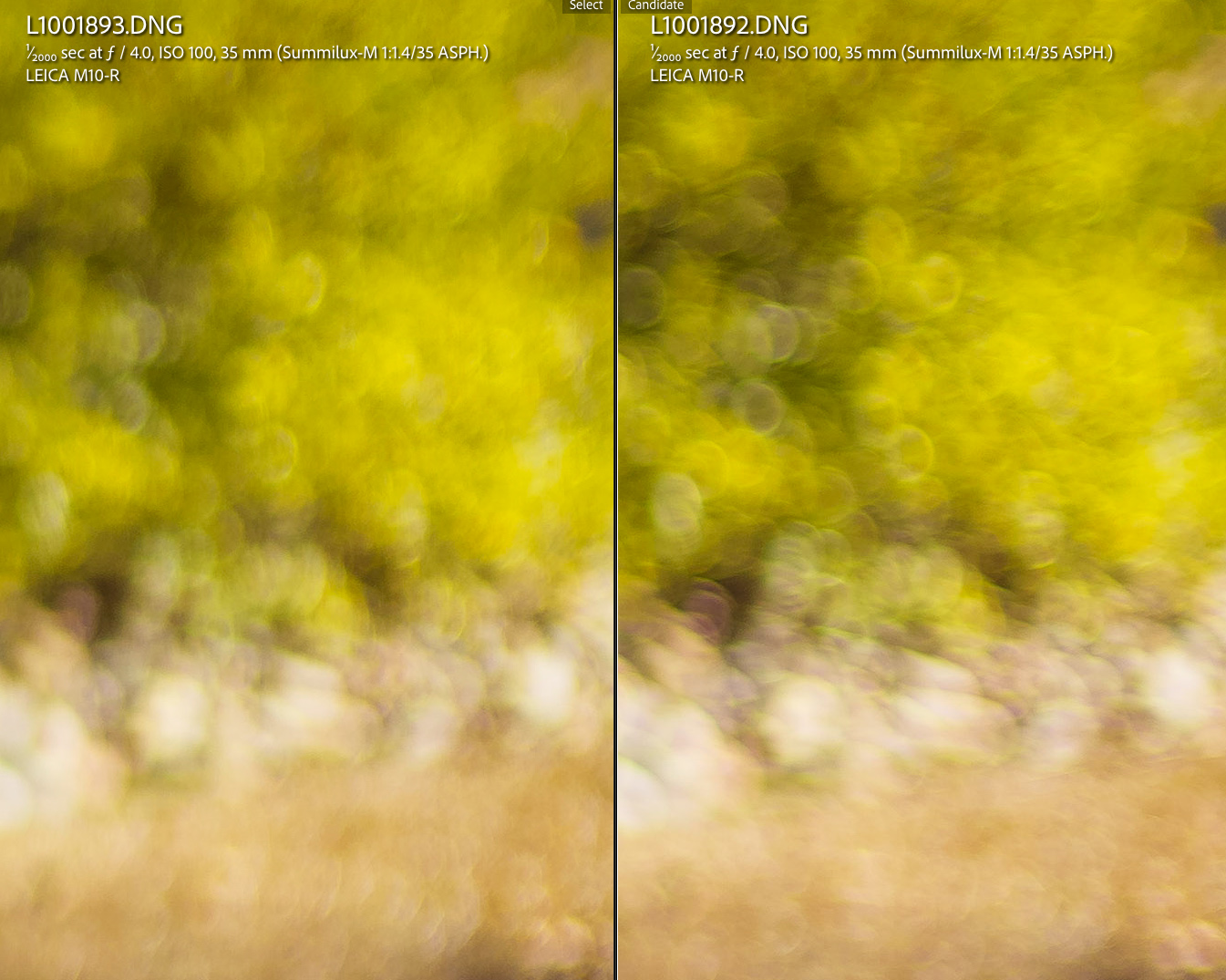
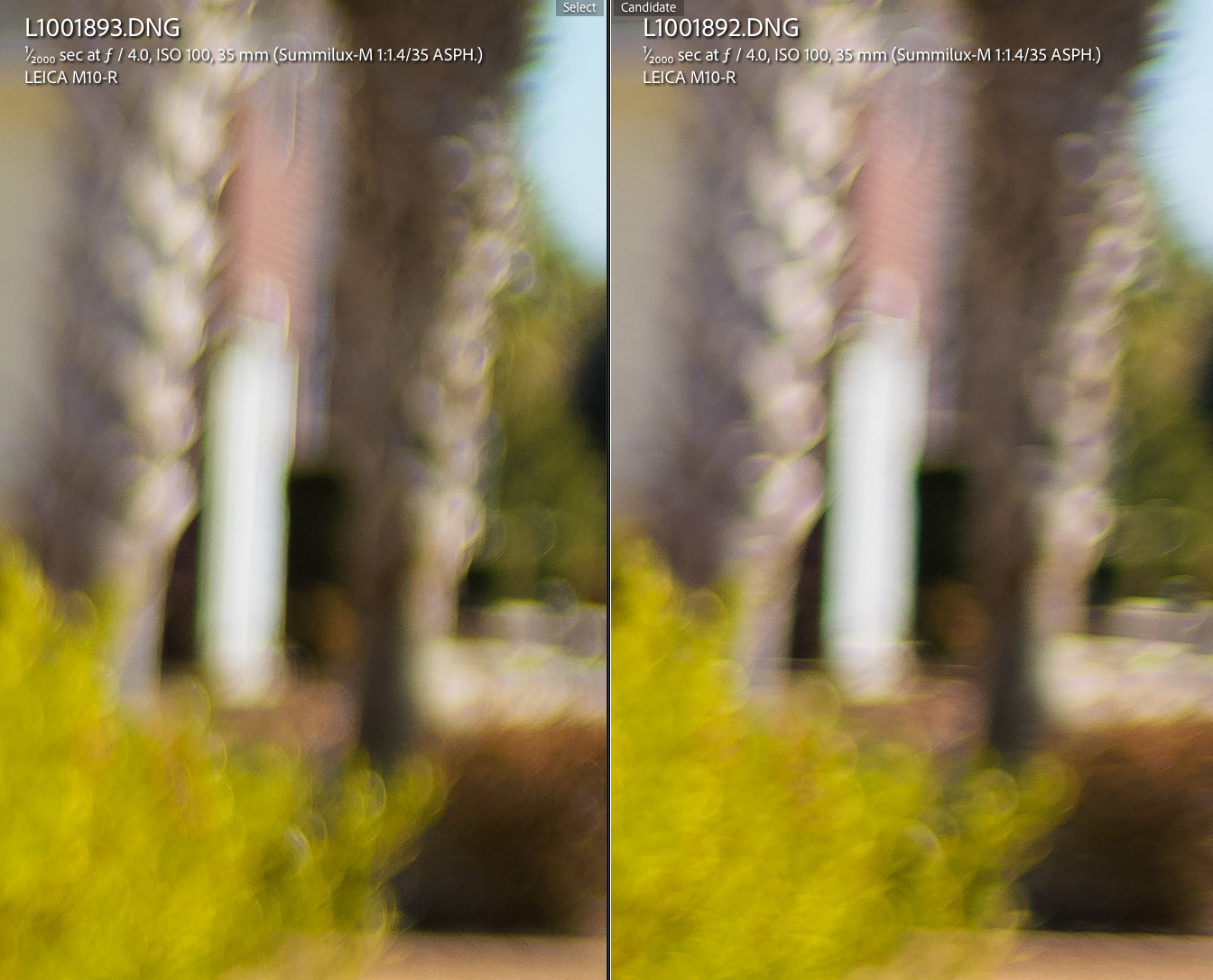
Always appreciate your insights, Ron. From what I'm seeing, the current FLE appears to be more strongly corrected for SA, which increases resolution and contrast at the focal plane. This also contributes to background bokeh with more defined structure and edge outlining. The trade-off is a higher level of axial chromatic aberration at the plane of focus, visible as purple fringing. The LLL 35mm f/1.4 also shows some purple fringing, but it is less pronounced, in part because residual spherical aberration softens the transitions and masks it to a degree.
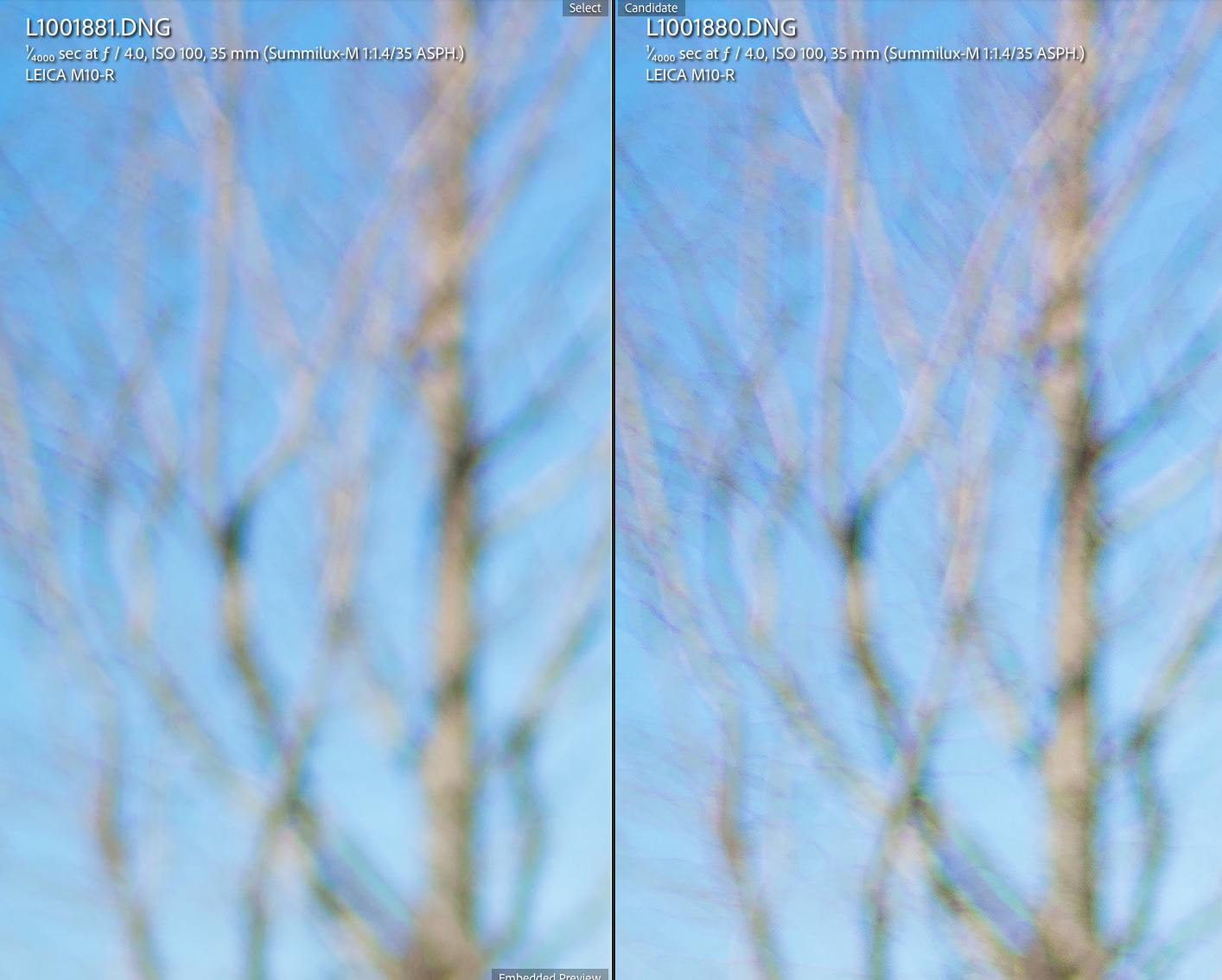
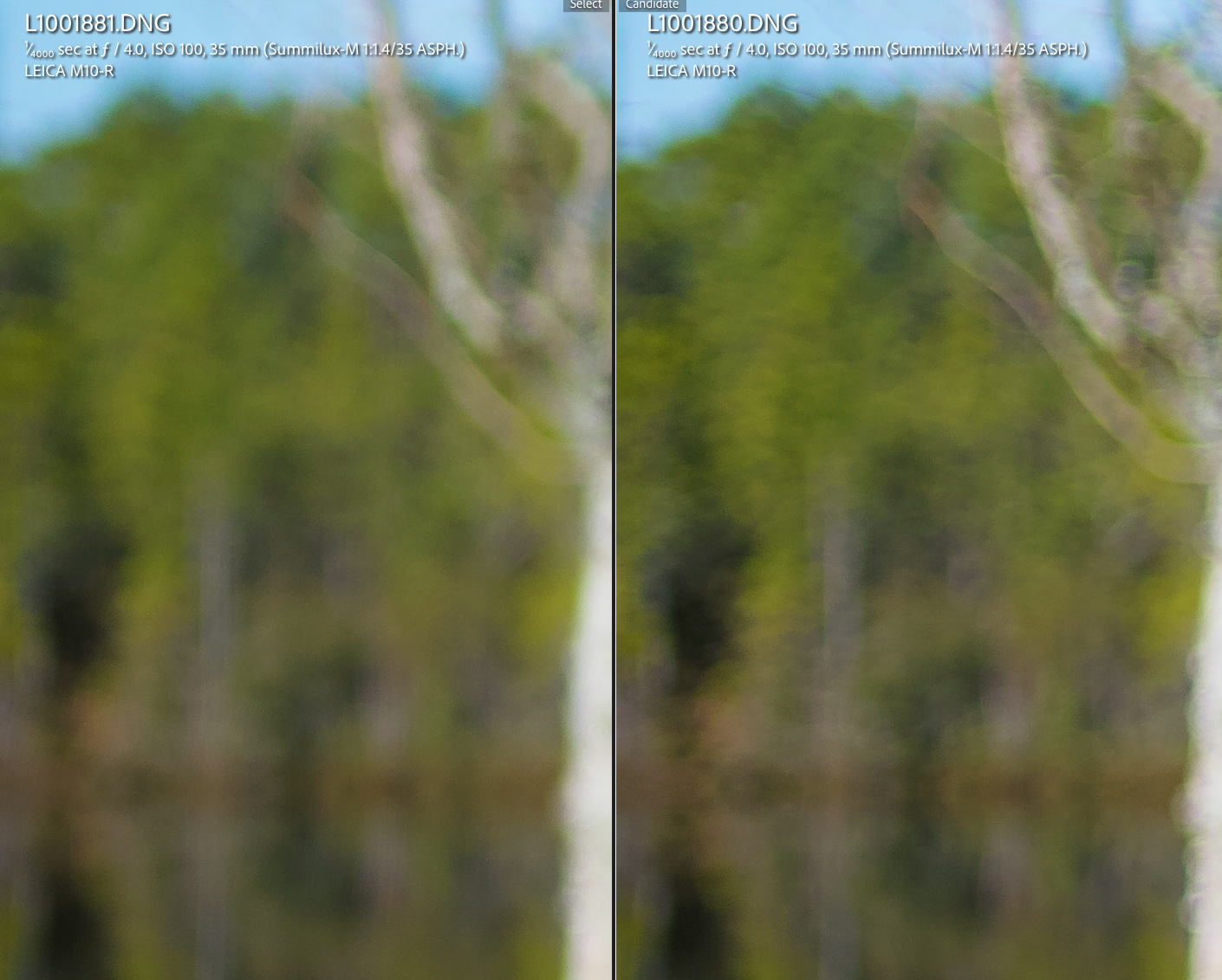
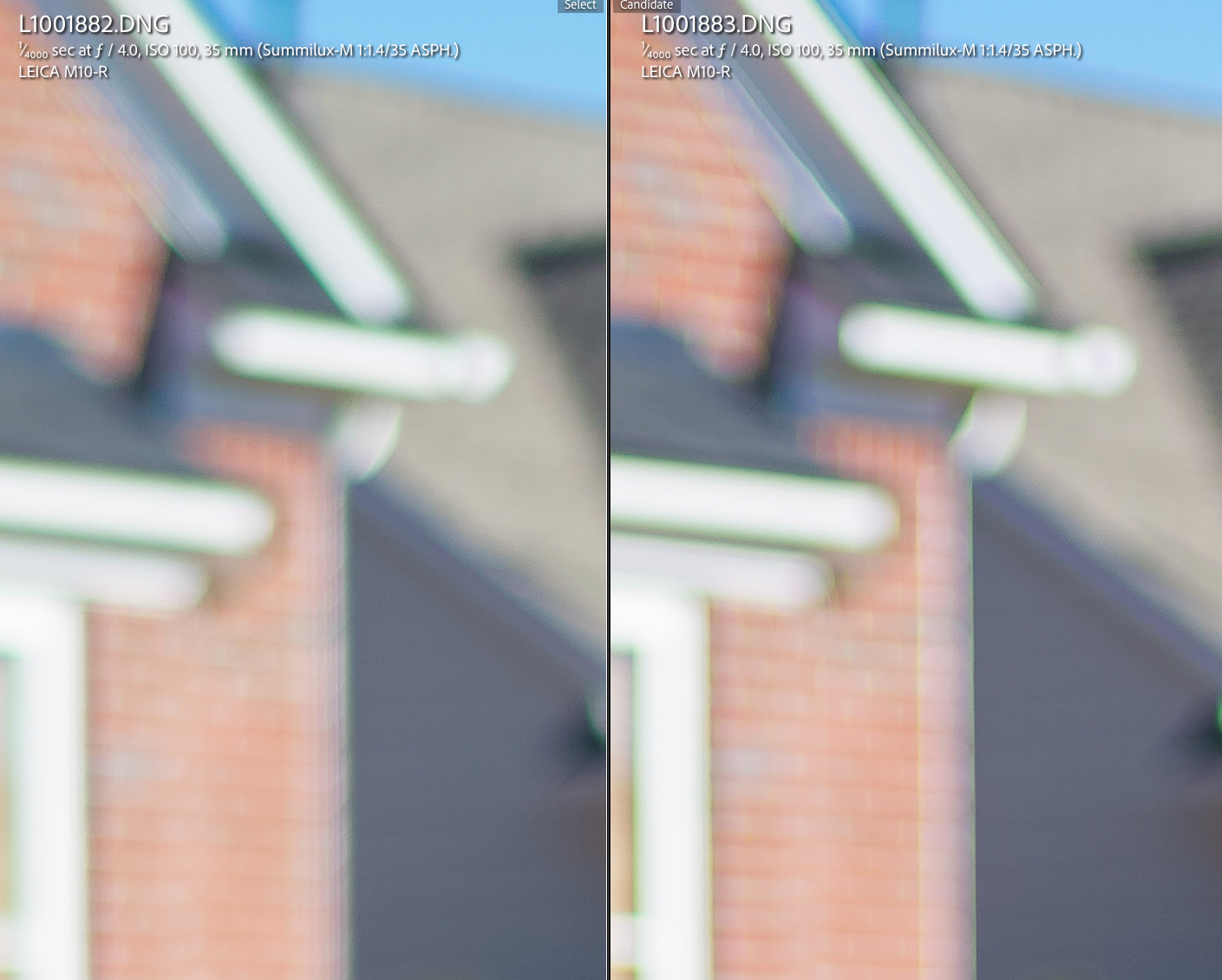
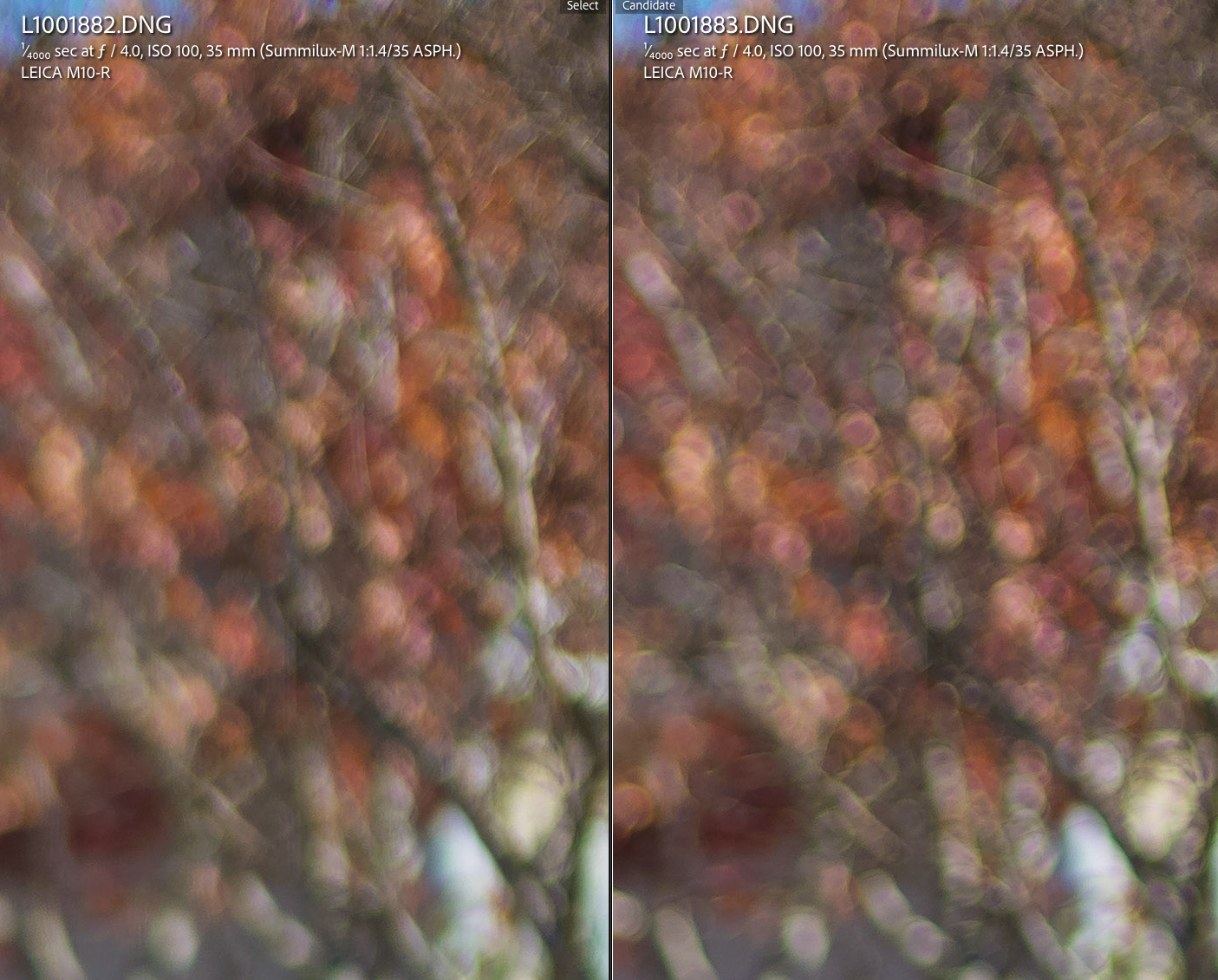
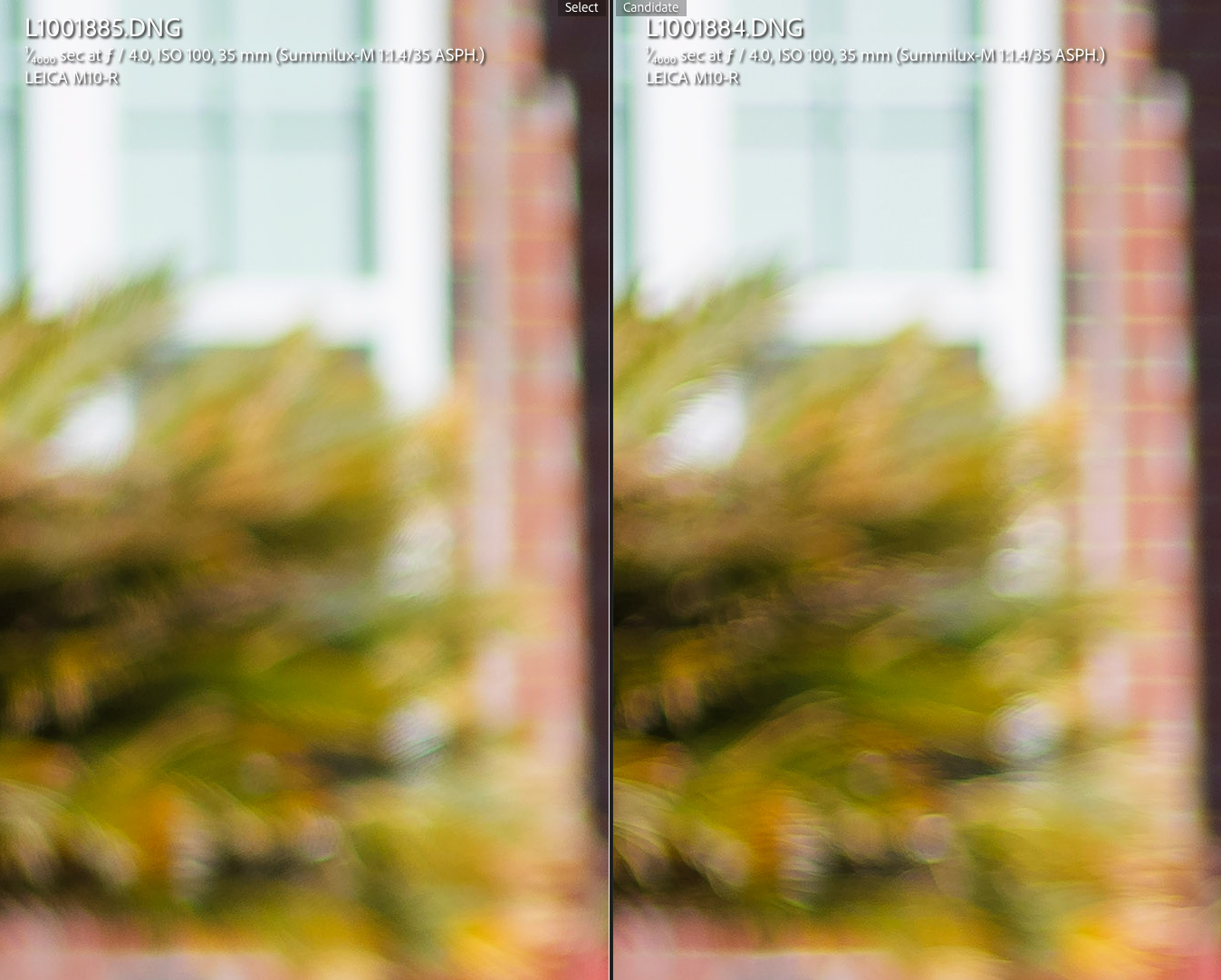
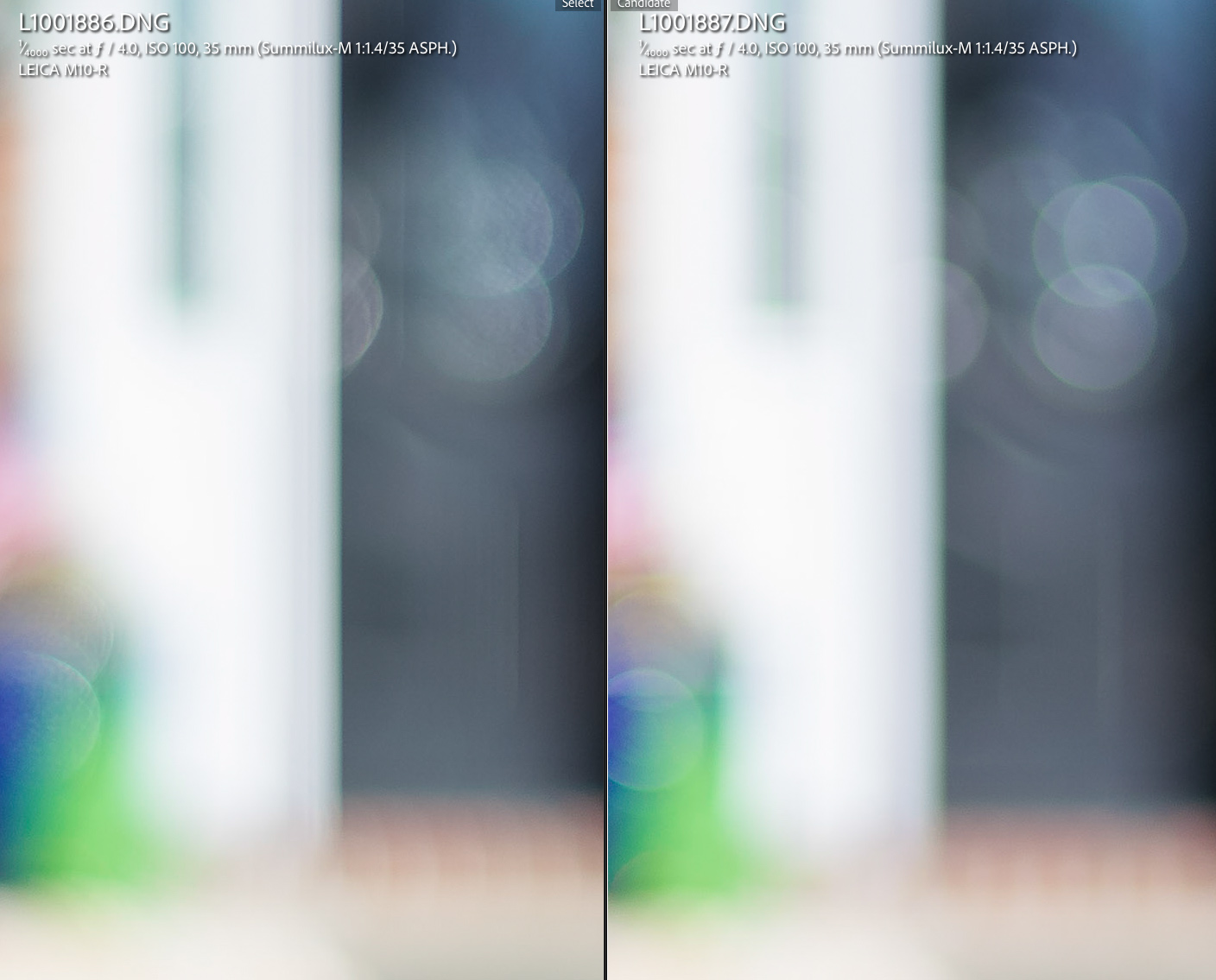
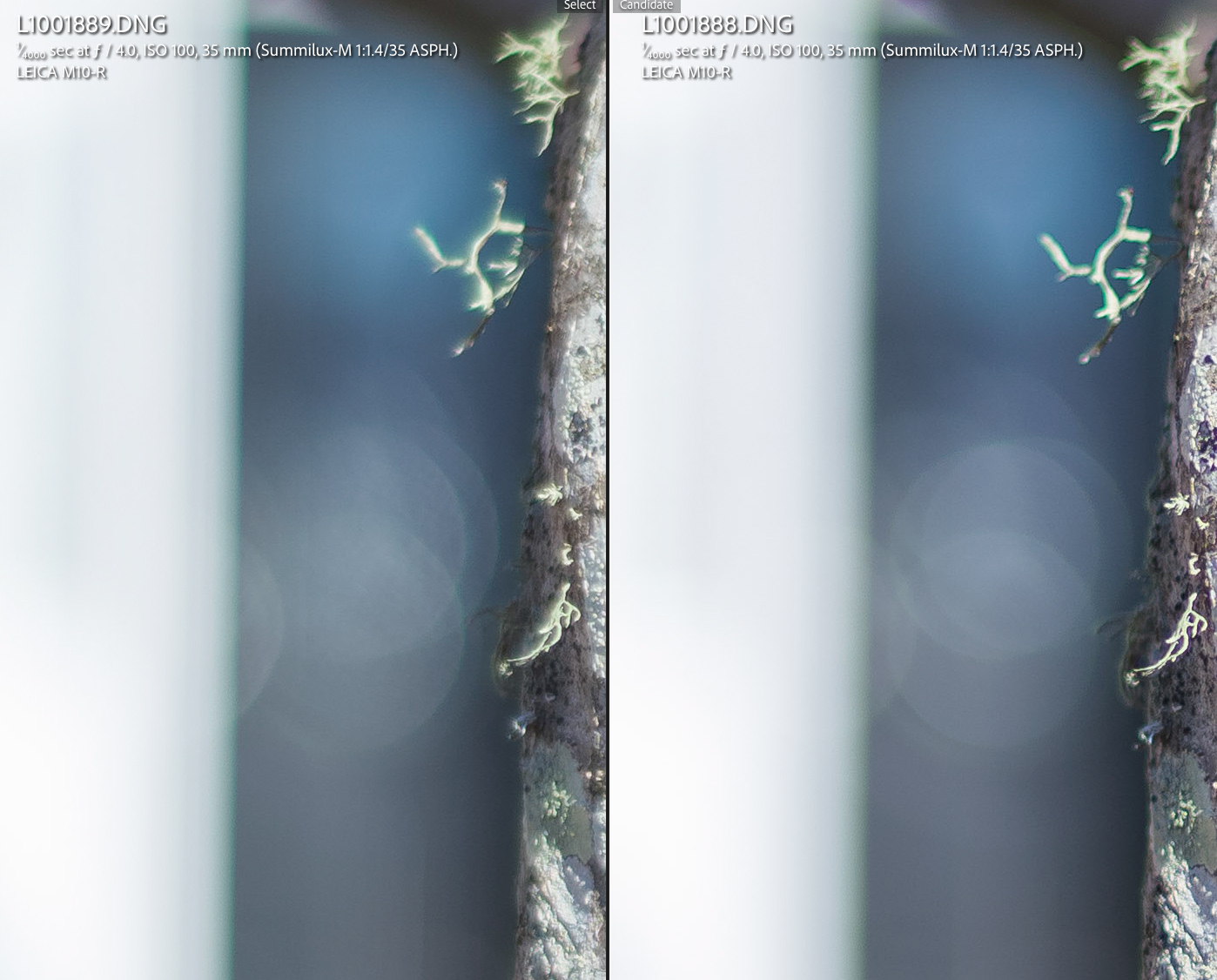
LLL background bokeh is smoother in the central portion of the image but appears to transition in the outer third to a quality similar to the FLE. I see what you're saying about the not-smooth bokeh ball rendering. It appears to have texture whereas the FLE doesn't. This reminds me of ground glass focusing screen texture, for lack of better description. Or 'gritty' rather than smooth. It also looks like the kind of bokeh you can get with long telephoto lenses when there is significant air turbulence between the camera and defocused background specular light sources (but of course wouldn't be the reason here - it just reminds me of that look)....Show more →
A lot of what you described comes from field curvature. The LLL has a stronger outward field curvature, while the FLE is comparatively flatter. So when we analyze areas off-axis, the LLL starts to show more structure there as well, essentially matching the FLE in those regions, just as you observed.
I also like the way you described the internal structure of the specular highlights, like a ground-glass focusing screen texture, gritty, almost checkered. At first I thought this might be distracting when examining images at 100% magnification, but in real-world photos and as you can see from the sample images I posted, that bokeh texture is barely noticeable and rarely visible in practice.
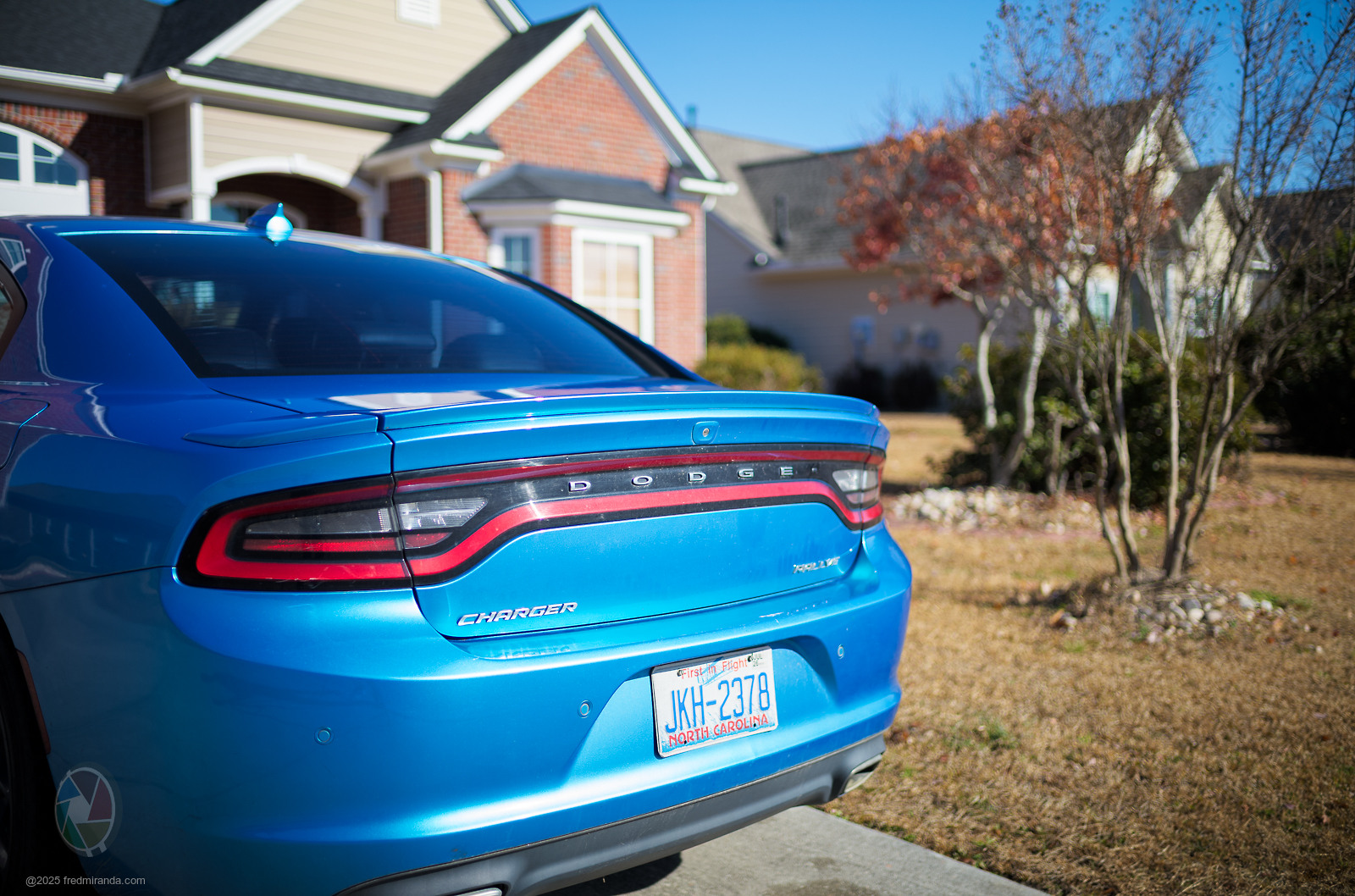
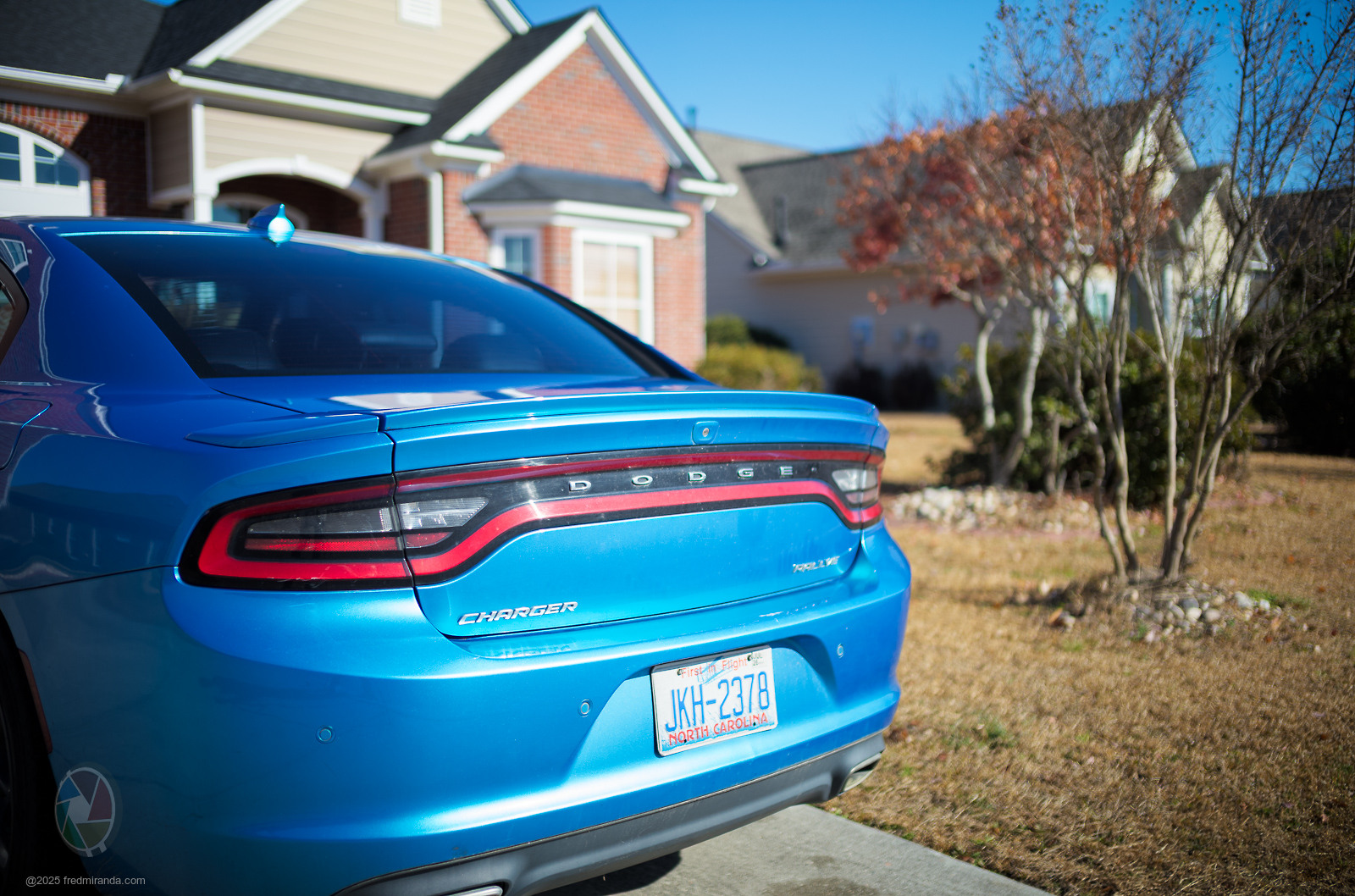
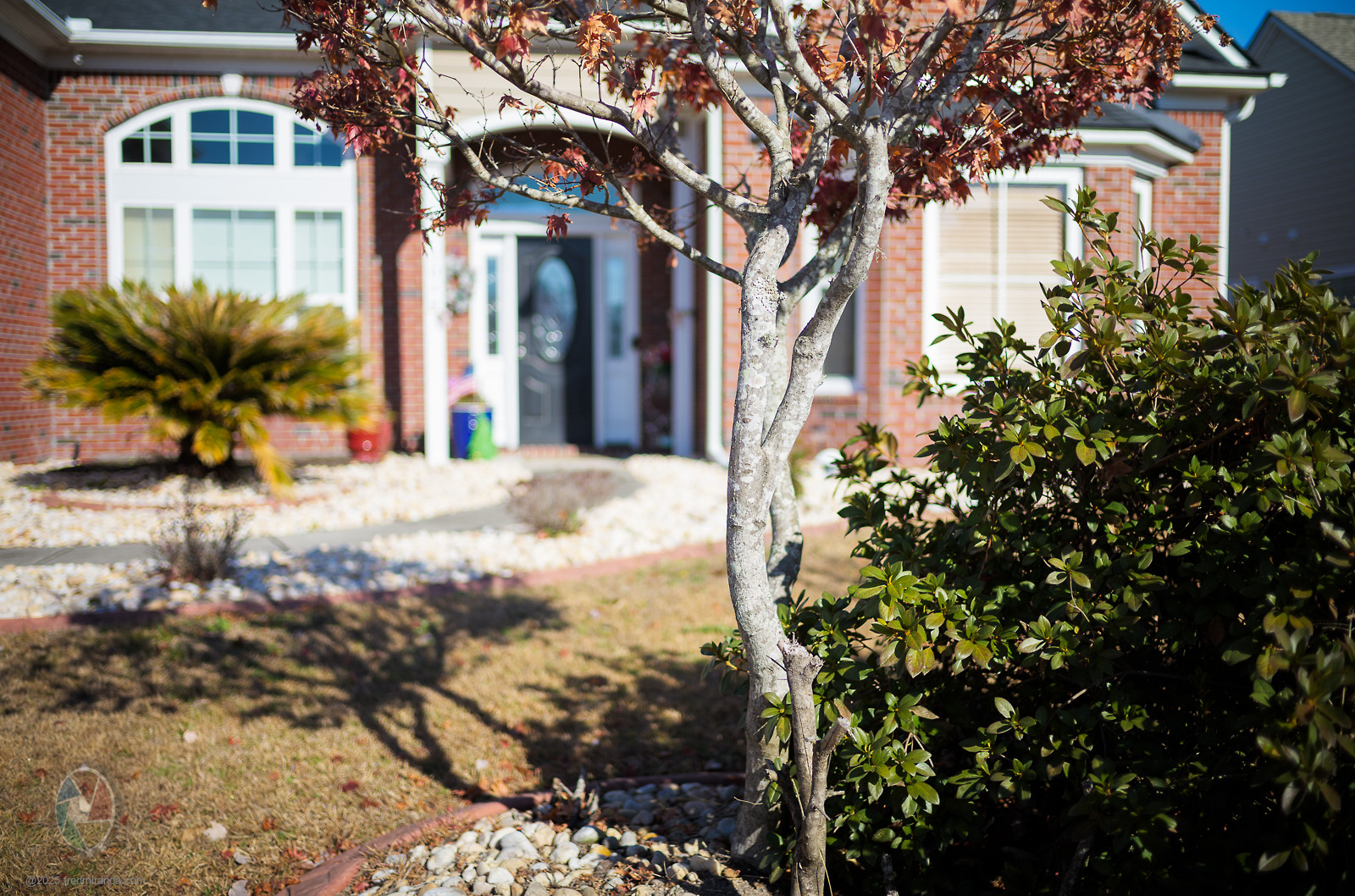
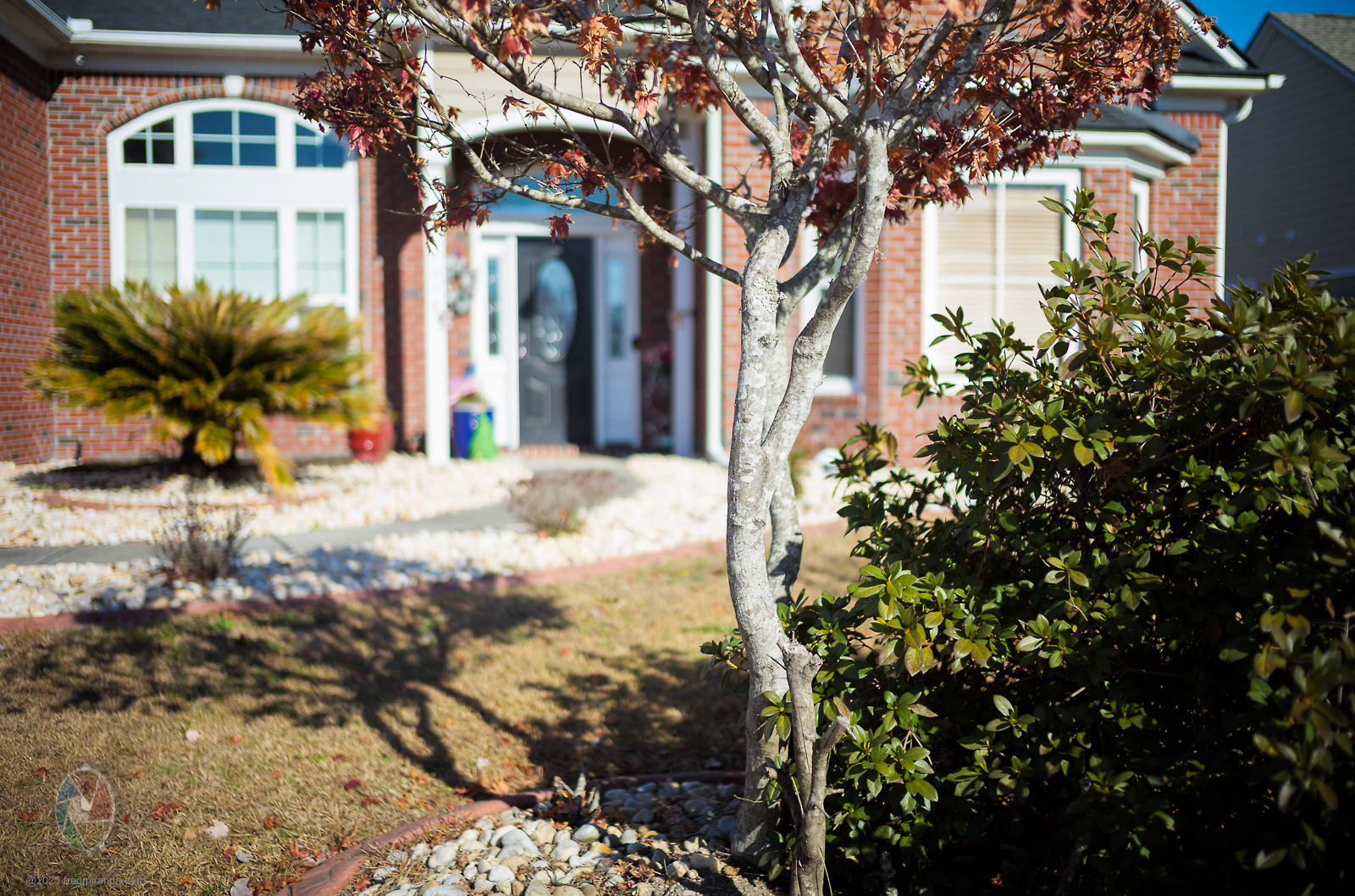
Another slightly weird detail about the LLL's bokeh balls is that they don't quite form complete, well defined circles/discs. One side (seems to be the left side mostly) consistently fades off compared to the FLE's more structured/defined/outlined bokeh balls. Even when nearly dead center (the specular highlights off the house door's window). It almost looks like EFCS-mangled bokeh... but the M10-R (or any Leica M) does not do EFCS...
I think this behavior is different from the original Leica Double Aspherical. From the samples I have seen online, the Leica shows a more uniform outlining pattern, similar to the FLE.
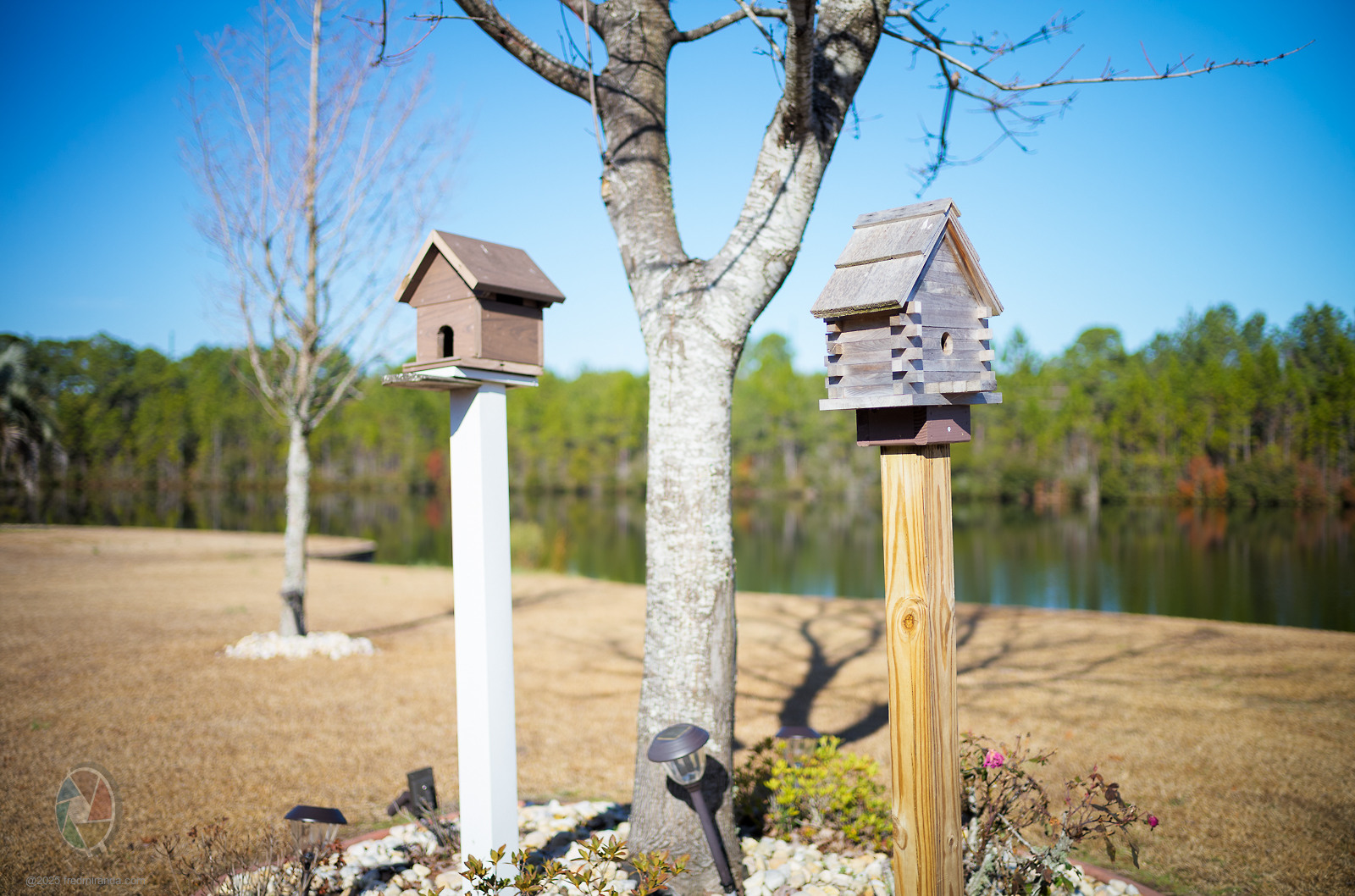
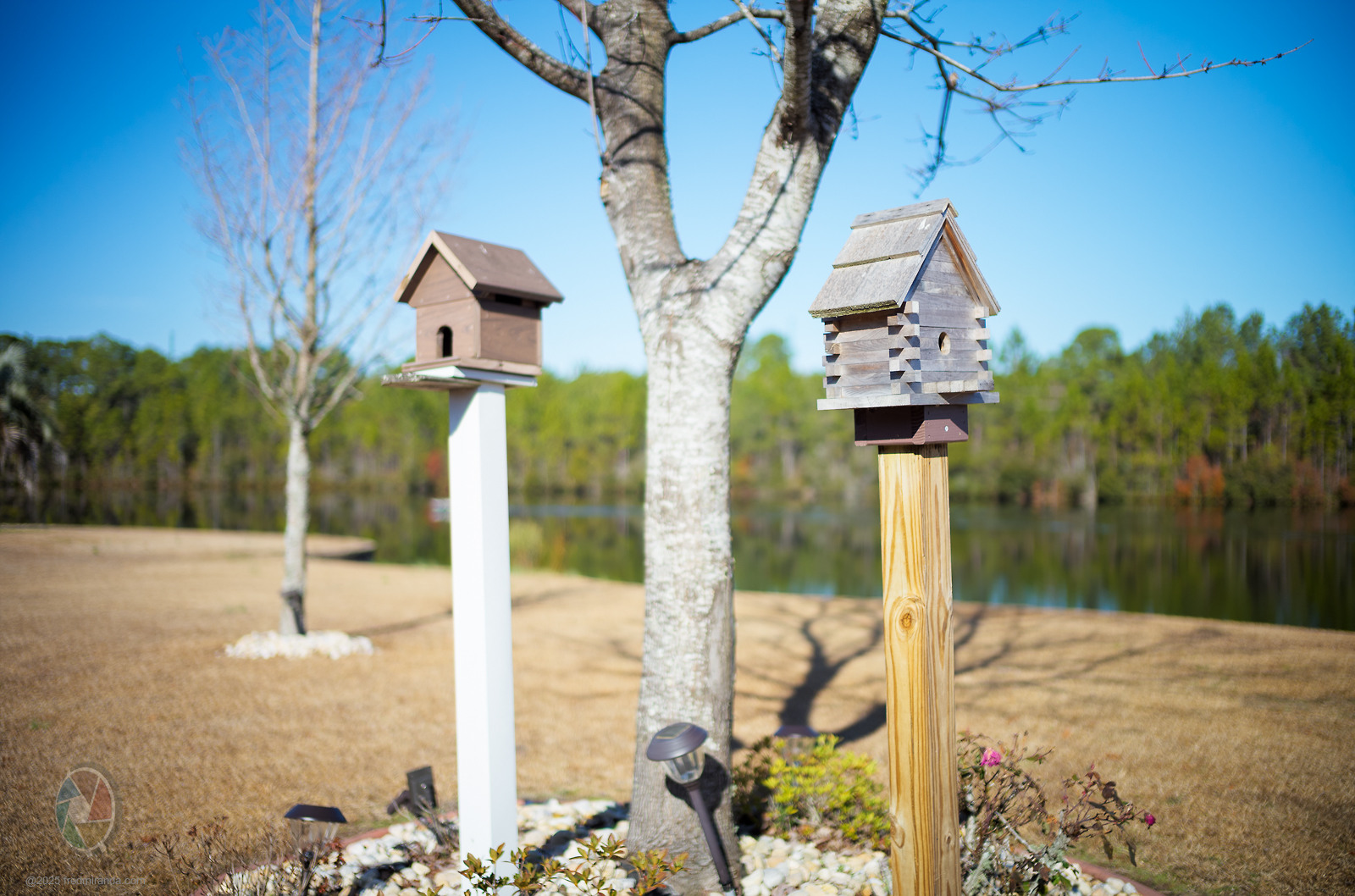
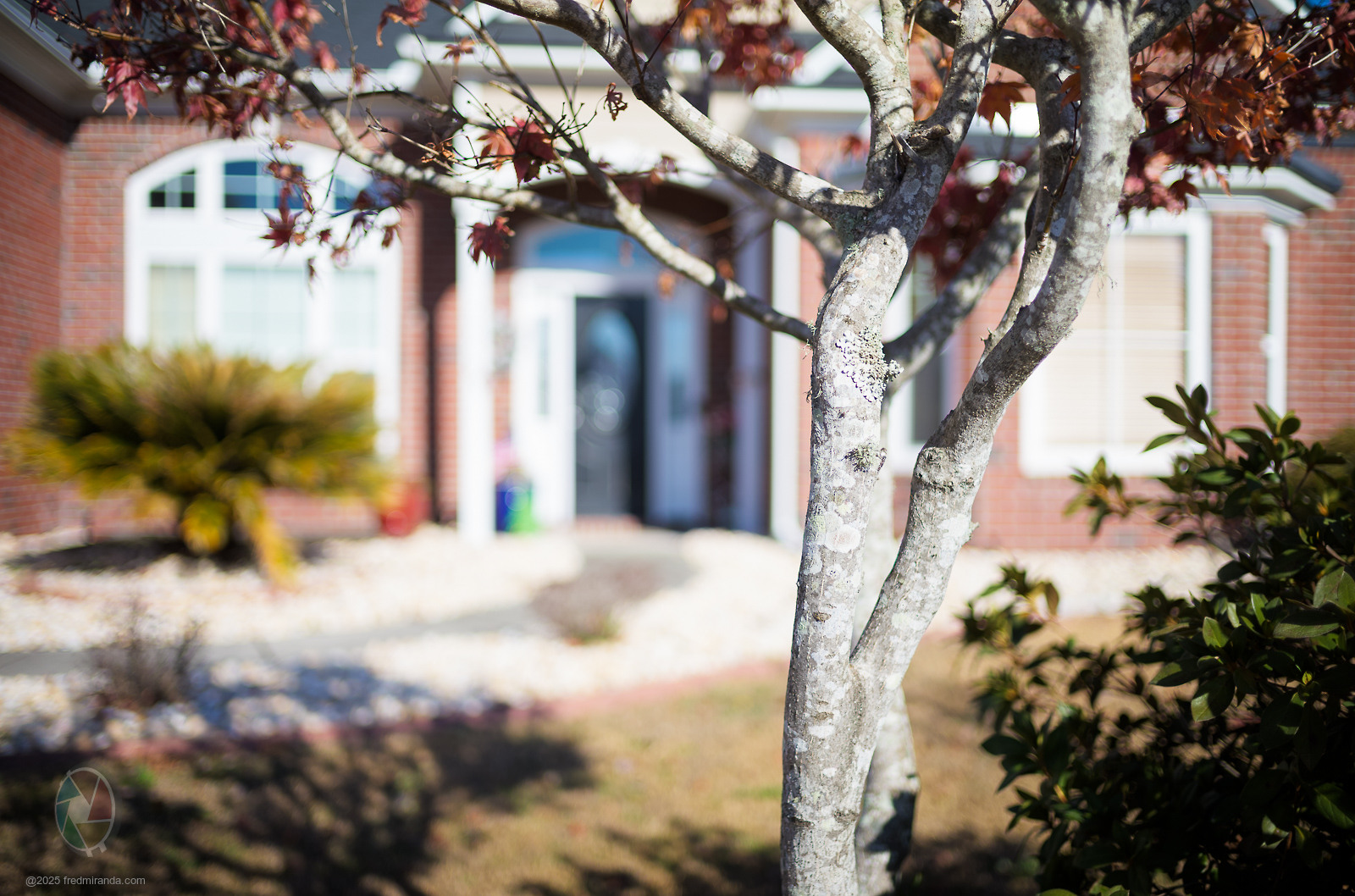
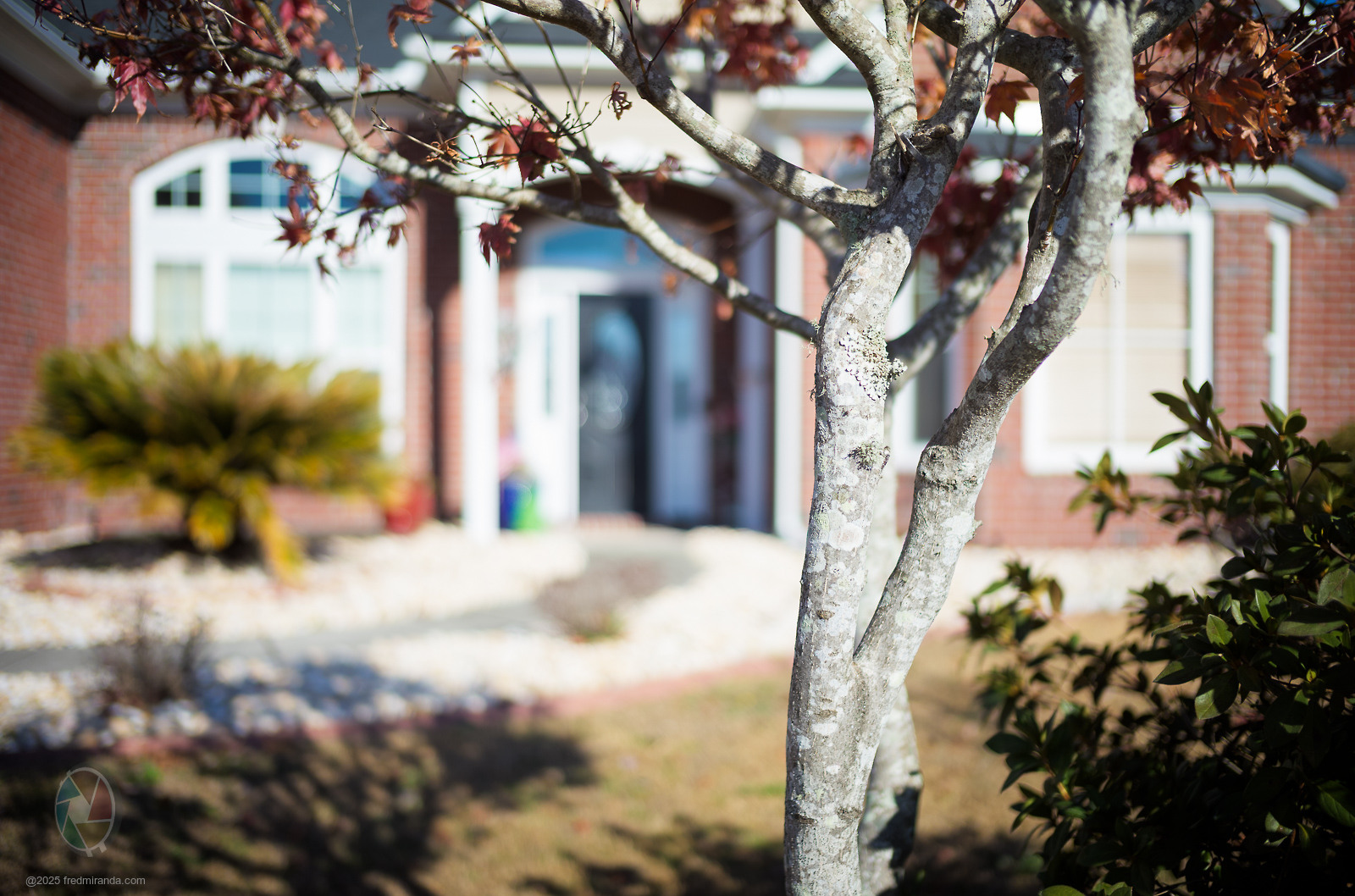
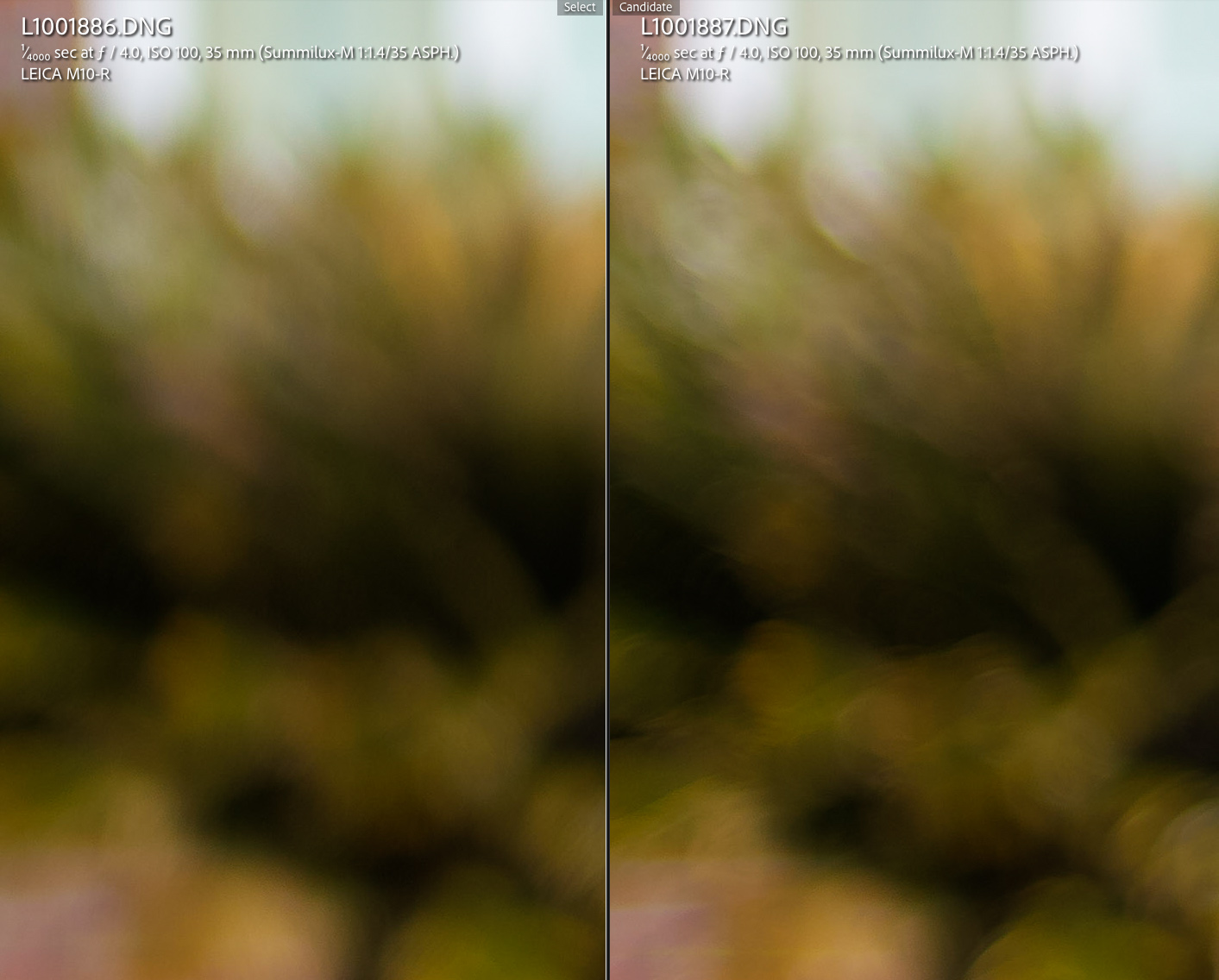
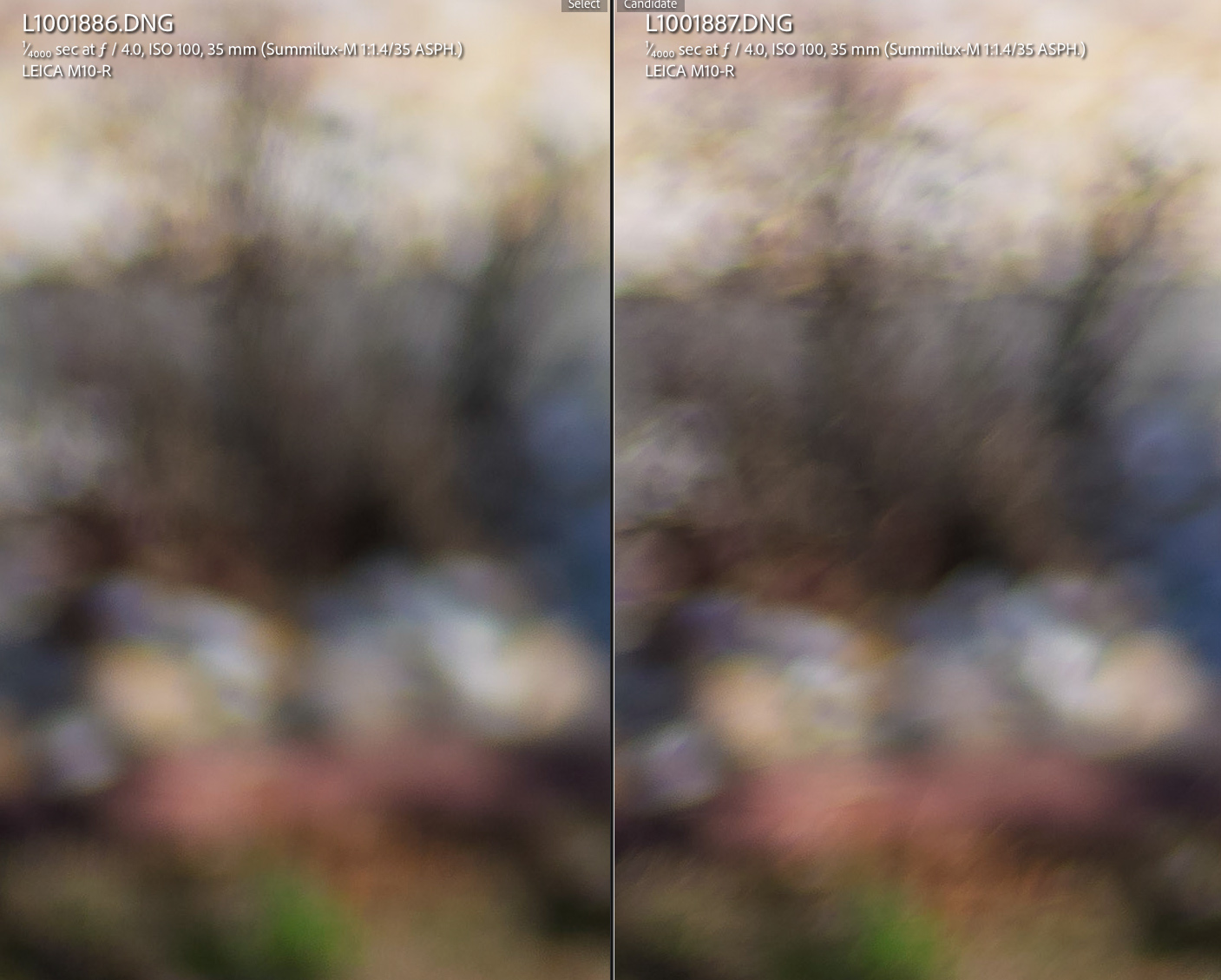
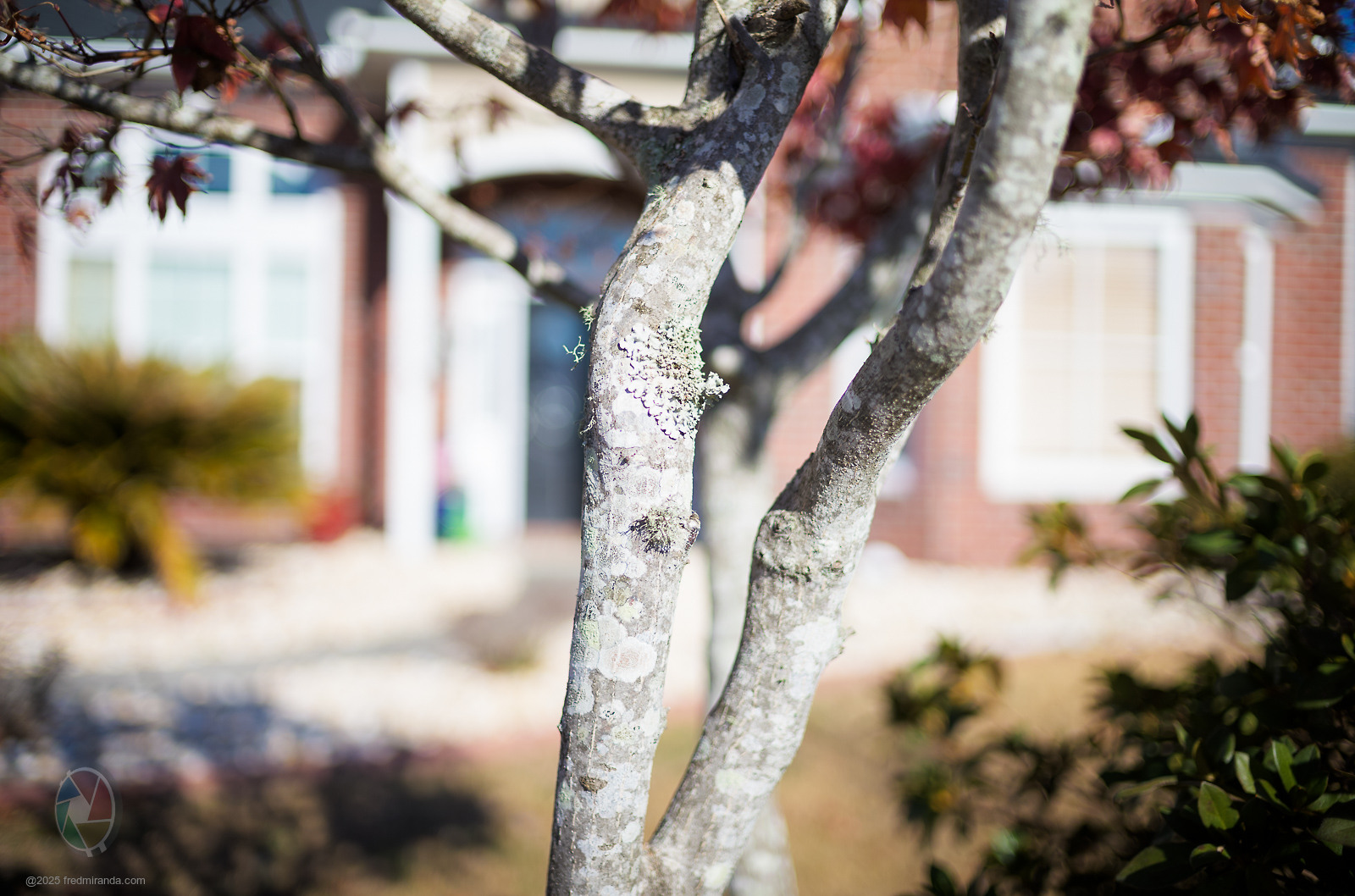
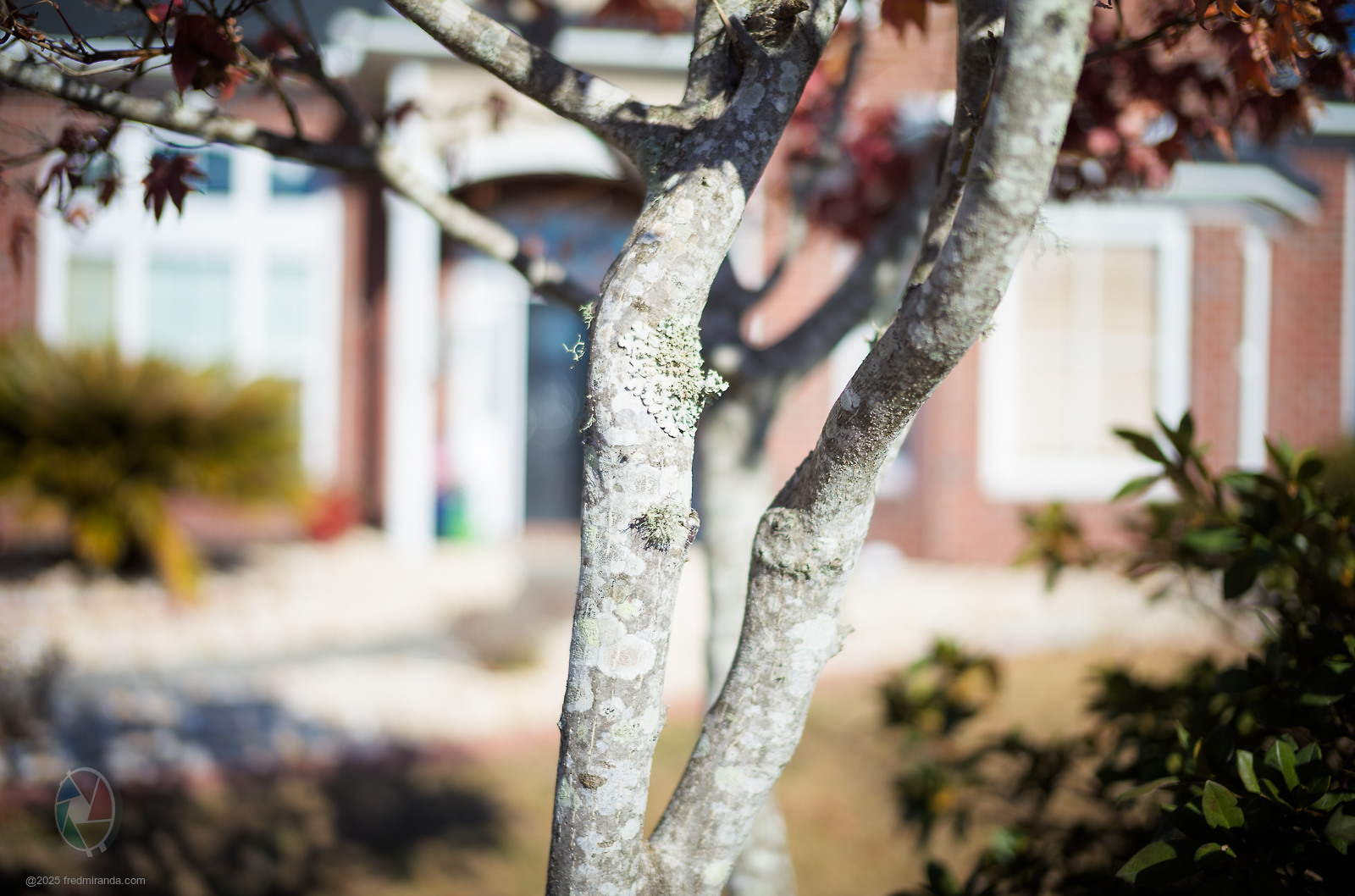
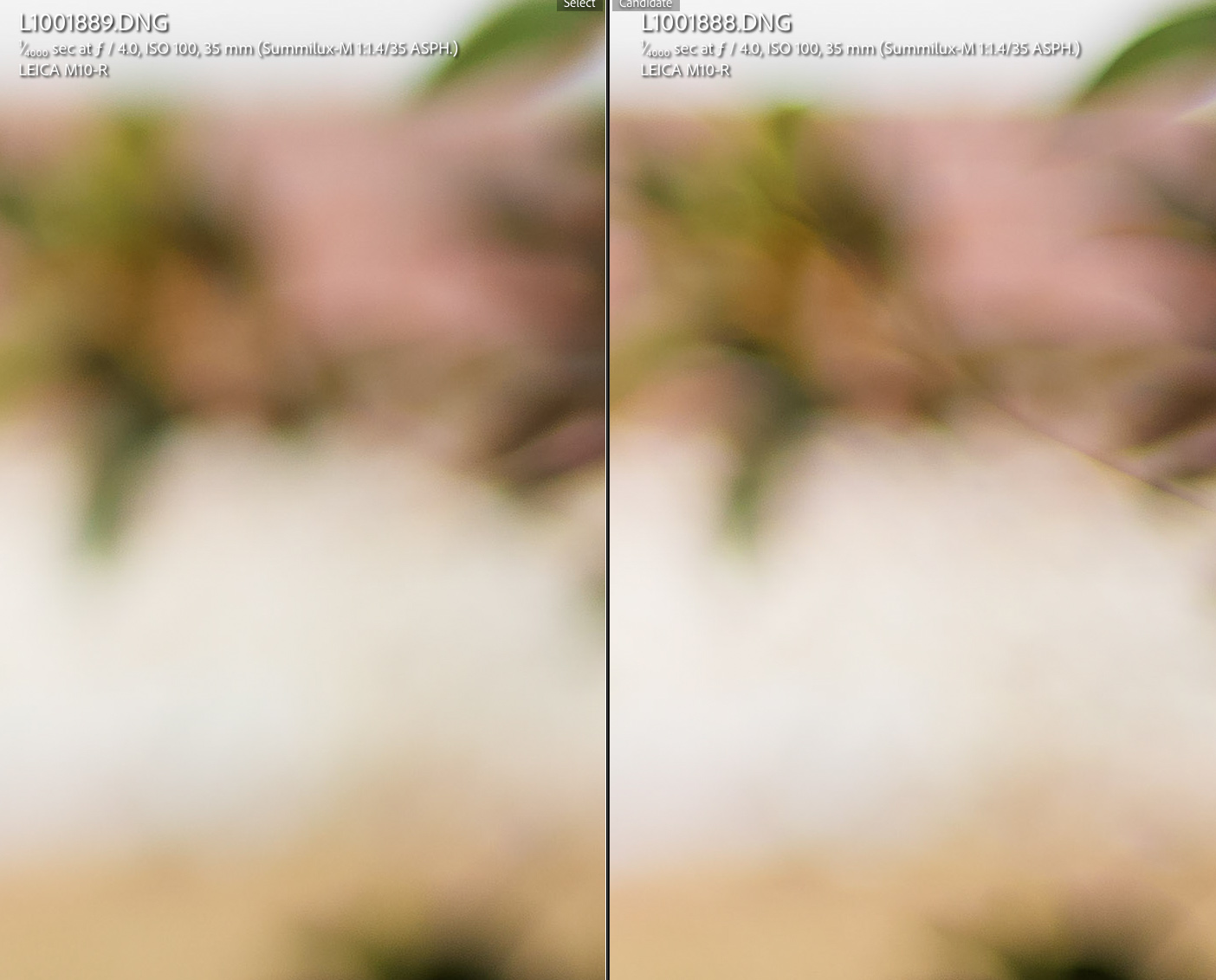
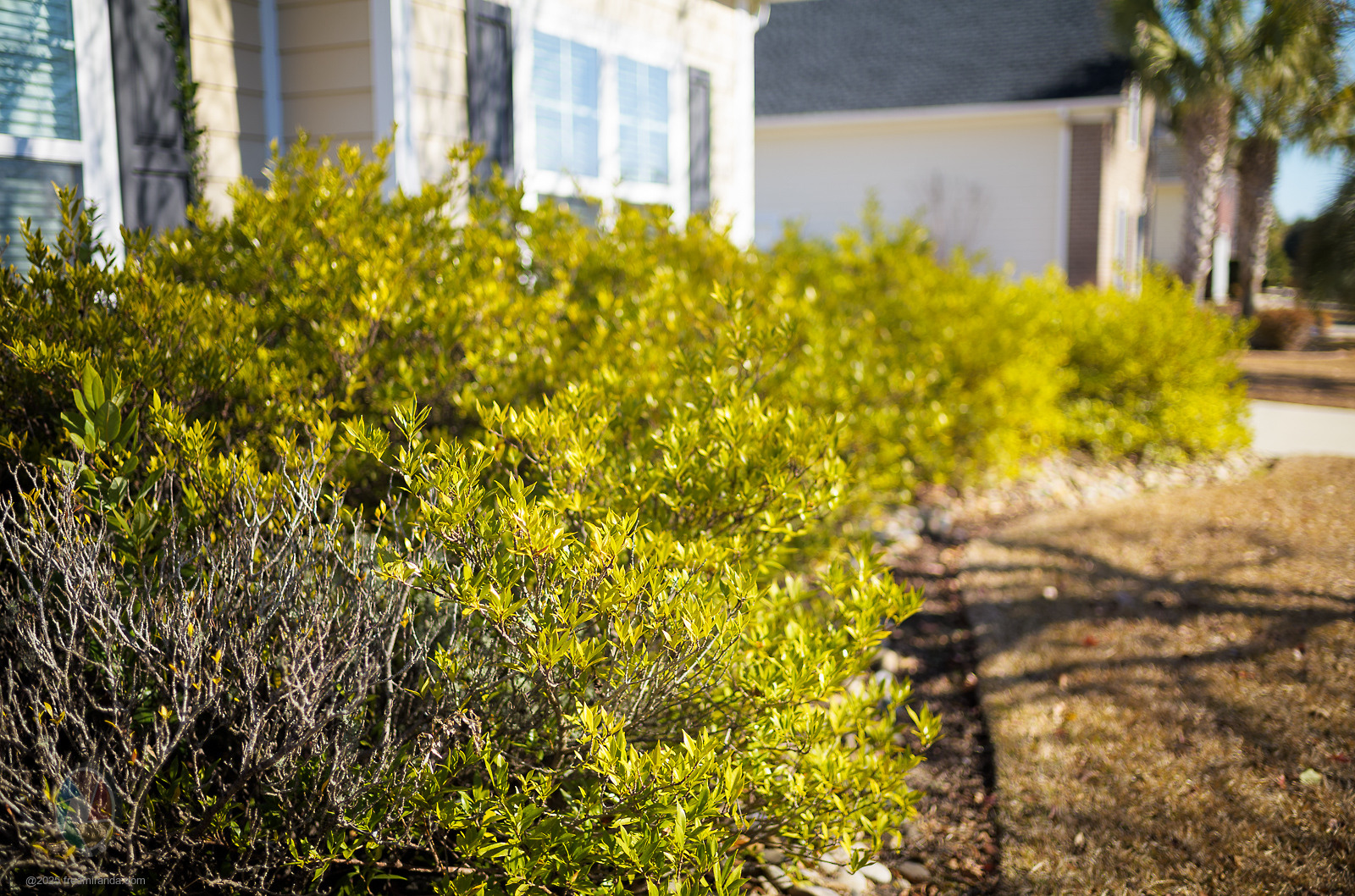
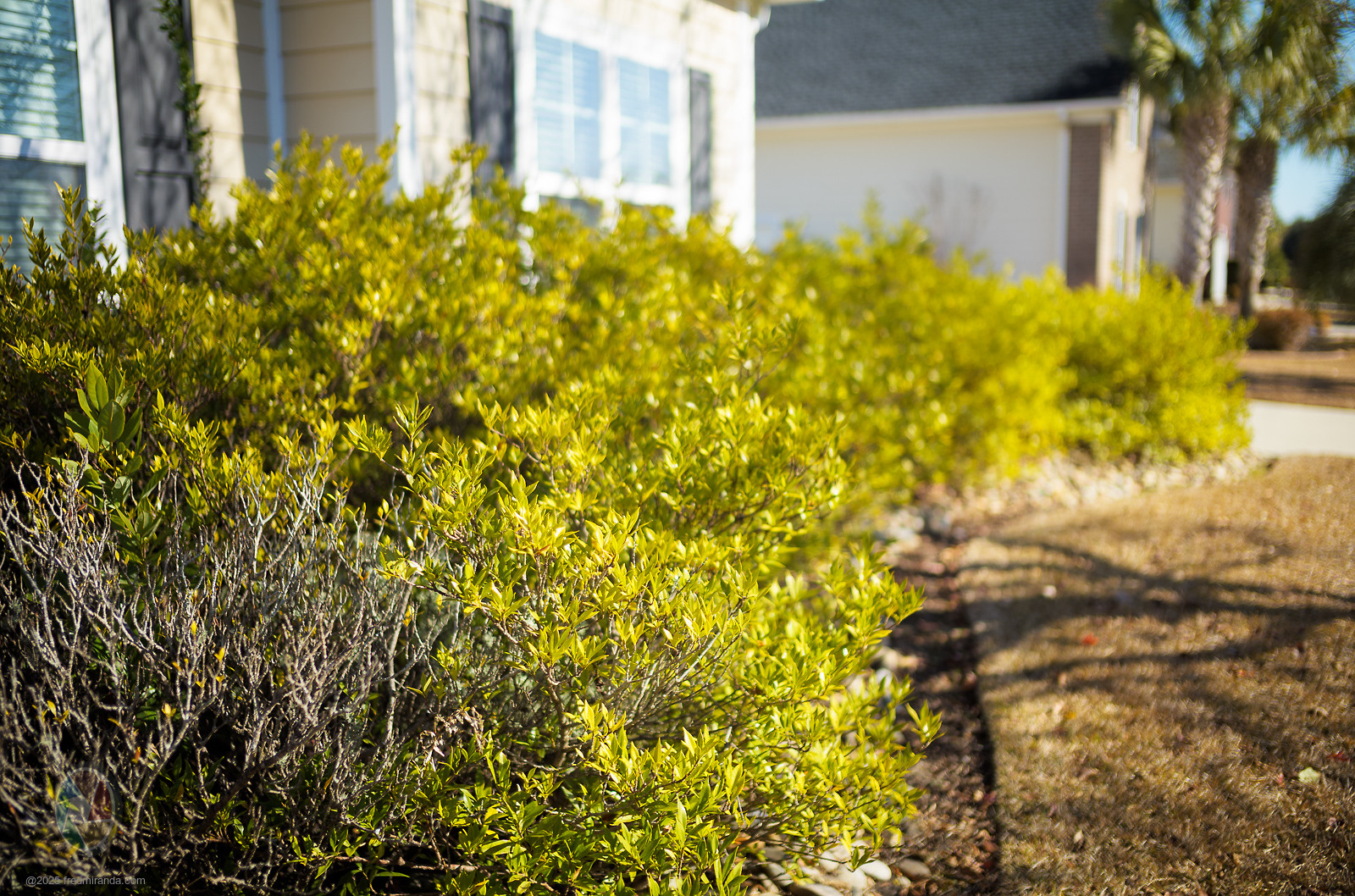
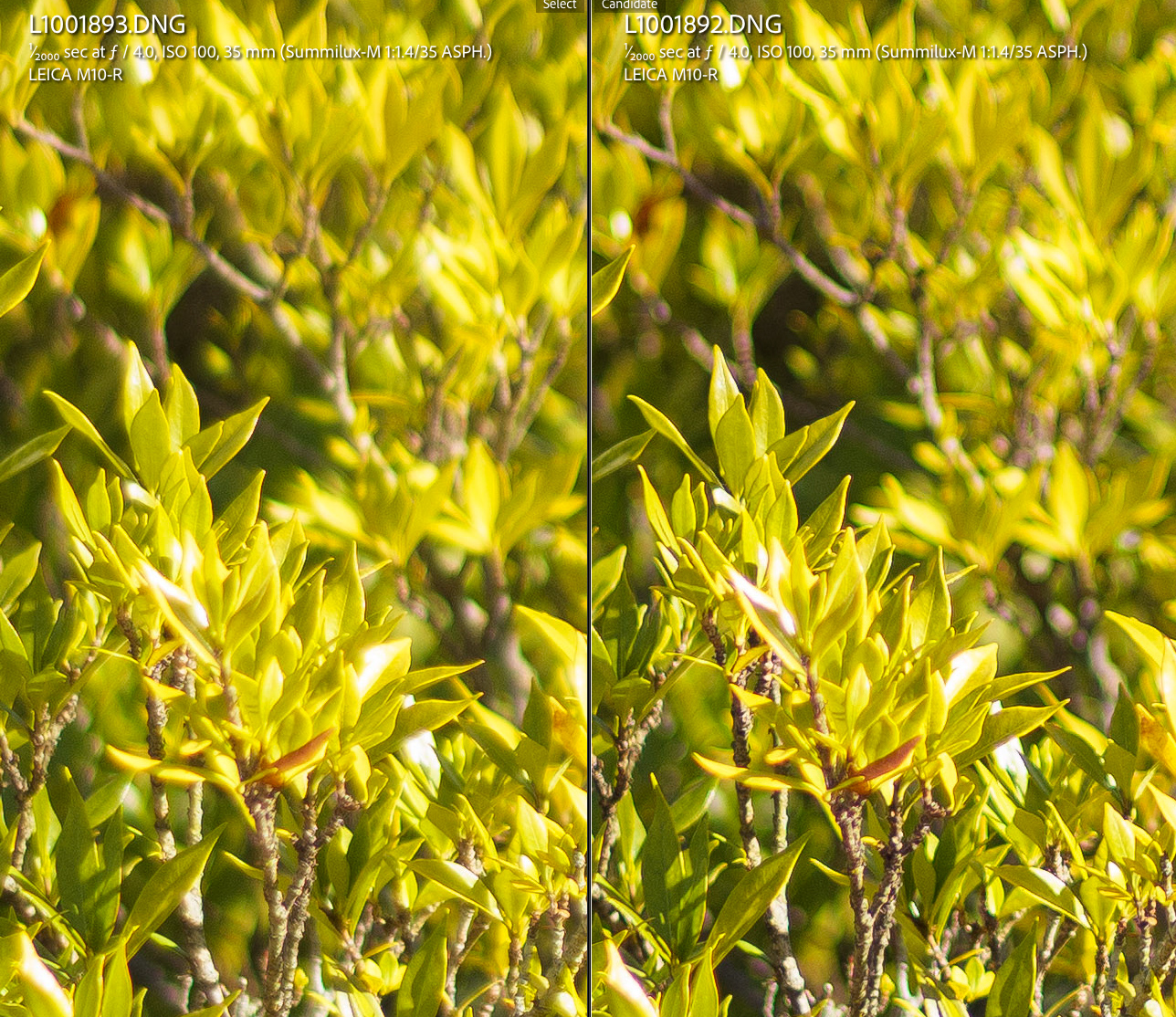
Would it be possible to show some out of focus foreground bokeh for comparison? Or an image that contains both, for both lenses?
Sure!
Long ago in the Leica Images thread, back when the FLE was a relatively newly released lens, I seem to recall a brief comparison between the ASPH pre-FLE and FLE. What I seem to remember most vividly was that they had opposite foreground/background rendering quality. If the FLE has harsh background, based on the above examples, then it's probably the one with smoother foreground rendering. And the pre-FLE was the opposite (smoother background, harsher foreground). It's possible I may have mixed this up with something else, but if anyone does do a pre-FLE and FLE bokeh comparison, please also include some images with foreground bokeh....Show more →
I've never used the pre-FLE version myself, but in the side-by-side comparisons I've seen, its overall rendering structure looks very similar to the FLE. The main difference is that the FLE is better corrected for spherical aberration, which affects how smooth the rendering appears. What you are seeing is normal. Lenses that produce smoother background bokeh often show a bit more structure in the foreground bokeh, and the opposite is usually true as well.
Which of these two do I like better? I'm leaning towards the LLL's gentler wide open rendering, though I'm not a fan of the transition to harsher background bokeh in the outer third of the image area and/or field curvature resulting in sharper looking edges/corners in certain scenarios. I think what annoys me most about the FLE is purple fringing and that is more of a deal breaker than the LLL's flaws. The infinity crops from the FLE looked better than I expected, particularly the mid zone area. From what I recall, the FLE has been quite seriously criticized for wavy field curvature and/or mid zone performance drop, which actually many Lux ASPHs also have. Some more than others. So it surprised me that the 35 FLE looked really good here. It's certainly the technically better lens, minus purple fringing. But the LLL is a bit more of a 'dual look' lens that I think some here enjoy; slightly dreamy wide open and very sharp stopped down a bit. But it's IMO not quite in the full-on 'character lens' territory that we've seen from some other LLL replicas/interpretations....Show more →
Outside of the technical tests, where the FLE clearly performs better, I actually prefer the images from the Light Lens Lab. They feel less clinical and less modern to me. I also like the softer, less structured background rendering, and the fact that it still has a very distinct character. It is not bland the way many modern lenses are, like the Thypoch 35/1.4 or most Sony and Nikon designs.
To me, the Light Lens Lab 35mm f/1.4 Aspherical sits between the Leica 35mm f/1.4 Summilux pre-ASPH and the 35mm f/1.4 FLE. It combines some of the classic softness and character of the pre-ASPH with the higher correction and precision of the FLE, resulting in a balanced rendering style.
|