Thypoch listened to some of their Simera-C cine version users of these lenses and opted to make only M-mount lenses from that time onwards, having started out with E-mount. They are primarily 'people lenses' suitable for light cine usage, where high quality M-mount lenses are swapped to mirrorless mounts as they are also used other cameras - Z/RF/ etc.plus Ronon 4Ds, ARRI etc. So M-mount became a 'universal mount' for them, a common practice in that field, as DPs and cinematographers need different cameras for various reasons.
The 21mm, the 50mm and the 75mm stills versions are not made in E-mount. The 50mm is also made in Z-mount, in a strange move. For anyone that must have a native E-mount lens, only the 28mm and 35mm are produced for them. Thypoch know there is little interest in the mirrorless mounts for their lenses, so why bother making them?
It's highly contentious in FM forums where sensor stack differences are a big thing and held to damage image quality if you look closely enough in the outer frames and corners. But some of us really enjoy using the M-mount versions of the Thys on Sony cameras. In a world where many Leica lenses have terrible midfield curvature, it's all relative, no?
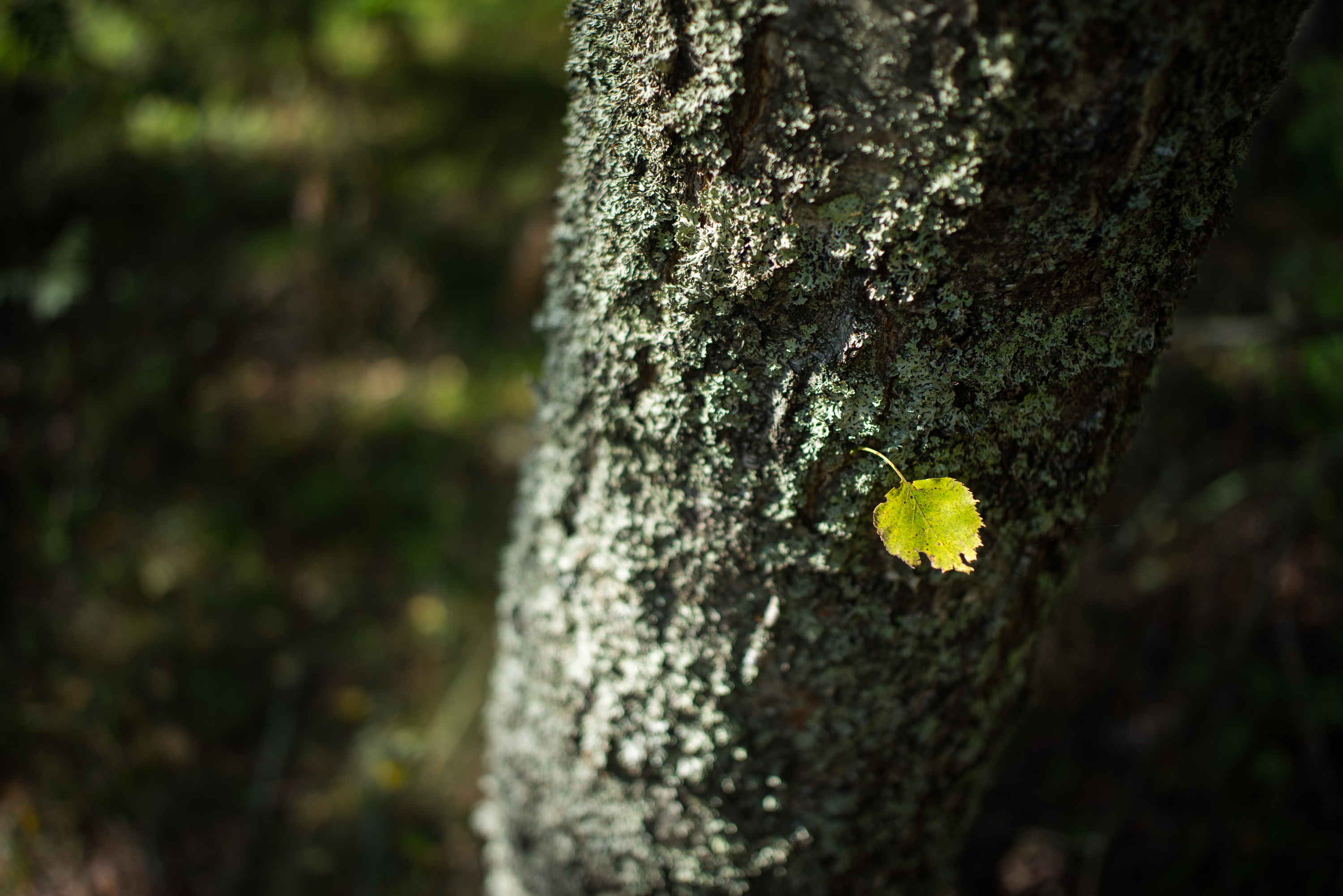
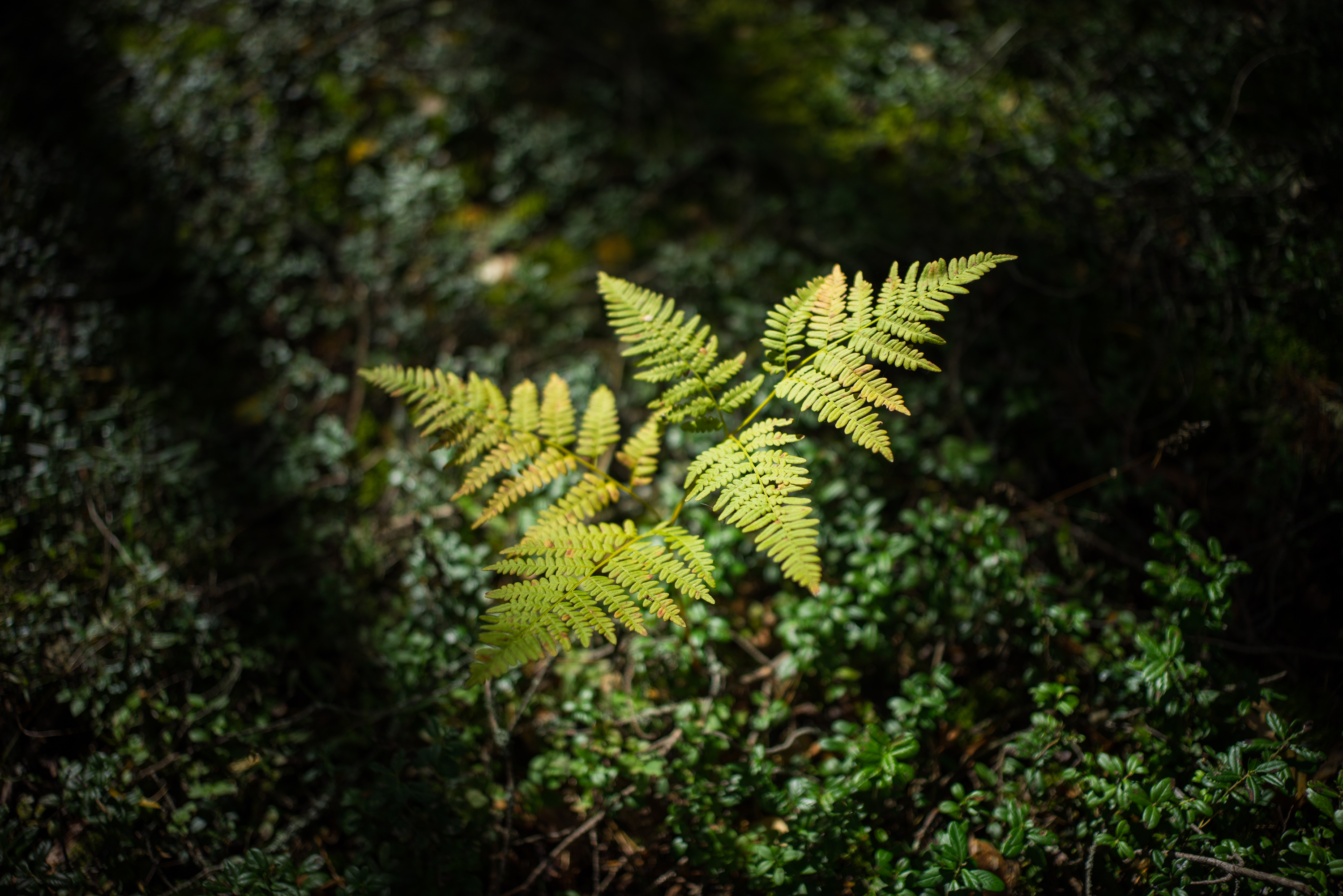
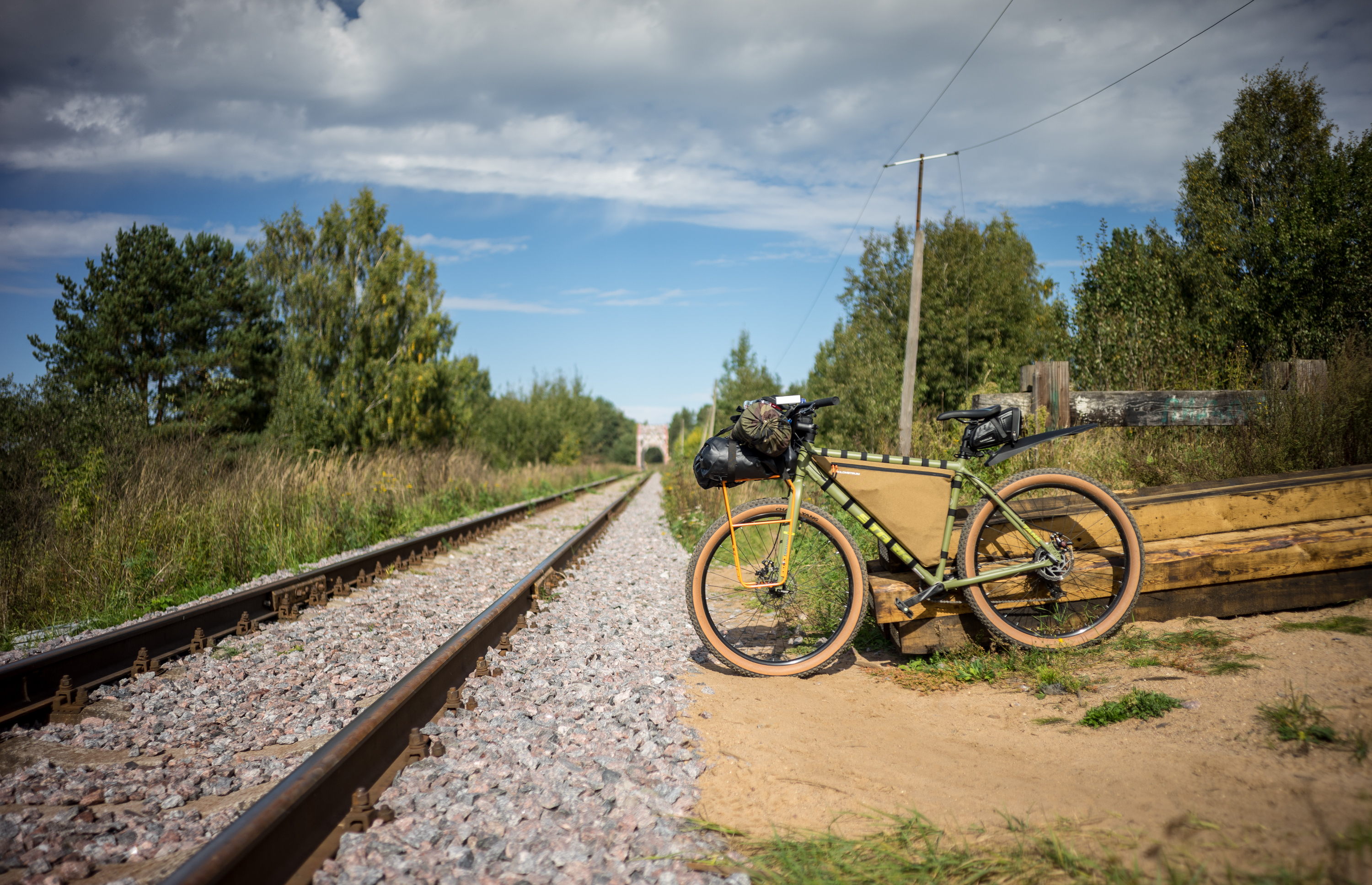
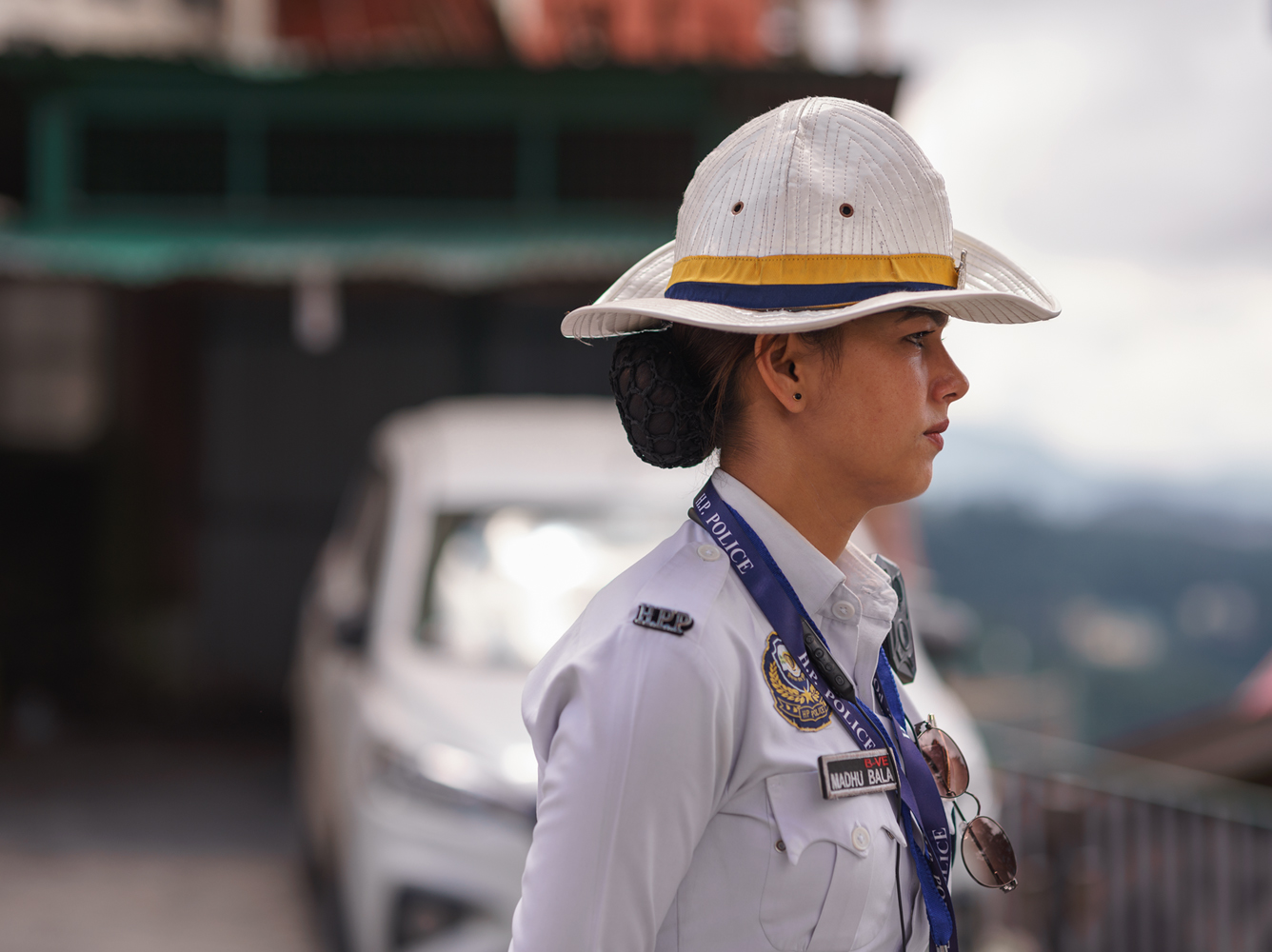
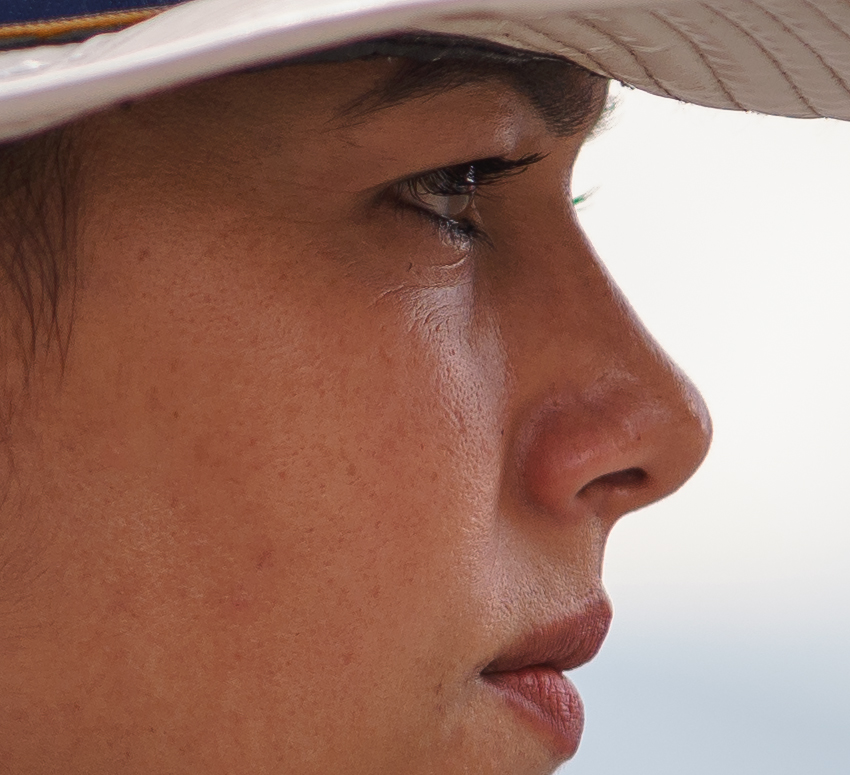
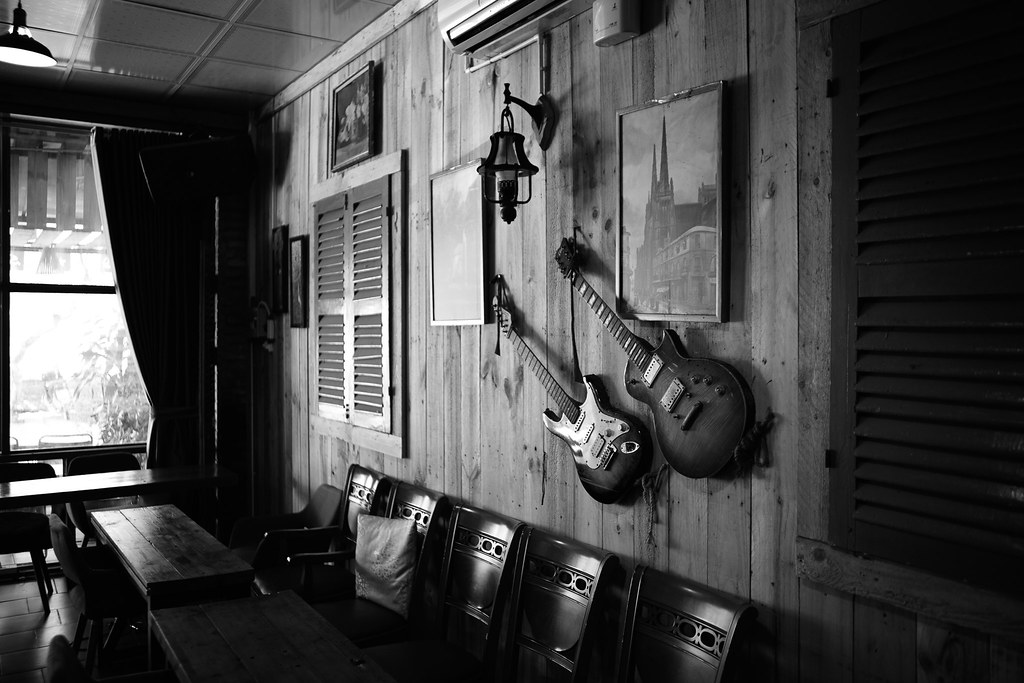
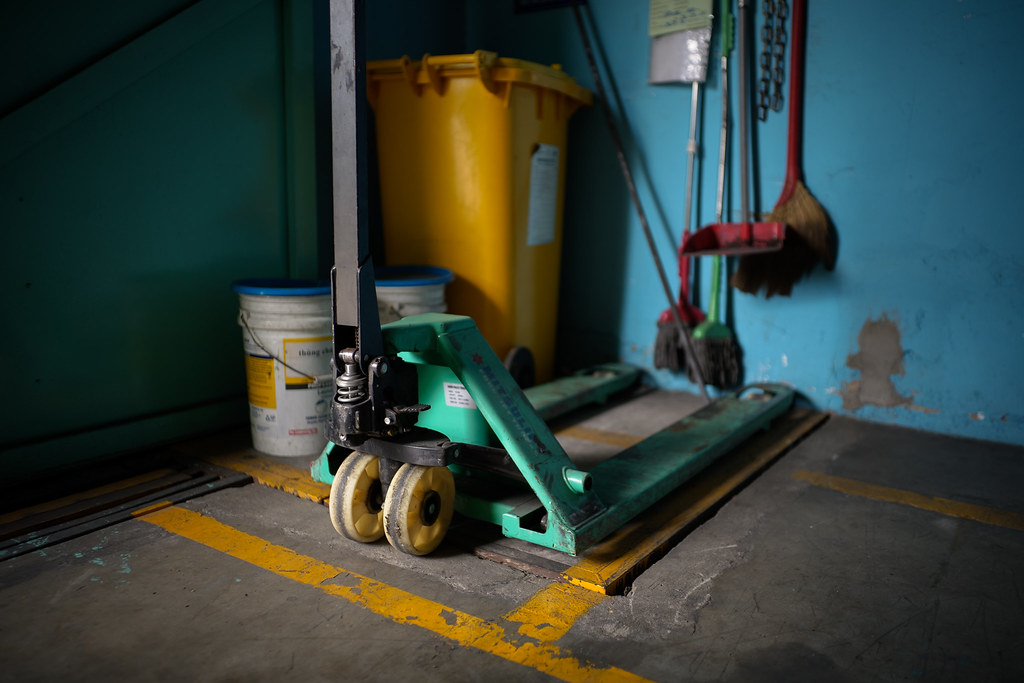
With respect to the 75mm, let me gratuitously post a few to help you, moving forward. I would not swap this one for any of the other 75s around, and must have shot 500 images with it. It's not a great landscape lens, however, but a dedicated portrait optic. They all are - cine usage demands that!
PS All natural light, no Matt Osborne lighting setups for me!
The Indian friends - I have to ask them not to smile!
..
Madhu Bala means 'sweet girl'.
skin treatment is where many lenses fall down - not this one.
When you call something "cine" be prepared to talk about focus breathing.
Sure, the Simera is billed online as a 'cine' lens, but calling it a true cinema lens is nonsense and pure marketing fluff—the Simera 'cine' is more about ergonomics even if focus breathing remains rooted in its photographic origins.
philip_pj wrote:
They all are - cine usage demands that!
PS All natural light, no Matt Osborne lighting setups for me!
Picture This! wrote:
When you call something "cine" be prepared to talk about focus breathing.
Sure, the Simera is billed online as a 'cine' lens, but calling it a true cinema lens is nonsense and pure marketing fluff—the Simera 'cine' is more about ergonomics even if focus breathing remains rooted in its photographic origins.
It’s also hard to take the cine claim seriously (and that is aside from loads of focus breathing) as the Simeras are not color corrected. They do release cine version with actually good ergonomics, so it’s not all marketing.
The focus breathing I understand more because Thypoch prioritize making small fast lenses and I think that is a needed trade-off as far as I understand. Not color correcting a line of optics touted as cine lenses though? No bueno.
Sometimes I get the impression that certain forum members feel a compulsion to immediately counter every post of philip_pj with a disparaging, negative remark—at any cost.
If "Simeras are not color-corrected" means—and this seems to be the only interpretation that makes sense—that the set lacks uniformity, then that is largely incorrect. Their consistency is highly satisfactory, especially when compared to other lenses in this category.
To demand complex focus-breathing correction from 400g lenses (which, incidentally, belong to a genuinely accepted and respected professional-grade class of "mini-cinema primes"—that can be indispensable in some circumstances even in high-end productions, not to mention their increasingly common use with the Ronin 4D "Adolescence" camera)... well... and then to dismiss a differing opinion as "pure marketing fluff" or, even more pointedly, "nonsense"—well, it is IMO 2x well....
Given that most anamorphic lenses (and some spherical deliberately also as Hawk's) exhibit significant breathing (whether vertical, as with Panavision C-series, or both vertical and horizontal, as Cook's or Lomos—it is always noticeable regardless), and since so many people seem to love the anamorphic look... perhaps it would be wise—and relaxing—to view it simply as an (sometimes aiming) artistic choice.
BTW, the 16mm Simera-C actually has completely negligible focus breathing
BTW Also, it looks like a 100mm lens is set to be announced in a few days...
If you don't find anything better, it might be fun to check out this charming example of "anonymous" creativity (related to the topic):
Thypoch have no plans currently for a stills version of the forthcoming 100mm Simera-C lens, sadly. Fair enough from their POV, it's a vanishingly small market so why bother? I wonder how many Otus 100s were sold, despite its perfect MTF.
I'll consider the C versions it being already light and I don't need the aperture detents. It's 477g in native E-mount which would be resalable, given all the light Sony FX series cams. 67mm filters, not bad. 0.85m MFD with FLE, better than my old CY Sonnar and the CY Planar (both 1.0m) that need a heavy long adapter.
A quick fit 100mm at the equivalent of F1.8 is enticing. E-mount lens is $80 cheaper than the M one, focus throw of 210 is very much like many Zeiss lenses (I'll adapt from the Simeras, which are quick), and 100mm portraits are a little more organised in my usage, so the extra part of a second is OK. 100s drop into focus pretty easily with an EVF, plenty of native magnification, even with smooth fall-off. Should be fine in low light, f2-ish at 100mm is like a 75/1.4.
The C lenses also get a bit more attention, I do feel. Maybe slightly modded coatings, and assembly for the knocks they inevitably receive in cine use. No red dots. Comes with back focus adjustment, caters to mount swaps. The 75mm is extremely kind to skin for a clean lens. 16 blade bokeh too, for light stop downs.
I'll think on it a bit. It won't break the bank.
They sent me the lens design diagram - the four elements at the front of the 75mm are retained, with the element count at the rear rising from five to seven - it's quite different. It carries an extra ED (L5) with an adjacent unspecified type, so presumably also has an extra HRI elements for the balance they like in their optics.
They now have three achromat doublets in it, up from one (my preferred correction method, as used the high end M lenses), one in the front set, one in the middle and one in front of the last element - that rearmost piece looks like a DSLR Otus stand alone item, possibly an aspheric, as used in the Otus 100mm.
100mm is a lovely portrait length from the old days. I shoot people from 28mm to 100mm depending on the situation and spatial access. I want a long landscape-capable lens, whereas the 75mm is pretty much portrait-dedicated IMO. So this one would do double duty. It looks nice and plain, a bit gnarly, so perfect for street and discreet.