p.74 #1 · Nature and Wildlife image thread - a Sequel
Resumed post processing after more than 6 months hiatus (due to other interest/personal projects). Initially pre-ordered the A7RVI but cancelled after exploring the hoopla on scan/read speed, raw settings, etc. in spite of having much interest in pre-capture and the better EVF. To explore what I am missing from my current A1 (4 years late in acquisition), A6700, previous A9 and A7IV and various versions of A6XXX series; I started reviewing my photo files from way back 2 decades ago. Starting to find some interesting captures. Please find some acceptably usable Cedar Waxwing BIFs from some months ago. I remembered having much fun on this one session only captures until my 70 year old arms ached and later the flock moved away.
Hmm...these Smugmug-sourced files looked less sharper than my originals. Will research it more as I know there are compressions done on sites like this.
p.74 #3 · Nature and Wildlife image thread - a Sequel
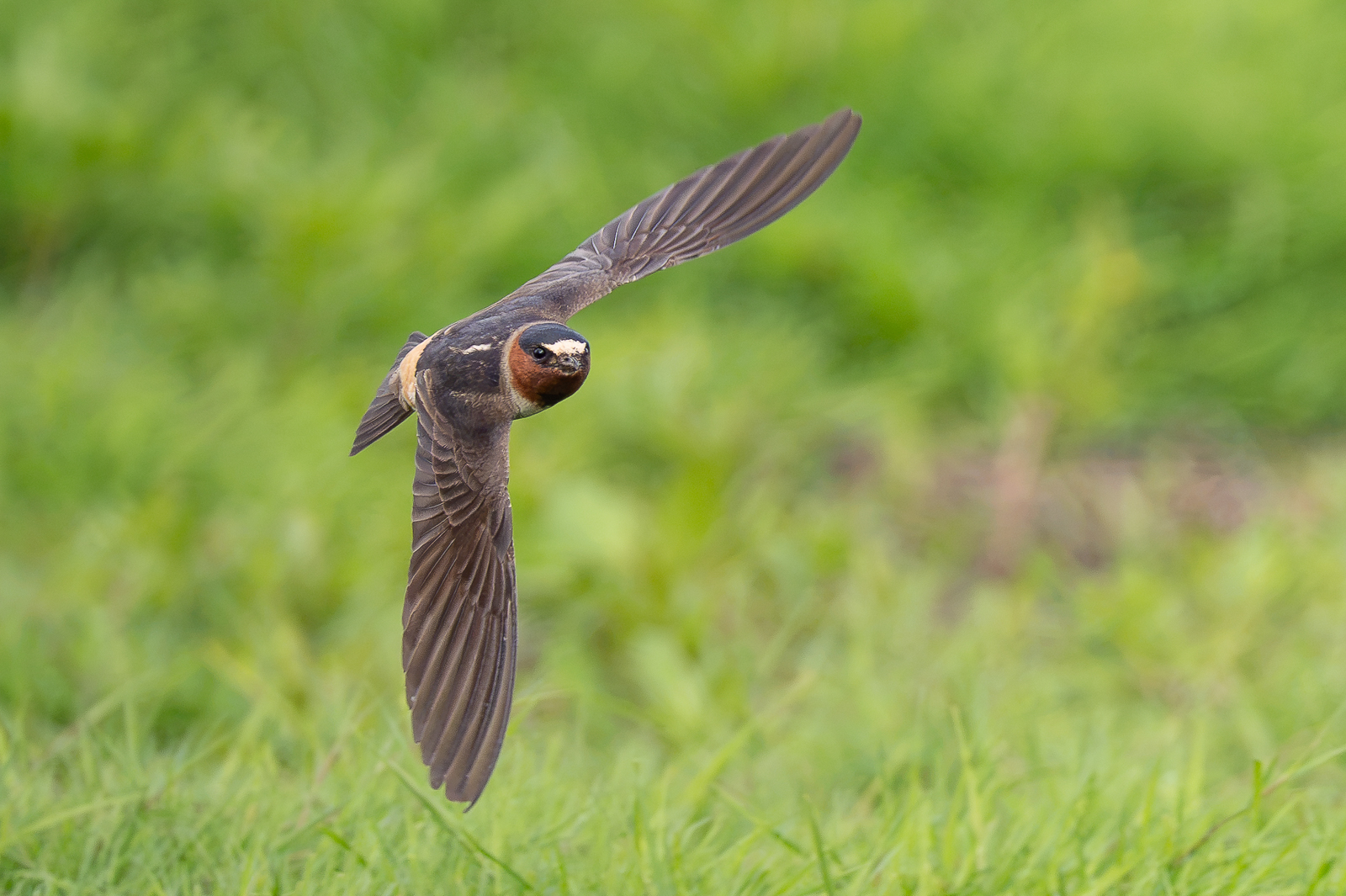
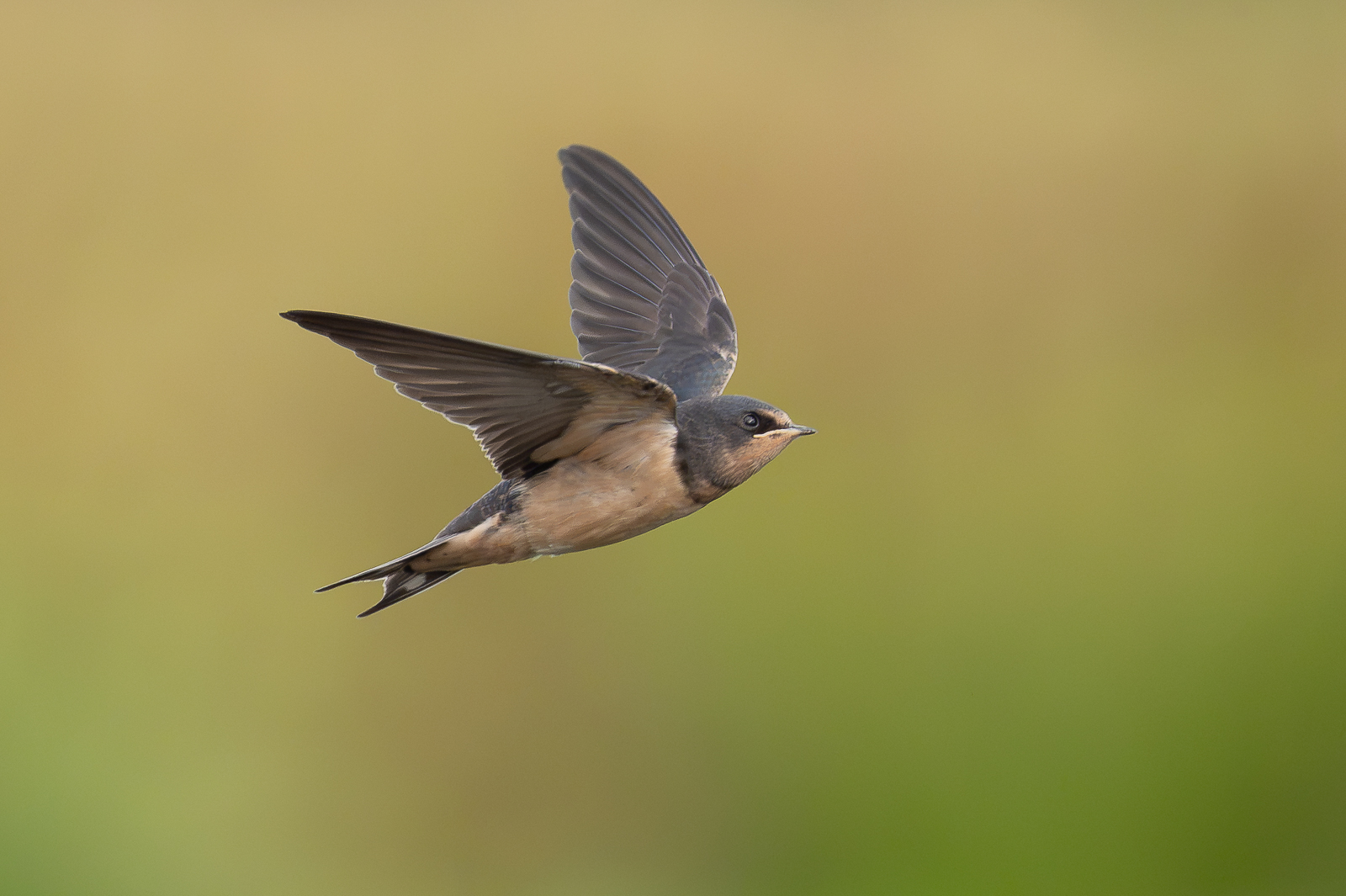
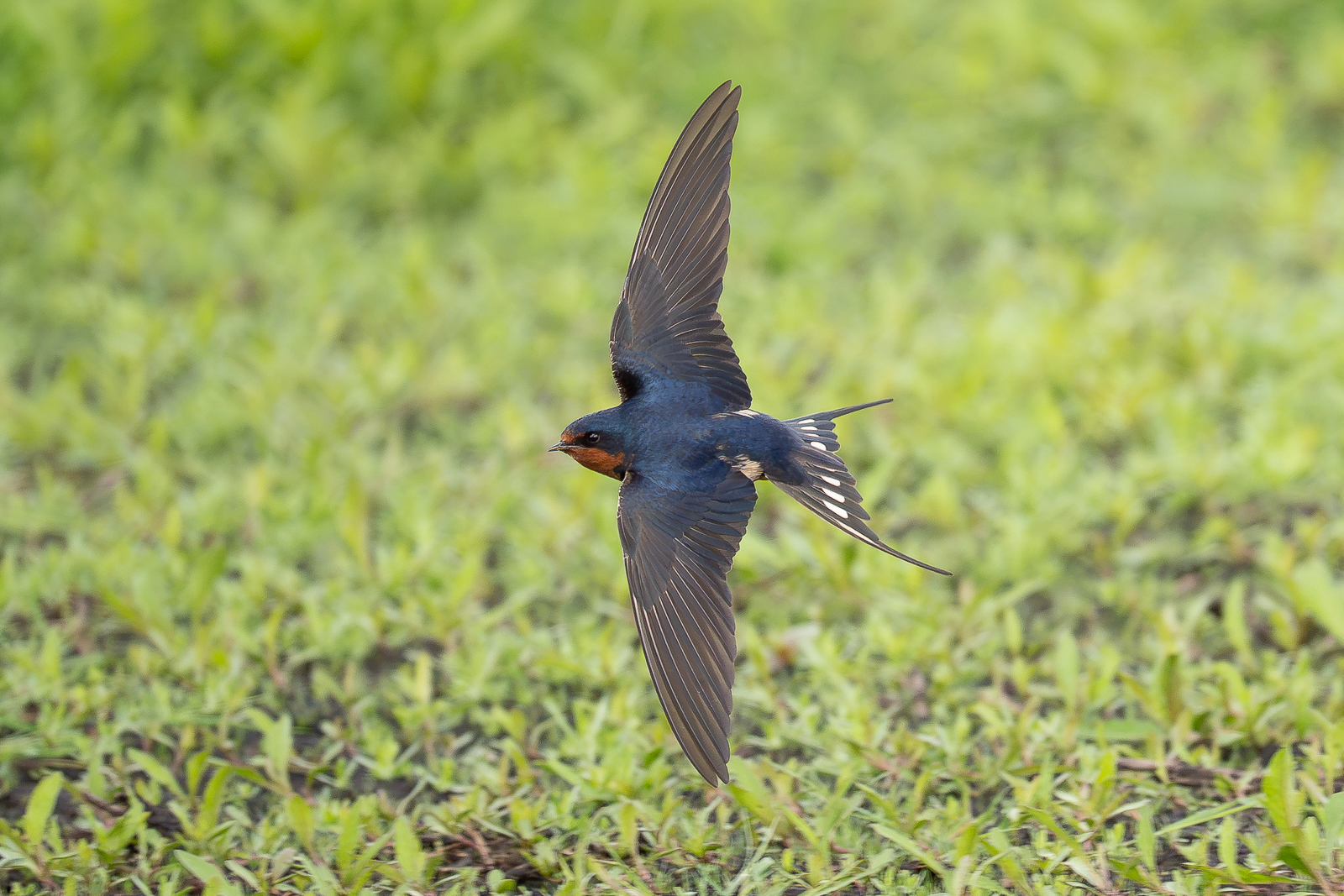
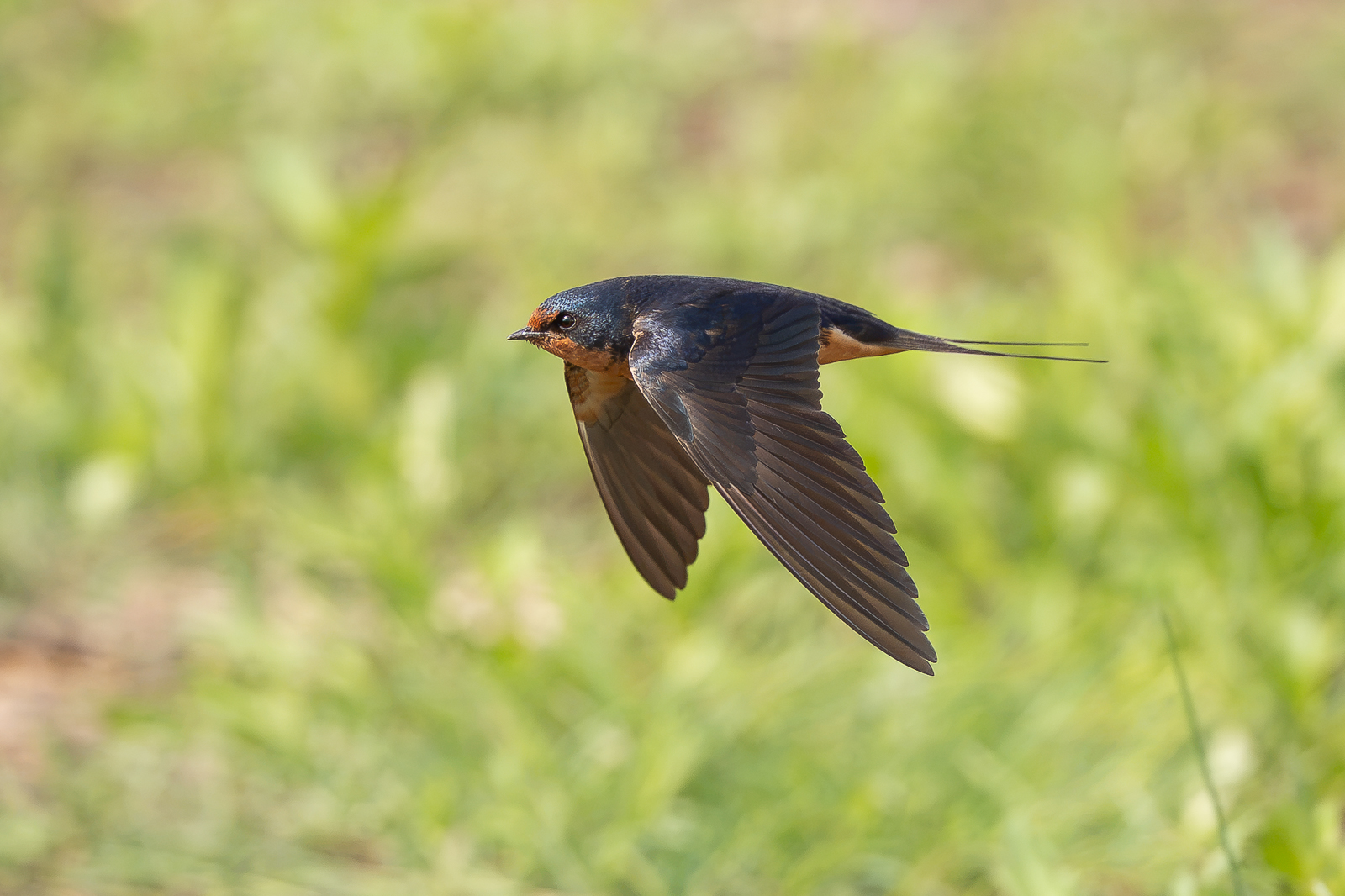
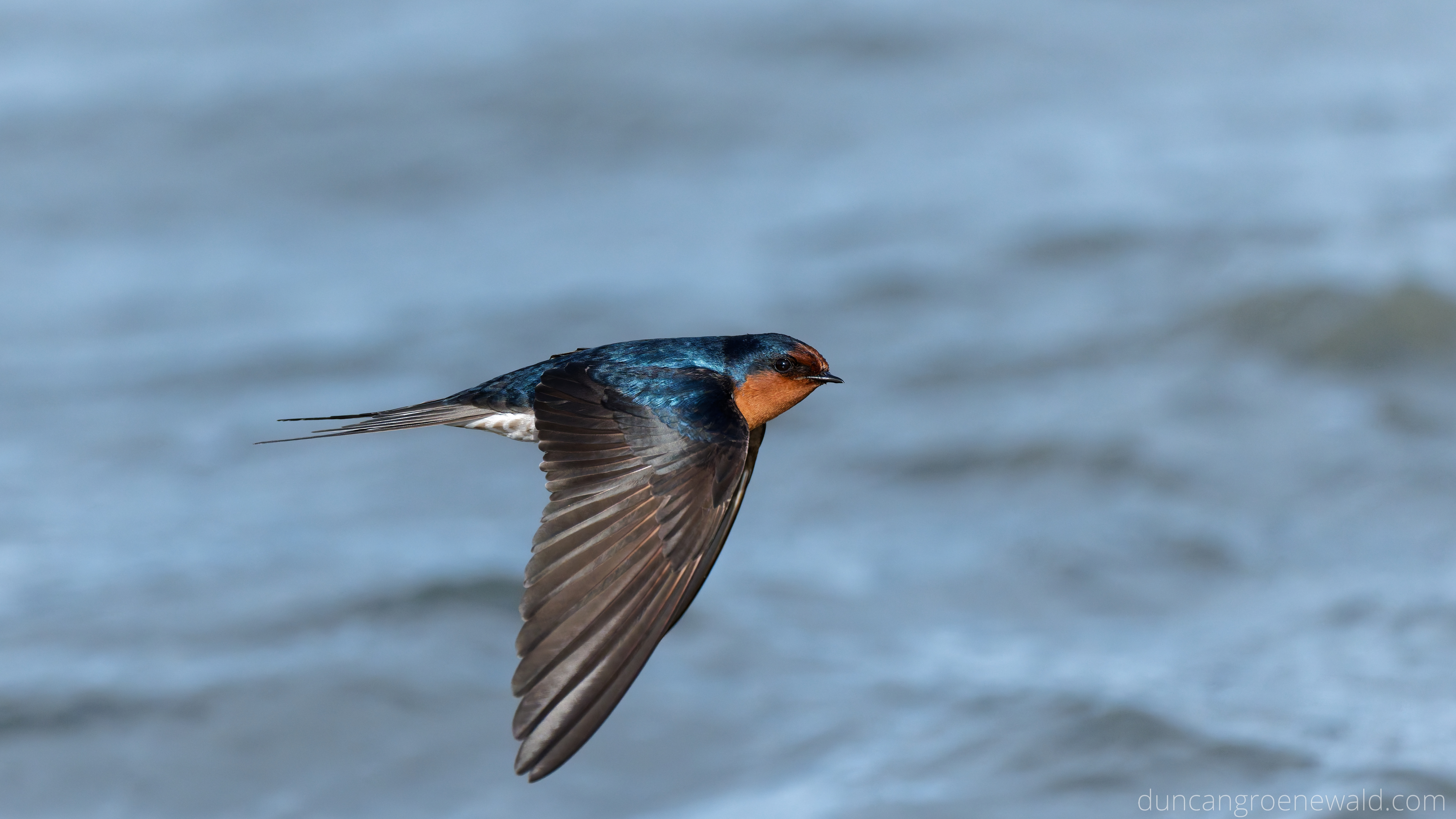
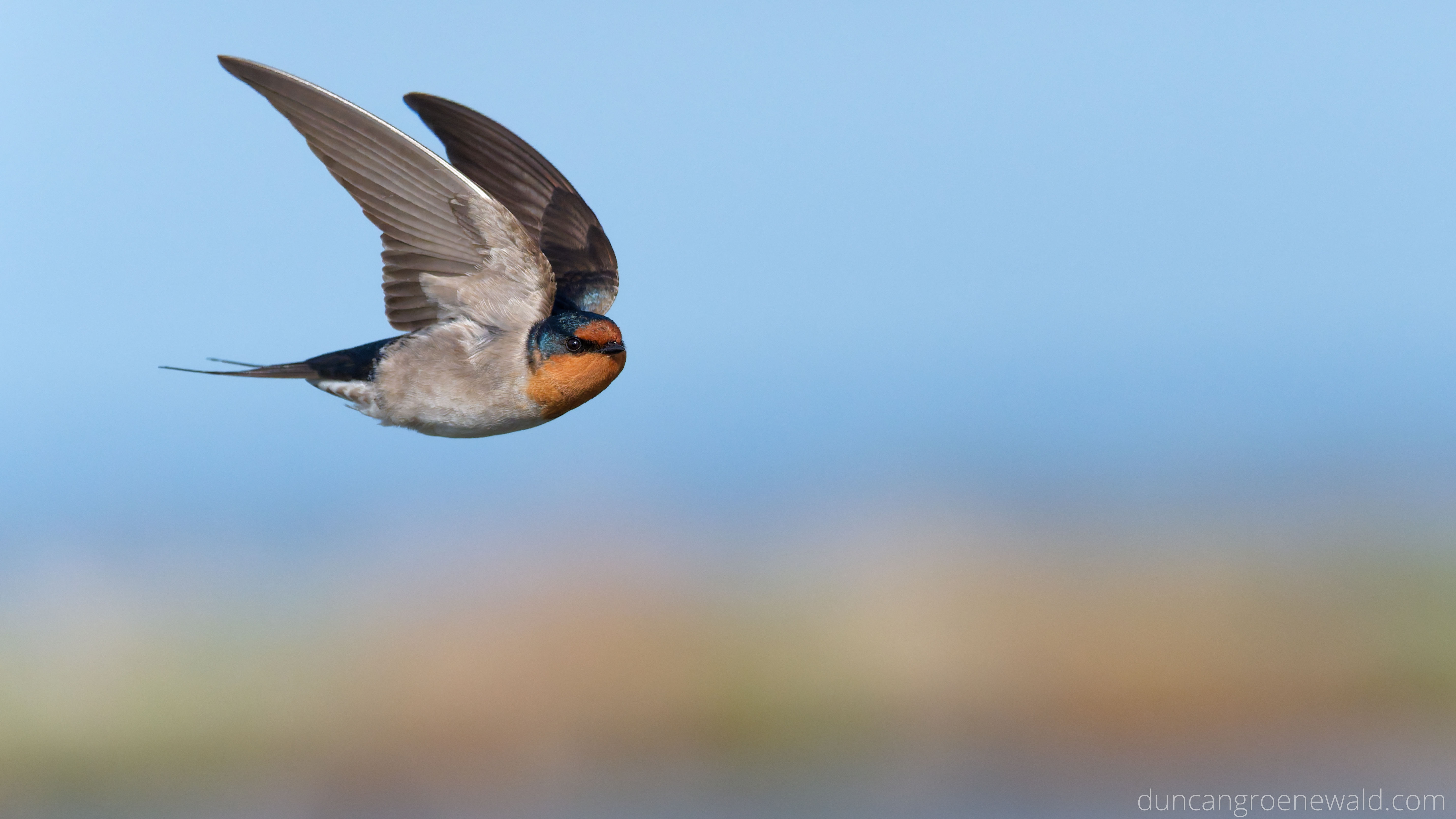
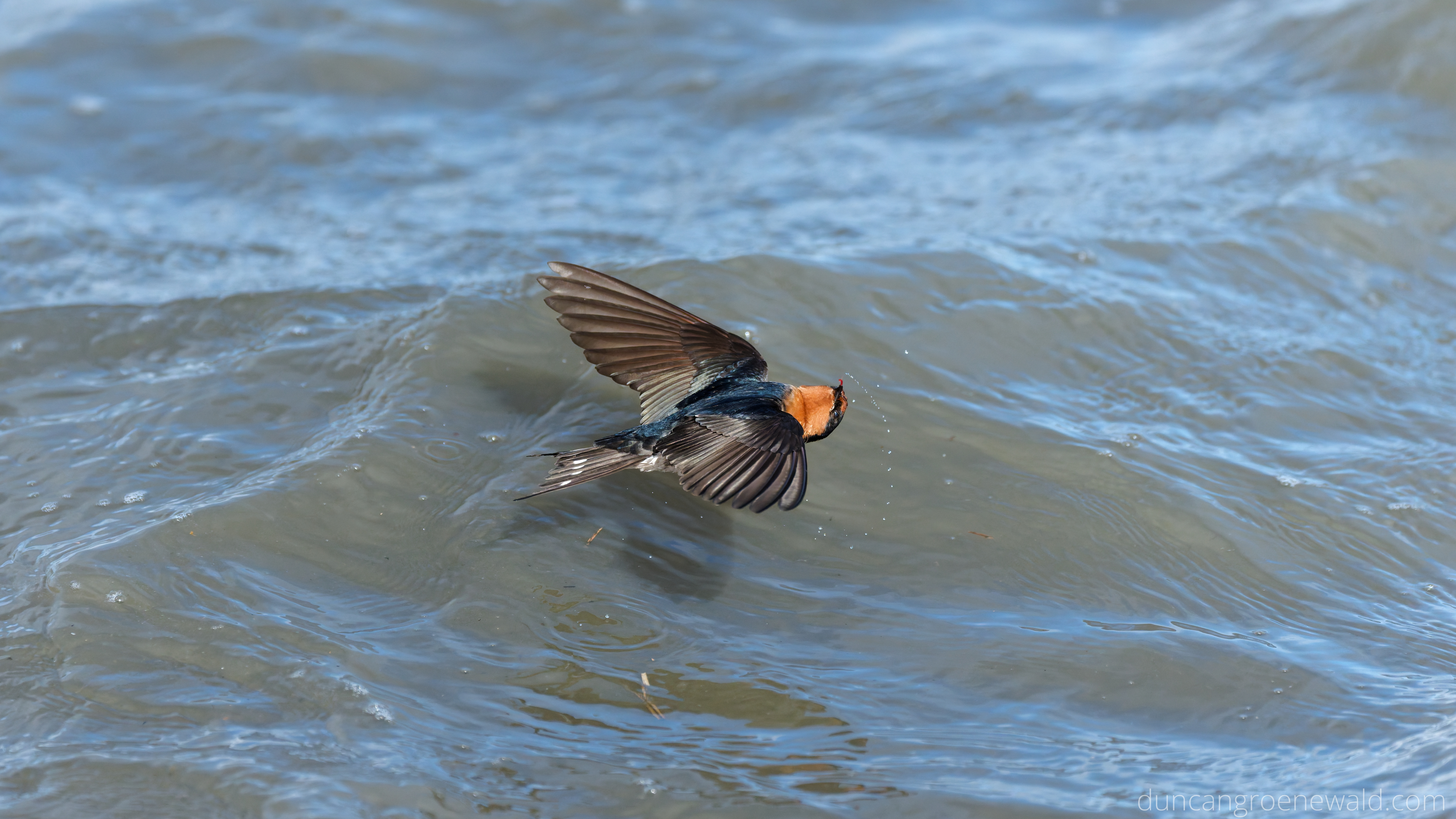
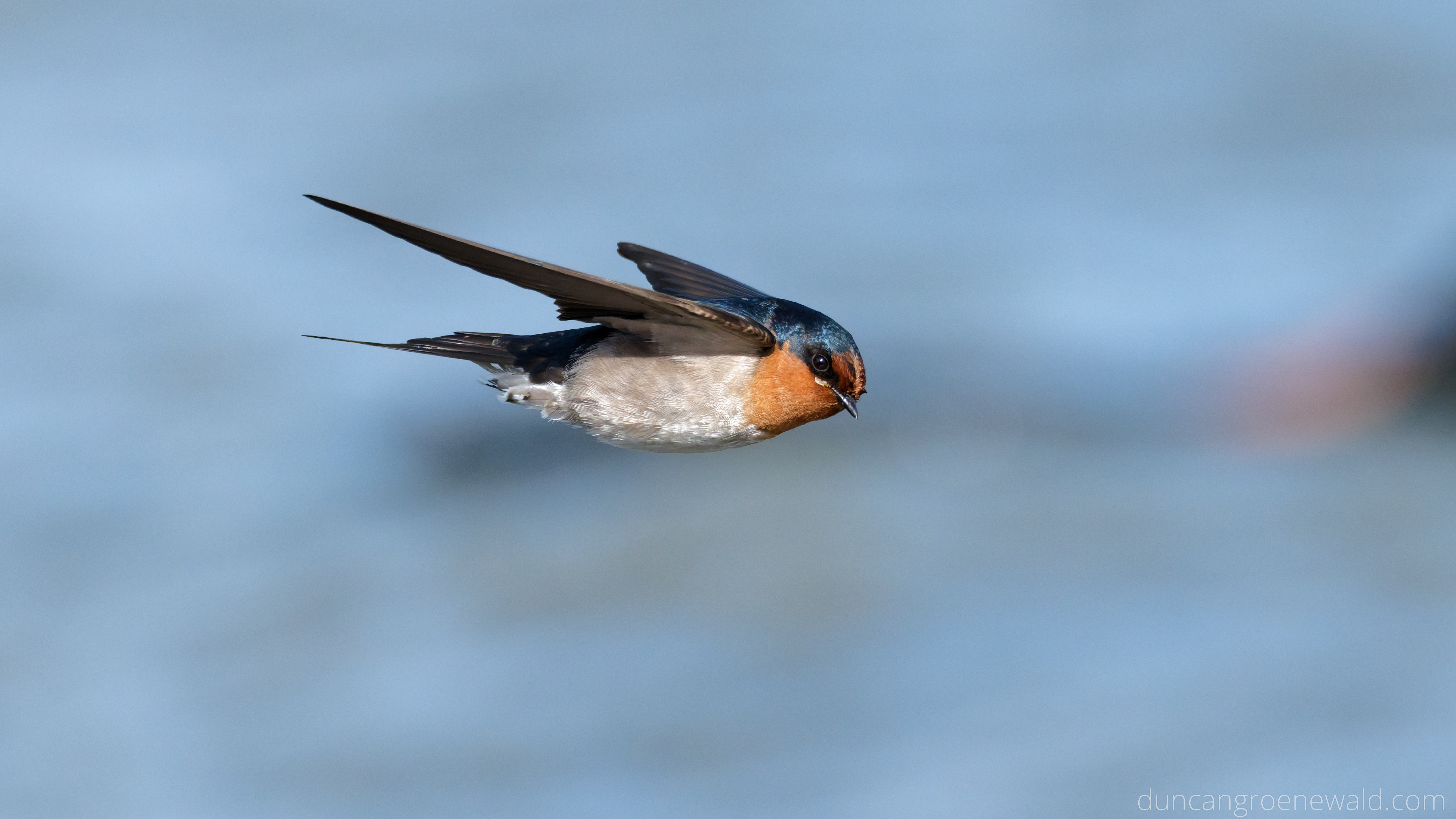
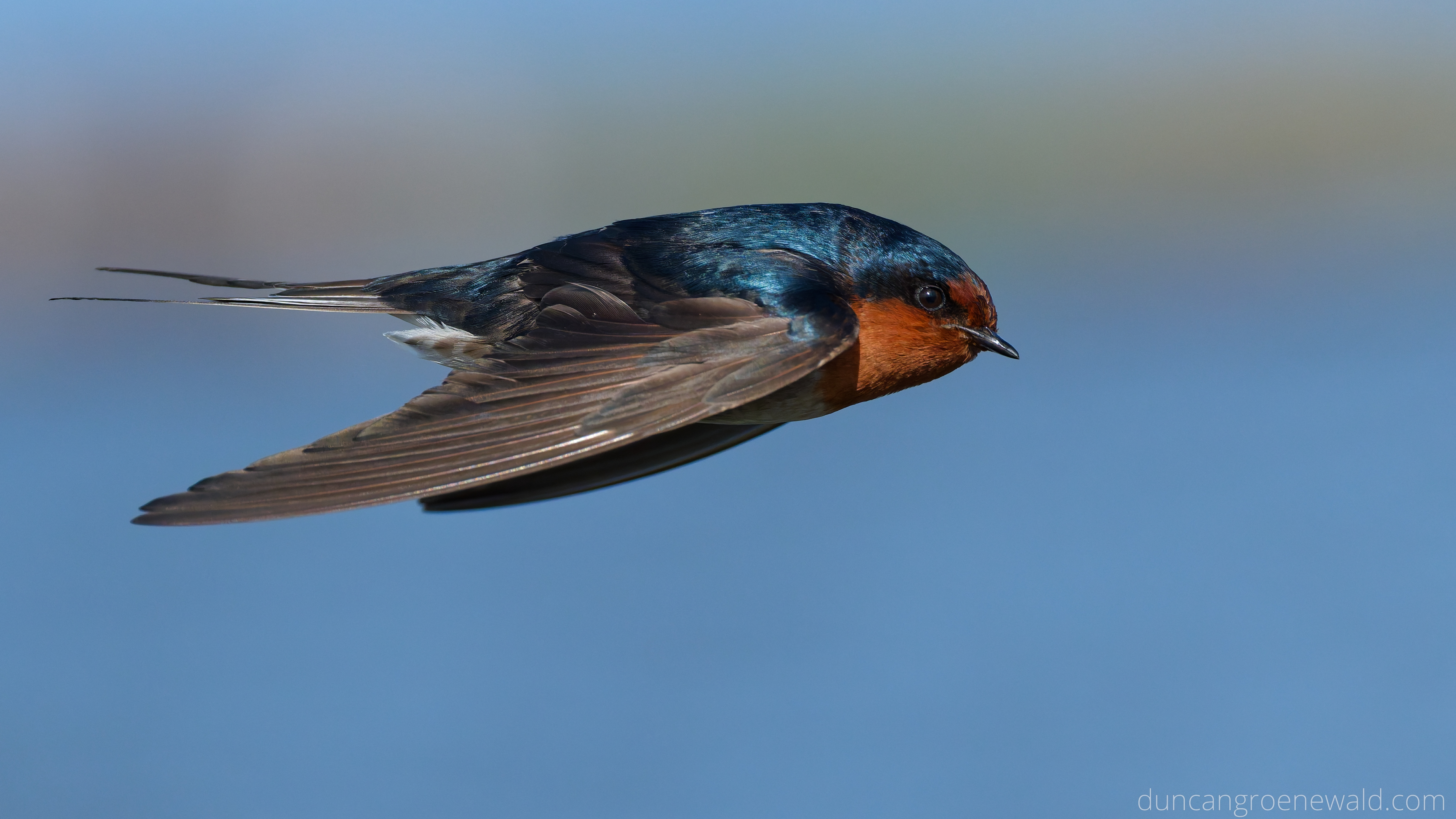
This A9III really doesn't leave you with many pixels to crop in on swallows. 60-120FPS is fun but I think high MP cameras are more important than the FPS for these small speedsters.
Thanks to @Pius Sullivan for lending me the camera for the morning.
p.74 #9 · Nature and Wildlife image thread - a Sequel
Visited early this year a popular South Bay (Silicon Valley) site for Western and Clark's Grebes rushing (prelude or courtship leading to mating) at Calero Lake Park. From late winter to spring, I usually go there 4X-5X. Sometimes no rushing for 2-3 hrs stay even if the three congregating sites along the lake were full (sometimes close to one hundred pairs total with singles around one to 10 pairs, very limited observations only).
Oftentimes, predictability of rushing is when a pair exhibited synchronize movements with heads up high. Unfortunately, it doesn't always result in a rush. At full handholding with the FE200-600, very tiring to maintain a readiness state and with many possibilities from left and right; had to keep moving from one site to another after 10-20 minutes or so. Majority of photographers were using tripods/monopods. I have an old monopod but always guarding my car's trunk. Anyway here are some captures from one very productive visit.
This just started the rush. Since they were already in the upright position, the start was just the water splashing and the resulting sound. Even how many times I've watched it, still exciting. This rush was a long one and my burst resulted in about 58 frames. The pair above was Western Grebes - black cap surrounding the red eye. The Clark's Grebe has the black cap above the eye. There is also a difference in the color of the bill but sometimes not really obvious. Per web info, they do interbreed.
Same pair as above but now at 44th frame with one starting to drop. I have not seen yet both of the grebes dropping at the same time or almost the same time. Per web info, if there is a 3rd party, the female drops first.
The splash on the left was the partner dropping.
Another Western Grebe rush. The Coot didn't care and was undisturbed as the rush passed by.
Another rush (unfortunately with visible CA). I just like the look of it and lazy to minimize the CA.
I haven't noticed this look until reviewing my files. Was this a negotiating moment?
That look above most likely resulted in this rush as file time stamp difference was only a second.
p.74 #15 · Nature and Wildlife image thread - a Sequel
gil3 wrote:
Resumed post processing after more than 6 months hiatus (due to other interest/personal projects). Initially pre-ordered the A7RVI but cancelled after exploring the hoopla on scan/read speed, raw settings, etc. in spite of having much interest in pre-capture and the better EVF. To explore what I am missing from my current A1 (4 years late in acquisition), A6700, previous A9 and A7IV and various versions of A6XXX series; I started reviewing my photo files from way back 2 decades ago. Starting to find some interesting captures. Please find some acceptably usable Cedar Waxwing BIFs from some months ago. I remembered having much fun on this one session only captures until my 70 year old arms ached and later the flock moved away.
Hmm...these Smugmug-sourced files looked less sharper than my originals. Will research it more as I know there are compressions done on sites like this. ...Show more →
If you look at the catchlight on the eyes there seems to be quite a bit of motion blur on some of them. I am sure that will be on the originals.
p.74 #16 · Nature and Wildlife image thread - a Sequel
duncangr wrote:
If you look at the catchlight on the eyes there seems to be quite a bit of motion blur on some of them. I am sure that will be on the originals.
Thanks for that interesting input on the catchlight. When I look into an image, I am mostly sensitive to the overall impression or impact that it gives rather than a particular part or details of the image especially when looking on BIFs. On bird stills, I might be noticing the eye part but not necessarily the condition of the catchlight. I looked at some of the postings on this section and somehow found lots of differences in the catchlight - intensity/brightness, location, spread, formation, edge sharpness, etc. As of the moment, I just don't have a good reference on how it should be. As for blurriness, I usually expect that on the wing tips at certain wing conditions (like horizontal to the body spread) even at 1/5000 shutter speed. Not sure how would I correlate blurriness with eye catch light).
Would you mind looking into my past posting for a sampler from your side of the world (https://www.fredmiranda.com/forum/topic/1894248/33#16881956) and let me know whether the catchlights are within what you might consider usable. I looked into it and seemed sharper (though not much) than from the Smugmug link. Also I have to reconcile the link display (bigger image size on my screen) and my processing display (using 4K monitor and usually smaller image size display) to get an ideal cropping resolution. Lastly, mostly working on tight crops that noticing the eye portion is less important than getting some usable BIFs from that Cedar Waxwing (not too often I encountered Waxwing BIF of toyon berries gathering with enough distances for captures). In terms of regular birding, those Waxwing BIFs were a "lifer" to me .
p.74 #18 · Nature and Wildlife image thread - a Sequel
gil3 wrote:
Thanks for that interesting input on the catchlight. When I look into an image, I am mostly sensitive to the overall impression or impact that it gives rather than a particular part or details of the image especially when looking on BIFs. On bird stills, I might be noticing the eye part but not necessarily the condition of the catchlight. I looked at some of the postings on this section and somehow found lots of differences in the catchlight - intensity/brightness, location, spread, formation, edge sharpness, etc. As of the moment, I just don't have a good reference on how it should be. As for blurriness, I usually expect that on the wing tips at certain wing conditions (like horizontal to the body spread) even at 1/5000 shutter speed. Not sure how would I correlate blurriness with eye catch light).
Would you mind looking into my past posting for a sampler from your side of the world (https://www.fredmiranda.com/forum/topic/1894248/33#16881956) and let me know whether the catchlights are within what you might consider usable. I looked into it and seemed sharper (though not much) than from the Smugmug link. Also I have to reconcile the link display (bigger image size on my screen) and my processing display (using 4K monitor and usually smaller image size display) to get an ideal cropping resolution. Lastly, mostly working on tight crops that noticing the eye portion is less important than getting some usable BIFs from that Cedar Waxwing (not too often I encountered Waxwing BIF of toyon berries gathering with enough distances for captures). In terms of regular birding, those Waxwing BIFs were a "lifer" to me ....Show more →
Usually the catchlight would be round but if it is oval it often means that the subject was moving in the direct of the oval distortion while the image was being captured. Note that I say 'usually' because of the light source is not round - for example the sun reflecting off water - then the catchlight may not be round either.
An out of focus image with no motion blur the catchlight is round but evenly blurred.
What I consider 'usable' is unimportant - it's what you consider usable that's important. Personally I try and avoid any motion blur.