This topic is in the 2025 archive. You can read it and like its posts here. It is read only.
Archive 2025Timeless debate: protective UV filter or not?
p.3 #1Timeless debate: protective UV filter or not?
I run them on all my lenses sans the big boys and have never seen an IQ hit with them. I’ve tried to find one and I can’t, so I leave them on. Every once in a while I’ll get a wild flare. If that pops up I’ll just take it off to get the shot I want and move on. 
Jan 05, 2025 at 06:20 PM
p.3 #2Timeless debate: protective UV filter or not?
It really depends on where one shoots. I always put protection filters on my lenses if shooting with blowing sand or salt as well as situations where debris flies toward the lens. People that don’t shoot under these conditions say protection filters are a waste of time. They are speaking from ignorance.
Jan 05, 2025 at 07:43 PM
p.3 #3Timeless debate: protective UV filter or not?
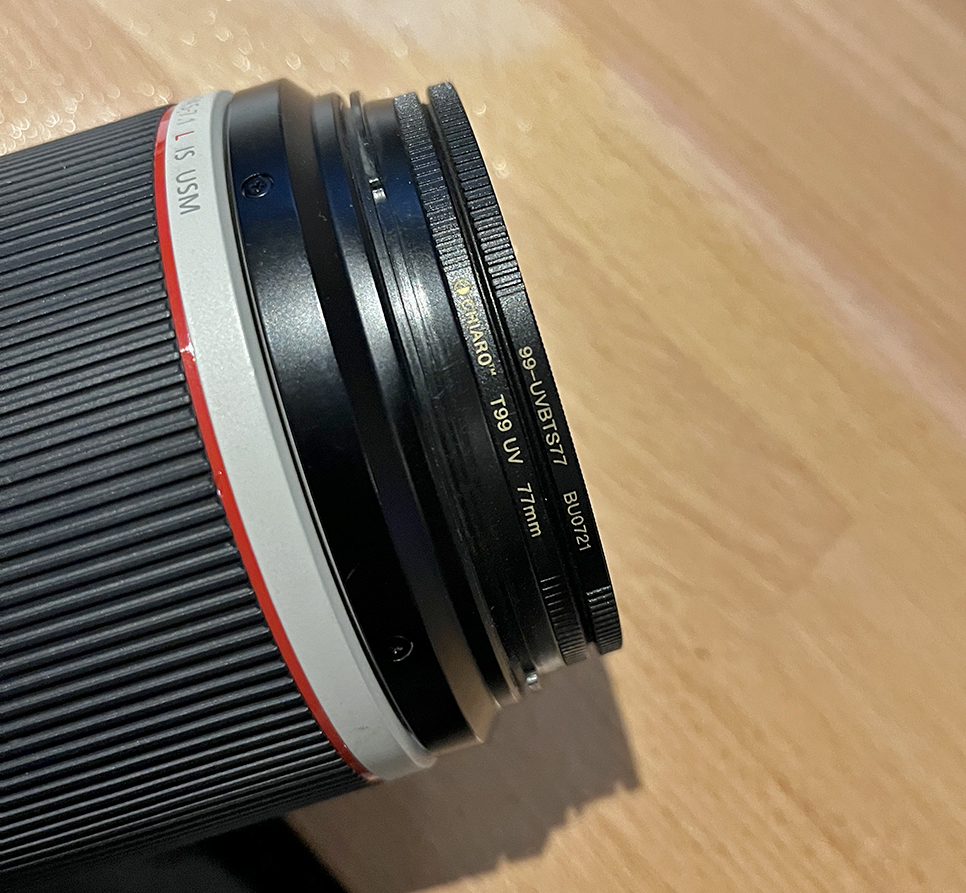
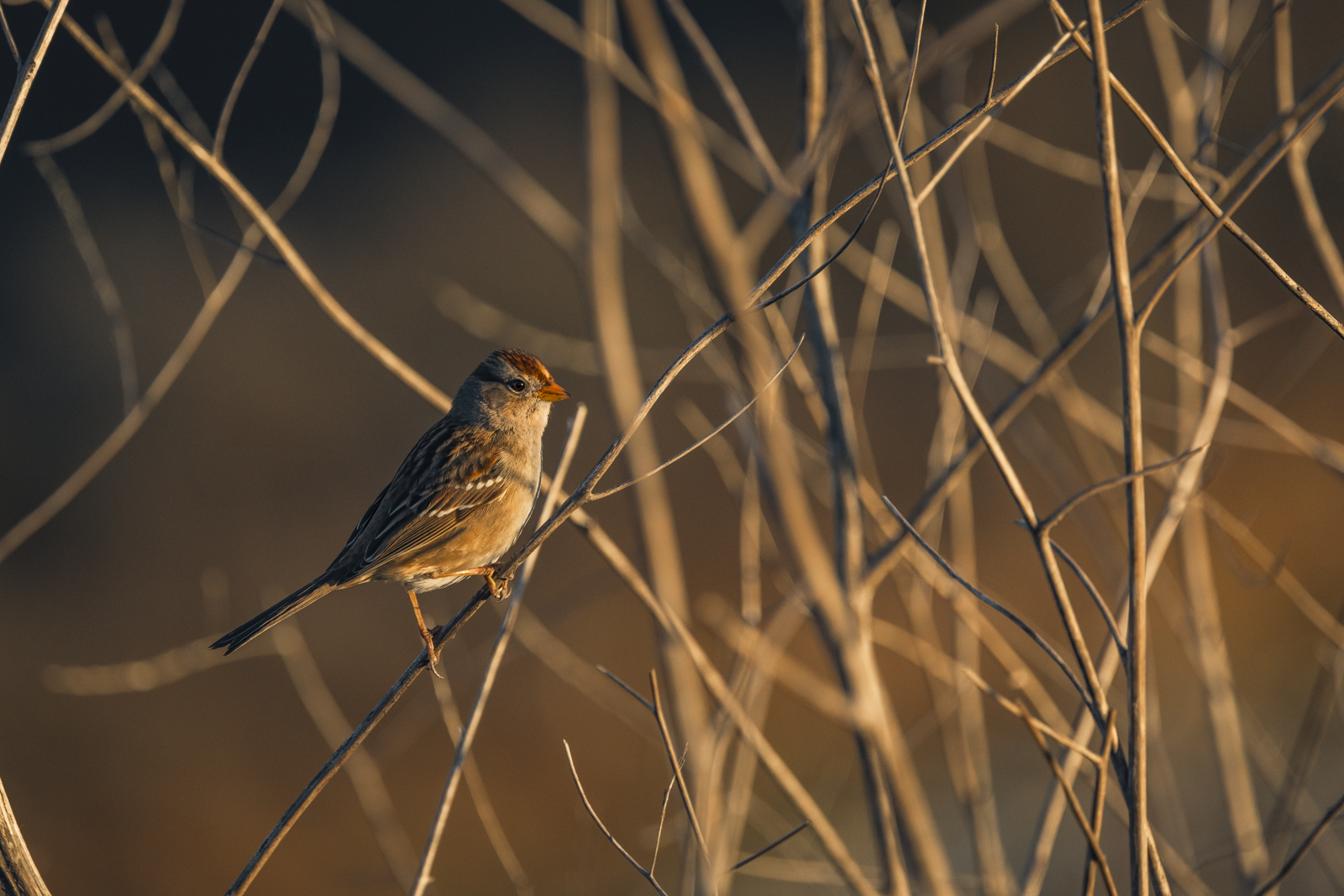
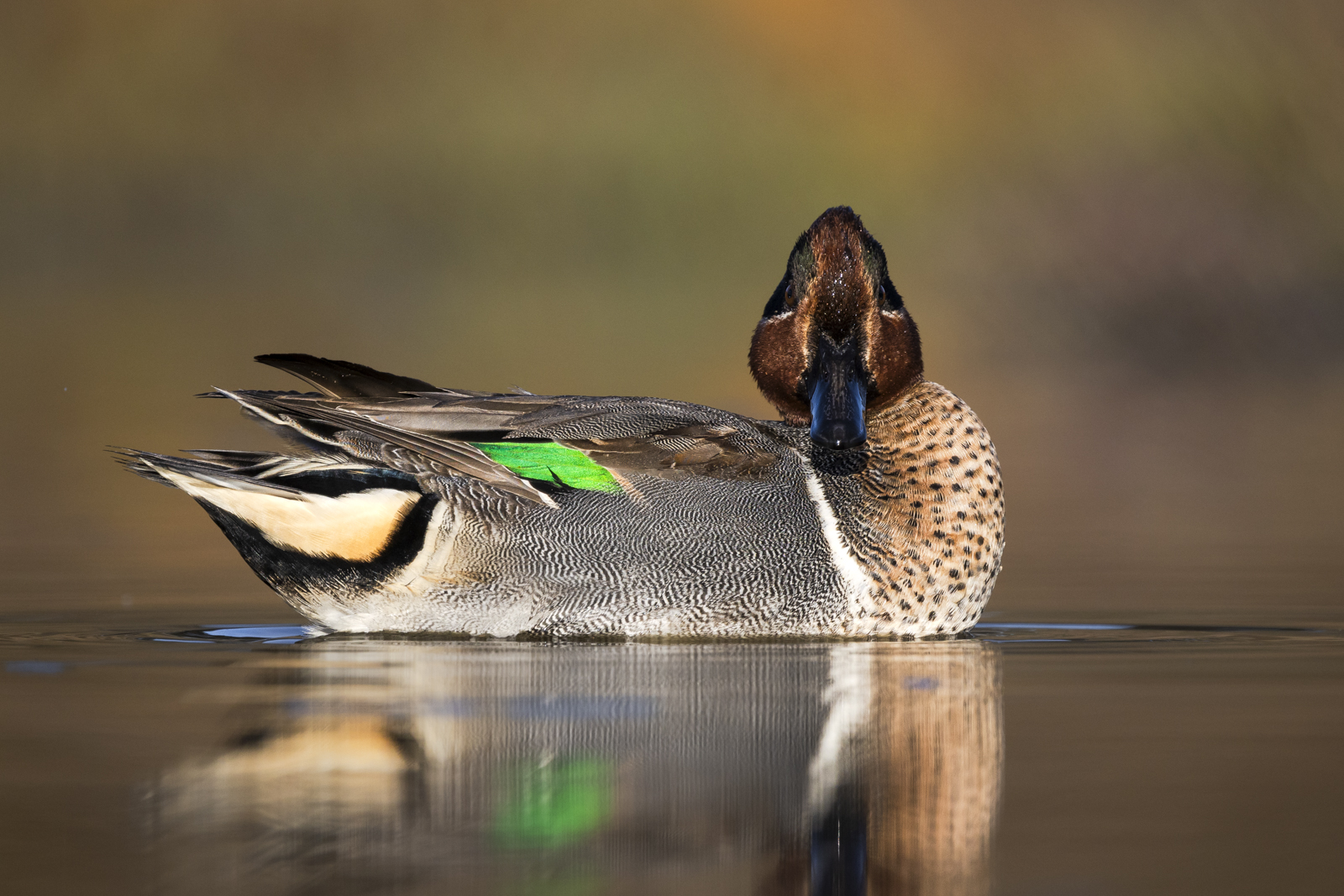
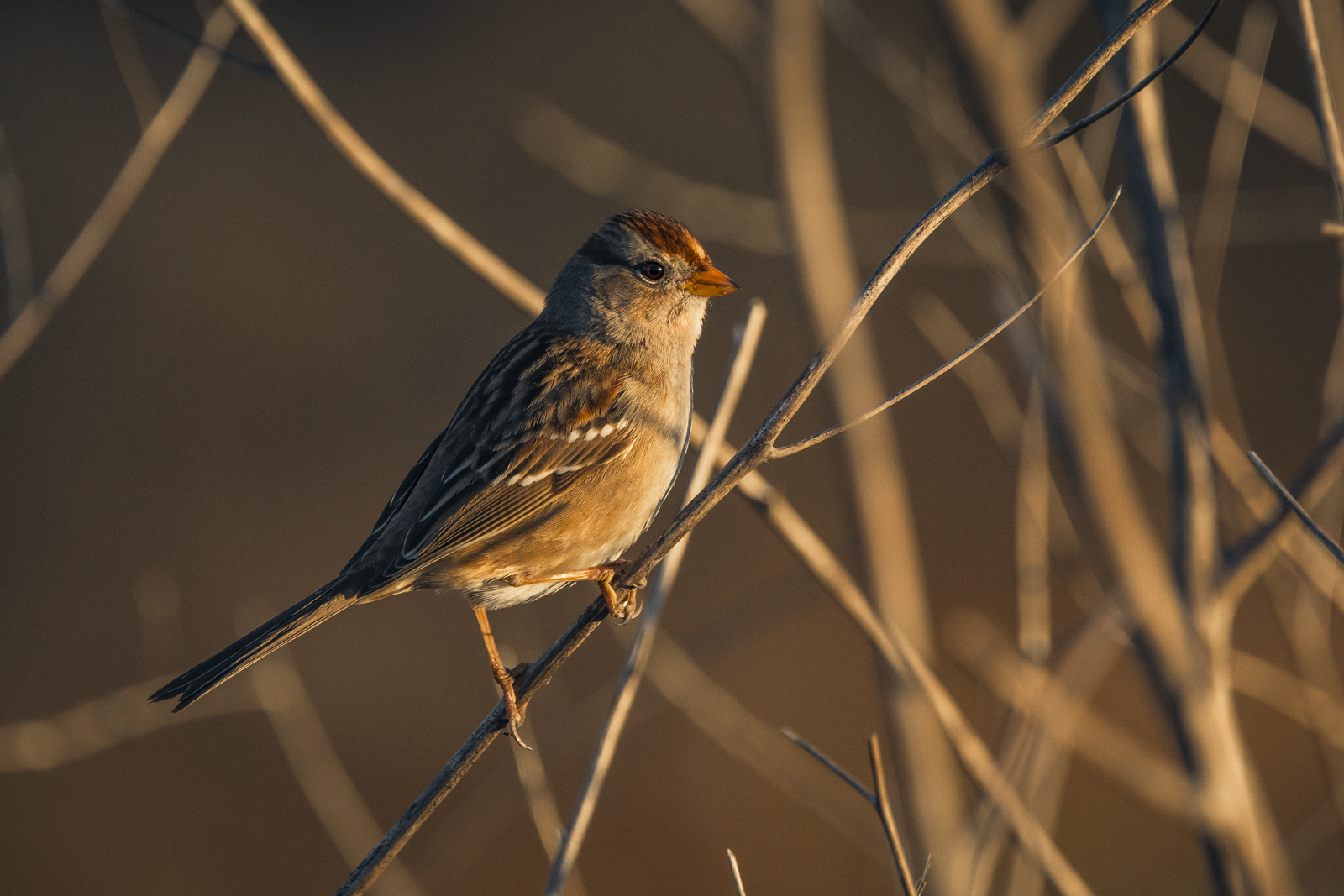
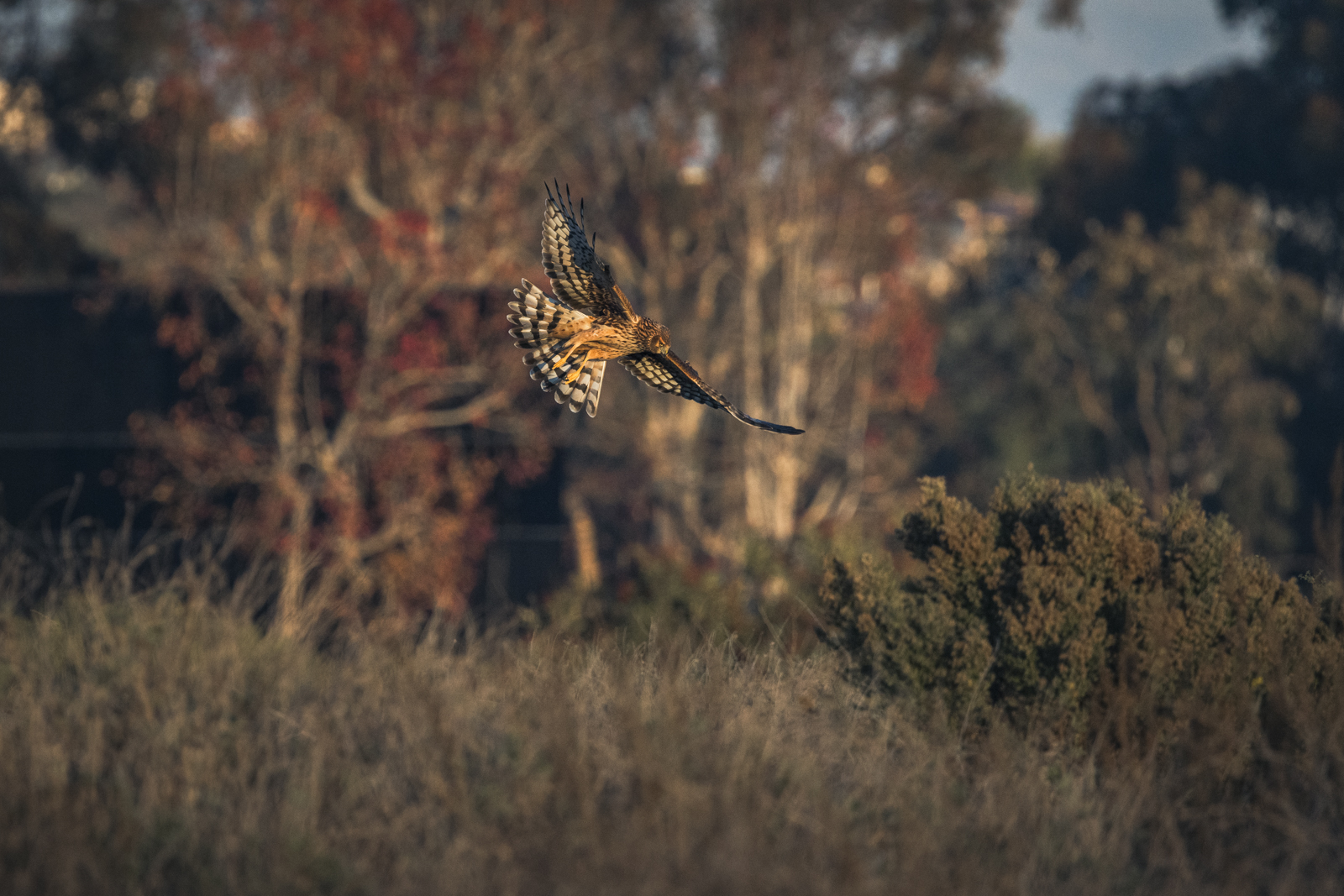
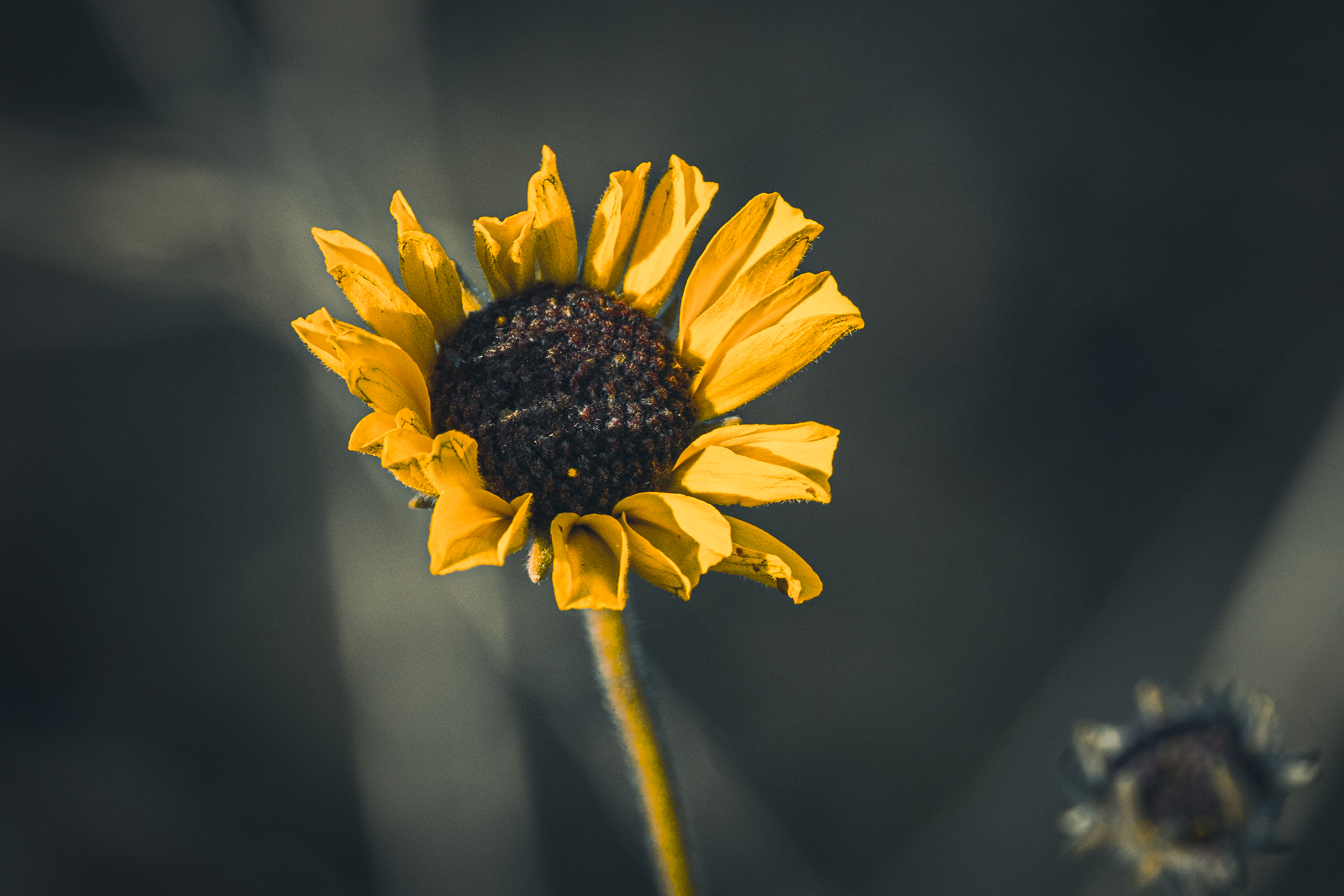
I'm not a birder but I see a few occasionally at one of my portrait spots so I stacked (2) UV filters on the 100-500 tonight and took some shots. These were all shot wide open except for a maybe the cactus and some of these are pretty heavy crops. I picked a few images and rushed through them through LR as I do not care to spend time on them. Meaning they were not DXO'd, not Topaz'd, or even Denoised in LR. No crazy sharpening or messing with the BG, just basic adjustments. They are half-assed edits because when I upload direct with the upload feature these little 1mb files lose their sharpness and punch. Bottom line is, the sharpness is there even with two filters stacked when looking at the hi res images on my display. I own these filters because I use them for things like Motocross, Baja, Snowbiking, and also some of the saltwater work I do on the ocean where there are projectiles flying at me and my camera. For everything else, I just use a hood.
Some of you would not make for very good water photographers as it would kill you to put your camera in a housing and shoot through a measly lens port.
Double stack examples:
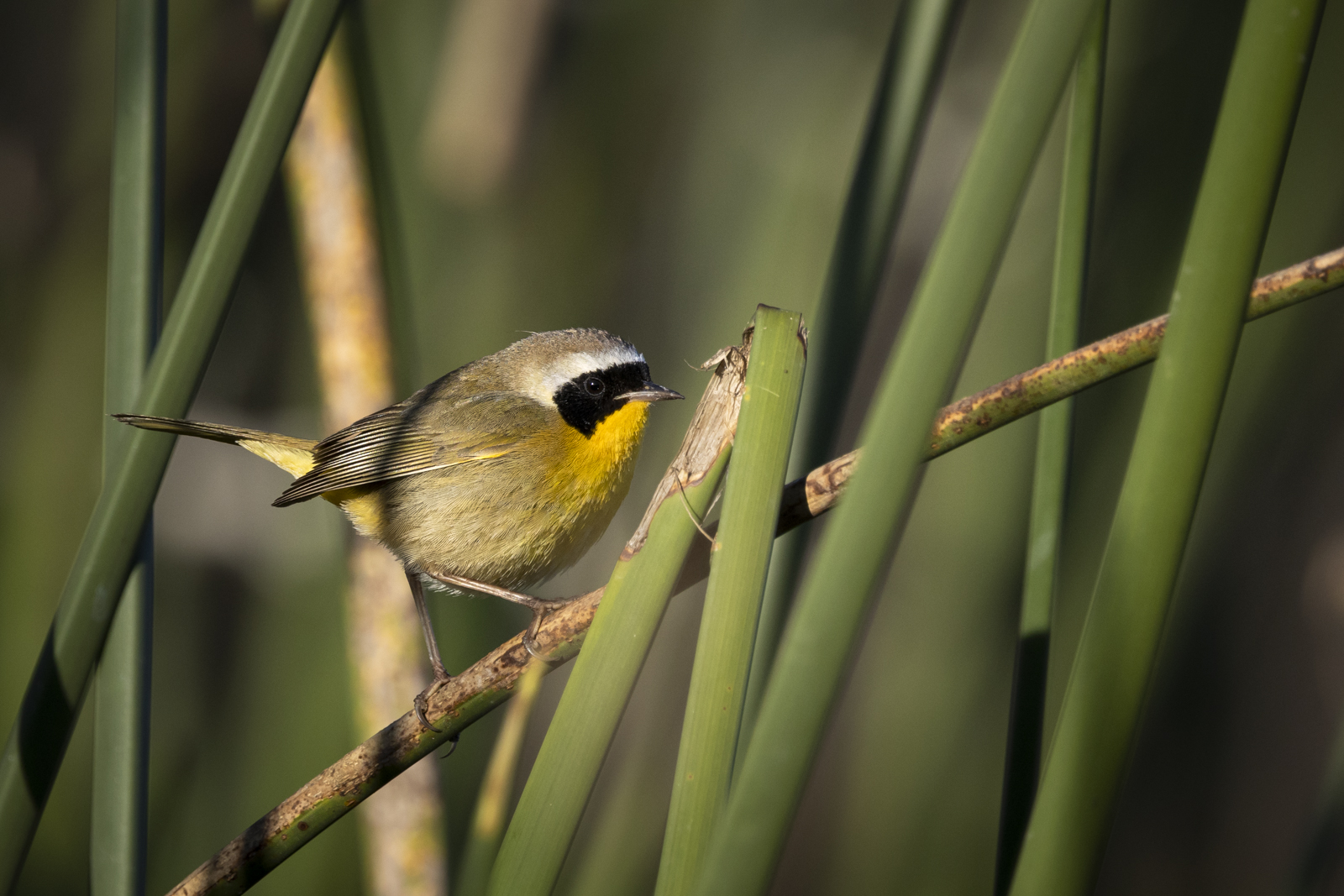
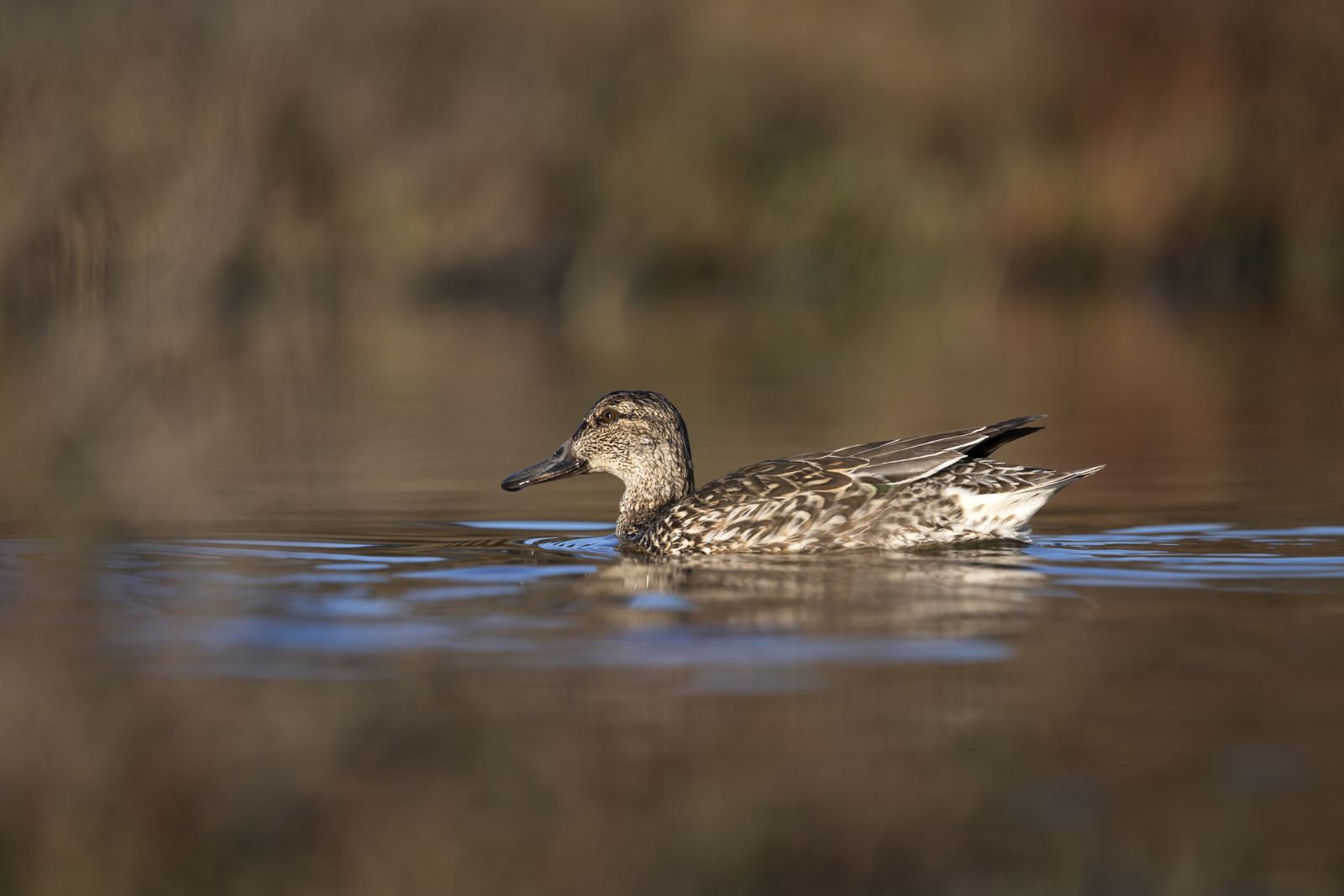
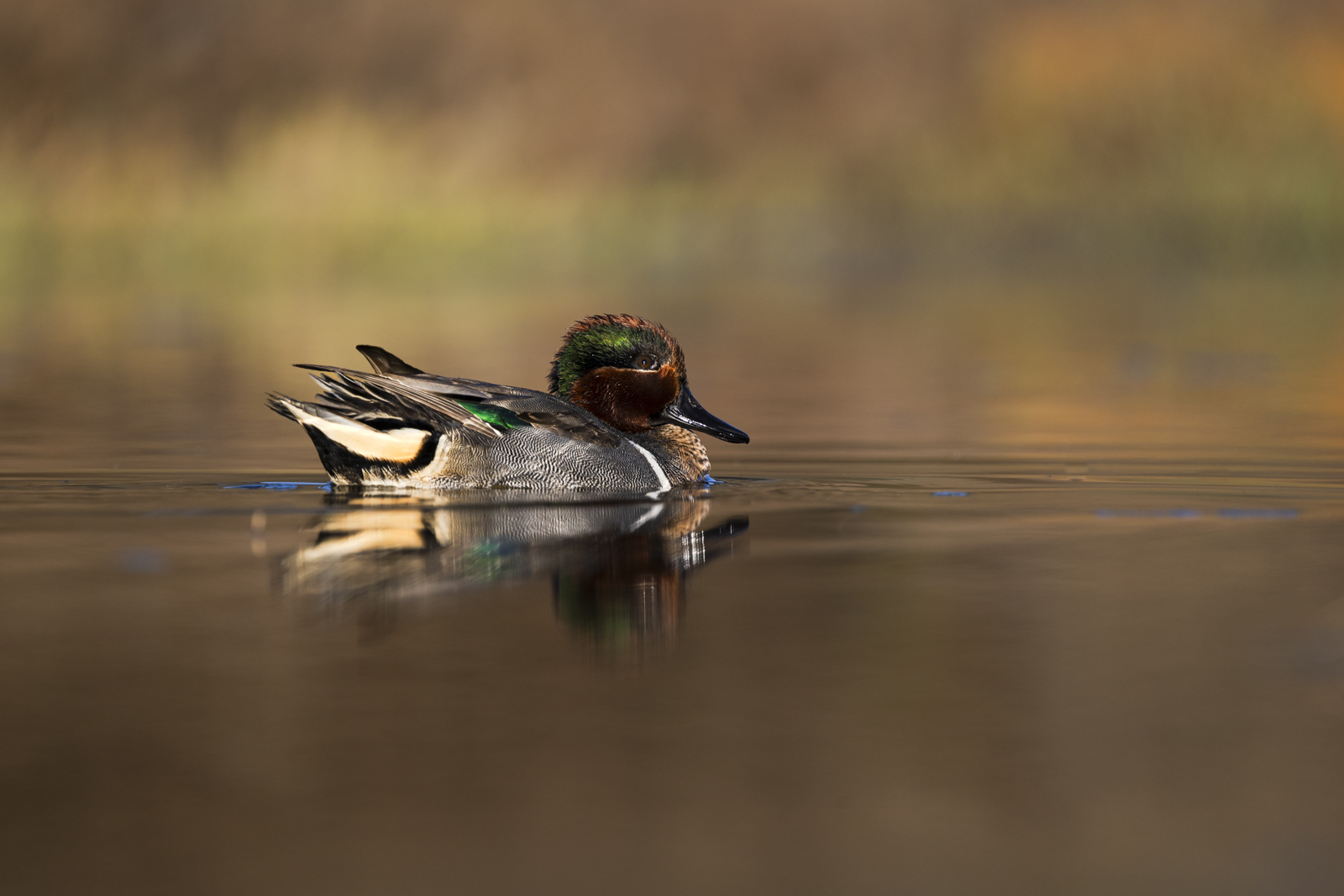
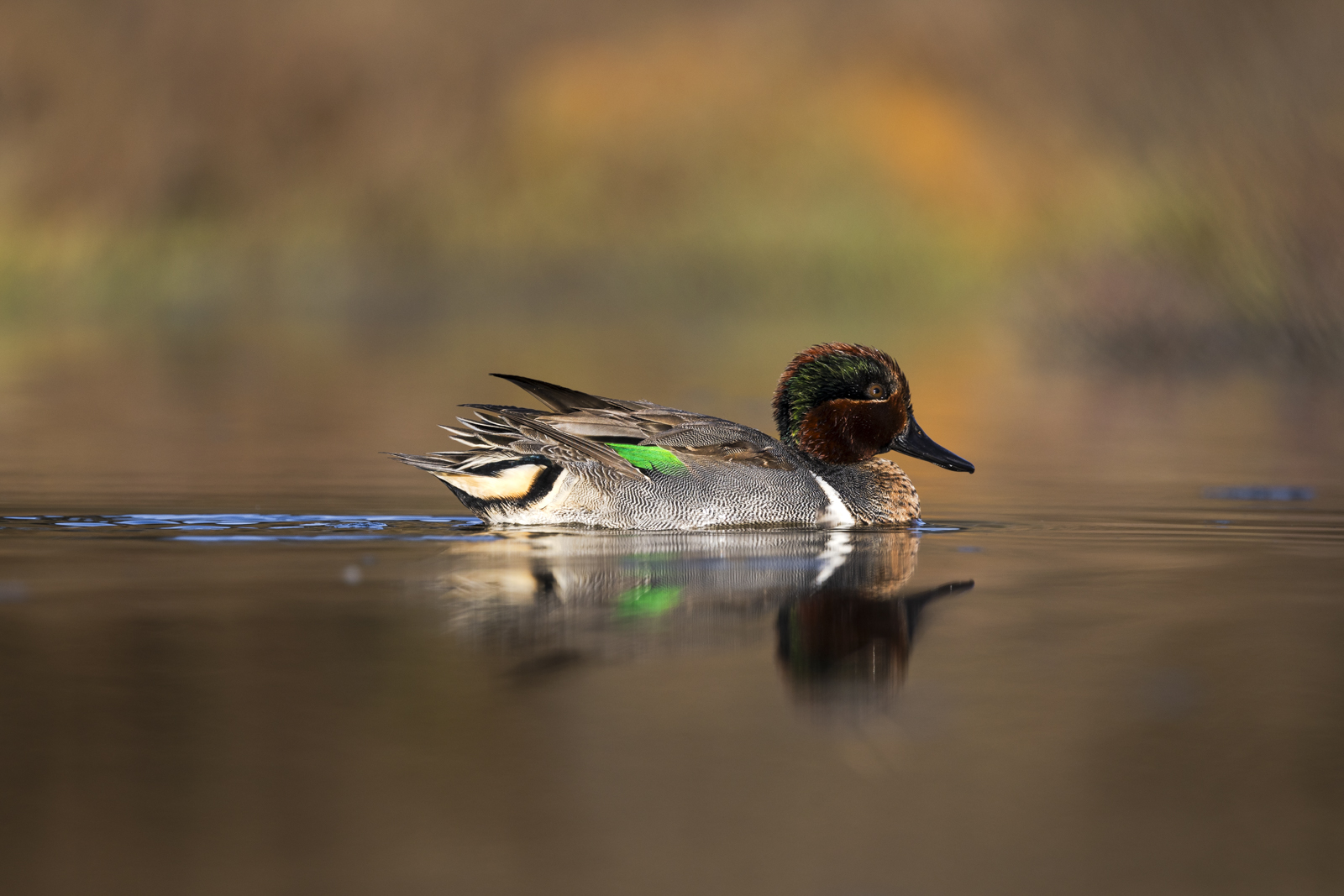
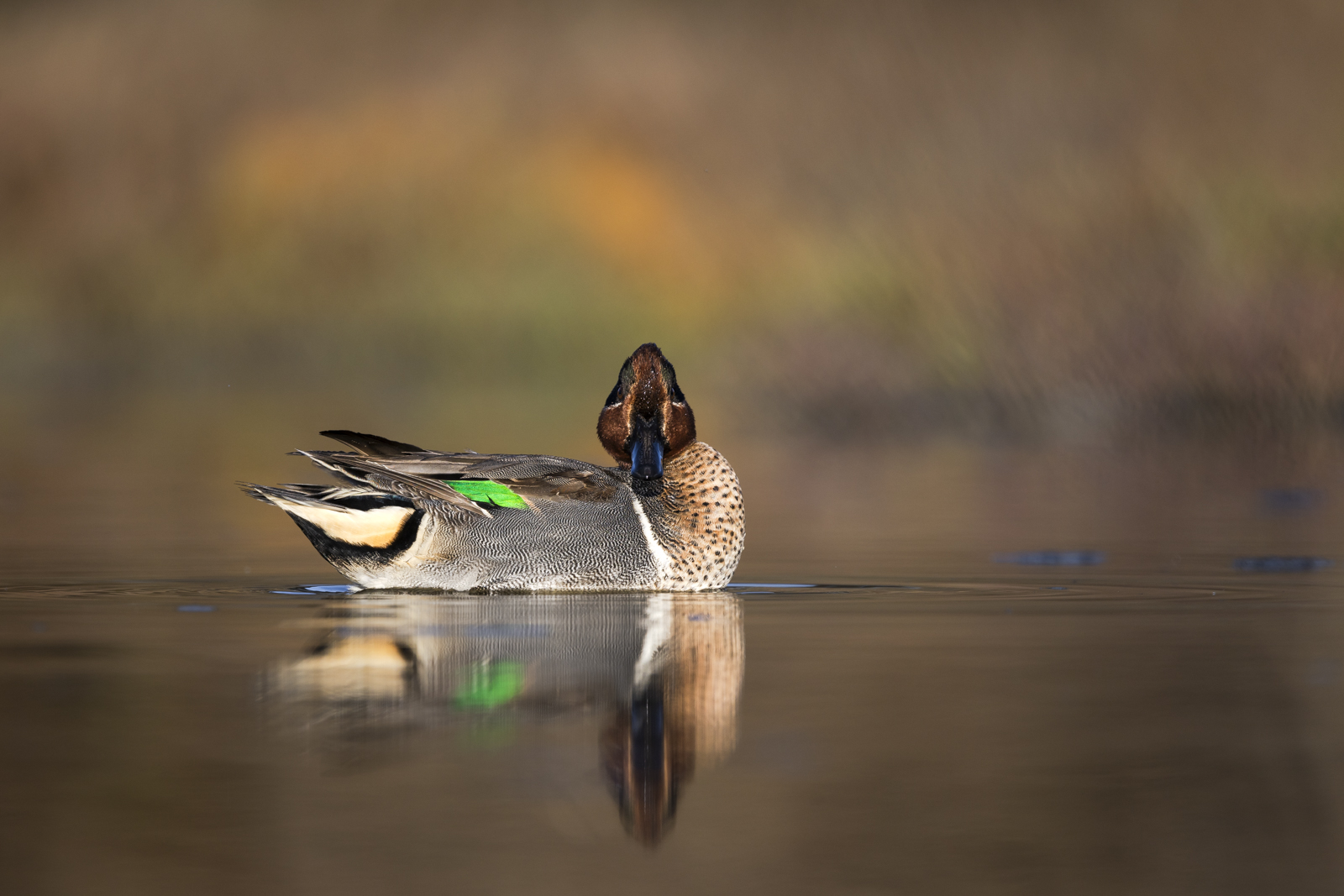
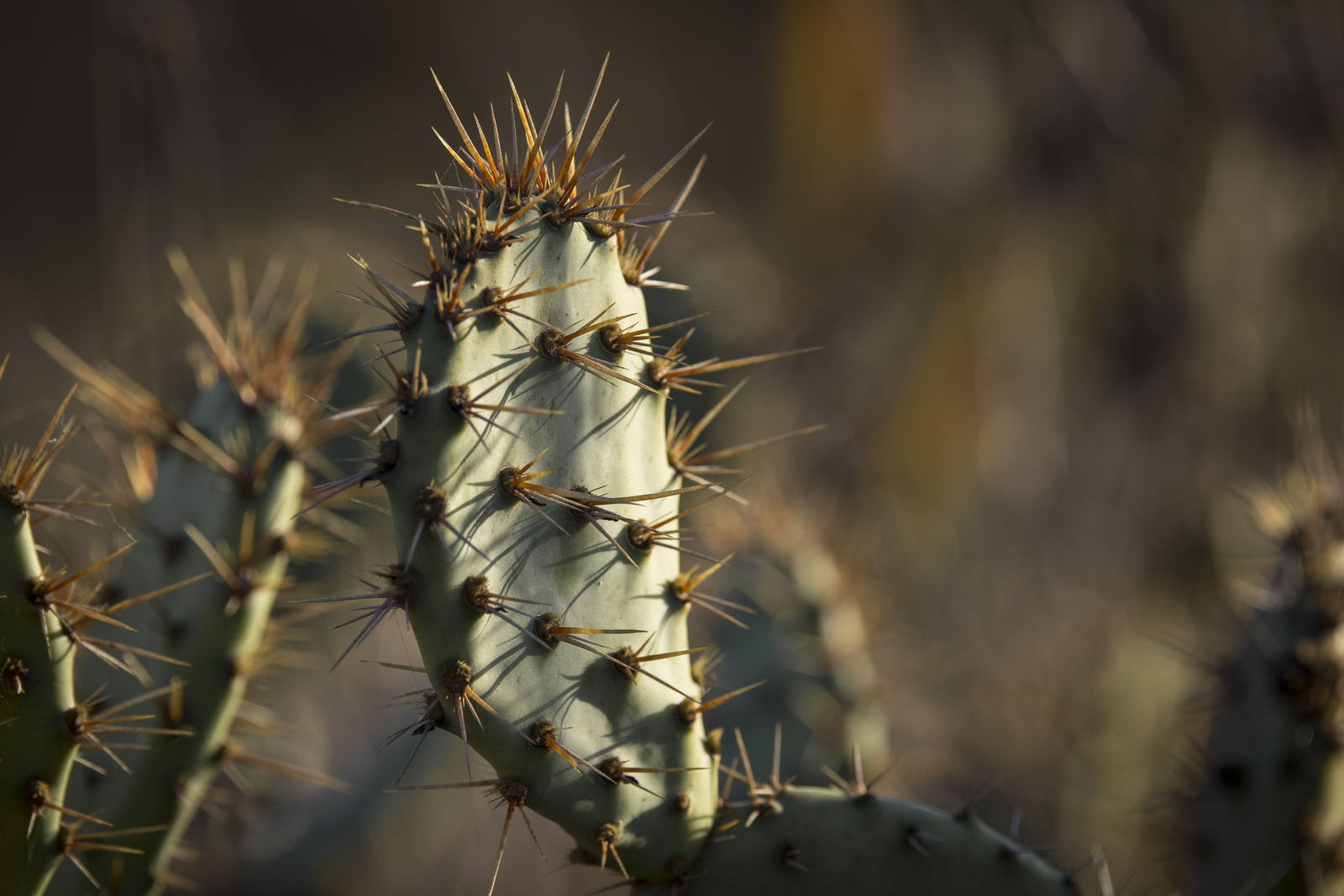
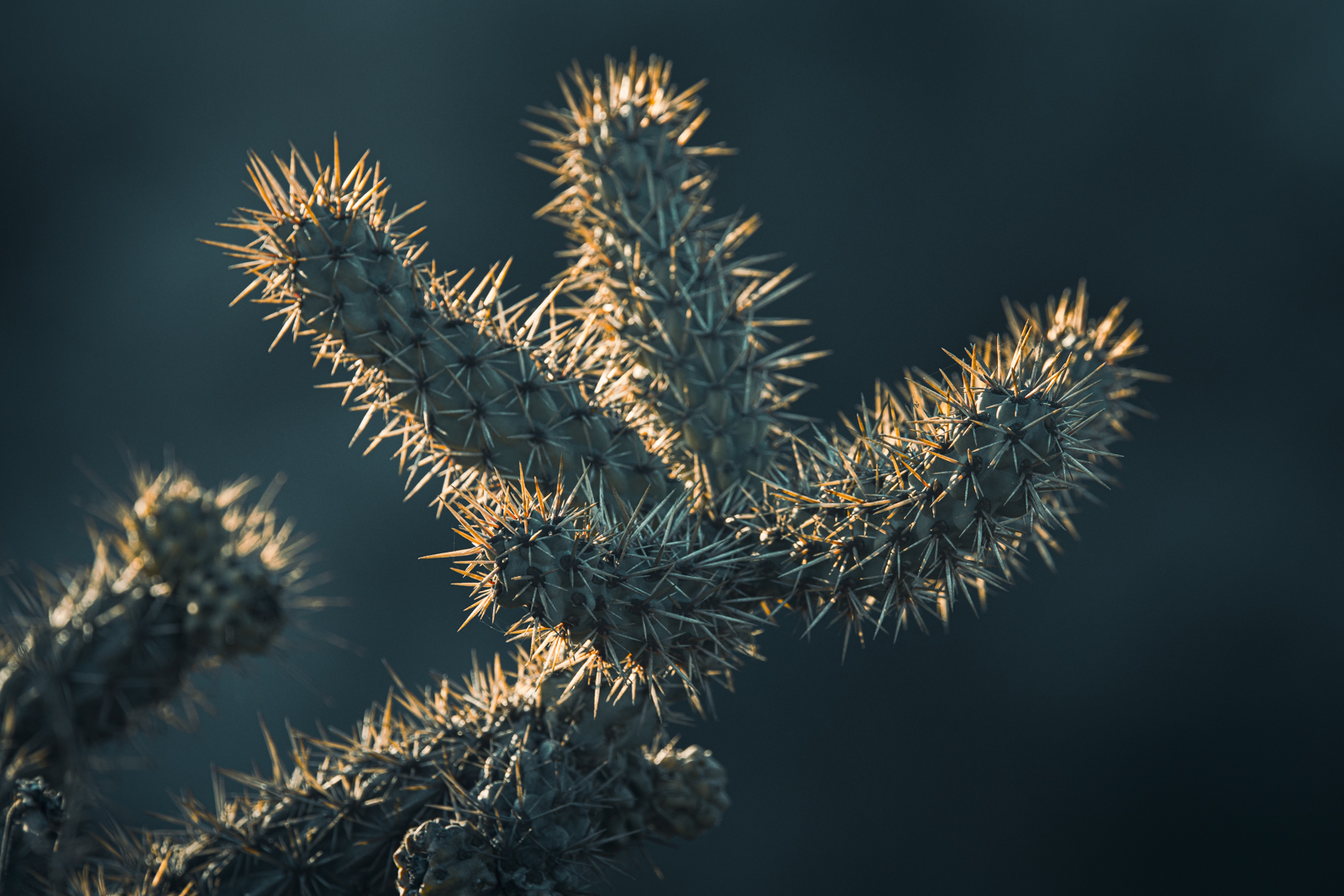
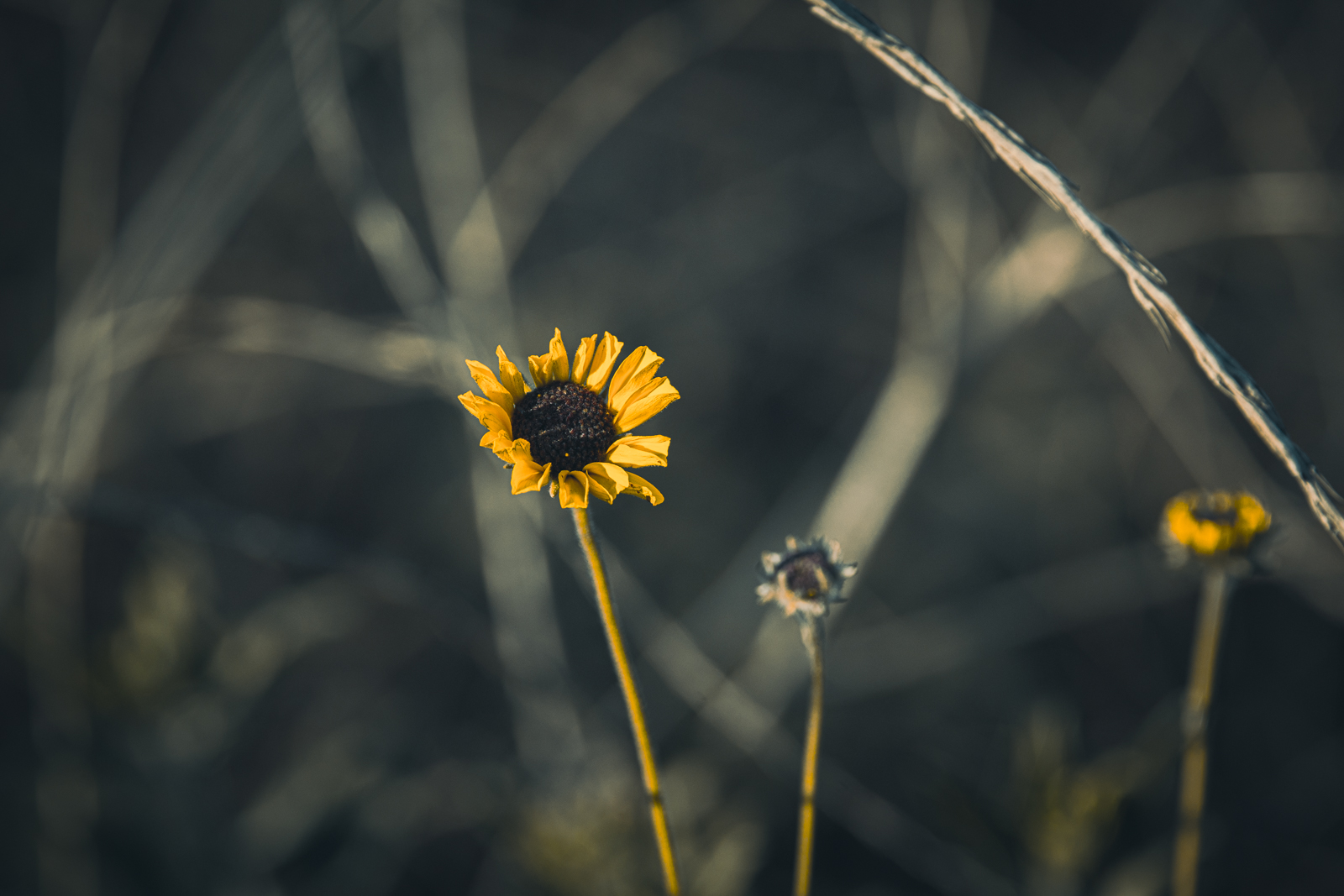
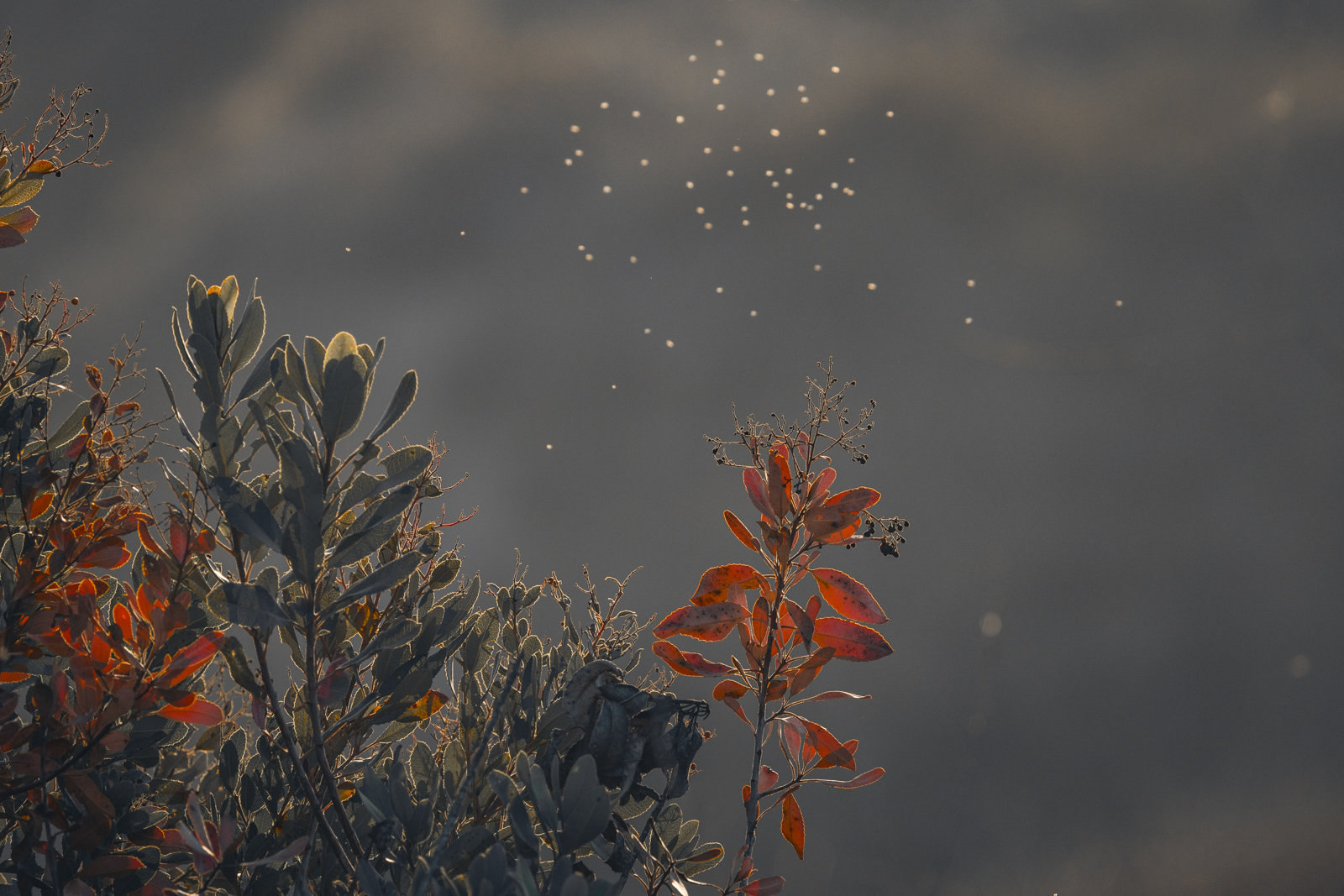
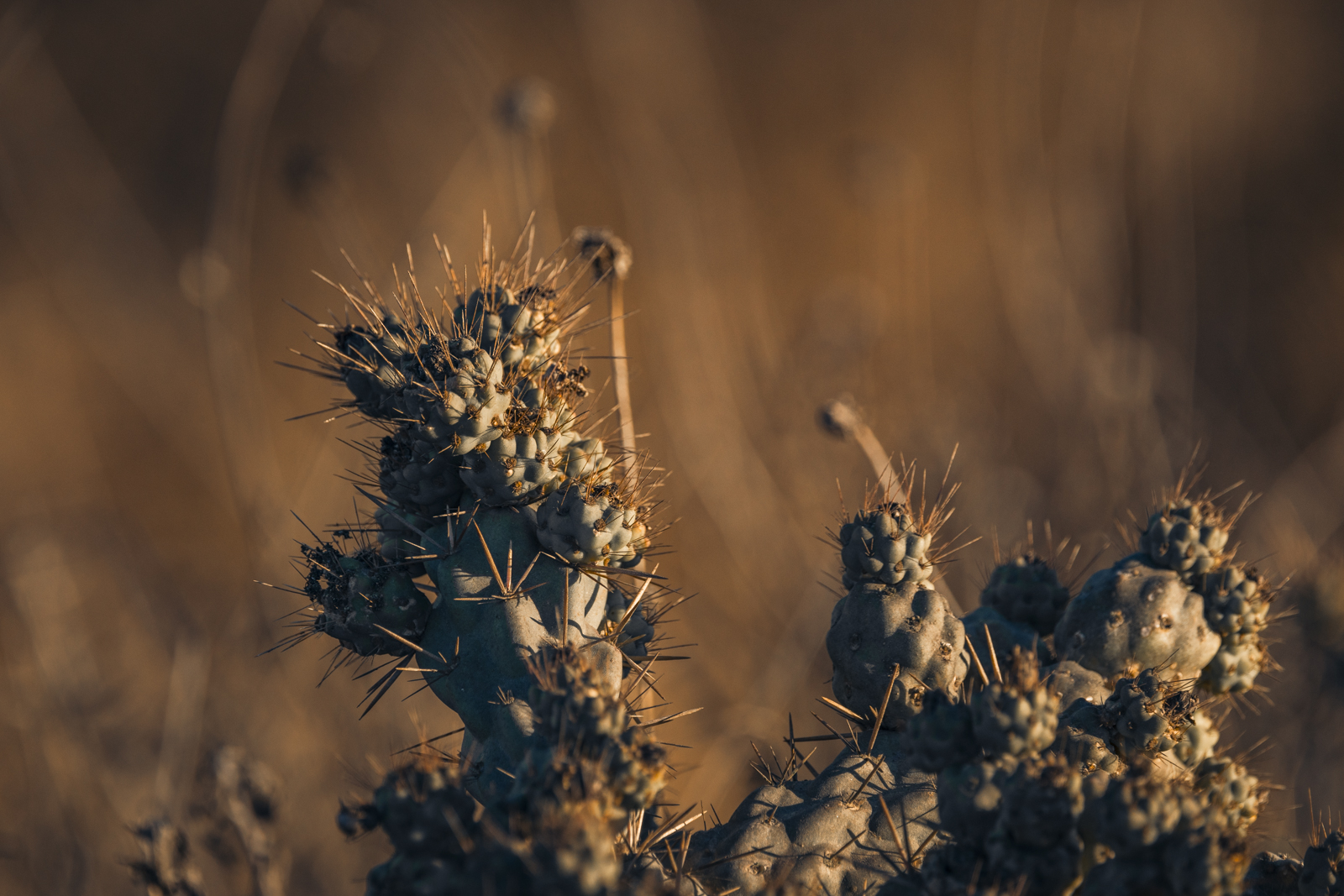
Some of you would not make for very good water photographers as it would kill you to put your camera in a housing and shoot through a measly lens port.
Double stack examples:
Jan 05, 2025 at 11:45 PM
p.3 #4Timeless debate: protective UV filter or not?
There was hawk flying around at sunset and the camera had no problem tracking it with stacked filters and a busy BG. I don't have time to get to those but I exported one below and also some tighter crops.

Jan 05, 2025 at 11:50 PM
AmbientMike
Offline
Activity
[X]
Details
p.3 #5Timeless debate: protective UV filter or not?
I used to like Hoya 1B (or was it 81B?) Slight magenta tint for better color
Jan 06, 2025 at 12:44 AM
p.3 #6Timeless debate: protective UV filter or not?
i've grown to only use B+W uv filters on all of my lenses. bomb proof, the quality feels better than hoya, and for some reason, they seem much easier to clean on the fly. i was finding my hoya's would smudge and just retain much more oils than a clean wipe on the b+w. i have no problem with stacking on them as well.
Jan 06, 2025 at 01:13 AM
p.3 #7Timeless debate: protective UV filter or not?
I frequently photograph in desert conditions, including wind/sand storms. Also frequently photograph along the California coast during high surf. I photograph in light rain and in falling snow.
I never use “protective filters,” and I have not for decades. Having said that, I can understand putting an expensive, high quality filter* on an expensive lens if you want to wander around in sand storms with no lens cap, or if you regularly photograph in extremely challenging conditions and prefer to leave the lens uncovered. I hope you are also using a completely sealed camera body...
Most of you aren’t doing these things. ;-)
Dan
*In especially risky situations where image quality is likely to be compromised anyway — say photographing a pro bike race from the back of a motorcycle in rain and mud — a cheapie filter makes sense.
https://gallery.gdanmitchell.com/gallery/var/albums/NaturalWorld/TheLandscape/California/Desert/DeathValley/Color/MesquiteDunesSandstormPano20230329.jpg
https://gallery.gdanmitchell.com/gallery/var/albums/NaturalWorld/TheLandscape/California/CaliforniaCoast/CoastHighway/Color/BreakerPigeonPoint20231228.jpg
https://gallery.gdanmitchell.com/gallery/var/albums/HumanWorld/Sports/album_002/WheelsRainSausalito20090216.jpg
YMMV.
Jan 06, 2025 at 08:40 AM
AmbientMike
Offline
Activity
[X]
Details
p.3 #8Timeless debate: protective UV filter or not?
I think I got B&W, German and all, but at one point only single coated (they may be mc now.) I just got Hoya and tiffen, mostly
You can use lens caps but in addition to having to remove and replace them on the lens you have to actually keep track of them and not lose them.
You can use lens caps but in addition to having to remove and replace them on the lens you have to actually keep track of them and not lose them.
Jan 06, 2025 at 10:43 AM
p.3 #9Timeless debate: protective UV filter or not?
gdanmitchell wrote:
I frequently photograph in desert conditions, including wind/sand storms. Also frequently photograph along the California coast during high surf. I photograph in light rain and in falling snow.
I never use “protective filters,” and I have not for decades. Having said that, I can understand putting an expensive, high quality filter* on an expensive lens if you want to wander around in sand storms with no lens cap, or if you regularly photograph in extremely challenging conditions and prefer to leave the lens uncovered. I hope you are also using a completely sealed camera body...
Most of you aren’t doing these things....Show more →
True haha. For over a decade I used a 7D and EF-S 17-55 2.8. The 7D wasn't weather sealed, and while the EF-S 17-55 2.8 was considered an "almost L" level lens for the APS-C format, it did not have the L level weather sealing.
Since recently getting back into the game, I have an R5ii and a host of L glass, and I do shoot in dusty environments (I live in SoCal which is just dusty by its nature and often go on hikes near the coast) so now your comment has me rethinking my "barely use a filter" comment from earlier. Maybe I'll get an reasonably priced B+W basic clear MRC filter at 77mm and see how that gets on with my lenses (see if it introduces unwanted flaring/ghosting artifacts or degrades the picture).
Jan 06, 2025 at 10:50 AM
p.3 #10Timeless debate: protective UV filter or not?
rscheffler wrote:
The problem specifically appears to be light reflecting off the highly reflective sensor surface back through the lens.
Define "highly reflective". I am not able to find reflectance data for photographic sensors.
The problem specifically appears to be light reflecting off the highly reflective sensor surface back through the lens.
Define "highly reflective". I am not able to find reflectance data for photographic sensors.
Jan 06, 2025 at 01:56 PM
p.3 #11Timeless debate: protective UV filter or not?
Toothwalker wrote:
Define "highly reflective". I am not able to find reflectance data for photographic sensors.
Take off your lens. Shine a light on the sensor. You’ll see. ;-)
rscheffler wrote
The problem specifically appears to be light reflecting off the highly reflective sensor surface back through the lens.Take off your lens. Shine a light on the sensor. You’ll see. ;-)
Jan 06, 2025 at 04:55 PM
p.3 #12Timeless debate: protective UV filter or not?
I have UV Filters on all of my lenses, sometimes take it off if I feel that the shot would gain from removing it.
In my 70+ years of photography, they have saved two lenses from damage by breaking first. I'll continue to use them, except when removing it to be certain of getting the best possible shot. They have no effect for most of my shooting if I keep them clean.
Charley
In my 70+ years of photography, they have saved two lenses from damage by breaking first. I'll continue to use them, except when removing it to be certain of getting the best possible shot. They have no effect for most of my shooting if I keep them clean.
Charley
Jan 07, 2025 at 11:29 AM
p.3 #13Timeless debate: protective UV filter or not?
gdanmitchell wrote:
Take off your lens. Shine a light on the sensor. You’ll see. ;-)
Thank you Baldrick.
Meanwhile I found a source mentioning a reflectance varying between 2 and 10 %
https://lenspire.zeiss.com/cine/en/article/taking-care-of-the-unwanted-light
On the other hand, reported values for undeveloped photographic film vary from 15% [1] to as much as 15-40% [2].
That would explain my own observation of filter flare being easier to observe on film than with a digital camera.
[1] SPSE handbook of photographic science and engineering, edited by Woodlief Thomas Jr., John Whiley & sons, p. 204 (1973).
[2] Sidney F. Ray, Applied photographic optics, 3rd ed., Focal Press, p. 139 (2002)
Jan 07, 2025 at 12:24 PM
p.3 #14Timeless debate: protective UV filter or not?
Toothwalker wrote:
Thank you Baldrick.
Meanwhile I found a source mentioning a reflectance varying between 2 and 10 %
https://lenspire.zeiss.com/cine/en/article/taking-care-of-the-unwanted-light
On the other hand, reported values for undeveloped photographic film vary from 15% [1] to as much as 15-40% [2].
That would explain my own observation of filter flare being easier to observe on film than with a digital camera.
[1] SPSE handbook of photographic science and engineering, edited by Woodlief Thomas Jr., John Whiley & sons, p. 204 (1973).
[2] Sidney F. Ray, Applied photographic optics, 3rd ed., Focal Press, p. 139 (2002)
The difference is that there was arguably a reason for using UV filters with film cameras, namely that film cameras were purportedly sensitive to UV light which would appear as haze on film exposures, particularly over long distances in outdoor light.
That plus doesn't exist with modern digital sensor cameras, which are generally insensitive to UV light already without adding the filter.
So, specifically, UV filtering is useless on digital cameras.
As to the question of whether or not putting a clear glass "filter" on your lens to protect it, regardless of UV filtering ability, there are different points of view.
As a night photographer and a former user of one of the lenses that had AF issues with a filter attached, I've seen the reflections and AF issues crop up.
gdanmitchell wrote
Take off your lens. Shine a light on the sensor. You’ll see. ;-)Meanwhile I found a source mentioning a reflectance varying between 2 and 10 %
https://lenspire.zeiss.com/cine/en/article/taking-care-of-the-unwanted-light
On the other hand, reported values for undeveloped photographic film vary from 15% [1] to as much as 15-40% [2].
That would explain my own observation of filter flare being easier to observe on film than with a digital camera.
[1] SPSE handbook of photographic science and engineering, edited by Woodlief Thomas Jr., John Whiley & sons, p. 204 (1973).
[2] Sidney F. Ray, Applied photographic optics, 3rd ed., Focal Press, p. 139 (2002)
The difference is that there was arguably a reason for using UV filters with film cameras, namely that film cameras were purportedly sensitive to UV light which would appear as haze on film exposures, particularly over long distances in outdoor light.
That plus doesn't exist with modern digital sensor cameras, which are generally insensitive to UV light already without adding the filter.
So, specifically, UV filtering is useless on digital cameras.
As to the question of whether or not putting a clear glass "filter" on your lens to protect it, regardless of UV filtering ability, there are different points of view.
As a night photographer and a former user of one of the lenses that had AF issues with a filter attached, I've seen the reflections and AF issues crop up.
Jan 07, 2025 at 12:32 PM
p.3 #15Timeless debate: protective UV filter or not?
I bought clear filters for my workhorse Holy Trinity f2.8 lenses, which are often banged around. These were the best-rated and fairly expensive ones. Otherwise, I do not use filters. (I always use hoods.)
Jan 08, 2025 at 09:32 AM
p.3 #16Timeless debate: protective UV filter or not?
Have always used some type of protection filters on my lens. Usually use clear filters vs UV if available. Between kids, outdoors and traveling it makes me feel a little more comfortable in case things get banged around.
Our cat recently knocked our 135mm RF lens off the counter and if it wasn't for the filter the front element would of maybe been damaged. Now just the filter thread is broke along with the protection filter.
Our cat recently knocked our 135mm RF lens off the counter and if it wasn't for the filter the front element would of maybe been damaged. Now just the filter thread is broke along with the protection filter.
Jan 08, 2025 at 04:33 PM