I like the tough guys, they need them now the casinos have come to town - weapons, etc. Trouble is, Indians are so friendly you have to tell them to make a straight face >
philip_pj wrote:
I like the tough guys, they need them now the casinos have come to town - weapons, etc. Trouble is, Indians are so friendly you have to tell them to make a straight face >
I picked up one of these and only have taken some test shots. (Front yard is a construction zone.) Just a comment since I haven’t see this. I bought the lens with a filter since I generally use UV filters for protection. I noticed that the supplied lens hood doesn’t fit over the filter and neither does the hood. I generally don’t use hoods, but I may in this case since it’s small and the lens hood is very nice. So the choices are: no filter, filter with after market cap, or no filter and hood.
Phillip, I’m wondering how you’re focusing? Thanks, and I appreciate all your posting on this lens.
I've noticed some issues with filters of late, I got a Heliopan with crossed threads some months back, but that was a manufacturing error. For the 49mm fit Simeras, I use Zeiss UV items because they work well in the mountains and have quality threading.
The 28/1.4 hood goes on easily, then I use the hood cap on that unit. The hood cap can become detached if not installed firmly. (One guy complained it might fall off in his bag and (being metal) damage the front element. I use a small AW bag for each camera so no problems.)
I guess the gap between the OD of the filter and the ID of the hood is the issue for you here. It might be why CV use screw on hoods for their APO lenses.
Maybe take the lens with you to a shop and try a few filters? I see the rectangular hood as an integral part, I honestly think it relaxes the subjects by not looking like a big black round hole (I only ever use black lenses for maximum inconspicuousness).
Focusing, as with all MF lenses, is a matter of just using the lens for an hour or two, focusing on objects at different distances. The focal plane is clear to see in this one. I focus from near to far, usually. The tab is a great addition. I use magnification L1 or L2 depending on the need for accuracy, and time available. If you don't often use MF lenses, pay close attention to getting the diopter just right, and place your eye dead center over the EVF. Wipe the EVF optics with a microfiber cloth every so often.
If shooting at f4 onwards or f1.4, I may focus at f2 or so, then stop down or up. You can also set up Sonys to give you a little 'sparkle' with higher contrast in Settings (forgot what they call it, where you can change saturation, etc). That helps too.
The big things with visual verification of focus in MF lenses is lens contrast and the rate of focus fade off the focal plane. Simeras have the cine style of linear fade which appears to give you better acceptable focus results for near misses, but there is no free lunch - the exact focus is a little harder to see at f1.4. I'm not one of the people who need cornea sharpness, so I adjust OK. But an extra second really helps.
To start with, you might try using between f1.4 and f2, as all the Simeras pick up contrast fast with aperture. Vignette is strong at f1.4 (an RF thing) so if that bothers you, try using f2. The lens is soft in the corners (a minor controversy here a while back) but this is also by optical design, and it's a well known issue among users of the cine version too. It goes away fast and by f4 it's a non-issue.
To see the progression of vignette and corner sharpness, see this video at time 14:35:
YouTube title:
'THESE LENSES HAVE NO COMPETITORS! Thypoch Simera-C are the most compact full-frame T1.5 lenses'
Bokeh. We all know what it means, or do we? First, the definitions:
'bokeh refers to the aesthetic quality of the out-of-focus parts of an image, *particularly the soft, blurred background*. It's not just the blur itself, but the visual quality of that blur, including its shape, size, and how pleasing it is to the eye.'
The term is 'borrowed from the Japanese word "boke," which means "blur" or "haze".'
'While the blur itself is a result of depth of field, bokeh refers to the subjective quality of that blur..'
'Bokeh can be used to create visually pleasing effects, *isolate the subject* from *the background*, and *guide the viewer's eye*.'
'It's important to remember *the more blurred the bokeh is, the less distracting the bokeh* and the more the subject is separated from the bokeh.'
There are several image constituents missing in this well-accepted paradigm that *bokeh is blur*, but they are downstream from the central observation - that focus and bokeh are two well-defined entities with no connection. It's one or the other.
There is never any mention of the connection between them, image content is classified as one or the other. True, some of us use the term 'focus transition', most often to describe the change in state from in-focus to out-of-focus. In other words, it is usually related to the plane of focus and its immediate on-axis environment.
Even that concession is not widely shared, however. Google AI offers us this for 'focus transition':
'Focus transition in photography refers to *changing the point of focus* within a shot, either during a single frame or over a series of frames, to achieve a desired effect. This technique can be used to create a sense of motion, depth, or to highlight specific areas within a scene.'
Before exploring the problems we face with this schema, who would you think is responsible for this state of affairs?
I see little to no evidence that users were and are clamoring for ever greater subject-background separation...leaving only the designers and their management, and by extension, the industry, both cinema and stills photography.
It's fair to ask 'what does this have to do with the Simera 28/1.4?'.
These lenses aim to produce 'natural vision' images, characterized by steady loss of definition with distance. Being rather wide, 28s (even fast ones) very often retain the still clearly visible definition of image motifs in the zone that shall never be mentioned - the visual material that lives in the no mans land between the focus plane and the (what I will call) 'bokeh field' - that region where maximum blur is found.
While most makers have developed apertures ('irises' in cinespeak) that do well at producing rounded specular highlights in full bokeh using just 9-10-11-12 blades, DZO opt for 16 blades in their cine lenses and 14 blades for these stills lenses. If your design brief calls for steady fade of focus rather than abrupt focus fall-off, it makes sense to take steps to shape the varied contents of the focus intermediate zone as well as you can. DZO use 16 blades even in their slow lenses and zooms.
'Dreamatic Bokeh & Esthetic Transition
During the focus fall-off, 16 blades T2.8 iris generated soft bokeh. The *natural transition* from focus to de-focus conveys the ambiance and highlights the subject.'
And this applies not just to wide open shooting, but also the apertures selected by the informed photographer to achieve a connection from focus to background. Enter f2-f2.8-f4 as key elements in this form of image making.
He or she may not be able to use fully stopped down settings due to low light or the need to minimize clutter. These intermediate apertures are the graveyard of many lenses' images because of the shape and count of aperture blades used no one likes seeing what looks like a cogwheel in their photos.
We don't have any terms for this dead zone of focus, do we? Is it partially in focus, or partially bokeh? Does it have to have a certain level of definition to be regarded as 'in focus'? What do you call the soift ears of a subject shot with a 105/1.4?
Anyway, it is there, and it's not going anywhere. It might be a surprise to many users of f1.4 or faster lenses, but a lot of image content in this no mans land makes for better photographs, by which I mean more context for the main subject, areas of interest arrayed around the frame (often in a hierarchy of importance), and the richness and depth that comes with more natural imagery.
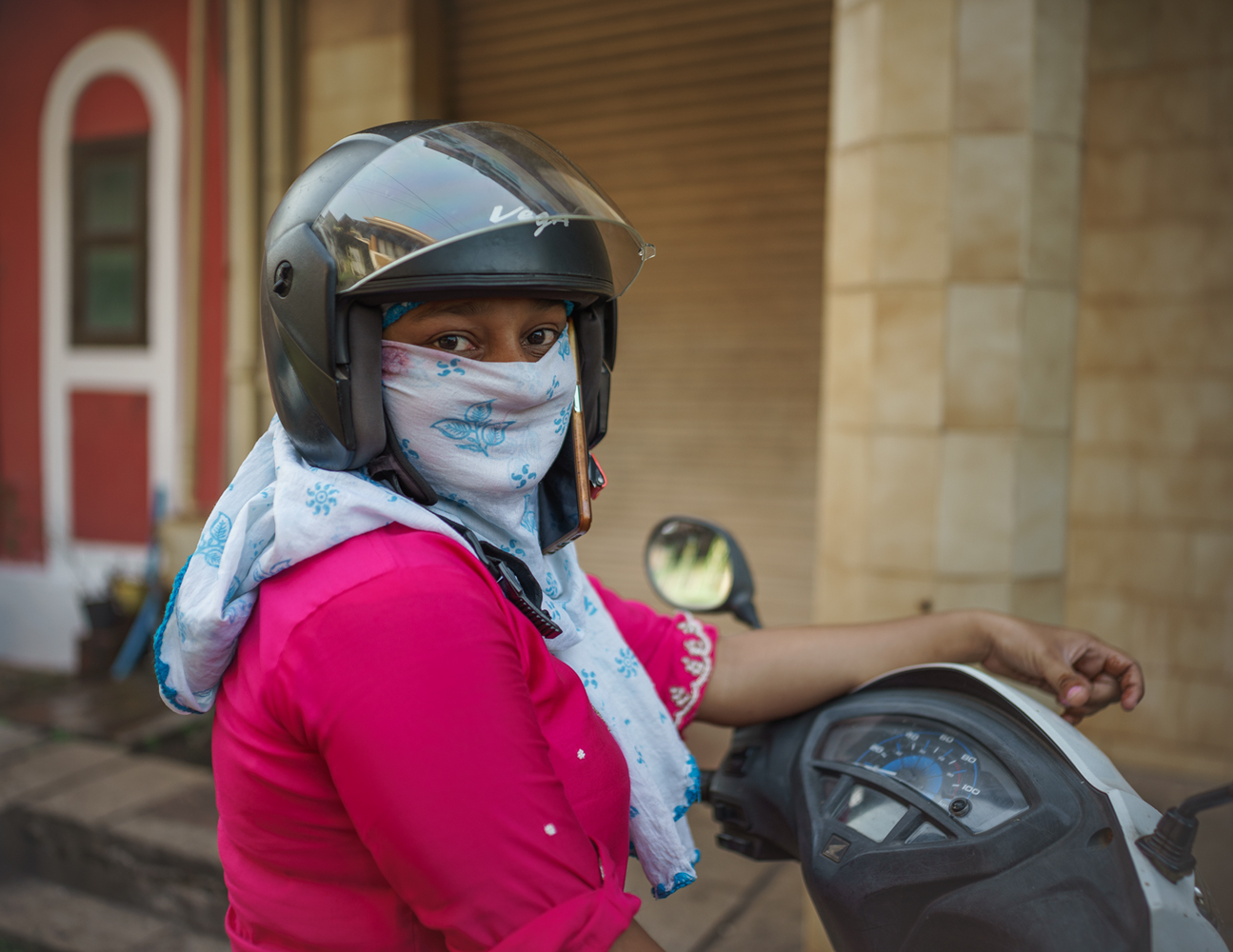
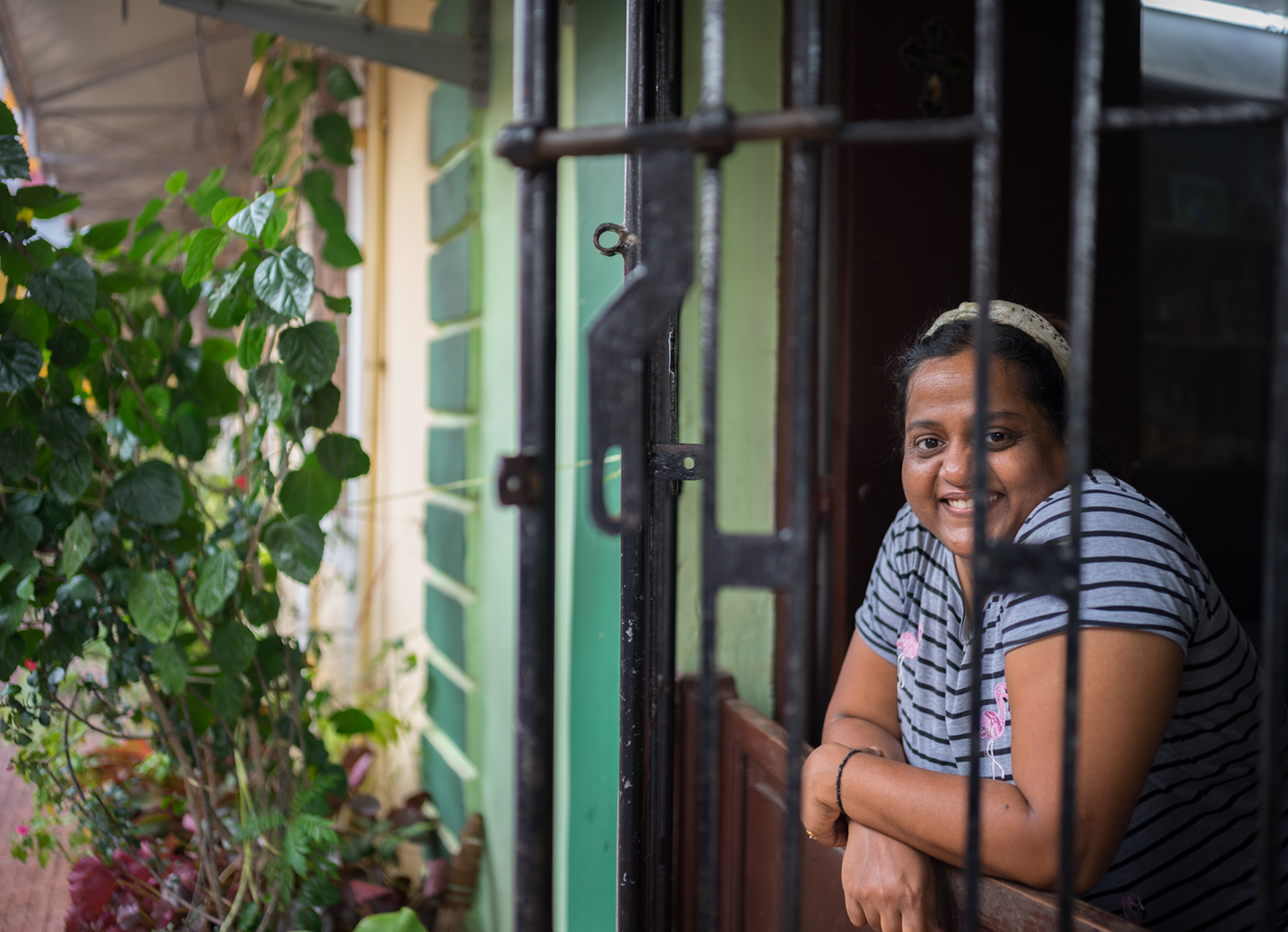
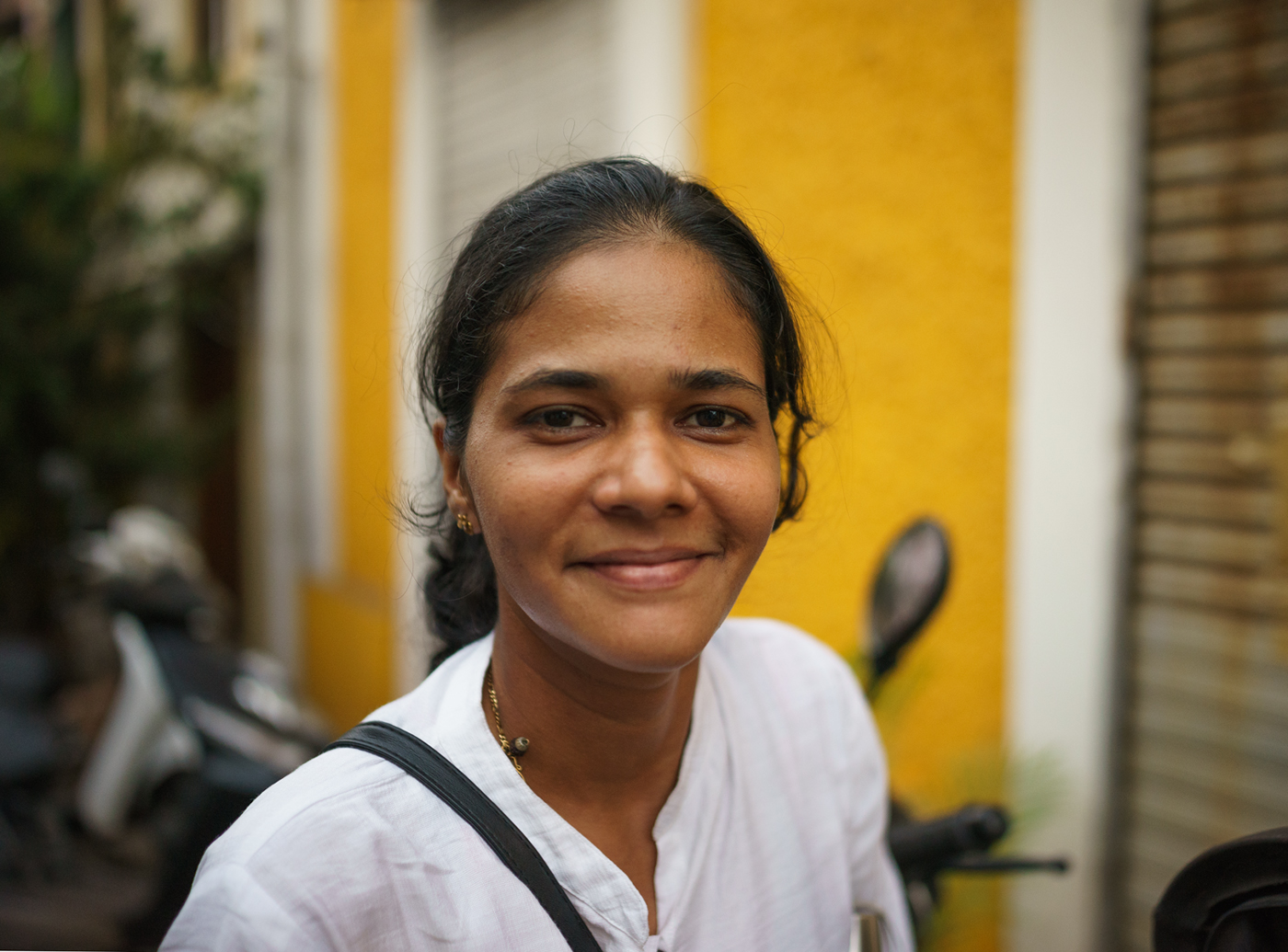
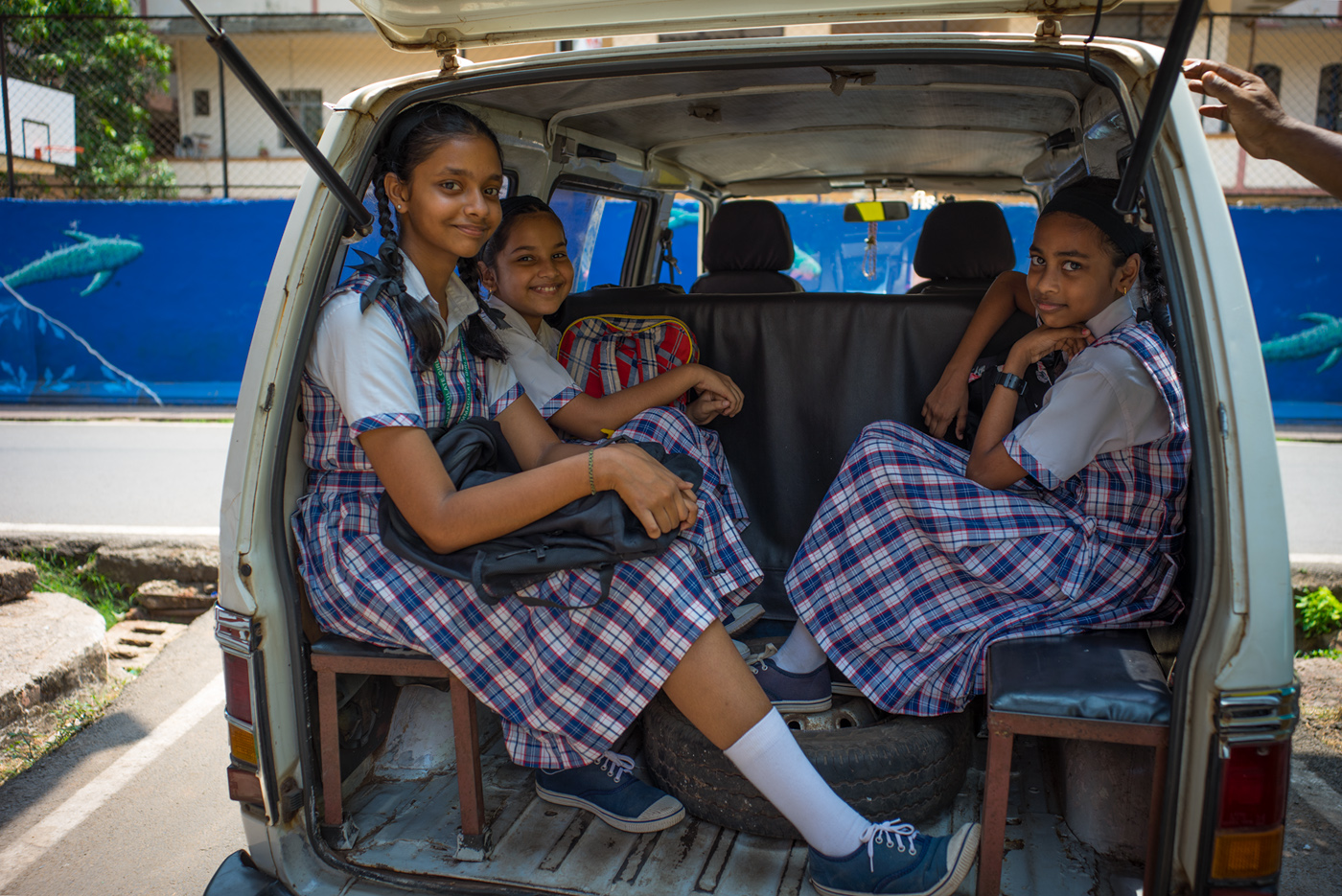
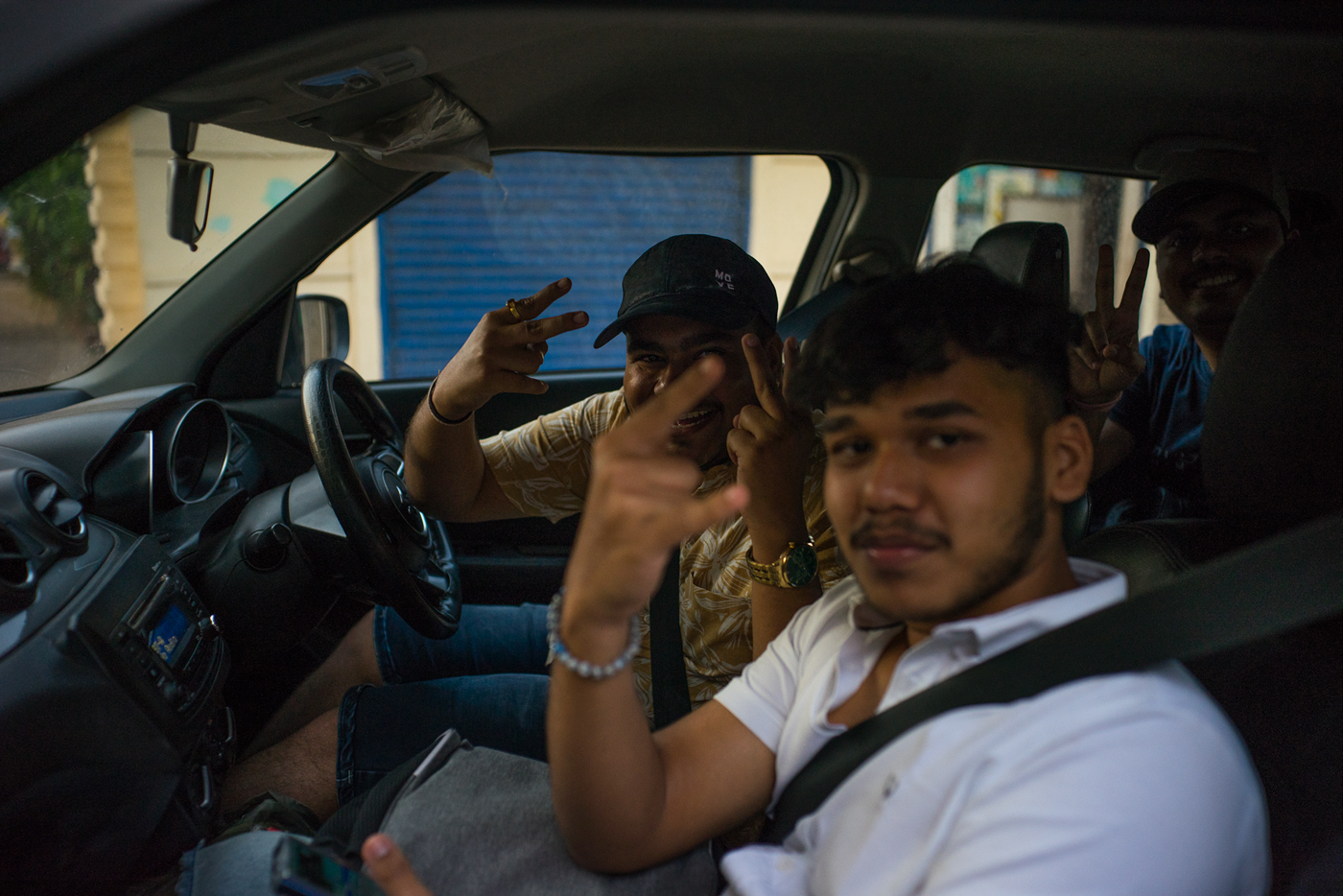
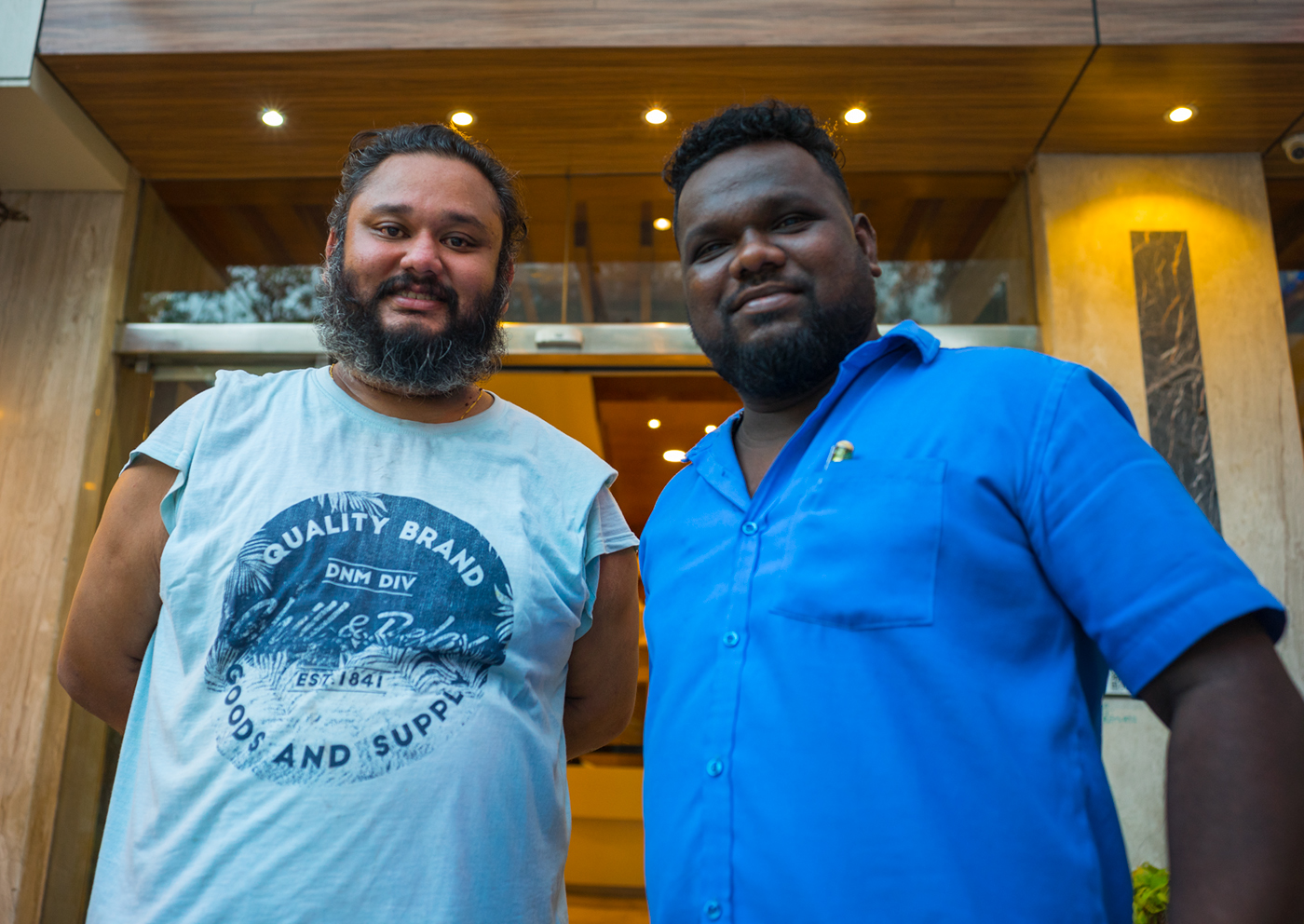
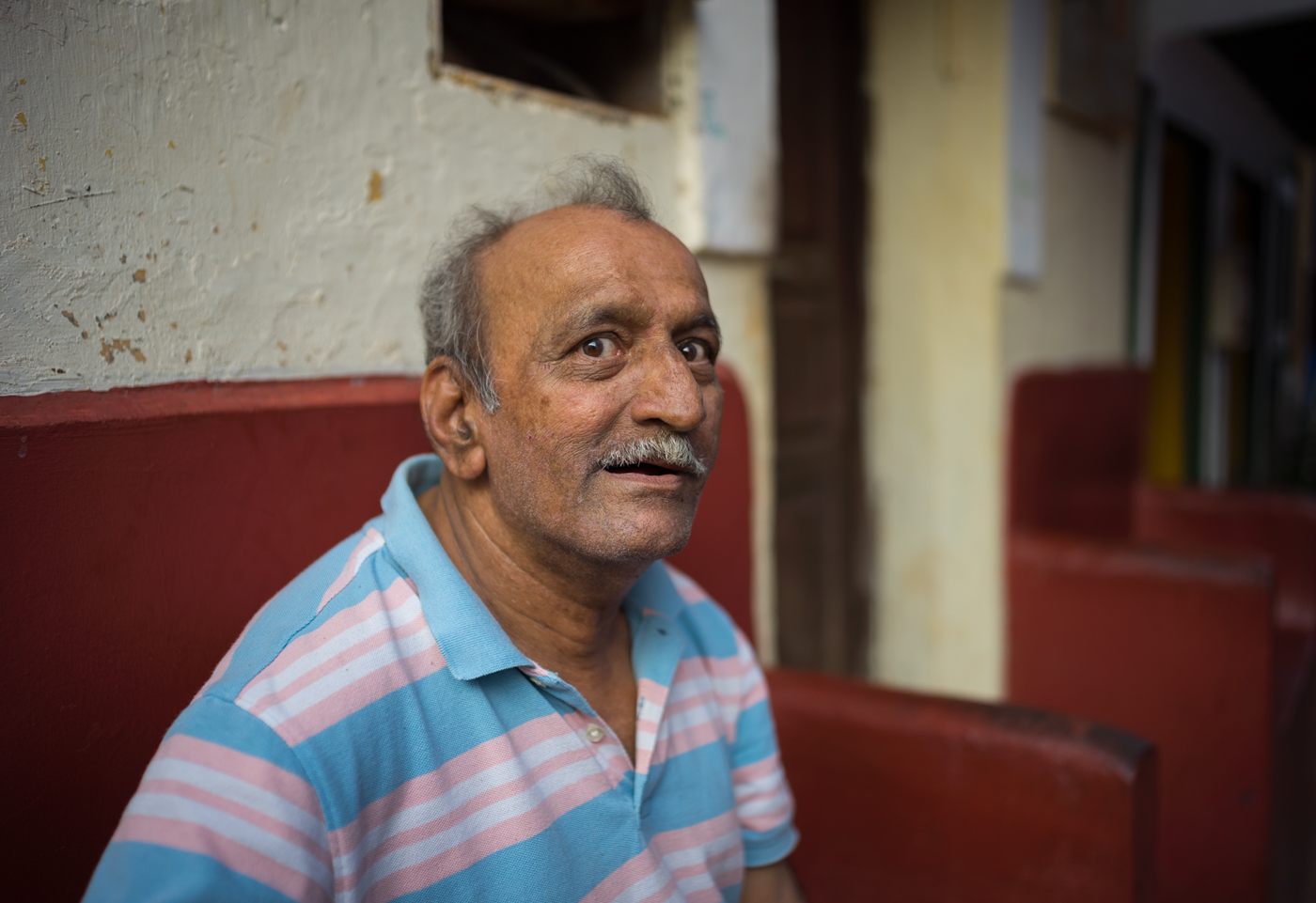
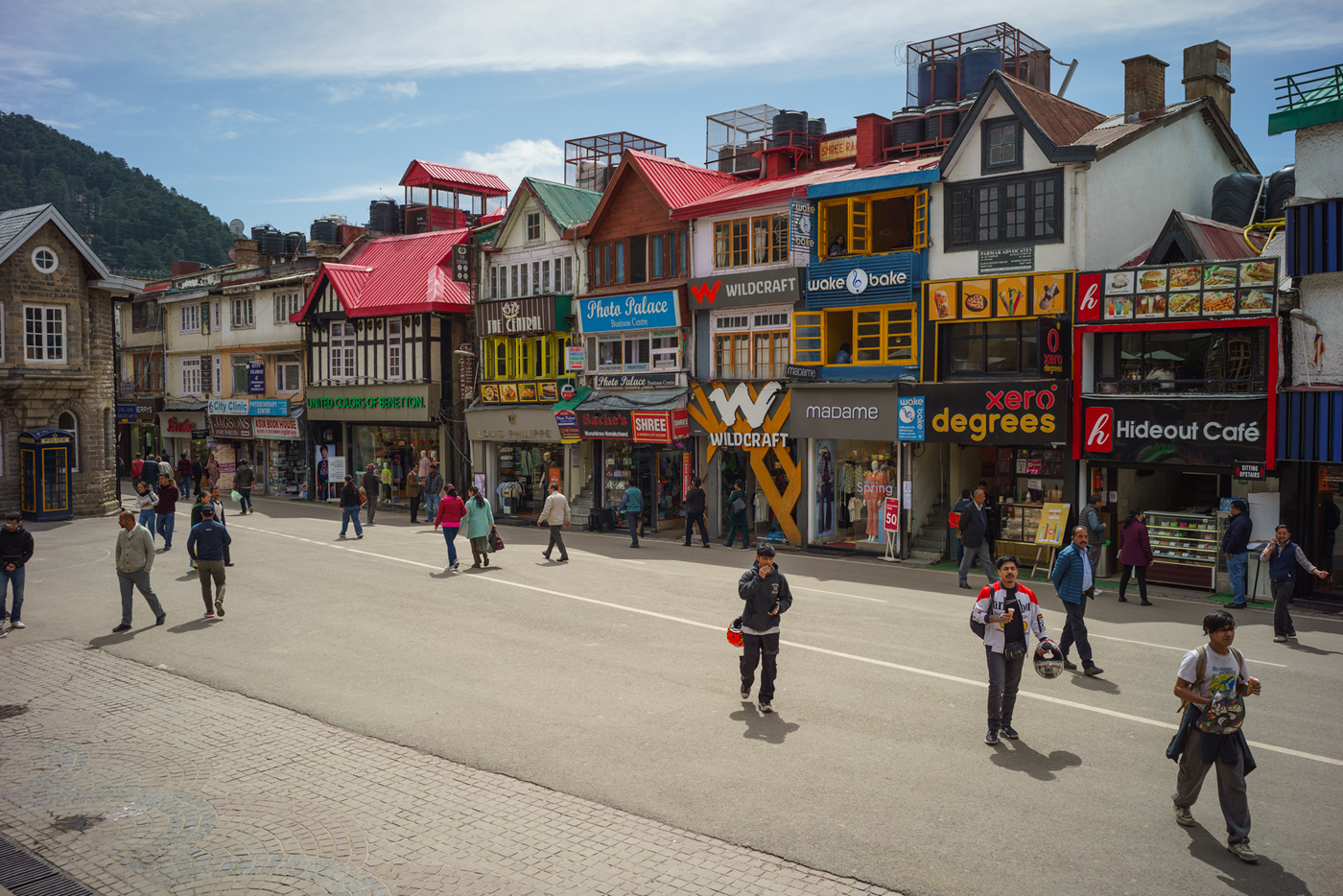
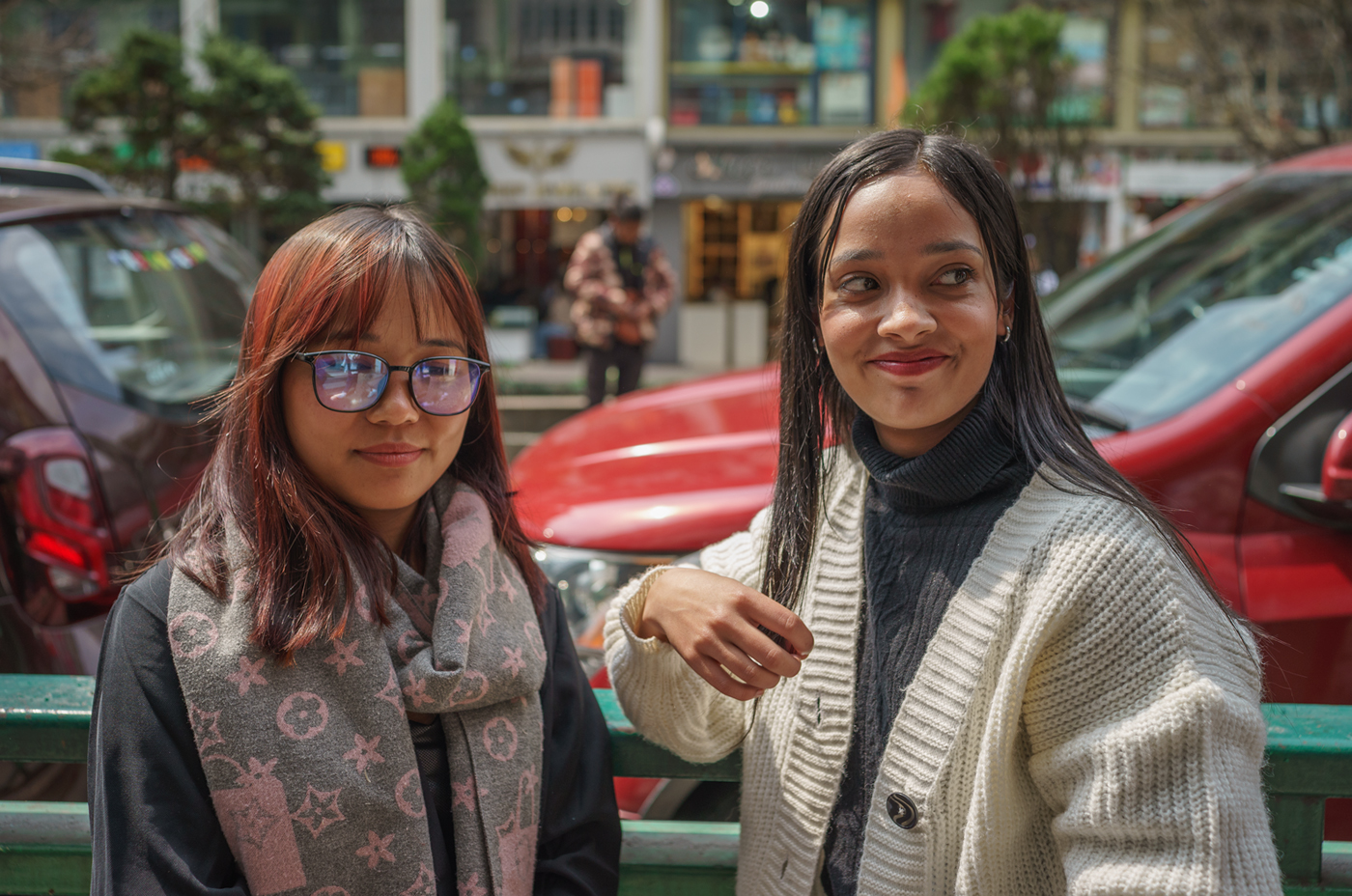
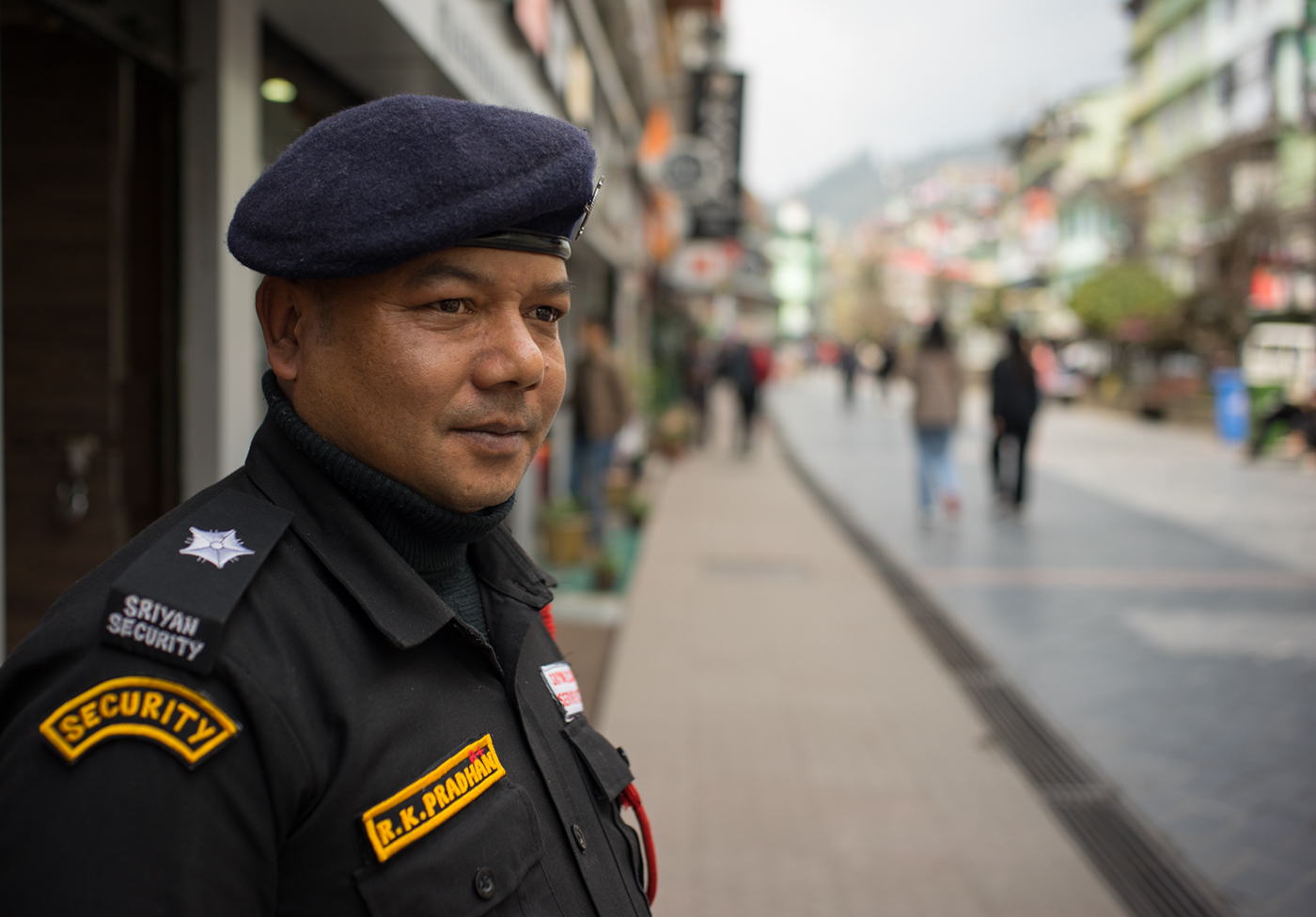
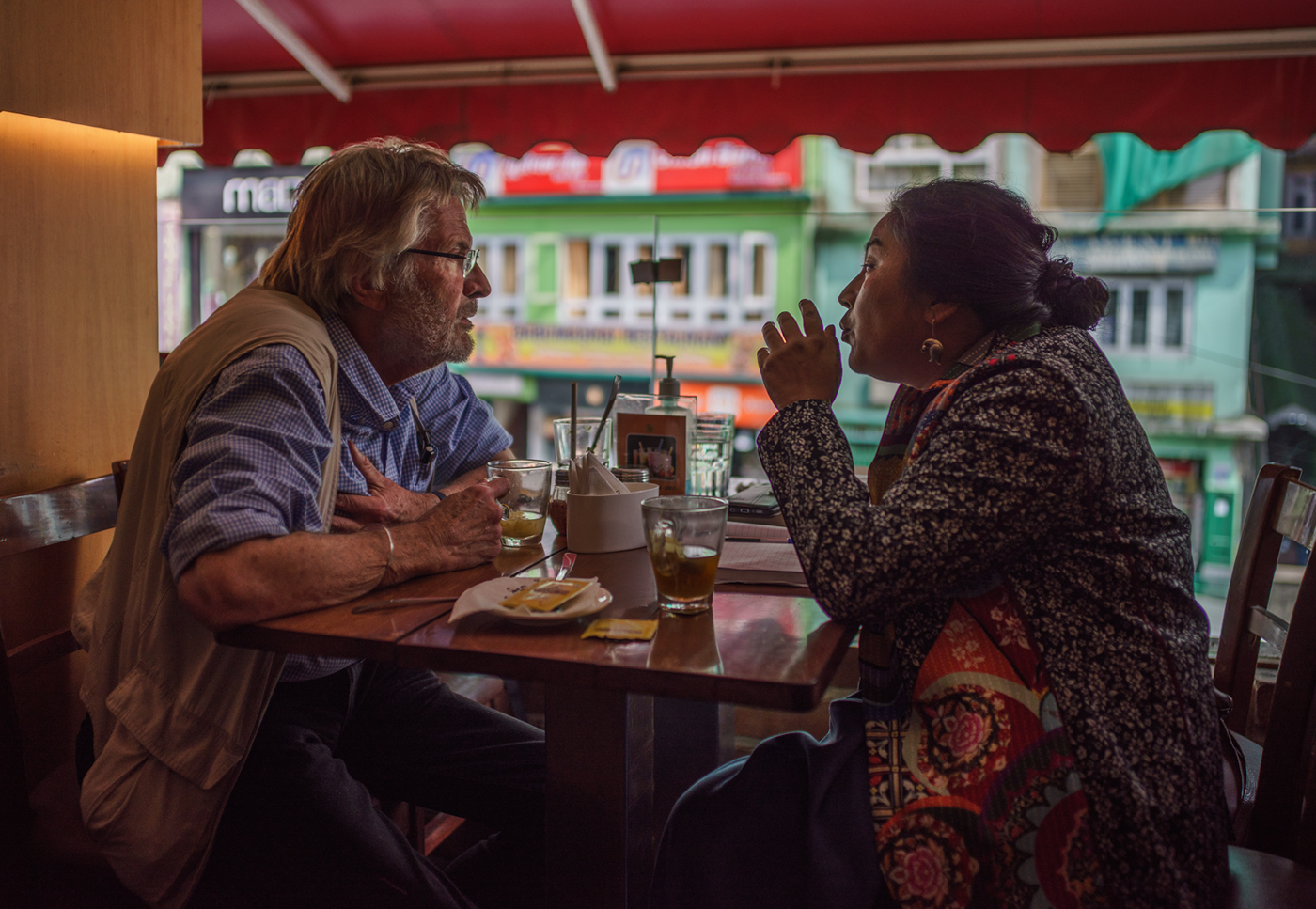
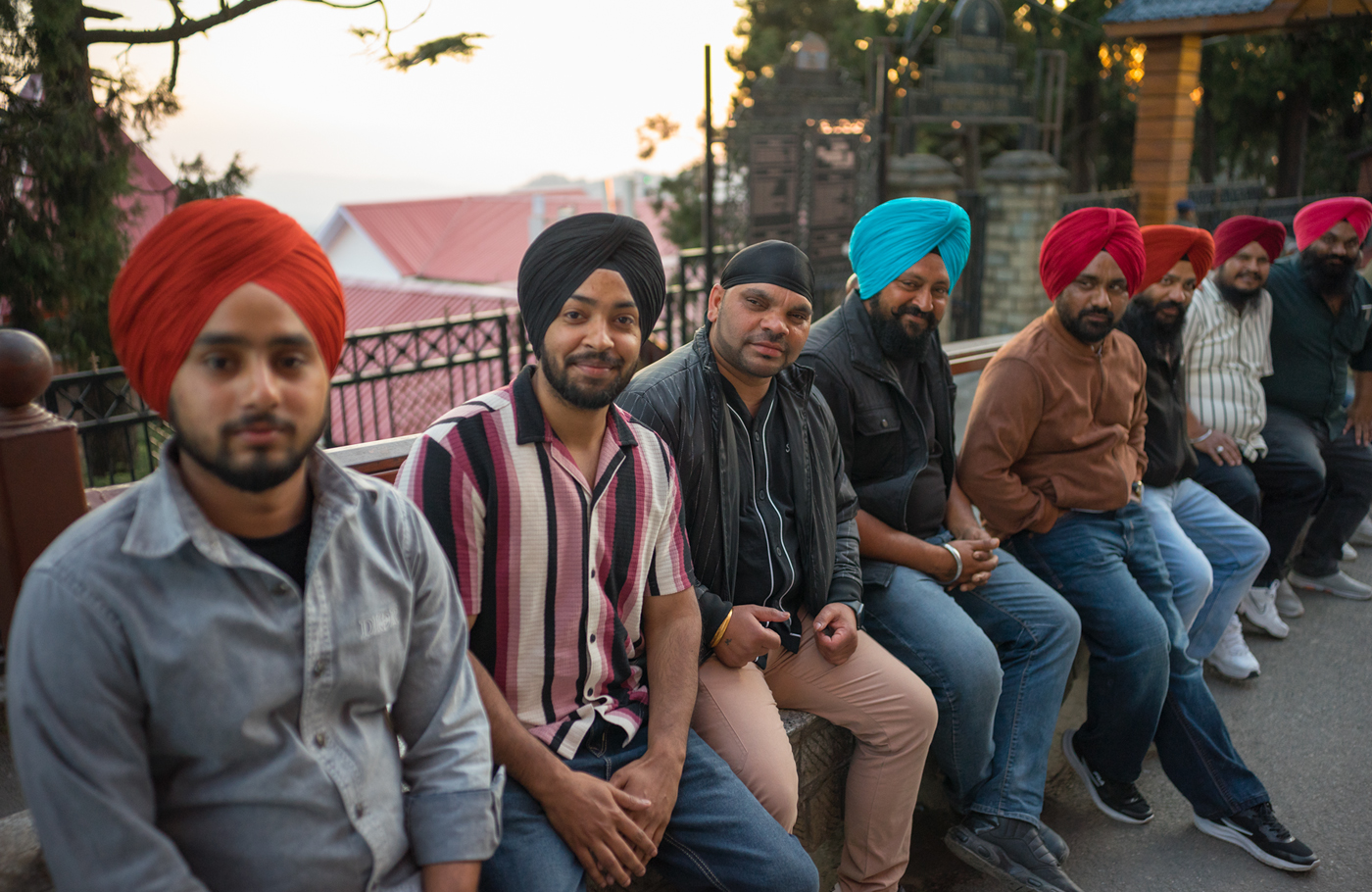
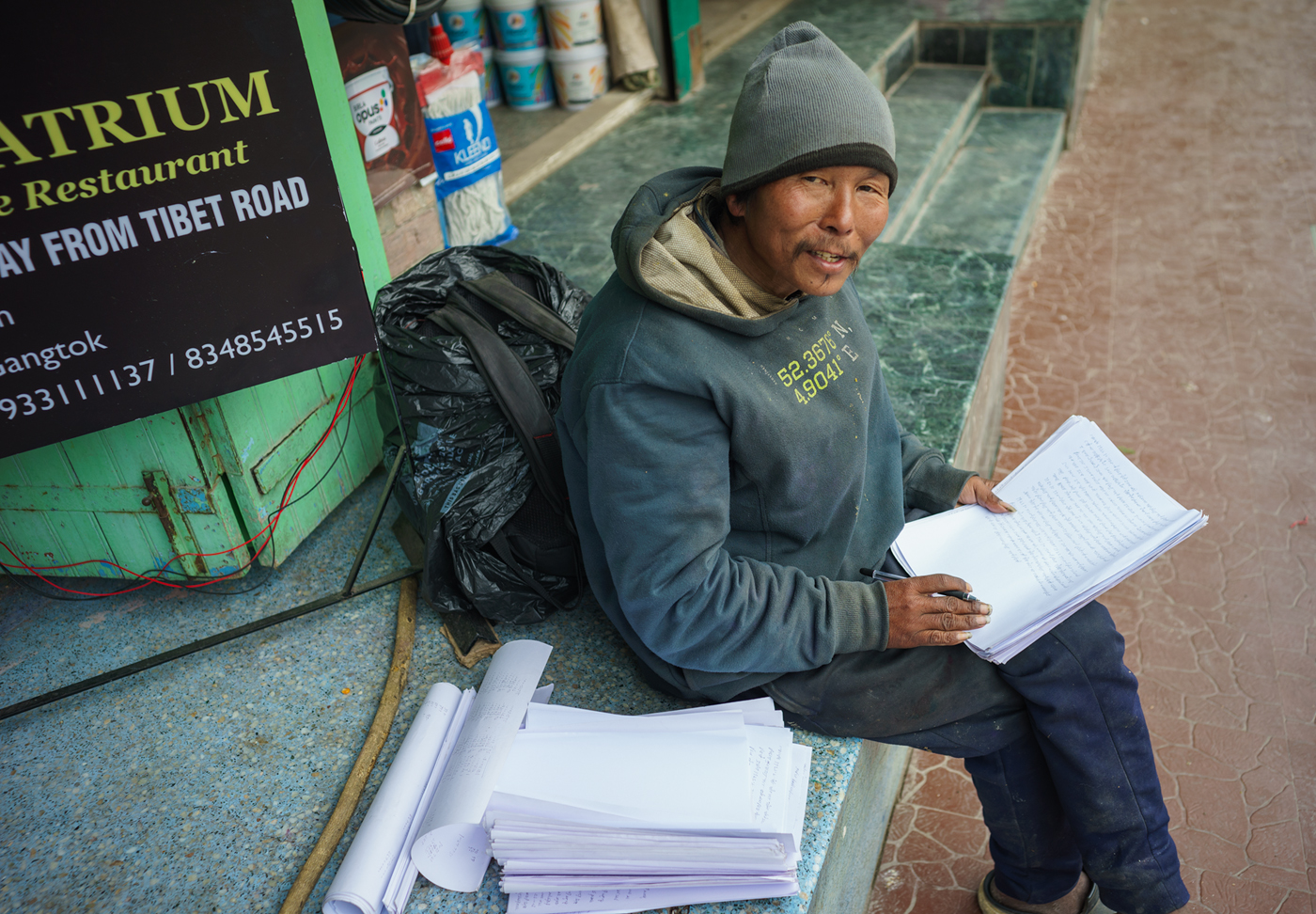
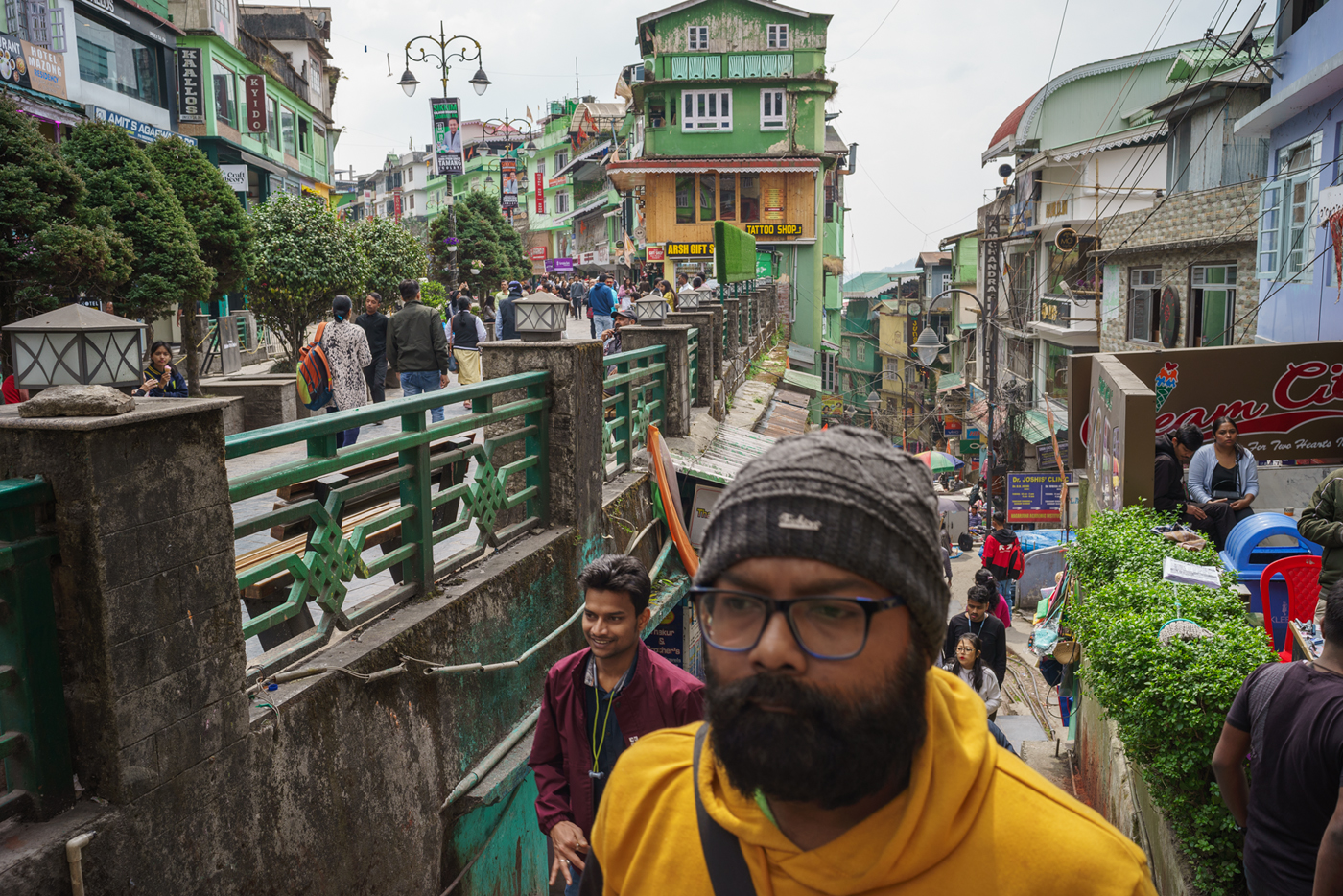
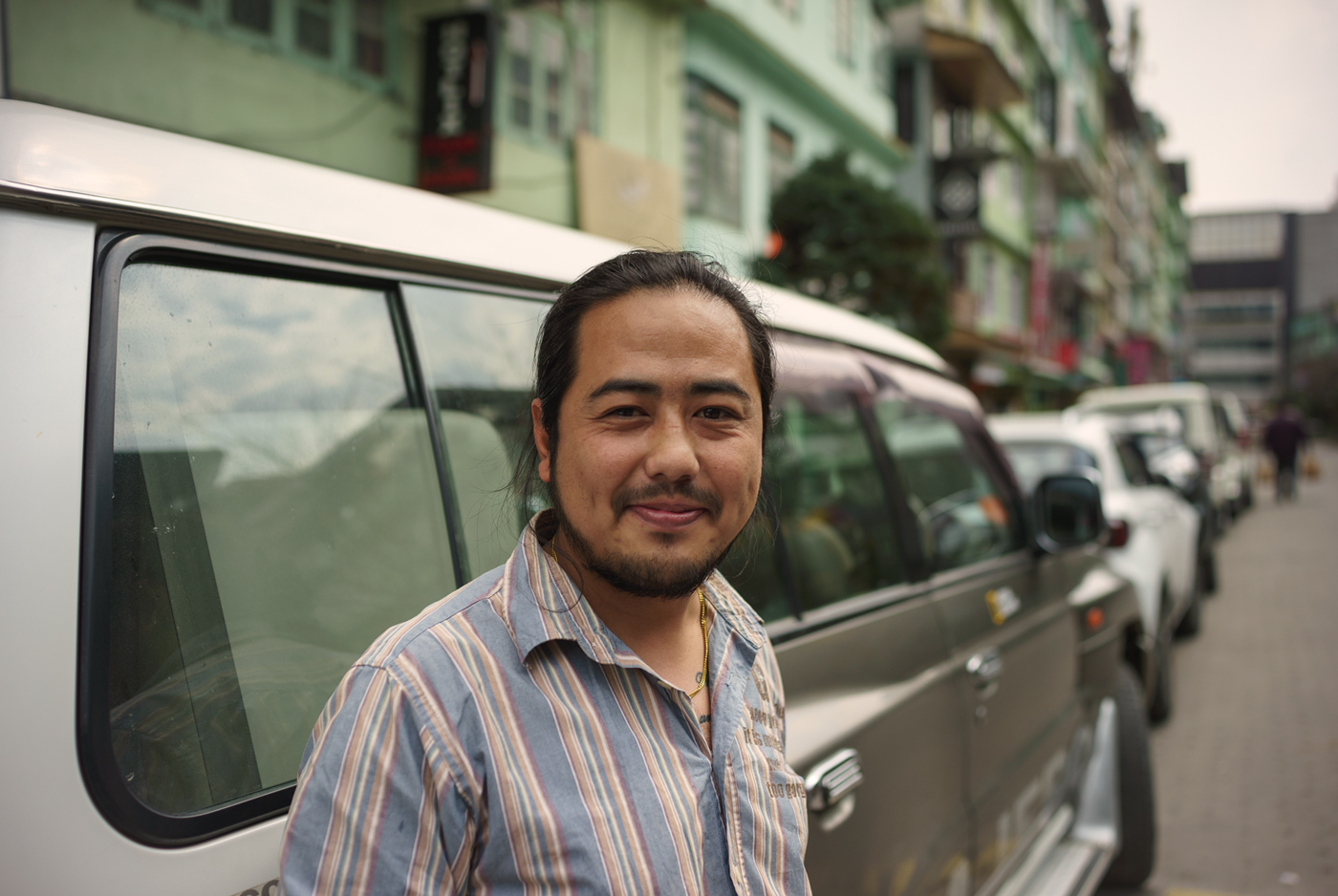
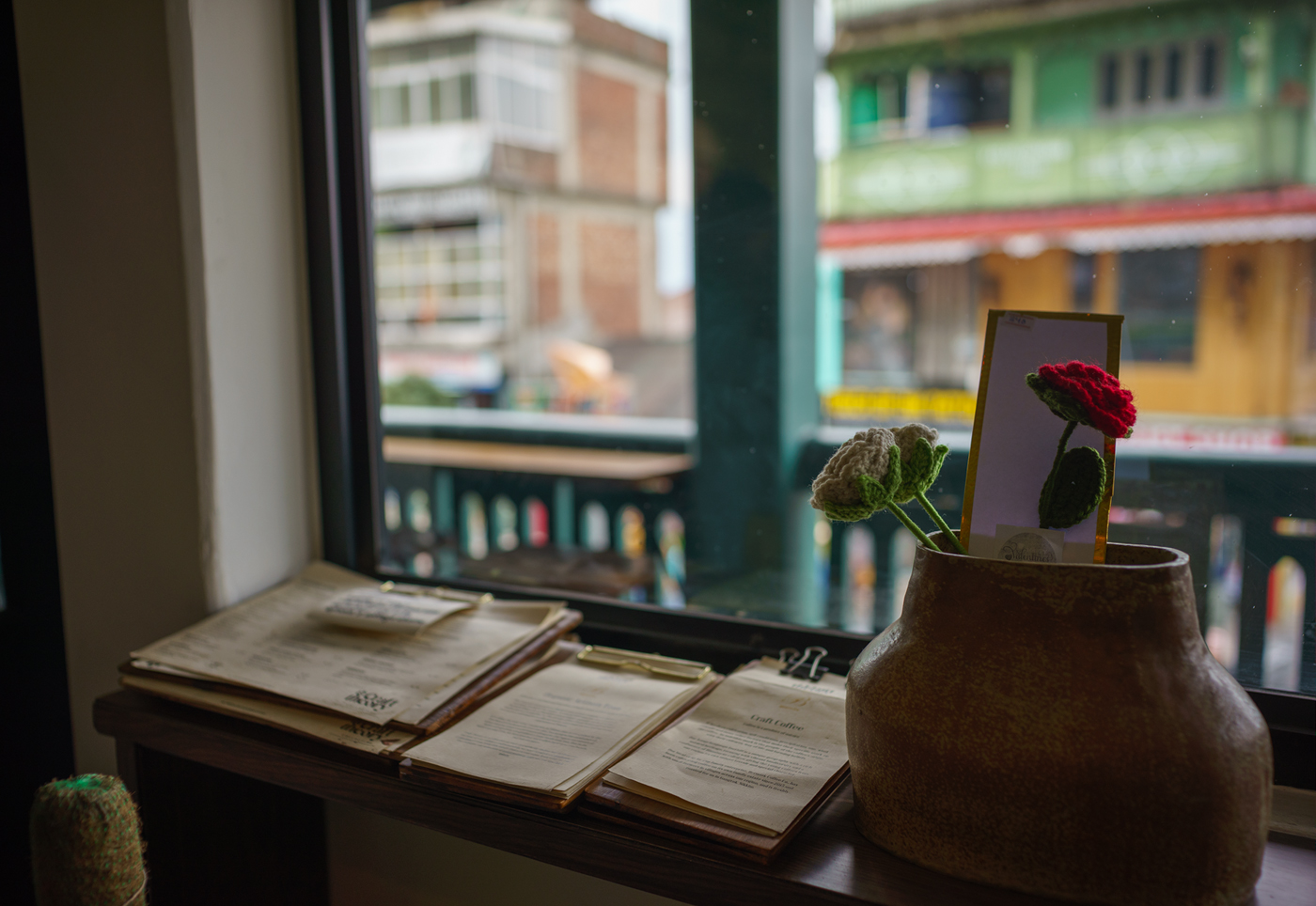
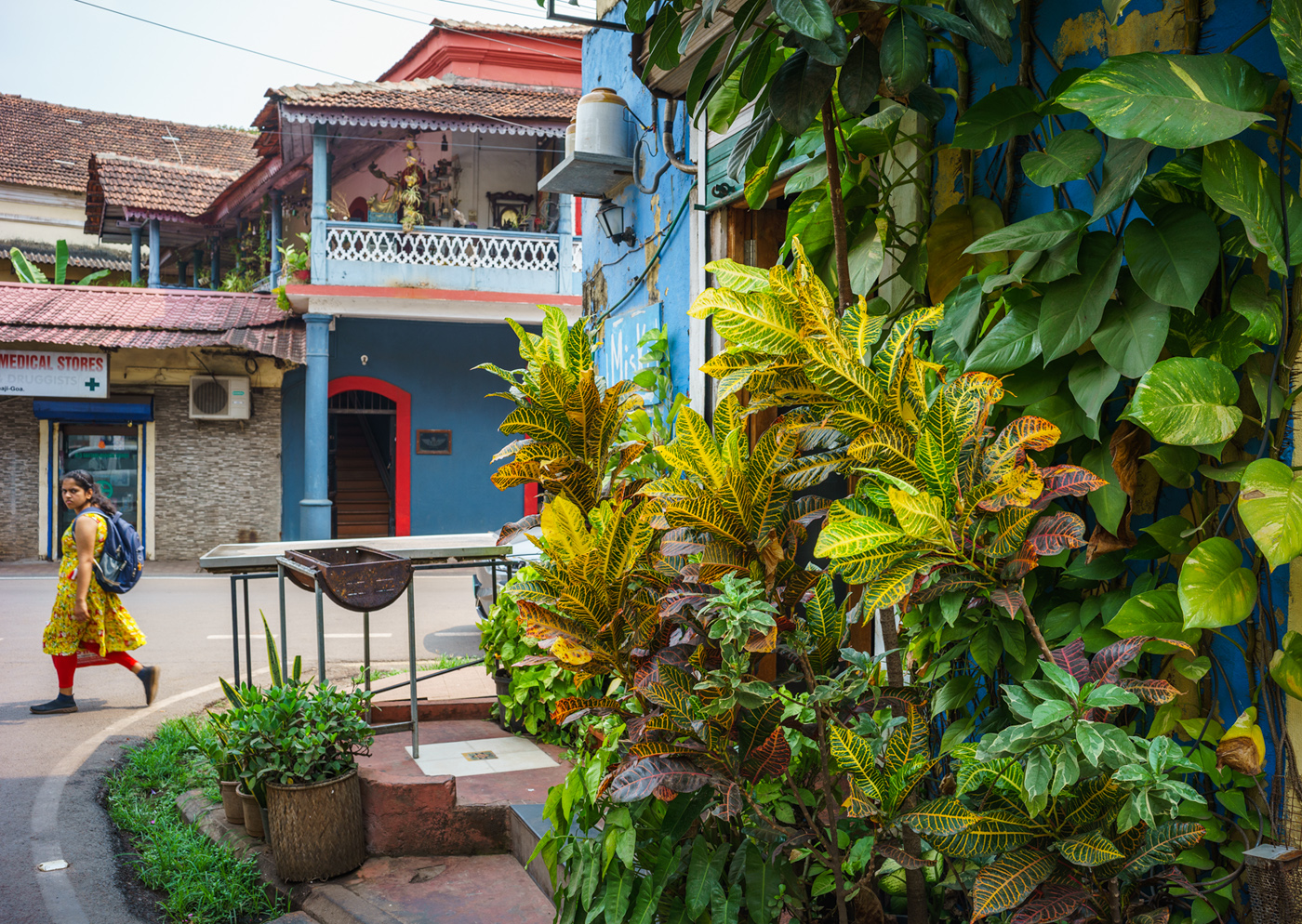
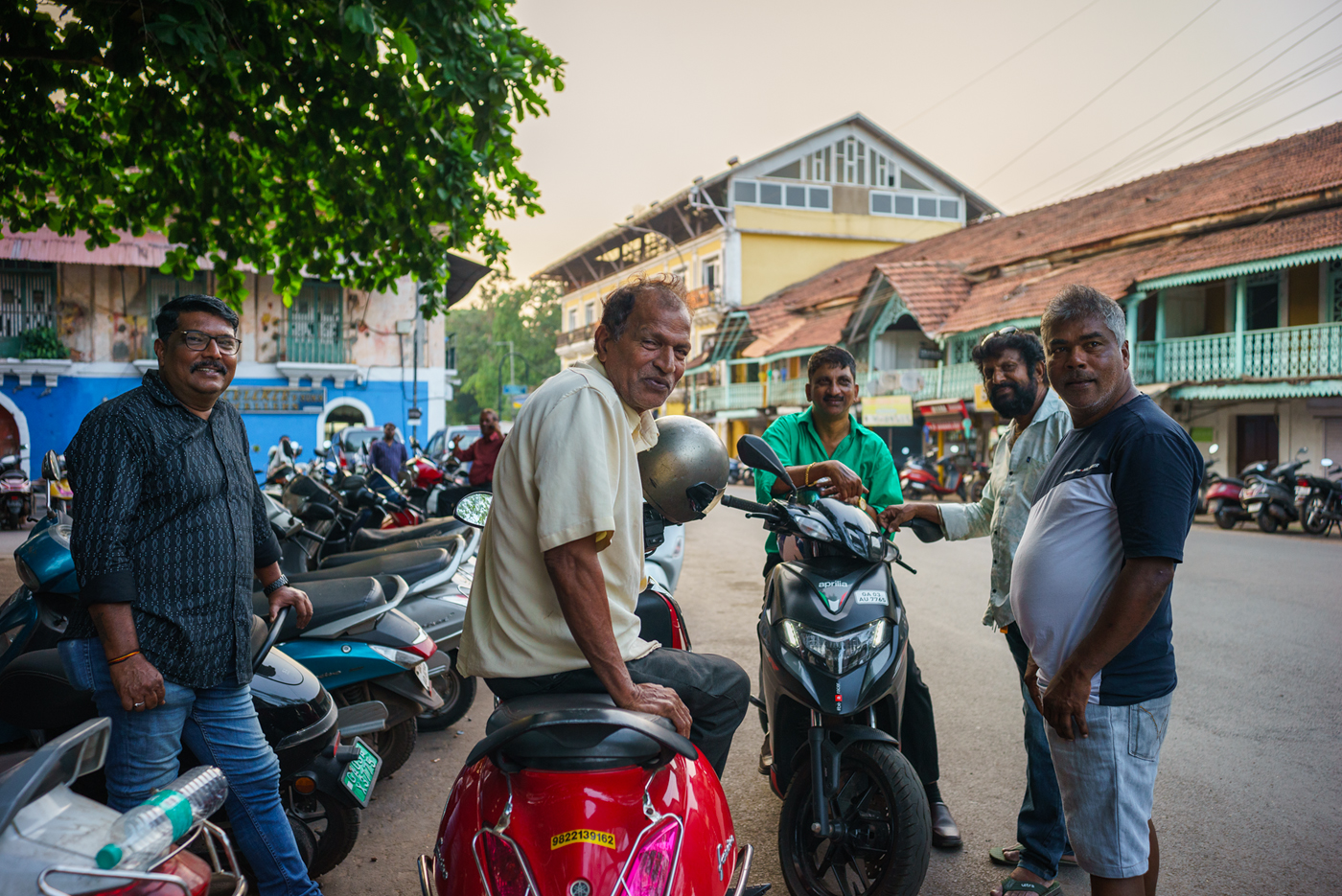
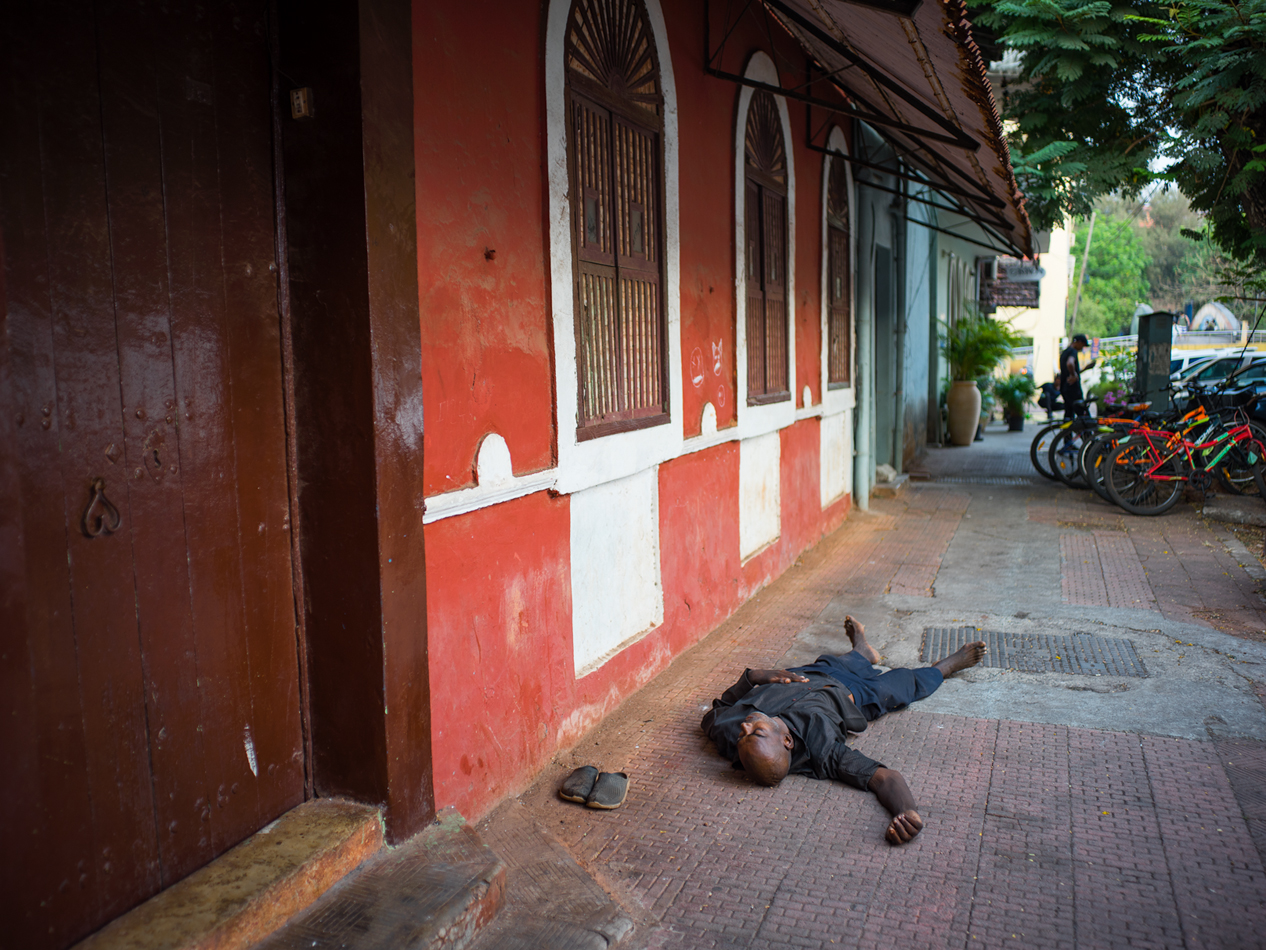
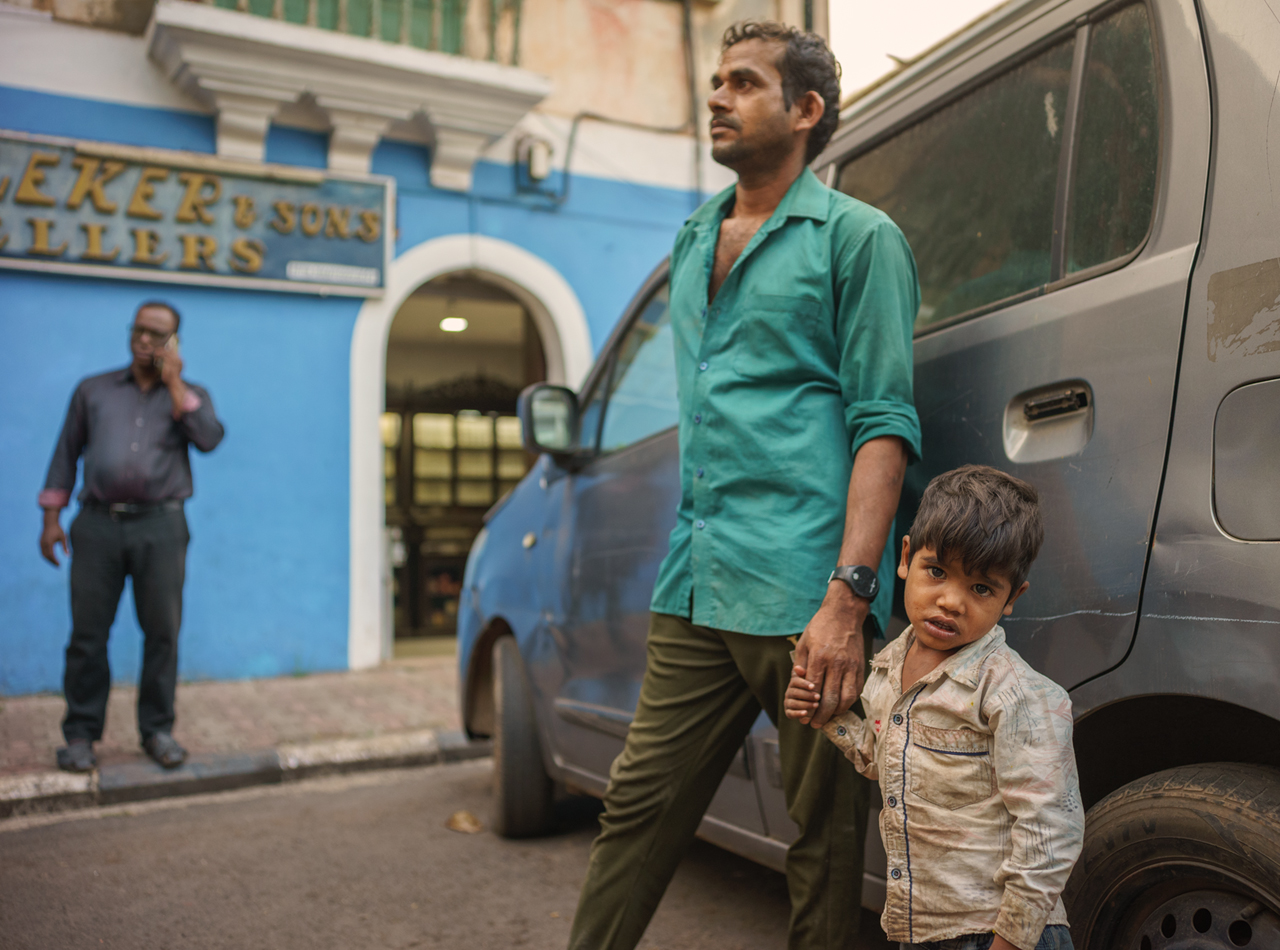
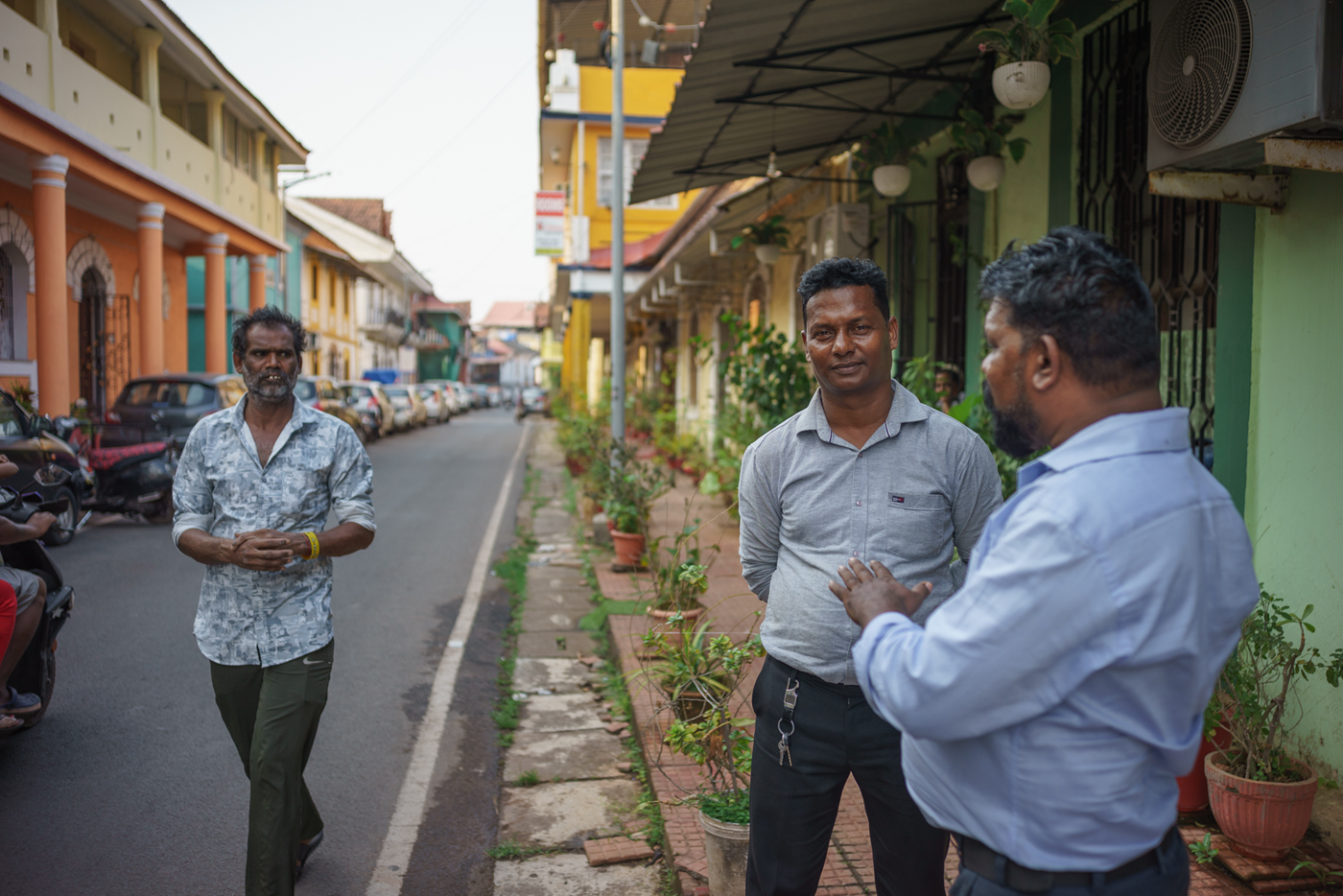
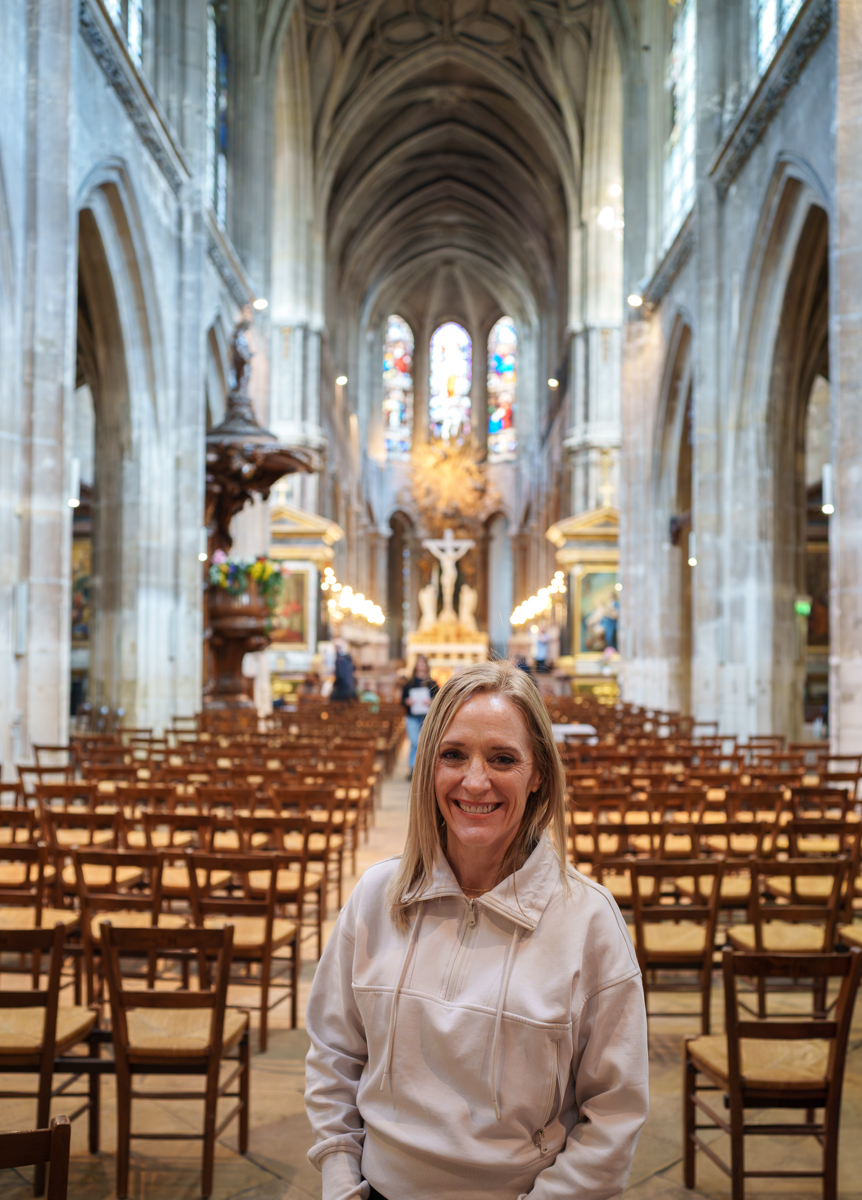
Later on I want to talk about the rate and linearity of focus fade (and how it might be measured), what makes partly in-focus motifs appealing, and how clever design delivers on this middle zone's contents to enhance true 3D. But first, here are a few examples of the effect, shot with the 28/1.4. All have strong content in the gap zone of neither in-focus nor full bokeh. I would not (probably could not) shoot these images either fully in-focus, or with a sharp plane-full bokeh setting.
is any of this photo 'bokeh?
I needed the boy sharp but did not want interference from his dad or the other guy
you get a very good draw of the two out of focus gents, and the street fading into the soft distance
I really like the shots you are getting with this lens . I would like to test it vs my Batis 25mm .
Which camera did you used here?
philip_pj wrote:
Later on I want to talk about the rate and linearity of focus fade (and how it might be measured), what makes partly in-focus motifs appealing, and how clever design delivers on this middle zone's contents to enhance true 3D. But first, here are a few examples of the effect, shot with the 28/1.4. All have strong content in the gap zone of neither in-focus nor full bokeh. I would not (probably could not) shoot these images either fully in-focus, or with a sharp plane-full bokeh setting.
I am exploring why its images look as they do. I always use it on a Sony a7r Classic. I've had it since 2013. A lot of lenses have traversed its mount over the 12 years til now.
These images of mine feature focus distances from say, one metre to 15m or so, at many apertures, different light, times of day. It's rendering is due to the lens design, and it's the naturalistic look they were after. Post processing is light and standard to what I always do.
As an interesting aside, Thypoch claim the 14 blade aperture helps to remove bokeh ball surfaces as well as being involved in the distinct bokeh signature.
'Its 14-blade aperture nearly eliminates onion-ring bokeh artifacts'. There is not much it cannot do, for a travel niche. And it suits my style, so that is also a part of it. Very enjoyable to use (for me anyway).
I think you are getting your best results with this series of lenses. Im really tempted to buy one of them...
What about the 75mm ? did you used an adapter? or is it the cine version?
philip_pj wrote:
I am exploring why its images look as they do. I always use it on a Sony a7r Classic. I've had it since 2013. A lot of lenses have traversed its mount over the 12 years til now.
These images of mine feature focus distances from say, one metre to 15m or so, at many apertures, different light, times of day. It's rendering is due to the lens design, and it's the naturalistic look they were after. Post processing is light and standard to what I always do.
As an interesting aside, Thypoch claim the 14 blade aperture helps to remove bokeh ball surfaces as well as being involved in the distinct bokeh signature.
'Its 14-blade aperture nearly eliminates onion-ring bokeh artifacts'. There is not much it cannot do, for a travel niche. And it suits my style, so that is also a part of it. Very enjoyable to use (for me anyway)....Show more →