philip_pj wrote:
I have the E version and use it on the 'game changer' (my name for my a7r). The 28/1.4 E is extremely easy to use that way with L1 peaking. And the focal plane is easy to watch fall into place, with even L1 magnification.
But that body is a very good one for MF lenses, having been partly designed with them in mind - Sony had only two AF lenses available at the time, and they were giving out manual focus lens adapters with each purchase (I got an M>E one). AF on the sensor was primitive, too. I hope the later models work as well for you. ...Show more →
Seemed to work pretty well with this body. I've used it in the past and sometimes I felt the peaking gave me too much of an area and I couldn't tell what was in focus and what wasn't but with the A1 II (and I imagine most new bodies) you just walk the peaking to where you want it. Seems pretty good so far. I thought the A1 II would auto zoom in when I was focusing since it with the ttartisan focus confirmation worked on Zf, but doesn't seem to. No biggie though.
21mm lenses are almost unversally thought of as purely landscape lenses, and indeed they are great for this use case. But the cine people, many of whom love 21mm as a favourite focal length for movie shots that emulate anamorphics minus the now sterotype Ana look, are catching on to the untapped potential of the humble 21mm lens as a story enabler of great power.
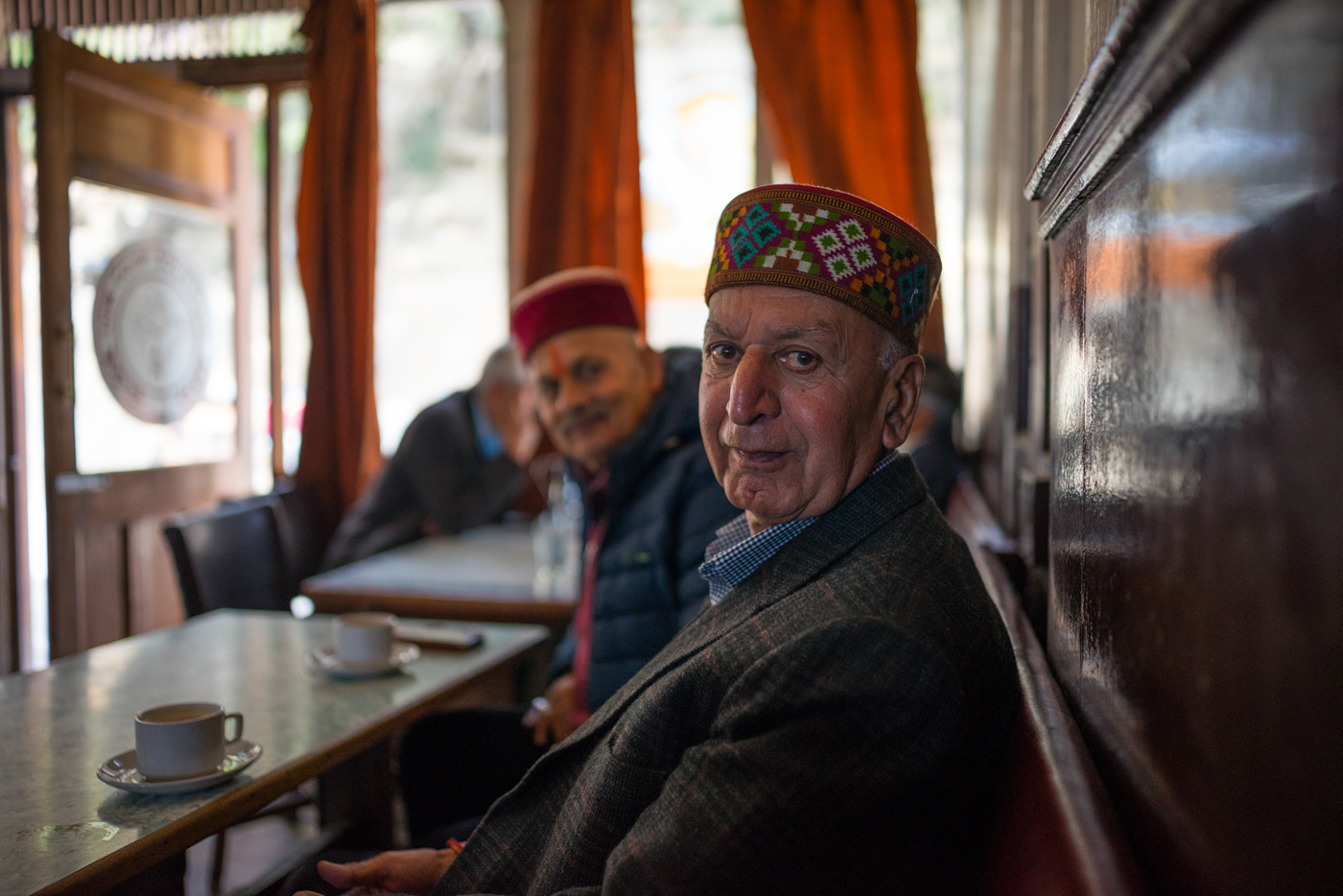
I really enjoy shooting inside cafes and meeting places in environments that are less piqued by this form of photography, but the payoff is also there for intimate family and loved one gatherings (as well as intmate scapes) for stills users. So the soon-to-appear Simera 21/1.4 will be a quick buy for me, it having been developed with more DZO DNA than the earlier Simeras.
You can see the effect of optimised closeups with short MFDs in such lenses here in this very short footage shot on one of Sony's great little cine cams, the FX3 (basically a 'Netflix approved' a7s3 for light cine, everyone loves them). View at full size for the impact. Head distortion looks to be pretty reasonable for non-purist storytellers. See the bokeh in particular.
Thypoch plan to release the 21/1.4 in M-mount next month. Hopefully they follow up with an E-mount version. Not everyone wants to futz around with adapters etc. The presence of the Sony cine camera line suggests this will happen, as the entry level FX cams blur the line between stills and cine by design, and can take stills images too with good enough resolution for a lot of people.
I'll try to mix them up - interiors, focus fade, people, open environs - to show the sheer versatility and cinematic render of this one. I agree re E-mount preference, hopefully they will release the EV camera versions soon. And there is a hefty price difference to, which adds to the fact we don't need an adapter.
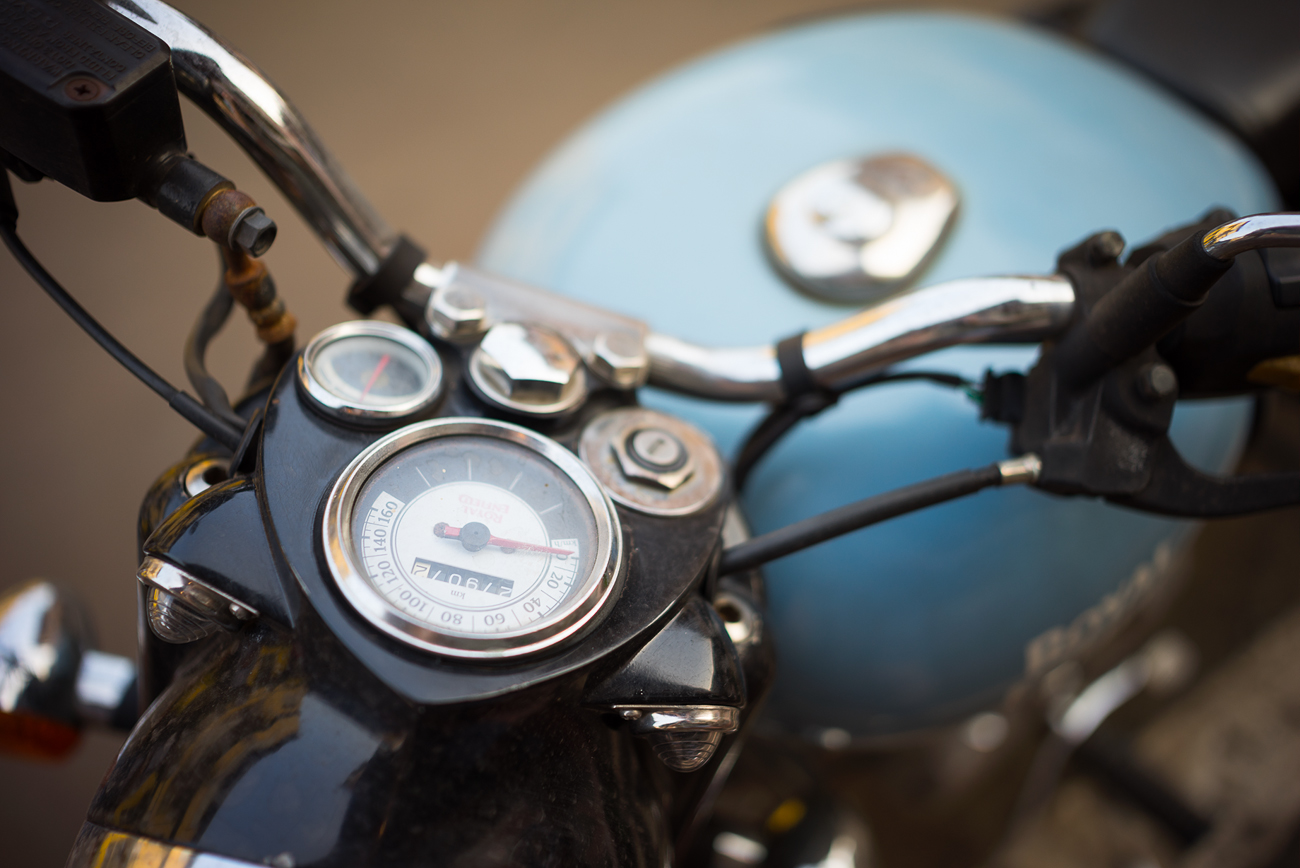
The 50/1.4 is very easy to focus too, and will become a portrait favourite, with the Leica-like render but with better aperture control in the critical f1.7 to f2.8 area, and (I think) better (more 3D) bokeh from its more steady fall-off center to corners. I'll post images from that one in the main review page for it, same as for the 75mm, which has a different character, more formal and plush.
Both are harder to use wide open for eye perfect images, so I have taken to using f2-f2.2 at night. They get sharp fast so it's a trade-off. BTW, the 28mm is designed to have weaker corners wide open from the cine tests I have seen, but it also gets good fast on stop down when needed. I shot (close estimate) 28 (50%); 50 (35%); 75 (15%). The MFD is great on the 28mm.
It's interesting reviewers are giving this one a good reception at B&H, and they mention different points they like. The one that truly gets me is the lack of CA, to the point where I will have to try harder to see it (!). That and the very minor pincushion (and 14 blade iris) are the big technical wins, and they offset the lack of contacts etc. for experienced MF users. It's very much a tradtional lens, with sensible trade-offs in most areas.
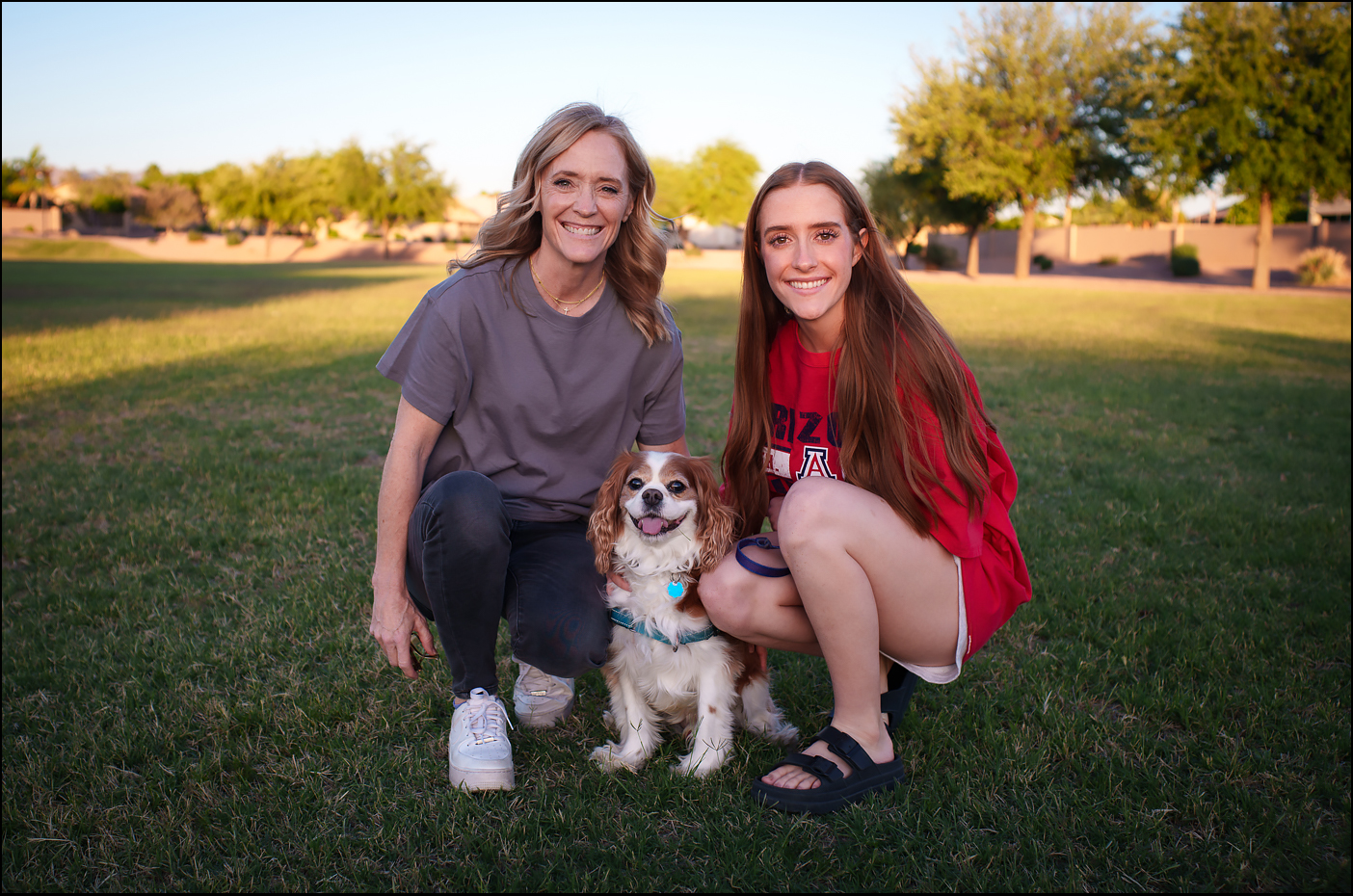
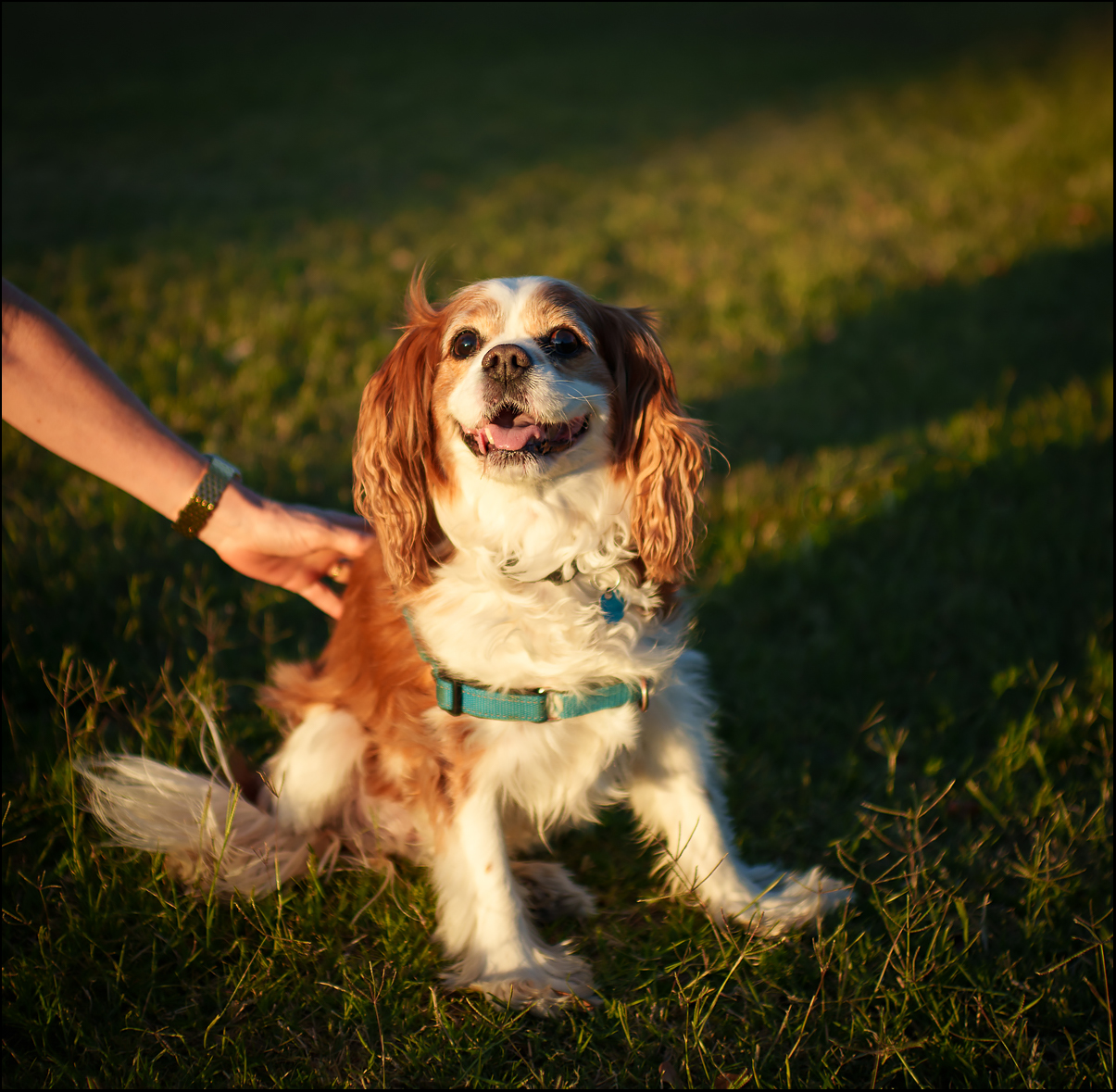
I really like the last photo with the kayak - the distance of the background from the subjects means that there's a nice, subtle blur. Reminds me of what I get from the Sigma 45.
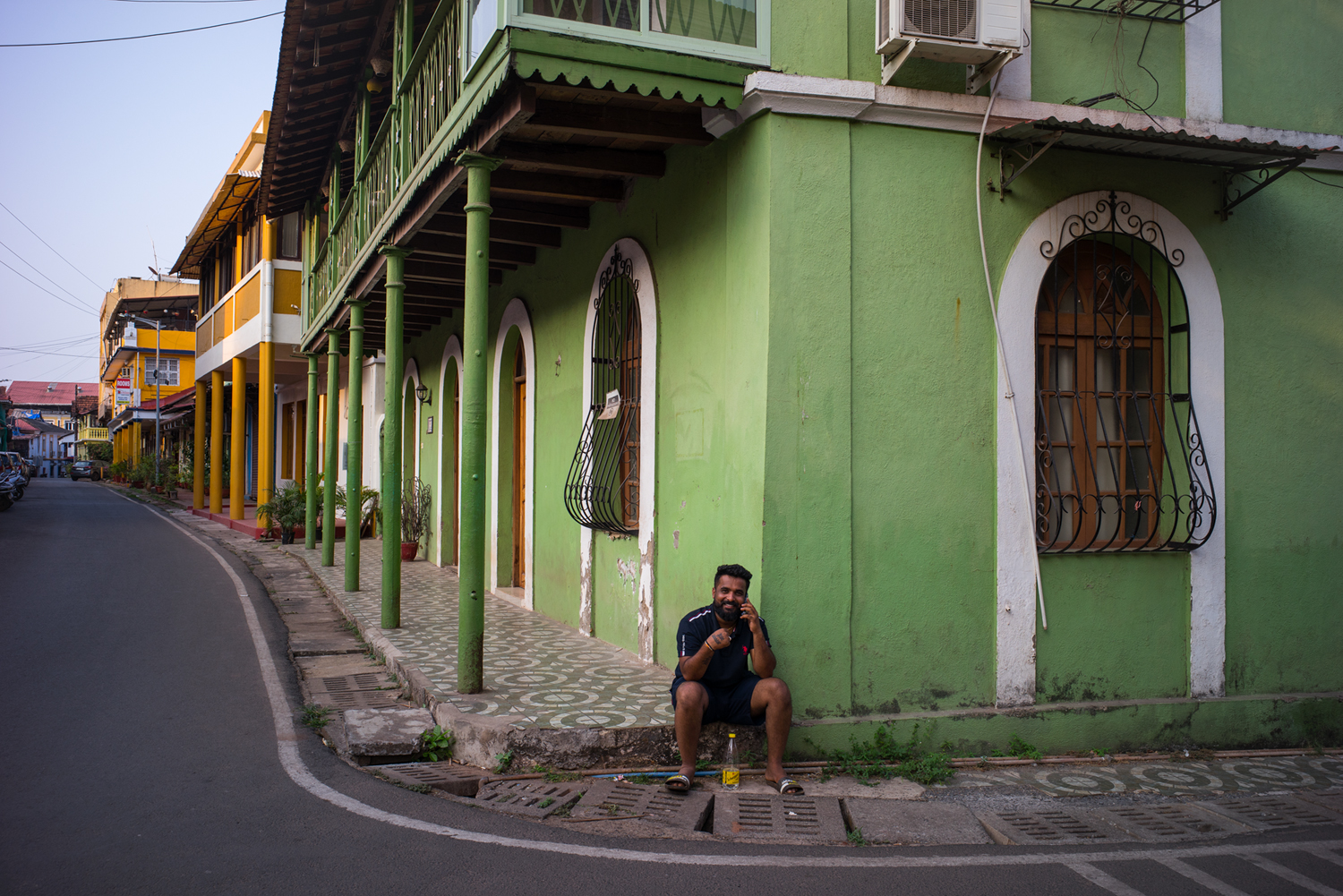
Fast 28s out of a cinematic background, well, they can do many things of course, like other 28s people generally use for stills photography.
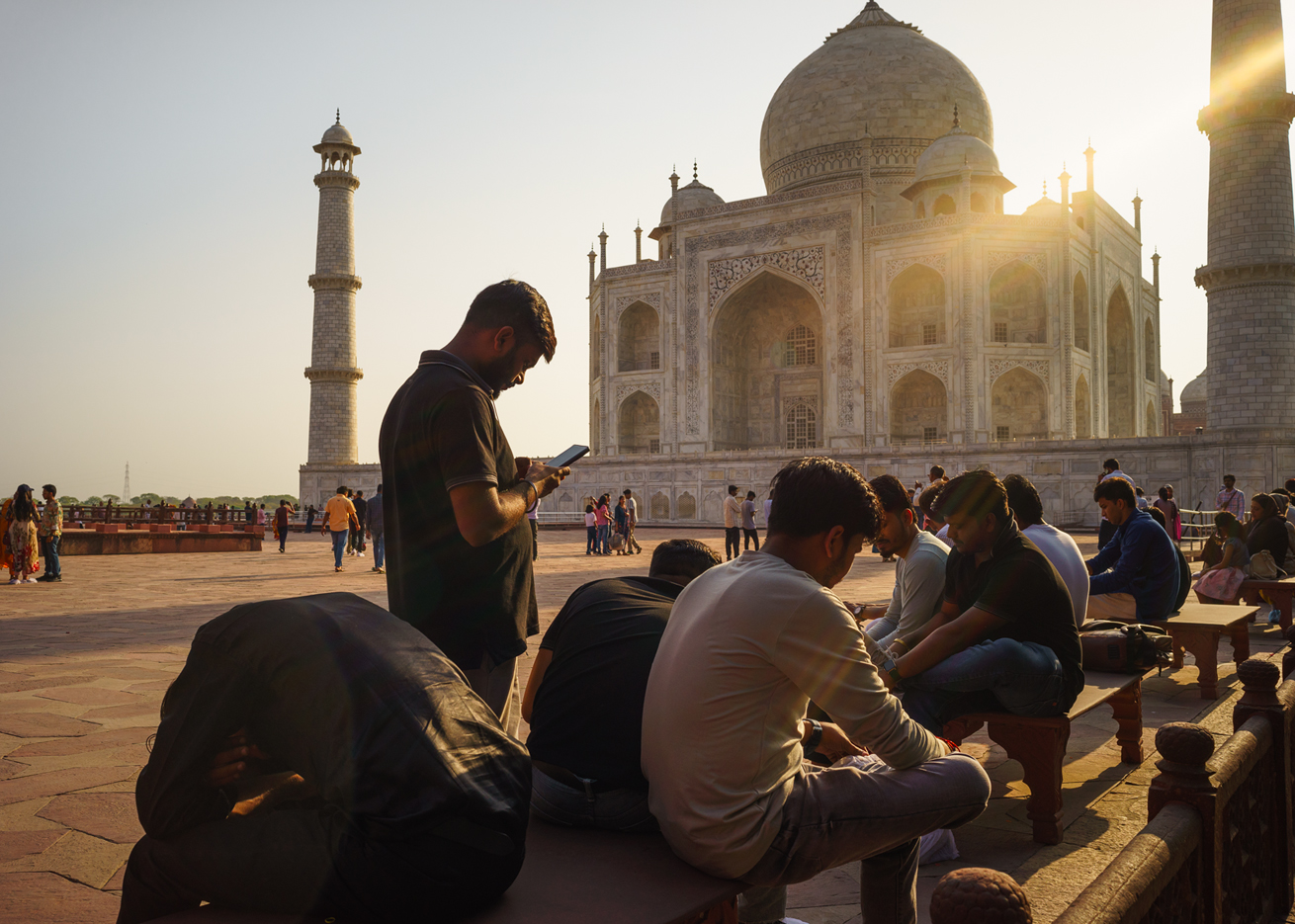
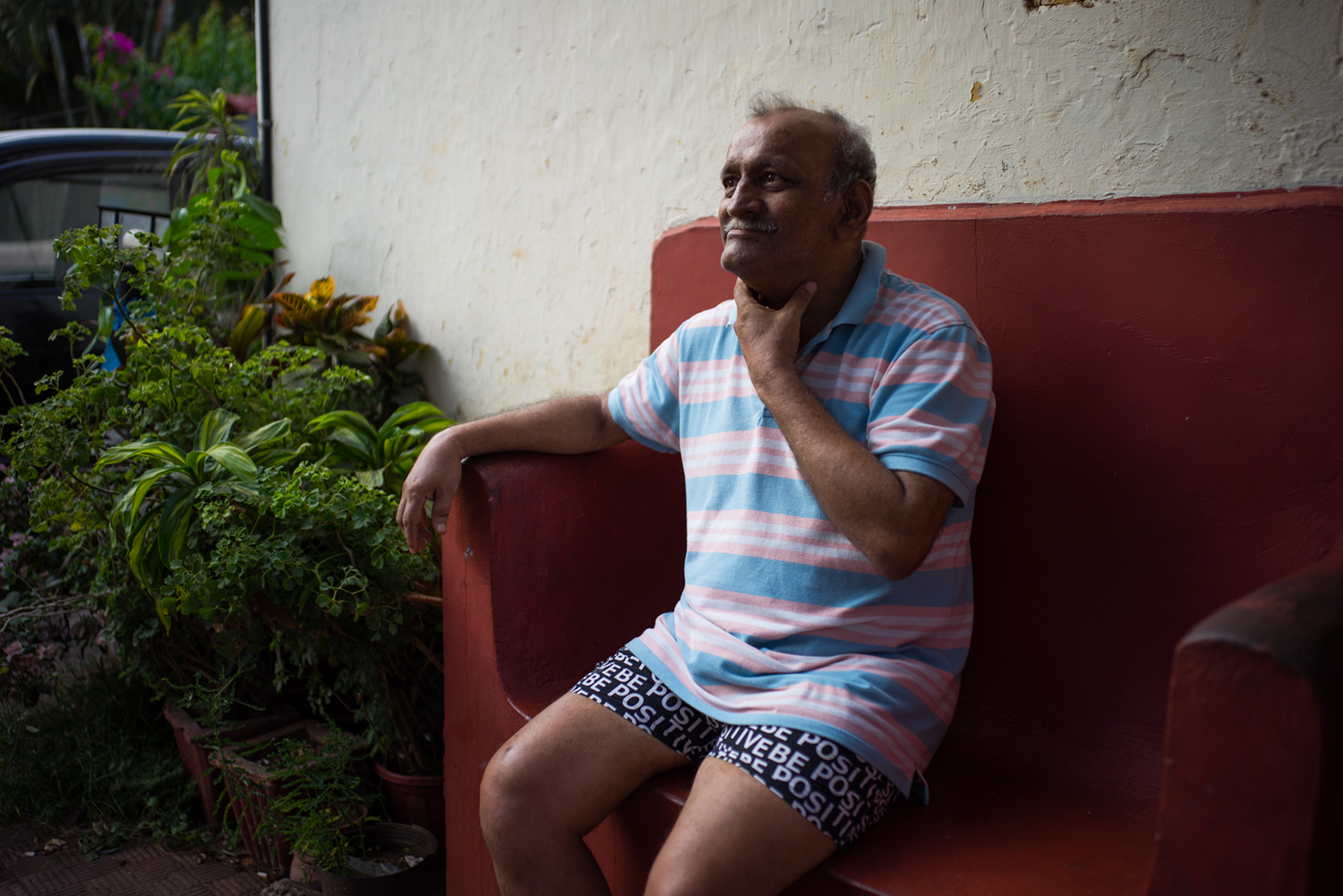
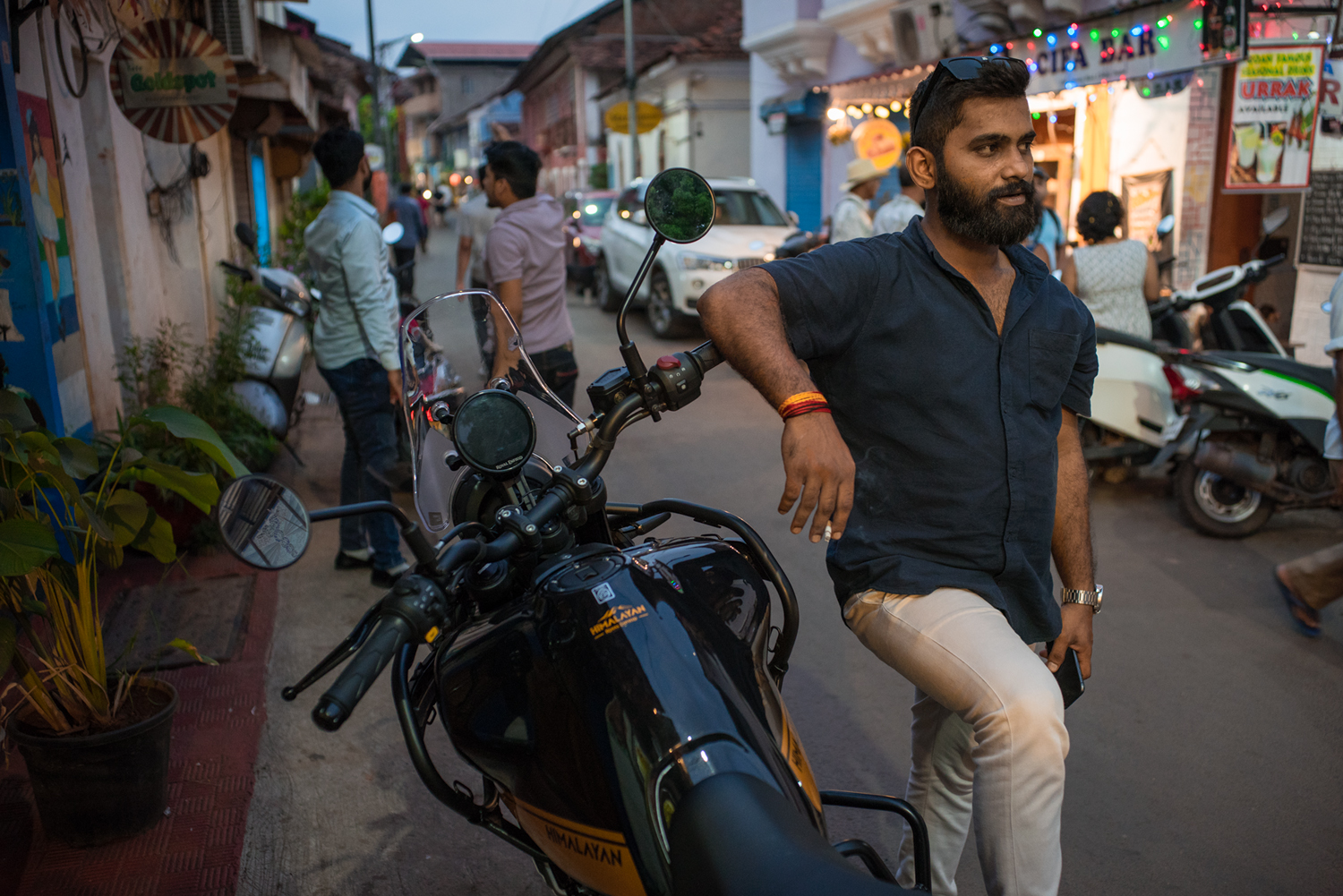
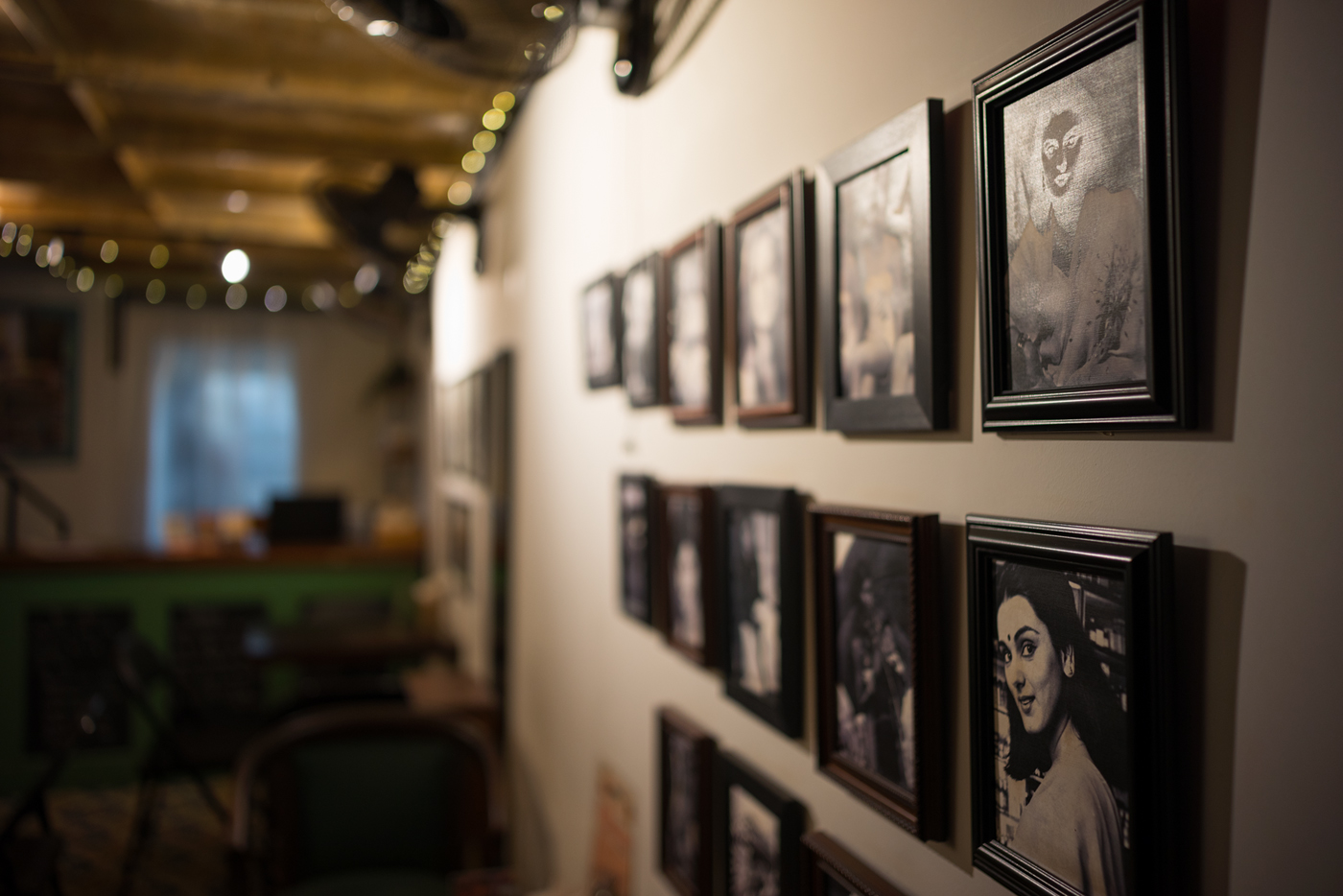
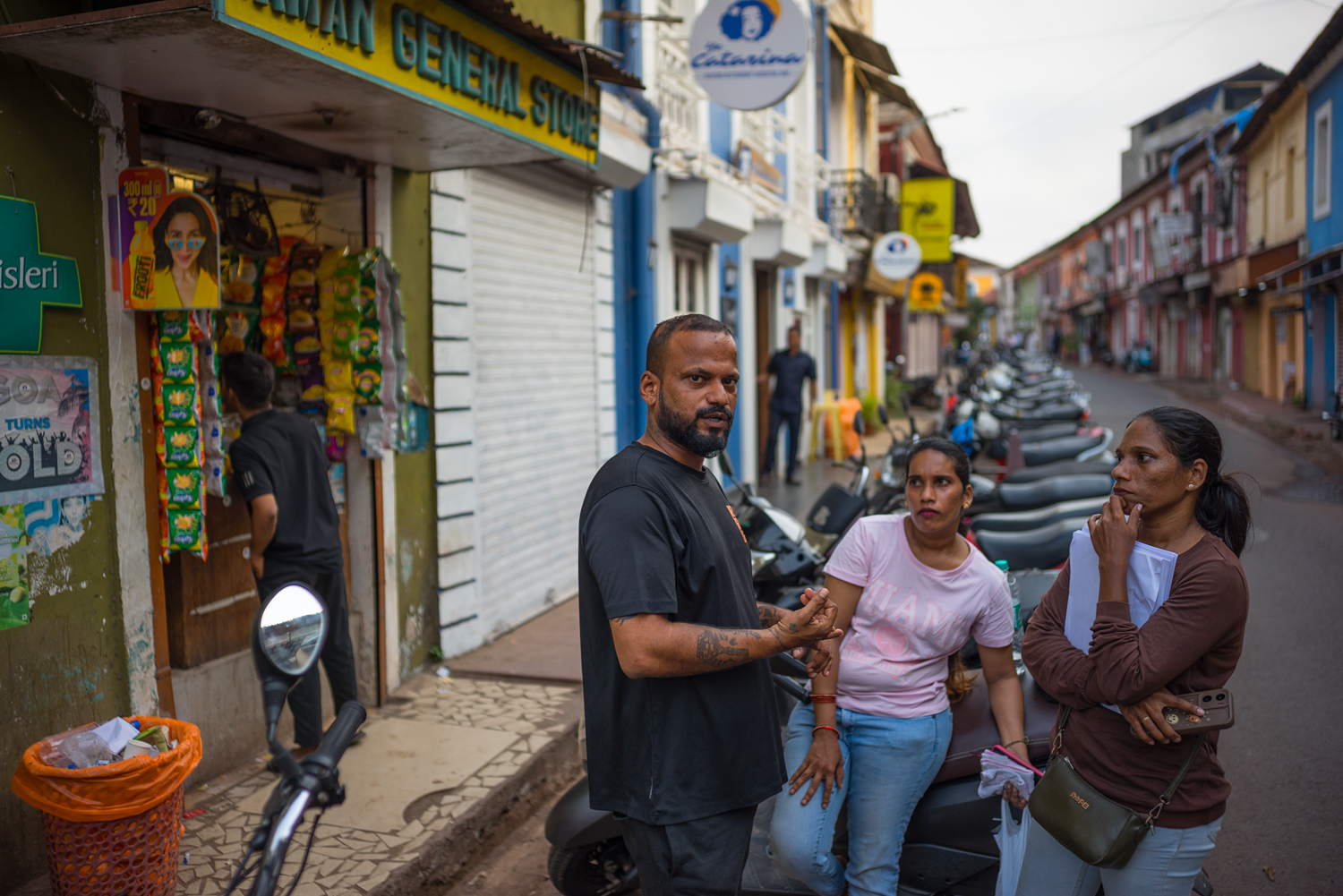
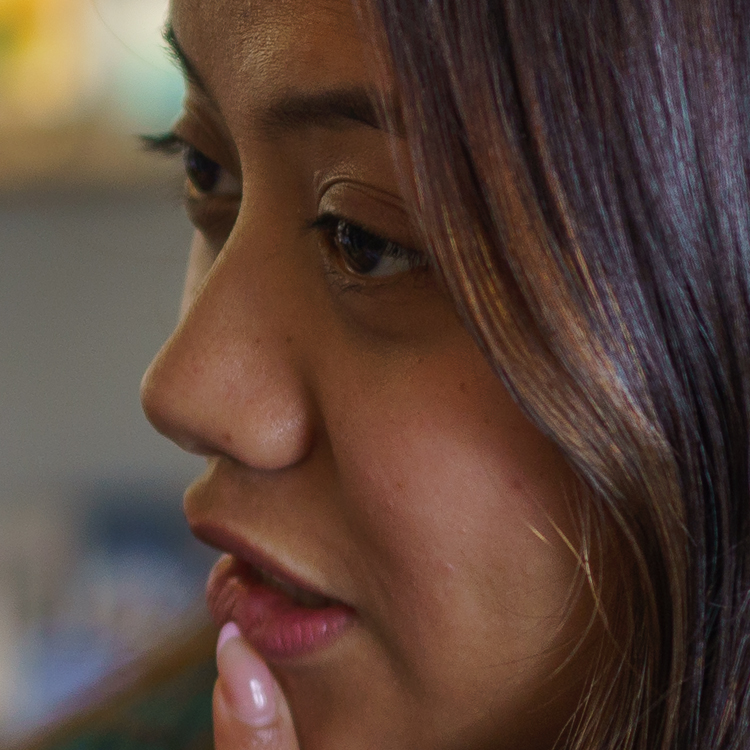
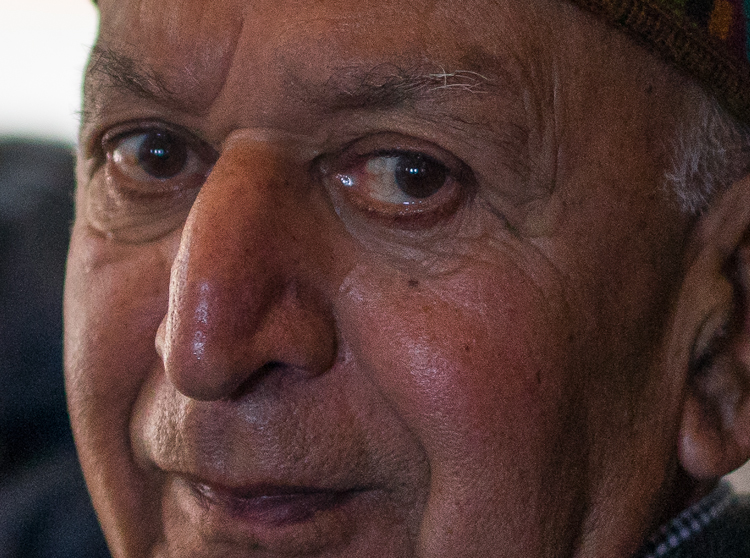
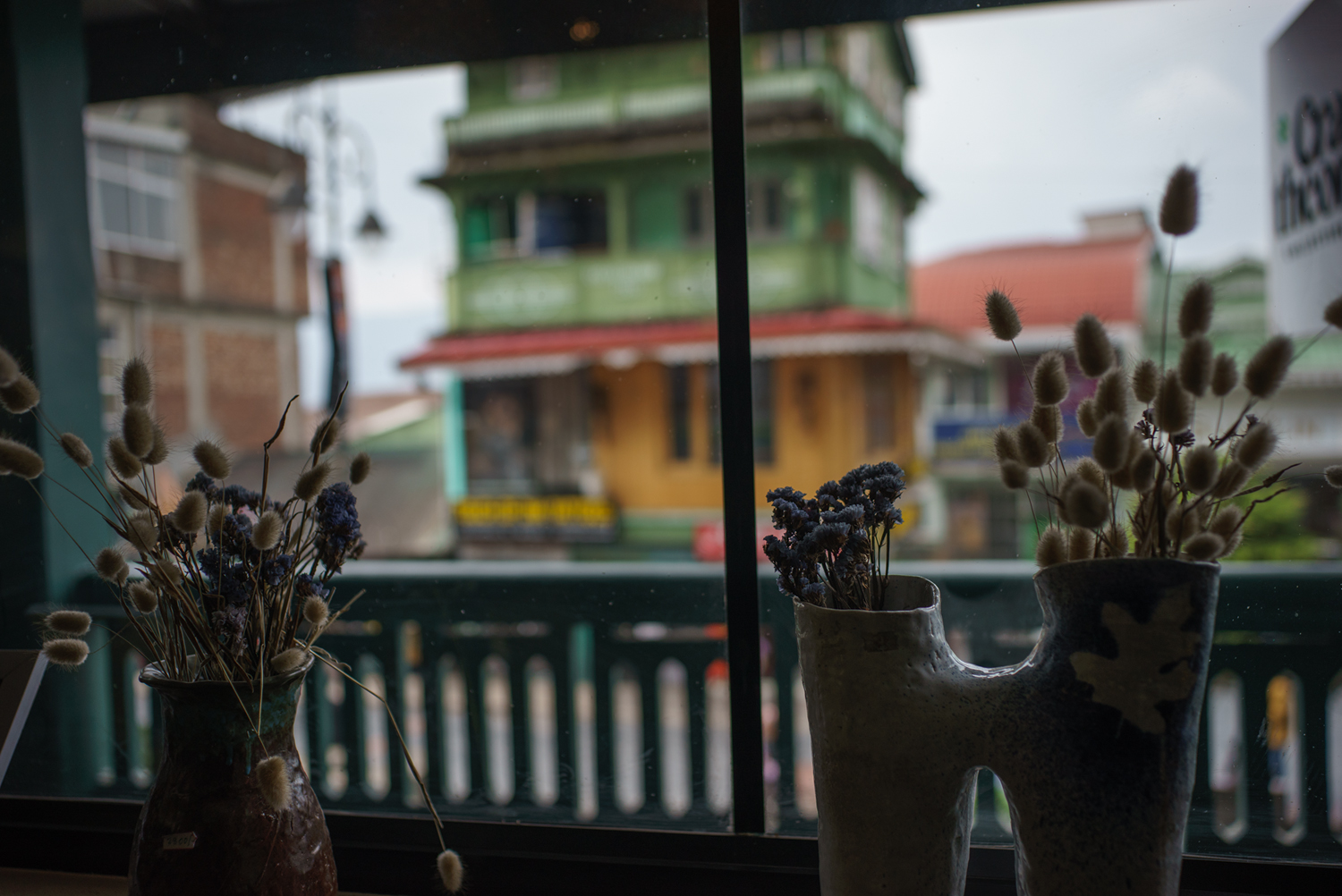
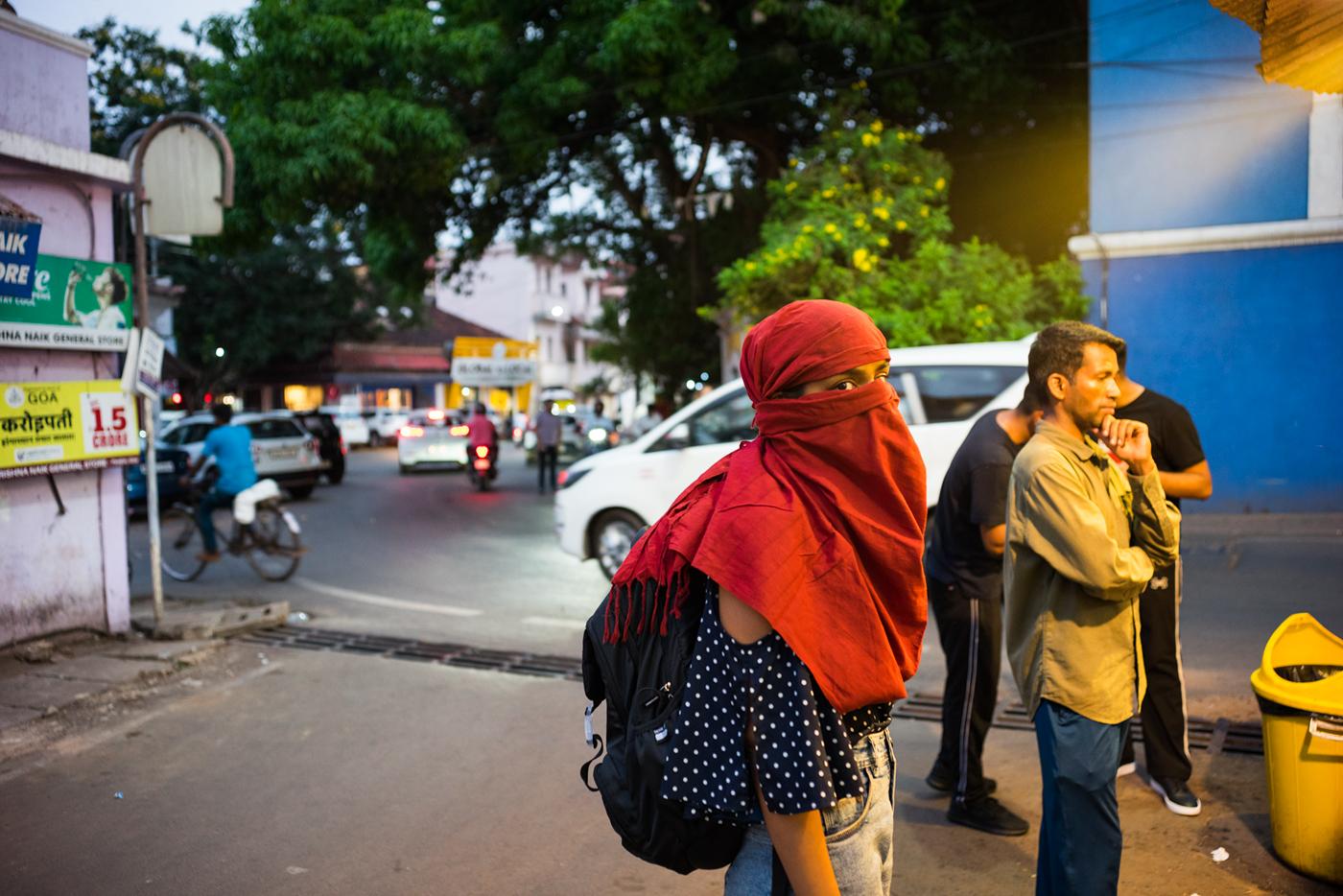
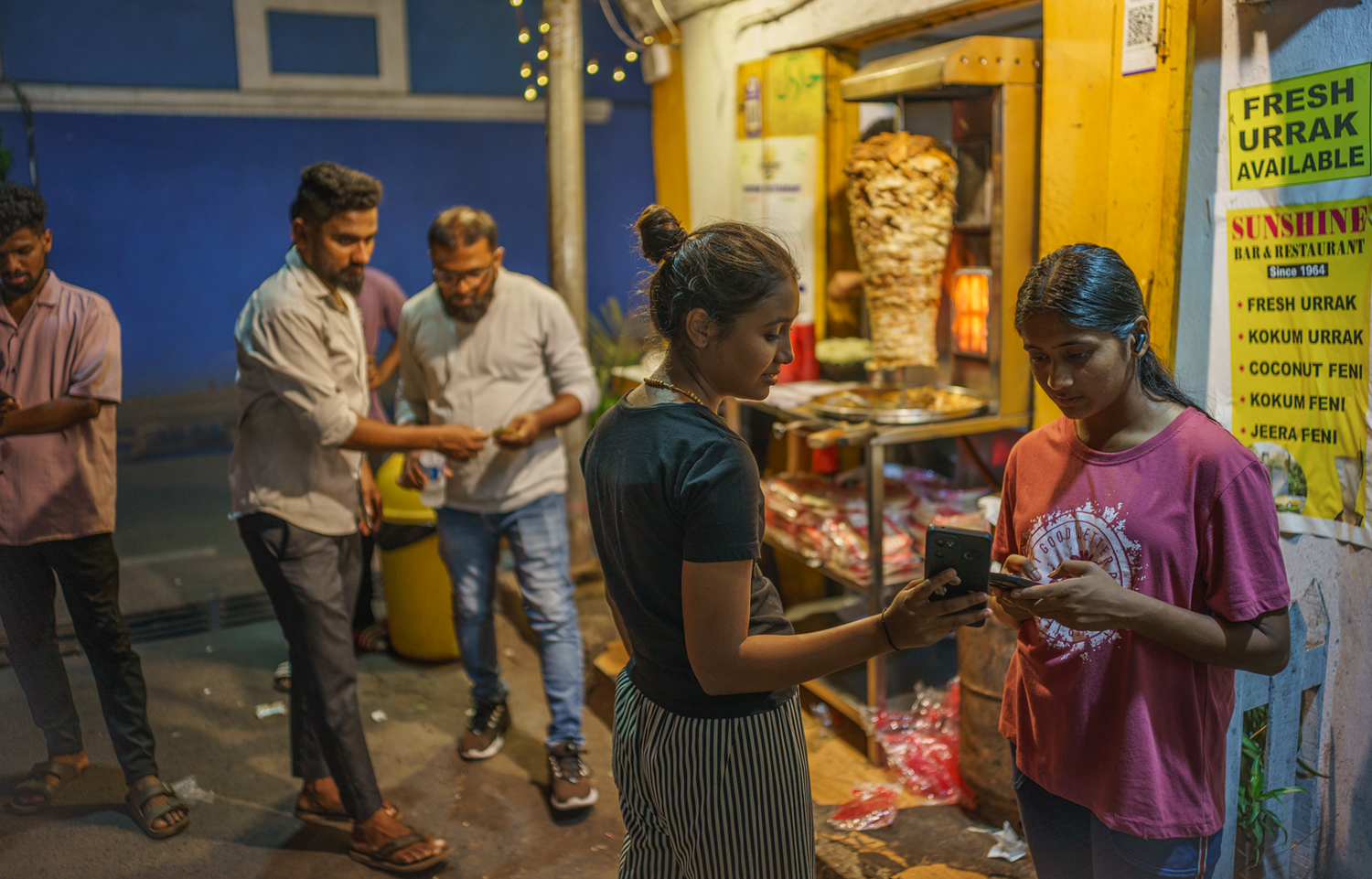
But their special purpose is people photography and intimate environments, such as cafes and anywhere people meet. Some of you may be interested in this kind of work (I hope so) so here are a couple with crops showing the ability of this (currently) widest Simera to capture mood. Note the fade-to-bokeh, never harsh, not even once in the many hundreds of images so far.
. and a bonus one of artistic pretensions - I just love lenses that you can use for more creative work. You get the feeling they are on your side, and your confidence grows accordingly because you are no longer working around things you don't like.
These are not lenses for everyone, however, far from it. I've covered most of what I wanted to show. I'll post less frequently here unless the issue is lens-dependent, and put more in the Sony FE general image thread, where more people look for image character away from the particulars of the lenses used.
We in Sony E-mount have just the 28mm and 35mm Simeras to date. It's an oversight by Thypoch to not yet produce the 50mm and 75mm in E-mount, but they will get around to it, if only because of the large installed base of lighter Sony cine/video cameras. Many of whom will not want to fuss with adapters but would welcome the lighter handheld option than the C lenses, and for crossover with stills.
The 50mm in particular would be important for them, as there is nothing like it in E-mount, not even close. The Kolari Sony cameras have residual WB problems, not a job for beginners to deal with.
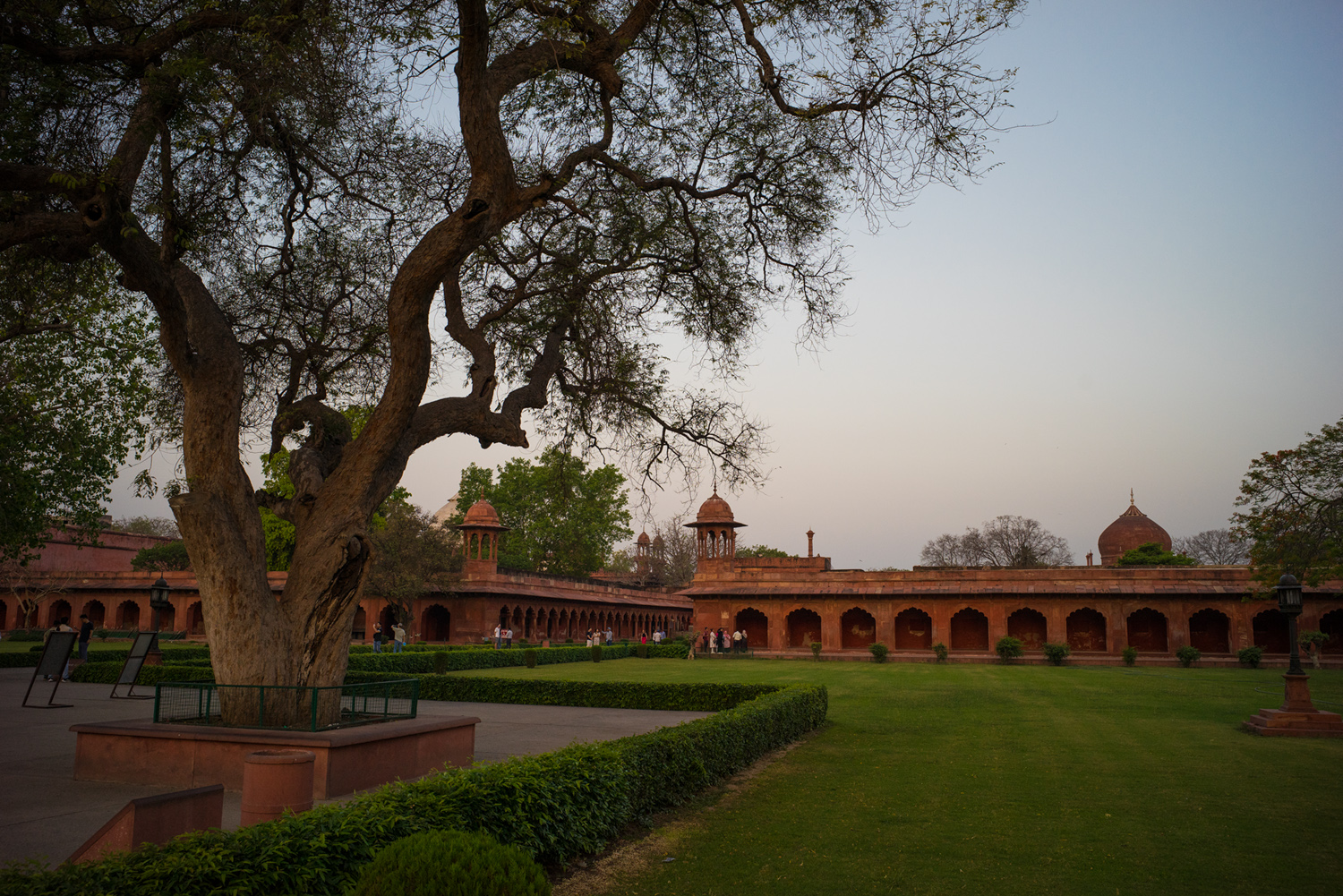
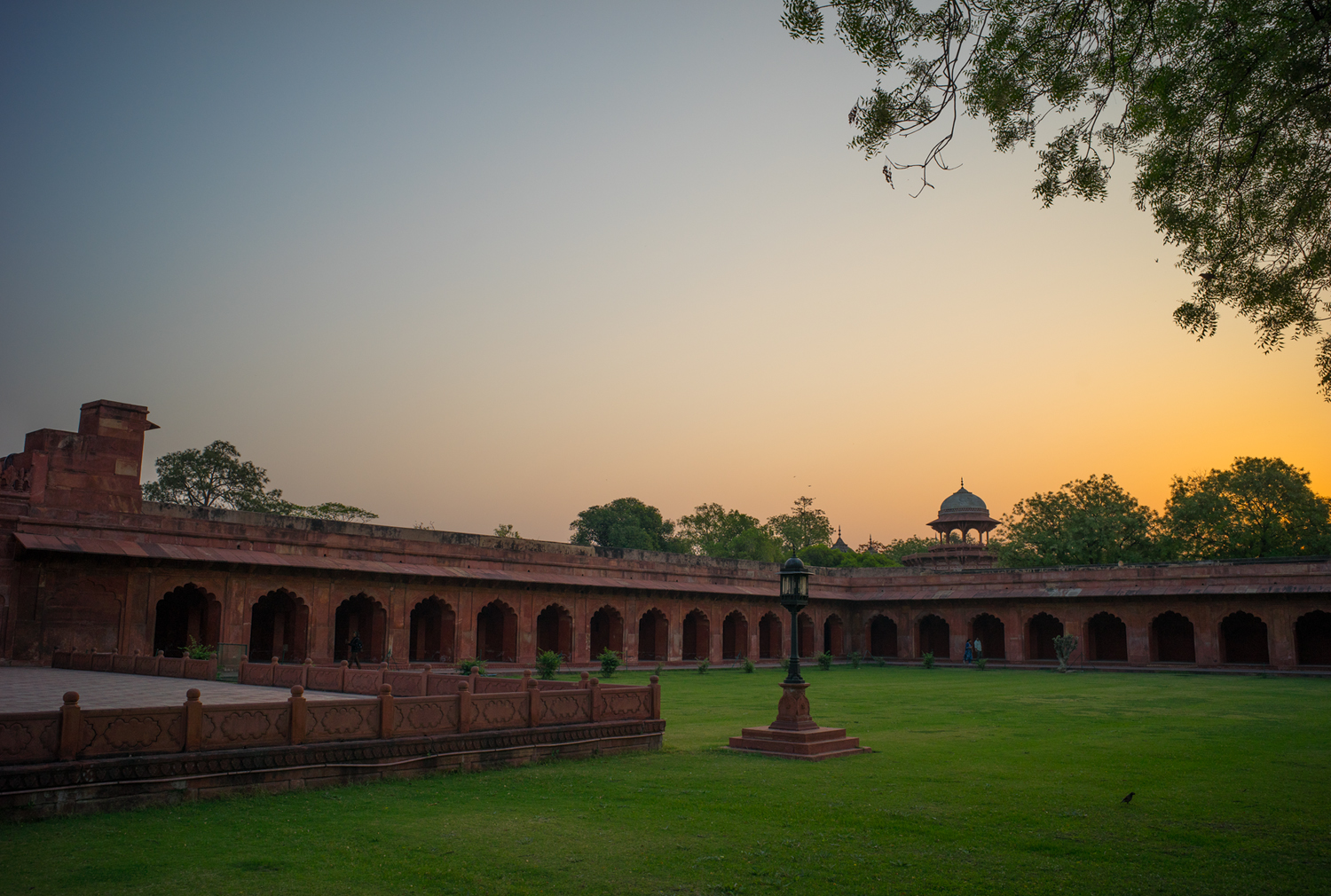
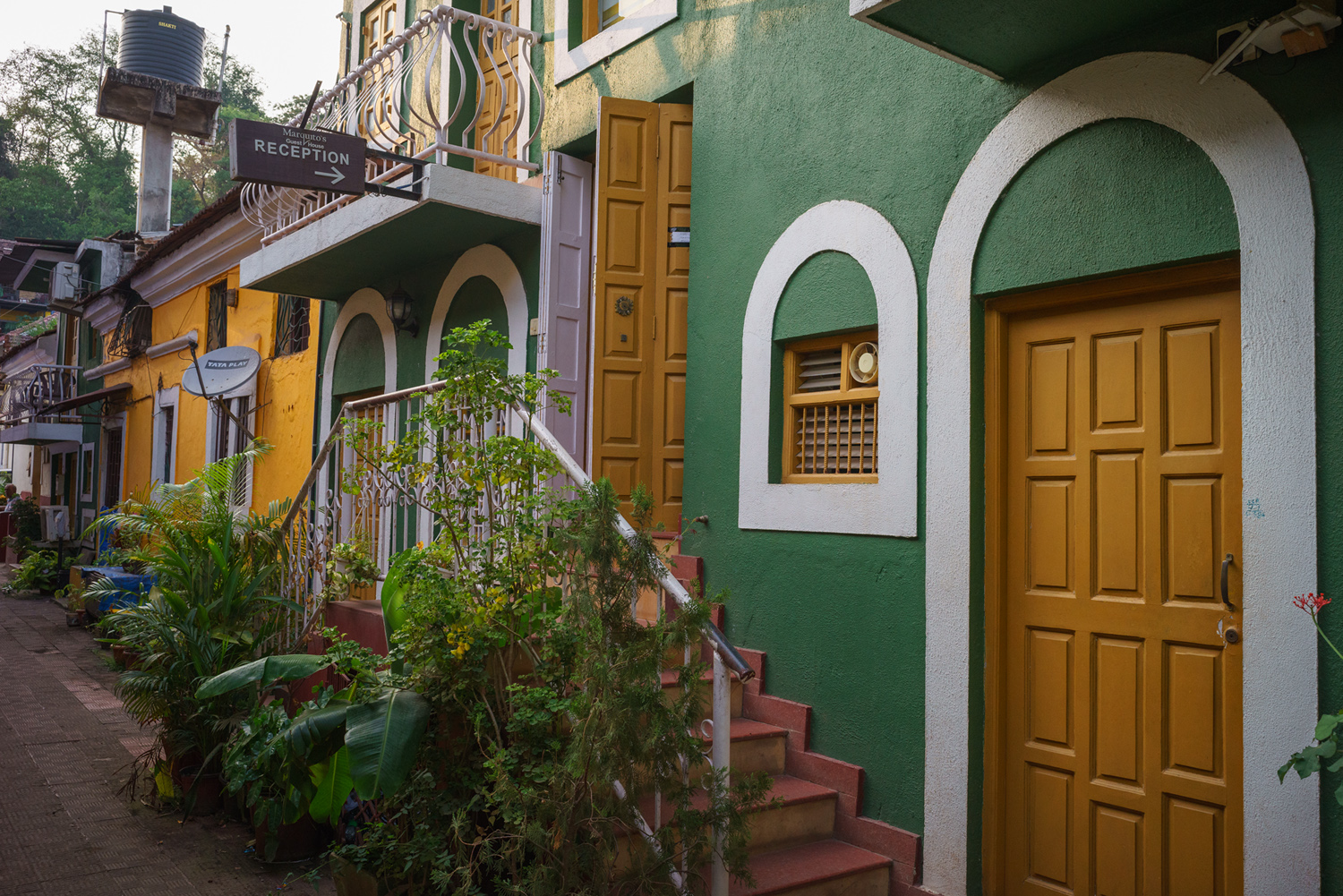
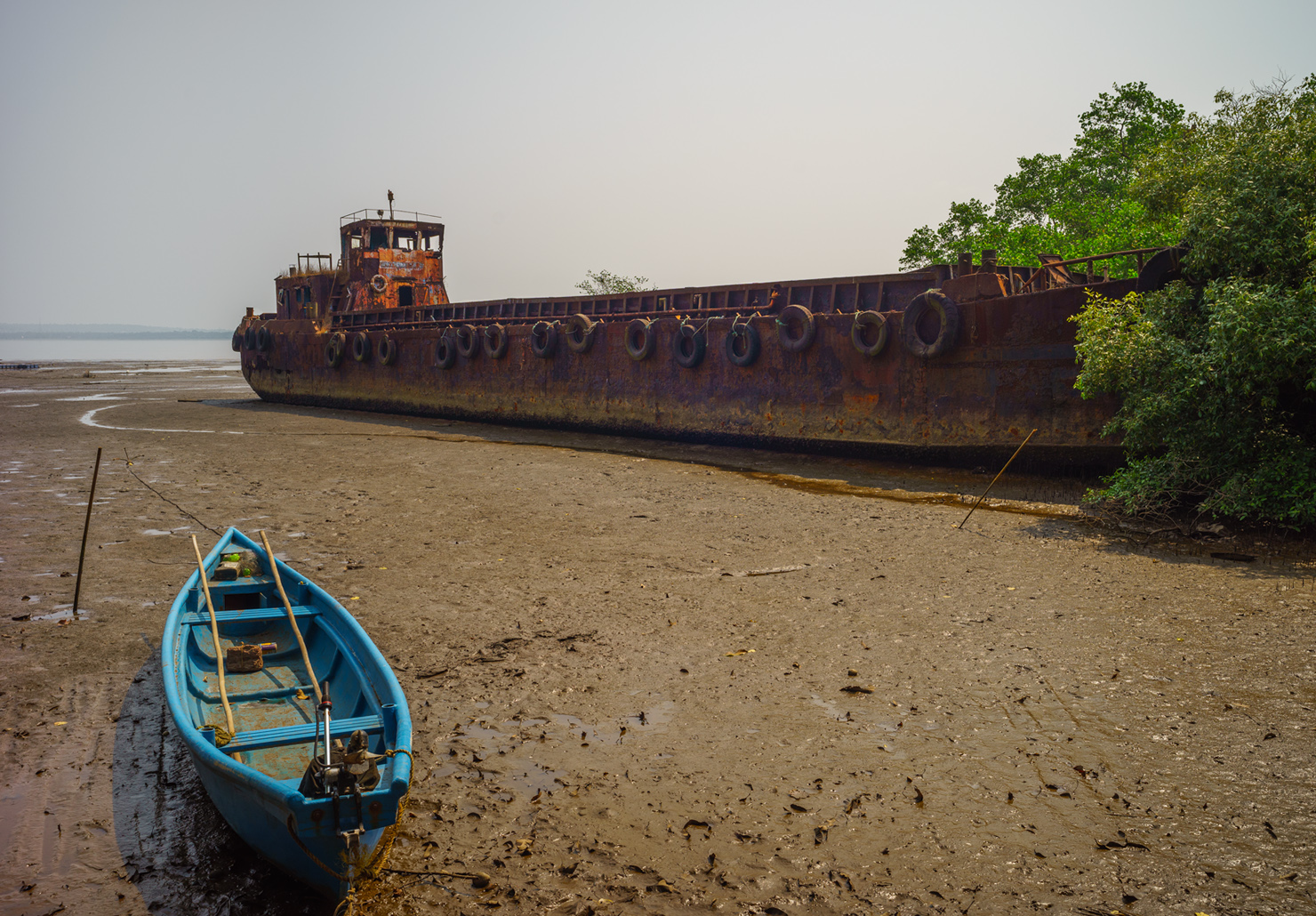
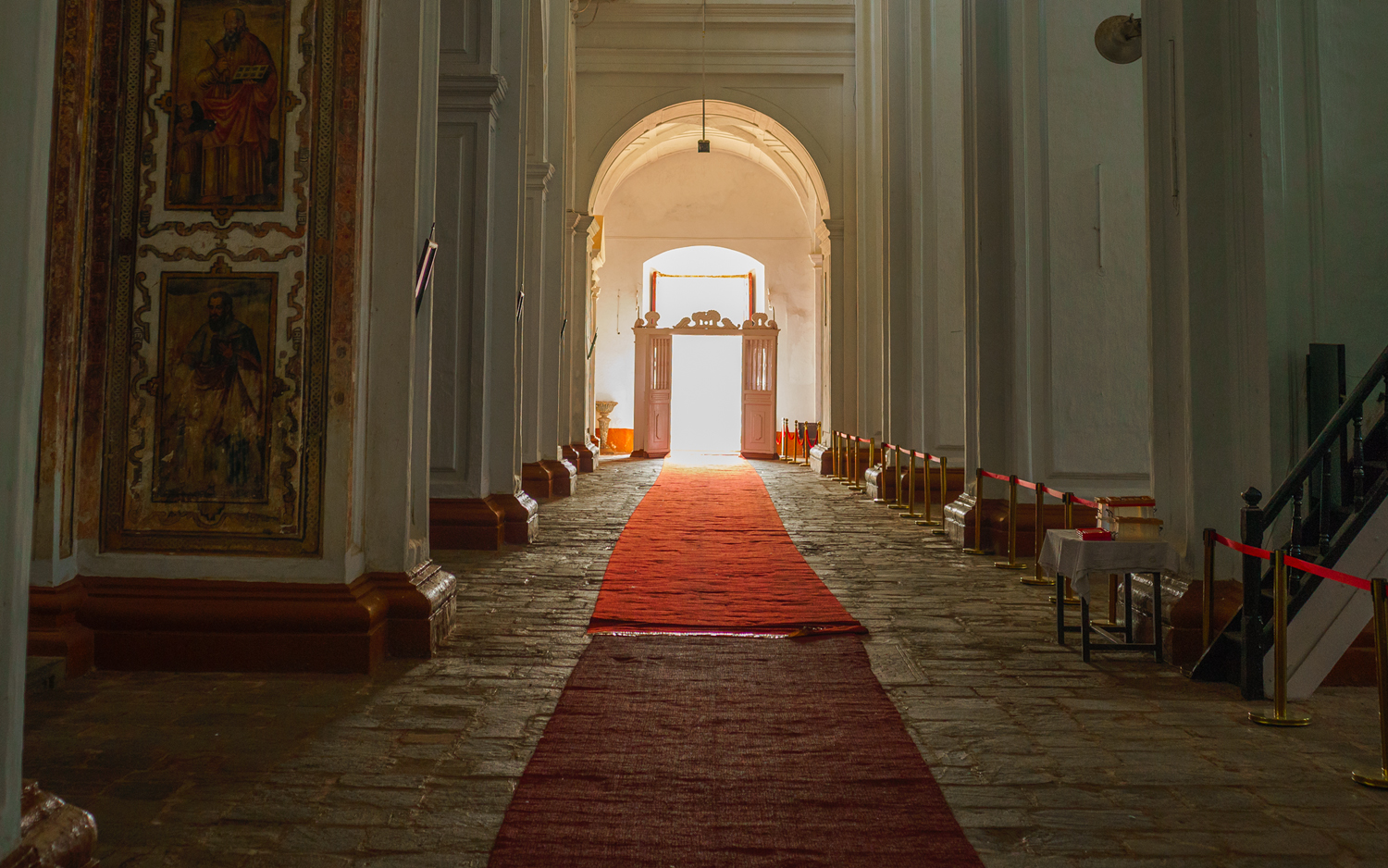
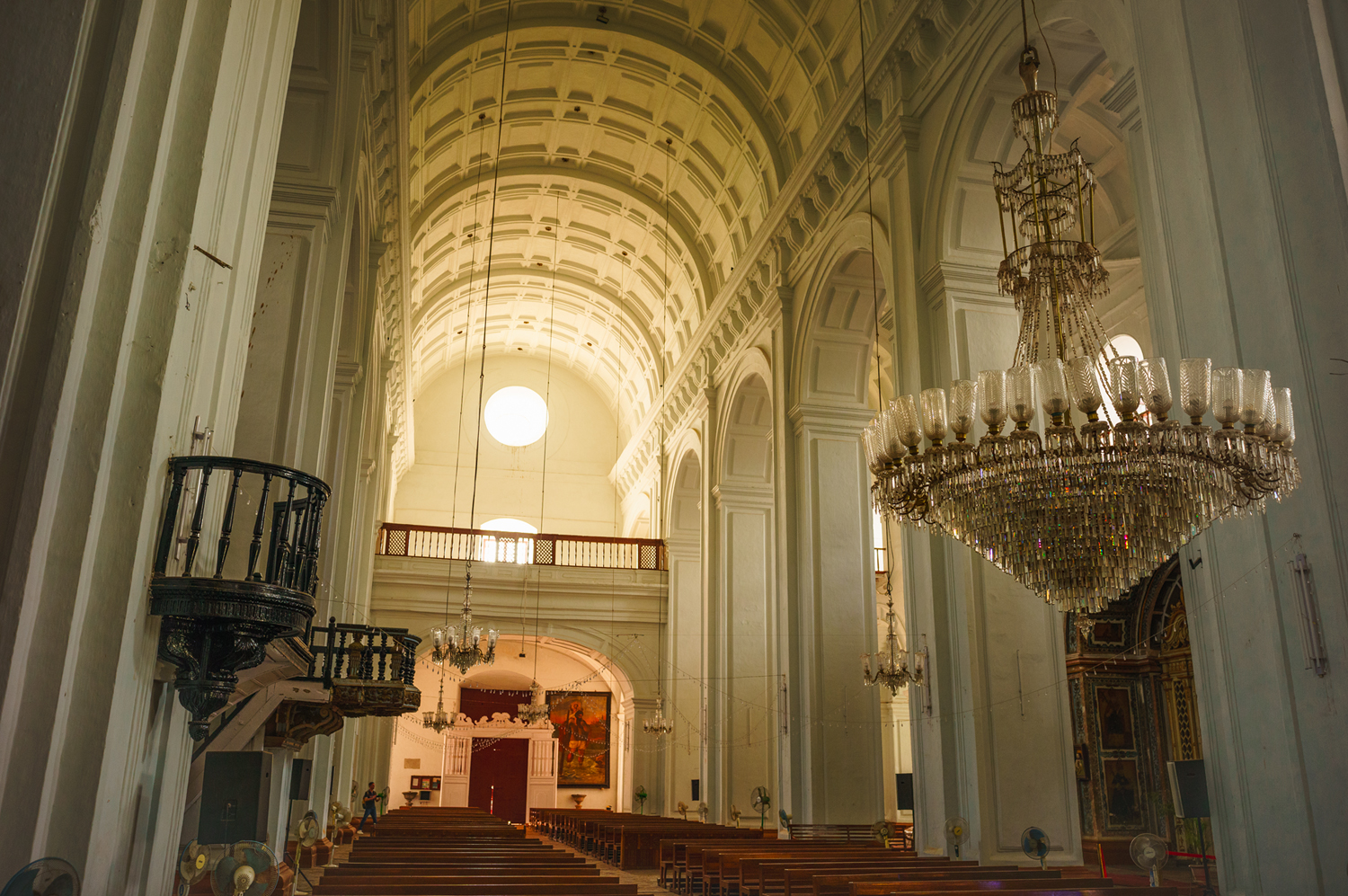
So the Simera 28mm has its signature f1.4 bokeh, its carefully calibrated focus fade, and color performance, and its near-total lack of CA and ease of focus and more besides. But how does it do for more traditional 28mm subjects shot at mid to small apertures? Two here shot at (guessing) f5.6 and f8. This lens is additive, in that it can perform the old uses well, but adds in much more to the catch.
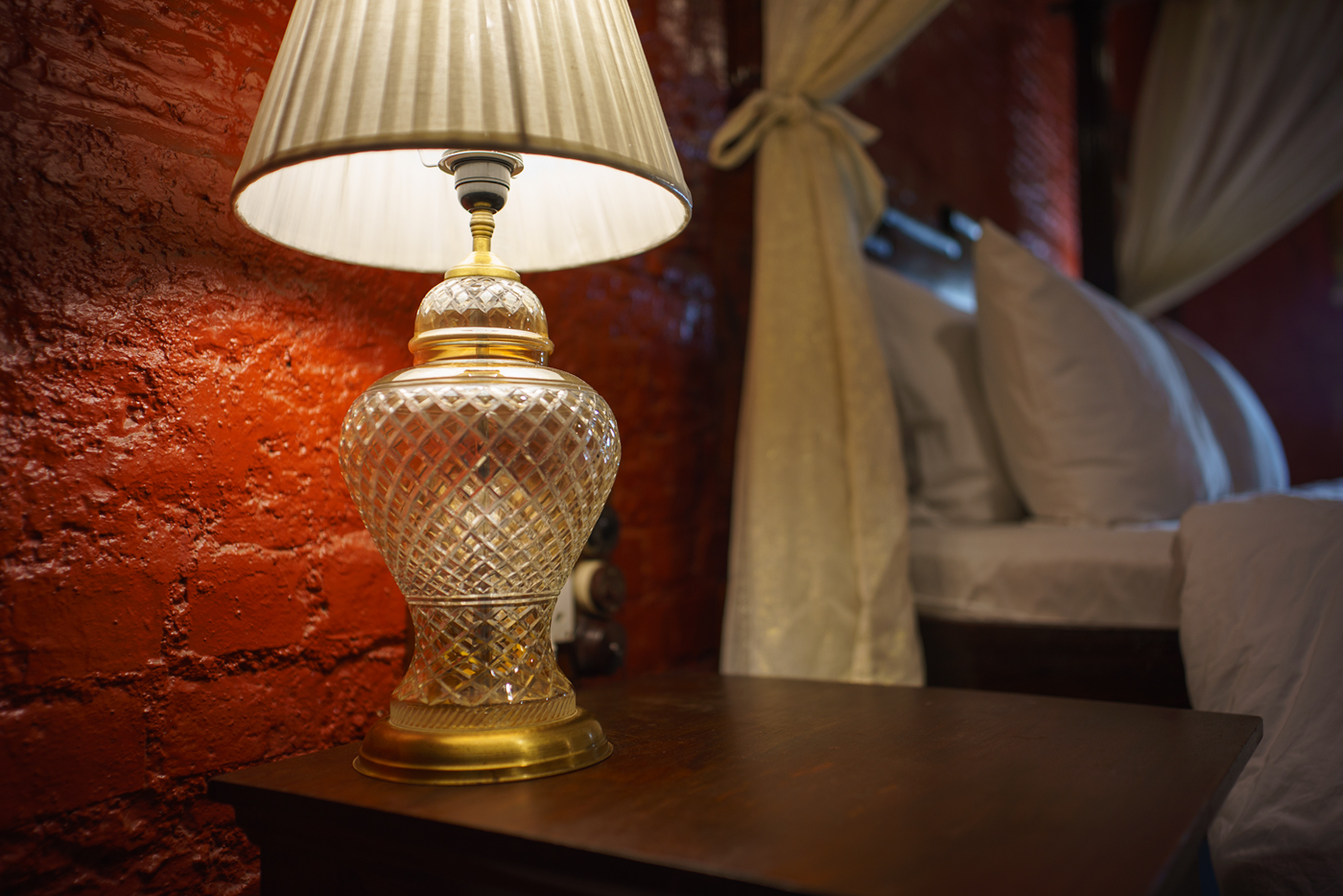
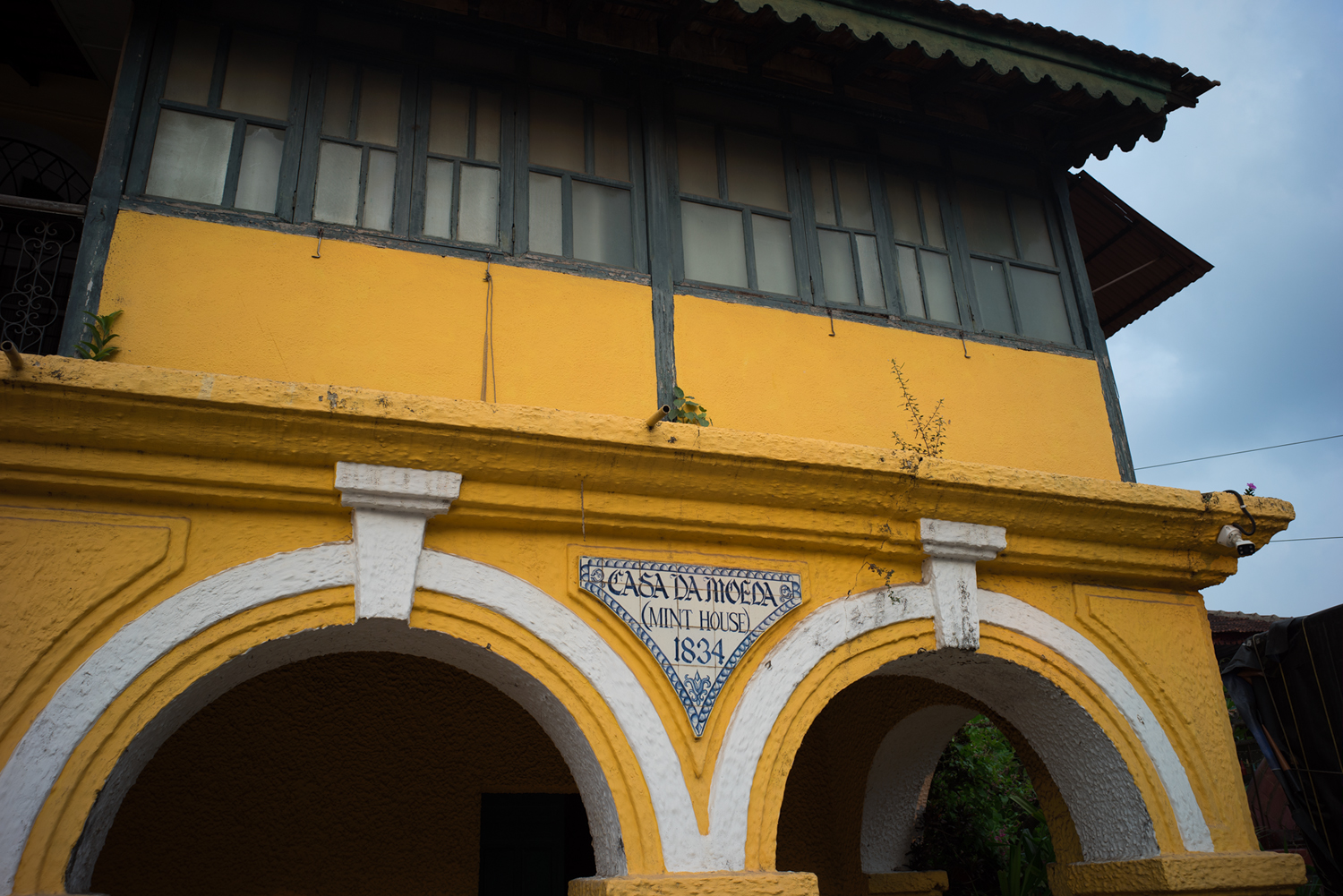
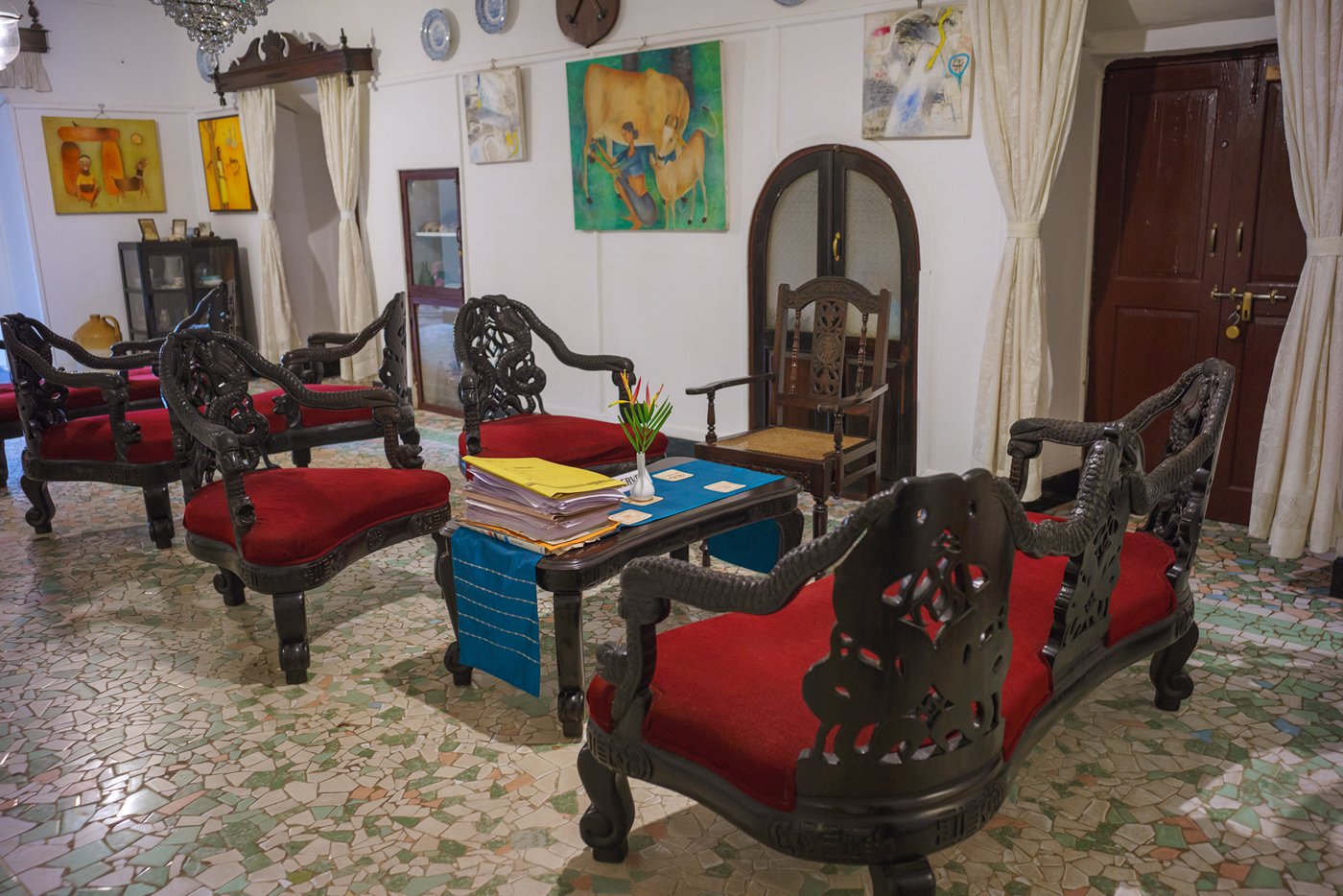
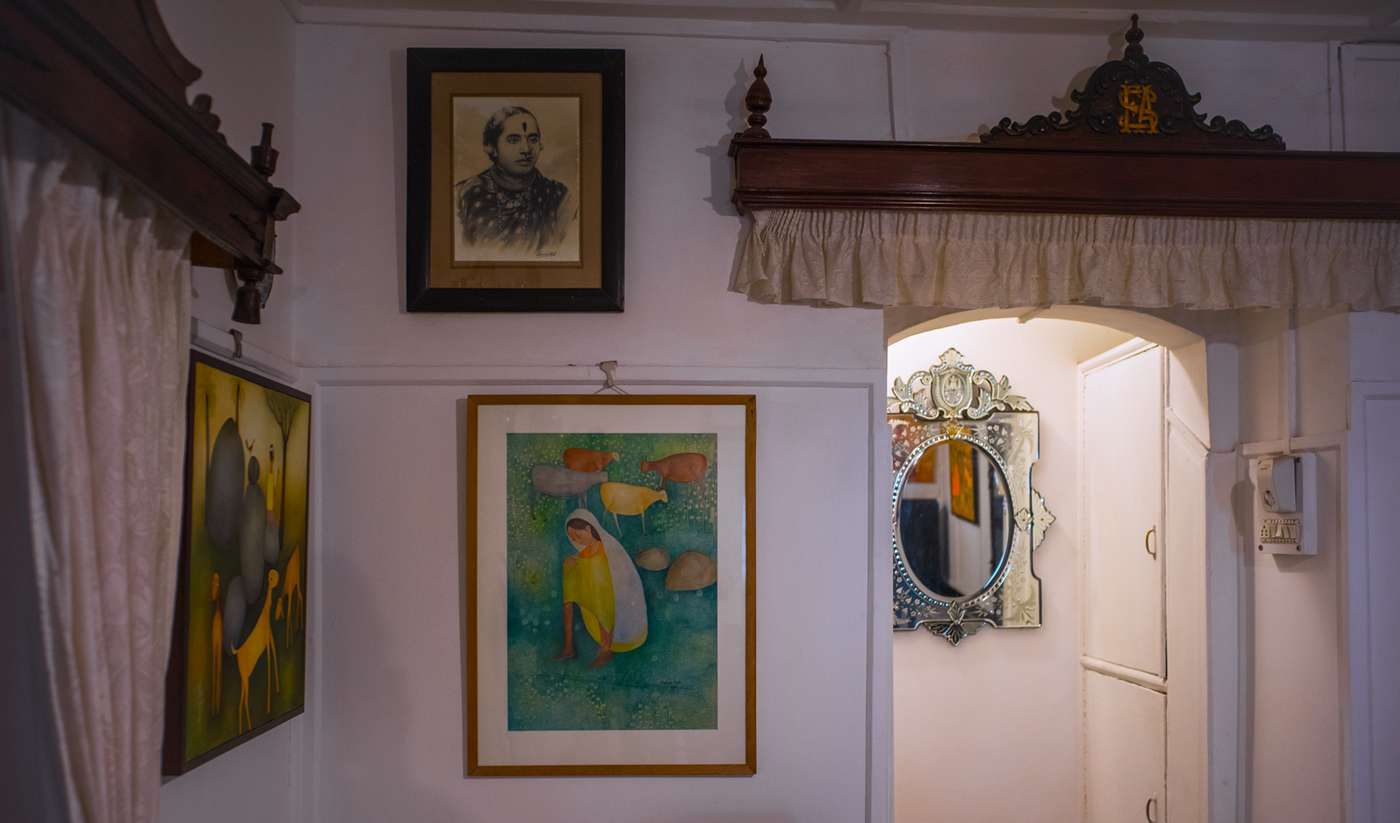
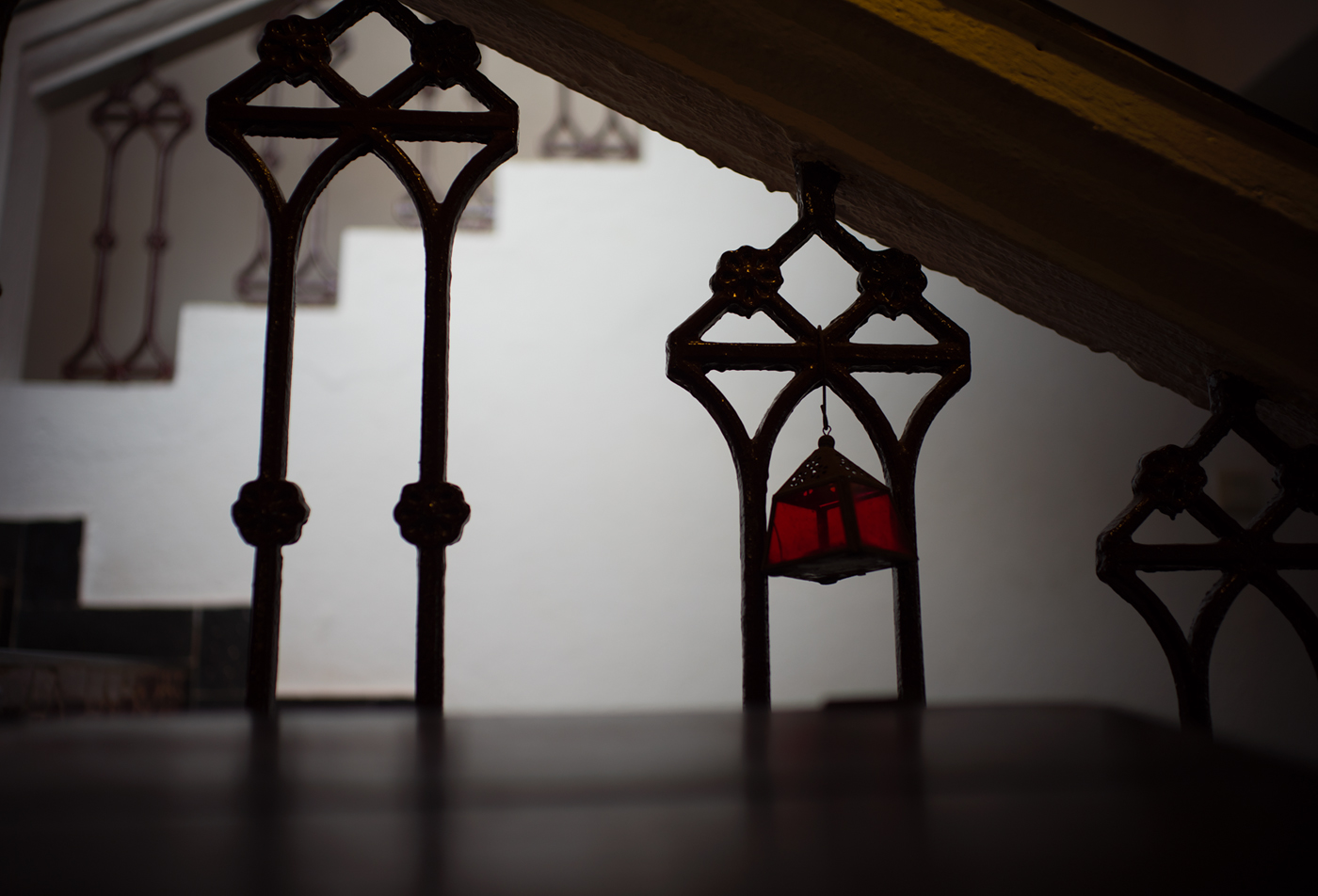
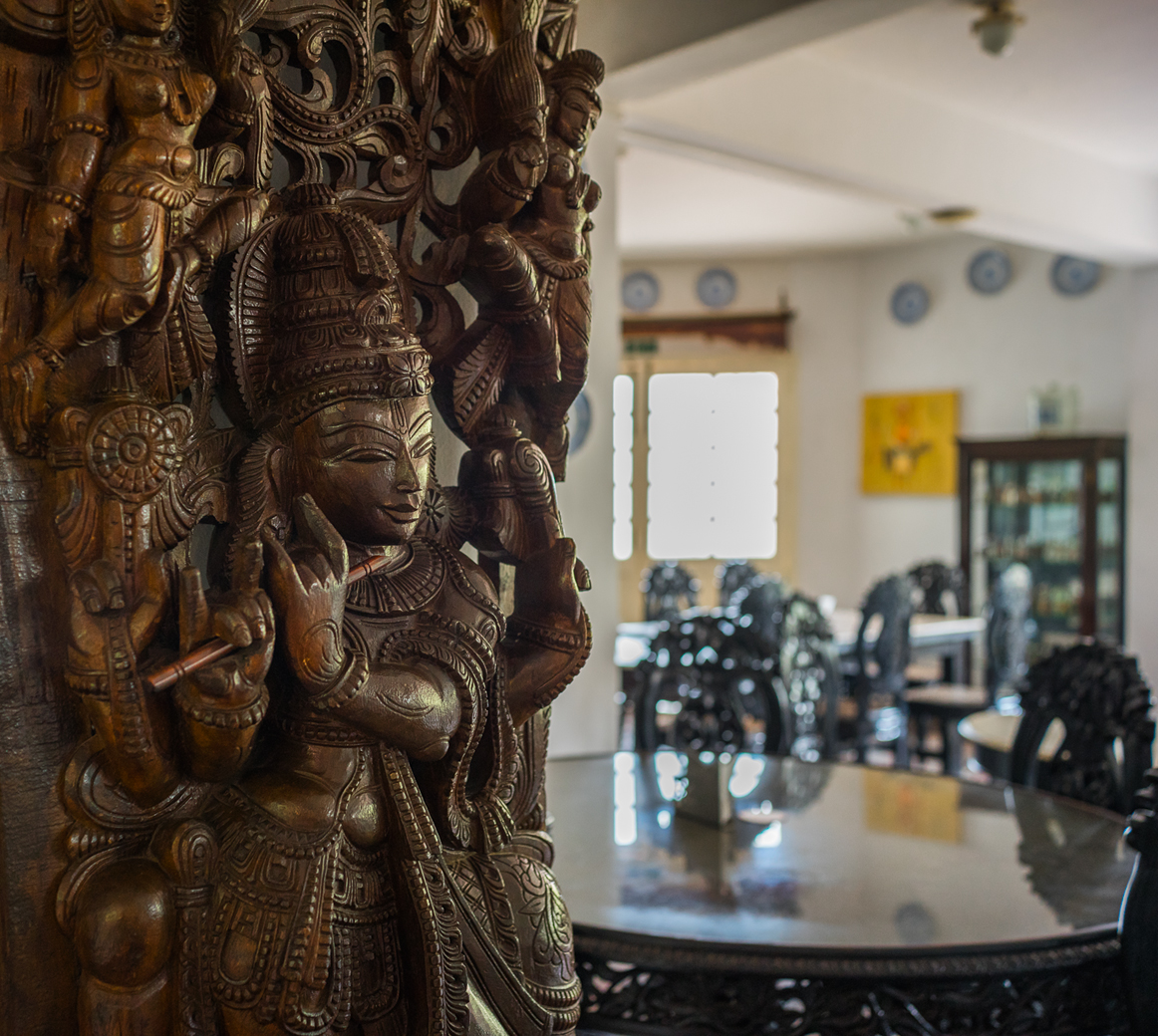
Inside a Portuguese mansion with the Simera 28/1.4. One thing not often mentioned is the great color of the Simeras, especially in low light. It's good enough that you just overlook it, much like the control of CA and the ever-dependable bokeh and the f1.4 aperture.
And this is what is much of certain kinds of photography are all about - you no longer are trying to work around what the lens does that you don't like, so you then have the freedom to just keep expanding with your low percentage shots, with the lens as your ally. Another note: because the basics are so solid, the 28mm images are very robust in post processing, not that much of it is required.