tzhang4284
Offline
• • •
Upload & Sell: On
|
 p.10 #11 · Official Announcement: Leica Q3 43 Digital Camera Released! p.10 #11 · Official Announcement: Leica Q3 43 Digital Camera Released! | |
RustyBug wrote:
"improve" ... given how much optics is a series of quid pro quo design elements, I'd suggest that "improve" is a bit of a misnomer. They have the opportunity to make changes, but those changes always come with some form of a tradeoff. With that in mind ... if they designed it the way they wanted it, then change might "improve" one aspect, but at the expense of another. For instance, sharper, but now with different bokeh, etc. Less distortion, but reduced corner sharpness, faster or slower zone transitions, etc.
One thing about Leica's optical design (wish I could find the article of yore), is that they design to achieve a goal for a lens. With fixed lenses, I'd think this would be even more the case, rather than chasing new design iterations, once they achieved what it was they wanted to begin with.
Case in point ... the new Q 43 has been designed with a degree of distortion (and computational correction). IMO, that was totally by intent of what they wanted to achieve, and that happened to be where they landed it. I don't expect them to update the Q43 lens to something else. Their knowledge of optics is so vast, the "opportunity to improve" isn't something that I ascribe to being a condition of innovation in the past 10 years. Rather, they made design choices, to achieve their goals ... and those are likely to be something they have no desire to change ... because they got it where they wanted it in their original iteration.
My .02 on it is that there is a difference between not making a change for the sake of change vs. not making a design change because you got it exactly where you wanted it (knowing that other changes could shift the undesirable tradeoffs), for a given size / performance.
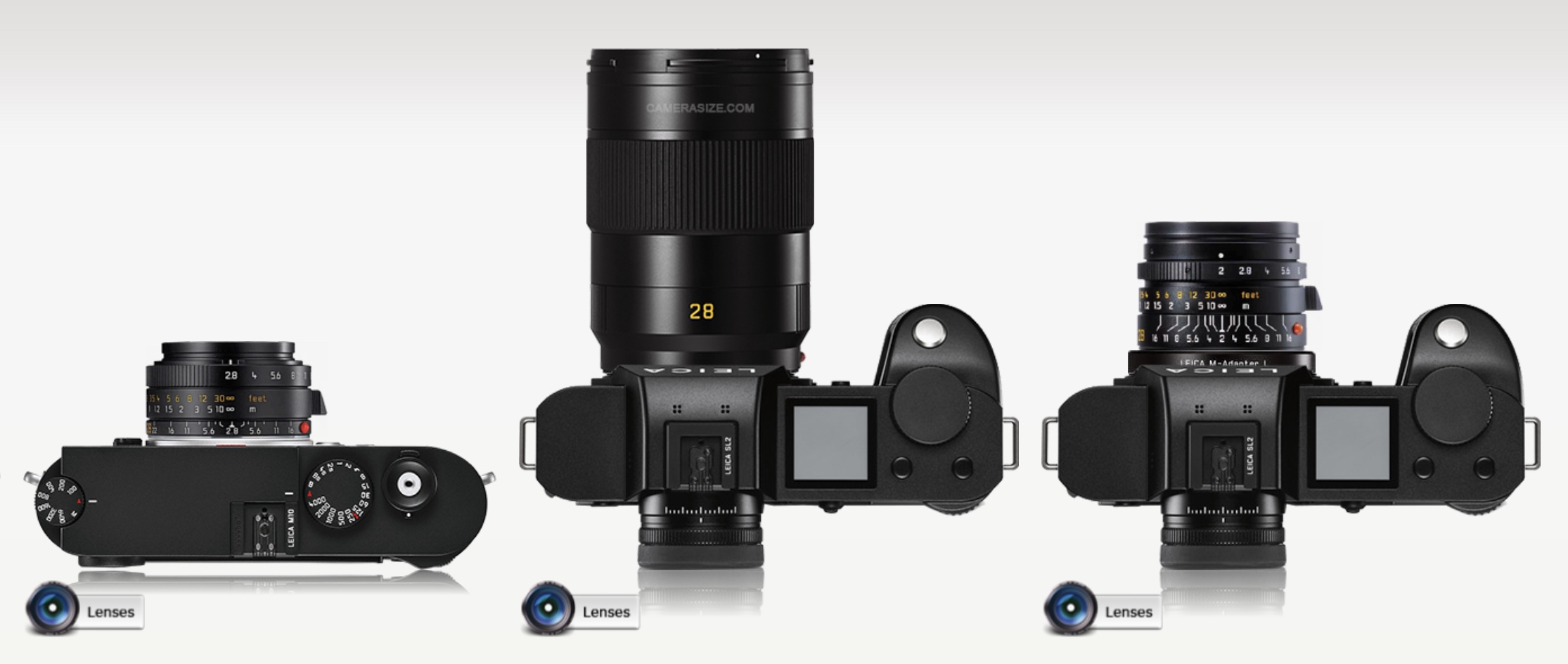
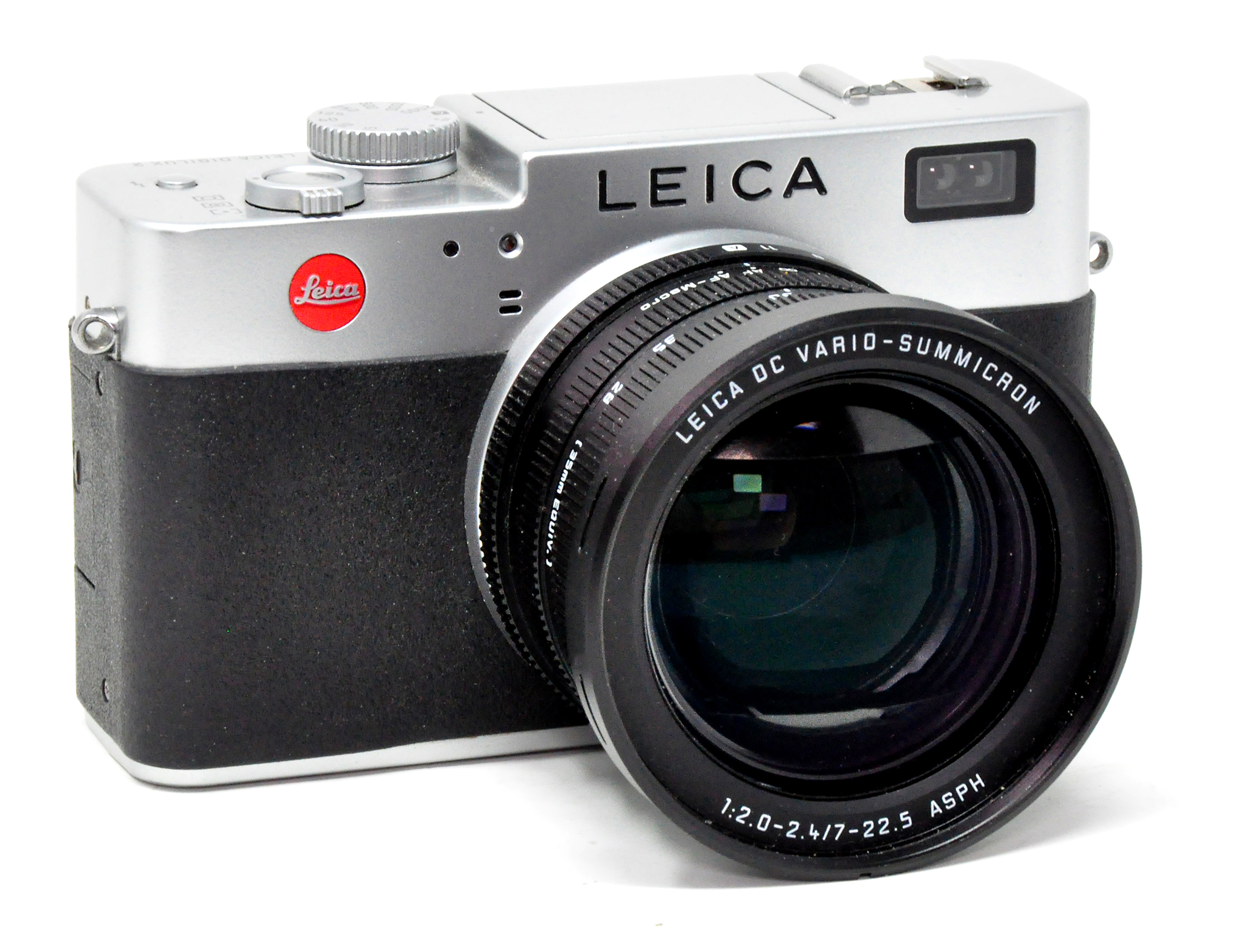
I took a look at the Sigma 40 Art recently (the size of it is monstrous), and the size of the Q43 is vastly smaller. The choices to achieve the form factor that Leica desired is a key aspect of things when they desire a smaller form factor (Q / M / D-Lux / etc.). Developing their goals for optics and size ... I figure they landed the D-Lux optic exactly where they wanted it. Thus, no need to change ... as a testament to the original, rather than needing a change as a testament to the original not being where they wanted it.
A bit circular, but hopefully you get the gist. Sometimes there is a reason why things don't get changed. It's because they already have them, right where they want them. Personally, I wouldn't read too much into the "lack of change" when it comes to Leica optics. They have a long history of designing optics that endure the test of time. I would think no less of the D-Lux optic (assuming they landed it where they wanted it to begin with), wrt to Leica optic design philosophy (even if mfr'd by Panny to Lecia design).
 ...Show more → ...Show more →
If you look at leicas apo-m line - there’s been a release every 5 to 10 years and the image quality has gotten better with every release. I think their philosophy has been to build the best lens possible but have a very slow release cycle to drip feed customers.
As for the 28mm q lens, I find it hard to believe they can’t do better without compromises. In the last 10 years, the general sharpness of most camera lenses have gone up. The q lens was literally Leicas first mirrorless effort and I think they had help from Panasonic or minola so I’m sure there’s been learnings since then.
As for the d lux 8, I just think its being a bit overhyped on this thread about the q3 for some reason.i think there’s a lot to like but its a bit of a lazy update. I’m sure if the d lux 8 sells well, the d lux 9 will get a new sensor with af and then the d lux 10 will have a new lens - the drip feed continues
|


 need for changing it?