Fred Miranda wrote:
I’m glad you got a good copy! I’ve tried three versions, and they were all excellent as well. The matte black Type I looks absolutely stunning on the M11-D!
Thanks, Fred.
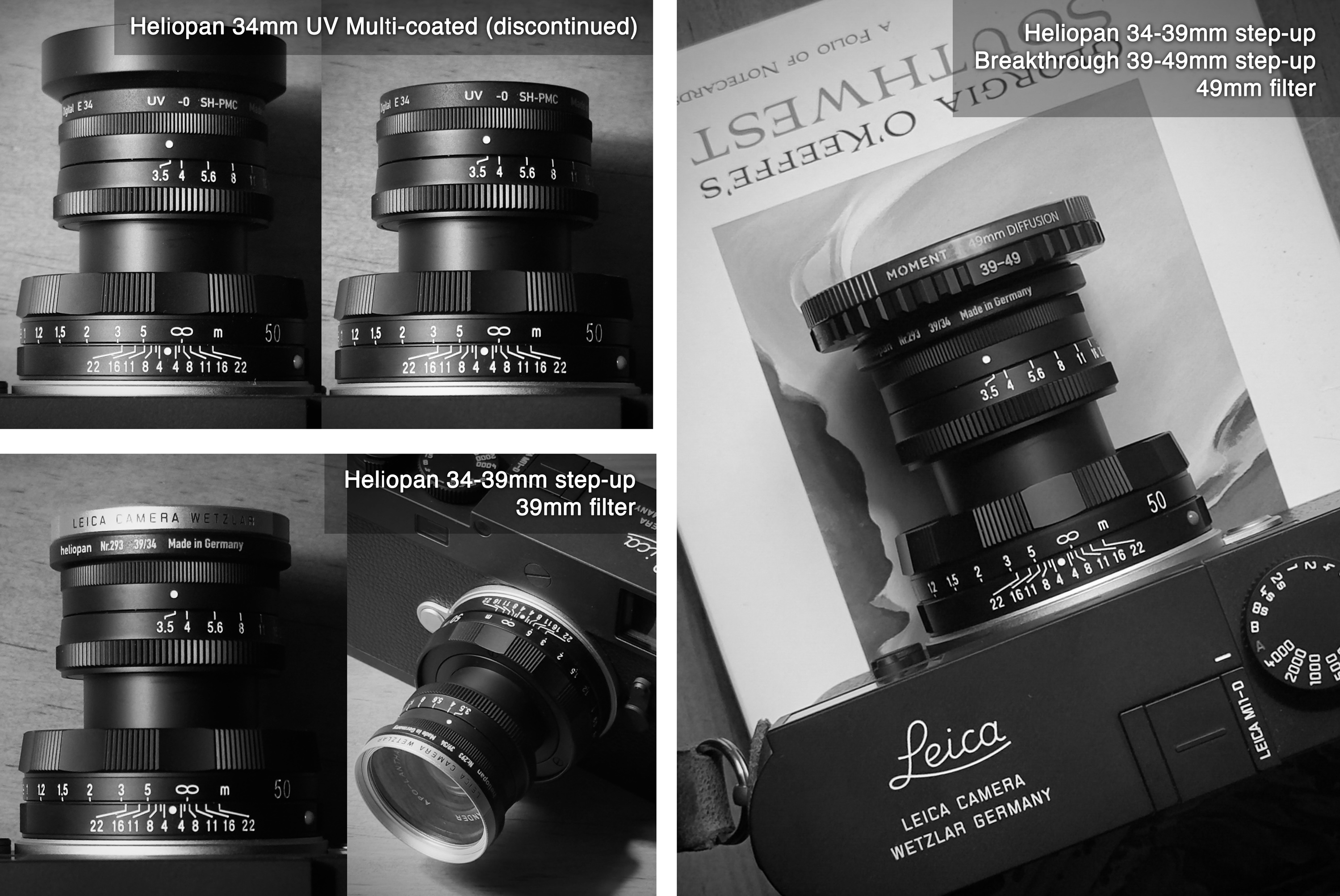
A few filter options taken from previous experience with the CV 40 f/2.8 Heliar.
I have a lot of 49mm diffusion filters, hence the larger-than-needed step up situation.
A few filter options taken from previous experience with the CV 40 f/2.8 Heliar.
I have a lot of 49mm diffusion filters, hence the larger-than-needed step up situation.
I decided I don’t need a hood for this lens, so I’m using the EINS 1.2mm thick filter to keep it as compact as possible. I also 3D-printed a cap for it.
Fred Miranda wrote:
I decided I don’t need a hood for this lens, so I’m using the EINS 1mm filter to keep it as compact as possible. I also 3D-printed a cap for it.
How does that filter effect image quality? Looks like sideways lighting may flare/ghost/haze things up.
Desmolicious wrote:
How does that filter effect image quality? Looks like sideways lighting may flare/ghost/haze things up.
It's made with SCHOTT glass, and I haven't noticed any increased ghosting or veiling. While it might not be as good as B+W, I haven't done a direct comparison.
In my opinion, modern lenses don't need a shade for flare resistance. I only use hoods with my vintage lenses like the 50/1 Noct, 50/2 Rigid, 50/1.5 Summarit, etc. Not using the hood on them can significantly affect contrast, depending on the lighting conditions.
These filters are 1.2mm in thickness. In comparison the ultra slim B+W are around 3.3mm.
"This is UN’s original eins Super Protect Filter for classic lenses, designed to be as thin as possible (1.2mm thick when mounted / 2.2mm for UNX-9616).
Made of world famous glass made by SCHOTT, water/oil repellent coating and inked finish on outer circumference of the lens to suppress reflectance less than 0.3%.
The design of the filter is a classic, old-fashioned shape.
Available in 10 sizes: 19mm, 22mm, 22.5mm, 24mm, 34mm, 39mm, 41mm, 43mm, 46mm, 49mm."
highdesertmesa wrote:
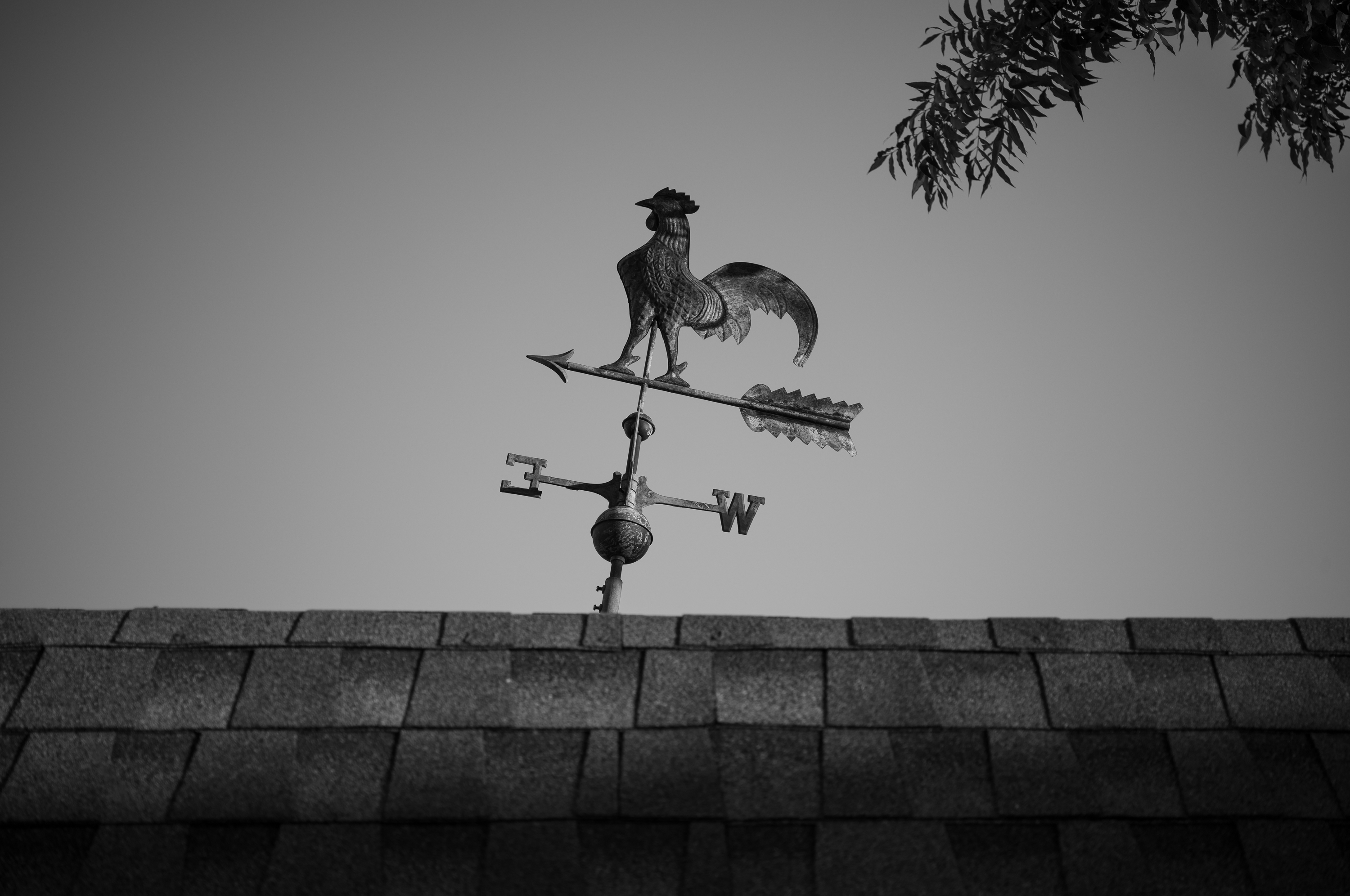
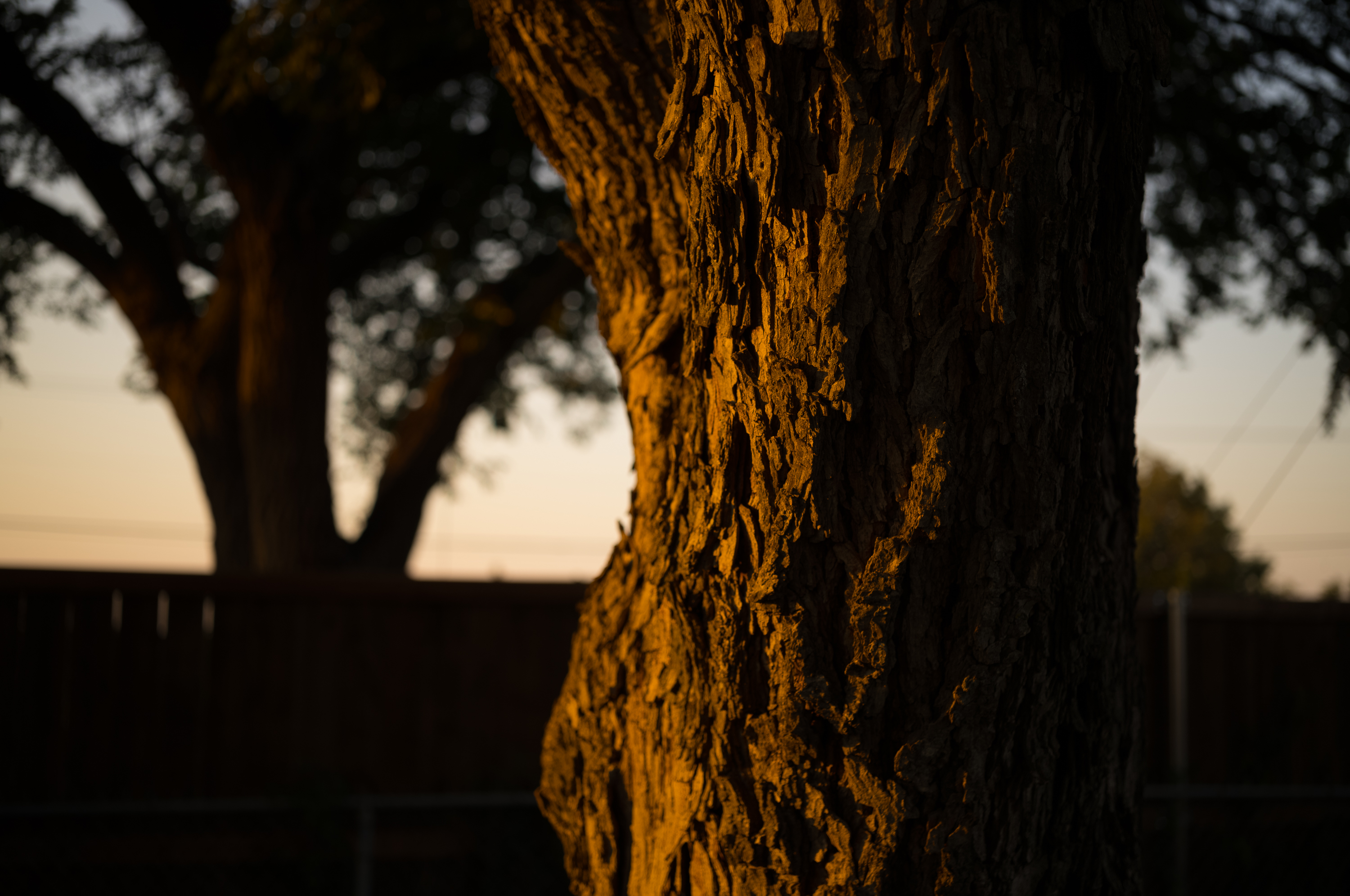
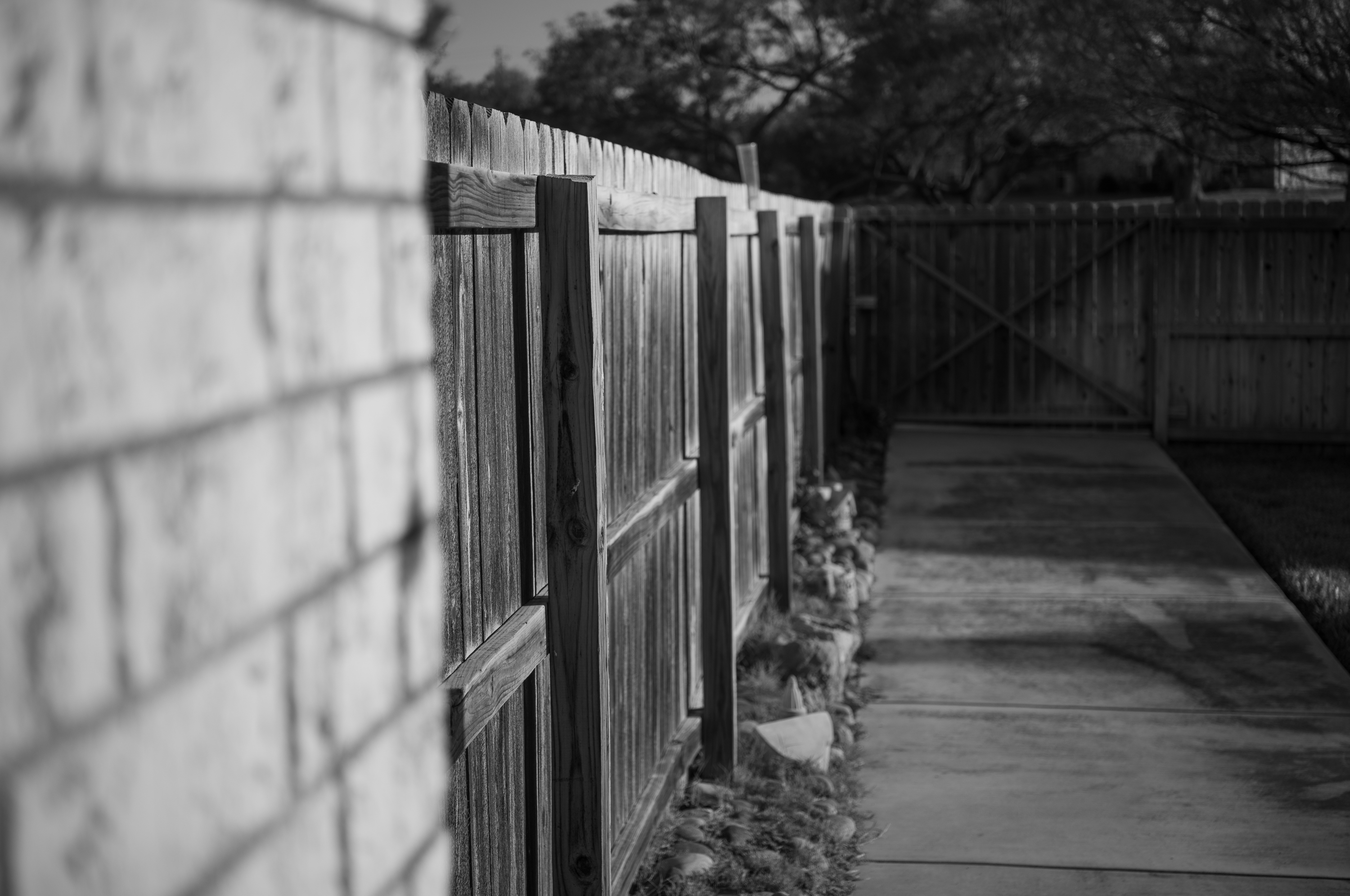
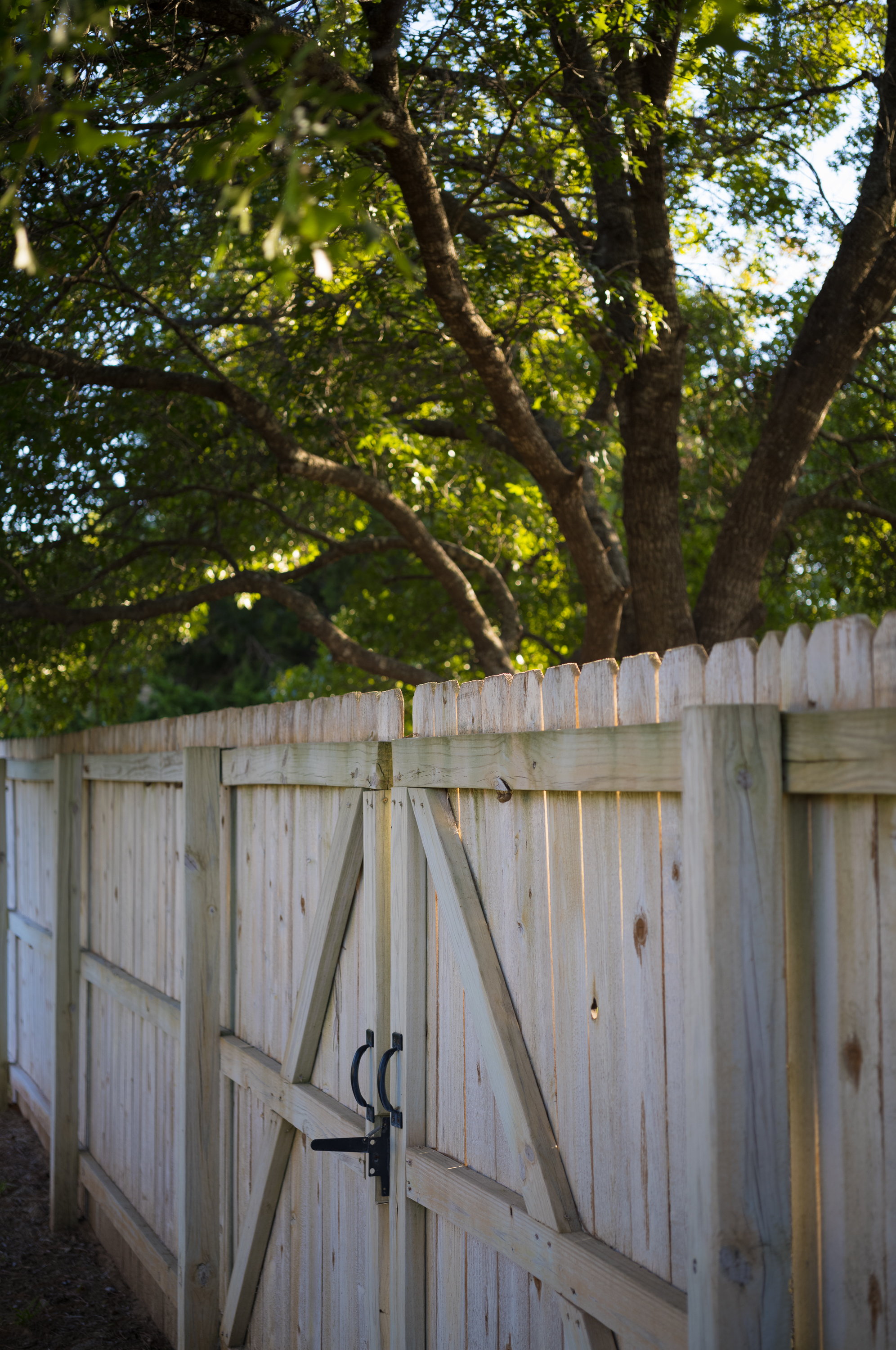
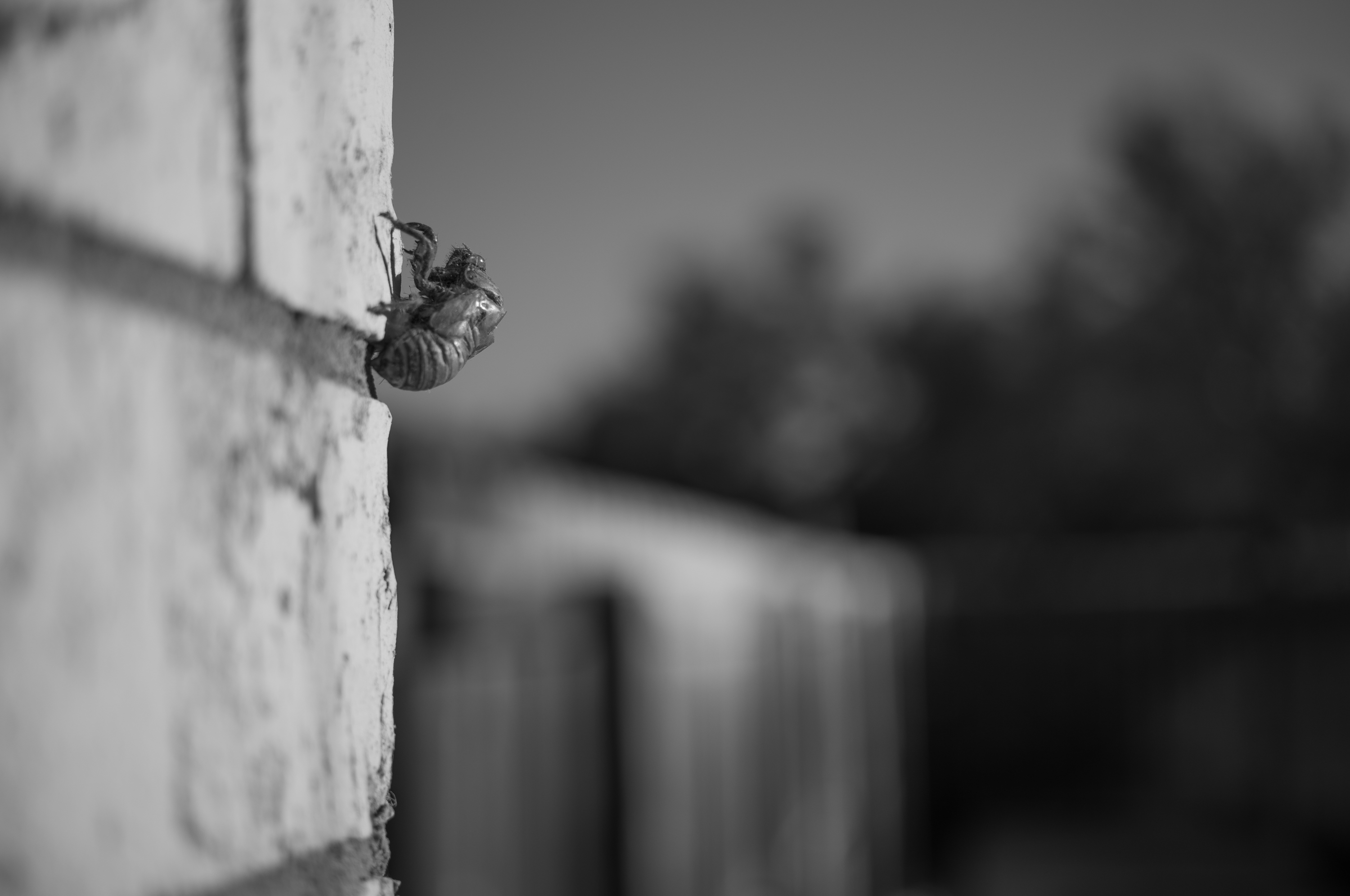
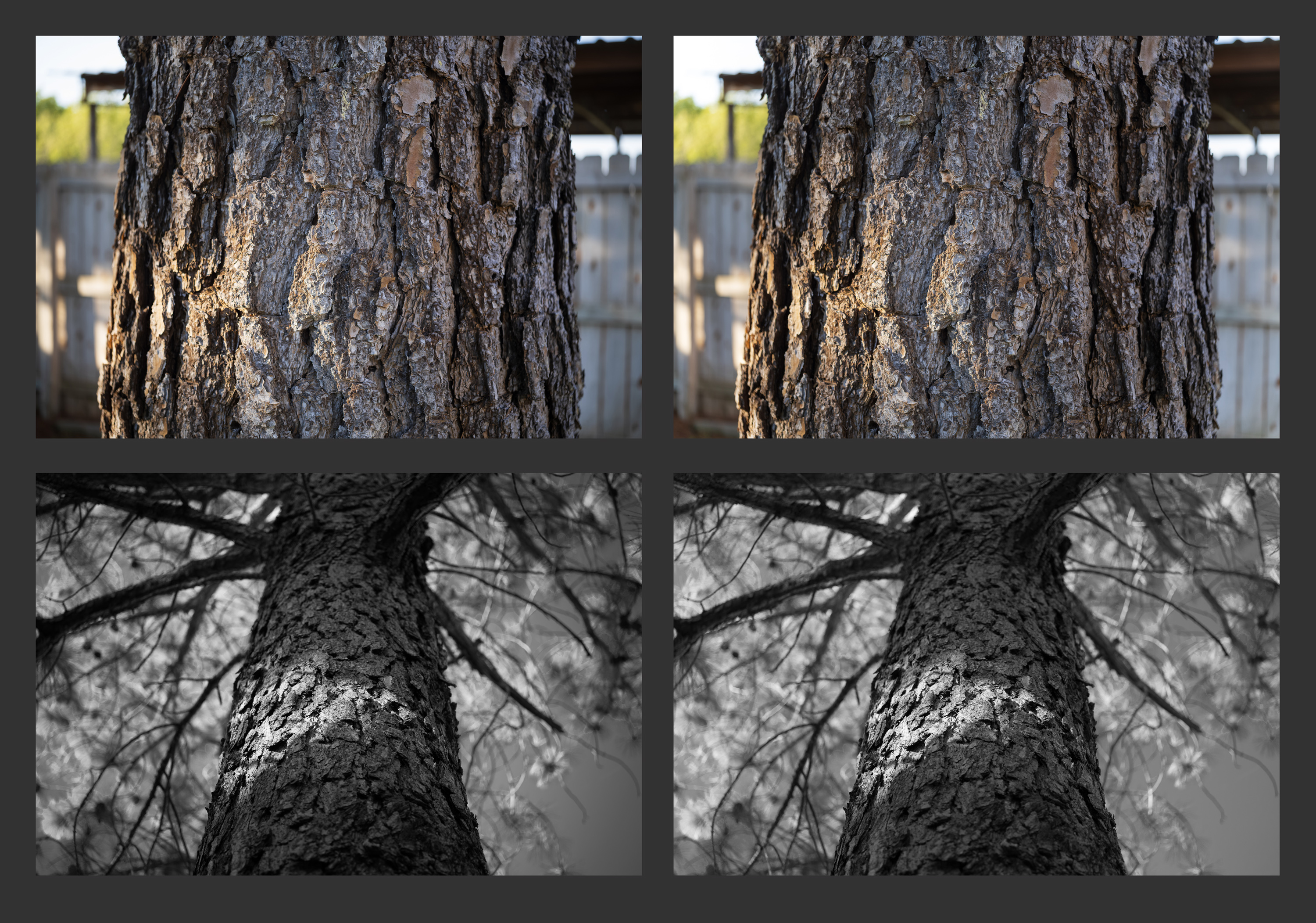
Took a few snapshots this weekend while out of town. I think all of these were shot wide open at f/3.5.
Great samples!
I'm considering adding 6-bit coding to my copy. The Elmar-M 50mm f/2.8 is the closest match to the CV 50/3.5 APO in terms of both naming and vignetting control. The vignetting you see in the samples above should be greatly reduced.
I'm considering adding 6-bit coding to my copy. The Elmar-M 50mm f/2.8 is the closest match to the CV 50/3.5 APO in terms of both naming and vignetting control. The vignetting you see in the samples above should be greatly reduced.
I picked up a CV 50 f2 APO, but the additional close focus option on this is really appealing...
Edit: looks like the type II focuses even closer?
Thanks! Yes, Type I is 0.45m and Type II is 0.35m. Fred has a comparison earlier in this thread showing the difference, which can be dramatic for certain subject sizes at MFD.
I may own both variant types at some point, but for now I just crop from the 60mp M11 files if I want to get closer.
I just noticed my Type I stays engaged with the rangefinder down to about 0.58m. Don't most Voigtlander lenses that focus below 0.7m disengage from the rangefinder slightly below 0.7m but not that far below?
highdesertmesa wrote:
I just noticed my Type I stays engaged with the rangefinder down to about 0.58m. Don't most Voigtlander lenses that focus below 0.7m disengage from the rangefinder slightly below 0.7m but not that far below?
Most of my M-lenses can focus down to about 0.60m starting with the M10 series bodies, including the M11. Previous cameras like the M9 and 240 don’t allow such close focusing, and my MP only allows slightly closer than 0.7m. I think this has to do more with the rangefinder geometry than the lens coupling design, or perhaps a combination of both.
Fred Miranda wrote:
Most of my M-lenses can focus down to about 0.60m starting with the M10 series bodies, including the M11. Previous cameras like the M9 and 240 don’t allow such close focusing, and my MP only allows slightly closer than 0.7m. I think this has to do more with the rangefinder geometry than the lens coupling design, or perhaps a combination of both.
Thanks, Fred. I didn't remember ever getting below 0.6m, but I'll take it
I have a Visoflex 2 arriving today, so it'll be interesting to see how it works out with the M11-D.
Used the Visoflex 2 today to test the rangefinder accuracy with this lens. At f/3.5, it's critical that focus direction is from near to far. When focusing direction is from infinity to near, the rangefinder can be off by quite a bit.
My LLL 50 SPII and 35 8E seem unaffected by focus direction.
Could anyone with this lens describe the shape of the aperture when it’s stopped down to f/5.6 or so? I generally prefer to stop down a bit to smooth out the bokeh if it’s bright ring at full aperture, so I pay attention to aperture blades a lot. Are they regular polygons or are they sawteeth or ninja stars?
raizans wrote:
Could anyone with this lens describe the shape of the aperture when it’s stopped down to f/5.6 or so? I generally prefer to stop down a bit to smooth out the bokeh if it’s bright ring at full aperture, so I pay attention to aperture blades a lot. Are they regular polygons or are they sawteeth or ninja stars?
At smaller apertures, the specular highlights take on a regular polygonal shape (decagon), similar to other Cosina lenses that use a straight 10-blade aperture mechanism.