zugzwang2 wrote:
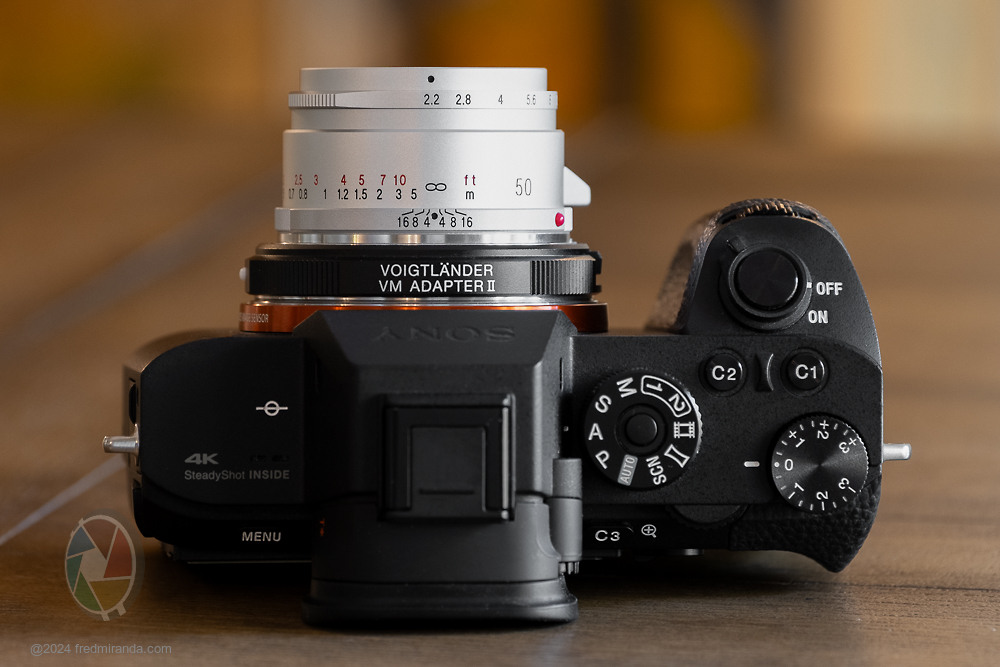
Fred, did you remove the white paint in the Sony lettering with acetone?
No, there's still plenty of space above the 'Sony' white paint, so I just painted over it. It's super easy and reversible, taking maybe 5 minutes. I used my trusty "Lacquer-Stik" fill-in paint marker (#MRK51123), which you can get on Amazon for about $7.
Fred Miranda wrote:
No, there's still plenty of space above the 'Sony' white paint, so I just painted over it. It's super easy and reversible, taking maybe 5 minutes. I used my trusty "Lacquer-Stik" fill-in paint marker (#MRK51123), which you can get on Amazon for about $7.
Infinity Resolution and Contrast on Sony A7R II UT
The Voigtlander 50mm f/2.2 Color-Skopar works exceptionally well with the thin Leica M sensor stack, as well as other modified mirrorless sensors. Specifically, in this instance, the 42MP Sony A7R II was modified by Kolari with their Ultra Thin (UT) cover glass. (Highly recommended service)
The results are impressive, potentially even surpassing those of the Leica M10-R, which offers a similar resolution.
Here is the full image thumbnail, highlighting the area shown at 1:1 magnification. For these crops, I have only applied sharpening and reduced vignetting.
Distance: Infinity
Camera: Leica M10-R
Focus: Center - Best of three @ 12.4x magnification
For those who appreciate distinct and well-defined sunstars in their images, Voigtlander excels in this aspect. Nearly all of their M-mount lenses feature an aperture mechanism with straight blades, and due to their tight construction tolerance, the resulting sunstars have clear definition with symmetrical rays.
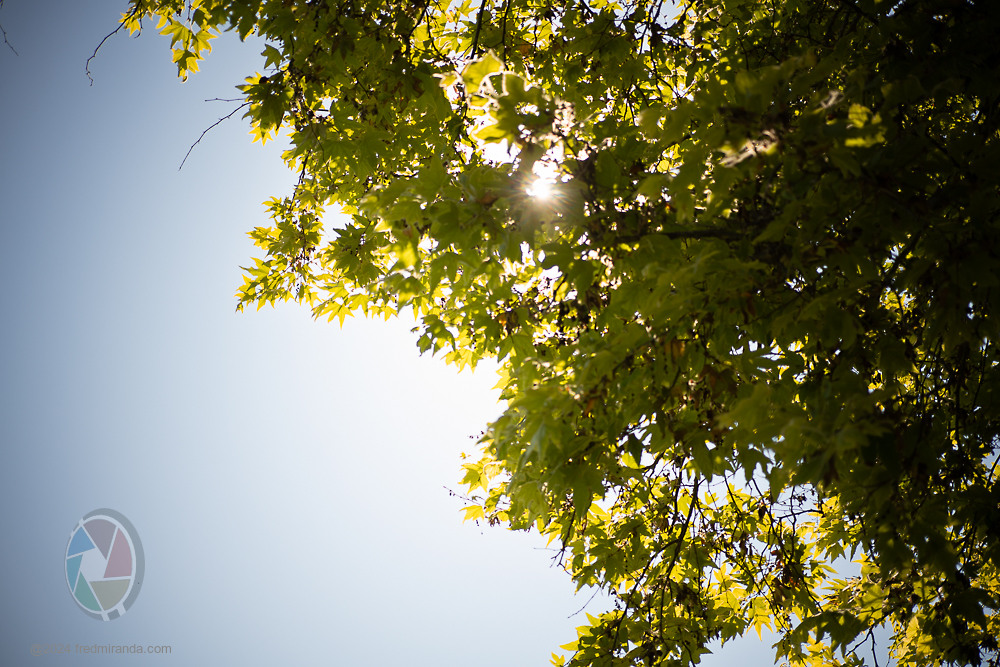
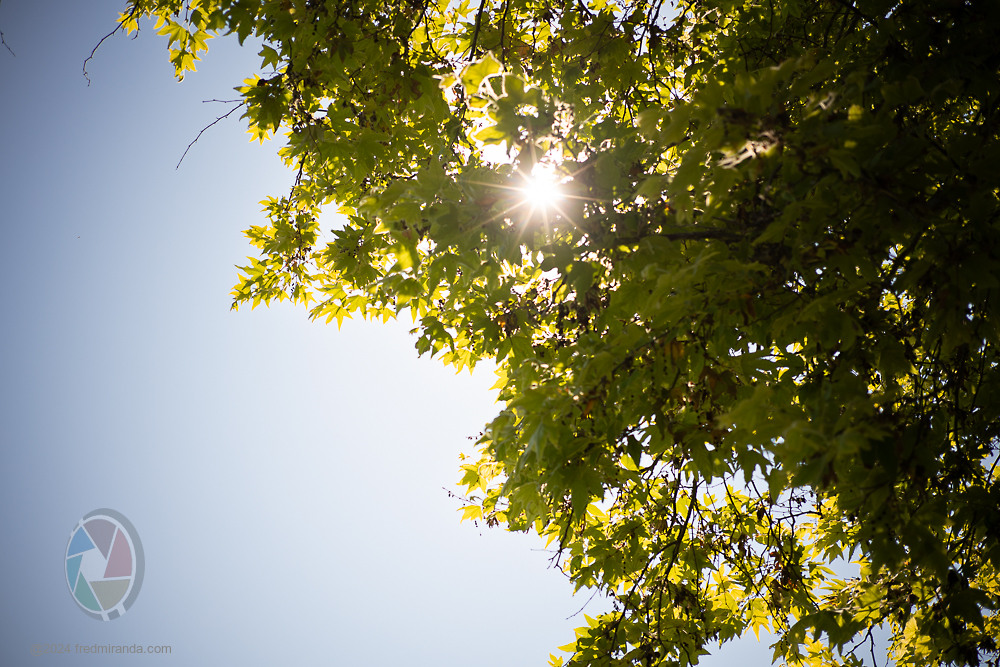
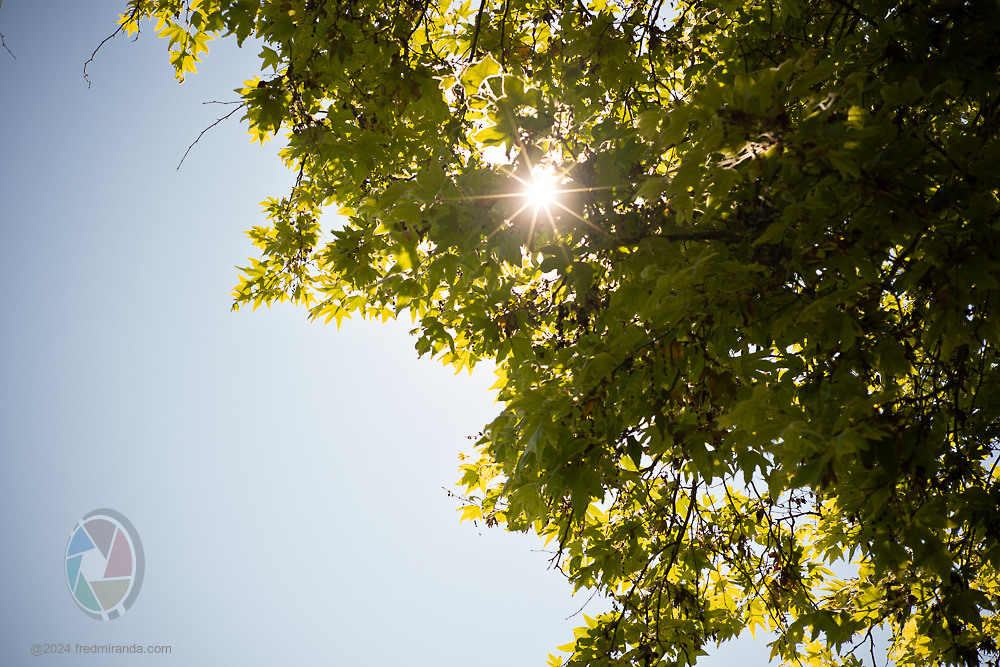
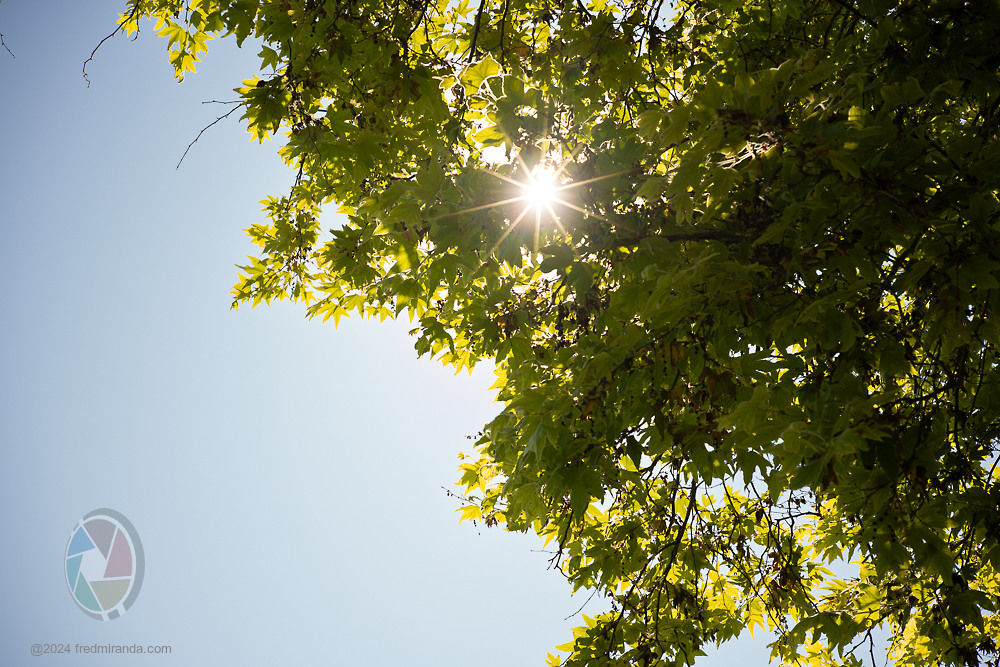
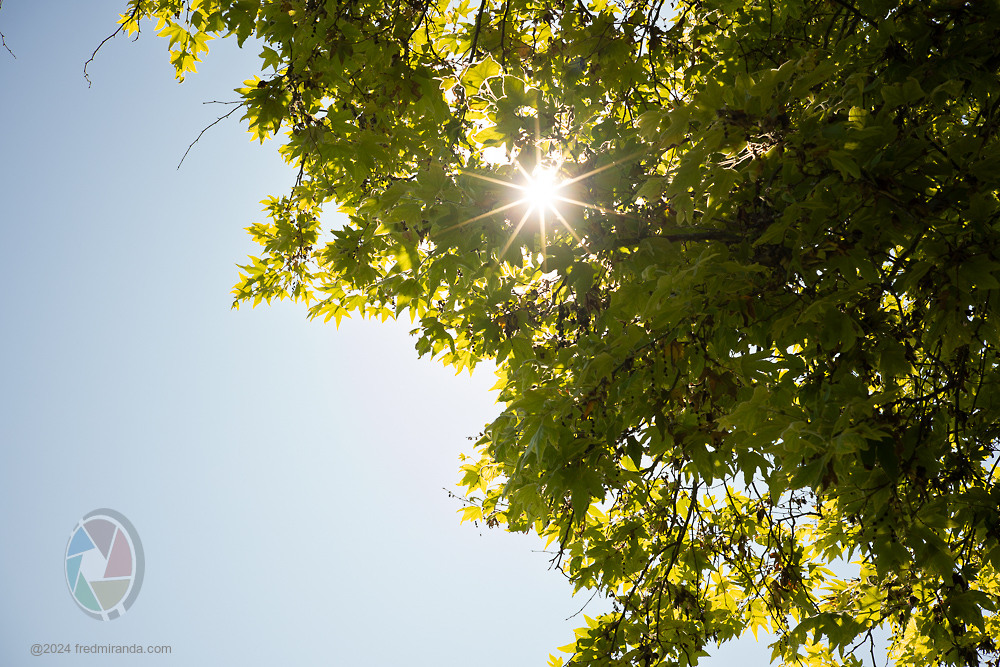
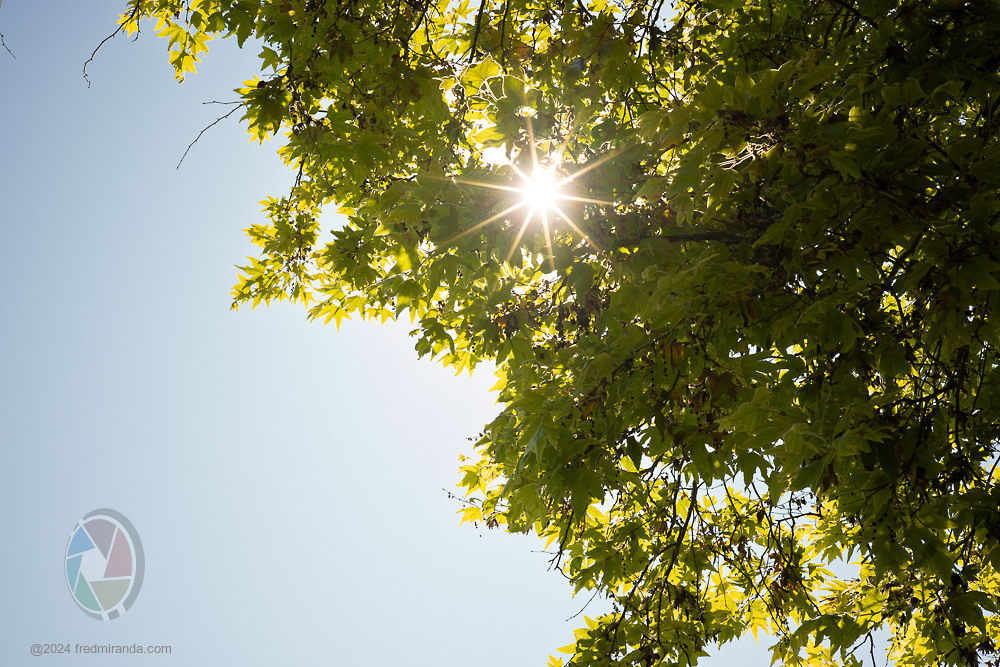
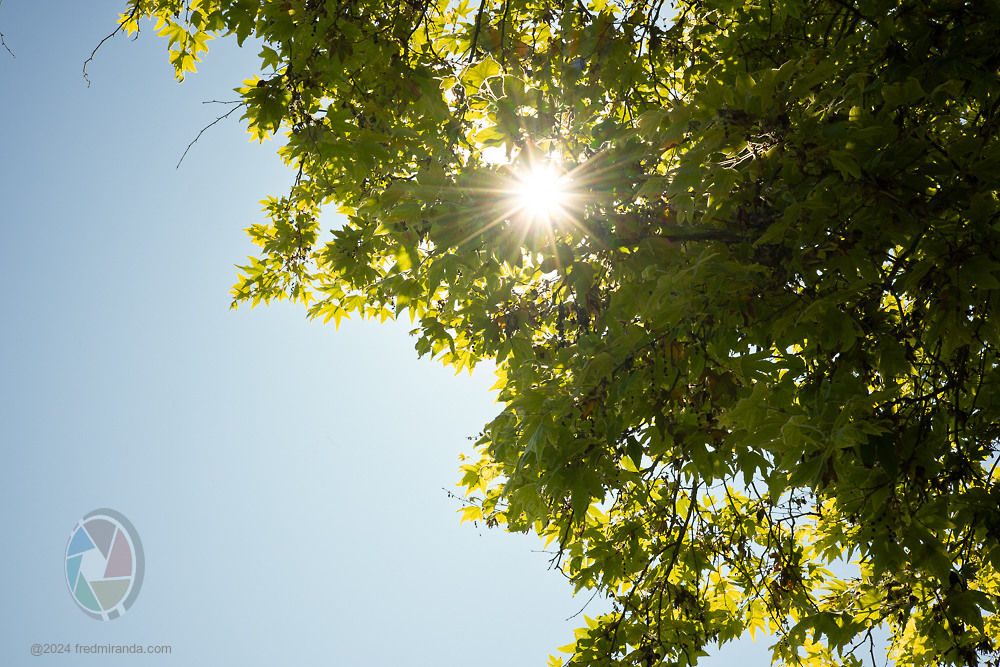
The Voigtlander 50mm f/2.2 Color-Skopar follows this trend, producing defined sunstars that become noticeable from an aperture setting of f/2.8 onwards. At f/3.2, they are very well-defined and remain this way up to f/11. There are no sunstars when shooting wide open, and they don't look good at the minimum aperture size, f/16.
Displayed below is a sequence of aperture settings ranging from f/2.2 to f/16 in 1-stop increments, showing the sunstar shape of the Voigtlander 50/2.2 Color-Skopar lens. This lens is equipped with 10 straight aperture blades, resulting in 10-point sunstars.
How about the f2.2 extreme corner on the UT? I like how you can see the focal plane so clearly, I had to check the M camera results, it's there too. Their blurb is starting to look like faint praise:
'With a maximum aperture of F2.2, the lens is a standard lens with a focal length of 50 mm. Compact and highly mobile, this lens is ideal for all-round use.'
Then they come clean: '7 elements in 6 groups, including 3 elements of anomalous partial dispersion glass, provide excellent optical performance from a maximum aperture of F2.2.' I'll say they do.
philip_pj wrote:
How about the f2.2 extreme corner on the UT? I like how you can see the focal plane so clearly, I had to check the M camera results, it's there too. Their blurb is starting to look like faint praise:
'With a maximum aperture of F2.2, the lens is a standard lens with a focal length of 50 mm. Compact and highly mobile, this lens is ideal for all-round use.'
Then they come clean: '7 elements in 6 groups, including 3 elements of anomalous partial dispersion glass, provide excellent optical performance from a maximum aperture of F2.2.' I'll say they do.
Yes, the UT is just like using a Leica sensor, delivering optimal corner performance without issues like field curvature or astigmatism. When I first tested the prototype for resolution, I was amazed that a very compact lens with only 7 elements could perform so well across the entire field, with no resolution dips anywhere, and I'm glad this translated to the production copies. Cosina's optical design team must be exceptionally talented.
So far, the only negative I've observed is noticeable vignetting when wide open. However, tomorrow I will test for MFD resolution and distortion.
hmzimelka wrote:
I'm confident it'll replace my Summicron. Exciting times!
I'm thinking about this too. I have a dual-range Summicron made in 1958; it is of course a classic lens and beautifully made, but it's heavy and a bit bulky so I rarely shoot with it. A small, light, flare-resistant alternative would see a lot more use; for me it's a choice between the VM 50/1.5 and this new 50/2.2.
freaklikeme wrote:
Huh. It'll be interesting to see if the APO-Lanthar 50/3.5 tops this.
In terms of resolution and contrast, the recent APO-Lanthars are definitely on a different level of image quality. However, both lenses perform exceptionally well in practical use. I have not yet tested the 50/3.5 APO-Lanthar but the released MTF suggests similar performance to the current 50/2 APO-Lanthar.
Fred Miranda wrote:
<div id="sun" name=sun"></div>
<a href=https://www.fredmiranda.com/forum/topic/1863477/0#ql>Back to Quick Links</a>
Sunstar rendering and Flare resistance
For those who appreciate distinct and well-defined sunstars in their images, Voigtlander excels in this aspect. Nearly all of their M-mount lenses feature an aperture mechanism with straight blades, and due to their tight construction tolerance, the resulting sunstars have clear definition with symmetrical rays.
The Voigtlander 50mm f/2.2 Color-Skopar follows this trend, producing defined sunstars that become noticeable from an aperture setting of f/2.8 onwards. At f/3.2, they are very well-defined and remain this way up to f/11. There are no sunstars when shooting wide open, and they don't look good at the minimum aperture size, f/16.
Displayed below is a sequence of aperture settings ranging from f/2.2 to f/16 in 1-stop increments, showing the sunstar shape of the Voigtlander 50/2.2 Color-Skopar lens. This lens is equipped with 10 straight aperture blades, resulting in 10-point sunstars....Show more →
Those are some fine looking sunstars! Any more w the flare resistance?
If you had the Nokton 50 1.5 II, would you consider this lens?
Fred Miranda wrote:
In terms of resolution and contrast, the recent APO-Lanthars are definitely on a different level of image quality. However, both lenses perform exceptionally well in practical use. I have not yet tested the 50/3.5 APO-Lanthar but the released MTF suggests similar performance to the current 50/2 APO-Lanthar.
I don't doubt the new 50/3.5 will bring quite a bit to the table regarding landscape performance, but will it be as impressive an all-arounder? It looks to me like the Color-Skopar is delivering the best of what the late-model double gauss 50s offered (low distortion and flat field with nicely even across the frame resolution save some minor extreme corner issues at wide apertures, and delivering it all regardless of focus distance) with a nice bump in resolution over what they offered and improved flare resistance while maintaining a nice compact package. It's not an exciting lens, but I bet it's going to make a lot of people happy. I think the 50/3.5 is going to make a lot of landscapers happy (hopefully this one included).
Matt White wrote:
Should be soon. Robert White shipped mine today.
Mine "shipped" today... although it just means the waybill for UPS was generated. Doubt it will leave the UK before Monday on its 10-15 day trip to Namibia... most of which is sitting in a warehouse waiting for our customs officials to clear the items between the 13 tea breaks a day they require and the copious amounts of documents that need filling in.
Desmolicious wrote:
Those are some fine looking sunstars! Any more w the flare resistance?
If you had the Nokton 50 1.5 II, would you consider this lens?
Evaluating flare resistance takes some time because I like to see how the lens performs in different scenarios. So far, it has shown great performance, which is not surprising since Cosina prioritizes flare resistance.
Regarding the CV 50/1.5 II, these lenses are quite different despite having the same focal length. The 50/1.5 is less corrected and produces a distinct look in its images. It would be interesting to see how they perform at f/2.2, but I believe the CV 50/2.2 will still exhibit less lateral chromatic aberration and lower spherical aberration.


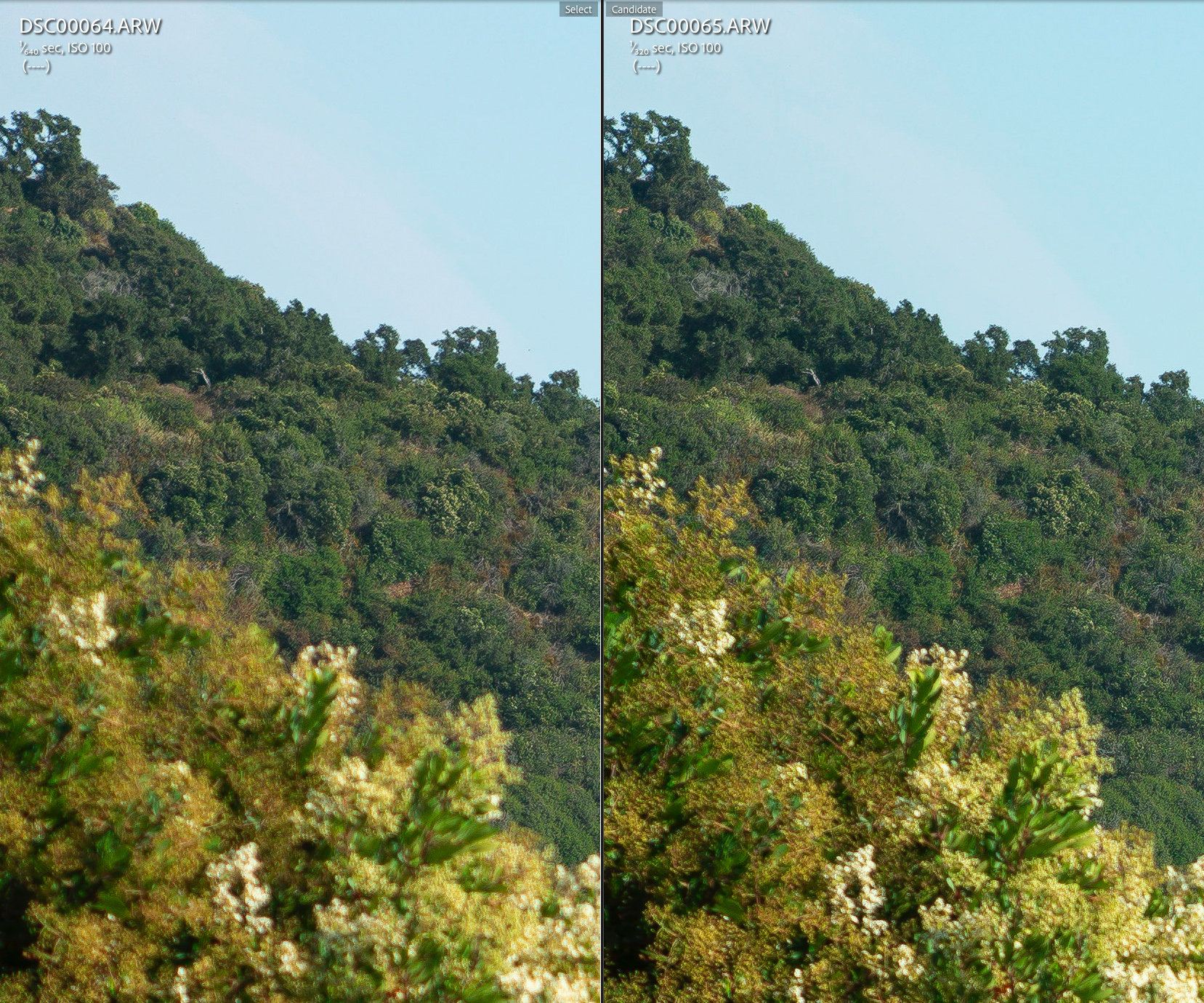
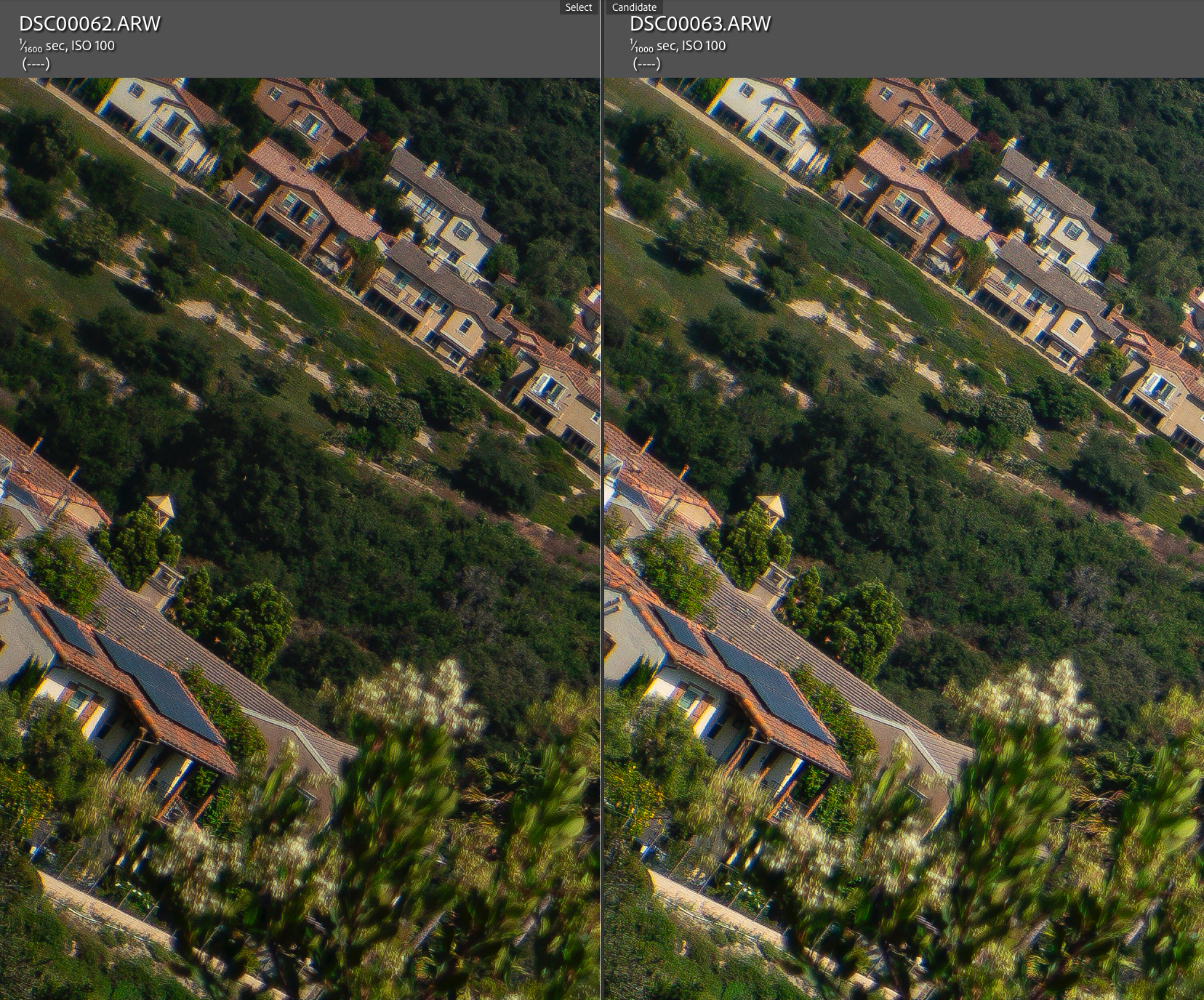
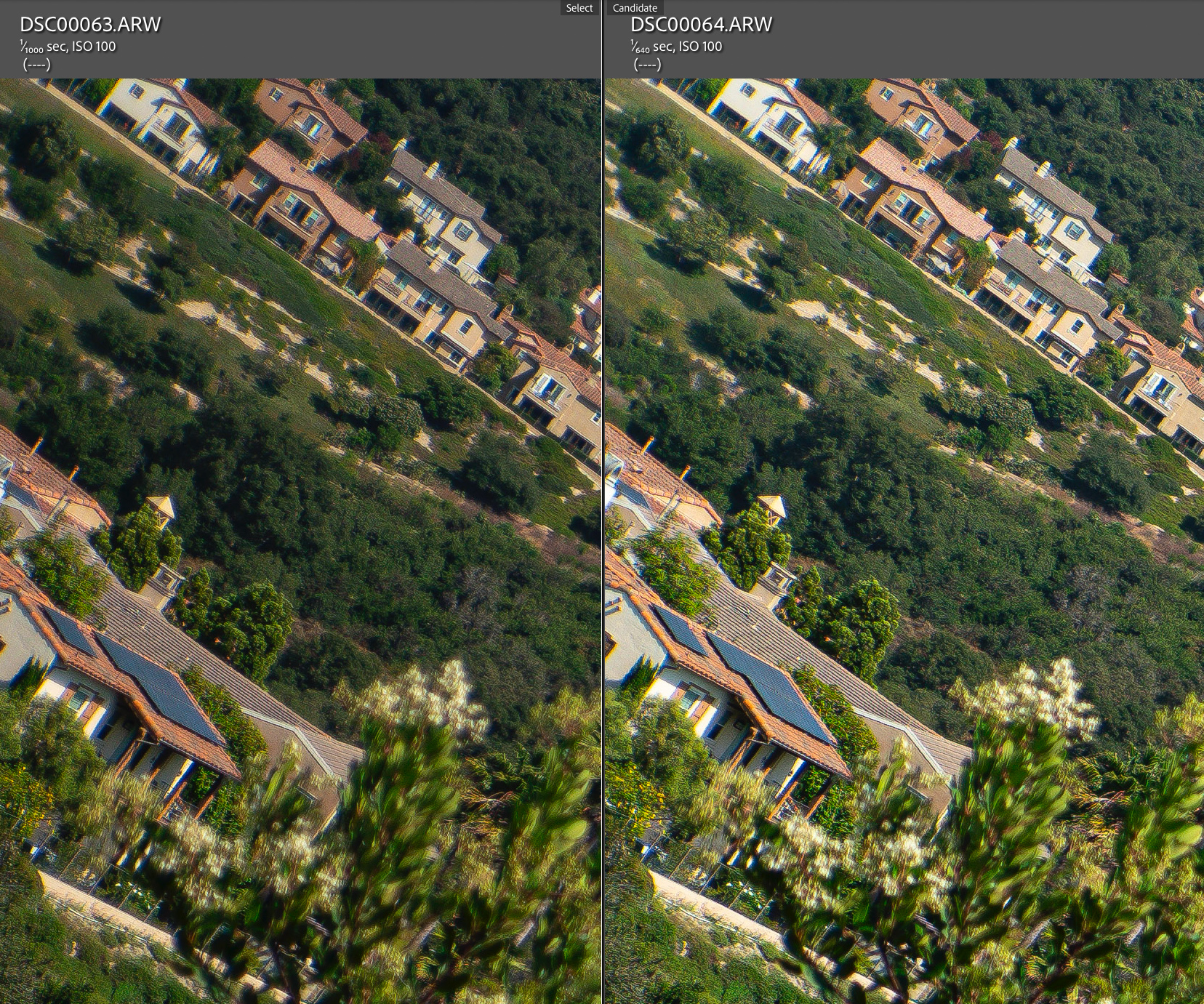
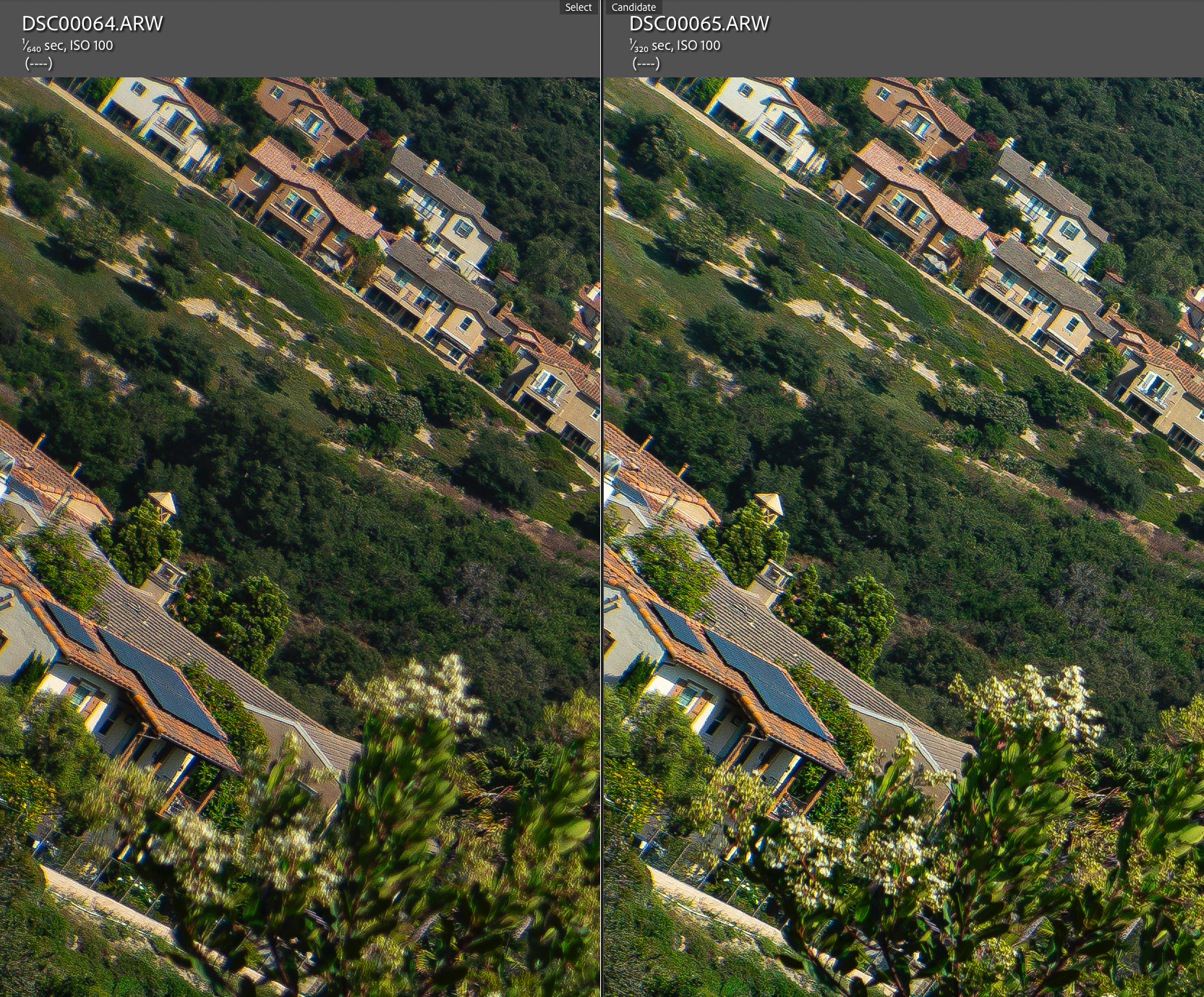
 Quite annoying.