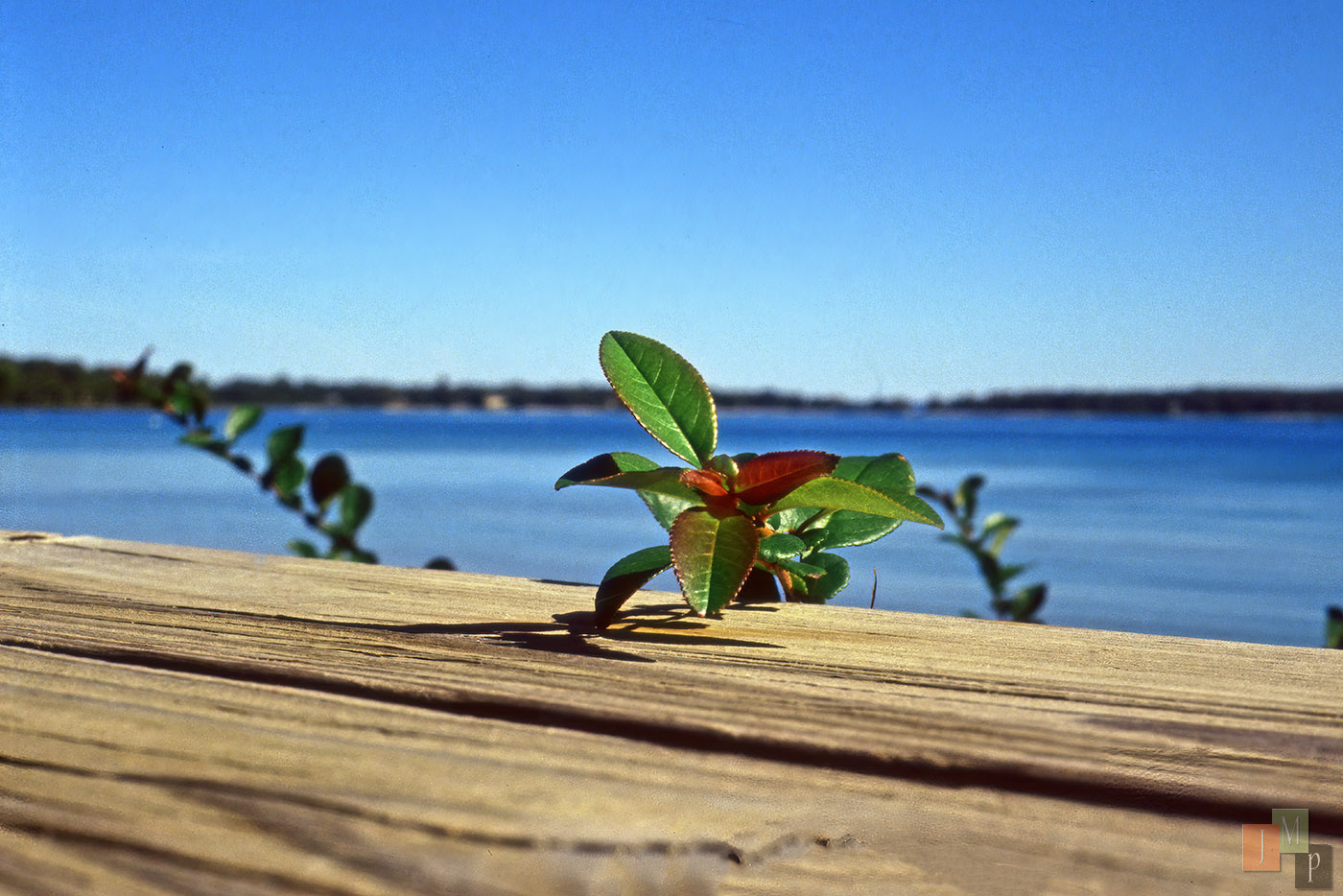
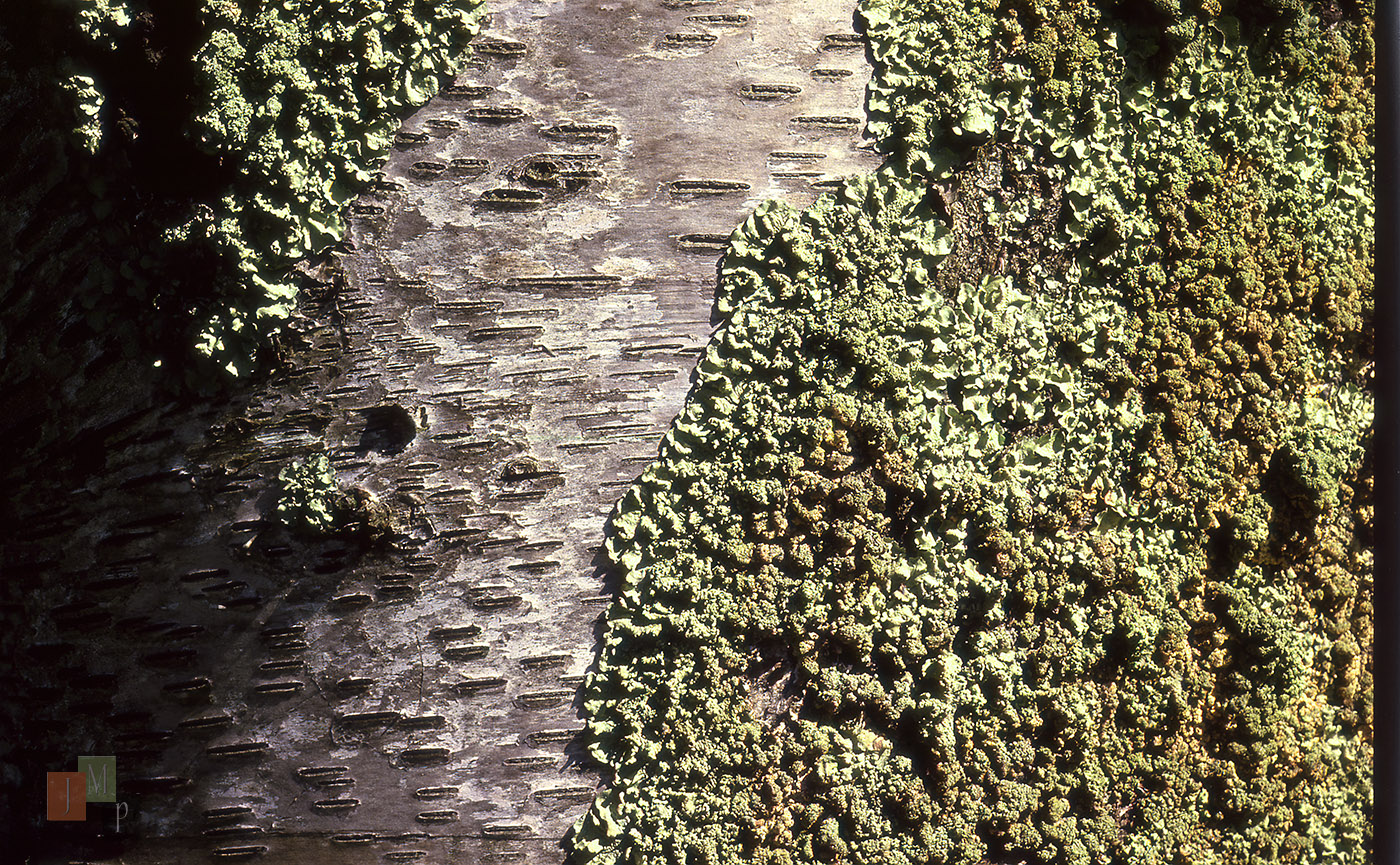
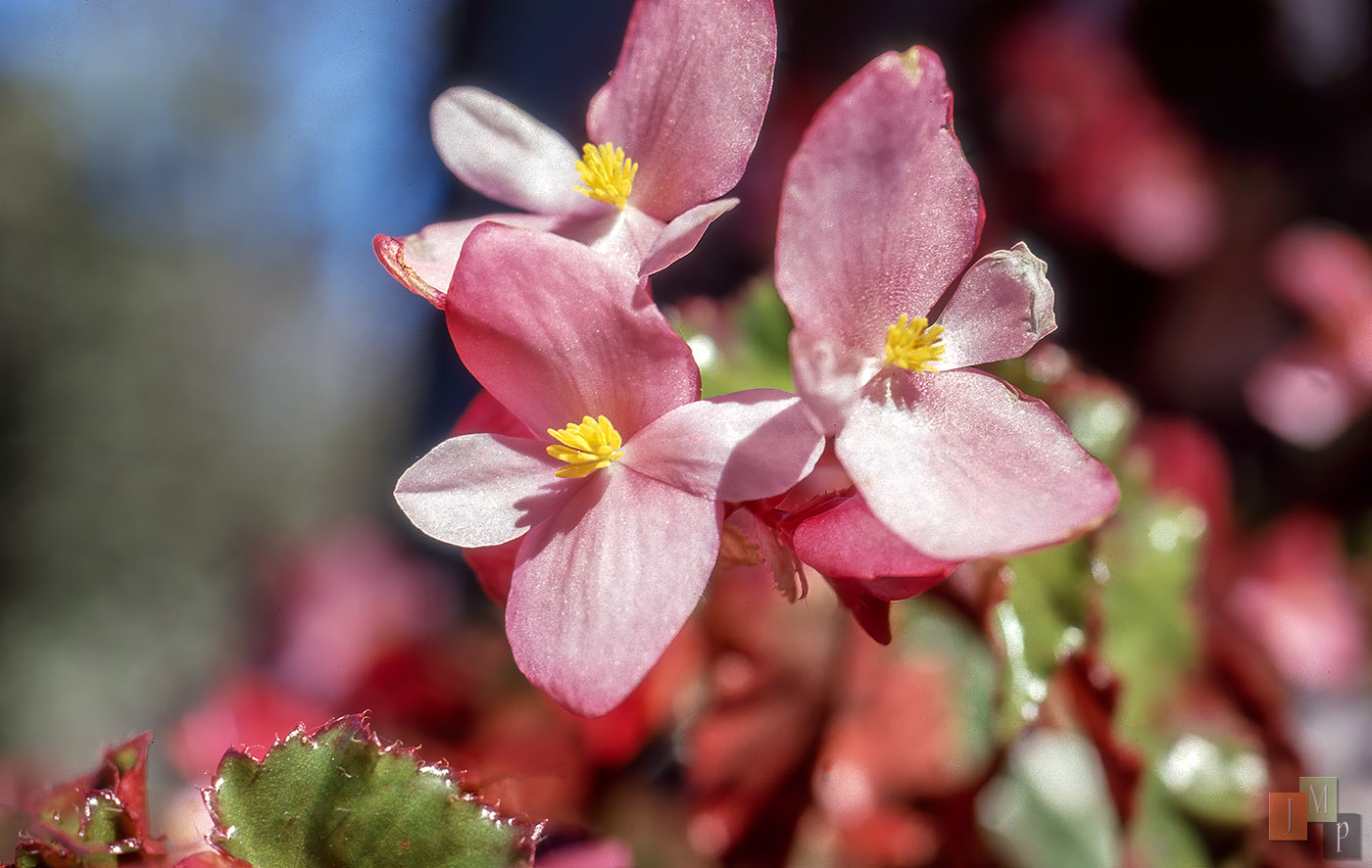
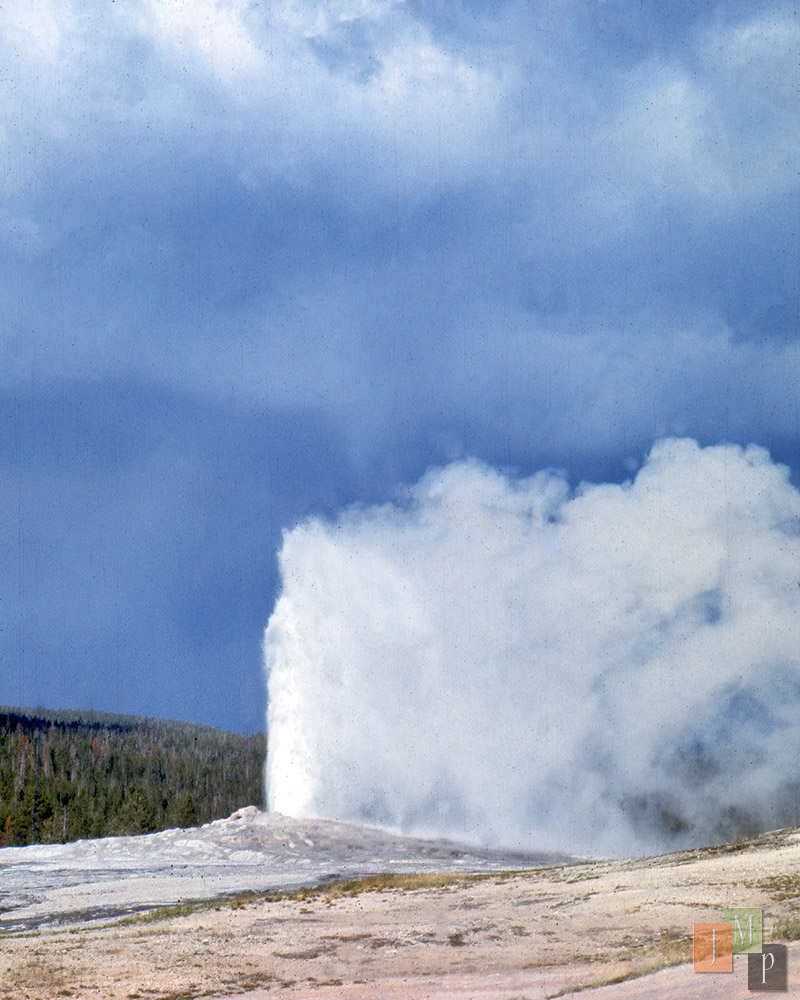
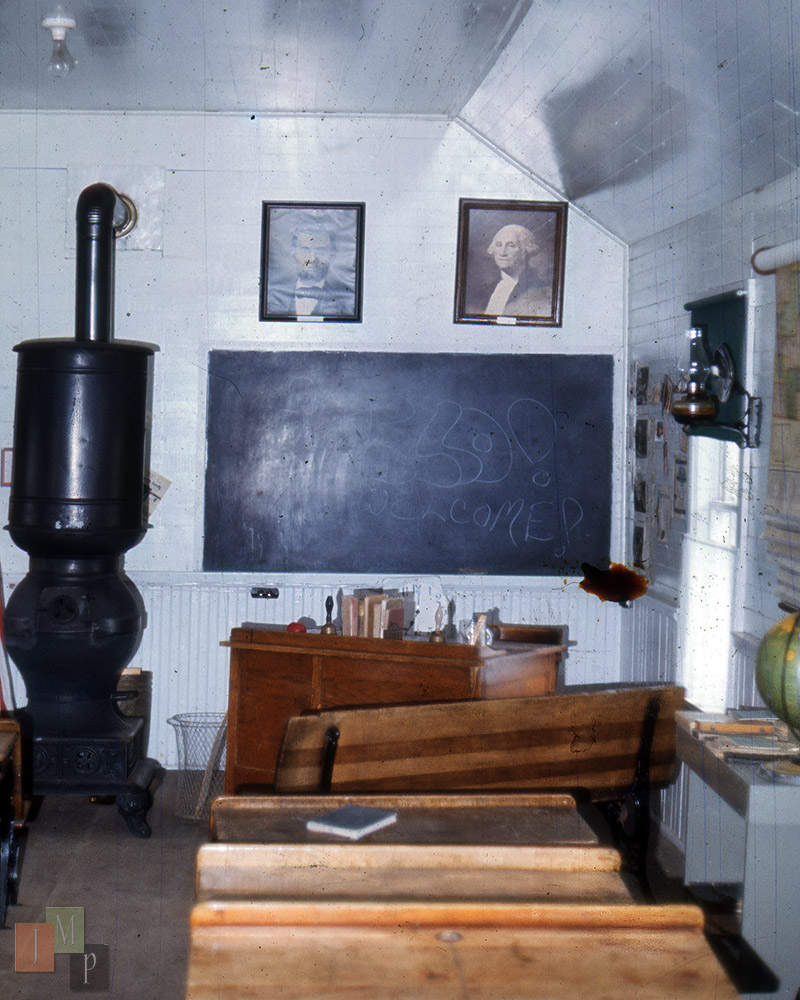
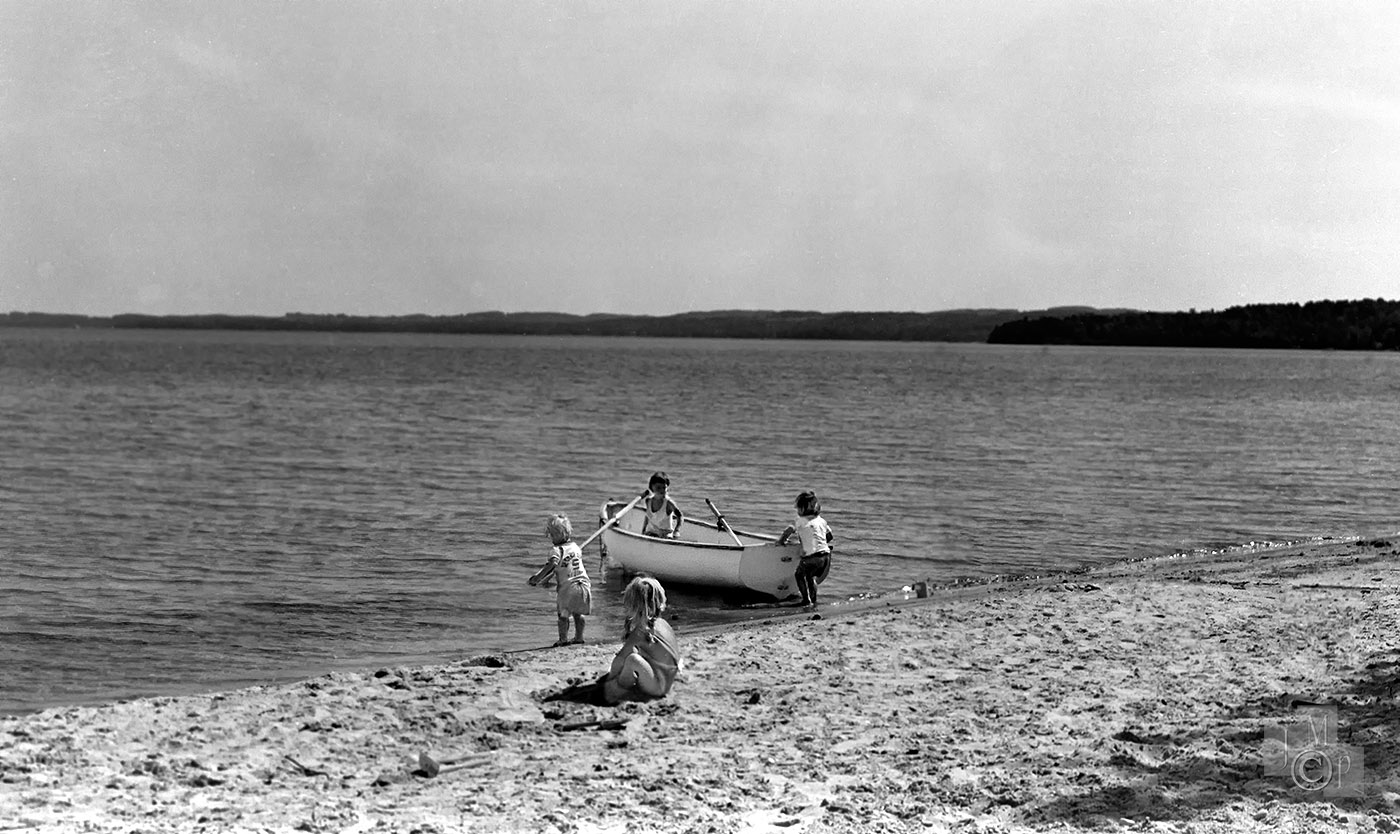
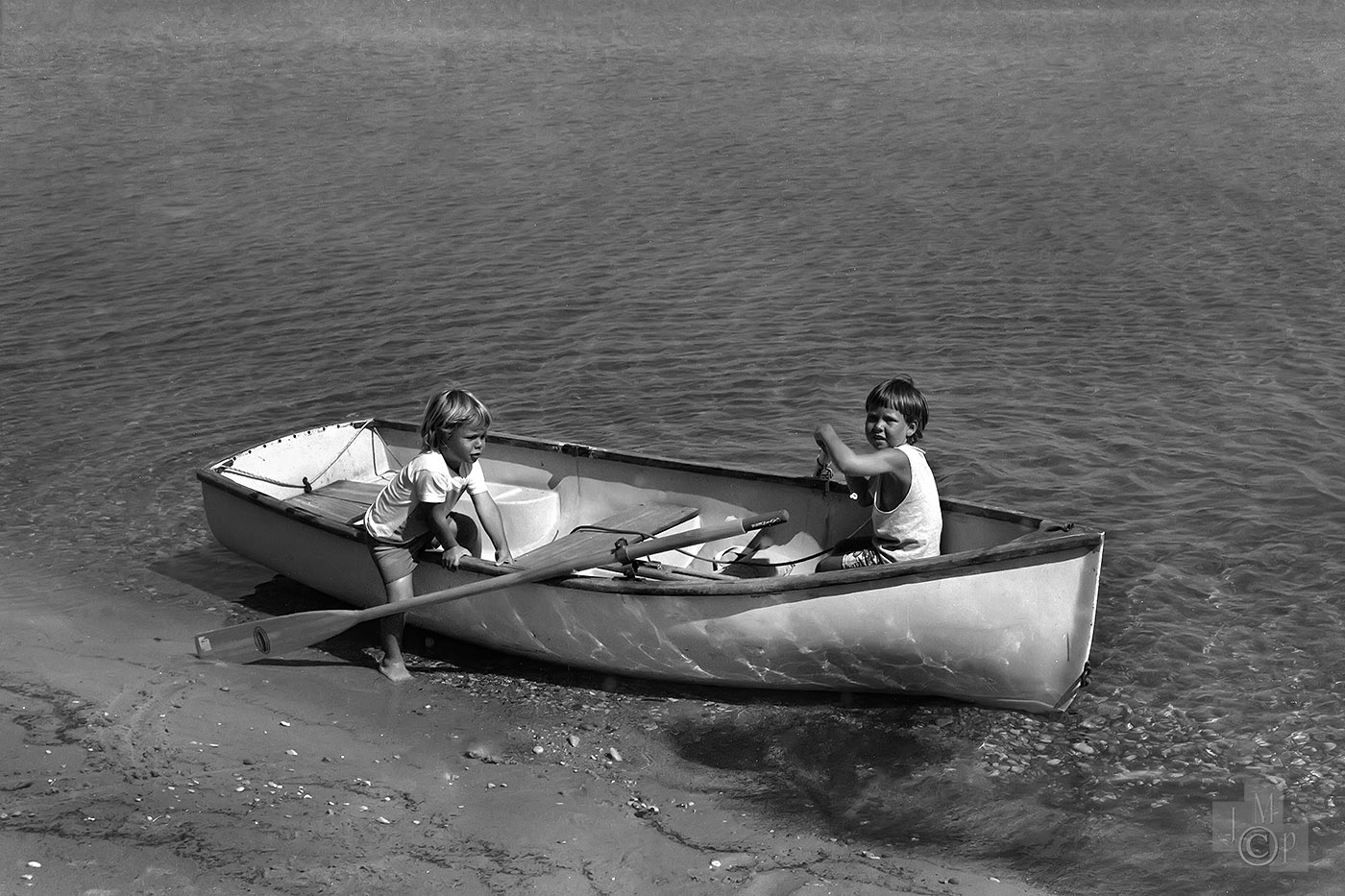
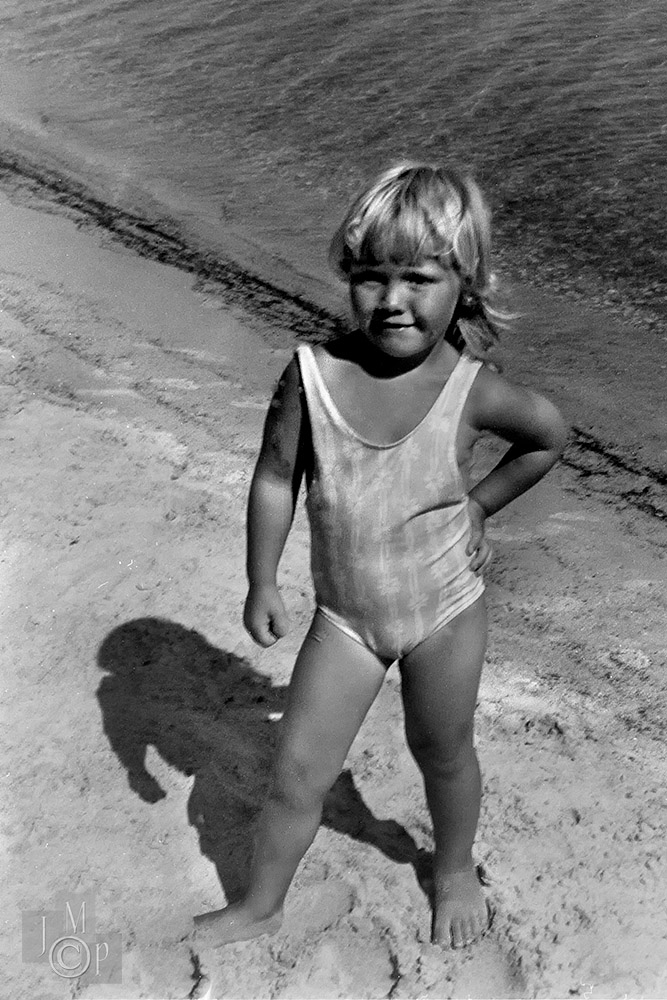
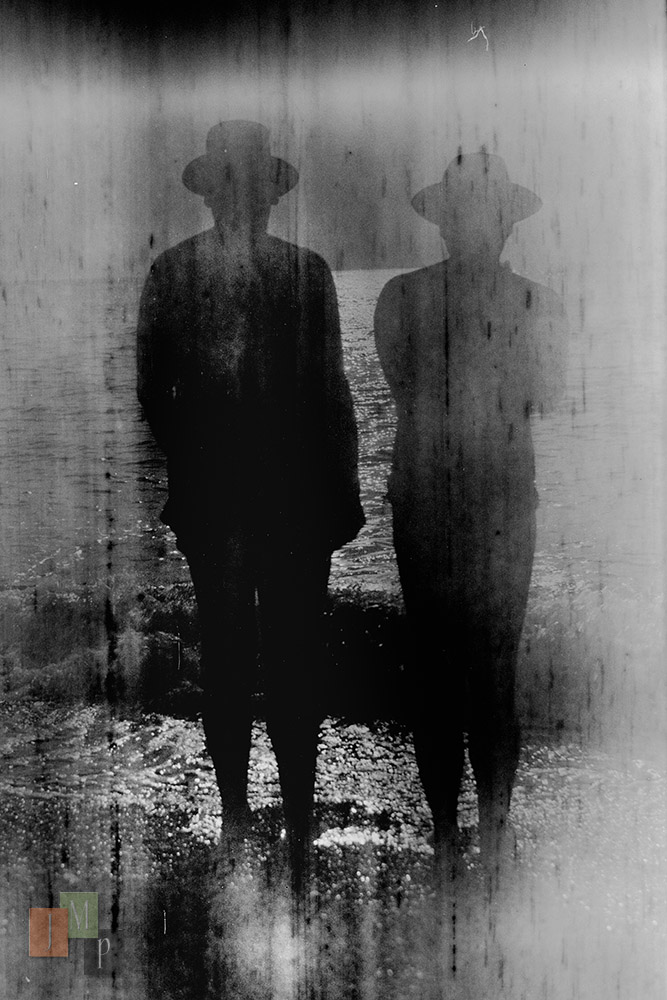
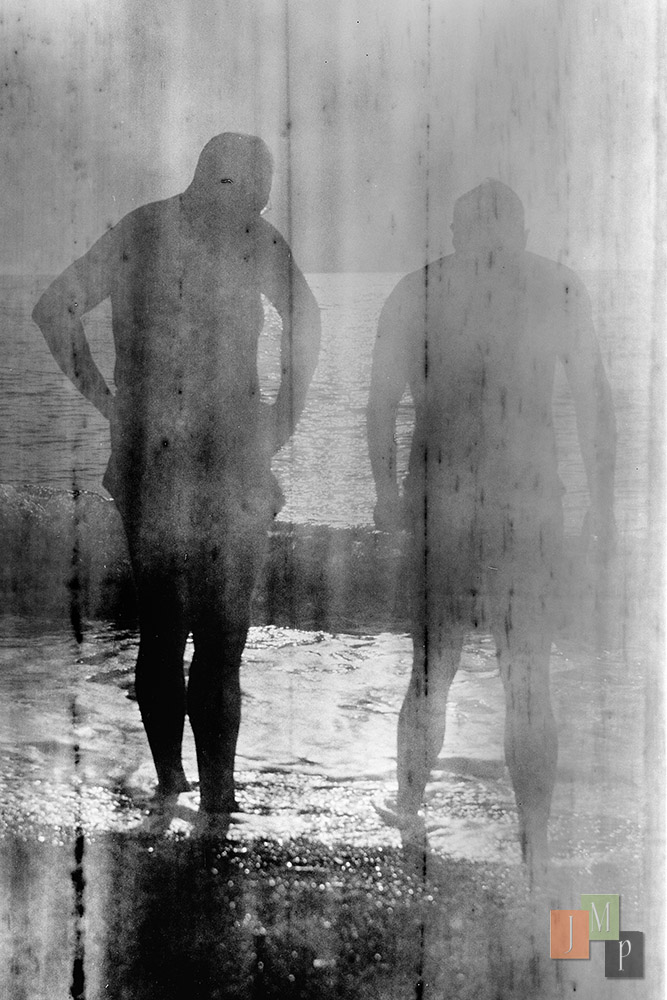
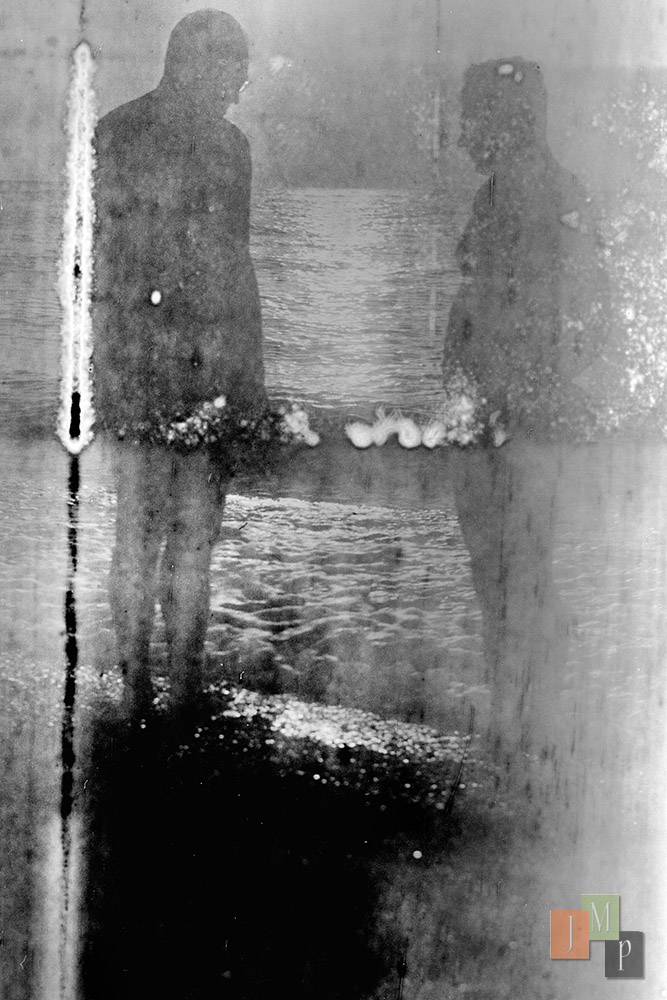
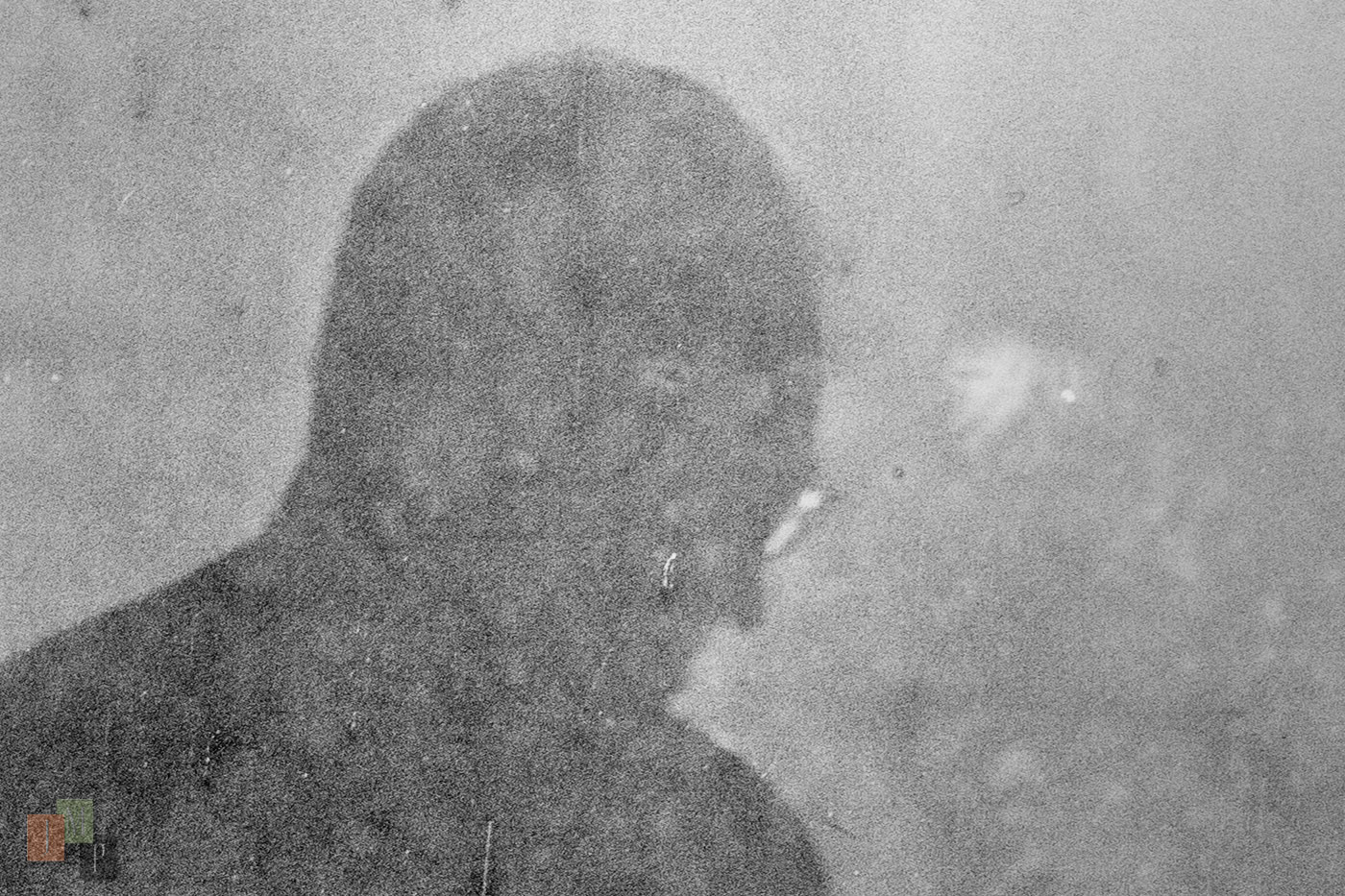
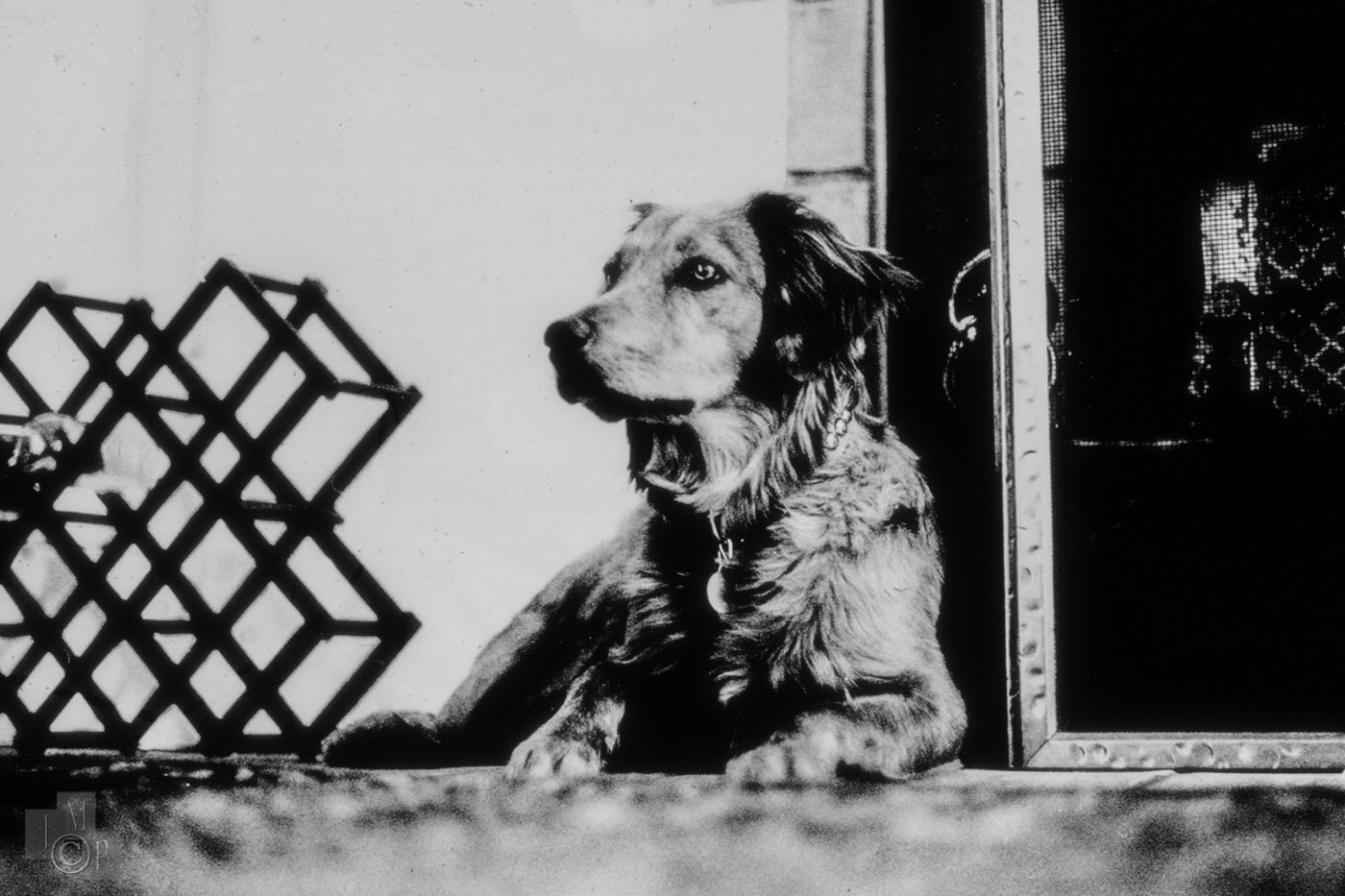
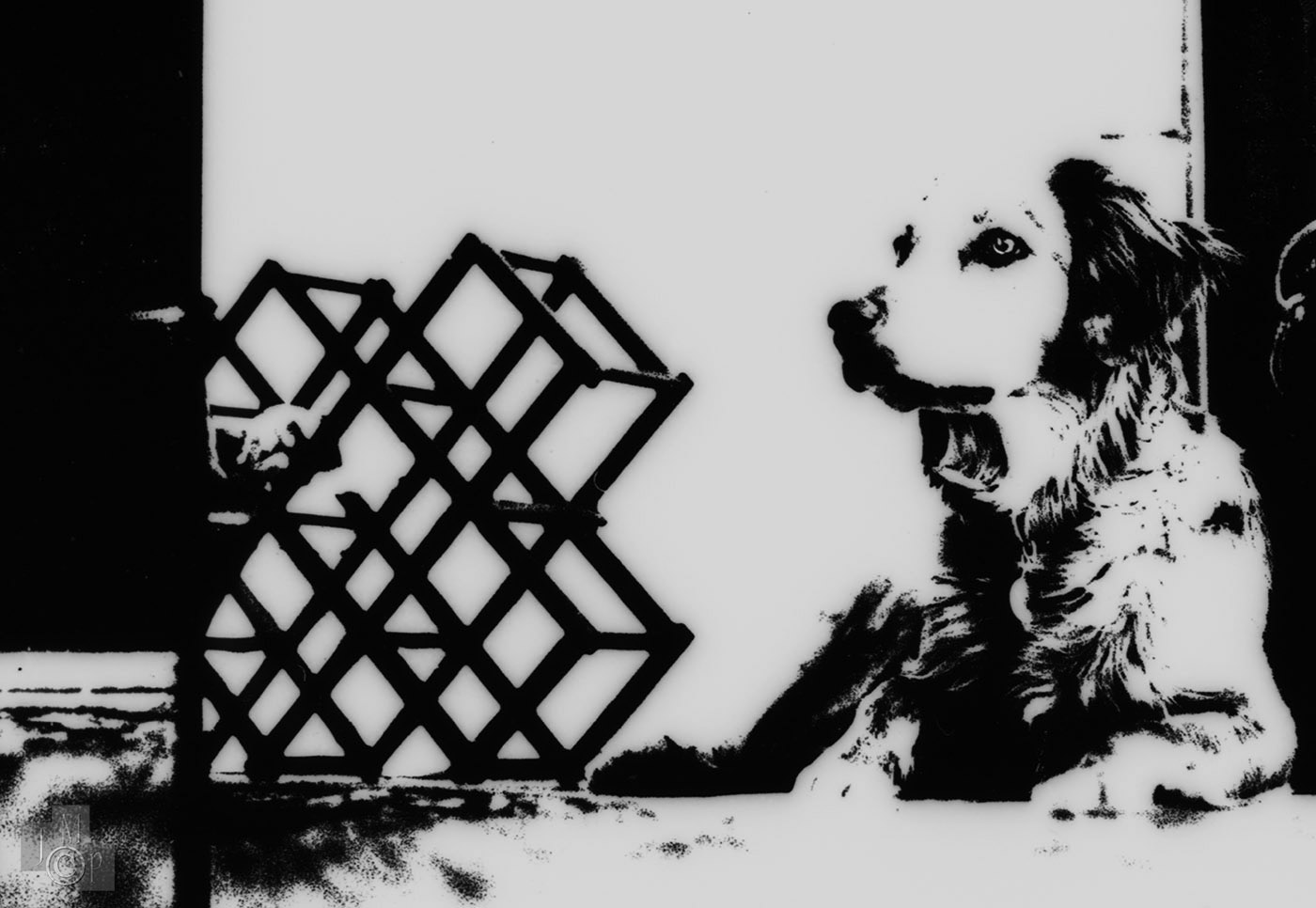
I came across a 1972 experiment with Kodalith. It was a process to remove the gray tones between black and white, and leave a graphical image. I used Plus-X, then put the negs in a contact frame with a 4x5 sheet of Kodalith graphic arts film under them - flipped the light switch on and off as fast as I could. Then you developed the film in a tray with Kodalith developer to produce an "internegative" or positive with a reduced number of gray shades. Then you repeated the process by stacking the interneg onto a new sheet of Kodalith film to produce a true black and white negative image (two tone) that you could print.
Exakta RTL-1000 with a 50mm f1.8 Carl Zeiss Jena Pancolour lens & waist level finder Interneg
One of the super-bolts from a storm that caused a local church and lumberyard to burn into oblivion; July 2011. Shot with Fujifilm 680 rangefinder (Delta 400).
Desmolicious wrote:
Thanks for posting your Dad's pics Alan! Loved looking at them.
Thanks! It was super fun for me at the time too! I honestly didn't even know he used to take pictures back in the day It all just makes me wonder why he stopped taking pictures, especially since some of the photos were actually quite good.
A lot of the places I can now mark on my to-visit map thanks to reverse image search offered by Google.
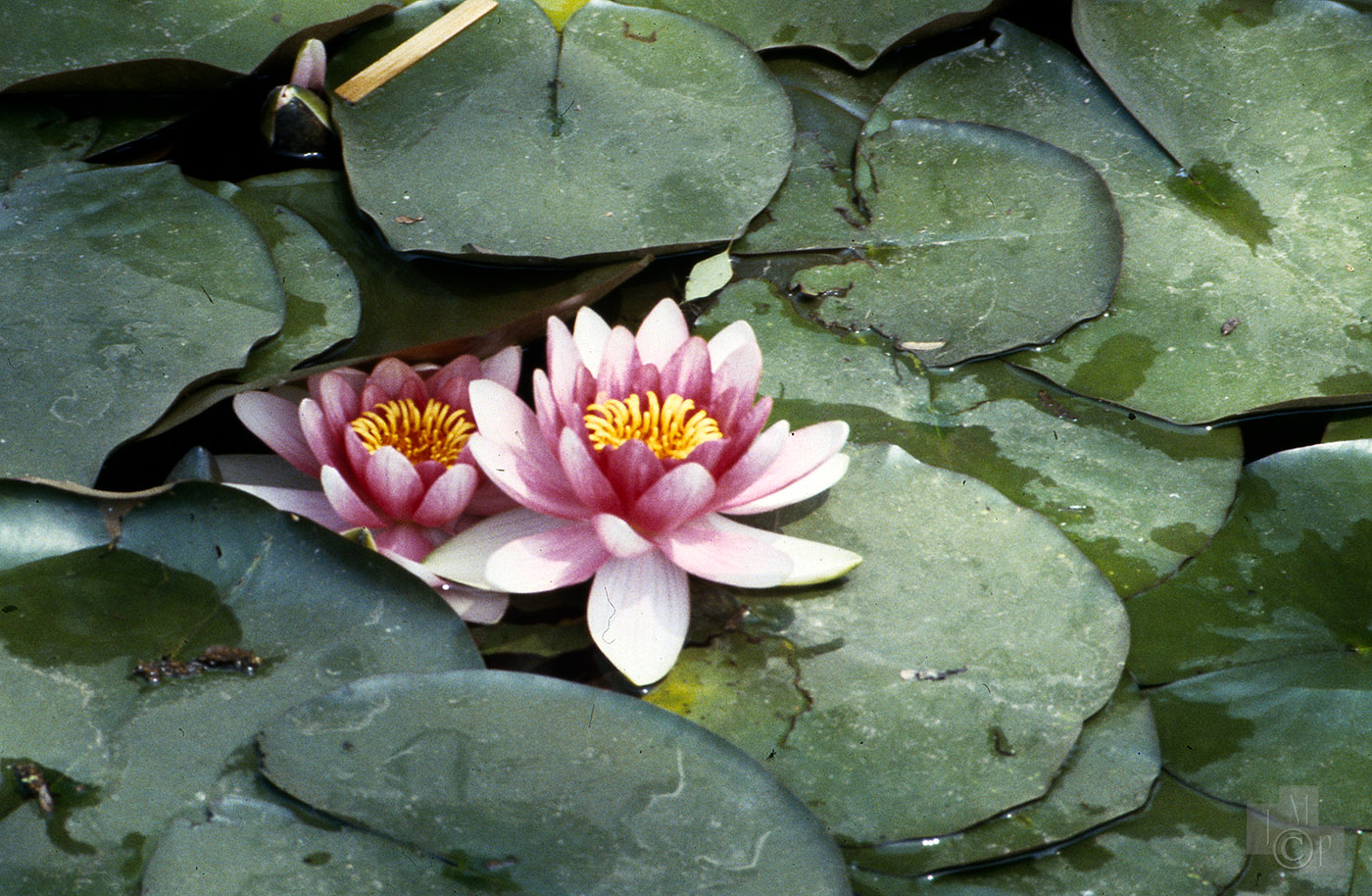
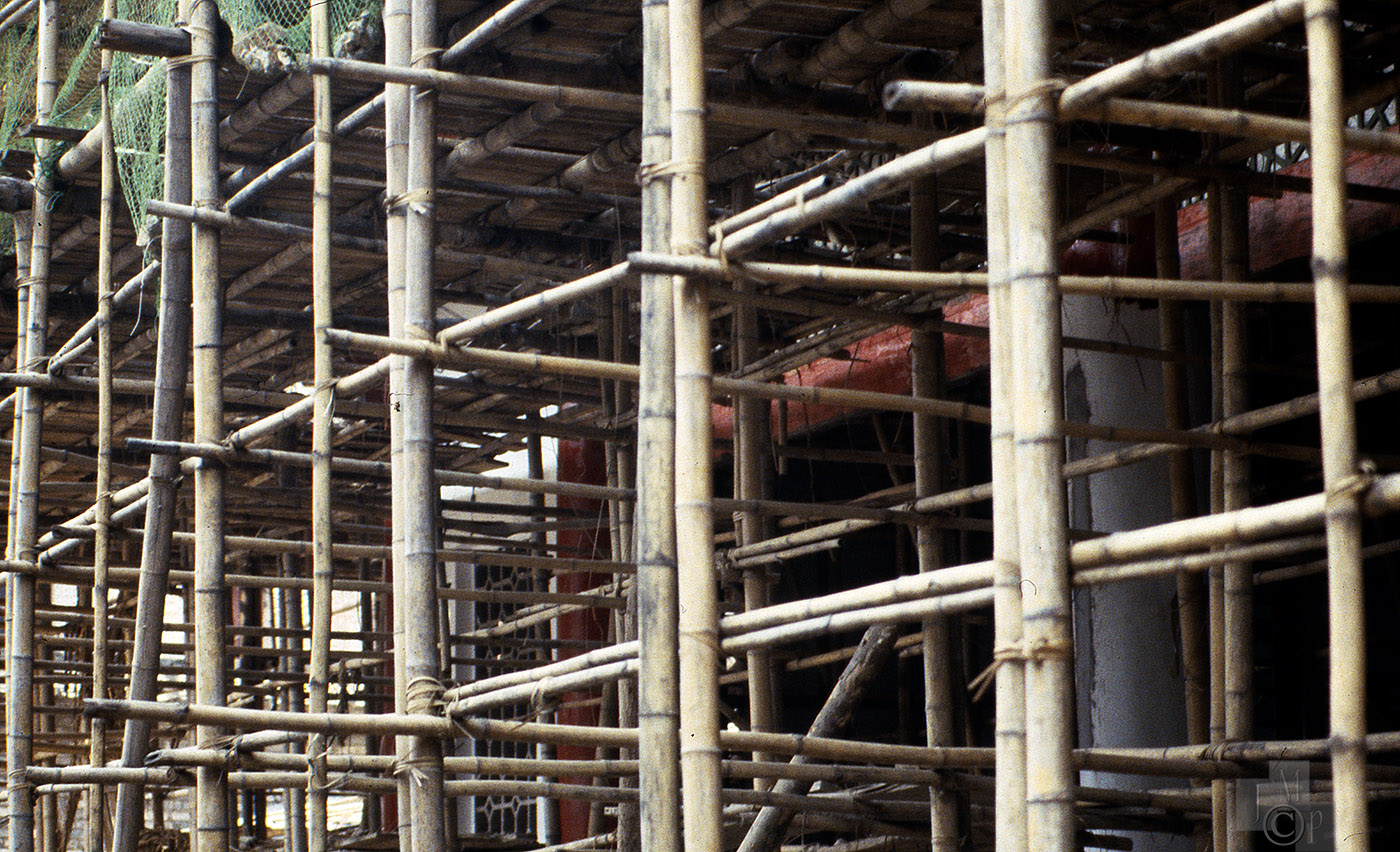
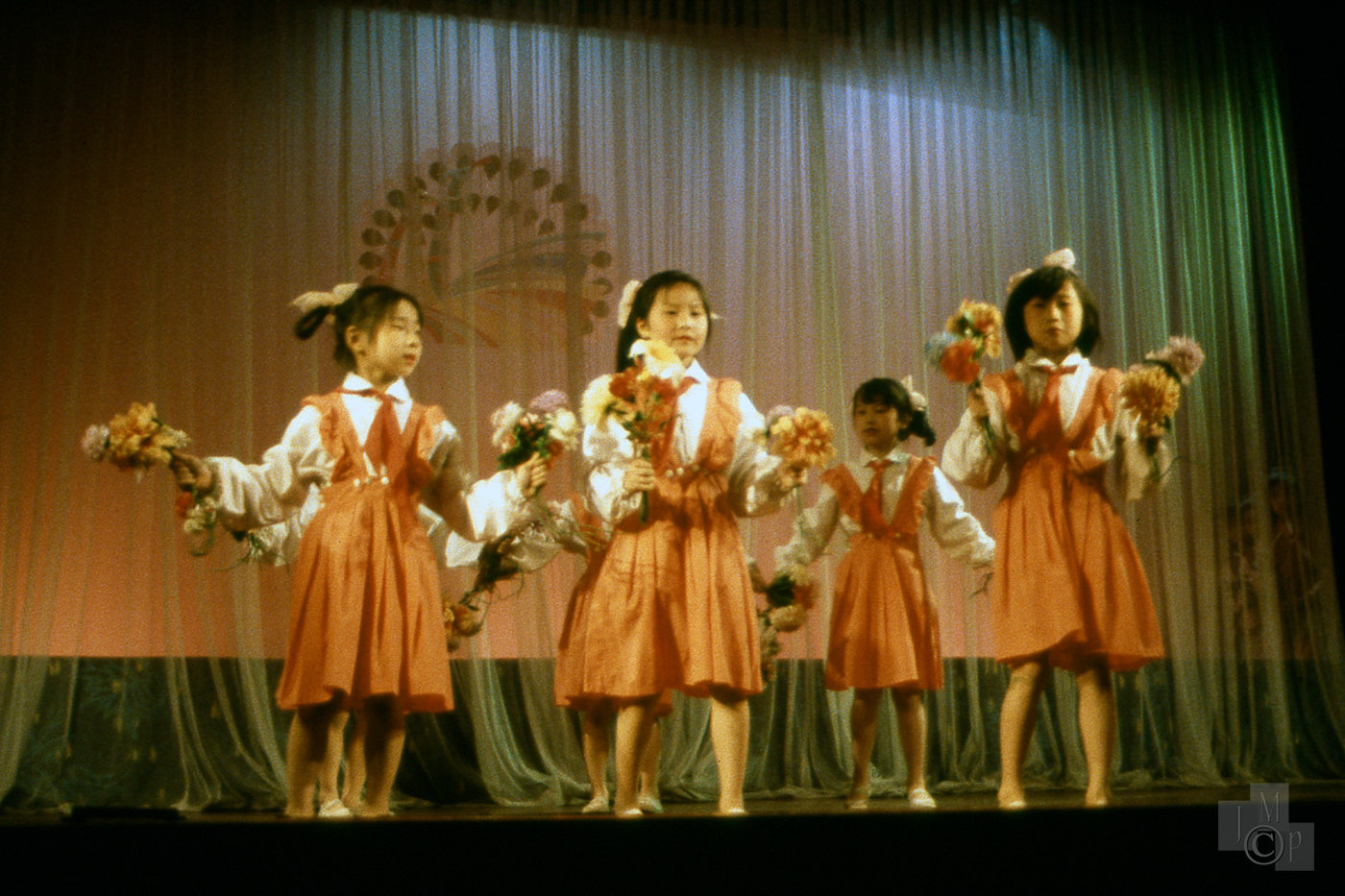
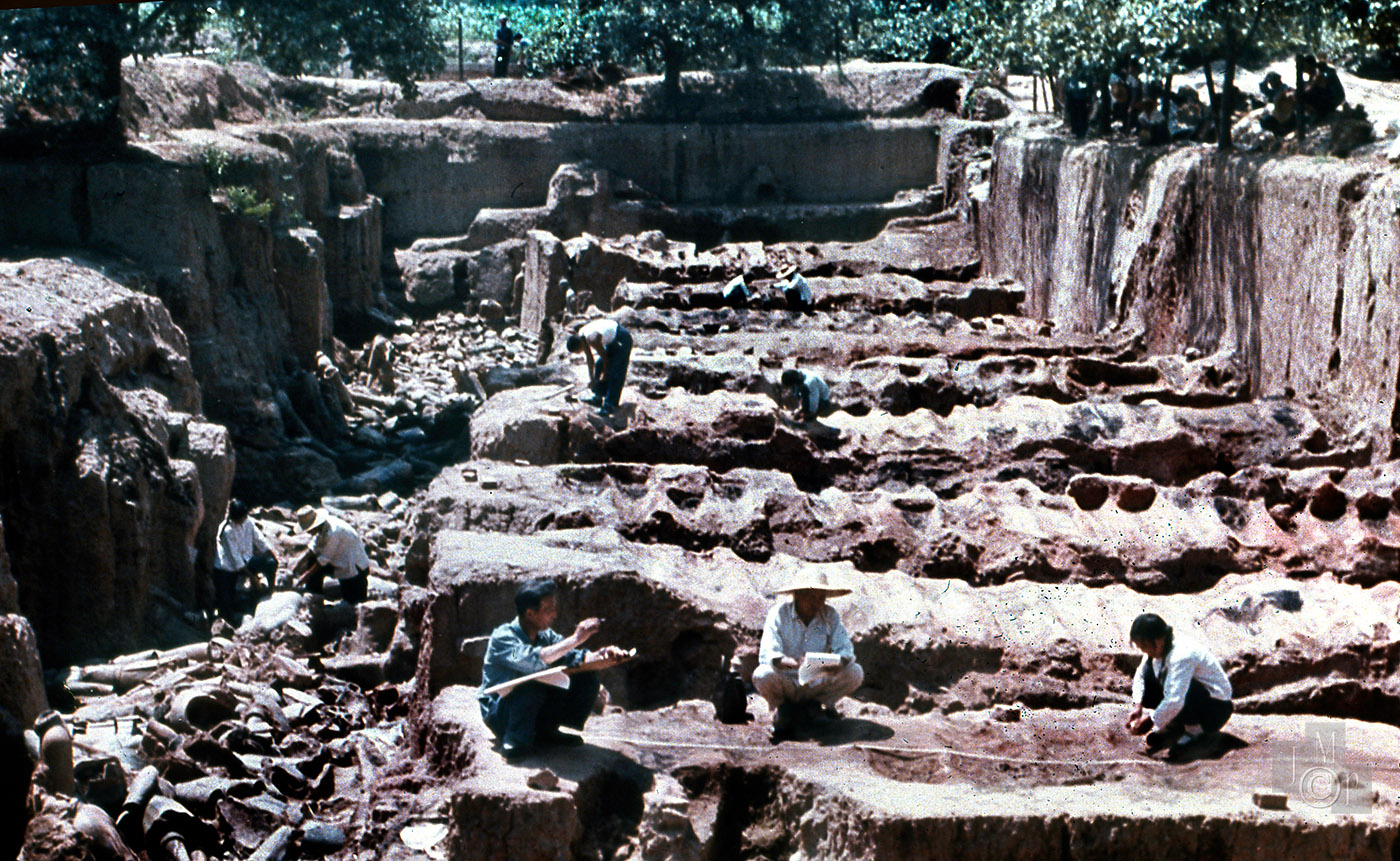
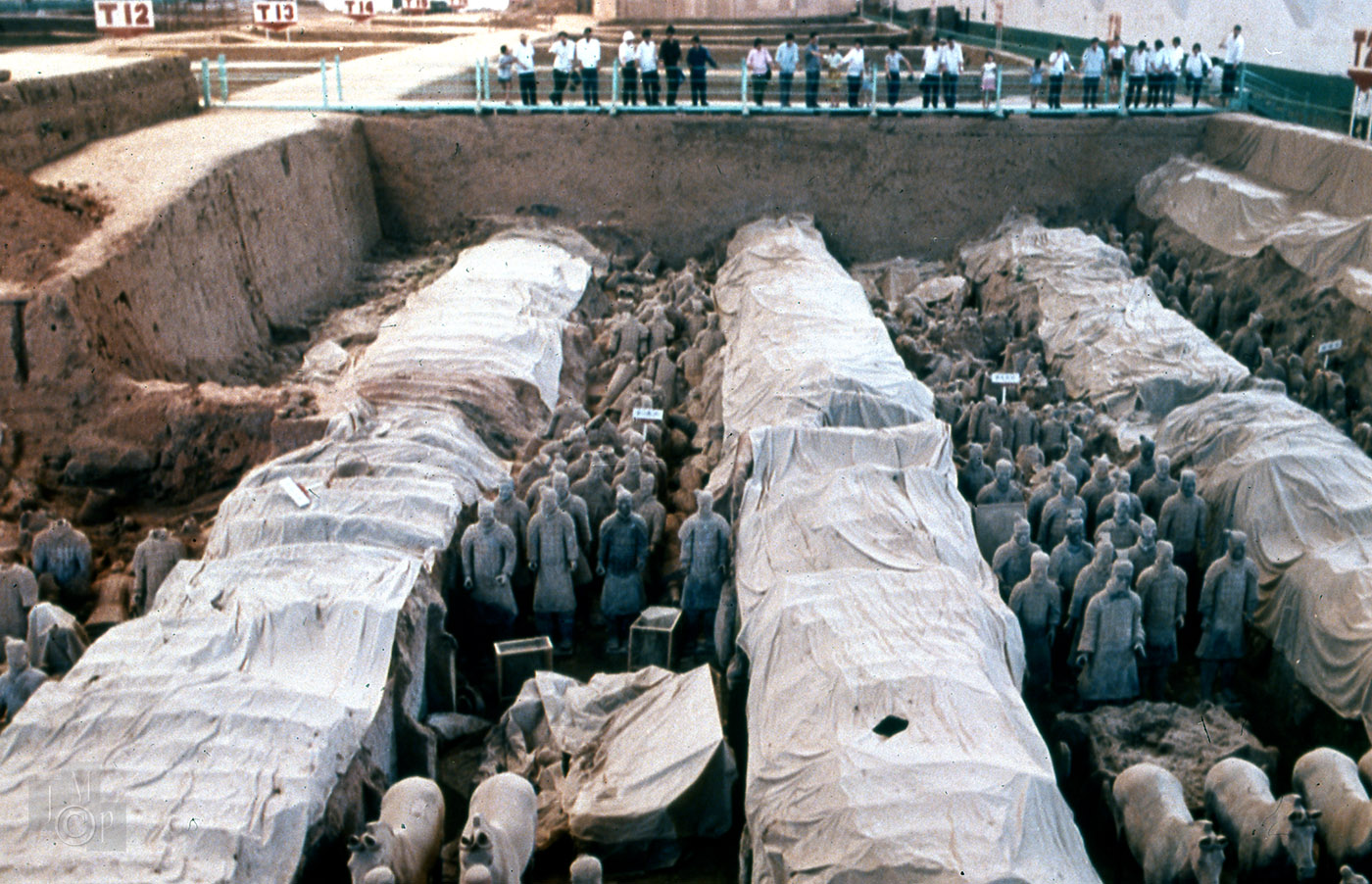
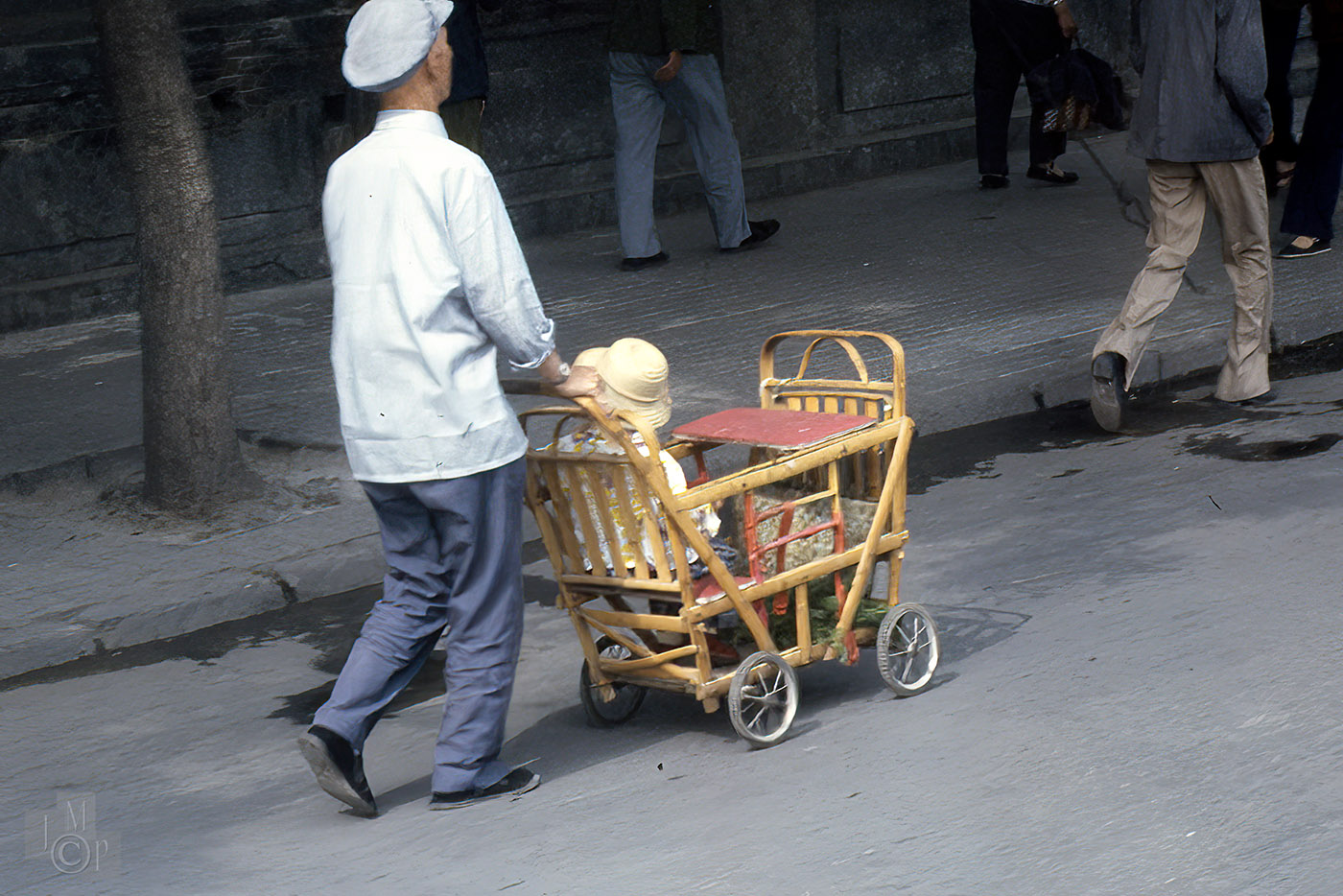
My mom & dad went to China in 1984. Here are a few I scanned on an Epson V700 13 years ago. I intend to
redo them, but haven't come across the carosel that they are in.
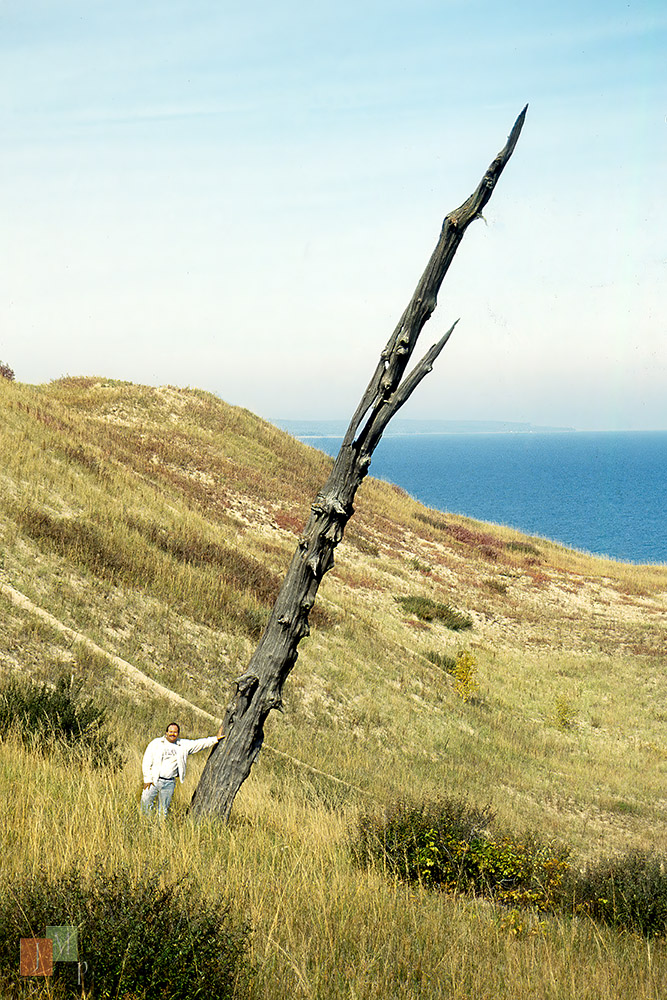
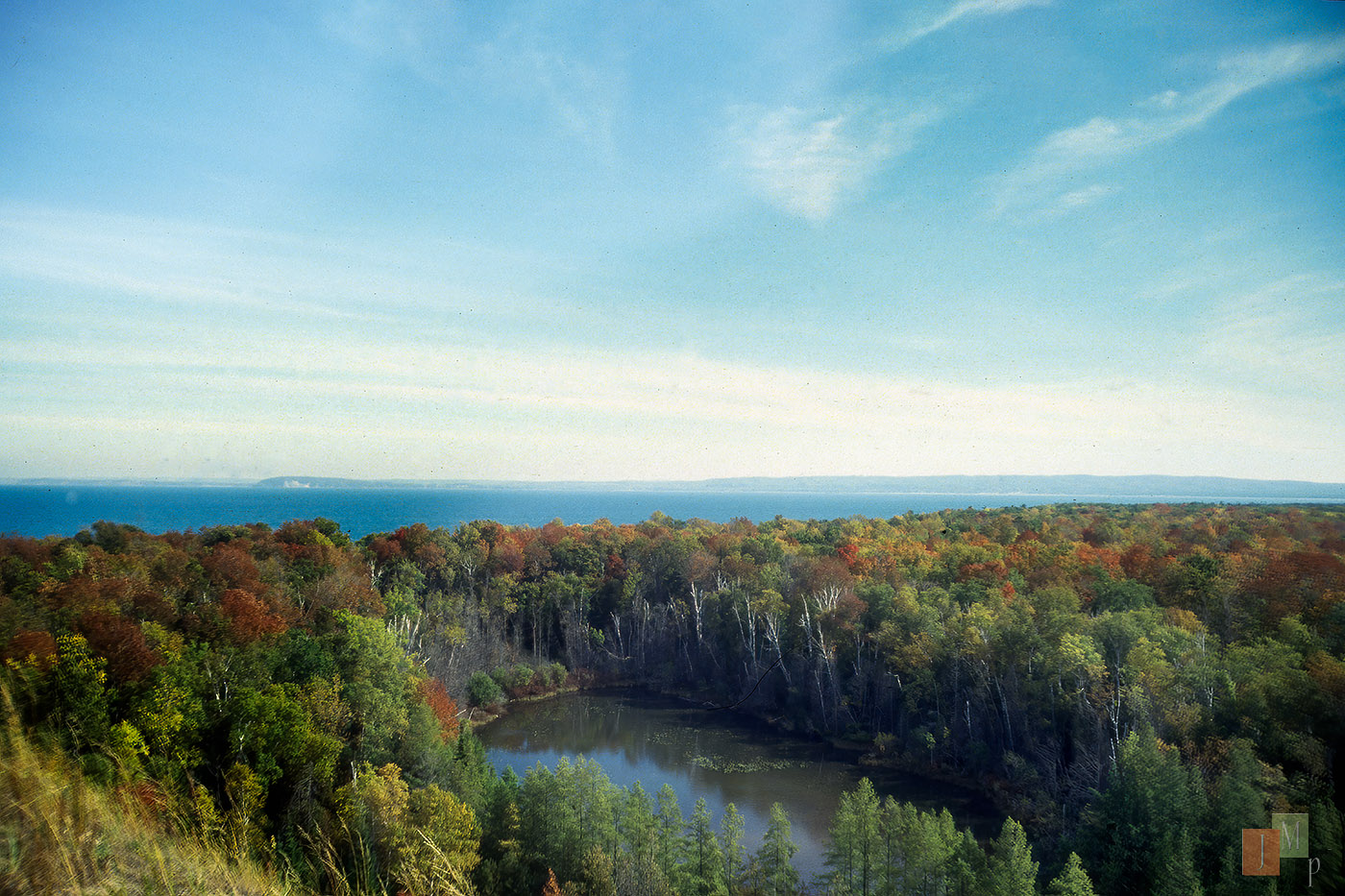
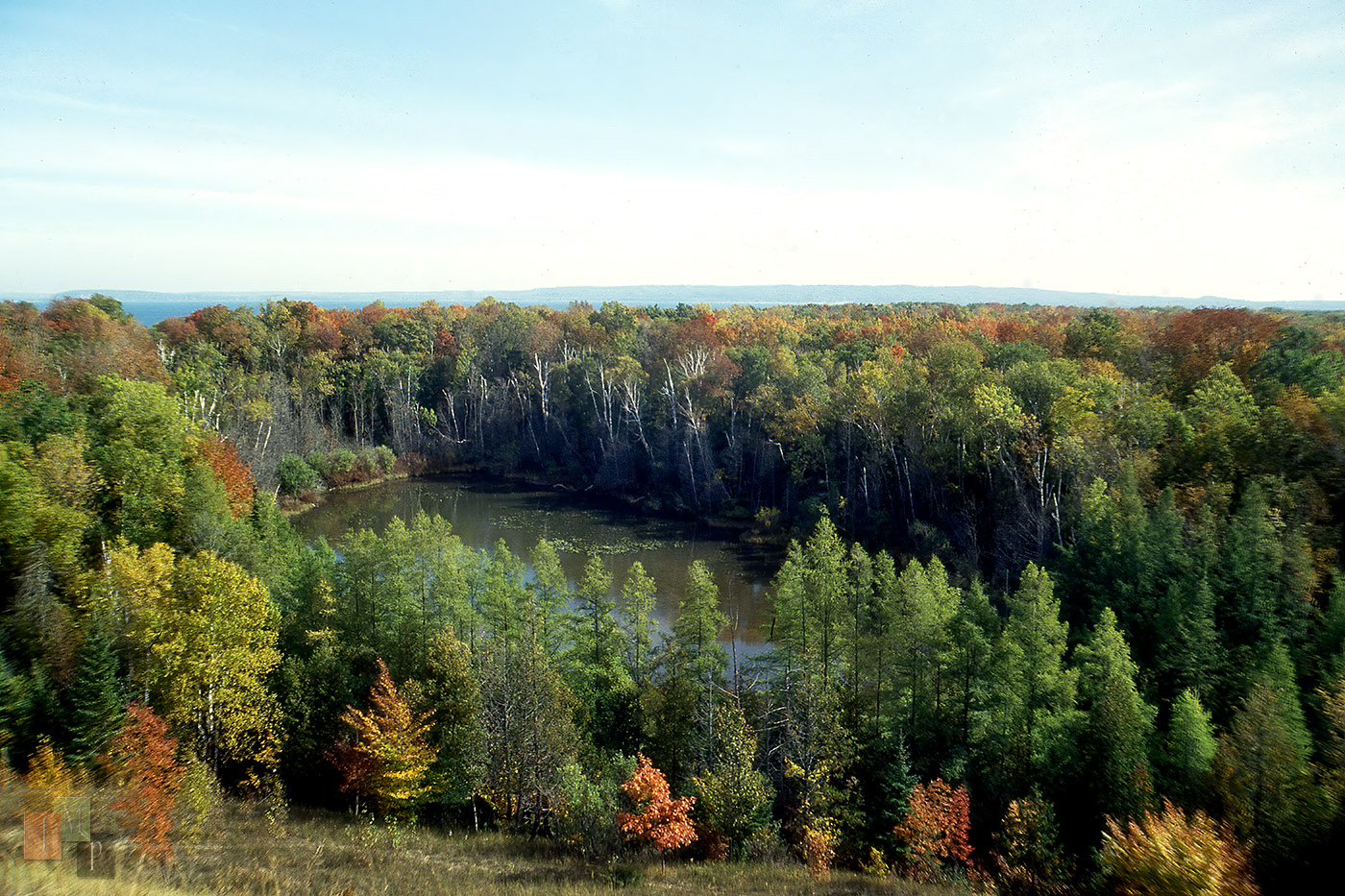
Fuji RD was a one year (1993) ISO 100 slide film - that lacked the super saturation of Velvia, but had a warm tone. That was what I used to shoot this in 1993. This huge stick in the sand dune is the very top of a virgin Hemlock whose base is still under the moving sand dune. The person standing next to it (me) is 6 foot 2 inches tall. About 150 feet lower, at the base of the dune, is a beautiful little pond surrounded by Hemlocks, Birch, and Maples. Nikon FM with the 35-105mm ais
Next to the Hemlock top
Looking from near the Hemlock towards the pond
Walking towards the pond
Where the water coming out of the dune base fills the pond; looked like the sand on the bottom was boiling
James Markus wrote:
Fuji RD was a one year (1993) ISO 100 slide film - that lacked the super saturation of Velvia, but had a warm tone. That was what I used to shoot this in 1993. This huge stick in the sand dune is the very top of a virgin Hemlock whose base is still under the moving sand dune. The person standing next to it (me) is 6 foot 2 inches tall. About 150 feet lower, at the base of the dune, is a beautiful little pond surrounded by Hemlocks, Birch, and Maples. Nikon FM with the 35-105mm ais
A little north of Pyramid point near that overgrown farm house that my friend grew up in and brought me to see. He brought me to his favorite deer hunting spots.
madNbad wrote:
What an interesting film. Too bad it was just an experimental run. Where were these taken?
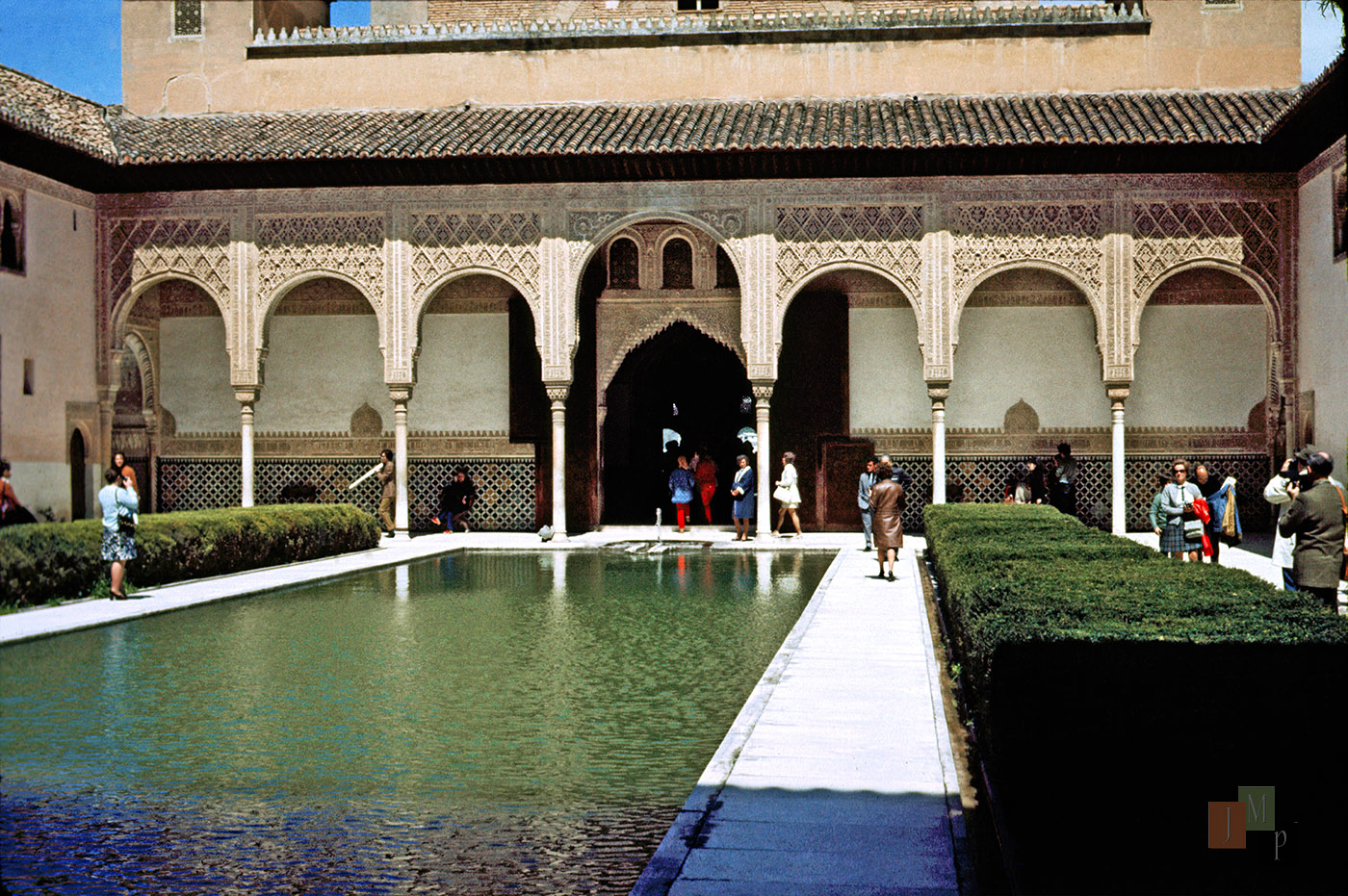
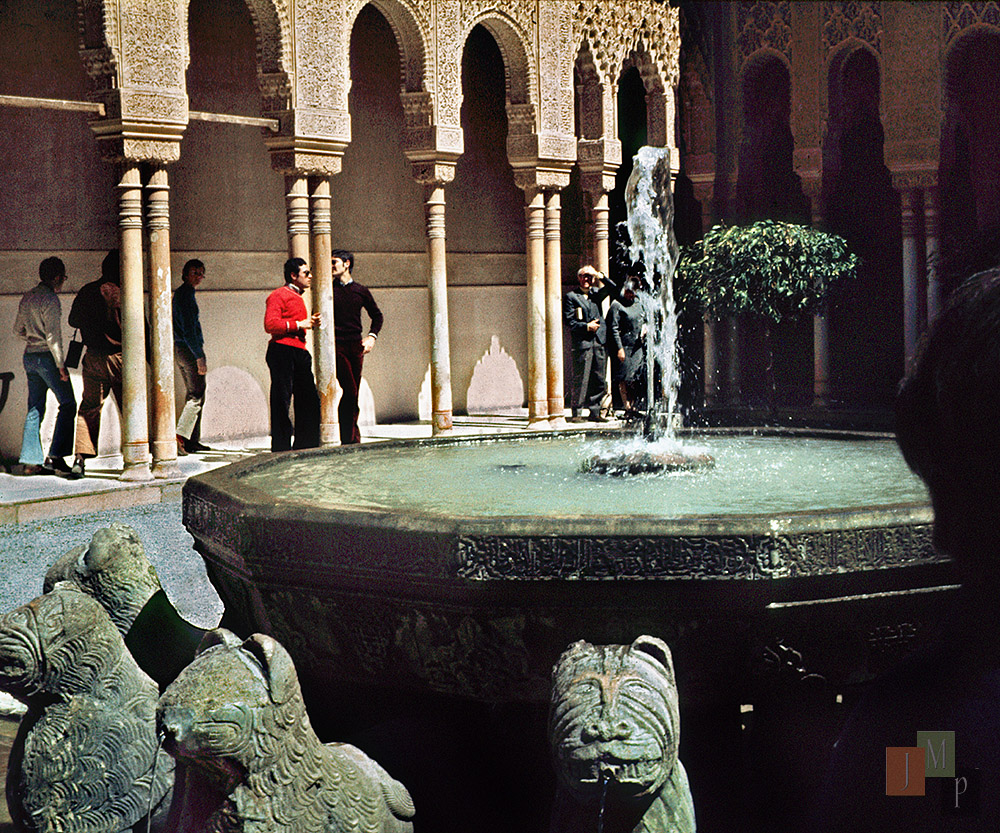
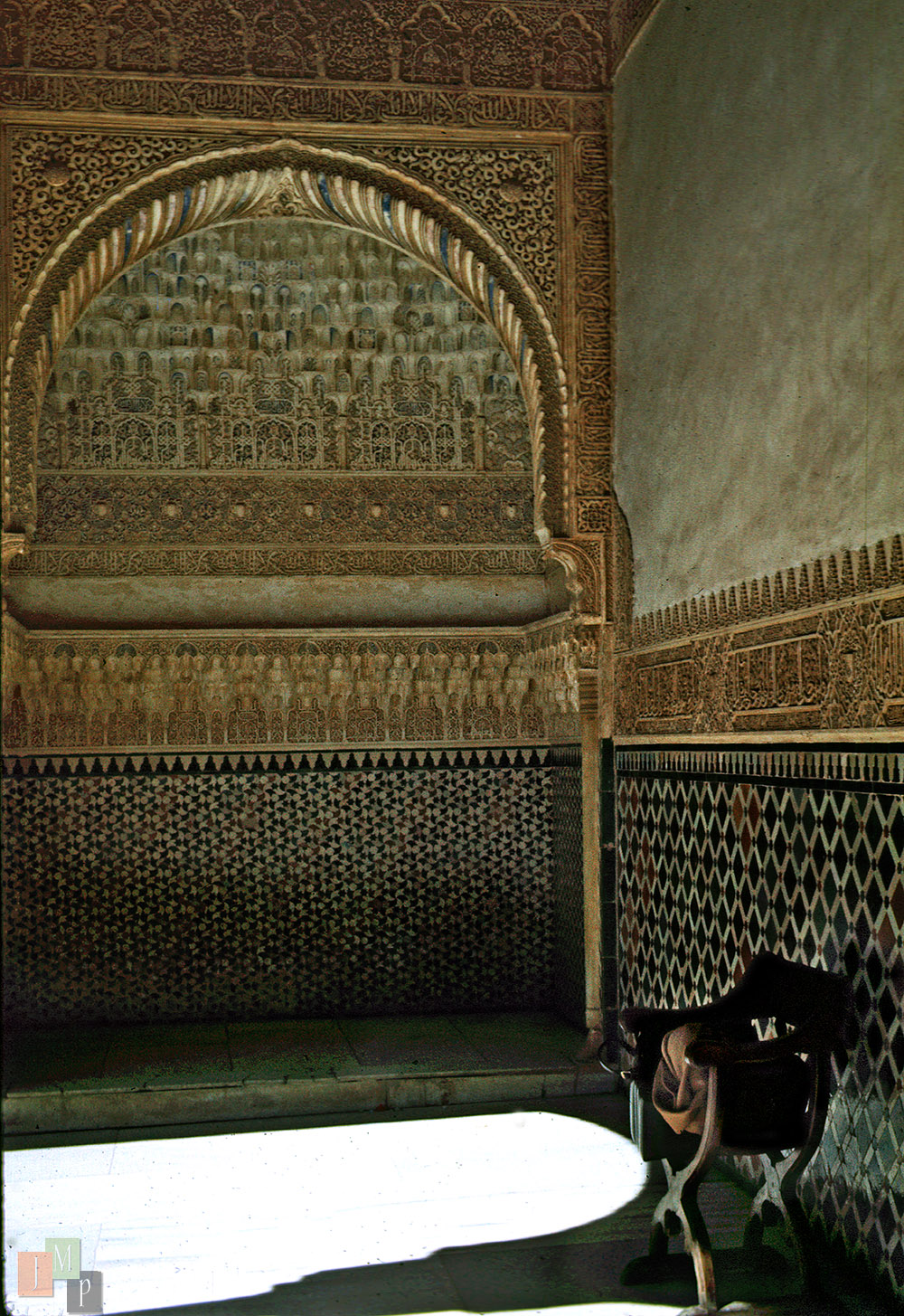
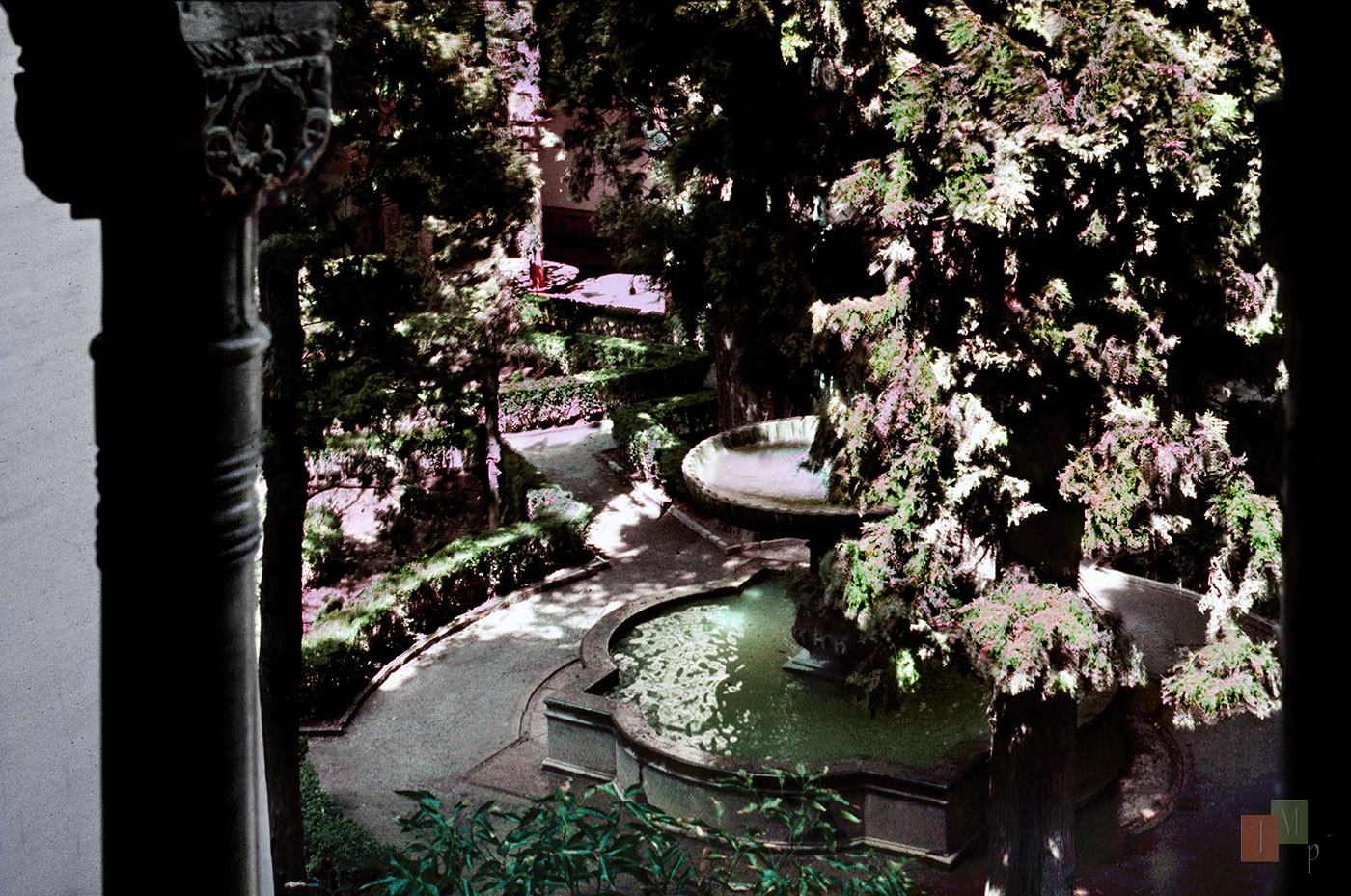
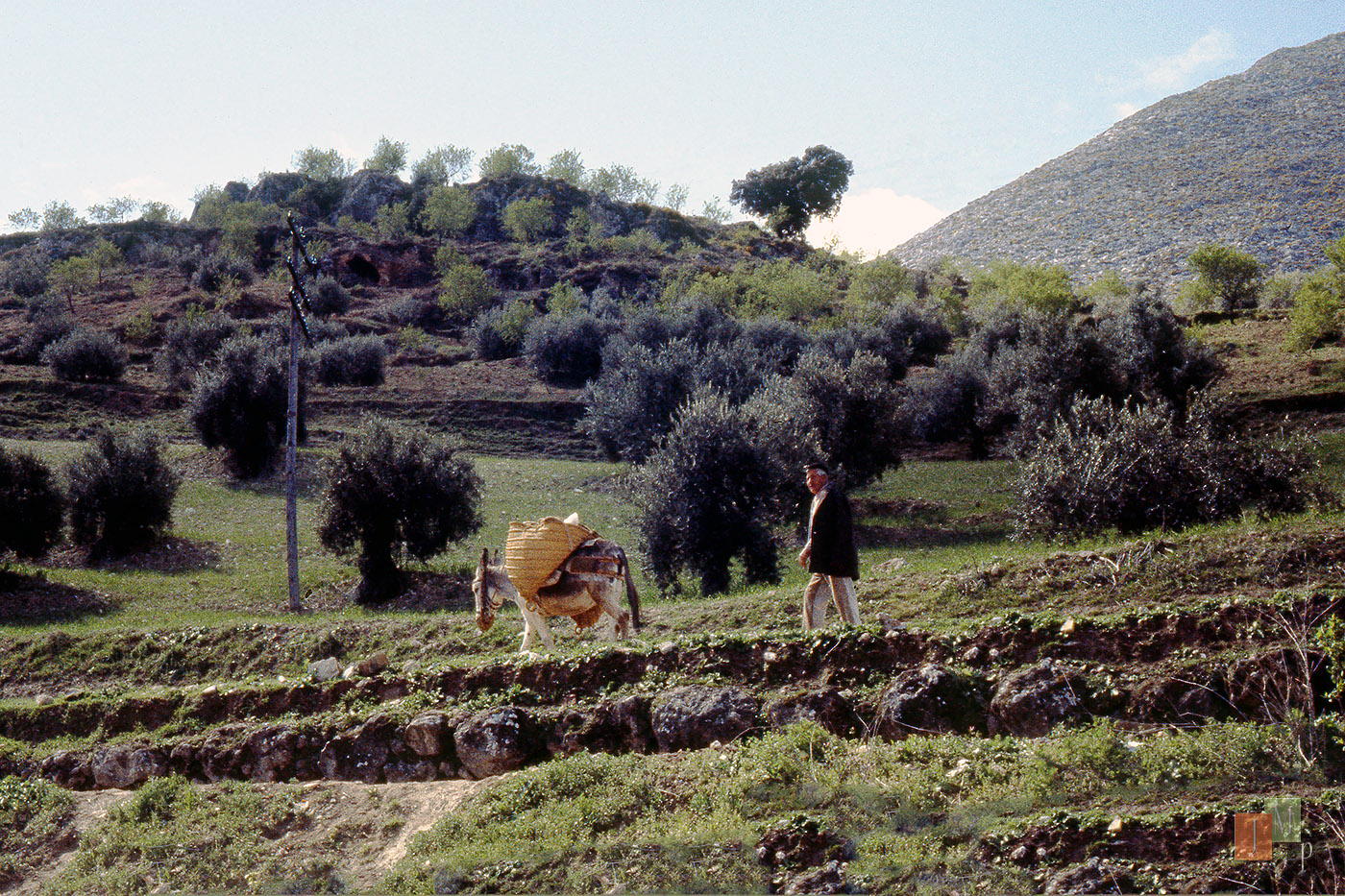
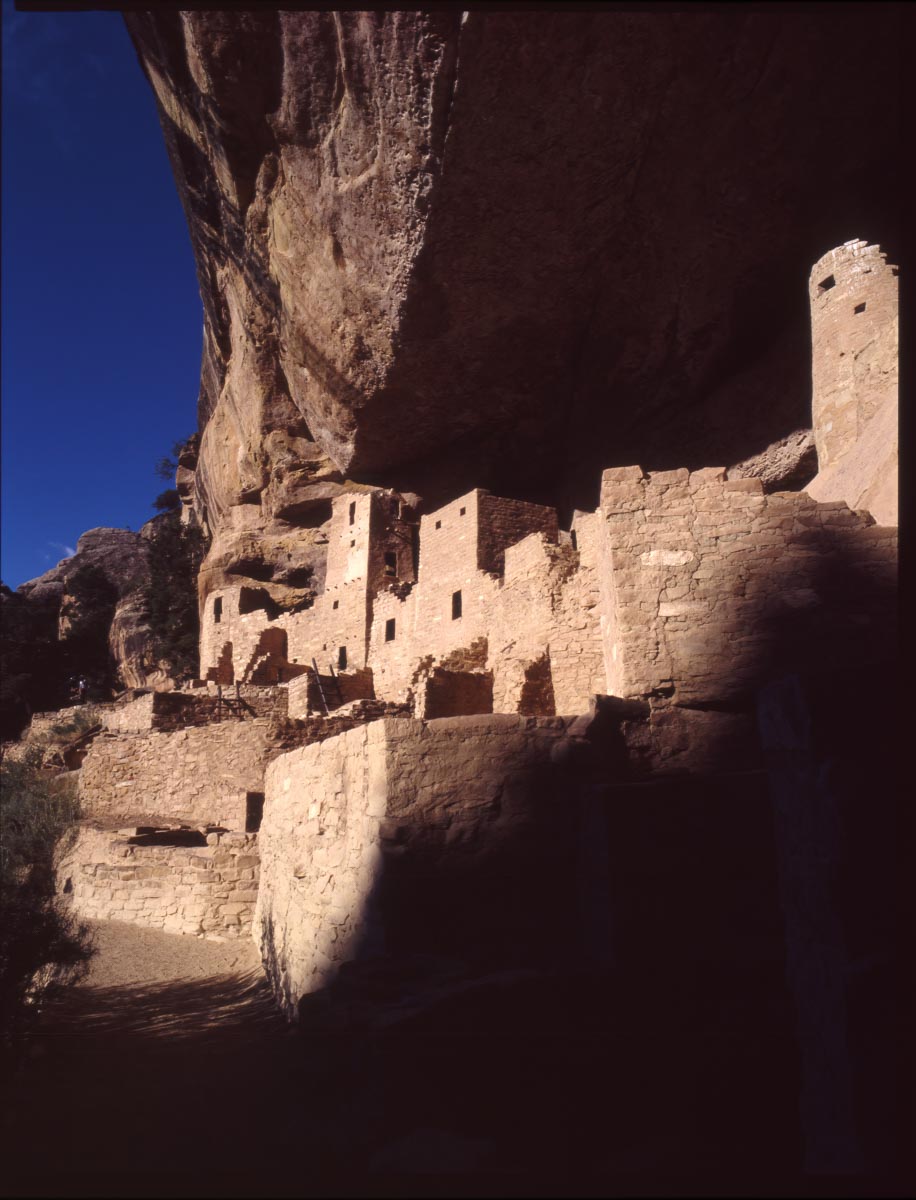
1970 at the Alhambra in Granada Spain. Film was Ektachrome, camera was my dad's borrowed Kodak Retina 3c with a 35mm Schneider-Kreuznach lens (I think the f4 version). Lots of post-proccessing due to them being in rough shape, and not exposed very well.
A window that overlooked a garden we were not allowed to enter
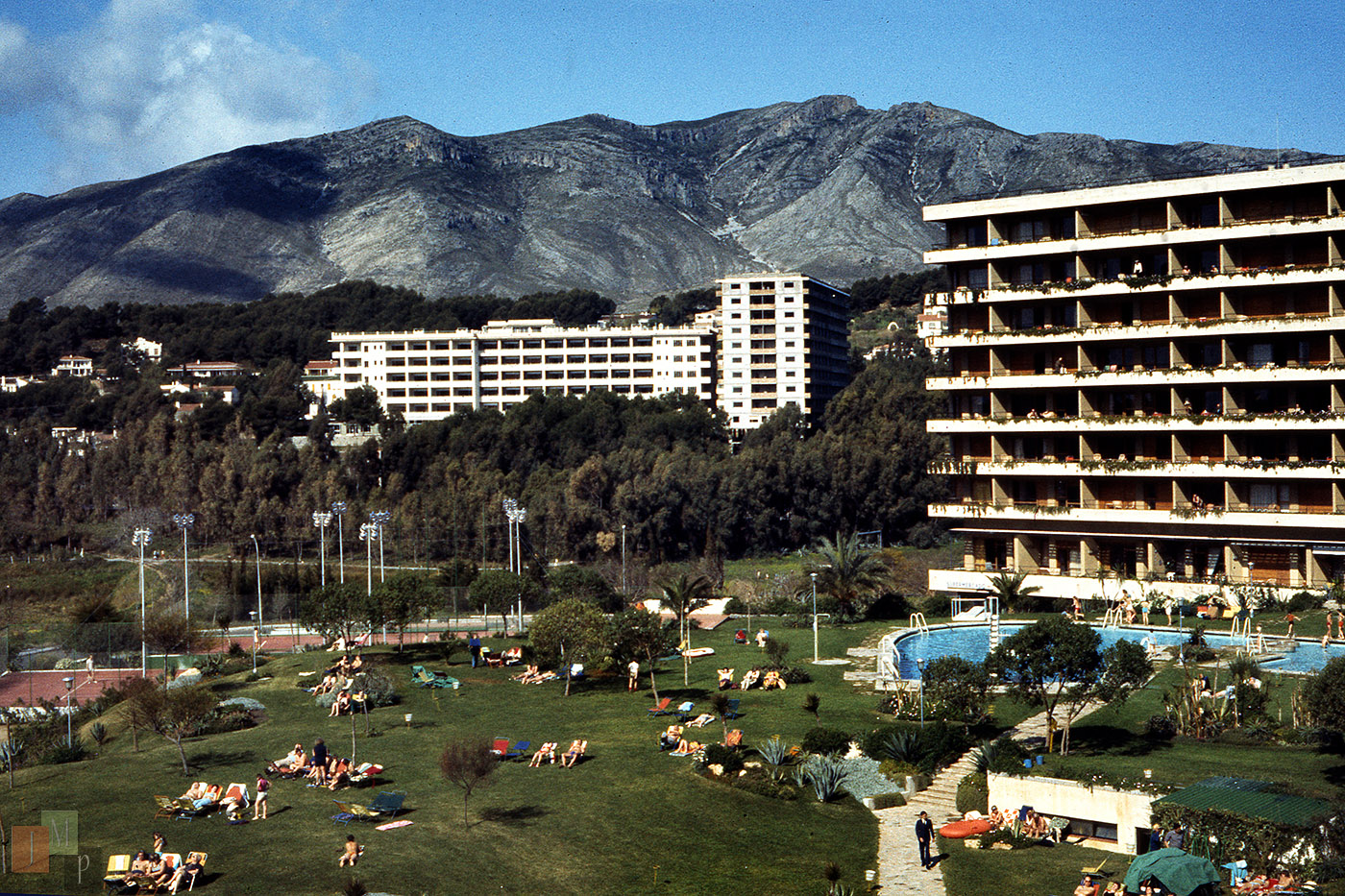
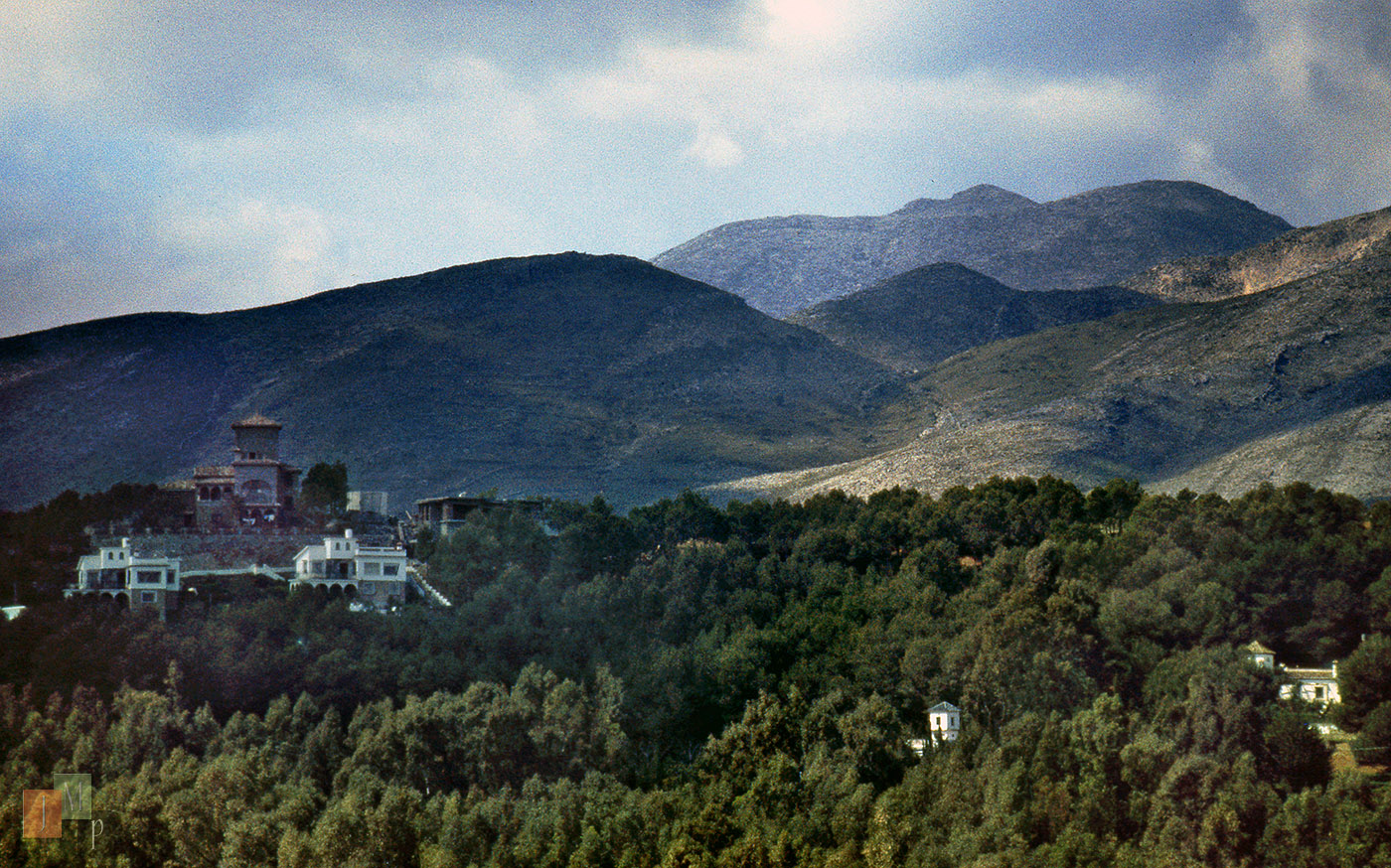
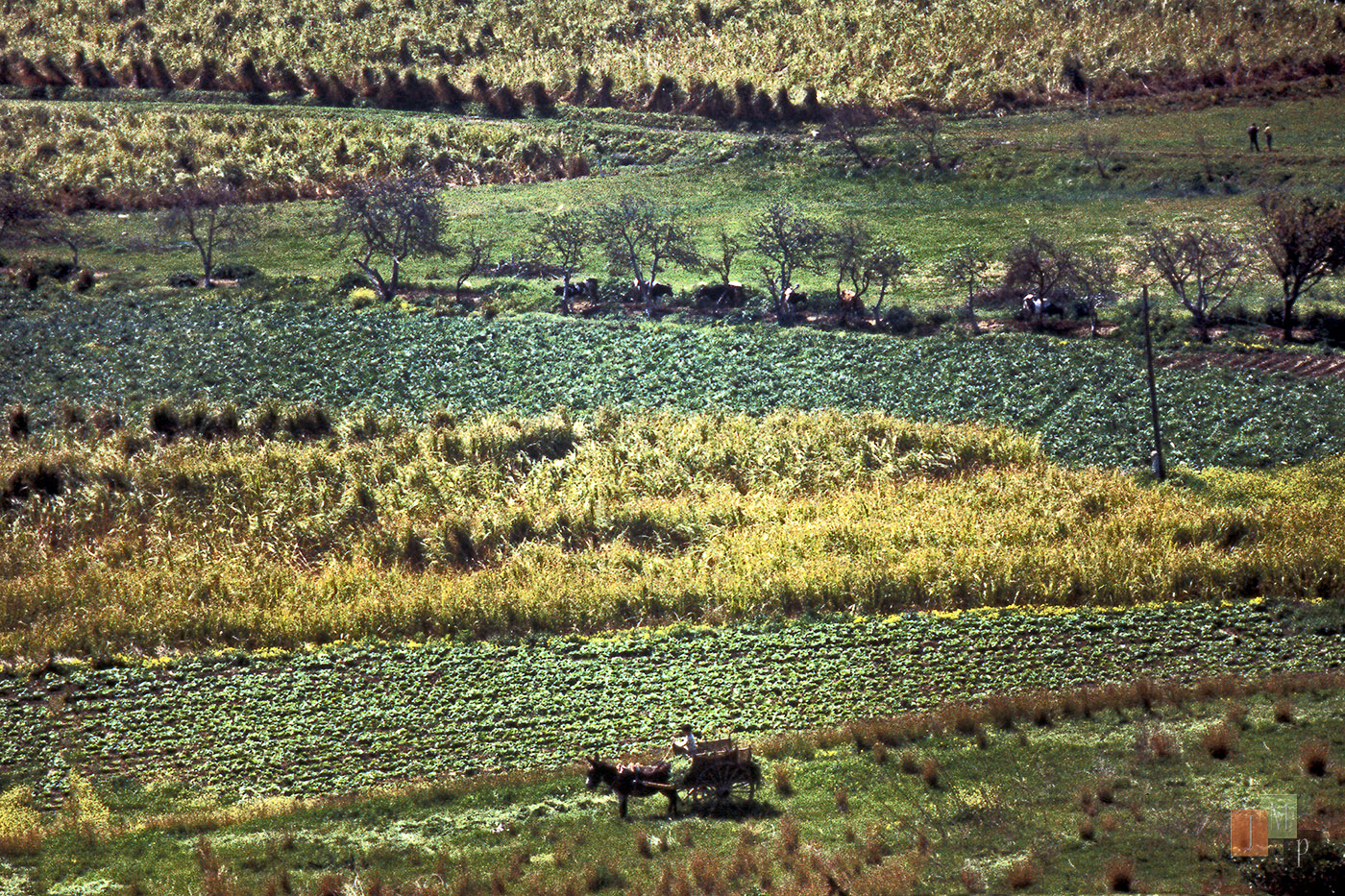
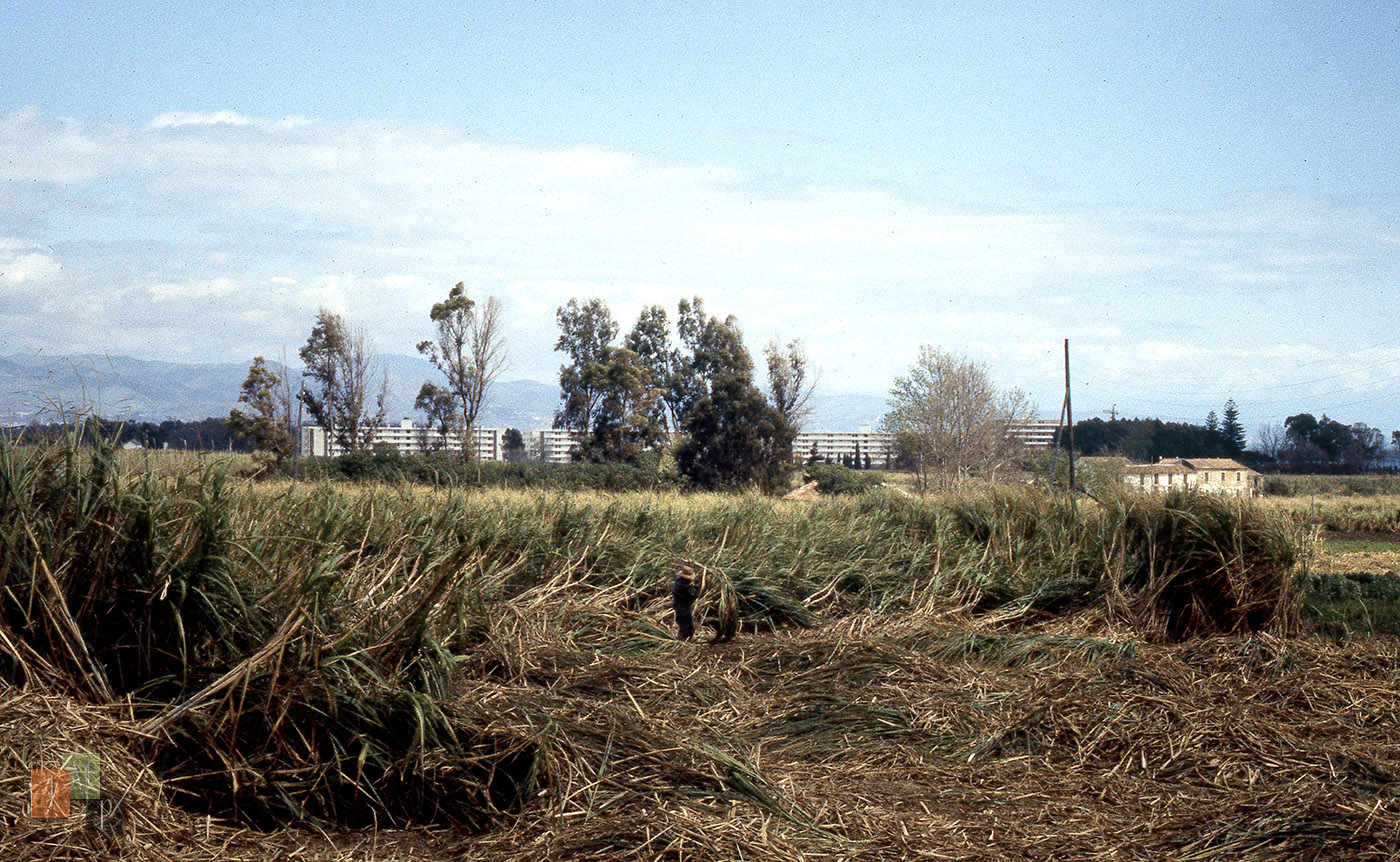
More from 1970 at the La Colina Hotel in Torremolinos Spain. Film was Ektachrome 64, camera was my dad's borrowed Kodak Retina IIIc with a 35mm Schneider-Kreuznach lens. Sugar Cane fields, Navel Orange groves, and a really nice hotel nestled near the mountains. Lots of post-proccessing due to them being in rough shape, and not exposed very well, but hey - I was 11 years old. All these were shot from my room, or near the hotel.
The first Fuji Provia RDP circa 1993 - other than Pantech - is one of the few films that denoise and sharpen filters seem to work well. Colors also seem to match my memory from 31 years ago, and are natural. Scanned with the Epson V300 at 4800 dpi - camera was likely the Nikon FM with the 35-105mm ais
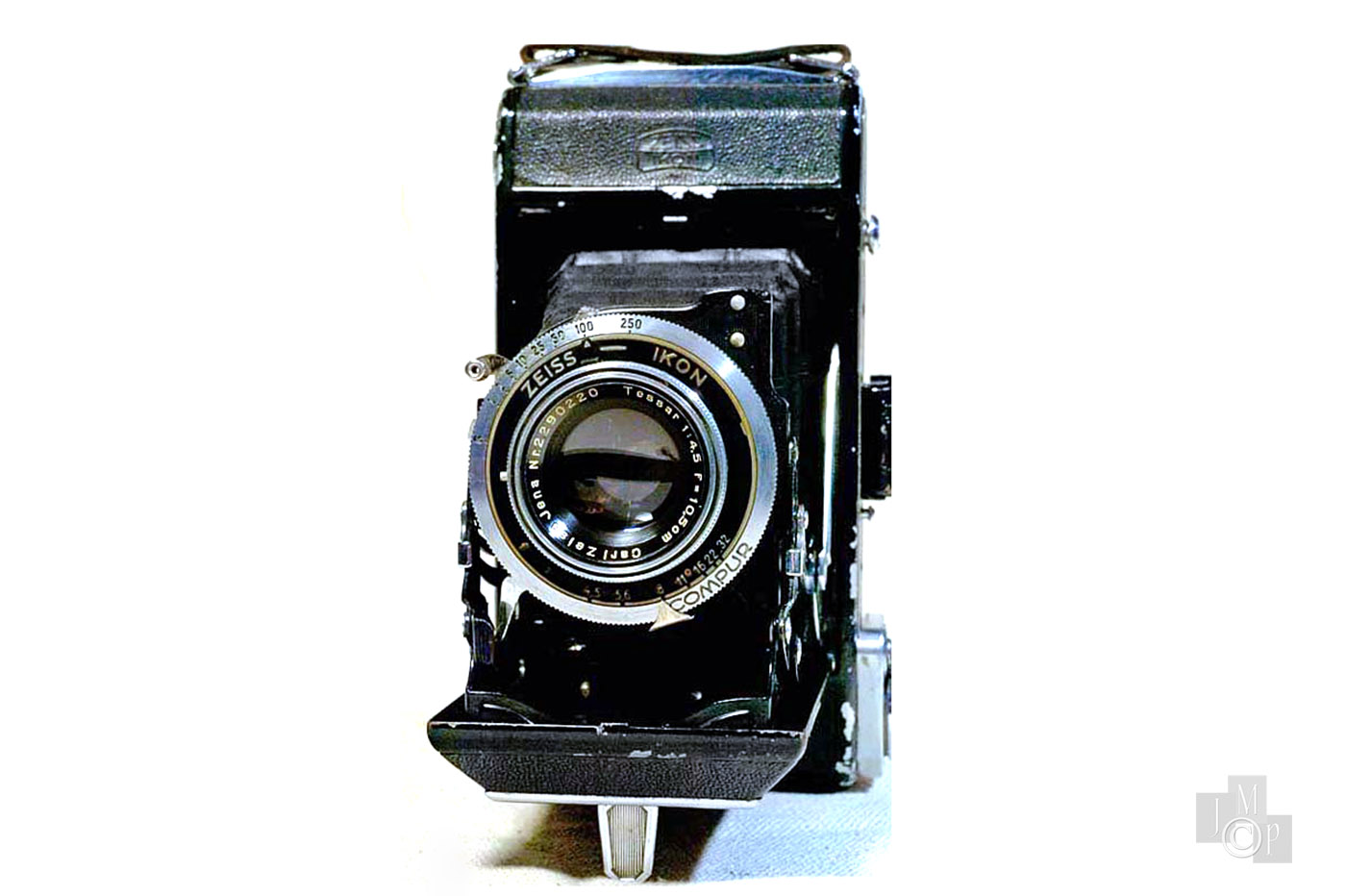
Some more 6x9 via the Zeiss Super Ikonta & the Carl Zeiss Jena f4.5 10.5cm on Kodak Plus-X - This is the camera I rescued out of the trash as a kid and eventually fixed (bellows light leak), and shot in the mid 1990s. All the film gear I had was sold in 2003-2005 to fund digital gear. These are from 1994
A photo of the folder from it's ebay listing (September 30, 2005)
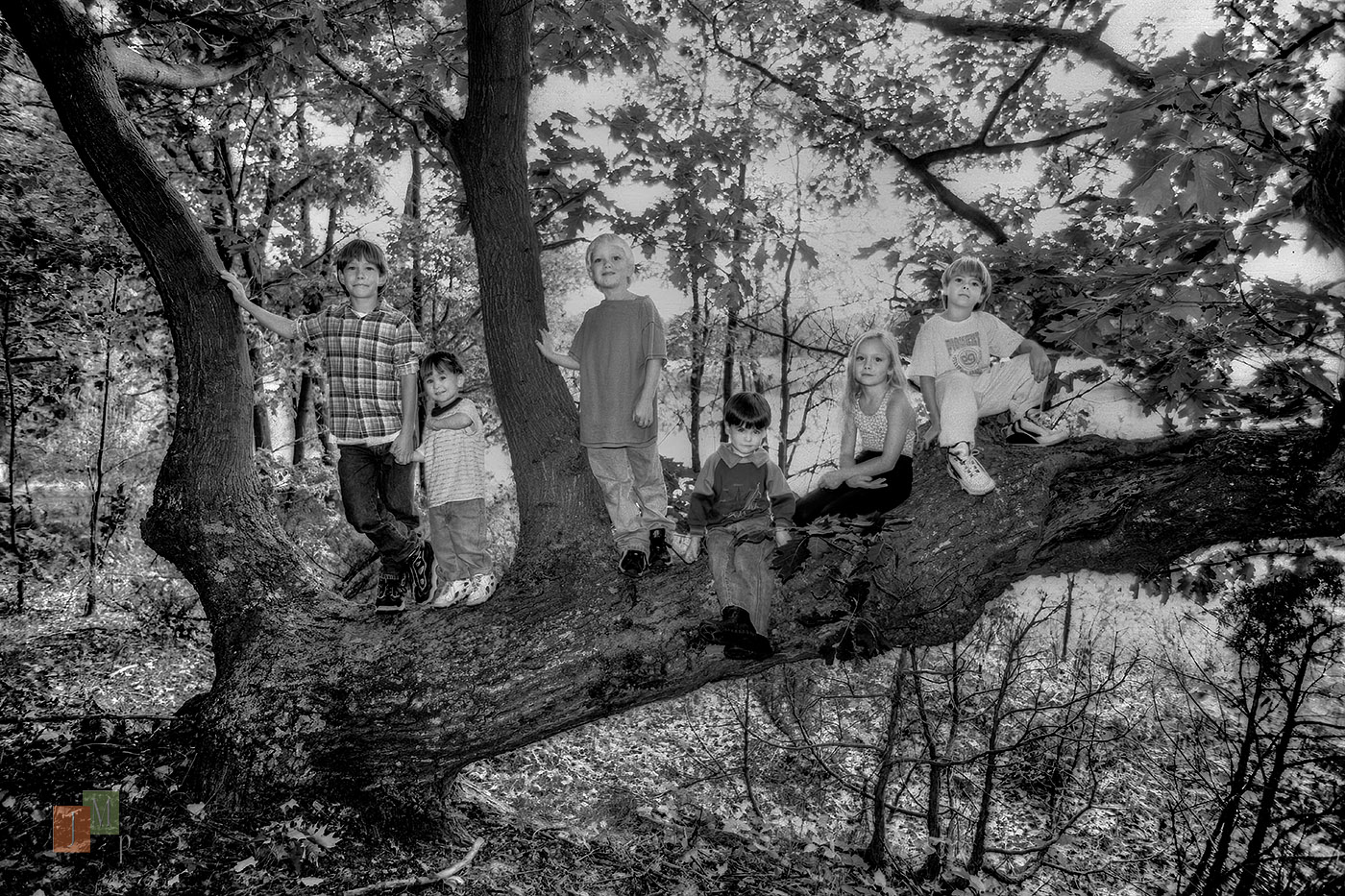
I souped a roll of Technical Pan 25 tonight that I found awhile back, and it turned out to be from 1998. That would make it the Nikon F3HP with the 35-105mm ais lens. I purchased expired chemistry off ebay - none of which looked bad. I was surprised at the highlight density (super dense), but I think I was using a Sunpak flash. Either that or I over developed, the film crystals grew in the cassette over the last 26 years, or it reacted with the C-41 120mm roll I had in the tank with 35mm reel. These are 6 of my 7 kids (last wasn't born yet)
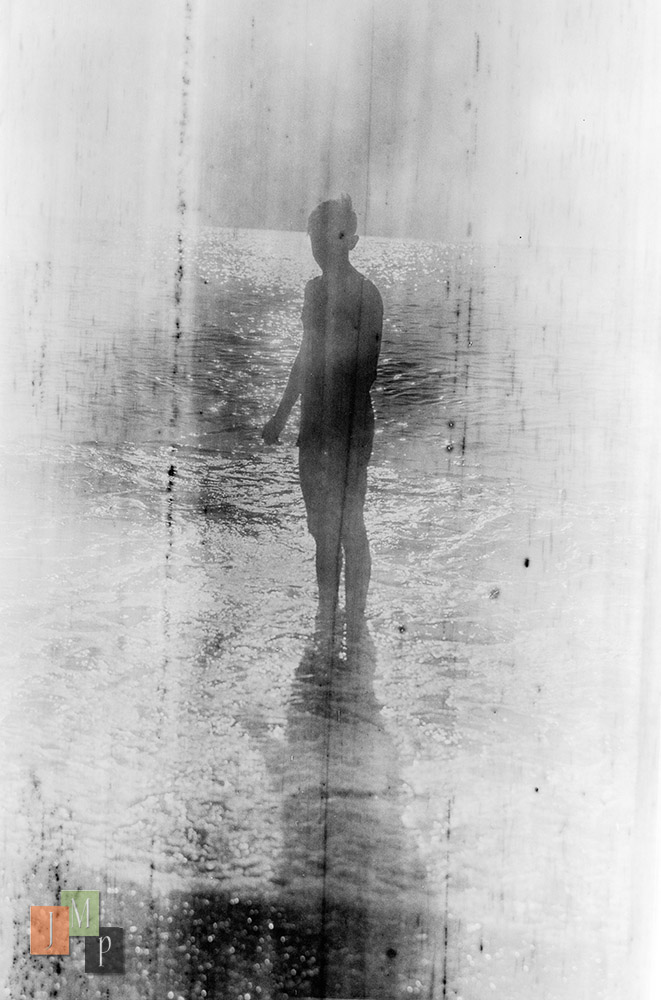
One of the 6x9cm folding cameras I recently purchased had an old roll of film on the take-up spool. Since I couldn't identify the film I went to Google Lens which claimed it was "Soviet Reloadable Film" The Soviet film had four badly damaged images that look cool to me. Souped it in Xtol. Camera is the Agfa Billy Record 6x9 with the 10.5cm f4.5 Apotar - where I found the roll of film. Because of the wooden spool, the thickness of the film base, and the incredibly tenacious curl - I think it was shot during WWII.


 It all just makes me wonder why he stopped taking pictures, especially since some of the photos were actually quite good.