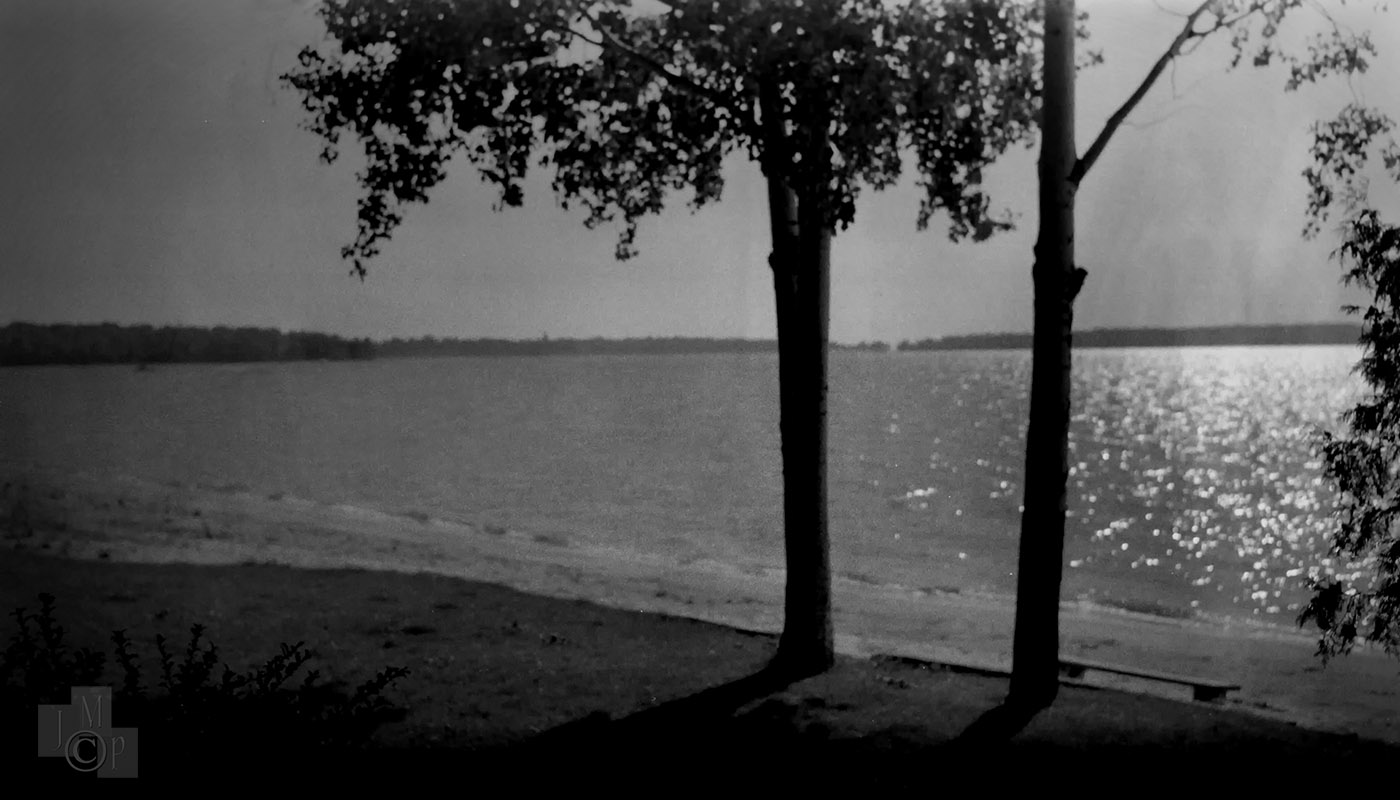
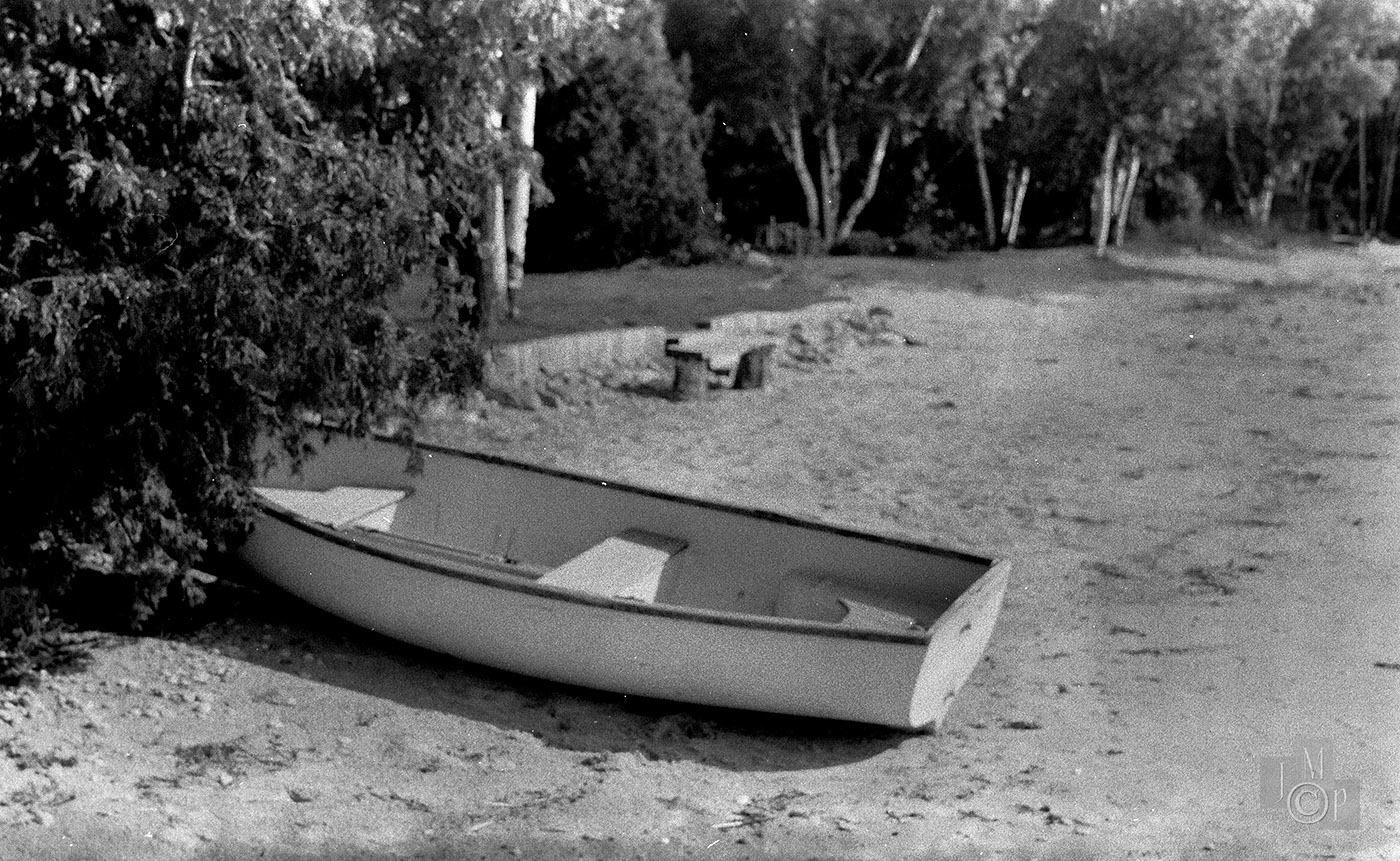
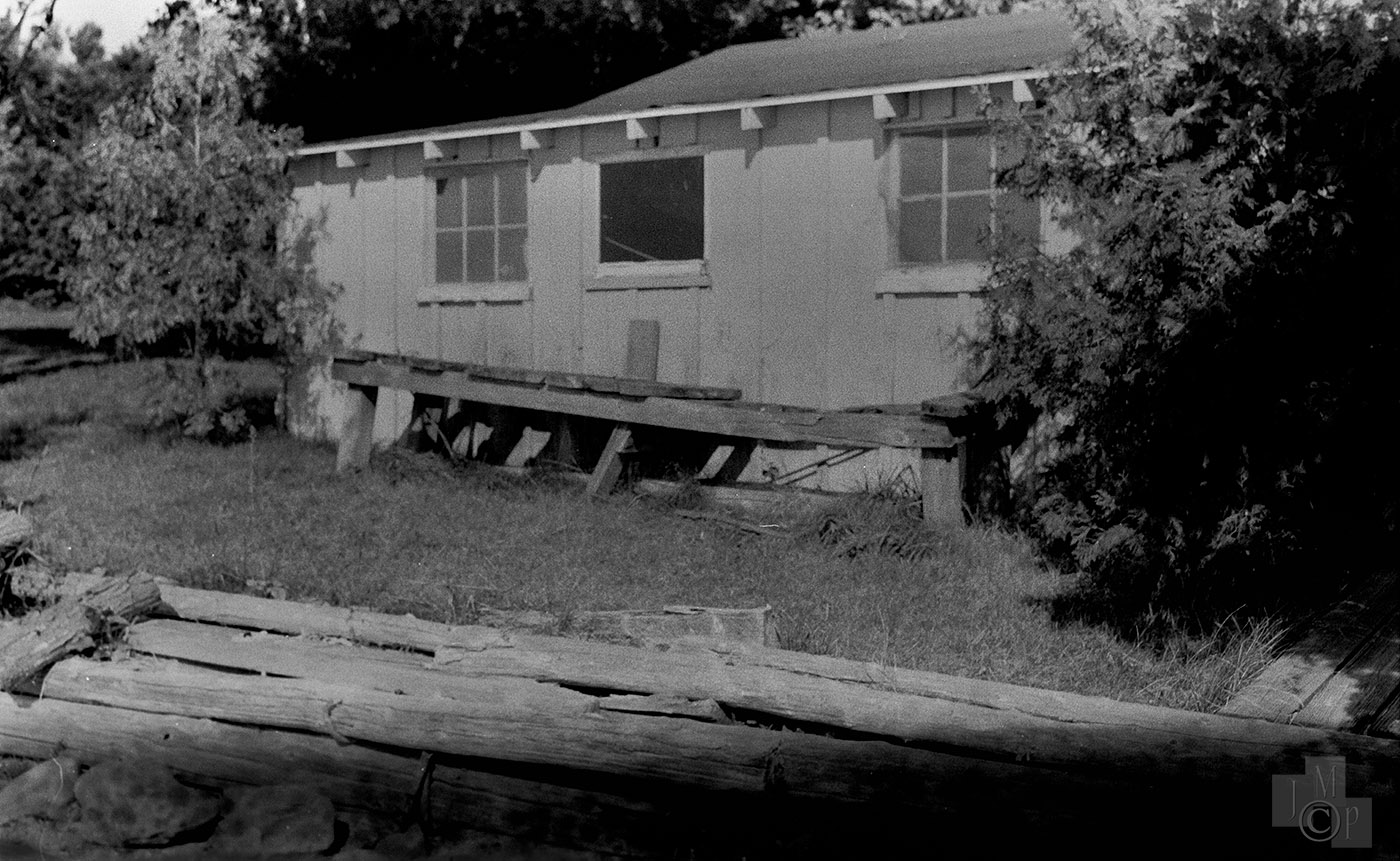
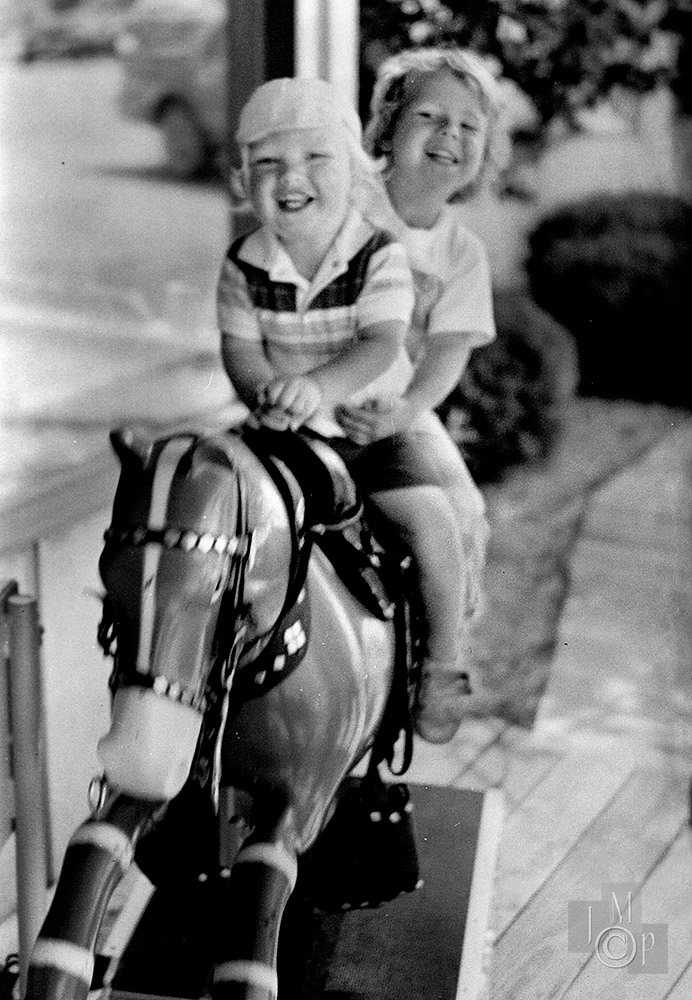
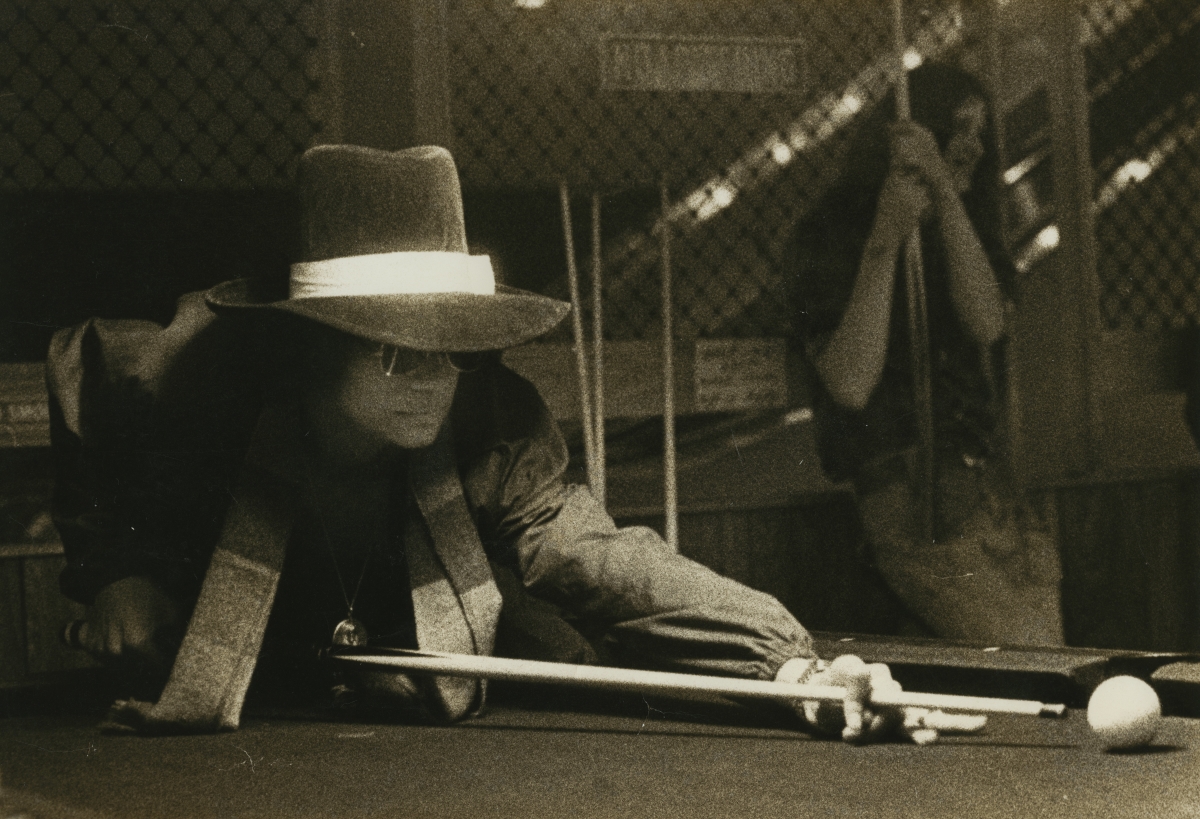
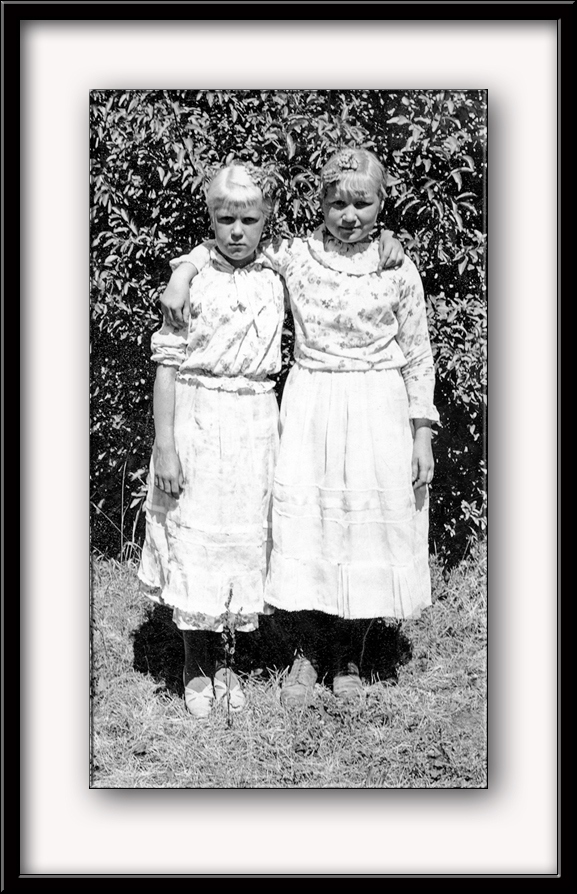
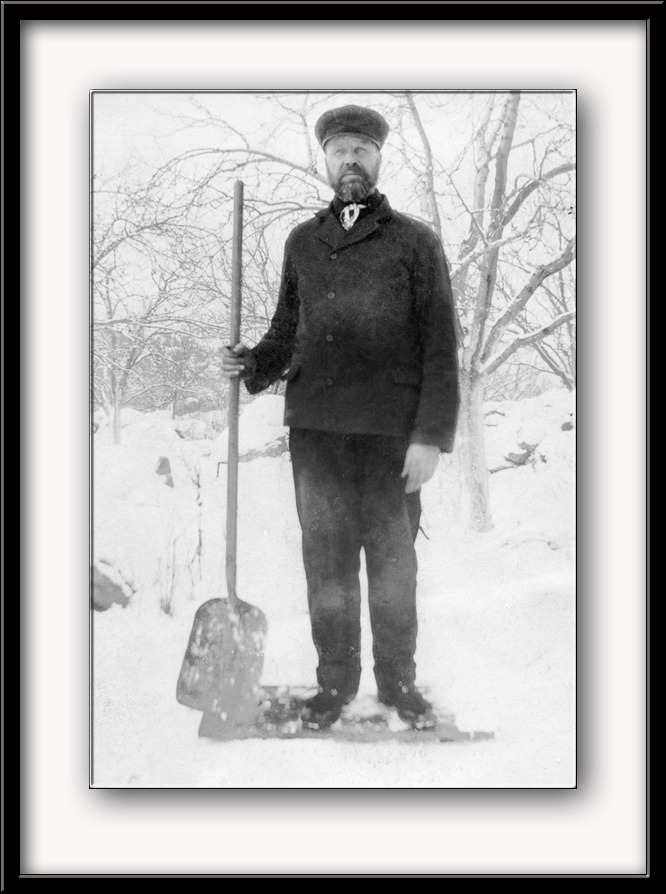
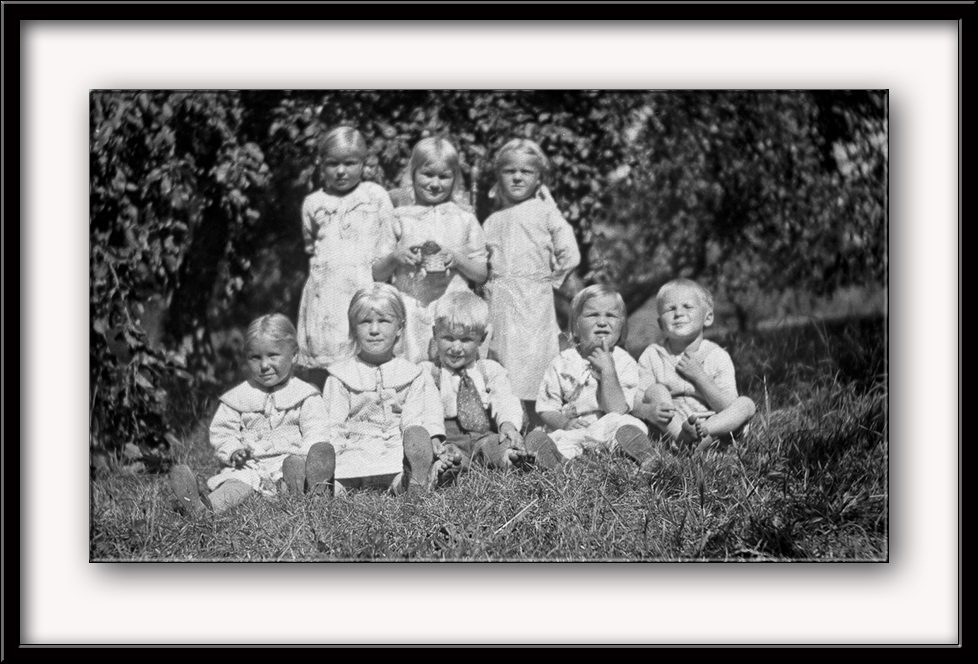
I developed a 35mm roll of Kodak's Technical Pan, and I threw into the tank a 120 roll of what I thought was techpan, but it was Kodak Gold 100. Used the recommended Kodak's Technidol liquid developer, and it produced a few grainy, but usable images from the color negative film. Camera was the Zeiss Super Ikonta & the Carl Zeiss Jena f4.5 10.5cm 6x9. Year is 1994
My fav - two of my sons riding a grocery store penny horse
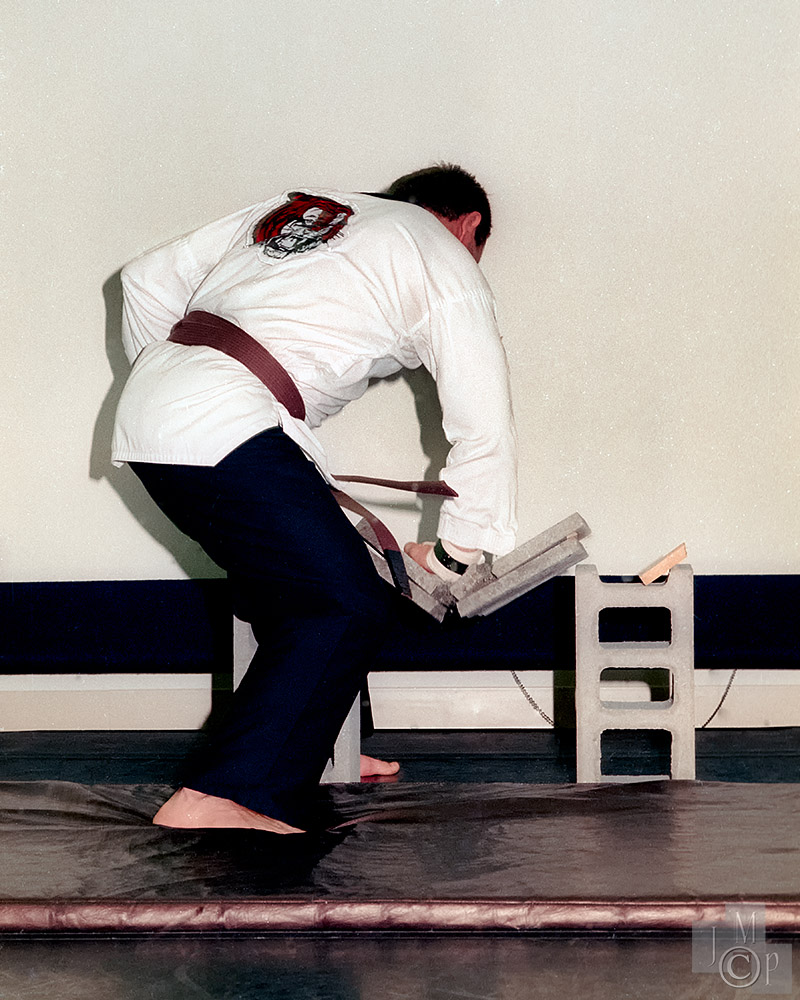
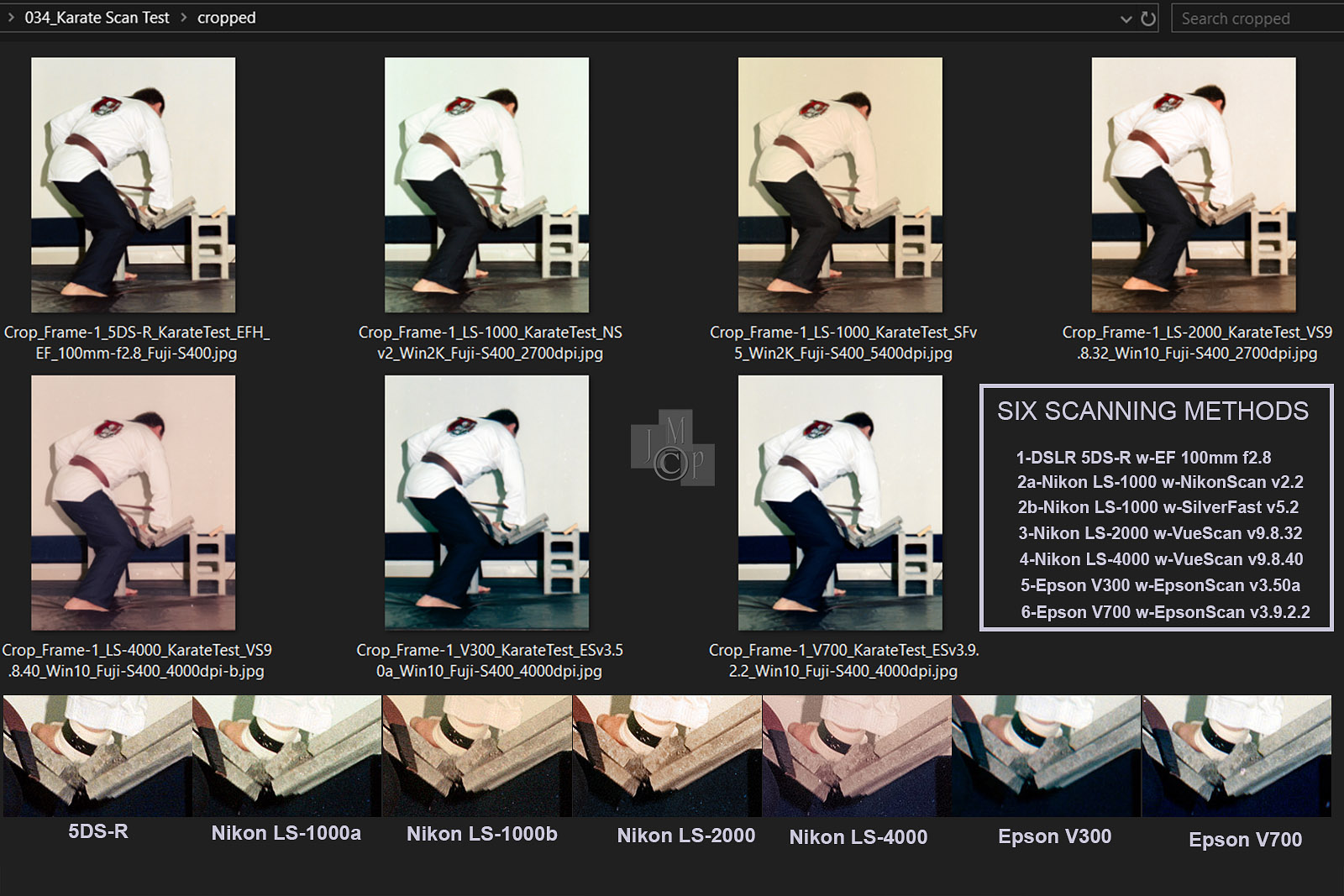
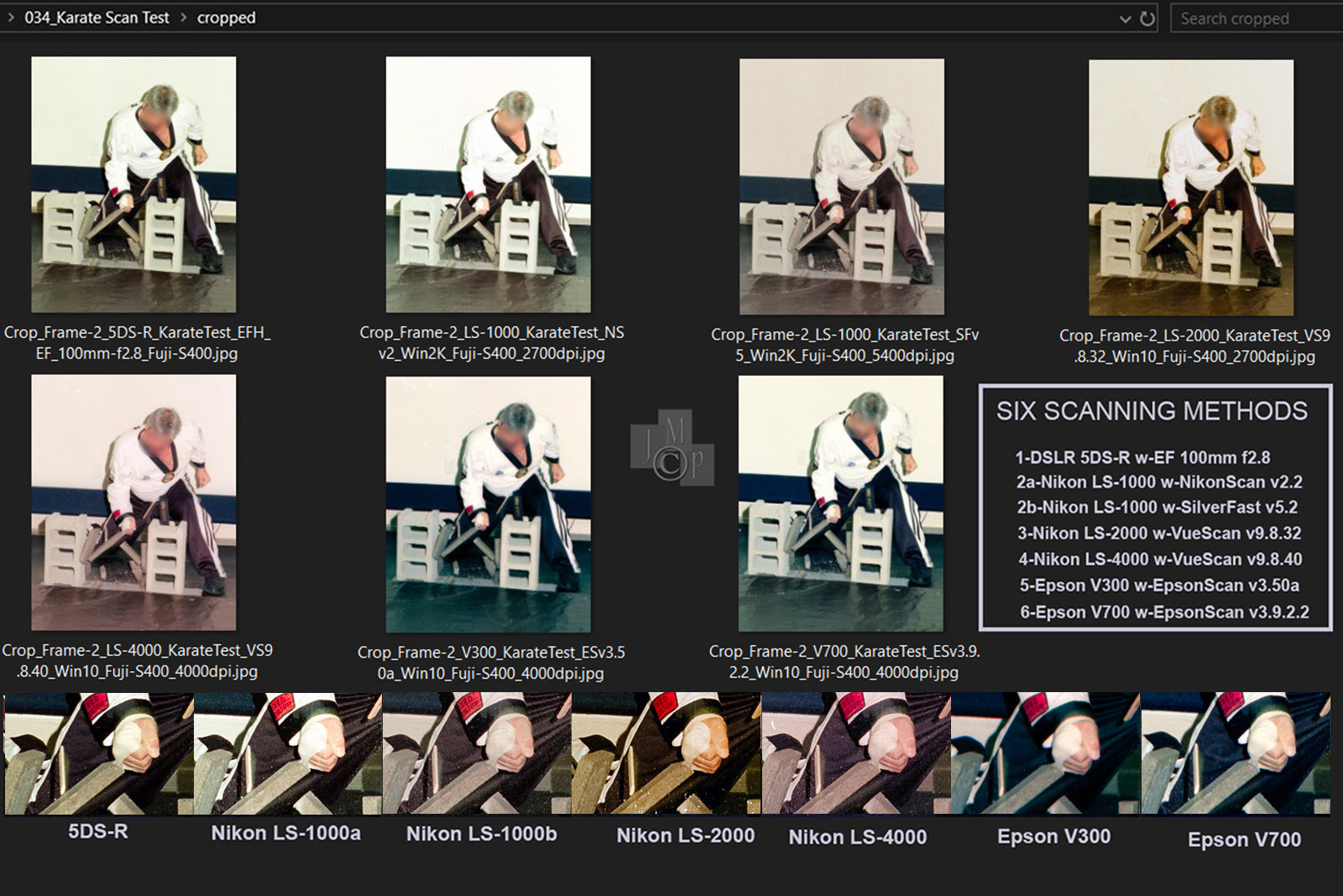
A frame from almost 25 years ago shot with a Metz flash from about 80 feet distance in a cave-like auditorium. The lighting isn't good, but my timing was ok. I wanted the moment the hand hit the concrete tiles and they were just beginning to crack. Film is Fuji Superia 400 color negative film. The date is Feb 2000, and I thought it might be interesting to compare a dslr, three dedicated film scanners, and two flatbeds.
The best scan was by the Nikon LS-4000 based on sharpness and fine details
All the scans are acceptable with minor color differences which I expected
James Markus wrote:
A frame from almost 25 years ago shot with a Metz flash from about 80 feet distance in a cave-like auditorium. The lighting isn't good, but my timing was ok. I wanted the moment the hand hit the concrete tiles and they were just beginning to crack. Film is Fuji Superia 400 color negative film. The date is Feb 2000, and I thought it might be interesting to compare a dslr, three dedicated film scanners, and two flatbeds.
Which was the most convenient scanning approach and post-processing?
Ineound wrote:
Which was the most convenient scanning approach and post-processing?
Ineound,
Apologies for the length of this answer
All the scans were as transparencies with no adjustments, no sharpening, no infrared/ice filter, no contrast, no levels, no curves - nothing but the resolution and output type (raw or 16bit tif) was set in the scanning software. Processing was through Lr using NLP which had "Frontier" as the color model, and "Fuji" for it's white balance. There are problems with all of the approaches, but the easiest are the flatbeds. Their main issue is occasionally not finding the correct outline of a 35mm frame (medium format works fine), but there are work-arounds. The LS-2000, and LS-4000 also have a problem finding the first frame, and sometimes spacing. (Never with their film strip holders - just when feeding a bare film strip into the scanner) DSLR has the advantage of being able to bracket the shots, but the EFH can be frustrating. The film can get trapped, go off center, refuse to exit (mainly with short strips) etc.
In a perfect situation - the LS-4000 would get the initial spacing correct and step through 36 frames, or 50 slides all by itself, but that is not realistically going to happen very often. So, it has the potential to be the most convenient, but it's slightly better than the other methods image quality is inconvenient. It appears to have a deeper DOF. Every frog hair and fly poo is captured, even the grain is a bit sharper. That's more work to fix - IMO. What I have decided is that it doesn't matter which method I use, because I can get equally good results finishing my post processing in Photoshop.
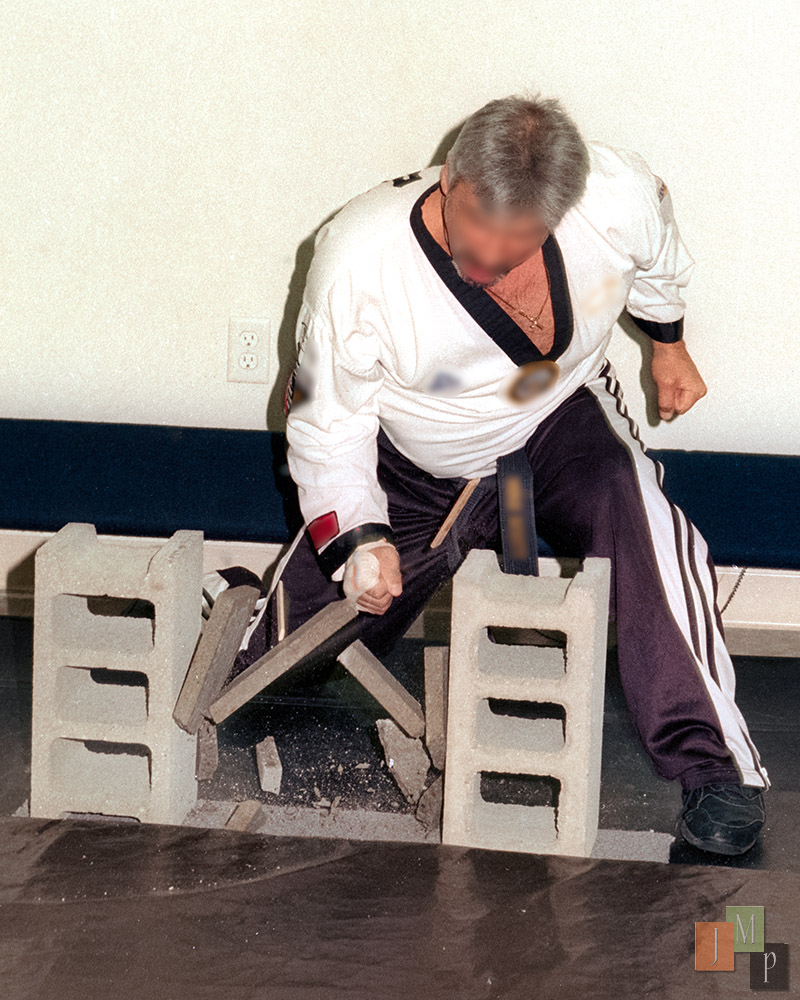
Here is another frame from the same event. I blurred bits, because I don't know if I have the model release anymore. However, the LS-4000 was again the best scan.
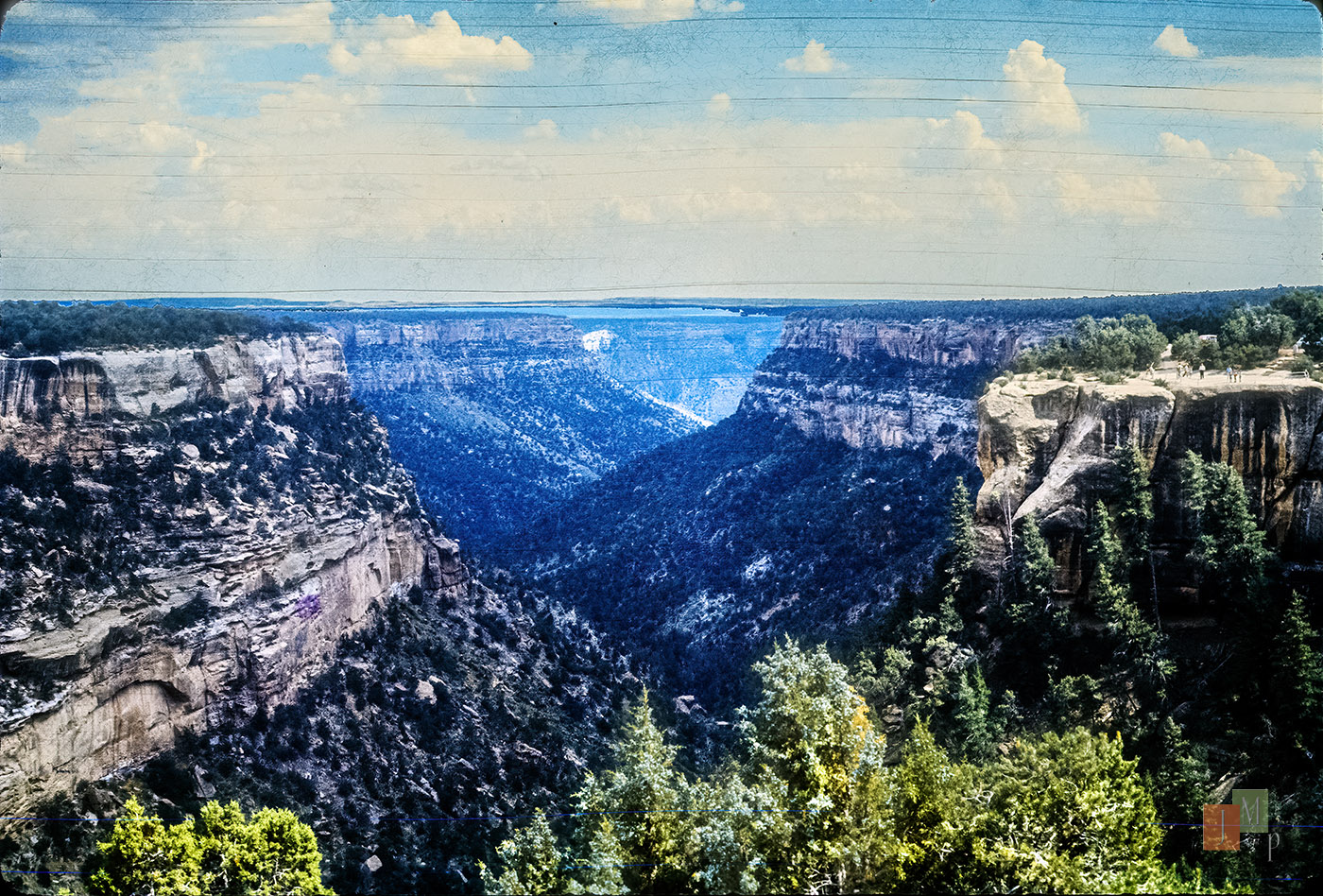
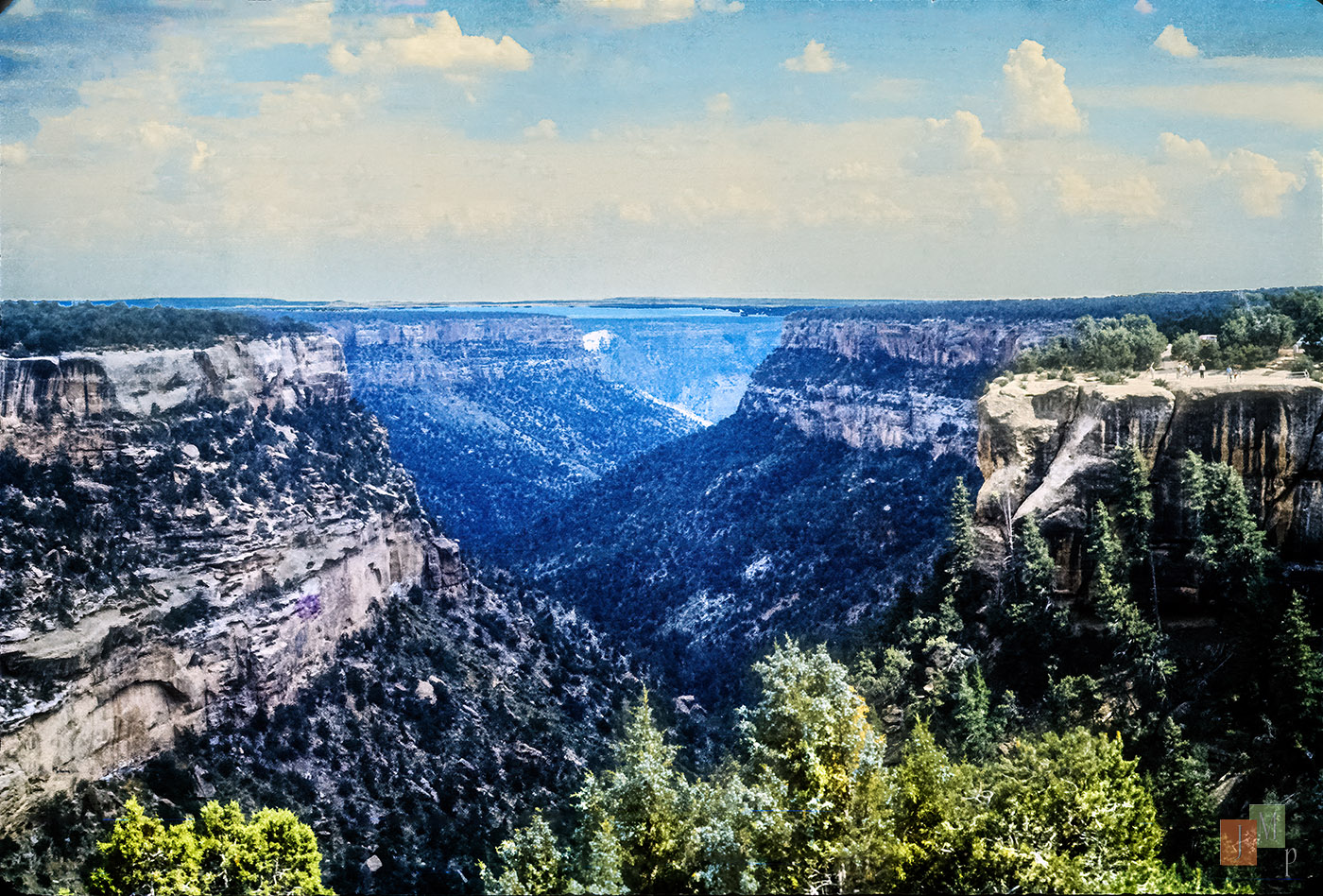
Just a heads up for a good post processing tool that I just found this morning. Lasersoft's SRDx Photoshop plugin. It gets rid of dust and scratches without negatively effecting sharpness. I hate dust and scratches with a passion, because it takes so long to fix. This will save me a lot of time - hope it can help you as well.
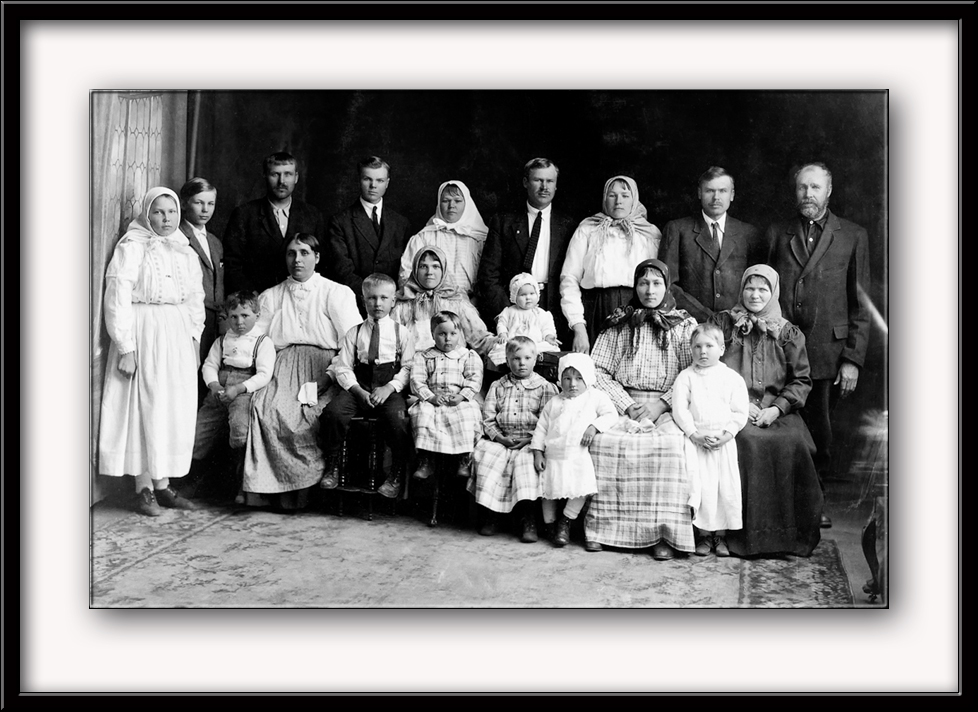
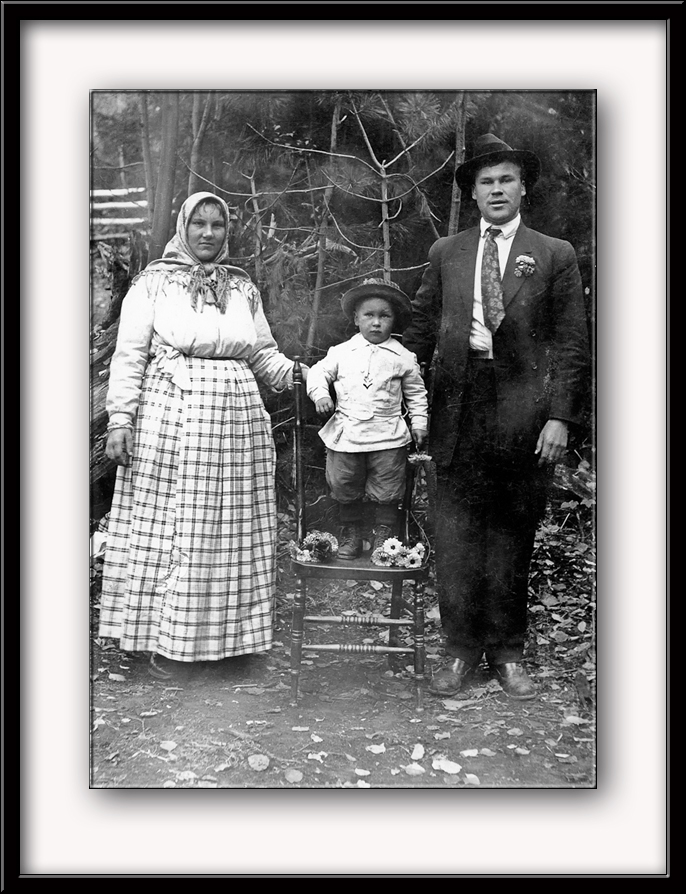
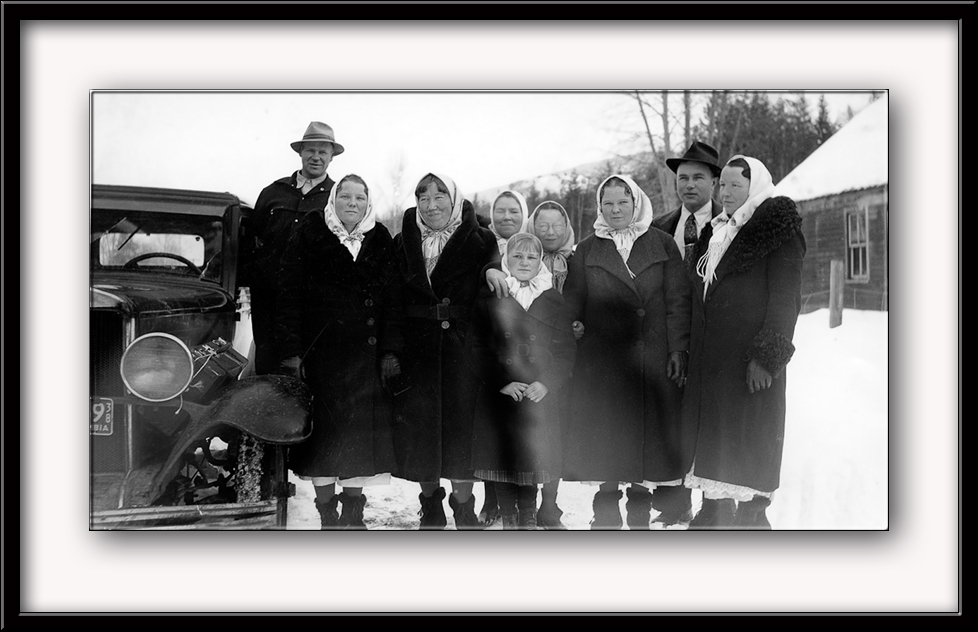
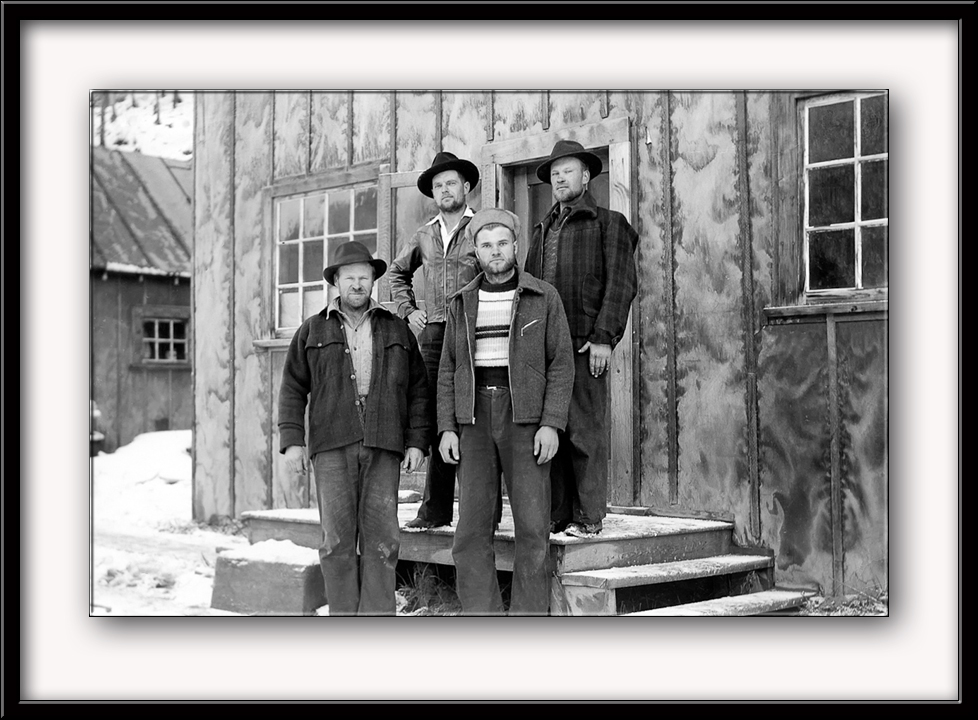
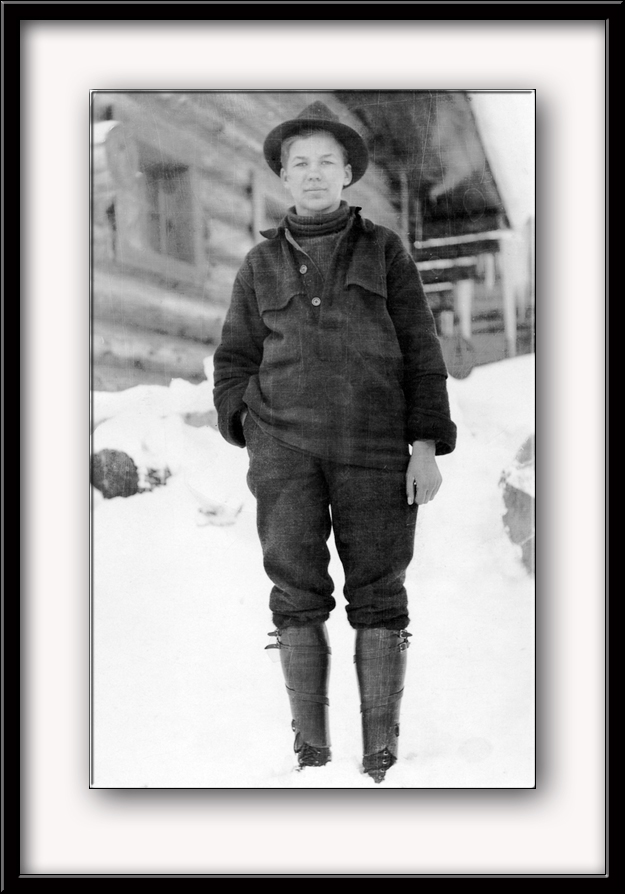
A few years back I took on a project to scan some old negatives and photos ( more than 100 years old some of them ) and make a coffee table book for all the families to enjoy. Many of the negatives and photos were in bad shape, but with a lot of work I scanned about 200 of them and created the book. The negatives came in all sizes from 4x5 down to something smaller around the 35mm size and everything in between.
The book was a huge success. I delivered them personally to most of my relatives many coming to tears. My uncle was speechless as he thumbed through the book, tears flowing down his face.
chez wrote:
A few years back I took on a project to scan some old negatives and photos ( more than 100 years old some of them ) and make a coffee table book for all the families to enjoy. Many of the negatives and photos were in bad shape, but with a lot of work I scanned about 200 of them and created the book. The negatives came in all sizes from 4x5 down to something smaller around the 35mm size and everything in between.
The book was a huge success. I delivered them personally to most of my relatives many coming to tears. My uncle was speechless as he thumbed through the book, tears flowing down his face.
Beautiful work. Somehow I ended up the photo archivist for my family. I retouched hundreds of photos and hosted them for over ten years so relatives could grab the ones they were interested in, and have them printed. I like your approach better - to have a book you can hold in your hands would have been great. My photo pile was almost 750 photos, but I may pursue it now - thanks to your post.
James Markus wrote:
Just a heads up for a good post processing tool that I just found this morning. Lasersoft's SRDx Photoshop plugin. It gets rid of dust and scratches without negatively effecting sharpness. I hate dust and scratches with a passion, because it takes so long to fix. This will save me a lot of time - hope it can help you as well.
Thanks for sharing that tool, gave it a trial and immediately purchased a copy. It didn't get everything on the negative I tried, but it should be big time saver nonetheless.
chez wrote:
A few years back I took on a project to scan some old negatives and photos ( more than 100 years old some of them ) and make a coffee table book for all the families to enjoy. Many of the negatives and photos were in bad shape, but with a lot of work I scanned about 200 of them and created the book. The negatives came in all sizes from 4x5 down to something smaller around the 35mm size and everything in between.
The book was a huge success. I delivered them personally to most of my relatives many coming to tears. My uncle was speechless as he thumbed through the book, tears flowing down his face.