James Markus wrote:
This is the childhood home of a friend of mine. He brought me to see it, and it was a poignant moment. The federal government seized a lot of land around Glen Arbor Michigan near Sleeping Bear whilst creating the national park of that name. Decades later, crews cleared any evidence of human habitation. Farm houses, out buildings and barns were carted off site and disposed. They wanted it to look like a wilderness even though families had lived there for centuries. I shot this on Techpan 25, but the highlight to shadow range far exceeded the film, but not the dynamic range of the human eye. I never tried printing it for that reason, but you can just make out the overgrown farm house in this image.
James Markus wrote:
This is the childhood home of a friend of mine. He brought me to see it, and it was a poignant moment. The federal government seized a lot of land around Glen Arbor Michigan near Sleeping Bear whilst creating the national park of that name. Decades later, crews cleared any evidence of human habitation. Farm houses, out buildings and barns were carted off site and disposed. They wanted it to look like a wilderness even though families had lived there for centuries. I shot this on Techpan 25, but the highlight to shadow range far exceeded the film, but not the dynamic range of the human eye. I never tried printing it for that reason, but you can just make out the overgrown farm house in this image.
I have a friend whose generational home suffered a similar fate. They owned a ranch house on prime beachfront real estate on Lake Michigan and the National Park Service sued to compel them to sell the property under eminent domain. The house has been gone and what was once their private property is now part of the Indiana Dunes National Lakeshore.
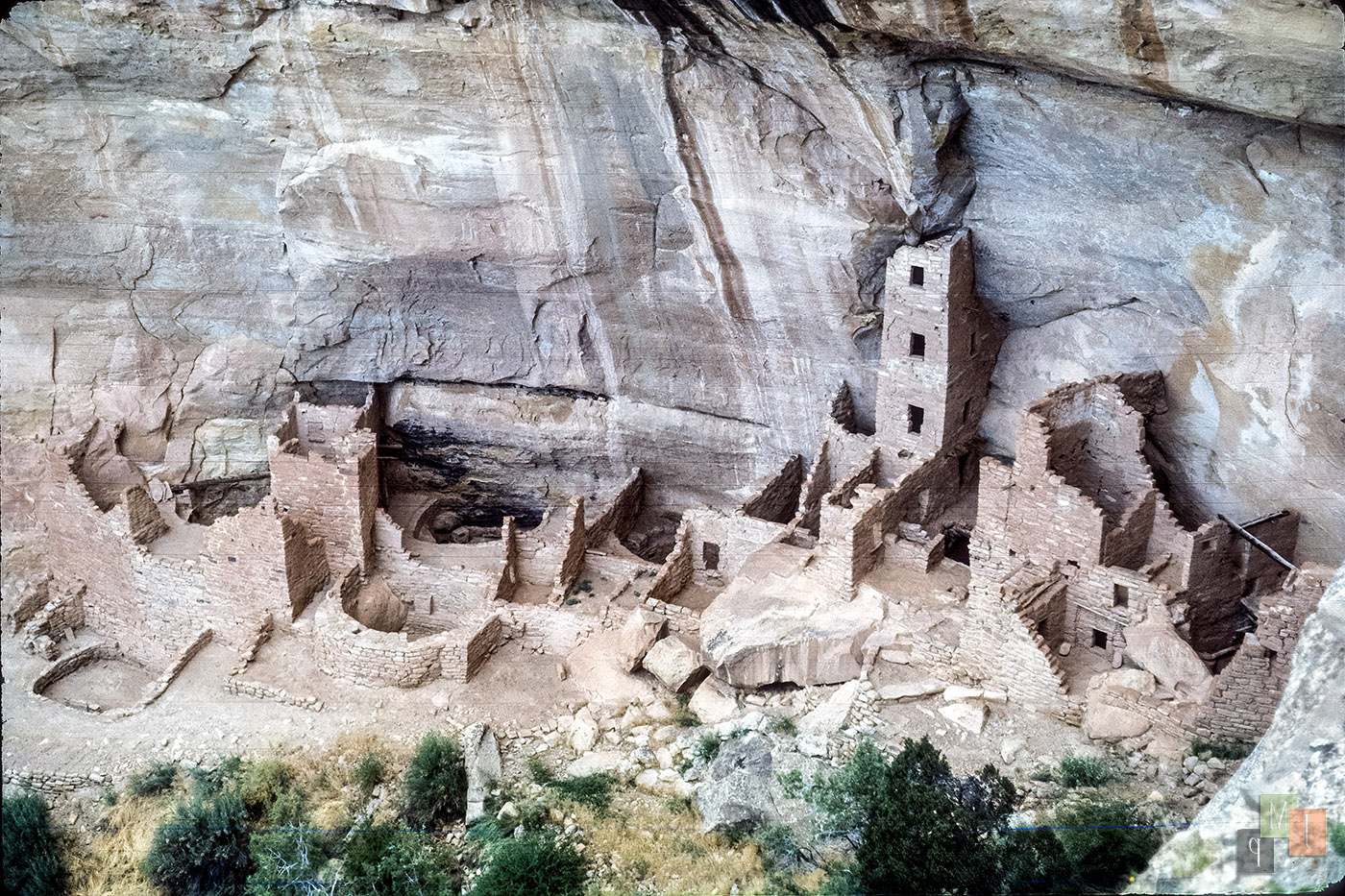
This is one of my first color transparency. I bulk loaded the cassettes, and processed in a stainless steel tank partially submerged in a shallow roasting pan with running water - trying desperately to keep the temperature within spec. I was almost 14 years old, and I am surprise it came out, and has remained stable for 52 years.
I converted it with the Nikon LS-4000. Film is Ektachrome 64 and it is all scratched up. Subject is Mesa Verde Colorado circa 1972. There are linear horizontal scratches that I assume I did by either not correctly loading the cassette, or when I squeegeed the film after processing. I had Vuescan set to "light" for infrared, noise, and sharpen. While better, I think it needs a level or two higher on the infrared (Vuescan's version of Nikon's digital ICE).
Camera Exakta RTL-1000 with a 50mm f1.8 Jena Pancolour
I don't consider these really old but sixteen years should be acceptable for this thread. In early 2012 I noticed my black chrome M6 TTL had developed a sprinkling of oxidation bubbles. I had owned the camera for six years at that point and had taken good care of it but it had bubbles. Fortunately for me, it was the era of the great analog sell off. Digital was all the rage and people were dumping film cameras at a prodigious rate. I checked the KEH site fairly regularly and there was a black paint M6 TTL that had been sitting for a couple of months. I called them from work one morning and made a deal to trade in my M6 and $600 usd for the black paint one. When it arrived, it was a unused Millennium in the presentation box, still wrapped in the factory plastic. It was a stunningly gorgeous camera. I had been with a friend at the Photo Manufactures Convention in Las Vegas in 1999 and had seen one there. To actually own one was a whole new experience. I sold it after owing it for six years to help raise some cash. The last time I saw it was in a craigslist ad. It had been heavily used and priced at $11,000. Here are some from the very first roll I put through it in May of 2012:
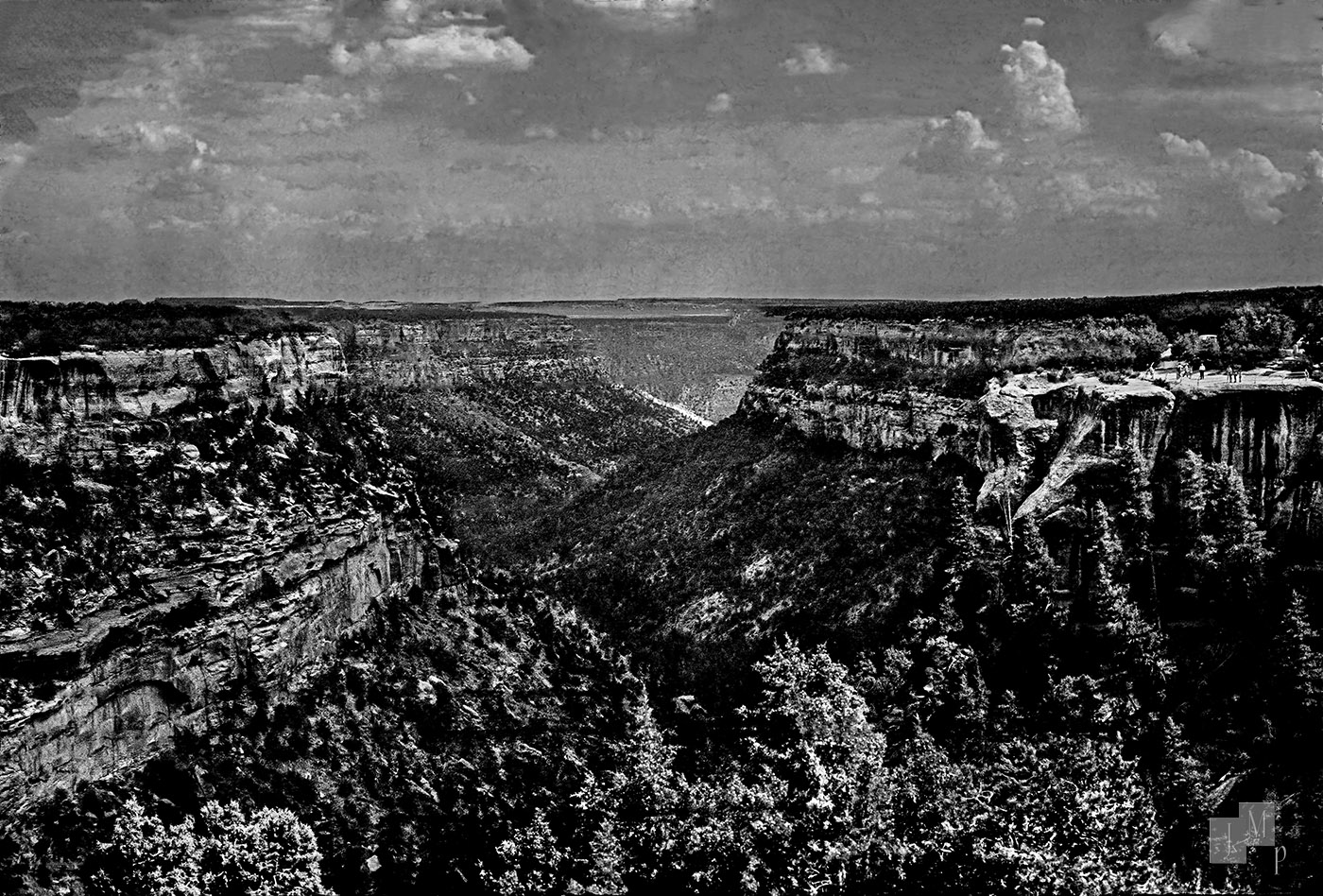
Mesa Verde Colorado circa 1972 - Ektachrome 64 - Exakta-RTL-1000_w-50mm-f1.8-Jena-Pancolour Nikon LS-4000 scan with the dust and scratches set to high. It didn't help, so I retouched it in Photoshop. I think they called this Navaho Valley.
Digitized for an old friend from his unmounted slides. Don't have the strip handy but I'm guessing it's over 50 years old. I gave away my Canon FS-4000 due to it being so tedious to operate, so my current technique is a bit rough and ready:
I lost the dust-removal feature of the infrared channel, although it doesn't work for Kodachrome anyway. I have a bunch of KR25 135 and 120 slides of my own to digitize.
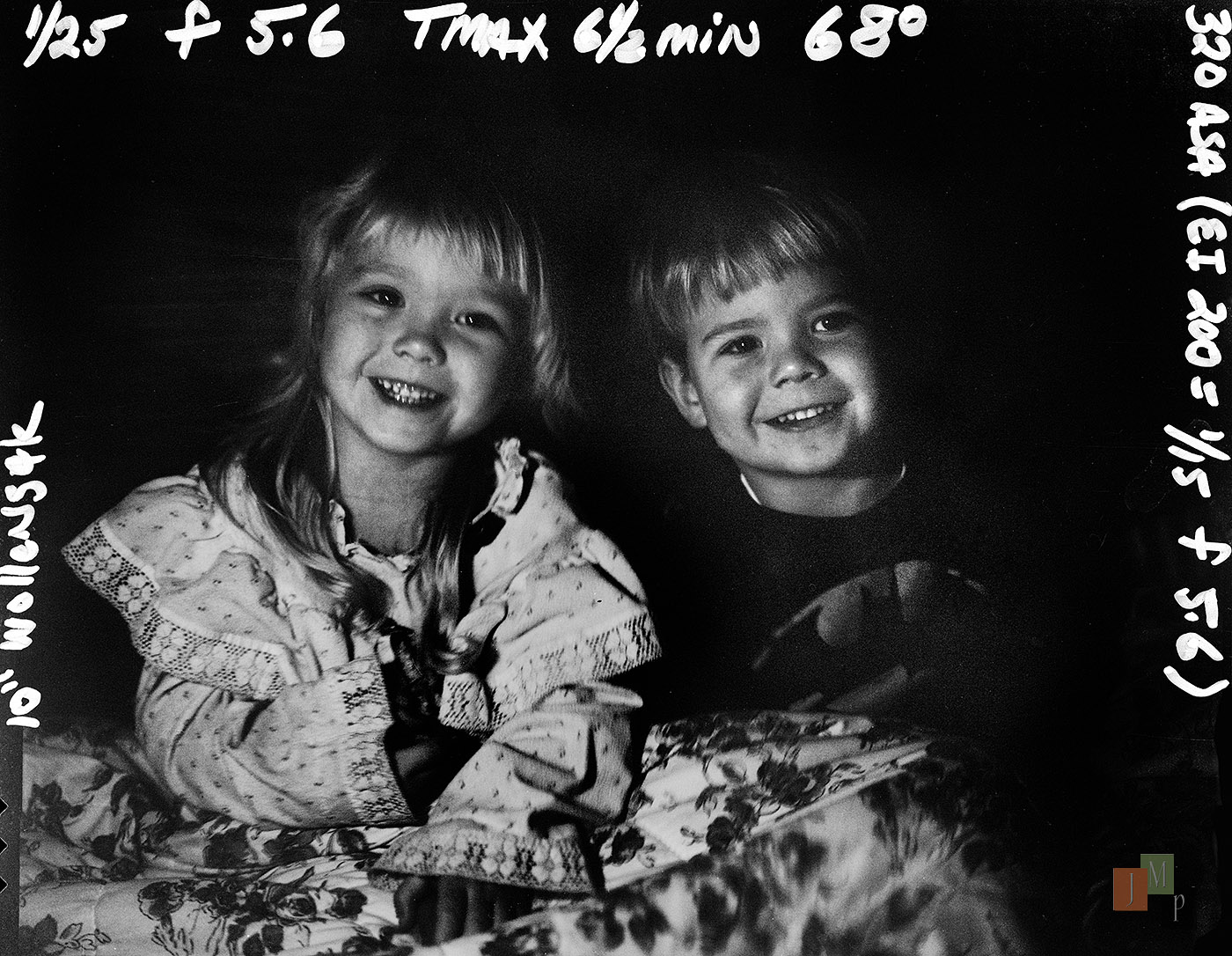
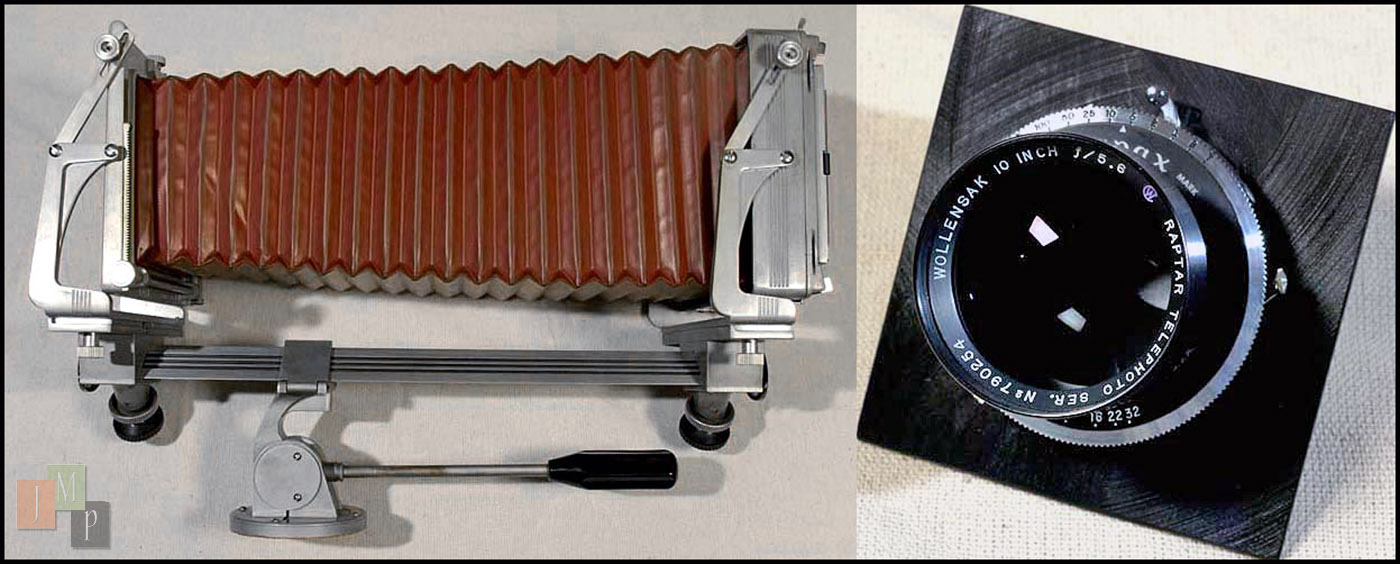
I came across a 4x5 test shot on TMax from the early 1990s. I had three lens/shutter combos for my Graphic View monorail camera - this was with a 10 inch Wollensak Raptar. I wrote details on the film edges, but the shot is underexposed. I had to test each lens for shutter accuracy, and all were off. Sadly, I can not find my 4x5 portfolio.
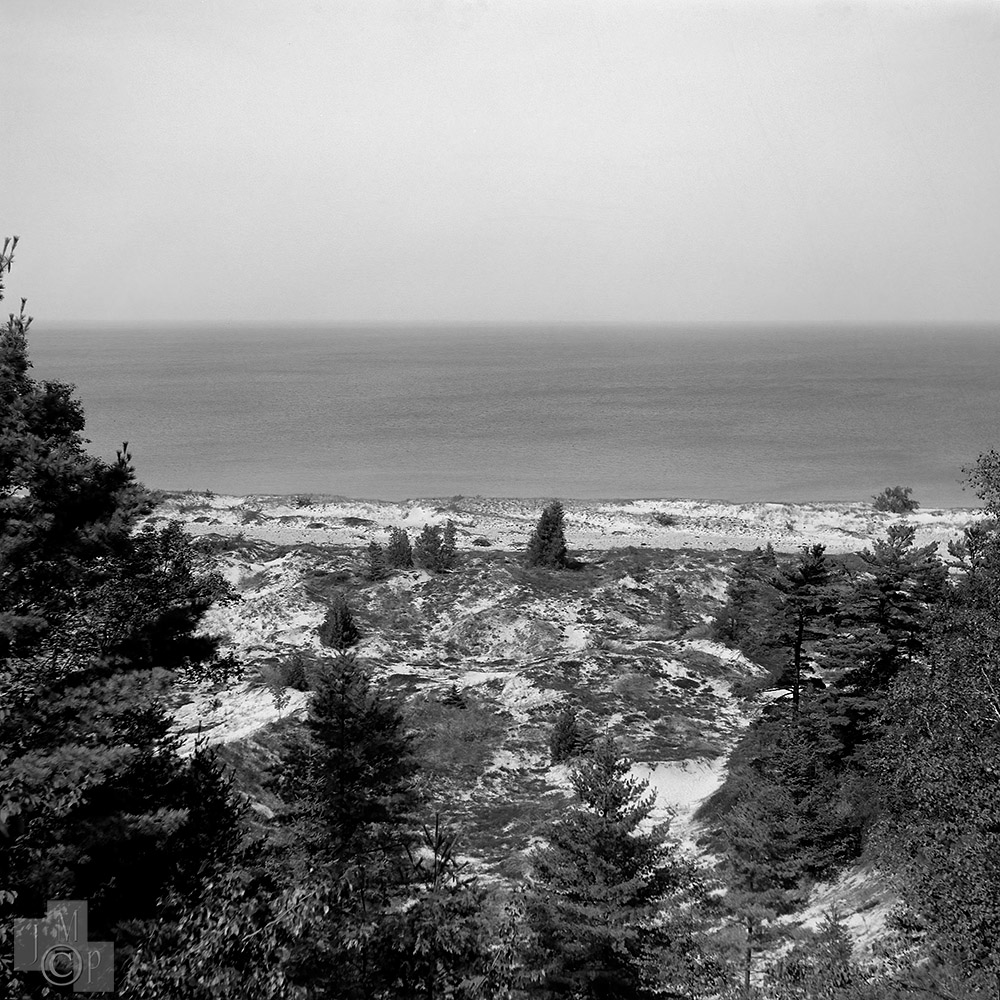
This was the area of the highest population in the Great Lakes of the Piping Plover in 1992. I had discovered them in the 1980s, and just thought they were cute friendly birds. I didn't realize they were flying up to me to lure, warn, or distract me from their nests which are tiny indentations lined with small rocks on the ground in a unique beach area. There were many dozens of them if not hundreds in this small concentrated area (photo). The wind had carved small depressions in the sand exposing small rocks. The ground cover, grasses, and members of the conifer/juniper family of woody plants have somehow frozen the location in stasis. There were noticeable wind shadows in this protected area. When I visited again eleven years later with my wife and kids the Michigan Department of Resources (DNR) had roped off many dozens of the depressions and posted signs. Until that point I had had no idea they were an endangered species on the brink of extinction. A researcher had also noticed them while on a walk, and had worked to get them protected. Story Linked Here
Agfa Isolette 6x6cm Folding camera T-Max 1992 - dslr scanned
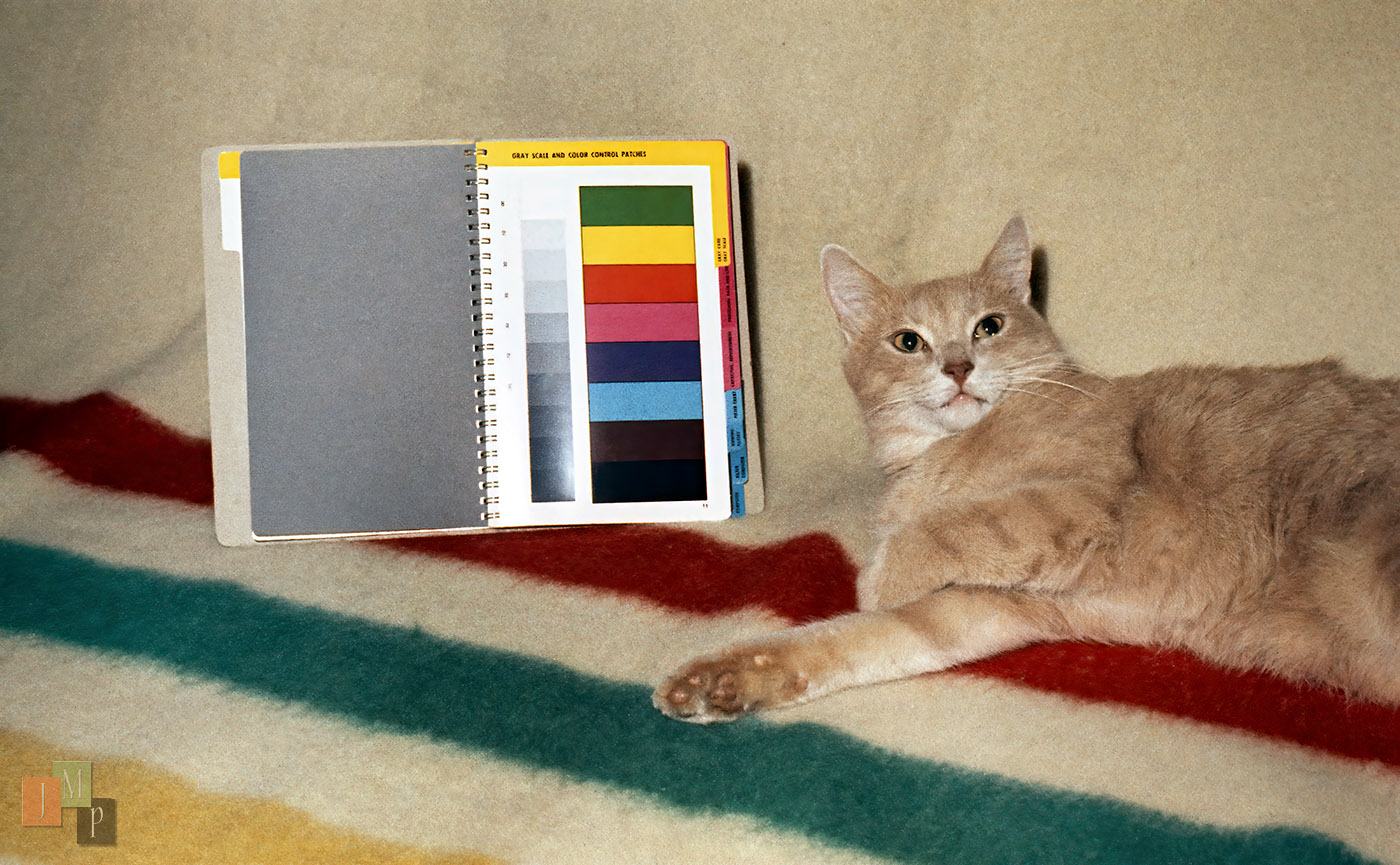
Came across some of my first color images that I scanned years ago on my Epson from 1970. This is Flash my 0.50 cent adopted cat as a kitten from the animal shelter. He was my first model, and seemed to love to be in front of the camera. The book is Kodak's color guide, and I was following its instructions in preparation to develop and print color for the first time. Camera is an Argus C3 aka "The Brick". I used a Beseler PM2 color analyzer to determine a filter pack, f-stop, and exposure for color printing. Had to mow a lot of lawns, and shovel a ton of snow to get the money for all the gear. And surprisingly it worked - even though I was a kid.
EDIT - I don't know what film was used. Hopefully it will turn up as I continue cleaning out my darkroom.
James Markus wrote:
Came across some of my first color images that I scanned years ago on my Epson from 1970. This is Flash my 0.50 cent adopted cat as a kitten from the animal shelter. He was my first model, and seemed to love to be in front of the camera. The book is Kodak's color guide, and I was following its instructions in preparation to develop and print color for the first time. Camera is an Argus C3 aka "The Brick". I used a Beseler PM2 color analyzer to determine a filter pack, f-stop, and exposure for color printing. Had to mow a lot of lawns, and shovel a ton of snow to get the money for all the gear. And surprisingly it worked - even though I was a kid.