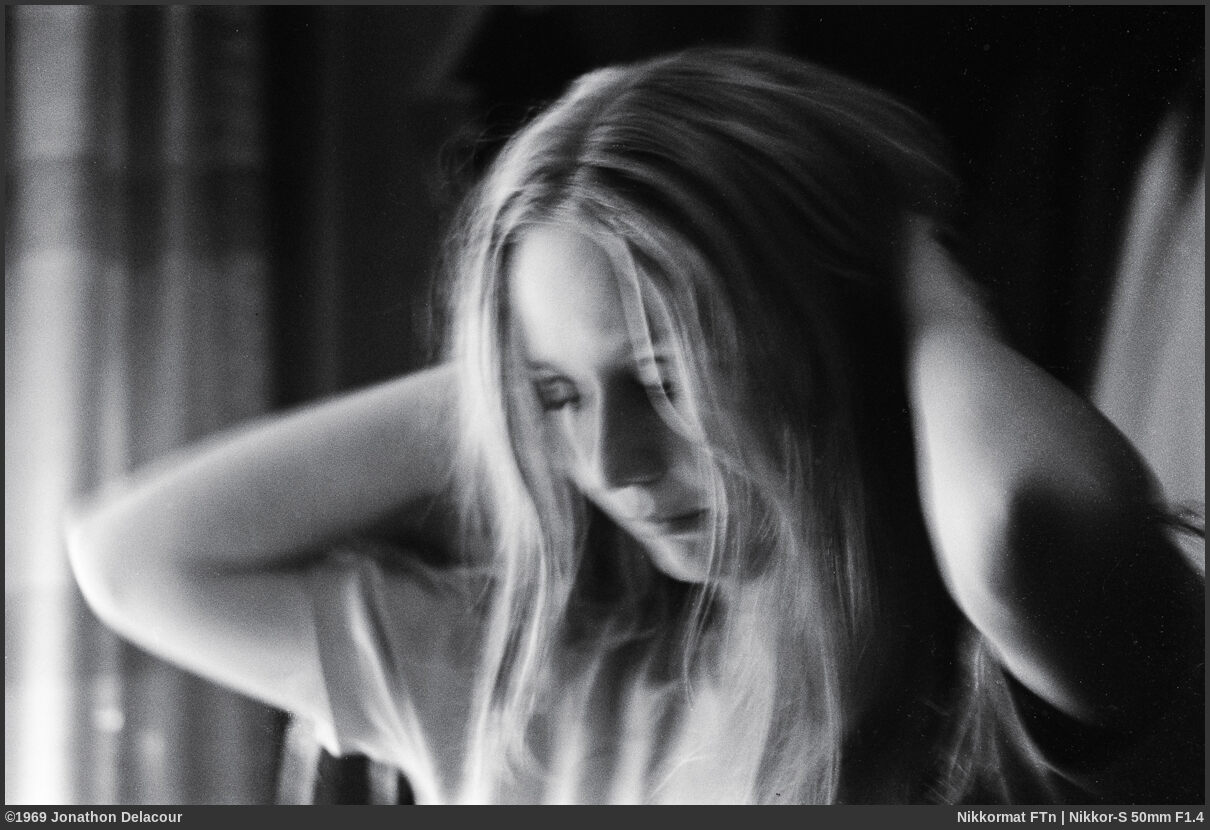
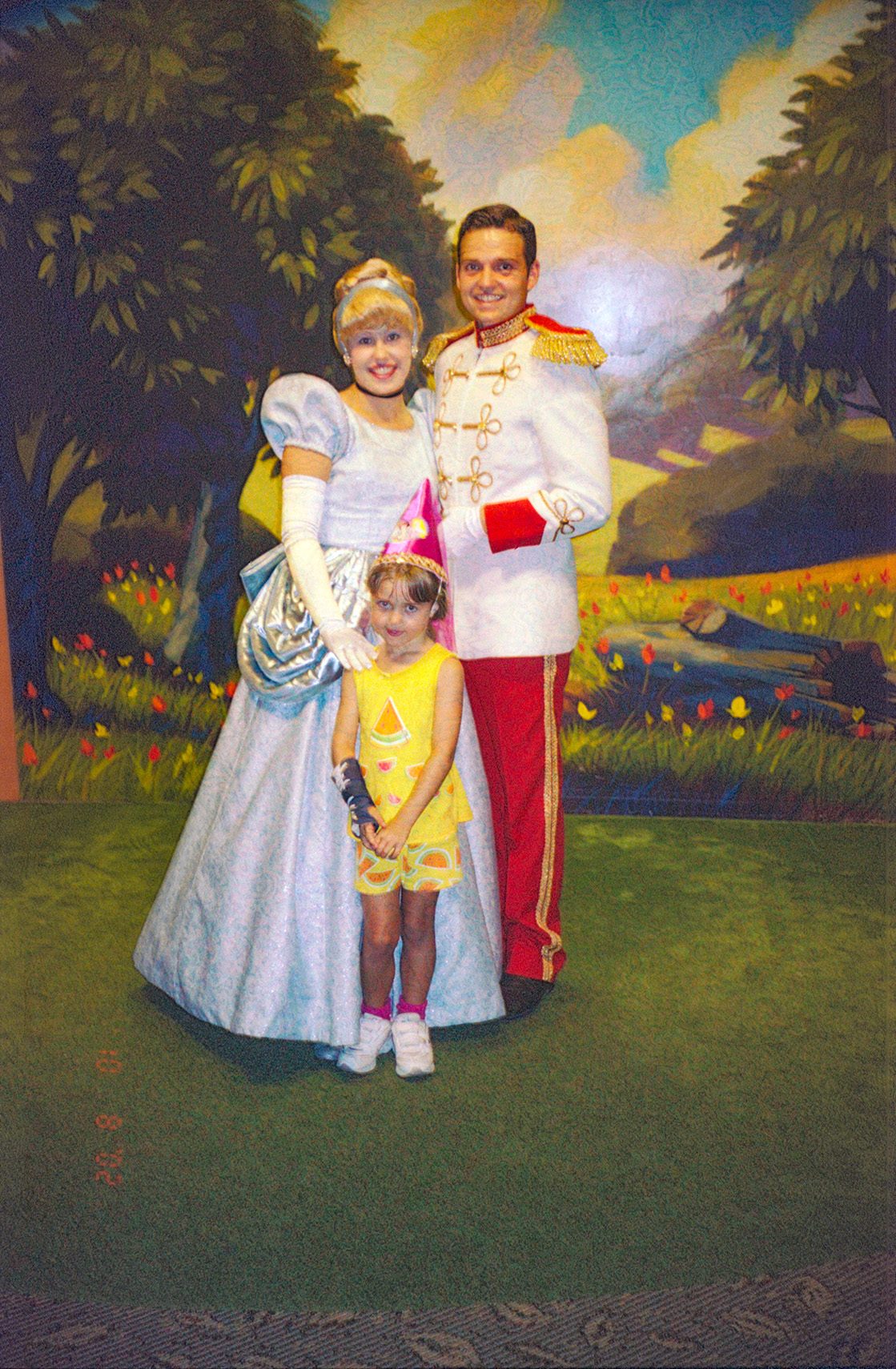
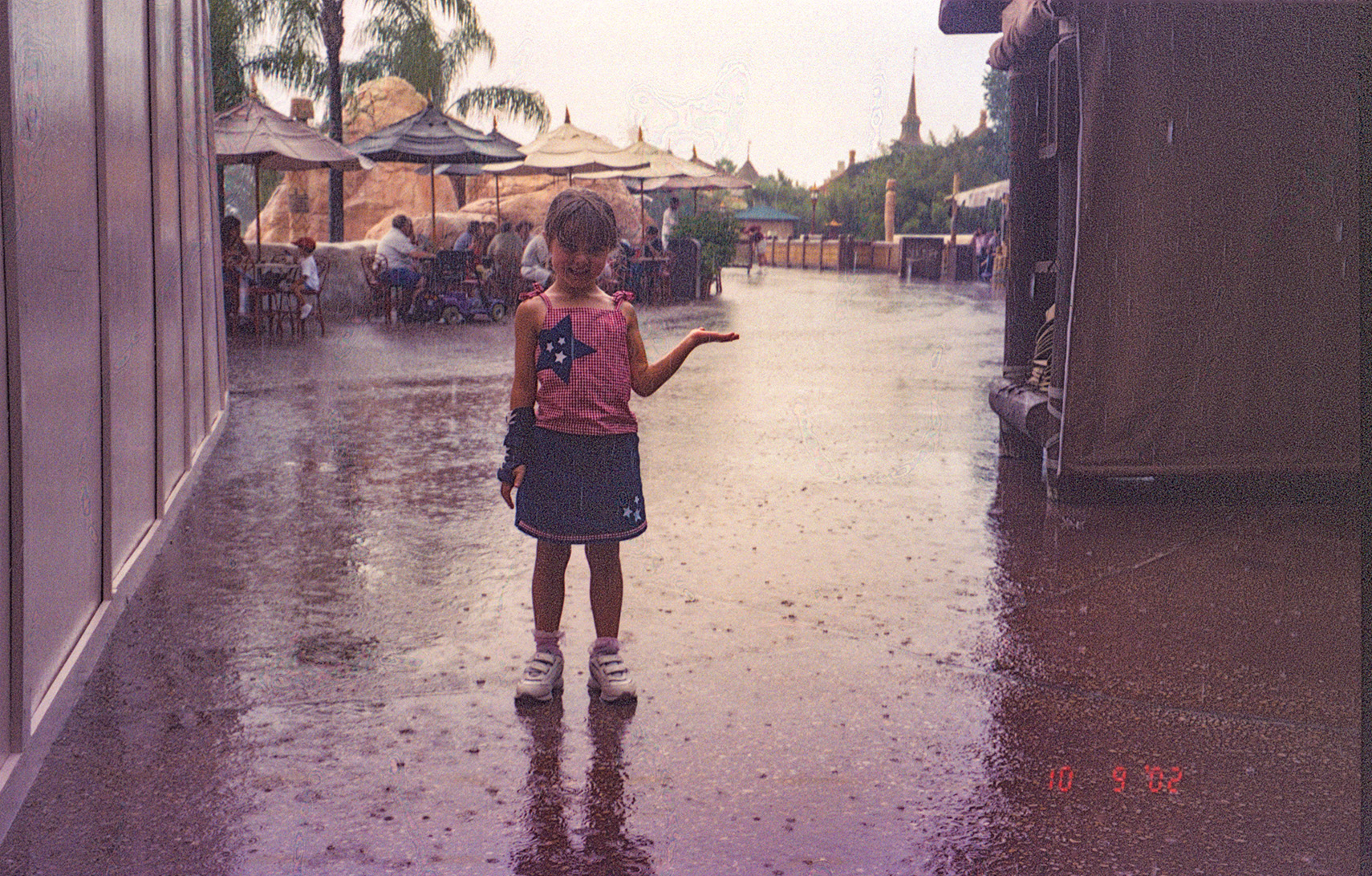
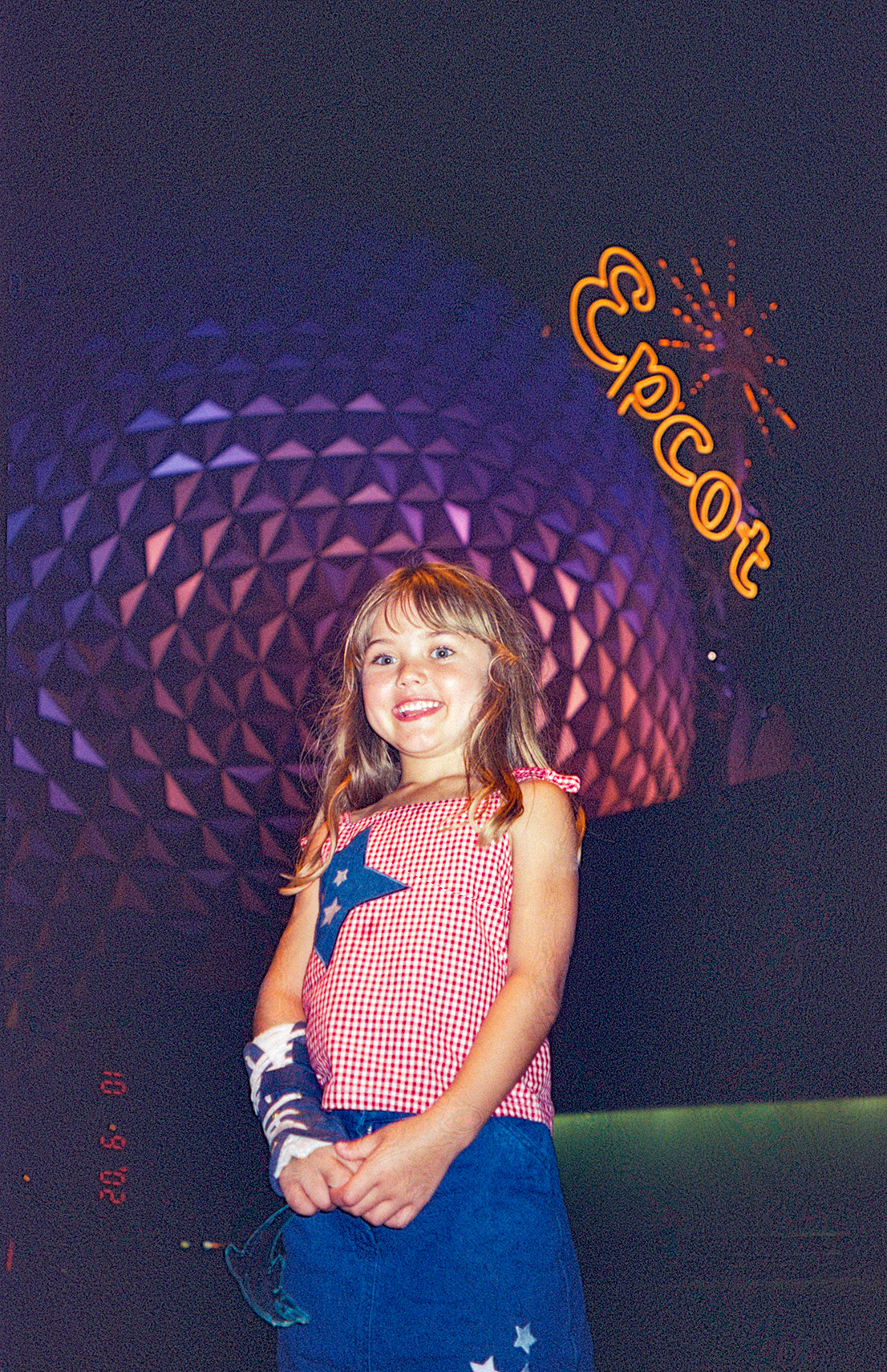
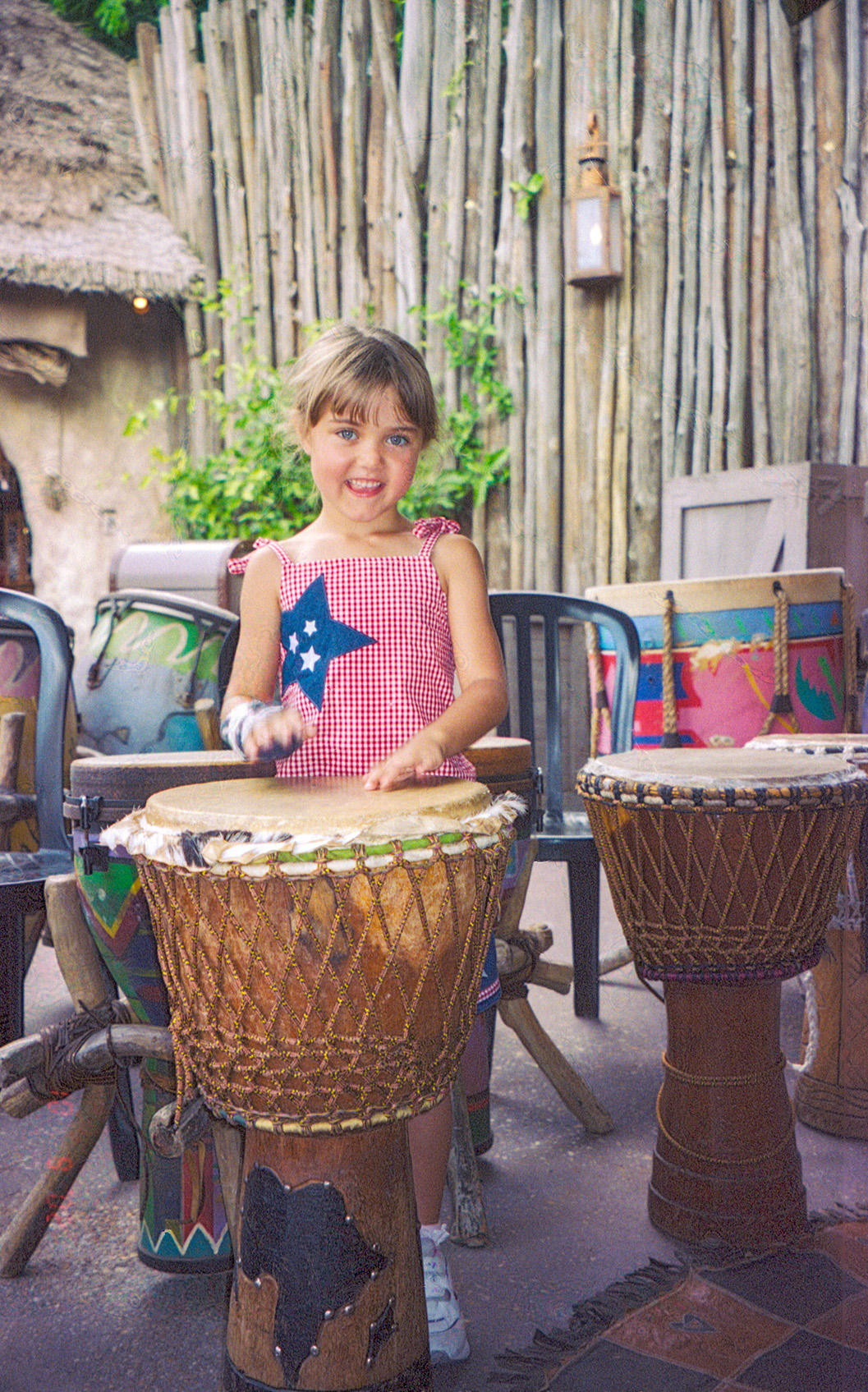
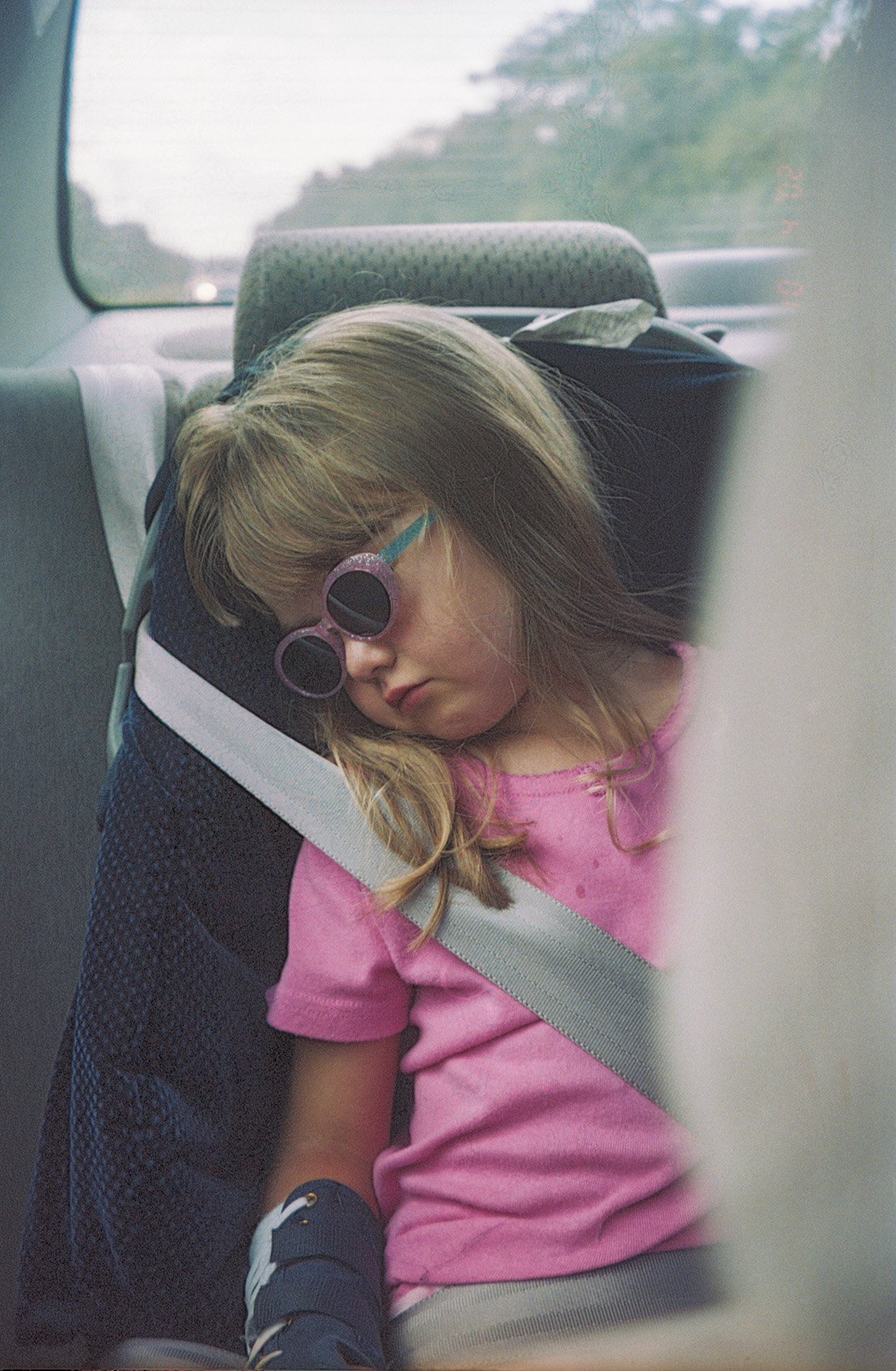
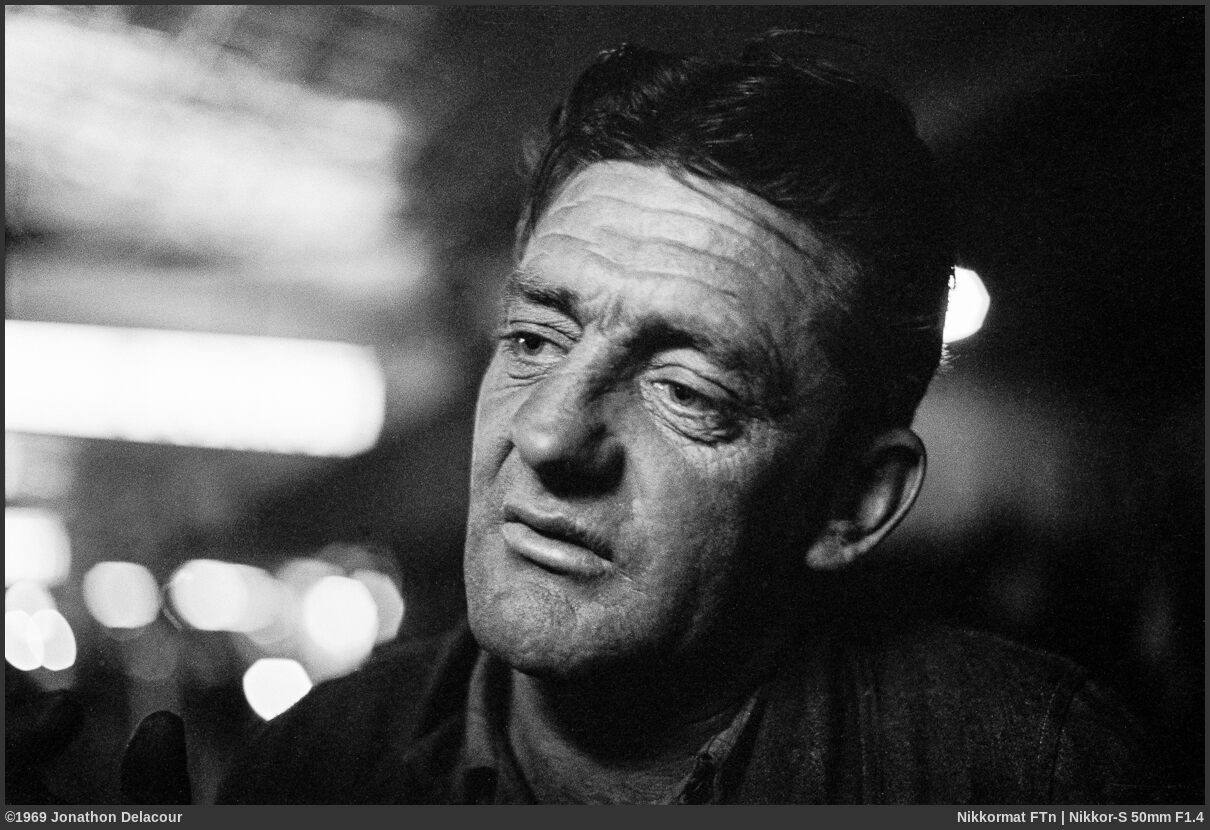
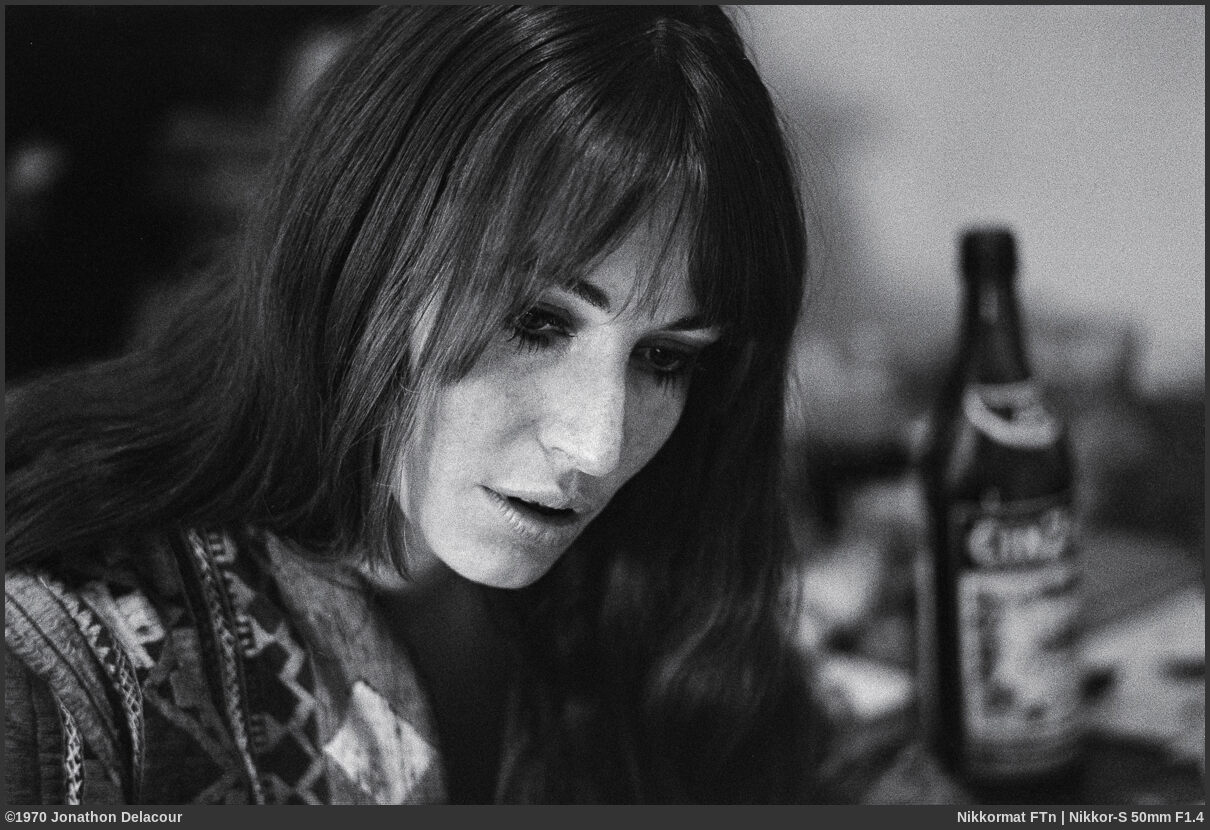
It's cool how some of the shots in this thread are timeless, like this one, while others depict things that are obviously from a specific era (and sometimes a specific location).
Thank you! Although looking again at the contact sheet, I realised that I like this one much better...
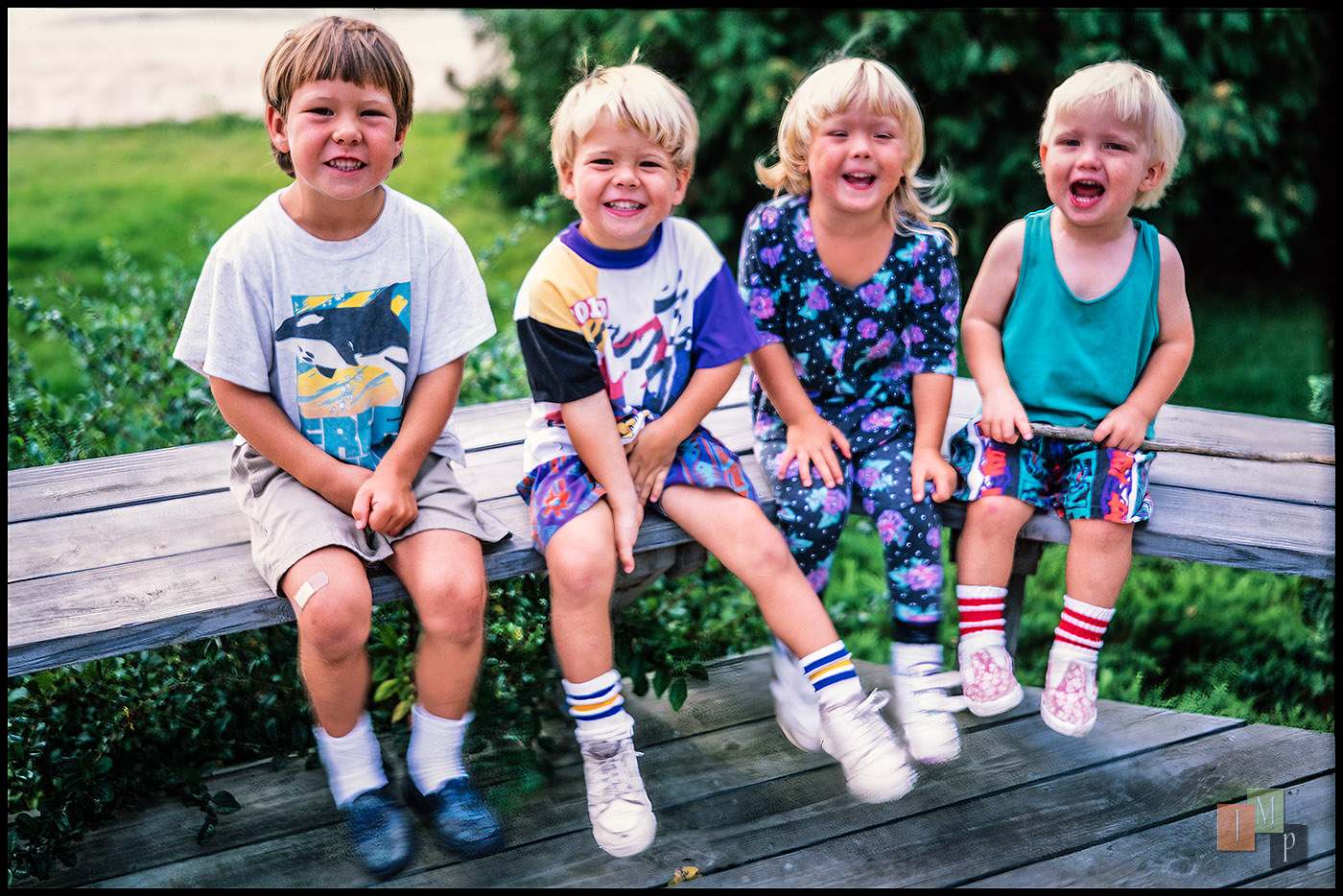
An old Zeiss Ikon Super Ikonta 6x9cm that I pulled out of the trash as a kid, and then fixed (Had a bellows light leak). It was very hard to get images in focus, but this one from 30 years ago (1994) was close enough for Topaz sharpen AI to salvage. These are my four oldest kids
Edit to correct the year
Zeiss Ikon Super Ikonta with a 105mm f4.5 Carl Zeiss Jena Tessar lens 6x9cm using Fuji Velvia
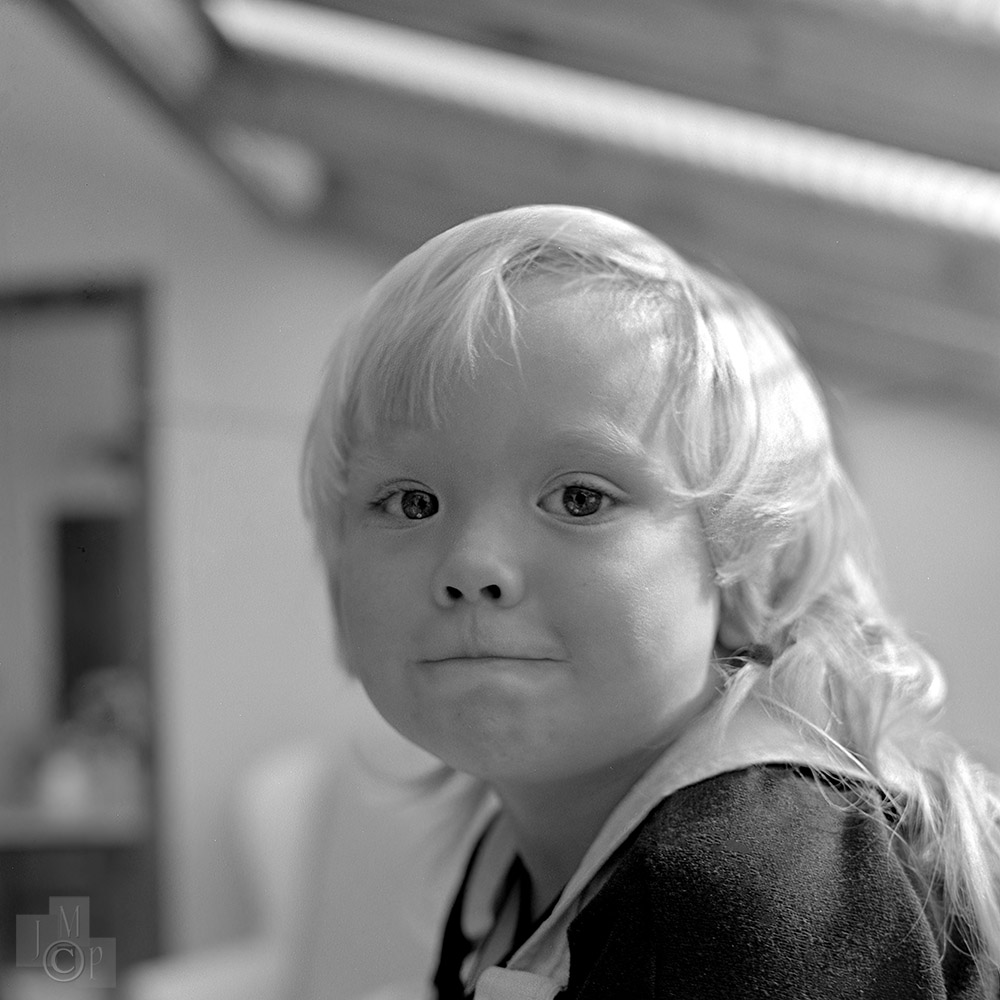
One frame from the Bronica S using the Nikkor-P 75mm f2.8 and Kodak T-Max film circa 1996. My daughter was 5, and my wife was in the hospital on this vacation. She was under six 6' sky lights and had platinum hair that the sun was hitting, but her face was in shadow. The human eye can see fine in that vast of dynamic range, but film and even digital cameras struggle. I converted this negative using the LR plugin Negative Lab Pro - and I don't think using HDR would capture the seriousness of the moment as well as NLP. I never attempted to print this - even with polycontrast papers, because I felt it likely would never appear as it did in real life.
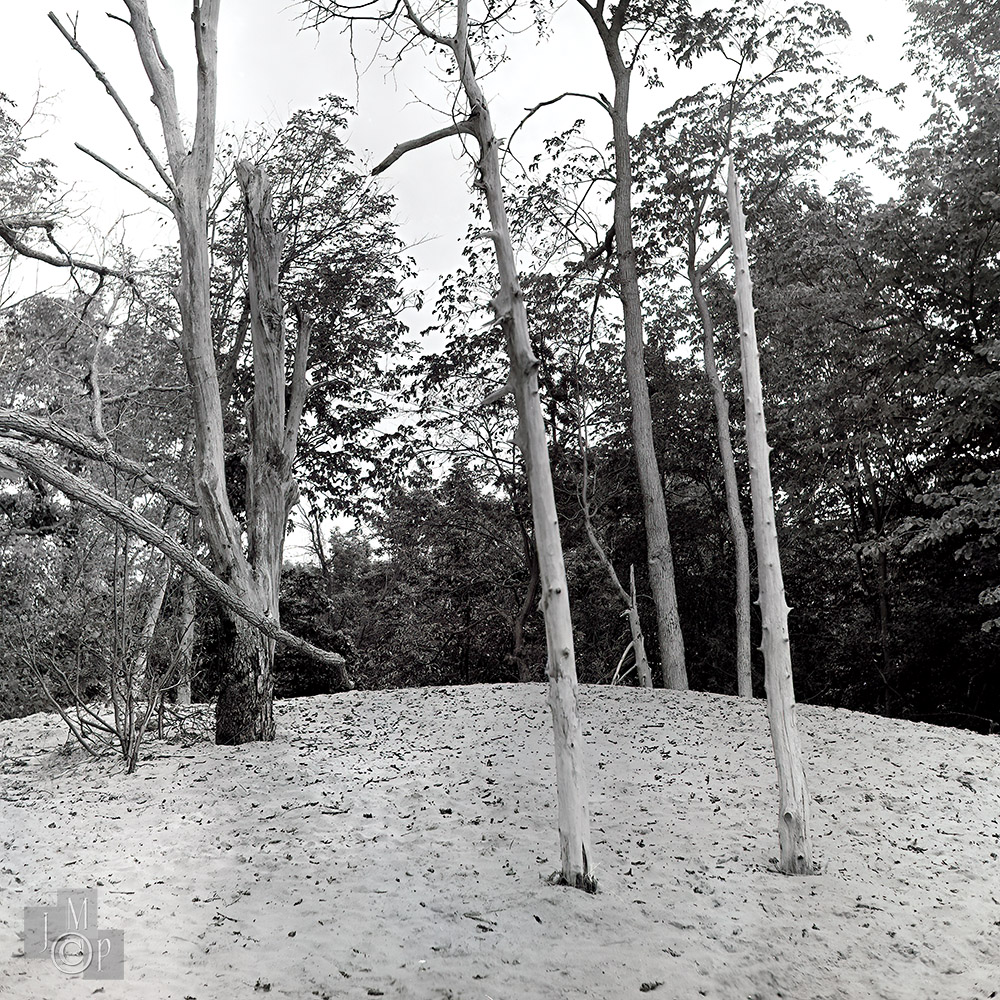
Sand dunes move like incredibly slow waves, On the Leelanau peninsula of Michigan there are dunes hundreds of feet high. Sleeping Bear was over 600 feet high when I was much younger, and this one near Glen Arbor is 200-300 feet high. As the crest of the sand wave hits the forest it kills the trees, and previously buried items in the valleys between the waves are sometimes revealed. This a photo of the sand moving into the forest, and killing the trees. About 1992 or 1993
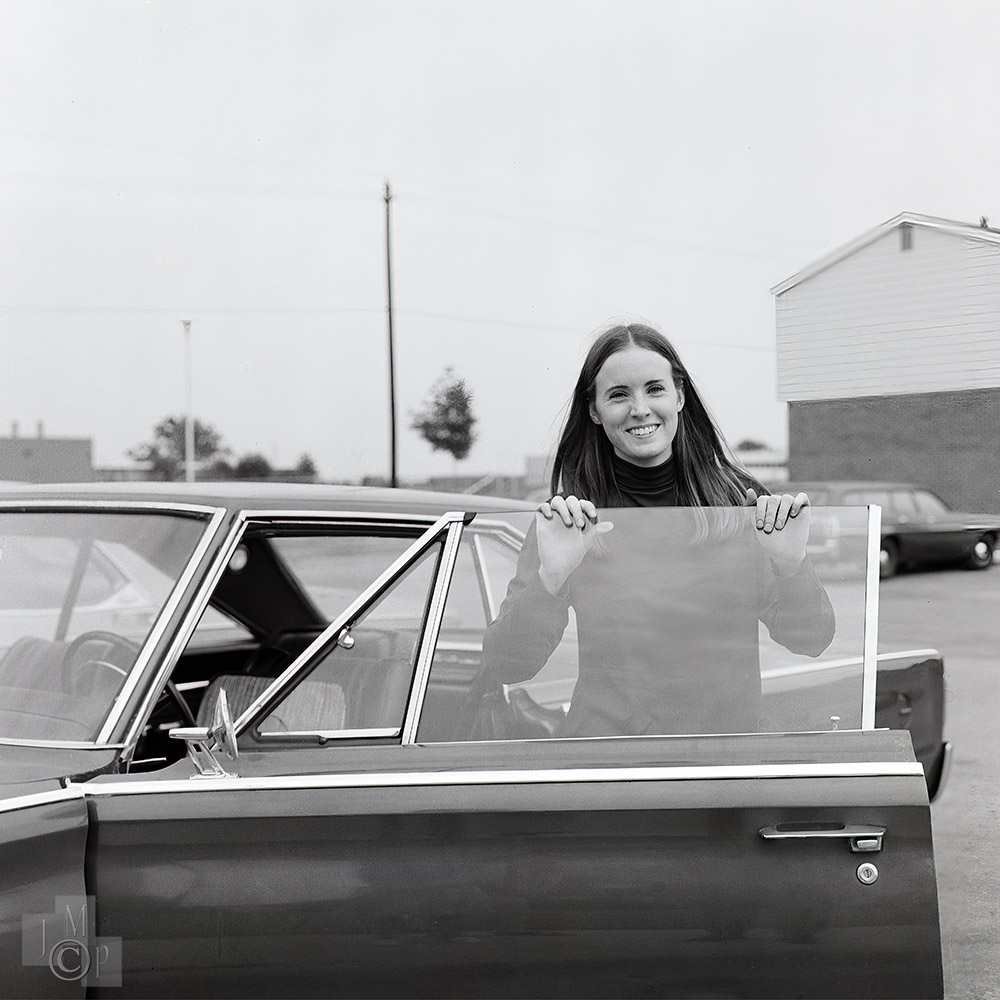
Circa 1973. Bronica S with a Nikkor-P 75mm f2.8 using "Kodak Safety Film". I couldn't remember the trade name, but that is all it had printed on the edge? I remember the drug store where I use to purchase the film - they were in foil packs, no box, and the best price I could find. A little searching online claims an ASA/ISO of 125-160. Online claims it was the first new film base that Kodak had developed since their previous film base was being found to spontaneously combust.
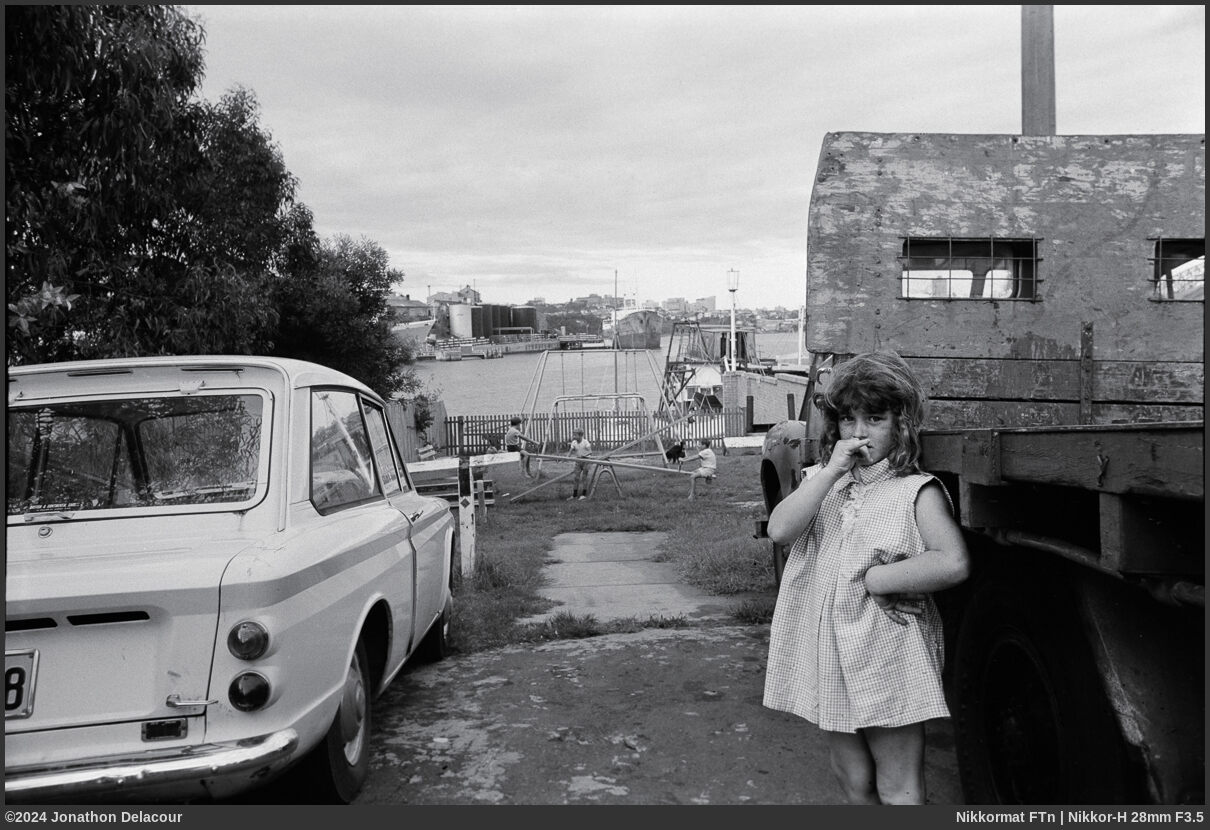
1970. Tri-X. Children appear constantly in my contact sheets from the early 70s. They were everywhere: playing games, chasing one another, fighting, just generally fooling around. No helicopter parenting in those days. From 1956, when I was eight years old, I spent Saturdays and Sundays from 8am to 6pm wandering around the beach suburb where we lived, getting up to mischief with my gang of friends. Our mothers took turn giving us all lunch but that was the only adult contact we had during those weekend days.
genji wrote:
1970. Tri-X. Children appear constantly in my contact sheets from the early 70s. They were everywhere: playing games, chasing one another, fighting, just generally fooling around. No helicopter parenting in those days. From 1956, when I was eight years old, I spent Saturdays and Sundays from 8am to 6pm wandering around the beach suburb where we lived, getting up to mischief with my gang of friends. Our mothers took turn giving us all lunch but that was the only adult contact we had during those weekend days.
Wow, this statement makes me feel a little melancholic, because times have changed dramatically. Like you, I would drop my back pack at home after school and I would be gone until supper or until the lights turned on.
You are correct, kids were everywhere doing what kids were meant to do. Great write up. Thank you.
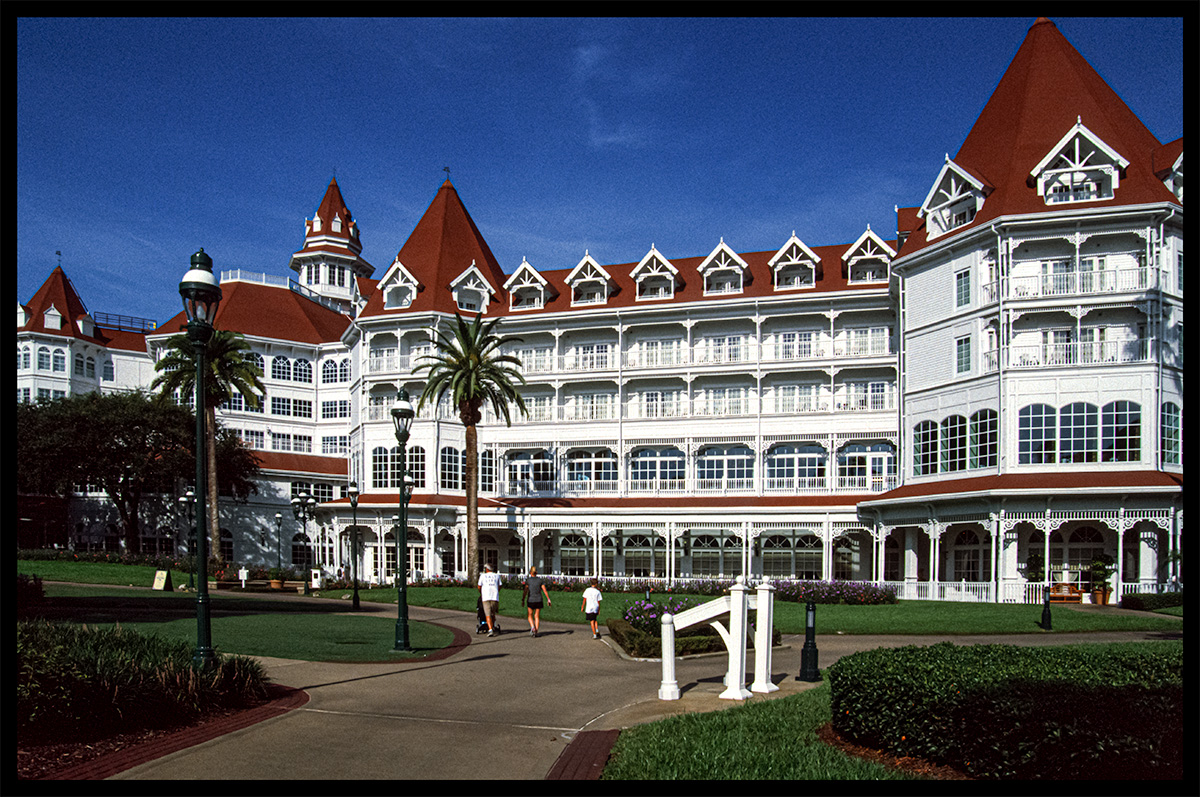
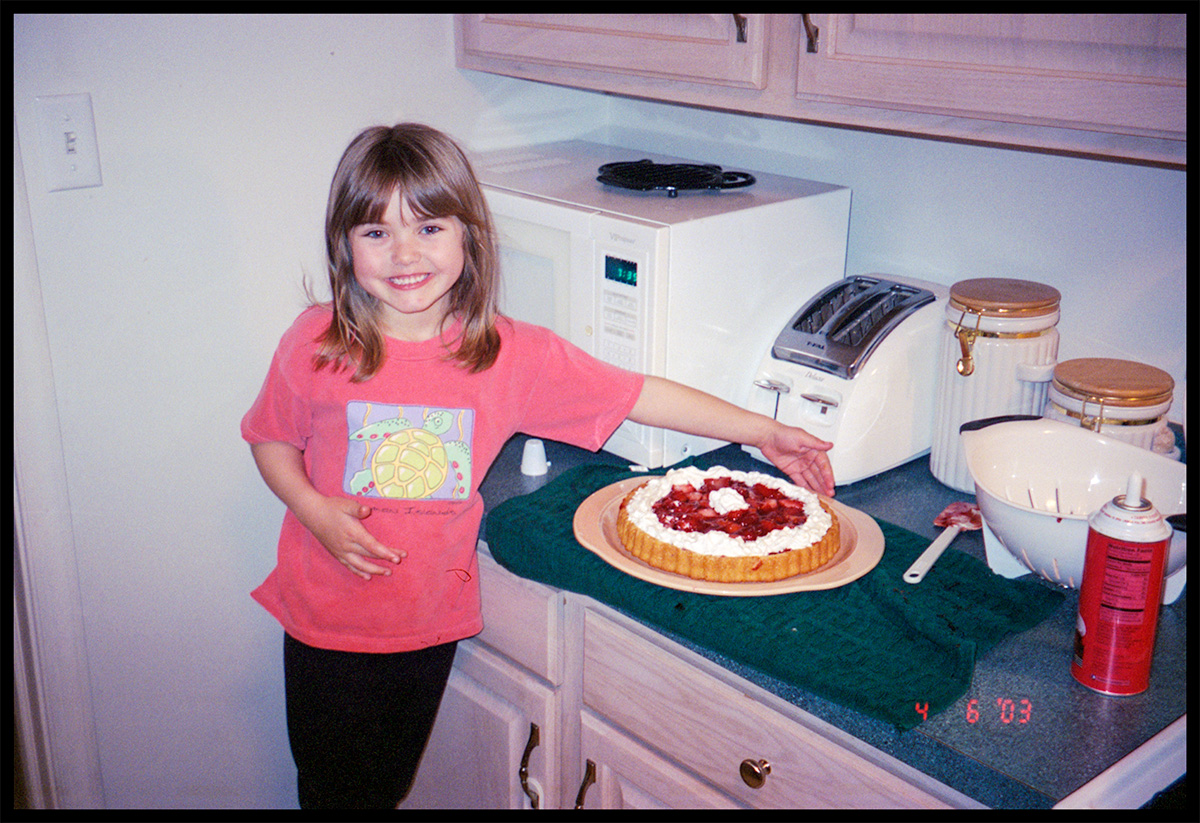
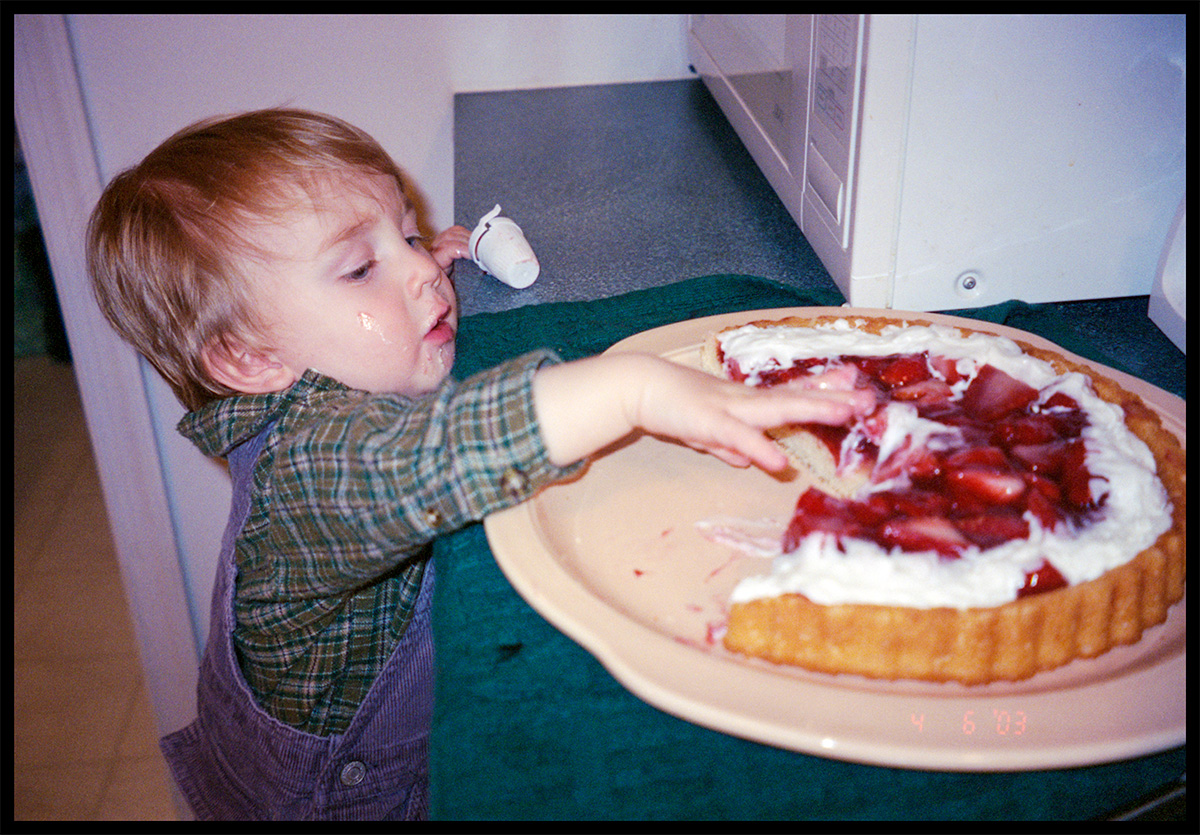
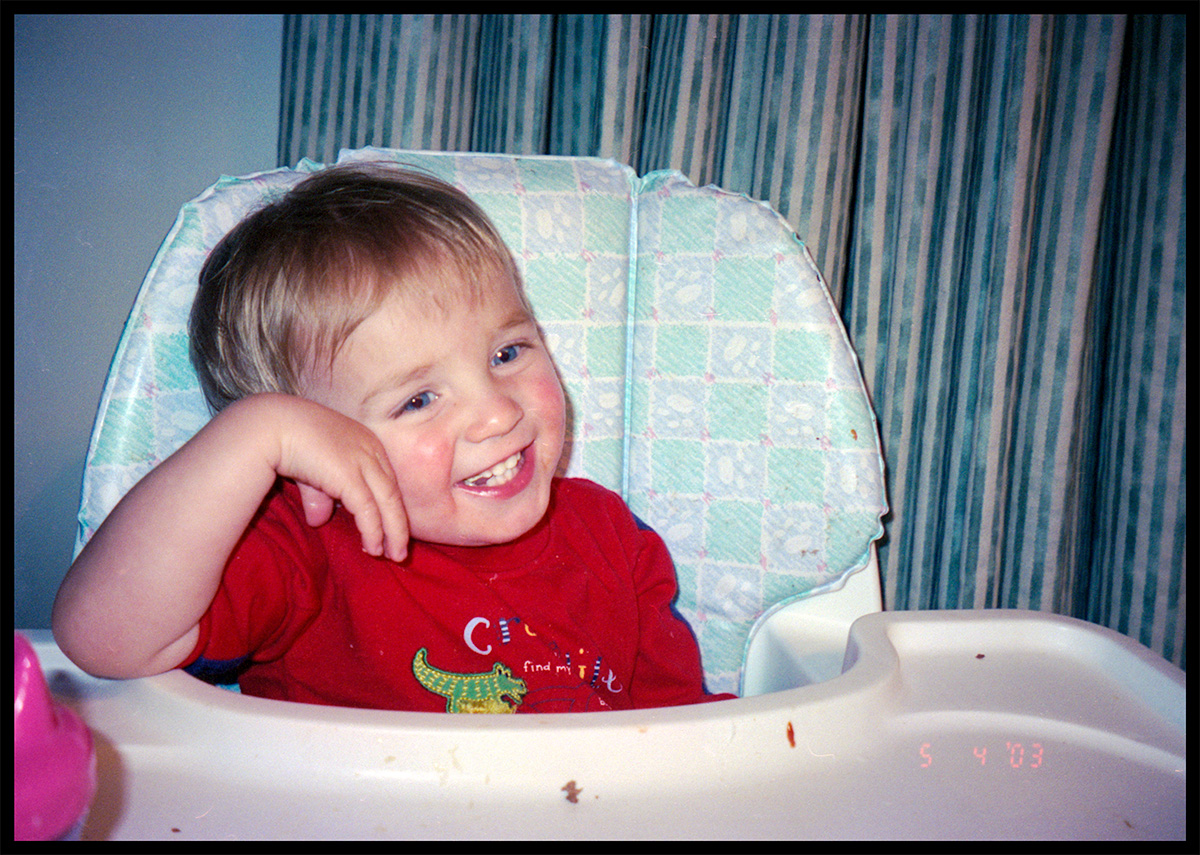
Before and afters. From 2003 on Kodak 400 speed Gold Max I think. Pretty sure this was taken with our Canon Sure Shot Ace which I can no longer find anywhere in our house. Bummer....
I bought the slide holder for the Negative Supply kit but had never used it. It's the first generation and they have made improvements since this one was introduced. I have a shoe box full of Kodachome's from the late 1980's. All were taken with a Leica M6, 50 2.0 Summicron-M, Kodachome 64. Here are a few:
Andie at the Mirror on our little house on Milton Street, 1987
Lady and Rusty. 1988:
Spider in front of neon butterfly. Andie made the neon, the spider made the web. I had some close up gizmos for the Leica:
Spider in front of neon butterfly:
Andie with bubblegum and yoyo, 1988:
Andie with yoto, 1988:
The Leica corner at the old Citizens Photo at SE 7th and Stark. Taken with a lens I couldn't afford, 1988:
On an early trip back east to visit my family, redhead and red maple, New Britain, Pennsylvania, 1988
[
These are all straight captures with a Sony A7II and a FE90 2.8 Macro. The slides have been kept in the processors box since they were developed keeping them fairly dust free and in good condition. It was fun and I may dig through and see what else is lining memory lane.
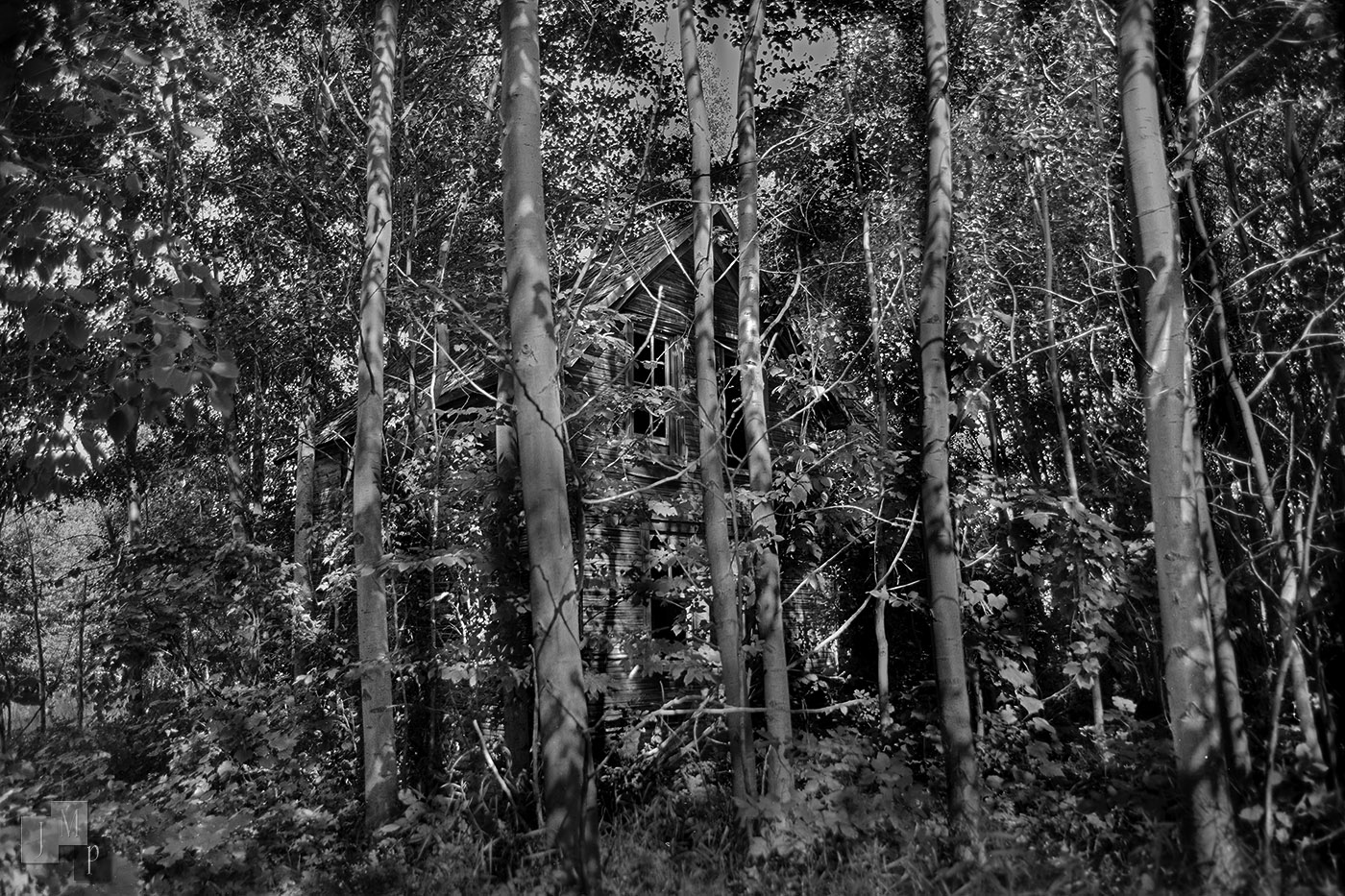
This is the childhood home of a friend of mine. He brought me to see it, and it was a poignant moment. The federal government seized a lot of land around Glen Arbor Michigan near Sleeping Bear whilst creating the national park of that name. Decades later, crews cleared any evidence of human habitation. Farm houses, out buildings and barns were carted off site and disposed. They wanted it to look like a wilderness even though families had lived there for centuries. I shot this on Techpan 25, but the highlight to shadow range far exceeded the film, but not the dynamic range of the human eye. I never tried printing it for that reason, but you can just make out the overgrown farm house in this image.