This topic is in the 2023 archive. You can read it and like its posts here. It is read only.
Archive 2023Infrared Thread - Digital or Film

Jul 18, 2024 at 09:37 AM

Jul 18, 2024 at 09:38 AM

Jul 18, 2024 at 09:51 AM

Jul 18, 2024 at 10:08 AM
p.9 #5Infrared Thread - Digital or Film
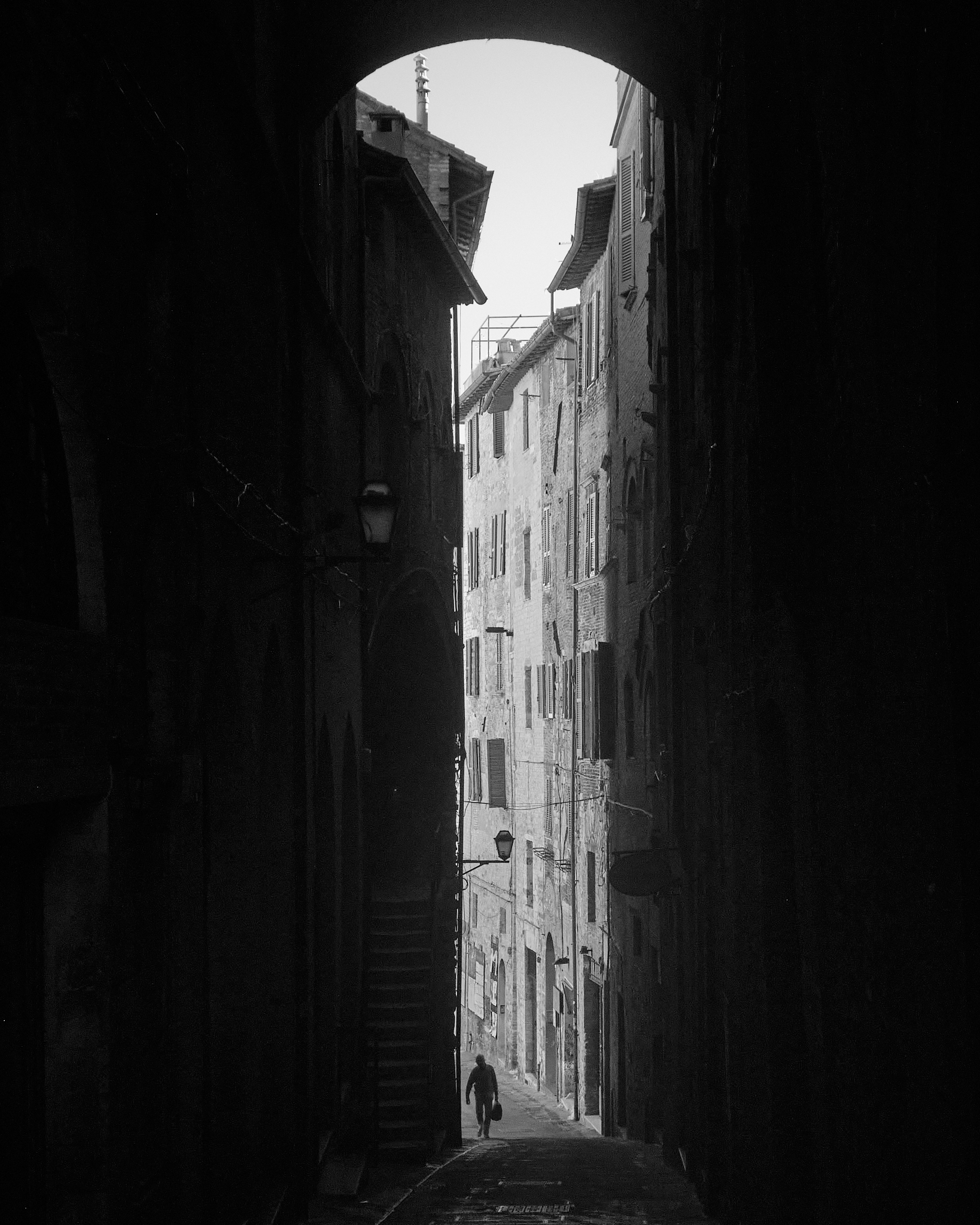
Fuji X-T2 and Sigma 18-50mm in Perugia Italy.
Jul 18, 2024 at 06:59 PM
p.9 #6Infrared Thread - Digital or Film
The Quadriga of Unity of Victor Emmanuel in Piazza Venezia in Rome.
Fuji X-T2 w/Sigma 18-50mm

Fuji X-T2 w/Sigma 18-50mm
Jul 21, 2024 at 01:05 PM
p.9 #7Infrared Thread - Digital or Film
another from Rome. I think this was with the VM 21mm F4.

Jul 21, 2024 at 01:18 PM

p.9 #8Infrared Thread - Digital or Film
Amazing images the last few pages! Canon 5DmkII and ef 20mm f2.8
http://www.photomatter.com/2024/5Dmk2-IR_w-EF_20mm-f2.8-USM_MeijerGardens-7384-Edit.jpg
http://www.photomatter.com/2024/5Dmk2-IR_w-EF_20mm-f2.8-USM_MeijerGardens-7375-Edit-Edit.jpg
http://www.photomatter.com/2024/5Dmk2-IR_w-EF_20mm-f2.8-USM_MeijerGardens-7365-Edit.jpg
http://www.photomatter.com/2024/5Dmk2-IR_w-EF_20mm-f2.8-USM_MeijerGardens-7401-Edit.jpg
Jul 21, 2024 at 03:53 PM
p.9 #9Infrared Thread - Digital or Film
Love the images in this thread. Very inspiring.
Beyond Rollei Infrared, does anyone have any recommendations on the extended spectrum films (like Ilford's SFX 200 or Rollei's Retro 80S/400S)? If the only catch with them is needing a UV/IR cut to shoot visible light and IR pass for IR, then I'm set. Are there other caveats of which to be aware?
Thanks in advance.
Brad
Jul 21, 2024 at 05:59 PM
p.9 #10Infrared Thread - Digital or Film
I'm not an expert, so take this with caution. For what I know film reciprocity failure would be the main caveat. It applies to all emulsions once you go beyond 1-ish seconds.
I can't find the link to the blog where I read this, but this person tested Rollei Infrared 400 and found that the long exposure times were close to those of SFX 200.
For times in seconds if 'm' is the number of seconds your camera meters with the ND filter on then the number of seconds you need to expose 'e' is equal to m to the power of 'p'. For SFX (and apparently Rollei Infrared), 'p' is 1.43.
So if you meter:
4 sec -> expose 7.2 sec
8 sec -> expose 19.5 sec
15 sec -> expose 48 sec
30 sec -> expose 129.5 sec
60 sec -> expose 349 sec
Hope I make sense and this helps.
Jul 23, 2024 at 08:19 AM
p.9 #11Infrared Thread - Digital or Film
 |
||
| https://photos.smugmug.com/Trips/Mojave/Mojave-Summer-2019/i-TMRX5cL/0/M6q7wFX38M2X7bb5nm2m7zch9JHTHcchQK5q636Dg/X2/190723_Mojave_I7230099-X2.jpg | ||
|
|
||
| https://photos.smugmug.com/Trips/Mojave/Mojave-Summer-2019/i-46QXgVx/0/LGtrssvJsntGDJKKgcnXxcQkNkKzZ4Xz8fCMCwxgZ/X2/190723_Mojave_I7230013-X2.jpg | ||
|
|
||
| https://photos.smugmug.com/Trips/Mojave/Mojave-Summer-2019/i-sNmgZMZ/0/KH2NBQ8cBbpRz7fkNxbNkKWFfcnVjhzQbFkg3hvb8/X2/190725_Mojave_I7250266-X2.jpg | ||
|
850nm E-M5II in the Mojave desert
Jul 23, 2024 at 09:24 AM
p.9 #12Infrared Thread - Digital or Film
Lupin 3rd wrote:
I'm not an expert, so take this with caution. For what I know film reciprocity failure would be the main caveat. It applies to all emulsions once you go beyond 1-ish seconds.
I can't find the link to the blog where I read this, but this person tested Rollei Infrared 400 and found that the long exposure times were close to those of SFX 200.
For times in seconds if 'm' is the number of seconds your camera meters with the ND filter on then the number of seconds you need to expose 'e' is equal to m to the power...Show more →
It does and good safety tip. I haven't hit a second or slower yet. I've shot a couple rolls of Rollei IR 400 with a Coklin 720 filter, but it's all been sunny day, so I think the closest I've come is 1/15. I haven't even metered with the filter on, since it appears to be very close if not right at its advertised six stops, which it makes the math easy. So I've had it easy so far (the Nikon 35-70/2.8's IR markings are spot on at 35 and 70, so even focusing has been a breeze). Now I want to take off the training wheels, so I appreciate any and all advice.
Jul 23, 2024 at 06:22 PM
p.9 #13Infrared Thread - Digital or Film
freaklikeme wrote:
Lupin 3rd wrote
I'm not an expert, so take this with caution. For what I know film reciprocity failure would be the main caveat. It applies to all emulsions once you go beyond 1-ish seconds.I can't find the link to the blog where I read this, but this person tested Rollei Infrared 400 and found that the long exposure times were close to those of SFX 200.
For times in seconds if 'm' is the number of seconds your camera meters with the ND filter on then the number of seconds you need to expose 'e' is equal to m to the power of 'p'. For SFX (and apparently Rollei Infrared), 'p' is 1.43.
So if you meter:
4 sec -> expose 7.2 sec
8 sec -> expose 19.5 sec
15 sec -> expose 48 sec
30 sec -> expose 129.5 sec
60 sec -> expose 349 sec
Hope I make sense and this helps.
I started looking for the elusive Rollei IR reciprocity chart and didn’t really find an answer. I can understand your concern about suddenly needing to double the development time. It’s what makes photography fun!
Jul 23, 2024 at 06:56 PM
p.9 #14Infrared Thread - Digital or Film
madNbad wrote:
I can't find the link to the blog where I read this, but this person tested Rollei Infrared 400 and found that the long exposure times were close to those of SFX 200.
For times in seconds if 'm' is the number of seconds your camera meters with the ND filter on then the number of seconds you need to expose 'e' is equal to m to the power of 'p'. For SFX (and apparently Rollei Infrared), 'p' is 1.43.
So if you meter:
4 sec -> expose 7.2 sec
8 sec -> expose 19.5 sec
15 sec -> expose 48 sec
30 sec -> expose 129.5 sec
60 sec -> expose 349 sec
Hope I make sense and this helps.It does and good safety tip. I haven't hit a second or slower yet. I've shot a couple rolls of Rollei IR 400 with a Coklin 720 filter, but it's all been sunny day, so I think the closest I've come is 1/15. I haven't even metered with the filter on, since it appears to be very close if not right at its advertised six stops, which it makes the math easy. So I've had it easy so far (the Nikon 35-70/2.8's IR markings are spot on at 35 and 70, so even focusing has been a breeze). Now I want to take off the training wheels, so I appreciate any and all advice.I started looking for the elusive Rollei IR reciprocity chart and didn’t really find an answer. I can understand your concern about suddenly needing to double the development time. It’s what makes photography fun!
It's in the instruction sheet that comes with the film. It's reprinted here, with the chart on the middle of page 3: https://www.rolleianalog.com/wp-content/uploads/2021/02/INFRARED_Datenblatt_EN_R012101.pdf
Ilford's data sheet on SFX 200 doesn't contain that information.
freaklikeme wrote
Lupin 3rd wrote
I'm not an expert, so take this with caution. For what I know film reciprocity failure would be the main caveat. It applies to all emulsions once you go beyond 1-ish seconds.I can't find the link to the blog where I read this, but this person tested Rollei Infrared 400 and found that the long exposure times were close to those of SFX 200.
For times in seconds if 'm' is the number of seconds your camera meters with the ND filter on then the number of seconds you need to expose 'e' is equal to m to the power of 'p'. For SFX (and apparently Rollei Infrared), 'p' is 1.43.
So if you meter:
4 sec -> expose 7.2 sec
8 sec -> expose 19.5 sec
15 sec -> expose 48 sec
30 sec -> expose 129.5 sec
60 sec -> expose 349 sec
Hope I make sense and this helps.
It's in the instruction sheet that comes with the film. It's reprinted here, with the chart on the middle of page 3: https://www.rolleianalog.com/wp-content/uploads/2021/02/INFRARED_Datenblatt_EN_R012101.pdf
Ilford's data sheet on SFX 200 doesn't contain that information.
Jul 23, 2024 at 08:08 PM
p.9 #15Infrared Thread - Digital or Film
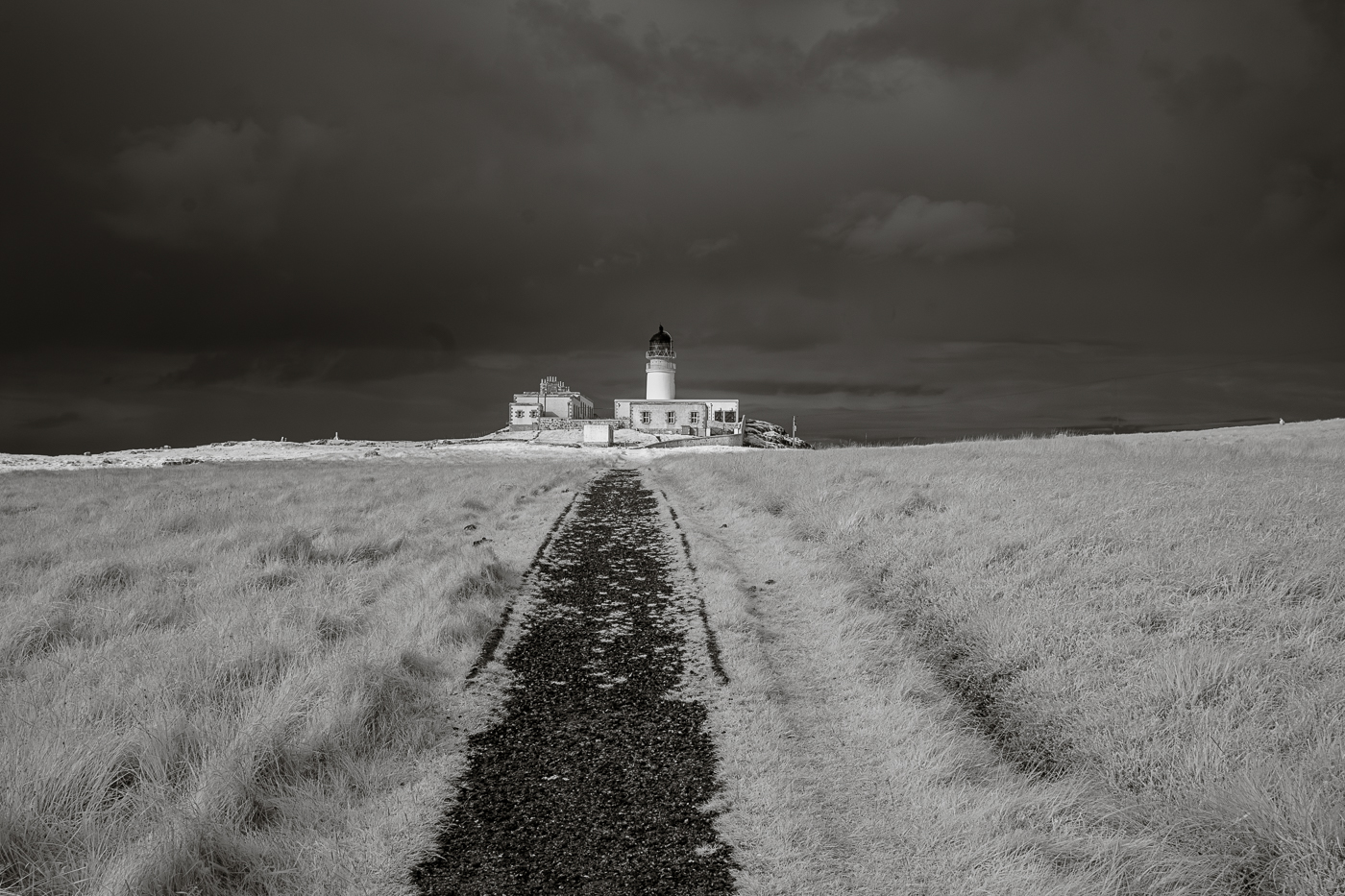
Longtime user, virgin poster trying my first share.
Neist Point Lighthouse, Isle of Skye, 2022. 820nm conversion.
Neist Point Lighthouse, Isle of Skye, 2022. 820nm conversion.
|
||
 |
||
|
X-E3 XF23mmF2 R WR lens 23mm f/8.0 1/180s 400 ISO 0.0 EV
Jul 31, 2024 at 08:06 PM
p.9 #16Infrared Thread - Digital or Film
Fujifilm X-T20 850nm + XF 23f1.4 Mk1

Marina bay by Massinissa Dalla Costa, on Flickr
Marina bay by Massinissa Dalla Costa, on Flickr
Aug 02, 2024 at 06:22 AM
p.9 #17Infrared Thread - Digital or Film
Some Ir images from the streets of London.
D610 & 18-35 G ED lens. 720nm internal filter.
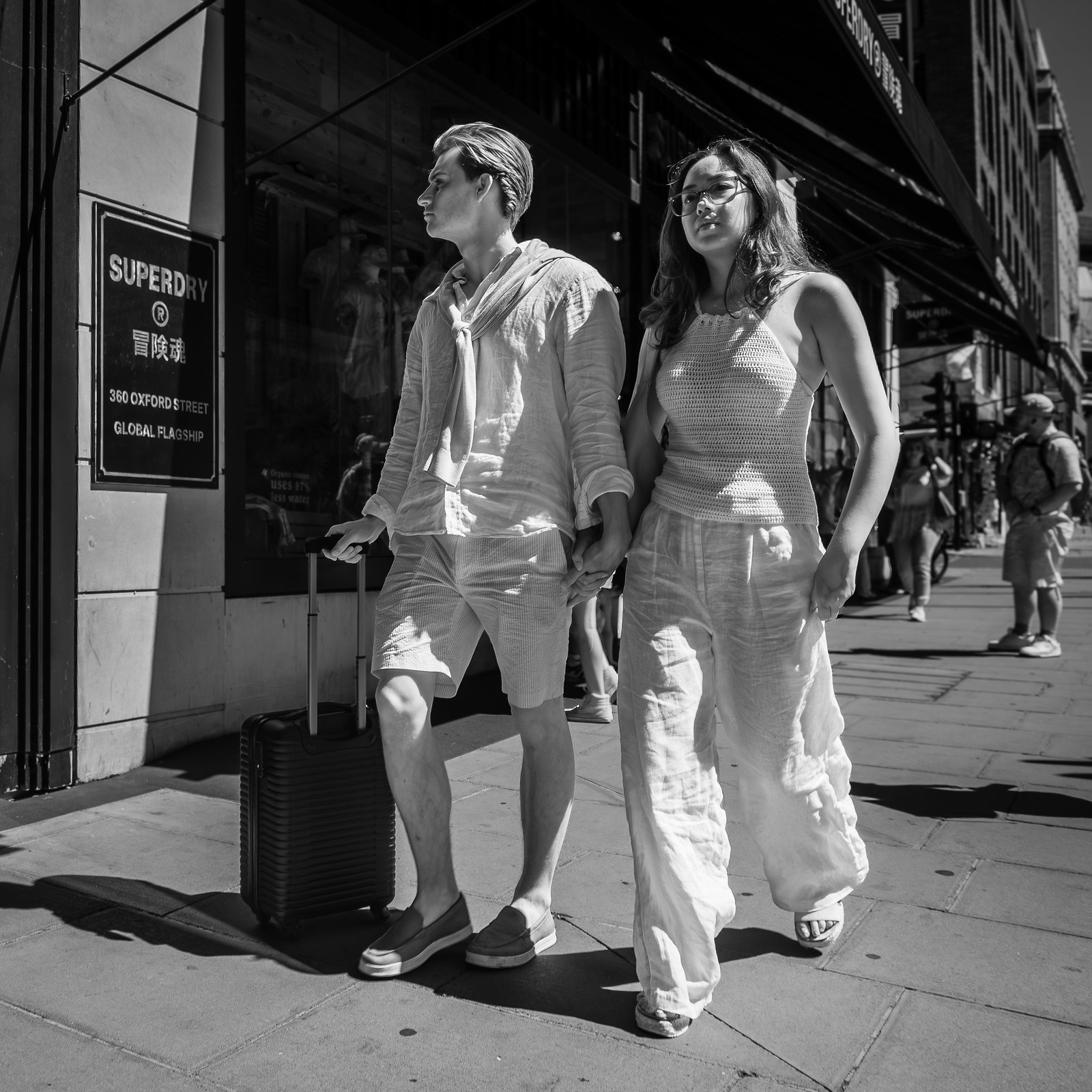 DSC_4409 by Colin McIntosh, on Flickr
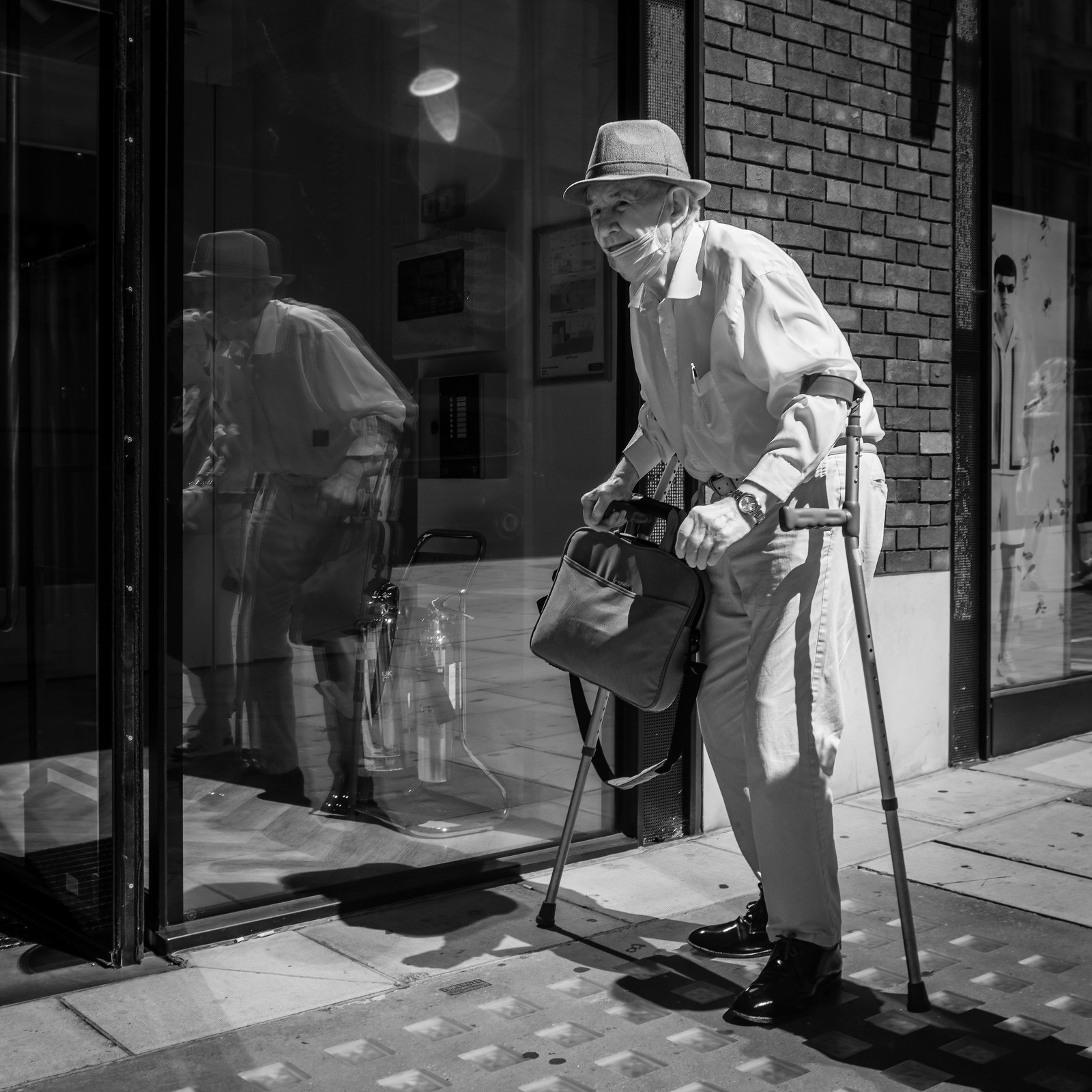 DSC_4420 by Colin McIntosh, on Flickr
 DSC_4481 by Colin McIntosh, on Flickr
 DSC_4616: Lightside versus darkside by Colin McIntosh, on Flickr
 DSC_4590: Cup + Lid by Colin McIntosh, on Flickr
Colin
D610 & 18-35 G ED lens. 720nm internal filter.
DSC_4409 by Colin McIntosh, on FlickrDSC_4420 by Colin McIntosh, on FlickrDSC_4481 by Colin McIntosh, on FlickrDSC_4616: Lightside versus darkside by Colin McIntosh, on FlickrDSC_4590: Cup + Lid by Colin McIntosh, on FlickrColin
Aug 02, 2024 at 02:44 PM
p.9 #18Infrared Thread - Digital or Film
DeltaSigma wrote:
Some Ir images from the streets of London.
D610 & 18-35 G ED lens. 720nm internal filter.
Colin
Colin, I Love these.
Some Ir images from the streets of London.
D610 & 18-35 G ED lens. 720nm internal filter.
Colin
Colin, I Love these.
Aug 02, 2024 at 03:04 PM
p.9 #19Infrared Thread - Digital or Film
Thanks Jim!
James Markus wrote:
D610 & 18-35 G ED lens. 720nm internal filter.
ColinColin, I Love these.
James Markus wrote:
DeltaSigma wrote
Some Ir images from the streets of London.D610 & 18-35 G ED lens. 720nm internal filter.
Colin
Aug 02, 2024 at 04:04 PM
p.9 #20Infrared Thread - Digital or Film
Taperwing wrote:
Longtime user, virgin poster trying my first share.
Neist Point Lighthouse, Isle of Skye, 2022. 820nm conversion.
This really needed more than just clicking "like".
Great first share, love it!
Longtime user, virgin poster trying my first share.
Neist Point Lighthouse, Isle of Skye, 2022. 820nm conversion.
This really needed more than just clicking "like".
Great first share, love it!
Aug 08, 2024 at 06:59 AM