This topic is in the 2023 archive. You can read it and like its posts here. It is read only.
Archive 2023Infrared Thread - Digital or Film

p.6 #1Infrared Thread - Digital or Film
GreenRay wrote:
#1-Autofocus is usually off - even if calibrated. Some services will calibrate for a particular lens. Therefore, manual focus is really the best way to go. Some MF lenses have a red dot near infinity focus to approximate where infinity is in the infrared spectrum. With my 5D I had to chimp for focus, and exposure, but once you have it nailed it works well. Otherwise, I would get a camera that has excellent live view with almost no lag to the rear screen
#2-some lenses are not good at IR. They generate "hot shots" usually in the middle of the frame, and worsen as you stop down. Almost all my Nikkor lenses work great at any f-stop, but I do have one that has stellar performance in the visible light spectrum, but makes hot spots in IR. A separate F-ring is a big plus for me.
#3-Generating a white balance profile is done a number of ways. I initially followed Robert Reiser's tutorial using Adobe's free DNG profile editor. There are some really wacky colors in IR, but I prefer the black and white profiles I created. However, you can approximate a 830nm profile easily in Photoshop. ctrl + U and desaturate completely. Find the D-max and D-min (brightest highlight, darkest shadow). Then ctrl + M click highlight eye dropper on D-min, repeat clicking the shadow eyedropper on D-max. If it removes too many gray levels use the fade adjustment.
Jim
Anyone have a suggestion for a novice?
Thanks!
DanThanks for all the info Jim! Yes I realized it was lot more "involved" than just a filter. You, and others, make it look so easy IMHO..and I know it isn't.
My post processing skils are minimal at best but Adobe, and your advice, make it a bit more understandable Ps wise!
THANKS!
DanJim is totally on point. I would add:
1. Autofocus is not an issue if you are using a mirrorless camera as far as I know. It can be an issue with DSLRs and film cameras, without infrared focusing markers.
2. Nothing to add.
3. Capture One (I use an older version) has a white balance slider that starts -- I think -- at 100 or maybe even 0. Sorry I am not looking at it right now. But it can handle IR white balance easily like you are editing any other photo, and then you can edit further, if you want, in...Show more →
Many thanks "GR"! Most insightful and helpful! Appreciate you taking the time for such a detailed reponse and not "blowing me off" like some do to members.
Again THANKS!
Dan
Danpbphoto wrote
James Markus wrote
Dan, there is bit of a learning curve to IR.#1-Autofocus is usually off - even if calibrated. Some services will calibrate for a particular lens. Therefore, manual focus is really the best way to go. Some MF lenses have a red dot near infinity focus to approximate where infinity is in the infrared spectrum. With my 5D I had to chimp for focus, and exposure, but once you have it nailed it works well. Otherwise, I would get a camera that has excellent live view with almost no lag to the rear screen
#2-some lenses are not good at IR. They generate "hot shots" usually in the middle of the frame, and worsen as you stop down. Almost all my Nikkor lenses work great at any f-stop, but I do have one that has stellar performance in the visible light spectrum, but makes hot spots in IR. A separate F-ring is a big plus for me.
#3-Generating a white balance profile is done a number of ways. I initially followed Robert Reiser's tutorial using Adobe's free DNG profile editor. There are some really wacky colors in IR, but I prefer the black and white profiles I created. However, you can approximate a 830nm profile easily in Photoshop. ctrl + U and desaturate completely. Find the D-max and D-min (brightest highlight, darkest shadow). Then ctrl + M click highlight eye dropper on D-min, repeat clicking the shadow eyedropper on D-max. If it removes too many gray levels use the fade adjustment.
Jim
Danpbphoto wrote
Super composition Joe. Along with the church! I must start experimenting with IR.Anyone have a suggestion for a novice?
Thanks!
Dan
My post processing skils are minimal at best but Adobe, and your advice, make it a bit more understandable Ps wise!
THANKS!
Dan
1. Autofocus is not an issue if you are using a mirrorless camera as far as I know. It can be an issue with DSLRs and film cameras, without infrared focusing markers.
2. Nothing to add.
3. Capture One (I use an older version) has a white balance slider that starts -- I think -- at 100 or maybe even 0. Sorry I am not looking at it right now. But it can handle IR white balance easily like you are editing any other photo, and then you can edit further, if you want, in...Show more →

Many thanks "GR"! Most insightful and helpful! Appreciate you taking the time for such a detailed reponse and not "blowing me off" like some do to members.
Again THANKS!
Dan
Feb 14, 2024 at 09:25 AM
p.6 #2Infrared Thread - Digital or Film
I have used both film and digital for IR photography. Both have their pros and cons. What I like with B&W IR film is that PP is very simple and does not require much - no specific sliders to use, no WB adjustment, just maybe a bit tweaking the contrast/highlight curve. Best IR film I have experienc ed so far is the Rollei 400 IR film, I am not a big fan of the Ilford SFX 200 IR film which is not as IR sensitive and more grainy. I found the Rollei film much harder to have available for purchase.

Rollei 400 IR film, +1 stop overexposed, developed with Rodinal
Feb 14, 2024 at 02:41 PM
p.6 #3Infrared Thread - Digital or Film
retrofocus wrote:
I have used both film and digital for IR photography. Both have their pros and cons. What I like with B&W IR film is that PP is very simple and does not require much - no specific sliders to use, no WB adjustment, just maybe a bit tweaking the contrast/highlight curve. Best IR film I have experienc ed so far is the Rollei 400 IR film, I am not a big fan of the Ilford SFX 200 IR film which is not as IR sensitive and more grainy. I found the Rollei film much harder to have available for purchase....Show more →
Oh no doubt "rf"! There is always some "give" in the latest technology or retro- film...it goes with the ":territory". The outcome belays the hassles!
Feb 16, 2024 at 01:17 PM
p.6 #4Infrared Thread - Digital or Film
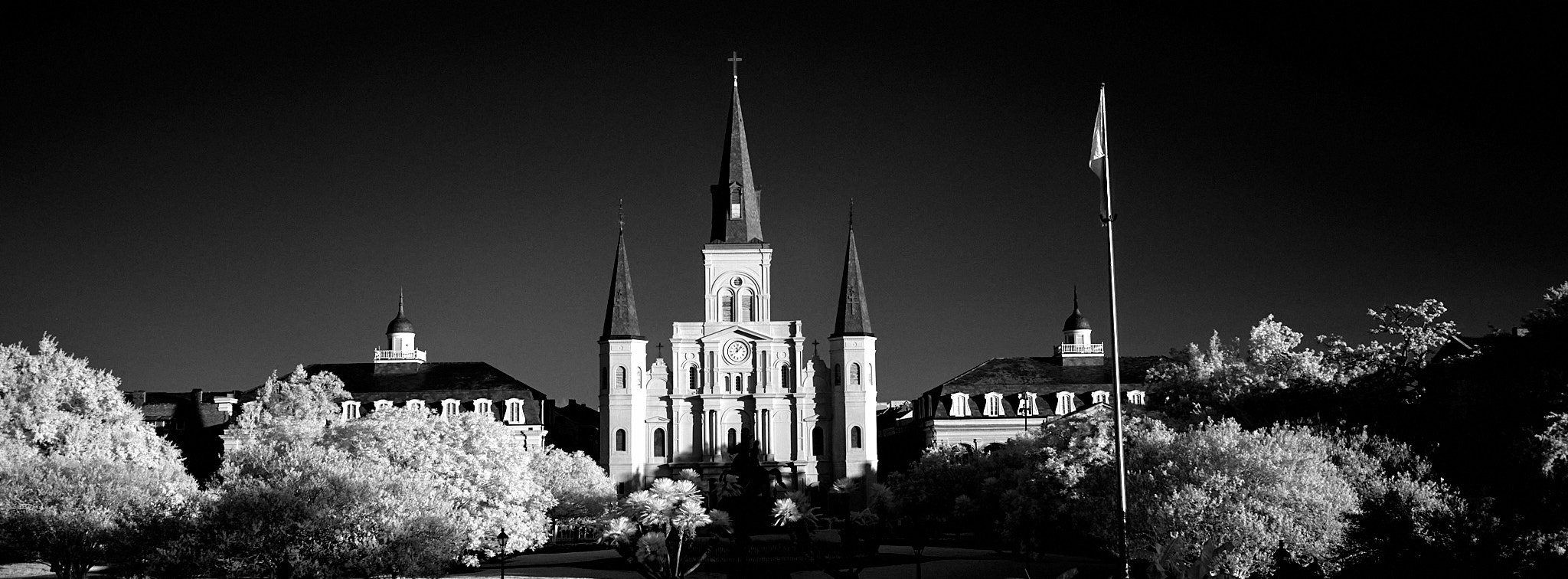
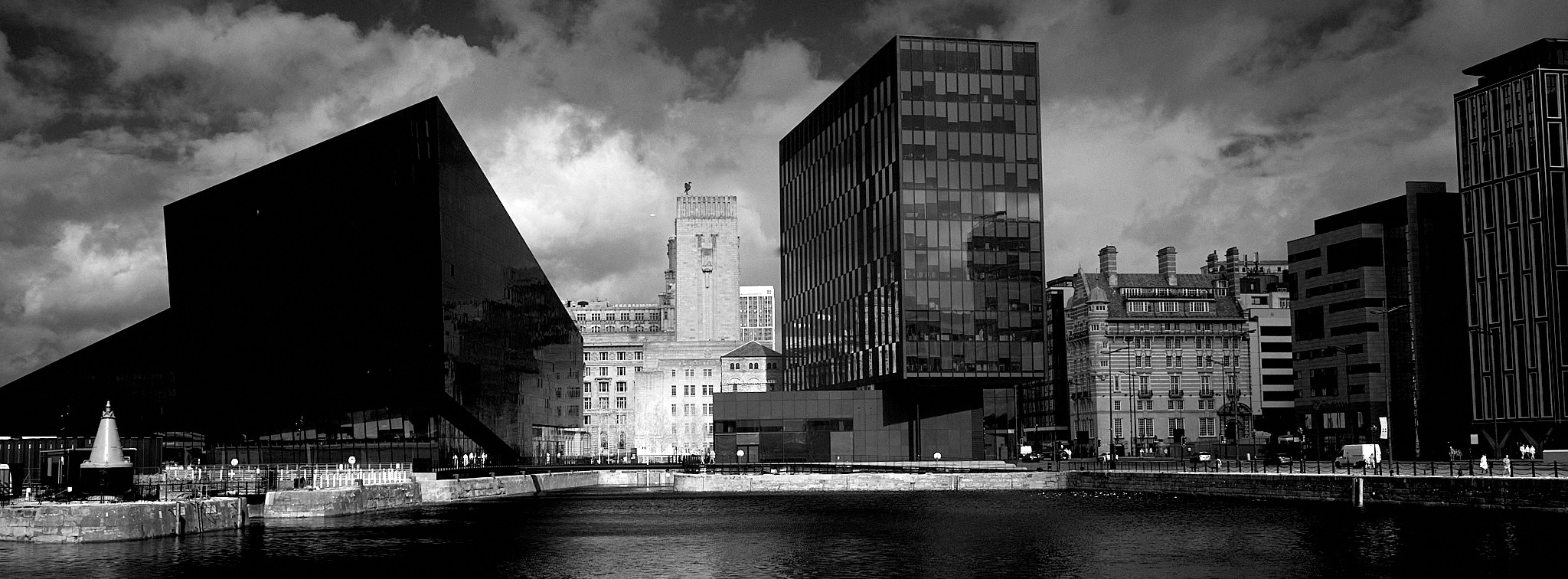
Another from New Orleans. Sony A7R w/830NM filter and 16-35mm Zeiss.
Feb 19, 2024 at 08:14 PM
p.6 #6Infrared Thread - Digital or Film
Yesterday with the 5DmkII-IR and the 24mm f2.8 ais down by the river.
http://www.photomatter.com/2024/Edit_5DmkII-IR_24mm-f2.8-ais_GrandRiverPark-7263-Carbonized-TonedGlow.jpg
http://www.photomatter.com/2024/Edit_5DmkII-IR_24mm-f2.8-ais_GrandRiverPark-7263-Carbonized-TonedGlow.jpg
Feb 20, 2024 at 11:45 AM
p.6 #7Infrared Thread - Digital or Film
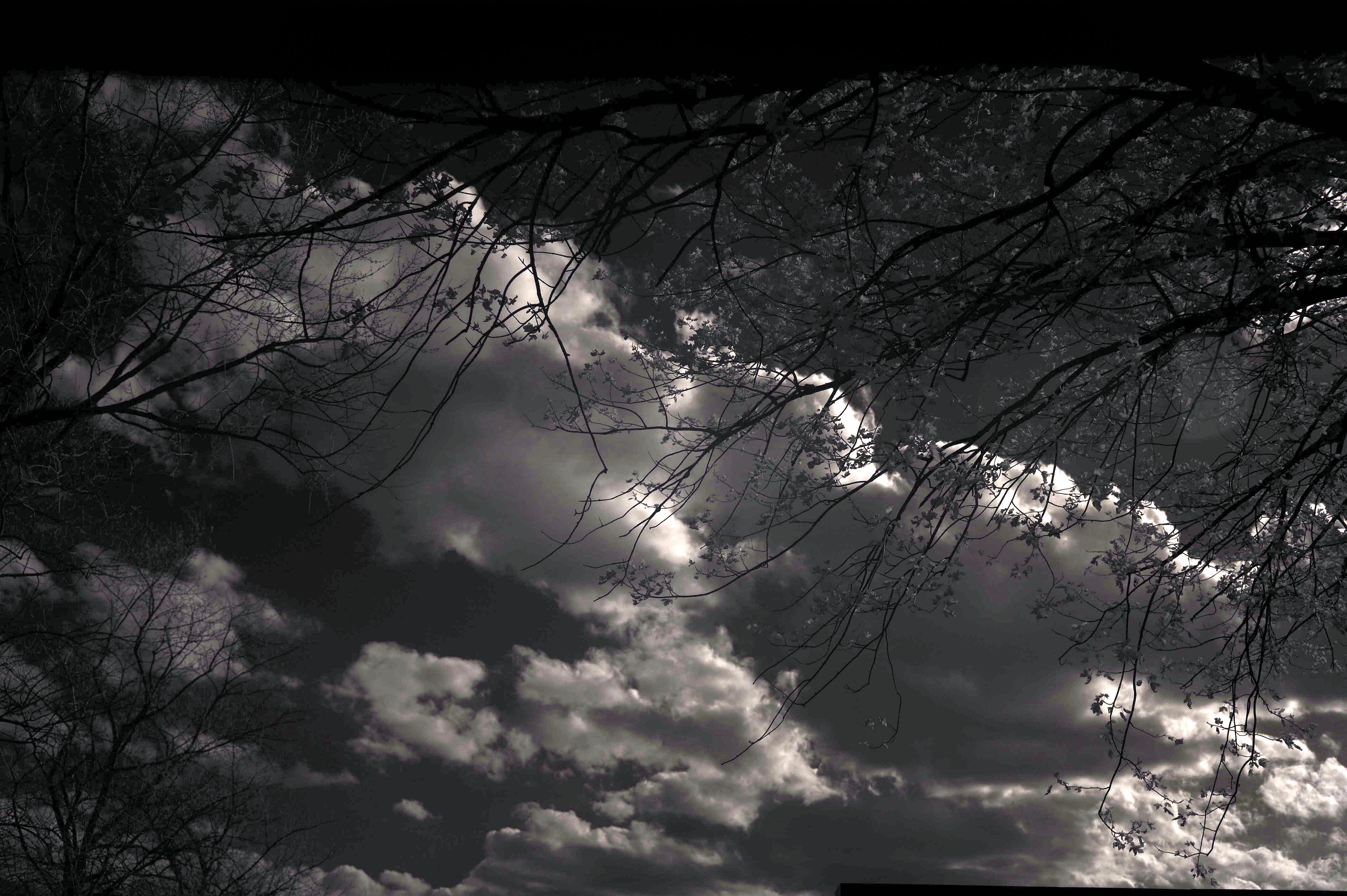
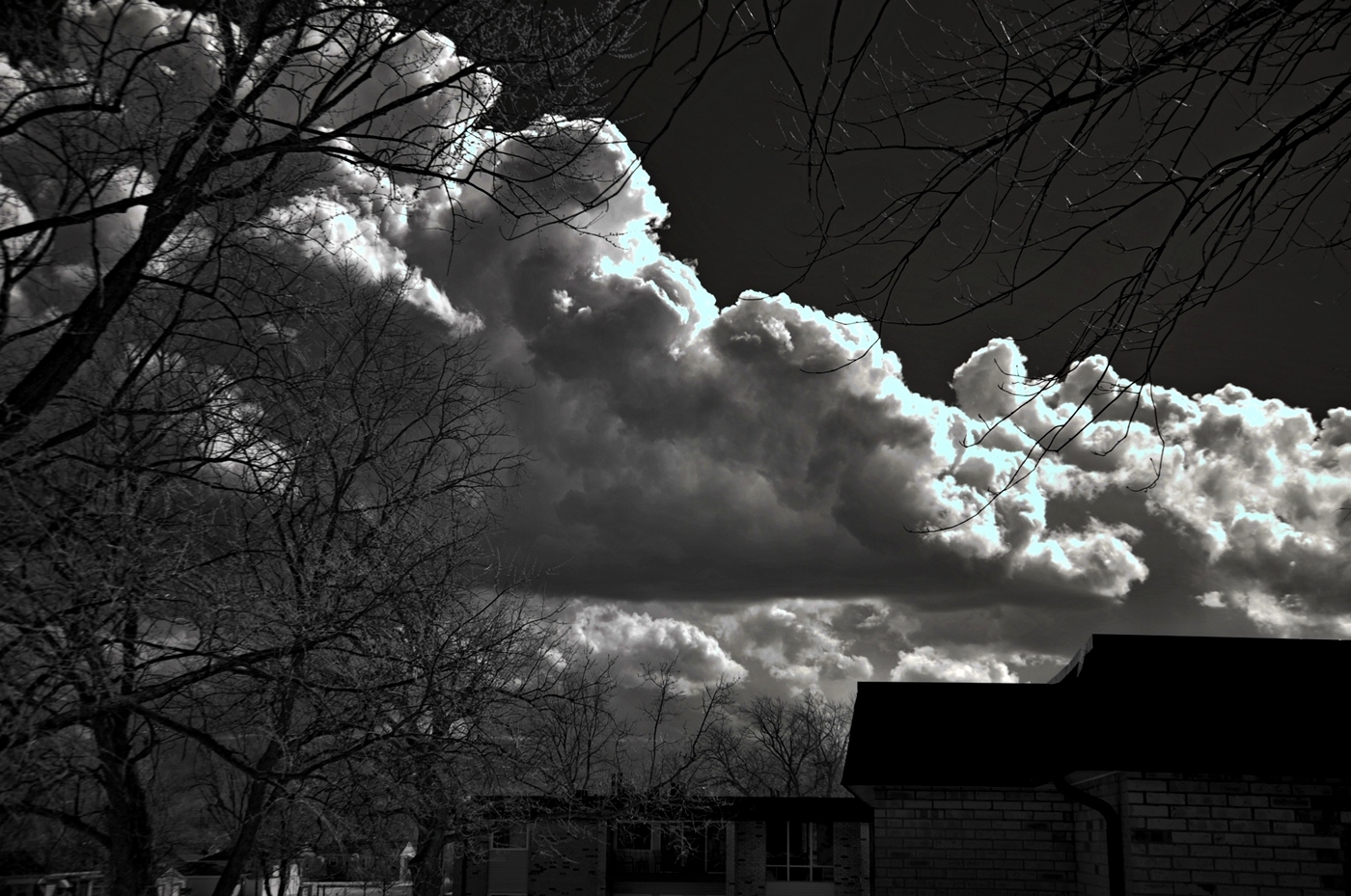
Couple of years ago.
cloud and brancheds
Clouds
 |
||
 |
||
|
cloud and brancheds
NIKON D700 48mm f/5.0 1/1250s 200 ISO +1.3 EV
 |
||
 |
||
 |
Clouds
NIKON D700 32mm f/4.2 1/200s 200 ISO 0.0 EV
Feb 20, 2024 at 03:43 PM
p.6 #8Infrared Thread - Digital or Film
Couple days ago with the 665nm converted Canon 5DmkII and a Nikkor 24mm f2.8 ais. This is an 8 image stitch of the flooded forest floor. The river is running parallel to the railing on the left side of the image, and has gone under the walkway into the forest.
http://www.photomatter.com/2024/Edit_5DmkII-IR_24mm-f2.8-ais_GrandRiverPark_8-image-7327-Toned-Glow.jpg
http://www.photomatter.com/2024/Edit_5DmkII-IR_24mm-f2.8-ais_GrandRiverPark_8-image-7327-Toned-Glow.jpg
Feb 21, 2024 at 07:34 PM
p.6 #9Infrared Thread - Digital or Film
This is Paw Paw Park in Holland shot with a 665nm converted Canon 5D using a Nikon f-mount 17mm f3.5 Tokina ai. I normally do not keep the color infrared images - preferring just the black and white ones. However, I sometimes can not decide which I like better - color or B&W - today it's color.
http://www.photomatter.com/2024/Edit_5D-IR_17mm-f3.5-Tokina-ai_PawPawPark-3327.jpg
http://www.photomatter.com/2024/Edit_5D-IR_17mm-f3.5-Tokina-ai_PawPawPark-3327.jpg
Feb 23, 2024 at 02:41 PM
p.6 #10Infrared Thread - Digital or Film
Fujifilm X-T20 850nm + XF 23f1.4 R

S bench by Massinissa Dalla Costa, on Flickr
S bench by Massinissa Dalla Costa, on Flickr
Mar 06, 2024 at 01:05 PM
p.6 #11Infrared Thread - Digital or Film
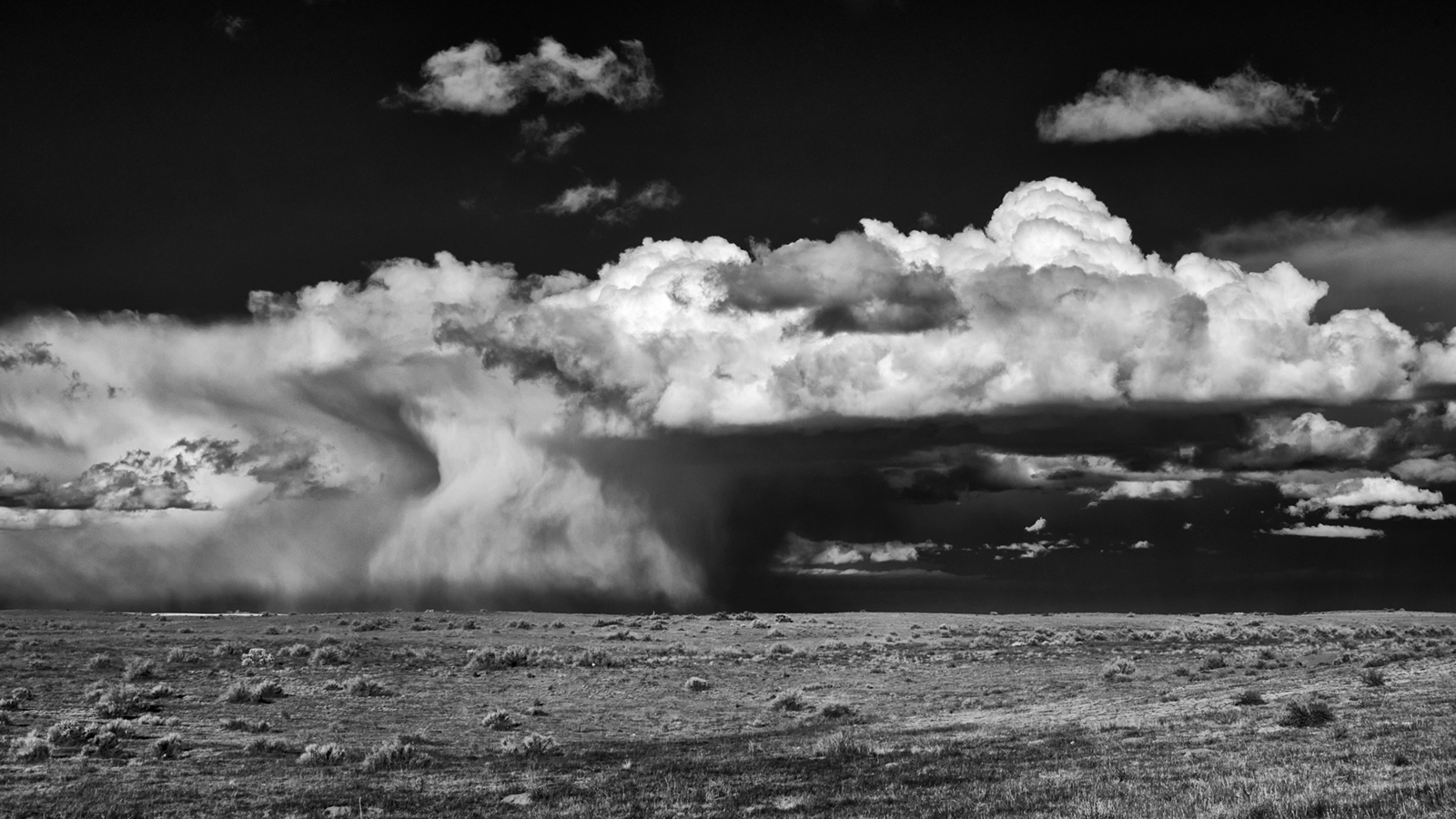
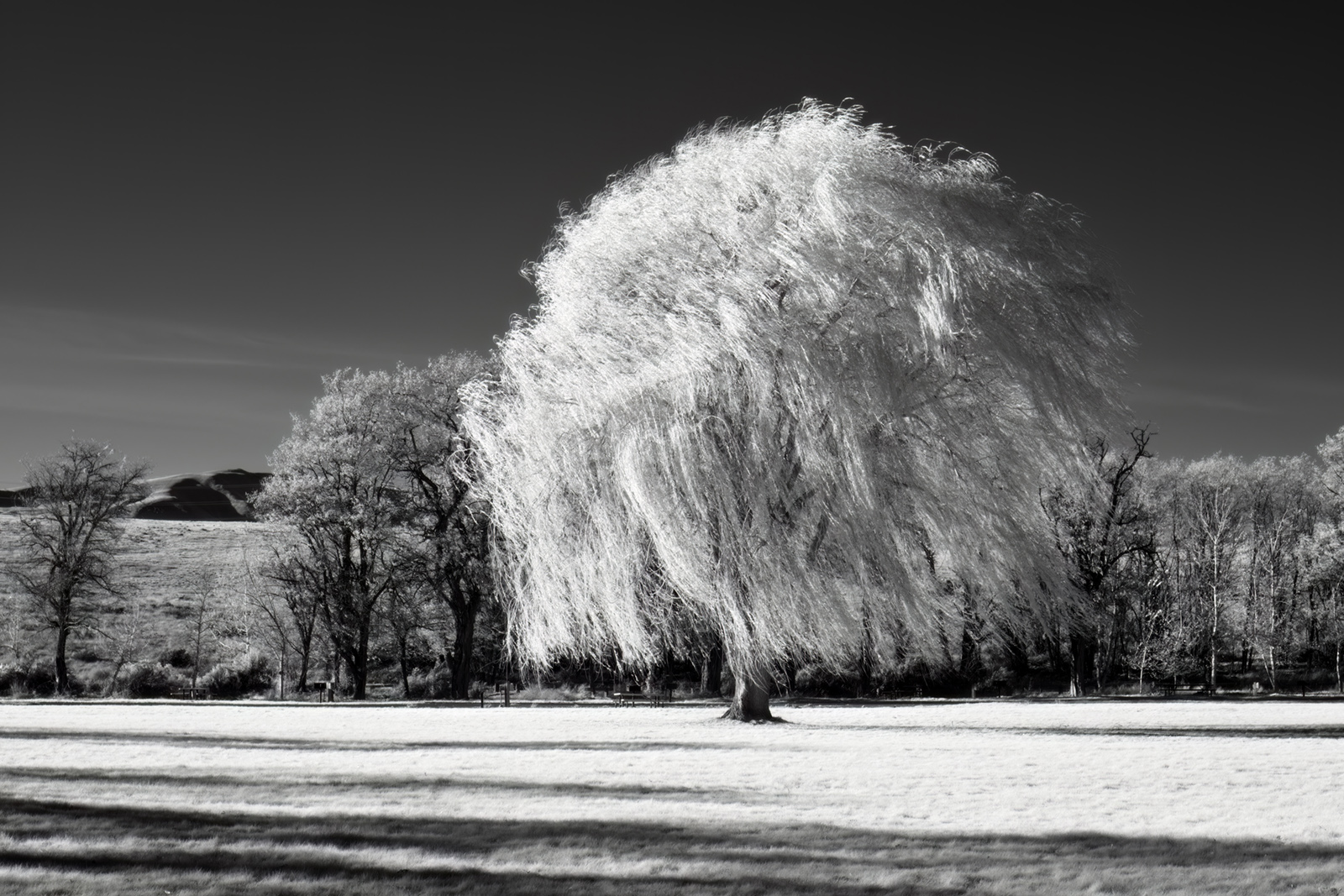
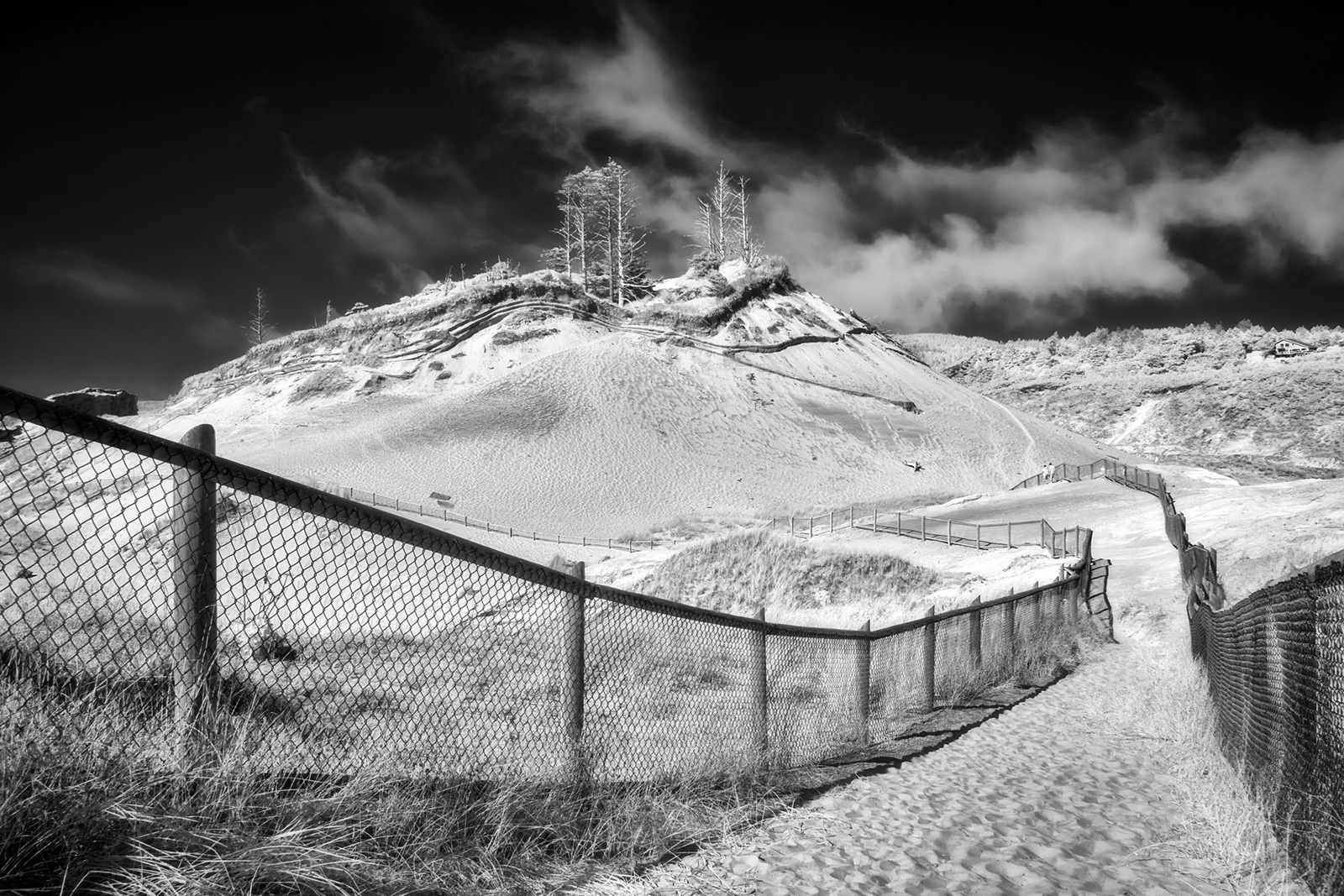
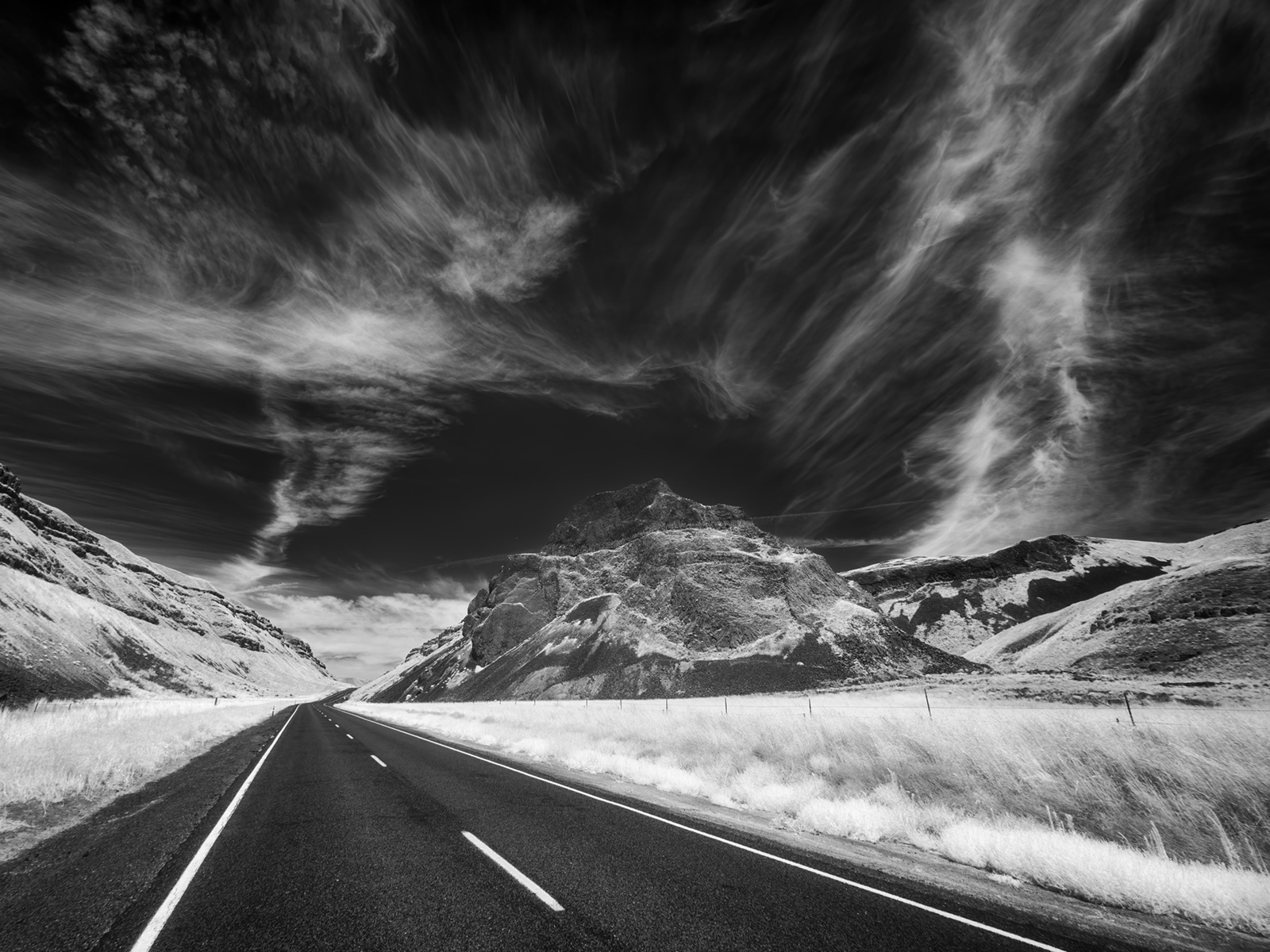
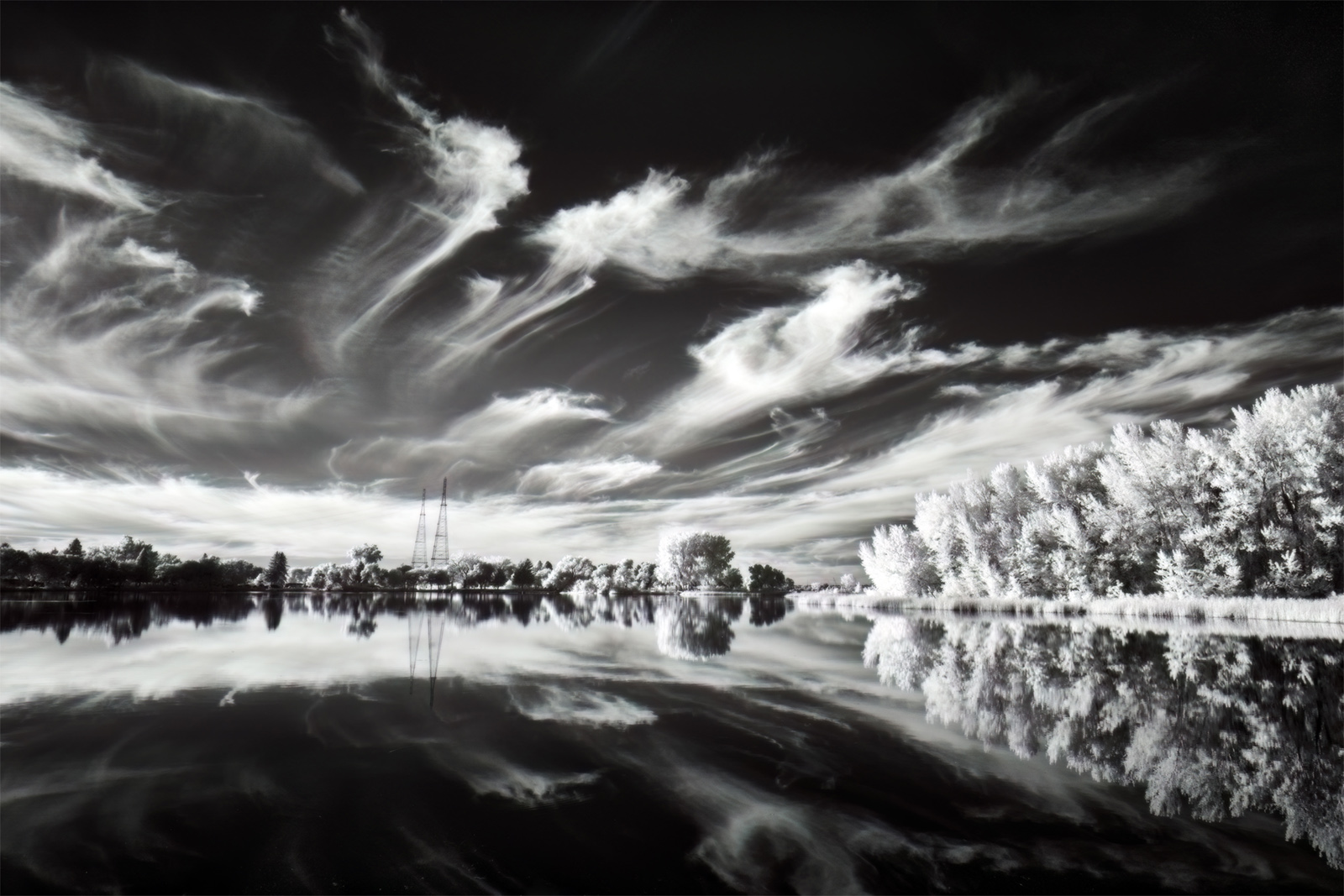
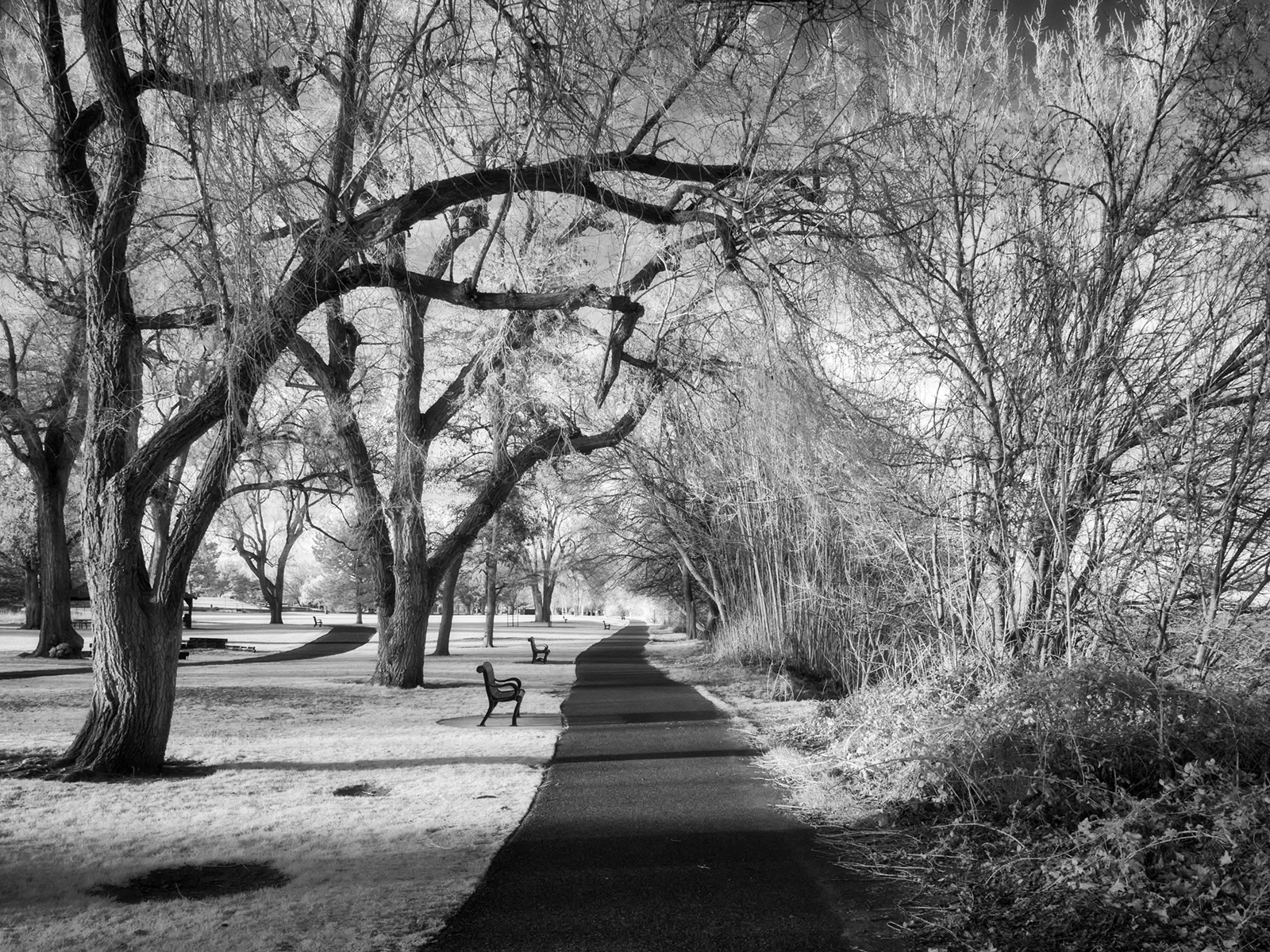
Can't believe I haven't seen this thread before now. Here are some of my favs from 2023 when I was concentrating more on IR. This year not as much though but I'll include one of an interesting cloud.
 |
||
 |
||
|
Canon EOS M6 Canon EF-M 15-45mm f/3.5-6.3 IS STM lens 45mm f/8.0 1/800s 100 ISO -1.0 EV
|
||
 |
||
|
NIKON Z 7 -- mm f/-- lens 1/500s 200 ISO +1.0 EV
|
||
 |
||
|
Canon EOS M6 Canon EF-M 15-45mm f/3.5-6.3 IS STM lens 19mm f/8.0 1/640s 100 ISO -1.3 EV
|
||
 |
||
|
NIKON Z 7 NIKKOR Z 14-30mm f/4 S lens 14mm f/8.0 1/200s 64 ISO +1.3 EV
|
||
 |
||
|
NIKON Z 7 NIKKOR Z 14-30mm f/4 S lens 21mm f/8.0 1/40s 200 ISO -0.3 EV
|
||
 |
||
|
Canon EOS M6 Canon EF-M 15-45mm f/3.5-6.3 IS STM lens 22mm f/8.0 1/320s 400 ISO -2.0 EV
Mar 11, 2024 at 11:03 PM
p.6 #12Infrared Thread - Digital or Film
Toned in Photoshop IR from mid February.
Canon 5DmkII-IR with the Nikkor 24mm f2.8 ais
http://www.photomatter.com/2024/Edit_5DmkII-IR_24mm-f2.8-ais_GrandRiverPark-7311-Pano-Edit-toned.jpg
http://www.photomatter.com/2024/Edit_5DmkII-IR_24mm-f2.8-ais_GrandRiverPark-7290-Edit-toned.jpg
http://www.photomatter.com/2024/Edit_5DmkII-IR_24mm-f2.8-ais_GrandRiverPark-7282-Edit-toned.jpg
http://www.photomatter.com/2024/Edit_5DmkII-IR_24mm-f2.8-ais_GrandRiverPark-7276-Edit-toned.jpg
Mar 13, 2024 at 08:16 AM
p.6 #13Infrared Thread - Digital or Film
James Markus wrote:
Toned in Photoshop IR from mid February.
Canon 5DmkII-IR with the Nikkor 24mm f2.8 ais
I'd love to know how you find shooting IR with a DSLR. I'm actually thinking about going that direction as I am tired of dealing with the banding of the Z7 and I'm finding I like shooting with DSLRs more for some reason.
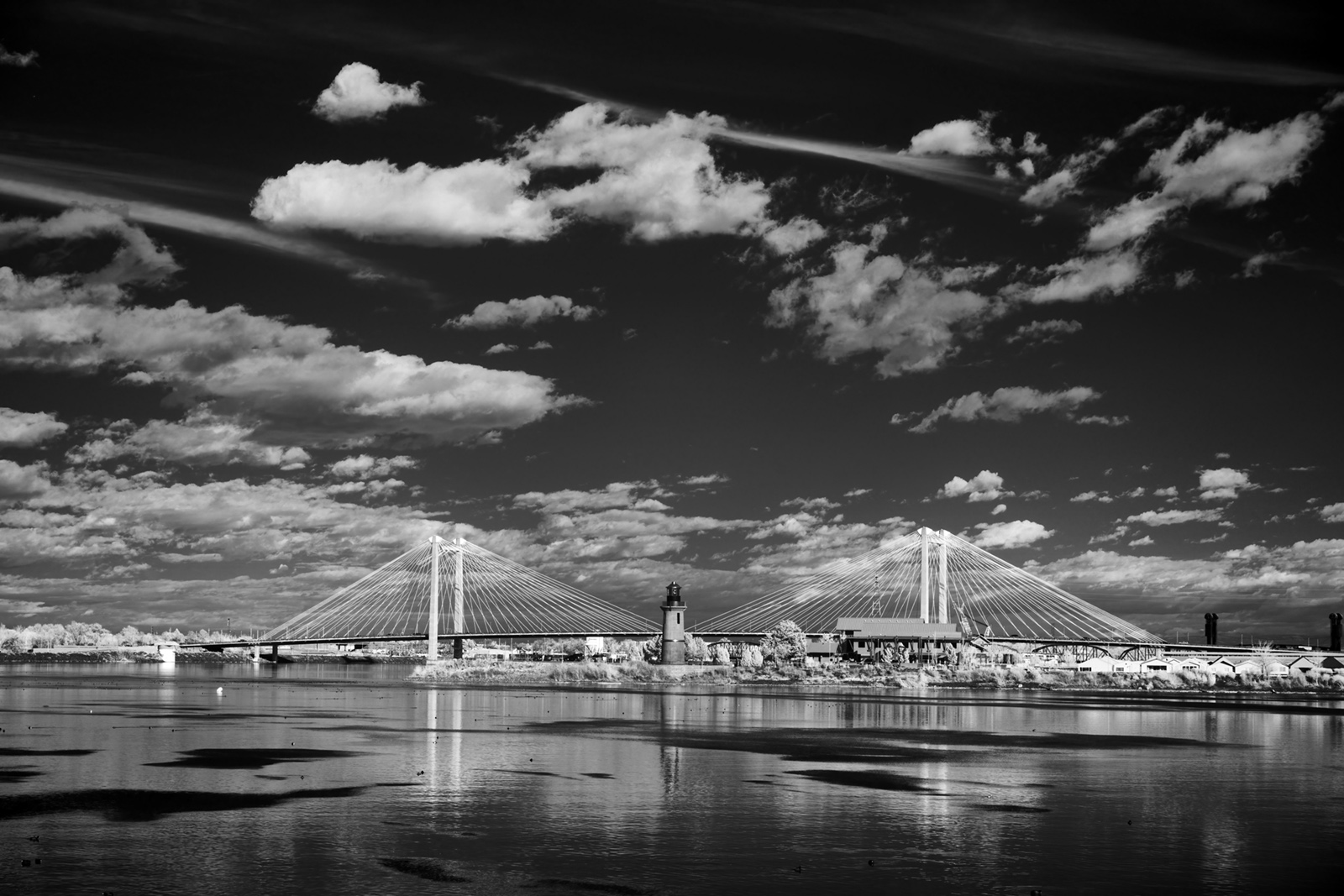
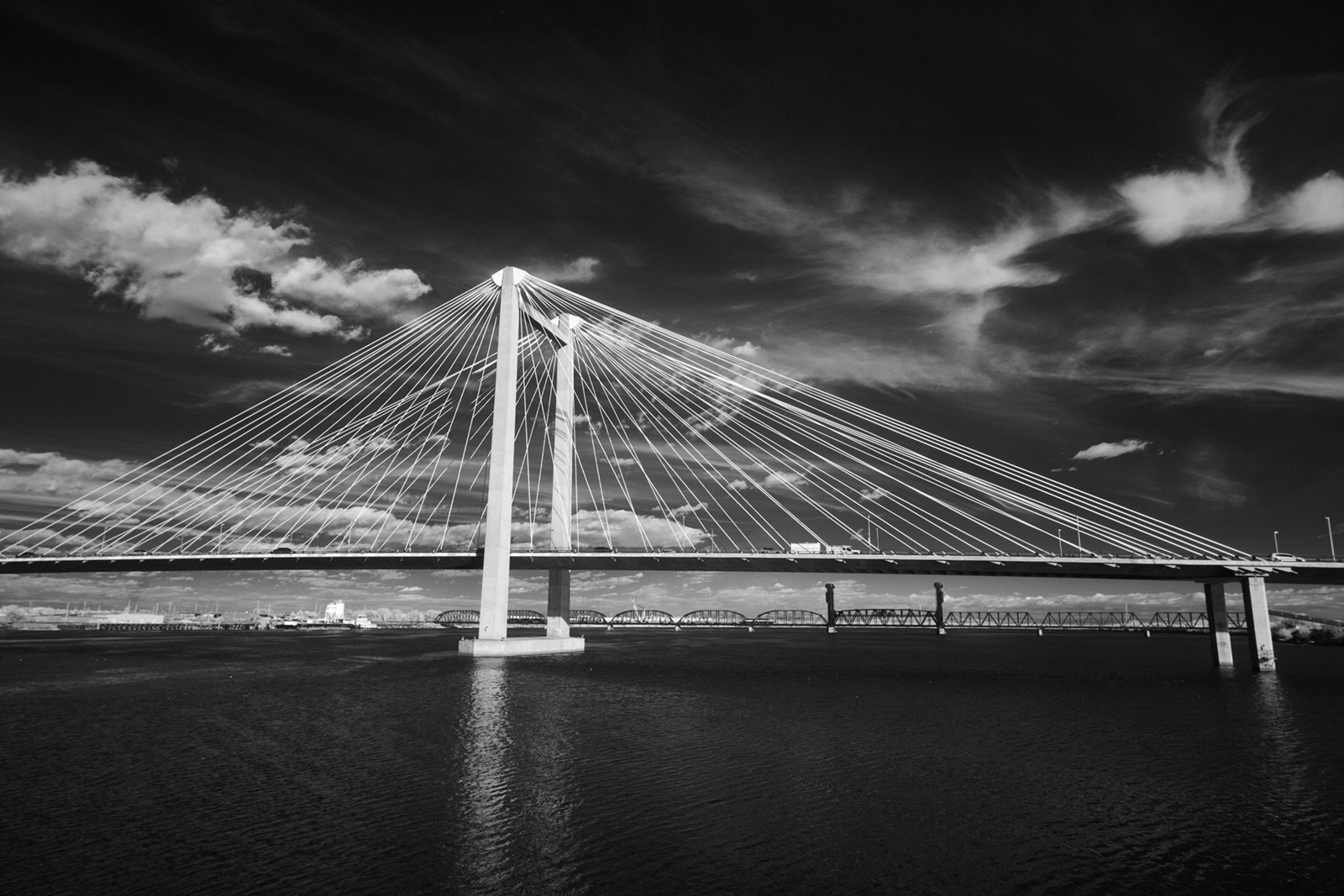
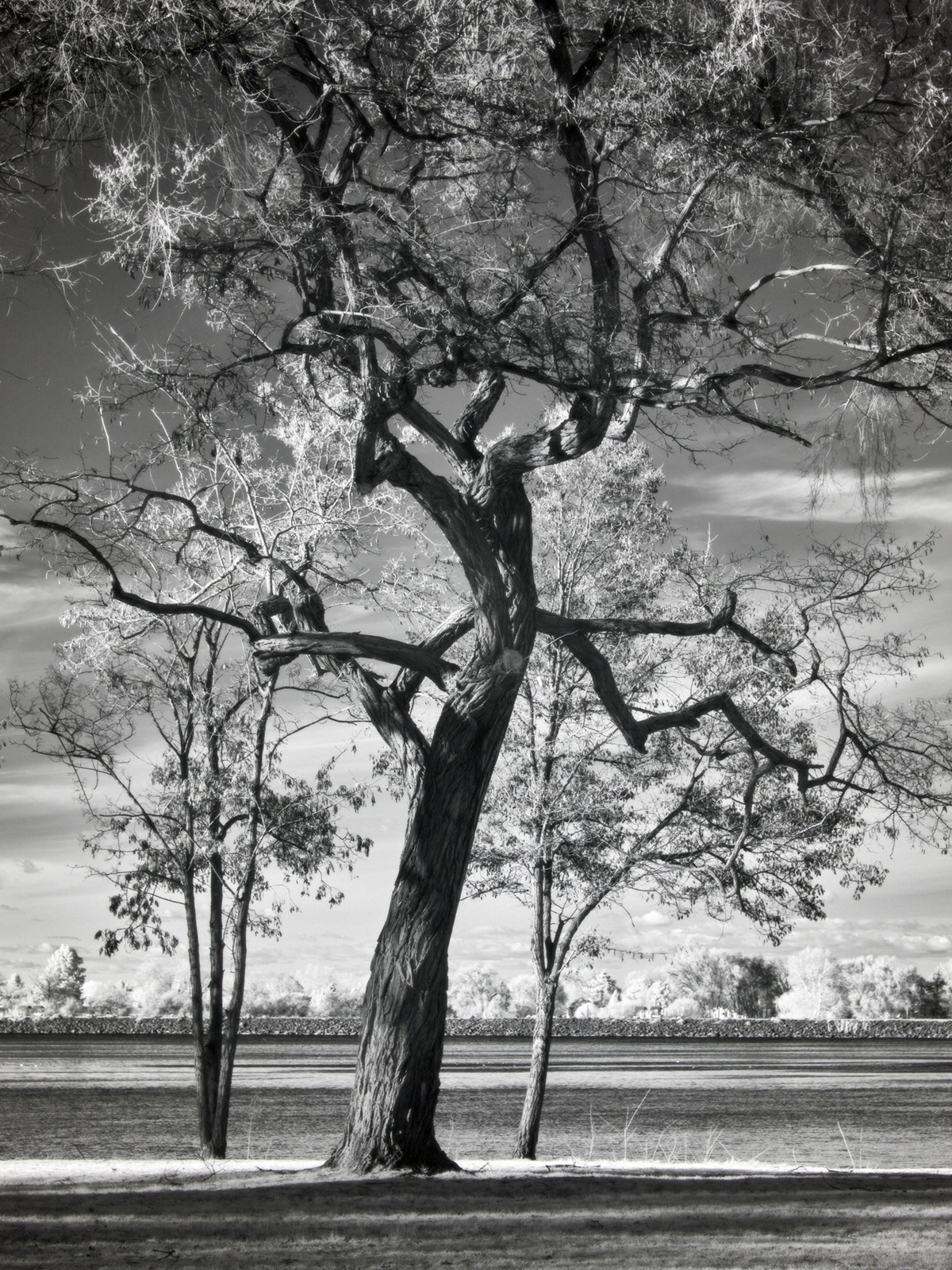
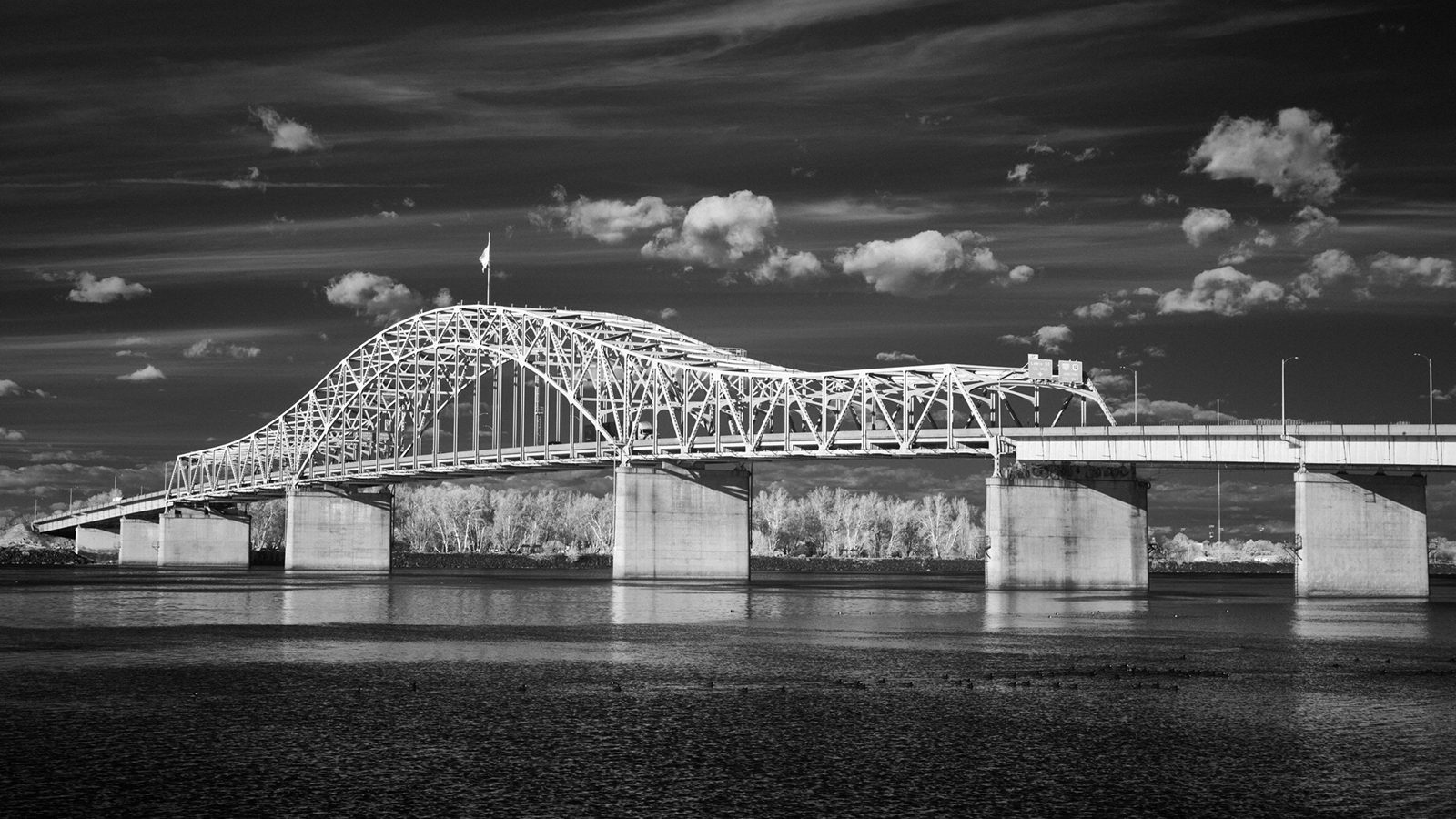
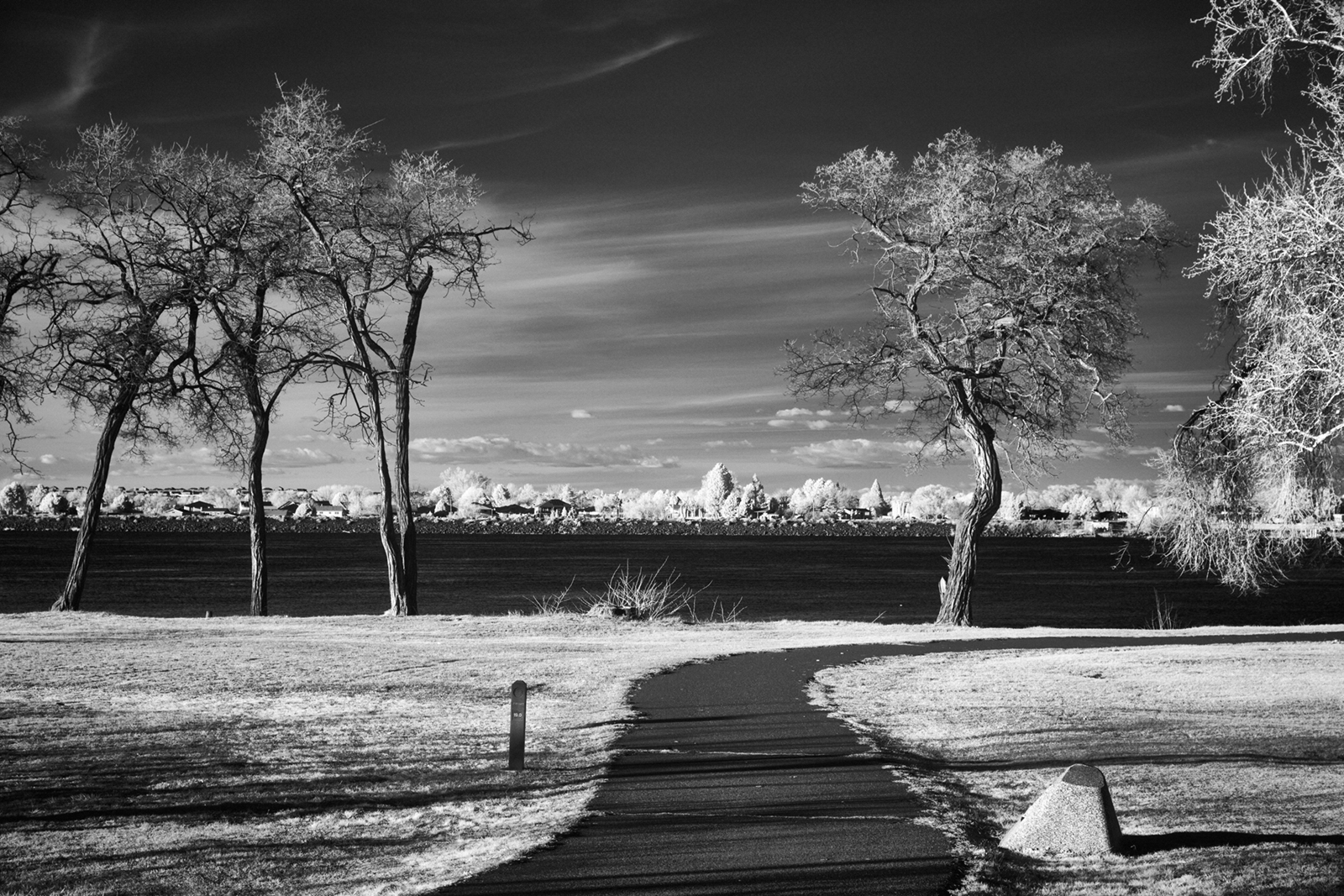
I got out and shot some local scenes today, just to get out and enjoy the evening. All were shot with my Nikon Z7 and 850nm filter.
|
||
 |
||
|
NIKON Z 7 Nikon AF-S NIKKOR 24-120mm f/4G ED VR lens 66mm f/8.0 1/125s 200 ISO -0.7 EV
|
||
 |
||
|
NIKON Z 7 Nikon AF-S NIKKOR 18-35mm f/3.5-4.5G ED lens 24mm f/8.0 1/100s 200 ISO -0.7 EV
|
||
 |
||
|
NIKON Z 7 Nikon AF-S NIKKOR 24-120mm f/4G ED VR lens 70mm f/8.0 1/50s 400 ISO -0.3 EV
|
||
 |
||
|
NIKON Z 7 Nikon AF-S NIKKOR 24-120mm f/4G ED VR lens 52mm f/8.0 1/250s 400 ISO -0.3 EV
|
||
 |
||
|
NIKON Z 7 Nikon AF-S NIKKOR 24-120mm f/4G ED VR lens 62mm f/8.0 1/200s 400 ISO -0.7 EV
Mar 13, 2024 at 10:01 PM
p.6 #14Infrared Thread - Digital or Film
wsbrown wrote:
One of my favorites, full spectrum converted D800 with a Hoya R72 filter (720nm), three panel stitch using a Rokinon 35mm 1.4.
https://live.staticflickr.com/65535/52298614492_890a6b93e8_b.jpgZoar United Methodist by Stephen Brown, on Flickr
Impressive!
Cheers,
Brent
Mar 14, 2024 at 08:25 AM
p.6 #15Infrared Thread - Digital or Film
I’ve done IIR with my Z6 and Hoya R72 filter and now on my IR converted Z50 and have never seen banding.
Mar 14, 2024 at 04:18 PM
p.6 #16Infrared Thread - Digital or Film
Harold,
First off - all of your IR photos look great to me.
I enjoy using my two dslr's to shoot IR. The first go was with 720nm lens filters; which resulted in very long exposures due to the hot box still being in the camera to cancel or lessen IR from reaching the sensor. Then I got a converted 5D, but discovered that AF doesn't work properly in the IR band length - so I went with manual focus lenses. Then I had my 5DmkII converted by the same company, and the live view is instant + easy to use. Not only can I see focus , but exposure in real time. Usually I carry two cameras - visible light and IR. As to banding - the only time I encountered that was pushing a file too much for over or under exposure. It may also be possible to get banding imaging from jpgs (8-bit) - instead of raw (12-14bit depending on the camera)
Jim
Harold Carlson wrote:
Canon 5DmkII-IR with the Nikkor 24mm f2.8 aisI'd love to know how you find shooting IR with a DSLR. I'm actually thinking about going that direction as I am tired of dealing with the banding of the Z7 and I'm finding I like shooting with DSLRs more for some reason.
I got out and shot some local scenes today, just to get out and enjoy the evening. All were shot with my Nikon Z7 and 850nm filter.
First off - all of your IR photos look great to me.
I enjoy using my two dslr's to shoot IR. The first go was with 720nm lens filters; which resulted in very long exposures due to the hot box still being in the camera to cancel or lessen IR from reaching the sensor. Then I got a converted 5D, but discovered that AF doesn't work properly in the IR band length - so I went with manual focus lenses. Then I had my 5DmkII converted by the same company, and the live view is instant + easy to use. Not only can I see focus , but exposure in real time. Usually I carry two cameras - visible light and IR. As to banding - the only time I encountered that was pushing a file too much for over or under exposure. It may also be possible to get banding imaging from jpgs (8-bit) - instead of raw (12-14bit depending on the camera)
Jim
Harold Carlson wrote:
James Markus wrote
Toned in Photoshop IR from mid February.Canon 5DmkII-IR with the Nikkor 24mm f2.8 ais
I got out and shot some local scenes today, just to get out and enjoy the evening. All were shot with my Nikon Z7 and 850nm filter.
Mar 14, 2024 at 05:44 PM
p.6 #17Infrared Thread - Digital or Film
James Markus wrote:
Harold,
First off - all of your IR photos look great to me.
I enjoy using my two dslr's to shoot IR. The first go was with 720nm lens filters; which resulted in very long exposures due to the hot box still being in the camera to cancel or lessen IR from reaching the sensor. Then I got a converted 5D, but discovered that AF doesn't work properly in the IR band length - so I went with manual focus lenses. Then I had my 5DmkII converted by the same company, and the live view is instant + easy to use....Show more →
Canon 5DmkII-IR with the Nikkor 24mm f2.8 aisI'd love to know how you find shooting IR with a DSLR. I'm actually thinking about going that direction as I am tired of dealing with the banding of the Z7 and I'm finding I like shooting with DSLRs more for some reason.
I got out and shot some local scenes today, just to get out and enjoy the evening. All were shot with my Nikon Z7 and 850nm filter.
Thanks much for the reply. The banding I speak of is from the phase-detect AF inherent in most newer cameras. Kolari talks about it some here: https://kolarivision.com/nikon-z7-infrared-photography-review/
I was curious if you used the viewfinder (contrast-detect AF) for focusing in IR but it doesn't sound like it and I have read a single lens generally needs to be tuned to a converted camera when it's converted.
I have enjoyed using an OVF so much these days but it sounds like it's not really plausible for IR.
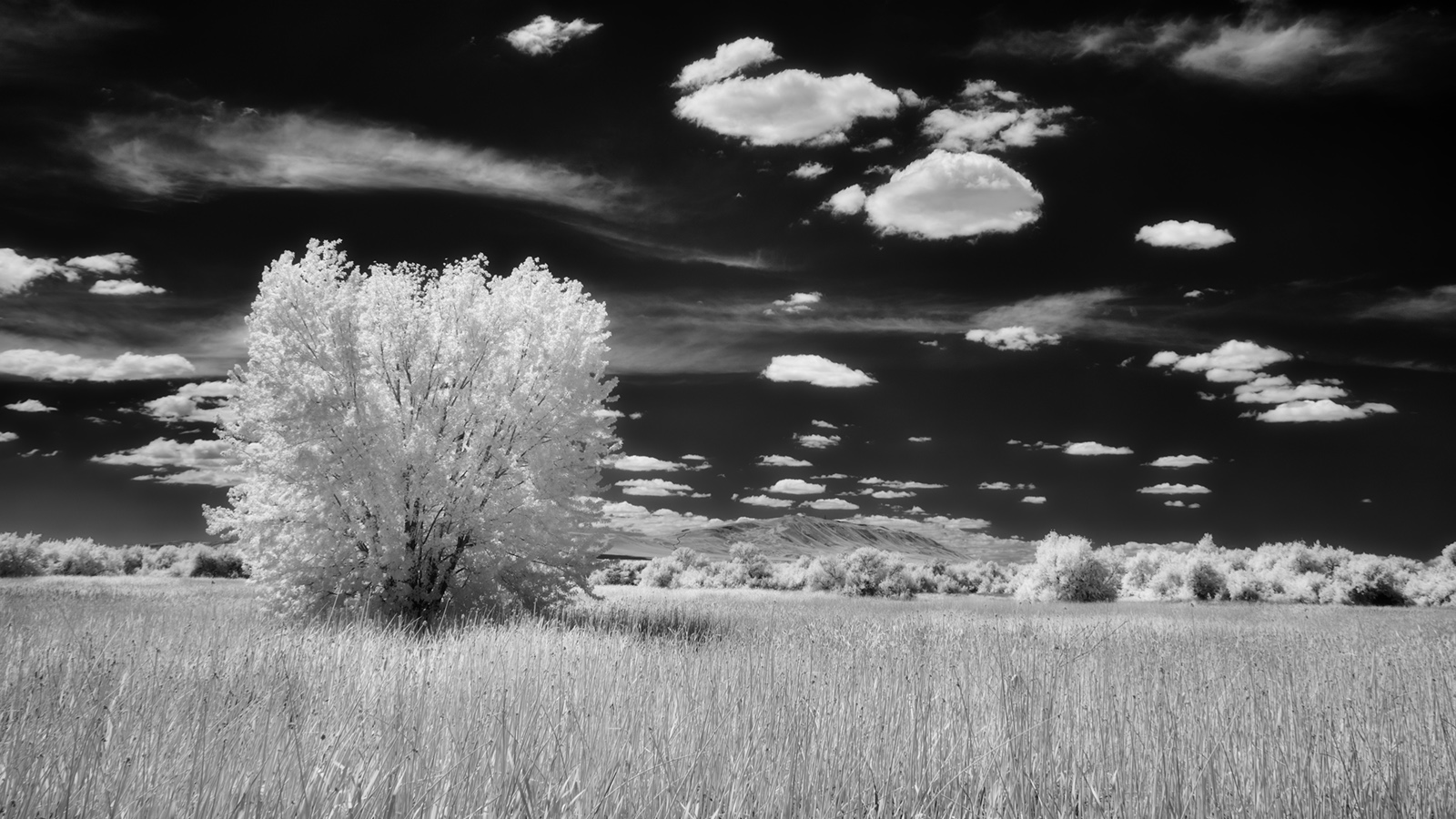
To keep this thread on-topic, I'll post another Z7 image I took from last June.
Harold,
First off - all of your IR photos look great to me.
I enjoy using my two dslr's to shoot IR. The first go was with 720nm lens filters; which resulted in very long exposures due to the hot box still being in the camera to cancel or lessen IR from reaching the sensor. Then I got a converted 5D, but discovered that AF doesn't work properly in the IR band length - so I went with manual focus lenses. Then I had my 5DmkII converted by the same company, and the live view is instant + easy to use....Show more →
Harold Carlson wrote
James Markus wrote
Toned in Photoshop IR from mid February.Canon 5DmkII-IR with the Nikkor 24mm f2.8 ais
I got out and shot some local scenes today, just to get out and enjoy the evening. All were shot with my Nikon Z7 and 850nm filter.
Thanks much for the reply. The banding I speak of is from the phase-detect AF inherent in most newer cameras. Kolari talks about it some here: https://kolarivision.com/nikon-z7-infrared-photography-review/
I was curious if you used the viewfinder (contrast-detect AF) for focusing in IR but it doesn't sound like it and I have read a single lens generally needs to be tuned to a converted camera when it's converted.
I have enjoyed using an OVF so much these days but it sounds like it's not really plausible for IR.
To keep this thread on-topic, I'll post another Z7 image I took from last June.
|
||
 |
||
|
NIKON Z 7 Nikon AF-S NIKKOR 24-120mm f/4G ED VR lens 32mm f/10.0 1/30s 200 ISO +1.0 EV
Mar 14, 2024 at 09:46 PM
p.6 #18Infrared Thread - Digital or Film
That's a beauty Harold!
I only tried AF lenses at the very beginning, and haven't used one for IR in two years. The only way I could be sure of focus with the 5D was to chimp shots, but with the 5DmkII I can see critical focus at 16x on the screen - as well as the exposure. I always intended to use many lenses - so I didn't get one lens focal length calibrated to the sensor. I got quite fixated on an old lens early on - the Nikkor-P.C 55mm f3.5 ai'd micro. It is a superb landscape lens, and can resolve fine details very well. However, I love wide lenses like 14mm all the way up on IR.
I've read the link, and only one person commenting called it "banding". I would call the horizontal, vertical, or both at the same time "crosshatch". I have run into that when I missed exposure and pushed the file too hard to try and get better highlights or shadows. When in doubt - I bracket exposure.
I will say something I noticed in that link - He missed focus on most of the examples. You have posted super 850nm photos - so you know your gear can produce excellent results. Maybe try bracketing some shots - like 3-5 different exposures under and over exposed. Your camera probably has an auto bracketing mode - see if the lines carry over in each frame. I've some brackets with, and the next frame nothing?
Jim
Harold Carlson wrote:
First off - all of your IR photos look great to me.
I enjoy using my two dslr's to shoot IR. The first go was with 720nm lens filters; which resulted in very long exposures due to the hot box still being in the camera to cancel or lessen IR from reaching the sensor. Then I got a converted 5D, but discovered that AF doesn't work properly in the IR band length - so I went with manual focus lenses. Then I had my 5DmkII converted by the same company, and the live view is instant + easy to use. Not only can I see focus , but exposure in real time. Usually I carry two cameras - visible light and IR. As to banding - the only time I encountered that was pushing a file too much for over or under exposure. It may also be possible to get banding imaging from jpgs (8-bit) - instead of raw (12-14bit depending on the camera)
Jim
Canon 5DmkII-IR with the Nikkor 24mm f2.8 aisI'd love to know how you find shooting IR with a DSLR. I'm actually thinking about going that direction as I am tired of dealing with the banding of the Z7 and I'm finding I like shooting with DSLRs more for some reason.
I got out and shot some local scenes today, just to get out and enjoy the evening. All were shot with my Nikon Z7 and 850nm filter.Thanks much for the reply. The banding I speak of is from the phase-detect AF inherent in most newer cameras. Kolari talks about it some here: https://kolarivision.com/nikon-z7-infrared-photography-review/
I was curious if you used the viewfinder (contrast-detect AF) for focusing in IR but it doesn't sound like it and I have read a single lens generally needs to be tuned to a converted camera when it's converted.
I have enjoyed using an OVF so much these days but it sounds like it's not really plausible for IR.
To keep this thread on-topic, I'll post another Z7 image I took from last...Show more →
I only tried AF lenses at the very beginning, and haven't used one for IR in two years. The only way I could be sure of focus with the 5D was to chimp shots, but with the 5DmkII I can see critical focus at 16x on the screen - as well as the exposure. I always intended to use many lenses - so I didn't get one lens focal length calibrated to the sensor. I got quite fixated on an old lens early on - the Nikkor-P.C 55mm f3.5 ai'd micro. It is a superb landscape lens, and can resolve fine details very well. However, I love wide lenses like 14mm all the way up on IR.
I've read the link, and only one person commenting called it "banding". I would call the horizontal, vertical, or both at the same time "crosshatch". I have run into that when I missed exposure and pushed the file too hard to try and get better highlights or shadows. When in doubt - I bracket exposure.
I will say something I noticed in that link - He missed focus on most of the examples. You have posted super 850nm photos - so you know your gear can produce excellent results. Maybe try bracketing some shots - like 3-5 different exposures under and over exposed. Your camera probably has an auto bracketing mode - see if the lines carry over in each frame. I've some brackets with, and the next frame nothing?
Jim
Harold Carlson wrote:
James Markus wrote
Harold,First off - all of your IR photos look great to me.
I enjoy using my two dslr's to shoot IR. The first go was with 720nm lens filters; which resulted in very long exposures due to the hot box still being in the camera to cancel or lessen IR from reaching the sensor. Then I got a converted 5D, but discovered that AF doesn't work properly in the IR band length - so I went with manual focus lenses. Then I had my 5DmkII converted by the same company, and the live view is instant + easy to use. Not only can I see focus , but exposure in real time. Usually I carry two cameras - visible light and IR. As to banding - the only time I encountered that was pushing a file too much for over or under exposure. It may also be possible to get banding imaging from jpgs (8-bit) - instead of raw (12-14bit depending on the camera)
Jim
Harold Carlson wrote
James Markus wrote
Toned in Photoshop IR from mid February.Canon 5DmkII-IR with the Nikkor 24mm f2.8 ais
I got out and shot some local scenes today, just to get out and enjoy the evening. All were shot with my Nikon Z7 and 850nm filter.
I was curious if you used the viewfinder (contrast-detect AF) for focusing in IR but it doesn't sound like it and I have read a single lens generally needs to be tuned to a converted camera when it's converted.
I have enjoyed using an OVF so much these days but it sounds like it's not really plausible for IR.
To keep this thread on-topic, I'll post another Z7 image I took from last...Show more →
Mar 14, 2024 at 10:35 PM
p.6 #19Infrared Thread - Digital or Film
A seven image stitch from the 5D 665nm using the Nikkor 20mm f2.8 ais, and processed to look like 830-850nm.
http://www.photomatter.com/2024/Edit_7image_5D-IR_20mm_f2.8-ais_8thAveLake-0660-GS.jpg
http://www.photomatter.com/2024/Edit_7image_5D-IR_20mm_f2.8-ais_8thAveLake-0660-GS.jpg
Mar 14, 2024 at 11:03 PM
p.6 #20Infrared Thread - Digital or Film
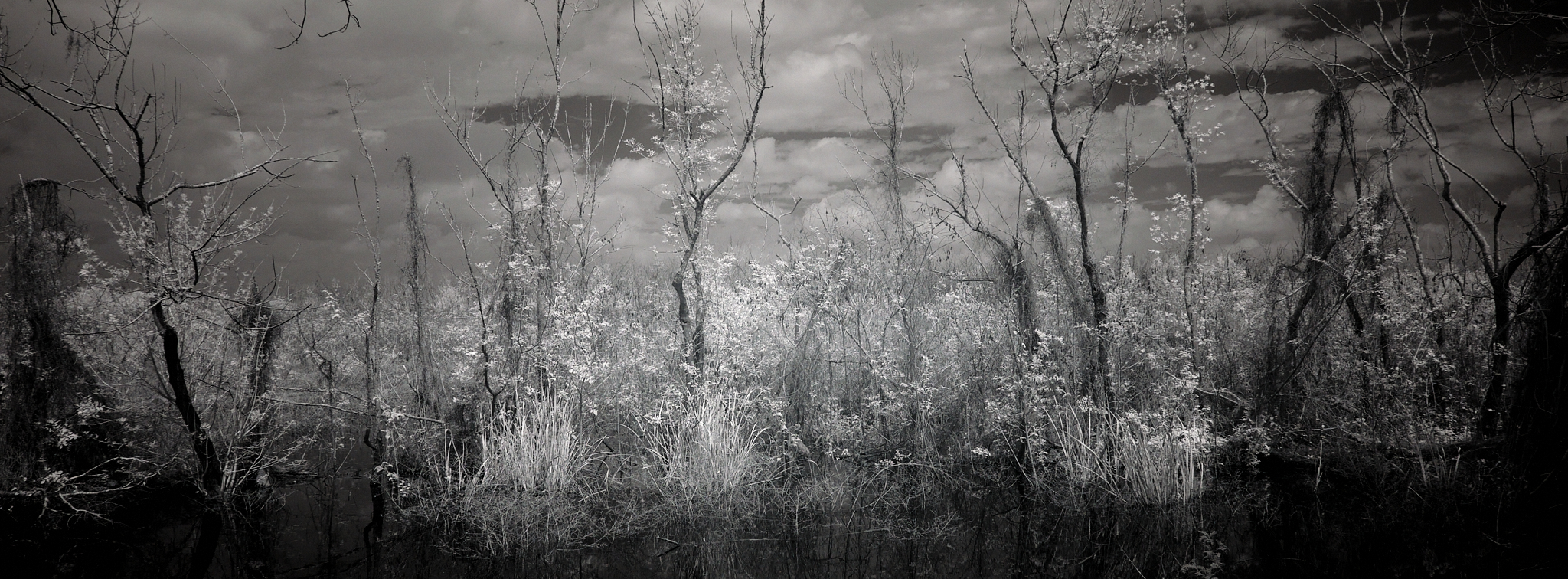
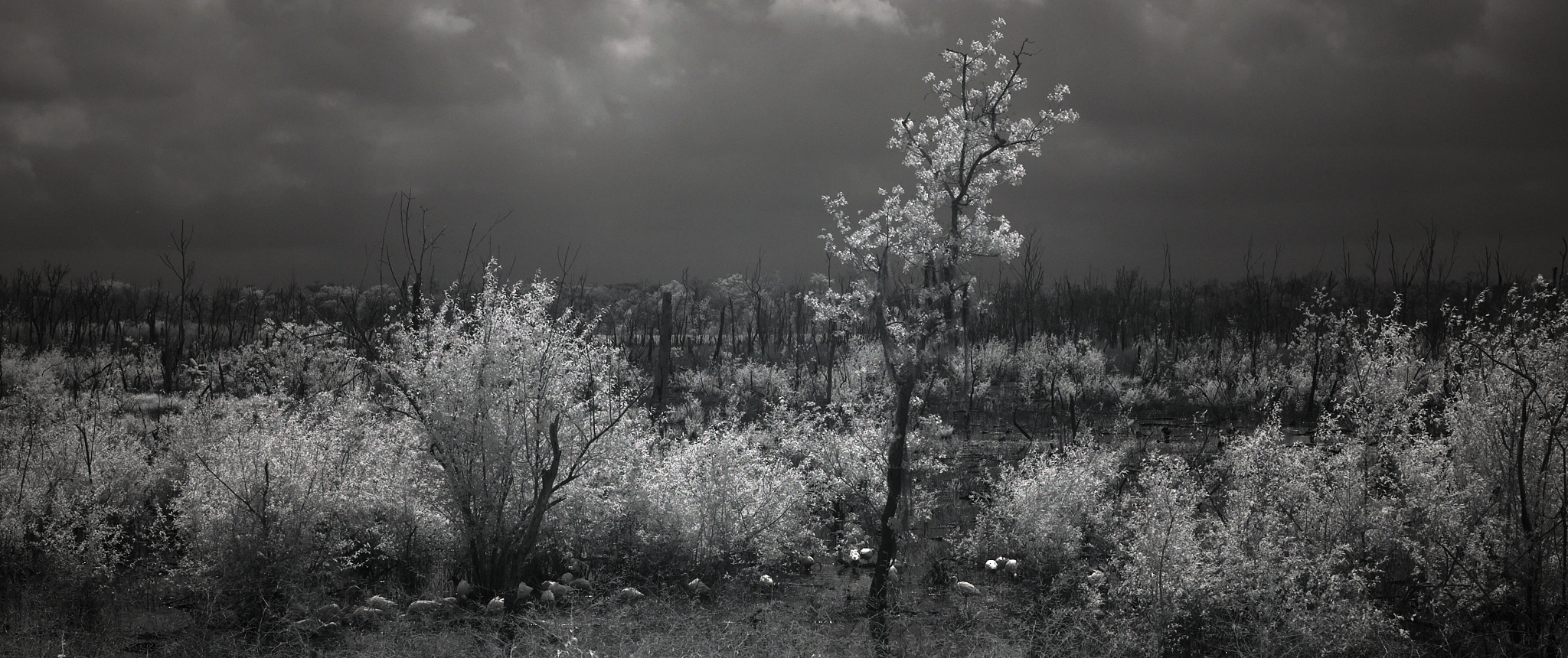
A couple from today with a Fuji X-T2 FS and Sigma 18-50mm with 830NM filter
Mar 15, 2024 at 06:39 PM