rscheffler
Offline
• • • • • •
Upload & Sell: Off
|
 p.7 #15 · An RF 100-300 2.8 lens... p.7 #15 · An RF 100-300 2.8 lens... | |
Regarding price: it's clearly set in accordance to the price point established by Nikon with their equivalent lens. I'm actually somewhat surprised it didn't land higher than $10K.
nmerc_photos wrote:
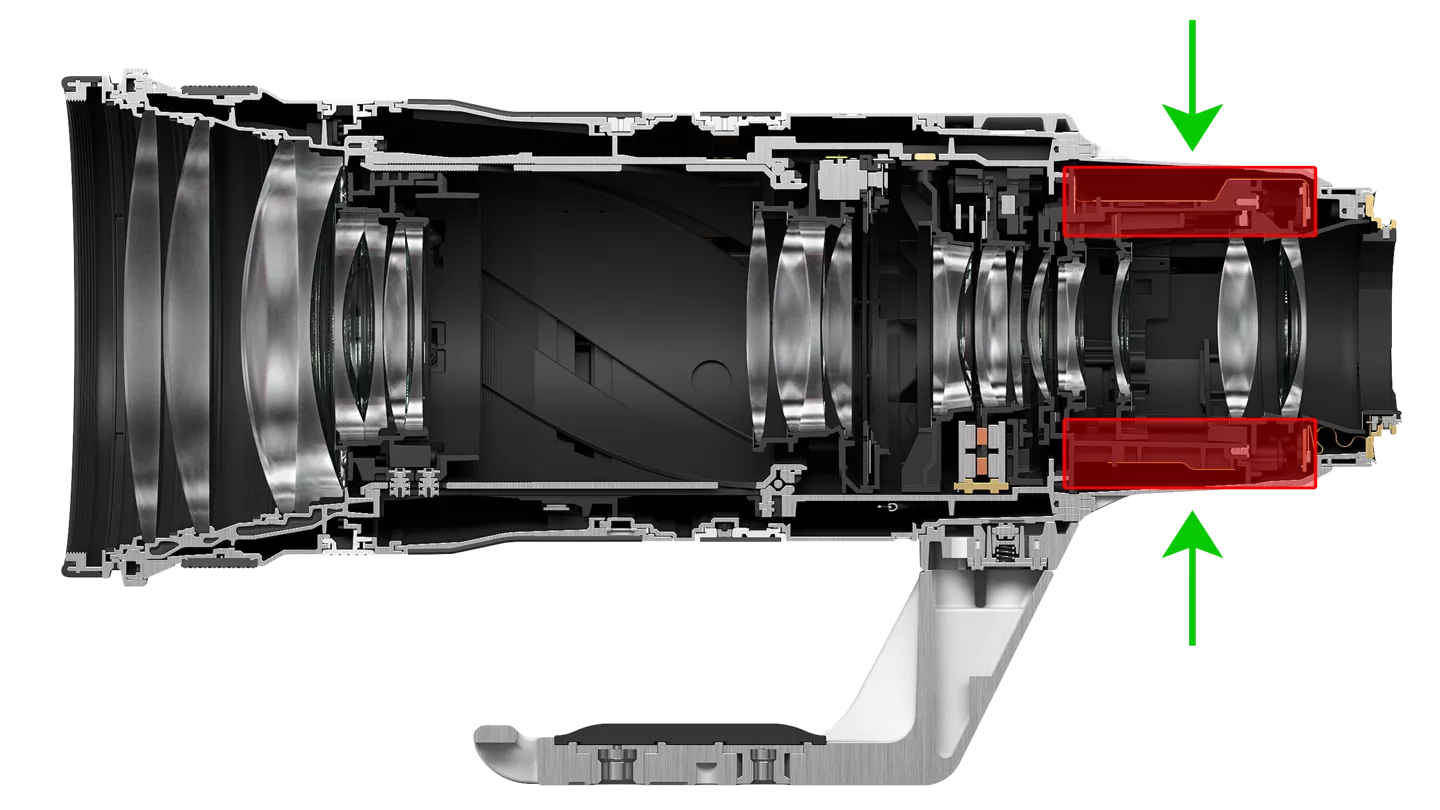
super bummed with this 100-300 release as everything I'm reading says it's throwing away any hope of an RF 300 w/ 1.4x
so here's to hoping the 200-500 f4 w/ 1.4x comes out. that would be a beast birding lens. would fit perfect with the rf 600
I expect there will be a slower 300 DO prime released at some point to fill certain niches - smaller, lighter, less expensive. But doubt it would have a built-in TC. As I suggested earlier, I also think this will happen at 500mm, especially if a 200-500w/TC materializes.
bman212121 wrote:
Thinking about this lens even more, I think I'm starting to understand it better. One of the biggest draws for an internal TC is so you can have 2 focal lengths without having to fumble with a TC in environmental conditions. A zoom solves that issue. Why be limited to only 300 and 420mm with a built in TC when you can use it as 100 - 300mm at 2.8 for low light, but then if you want to use it for decent light put the TC on the lens and leave it there. You'll have 140 - 420 at f4 and can choose anything in between that range. That's certainly way more adaptable than only having 300 and 420 at your disposal. On top of that if the light is really good, you certainly can just grab that 2x TC and then use it as a sudo birding lens that's 200 - 600mm at 5.6. If your main goal was 200 - 600 then Sony is a much better purchase than this, but owners of that combination would need to stop shooting before the sun goes down.
If you contrast the zoom with TC versus prime with an internal TC, being able to flip from F/4 back to F/2.8 is faster than having to unmount everything. However, I can't think of many times where that's something you would be doing back and forth to get F2.8, then F4, then F2.8 again. It's much more likely you're going to pick one aperture for an extended period of time and only switch after the light changes significantly. So comparing that advantage seems like a wash in most cases, and having more focal lengths to choose from is much more desirable.
...Show more →
I transitioned from a set of primes (300, 400, 600) to the 200-400 back in 2013, primarily to shoot field sports such as football. The major appeal of the zoom for me was that: I no longer had to fumble with TCs in rain/snow conditions when the gear was under a rain cover; switching the TC in/out was very fast - I could be shooting a QB scrambling out of the pocket downfield at 560mm, switch out the TC and zoom back to 200mm for a pass reception. The biggest problem I had with the primes was when action came too close on sustained plays. Unlike wildlife photographers, I was rarely reach limited. And in situations I would be, the artistic value of the images was poor (far-field action with no subject-background separation). Obviously the zoom provides a lot more compositional flexibility. The tradeoff was not as pretty background bokeh (more swirl in the image periphery) and slight loss in image quality that has become more apparent as sensor resolution increased the past few years. The 200-400's AF also isn't as super snappy as the primes, though it generally has little trouble tracking athletes once locked on.
Regarding the 100-300, I'm also a little disappointed it does not have the built-in TC. But it's probable that would have resulted in greater IQ compromises than the external TCs, plus added size, weight and of course raised the price.
As more of a field sport photographer, I'm a bit on the fence about the 100-300. I would probably use it most of the time with the 1.4x TC and if one compares Canon's MTFs for the 100-300 with and without 1.4x TC against the bare 200-400, there doesn't seem to be an optical (sharpness) advantage for the 100-300. In some respects, this is even a bit concerning about how similarly the 100-300 performs because my experience with the 200-400 has been that while it's very good on 20-24MP, it's possibly showing some age at 45MP, particularly with its internal TC.
Below are MTF comparisons of the 100-300 bare and with 1.4x TC against the 200-400 bare and with internal TC:
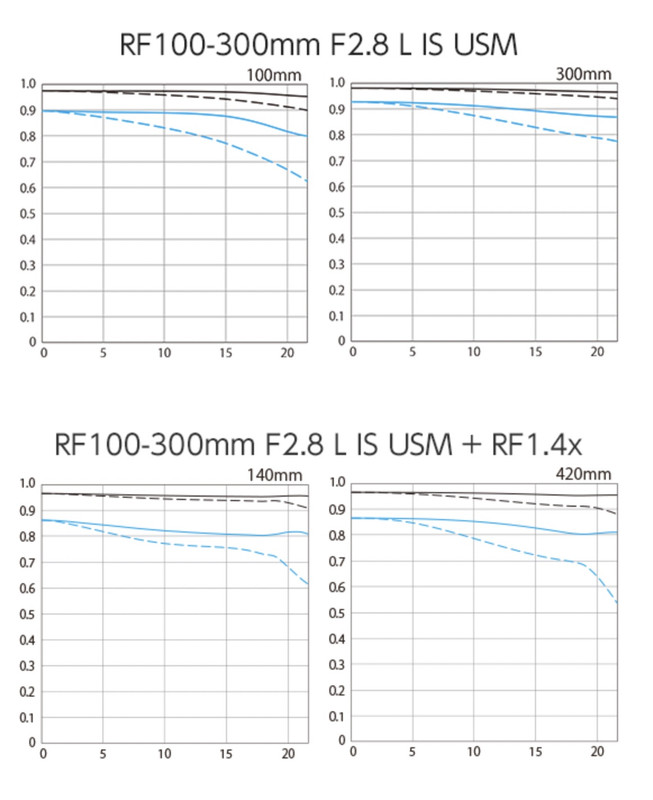
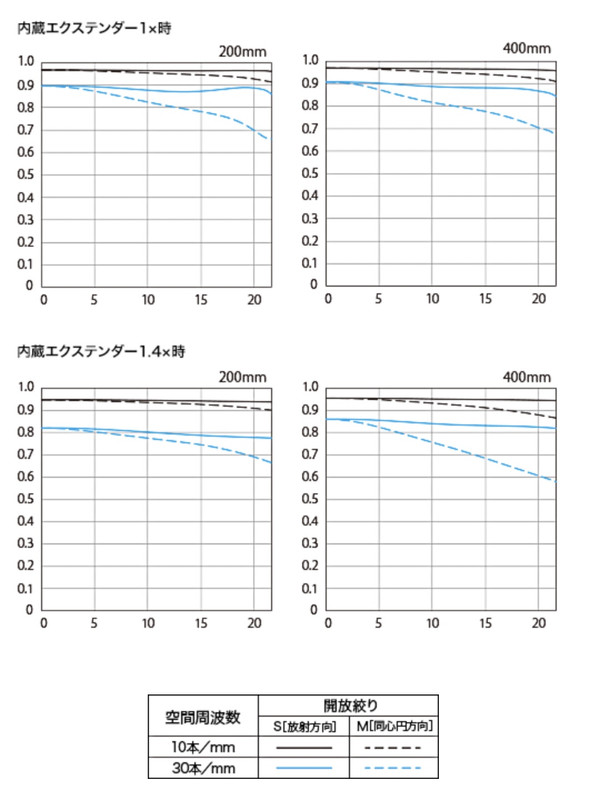
(Unfortunately I was not able to find the EF300/2.8 IS v2 MTFs because the lens is no longer listed as a current model on the Canon sites I checked.)
Considering that about 50% of my football photos each game are with the internal 1.4x TC engaged, the 100-300 w/2x TC MTFs (below) appear to indicate it would be a step down in IQ, particularly at the long end where the 200-400 w/TC improves a little over the wide end.
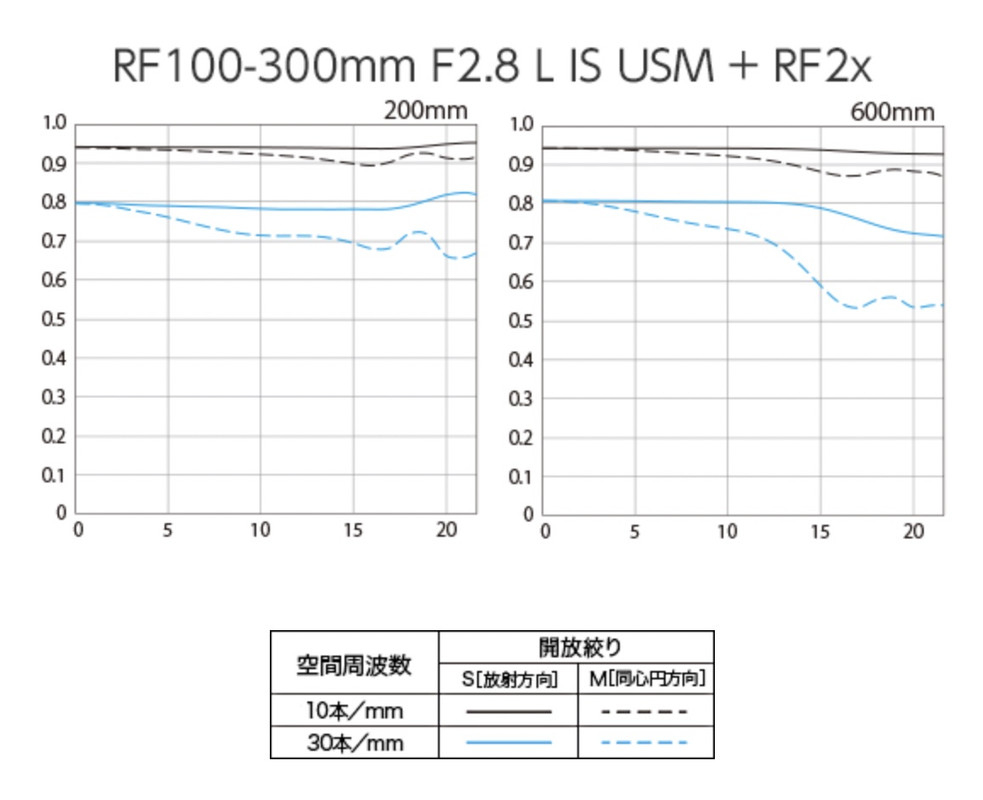
And for reference, here's the RF400/2.8 MTF:
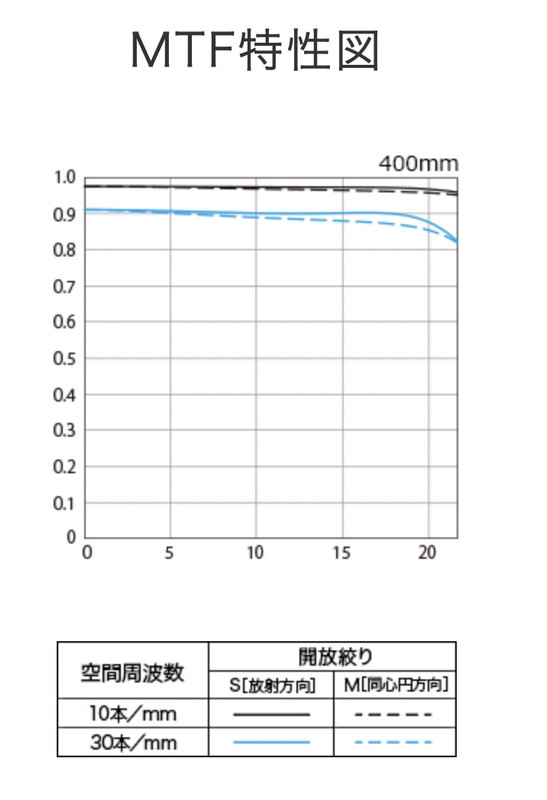
The astigmatism implied by the 100-300 and 200-400 MTFs (separation of the tangential and sagittal lines as they move away from the image center) suggests that like the 200-400, the 100-300 will have some slight background bokeh swirl.
For arena and court sports, the 100-300 makes a very strong case were in many situations it could replace the need for a 70-200. One could go 24-70 or 24-105 for near action and the 100-300 (with and without TC) for everything else. The RF 70-200's TC incompatibility is just another point in favor of the 100-300 for covering that range. Of course it's a lot larger and heavier than a 70-200. This means it may not be a feasible alternative for some situations, such as shooting through photo cutouts at hockey games where a smaller, lighter, more maneuverable lens that cleanly fits the cutout opening would be a major advantage.
|