p.9 #6 · Life on the Street - Post your Street Photography here
Chez, #11, the garden on the hill side by the water, reminds me of an apartment complex in Houston, TX. Vietnamese refuges inhabited most of the apartments, three two story units in a U shape with about 20 apartments each. Behind the apartments was a slope down to a bayou with about a half acre of land. It was a steeper slope than the one in your photo. The people in the apartment created a garden on that slope. I don't know how they kept from sliding into the bayou. The only way you can see the garden is from the bayou or the public golf course on the opposite bank. I grew up in that neighborhood and went to school from kindergarten through high school. I began playing the golf course in the 1990's, and that is when I saw the garden. They had winter and summer crops, and there were several people working the garden every day. It is amazing how they took advantage of every square inch to grow their own crops.
Oh, and yes, they had netting to keep the varmints out!
p.9 #7 · Life on the Street - Post your Street Photography here
Ray, yes the Vietnamese know how to utilize every square inch of their land no matter how steep it is. It's truly amazing to see the work involved to terrace and irrigate their rice fields on very steep hills. I spent days walking amongst these fields with workers planting their new harvest. The rich families had a water buffalo to help...the not so rich did everything by hand.
p.9 #9 · Life on the Street - Post your Street Photography here
Ray Swindle wrote:
Chez, #11, the garden on the hill side by the water, reminds me of an apartment complex in Houston, TX. Vietnamese refuges inhabited most of the apartments, three two story units in a U shape with about 20 apartments each. Behind the apartments was a slope down to a bayou with about a half acre of land. It was a steeper slope than the one in your photo. The people in the apartment created a garden on that slope. I don't know how they kept from sliding into the bayou. The only way you can see the garden is from the bayou or the public golf course on the opposite bank. I grew up in that neighborhood and went to school from kindergarten through high school. I began playing the golf course in the 1990's, and that is when I saw the garden. They had winter and summer crops, and there were several people working the garden every day. It is amazing how they took advantage of every square inch to grow their own crops.
Oh, and yes, they had netting to keep the varmints out!
The water buffalo is so important to many families ( it's something they save for years to purchase ) that during the cold winter days, they actually bring the buffalo inside their very small houses to keep them warm. The plots of land that are terraced for rice are passed along through generations...the larger the plot, the higher standing your family has in the community. When trekking through these rice patties, you can definitely see plots that are much easier to cultivate, which belong to higher standing families.
In a good year, a family will have a good crop and are able to sell some of their rice in order to buy other things for the family. In a bad year, they barely have enough to feed themselves.
p.9 #11 · Life on the Street - Post your Street Photography here
Beautiful Marine!
I can't keep up with all the posts!!!! That's ok...I am slow anyway!
Just great visual and technical compositions!
Semper Fi Marine!
RD
p.9 #14 · Life on the Street - Post your Street Photography here
Turkey in the mid 70s, shot on 35mm film.
A patriotic parade in the town of Urgup in Cappadocia, Turkey. Not too many tourists back then, unlike today. Cappadocia is known for old monastic societies and ascetics who carved churches into soft rock. Back then folks would approach us and ask if we wanted a tour of the caves. Today it is a national monument with guided tours and strict protocols.
p.9 #15 · Life on the Street - Post your Street Photography here
Charlie San wrote:
Turkey in the mid 70s, shot on 35mm film.
A patriotic parade in the town of Urgup in Cappadocia, Turkey. Not too many tourists back then, unlike today. Cappadocia is known for old monastic societies and ascetics who carved churches into soft rock. Back then folks would approach us and ask if we wanted a tour of the caves. Today it is a national monument with guided tours and strict protocols.
These are just fantastic film images! Very well done and composed!
Dan
p.9 #16 · Life on the Street - Post your Street Photography here
Thank you, you are someone whose work I admire. I have much more to show but I hope that FM takes note and sets up a separate folder for street photography, perhaps call it "Life on the Streets" like this series of posts.
p.9 #18 · Life on the Street - Post your Street Photography here
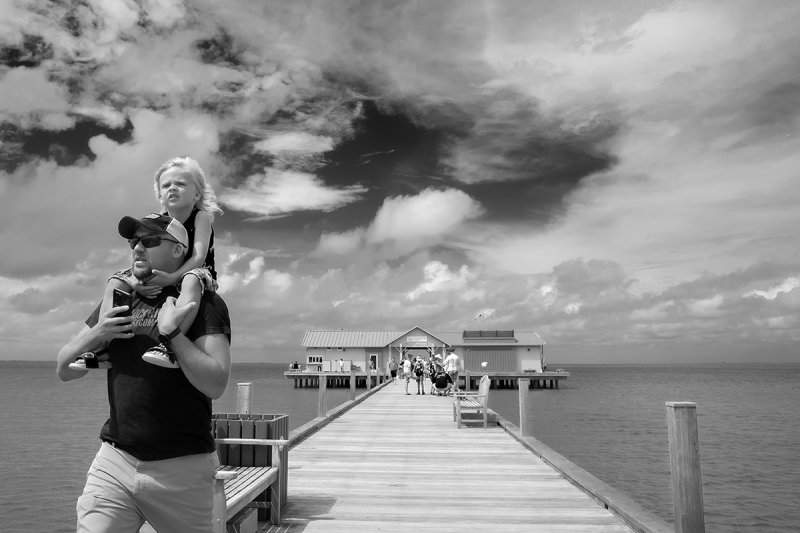
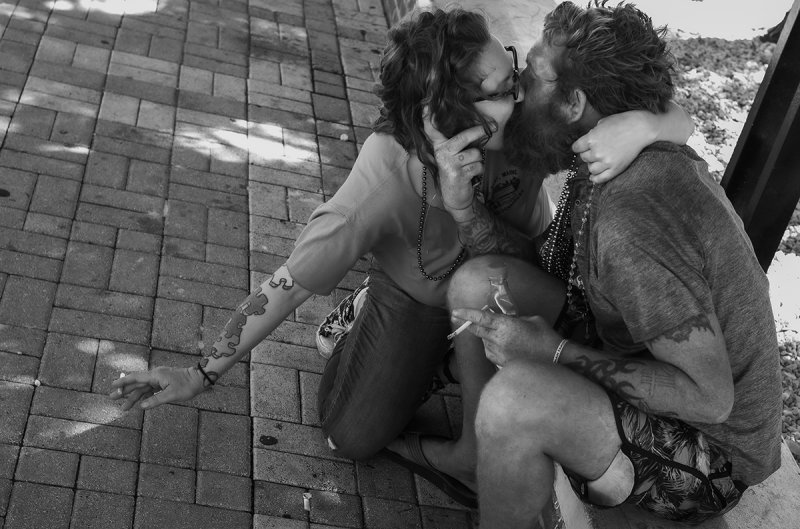
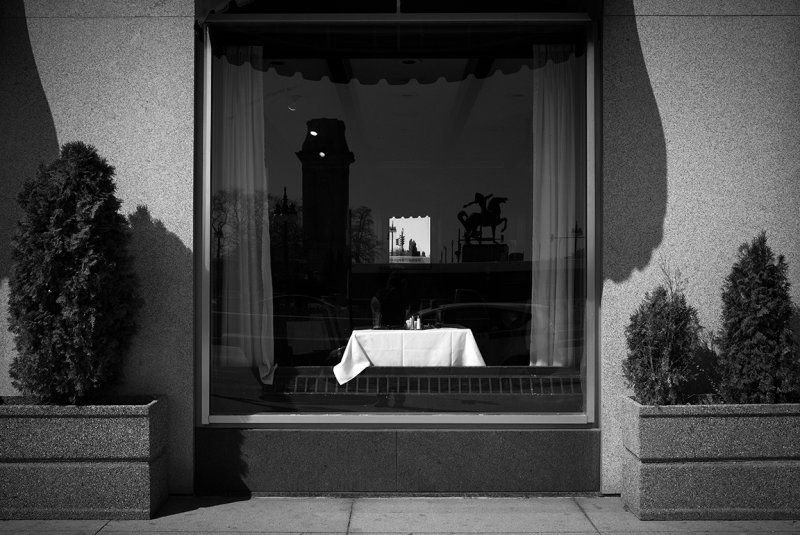
My first efforts at street photography with a digital camera were done with a Snapshot-Skopar LTM 25mm F4 lens on an APS-C Sony NEX-5N so I'll start with some of those.