p.21 #1 · Nikon DSLR images, videos and discussion thread
sum1sgrampa wrote:
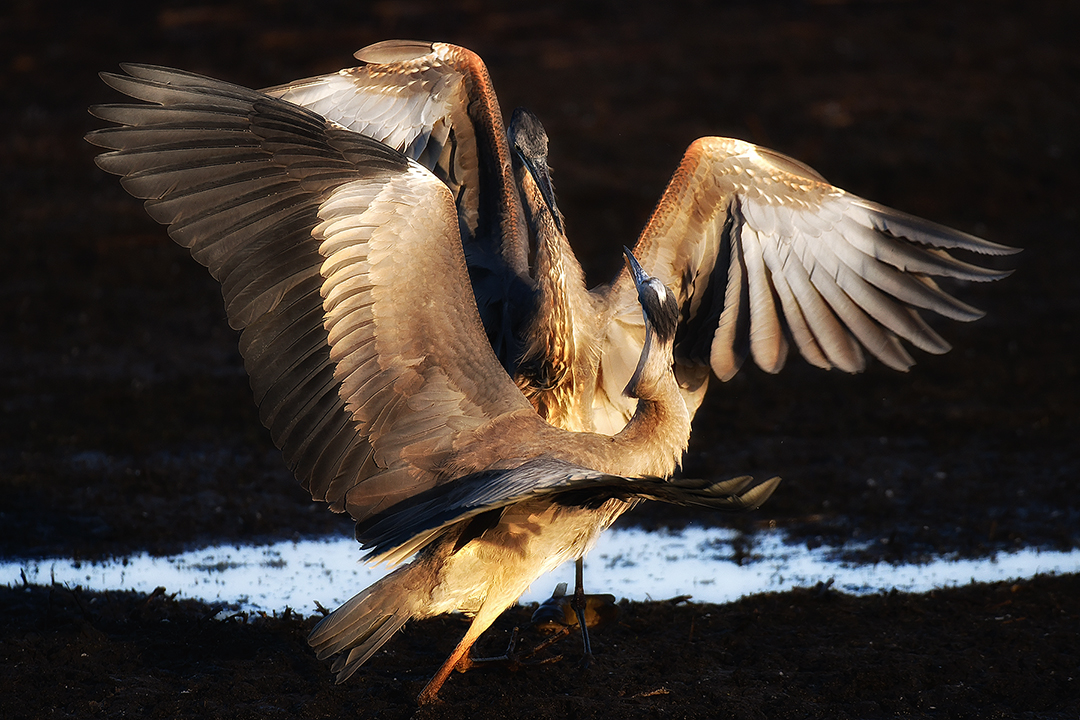
This is awesome ! I'm guessing not too many images of GBH on Kodachrome
Thank you very much
I always remember the shot because of the lesson in it. I had missed many such shots before, and was determined to keep my face glued in the viewfinder.
There was a young couple next to me, as we watched this GBH, dead still and watching for its chance to strike for a fish. The three of us were sitting on the ground. The guy was talking to me, with his girlfriend next to him. And while he was talking, he had his head turned toward me. He would not stop talking.
I was trying to be polite by acknowledging what he was saying, but not without *keeping my face glued to the viewfinder*.
Those were the manual focus days (again, the F3HP and 300f4 EDIF), so I had it prefocused on the bird, because (as you know), when it recovered from the strike, it would return to that position.
When the GBH stuck it did not wait around. I am surprised there is no water coming off it in the image. It immediately leaped and went to the willows in the background, turning back-to and working on getting the sunfish down.
p.21 #3 · Nikon DSLR images, videos and discussion thread
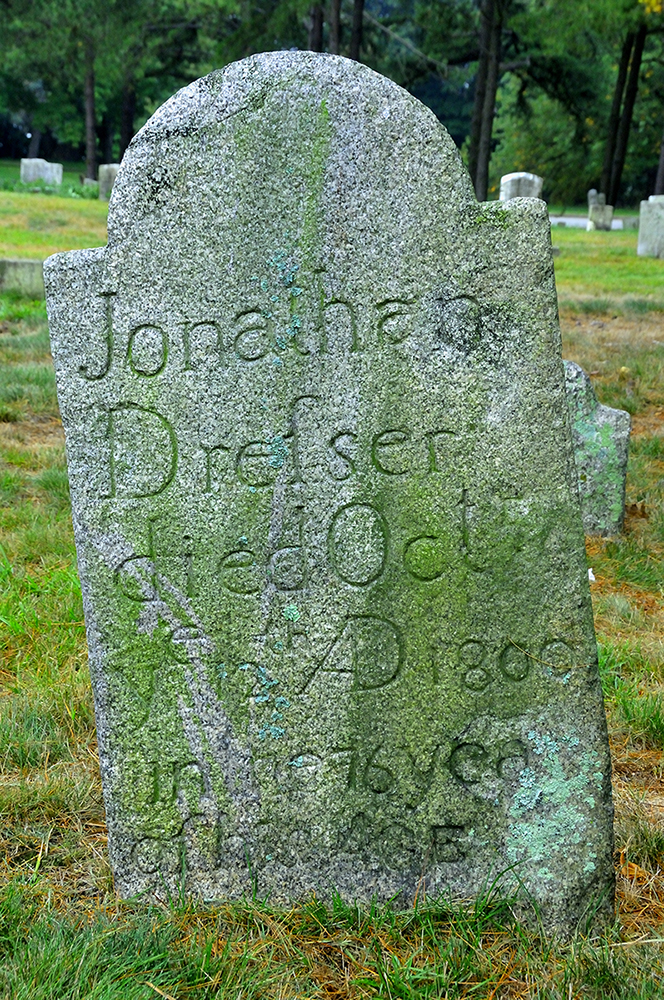
If you google "Jonathan Drefser" you will find nothing. I find headstones fascinating, causing me to begin imagining what the person's life was back then. It's interesting that his granite headstone was hand-chiselled.
He was 54 years of age (in 1776), when America declared independence and their revolution began.
p.21 #4 · Nikon DSLR images, videos and discussion thread
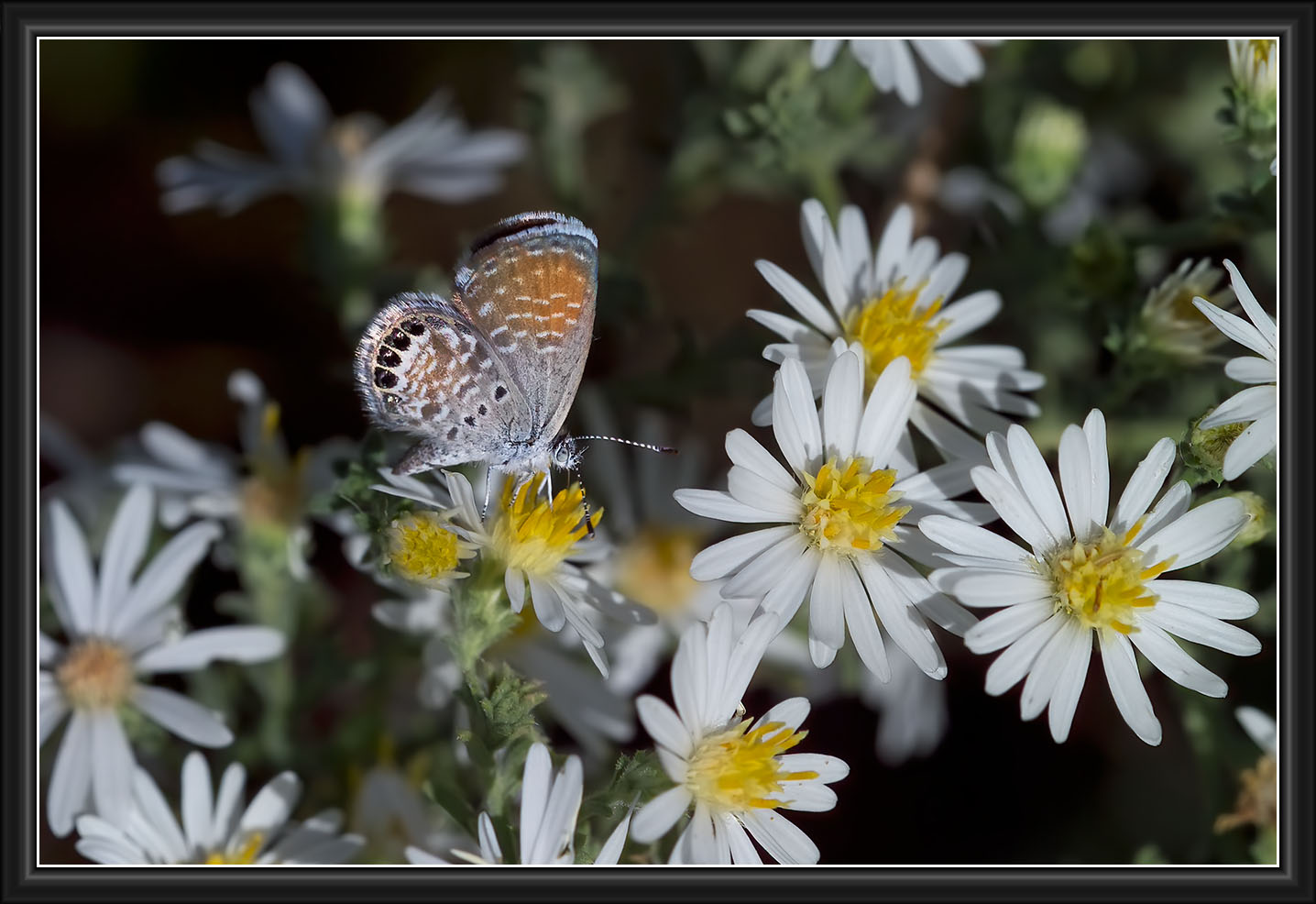
Both taken with the 70-200.
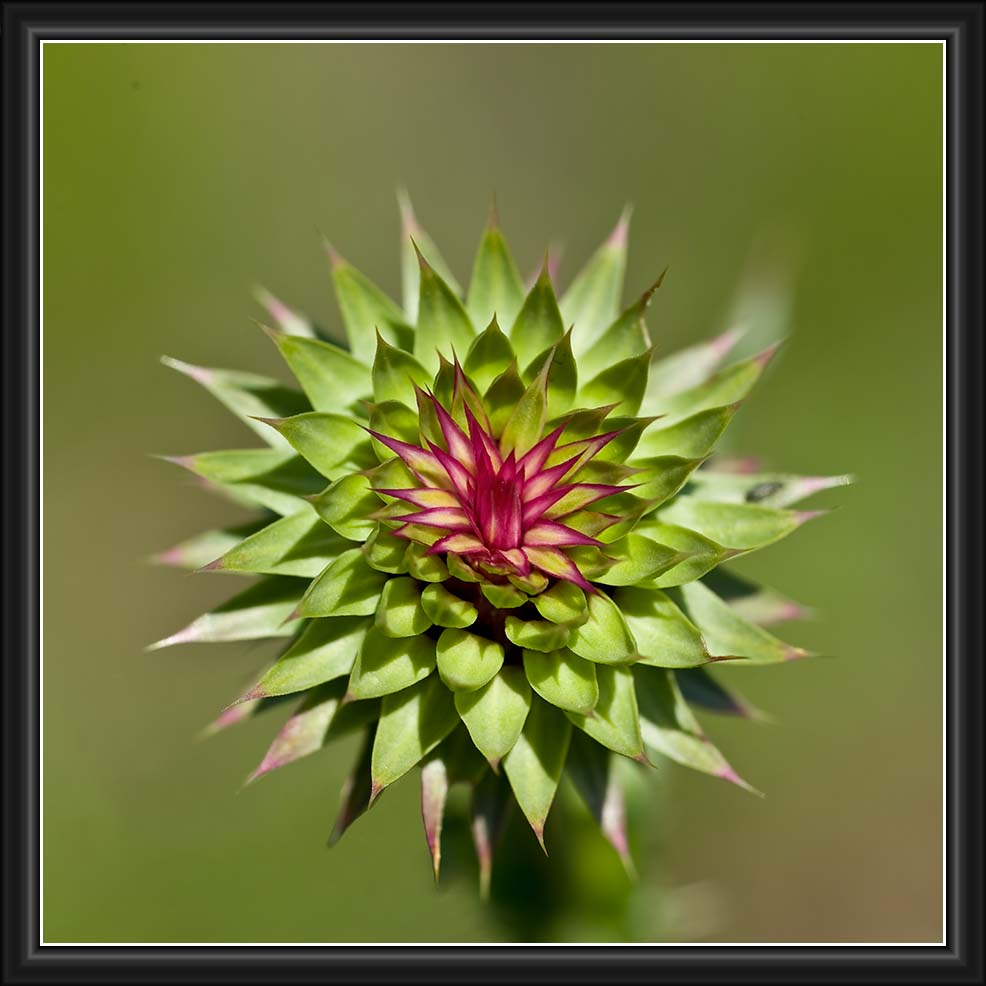
The succulent(?) was taken with the Cannon 500D closeup lens attached and it was cropped only on left and right side to square it up. It was growing in a Lava bed.
p.21 #5 · Nikon DSLR images, videos and discussion thread
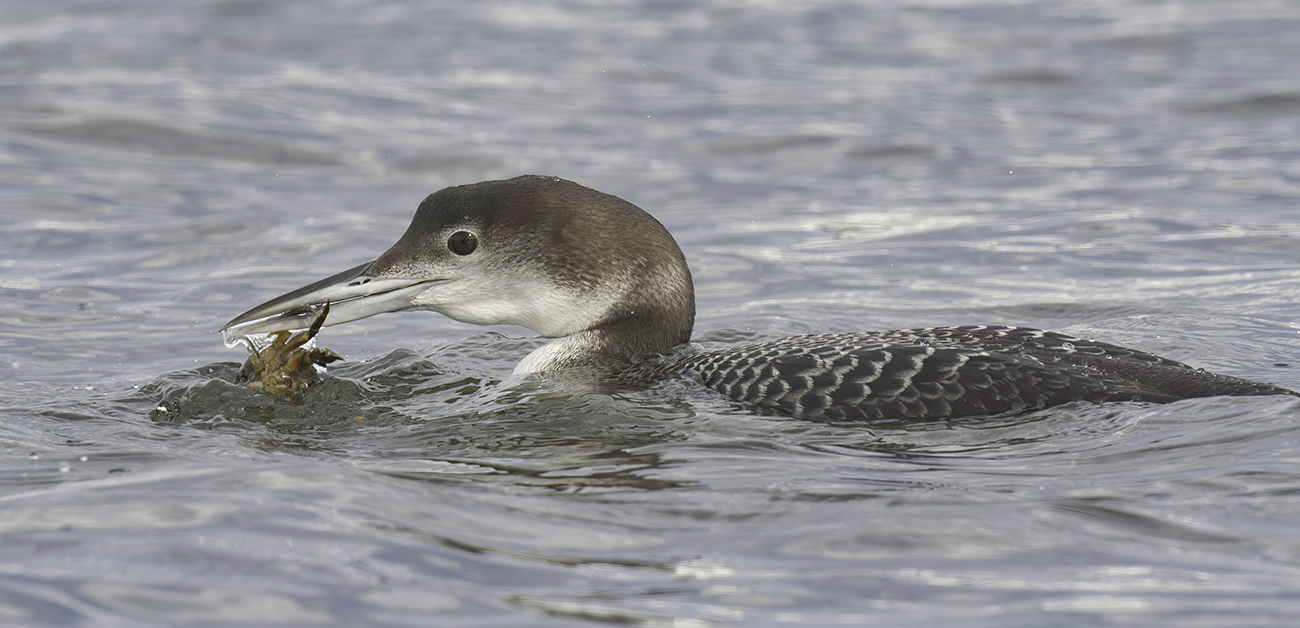
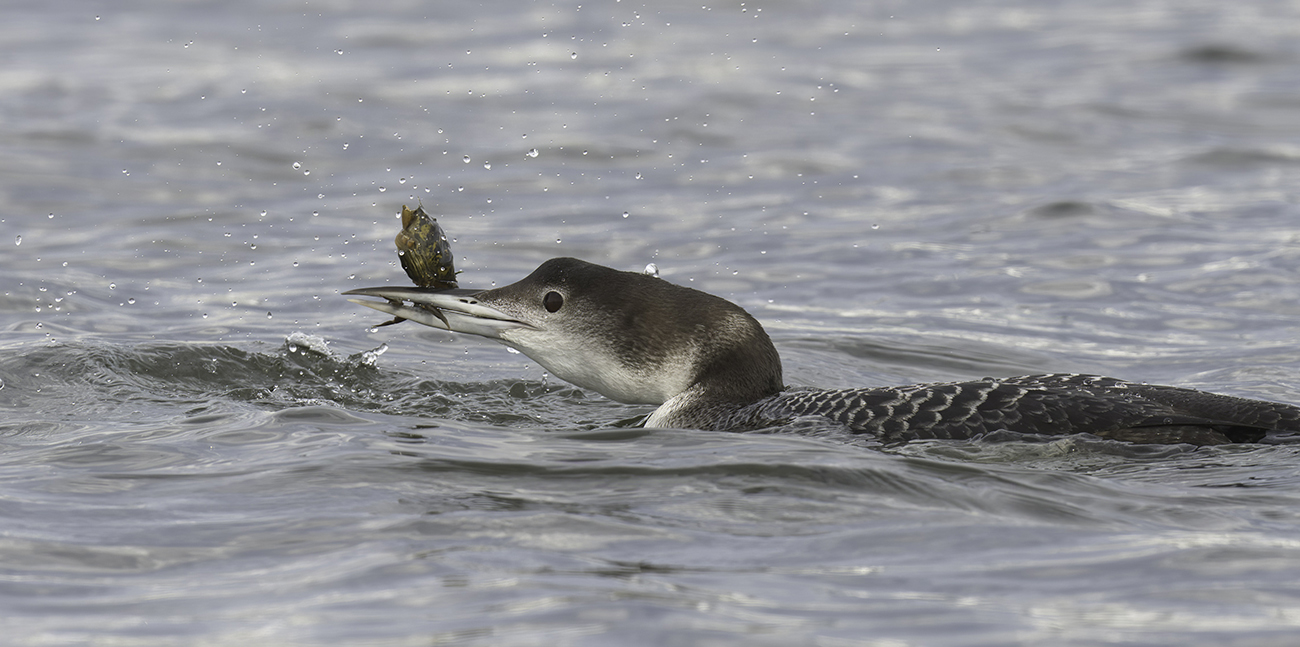
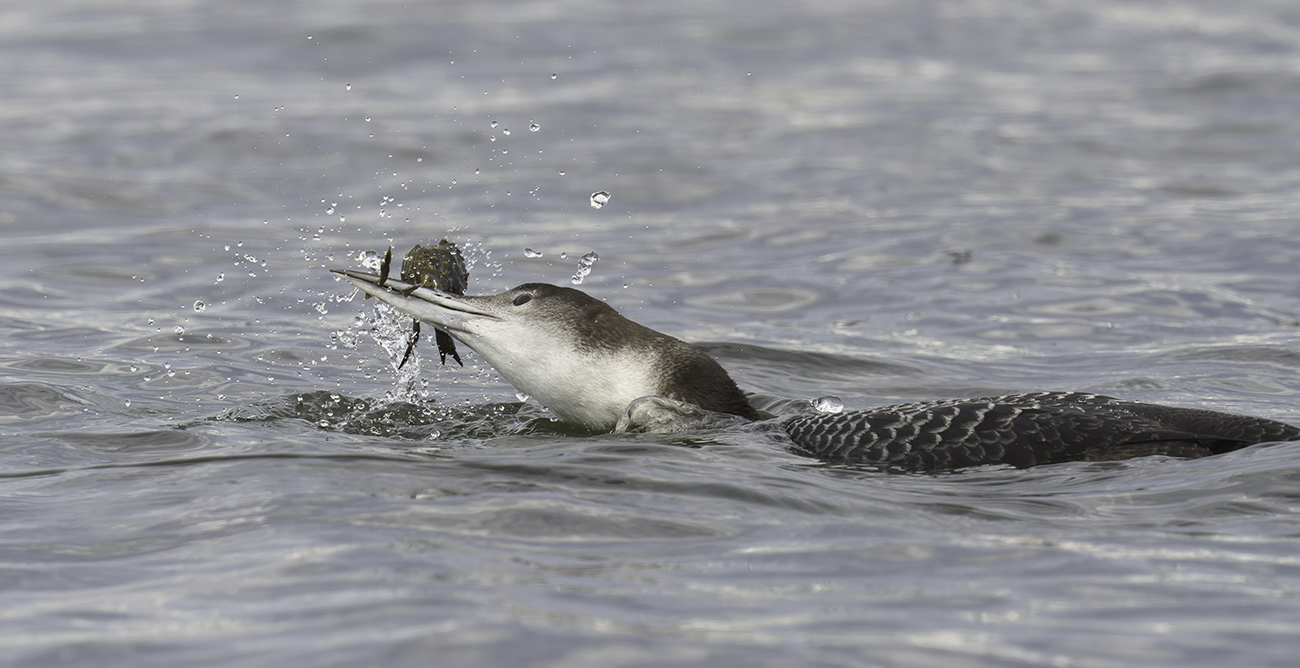
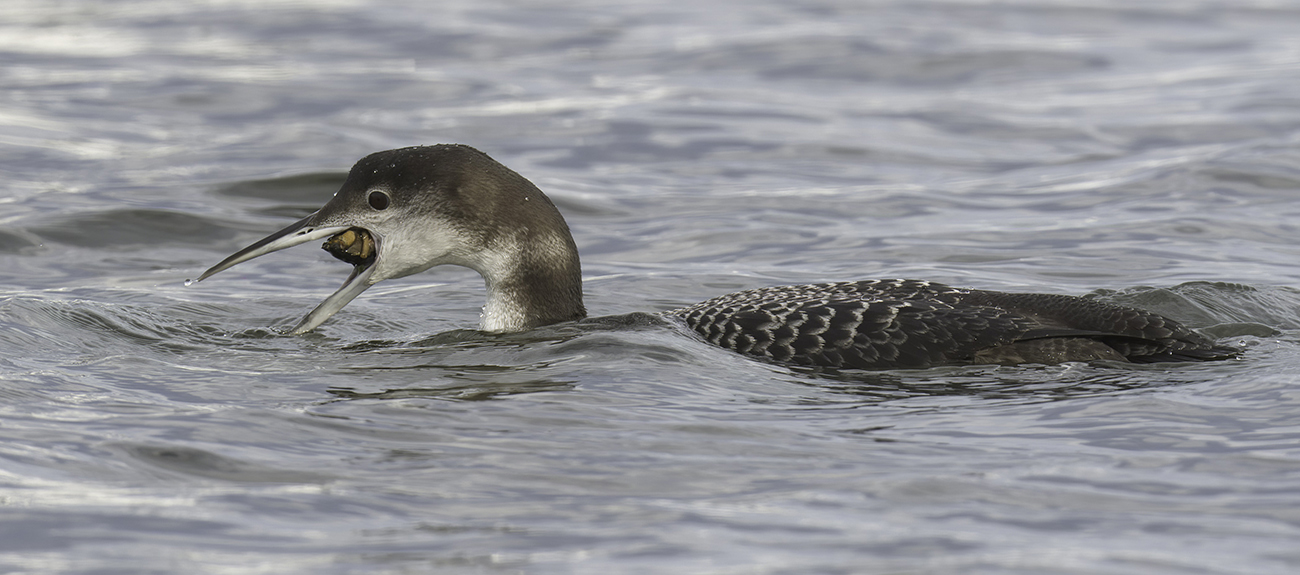
Stripping a crab
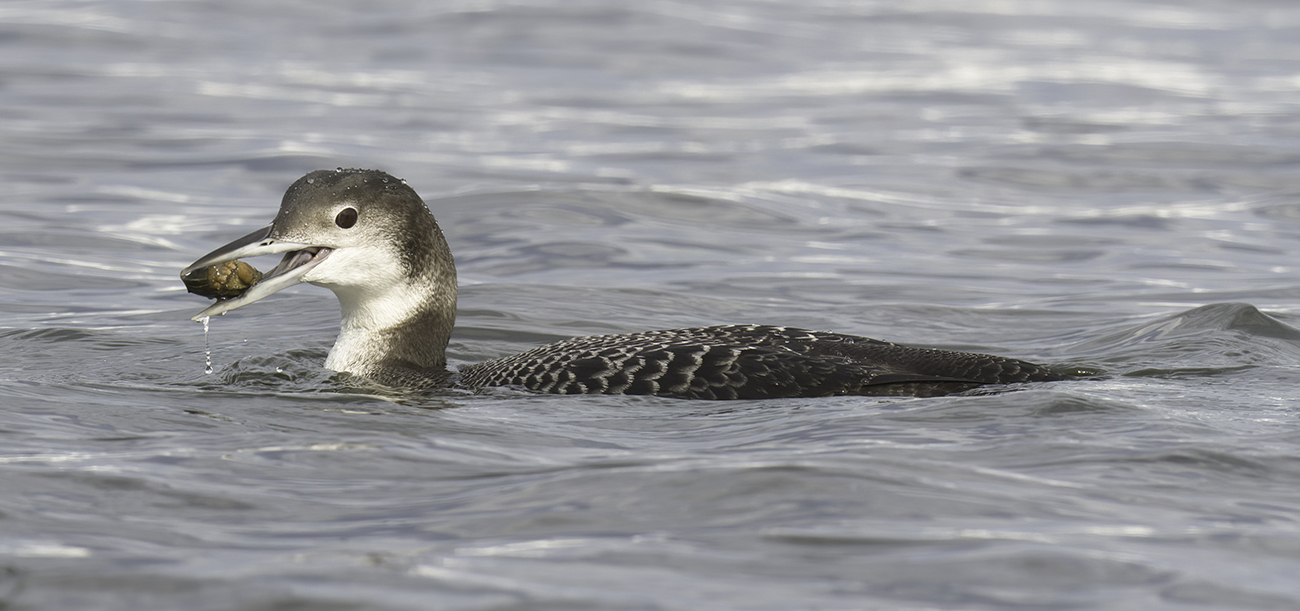
Before swallowing a crab, waterbirds must strip off the legs, or the pointed ends can puncture the esophagus. If they don't get this right, it can permanently change their life.
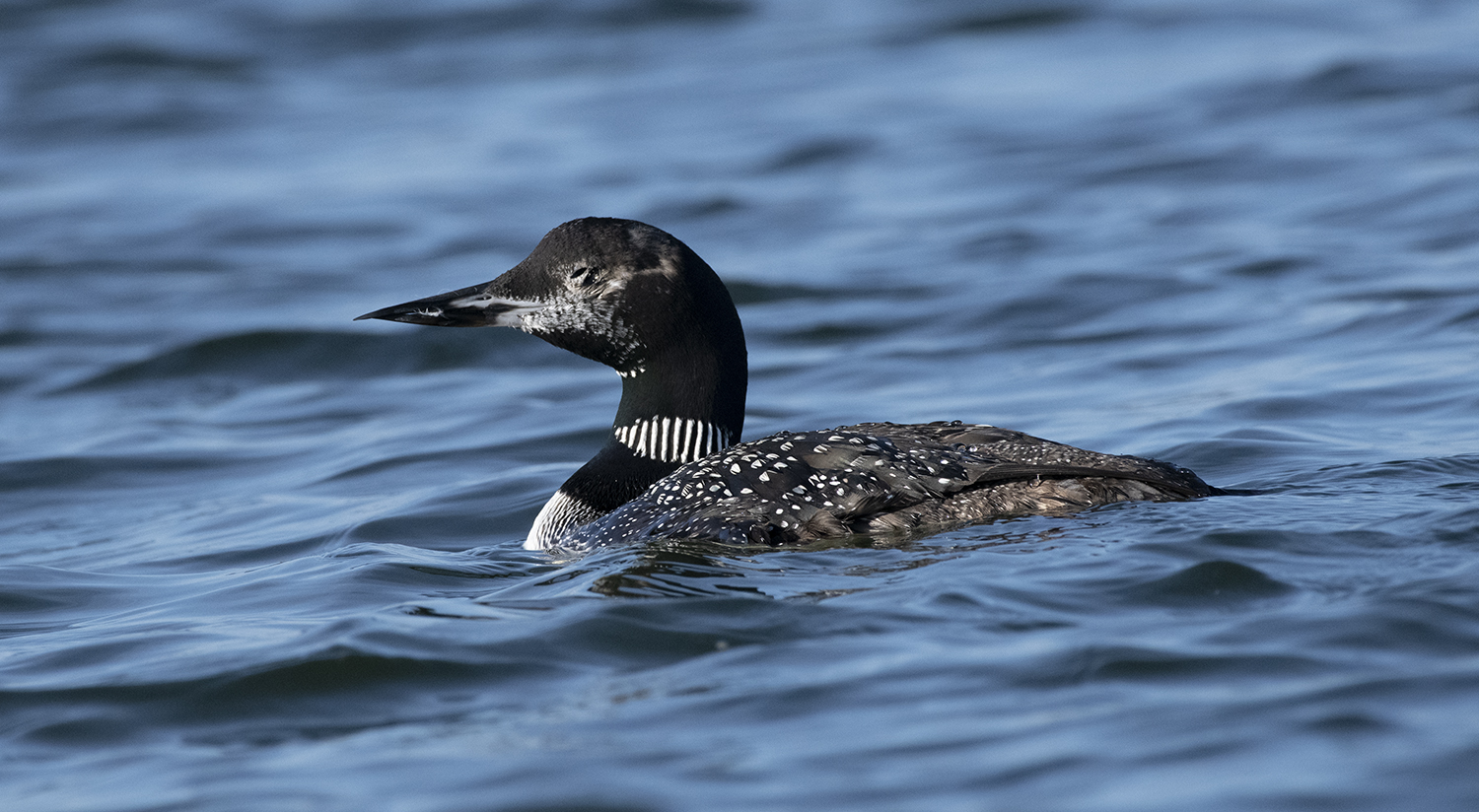
The last image is of an adult loon that did not get it right; it lost its left eye.
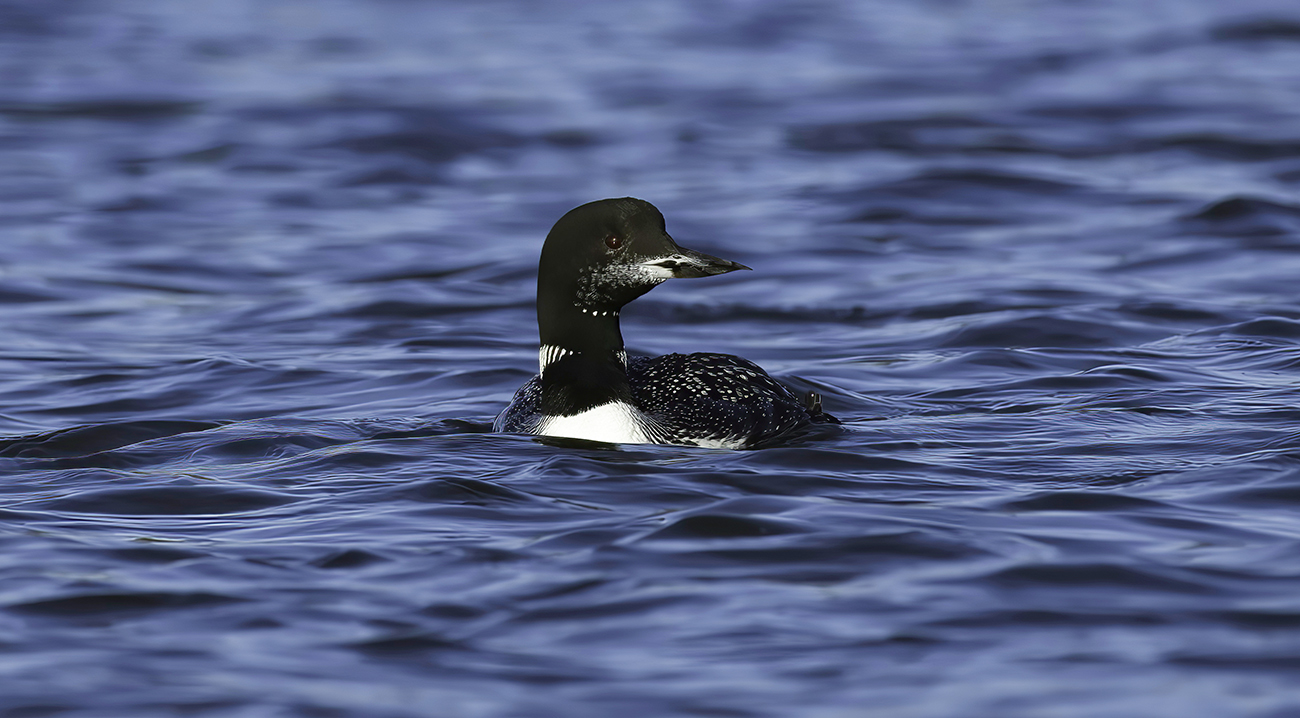
I watched this loon for several years. Sadly, it's been spending its life (year-round) on coastal waters, where other loons only overwinter, before the other loons head back inland to lakes and ponds in the spring, for the nesting season.
This one-eyed loon stays on the coast all year, perhaps because it does not have enough depth perception to fly
___
Late addition: I would love to see this loon again at the estuary. It would probably mean that it did fly inland for summers on a pond or lake. But I have not seen it in several years.
an immature loon starts to strip a crab of its pointed legs
I got it!
This adult loon looks ok from this side.
On its other side, you can see that it's lost its eye, resulting from a crab leg puncturing its eye.
p.21 #8 · Nikon DSLR images, videos and discussion thread
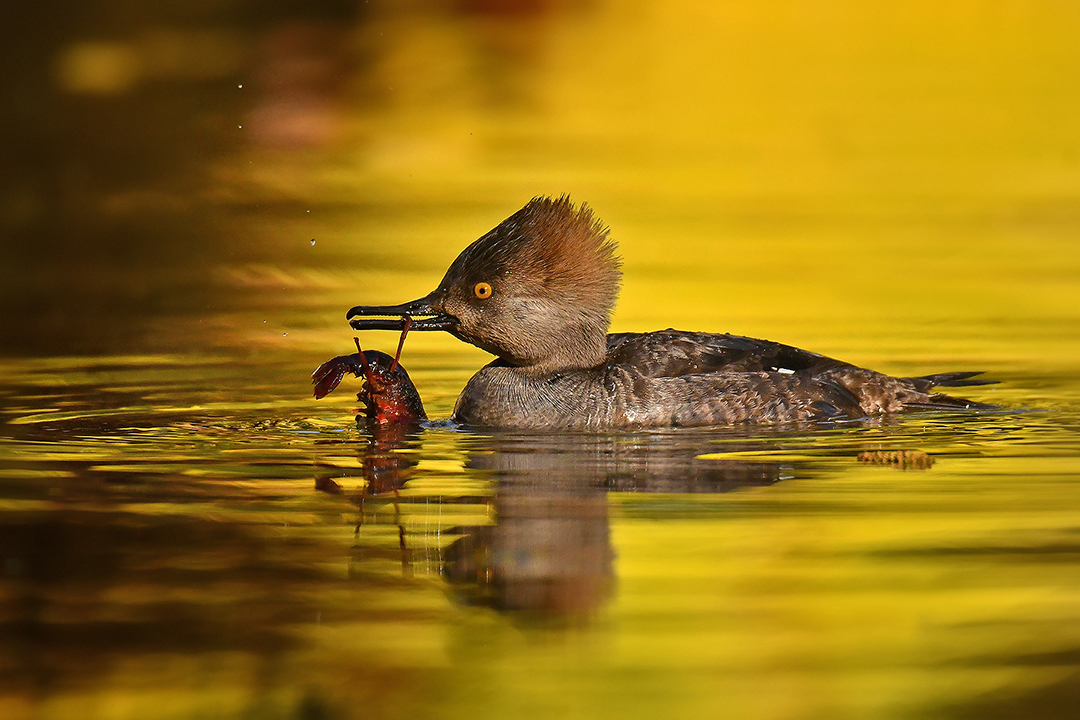
Very interesting explanation regarding the Loons. I watched Mergansers doing this on a recent trip to Southern California and really didn't give it a lot of thought at the time. I thought they were just making the crayfish easier to swallow. Didn't realize it was so dour. It never ceases to amaze me the things that go on that we take such little notice of and also how nature can figure this stuff out. You learn something new every day. Thanks for sharing !
p.21 #13 · Nikon DSLR images, videos and discussion thread
sum1sgrampa wrote:
Very interesting explanation regarding the Loons. I watched Mergansers doing this on a recent trip to Southern California and really didn't give it a lot of thought at the time. I thought they were just making the crayfish easier to swallow. Didn't realize it was so dour. It never ceases to amaze me the things that go on that we take such little notice of and also how nature can figure this stuff out. You learn something new every day. Thanks for sharing !
sum1sgrampa wrote:
Montezuma NWR-Seneca Falls NY
Love the lighting on these 2, but the lighting on the "Early morning squabble" puts it over the top!!
p.21 #14 · Nikon DSLR images, videos and discussion thread
sum1sgrampa wrote:
Very interesting explanation regarding the Loons. I watched Mergansers doing this on a recent trip to Southern California and really didn't give it a lot of thought at the time. I thought they were just making the crayfish easier to swallow. Didn't realize it was so dour. It never ceases to amaze me the things that go on that we take such little notice of and also how nature can figure this stuff out. You learn something new every day. Thanks for sharing !
You are welcome and thank you for having and expressing your deep interest in nature. We need more nature photographers like you.
+1: Nature never ceases to amaze me . I am a nature documentarian, an ecologist, much before a photographer. If I have the time, I try to add information or observations to the image of nature.
This gorgeous image you have of the Hooded Merganser, caused me to again ask a question about nature. It shows a crayfish that is "huge", compared to any crayfish I have seen in real-life. As I recall, there is another FM'er (Thang?..not sure) who has posted images of waterbirds with crayfish that are much larger than what I have seen.
So, I always asked myself, why the crayfish in some systems, are so much larger than crayfish I've seen in any of the northeastern to southeastern systems I've worked.
It was not until today, that I looked on the net for a lead. Surprise! It turns out there are several hundred crayfish species! So, genetics alone could be the reason. That does not mean it is, but I believe it is likely to be the reason. As always, I am open to anyone, with references.
And for those who may question the quality of the Wiki reference, I ask you to look again. I like/use Wiki and on rare occasion, make a *modest* donation to it.
p.21 #15 · Nikon DSLR images, videos and discussion thread
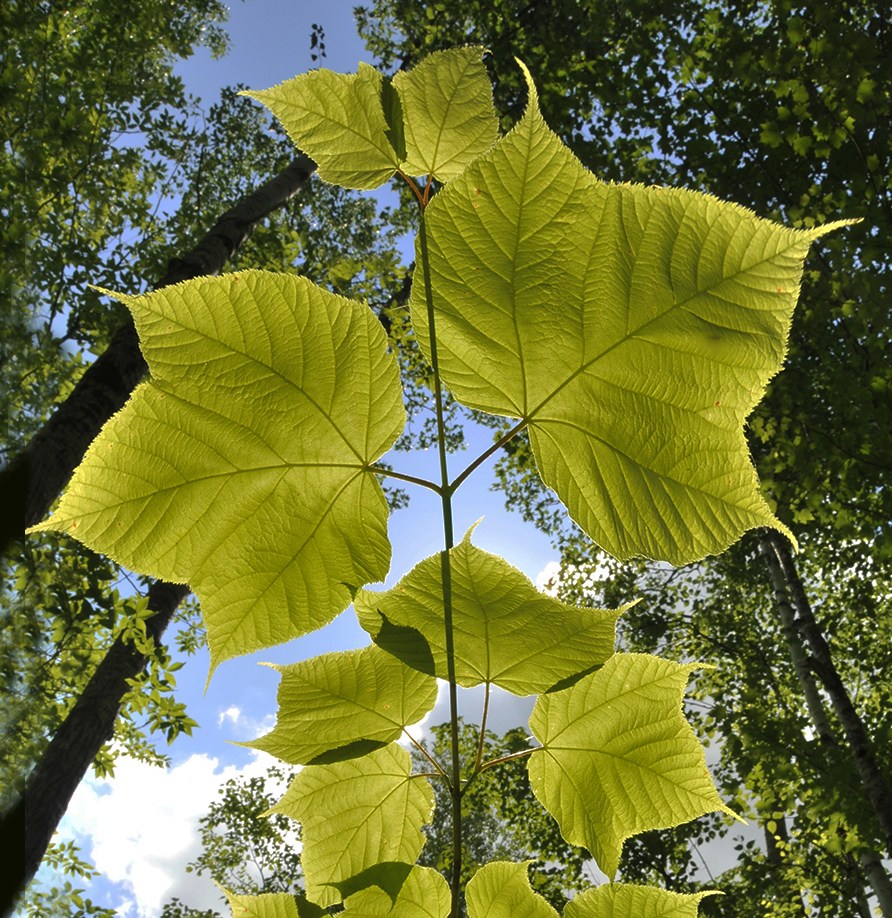
Translucent leaves of Moose Maple, Striped Maple or Moosewood (Acer Pennsylvanicum), Baxter State Park, Maine, July 4th (America's Independence Day), 2008 .
p.21 #18 · Nikon DSLR images, videos and discussion thread
bs kite wrote:
You are welcome and thank you for having and expressing your deep interest in nature. We need more nature photographers like you.
+1: Nature never ceases to amaze me . I am a nature documentarian, an ecologist, much before a photographer. If I have the time, I try to add information or observations to the image of nature.
This gorgeous image you have of the Hooded Merganser, caused me to again ask a question about nature. It shows a crayfish that is "huge", compared to any crayfish I have seen in real-life. As I recall, there is another FM'er (Thang?..not sure) who has posted images of waterbirds with crayfish that are much larger than what I have seen.
So, I always asked myself, why the crayfish in some systems, are so much larger than crayfish I've seen in any of the northeastern to southeastern systems I've worked.
It was not until today, that I looked on the net for a lead. Surprise! It turns out there are several hundred crayfish species! So, genetics alone could be the reason. That does not mean it is, but I believe it is likely to be the reason. As always, I am open to anyone, with references.
And for those who may question the quality of the Wiki reference, I ask you to look again. I like/use Wiki and on rare occasion, make a *modest* donation to it.
I hesitate to speak too freely about this because it's way out of my expertise but I believe the crayfish at the LA Arboretum where my Merganser shot was taken are an invasive species of Red Swamp Crayfish. The Crayfish here in the east where I'm from are grayish/tan in color and mostly much smaller. We used to boil them up and dip them in melted butter as kids when we were camping in the woods.
p.21 #20 · Nikon DSLR images, videos and discussion thread
I know what you mean regarding the 80-400 G (AFS). For several years I ignored it, but am now seeing more value. It is becoming a go-to. I've used it for years, with the Canon 500D, to do super-sharp close-ups. I have no need for any long macro.
This lens checks *all* the boxes, and unlike the exciting new 100-400Z, the 80-400 AFS can be used on a DSLR or a MILC (with DTZ).
Yesterday, I went to a beach, attempting to prove the D850/80-400 worthy of action video. I carried slim hopes. As expected, it failed the first test miserably. But the problem is not in the lens. I believe the problem is that the D850 AF is very poor through the LCD. I will do more experimenting though, until I move to the Z9.
I bought the 80-400AFS (G) in 2016 and the 850, the year it came out (2017?).
This Nikon 80-400mm AF-S is tack-sharp. It focuses super-fast. Through the viewfinder, this rig keeps up with the fastest incoming dogs. And the lens has Nikon's outstanding vibration reduction.
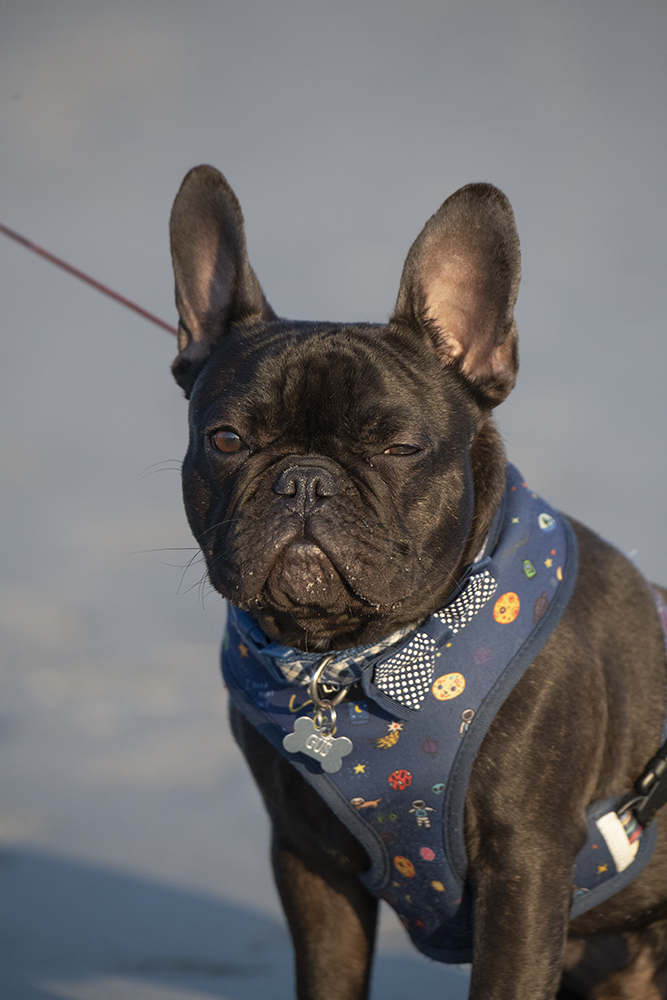
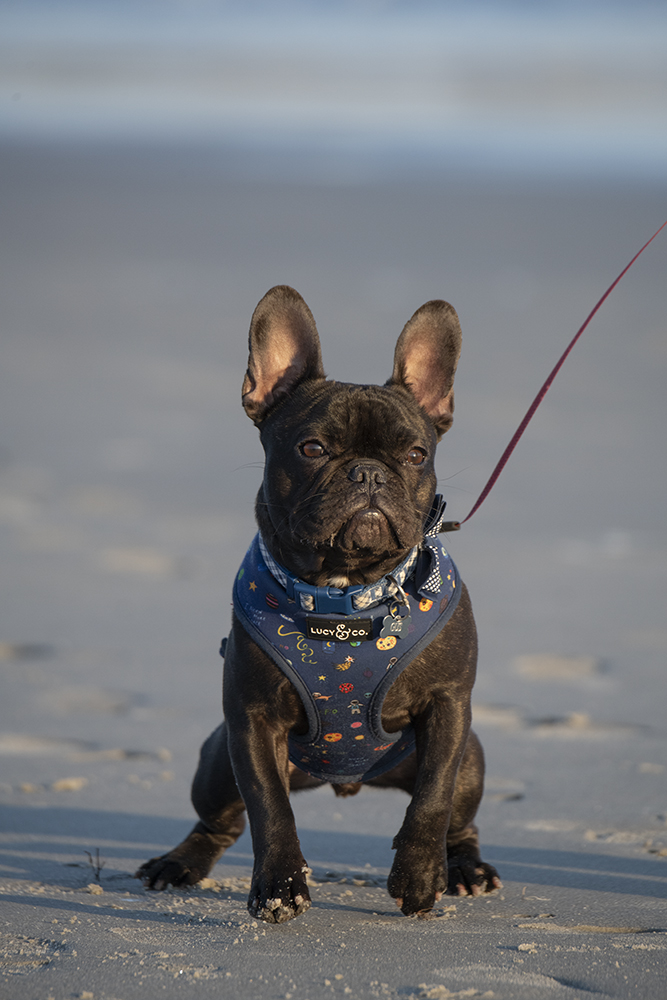
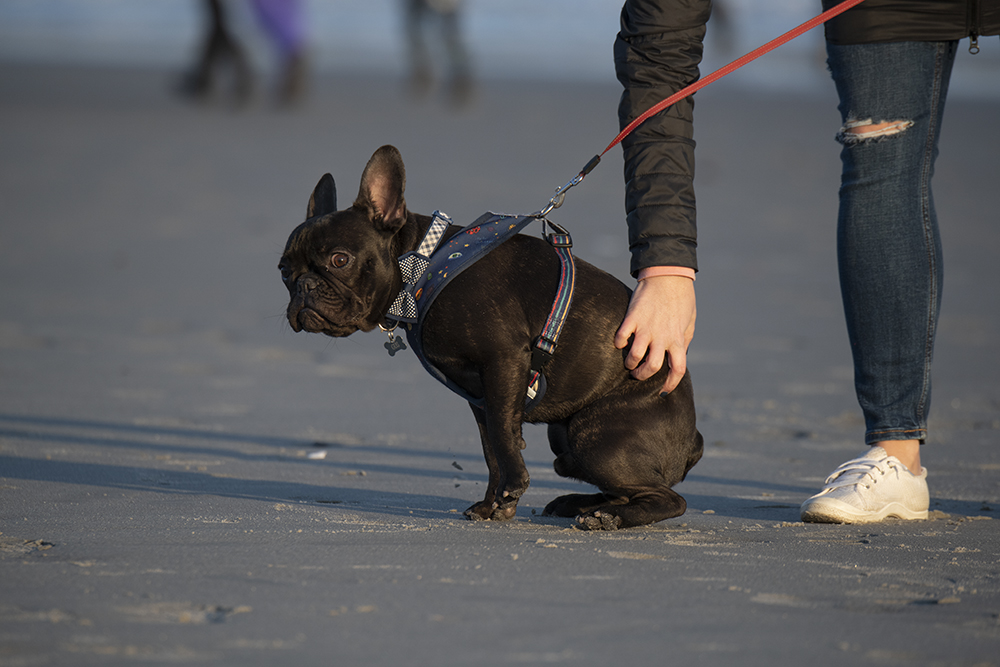
Here are a few shots from yesterday, of "Gus", the little French bulldog.
Images of the *running* dogs I post today, were photographed a few weeks ago.... all through the viewfinder. Sorry, I may have posted a couple of them, a few weeks ago.
LOL... his indignation, as she tries to coax him to turn for the camera.