By way of summary, Fred wrote this: "For landscapes, the APO wins on flare resistance, lateral CA, lack of field curvature and off-axis resolution/contrast compared to the Loxia. Having said that, both lenses are capable of great results stopped down."
Thanks for the well-balanced review from Bastian. As always, he analyzes from a POV of practicality, aesthetics and value.
I was inspired to review again the comments and evaluations here on the FM thread from page 38 (later June 2021) to present, and continue to stand by my comments at that time. In addition, with subsequent review and comments, I am even more satisfied with my Loxia 35 in regards to its sunstar performance on landscape and architecture, and agree that there is minimal difference in sharpness from f/4.0 and smaller compared to the CV 35 APO. Adding to that, the smaller size and weight of the Loxia, plus the reduced vignetting, keeps me well satisfied.
Again, I voice my desire for a quality compact 28mm MF lens from CV, since I'm sure the Zeiss Loxia line is complete at this time. Something with qualities along the lines of the CV 40E would be ideal, which is one of my favorite lenses.
Gunzorro wrote:
Thanks for the well-balanced review from Bastian. As always, he analyzes from a POV of practicality, aesthetics and value.
I was inspired to review again the comments and evaluations here on the FM thread from page 38 (later June 2021) to present, and continue to stand by my comments at that time. In addition, with subsequent review and comments, I am even more satisfied with my Loxia 35 in regards to its sunstar performance on landscape and architecture, and agree that there is minimal difference in sharpness from f/4.0 and smaller compared to the CV 35 APO. Adding to that, the smaller size and weight of the Loxia, plus the reduced vignetting, keeps me well satisfied.
Again, I voice my desire for a quality compact 28mm MF lens from CV, since I'm sure the Zeiss Loxia line is complete at this time. Something with qualities along the lines of the CV 40E would be ideal, which is one of my favorite lenses....Show more →
---------------------------------------------
kaldur wrote:
Indeed, yet "CA correction" is still in the green column so there is some leeway in its definition.
Very nice review elsewise with pretty pictures like usual : )
Axial/Lateral CA correction is outstanding on the CV 35/2 APO, although there are still traces of color error, only visible under high contrast light. The same can be said for the CV 50/2 APO.
The only modern primes performing better than that are the Leica SL APO primes but in my opinion, the CV 35 and 50mm APO lenses deserve the "APO" title.
I have not tested the Leica 35/2 M APO, so I don't know how well it compared to the Voigtaldner in terms of CA correction. Once it becomes widely available, I would love to compare them.
The new 35mm lens suits me, whether or not it meets any particular definition of "apochromatic." The backgrounds can be somewhat busier than I like--and not as nice as the (already somewhat structured) backgrounds produced by the 50mm APO, a lens that I like even more than the 35--but the 35 APO is a fine lens for landscapes. I use the new Voigtlander 35 as a replacement for the 35/1.4 ZM, another very sharp lens that I enjoyed despite seeing some longitudinal CA, etc., in my use.
It's been fall colors season and both of my Voigt Apos have been getting a work out (along with a Loxia here or there). Here is a recent sunrise shot at Bowman Lake in Glacier NP. This is actually a composite of 18 separate photos, taken horizontally (landscape), stacked in a vertical pano and cropped to 4x5:
graytrekker wrote:
It's been fall colors season and both of my Voigt Apos have been getting a work out (along with a Loxia here or there). Here is a recent sunrise shot at Bowman Lake in Glacier NP. This is actually a composite of 18 separate photos, taken horizontally (landscape), stacked in a vertical pano and cropped to 4x5:
As the owner of Voigtlander 35mm f2 on Sony A7RIII (with Sony grip) impressed most by the true-life colours. Somewhat surprised and confused the reviewer requiring three different versions of this lens for more reliable testing results. Rejections due to some decentering? Decided on Voigtlander made in Japan over Sony. Manual focusing more to my liking. Sony GM considerably more expensive. Lucky to have the option of using Sigma Tokina or Tamron lenses on Sony Alpha cameras.
I finally got a this lens! A good copy first go! I doubt I’ll be shooting with it much at wide open. It’s the sharpest 35mm I’ve ever used and I’m very happy because 35mm is one of my favourite focal lengths. Haven’t done any real landscape photography with it yet.
I’ve been previously using a Tamron 35 2.8 for landscape, which I’ll keep because I like a 35mm macro and the Tamron does better on my IR camera better than the 35 APO (no hot spot on either lens, but APO flares far worse in IR than the Tamron). I haven’t tested it against my sigma 35 1.2, but I’d say the 35 APO is sharper with far less aberrations.
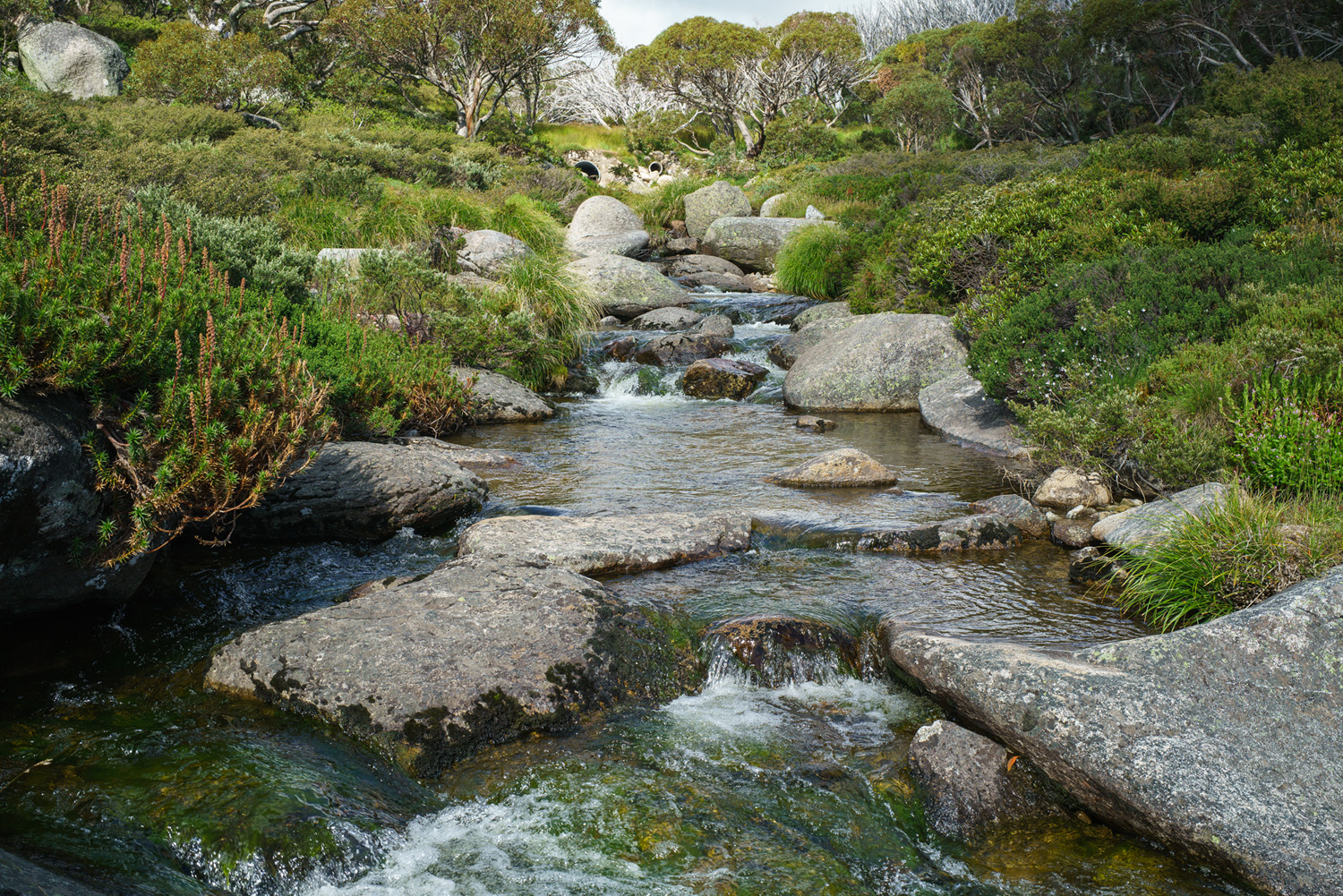
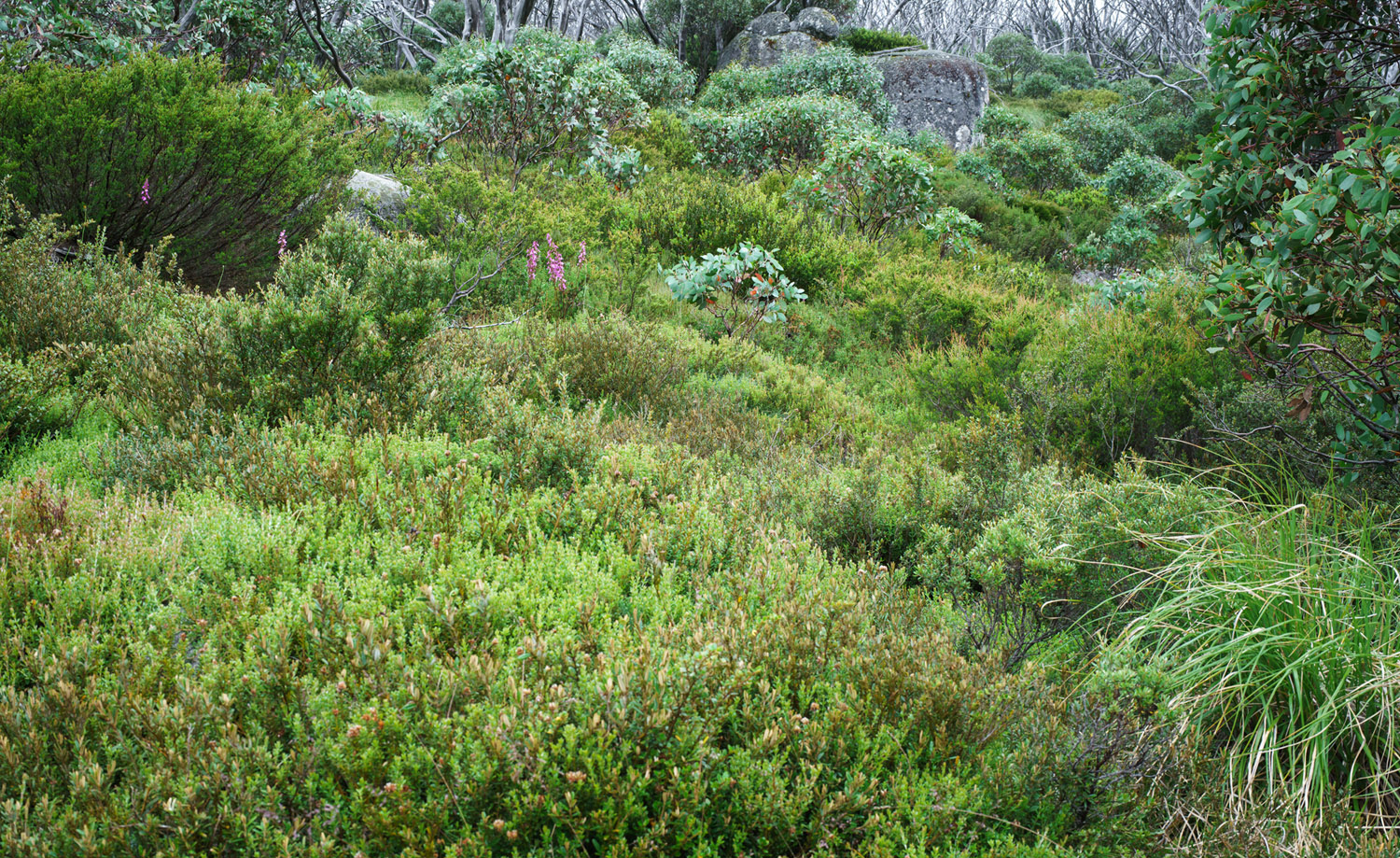
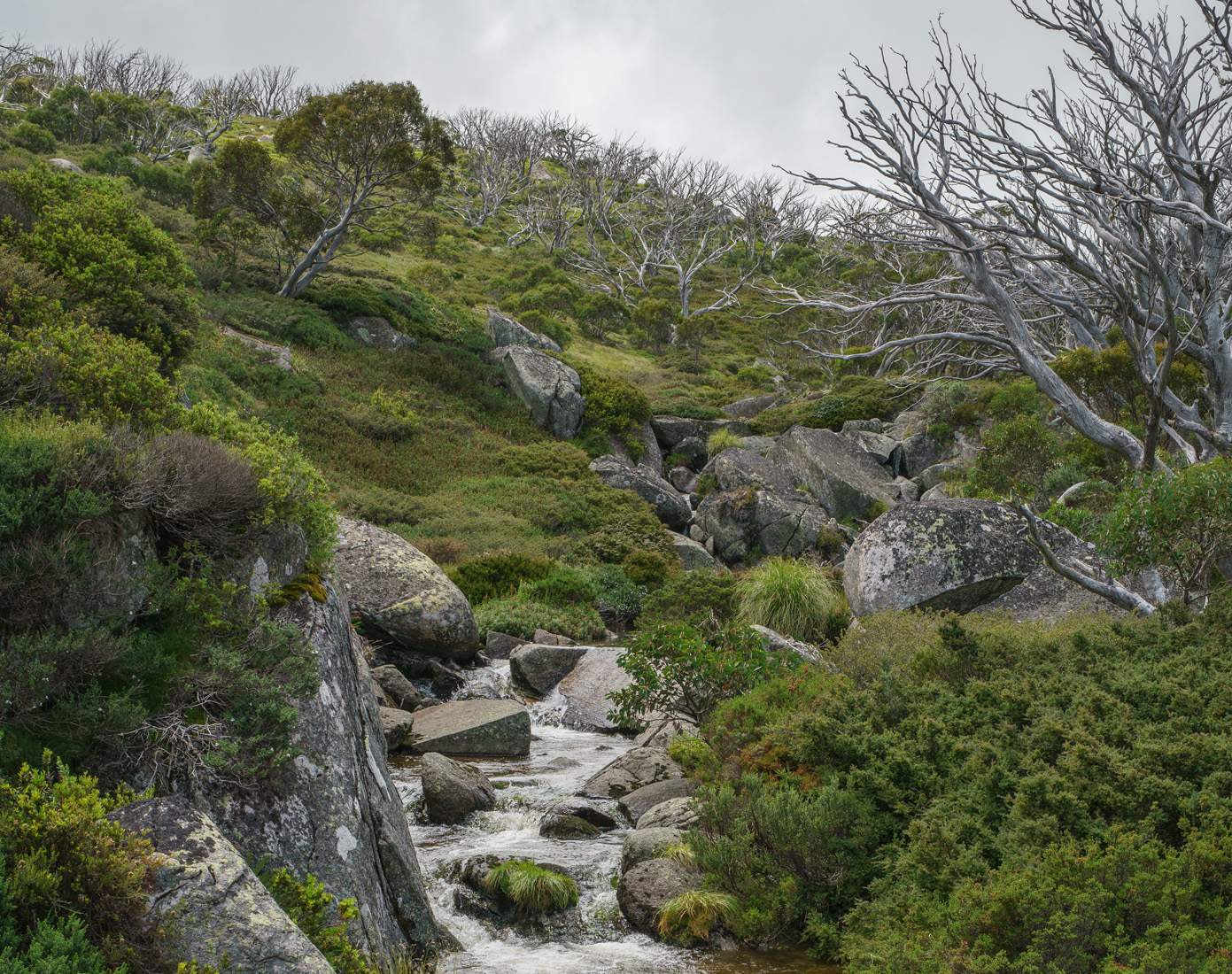
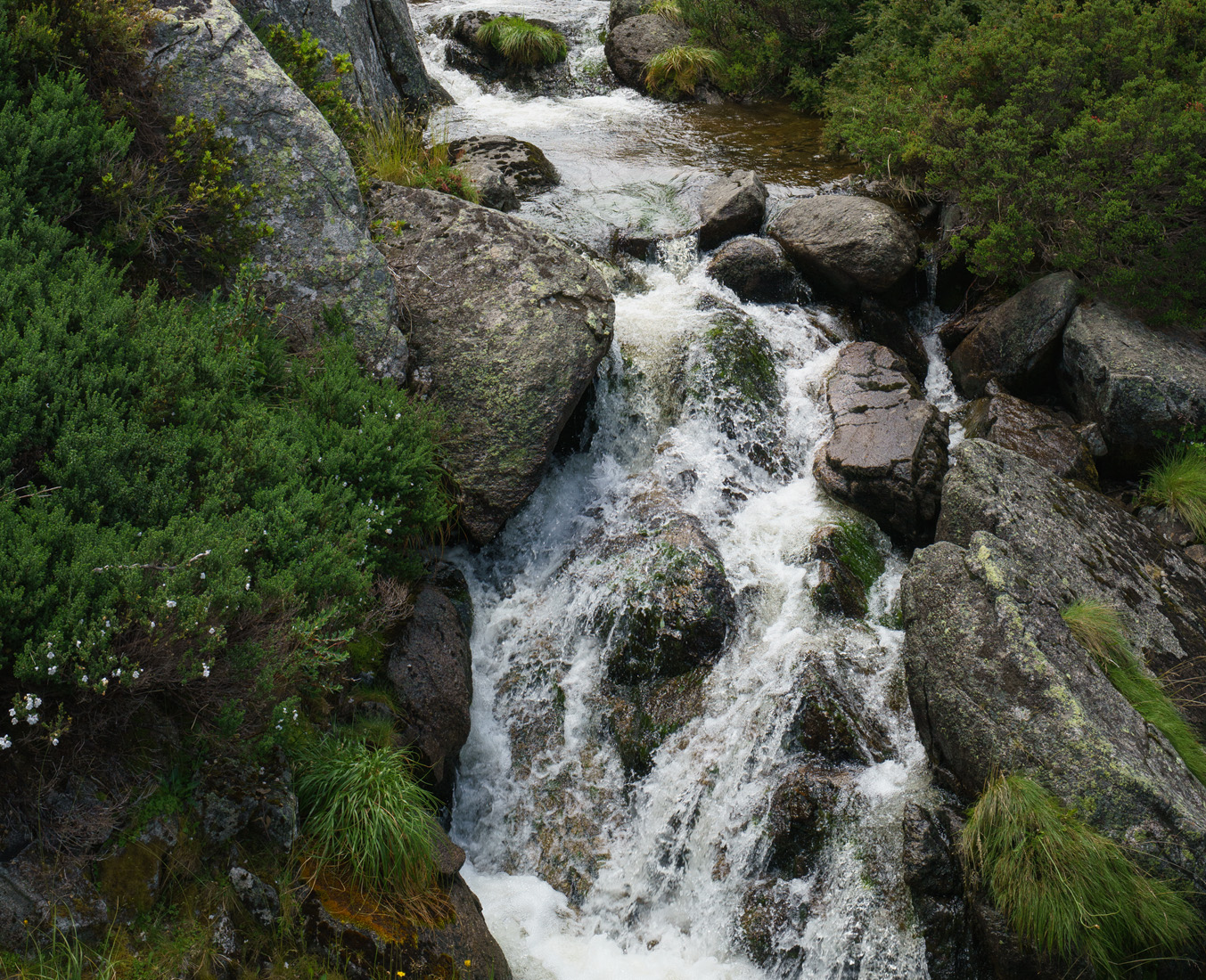
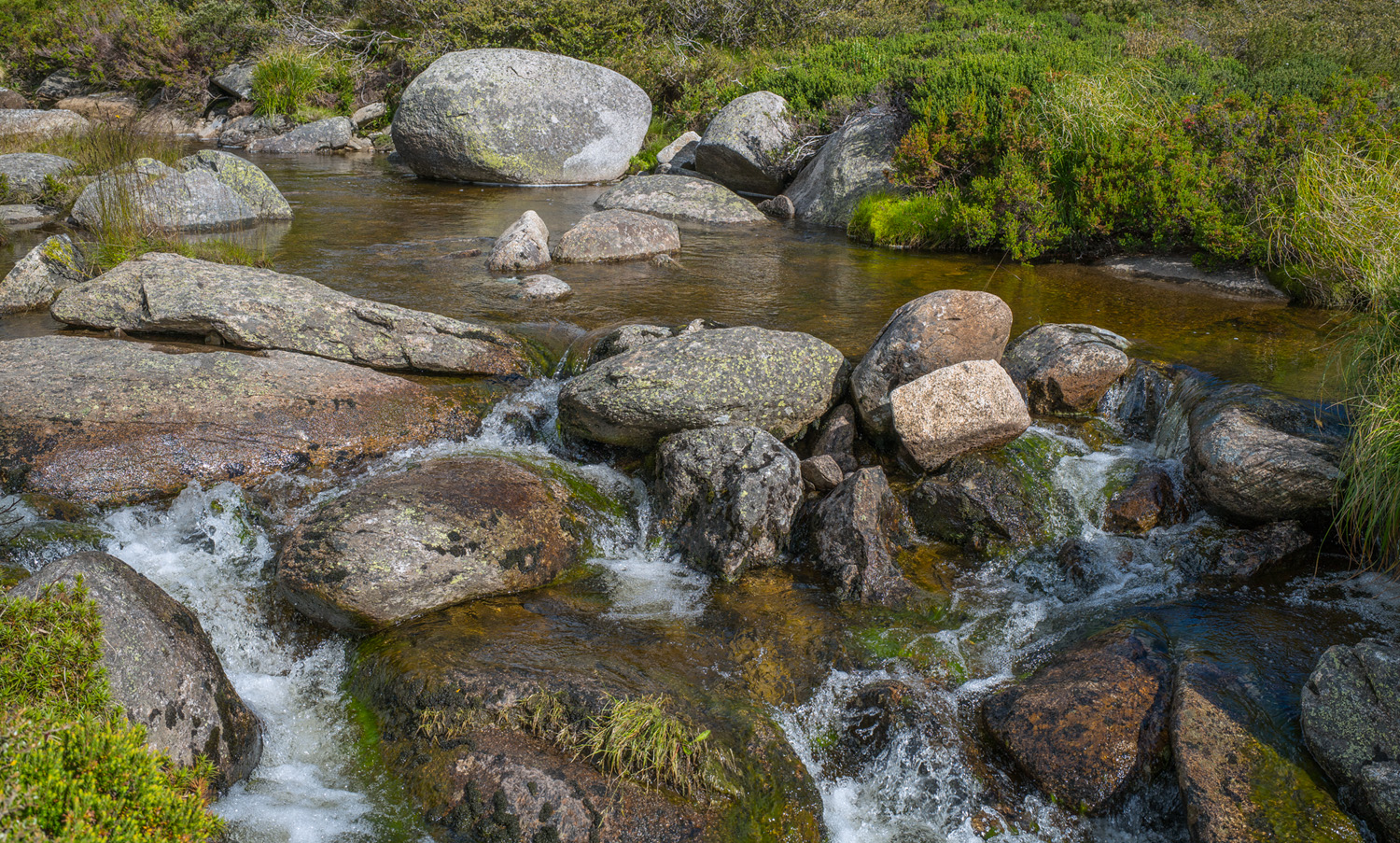
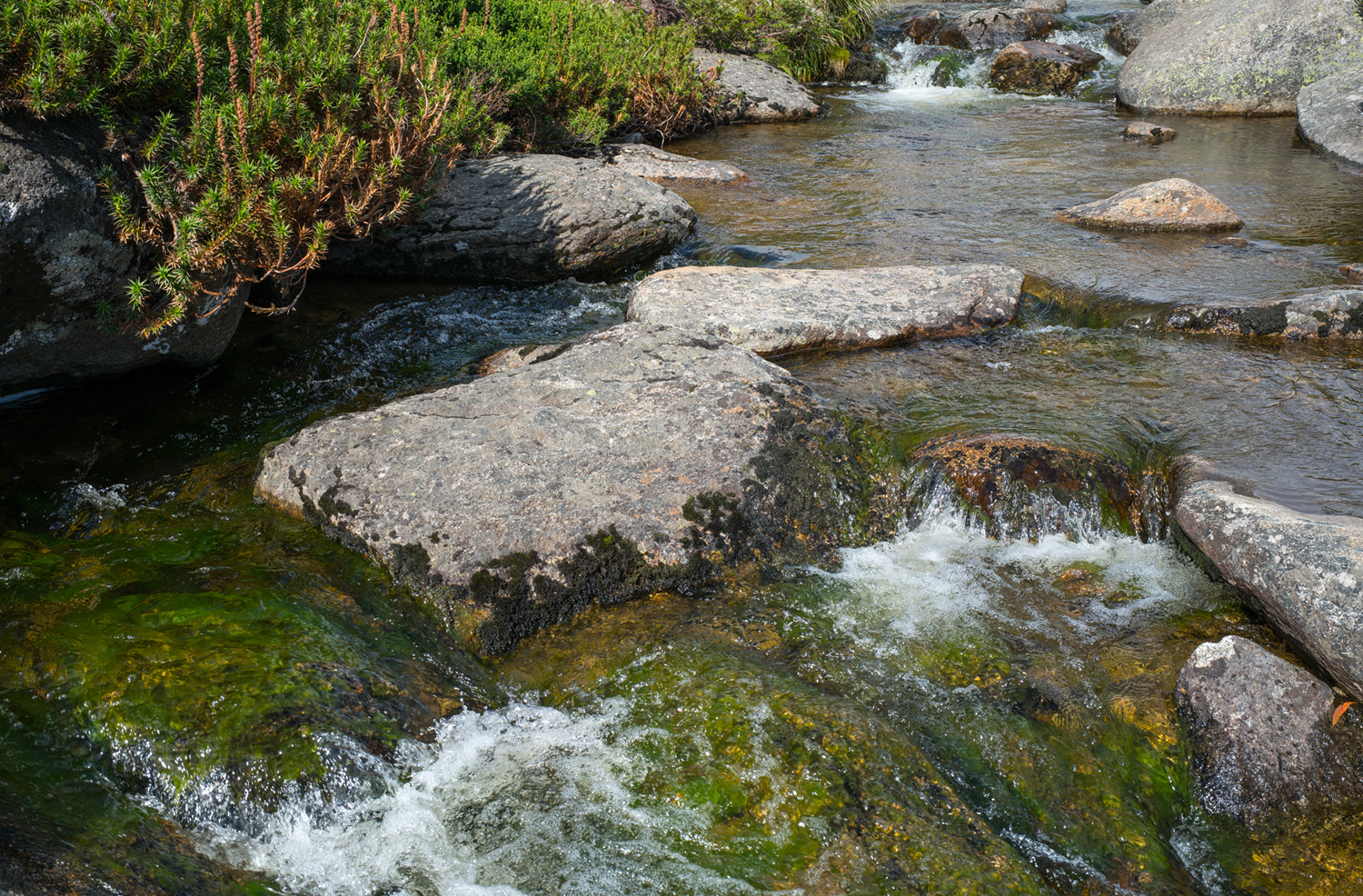
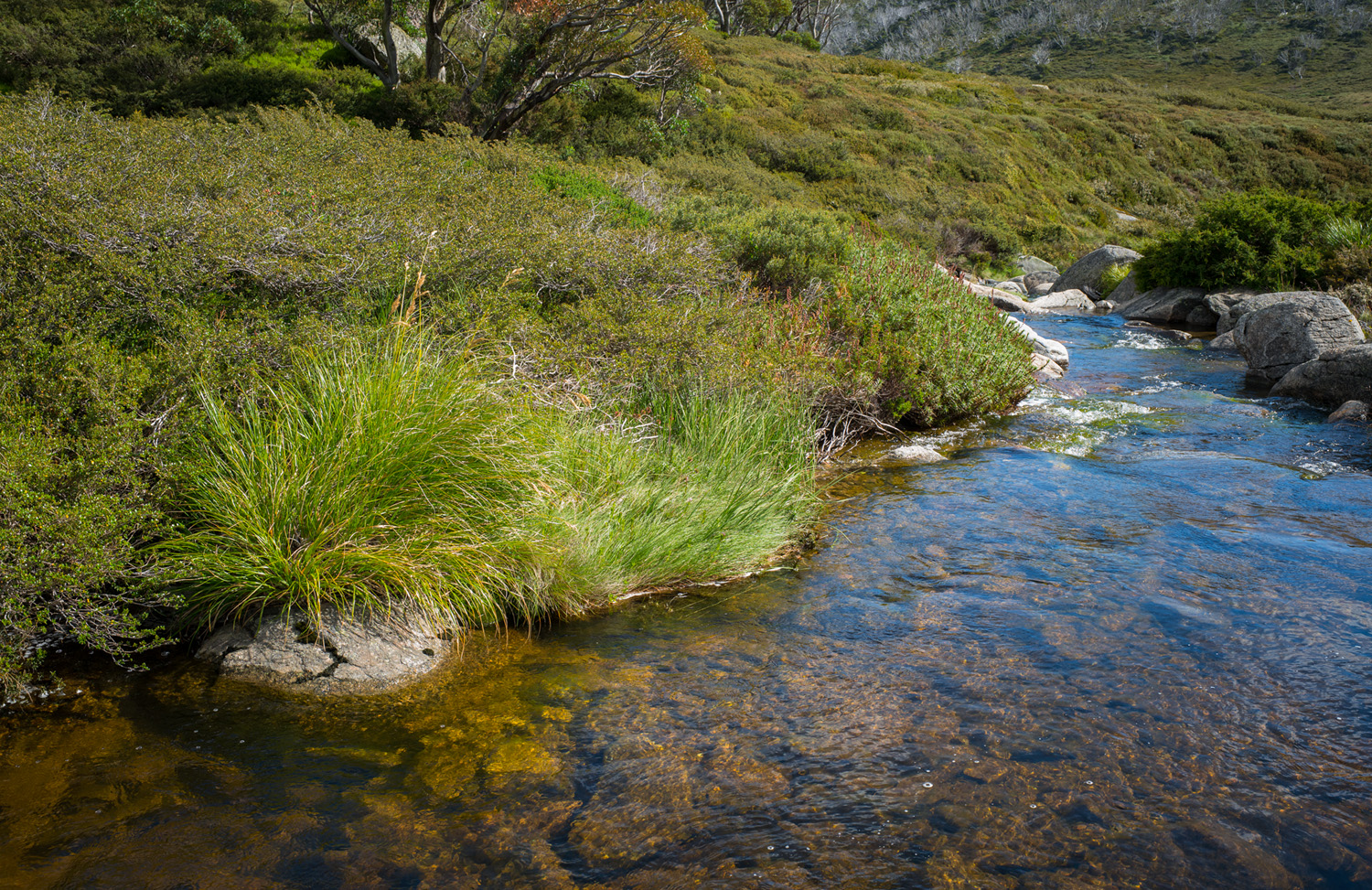
Unless Fred wants these moved to the general 'Voigtlander on E' thread, I'll continue to post 35/2 images here, to help fill out what people are getting from it in different shooting environments. Below are two images of the one vertical shot.
philip_pj wrote:
. . . I'll continue to post 35/2 images here, to help fill out what people are getting from it in different shooting environments. . .
How are you using this lens for your landscape shots? I've not really closed mine down much at all, but I've been habitually shooting at f/5 or f/5.6 and focus stacking (even handheld images) when necessary. I'm enjoying it.
I need a lot of different behaviours from my lenses, being purely a travel guy. One of those needs is very good 'open field' landscapes as well as these above, which I call 'intimate landscapes'. These full DOF images are mostly f8-f9 or so.
I usually don't have time for stacking and often prefer the gentle fade into the distance behind the main point of the image. It's a little touchy, this one, at least in Australian summertime light - these were shot to get an idea of settling on the best approach and focus fade character. I see it going well in the huge open spaces of the Himalaya. As you can see, many would have been better shot with a 28mm - which does not exist in CV for Sony.
The CVs appeal to me on account of the colour palette and flat field and clarity, more than the last part of lens performance. I'll keep posting more images to give readers more data points, there is not much available on the web. I like the inky shadows much more than the highlights. I can say these highly detailed images do suffer from jpeg compression, the source file detail is both consistent and at a very high level. But you already know that.
philip_pj wrote:
I need a lot of different behaviours from my lenses, being purely a travel guy. One of those needs is very good 'open field' landscapes as well as these above, which I call 'intimate landscapes'. These full DOF images are mostly f8-f9 or so.
I usually don't have time for stacking and often prefer the gentle fade into the distance behind the main point of the image. It's a little touchy, this one, at least in Australian summertime light - these were shot to get an idea of settling on the best approach and focus fade character. I see it going well in the huge open spaces of the Himalaya. As you can see, many would have been better shot with a 28mm - which does not exist in CV for Sony.
The CVs appeal to me on account of the colour palette and flat field and clarity, more than the last part of lens performance. I'll keep posting more images to give readers more data points, there is not much available on the web. I like the inky shadows much more than the highlights. I can say these highly detailed images do suffer from jpeg compression, the source file detail is both consistent and at a very high level. But you already know that. ...Show more →
Interesting, Philip, that you describe yourself as “being purely a travel guy”. I’ve always thought of you as an ethnography guy and a Himalayan topography (i.e. landscape without the fake romanticism) guy. In other words, not a “travel photographer” at all.
Madeira, Fanal Laurisilva. With the frequent foggy cobditions, the very old laurel trees are seperated from the forest. 35 mm is great to highlight these Individuals.
GartenMoorriem wrote:
Voigtländer Apo Lanthar 35mm / f2 both @ f8
Madeira, Fanal Laurisilva. With the frequent foggy cobditions, the very old laurel trees are seperated from the forest. 35 mm is great to highlight these Individuals.