philip_pj wrote:
'Voigt is better at delineating the subtle colour differences in the vegetation'
It's a major attraction for many of their lenses, possibly a legacy of the very large number of Zeiss lenses they have produced over many years - Otus and Milvus included. If you cannot detect subtle shades of green, you quickly lose depth perception. It can look artistic (in a Velvia kind of way) but it's not the real world.
Agreed. The CV 50 APO next to the current Leica 50 Lux and Cron on the M10-R, it blows them away for landscape, at least if the look you want is that of large format film I returned the Cron but kept the Lux for other reasons. The Cron looked like a desaturated Instagram filter next to the CV APO.
I have to think the CV performance is more than Zeiss legacy. I wouldn't be surprised if they used the same source for glass and may even be licensed to use the T* coating (or they developed something very close on their own).
Some info on this. They are the source for their glass - they are advanced specialists in glass formulations, but in typical Japanese fashion they underplay their hand:
'Cosina’s Obuse factory handles more than 100 types of optical glass...the type best suited for design concepts can be selected, given that high-end optical lenses continuously reflect the latest optical theories and environmental concerns. Owing to their extensive knowledge and experience with optical materials, the primary mission of the Obuse Factory is to make element blanks from optical glass.'
So that factory largely exists to make the glass they use. Maybe wrong, but I thought the coatings are part of the design. If so, they are likely to know the Zeiss T* specifications.
JH, you can see leicacamera's images in the FE thread. This is a good example of the image depth these lenses excel at (on a7r4):
philip_pj wrote:
Some info on this. They are the source for their glass - they are advanced specialists in glass formulations, but in typical Japanese fashion they underplay their hand:
'Cosina’s Obuse factory handles more than 100 types of optical glass...the type best suited for design concepts can be selected, given that high-end optical lenses continuously reflect the latest optical theories and environmental concerns. Owing to their extensive knowledge and experience with optical materials, the primary mission of the Obuse Factory is to make element blanks from optical glass.'
So that factory largely exists to make the glass they use. Maybe wrong, but I thought the coatings are part of the design. If so, they are likely to know the Zeiss T* specifications.
JH, you can see leicacamera's images in the FE thread. This is a good example of the image depth these lenses excel at (on a7r4):
1) The CV 50mm f/2 APO E-mount's aperture mechanism is completely round at f/2 and /2.8. However the M-mount version is round at f/2, f/2.8 and f/5.6.
In the case of the CV 35mm f/2 APO, the aperture is completely round at f/2, f/2.8, f/5.6 and f/16 for both E-mount and M-mount versions.
2) The CV 35mm f/2 APO E-mount does not have an automated "Built-in Lens Profile applied" in Lightroom. However, most Voigtlander E-mount lenses including the CV 50mm f/2 APO E-mount do.
See images below showing LR screenshots showing the Lens corrections tab for both CV 50/2 APO E-mount (top) and CV 35mm f/2 APO E-mount (bottom)
Is this inconsistency by design? If so, why?
Voigtlander 35mm f/2 APO E-mount (does not have a Built-in Lens Profile applied)
Fred, what’s going to happen with the sigma f 2 now you have the Sony gm and the Voigt? I bought the sigma F2 but haven’t even taken one shot with it. Wondering if I should get the GM and the Voigt, and sell the Sigma?
Fred Miranda wrote:
1) The CV 50mm f/2 APO E-mount's aperture mechanism is completely round at f/2 and /2.8. However the M-mount version is round at f/2, f/2.8 and f/5.6.
In the case of the CV 35mm f/2 APO, the aperture is completely round at f/2, f/2.8, f/5.6 and f/16 for both E-mount and M-mount versions.
For number 1, the E mount CV 50/2 APO was the first of the 4 you mention. The other 3 came after and all share the "new" aperture mechanism. So I assume the "new" mechanism is the standard for these lenses now. Arguably some people might have wanted this mechanism on the CV 110.
For number 2, I noticed that too when I did my CV 35/Tamron 35 comparison test. I have no theory around that.
Fred Miranda wrote:
I've noticed two interesting things today:
1) The CV 50mm f/2 APO E-mount's aperture mechanism is completely round at f/2 and /2.8. However the M-mount version is round at f/2, f/2.8 and f/5.6.
In the case of the CV 35mm f/2 APO, the aperture is completely round at f/2, f/2.8, f/5.6 and f/16 for both E-mount and M-mount versions.
2) The CV 35mm f/2 APO E-mount does not have an automated "Built-in Lens Profile applied" in Lightroom. However, most Voigtlander E-mount lenses including the CV 50mm f/2 APO E-mount do.
See images below showing LR screenshots showing the Lens corrections tab for both CV 50/2 APO E-mount (top) and CV 35mm f/2 APO E-mount (bottom)
Is this inconsistency by design? If so, why?...Show more →
Some day when Sony finally produces a high Res version of the A7C without a flip screen I can see myself picking this lens up and just leaving it on that camera as an everyday type carry.
tsdevine wrote:
For number 1, the E mount CV 50/2 APO was the first of the 4 you mention. The other 3 came after and all share the "new" aperture mechanism. So I assume the "new" mechanism is the standard for these lenses now. Arguably some people might have wanted this mechanism on the CV 110.
For number 2, I noticed that too when I did my CV 35/Tamron 35 comparison test. I have no theory around that.
I agree with Tim’s reasoning. It’s not inconsistency but rather a gradual refinement of the concept: f/2 and f/2.8 for the E-mount 50, extended to f/5.6 for the M-mount 50, then extended further to f/16 for both 35s. Perhaps technical or manufacturing constraints initially limited the number of possible rounded apertures but these issues were solved for later iterations. My guess is that, although the response to the new aperture mechanism has been extremely negative at FredMiranda.com, it must have been so overwhelmingly positive from other customers that CV were encouraged to refine and extend it so that we can look forward to rounded apertures at f/2, f/2.8, f/5.6, and f/16 in future APO-Lanthar lens releases.
Great review, Fred. Was surprised to see the GM outperform the APO for sagittal coma. Those two 'blue rays' at 10:00 and 4:00 for both lenses seems to be better with the GM. At f2.2 it's nearly gone, and completely gone by 2.5. Whereas the APO still has some remnants at f2.8. Also, the APO seems to have a bit of haze/milkiness immediately around the brightest star, whereas the GM doesn't. What I am still unclear about is the vignetting differences between these two lenses? Did you make that comparison between the GM and APO at infinity?
Years ago, I bought theRX1R II. Still going strong. Still, unbeatable.
nhsonyshooter wrote:
Some day when Sony finally produces a high Res version of the A7C without a flip screen I can see myself picking this lens up and just leaving it on that camera as an everyday type carry.
What lens hoods would work with the 35 APO Lanthar? Cameraquest offers a pricey bayonet hood that fits both the 50 and 35mm lenses--but are there less expensive alternatives available?
alexands wrote:
I'd be interested to know how the new 35s compare with the rx1r II lens
IMO, the Sonnar 35mm f/2 (RX1) is still king in terms of focus transition zone's smoothness and optical vignetting. However, it loses in many other technical aspects like axial CA correction, bokeh onion ring pattern, coma control, flare resistance and sunstar rendering. (For those who prefer defined strokes)
If Sony is able to maintain the same 'rendering' while updating the other characteristics mentioned above, it could surpass many of these new lenses.
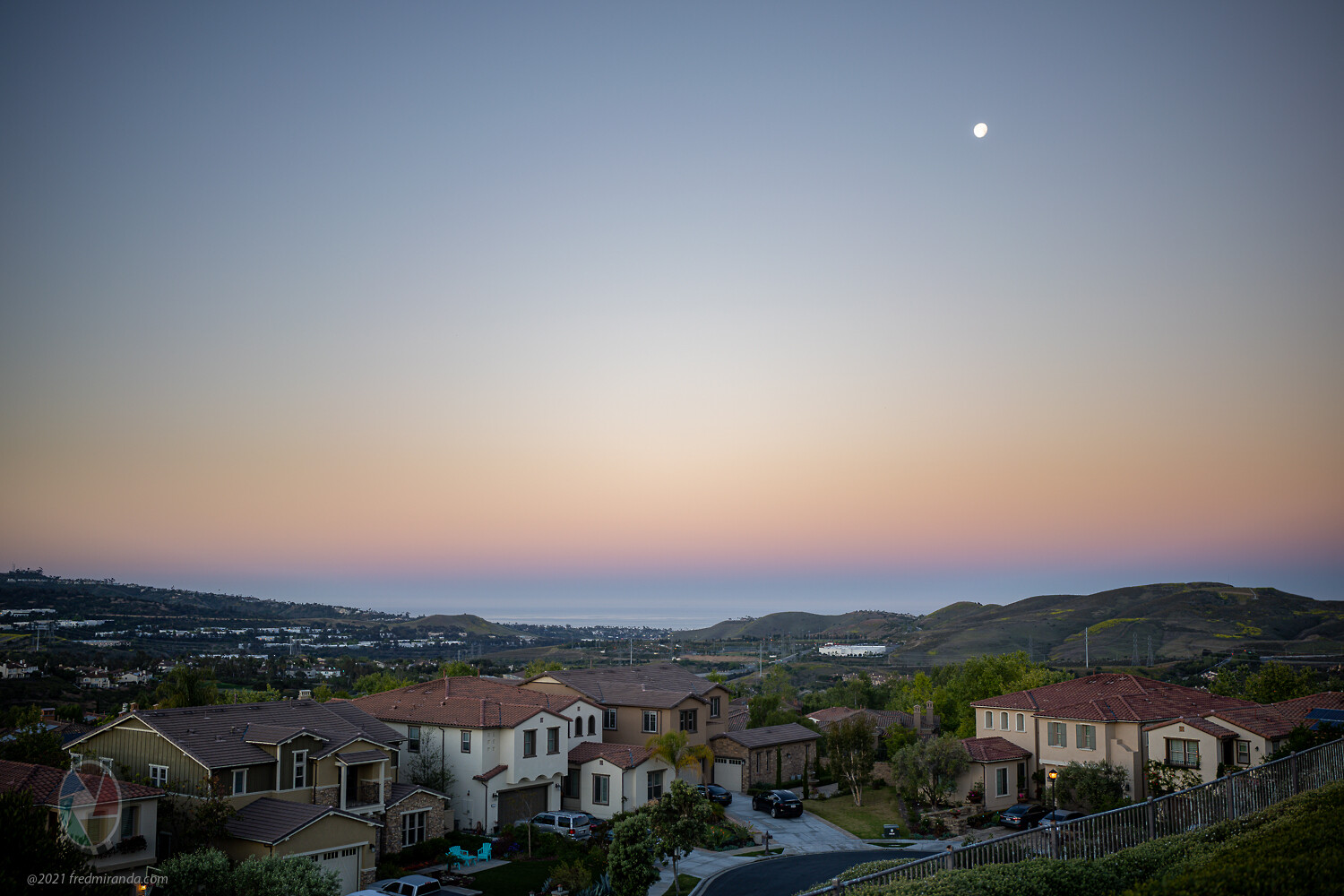
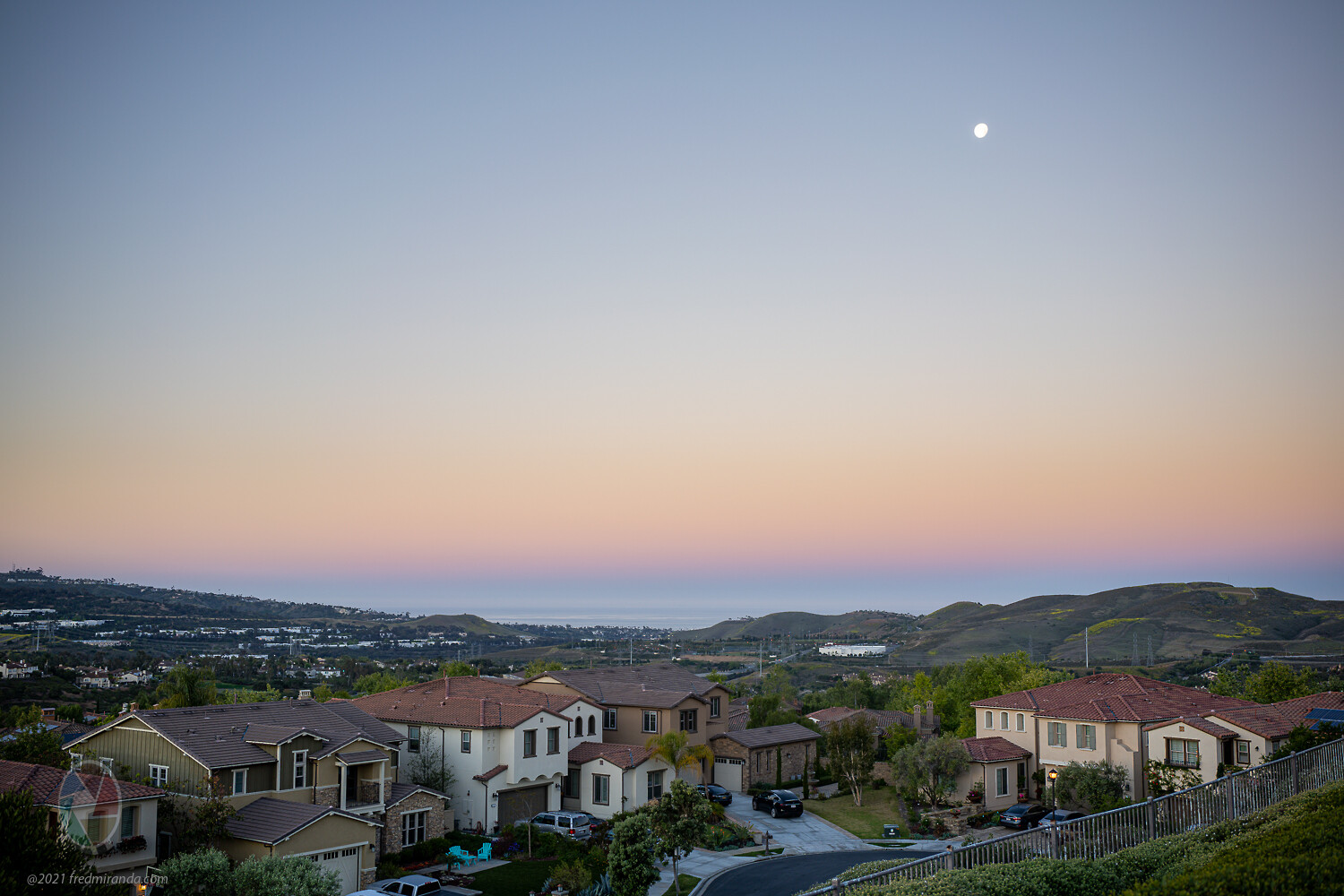
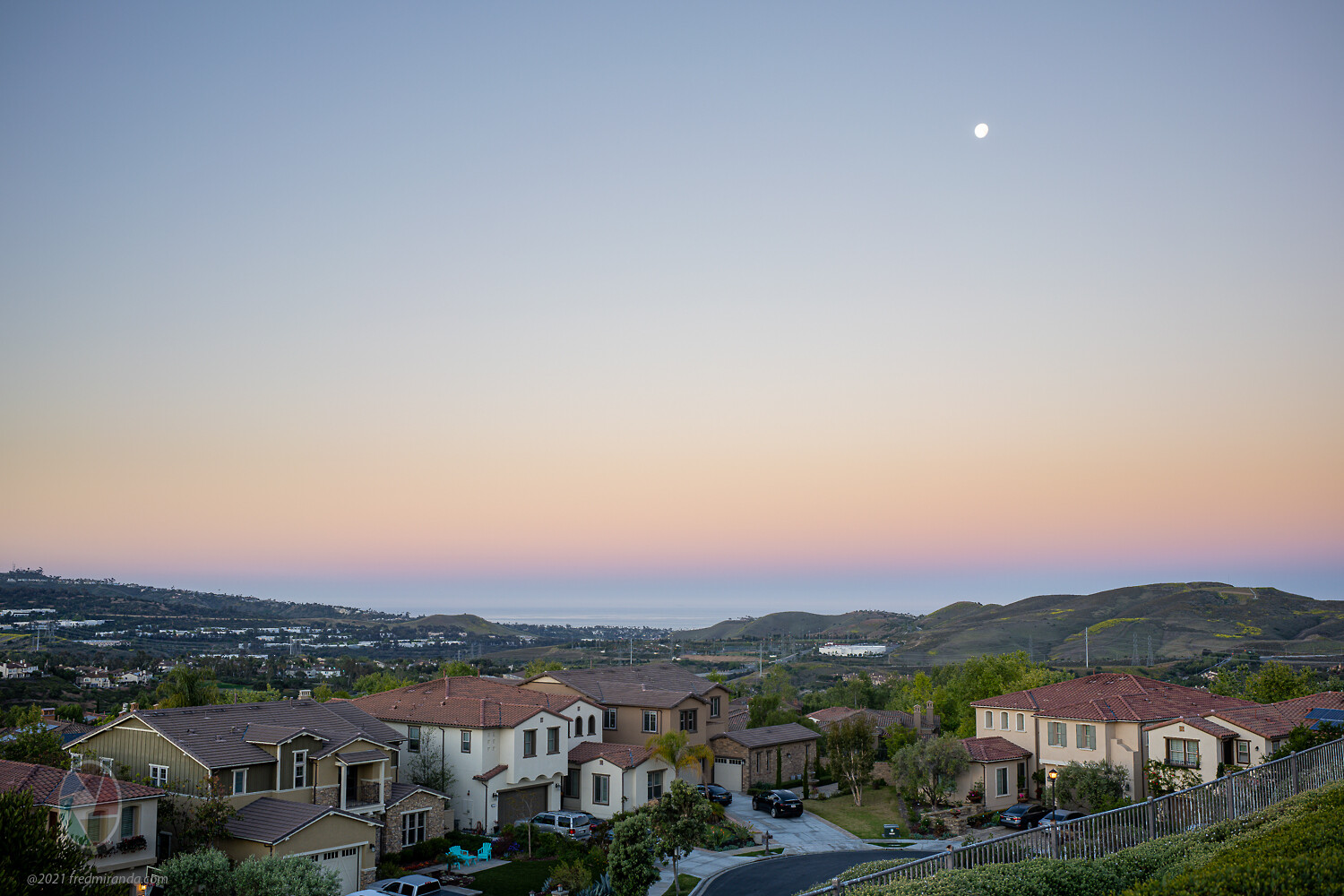
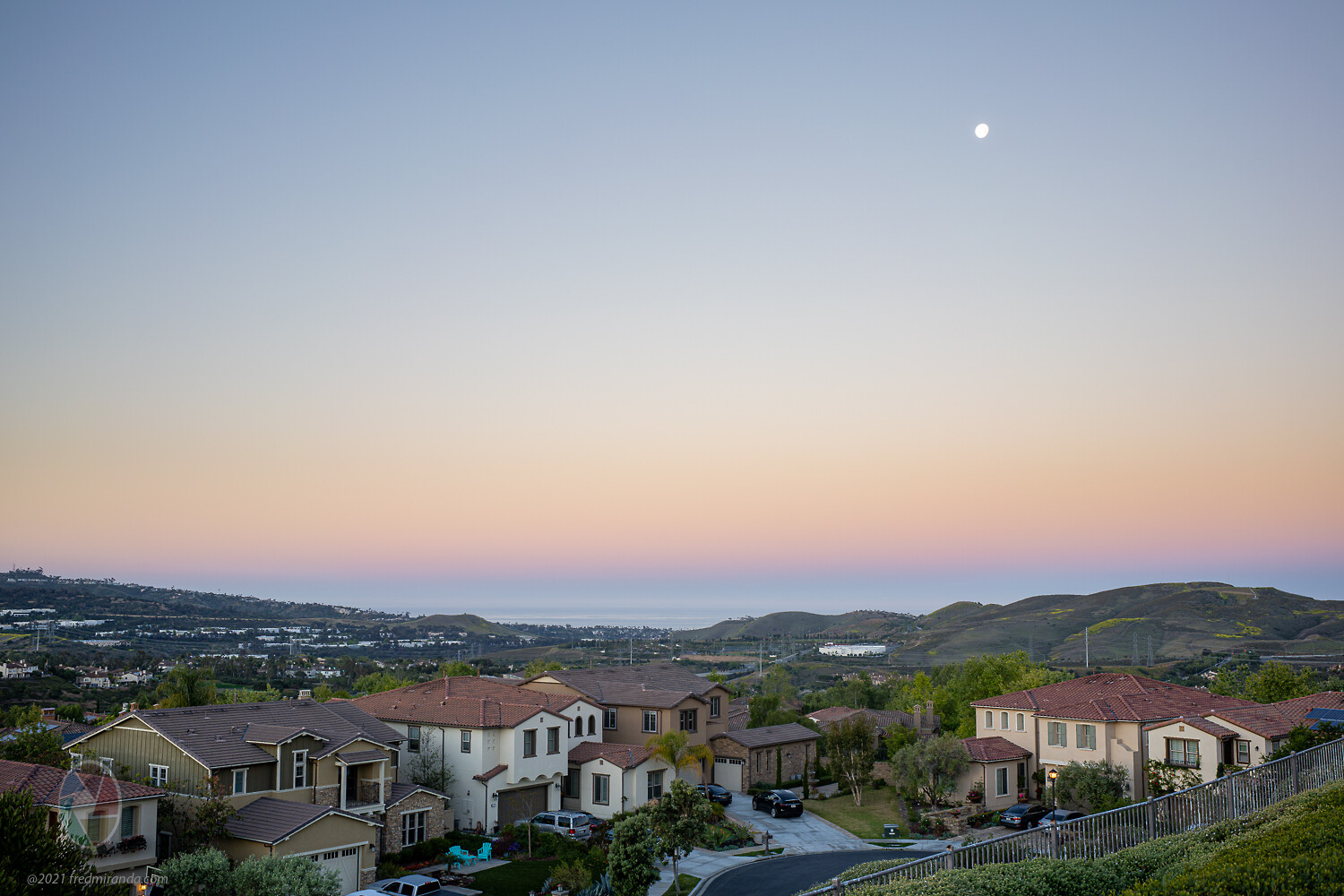
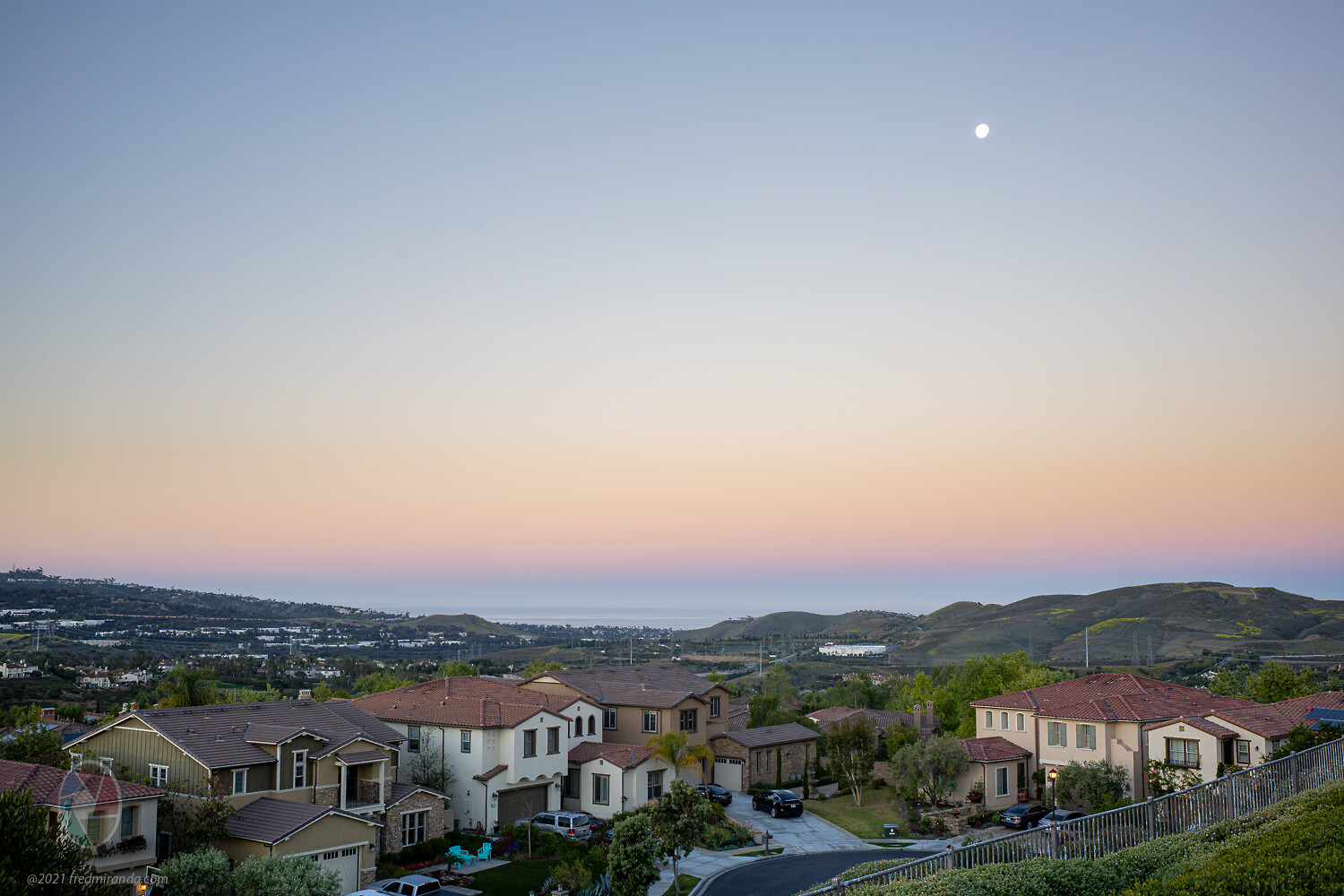
Here is a sequence showing a landscape scene (not really, my backyard) from apertures f/2 until f/8. Vignetting was not corrected (in-camera or in-post) for us to examine how it behaves when stopping the lens down. Resolution is never an issue with this lens even wide open.
Sequence shot at dawn: