This topic is in the 2021 archive. You can read it and like its posts here. It is read only.
Archive 2021Sony A1 - Bird Photography Camera for Dummies
p.4 #1Sony A1 - Bird Photography Camera for Dummies
AGeoJO wrote:
Thanks a lotJeyB, I used the G 200-600mm lens exclusively this morning and I left my GM 600mm in the trunk of my car. I was curious myself since generally, the GM lens is reputed to be a better lens for tracking due to the "dual motors" (the name escapes me now) Sony incorporated into the GM lens. Focusing-wise, there was no issue whatsoever on the A1. I couldn't tell the difference between the G and the GM lenses. Maybe there was but it wasn't perceptible to me. The same goes for the tracking.
Furthermore, I am also impressed with the optical...Show more →
Hi Joshua! Thank you very much for remembering my question. It is all fantastic news indeed. If you think there is very little difference between the G and the GM, it sure it is true.
Here is a link to a sharpness comparison I performed between my 135 GM and the 200-600 G. I suppose the 600 GM is in the same league as the 135 GM, sharpness wise.
https://www.fredmiranda.com/forum/topic/1688266/0#15507145
Greatly appreciated for you answer... and looking forward for your hot news about the A1's real world performance.
JeyB wrote
Hi Joshua. Did you have the oportunity to mount the 200-600? Any issue related to fron/back focus?Thanks a lot
Furthermore, I am also impressed with the optical...Show more →
Hi Joshua! Thank you very much for remembering my question. It is all fantastic news indeed. If you think there is very little difference between the G and the GM, it sure it is true.
Here is a link to a sharpness comparison I performed between my 135 GM and the 200-600 G. I suppose the 600 GM is in the same league as the 135 GM, sharpness wise.
https://www.fredmiranda.com/forum/topic/1688266/0#15507145
Greatly appreciated for you answer... and looking forward for your hot news about the A1's real world performance.
Mar 12, 2021 at 06:33 PM
p.4 #2Sony A1 - Bird Photography Camera for Dummies
coderunner01 wrote:
My first day out I filled 2 128GB in less than 3 hrs. The good news is that the buffer never filled while shooting a long burst at 20 fps
 I found that Tracking: Zone with BEAF was amazingly accurate in focusing on fast-flying ducks against a busy background.
Wow In the full photograph it's not easy to see the camo duck
Congrats!
My first day out I filled 2 128GB in less than 3 hrs.
The good news is that the buffer never filled while shooting a long burst at 20 fps I found that Tracking: Zone with BEAF was amazingly accurate in focusing on fast-flying ducks against a busy background.Wow
In the full photograph it's not easy to see the camo duckCongrats!
Mar 12, 2021 at 06:38 PM

p.4 #3Sony A1 - Bird Photography Camera for Dummies
JeyB wrote:
Thanks a lotJeyB, I used the G 200-600mm lens exclusively this morning and I left my GM 600mm in the trunk of my car. I was curious myself since generally, the GM lens is reputed to be a better lens for tracking due to the "dual motors" (the name escapes me now) Sony incorporated into the GM lens. Focusing-wise, there was no issue whatsoever on the A1. I couldn't tell the difference between the G and the GM lenses. Maybe there was but it wasn't perceptible to me. The same goes for the tracking.
Furthermore, I am also impressed with the optical performance of the G lens. Of course, it is slower and under the same lighting conditions, you need a faster shutter speed or a higher ISO setting but it really performs. I would say that at the price Sony offers this lens for, it is a steal!
I will post the images I took this morning further down since there was another finding that I would like to bring up. And I would post some images there.Hi Joshua! Thank you very much for remembering my question. It is all fantastic news indeed. If you think there is very little difference between the G and the GM, it sure it is true.
Here is a link to a sharpness comparison I performed between my 135 GM and the 200-600 G. I suppose the 600 GM is in the same league as the 135 GM, sharpness wise.
https://www.fredmiranda.com/forum/topic/1688266/0#15507145
Greatly appreciated for you answer... and looking forward for your hot news about the A1's real world performance.
JeyB, here is a teaser I posted in a different thread, the A1 image thread: https://www.fredmiranda.com/forum/topic/1690968/9#15529968. But I will post more and with some explanation here later.
AGeoJO wrote
JeyB wrote
Hi Joshua. Did you have the oportunity to mount the 200-600? Any issue related to fron/back focus?Thanks a lot
Furthermore, I am also impressed with the optical performance of the G lens. Of course, it is slower and under the same lighting conditions, you need a faster shutter speed or a higher ISO setting but it really performs. I would say that at the price Sony offers this lens for, it is a steal!
I will post the images I took this morning further down since there was another finding that I would like to bring up. And I would post some images there.
Here is a link to a sharpness comparison I performed between my 135 GM and the 200-600 G. I suppose the 600 GM is in the same league as the 135 GM, sharpness wise.
https://www.fredmiranda.com/forum/topic/1688266/0#15507145
Greatly appreciated for you answer... and looking forward for your hot news about the A1's real world performance.
JeyB, here is a teaser I posted in a different thread, the A1 image thread: https://www.fredmiranda.com/forum/topic/1690968/9#15529968. But I will post more and with some explanation here later.
Mar 12, 2021 at 06:44 PM
p.4 #4Sony A1 - Bird Photography Camera for Dummies
AGeoJO wrote:
[
JeyB, here is a teaser I posted in a different thread, the A1 image thread: https://www.fredmiranda.com/forum/topic/1690968/9#15529968. But I will post more and with some explanation here later.
Fine! The photo of the falcon is critically sharp on the eye? Wtihout being picky, it looks to me that the left wing of the bird is what got the focus point. But it may be DoF circle of confusion if it is not a very cropped image.
Mar 12, 2021 at 07:10 PM
p.4 #5Sony A1 - Bird Photography Camera for Dummies
Hillrg` wrote:
This image is full frame, shot with the A1 + 600GM + 1.4x. When the focus area was wide the eye AF did not work and the camera focused on the branches as much as on the sparrow. However, in zone the eye AF worked perfectly.
Rory,
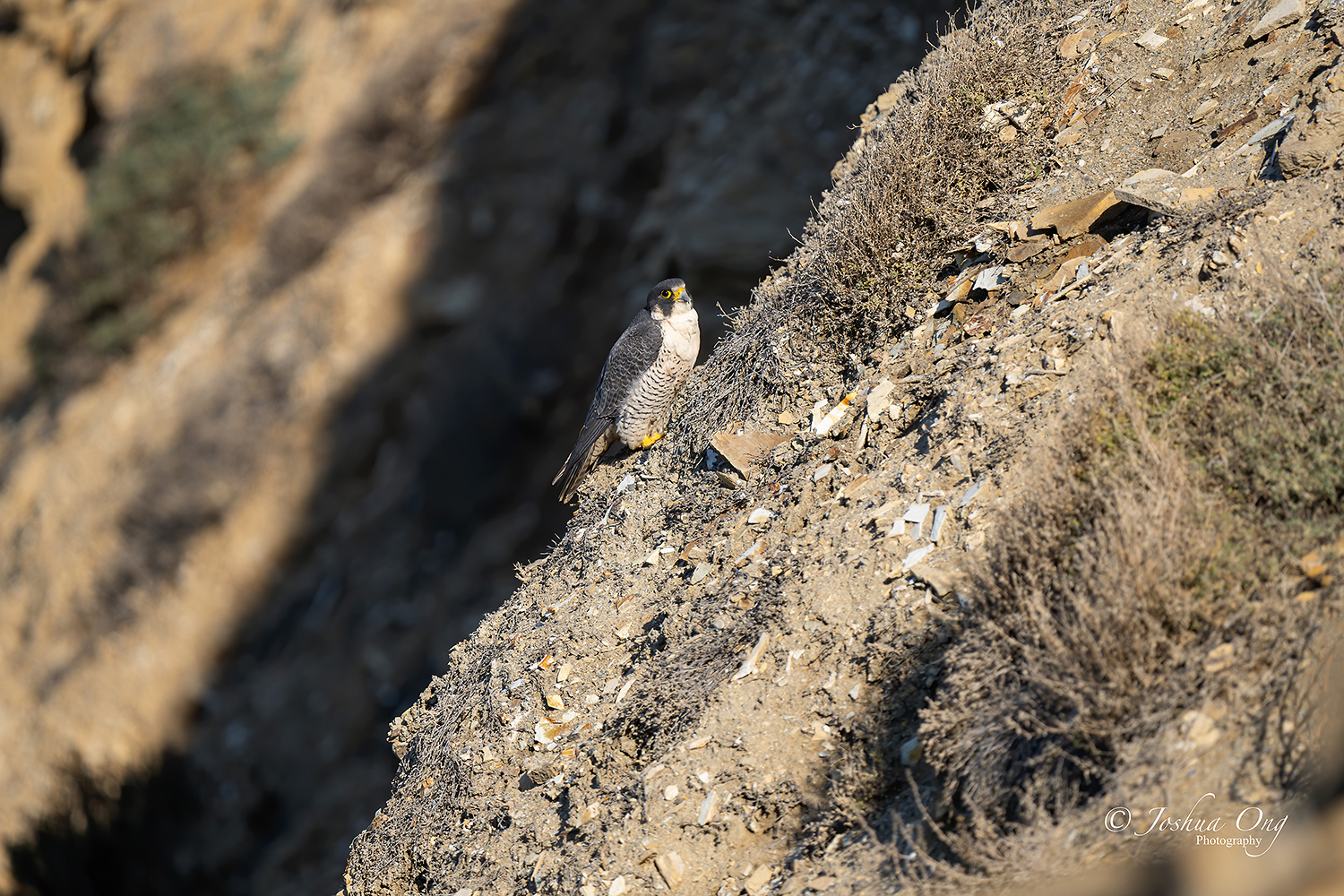
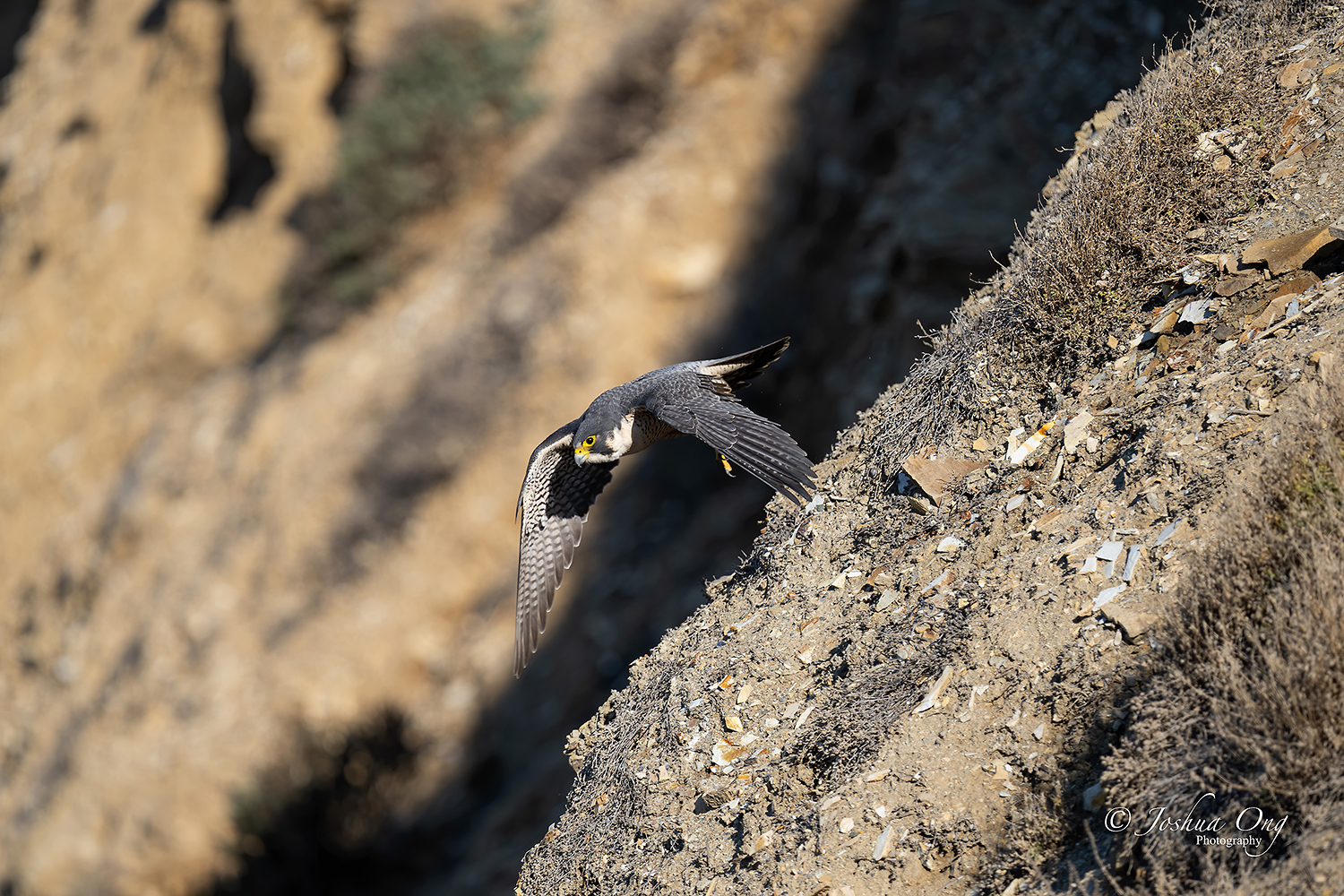
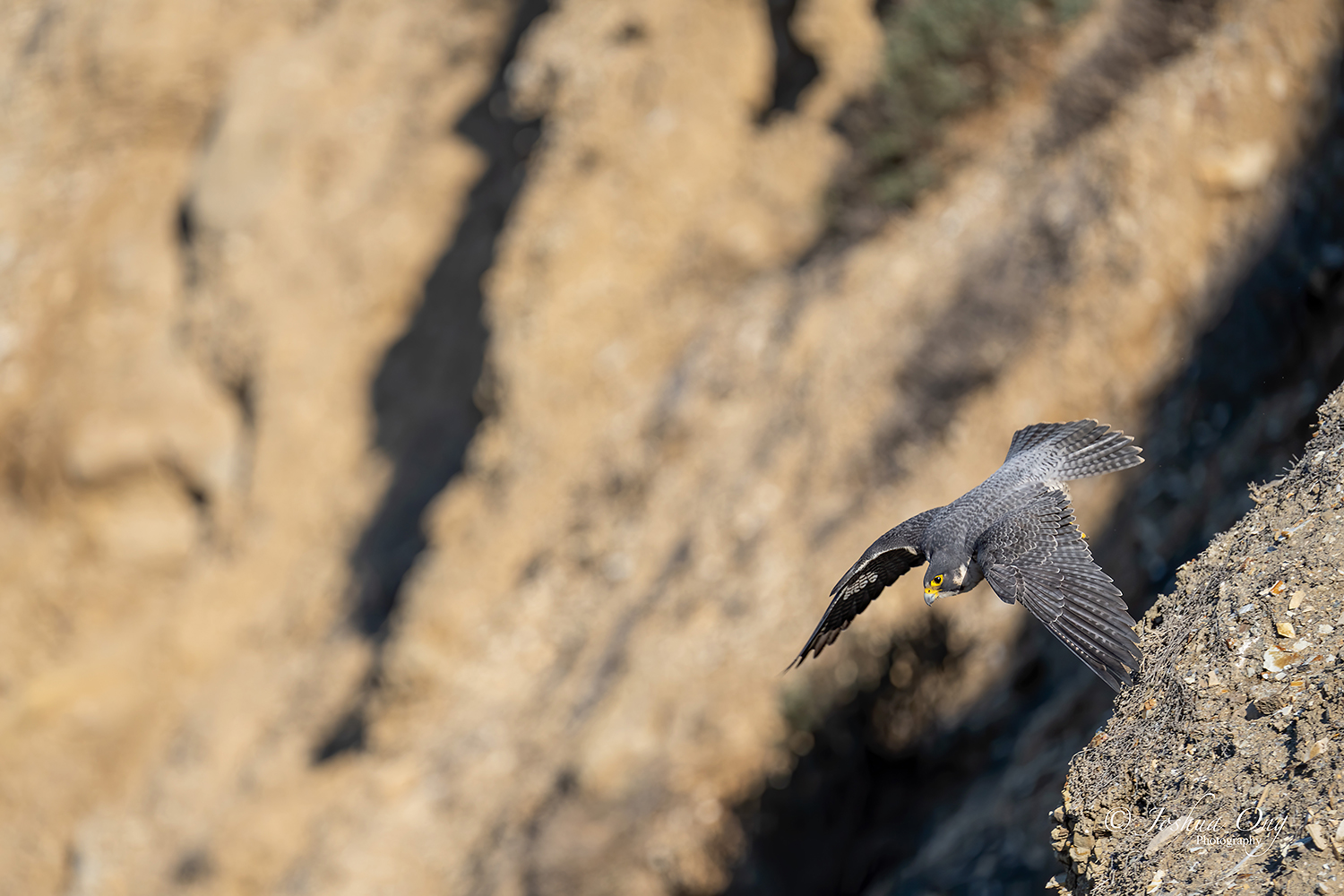
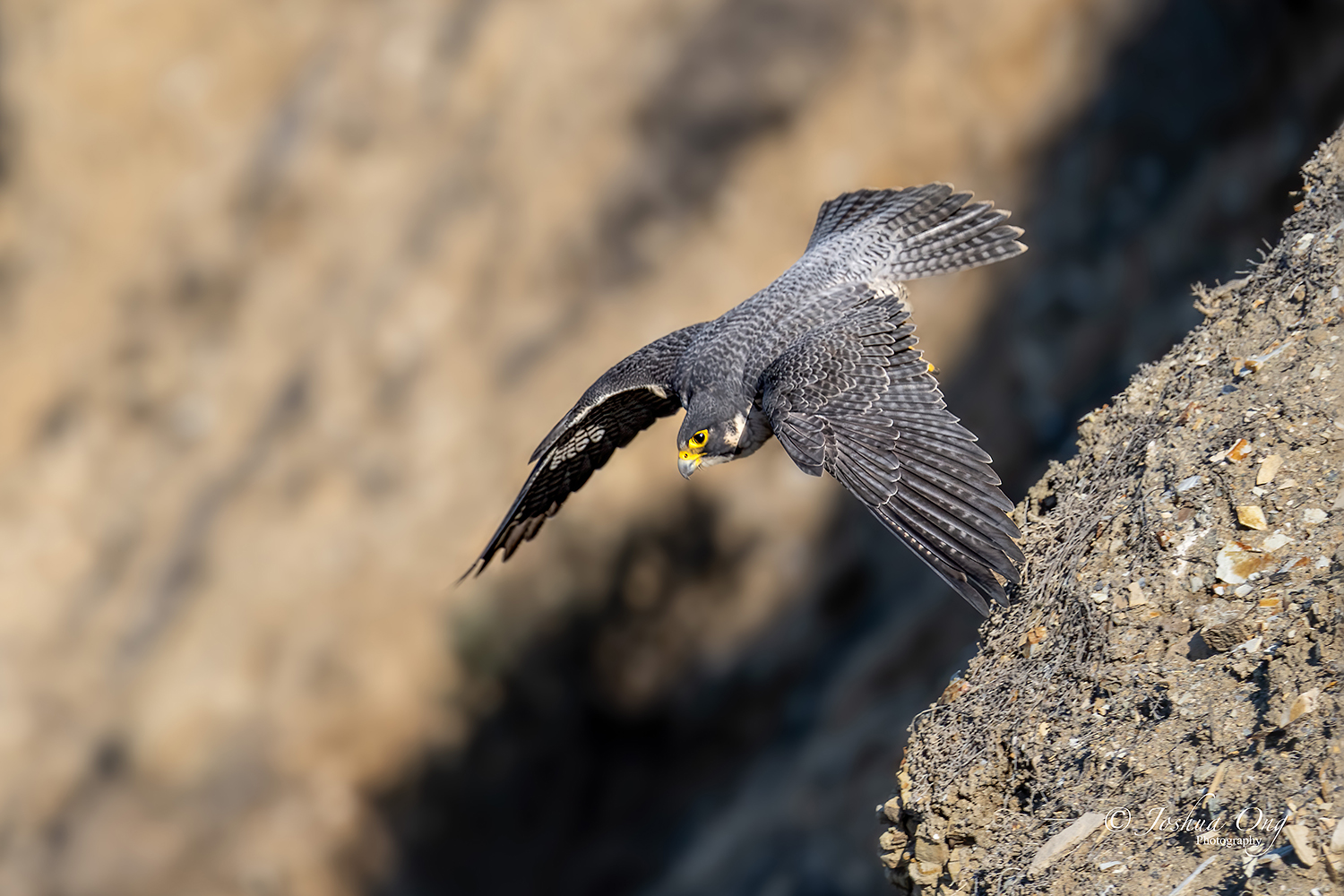
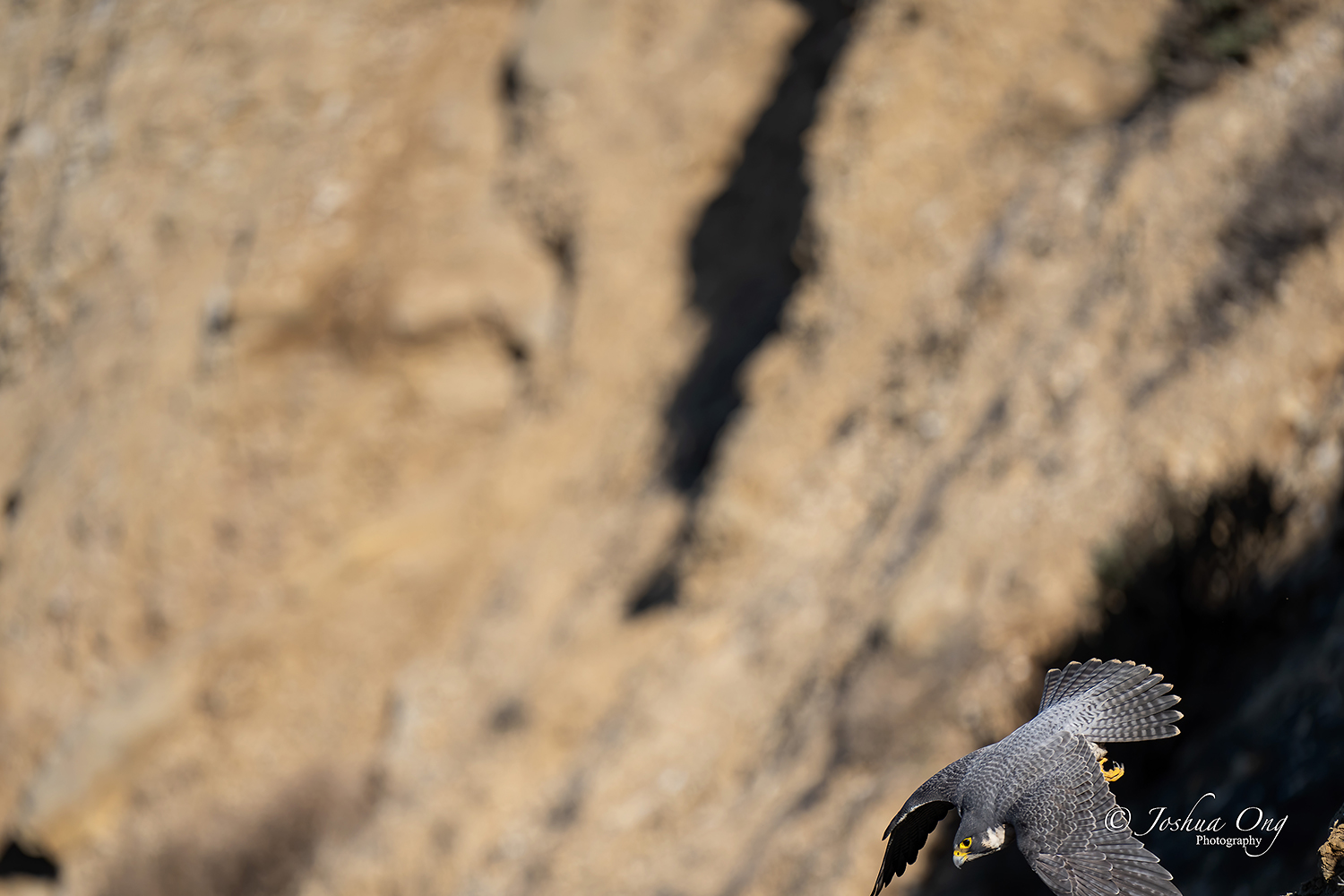
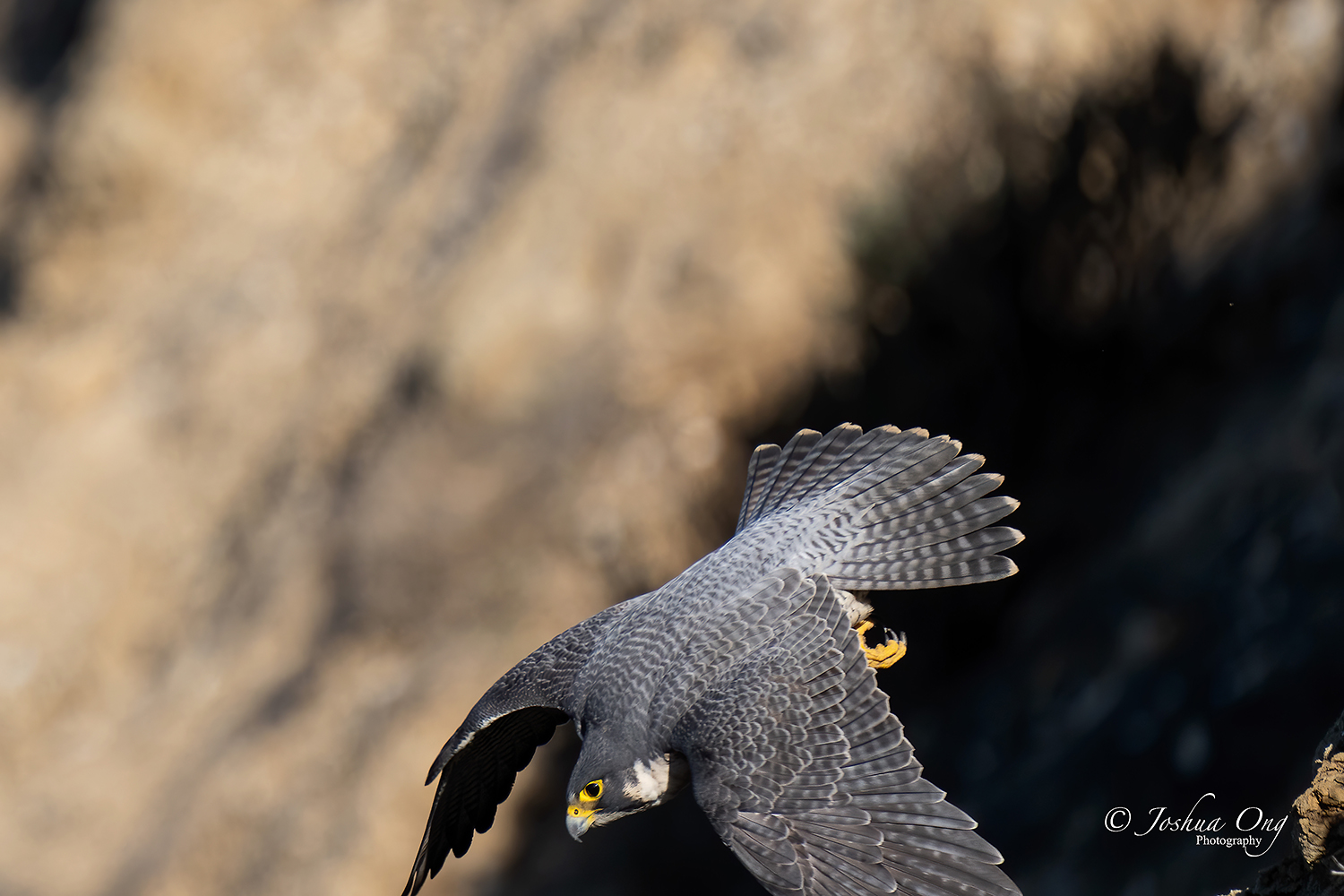
I had the chance to play with both settings, AF-Zone and AF-Wide both the non-tracking (non-RTT) version. There was a single occasion where I used the AF-Wide on a perched falcon. The images here were edited minimally without sharpening and noise reduction. Then I ran Denoise AI on all of them. Except for #4, I did run my usual edit workflow there. Here is the scenario:
Image #1 - The falcon perched pretty much sideways from me but it looked around and as soon as the eye was visible the BE-AF picked it up immediately. The foreground was quite busy and definitely well lit and contrasty but the BE-AF worked like magic there.
Image #2 - It took off and again, the focus remained on the falcon.
Image #3 - Further down in flight and I couldn't quite keep up with the flight speed and my tracking fell behind.
Image #4 - The same image but cropped for better composition and the 50MP sensor renders the crop really well. This image was processed the way I would do for images I post.
Image #5 - I fell even further behind here, I am an old guy, what can I say, but I could pick the pace back up shortly after. And at 15 FPS, I got plenty of keepers. But the main point I am including this image is to show that the BE-AF in the Wide-AF Area works well, all the way to the edge of the frame. Making this camera really suitable for dummies, myself included.
Image #6 - A sizable crop from the file above to illustrate my point.
I captured two take-off sequences this morning using the BE-AF in the (non-tracking variant) Wide-AF Area. And both do have files where the falcon drifted close to the edge of the frame but the BE-AF was really sticky. Now, here is the situation, I am being honest, I could see the BE-AF indicator all the time since I was just focusing on the bird. Somebody I know there showed images here took using the A1 and his showed the actual BE-AF indicator was not exactly on the eye. I am not sure what program he has to show that, and I forgot to ask. It may be the case but I don't care, as long as the actual eye on the bird is in focus in the real image. The BE-AF indicator is only an overlay of the EVF anyway.
We are all exploring what this camera can do and how much we can push the envelope to do what is easier for us to get our BIF in perfect focus. Needles to say if the Wide-AF, which is almost the entire frame, works for the BE-AF to remain active and to stick to the eye, hey, why not use it, right? It really makes the camera as in the title of this thread earns the title as "Bird Photography Camera for Dummies"
Cheers,
Joshua
#1 - Sideways perching falcon
#2 - Taking off
#3 - Not optimal position but...
#4 - Cropped for better composition & magnification - Bravo, 50MP sensor!
#5 Drifted even further to the edge
#6 Cropped to show the eye
This image is full frame, shot with the A1 + 600GM + 1.4x. When the focus area was wide the eye AF did not work and the camera focused on the branches as much as on the sparrow. However, in zone the eye AF worked perfectly.
Rory,
I had the chance to play with both settings, AF-Zone and AF-Wide both the non-tracking (non-RTT) version. There was a single occasion where I used the AF-Wide on a perched falcon. The images here were edited minimally without sharpening and noise reduction. Then I ran Denoise AI on all of them. Except for #4, I did run my usual edit workflow there. Here is the scenario:
Image #1 - The falcon perched pretty much sideways from me but it looked around and as soon as the eye was visible the BE-AF picked it up immediately. The foreground was quite busy and definitely well lit and contrasty but the BE-AF worked like magic there.
Image #2 - It took off and again, the focus remained on the falcon.
Image #3 - Further down in flight and I couldn't quite keep up with the flight speed and my tracking fell behind.
Image #4 - The same image but cropped for better composition and the 50MP sensor renders the crop really well. This image was processed the way I would do for images I post.
Image #5 - I fell even further behind here, I am an old guy, what can I say, but I could pick the pace back up shortly after. And at 15 FPS, I got plenty of keepers. But the main point I am including this image is to show that the BE-AF in the Wide-AF Area works well, all the way to the edge of the frame. Making this camera really suitable for dummies, myself included.
Image #6 - A sizable crop from the file above to illustrate my point.
I captured two take-off sequences this morning using the BE-AF in the (non-tracking variant) Wide-AF Area. And both do have files where the falcon drifted close to the edge of the frame but the BE-AF was really sticky. Now, here is the situation, I am being honest, I could see the BE-AF indicator all the time since I was just focusing on the bird. Somebody I know there showed images here took using the A1 and his showed the actual BE-AF indicator was not exactly on the eye. I am not sure what program he has to show that, and I forgot to ask. It may be the case but I don't care, as long as the actual eye on the bird is in focus in the real image. The BE-AF indicator is only an overlay of the EVF anyway.
We are all exploring what this camera can do and how much we can push the envelope to do what is easier for us to get our BIF in perfect focus. Needles to say if the Wide-AF, which is almost the entire frame, works for the BE-AF to remain active and to stick to the eye, hey, why not use it, right? It really makes the camera as in the title of this thread earns the title as "Bird Photography Camera for Dummies"
Cheers,
Joshua
 |
||
 © AGeoJO 2021 |
||
 |
#1 - Sideways perching falcon
|
||
 © AGeoJO 2021 |
||
|
#2 - Taking off
|
||
 © AGeoJO 2021 |
||
|
#3 - Not optimal position but...
|
||
 © AGeoJO 2021 |
||
|
#4 - Cropped for better composition & magnification - Bravo, 50MP sensor!
|
||
 |
||
|
#5 Drifted even further to the edge
|
||
 |
||
|
#6 Cropped to show the eye
Mar 12, 2021 at 07:18 PM
p.4 #6Sony A1 - Bird Photography Camera for Dummies
Man, I wish I had pet falcons to play with. 😂. One thing, I was not shooting in RTT for the sparrow shot; I wonder if that makes a difference. I am seeing where the a1 is picking up eyes when I can’t see them and then other times the eyes are really obvious but not picked up. I think I heard somewhere that Sony concentrated on hawk and small bird eyes.
Beautiful shots Joshua.
Beautiful shots Joshua.
Mar 12, 2021 at 08:11 PM
p.4 #7Sony A1 - Bird Photography Camera for Dummies
Hillrg` wrote:
Man, I wish I had pet falcons to play with. 😂. One thing, I was not shooting in RTT for the sparrow shot; I wonder if that makes a difference. I am seeing where the a1 is picking up eyes when I can’t see them and then other times the eyes are really obvious but not picked up. I think I heard somewhere that Sony concentrated on hawk and small bird eyes.
Beautiful shots Joshua.
Sony seems to have concentrated on ducks, sparrow-like and maybe raptors. At least that is what I'm getting as I continue to aim it at more and more variety.
I've changed around my AE-L button to be a S Flex Spot (via Registered AF Area) so that I can target it into a bird in the bush. Once I hit the birds head with the S Flex Spot it finds the eye and then I can let go and go back to Zone and it keeps tracking the Eye. Very similar to how on the R5 it helped to use a Spot AF to first focus on the bird in the bush and then let go and Eye AF would find it and take over.
Mar 12, 2021 at 08:17 PM
p.4 #8Sony A1 - Bird Photography Camera for Dummies
arbitrage wrote:
Beautiful shots Joshua.Sony seems to have concentrated on ducks, sparrow-like and maybe raptors. At least that is what I'm getting as I continue to aim it at more and more variety.
I've changed around my AE-L button to be a S Flex Spot (via Registered AF Area) so that I can target it into a bird in the bush. Once I hit the birds head with the S Flex Spot it finds the eye and then I can let go and go back to Zone and it keeps tracking the Eye. Very similar to how on the R5 it helped to use a...Show more →
I suspect a Sony engineer/manager picked up on the "pixels per duck" concept and it carried through the design process...
Hillrg` wrote
Man, I wish I had pet falcons to play with. 😂. One thing, I was not shooting in RTT for the sparrow shot; I wonder if that makes a difference. I am seeing where the a1 is picking up eyes when I can’t see them and then other times the eyes are really obvious but not picked up. I think I heard somewhere that Sony concentrated on hawk and small bird eyes.Beautiful shots Joshua.
I've changed around my AE-L button to be a S Flex Spot (via Registered AF Area) so that I can target it into a bird in the bush. Once I hit the birds head with the S Flex Spot it finds the eye and then I can let go and go back to Zone and it keeps tracking the Eye. Very similar to how on the R5 it helped to use a...Show more →
I suspect a Sony engineer/manager picked up on the "pixels per duck" concept and it carried through the design process...
Mar 12, 2021 at 08:26 PM
p.4 #9Sony A1 - Bird Photography Camera for Dummies
I've had very good luck with feeder birds.
arbitrage wrote:
Beautiful shots Joshua.Sony seems to have concentrated on ducks, sparrow-like and maybe raptors. At least that is what I'm getting as I continue to aim it at more and more variety.
I've changed around my AE-L button to be a S Flex Spot (via Registered AF Area) so that I can target it into a bird in the bush. Once I hit the birds head with the S Flex Spot it finds the eye and then I can let go and go back to Zone and it keeps tracking the Eye. Very similar to how on the R5 it helped to use a...Show more →
arbitrage wrote:
Hillrg` wrote
Man, I wish I had pet falcons to play with. 😂. One thing, I was not shooting in RTT for the sparrow shot; I wonder if that makes a difference. I am seeing where the a1 is picking up eyes when I can’t see them and then other times the eyes are really obvious but not picked up. I think I heard somewhere that Sony concentrated on hawk and small bird eyes.Beautiful shots Joshua.
I've changed around my AE-L button to be a S Flex Spot (via Registered AF Area) so that I can target it into a bird in the bush. Once I hit the birds head with the S Flex Spot it finds the eye and then I can let go and go back to Zone and it keeps tracking the Eye. Very similar to how on the R5 it helped to use a...Show more →
Mar 12, 2021 at 08:28 PM
p.4 #10Sony A1 - Bird Photography Camera for Dummies
buffalowolff wrote:
I've had very good luck with feeder birds.
Beautiful shots Joshua.Sony seems to have concentrated on ducks, sparrow-like and maybe raptors. At least that is what I'm getting as I continue to aim it at more and more variety.
I've changed around my AE-L button to be a S Flex Spot (via Registered AF Area) so that I can target it into a bird in the bush. Once I hit the birds head with the S Flex Spot it finds the eye and then I can let go and go back to Zone and it keeps tracking the Eye. Very similar to how on the R5 it helped to use a Spot AF to first focus on the bird in the bush and then let go and Eye AF would find it and take over.
The AI data set seems pretty broad. I've only encountered a couple tricky birds. There is no doubt that the R5 has a better AI data set but the A1 can handle almost everything (except Oystercatchers )
This morning I thought the system was broken as I was point blank on a Towhee and nothing happened...then I remembered I'd been shooting a rabbit earlier and had switched it to Animal. Once back to bird it found the eye on the Towhee instantly.
I've had very good luck with feeder birds.
arbitrage wrote
Hillrg` wrote
Man, I wish I had pet falcons to play with. 😂. One thing, I was not shooting in RTT for the sparrow shot; I wonder if that makes a difference. I am seeing where the a1 is picking up eyes when I can’t see them and then other times the eyes are really obvious but not picked up. I think I heard somewhere that Sony concentrated on hawk and small bird eyes.Beautiful shots Joshua.
I've changed around my AE-L button to be a S Flex Spot (via Registered AF Area) so that I can target it into a bird in the bush. Once I hit the birds head with the S Flex Spot it finds the eye and then I can let go and go back to Zone and it keeps tracking the Eye. Very similar to how on the R5 it helped to use a Spot AF to first focus on the bird in the bush and then let go and Eye AF would find it and take over.
The AI data set seems pretty broad. I've only encountered a couple tricky birds. There is no doubt that the R5 has a better AI data set but the A1 can handle almost everything (except Oystercatchers
)This morning I thought the system was broken as I was point blank on a Towhee and nothing happened...then I remembered I'd been shooting a rabbit earlier and had switched it to Animal. Once back to bird it found the eye on the Towhee instantly.
Mar 12, 2021 at 08:34 PM
p.4 #11Sony A1 - Bird Photography Camera for Dummies
arbitrage wrote:
Beautiful shots Joshua.Sony seems to have concentrated on ducks, sparrow-like and maybe raptors. At least that is what I'm getting as I continue to aim it at more and more variety.
I've changed around my AE-L button to be a S Flex Spot (via Registered AF Area) so that I can target it into a bird in the bush. Once I hit the birds head with the S Flex Spot it finds the eye and then I can let go and go back to Zone and it keeps tracking the Eye. Very similar to how on the R5 it helped to use a Spot AF to first focus on the bird in the bush and then let go and Eye AF would find it and take over.The AI data set seems pretty broad. I've only encountered a couple tricky birds. There is no doubt that the R5 has a better AI data set but the A1 can handle almost everything (except Oystercatchers )
This morning I thought the system was broken as I was point blank on a Towhee and nothing happened...then I remembered I'd been shooting a rabbit earlier and had switched it to Animal. Once back to bird it found the eye on the Towhee instantly.
That's must be a pain switching from animal to bird, an eye should be an eye...
buffalowolff wrote
I've had very good luck with feeder birds.arbitrage wrote
Hillrg` wrote
Man, I wish I had pet falcons to play with. 😂. One thing, I was not shooting in RTT for the sparrow shot; I wonder if that makes a difference. I am seeing where the a1 is picking up eyes when I can’t see them and then other times the eyes are really obvious but not picked up. I think I heard somewhere that Sony concentrated on hawk and small bird eyes.Beautiful shots Joshua.
I've changed around my AE-L button to be a S Flex Spot (via Registered AF Area) so that I can target it into a bird in the bush. Once I hit the birds head with the S Flex Spot it finds the eye and then I can let go and go back to Zone and it keeps tracking the Eye. Very similar to how on the R5 it helped to use a Spot AF to first focus on the bird in the bush and then let go and Eye AF would find it and take over.
)This morning I thought the system was broken as I was point blank on a Towhee and nothing happened...then I remembered I'd been shooting a rabbit earlier and had switched it to Animal. Once back to bird it found the eye on the Towhee instantly.
That's must be a pain switching from animal to bird, an eye should be an eye...
Mar 12, 2021 at 08:42 PM
p.4 #12Sony A1 - Bird Photography Camera for Dummies
Pius Sullivan wrote:
Beautiful shots Joshua.Sony seems to have concentrated on ducks, sparrow-like and maybe raptors. At least that is what I'm getting as I continue to aim it at more and more variety.
I've changed around my AE-L button to be a S Flex Spot (via Registered AF Area) so that I can target it into a bird in the bush. Once I hit the birds head with the S Flex Spot it finds the eye and then I can let go and go back to Zone and it keeps tracking the Eye. Very similar to how on the R5 it helped to use a Spot AF to first focus on the bird in the bush and then let go and Eye AF would find it and take over.The AI data set seems pretty broad. I've only encountered a couple tricky birds. There is no doubt that the R5 has a better AI data set but the A1 can handle almost everything (except Oystercatchers )
This morning I thought the system was broken as I was point blank on a Towhee and nothing happened...then I remembered I'd been shooting a rabbit earlier and had switched it to Animal. Once back to bird it found the eye on the Towhee instantly.That's must be a pain switching from animal to bird, an eye should be an eye...
It should...but I shoot maybe 1 animal for every 10,000 birds and I have a custom key that toggles back and forth between the two (I disabled the Human selection because I hate Humans ). So really it isn't much of a pain, just remembering is the pain

arbitrage wrote
buffalowolff wrote
I've had very good luck with feeder birds.arbitrage wrote
Hillrg` wrote
Man, I wish I had pet falcons to play with. 😂. One thing, I was not shooting in RTT for the sparrow shot; I wonder if that makes a difference. I am seeing where the a1 is picking up eyes when I can’t see them and then other times the eyes are really obvious but not picked up. I think I heard somewhere that Sony concentrated on hawk and small bird eyes.Beautiful shots Joshua.
I've changed around my AE-L button to be a S Flex Spot (via Registered AF Area) so that I can target it into a bird in the bush. Once I hit the birds head with the S Flex Spot it finds the eye and then I can let go and go back to Zone and it keeps tracking the Eye. Very similar to how on the R5 it helped to use a Spot AF to first focus on the bird in the bush and then let go and Eye AF would find it and take over.
)This morning I thought the system was broken as I was point blank on a Towhee and nothing happened...then I remembered I'd been shooting a rabbit earlier and had switched it to Animal. Once back to bird it found the eye on the Towhee instantly.
It should...but I shoot maybe 1 animal for every 10,000 birds and I have a custom key that toggles back and forth between the two (I disabled the Human selection because I hate Humans
). So really it isn't much of a pain, just remembering is the painMar 12, 2021 at 09:10 PM
p.4 #13Sony A1 - Bird Photography Camera for Dummies
I experimented with that and I can report that the a1 knows my wife Gloria is not an animal or bird.
Mar 12, 2021 at 09:15 PM
p.4 #14Sony A1 - Bird Photography Camera for Dummies
arbitrage wrote:
Beautiful shots Joshua.Sony seems to have concentrated on ducks, sparrow-like and maybe raptors. At least that is what I'm getting as I continue to aim it at more and more variety.
I've changed around my AE-L button to be a S Flex Spot (via Registered AF Area) so that I can target it into a bird in the bush. Once I hit the birds head with the S Flex Spot it finds the eye and then I can let go and go back to Zone and it keeps tracking the Eye. Very similar to how on the R5 it helped to use a Spot AF to first focus on the bird in the bush and then let go and Eye AF would find it and take over.The AI data set seems pretty broad. I've only encountered a couple tricky birds. There is no doubt that the R5 has a better AI data set but the A1 can handle almost everything (except Oystercatchers )
This morning I thought the system was broken as I was point blank on a Towhee and nothing happened...then I remembered I'd been shooting a rabbit earlier and had switched it to Animal. Once back to bird it found the eye on the Towhee instantly.
Did Canon update the FW of the R5 and if they did, did the upgrade improve the Eye-AF, especially the BE-AF? The A1 is on the FW 1.0 although I understood that it was tweaked before it was delivered to the general public.
buffalowolff wrote
I've had very good luck with feeder birds.arbitrage wrote
Hillrg` wrote
Man, I wish I had pet falcons to play with. 😂. One thing, I was not shooting in RTT for the sparrow shot; I wonder if that makes a difference. I am seeing where the a1 is picking up eyes when I can’t see them and then other times the eyes are really obvious but not picked up. I think I heard somewhere that Sony concentrated on hawk and small bird eyes.Beautiful shots Joshua.
I've changed around my AE-L button to be a S Flex Spot (via Registered AF Area) so that I can target it into a bird in the bush. Once I hit the birds head with the S Flex Spot it finds the eye and then I can let go and go back to Zone and it keeps tracking the Eye. Very similar to how on the R5 it helped to use a Spot AF to first focus on the bird in the bush and then let go and Eye AF would find it and take over.
)This morning I thought the system was broken as I was point blank on a Towhee and nothing happened...then I remembered I'd been shooting a rabbit earlier and had switched it to Animal. Once back to bird it found the eye on the Towhee instantly.
Did Canon update the FW of the R5 and if they did, did the upgrade improve the Eye-AF, especially the BE-AF? The A1 is on the FW 1.0 although I understood that it was tweaked before it was delivered to the general public.
Mar 12, 2021 at 09:21 PM
p.4 #15Sony A1 - Bird Photography Camera for Dummies
AGeoJO wrote:
Beautiful shots Joshua.Sony seems to have concentrated on ducks, sparrow-like and maybe raptors. At least that is what I'm getting as I continue to aim it at more and more variety.
I've changed around my AE-L button to be a S Flex Spot (via Registered AF Area) so that I can target it into a bird in the bush. Once I hit the birds head with the S Flex Spot it finds the eye and then I can let go and go back to Zone and it keeps tracking the Eye. Very similar to how on the R5 it helped to use a Spot AF to first focus on the bird in the bush and then let go and Eye AF would find it and take over.The AI data set seems pretty broad. I've only encountered a couple tricky birds. There is no doubt that the R5 has a better AI data set but the A1 can handle almost everything (except Oystercatchers )
This morning I thought the system was broken as I was point blank on a Towhee and nothing happened...then I remembered I'd been shooting a rabbit earlier and had switched it to Animal. Once back to bird it found the eye on the Towhee instantly.Did Canon update the FW of the R5 and if they did, did the upgrade improve the Eye-AF, especially the BE-AF? The A1 is on the FW 1.0 although I understood that it was tweaked before it was delivered to the general public.
I've never read about nor experienced myself any change in the BEAF or AF of the R5 through any of the minor FW updates.
arbitrage wrote
buffalowolff wrote
I've had very good luck with feeder birds.arbitrage wrote
Hillrg` wrote
Man, I wish I had pet falcons to play with. 😂. One thing, I was not shooting in RTT for the sparrow shot; I wonder if that makes a difference. I am seeing where the a1 is picking up eyes when I can’t see them and then other times the eyes are really obvious but not picked up. I think I heard somewhere that Sony concentrated on hawk and small bird eyes.Beautiful shots Joshua.
I've changed around my AE-L button to be a S Flex Spot (via Registered AF Area) so that I can target it into a bird in the bush. Once I hit the birds head with the S Flex Spot it finds the eye and then I can let go and go back to Zone and it keeps tracking the Eye. Very similar to how on the R5 it helped to use a Spot AF to first focus on the bird in the bush and then let go and Eye AF would find it and take over.
)This morning I thought the system was broken as I was point blank on a Towhee and nothing happened...then I remembered I'd been shooting a rabbit earlier and had switched it to Animal. Once back to bird it found the eye on the Towhee instantly.
I've never read about nor experienced myself any change in the BEAF or AF of the R5 through any of the minor FW updates.
Mar 12, 2021 at 09:37 PM
p.4 #16Sony A1 - Bird Photography Camera for Dummies
arbitrage wrote:
Sony seems to have concentrated on ducks, sparrow-like and maybe raptors. At least that is what I'm getting as I continue to aim it at more and more variety.
Wanna try?
Sony seems to have concentrated on ducks, sparrow-like and maybe raptors. At least that is what I'm getting as I continue to aim it at more and more variety.
Wanna try?
Mar 13, 2021 at 01:28 AM
p.4 #17Sony A1 - Bird Photography Camera for Dummies
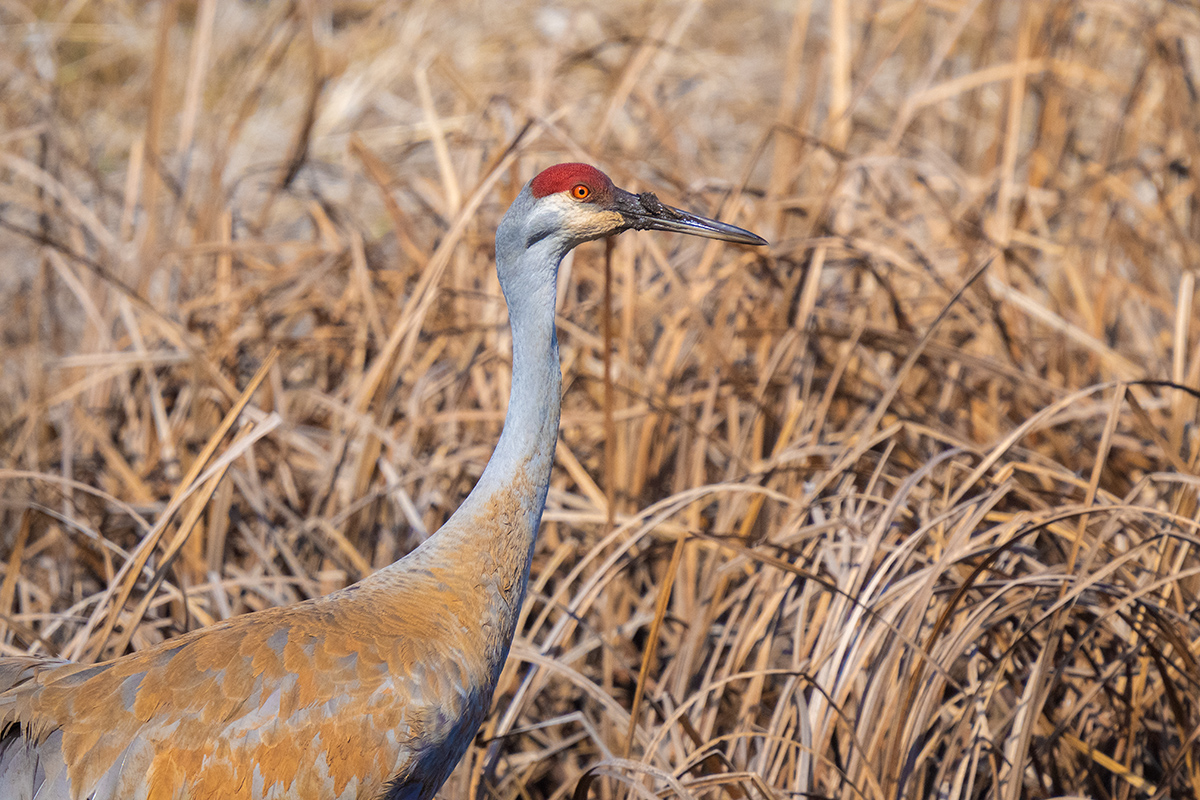
Size does matter when it comes to eye recognition on the A1 -- at least with Sandhill Cranes. I was out photographing our local sandhill crane pair the other day and noticed that when the birds were out maybe 100' or more (at 840mm focal length), the eye autofocus worked great. As the birds approached closer, eye autofocus no longer worked and the A1 reverted back to forming a box around the bird's head. This was consistent as the birds meandered between being close to me or further away.
All my shots were tack sharp, so no complaints. Just making an observation on the AI used to detect bird eyes. It appears the AI looks at the size of the eye and if the bird's eye becomes too large, it does not recognize it as an eye...at least with cranes.
Below is a FF image (reduced) to show the perspective of the eye-to-frame size. At this distance it was not picking up the eye. I was amazed however that as the birds moved really far out, the eye detect was still finding the eye.
All my shots were tack sharp, so no complaints. Just making an observation on the AI used to detect bird eyes. It appears the AI looks at the size of the eye and if the bird's eye becomes too large, it does not recognize it as an eye...at least with cranes.
Below is a FF image (reduced) to show the perspective of the eye-to-frame size. At this distance it was not picking up the eye. I was amazed however that as the birds moved really far out, the eye detect was still finding the eye.
Mar 13, 2021 at 05:24 AM
p.4 #18Sony A1 - Bird Photography Camera for Dummies
Hillrg` wrote:
I think I heard somewhere that Sony concentrated on hawk and small bird eyes.
Sony says so in their rather helpful focus hint page for birds and animals: https://support.d-imaging.sony.co.jp/support/ilc/autofocus/ilce1/en/animaleyeaf.html
I think I heard somewhere that Sony concentrated on hawk and small bird eyes.
Sony says so in their rather helpful focus hint page for birds and animals: https://support.d-imaging.sony.co.jp/support/ilc/autofocus/ilce1/en/animaleyeaf.html
Mar 13, 2021 at 06:13 AM
p.4 #19Sony A1 - Bird Photography Camera for Dummies
AJay wrote:
Size does matter when it comes to eye recognition on the A1 -- at least with Sandhill Cranes. I was out photographing our local sandhill crane pair the other day and noticed that when the birds were out maybe 100' or more (at 840mm focal length), the eye autofocus worked great. As the birds approached closer, eye autofocus no longer worked and the A1 reverted back to forming a box around the bird's head. This was consistent as the birds meandered between being close to me or further away.
All my shots were tack sharp, so no complaints. Just making an...Show more →
I think with these really big birds if you are close enough that the entire bird isn't in the frame then it may have more of an issue. It certainly seems that it first is recognizing certain shapes of birds as a whole and then where the eye should be. If it loses half of the crane's body/legs to look at then the AI may not recognize the shape of a bird anymore.
Mar 13, 2021 at 06:24 AM
p.4 #20Sony A1 - Bird Photography Camera for Dummies
arbitrage wrote:
All my shots were tack sharp, so no complaints. Just making an observation on the AI used to detect bird eyes. It appears the AI looks at the size of the eye and if the bird's eye becomes too large, it does not recognize it as an eye...at least with cranes.
Below is a FF image (reduced) to show the perspective of the eye-to-frame size. At this distance it was not picking up the eye. I was amazed however that as the birds moved really far out, the eye detect was still finding the eye.I think with these really big birds if you are close enough that the entire bird isn't in the frame then it may have more of an issue. It certainly seems that it first is recognizing certain shapes of birds as a whole and then where the eye should be. If it loses half of the crane's body/legs to look at then the AI may not recognize the shape of a bird anymore.
Geoff, just reading that Focus help guide linked above confirms that EYE AF assigned to a custom key does work for birds and animals.
AJay wrote
Size does matter when it comes to eye recognition on the A1 -- at least with Sandhill Cranes. I was out photographing our local sandhill crane pair the other day and noticed that when the birds were out maybe 100' or more (at 840mm focal length), the eye autofocus worked great. As the birds approached closer, eye autofocus no longer worked and the A1 reverted back to forming a box around the bird's head. This was consistent as the birds meandered between being close to me or further away.All my shots were tack sharp, so no complaints. Just making an observation on the AI used to detect bird eyes. It appears the AI looks at the size of the eye and if the bird's eye becomes too large, it does not recognize it as an eye...at least with cranes.
Below is a FF image (reduced) to show the perspective of the eye-to-frame size. At this distance it was not picking up the eye. I was amazed however that as the birds moved really far out, the eye detect was still finding the eye.
Geoff, just reading that Focus help guide linked above confirms that EYE AF assigned to a custom key does work for birds and animals.
Mar 13, 2021 at 06:28 AM