p.15 #1 · Is Infrared Photography a Fad (for you)?
Were you wanting the final images to be BW or color? For color, you need to create a camera profile using a tool like Adobe Profile Editor to set the WB to allow more latitude for blue. Although you can (and Shea has a video on how to) channel swap within Lightroom, I tend to get the WB where I want it in LR and the go to PS for color editing thereafter. Usually, I use an action that does the following:
1. Channel mixer layer to swap channels…. Red goes to 0 red and 100 blue; blue does the opposite
2. Saturation layer, setting red sat down by about 50%, everything else up 10
3. Curves layer to apply an S curve
All of those get tweaked, but it saves a few minutes to create them by using an action.
These days, I mostly use an IR-Chrome filter for color and 720nm for BW.
p.15 #2 · Is Infrared Photography a Fad (for you)?
Thanks Jim
Profile editor was the nudge I needed, actually when I did this I found the profiles I made last time round, so had done this before but totally forgot.
Without doing this I was getting stuck because LR white balance couldn't go any lower.
Anyway, I'm getting some colour IR 720 now, this one not channel swapped as I like the warm tones on the bridge
p.15 #3 · Is Infrared Photography a Fad (for you)?
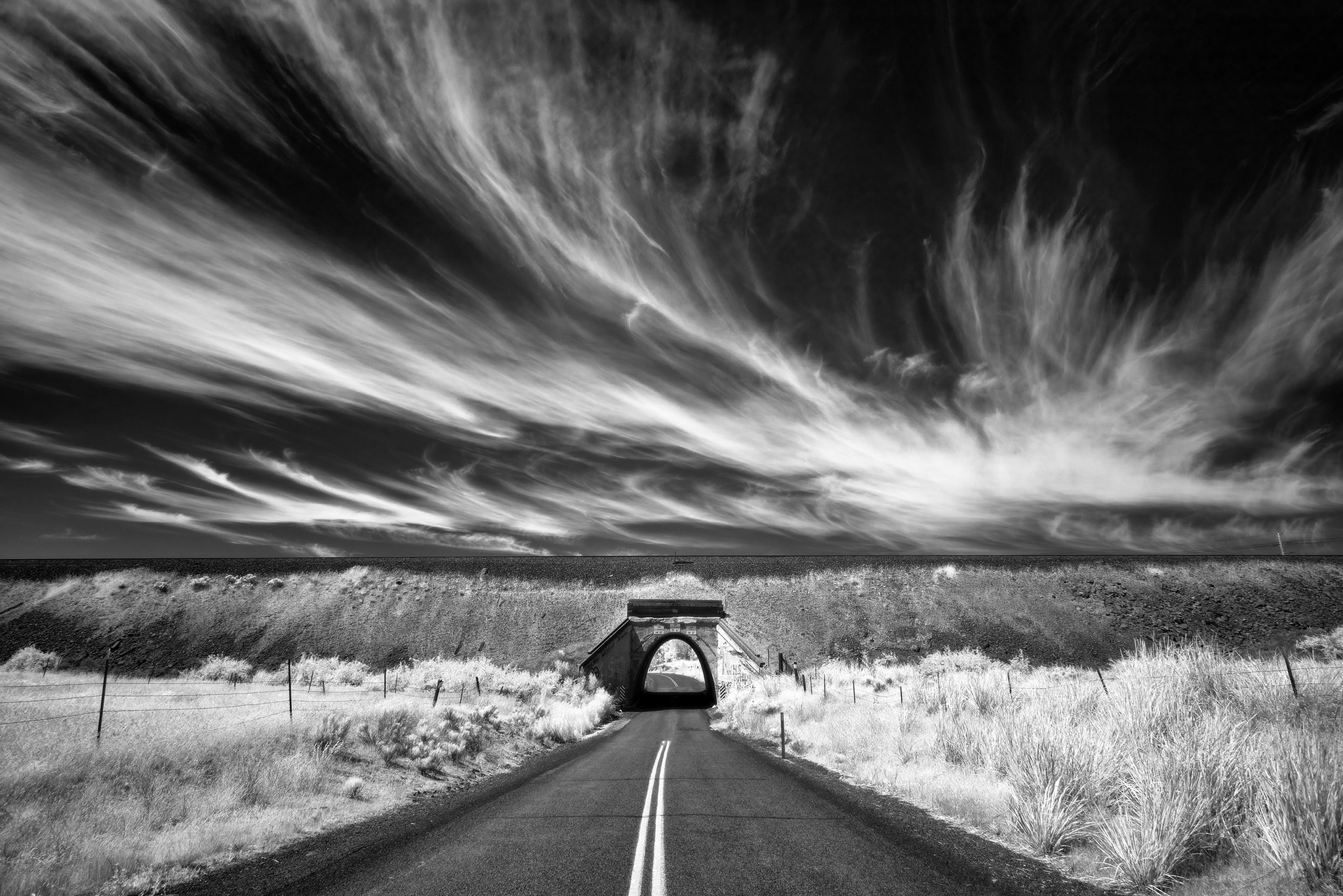
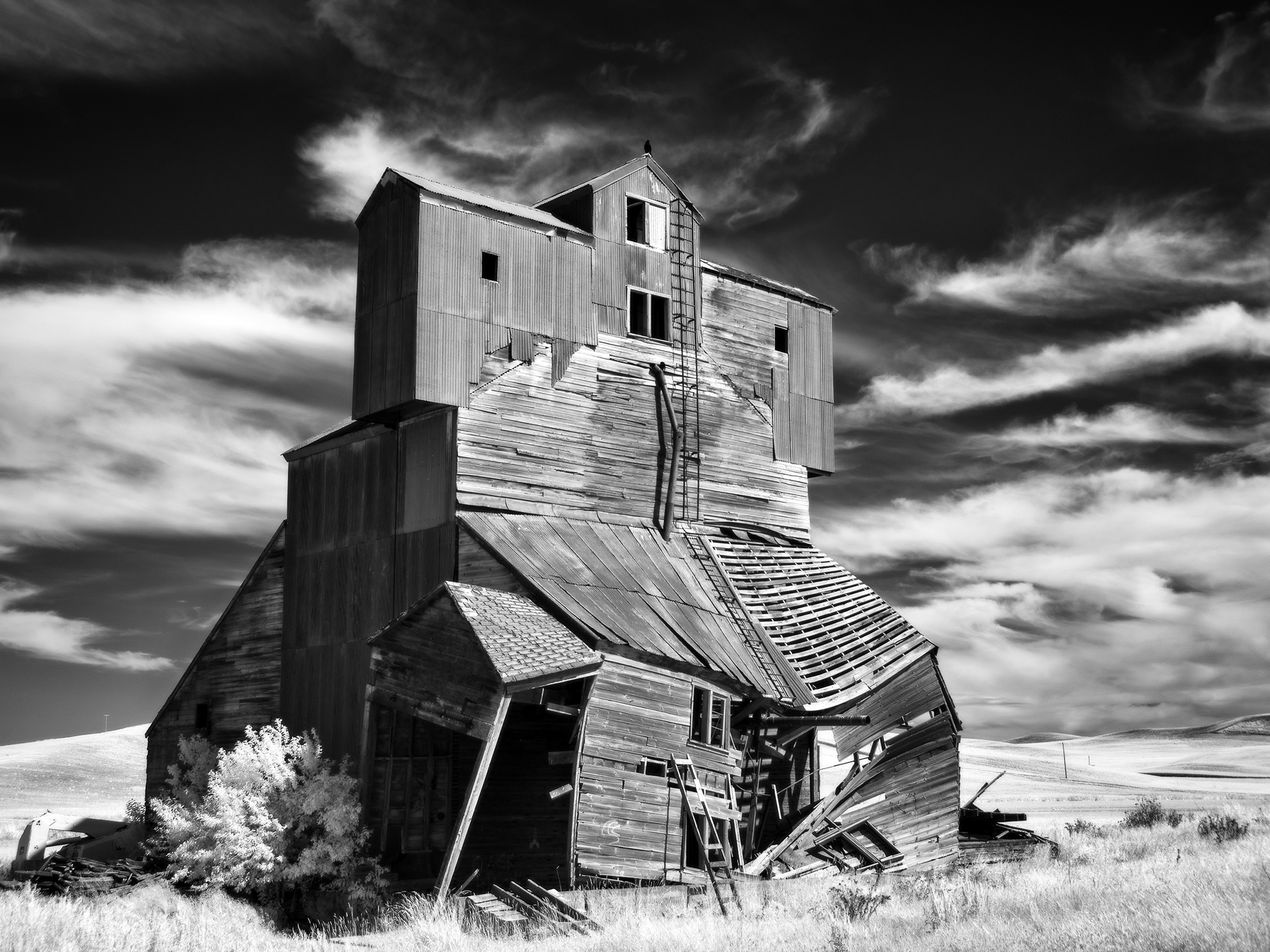
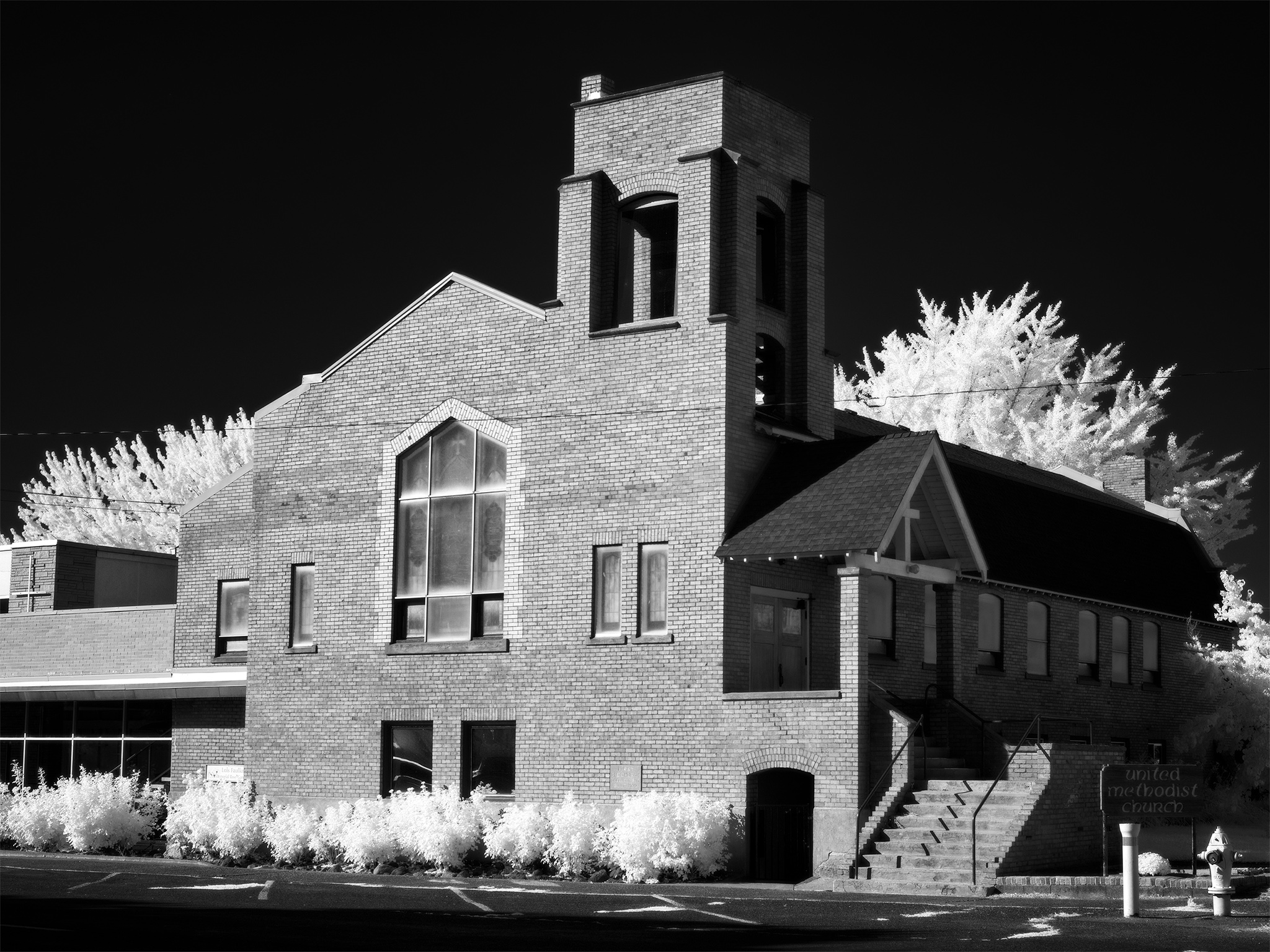
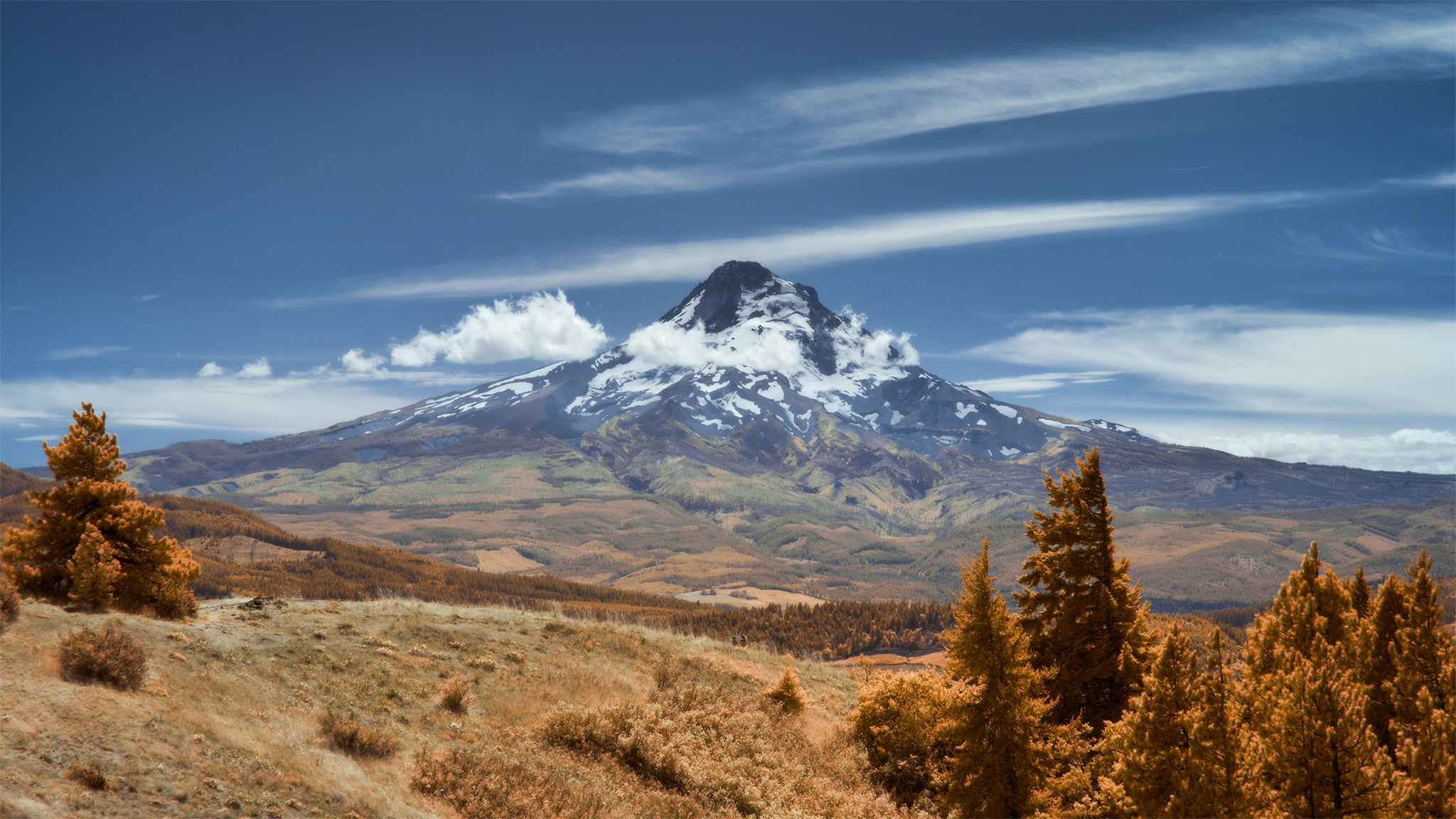
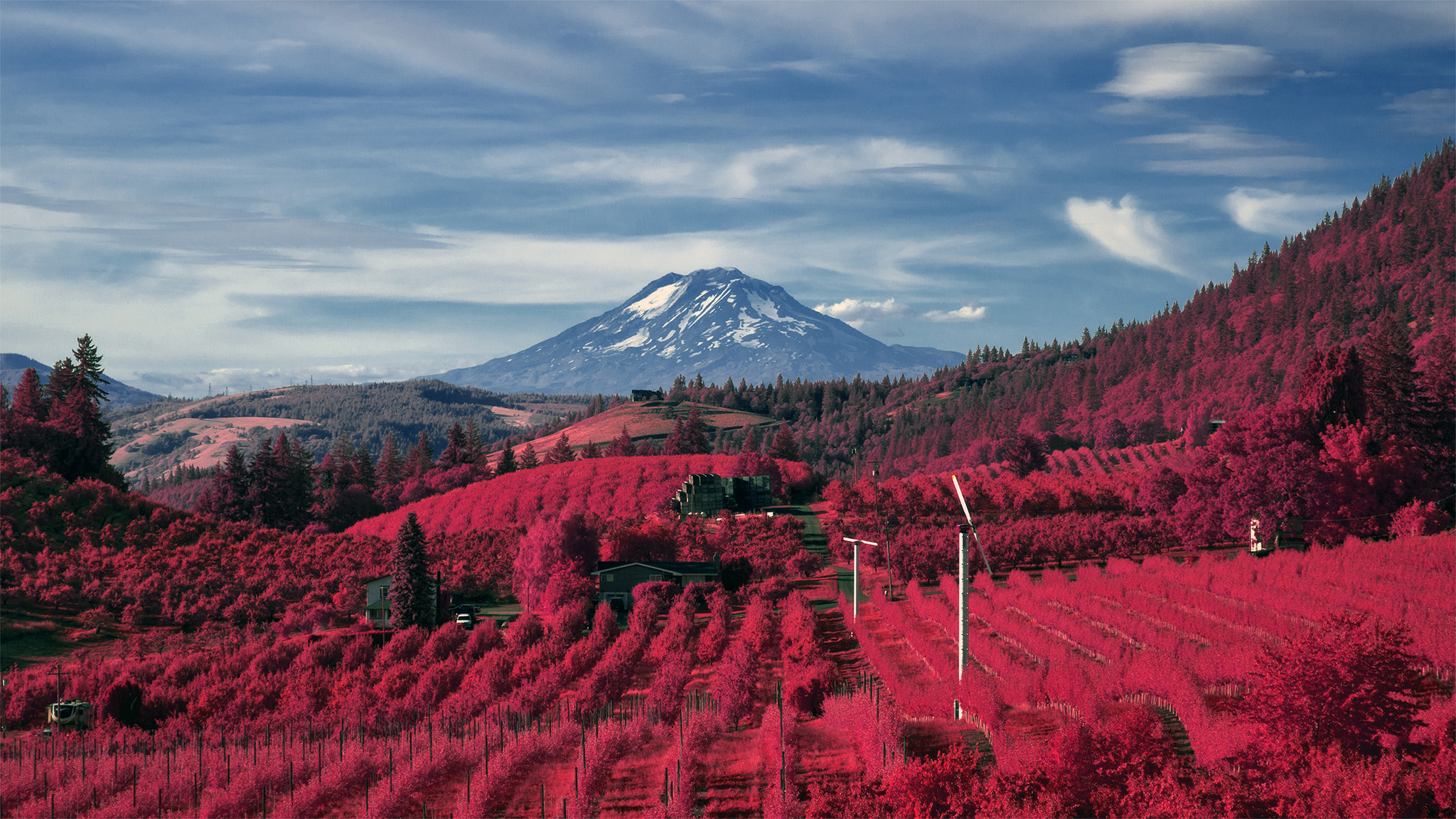
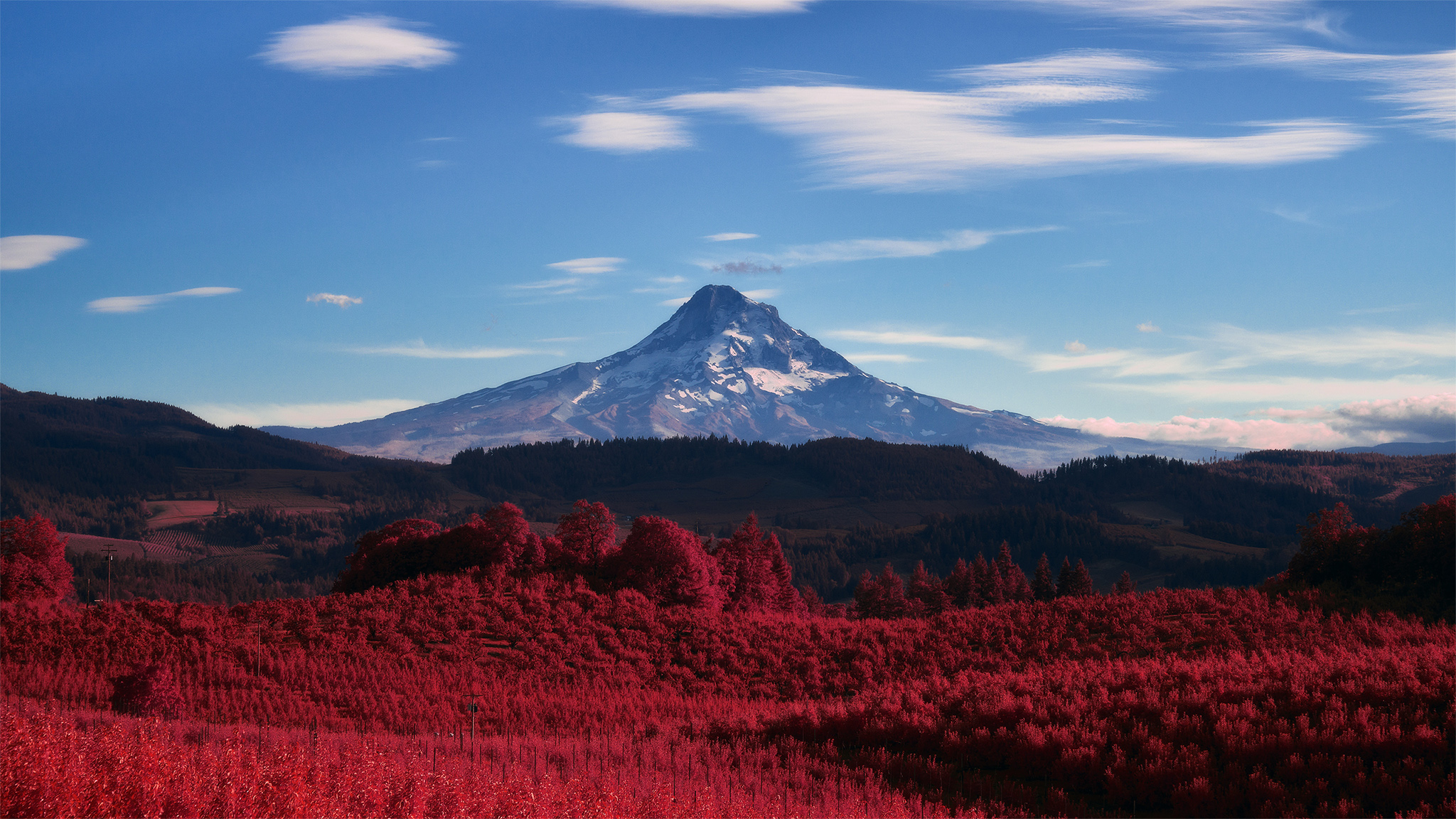
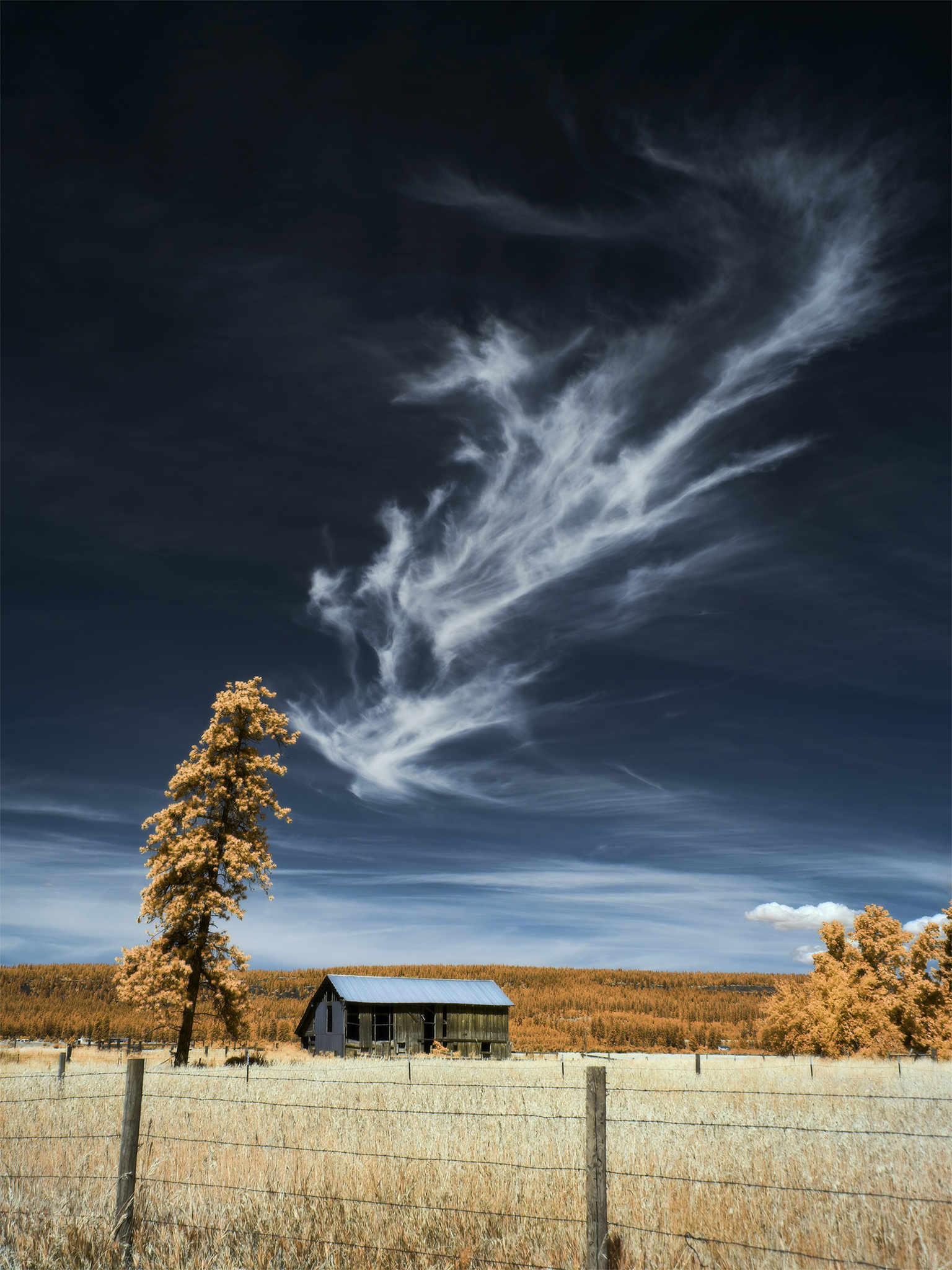
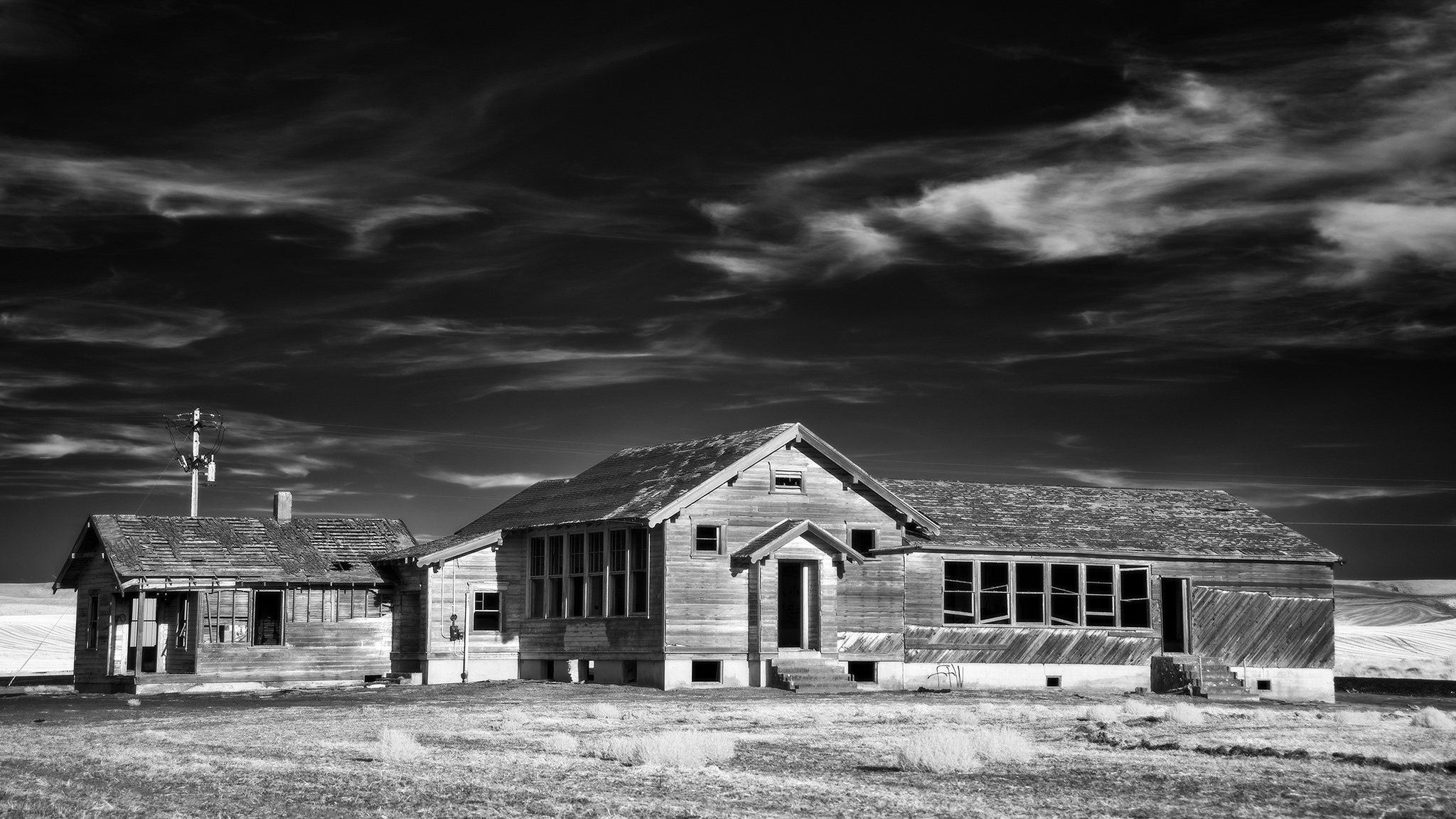
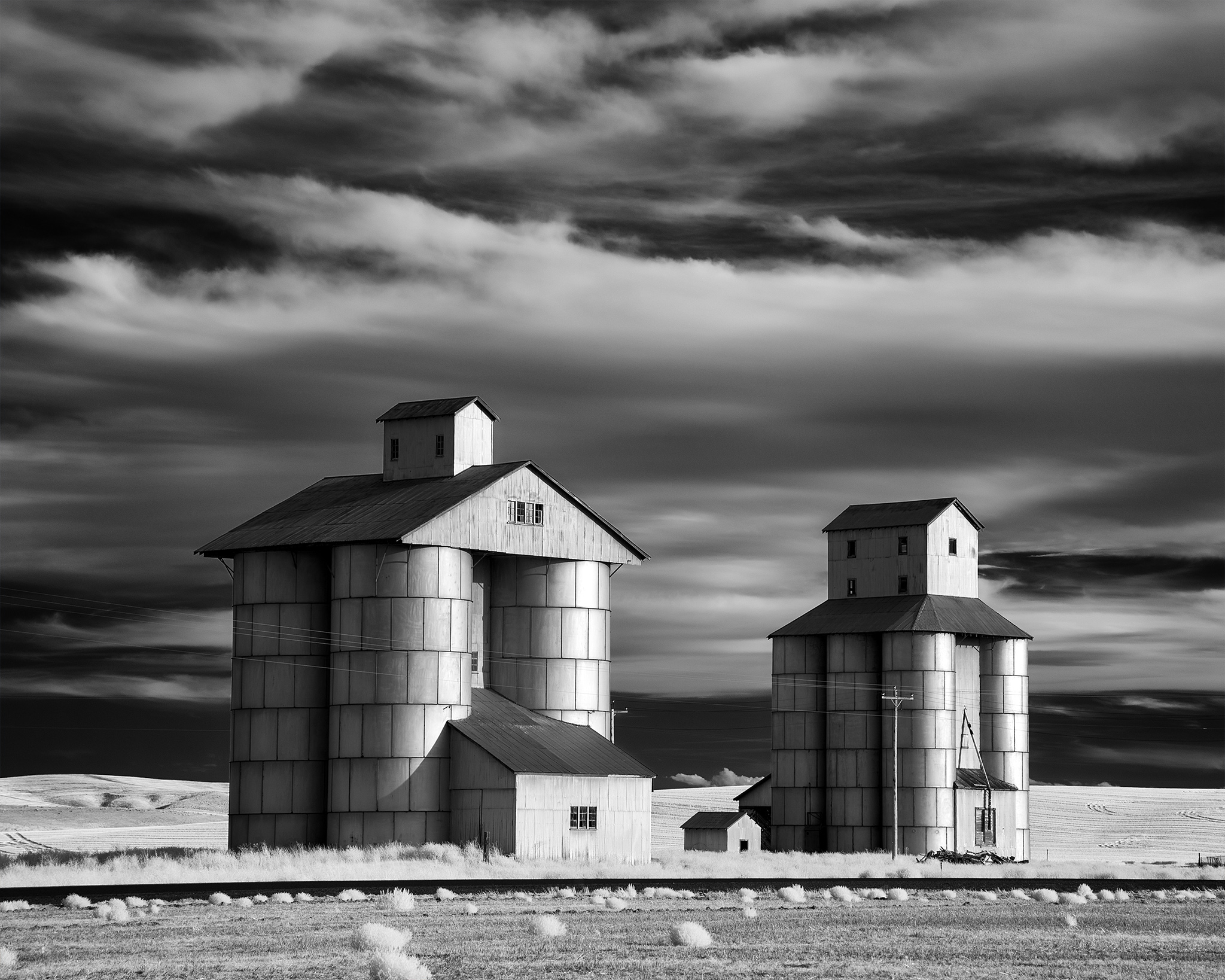
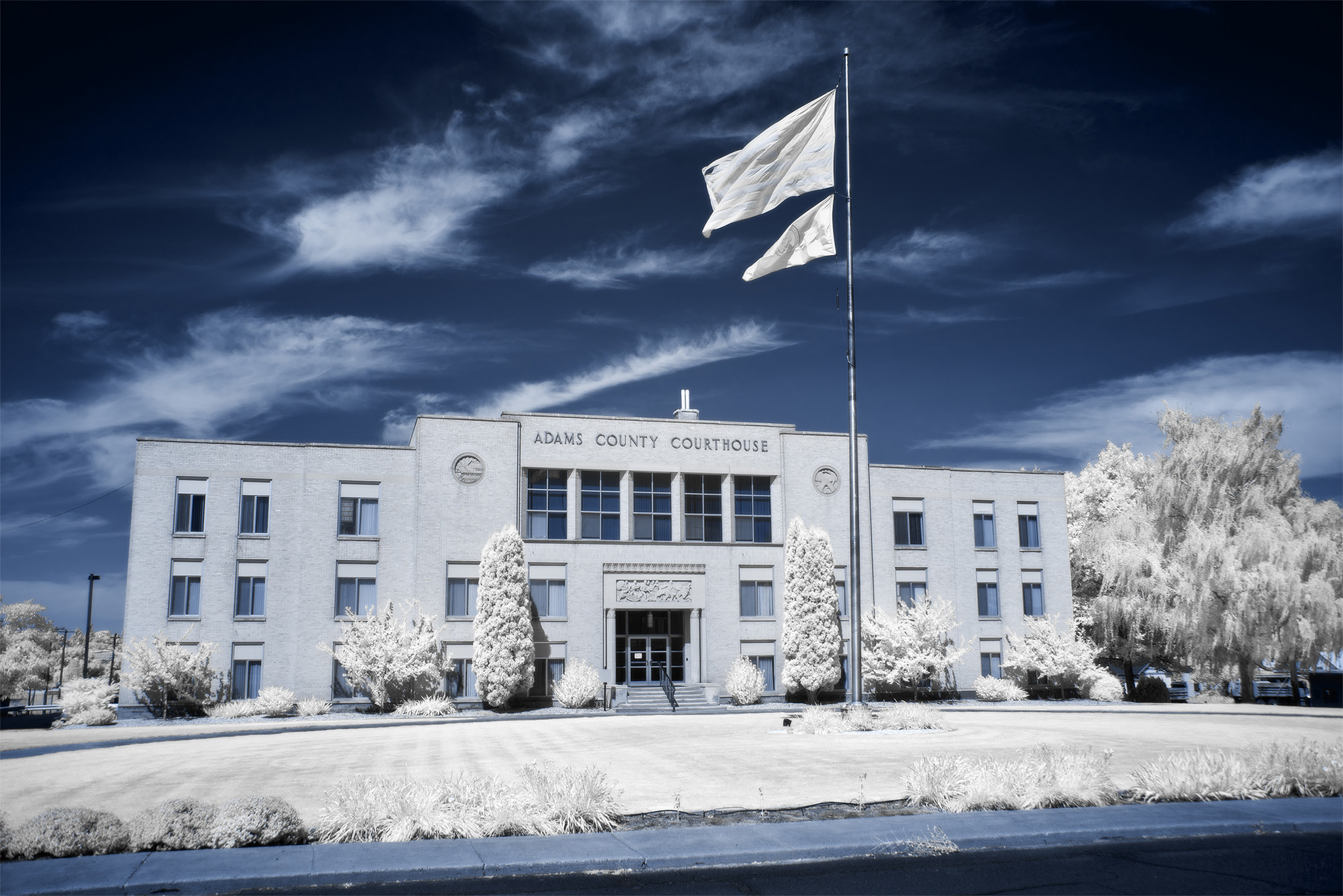
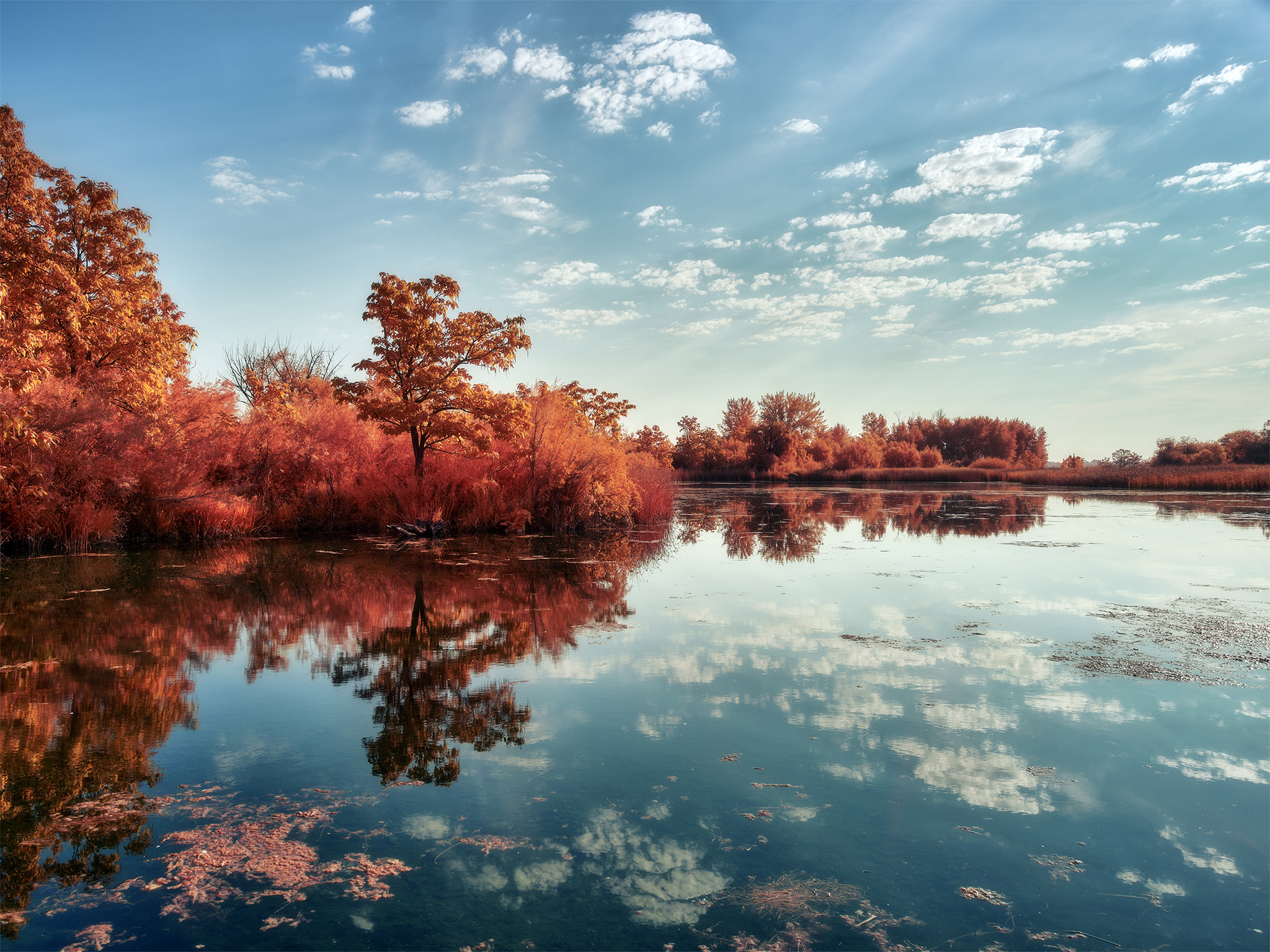
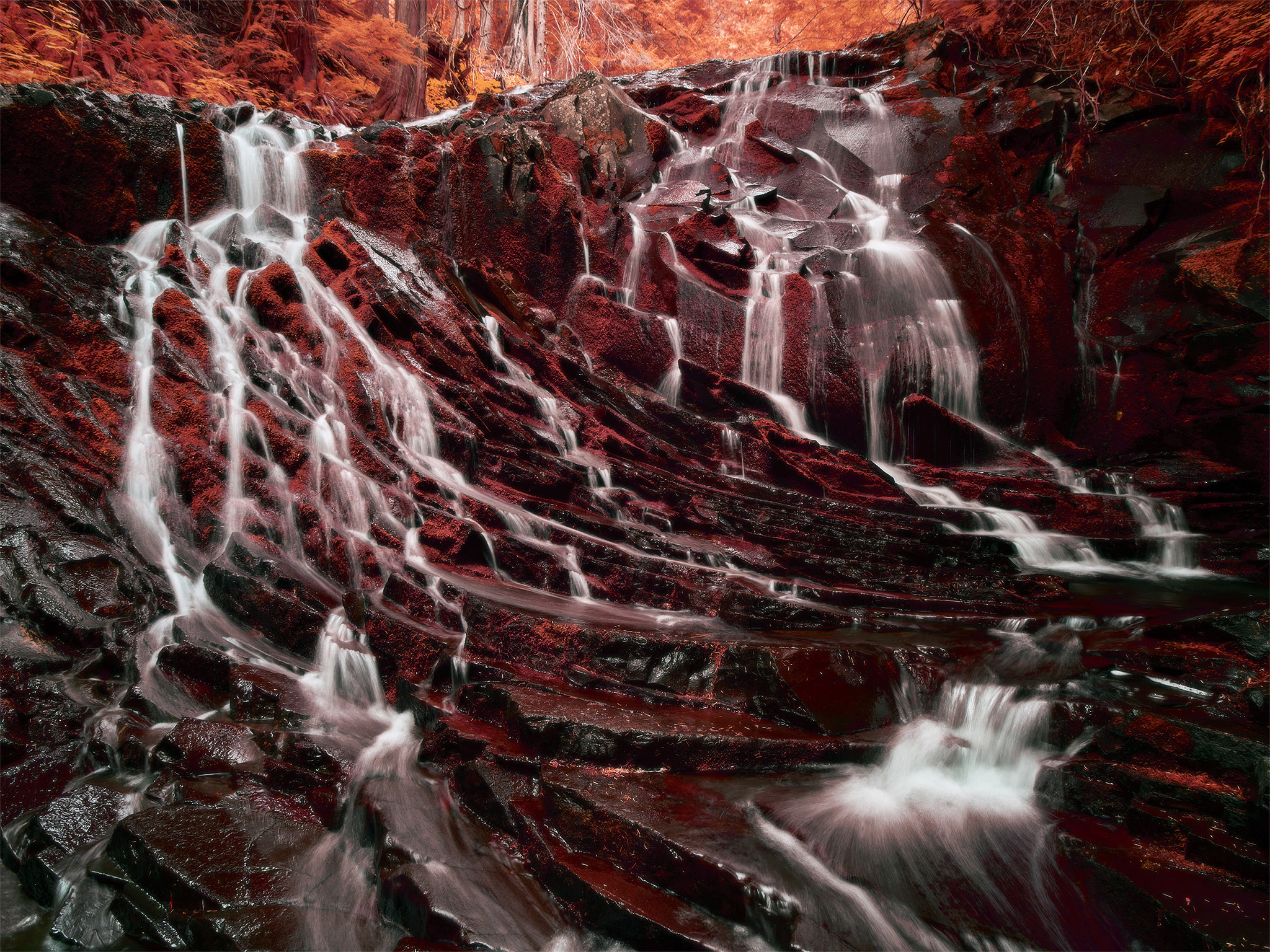
It's definitely not a fad but difficult for me to do well. Here are some of my latest images from the past couple months. I am shooting with a Nikon D810 currently but I don't particularly care for the workflow of a DSLR so I'm going to try a Sony a7r again. I had to send the last one back to the seller because there was an insane amount of dust under the sensor glass.
NIKON D81017-35 mm f/2.8-4 lens17mmf/9.01/500s64 ISO-0.3 EV
NIKON D81028-200 mm f/3.5-5.6 lens40mmf/8.01/500s64 ISO-0.3 EV
NIKON D8100 mm f/-- lens50mmf/8.01/400s64 ISO0.0 EV
NIKON D810Nikon AF-S NIKKOR 24-120mm f/4G ED VR lens110mmf/9.01/800s200 ISO+0.7 EV
NIKON D810Nikon AF-S NIKKOR 24-120mm f/4G ED VR lens95mmf/8.01/800s200 ISO-0.7 EV
NIKON D810Nikon AF-S NIKKOR 24-120mm f/4G ED VR lens78mmf/8.01/800s200 ISO-0.7 EV
NIKON D81028-200 mm f/3.5-5.6 lens38mmf/8.01/400s64 ISO+0.7 EV
NIKON D81028-200 mm f/3.5-5.6 lens62mmf/8.01/250s64 ISO+0.7 EV
NIKON D81028-200 mm f/3.5-5.6 lens95mmf/8.01/250s64 ISO+0.7 EV
NIKON D81028-200 mm f/3.5-5.6 lens32mmf/8.01/400s64 ISO+0.7 EV
NIKON D81017-35 mm f/2.8-4 lens24mmf/8.01/125s64 ISO-1.0 EV
NIKON D81017-35 mm f/2.8-4 lens19mmf/10.01/2s200 ISO-0.7 EV
p.15 #4 · Is Infrared Photography a Fad (for you)?
Frogfish wrote:
Here are a few taken yesterday with the Sony 10-20 PZ on a FS Sony A6000 with a Zomei 680nm filter. All taken at f4, various SS and all at either 10mm or 20mm (15mm or 30mm on FF).
I have not come across any hotspots whatsoever with the 10-20 PZ. It seems really really good in fact !
Note the shots below have been reduced from around 26MP each to ca. 1.0 to 1.5MP for online posting. They do seem a little darker after posting here than in 'real life'.
Long story short, I liked my 830nm Sony A7III so much that I had a Sony A7RIV converted to 830nm because I wanted a higher resolution IR body. The banding/stripes in the sky were very very visible, due to the PDAF used in the Sony sensor. Kolari recommended the Canon R5 for 850nm conversion because Canon doesn't use PDAF. I love the IR Canon R5 but it's kind of big to lug around for limited usage. In my recent trip to Europe, I brought a Sony A1II, A7RVI and the IR Canon R5. Bringing a different battery charger adds a bit weight too.
Now I sort of want to come back to Sony for deep B&W IR. This time I am looking to convert a Sony A6700 to 830nm. I know the tiny Sony 28-60 has very little hot spot issues because I used it. For wider angle, I am thinking of getting the Sony E PZ 10-20mm f/4, based on Kevin's observation in his post.
p.15 #5 · Is Infrared Photography a Fad (for you)?
My a7r3 doesn't show any banding and in general works really well with Kolari conversion. Its odd that 4 shows PDAF lines.
Mine is a full spectrum conversation and it works great with 720. At 850nm I see a more pronounced hot spot with some lenses.
Douglas L wrote:
Resurrecting this old thread.
Long story short, I liked my 830nm Sony A7III so much that I had a Sony A7RIV converted to 830nm because I wanted a higher resolution IR body. The banding/stripes in the sky were very very visible, due to the PDAF used in the Sony sensor. Kolari recommended the Canon R5 for 850nm conversion because Canon doesn't use PDAF. I love the IR Canon R5 but it's kind of big to lug around for limited usage. In my recent trip to Europe, I brought a Sony A1II, A7RVI and the IR Canon R5. Bringing a different battery charger adds a bit weight too.
Now I sort of want to come back to Sony for deep B&W IR. This time I am looking to convert a Sony A6700 to 830nm. I know the tiny Sony 28-60 has very little hot spot issues because I used it. For wider angle, I am thinking of getting the Sony E PZ 10-20mm f/4, based on Kevin's observation in his post.
p.15 #6 · Is Infrared Photography a Fad (for you)?
secondclaw wrote:
My a7r3 doesn't show any banding and in general works really well with Kolari conversion. Its odd that 4 shows PDAF lines.
Mine is a full spectrum conversation and it works great with 720. At 850nm I see a more pronounced hot spot with some lenses.
My 830nm A7III showed minor banding/stripes, mainly in the sky, but not very visible. The 830nm A7RIV was a mess. I recall Joe Coleson posted some pages back that his full spectrum A7RIV didn't show banding either when using a Kolari 850nm filter. I suspend that it may have something to do with yours and Joe's are full spectrum conversion instead of 830nm conversion? In my chat with Kolari, they said the banding affects the A7RIII too if the conversion is 830nm. Basically, the higher the resolution, the darker the conversion, the more visible the banding will be.