Fred Miranda wrote:
...However, in your "FULL BODY PORTRAIT DISTANCE" sample, the Panchro appears to have a higher resolution and contrast on the main subject. Could this be caused by a misfocus? The same observation can be made in the infinity sample around the center, where I see that the Panchro yields higher resolution/lower contrast and on the other hand the Elcan shows higher contrast/lower resolution.
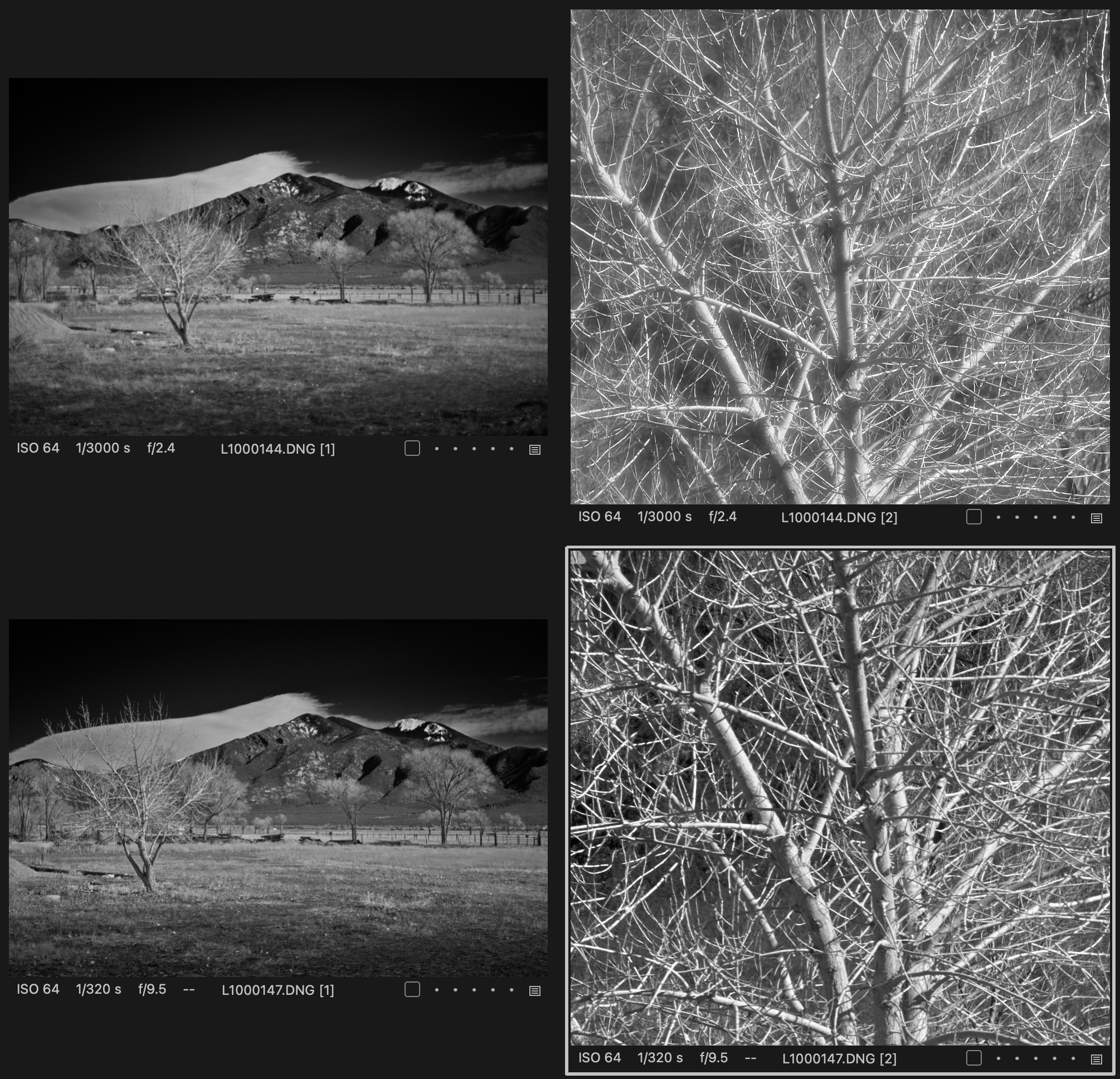
I think the Panchro suffered in the first set due to veiling flare. If you look at the shadows in the first set, the sun was at about 70 degrees to my right and in front of me a bit, and I wasn't using the Panchro's narrow hood. But I was using the hood on the Elcan. Didn't even think about it at the time. On the full-body portrait distance shot, I walked forward and turned left and was facing directly away from the sun, so contrast came back on the SPII.
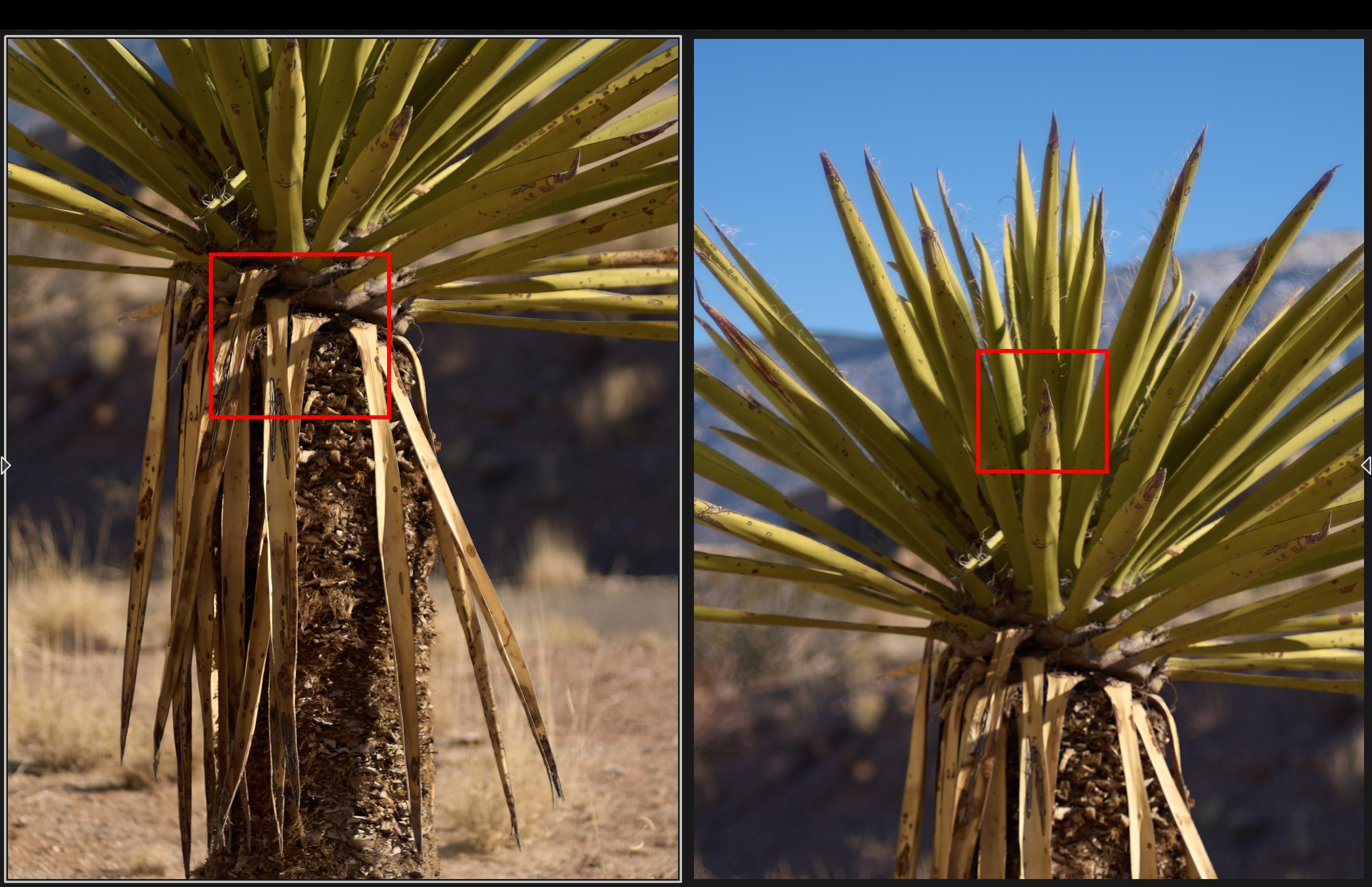
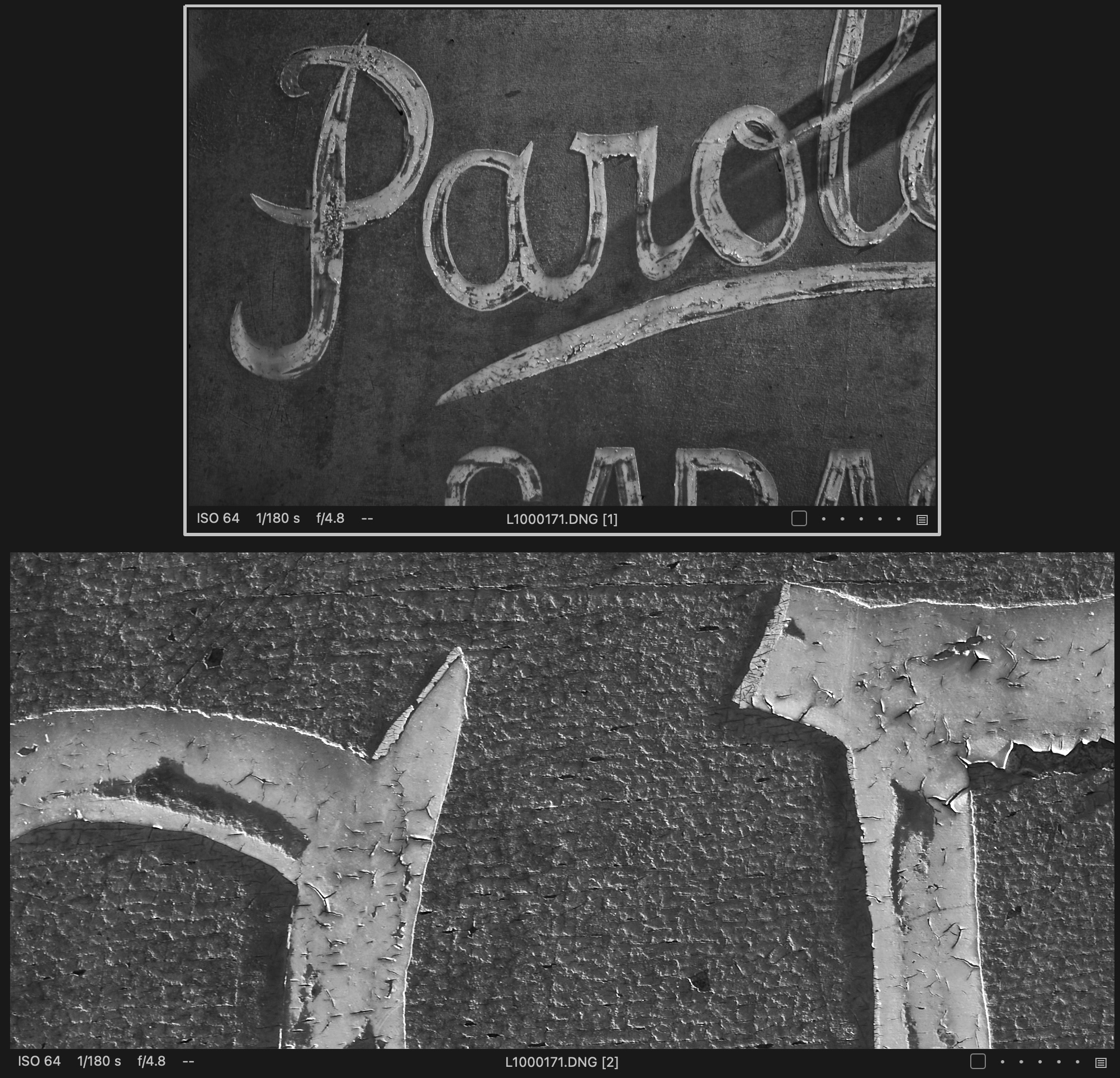
On the full-body portrait distance shot of the Spanish Dagger yucca plant, the point of focus for the SPII accidentally ended up on the trunk of the plant while the Elcan focus was on one of the green blades/leaves that extended forward from the trunk. So on the magnified shot where you see the trunk of the plant on the right, I didn't mean to be looking at that for focus, I just wanted to show the transition zone in the rest of the image. Sorry for that, but it's difficult to focus the SPII at f/2 because of the prototype nature of the focusing ring, which feels a bit like driving a car with loose steering. I should have taken several shots, refocusing every time. The higher resolution of the SL2 over my SL2-S would have come in handy here.
Below the red boxes show the point of focus – SPII left, Elcan right. I was trying to focus the SPII on the same place as the Elcan but missed and got the trunk instead. I'll go back and insert a note on that post.
Fred Miranda wrote:
I am a bit puzzled by the results I've seen. At long distances of 5 meters or more, I found that the Elcan's image resolution decreases noticeably even for subjects focused at center. This issue was not present in the new LLL 50/2 Panchro or the Leica 50/2 Rigid.
On the sample at closer distance, the Elcan yields higher resolution/contrast for the "cactus" located toward the edge but falls apart on your samples at 5 and 7 meter distance....
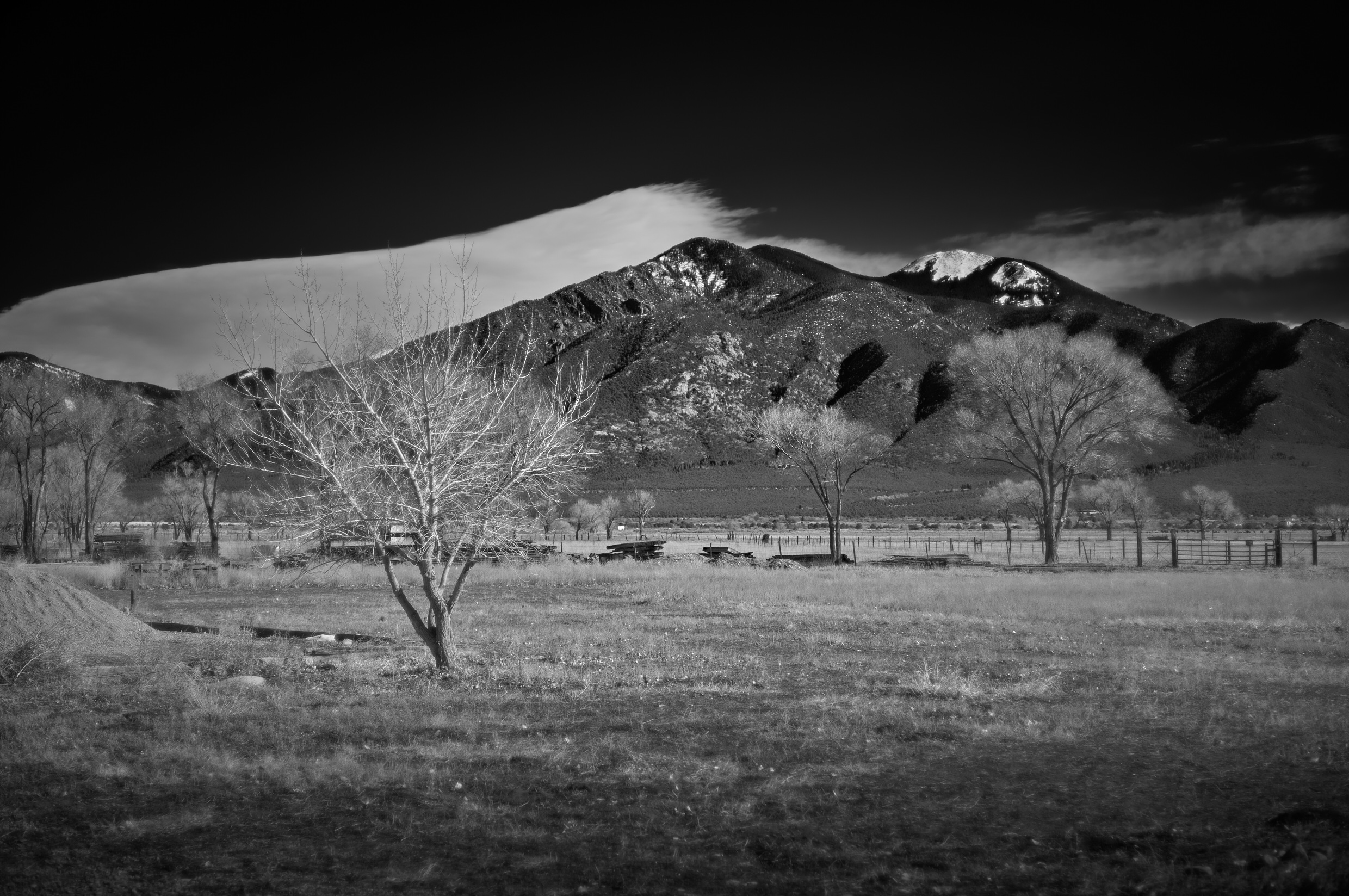
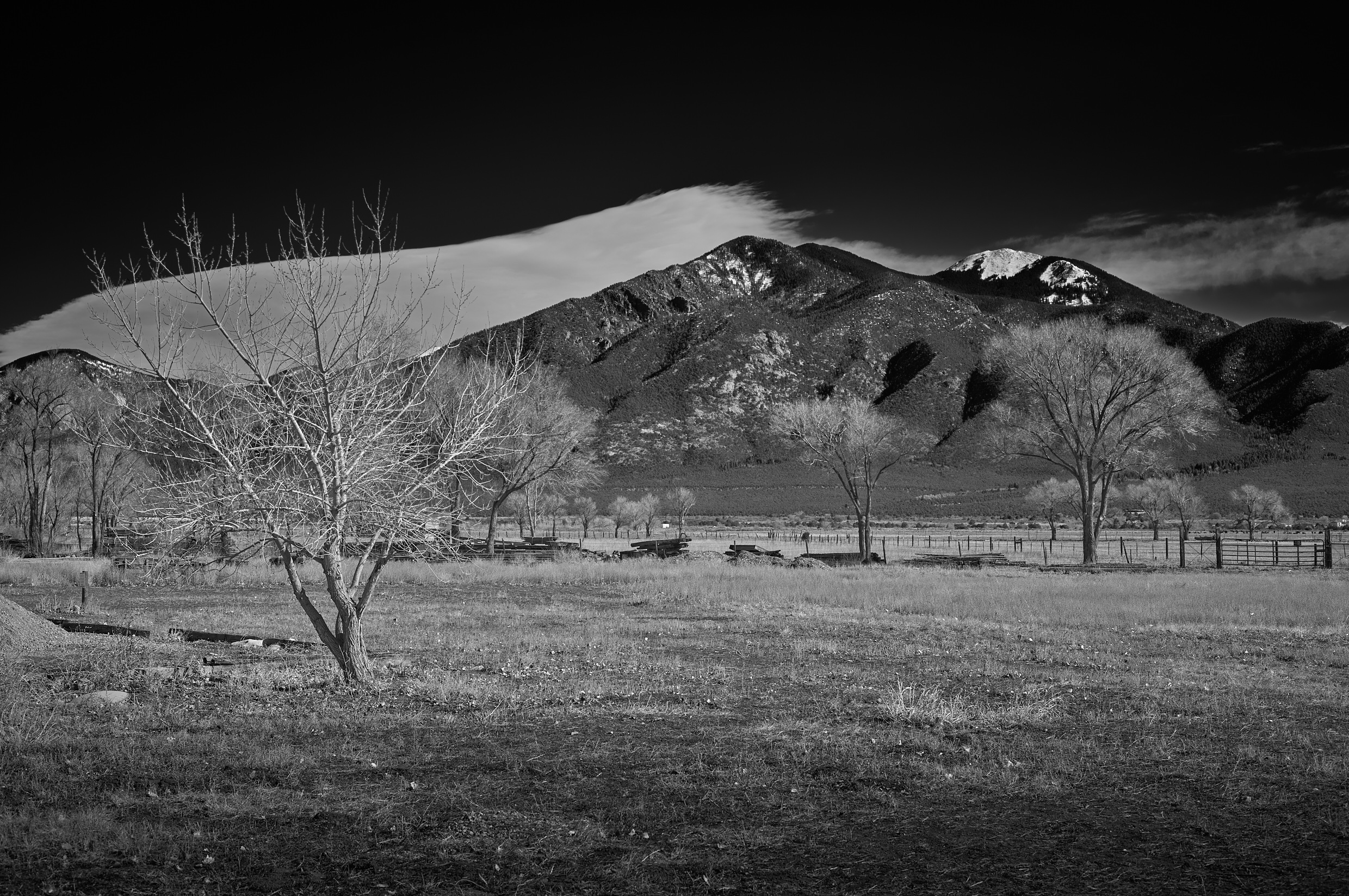
My copy of the Elcan seems sharp off center from MFD to about 3m as long as I don't get too close to the long edge of the frame. The cactus in the shot is still in the central radius where I can get good sharpness at 3m. Past 3m, yes, it falls apart off center much sooner and the radius of sharpness is more confined to the very center.
Fred Miranda wrote:
Wow, that was a really intriguing comparison! Thanks for sharing your thoughts!
...
The Elcan has a higher contrast and a less defined outlining of specular highlights, but I personally prefer the more structured draw of the Panchro, as seen in your examples. While I understand that some people might have different opinions, this is my personal preference....
Finally, I noticed that the Panchro has a narrower field of view compared to the Elcan.
Two lenses with lots of character!!
You're welcome! I prefer the Panchro as well, and it will only get better on the production version. But they are close enough in rendering that I would still choose the Elcan when I want the smallest lens possible.
Yeah, the Panchro also has less distortion in addition to having a narrower FOV.
sarkleshark wrote:
Hi, The front element seems to be recessed relatively deep from the end of the housing, so I wonder if the large lens hood is even necessary. ??
Absolutely, the Lens from my own use before sending to reviewers shows that it flares quite easily.
Wow, thanks HDM for the Speed Panchro prototype sample images. I really like how it has some wide open glow but sharpens up really well stopped down.
Back in December I picked up a Canon R6II as my transition camera from Canon DSLRs to mirrorless. I've mostly just used it for 'work' stuff with adapted Canon EF lenses, though recently picked up the RF 28-70/2, which I love (prior to this lens I very much disliked 24/28-70 zooms).
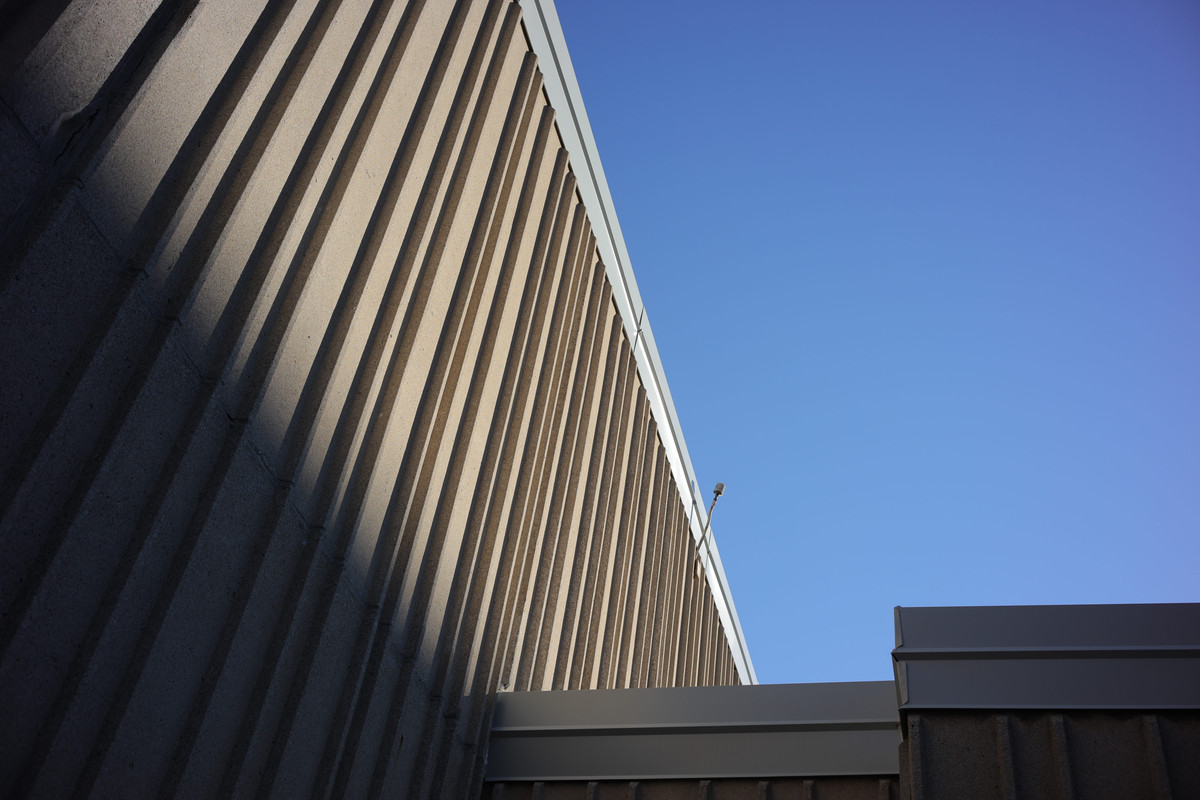
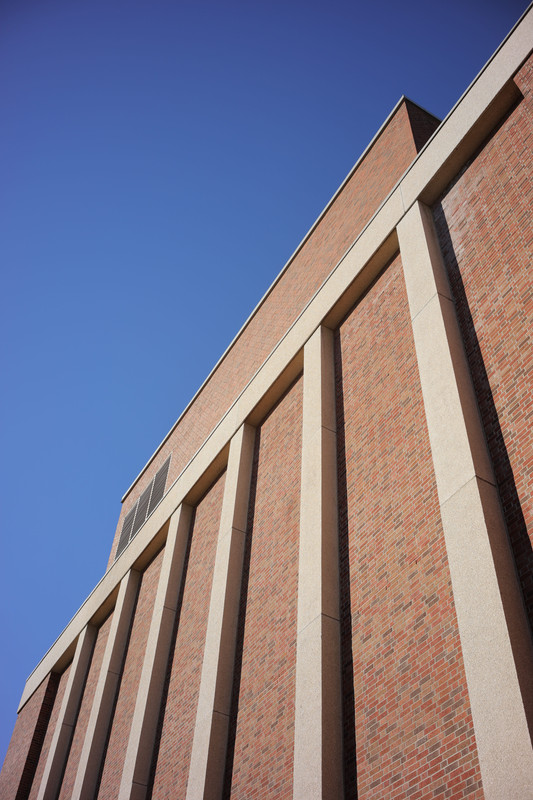
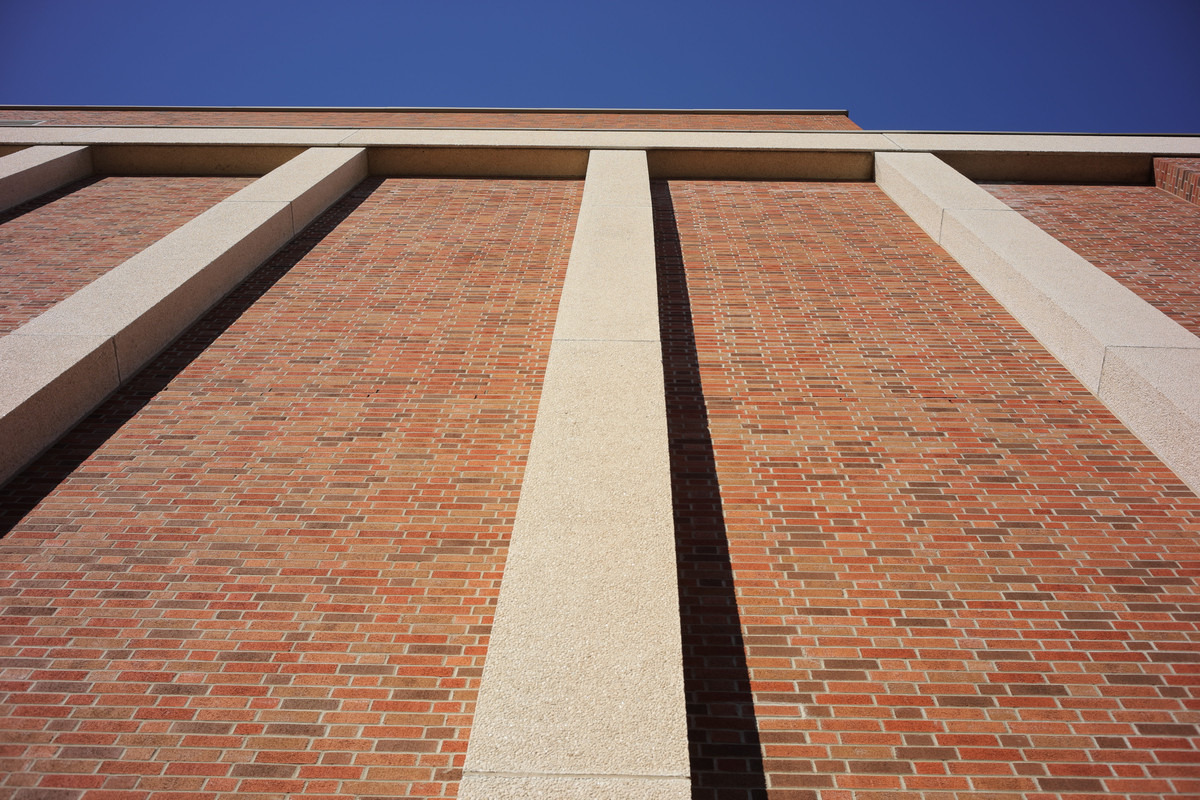
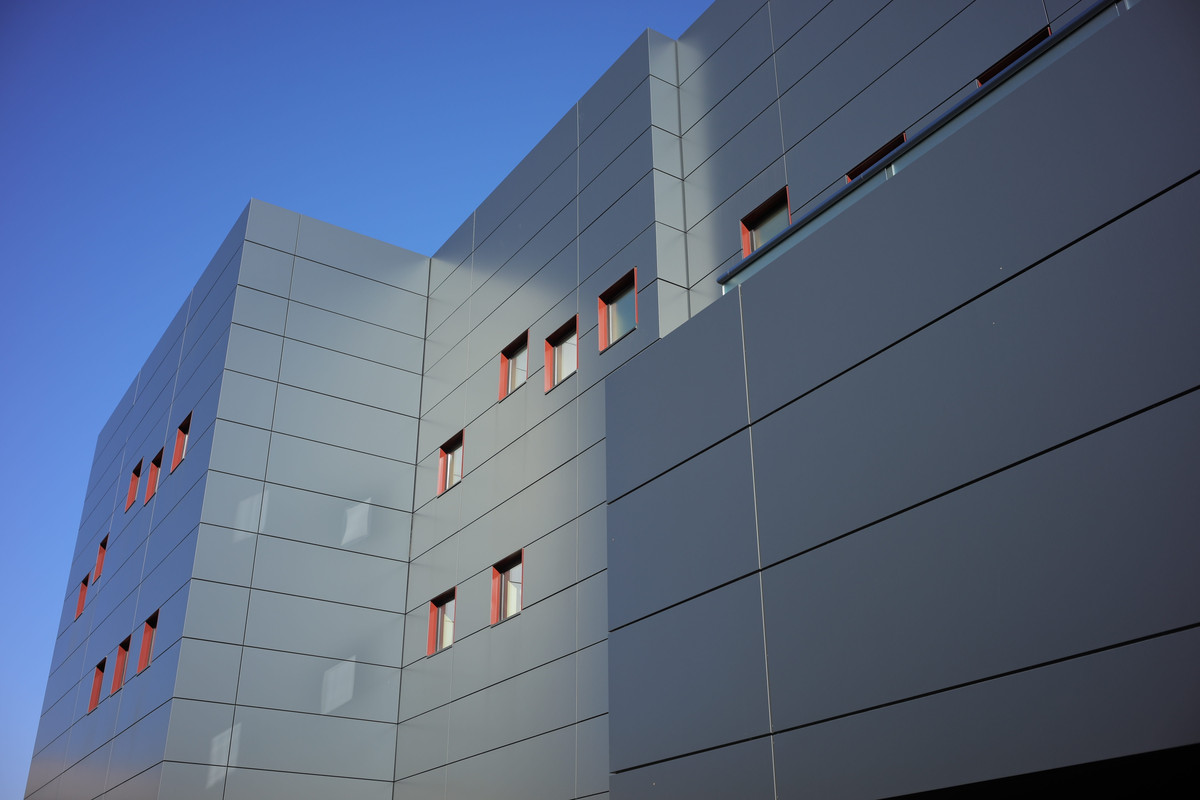
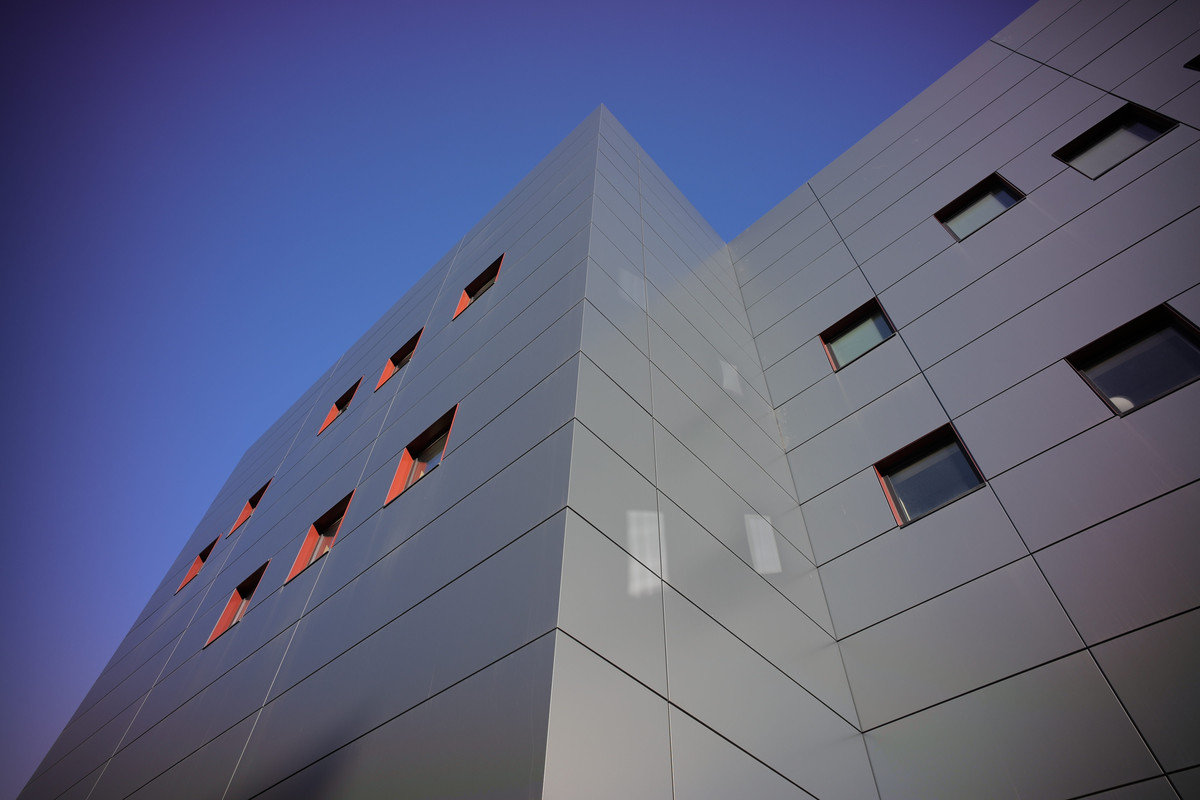
Anyway, today I went out with the zoom but also brought along a few rangefinder lenses to try on the R6II: 21SEM, LLL 35 Cron replica, ZM50/2 and Leica 90/4 Macro. The 50 and 90 were unproblematic. Surprisingly, the 35 Cron replica was mostly too. The 21 SEM showed very little signs of sensor glass thickness problems, which looks promising. However the R6II's FSI sensor resulted in pretty strong pink/purple color shift into the corners. The LLL shows just a hint of this in the very corners, but otherwise seems very usable.
Here are a few SOOC images, which are jpeg previews extracted from the raw files. Note that I have my in-camera picture profile set to the lowest possible contrast to try to somewhat reduce the R6II's lackluster EVF from blocking up shadows. Therefore these are a bit on the flat side. These were all shot at f/8. At wider apertures it was possible to see some loss of mid zone sharpness due to the wavy field curvature of my copy of the Cron replica. Sharpness is generally very good at f/8 with just the extreme corners going soft.
In the last image above, the color change in the bottom left corner is a reflection of the surroundings off the building facade.
Below is the 21 SEM just for reference. Slightly disappointed that the color shift is this bad with it, but I didn't buy the R6II to adapt rangefinder glass. Though seeing how well the SEM stays sharp across the frame at f/4 has me wishing the R6II's sensor was BSI. I guess I can always fall back to my M240.
rscheffler wrote:
Wow, thanks HDM for the Speed Panchro prototype sample images. I really like how it has some wide open glow but sharpens up really well stopped down.
Back in December I picked up a Canon R6II as my transition camera from Canon DSLRs to mirrorless. I've mostly just used it for 'work' stuff with adapted Canon EF lenses, though recently picked up the RF 28-70/2, which I love (prior to this lens I very much disliked 24/28-70 zooms).
Anyway, today I went out with the zoom but also brought along a few rangefinder lenses to try on the R6II: 21SEM, LLL 35 Cron replica, ZM50/2 and Leica 90/4 Macro. The 50 and 90 were unproblematic. Surprisingly, the 35 Cron replica was mostly too. The 21 SEM showed very little signs of sensor glass thickness problems, which looks promising. However the R6II's FSI sensor resulted in pretty strong pink/purple color shift into the corners. The LLL shows just a hint of this in the very corners, but otherwise seems very usable.
Here are a few SOOC images, which are jpeg previews extracted from the raw files. Note that I have my in-camera picture profile set to the lowest possible contrast to try to somewhat reduce the R6II's lackluster EVF from blocking up shadows. Therefore these are a bit on the flat side. These were all shot at f/8. At wider apertures it was possible to see some loss of mid zone sharpness due to the wavy field curvature of my copy of the Cron replica. Sharpness is generally very good at f/8 with just the extreme corners going soft.
In the last image above, the color change in the bottom left corner is a reflection of the surroundings off the building facade.
Below is the 21 SEM just for reference. Slightly disappointed that the color shift is this bad with it, but I didn't buy the R6II to adapt rangefinder glass. Though seeing how well the SEM stays sharp across the frame at f/4 has me wishing the R6II's sensor was BSI. I guess I can always fall back to my M240.
Yeah, the Speed Panchro glow seems to be a bit less than the 35 Lux pre-ASPH but a bit more than my LLL 35 8-element. I think the Speed Panchro would be a perfect pairing with either or both if one wanted to keep that wide open glow.
great to see your comparisons of the Elcan and the SP2.
I have just received the LLL 35mm Cron replica and am loving applying RNI filmic presets to it.. feels like a great combination to get a film look.
One question I have, from looking at your Elcan and SP2 photos is- do you think its a good idea to have both lenses? It seems like the SP2 has such a unique rendering quality, but they seem really close at the same time... I'm asking as I'm currently in Shanghai and they have LLL Elcans in a shop near me here.. I'm definitely going to purchase a SP2, but wonder if in your opinion you think that in some cases an LLL Elcan would be equally as good to have in your bag as well.
great to see your comparisons of the Elcan and the SP2.
I have just received the LLL 35mm Cron replica and am loving applying RNI filmic presets to it.. feels like a great combination to get a film look.
One question I have, from looking at your Elcan and SP2 photos is- do you think its a good idea to have both lenses? It seems like the SP2 has such a unique rendering quality, but they seem really close at the same time... I'm asking as I'm currently in Shanghai and they have LLL Elcans in a shop near me here.. I'm definitely going to purchase a SP2, but wonder if in your opinion you think that in some cases an LLL Elcan would be equally as good to have in your bag as well.
Hi, John. The SPII is much longer than the Elcan, and since the production version of the SPII will also be made of brass, it's going to be heavier as well. The production hood for the SPII looks pretty big as well. I'm going to keep the Elcan just because it's so small, it's fun to shoot with, and for the nostalgia of owning a replica of a rare Leica lens.
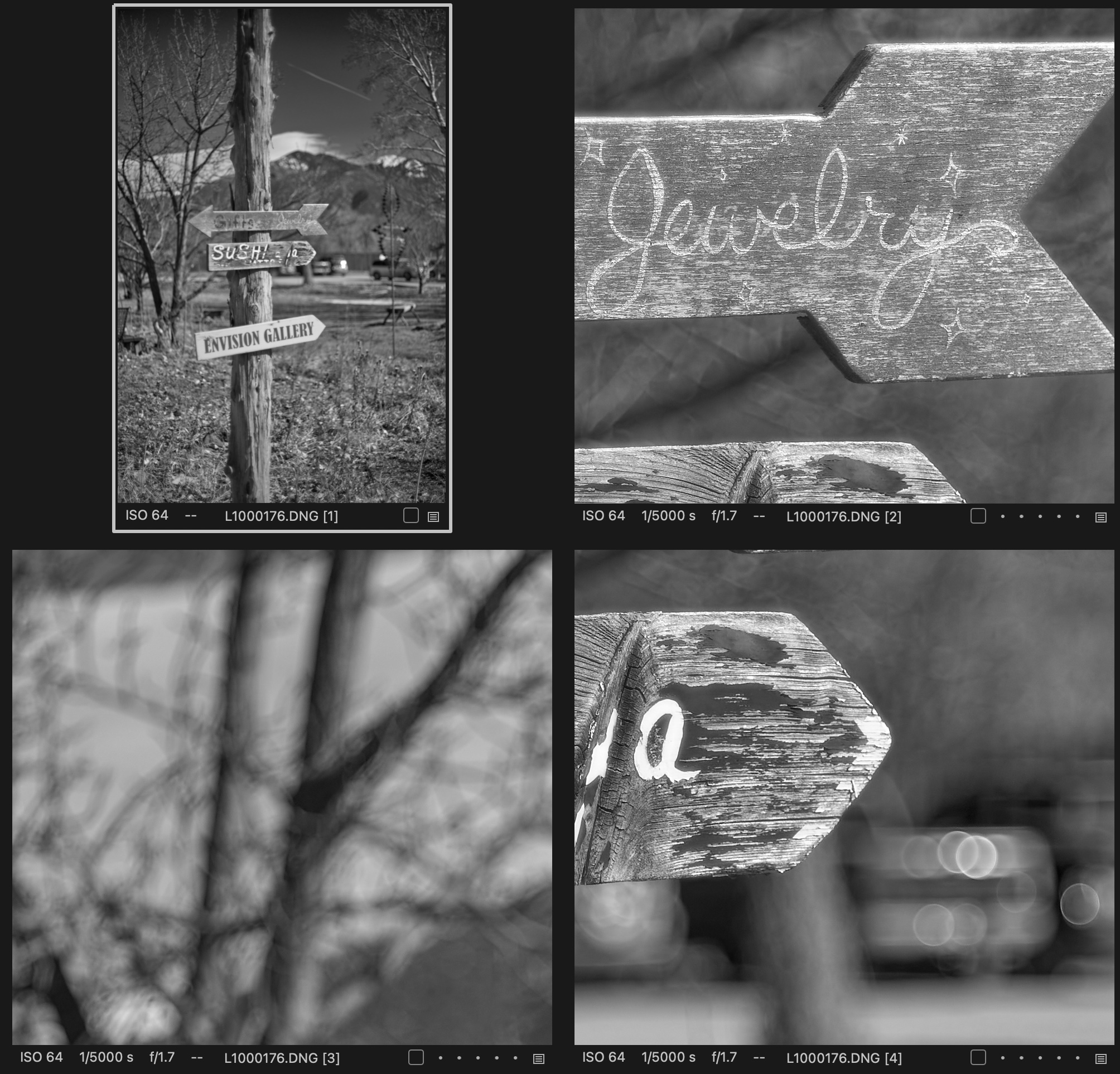
The thing I liked most about the SPII was the glow at f/2. It's more like a 50mm version of the 35 Lux pre-ASPH v2 than the 50mm Lux pre-ASPH variants, at least it appears so to me based on shots I've seen on Leica Forum. So in this way, the SPII is very different from the Elcan – the Elcan has little to no glow at f/2.
highdesertmesa wrote:
Hi, John. The SPII is much longer than the Elcan, and since the production version of the SPII will also be made of brass, it's going to be heavier as well. The production hood for the SPII looks pretty big as well. I'm going to keep the Elcan just because it's so small, it's fun to shoot with, and for the nostalgia of owning a replica of a rare Leica lens.
The thing I liked most about the SPII was the glow at f/2. It's more like a 50mm version of the 35 Lux pre-ASPH v2 than the 50mm Lux pre-ASPH variants, at least it appears so to me based on shots I've seen on Leica Forum. So in this way, the SPII is very different from the Elcan – the Elcan has little to no glow at f/2....Show more →
Great points, although I see noticeable glow with the Elcan at f/2 in highlights away from the center area. This makes sense as aberrations are more pronounced off-axis.
The SPII's rendering is very unique but it reminds me a lot of the Voigt 50/1.5 Heliar's. I wonder how they would behave when compared side by side.
Fred Miranda wrote:
Great points, although I see noticeable glow with the Elcan at f/2 in highlights away from the center area. This makes sense as aberrations are more pronounced off-axis.
The SPII's rendering is very unique but it reminds me a lot of the Voigt 50/1.5 Heliar's. I wonder how they would behave when compared side by side.
Thanks, that's a good clarification. It's an interesting effect with the Elcan to have a sharp subject without glow and glowing areas off axis. It might be a good lens to try at night with streetlights to see if it mimics the halation from CineStill 800T and/or Glimmerglass, Black Pro-Mist, and CineBloom filters.
If someone had the SPII, Elcan, and the CV 50 1.5 Heliar, they could make us a Venn diagram of how they overlap!
highdesertmesa wrote:
If someone had the SPII, Elcan, and the CV 50 1.5 Heliar, they could make us a Venn diagram of how they overlap!
Looking forward to seeing such a comparison. Based on my impressions, the Heliar will have the strongest wide open glow and craziest bokeh. While it cleans up stopped down, it doesn't appear to achieve very high technical sharpness across the full frame (but I could be wrong). The SPII is a step down in wide open glow and sharpness up really well stopped down, by the looks of it. The Elcan seems to be a combination of the two - sharp centrally with peripheral softness and glow. Stopping down doesn't result in excellent peripheral sharpness. Elcan looks to be slightly smoother background rendering than the SPII (but might be distance dependent), which is also true compared to the 50 Cron Rigid. Based on Fred's comparison of the Heliar and Rigid, they appear to render backgrounds similarly across their shared aperture range.