This topic is in the 2019 archive. You can read it and like its posts here. It is read only.
Archive 2019Sony 35mm 1.8, CV 40 1.2, Batis 18mm, Batis 85mm Big Bronco
p.5 #1Sony 35mm 1.8, CV 40 1.2, Batis 18mm, Batis 85mm Big Bronco
Maximilian wrote:
What is sharp in your eyes (i.e. what MTF at what lp/mm)?Sharp would be for example without the devastating coma of the Sony FE 1,8/35mm wide open.
In MTF numbers, for frame height 15mm to 21.6mm:
10 lp/mm: not under 85%
20 lp/mm: not under 65%
40 lp/mm: not under 40%
But MTF alone is not enough, actual aberration correction is relevant too.According to lensrentals, only minimally stopping down achieves that:
Like the 24mm, the Sony 35mm f/1.8 is exceptionally good. There’s no question that Sony has been cranking out one excellent lens after another lately, and this is coming from someone who ravaged the first, and many of the second, generation Sony FE lenses."
There are hardly any other 35/1.8 or 35/2 lenses able to compete.
https://www.lensrentals.com/blog/2019/08/some-new-wide-angle-lens-mtf-tests-sony-24mm-f1-4-gm-sony-35mm-f1-8-tamron-35mm-f1-4-sp/I dare to disagree. The point is exactly that you need to stop down the Sony FE 1,8/35mm in order to achieve very good quality at the frame edges and corners. Thus, in my view, this lens is not at all "exceptionally good" at most certainly not "like the 24mm" GM, which I deem a small masterpiece. Have a look at its coma at f/1.8, it's embarassing. Sony have been indeed delivering many excellent lenses in the last couple of years, and especially in the streak of successful primes the 1,8/35mm is somewhat subpar. Yes, it's super sharp in the...Show more →
So you expect a consumer lens designed to be a jack of all trades and not a specialist landscape lens to be sharp all over the frame right into the extreme corners without many special elements etc. at f1.8, ie. wide open and for a bargain, i.e. half the price of the 24GM? That deserves a big laugh from me.
The optical bench measurements show that this lens can compete with all other lenses in its class very favourably, so given the huge database R. Cicala can draw upon, his praise is well deserved, your expectations aren't. The 40lp/mm curve shows that a minimal change in f-stop should give you the .4 MTF. That is fantastic.
Are you going to shoot landscapes at f1.8 to need the corners to be tack sharp? Overall, I think this to be an excellent lens for the money.
Just for comparison
Sony 35/1.8
https://www.lensrentals.com/blog/media/2019/08/Sony-35-f1.8.png
Zeiss Distagon 35/2ZE
https://www.lensrentals.com/blog/media/2019/03/Distagon-T-35mm-f2-ZE_MTF_Average.png
Zeiss Milvus 35/1.4
https://www.lensrentals.com/blog/media/2019/03/Milvus-35mm-f1.4-ZE_MTF_Average.png
Otus 28/1.4
https://www.lensrentals.com/blog/media/2019/03/Apo-Distagon-T-28mm-f1.4-Otus-ZE-Coverglass_MTF_Average.png
Edited on Oct 06, 2019 at 07:12 AM · View previous versions
Holger wrote
Maximilian wrote
Holger wrote
Maximilian wrote
Why not a 35mm f/1.8-f/2.0 with sharp edges/corners from wide open?In MTF numbers, for frame height 15mm to 21.6mm:
10 lp/mm: not under 85%
20 lp/mm: not under 65%
40 lp/mm: not under 40%
But MTF alone is not enough, actual aberration correction is relevant too.
Like the 24mm, the Sony 35mm f/1.8 is exceptionally good. There’s no question that Sony has been cranking out one excellent lens after another lately, and this is coming from someone who ravaged the first, and many of the second, generation Sony FE lenses."
There are hardly any other 35/1.8 or 35/2 lenses able to compete.
https://www.lensrentals.com/blog/2019/08/some-new-wide-angle-lens-mtf-tests-sony-24mm-f1-4-gm-sony-35mm-f1-8-tamron-35mm-f1-4-sp/
So you expect a consumer lens designed to be a jack of all trades and not a specialist landscape lens to be sharp all over the frame right into the extreme corners without many special elements etc. at f1.8, ie. wide open and for a bargain, i.e. half the price of the 24GM? That deserves a big laugh from me.
The optical bench measurements show that this lens can compete with all other lenses in its class very favourably, so given the huge database R. Cicala can draw upon, his praise is well deserved, your expectations aren't. The 40lp/mm curve shows that a minimal change in f-stop should give you the .4 MTF. That is fantastic.
Are you going to shoot landscapes at f1.8 to need the corners to be tack sharp? Overall, I think this to be an excellent lens for the money.
Just for comparison
Sony 35/1.8
https://www.lensrentals.com/blog/media/2019/08/Sony-35-f1.8.png
Zeiss Distagon 35/2ZE
https://www.lensrentals.com/blog/media/2019/03/Distagon-T-35mm-f2-ZE_MTF_Average.png
Zeiss Milvus 35/1.4
https://www.lensrentals.com/blog/media/2019/03/Milvus-35mm-f1.4-ZE_MTF_Average.png
Otus 28/1.4
https://www.lensrentals.com/blog/media/2019/03/Apo-Distagon-T-28mm-f1.4-Otus-ZE-Coverglass_MTF_Average.png
Edited on Oct 06, 2019 at 07:12 AM · View previous versions
Oct 06, 2019 at 07:04 AM
p.5 #2Sony 35mm 1.8, CV 40 1.2, Batis 18mm, Batis 85mm Big Bronco
I’ve done this hundreds of times and those corners even at F4 beat a ton of lenses. Hell its killing the CV 40 but these are different lens design goals. If really there is any real issue it’s going to be CA we just have to clean that up. Bokeh I’m not going to argue this points, first it’s subjective and like the other 1.8 Sony lenses which none of them have nice bokeh. It’s as expected
The 55 and 85 are essentially the same with regards to bokeh. There also in that same price range
Ugly bokeh under 1 grand
Great bokeh over 1 grand
Every lens we tend to love is over 1 grand. Obviously just making a small point
Look at the lenses we tend to love
Sony 24 1.4
Sony 50 1.4
Sony 85 1.4
Sony 35 1.4 hate the lens but nice bokeh. I hate it for other reason , copy variance and onion rings
But see the pattern here. Sony can’t make money selling only lenses over a grand. They must design for the real bread winners the consumers under a grand
Oct 06, 2019 at 07:11 AM
p.5 #3Sony 35mm 1.8, CV 40 1.2, Batis 18mm, Batis 85mm Big Bronco
I’m going to try and sneak out and look into this shading setting. We don’t talk about this much. See if I can get more distance bokeh like mid range
Oct 06, 2019 at 07:23 AM
p.5 #4Sony 35mm 1.8, CV 40 1.2, Batis 18mm, Batis 85mm Big Bronco
I think we’re missing the point of this lens here, the FE is a small, lightweight, sharp lens with close focus and very fast and accurate AF, perfectly suited for travel, street and documentary photography, all at a reasonable price. The Milvuses and Otuses are a total fail from this perspective. Shortly followed by the 1.2 and 1.4 monster lenses featuring AF.
Oct 06, 2019 at 07:28 AM
p.5 #5Sony 35mm 1.8, CV 40 1.2, Batis 18mm, Batis 85mm Big Bronco
Holger wrote:
What is sharp in your eyes (i.e. what MTF at what lp/mm)?Sharp would be for example without the devastating coma of the Sony FE 1,8/35mm wide open.
In MTF numbers, for frame height 15mm to 21.6mm:
10 lp/mm: not under 85%
20 lp/mm: not under 65%
40 lp/mm: not under 40%
But MTF alone is not enough, actual aberration correction is relevant too.According to lensrentals, only minimally stopping down achieves that:
Like the 24mm, the Sony 35mm f/1.8 is exceptionally good. There’s no question that Sony has been cranking out one excellent lens after another lately, and this is coming from someone who ravaged the first, and many of the second, generation Sony FE lenses."
There are hardly any other 35/1.8 or 35/2 lenses able to compete.
https://www.lensrentals.com/blog/2019/08/some-new-wide-angle-lens-mtf-tests-sony-24mm-f1-4-gm-sony-35mm-f1-8-tamron-35mm-f1-4-sp/I dare to disagree. The point is exactly that you need to stop down the Sony FE 1,8/35mm in order to achieve very good quality at the frame edges and corners. Thus, in my view, this lens is not at all "exceptionally good" at most certainly not "like the 24mm" GM, which I deem a small masterpiece. Have a look at its coma at f/1.8, it's embarassing. Sony have been indeed delivering many excellent lenses in the last couple of years, and especially in the streak of successful primes the 1,8/35mm is somewhat subpar. Yes, it's super sharp in the centre and partway in the midframe wide open and it gets sharp edges and then corners as soon as it is stopped down. What it lacks is uniform sharpness over the frame wide open.
The closest thing to that performance is the Batis 2/40mm, but with major downsides, for me.So you expect a consumer lens designed to be a jack of all trades and not a specialist landscape lens to be sharp all over the frame right into the extreme corners without many special elements etc. at f1.8, ie. wide open and for a bargain, i.e. half the price of the 24GM? That deserves a big laugh from me.
The optical bench measurements show that this lens can compete with all other lenses in its class very favourably, so given the huge database R. Cicala can draw upon, his praise is well deserved, your expectations aren't. The 40lp/mm curve shows...Show more →
Before you start laughing out too loud you should carefully read what I wrote without implying your own conlcusons.
My question was "Why not a 35mm f/1.8-f/2.0 with sharp edges/corners from wide open?", and there you started your unrequested hagiographic rave about the "exceptionally good" Sony FE 1,8/35mm. I didn't mention the price at all, you did, I am simply dissatisfied both with the wide open edge sharpness of the Sony FE 1,8/35mm, regardless of its price, and with the lack of a high quality alternative on the market, except the Batis 40mm, which has its own downsides. I didn't comment about the price-quality ratio of the Sony 1,8/35mm, you did. I would be happy to pay a higher price in order to have the quality I'm talikng about. If you're happy with the Sony FE 1,8/35mm, I'm happy for you.
Being able to shoot an urban night landscape at ISO 100 wide open (instead of at f/2.8) without the city lights at the frame edges being destroyed by coma, for example, can mean a difference between 30 sec. and 1 minute exposure time, something of great value for me, and that's true even if you lack the knowledge and/or experience to imagine any possible scenario for the usefulness of such a lens.
Also, your comparison of the Sony FE 1,8/35mm only with DSLR-lenses (instead of, for example, the aforementioned Batis 40mm) shows how little you actually understand of the matter.
Maximilian wrote
Holger wrote
Maximilian wrote
Holger wrote
Maximilian wrote
Why not a 35mm f/1.8-f/2.0 with sharp edges/corners from wide open?In MTF numbers, for frame height 15mm to 21.6mm:
10 lp/mm: not under 85%
20 lp/mm: not under 65%
40 lp/mm: not under 40%
But MTF alone is not enough, actual aberration correction is relevant too.
Like the 24mm, the Sony 35mm f/1.8 is exceptionally good. There’s no question that Sony has been cranking out one excellent lens after another lately, and this is coming from someone who ravaged the first, and many of the second, generation Sony FE lenses."
There are hardly any other 35/1.8 or 35/2 lenses able to compete.
https://www.lensrentals.com/blog/2019/08/some-new-wide-angle-lens-mtf-tests-sony-24mm-f1-4-gm-sony-35mm-f1-8-tamron-35mm-f1-4-sp/
The closest thing to that performance is the Batis 2/40mm, but with major downsides, for me.
The optical bench measurements show that this lens can compete with all other lenses in its class very favourably, so given the huge database R. Cicala can draw upon, his praise is well deserved, your expectations aren't. The 40lp/mm curve shows...Show more →
Before you start laughing out too loud you should carefully read what I wrote without implying your own conlcusons.
My question was "Why not a 35mm f/1.8-f/2.0 with sharp edges/corners from wide open?", and there you started your unrequested hagiographic rave about the "exceptionally good" Sony FE 1,8/35mm. I didn't mention the price at all, you did, I am simply dissatisfied both with the wide open edge sharpness of the Sony FE 1,8/35mm, regardless of its price, and with the lack of a high quality alternative on the market, except the Batis 40mm, which has its own downsides. I didn't comment about the price-quality ratio of the Sony 1,8/35mm, you did. I would be happy to pay a higher price in order to have the quality I'm talikng about. If you're happy with the Sony FE 1,8/35mm, I'm happy for you.
Being able to shoot an urban night landscape at ISO 100 wide open (instead of at f/2.8) without the city lights at the frame edges being destroyed by coma, for example, can mean a difference between 30 sec. and 1 minute exposure time, something of great value for me, and that's true even if you lack the knowledge and/or experience to imagine any possible scenario for the usefulness of such a lens.
Also, your comparison of the Sony FE 1,8/35mm only with DSLR-lenses (instead of, for example, the aforementioned Batis 40mm) shows how little you actually understand of the matter.
Oct 06, 2019 at 07:44 AM
p.5 #6Sony 35mm 1.8, CV 40 1.2, Batis 18mm, Batis 85mm Big Bronco
Maximilian wrote:
Sharp would be for example without the devastating coma of the Sony FE 1,8/35mm wide open.
In MTF numbers, for frame height 15mm to 21.6mm:
10 lp/mm: not under 85%
20 lp/mm: not under 65%
40 lp/mm: not under 40%
But MTF alone is not enough, actual aberration correction is relevant too.According to lensrentals, only minimally stopping down achieves that:
Like the 24mm, the Sony 35mm f/1.8 is exceptionally good. There’s no question that Sony has been cranking out one excellent lens after another lately, and this is coming from someone who ravaged the first, and many of the second, generation Sony FE lenses."
There are hardly any other 35/1.8 or 35/2 lenses able to compete.
https://www.lensrentals.com/blog/2019/08/some-new-wide-angle-lens-mtf-tests-sony-24mm-f1-4-gm-sony-35mm-f1-8-tamron-35mm-f1-4-sp/I dare to disagree. The point is exactly that you need to stop down the Sony FE 1,8/35mm in order to achieve very good quality at the frame edges and corners. Thus, in my view, this lens is not at all "exceptionally good" at most certainly not "like the 24mm" GM, which I deem a small masterpiece. Have a look at its coma at f/1.8, it's embarassing. Sony have been indeed delivering many excellent lenses in the last couple of years, and especially in the streak of successful primes the 1,8/35mm is somewhat subpar. Yes, it's super sharp in the centre and partway in the midframe wide open and it gets sharp edges and then corners as soon as it is stopped down. What it lacks is uniform sharpness over the frame wide open.
The closest thing to that performance is the Batis 2/40mm, but with major downsides, for me.So you expect a consumer lens designed to be a jack of all trades and not a specialist landscape lens to be sharp all over the frame right into the extreme corners without many special elements etc. at f1.8, ie. wide open and for a bargain, i.e. half the price of the 24GM? That deserves a big laugh from me.
The optical bench measurements show that this lens can compete with all other lenses in its class very favourably, so given the huge database R. Cicala can draw upon, his praise is well deserved, your expectations aren't. The 40lp/mm curve shows that a minimal change in f-stop should give you the .4 MTF. That is fantastic.
Are you going to shoot landscapes at f1.8 to need the corners to be tack sharp? Overall, I think this to be an excellent lens for the money.
Just for comparison
Sony 35/1.8
https://www.lensrentals.com/blog/media/2019/08/Sony-35-f1.8.png
Zeiss Distagon 35/2ZE
https://www.lensrentals.com/blog/media/2019/03/Distagon-T-35mm-f2-ZE_MTF_Average.png
Zeiss Milvus 35/1.4
https://www.lensrentals.com/blog/media/2019/03/Milvus-35mm-f1.4-ZE_MTF_Average.png
Otus 28/1.4
https://www.lensrentals.com/blog/media/2019/03/Apo-Distagon-T-28mm-f1.4-Otus-ZE-Coverglass_MTF_Average.pngBefore you start laughing out too loud you should carefully read what I wrote without implying your own conlcusons.
My question was "Why not a 35mm f/1.8-f/2.0 with sharp edges/corners from wide open?", and there you started your unrequested hagiographic rave about the "exceptionally good" Sony FE 1,8/35mm. I didn't mention the price at all, you did, I am simply dissatisfied both with the wide open edge sharpness of the Sony FE 1,8/35mm, regardless of its price, and with the lack of a high quality alternative on the market, except the Batis 40mm, which has its own downsides. I didn't...Show more →
Price IS an important consideration, as is size, weight etc. in giving you what you want. Of course these points need to be brought up, a lens needs to be judged relative to size, weight and prize in my opinion, otherwise you could complain why a no-name lens maker isn't achieving Otus performance.
To correct the aberrations, to provide the sharpness without flaws straight into the corners, you need to pay more than for a consumer lens. But what lens is able to deliver what you want? The Sony optical bench measurements shows it to be one of the best measured by lensrentals. How other than excellent should a lens like that be labeled? Ordinary? So far I don't know any in this category to surpass it. And that is why R. Cicala considers the lens to be an excellent lens, which I have no problem agreeing with.
If I understand you correctly, lenses not sharp wide open over the whole image circle are not excellent. Even Otii don't achieve that.
"Also, your comparison of the Sony FE 1,8/35mm only with DSLR-lenses (instead of, for example, the aforementioned Batis 40mm) shows how little you actually understand of the matter."
 . Irrelevant. The lensrentals MTF test is independent of the sensor influence, it measures the lens only, not the system. The Otus was specifically designed for Canikon, super expensive, super large, MF, heavy, lots of special elements to achieve precisely what you want. It may be easier to do so with mirrorless, but it just shows how much one has to pay, what size and weight penalties are necessary to get almost flawless performance over the whole image circle.
To expect that performance - no flaws - in a consumer lens, is ridiculous. The Batis 40 is only minimally sharper in the corners according to the measurements than the 35/1.8 (60% the price).
Holger wrote
Maximilian wrote
Holger wrote
Maximilian wrote
Holger wrote
What is sharp in your eyes (i.e. what MTF at what lp/mm)?In MTF numbers, for frame height 15mm to 21.6mm:
10 lp/mm: not under 85%
20 lp/mm: not under 65%
40 lp/mm: not under 40%
But MTF alone is not enough, actual aberration correction is relevant too.
Like the 24mm, the Sony 35mm f/1.8 is exceptionally good. There’s no question that Sony has been cranking out one excellent lens after another lately, and this is coming from someone who ravaged the first, and many of the second, generation Sony FE lenses."
There are hardly any other 35/1.8 or 35/2 lenses able to compete.
https://www.lensrentals.com/blog/2019/08/some-new-wide-angle-lens-mtf-tests-sony-24mm-f1-4-gm-sony-35mm-f1-8-tamron-35mm-f1-4-sp/
The closest thing to that performance is the Batis 2/40mm, but with major downsides, for me.
The optical bench measurements show that this lens can compete with all other lenses in its class very favourably, so given the huge database R. Cicala can draw upon, his praise is well deserved, your expectations aren't. The 40lp/mm curve shows that a minimal change in f-stop should give you the .4 MTF. That is fantastic.
Are you going to shoot landscapes at f1.8 to need the corners to be tack sharp? Overall, I think this to be an excellent lens for the money.
Just for comparison
Sony 35/1.8
https://www.lensrentals.com/blog/media/2019/08/Sony-35-f1.8.png
Zeiss Distagon 35/2ZE
https://www.lensrentals.com/blog/media/2019/03/Distagon-T-35mm-f2-ZE_MTF_Average.png
Zeiss Milvus 35/1.4
https://www.lensrentals.com/blog/media/2019/03/Milvus-35mm-f1.4-ZE_MTF_Average.png
Otus 28/1.4
https://www.lensrentals.com/blog/media/2019/03/Apo-Distagon-T-28mm-f1.4-Otus-ZE-Coverglass_MTF_Average.png
My question was "Why not a 35mm f/1.8-f/2.0 with sharp edges/corners from wide open?", and there you started your unrequested hagiographic rave about the "exceptionally good" Sony FE 1,8/35mm. I didn't mention the price at all, you did, I am simply dissatisfied both with the wide open edge sharpness of the Sony FE 1,8/35mm, regardless of its price, and with the lack of a high quality alternative on the market, except the Batis 40mm, which has its own downsides. I didn't...Show more →
Price IS an important consideration, as is size, weight etc. in giving you what you want. Of course these points need to be brought up, a lens needs to be judged relative to size, weight and prize in my opinion, otherwise you could complain why a no-name lens maker isn't achieving Otus performance.
To correct the aberrations, to provide the sharpness without flaws straight into the corners, you need to pay more than for a consumer lens. But what lens is able to deliver what you want? The Sony optical bench measurements shows it to be one of the best measured by lensrentals. How other than excellent should a lens like that be labeled? Ordinary? So far I don't know any in this category to surpass it. And that is why R. Cicala considers the lens to be an excellent lens, which I have no problem agreeing with.
If I understand you correctly, lenses not sharp wide open over the whole image circle are not excellent. Even Otii don't achieve that.
"Also, your comparison of the Sony FE 1,8/35mm only with DSLR-lenses (instead of, for example, the aforementioned Batis 40mm) shows how little you actually understand of the matter."
. Irrelevant. The lensrentals MTF test is independent of the sensor influence, it measures the lens only, not the system. The Otus was specifically designed for Canikon, super expensive, super large, MF, heavy, lots of special elements to achieve precisely what you want. It may be easier to do so with mirrorless, but it just shows how much one has to pay, what size and weight penalties are necessary to get almost flawless performance over the whole image circle. To expect that performance - no flaws - in a consumer lens, is ridiculous. The Batis 40 is only minimally sharper in the corners according to the measurements than the 35/1.8 (60% the price).
Oct 06, 2019 at 08:10 AM
p.5 #7Sony 35mm 1.8, CV 40 1.2, Batis 18mm, Batis 85mm Big Bronco
Maximilian wrote:
Sharp would be for example without the devastating coma of the Sony FE 1,8/35mm wide open.
In MTF numbers, for frame height 15mm to 21.6mm:
10 lp/mm: not under 85%
20 lp/mm: not under 65%
40 lp/mm: not under 40%
But MTF alone is not enough, actual aberration correction is relevant too.According to lensrentals, only minimally stopping down achieves that:
Like the 24mm, the Sony 35mm f/1.8 is exceptionally good. There’s no question that Sony has been cranking out one excellent lens after another lately, and this is coming from someone who ravaged the first, and many of the second, generation Sony FE lenses."
There are hardly any other 35/1.8 or 35/2 lenses able to compete.
https://www.lensrentals.com/blog/2019/08/some-new-wide-angle-lens-mtf-tests-sony-24mm-f1-4-gm-sony-35mm-f1-8-tamron-35mm-f1-4-sp/I dare to disagree. The point is exactly that you need to stop down the Sony FE 1,8/35mm in order to achieve very good quality at the frame edges and corners. Thus, in my view, this lens is not at all "exceptionally good" at most certainly not "like the 24mm" GM, which I deem a small masterpiece. Have a look at its coma at f/1.8, it's embarassing. Sony have been indeed delivering many excellent lenses in the last couple of years, and especially in the streak of successful primes the 1,8/35mm is somewhat subpar. Yes, it's super sharp in the centre and partway in the midframe wide open and it gets sharp edges and then corners as soon as it is stopped down. What it lacks is uniform sharpness over the frame wide open.
The closest thing to that performance is the Batis 2/40mm, but with major downsides, for me.So you expect a consumer lens designed to be a jack of all trades and not a specialist landscape lens to be sharp all over the frame right into the extreme corners without many special elements etc. at f1.8, ie. wide open and for a bargain, i.e. half the price of the 24GM? That deserves a big laugh from me.
The optical bench measurements show that this lens can compete with all other lenses in its class very favourably, so given the huge database R. Cicala can draw upon, his praise is well deserved, your expectations aren't. The 40lp/mm curve shows that a minimal change in f-stop should give you the .4 MTF. That is fantastic.
Are you going to shoot landscapes at f1.8 to need the corners to be tack sharp? Overall, I think this to be an excellent lens for the money.
Just for comparison
Sony 35/1.8
https://www.lensrentals.com/blog/media/2019/08/Sony-35-f1.8.png
Zeiss Distagon 35/2ZE
https://www.lensrentals.com/blog/media/2019/03/Distagon-T-35mm-f2-ZE_MTF_Average.png
Zeiss Milvus 35/1.4
https://www.lensrentals.com/blog/media/2019/03/Milvus-35mm-f1.4-ZE_MTF_Average.png
Otus 28/1.4
https://www.lensrentals.com/blog/media/2019/03/Apo-Distagon-T-28mm-f1.4-Otus-ZE-Coverglass_MTF_Average.pngBefore you start laughing out too loud you should carefully read what I wrote without implying your own conlcusons.
My question was "Why not a 35mm f/1.8-f/2.0 with sharp edges/corners from wide open?", and there you started your unrequested hagiographic rave about the "exceptionally good" Sony FE 1,8/35mm. I didn't mention the price at all, you did, I am simply dissatisfied both with the wide open edge sharpness of the Sony FE 1,8/35mm, regardless of its price, and with the lack of a high quality alternative on the market, except the Batis 40mm, which has its own downsides. I didn't...Show more →
Check out the Sigma 35mm f1.2 threads, for me the weight is the only downside
Holger wrote
Maximilian wrote
Holger wrote
Maximilian wrote
Holger wrote
What is sharp in your eyes (i.e. what MTF at what lp/mm)?In MTF numbers, for frame height 15mm to 21.6mm:
10 lp/mm: not under 85%
20 lp/mm: not under 65%
40 lp/mm: not under 40%
But MTF alone is not enough, actual aberration correction is relevant too.
Like the 24mm, the Sony 35mm f/1.8 is exceptionally good. There’s no question that Sony has been cranking out one excellent lens after another lately, and this is coming from someone who ravaged the first, and many of the second, generation Sony FE lenses."
There are hardly any other 35/1.8 or 35/2 lenses able to compete.
https://www.lensrentals.com/blog/2019/08/some-new-wide-angle-lens-mtf-tests-sony-24mm-f1-4-gm-sony-35mm-f1-8-tamron-35mm-f1-4-sp/
The closest thing to that performance is the Batis 2/40mm, but with major downsides, for me.
The optical bench measurements show that this lens can compete with all other lenses in its class very favourably, so given the huge database R. Cicala can draw upon, his praise is well deserved, your expectations aren't. The 40lp/mm curve shows that a minimal change in f-stop should give you the .4 MTF. That is fantastic.
Are you going to shoot landscapes at f1.8 to need the corners to be tack sharp? Overall, I think this to be an excellent lens for the money.
Just for comparison
Sony 35/1.8
https://www.lensrentals.com/blog/media/2019/08/Sony-35-f1.8.png
Zeiss Distagon 35/2ZE
https://www.lensrentals.com/blog/media/2019/03/Distagon-T-35mm-f2-ZE_MTF_Average.png
Zeiss Milvus 35/1.4
https://www.lensrentals.com/blog/media/2019/03/Milvus-35mm-f1.4-ZE_MTF_Average.png
Otus 28/1.4
https://www.lensrentals.com/blog/media/2019/03/Apo-Distagon-T-28mm-f1.4-Otus-ZE-Coverglass_MTF_Average.png
My question was "Why not a 35mm f/1.8-f/2.0 with sharp edges/corners from wide open?", and there you started your unrequested hagiographic rave about the "exceptionally good" Sony FE 1,8/35mm. I didn't mention the price at all, you did, I am simply dissatisfied both with the wide open edge sharpness of the Sony FE 1,8/35mm, regardless of its price, and with the lack of a high quality alternative on the market, except the Batis 40mm, which has its own downsides. I didn't...Show more →
Check out the Sigma 35mm f1.2 threads, for me the weight is the only downside
Oct 06, 2019 at 08:24 AM
p.5 #8Sony 35mm 1.8, CV 40 1.2, Batis 18mm, Batis 85mm Big Bronco
I'm at Big Bronco.
From what I can see on LCD is shading, lens correction and CA with it on are having a effect. I also shot the GM 24 and 35mm on the wall. I'll post as I can . Long story nothing bad but my daughter and her family are moving in they sold there house so we get them. Oh the joy. Not
Of course I'm the 20 year old gorilla to move them. Not
Oct 06, 2019 at 08:38 AM
p.5 #9Sony 35mm 1.8, CV 40 1.2, Batis 18mm, Batis 85mm Big Bronco
I feel like we have been lied too all this time. Its pretty obvious with and without shading


Oct 06, 2019 at 09:07 AM
p.5 #10Sony 35mm 1.8, CV 40 1.2, Batis 18mm, Batis 85mm Big Bronco
Have to say this is a lot better . Feels more normal plus we get extra elbow room to make it even better in post. Lesson learned , lesson shared




Oct 06, 2019 at 09:12 AM
p.5 #11Sony 35mm 1.8, CV 40 1.2, Batis 18mm, Batis 85mm Big Bronco
I picked on F5.6 and corrected it in post and its almost even.

Oct 06, 2019 at 09:16 AM
p.5 #12Sony 35mm 1.8, CV 40 1.2, Batis 18mm, Batis 85mm Big Bronco
We have a new player


Oct 06, 2019 at 09:21 AM
p.5 #13Sony 35mm 1.8, CV 40 1.2, Batis 18mm, Batis 85mm Big Bronco
Outside the Cat and the focal length looks damn close
Oct 06, 2019 at 09:22 AM
p.5 #14Sony 35mm 1.8, CV 40 1.2, Batis 18mm, Batis 85mm Big Bronco
Big Bronco 24 and 35 at F4
Folks if we are talking MONEY its a 650 dollar difference. The CA on the 24mm is a stop better. After that you tell me
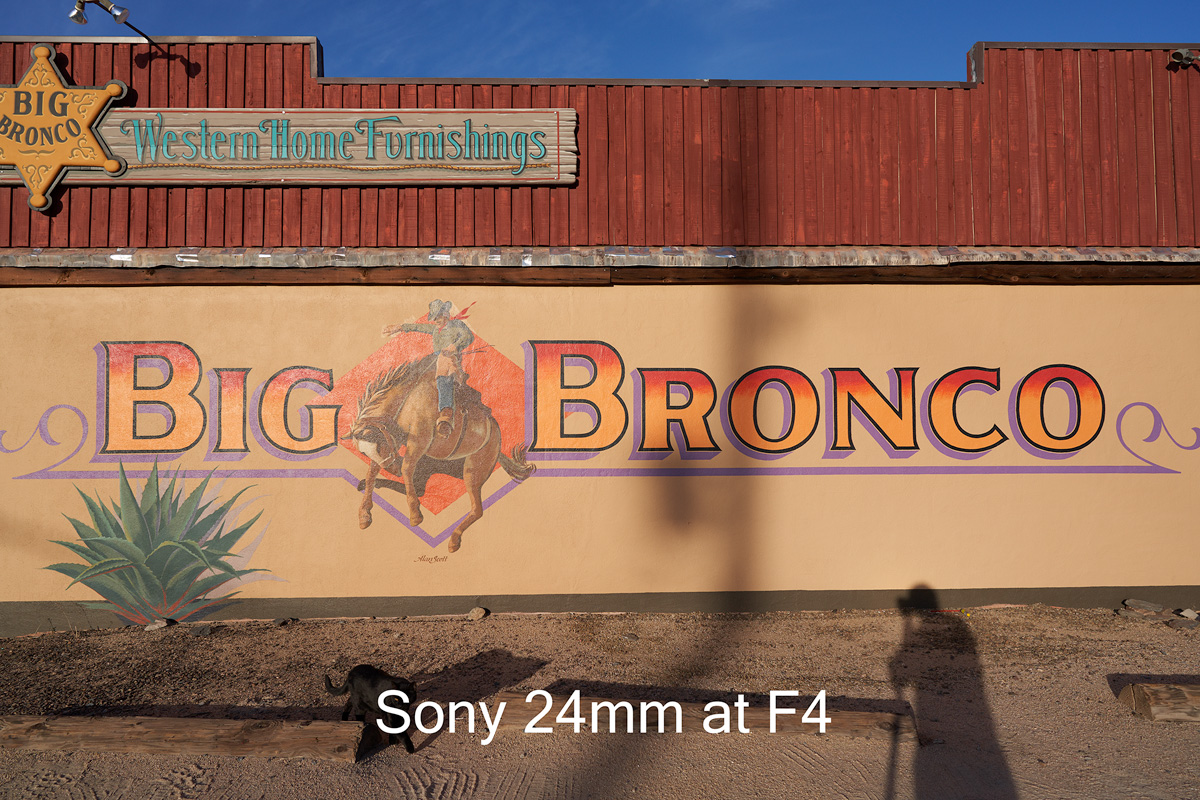
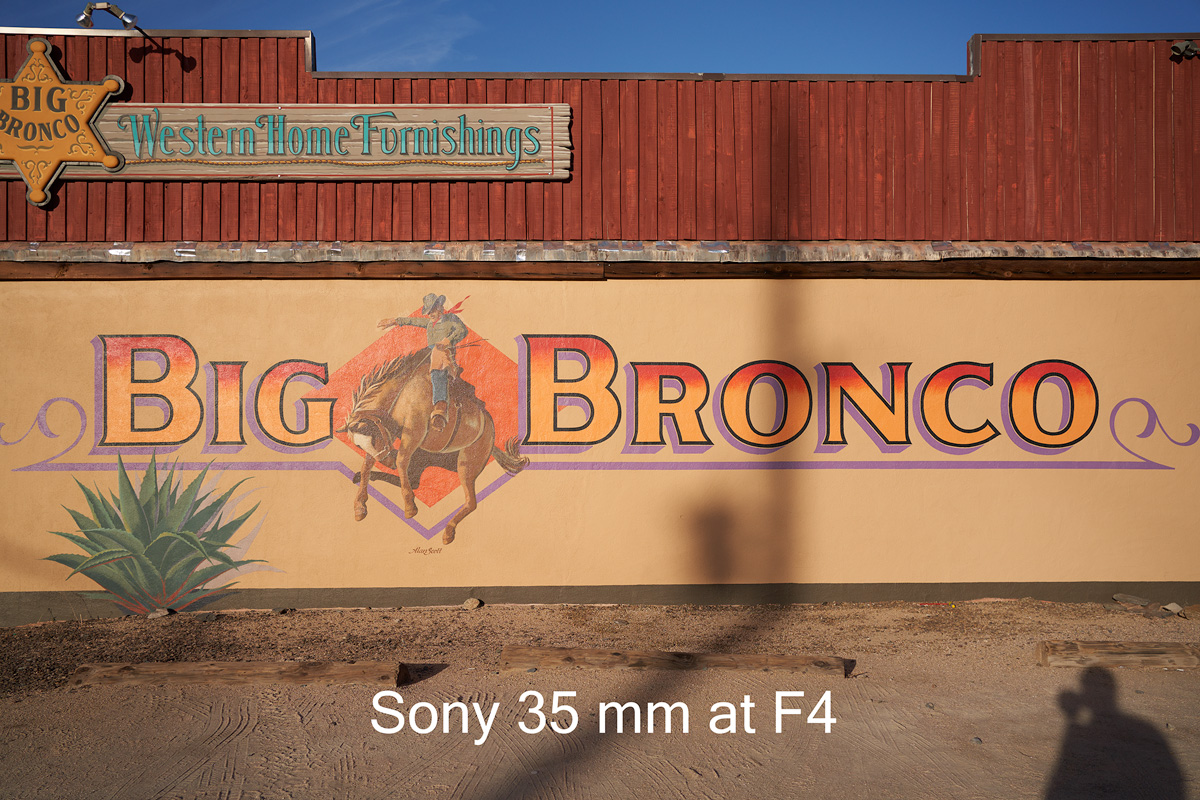
Folks if we are talking MONEY its a 650 dollar difference. The CA on the 24mm is a stop better. After that you tell me
Oct 06, 2019 at 09:30 AM
p.5 #15Sony 35mm 1.8, CV 40 1.2, Batis 18mm, Batis 85mm Big Bronco
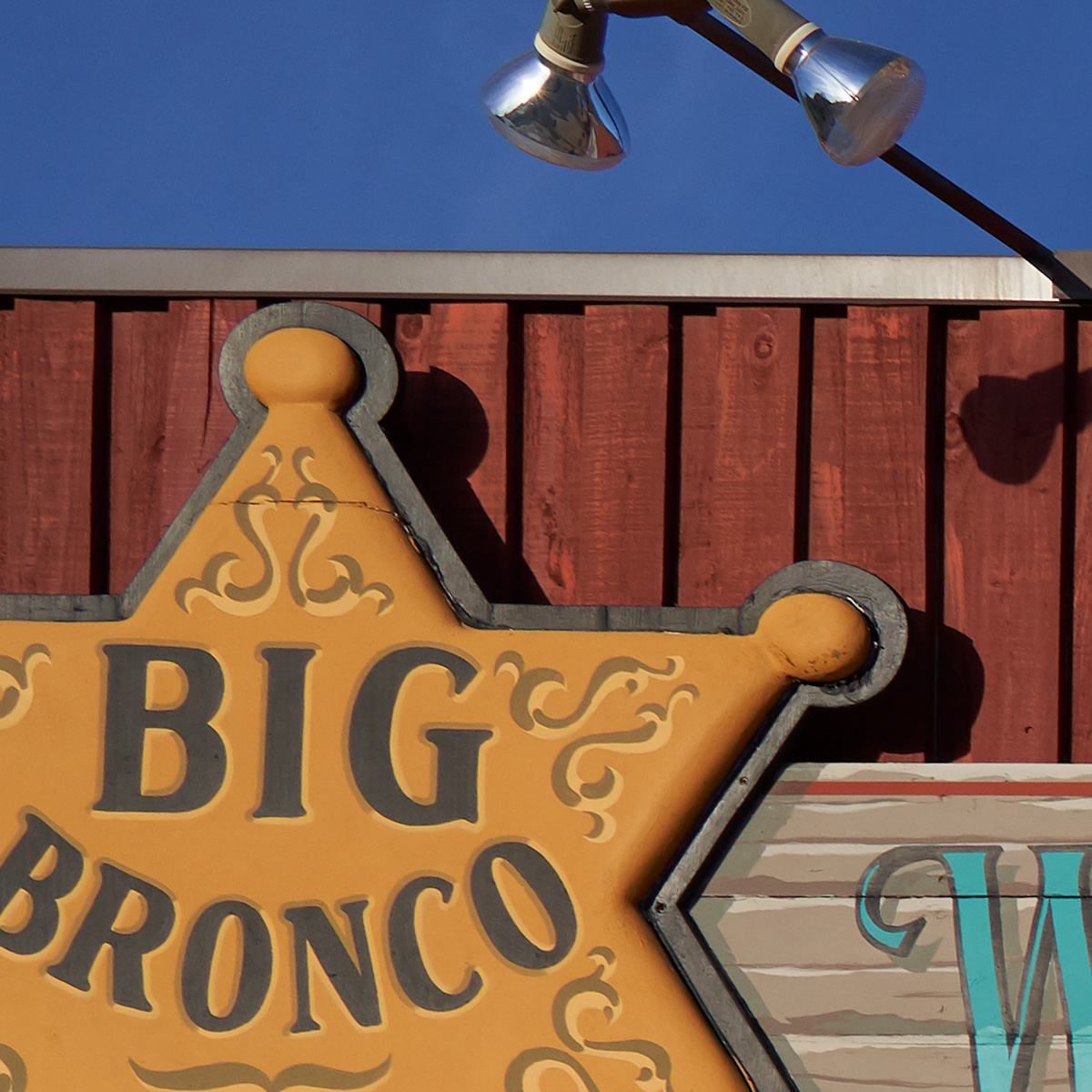
Okay 24mm crops at F4
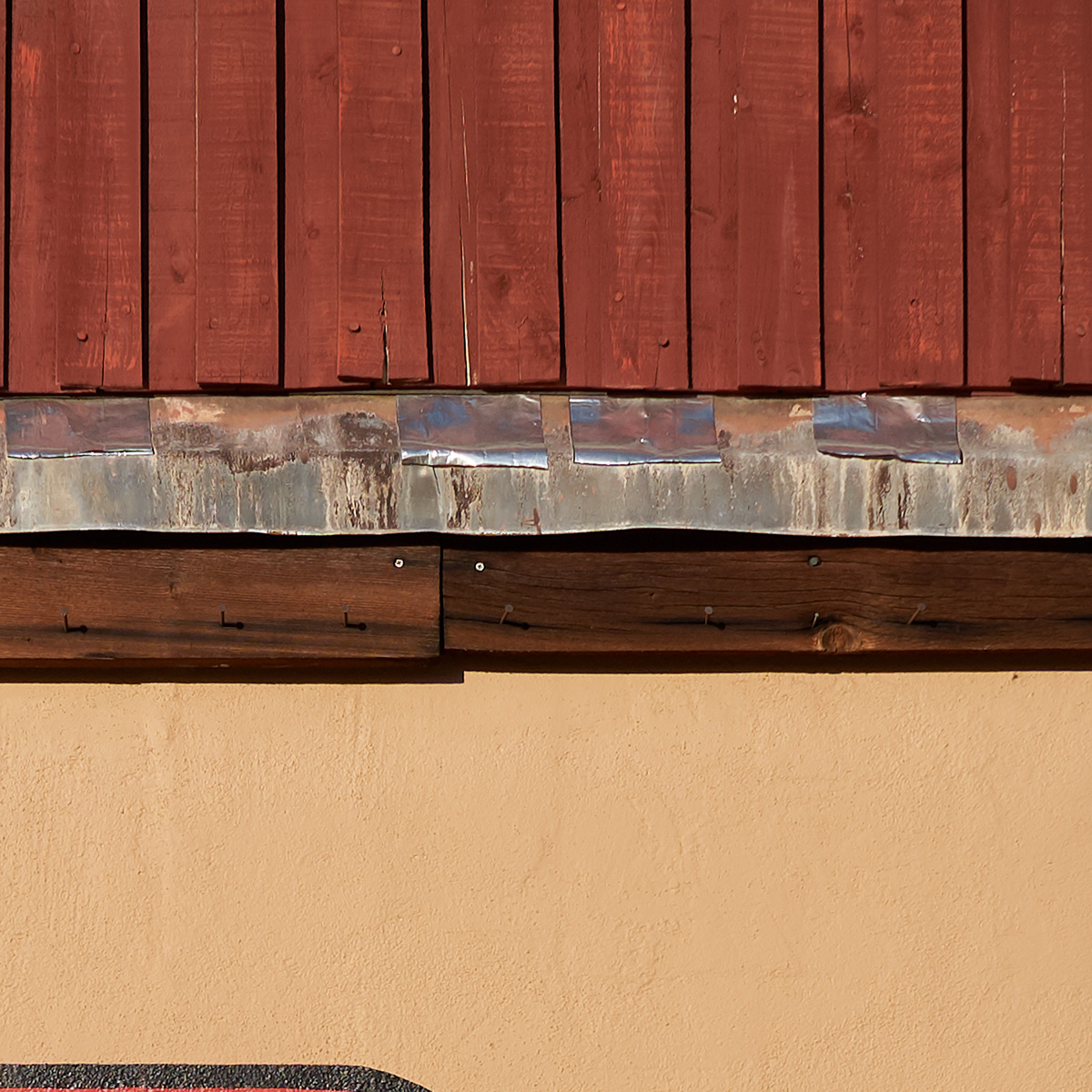
Oct 06, 2019 at 09:33 AM
p.5 #16Sony 35mm 1.8, CV 40 1.2, Batis 18mm, Batis 85mm Big Bronco
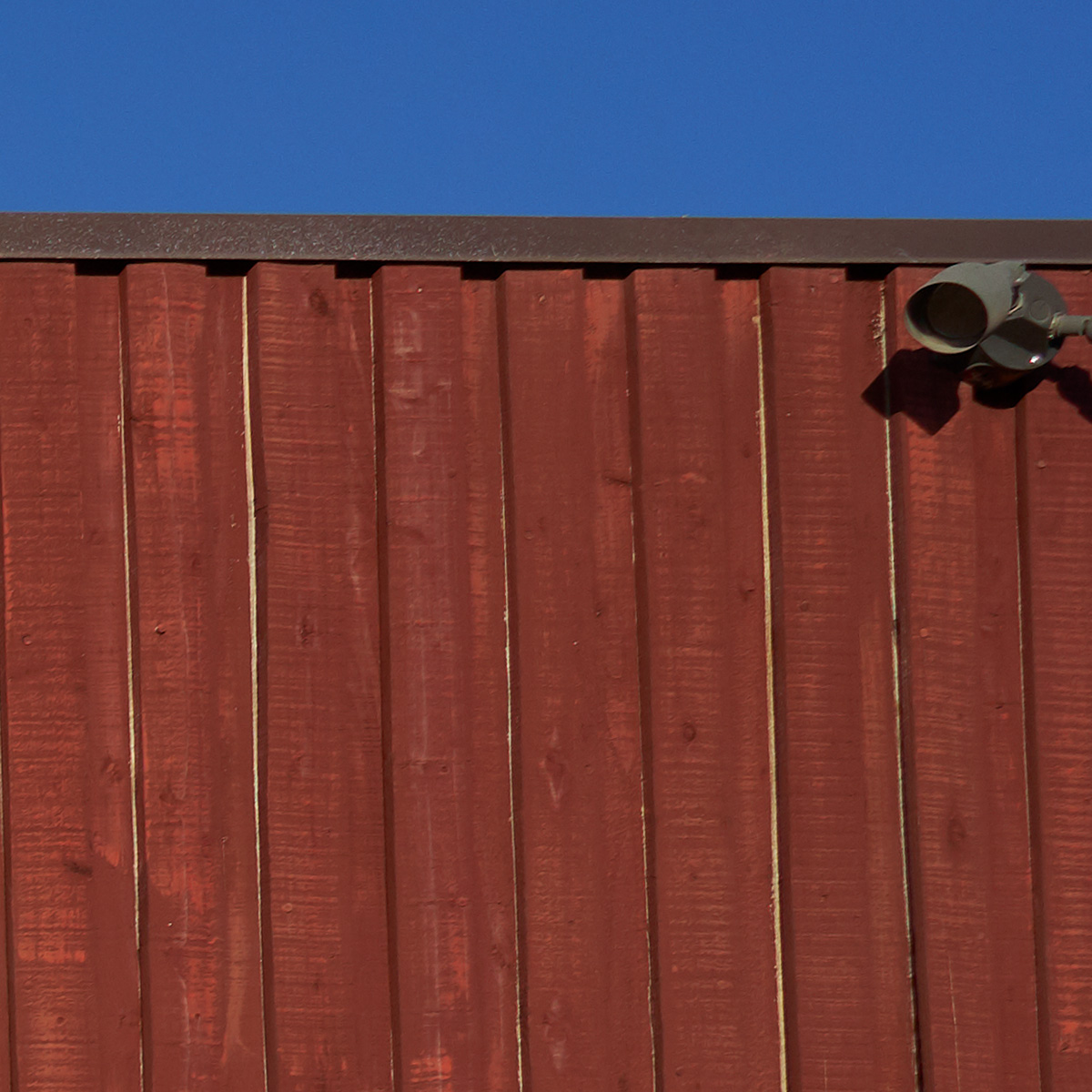
35mm crops at F4
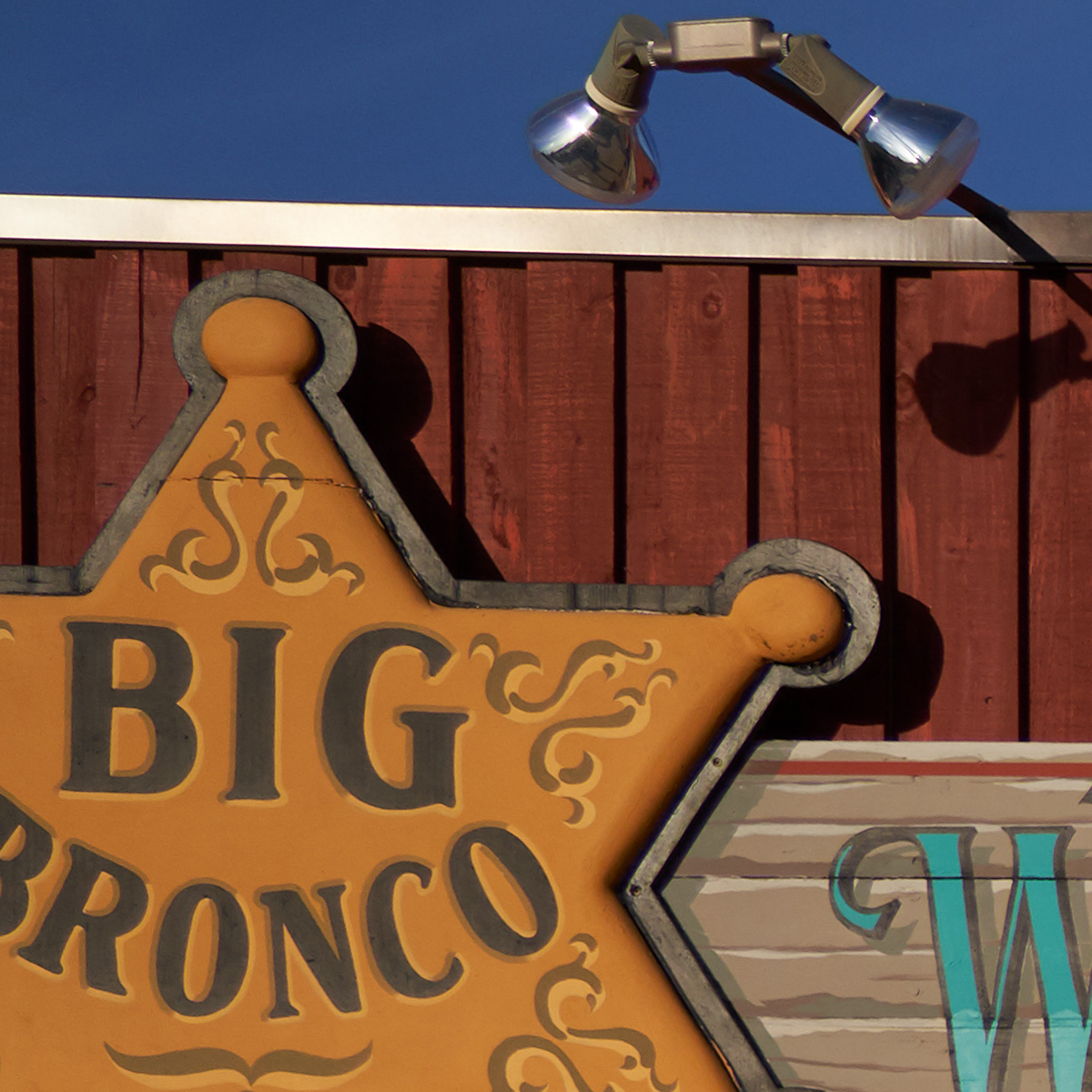
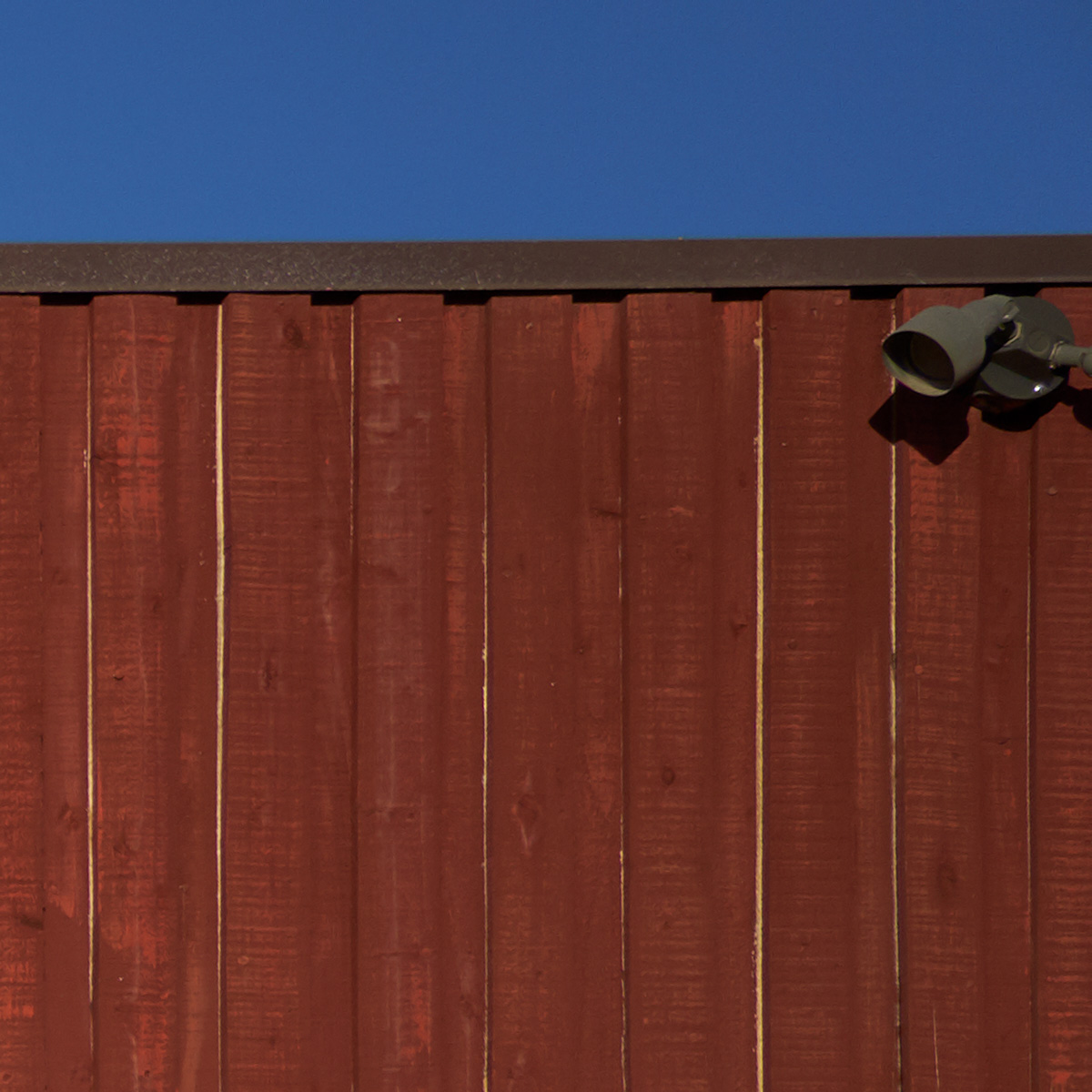
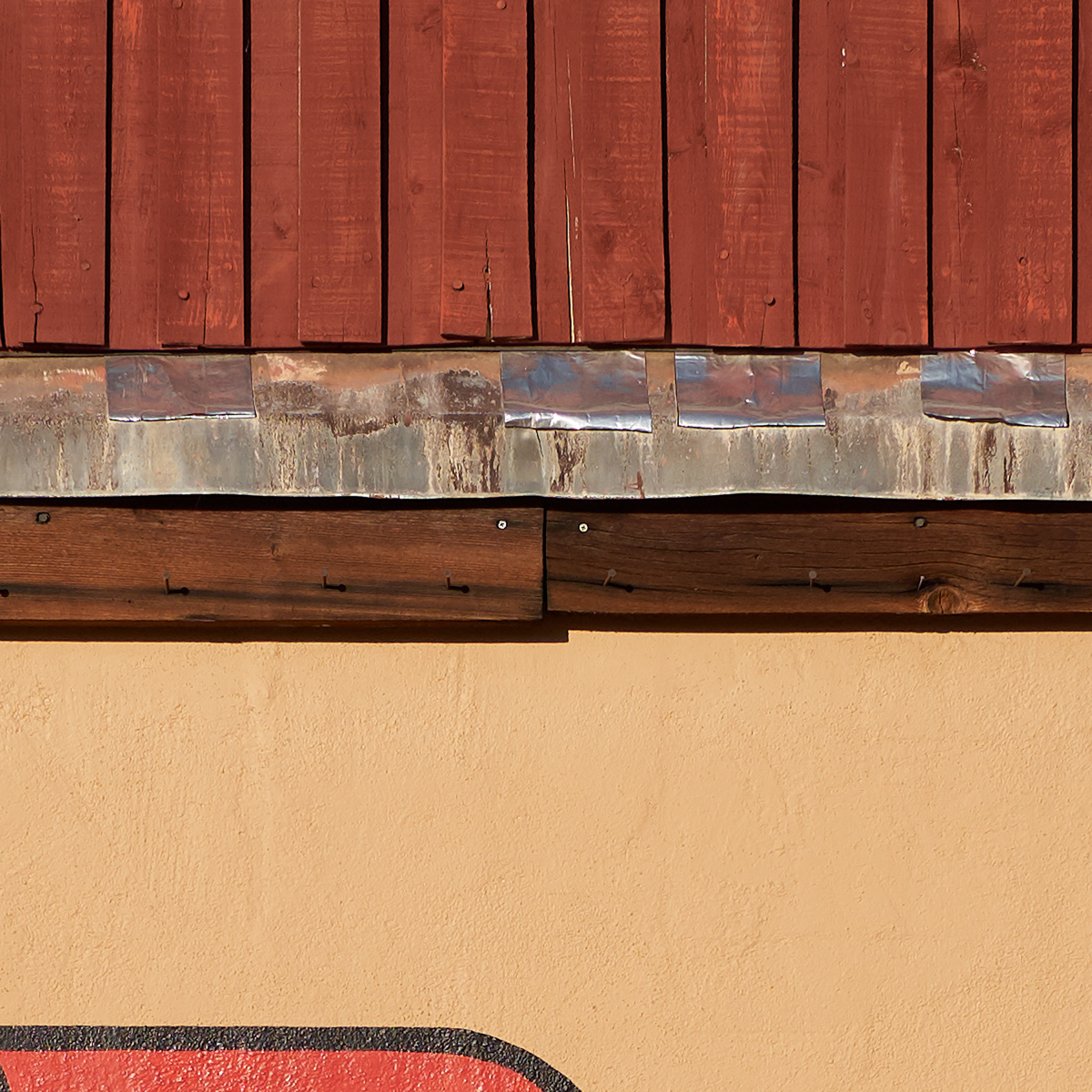
Oct 06, 2019 at 09:35 AM
p.5 #17Sony 35mm 1.8, CV 40 1.2, Batis 18mm, Batis 85mm Big Bronco
Regardless of the MTF's, I find the Sony to be a mediocre lens. Reminds me of the Sony 28/2. Best use at near wide open apertures, too much light fall off stopped down, and don't put the sun in or too near the frame. I keep trying to convince myself it has some usefulness, but still haven't taken a picture with it the is really satisfying. Opposite of the CV 40, which has that special sauce. Your copy of the CV 40 doesn't appear to be a great one. There seems to be more copy variation in the CV 40 vs the Sony 35/1.8
Oct 06, 2019 at 09:36 AM
p.5 #18Sony 35mm 1.8, CV 40 1.2, Batis 18mm, Batis 85mm Big Bronco
Okay Ill give the 24mm a touch better in extreme corner. You gotta be paying for something.
Oct 06, 2019 at 09:37 AM
p.5 #19Sony 35mm 1.8, CV 40 1.2, Batis 18mm, Batis 85mm Big Bronco
Some runs. Mid distance




Oct 06, 2019 at 09:43 AM