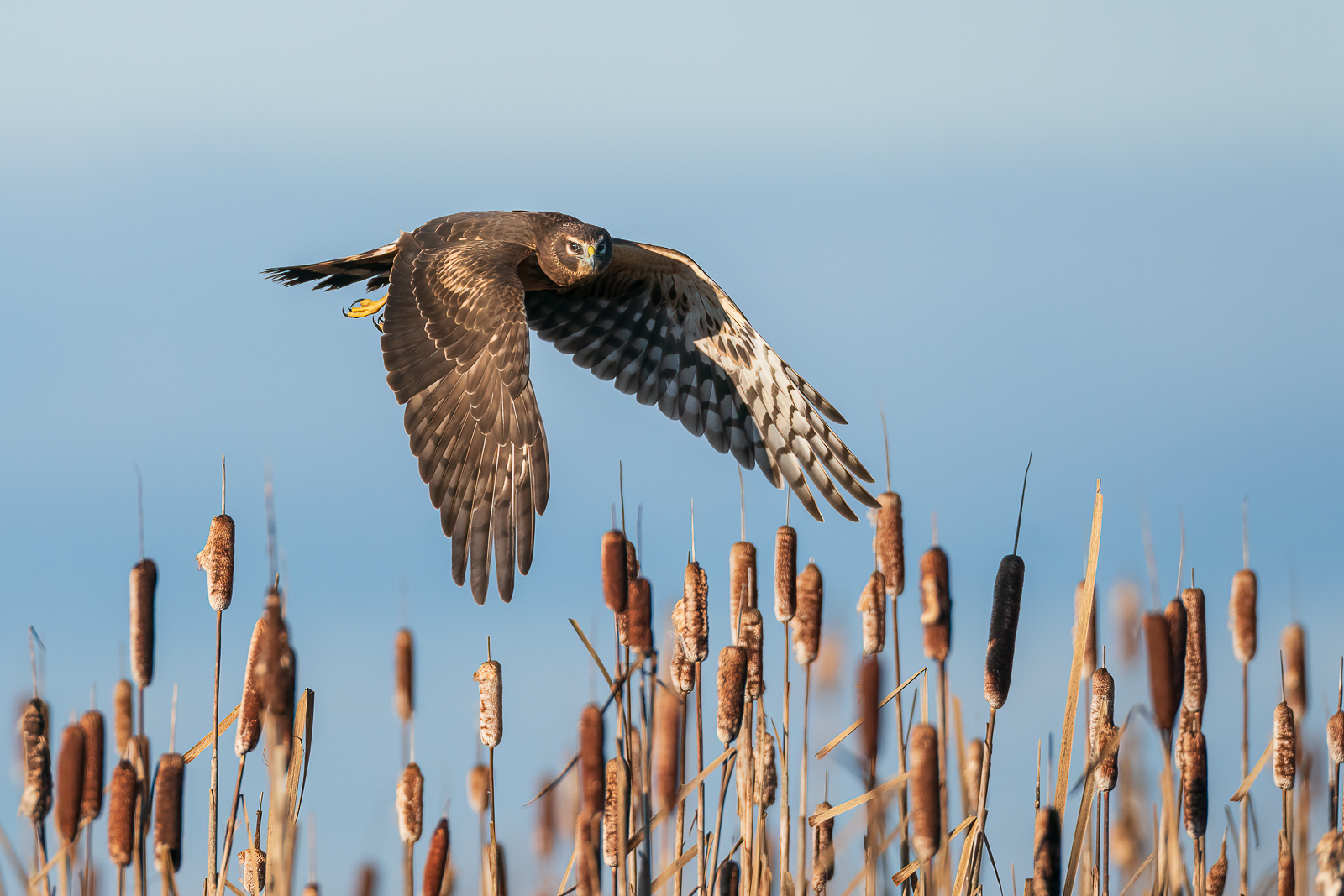
I like that one. I see you are still using the A9ii. Some additional insights of the R5 vs. the A9ii in the last couple of weeks, or does your assessment still hold?
Holger wrote:
I like that one. I see you are still using the A9ii. Some additional insights of the R5 vs. the A9ii in the last couple of weeks, or does your assessment still hold?
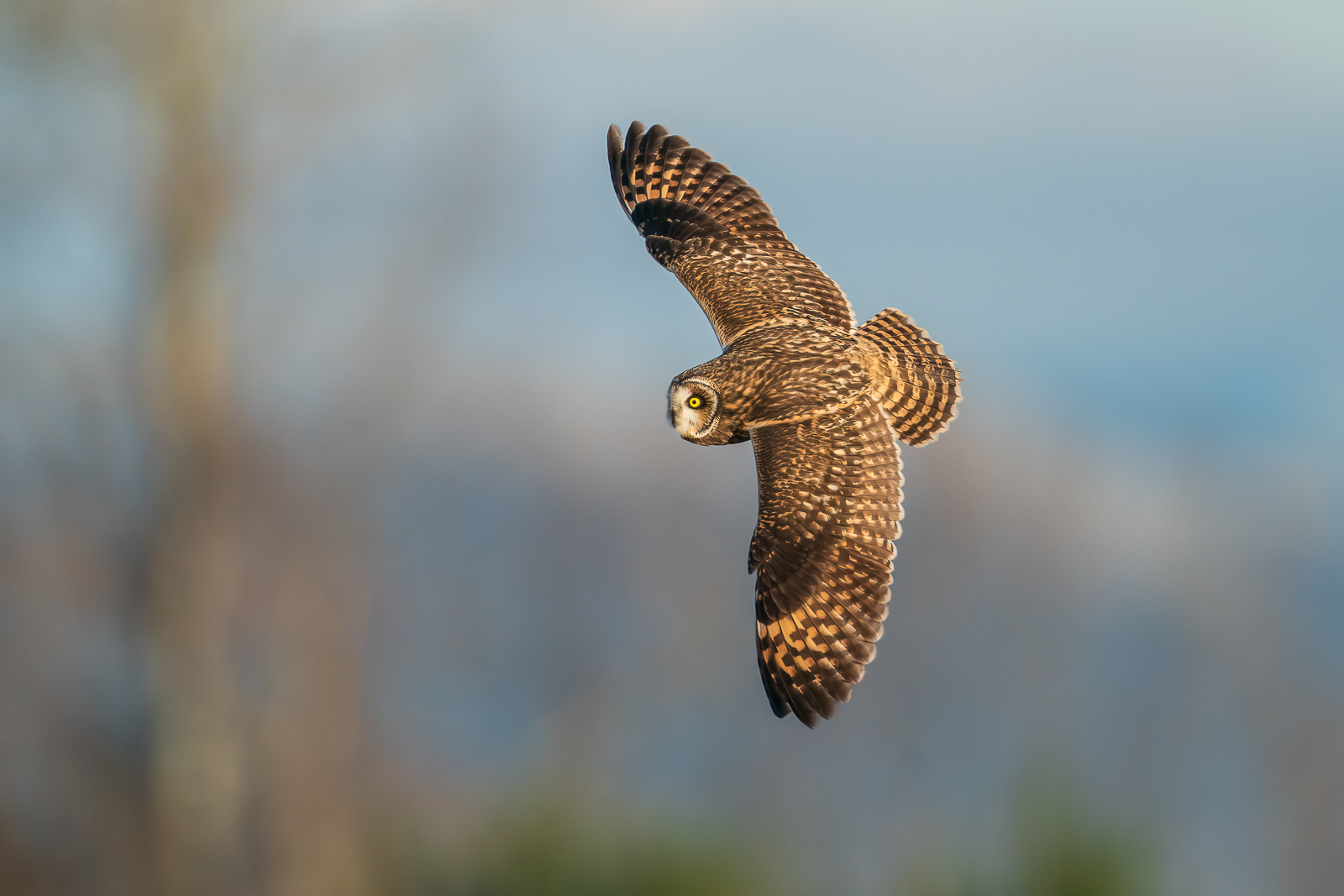
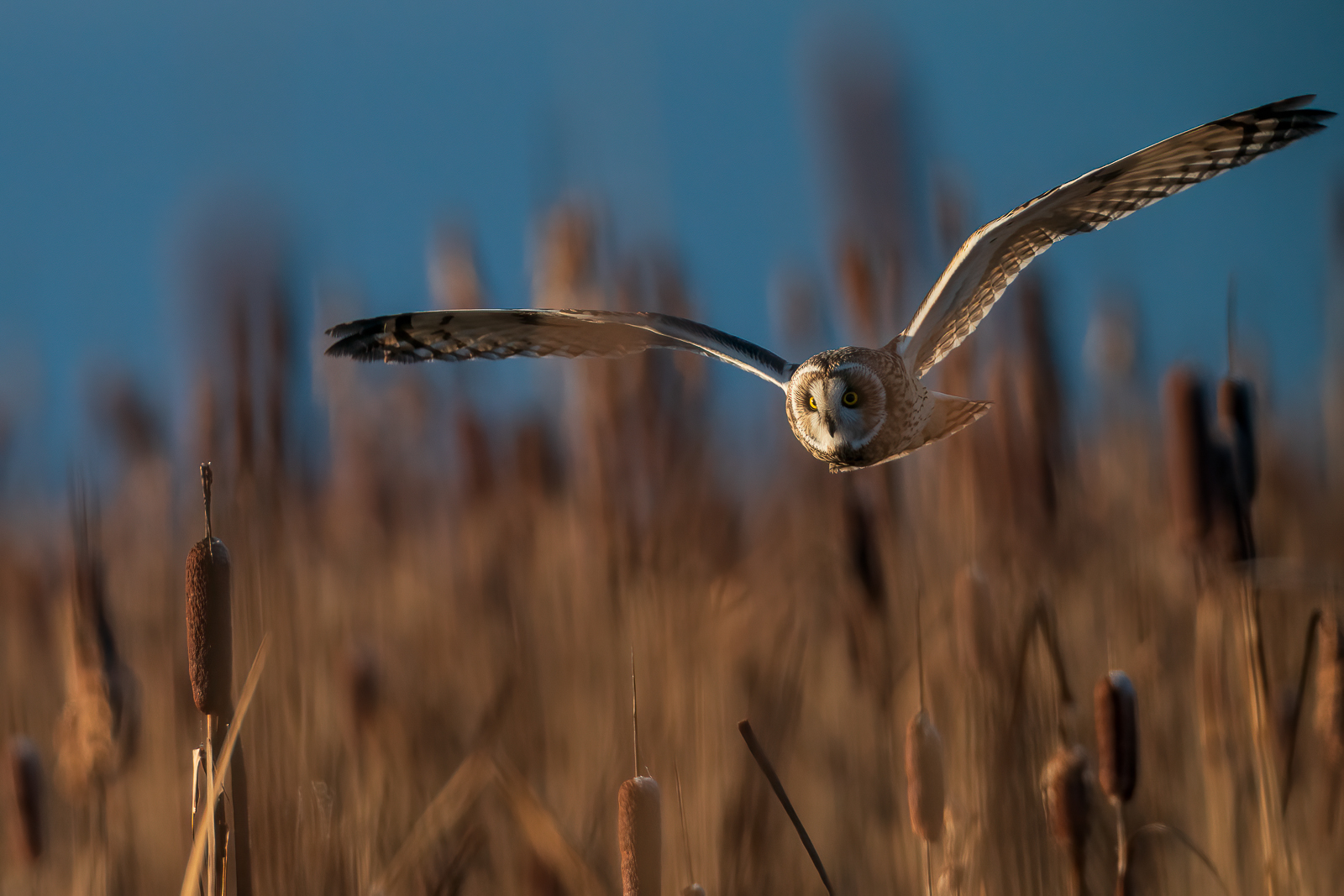
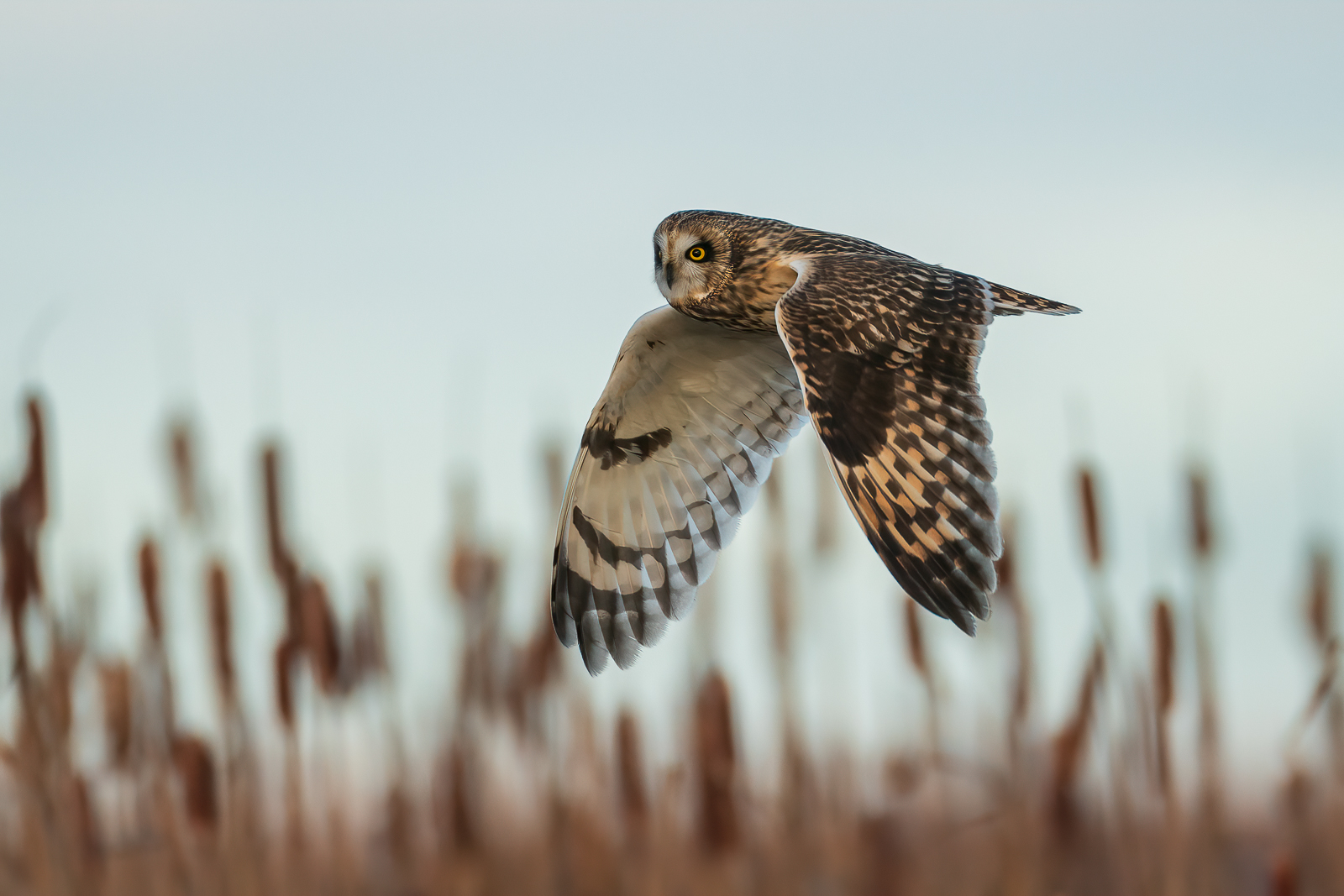
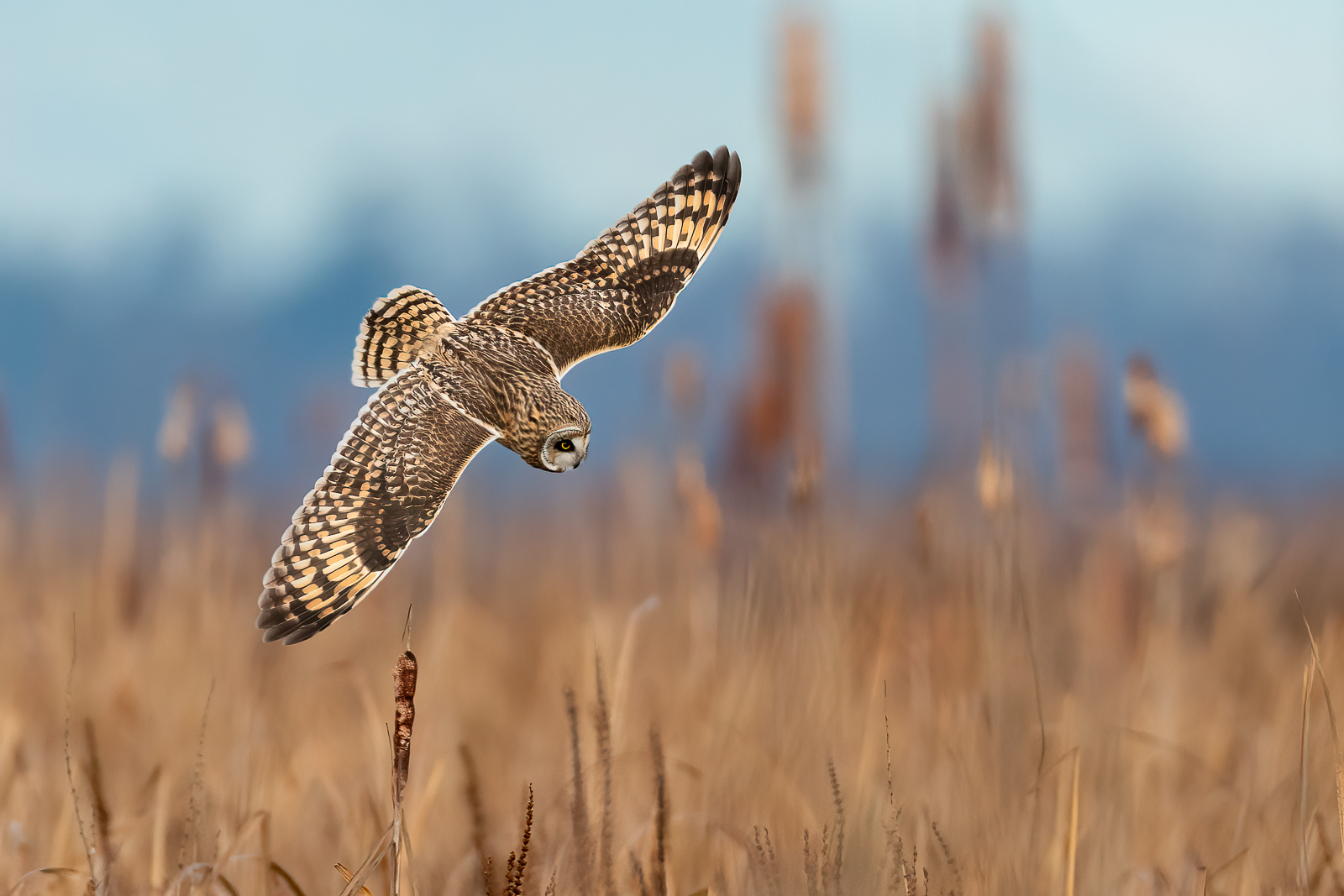
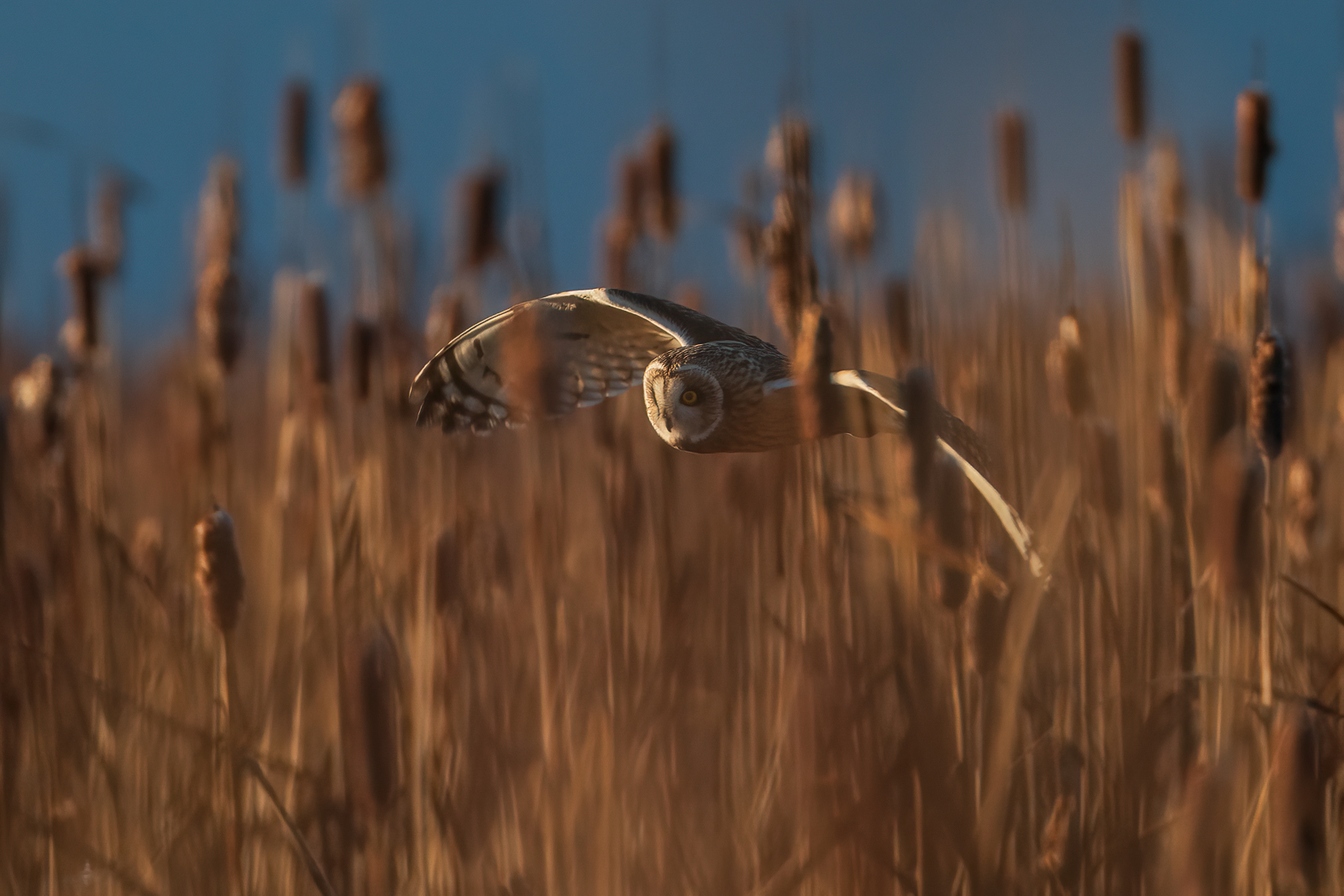
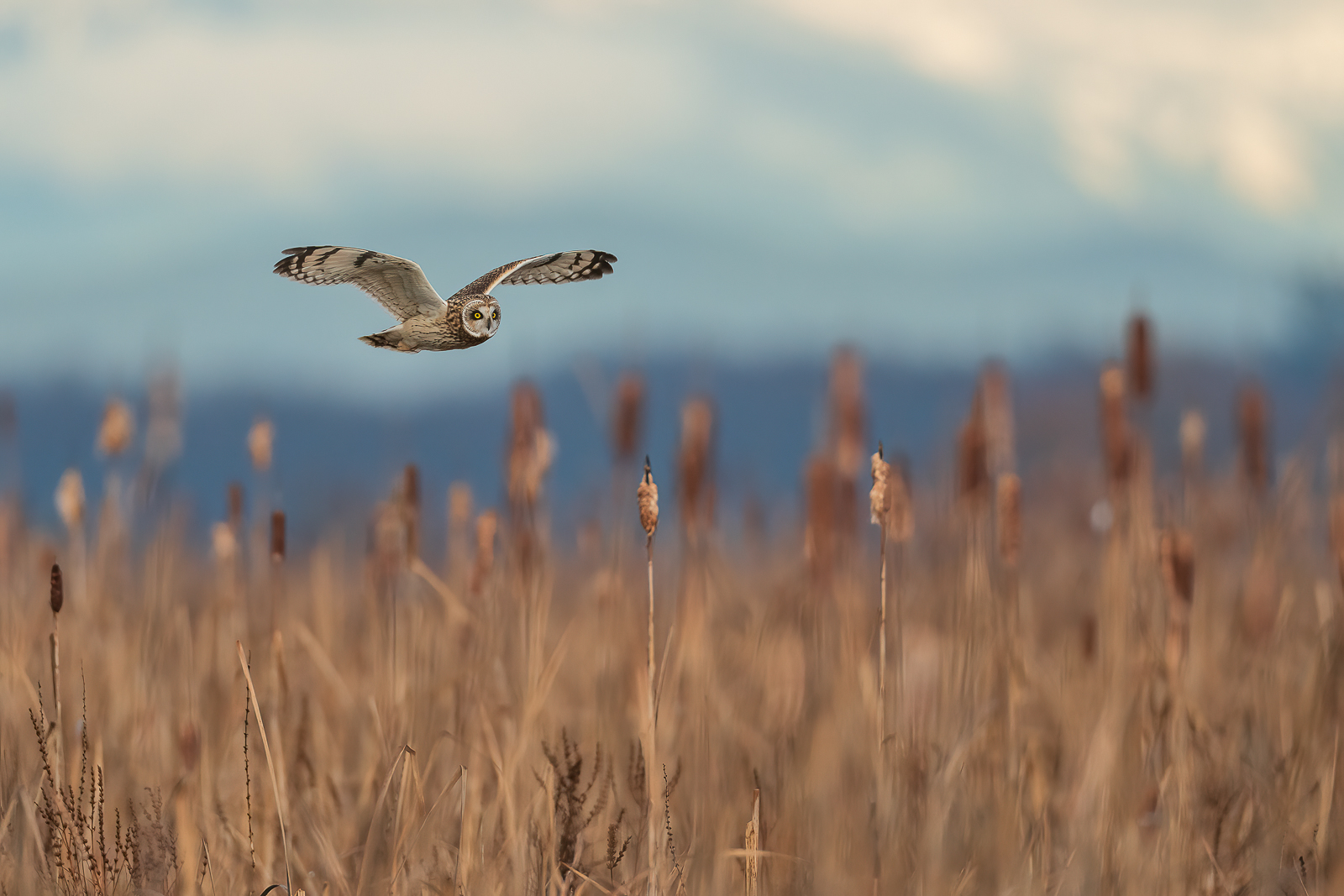
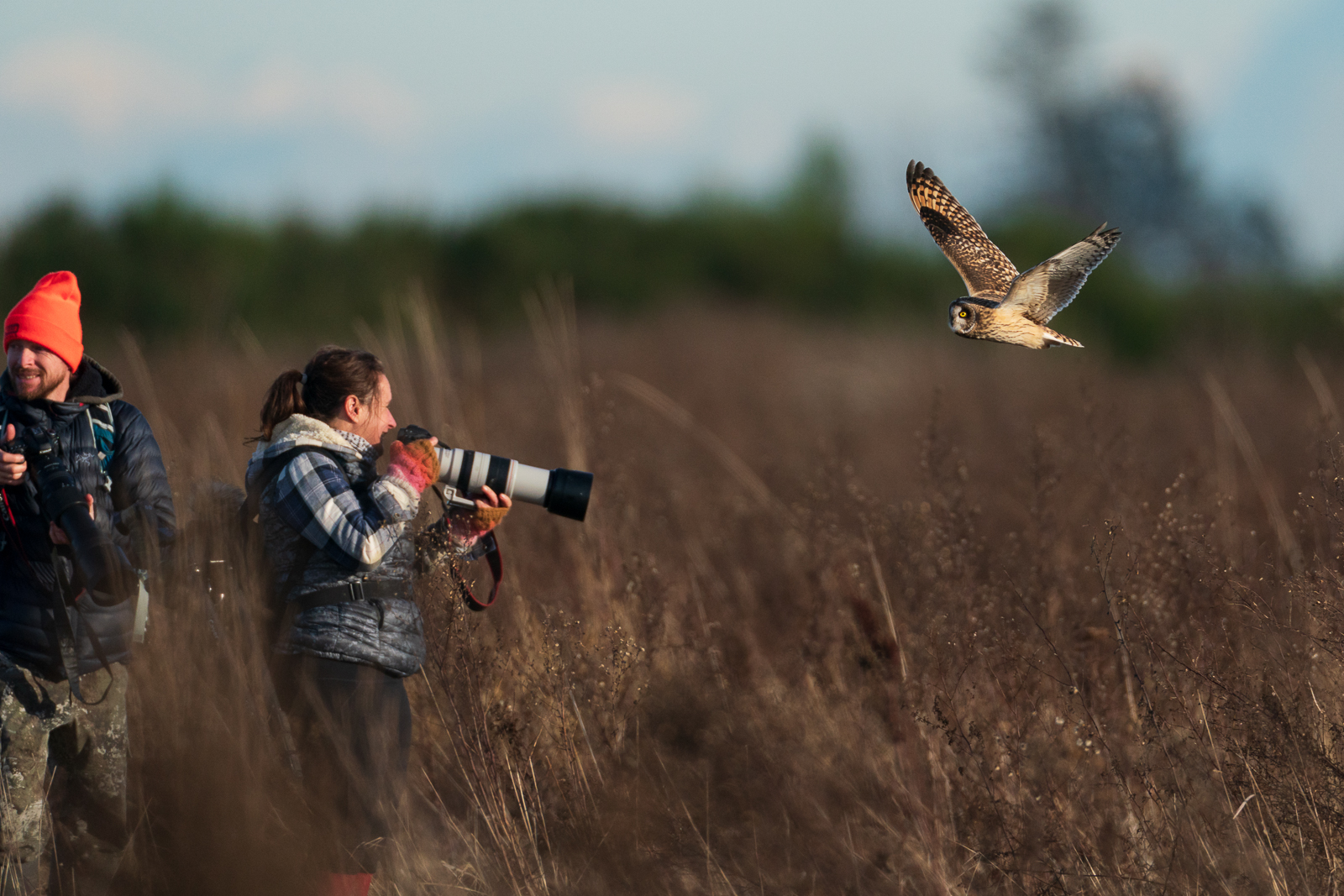
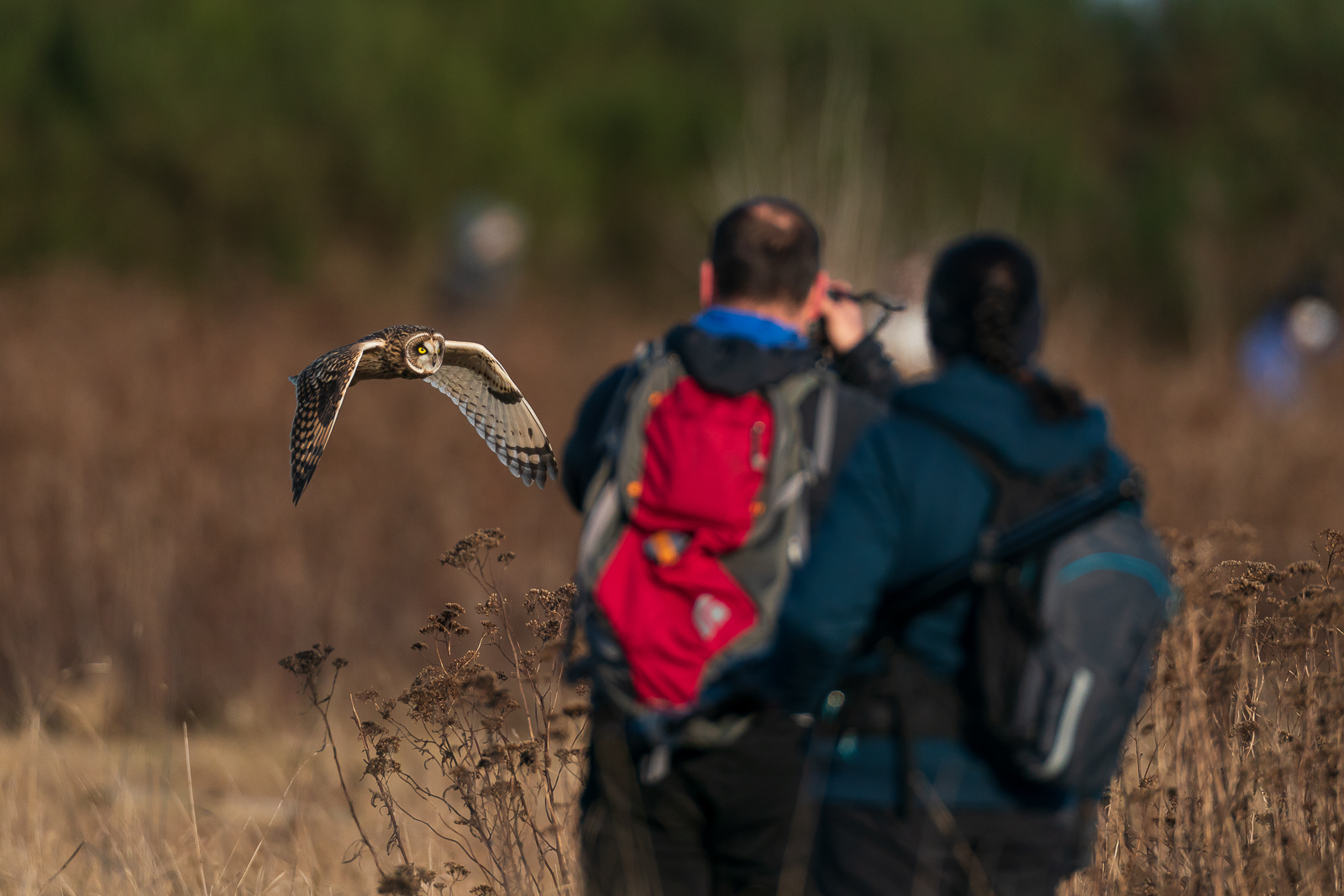
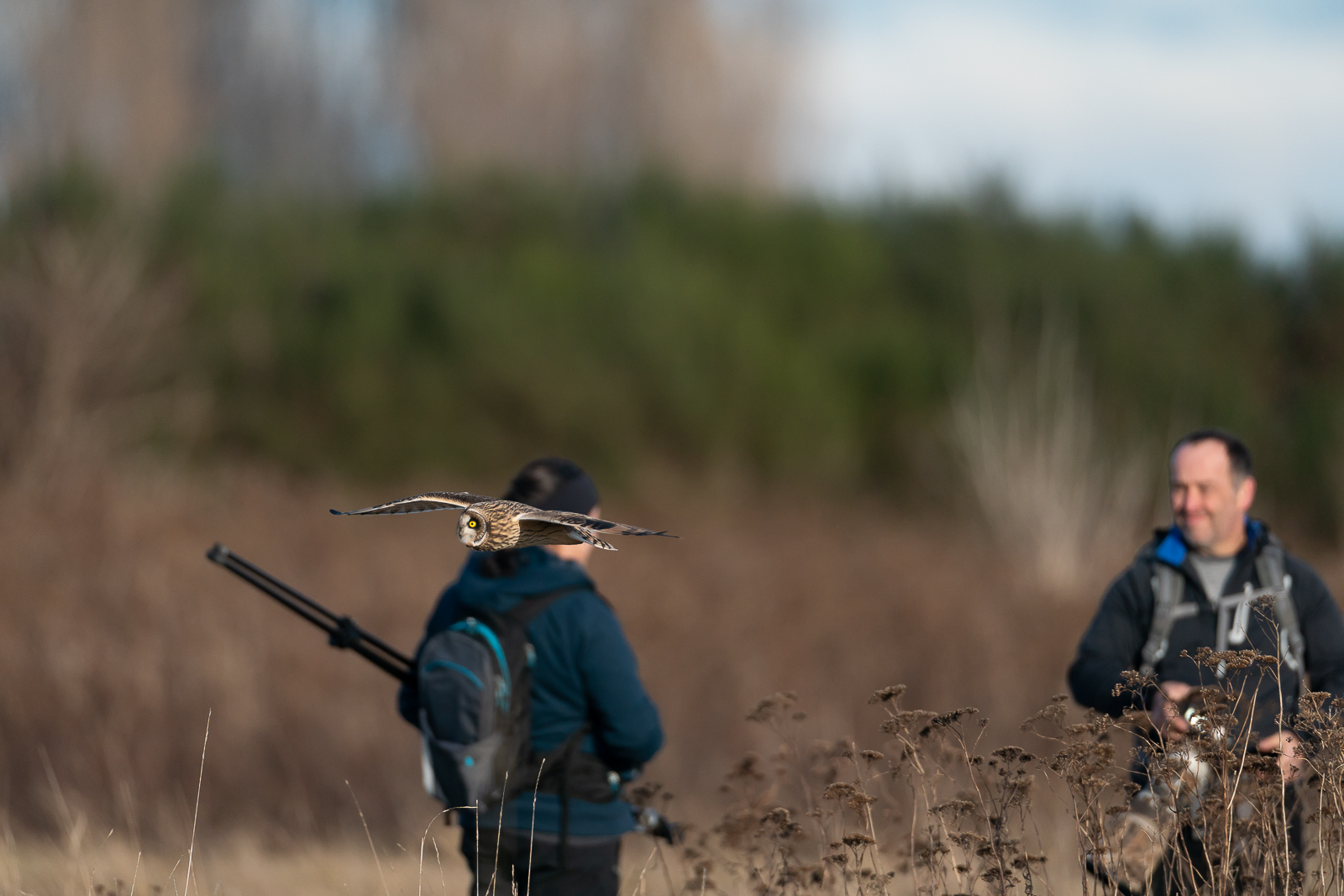
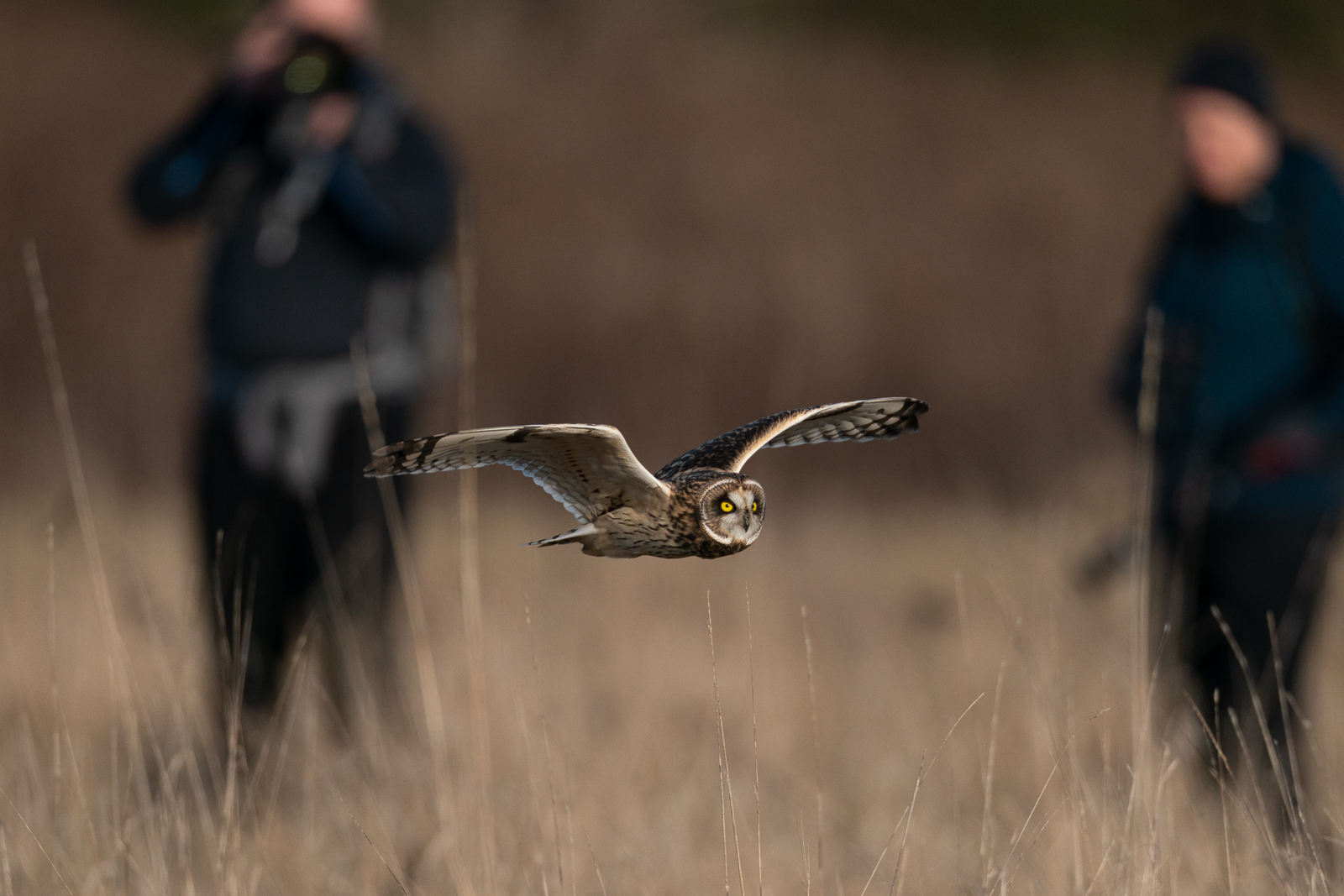
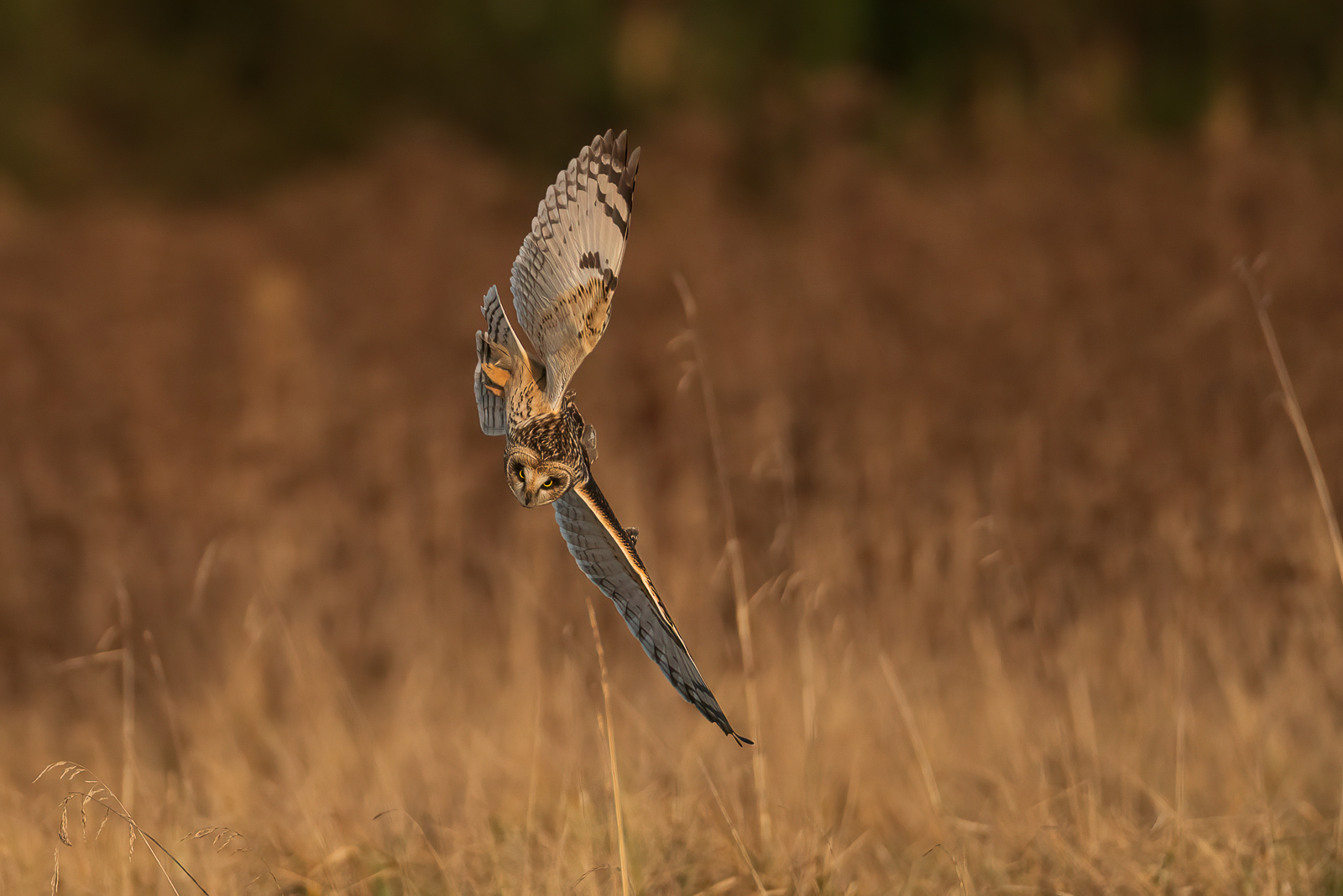
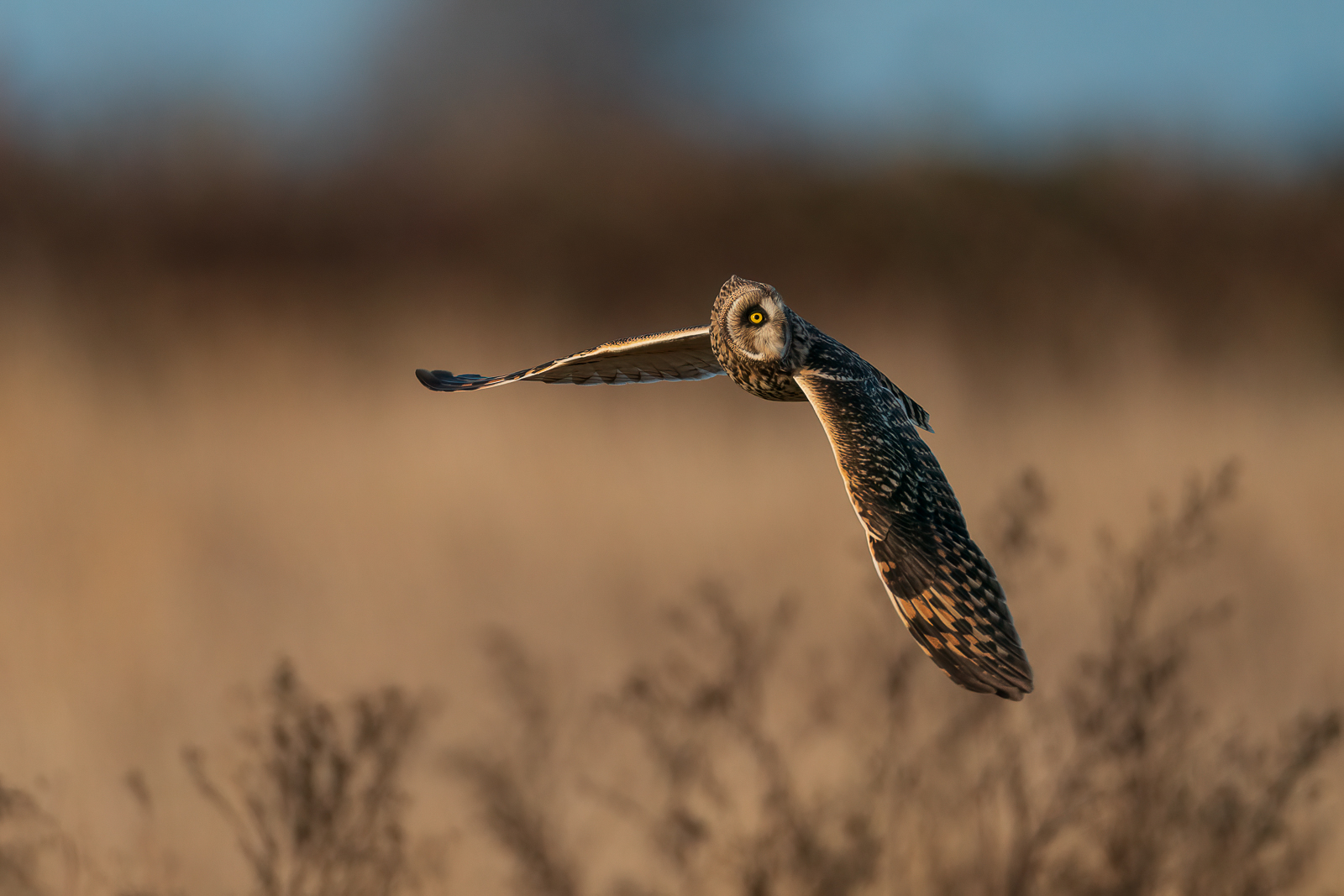
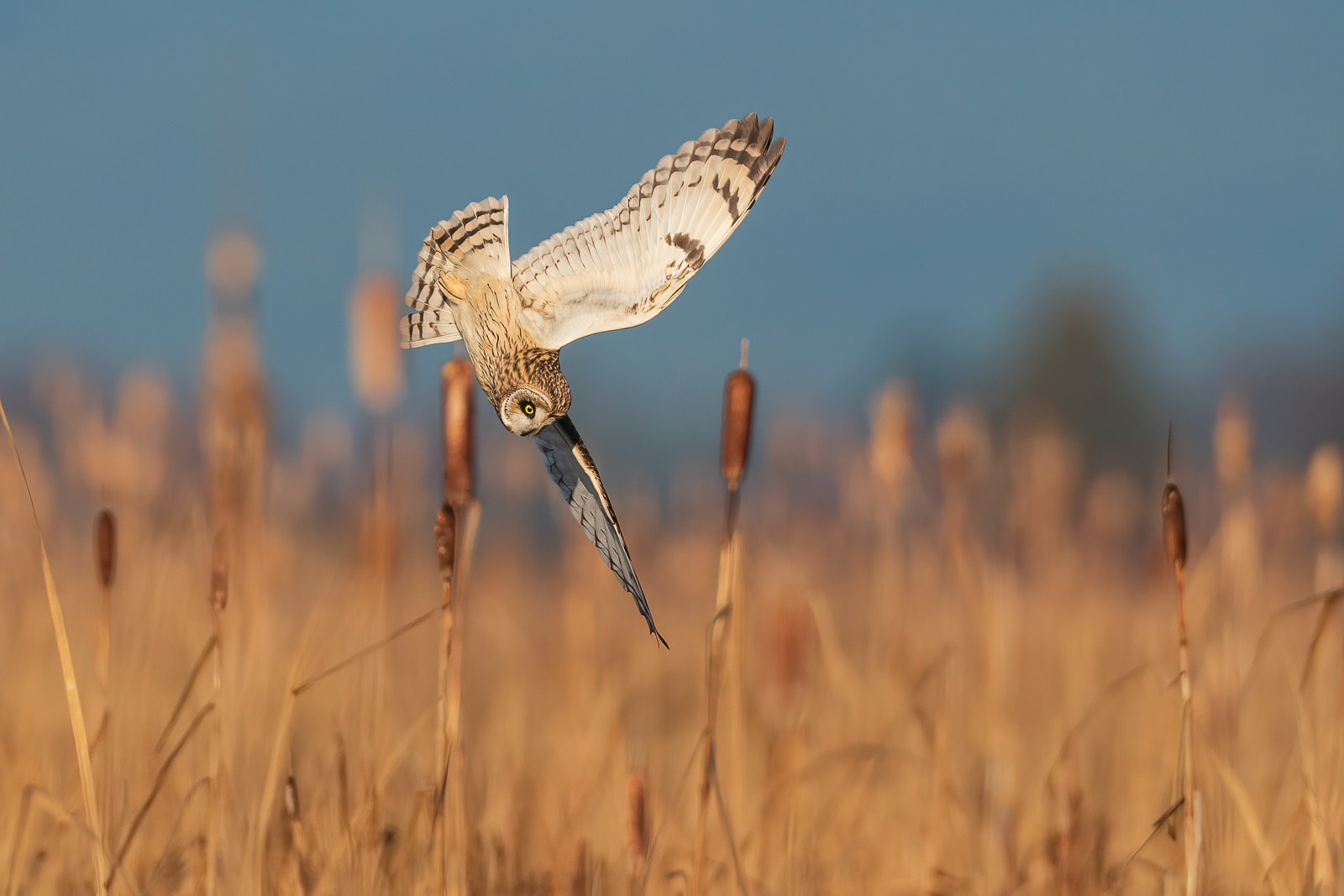
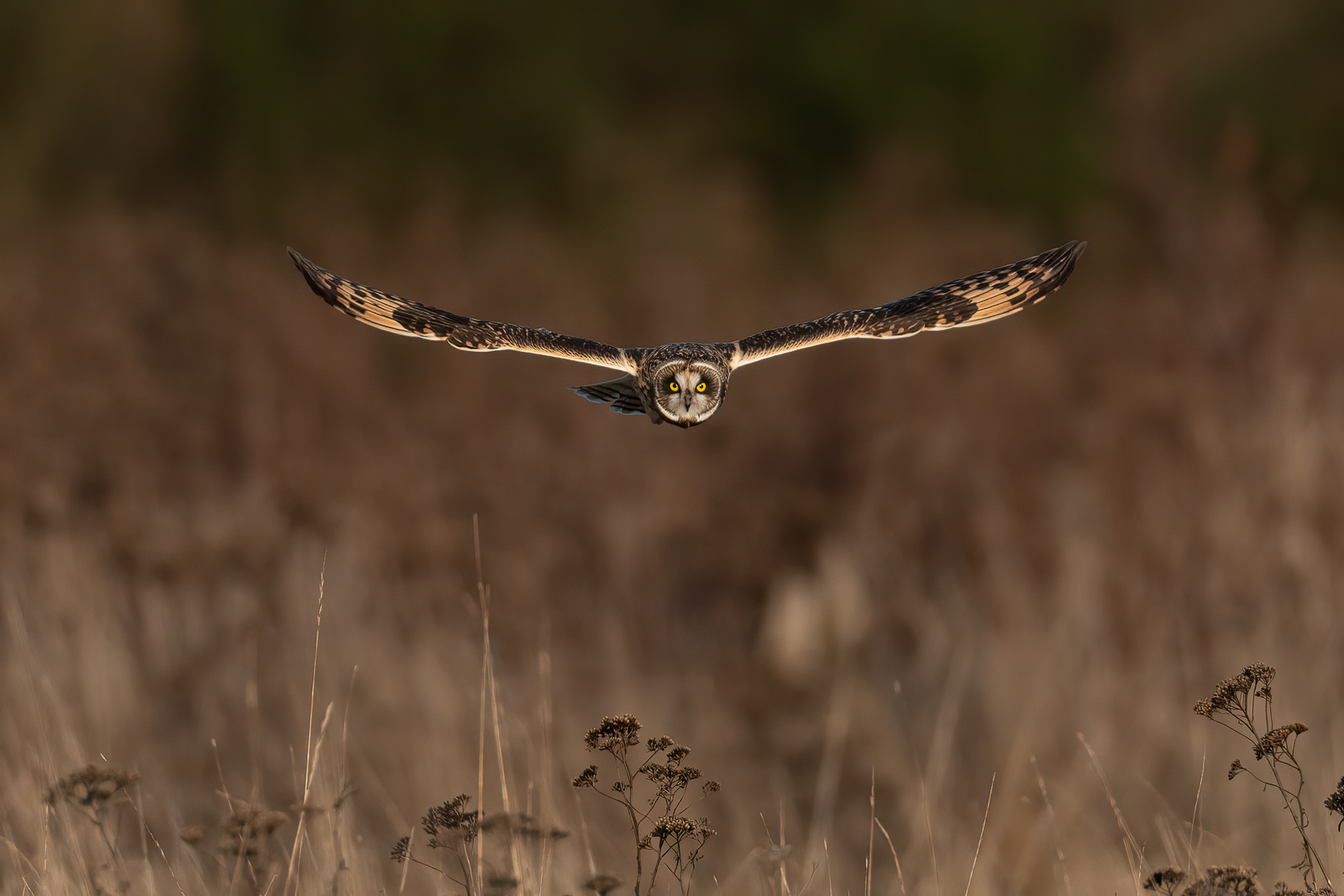
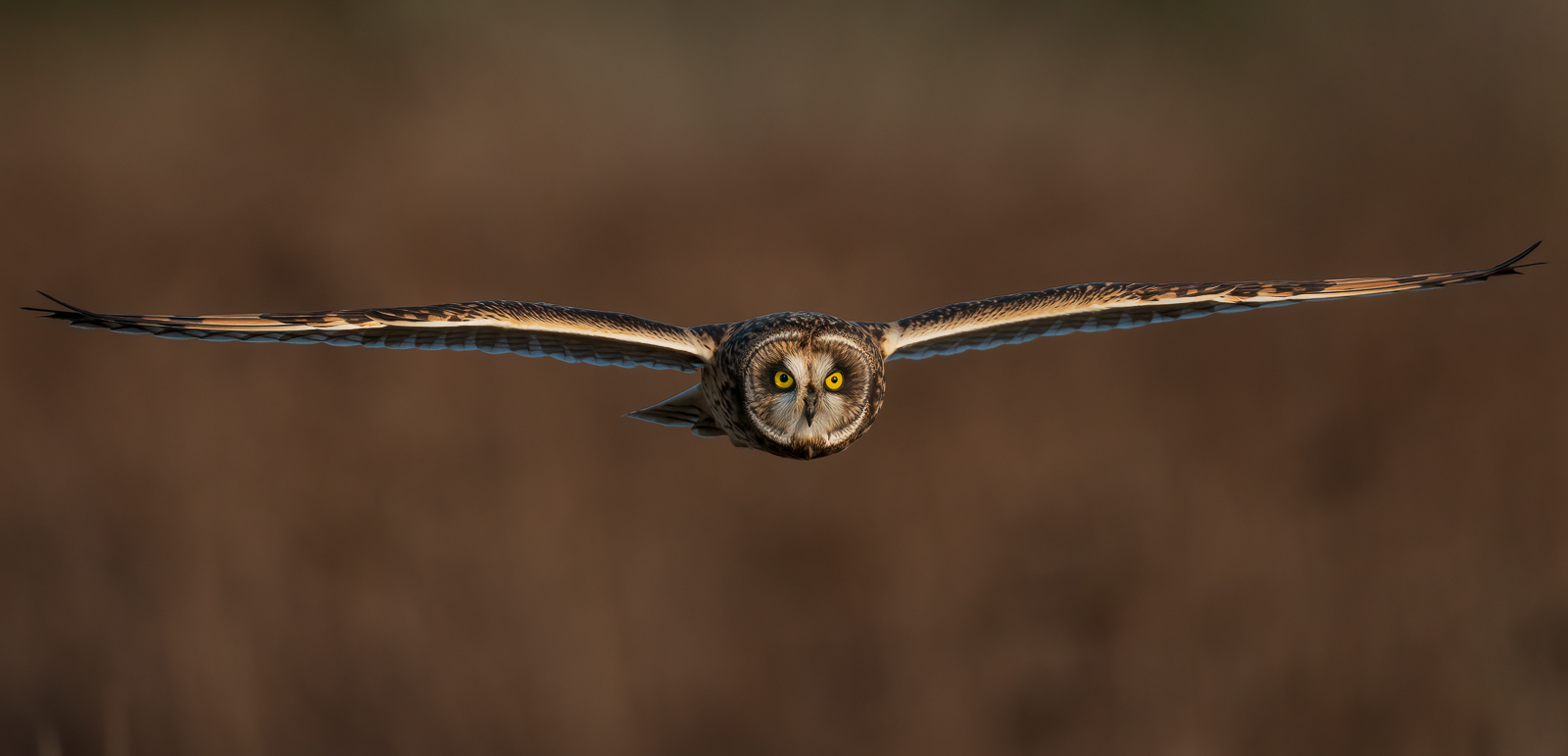
I think my assessment is pretty much the same as before. I was having a bit easier time using the A9II over the R5 with this owl outing on Saturday. That was helped a little as I had DMF override with the 600GM and could bring my focus back to the owl through the grass which then helped the Zone AF grab it as it came above the grass. I couldn't do direct MF with the 100-500 on the R5 so sometimes it would get completely caught up focusing on near grass/cattails and then I couldn't easily get back to focusing on the owl. I still found the A9II AF would stick to the owl and not get distracted by background or foreground better than the R5.
But really both setups got me shot after shot of keepers. Most of my culling (4500 images down to 500) was done based on foregrounds, backgrounds, wing position and head position. Not much was culled because of soft images. Night and day difference between culling a shoot with Canon DSLRs where most of the time you were just crossing your fingers that the sharp ones also had good subject positions etc.
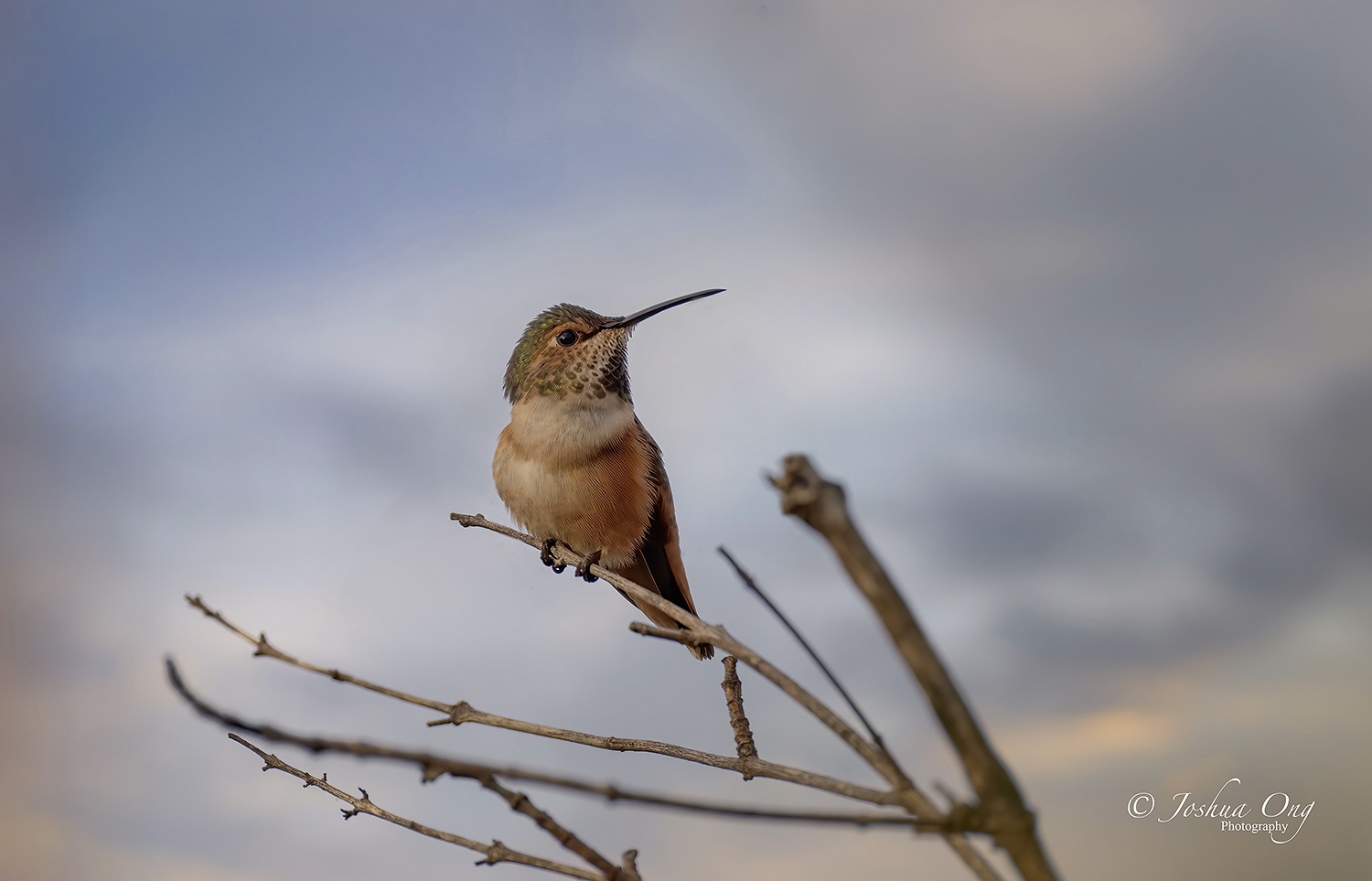
I went to this location for cedar waxwings early in the morning, which were there alright but they didn’t bother to come down from their perch high up on trees and feed on berries in lower bushes... . I got this perching hummingbird instead as one of the consolation prizes while waiting. There is a lot to say about the cropping capability of the sensor of this camera... and the focusing ability isn’t bad either.
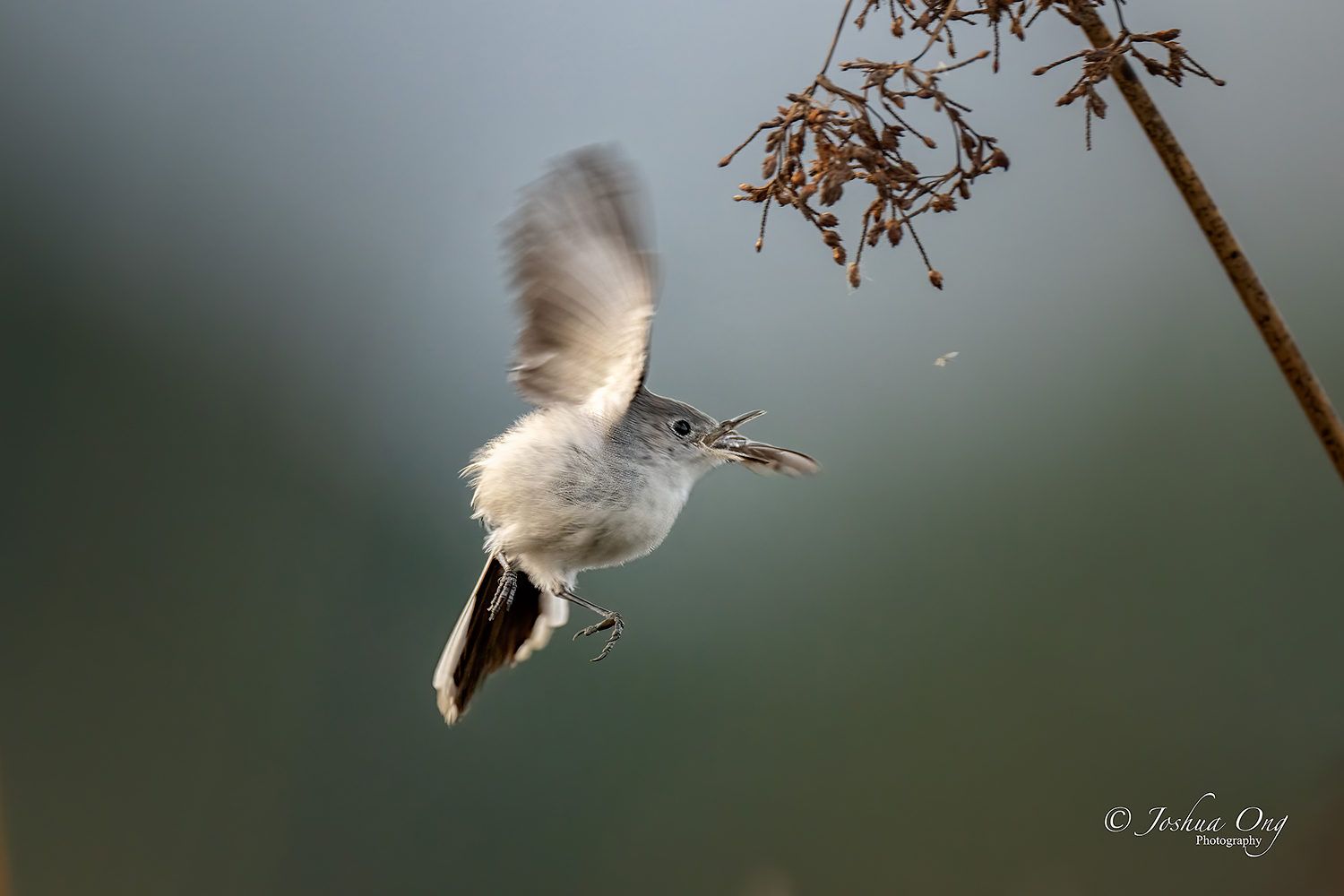
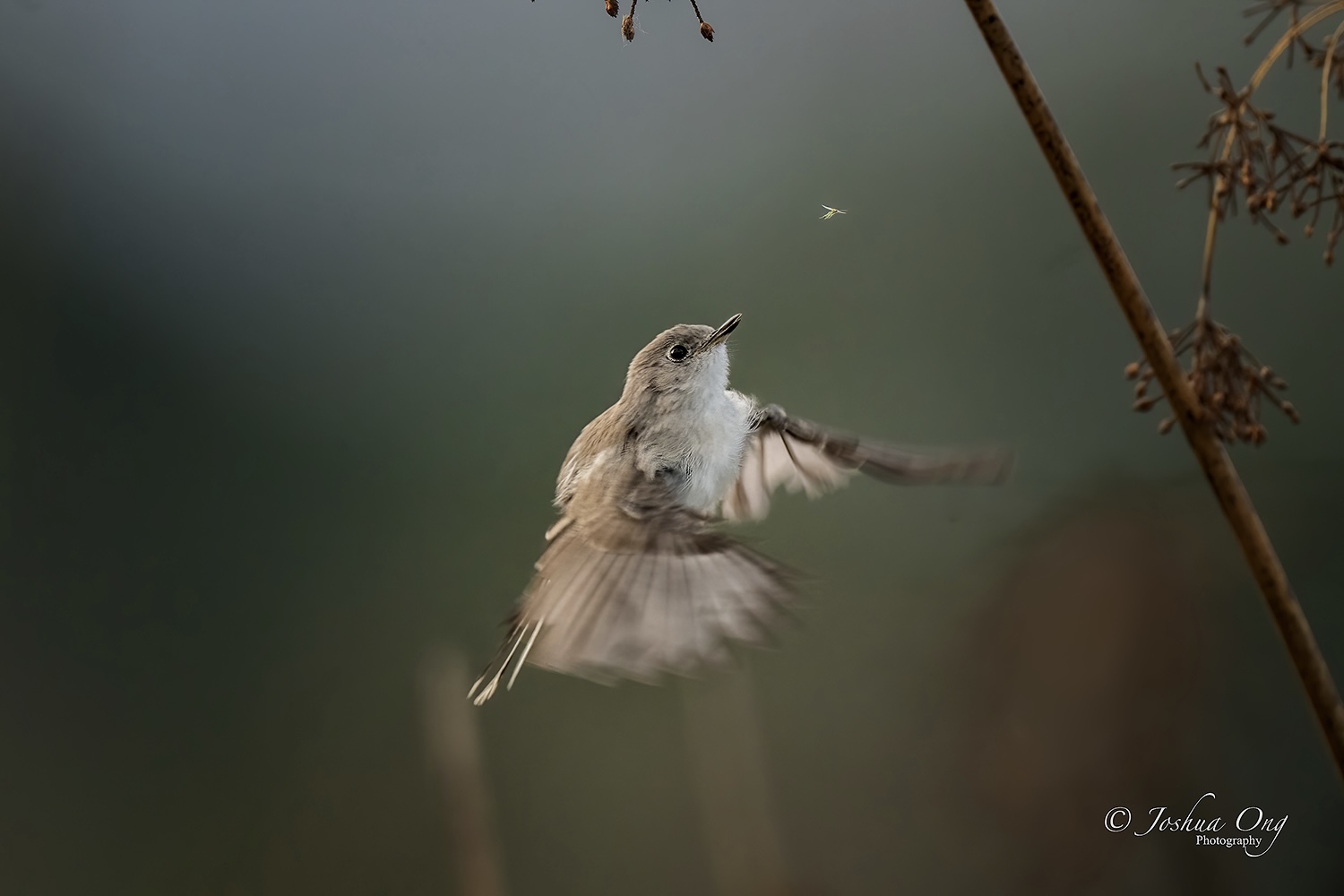
I saw this flycatcher when it was trying to swallow an insect and shortly after that, it was ready for a smaller snack. From last Monday when trying to get some cedar waxwings actions...
I wonder if anybody has used this lens for portrait work and how the result may look like. Should be quite interesting to break the "rules" for classical portrait focal-lengths also on the long side, considering that there are quite a few portraits on the short focal-length side....


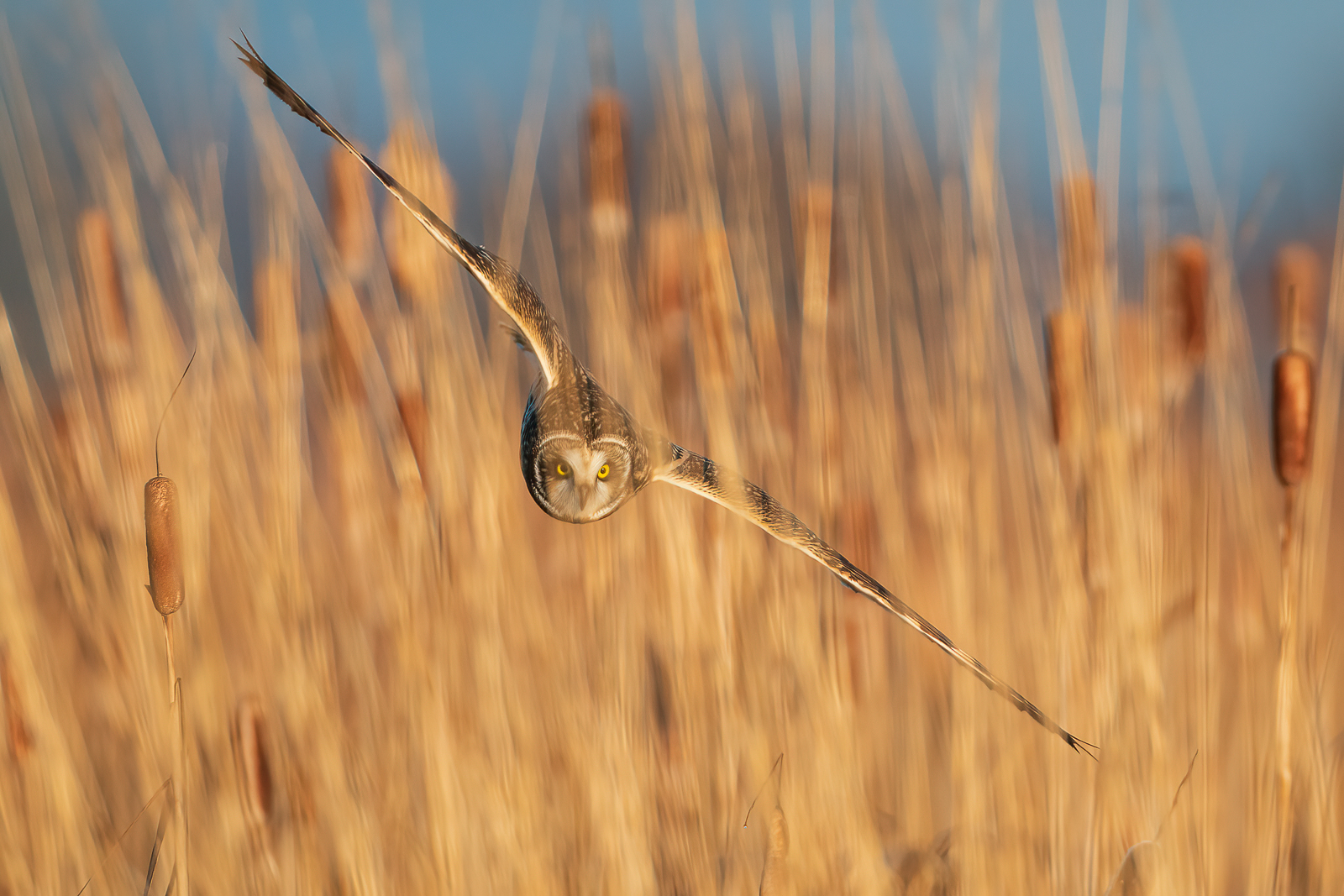
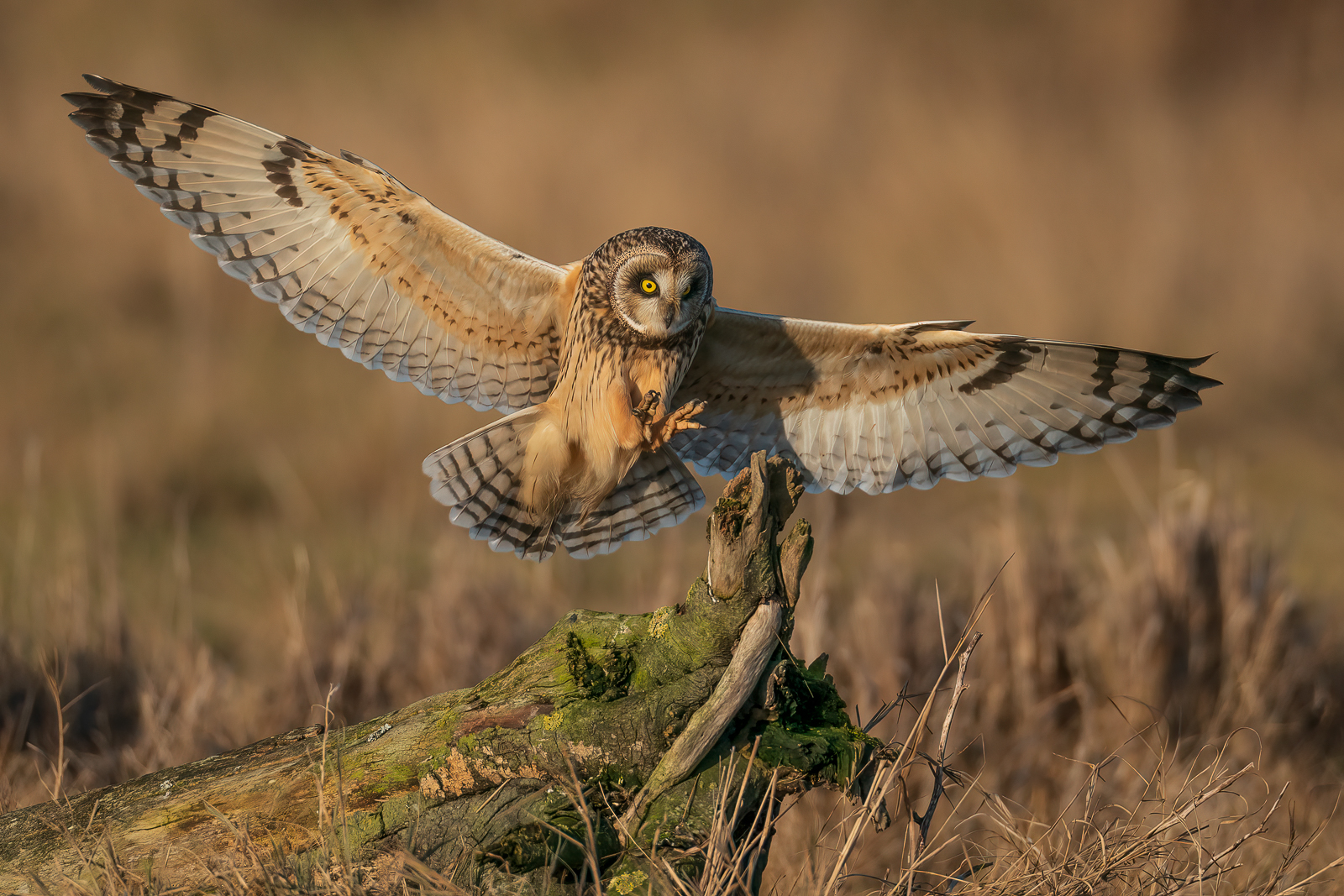
 . I would pay for the opportunity to photograph SEO
  !
!