CampK wrote:
Any recommended tutorial videos out there for using a dot-sight?
I am not aware of any video tutorial but it is really easy to use. The whole idea behind it is to calibrate the center of your viewfinder to the red dot in the center of the device, the dot sight. After that, you just follow the target and try your best to keep the red dot on your target. Since you are basically viewing the image using both eyes, it makes it way easier to do that trying to track your target on your viewfinder through the lens. I cannot count the numerous occasions where I missed trying to track fast BIF through the narrow view of your long lens prior to my using it.
AGeoJO wrote:
I am not aware of any video tutorial but it is really easy to use. The whole idea behind it is to calibrate the center of your viewfinder to the red dot in the center of the device, the dot sight. After that, you just follow the target and try your best to keep the red dot on your target. Since you are basically viewing the image using both eyes, it makes it way easier to do that trying to track your target on your viewfinder through the lens. I cannot count the numerous occasions where I missed trying to track fast BIF through the narrow view of your long lens prior to my using it....Show more →
Sounds like it's definitely worth a try. Do you use the Olympus EE-1?
CampK wrote:
Sounds like it's definitely worth a try. Do you use the Olympus EE-1?
Here is my 2 cents, I have used the Dot sight and Nikon sights, they are great in beginning when you are just getting used to long focal length. After while you are trained and don't need it any more. However, it is great to use when you are using 2x TC occasionally, it does help, especially when your subject in blank sky and there are no other reference points.
Only thing, I don't like about the both sights is that you have to make sure the calibration is still good, slight bump and it is out of calibration. Great tool, if you use it wisely but can't rely completely to have subject in focus all the time. I would use it as starting point to get the subject in frame initially and rely on EVF afterword.
CampK wrote:
Sounds like it's definitely worth a try. Do you use the Olympus EE-1?
Yes, and my understanding is Nikon also makes a similar device. Actually, you also can even use a similar device from target shooting but those two, Olympus and Nikon are designed for photography and comes with a hotshoe foot that lets you mount it directly on the top of the camera. The most important thing you have to do is to calibrate that device before you start shooting each time. And your best bet would be to use a tripod for that purpose. Throughout the shooting period, I normally check it from time to time, to make sure that it doesn’t go out of calibration. So far, so good.
Certain lenses due to the large diameter, such as the GM 600 and its lens hood, can obstruct the view of the dot sight. In that case you need to raise it a little using a flash extension adapter. Shalu mentioned and gave us a link for that a few pages back of this thread.
ke3vg wrote:
Here is my 2 cents, I have used the Dot sight and Nikon sights, they are great in beginning when you are just getting used to long focal length. After while you are trained and don't need it any more. However, it is great to use when you are using 2x TC occasionally, it does help, especially when your subject in blank sky and there are no other reference points.
Only thing, I don't like about the both sights is that you have to make sure the calibration is still good, slight bump and it is out of calibration. Great tool, if you use it wisely but can't rely completely to have subject in focus all the time. I would use it as starting point to get the subject in frame initially and rely on EVF afterword. ...Show more →
Hi Mukesh, my experience is different than yours. I am not saying right or wrong, just different. I am sure it has to do with the shooting circumstances we are under.
After the target is in flight, it is harder for me to track it using the viewfinder but I have no problem doing that with my naked eyes. This is where the dot sight comes in since it lets you look at the whole scenery and the red dot is definitely eye catching. Yes, you would not know if the target is completely OOF but you cannot correct that if even using the viewfinder. In that case, you just stop shooting. That reminds me, I need to play around with the focus limiter setting...
If I anticipate the perching bird is about to take off, then I use the viewfinder to lock focus on to that. And then I watch the total scenery while keeping the AF button depressed. This can test your patience, it can take off in seconds, or in a few minutes or even 10-20 minutes. The problem with the using just the viewfinder is, you are using your dominant eye to do so and you close the other eye. And that can be tough if the wait is long. Using the dot sight makes it easier since you don’t have to squint all the time. Just my take...
AGeoJO wrote:
Bob, the AF performance of the A7r IV doesn’t quite match that of the A9. How close is close? At times, it feels like the camera is less responsive to grab focus. In the first 2 days of my using the A7r IV, I didn’t do pretty much anything else but trying to do BIF or owls in flight, in my case. I got a fair share of OOF images but the ones that are in focus are just great. Would I get less OOF images with the A9. Very likely but it is really difficult for me to tell for sure. The real world shooting circumstances were not the same and they never are.
Of course, the no-black-out viewfinder of the A9 is a just superb. But in my case, since I was using the Oly dot sight for my tracking all the time in the first 2 days, it didn’t bother nor matter to me. One thing that you need to keep in mind, you are not and I will not be shooting BIF all the time. Another factor you need to consider, the owls are small and they are fast flyers. They hunt June bugs and their flight path in this case is not predictable. Falcons are also fast flyers with similar flight pattern, meaning unpredictable. If the birds are not flying and or the size and/or speed of the birds you are targeting is not as fast as those, then the A7r IV should be fine to pull that off. Cranes, pelicans, even eagles, due to their larger size and more predictable flight paths are easier to track. I even trusted my adapted Canon lens to pull the task off back then.
One last aspect for your consideration, you are not only shooting flying birds. In your repertoire you mix, flying and perching birds, right? The cropping ability of the A7r IV is huge. It lets you get the reach, the A9 falls short for my taste. I got the hunch that the A9 II will address that shortcoming. Time will tell, of course.
Bob, A7Riv is not A9 but it's much better improvement over the A7Riii, it does requires to adjust your technique to track the subject, especially the erratic flying birds. I have only used it for couple of days so it's too early to comment on it but I would certainly find out during the upcoming eagle season here in November.
So far I like the resolution and ability to crop distance subjects. Also, like Joshua said, not all my photography is BIF so I certainly have use for this camera. I am also waiting for A9II and see what resolution that will have. Will give you report back in couple of months.
I will monitor everyone's findings carefully on the A7rIV and the A9II when released to help me decide which of these 2 or an A9 to add to my A7rIII perhaps in about 6 or so months after the release of the A9II. I will wait until people come to some conclusions and the price of the cameras come down somewhat and/or I can make a purchase from perhaps Greentoe as I did my A7rIII. I want to have 2 camera bodies (along with my stock and Kolari modded A7r bodies) for AF capabilities particularly with my 100-400mm GM and with my 200-600 G lenses. I am going to have to just rely on the 2 zooms as I do not believe that I will be able to afford either the 600mm GM or the 400mm GM and still keep my wife from divorcing me.
AGeoJO wrote:
Shalu, up to this point, I have not put my 2X TC on that lens except for stationary targets and on a tripod. Capturing KF in flight, and I know how tiny they are, at 1200mm, is a tall order. And you did it seemingly effortlessly - well done!
Joshua
Thank you very much, Joshua. With the help of Dot Sight, it is much easier. And because of this setup, I find myself often intentionally seeking out shooting opportunities that previously were considered too hard, nearly impossible, that is, smaller/faster birds in flight that are in close range, filling the frame as much as possible to capture maximum detail.
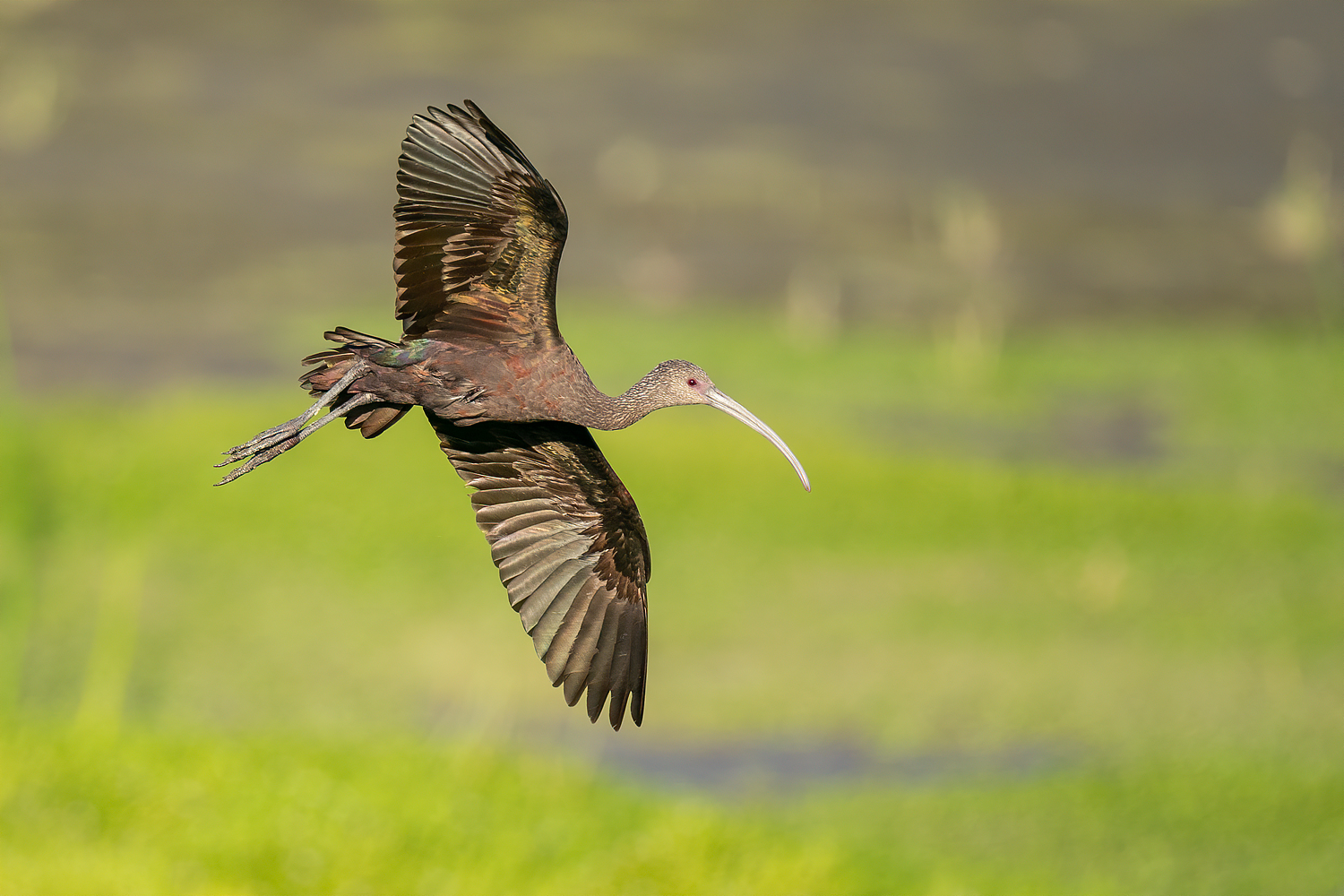
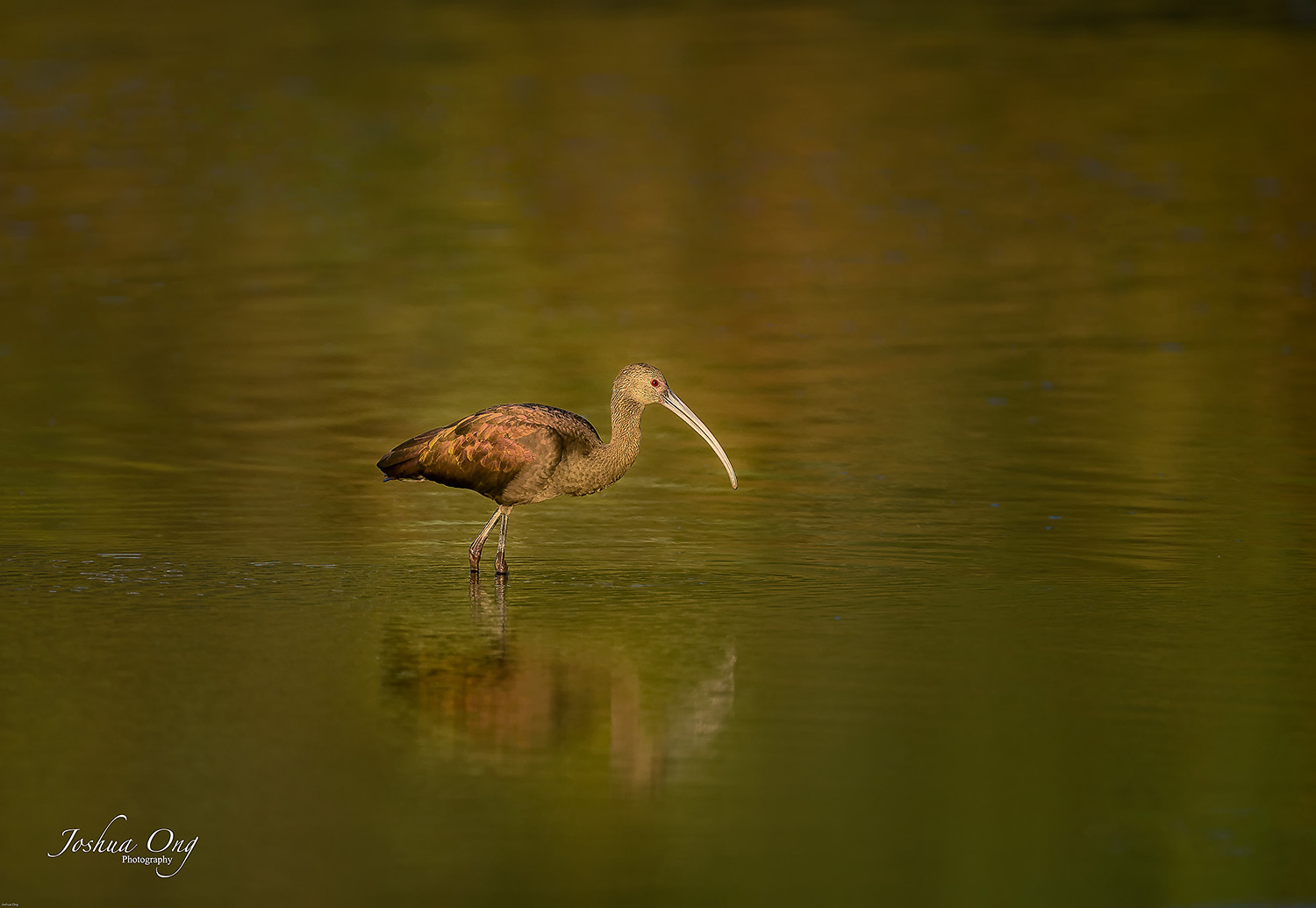
Vince @vphan, the glossy ibis image is gorgeous, indeed! San Joaquin, huh? Are they still hanging around there? I am thinking of going out there this weekend. Was yours taken in the AM or PM?
AGeoJO wrote:
Vince @vphan@, the glossy ibis image is gorgeous, indeed! San Joaquin, huh? Are they still hanging around there? I am thinking of going out there this weekend. Was yours taken in the AM or PM?
Thank you Joshua! They’re still around at SJ. I took this shot in the PM.
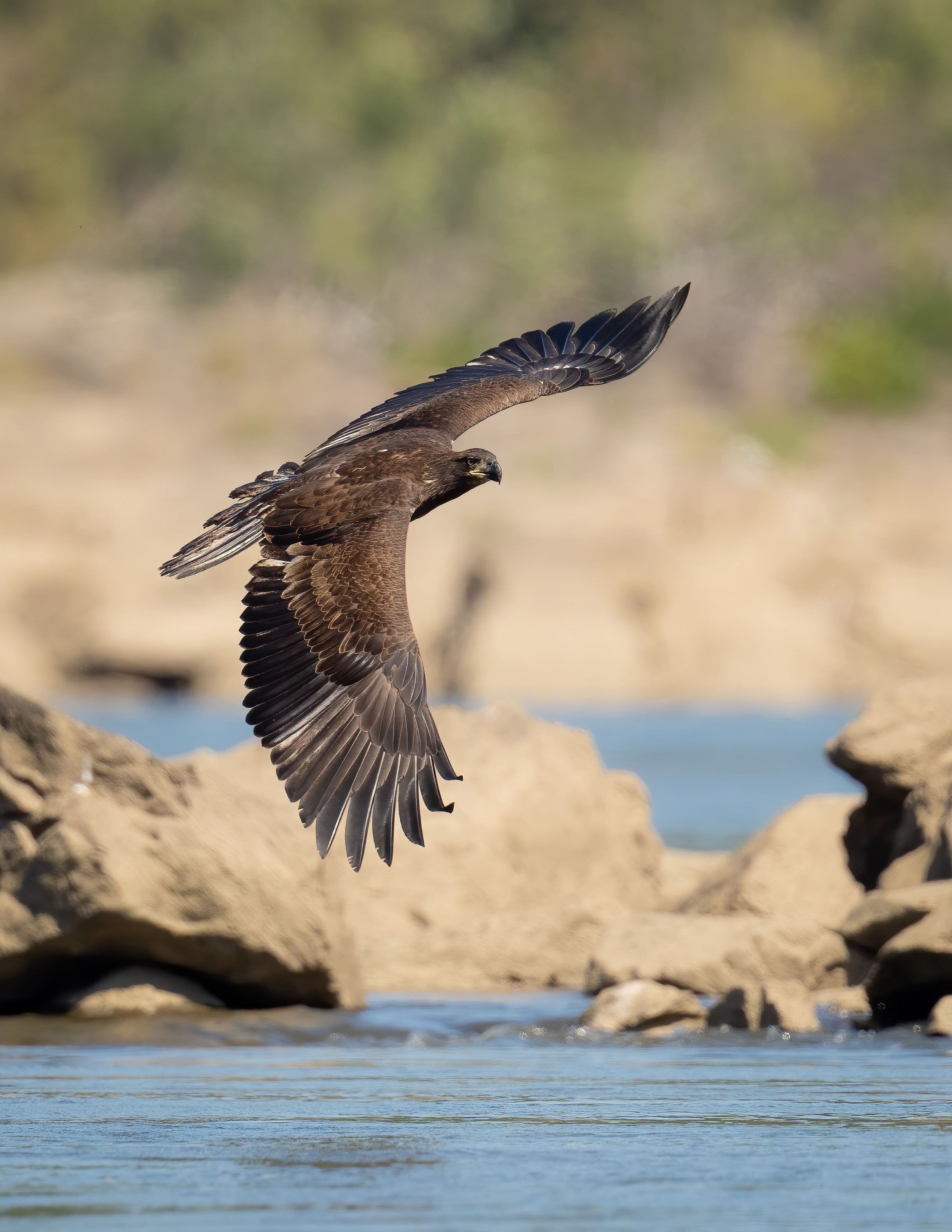
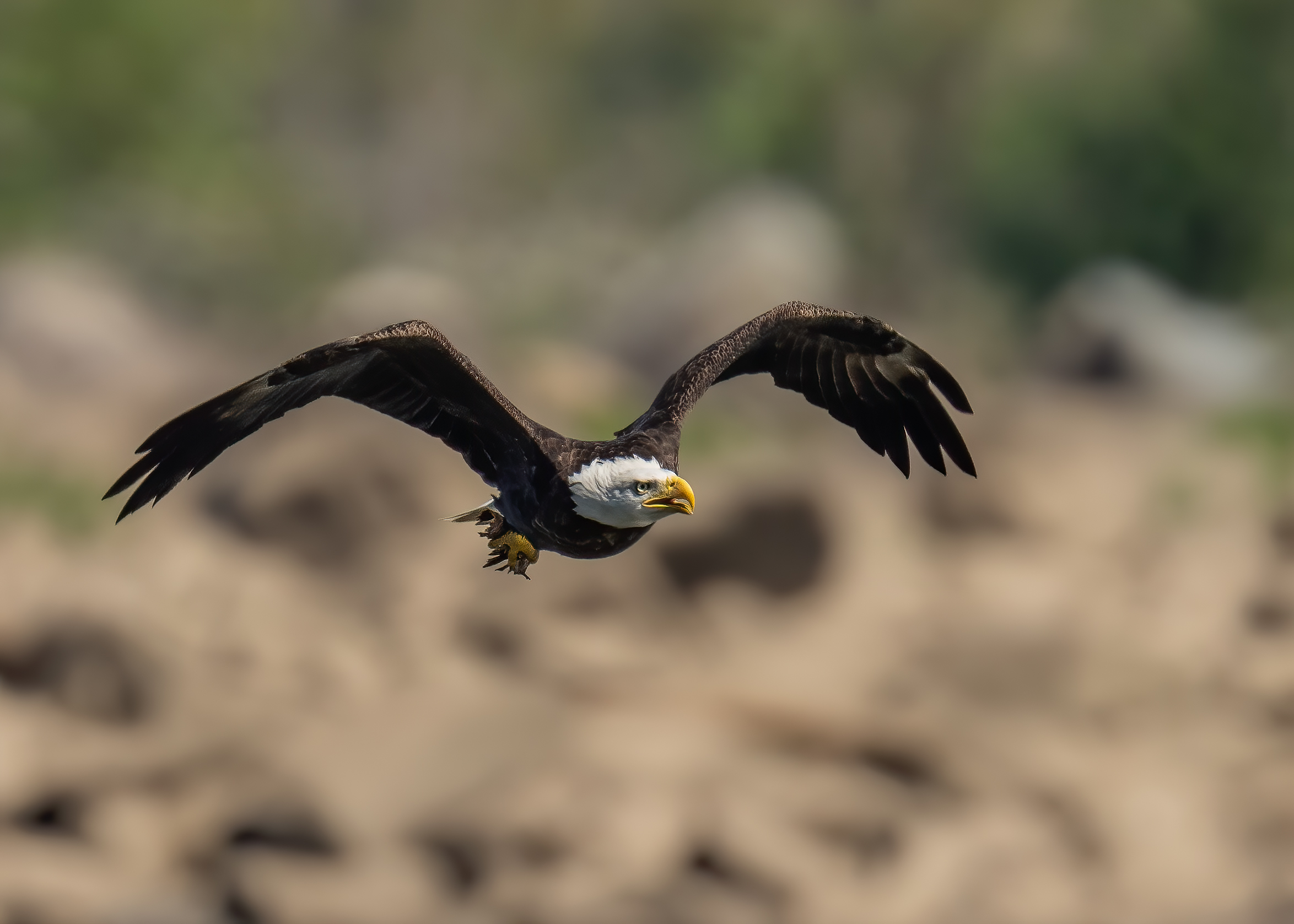
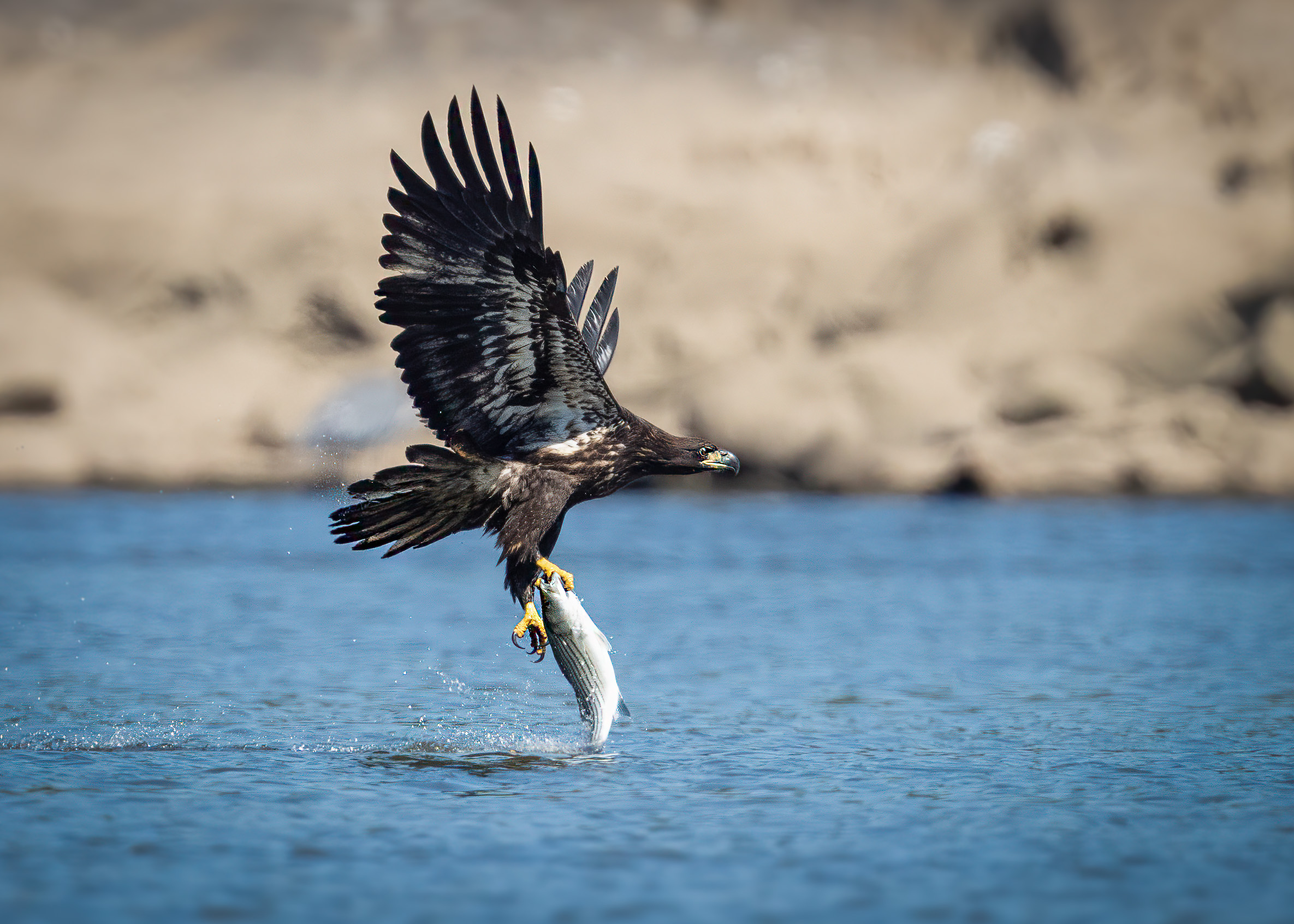
One from Saturday, A7RIV, 600mm + 1.4 TC, 1/2500 sec @ f/5.6, ISO 640
In all this shots, the subject was minimum 600 feet away. I am experimenting with distance and printable size, I like 24X 17 and so far it is working out, the A7R4 is big plus here.