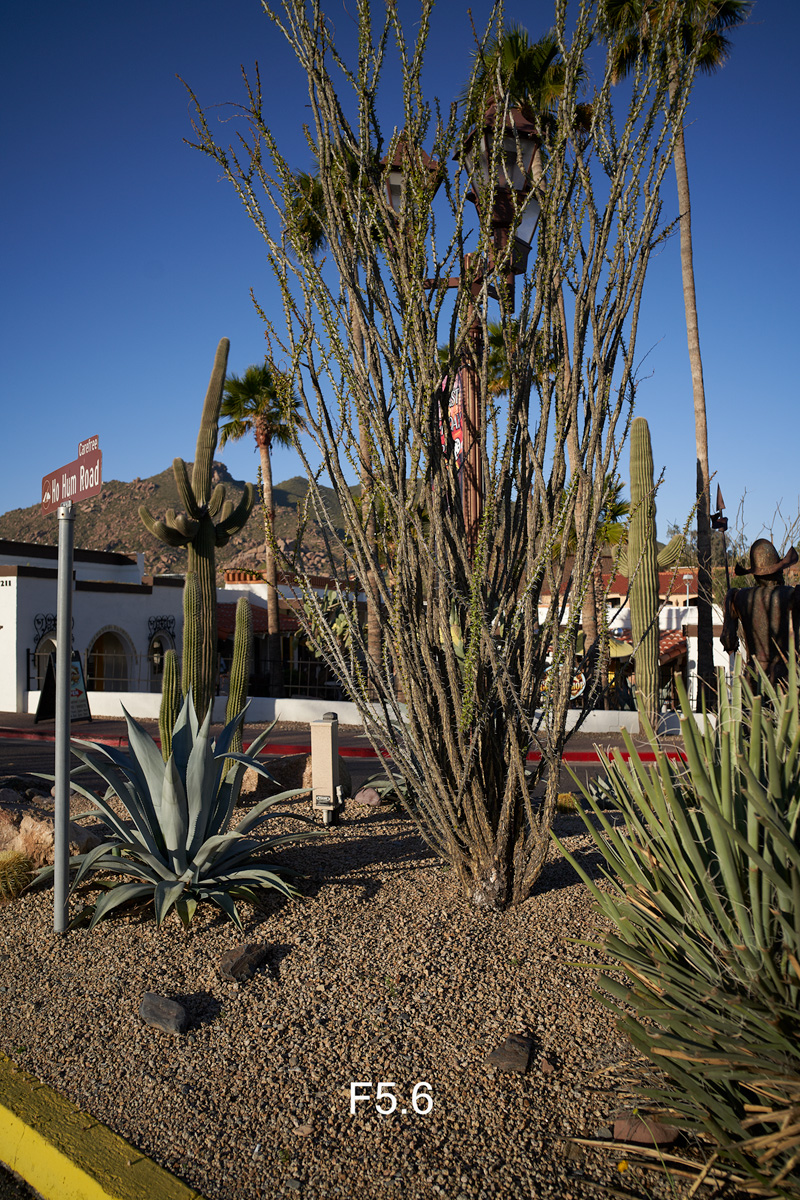
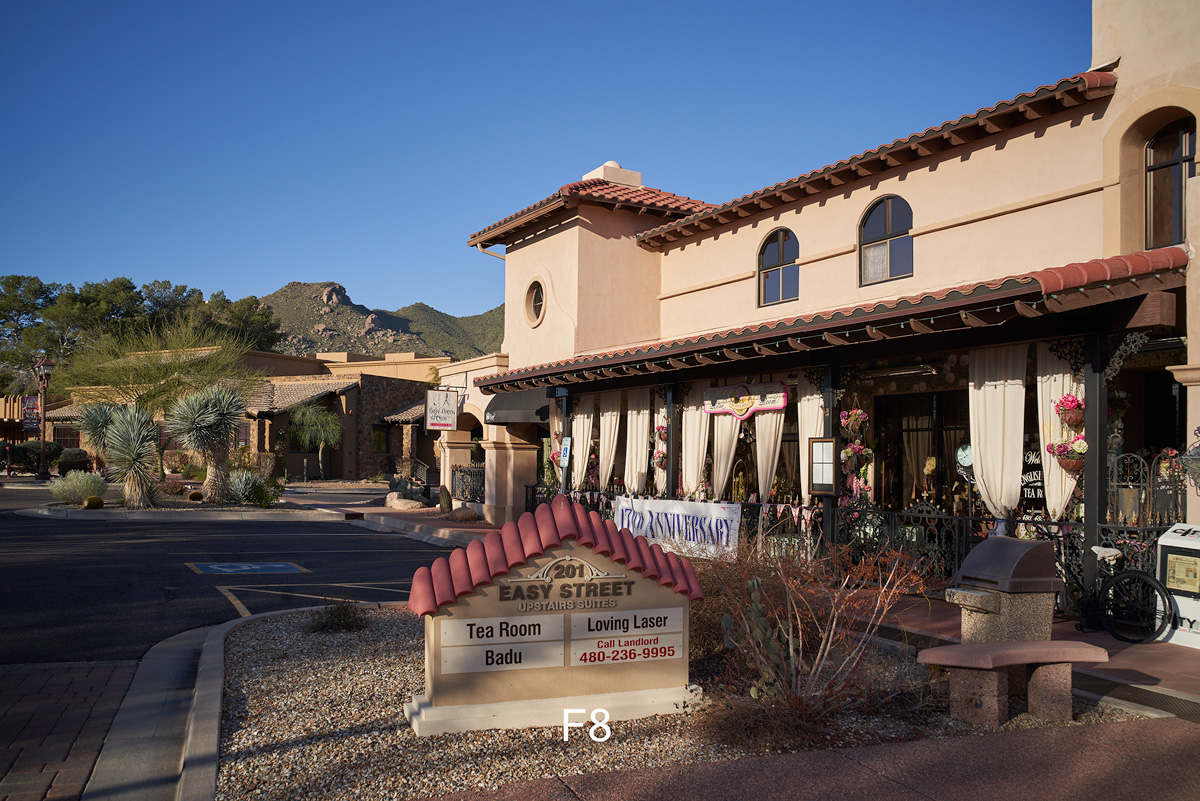
Sarpedon
Offline
• •
Upload & Sell: Off
|
 p.13 #8 · 7Artisians 28mm 1.4 tests coming p.13 #8 · 7Artisians 28mm 1.4 tests coming | |
genji wrote:
Here are some links that address the differences (in case you haven't seen them):
Distagon 28mm f2 C/Y or Distagon 28mm f2 ZE/ZF (FredMiranda.com)
Review: Contax Zeiss Distagon 2.0/28 T* AEG (C/Y) (Jannik Peters at PhillipReeve.net)
Contax T* 28mm F2 Distagon Lens (John Black at PebblePlace.com)
I regard the ZE version as a superb general purpose 28mm f/2 lens, which as John Black points out, has the following advantages compared to the C/Y: "a fully automatic aperture, updated optical formula, new lens coatings optimized and full EXIF data". If I wanted to shoot in the street with a 28 attached to an A7R3, I'd choose the ZE (although now that I have a Leica M I'm more inclined to use that camera with a Biogon ZM 28/2.8).
The C/Y version, on the other hand, is for me a specialist/character lens that I only use close-up at or near wide open. Jannik Peters' summary perfectly describes why, despite owning the ZE, I hold on to the Hollywood 28:
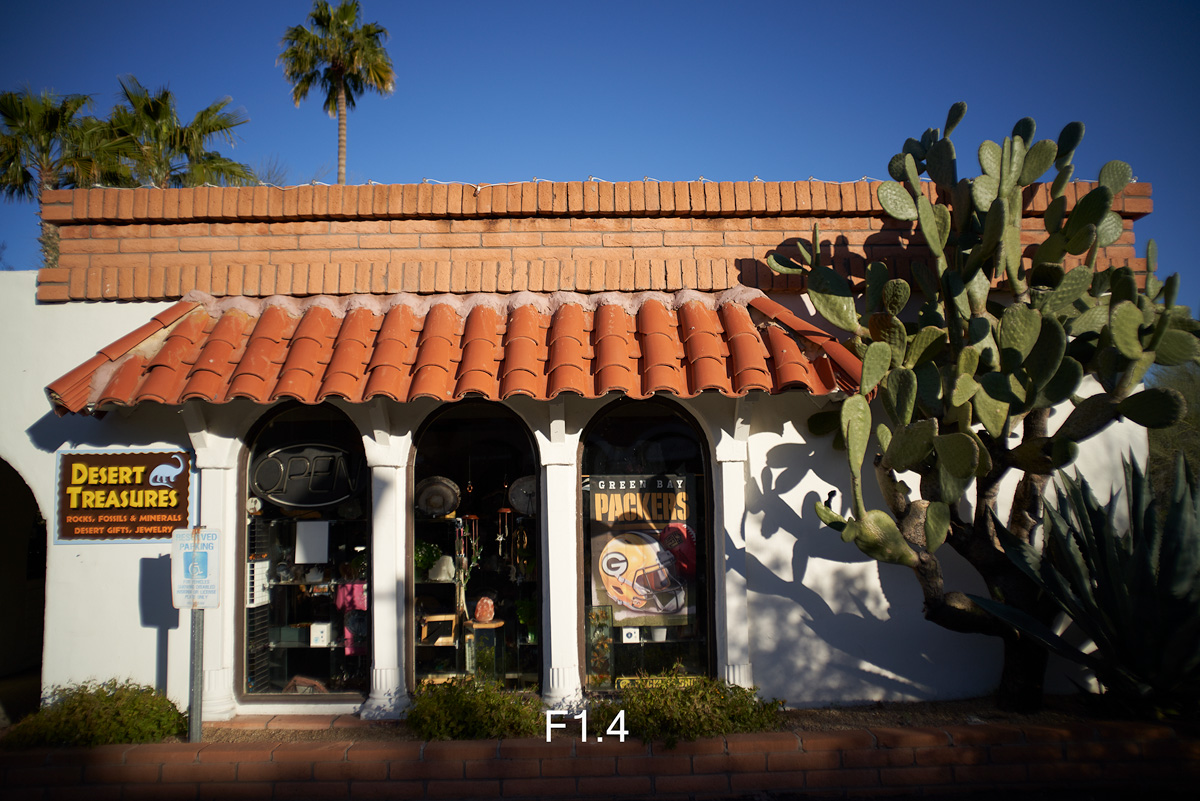
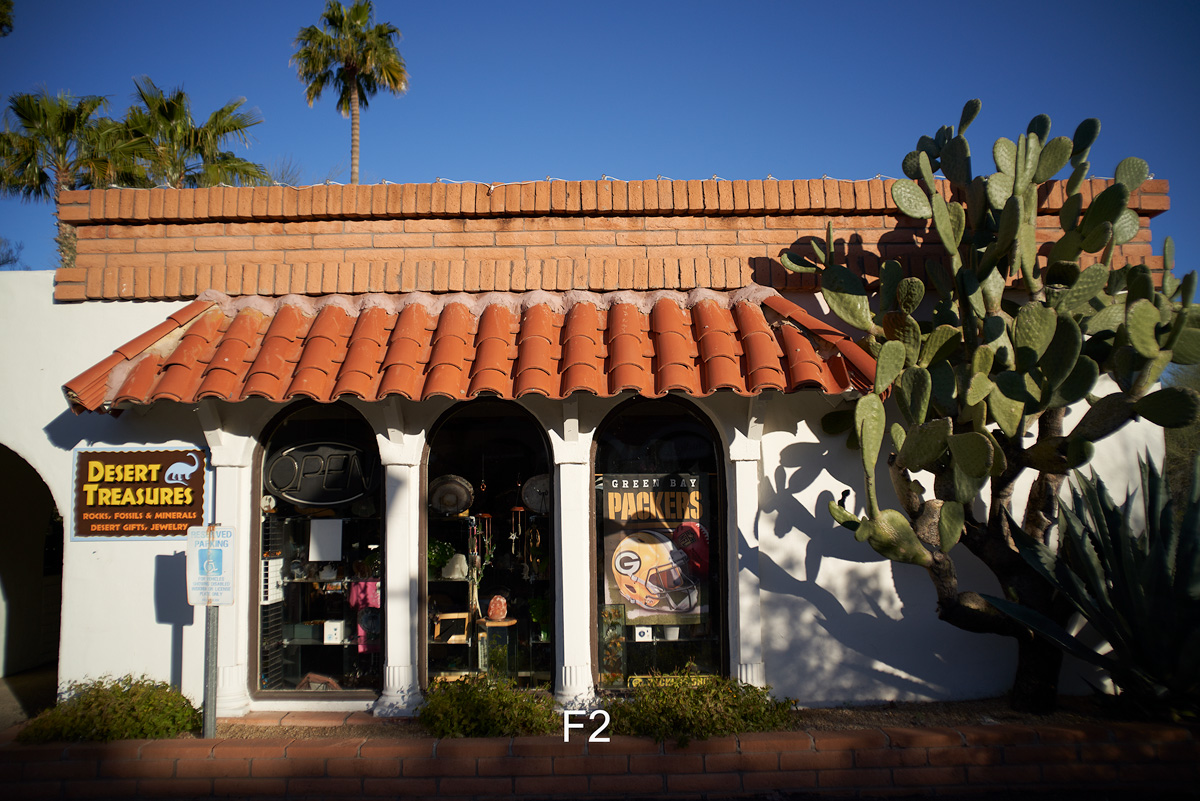
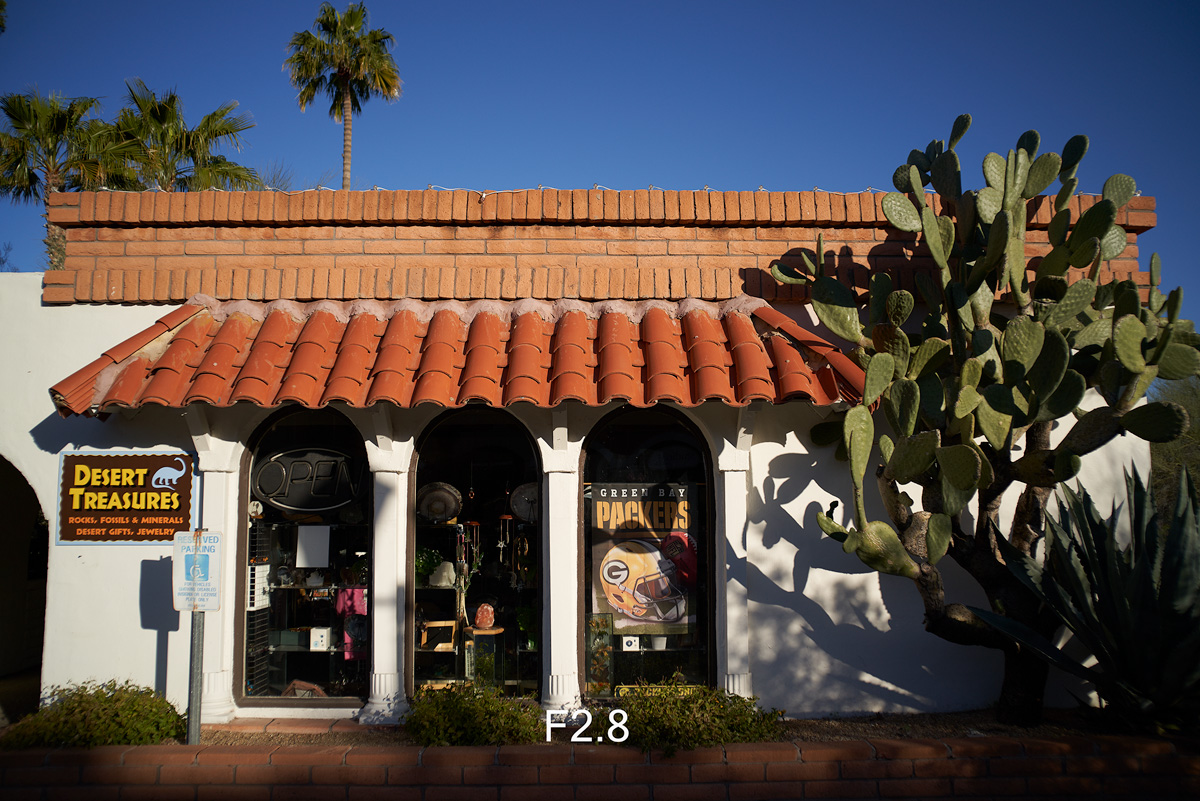
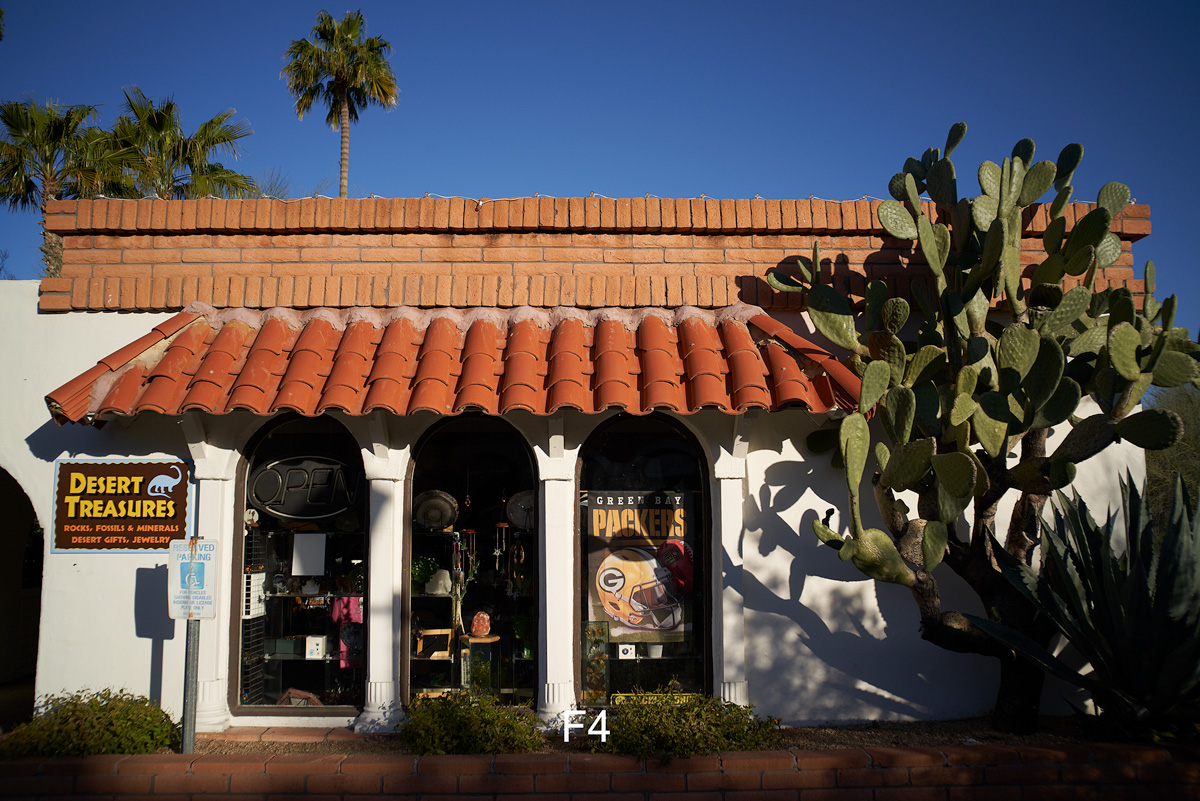
The dreamy bokeh wide open, the field curvature which reduces the depth of field towards the corners, the good close-up performance, the great colors and the good flare resistance make this lens predestined for close-up wideangle photography with shallow depth of field. The Distagon 2/28 is an expert lens for that purpose and can create images with high plasticity and three dimensional rendering. If this is your style of photography, this lens is for you....Show more →
---------------------------------------------
DavidBM wrote:
I have the ZF industrial version (optically the same as ZF, ZF2 and ZE) and have used the Hollywood briefly as a loaner.
The Hollywood has a lovely low contrast feel with great subject isolation wide open if you place your subject at a good place in the curved field. But it doesn’t have modern Zeiss high contrast, to say the least, if that’s what you want. Agree completely with Genji.
And the Z* is has amazing contrast and pop, with not bad field curvature at infinity but a bit at closer distances, despite a floating element. It’s basically like a modern lens - say a Loxia - except for a bit more CA and spherochromatism at wide apertures, and slightly busy bokeh wide open in many conditions. Im hanging on to it until there is a real Loxia or equivalent.
...Show more →
Thanks to both of you for the replies. Genji, if you ever find the time (and inclination) to do a comparison, your drinks are on me any time you come to Boston.
I get that the C/Y version has lower contrast, and, from what I've seen, a cooler color signature, but one thing still perplexes me.
It's my understanding that they both have field curvature in the same direction (the plane of focus curves away from the camera from the center), but I've always found the description of it's optical trickery by others to be confusing in that regard, and perhaps wrong? If the plane of focus bends toward the background, then, with a central subject, it follows that the background at the edges is less defocused than the background behind the subject. It's optical trickery in a way, because the background behind the subject isn't any more defocused than any other 28/2 lens, but since the edges are more in focus, it appears otherwise. That, along with excellent contrast (and aberrations outside the plane of focus), makes the subject "pop" more than would another lens with the same focal length and aperture. Have I got this wrong?
|