umsl12 wrote:
I do exactly as this instruction in the manual, however, when remove the card out after it's partial ejected, I have to pull it quite hard (step 2). I mean It's not easily slides out at all. If it's just my camera experiencing this then I need to return my Z6 to exchange since it can damage small internal metal parts inside the slot.
It's difficult to know what you consider quite hard but in my experience there is some resistance at step 2 but not so much that I'd consider it quite hard.
An XQD card has a notch that allows camera slots to retain the card until you pull it out. The card will not slide out under gravity and fall into a sewer grate. In engineering, we call this a smart design. My Lexar XQD and D500 work exactly the same way.
khoido77 wrote:
My XQD card also has this issue. After pushing down to eject it, I can feel that it is loose but seems to get stuck on something on the way out. I have to wiggle it a bit everytime to get it out.
I think I have done exactly the same. This is the way Nikon designed then. Thanks a lot for your input.
Thank you everyone for your helpful inputs regarding to removing the card. Probably I was too worried and it seems like this is the way Nikon wants, to remove the XQD card. I just wanted to make sure I didn't receive a defective camera. I just switched from Sony A7 series and never used XQD card before, and my last Nikon was D600 7 years ago. A lot of technology changes during those 7 years.
It seems like the more time I remove/insert the card, the less force I use to pull it out.
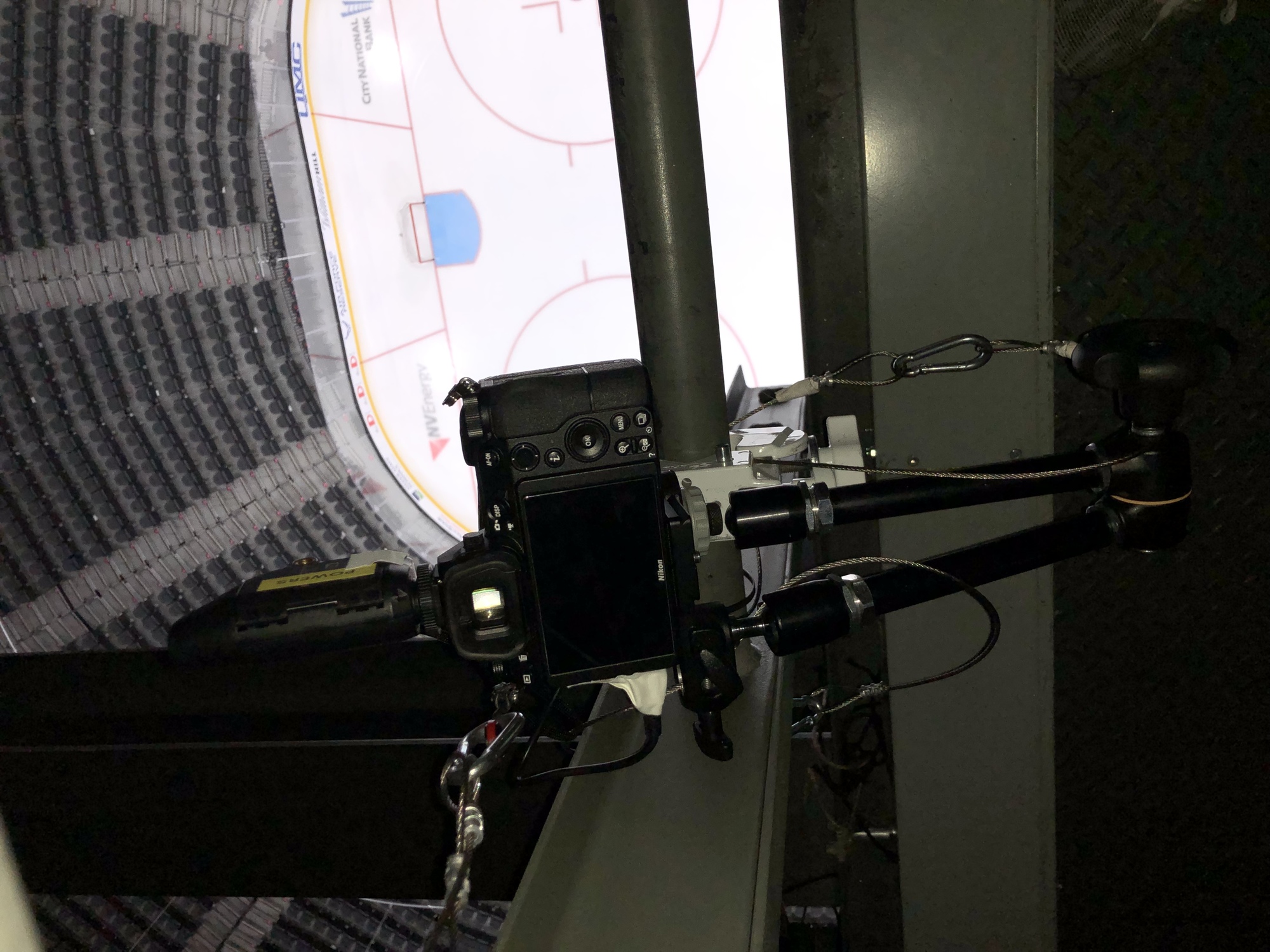
So I hung a z6 as a remote cam yesterday, it worked great, except the battery died half way thru the 3rd period. So I ordered a case relay from Tethertools and dummy battery to remedy the situation. Other than that it worked flawlessly.
I have a super-dumb question regarding the shutter count on the Z6/Z7. Up to now, shutter-count was a reliable means of determining wear on a DSLR. Lots of moving parts on DSLRs, including the mirror assembly and mechanical shutter. Nikon rated shutters variously between about 150,000 and 500,000 shots (IIRC). Nearly any DSLR sold indicated shutter count, and this had a moderate impact on selling price.
Now, we have a very good electronic front curtain on the Z series, along with the mechanical shutter. Some reviewers have advised to always use the electronic front curtain, as this reduces vibration (and possible weird conflicts with the IBIS system). Thus, we have an option to shoot in a way that involves no moving parts (when shooting electronic front curtain on the Z-series). Does anyone know if the shutter count only increments when the mechanical shutter is used? If not (and I suspect not), this means that "shutter count" on a Z series is now ambiguous and really only a upper-limit on potential shutter actuations.
Any more insight into this? Would using electronic front curtain (exclusively) increase the lifespan, and would it be something you could highlight on eventual sale? It would be kinda awesome if Nikon could keep separate track of mechanical actuations vs. electronic.
jcmartz wrote:
I have a super-dumb question regarding the shutter count on the Z6/Z7. Up to now, shutter-count was a reliable means of determining wear on a DSLR. Lots of moving parts on DSLRs, including the mirror assembly and mechanical shutter. Nikon rated shutters variously between about 150,000 and 500,000 shots (IIRC). Nearly any DSLR sold indicated shutter count, and this had a moderate impact on selling price.
Now, we have a very good electronic front curtain on the Z series, along with the mechanical shutter. Some reviewers have advised to always use the electronic front curtain, as this reduces vibration (and possible weird conflicts with the IBIS system). Thus, we have an option to shoot in a way that involves no moving parts (when shooting electronic front curtain on the Z-series). Does anyone know if the shutter count only increments when the mechanical shutter is used? If not (and I suspect not), this means that "shutter count" on a Z series is now ambiguous and really only a upper-limit on potential shutter actuations.
Any more insight into this? Would using electronic front curtain (exclusively) increase the lifespan, and would it be something you could highlight on eventual sale? It would be kinda awesome if Nikon could keep separate track of mechanical actuations vs. electronic.
The Z's maintain two shutter counts - total shots taken (irrespective of shutter type) and number of mechanical shutter actuations (includes both fully-mechanical and EFCS). Both are available in the EXIF data of each image. exiftool is one tool that lets you see both.
jcmartz wrote:
Any more insight into this? Would using electronic front curtain (exclusively) increase the lifespan, and would it be something you could highlight on eventual sale? It would be kinda awesome if Nikon could keep separate track of mechanical actuations vs. electronic.
Yes, an EFCS should increase the shutter life since for a mirrorless camera because it halves the number of shutter movements for each exposure.
Curtain operations required for a Fully-Mechanical exposure on a mirrorless camera:
1. Close 2nd physical shutter (to exit Live View and block light to allow sensor to be reset)
2. Open 1st physical shutter to start the exposure
3. Close 2nd physical shutter to end the exposure
4. Open 1st physical shutter to resume Live View
Curtain operations required for an EFCS exposure on a mirrorless camera:
1. Close 2nd physical shutter (to end exposure - 1st shutter was performed electronically)
2. Open 1st physical shutter to resume Live View
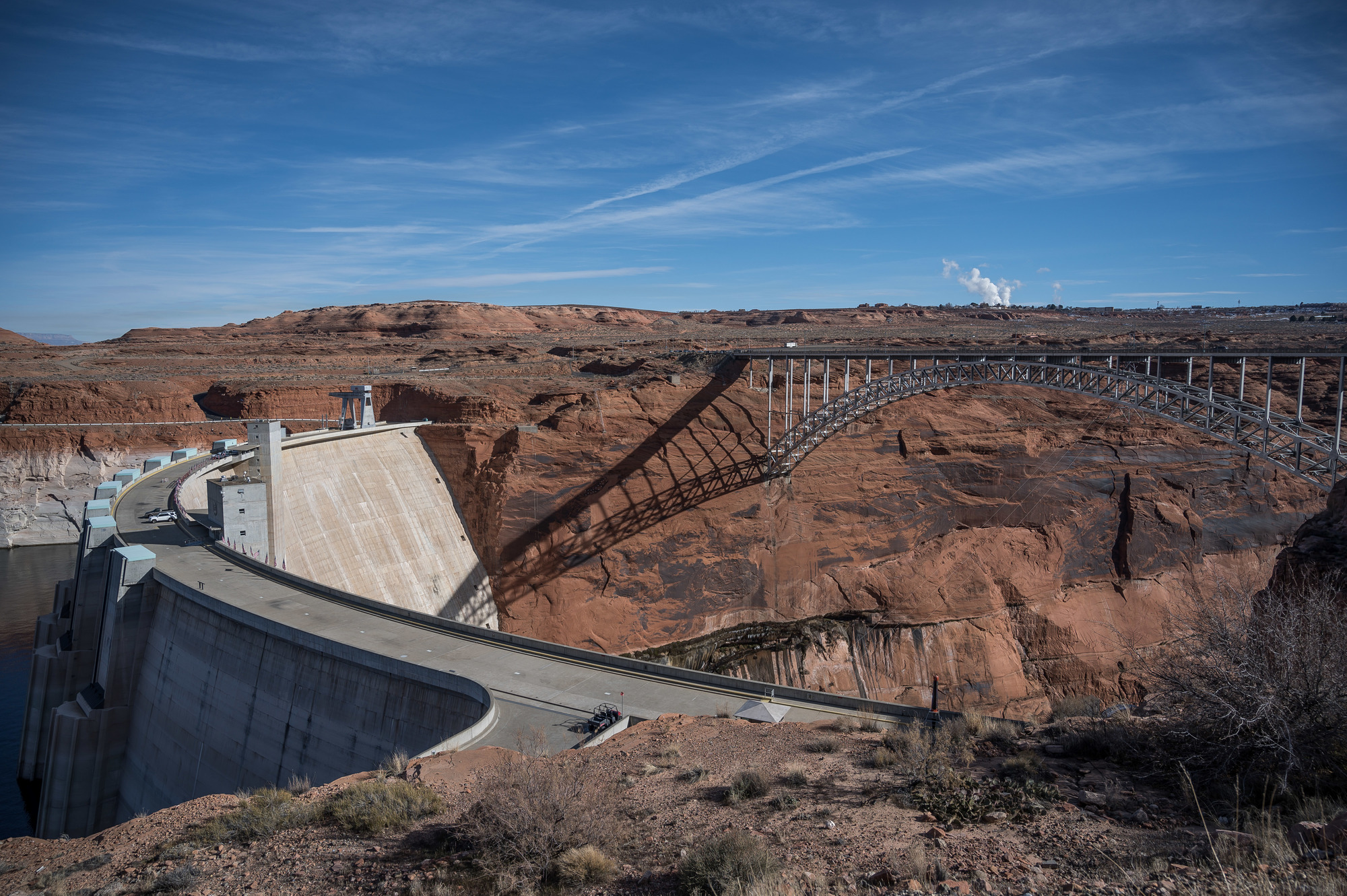
Had a New Years trip to the Grand Canyon and Page, AZ. Here are a few favorites of the Grand Canyon and Glen Canyon area. I'll post the others from Page later.
All on the Z6 and 24-70 f4S. The dynamic range on this sensor to pull details from both the highlights and shadows are really amazing.
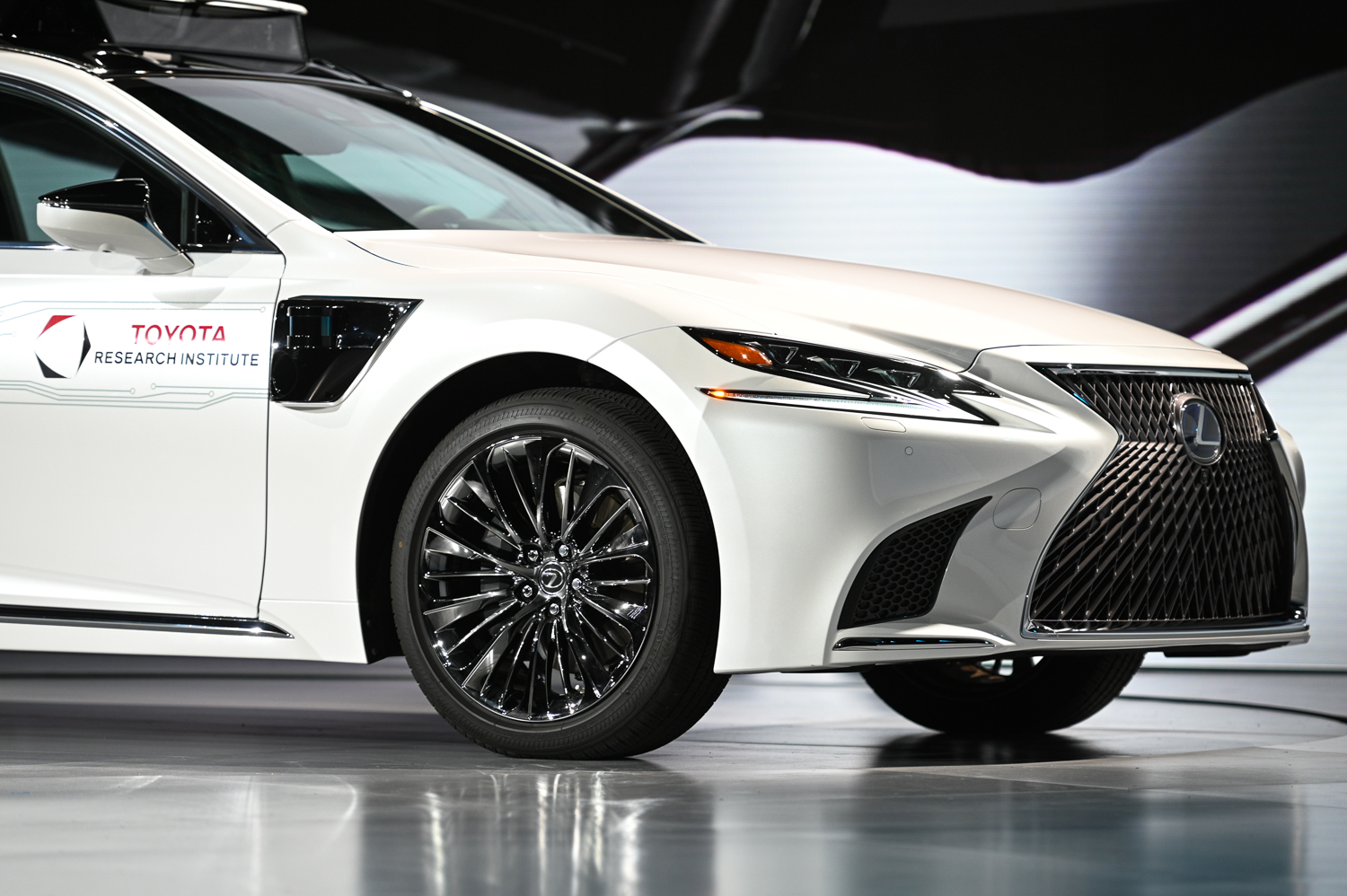
So with CES in Vegas, i have worked for CES (for the daily circular) the past 10 years, and i always dread it due to the weight of dual d5's and walking 12+ miles a day. Yesterday was my first day wielding dual z6's, and i can tell you , its been quite the difference, not just lighter on my feet, but with the internal stabilization, and live view in the evf, its a conference camera dream. Most keynotes or press events, have giant displays behind the presenter, some really good, some really bad, with the live view i can dial in my shutter speed to make sure i dont get any weird LCD/LED banding with the background, and dial in the exposure before any presenter hits the stage, whereas with the optical viewfinder it was more of a crap shoot, and i would have to chimp. Anyways, here are some images, the stage images i used AFC - Auto with face tracking, it worked flawlessly, i actually was so pleasantly surprised, it worked really really well at tracking the faces on stage, and i use used the joystick to choose which face i wanted and held the back button down and fired away.
Oh and i noticed 3 other photogs rocking the dual z6's as well, we had some nice convos, and i have a small meeting with one of the heads of NPS at the Nikon booth tomorrow to talk about whats coming to the z6.
khoido77 wrote:
My XQD card also has this issue. After pushing down to eject it, I can feel that it is loose but seems to get stuck on something on the way out. I have to wiggle it a bit everytime to get it out.
Tight dimensional and parallelism tolerances - probly ain't just gonna fall out...


 My Lexar XQD and D500 work exactly the same way.