This topic is in the 2018 archive. You can read it and like its posts here. It is read only.
Archive 2018"Official" Nikon 500 f/5.6E PF Discussion and Image Thread
p.179 #1"Official" Nikon 500 f/5.6E PF Discussion and Image Thread
NissanPatrol wrote:
same equipment
is the photographer better or the weather?
Or better tripod?

Wind for sure doesn't help. Mirror up does help.
Solid (stiff) tripod and high-quality head can make a difference when using a 700 mm lens on DX. What shutter speed did you use? lara_ckl used 1/2000 s (hand held).
same equipment
is the photographer better or the weather?
Or better tripod?
Wind for sure doesn't help. Mirror up does help.
Solid (stiff) tripod and high-quality head can make a difference when using a 700 mm lens on DX. What shutter speed did you use? lara_ckl used 1/2000 s (hand held).
May 29, 2020 at 11:36 AM
p.179 #2"Official" Nikon 500 f/5.6E PF Discussion and Image Thread
 |
||
| https://morboi.com/wp-content/uploads/2019/11/NZ7_1290.jpg | ||
|
Collared kingfisher, with Z7, 500PF@ f5.6, 1/400, iso 320
May 30, 2020 at 07:58 AM
p.179 #3"Official" Nikon 500 f/5.6E PF Discussion and Image Thread
ChrisMak wrote:
It is not the bird itself that is harmful or does the damage, but it is man that disrupts the balance in eco systems that have evolved over thousands of years. In this case, somebody thought he was clever and introduced a non native bird in an environment where it eventually became harmful.
Now who is to blame here? The bird? Obviously not, as it is merely as you rightfully say, a product of nature. Mankind is to blame, for blindly intervening in an ecosystem.
The examples of similar human "cleverness" are endless across the world. We have our own share...Show more →
https://www.abc.net.au/news/rural/2016-09-08/indian-myna-birds-pest-species/7819394
I hate them with a passion.haahh
like saying honest criminalI am not understanding?never mind
a bad joke
2 conflicting facts. The first fact the bird is the product of mother nature . the second fact it presents harm to echo system which mother nature heals and protect.
One time in the late 1800 up to maybe the 80s, this was a beloved and useful bird, but once man discovered the damage the bird is causing, it became a bad bird. The bird is still the same bird, but the knowledge changed.
just like the 2 words honest and criminal contradicts. If still does not make sense , consider it a bad joke.
I know we're all getting a little off topic here but. Yes, man has a lot to answer for with regards to introduced species, but nature has done it all the time. When you think about it, native animals and birds to an area/island/continent/ecosystem have all worked this out centuries ago, the current crop of animals and birds in a particular area/island/continent/ecosystem have all blossomed due to their suitability and dominance for that area and have killed off and made extinct other animals that may have lived in that area at one stage and could not cope as well. As bad as man is and it is always easy and fashionable to blame man, yet nature is responsible for 99.9% of loss of species since time began. However, this definitely does not absolve man's culpability in this area as man is responsible for many stupid decisions in this regard.
Australia has a harsh climate in many areas and has meant the current animals have survived due to their resilience and suitability to their particular area and thus naturally saw off the extinction of many other animals and birds etc. So, we could have had a number of different animals and birds were it not for the type of environment we have here. Many of these animals may have survived but were out done by the current native birds and animals. Does this make it better? Not necessarily, just different and thus we have what we have The very fact that Australia has a many varied climate, from tropical, subtropic, to desert, to snow fields etc means we see a very varied set of animals that have adapted to these different areas. So, in the case above of the introduced Mynah bird which I loathe, left to fend for itself in the real Australian environment, as opposed to the friendlier urban areas where it inhabits, it would most likely not survive or at least have it's numbers severely limited due to the harsh conditions and lack of easy food and thus not be an intrusion on the local birds of those areas. It really only inhabits the city and town areas where is chases out the local birds which really upsets we bird lovers. You never see them out in the "bush", or out in the wilderness areas where our native birds thrive and survive and would thus have limited impact in those areas.
It is not the bird itself that is harmful or does the damage, but it is man that disrupts the balance in eco systems that have evolved over thousands of years. In this case, somebody thought he was clever and introduced a non native bird in an environment where it eventually became harmful.
Now who is to blame here? The bird? Obviously not, as it is merely as you rightfully say, a product of nature. Mankind is to blame, for blindly intervening in an ecosystem.
The examples of similar human "cleverness" are endless across the world. We have our own share...Show more →
NissanPatrol wrote
Lance B wrote
NissanPatrol wrote
Lance B wrote
Indian Mynah birds were introduced into Australia in the 1860's and have become a real pest.https://www.abc.net.au/news/rural/2016-09-08/indian-myna-birds-pest-species/7819394
I hate them with a passion.
like saying honest criminal
a bad joke
2 conflicting facts. The first fact the bird is the product of mother nature . the second fact it presents harm to echo system which mother nature heals and protect.
One time in the late 1800 up to maybe the 80s, this was a beloved and useful bird, but once man discovered the damage the bird is causing, it became a bad bird. The bird is still the same bird, but the knowledge changed.
just like the 2 words honest and criminal contradicts. If still does not make sense , consider it a bad joke.
I know we're all getting a little off topic here but. Yes, man has a lot to answer for with regards to introduced species, but nature has done it all the time. When you think about it, native animals and birds to an area/island/continent/ecosystem have all worked this out centuries ago, the current crop of animals and birds in a particular area/island/continent/ecosystem have all blossomed due to their suitability and dominance for that area and have killed off and made extinct other animals that may have lived in that area at one stage and could not cope as well. As bad as man is and it is always easy and fashionable to blame man, yet nature is responsible for 99.9% of loss of species since time began. However, this definitely does not absolve man's culpability in this area as man is responsible for many stupid decisions in this regard.
Australia has a harsh climate in many areas and has meant the current animals have survived due to their resilience and suitability to their particular area and thus naturally saw off the extinction of many other animals and birds etc. So, we could have had a number of different animals and birds were it not for the type of environment we have here. Many of these animals may have survived but were out done by the current native birds and animals. Does this make it better? Not necessarily, just different and thus we have what we have The very fact that Australia has a many varied climate, from tropical, subtropic, to desert, to snow fields etc means we see a very varied set of animals that have adapted to these different areas. So, in the case above of the introduced Mynah bird which I loathe, left to fend for itself in the real Australian environment, as opposed to the friendlier urban areas where it inhabits, it would most likely not survive or at least have it's numbers severely limited due to the harsh conditions and lack of easy food and thus not be an intrusion on the local birds of those areas. It really only inhabits the city and town areas where is chases out the local birds which really upsets we bird lovers. You never see them out in the "bush", or out in the wilderness areas where our native birds thrive and survive and would thus have limited impact in those areas.
May 30, 2020 at 05:54 PM
p.179 #4"Official" Nikon 500 f/5.6E PF Discussion and Image Thread
First, the moon.
Second, the main event, the ISS being chased by the Dragon Endeavour capsule. ISS is on the top left corner while the Dragon Endeavour capsule (I think) is on the lower right.
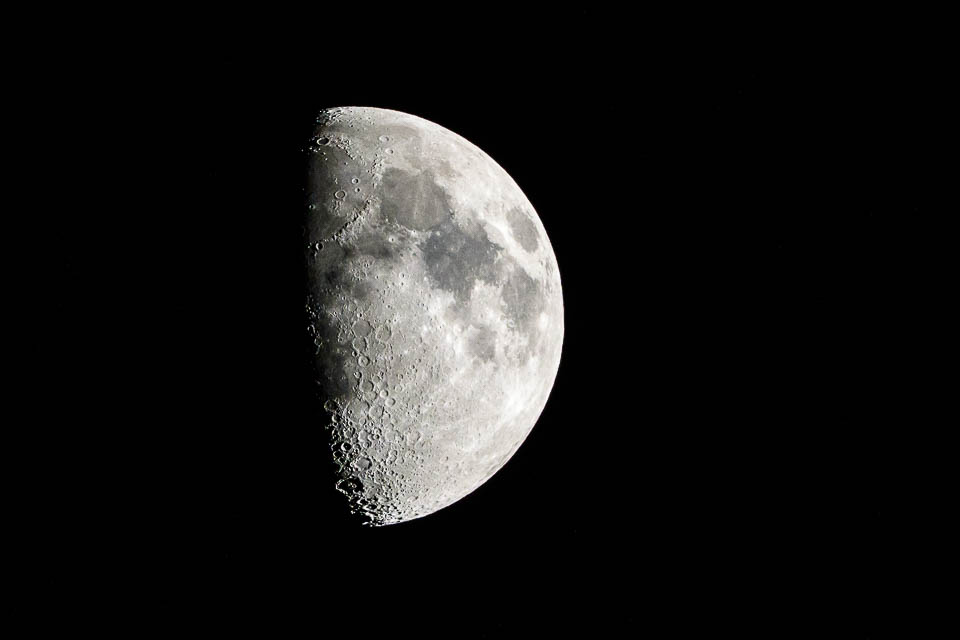
D500, 1/2000, f8.0, ISO 2000, 700mm (500PF+TC14EII), VR OFF, tripod
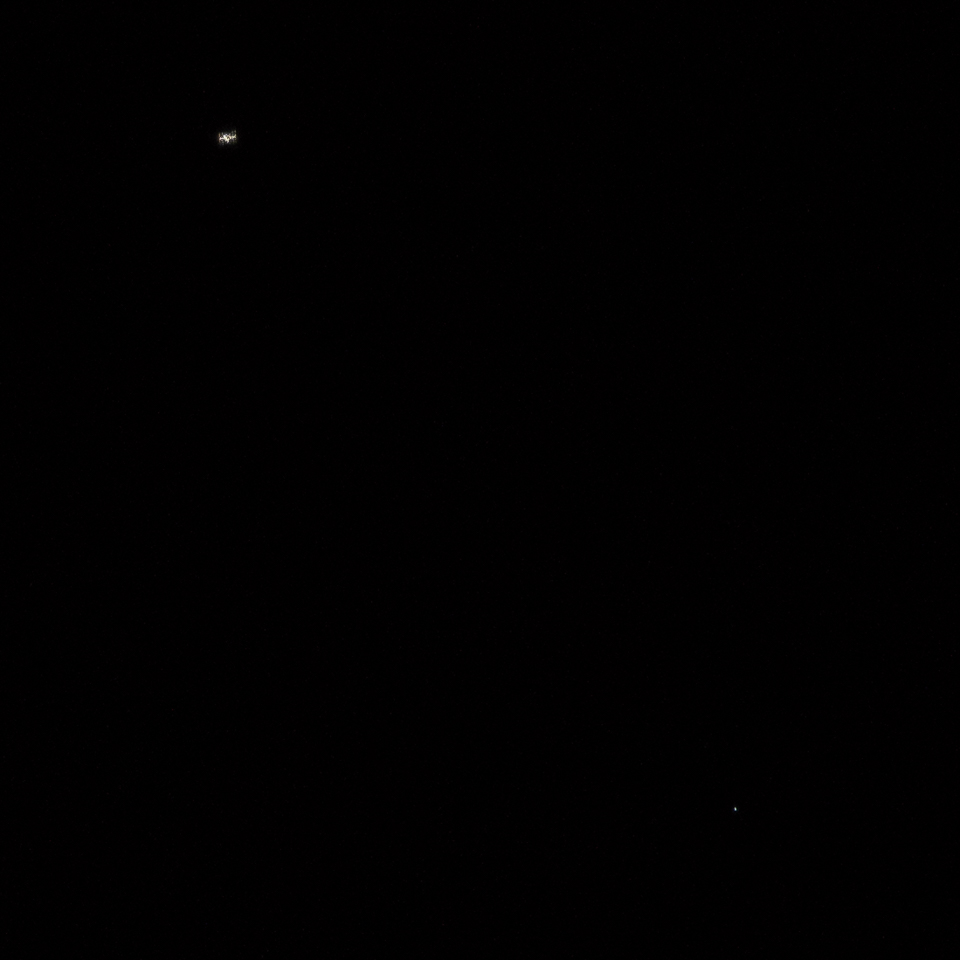
D500, 1/2000, f8.0, ISO 2000, 700mm (500PF+TC14EII), VR OFF, tripod
Second, the main event, the ISS being chased by the Dragon Endeavour capsule. ISS is on the top left corner while the Dragon Endeavour capsule (I think) is on the lower right.
D500, 1/2000, f8.0, ISO 2000, 700mm (500PF+TC14EII), VR OFF, tripod
D500, 1/2000, f8.0, ISO 2000, 700mm (500PF+TC14EII), VR OFF, tripod
May 30, 2020 at 08:56 PM
p.179 #5"Official" Nikon 500 f/5.6E PF Discussion and Image Thread
Lance B wrote:
I know we're all getting a little off topic here but.
I always wished that talking about all the aspects of a picture adds value. The art, the technical, the history, the scientific or whatever aspects add knowledge instead of just an abstract photo. That is why I like Mark Smith ( before he switched to Sony ) narratives about wild life
Lance B wrote:
Yes, man has a lot to answer for with regards to introduced species, but nature has done it all the time.
yes
species come and go before man ever existed. Man themselves were a species for a long time. Many humanoid species disappeared.
The scientific discovery and wealth of knowledge man collected, enable societies to have more appreciation and respect for animals after long centuries of considering killing animals as a game (the dictionary still carry this word to describe the killing)
This knowledge occurred to man because the killing machine became massive and man observed the consequences on the ecosystem and therefore on the future of mankind.
Now while some people still do not get it and still killing animals for joy, laws are progressively improving, natural protected parks around the globe are increasing. And some animals were on the verge of extinct came back; we have wealth of examples for that. Not only that, but man watching the over population of specious that can have devastating effects on the echo system.
And our subject birds are two of the them. The house craw and the common Myna.
Yesterday I took pictures for a house craw eating a cat. It maybe offensive for cat lovers to post here. The cat was hit by a car, and the house craw was doing it's job as a scavenger doing a faster job than the city cleaning contractor.
I know we're all getting a little off topic here but.
I always wished that talking about all the aspects of a picture adds value. The art, the technical, the history, the scientific or whatever aspects add knowledge instead of just an abstract photo. That is why I like Mark Smith ( before he switched to Sony
) narratives about wild lifeLance B wrote:
Yes, man has a lot to answer for with regards to introduced species, but nature has done it all the time.
yes
species come and go before man ever existed. Man themselves were a species for a long time. Many humanoid species disappeared.
The scientific discovery and wealth of knowledge man collected, enable societies to have more appreciation and respect for animals after long centuries of considering killing animals as a game (the dictionary still carry this word to describe the killing)
This knowledge occurred to man because the killing machine became massive and man observed the consequences on the ecosystem and therefore on the future of mankind.
Now while some people still do not get it and still killing animals for joy, laws are progressively improving, natural protected parks around the globe are increasing. And some animals were on the verge of extinct came back; we have wealth of examples for that. Not only that, but man watching the over population of specious that can have devastating effects on the echo system.
And our subject birds are two of the them. The house craw and the common Myna.
Yesterday I took pictures for a house craw eating a cat. It maybe offensive for cat lovers to post here. The cat was hit by a car, and the house craw was doing it's job as a scavenger doing a faster job than the city cleaning contractor.
May 30, 2020 at 09:02 PM
p.179 #6"Official" Nikon 500 f/5.6E PF Discussion and Image Thread
Lance B wrote:
Now who is to blame here? The bird? Obviously not, as it is merely as you rightfully say, a product of nature. Mankind is to blame, for blindly intervening in an ecosystem.
The examples of similar human "cleverness" are endless across the world. We have our own share of "pest-birds" in Western Europe, like the Asian/African Ring necked parakeet, that is on a steady rise here. Yes, some people develop a hatred of these loud birds. They forget that people imported these birds and sold them to be kept in cages in the 1970's. They were so loud that many quickly wanted to get rid of their new cage pet, and released them into the wide world. The rest is history.
Clever mankind, hmmm... never ceases to amaze me.
https://www.abc.net.au/news/rural/2016-09-08/indian-myna-birds-pest-species/7819394
I hate them with a passion.haahh
like saying honest criminalI am not understanding?never mind
a bad joke
2 conflicting facts. The first fact the bird is the product of mother nature . the second fact it presents harm to echo system which mother nature heals and protect.
One time in the late 1800 up to maybe the 80s, this was a beloved and useful bird, but once man discovered the damage the bird is causing, it became a bad bird. The bird is still the same bird, but the knowledge changed.
just like the 2 words honest and criminal contradicts. If still does not make sense , consider it a bad joke.I know we're all getting a little off topic here but. Yes, man has a lot to answer for with regards to introduced species, but nature has done it all the time. When you think about it, native animals and birds to an area/island/continent/ecosystem have all worked this out centuries ago, the current crop of animals and birds in a particular area/island/continent/ecosystem have all blossomed due to their suitability and dominance for that area and have killed off and made extinct other animals that may have lived in that area at one stage and could not cope as well....Show more →
Off topic yes, but relevant even to birders and wildlife shooters.
Something very much similar is the case with the Ring necked parakeet that I mentioned, in fact, it survives and thrives only in the larger cities, and partly by the grace of people in the cities with gardens that like to install bird feeders, nets filled with nuts etc... Because it is a generically tropical bird, it also benefits from avoiding the worst of winter in the cities where average temperature may be up to 5 degrees celcius higher due to e.g. underground heating networks. It is also a vegetarian bird and the lack of insects in the cities does not harm the bird, but the countless nets with peanuts do help in supporting a few still growing colonies in our major cities.
My real point though, is that "natural" evolution is a process that is very slow and has taken thousands of years, and the apparantly perfect balance in many ecosystems is perhaps best seen as the result of a long self learning process in many very different environments. Man intervening in theses ecosystems and environments is not neccessarily harmful, our society for the protection of birds has many projects going where the result may be that habitats are restored and birds saved from becoming extinct. But that unfortunately does not weigh up to the destructive and disruptive effects of man striving to increasingly become the one and only major dominator, and that is increasingly taking on the form of a hazardous experiment, worldwide, but certainly where I live.
Randomly dragging around species over the globe and around the world is one of the shadowy areas of this experiment, and the recent corona virus outbreak undoubtedly has a link here, with a few million armadillo having been poached in Africa for the Chinese market. The same goes for randomly and at will usage of abundant chemicals for food production and production of consumer goods. Insect populations are dwindling fast and the outcome is not at all a guaranteed good one.
I am not of the believe that man should best vanish from the earth to save it, but there is obviously a very tough lesson to learn when it comes to dominating one's environment and habitat, a lesson that has to be learned apparently without the support of the age-old self learning mechanisms in nature. In other words, man has to figure it out himself by trial and error, and by shedding his delusions of grandeur. Many bird species will become extinct before that lesson is learned no doubt, and some will become "pest birds" that thrive in the man-altered environments.
ChrisMak wrote
It is not the bird itself that is harmful or does the damage, but it is man that disrupts the balance in eco systems that have evolved over thousands of years. In this case, somebody thought he was clever and introduced a non native bird in an environment where it eventually became harmful.Now who is to blame here? The bird? Obviously not, as it is merely as you rightfully say, a product of nature. Mankind is to blame, for blindly intervening in an ecosystem.
The examples of similar human "cleverness" are endless across the world. We have our own share of "pest-birds" in Western Europe, like the Asian/African Ring necked parakeet, that is on a steady rise here. Yes, some people develop a hatred of these loud birds. They forget that people imported these birds and sold them to be kept in cages in the 1970's. They were so loud that many quickly wanted to get rid of their new cage pet, and released them into the wide world. The rest is history.
Clever mankind, hmmm... never ceases to amaze me.
NissanPatrol wrote
Lance B wrote
NissanPatrol wrote
Lance B wrote
Indian Mynah birds were introduced into Australia in the 1860's and have become a real pest.https://www.abc.net.au/news/rural/2016-09-08/indian-myna-birds-pest-species/7819394
I hate them with a passion.
like saying honest criminal
a bad joke
2 conflicting facts. The first fact the bird is the product of mother nature . the second fact it presents harm to echo system which mother nature heals and protect.
One time in the late 1800 up to maybe the 80s, this was a beloved and useful bird, but once man discovered the damage the bird is causing, it became a bad bird. The bird is still the same bird, but the knowledge changed.
just like the 2 words honest and criminal contradicts. If still does not make sense , consider it a bad joke.
Off topic yes, but relevant even to birders and wildlife shooters.
Something very much similar is the case with the Ring necked parakeet that I mentioned, in fact, it survives and thrives only in the larger cities, and partly by the grace of people in the cities with gardens that like to install bird feeders, nets filled with nuts etc... Because it is a generically tropical bird, it also benefits from avoiding the worst of winter in the cities where average temperature may be up to 5 degrees celcius higher due to e.g. underground heating networks. It is also a vegetarian bird and the lack of insects in the cities does not harm the bird, but the countless nets with peanuts do help in supporting a few still growing colonies in our major cities.
My real point though, is that "natural" evolution is a process that is very slow and has taken thousands of years, and the apparantly perfect balance in many ecosystems is perhaps best seen as the result of a long self learning process in many very different environments. Man intervening in theses ecosystems and environments is not neccessarily harmful, our society for the protection of birds has many projects going where the result may be that habitats are restored and birds saved from becoming extinct. But that unfortunately does not weigh up to the destructive and disruptive effects of man striving to increasingly become the one and only major dominator, and that is increasingly taking on the form of a hazardous experiment, worldwide, but certainly where I live.
Randomly dragging around species over the globe and around the world is one of the shadowy areas of this experiment, and the recent corona virus outbreak undoubtedly has a link here, with a few million armadillo having been poached in Africa for the Chinese market. The same goes for randomly and at will usage of abundant chemicals for food production and production of consumer goods. Insect populations are dwindling fast and the outcome is not at all a guaranteed good one.
I am not of the believe that man should best vanish from the earth to save it, but there is obviously a very tough lesson to learn when it comes to dominating one's environment and habitat, a lesson that has to be learned apparently without the support of the age-old self learning mechanisms in nature. In other words, man has to figure it out himself by trial and error, and by shedding his delusions of grandeur. Many bird species will become extinct before that lesson is learned no doubt, and some will become "pest birds" that thrive in the man-altered environments.
May 31, 2020 at 02:58 AM
p.179 #7"Official" Nikon 500 f/5.6E PF Discussion and Image Thread
NissanPatrol wrote:
I always wished that talking about all the aspects of a picture adds value. The art, the technical, the history, the scientific or whatever aspects add knowledge instead of just an abstract photo. That is why I like Mark Smith ( before he switched to Sony ) narratives about wild life
yes
species come and go before man ever existed. Man themselves were a species for a long time. Many humanoid species disappeared.
The scientific discovery and wealth of knowledge man collected, enable societies to have more appreciation and respect for animals after long centuries of considering killing animals as a...Show more →
Would you please post an image of a house craw? I want to know what it is. What is the scientific name (Latin name, Genus and species)? Thank you.
Lance B wrote
I know we're all getting a little off topic here but. ) narratives about wild lifeLance B wrote
Yes, man has a lot to answer for with regards to introduced species, but nature has done it all the time.species come and go before man ever existed. Man themselves were a species for a long time. Many humanoid species disappeared.
The scientific discovery and wealth of knowledge man collected, enable societies to have more appreciation and respect for animals after long centuries of considering killing animals as a...Show more →
Would you please post an image of a house craw? I want to know what it is. What is the scientific name (Latin name, Genus and species)? Thank you.
May 31, 2020 at 10:16 AM
p.179 #8"Official" Nikon 500 f/5.6E PF Discussion and Image Thread
bs kite wrote:
I always wished that talking about all the aspects of a picture adds value. The art, the technical, the history, the scientific or whatever aspects add knowledge instead of just an abstract photo. That is why I like Mark Smith ( before he switched to Sony ) narratives about wild life
yes
species come and go before man ever existed. Man themselves were a species for a long time. Many humanoid species disappeared.
The scientific discovery and wealth of knowledge man collected, enable societies to have more appreciation and respect for animals after long centuries of considering killing animals as a game (the dictionary still carry this word to describe the killing)
This knowledge occurred to man because the killing machine became massive and man observed the consequences on the ecosystem and therefore on the future of mankind.
Now while some people still do not get it and still killing animals for joy, laws are progressively improving, natural protected parks around the globe are increasing. And some animals were on the verge of extinct came back; we have wealth of examples for that. Not only that, but man watching the over population of specious that can have devastating effects on the echo system.
And our subject birds are two of the them. The house craw and the common Myna.
Yesterday I took pictures for a house craw eating a cat. It maybe offensive for cat lovers to post here. The cat was hit by a car, and the house craw was doing it's job as a scavenger doing a faster job than the city cleaning contractor.Would you please post an image of a house craw? I want to know what it is. What is the scientific name (Latin name, Genus and species)? Thank you.
the neck has different color. It is also named the indian craw
https://photos.smugmug.com/The-best/i-STQZ4SC/0/db116c2c/X3/D50_2209%20%282%29-X3.jpg
https://photos.smugmug.com/The-best/i-HxvjfCv/0/ee02aa27/X3/D50_2214RBP%20%282%29gimp-X3.jpg
https://www.business.qld.gov.au/industries/farms-fishing-forestry/agriculture/land-management/health-pests-weeds-diseases/pests/invasive-animals/other/indian-house-crow
NissanPatrol wrote
Lance B wrote
I know we're all getting a little off topic here but. ) narratives about wild lifeLance B wrote
Yes, man has a lot to answer for with regards to introduced species, but nature has done it all the time.species come and go before man ever existed. Man themselves were a species for a long time. Many humanoid species disappeared.
The scientific discovery and wealth of knowledge man collected, enable societies to have more appreciation and respect for animals after long centuries of considering killing animals as a game (the dictionary still carry this word to describe the killing)
This knowledge occurred to man because the killing machine became massive and man observed the consequences on the ecosystem and therefore on the future of mankind.
Now while some people still do not get it and still killing animals for joy, laws are progressively improving, natural protected parks around the globe are increasing. And some animals were on the verge of extinct came back; we have wealth of examples for that. Not only that, but man watching the over population of specious that can have devastating effects on the echo system.
And our subject birds are two of the them. The house craw and the common Myna.
Yesterday I took pictures for a house craw eating a cat. It maybe offensive for cat lovers to post here. The cat was hit by a car, and the house craw was doing it's job as a scavenger doing a faster job than the city cleaning contractor.
the neck has different color. It is also named the indian craw
https://photos.smugmug.com/The-best/i-STQZ4SC/0/db116c2c/X3/D50_2209%20%282%29-X3.jpg
https://photos.smugmug.com/The-best/i-HxvjfCv/0/ee02aa27/X3/D50_2214RBP%20%282%29gimp-X3.jpg
https://www.business.qld.gov.au/industries/farms-fishing-forestry/agriculture/land-management/health-pests-weeds-diseases/pests/invasive-animals/other/indian-house-crow
May 31, 2020 at 10:24 AM
p.179 #9"Official" Nikon 500 f/5.6E PF Discussion and Image Thread
Excellent images!
Very interesting info in the link.
Very interesting info in the link.
May 31, 2020 at 10:32 AM
p.179 #10"Official" Nikon 500 f/5.6E PF Discussion and Image Thread
bs kite wrote:
Excellent images!
Very interesting info in the link.
Thanks
Excellent images!
Very interesting info in the link.
Thanks
May 31, 2020 at 10:44 AM
May 31, 2020 at 04:08 PM
p.179 #12"Official" Nikon 500 f/5.6E PF Discussion and Image Thread
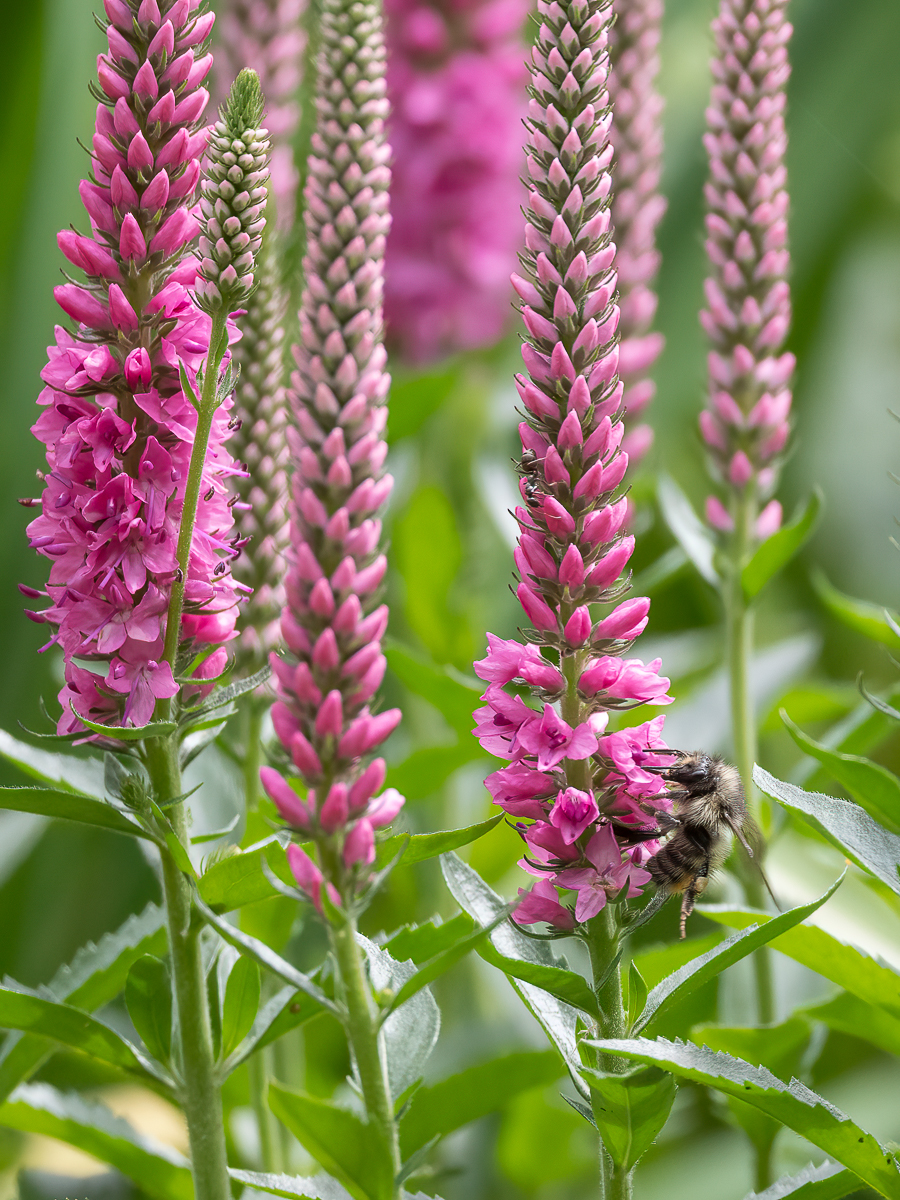
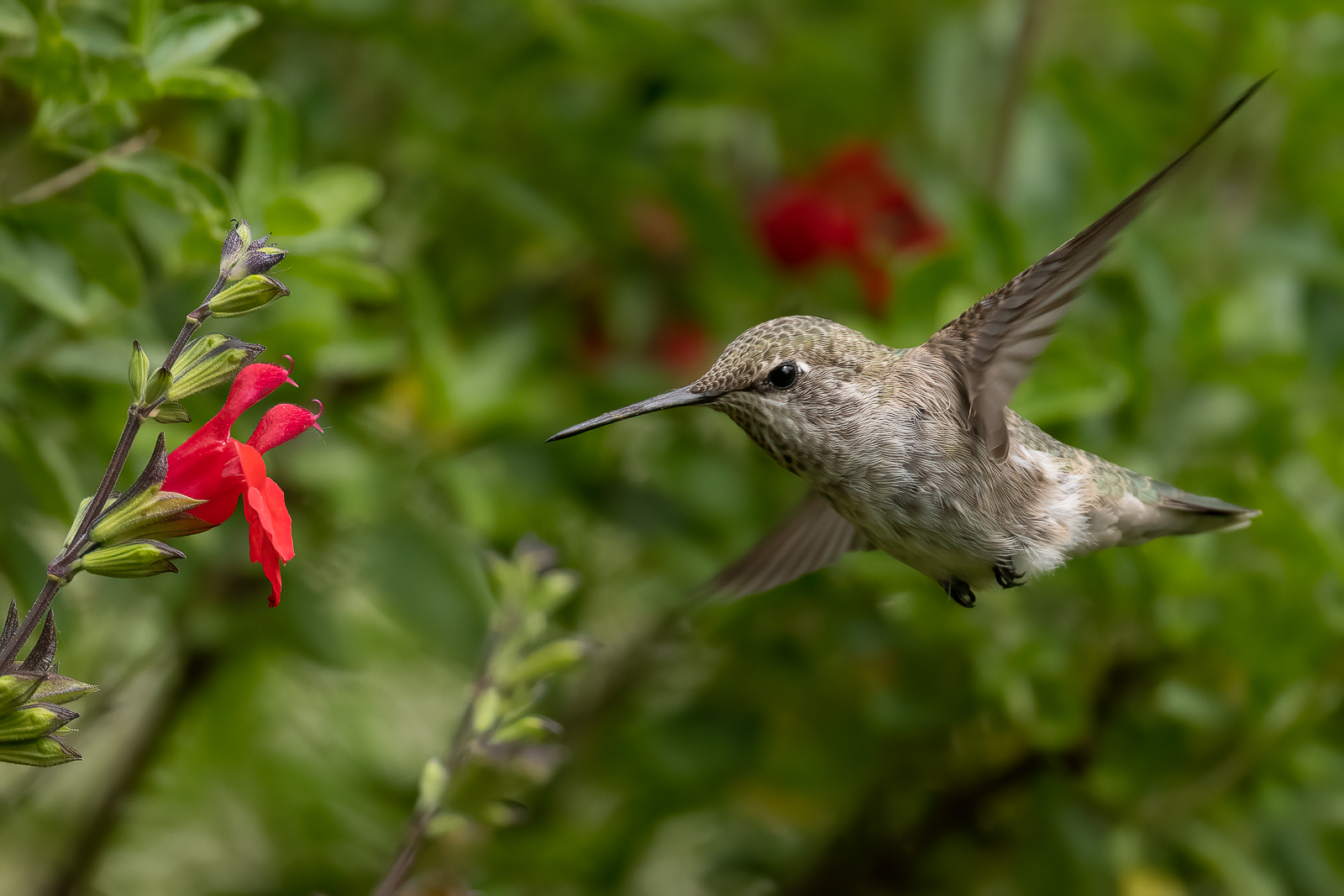
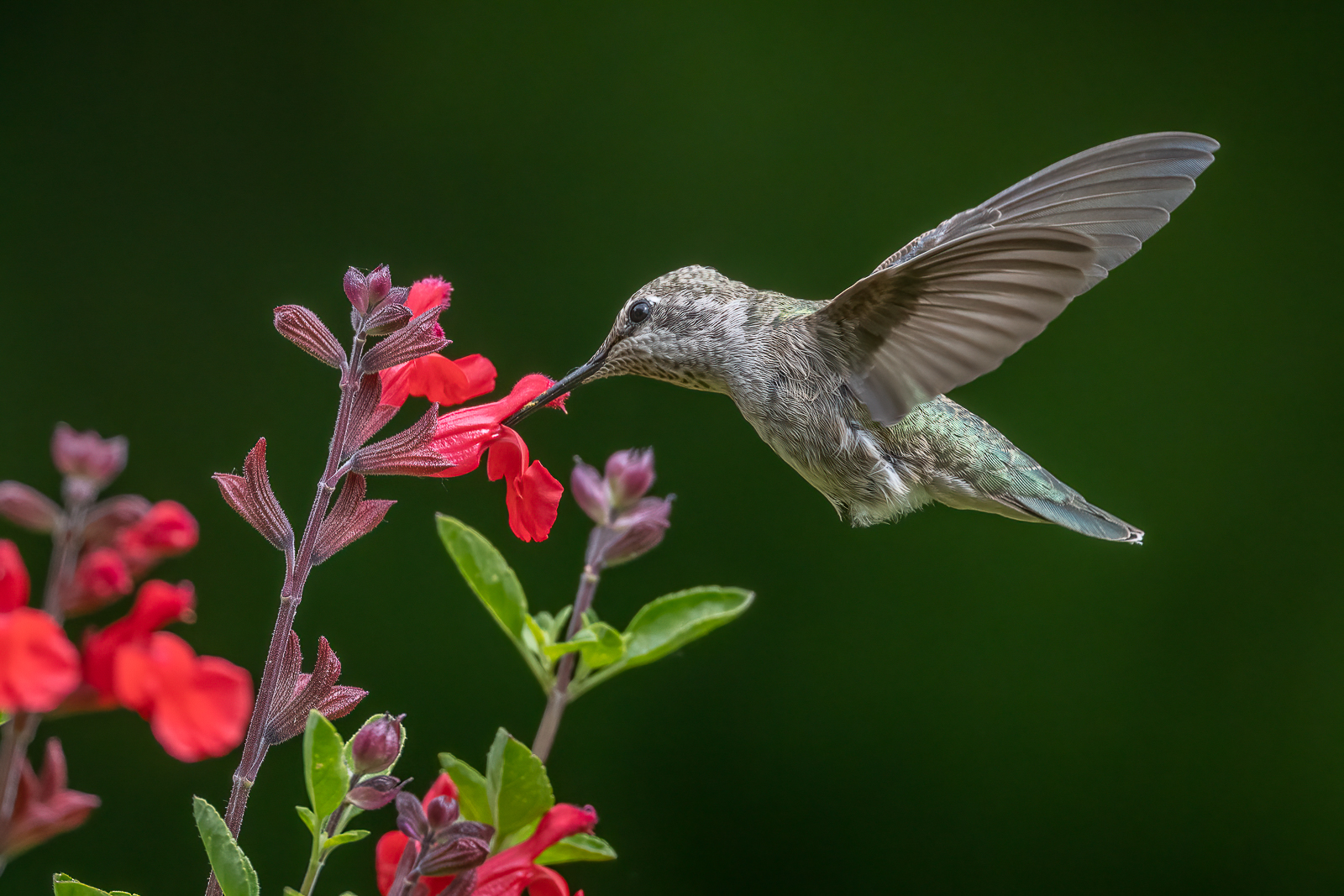
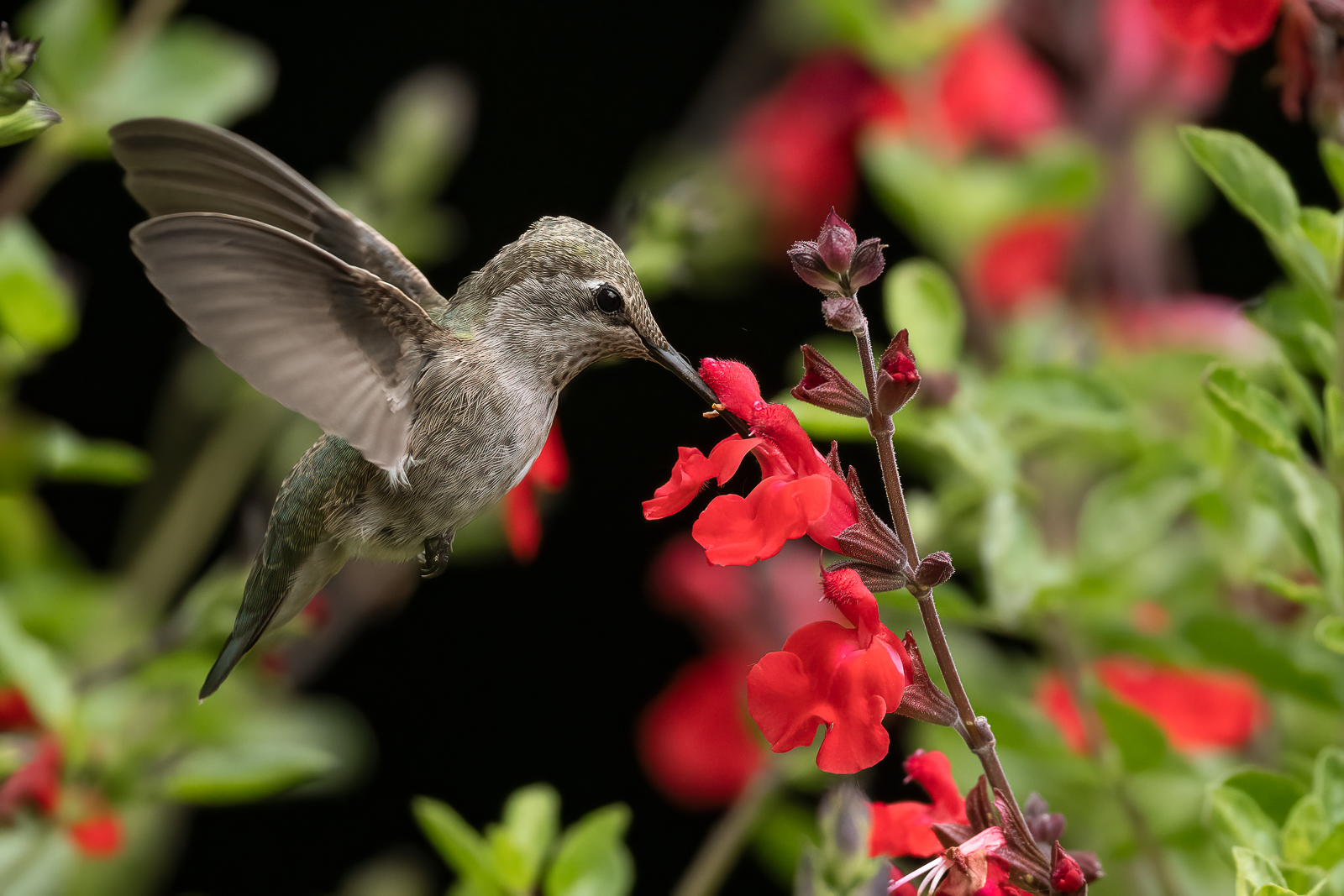
From the garden...
May 31, 2020 at 06:24 PM
p.179 #13"Official" Nikon 500 f/5.6E PF Discussion and Image Thread
Lance B wrote:
The Craw
[/quote

I watched the whole thing. Under the fingernail torture: “How’s that work?"
I forgot how funny the ridiculous humor in GetSmart was.
Thanks for that Lance.
The Craw
[/quote
I watched the whole thing. Under the fingernail torture: “How’s that work?"
I forgot how funny the ridiculous humor in GetSmart was.
Thanks for that Lance.
May 31, 2020 at 06:34 PM
p.179 #14"Official" Nikon 500 f/5.6E PF Discussion and Image Thread
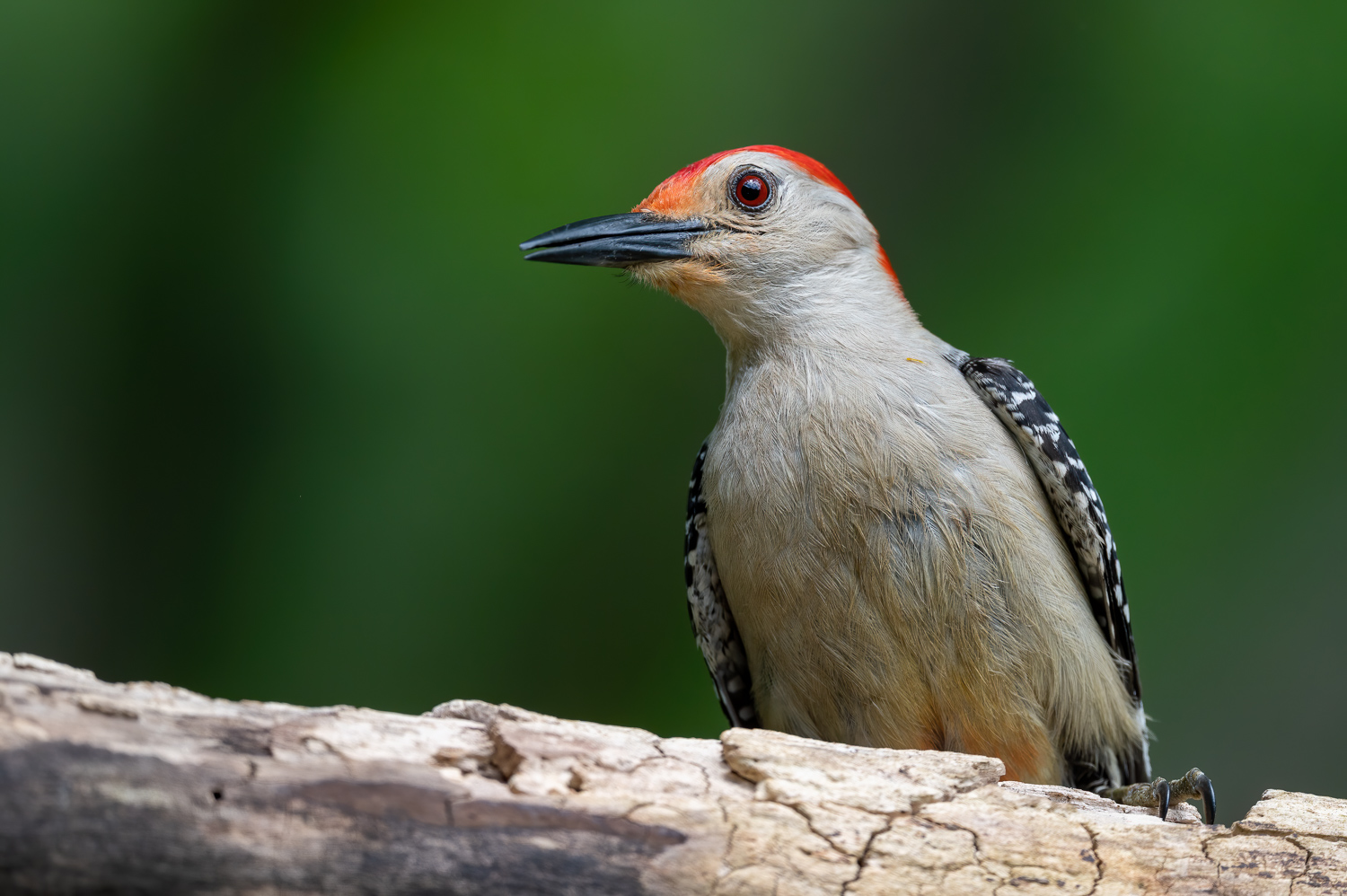
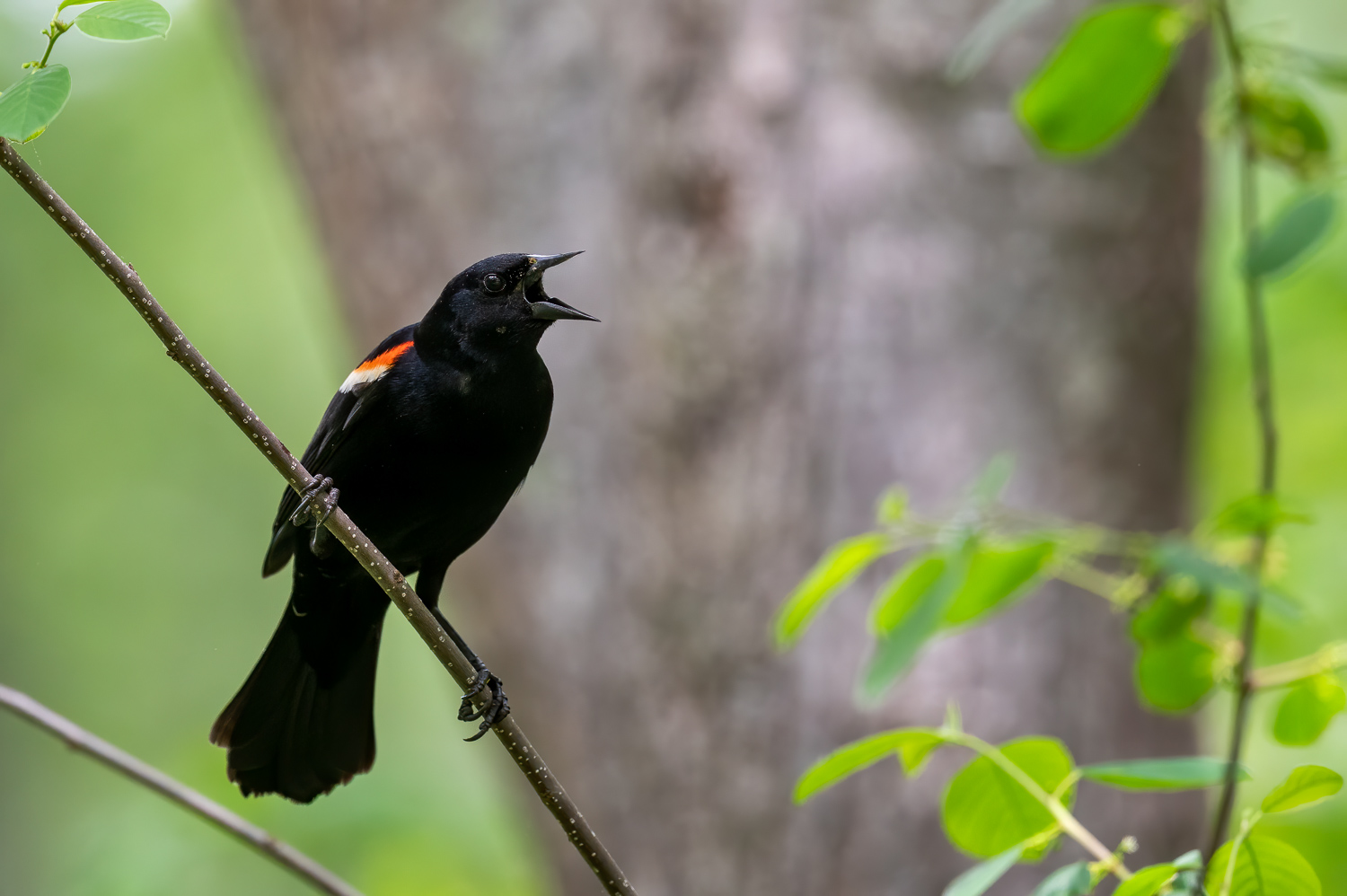
More from the blind (sorry if you are getting sick of these )
The Red Bellied Woodpecker stopped by again but this time a Male Red-winged blackbird also made an appearance. Unfortunately he didn't' land on my perch. The American Robin, Northern Cardinal and House Finches are usual visitors.
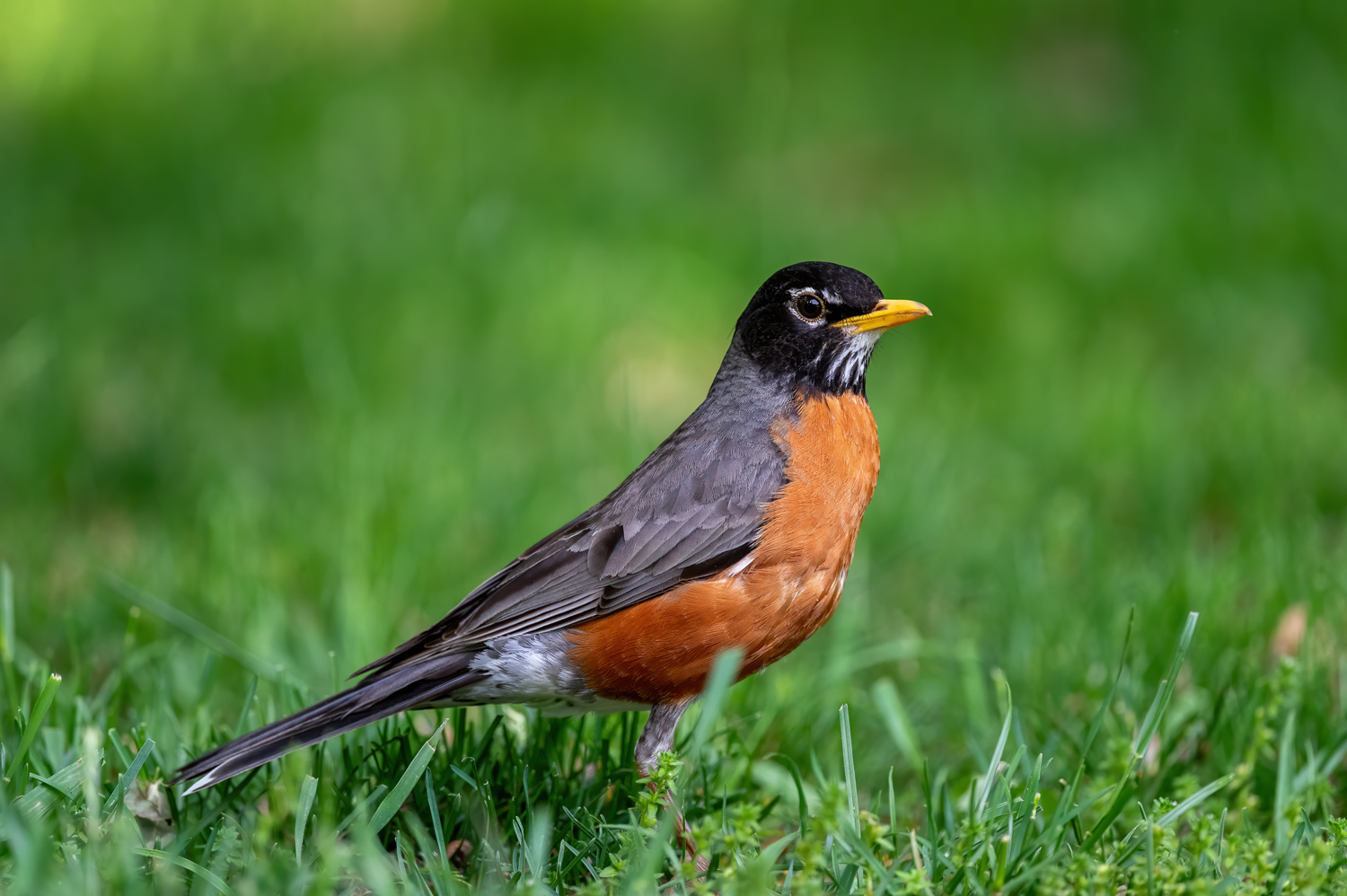
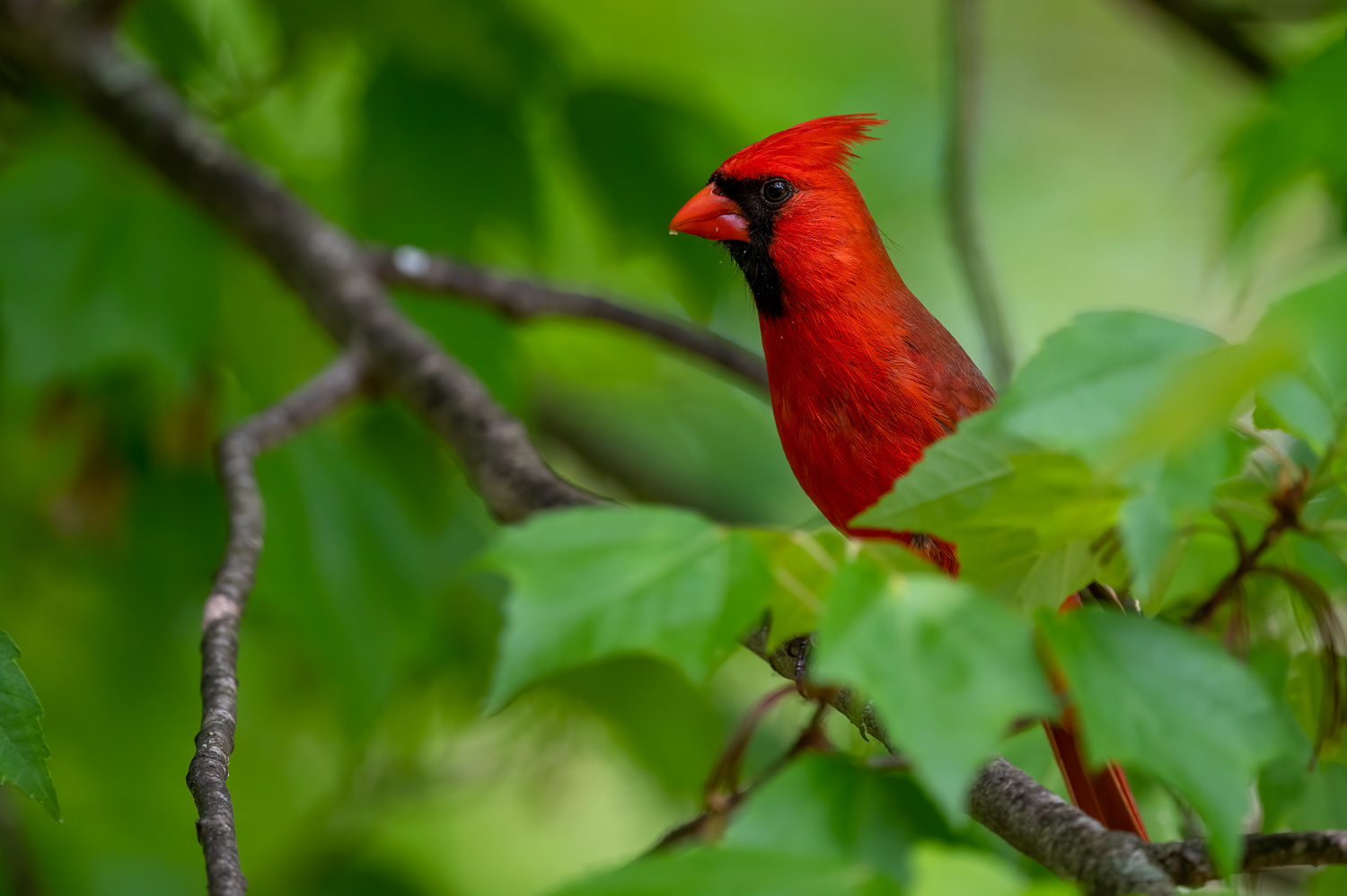
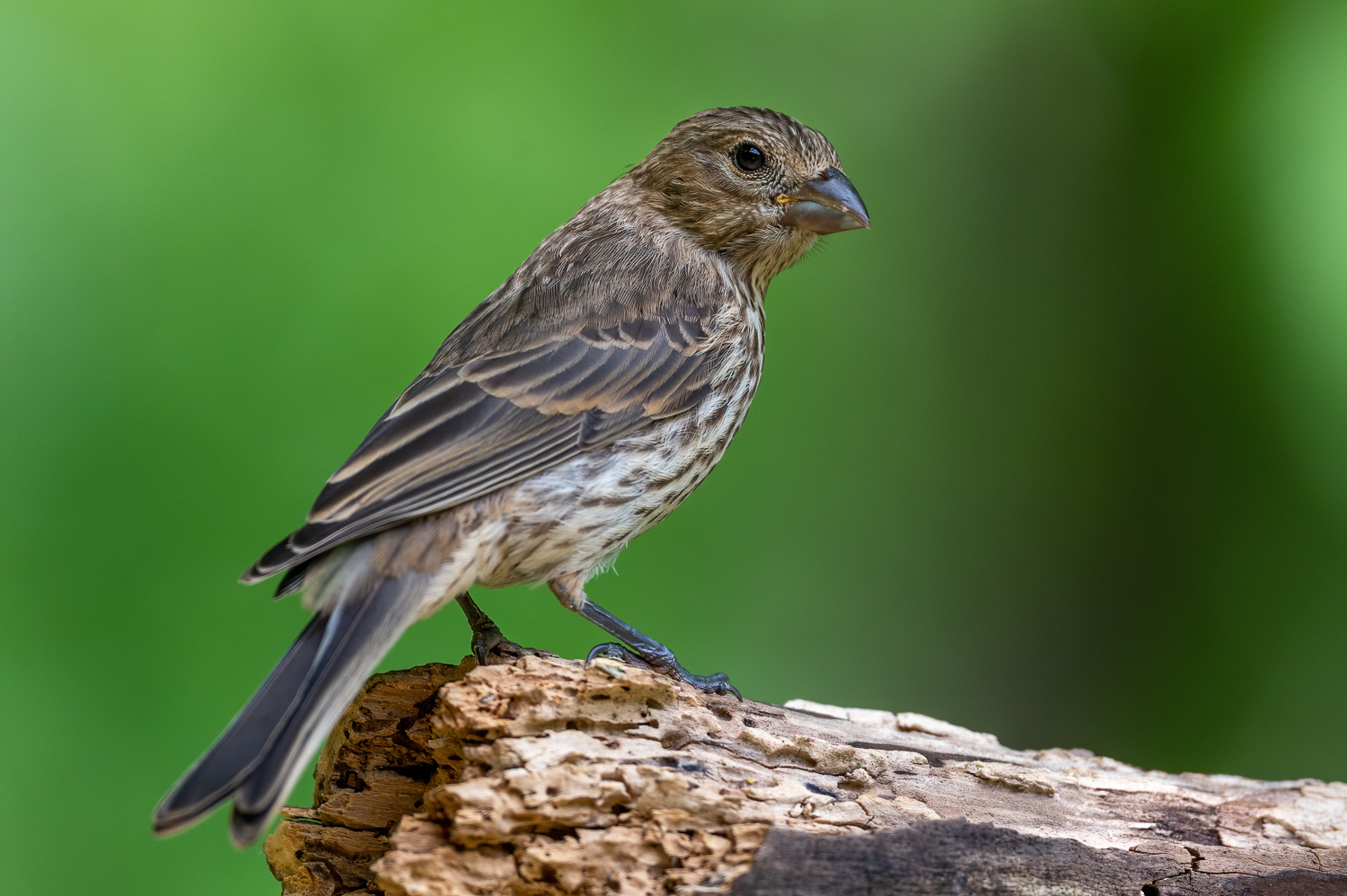
)The Red Bellied Woodpecker stopped by again but this time a Male Red-winged blackbird also made an appearance. Unfortunately he didn't' land on my perch. The American Robin, Northern Cardinal and House Finches are usual visitors.
© palmor 2018
© palmor 2018
© palmor 2018
© palmor 2018
© palmor 2018
May 31, 2020 at 07:09 PM
p.179 #15"Official" Nikon 500 f/5.6E PF Discussion and Image Thread
bs kite wrote:
I watched the whole thing. Under the fingernail torture: “How’s that work?"
I forgot how funny the ridiculous humor in GetSmart was.
Thanks for that Lance.
It's worth looking at Don Adams' doing stand up comedy. There is one on Youtube of him in 1957 if you're interested, he's brilliant, so natural. He made Don Adams being Maxwell Smart quintessentially him, no one else could have done as well, IMO. As for Get Smart, one of my favourite episodes was Dr Yes (A spoof of James Bond's Dr No) and his four henchmen were all different nationalities and answered "yes" all in their native language. I think it hilarious. Best to look it up so we don't keep off topic.
Lance B wrote
The CrawI watched the whole thing. Under the fingernail torture: “How’s that work?"
I forgot how funny the ridiculous humor in GetSmart was.
Thanks for that Lance.
It's worth looking at Don Adams' doing stand up comedy. There is one on Youtube of him in 1957 if you're interested, he's brilliant, so natural. He made Don Adams being Maxwell Smart quintessentially him, no one else could have done as well, IMO. As for Get Smart, one of my favourite episodes was Dr Yes (A spoof of James Bond's Dr No) and his four henchmen were all different nationalities and answered "yes" all in their native language. I think it hilarious. Best to look it up so we don't keep off topic.
Jun 01, 2020 at 01:50 AM
p.179 #16"Official" Nikon 500 f/5.6E PF Discussion and Image Thread
Lance B wrote:
The Craw
They used to spend quality time on the scenario
The Craw
They used to spend quality time on the scenario
Jun 01, 2020 at 03:54 AM
p.179 #17"Official" Nikon 500 f/5.6E PF Discussion and Image Thread
ChrisMak wrote:
Off topic yes, but relevant even to birders and wildlife shooters.
Something very much similar is the case with the Ring necked parakeet that I mentioned, in fact, it survives and thrives only in the larger cities, and partly by the grace of people in the cities with gardens that like to install bird feeders, nets filled with nuts etc... Because it is a generically tropical bird, it also benefits from avoiding the worst of winter in the cities where average temperature may be up to 5 degrees celcius higher due to e.g. underground heating networks. It is also a vegetarian...Show more →
As always, when it really starts to hurt, lessons are learned. Let's hope this change is real and will spread across China and the world, we need to make the remaining natural habitats on our planet into safe havens for the remainder of wild animal species, not hunt them down. After all, us wildlife shooters can toss our expensive lenses in the bin when there are no wild animals left to "shoot":
https://www.independent.co.uk/news/wuhan-china-coronavirus-ban-wild-animals-eating-wildlife-trade-markets-a9524606.html
Jun 01, 2020 at 05:30 AM
p.179 #18"Official" Nikon 500 f/5.6E PF Discussion and Image Thread
The problem is not with China alone, ask yourself how many species your nation has exterminated, and what have people done for illegal whaling by the Japanese, the killing of elephants, lions, and rhinos in Africa. Here we are not just talking about the Africans doing the killing, we are talking about westerners traveling there to hunt for their trophies. Even up to last year when one of the European royal family member was there with a trophy shot of a dead lion he shot.
All these about a particular nation is just pure political propaganda.
All these about a particular nation is just pure political propaganda.
Jun 01, 2020 at 05:50 AM
p.179 #19"Official" Nikon 500 f/5.6E PF Discussion and Image Thread
hans98ko wrote:
The problem is not with China alone, ask yourself how many species your nation has exterminated, and what have people done for illegal whaling by the Japanese, the killing of elephants, lions, and rhinos in Africa. Here we are not just talking about the Africans doing the killing, we are talking about westerners traveling there to hunt for their trophies. Even up to last year when one of the European royal family member was there with a trophy shot of a dead lion he shot.
All these about a particular nation is just pure political propaganda.
Absolutely, my intention is not to blame or shame (if only because that will not help solve anything). This world has become global to an extent that our fates are all connected and intertwined. That is why I mentioned the hope that the new mentality that now arises in Chinese cities will spread across China and hopefully across the whole world. If the coronacrisis as well as our climate crisis makes one thing clear, it is that our fate is now a collective one, and problems will have to be solved collectively, i.e. worldwide.
Edited on Jun 01, 2020 at 08:53 AM · View previous versions
Jun 01, 2020 at 07:28 AM
p.179 #20"Official" Nikon 500 f/5.6E PF Discussion and Image Thread
Totally agreed with you. Especially when you brought up the climate change.👍 Look at the sky and weather this couple months, they were so much clearer without all those auto and industrial pollution. Extremely obvious we humans are the ones causing it.👎
Jun 01, 2020 at 07:40 AM