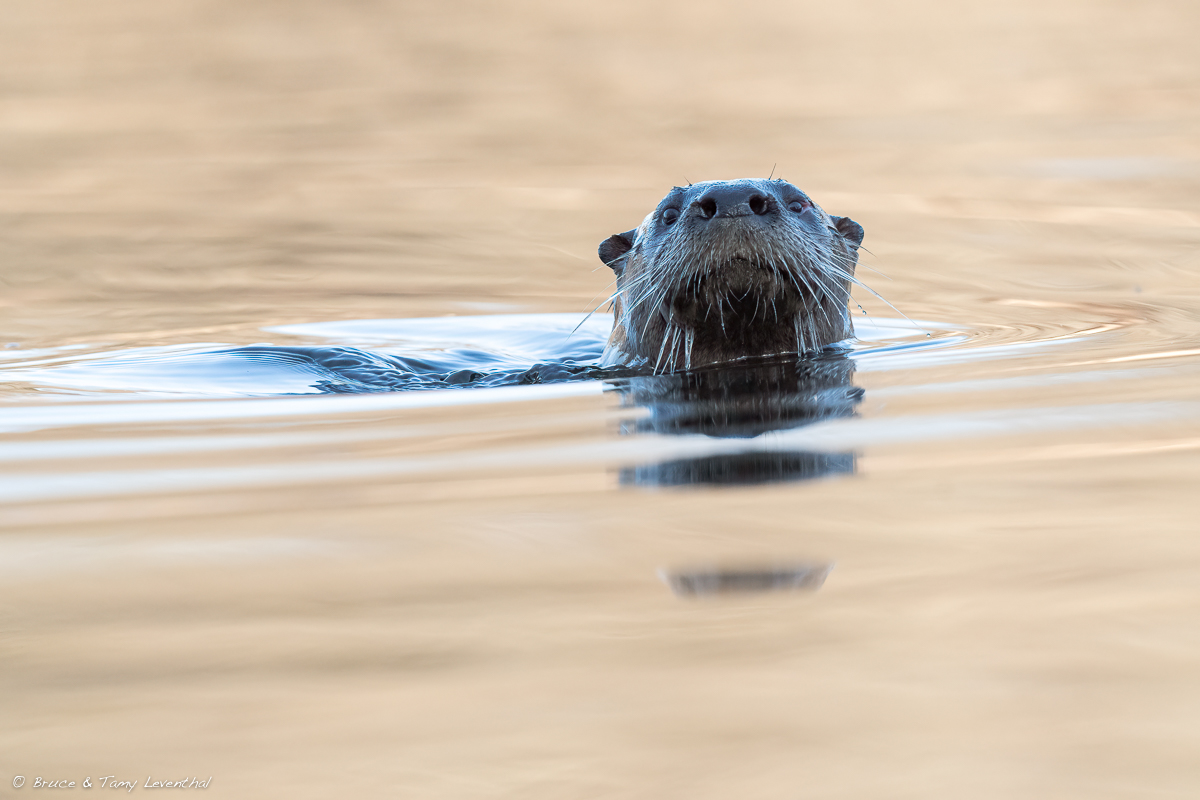
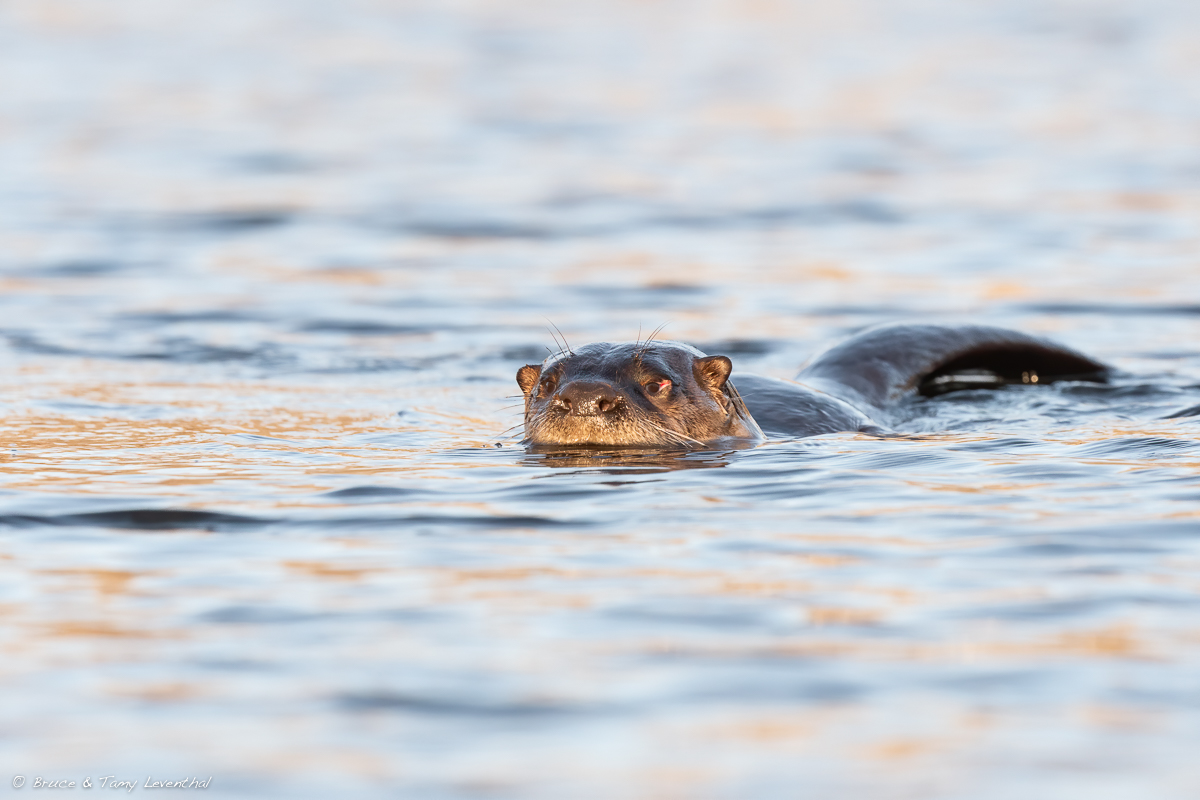
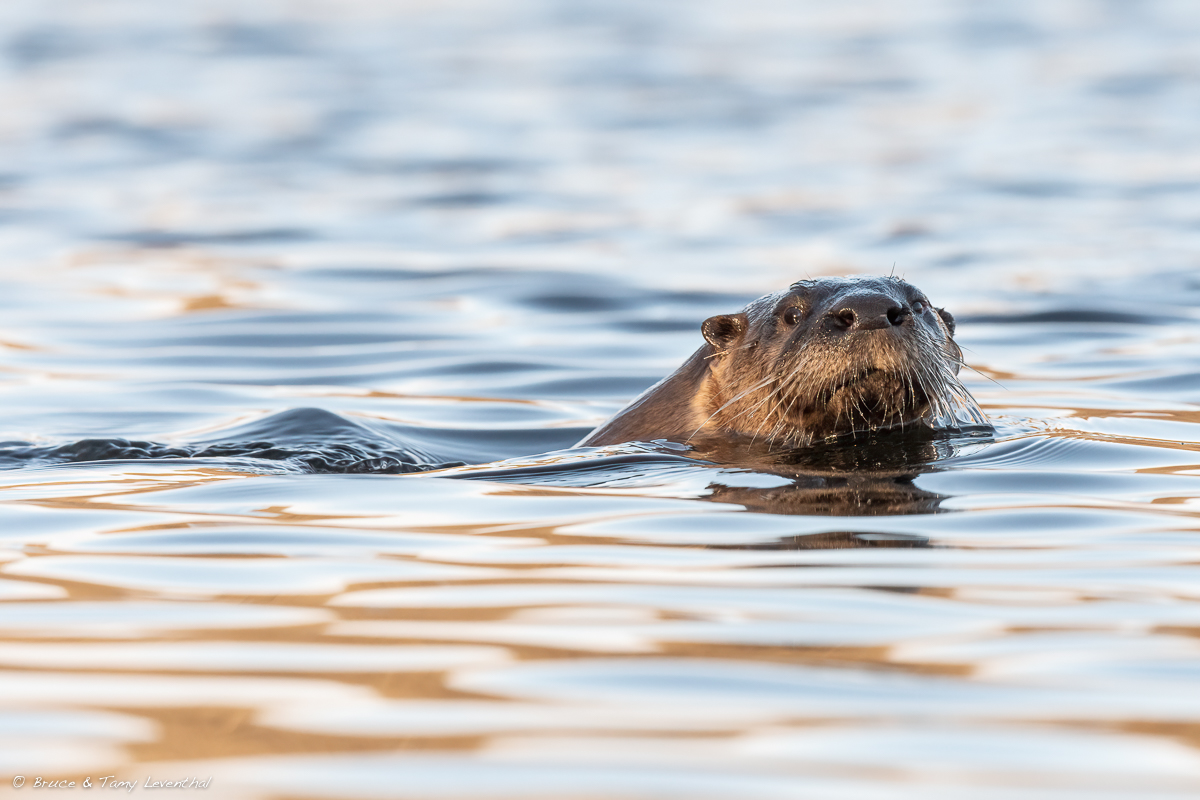
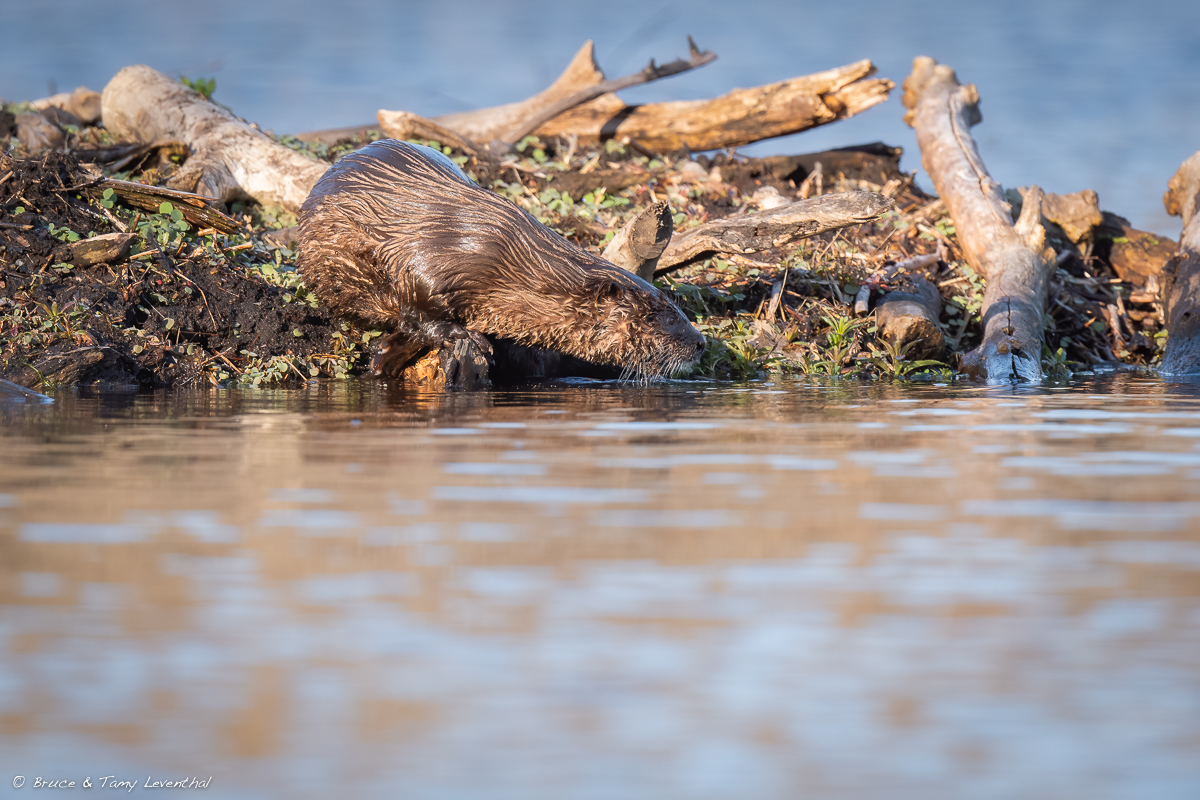
ilkka_nissila wrote:
If you're using VR sport and hand-holding the lens then I don't see how turning VR OFF would help maintain the correct AF point on the subject; on the contrary, I find VR sport to help greatly with maintaining focus on hand-held shots. I would have huge problems hand-holding a 500mm focal length lens without VR.
I think the best way to improve the focus keeper rate in your case would be to use single point for static and slowly moving subjects near water and keep VR in sport mode. Make sure you are using one of the cross-type points for greater reliability. If you are anticipating a bird in-flight shot, then go to 25-point mode. I know flipping between modes is annoying.. You could assign 25-point dynamic area (+ AF-ON) to the lens button, or one of the user-customizable buttons on the camera.
I use a tripod and fluid head for shots of animals on the water. This is more stable than hand-holding with VR. The main reasons I use a tripod for this is that I experience a greater consistency of focus using this approach, and I don't have to hold the lens steady for a long period of time while waiting for something interesting to happen. use the Gitzo GHF2W head with the 500 PF.
Thanks for your input. I have been using this combination for the better part of two years. In general I have used a mix of tripod and handheld work. I have typically had D25 standard and a the DOV button allocated to single point in the center. This has worked for so much of my photography that I have become lazy. Typically, I have no problem putting the central AF point (in d25)) on the eye of a deer. Birds like cranes and swans have also been easy to keep things in tack focus. As such, I have typically left D25 as my default.
In the last two weeks I have had some pretty good photo opportunities, and it is these opportunities that have made me question my practice. Please don't misinterpret my queries as failed shoots, it is more of me trying to figure out why and when things don't go as expected.
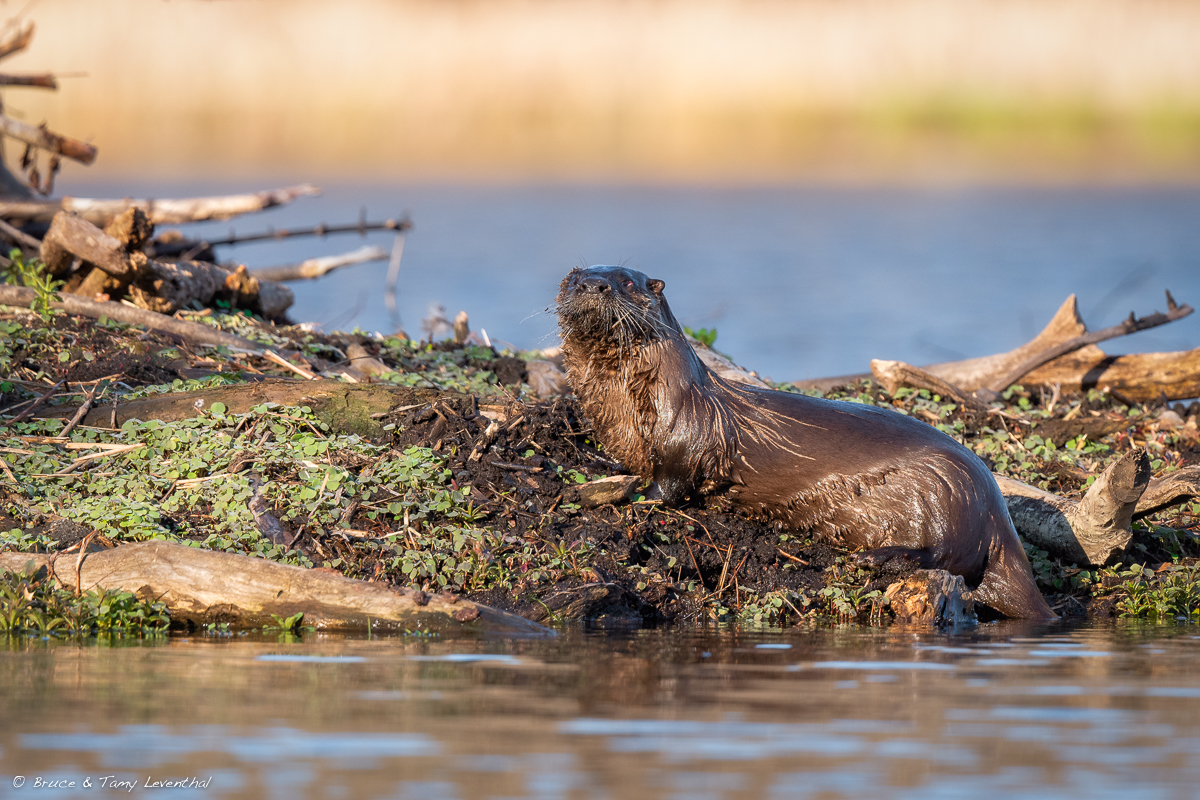
Last week it was the herons and cormorants from a canoe ( https://www.fredmiranda.com/forum/topic/1549025/168#15211930 ) and yesterday morning it was an otter at the beaver pond. In the past, I had done this type of photography with my 200-400 lying flat with my tripod or w/ a beanbag. This year, I decided to use the 500PF to maximize focal length and minimize crops. Both shoots were amazing with some of the best images I have made from either location in the last ten years (otter pics will post later today). However.. when looking at a burst of 7 to 10 images, I noticed that 2 to 5 were not what I expected. Was it sloppy technique... I don't think so, I've been doing this semi professional for almost 20 years now. I think its a mix of how the VR, D25, and 10FPS interact.
If you look carefully, during the blackout (when the mirror flips up), the focus point moves slightly when VR (sport or normal) is activated. At 10 FPS, this shift becomes more evident when comparing the entire series. Furthermore, the surround AF points in D25 seem to catch the high contrast areas during the black-out.
I think that I will set single point AF as my default from now on, and rely on D25 when the action is faster than my panning skills.
bs kite wrote:
For BIF, I use Auto AF almost exclusively.
What I found with auto area (using the z7 ) is I have to to keep the af-on pressed until I get the bird in focus, then I release the af-on button, and press the shutter release button to take the picture.
If I press the shutter release while the af-on continuously pressed, I get out of focus shot. little strange.
I am experimenting with the d500 it does seem also to get better focused pictures if I release the af-on after getting the bird in focus, and only then take the shot. So same with the d-500 but much less noticeable.
Can anyone relate to that? or my observation may not be accurate. In all cases I am still verifying.
back to the topic I also find the auto area let me have more keepers than the d25( I do not have d9 in the d500)
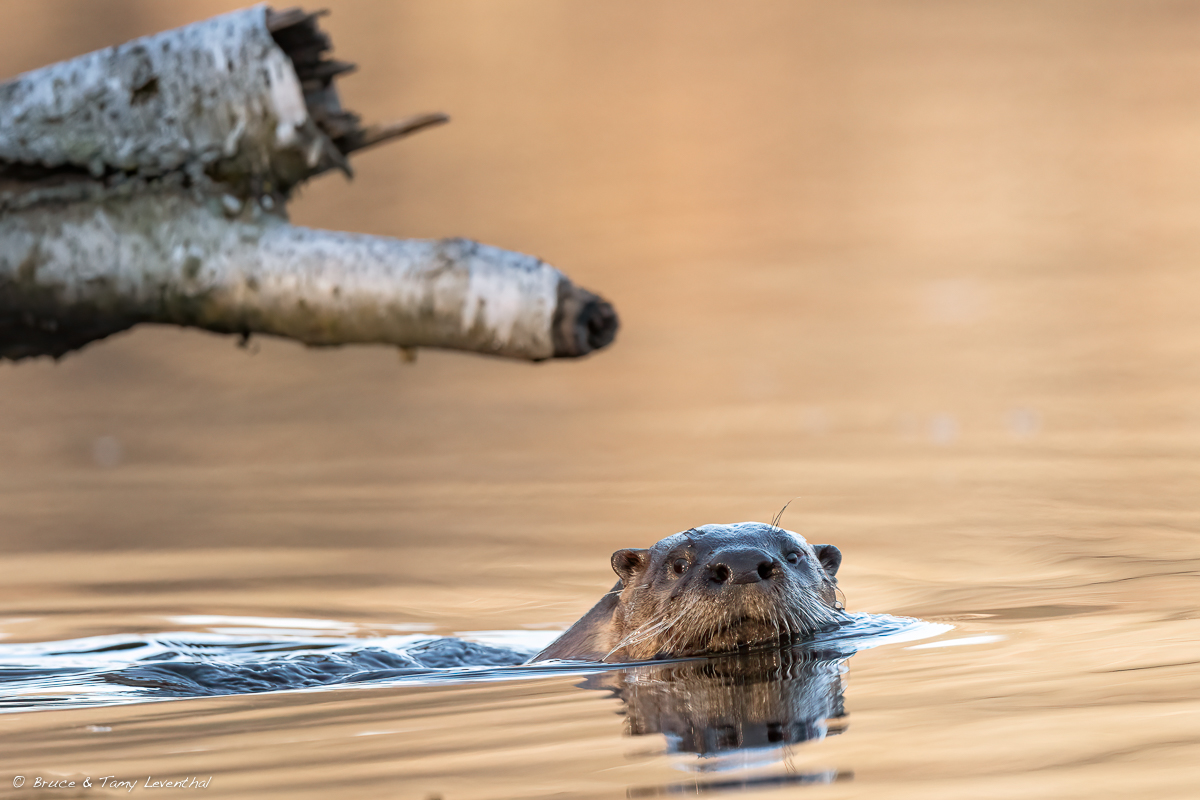
Perseverance matters... I have been shooting at this pond since 2014 (or so). The hike in as a serious pain with gear, the shooting is uncomfortable with mud and chiseled sticks everywhere. The beavers meticulously care for their dam, reinforce with fresh wood, and are quite wary. After years of shooting from the same location, they have become somewhat accustom to my presence. While I where camouflage and use netting to hide, I know that they know I am there.
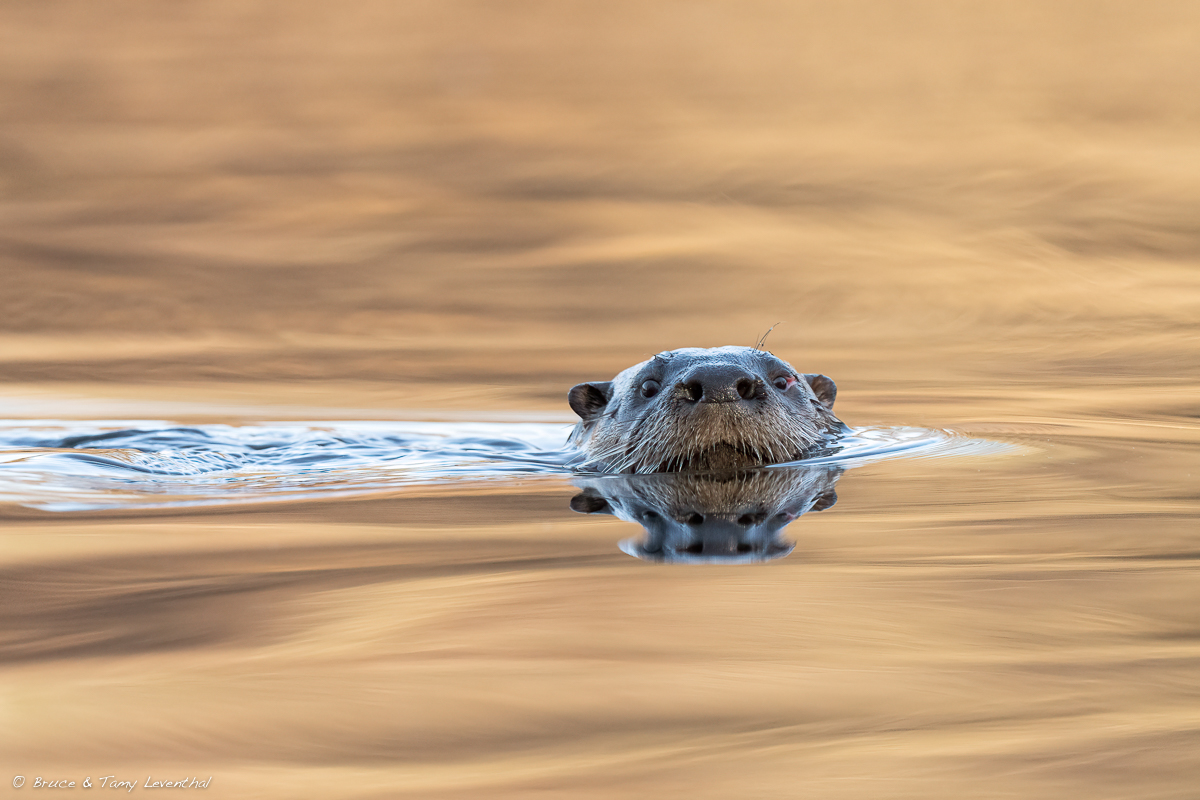
After years of shooting the beavers, I get most excited by the infrequent unique visitor. I have seen and photographed warblers, cranes, geese, swans, muskrat, deer, red squirrel, and wood ducks from my earthen hide. I have seen a river otter only once, but the shooting op was a serious joke... this changed yesterday morning.
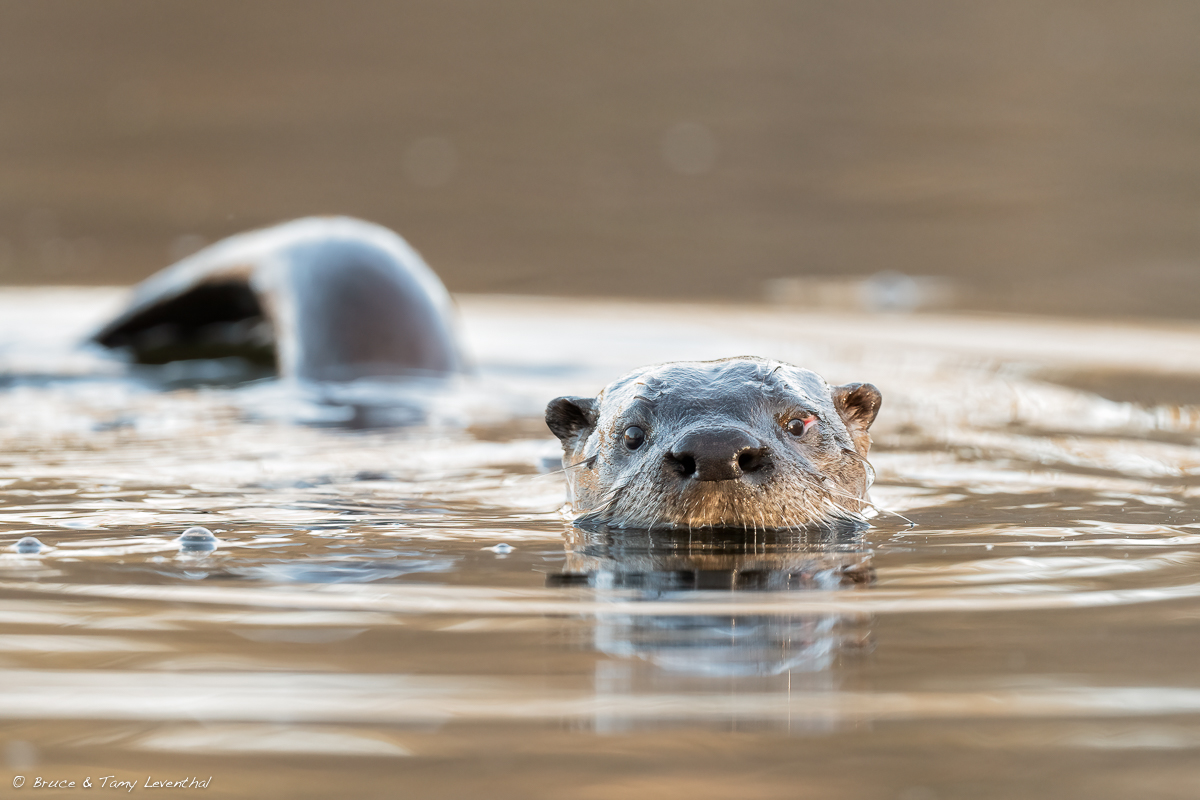
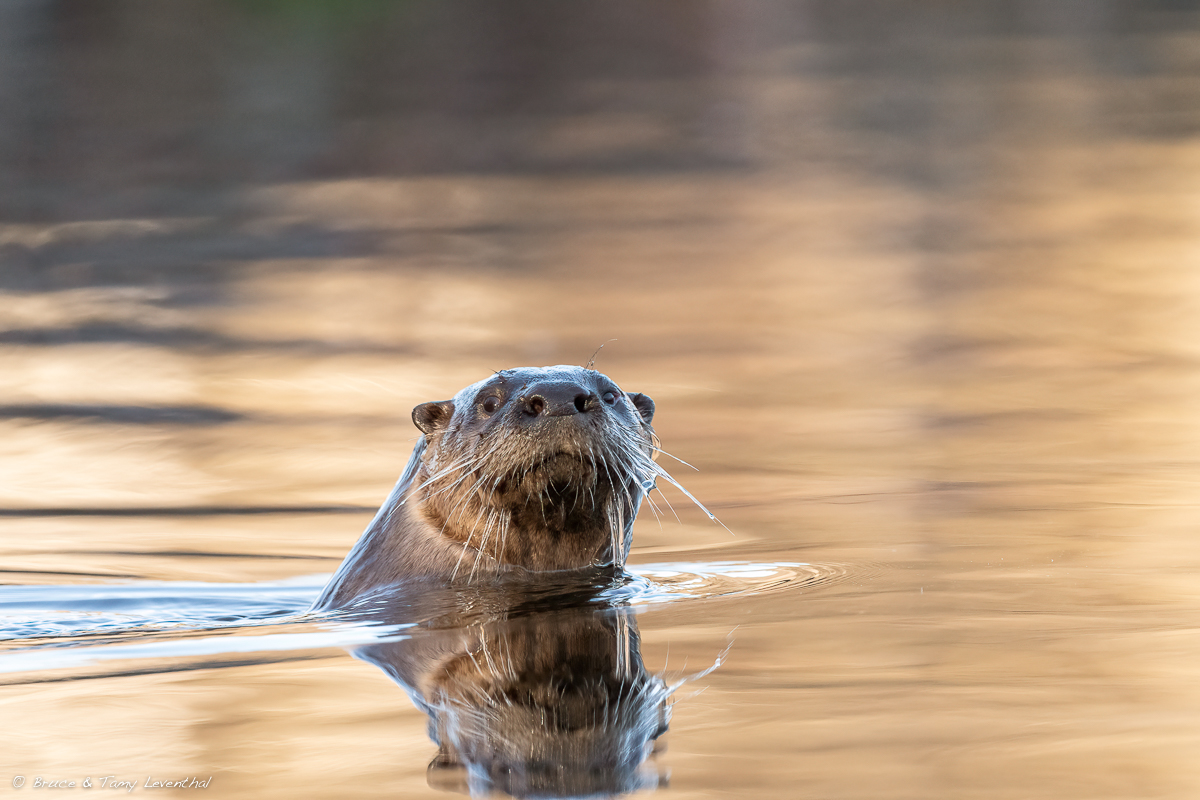
At around 7:00 AM I saw focusing on wood ducks when they got spooked. I assumed that they were bothered by an approaching beaver when I saw the silky motion of a graceful mammal. Shocked by how the beaver was snaking through the water, I realized that my assumption was all wrong...
I've been hoping for a close encounter with a river otter,... yesterday, I got that and more!
OwlsEyes wrote:
Perseverance matters... I have been shooting at this pond since 2014 (or so). The hike in as a serious pain with gear, the shooting is uncomfortable with mud and chiseled sticks everywhere. The beavers meticulously care for their dam, reinforce with fresh wood, and are quite wary. After years of shooting from the same location, they have become somewhat accustom to my presence. While I where camouflage and use netting to hide, I know that they know I am there.
After years of shooting the beavers, I get most excited by the infrequent unique visitor. I have seen and photographed warblers, cranes, geese, swans, muskrat, deer, red squirrel, and wood ducks from my earthen hide. I have seen a river otter only once, but the shooting op was a serious joke... this changed yesterday morning.
At around 7:00 AM I saw focusing on wood ducks when they got spooked. I assumed that they were bothered by an approaching beaver when I saw the silky motion of a graceful mammal. Shocked by how the beaver was snaking through the water, I realized that my assumption was all wrong...
I've been hoping for a close encounter with a river otter,... yesterday, I got that and more!...Show more →
It seems that an advantage of “AF-ON only” focusing is the freedom to re-compose after focusing on the eye, and then shoot, without changing the focusing that was done on the eye.
These are the current settings for both my D500 and D850:
1. With the lever at the left front of the body moved to “AF” I have “AF-C” and “S” selected (in the viewfinder).
2. Again, I can only focus with the AF-ON button, under the right thumb. My D850 is set so that the AF-ON button engages single point (S) autofocusing.
3. When BIF (or any action) occurs, I quickly switch to Auto AF by holding in the Preview Button (with the middle finger) while holding in the AF-On button (with the right thumb). It seems easy to me but may not be for others. I am open to other suggestions too.
Again, yes, I keep VR on all the time. I depend on VR to stabilize the image I see in the viewfinder.
Thank you...
I hope it has a family at "my" pond. The beaver lodge has at least three beavers, though I suspect there is a litter in the lodge with the adults. In addition, there is a muskrat that lives in the area... this beaver created ecosystem provides me with countless hours of photographic opportunities and the perfect place to "meditate" in nature.
OwlsEyes wrote:
Thank you...
I hope it has a family at "my" pond. The beaver lodge has at least three beavers, though I suspect there is a litter in the lodge with the adults. In addition, there is a muskrat that lives in the area... this beaver created ecosystem provides me with countless hours of photographic opportunities and the perfect place to "meditate" in nature.
cheers,
bruce
That’s great. You know the beaver creates backwater habitats that draw so many other species. I remember you writing about this in the past. You are blessed to have this spot for your shooting.
Here in Maine, the beaver is more vilified than I can remember in its past. It's a long, sad story and one that I know you would understand.
Here’s hoping we see your photo chronicle of a growing otter family. It’s that time of year and that otter looks like it's concerned about you being there. You know it will settle down as it gradually realizes you're not a threat.
I hope they're going to be playing in front of you!
bs kite wrote:
That’s great. You know the beaver creates backwater habitats that draw so many other species. I remember you writing about this in the past. You are blessed to have this spot for your shooting.
Here in Maine, the beaver is more vilified than I can remember in its past. It's a long, sad story and one that I know you would understand.
Here’s hoping we see your photo chronicle of a growing otter family. It’s that time of year and that otter looks like it's concerned about you being there. You know it will settle down as it gradually realizes you're not a threat.
I hope they're going to be playing in front of you!
You have a good memory... I did write an article for Nature Photographer magazine about beavers. I believe it was published two years ago. My article about the Khutzeymateen is in their current issue (notice the mini self promo... ).
Anyway, I don't think the otter was bothered by my presence. It was swimming, checking me out, playing, and feeding heavily on tadpoles. The dam area where I lie prone is loaded with frogs, frog eggs, and tadpoles. The tadpoles jump out of the water this time of year. I have a few pictures of the otter with its mouth wide open with tadpoles... snack food for otters!
After feeding in the shallows, it swam off to the far end of the pond/lake. If it has a den, it would be out there where the water is deep.
Anyway... no otters today. I hope to visit the the site mid week to see if the otter makes a return visit to my end of the pond.
OwlsEyes wrote:
You have a good memory... I did write an article for Nature Photographer magazine about beavers. I believe it was published two years ago. My article about the Khutzeymateen is in their current issue (notice the mini self promo... ).
Anyway, I don't think the otter was bothered by my presence. It was swimming, checking me out, playing, and feeding heavily on tadpoles. The dam area where I lie prone is loaded with frogs, frog eggs, and tadpoles. The tadpoles jump out of the water this time of year. I have a few pictures of the otter with its mouth wide open with tadpoles... snack food for otters!
After feeding in the shallows, it swam off to the far end of the pond/lake. If it has a den, it would be out there where the water is deep.
Anyway... no otters today. I hope to visit the the site mid week to see if the otter makes a return visit to my end of the pond.
egd5 wrote:
I didn't know you could adapt a Nikon lens to a Sony.
You can...most use the Commlite adapter. But with the 500PF it can barely AF. You have to MF within a centimetre of your subject's plane of focus and then AF will take over. Forget about trying to drive focus into a subject. However, other lenses like the 300PF can AF fairly well. I only adapt when I'm bored at home and want to experiment.
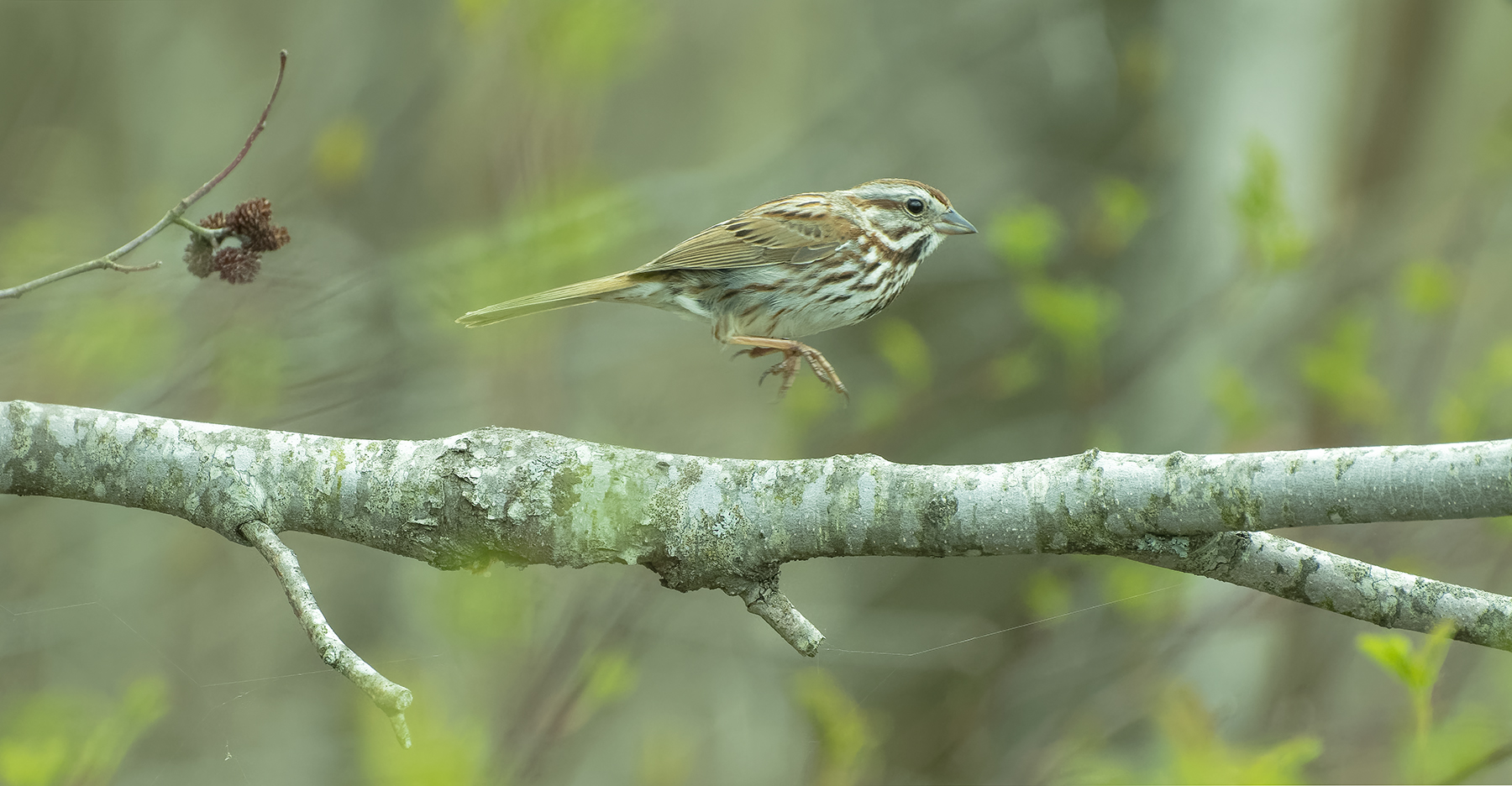
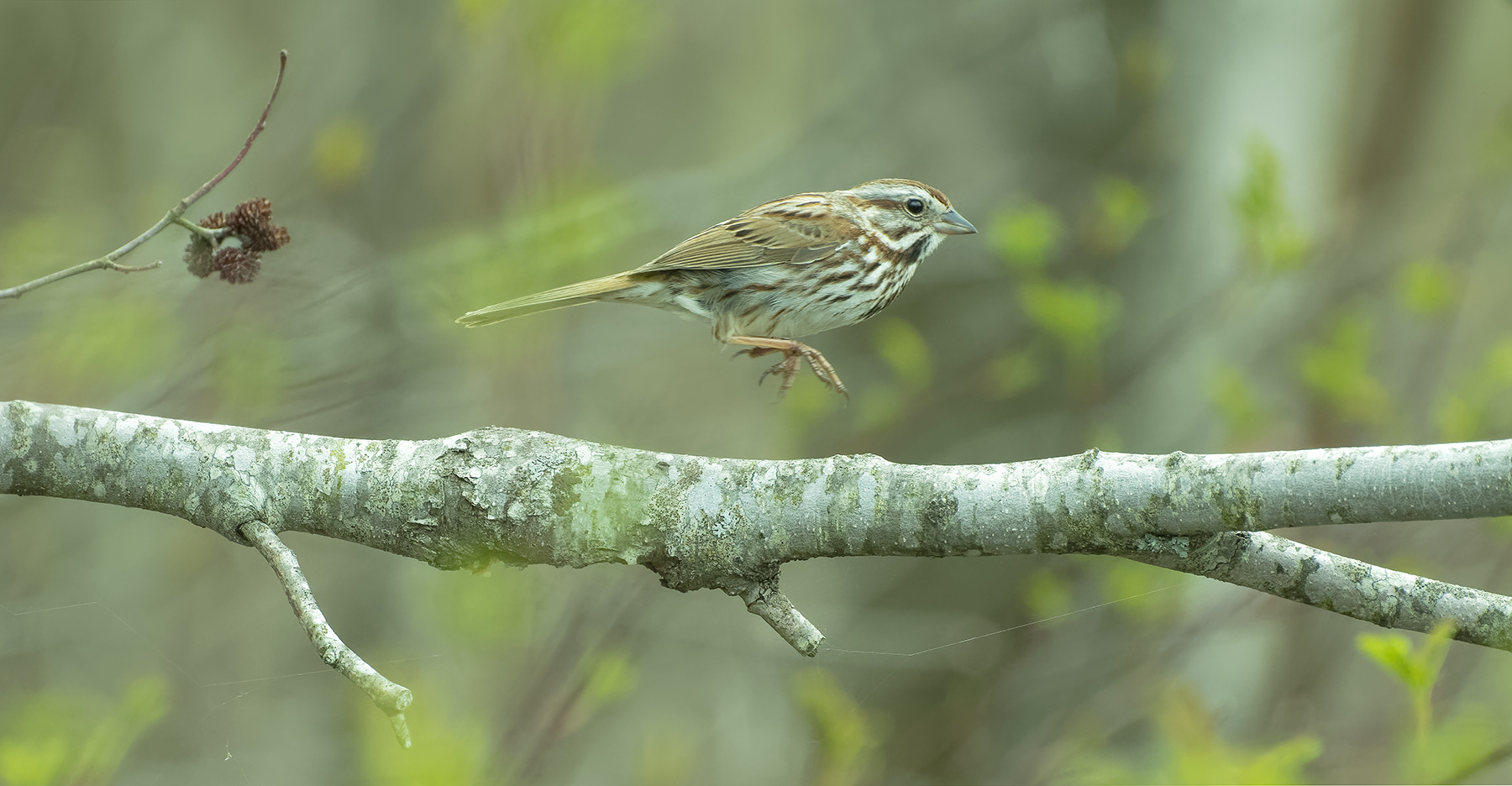
interesting. just an fyi... On May 6 I opened this post that had an image of a Song Sparrow hopping on a Red Maple limb. After I closed it, the image was gone.
reason (I guess): On May 5 I had received a PM notice that stated my subscription had expired. I will renew the subscription now and probably repost the image.
hmm ....after I renewed the subscription and reposted the image......it published two images, just an fyi, no problem.
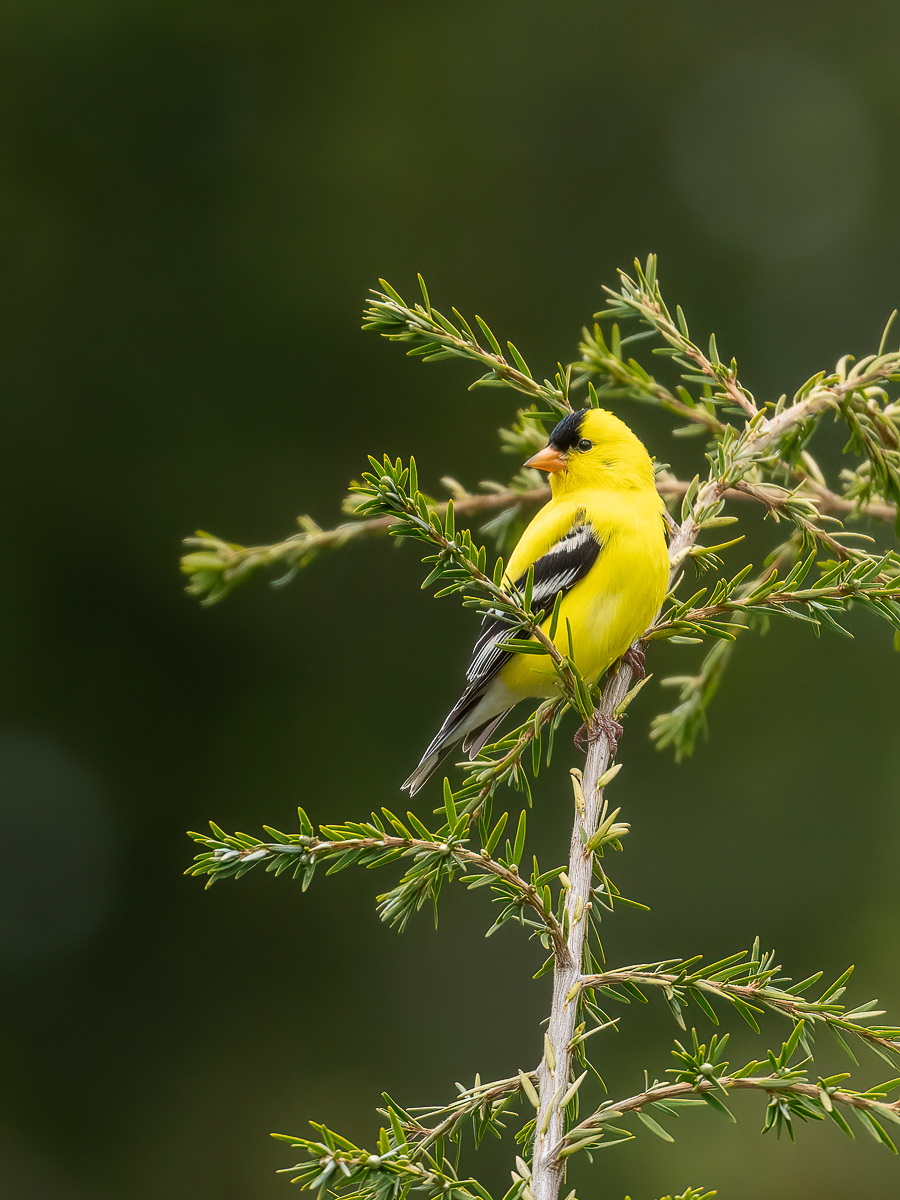
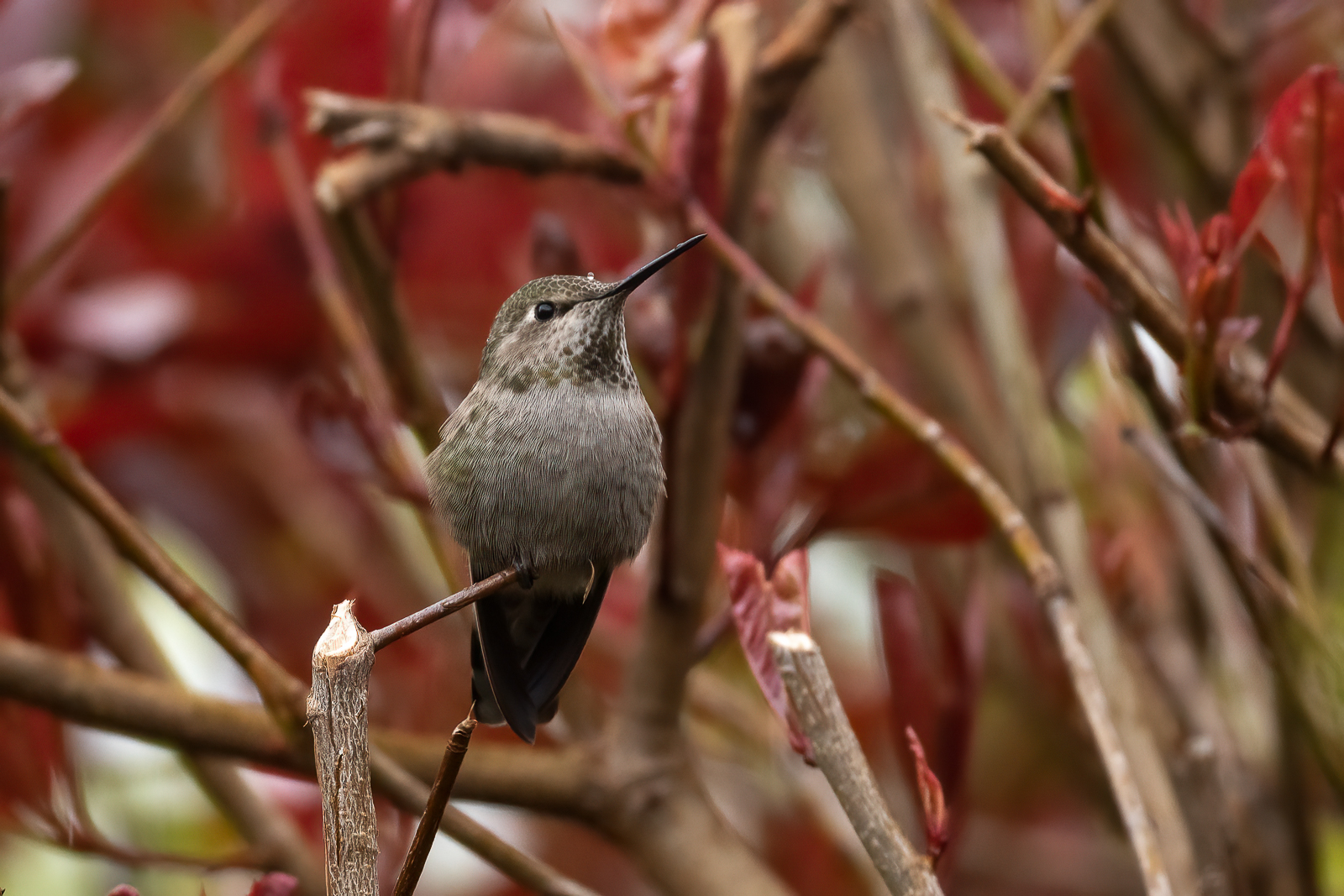
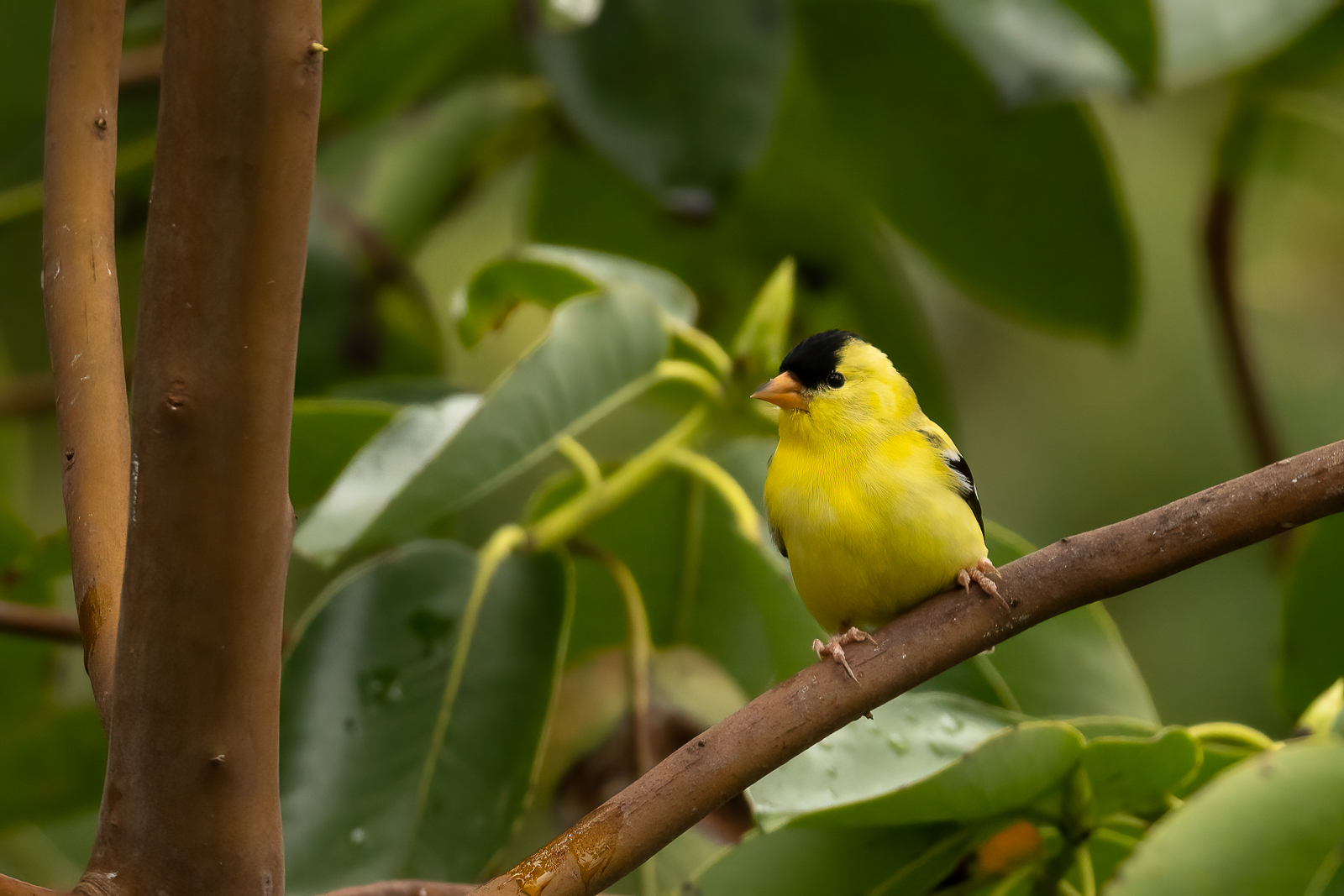
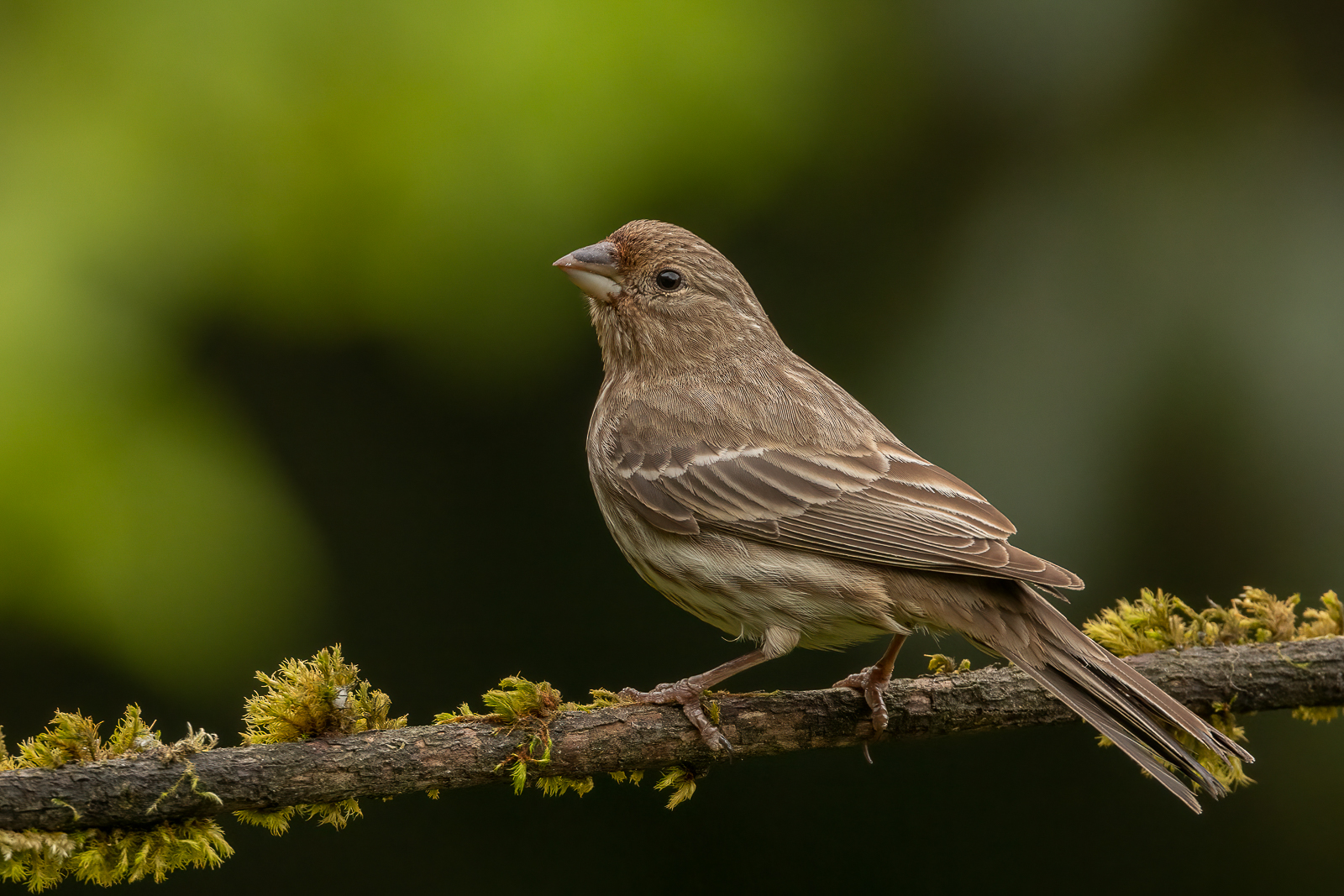
Song Sparrow hopping along a branch at the Red Maple swamp at first pond of my boyhood.


 ).
).