OwlsEyes
Offline
• • • • •
Upload & Sell: On
|
 p.104 #10 · "Official" Nikon 500 f/5.6E PF Discussion and Image Thread p.104 #10 · "Official" Nikon 500 f/5.6E PF Discussion and Image Thread | |
ilkka_nissila wrote:
I agree it is expensive but I disagree that such a purchase should be possible to make "with little impact on their annual budget". If you photograph animals this might be the only lens you need for that purpose (or perhaps combined with a 70-200), and you might use it for 20 years. So it should be considered how much money you make in 20 years and how much the photo opportunities and results you get with it, along with the pleasure of using such a light weight high quality supertele (and the fact that it will not damage your back or neck or knees, potentially saving a huge amount of money on medical expenses and increase the quality of your life) are worth relative to other things that you might spend that money on. Most people still cannot justify it, and they may use less expensive options, or go second hand.
In my opinion it is not fair to compare new purchase prices with used prices of potentially 15-year-old lenses. If you want to compare new prices, compare with new versions of the other lens (in this case the 180-400 which is 2-3 times the cost of the 500 PF), or used with used, in this case the 500 PF is not yet widely available used, but 15 years from now you might compare its resale price with something else available at the time in the used market. New is new, used is used. Everyone who has purchased a new car knows that there is a substantial drop in resale value the minute you drive it out of the shop. I would expect that in 10 years, the 500 PF used price will be around $1500-2000.
Yes, this is self-evident but it's impossible to separate the two because the skilled photographers are typically very discerning regarding the gear they use.
Maybe, but the majority of people are very frugal with their money and use their gear for a long time. What you see here are mostly the people who think about and spend a lot of money on gear. It's not representative of the wider community of photographers, most of whom have a bare minimum of what is needed. When I look at what gear professinal photographers use, they often have high-end equipment but 1-2 generations behind the current one, which is how they can afford it from the money they make from their low-income profession.
Expensive and cheap are two extremes, that someone considers a lens "not expensive" does not mean they consider it "cheap".
Lightweight and high quality is a combination which is very expensive to implement. I was just told by Nikon that the reason the 500 PF is so hard to find is because the PF element is very difficult to make and the success rate is low i.e. a lot of them are rejected by QC (or earlier). This increases the cost of production if the expensive manufacturing equipment produces failed elements a lot of the time and the personnel have to inspect them.
The reason Sigma can make such excellent and affordable f/1.4 prime lenses is that they ignore the desire that lenses should be compact and lightweight.
They're also more expensive lenses when you consider their new purchase prices and correct for inflation.
Product prices depend on just as much how much the user is willing to pay and not only what it costs to produce. A lightweight high quality supertele is considered very valuable by many people, some of whom can afford the 500 PF. In fact many of us assumed the 500 PF would cost $4500-6000, but Nikon priced it lower than many expected, and I would personally comment not only that, but that it performs better than expected as well. That doesn't mean it's "cheap", there is a lot of middle ground and the 500 PF is somewhere there in the middle.
It depends on what kind of flexibility you require. If you require flexibility to walk around in a forest and on the hills, and if your subject is always sufficiently far away that you need to crop at least a bit, then it, combined with a high-resolution body, may be the most flexible kit available to suit those needs. A zoom that goes to 500mm will not give the same kind of detail (unless we consider the 180-400 or similar lenses of much higher price class) that you need if you need to crop. I think this is a much more typical situation than the case where the subject is so close you can't fit it in the frame. And since a 70-200/4 can be had for a much more moderate amount of money having it around for those groups of birds shots is unlikely to break the bank of someone who can afford the 500 PF.
...Show more →
I'm not sure that I was intending to inspire a point - counterpoint debate here, but from prior postings, it seems that you enjoy a detailed re-hash of a discussion, so here it goes:
"In my opinion it is not fair to compare new purchase prices with used prices of potentially 15-year-old lenses. "
I completely disagree with this point. A 15 year old lens that is made to the specs of the 200-400 (for the record, mine was made in 2010) can perform as well as a new one if it is within spec. If you are a person who is budget limited, it is worth considering what $3600 can buy. So if you can purchase what was an $8000 (+) lens for the price of a current lens, and said lens offers something that you want or need, one should consider making such a purchase.
"...s this might be the only lens you need for that purpose (or perhaps combined with a 70-200), and you might use it for 20 years"
As for longevity of ownership, I highly doubt than many people who are reading this thread is using a lens that they purchased 20 years ago. Sure, there are many using 20 year old lenses, and few who made the original purchase, but I suspect that many more rely on lenses purchased in the last 5 years.
"Maybe, but the majority of people are very frugal with their money and use their gear for a long time..."
I respectfully disagree with this point. We live in different countries with very different perspectives about economics and wealth. I would say that in the United States, frugality is a desire but not a reality. The same point may not be true for those living in Europe. A quick look at the buy/sell forum here will reveal a high turnover of new gear resold at a faction of the original purchase price. I, personally, live within a tight budget because I have a modest income and am approaching retirement, this is not the case for most of the people I know.
I say that, because the 200-400VR and 500G are far more substantial when considering the barrel materials and size of the elements.
"They're also more expensive lenses when you consider their new purchase prices and correct for inflation."
We agree here, and this is the reason why I suggested to Robert (bs kite) and others that they consider the 500G when contemplating the purchase of the 500PF. The older and now retired pro-glass is still pro glass with a lot of life that remains. There is a reason why these lenses were expensive, and thus should not be overlooked because they are not the "latest and greatest."
As for the restrictions associated with shooting a prime, you can not make the 500PF your only lens if your shooting needs require flexibility.
"It depends on what kind of flexibility you require."
I have absolutely no idea why you felt the need to debate this point... simply put, there are times when a zoom provides a photographer with the compositional flexibility that a prime does not.
regards,
bruce
|


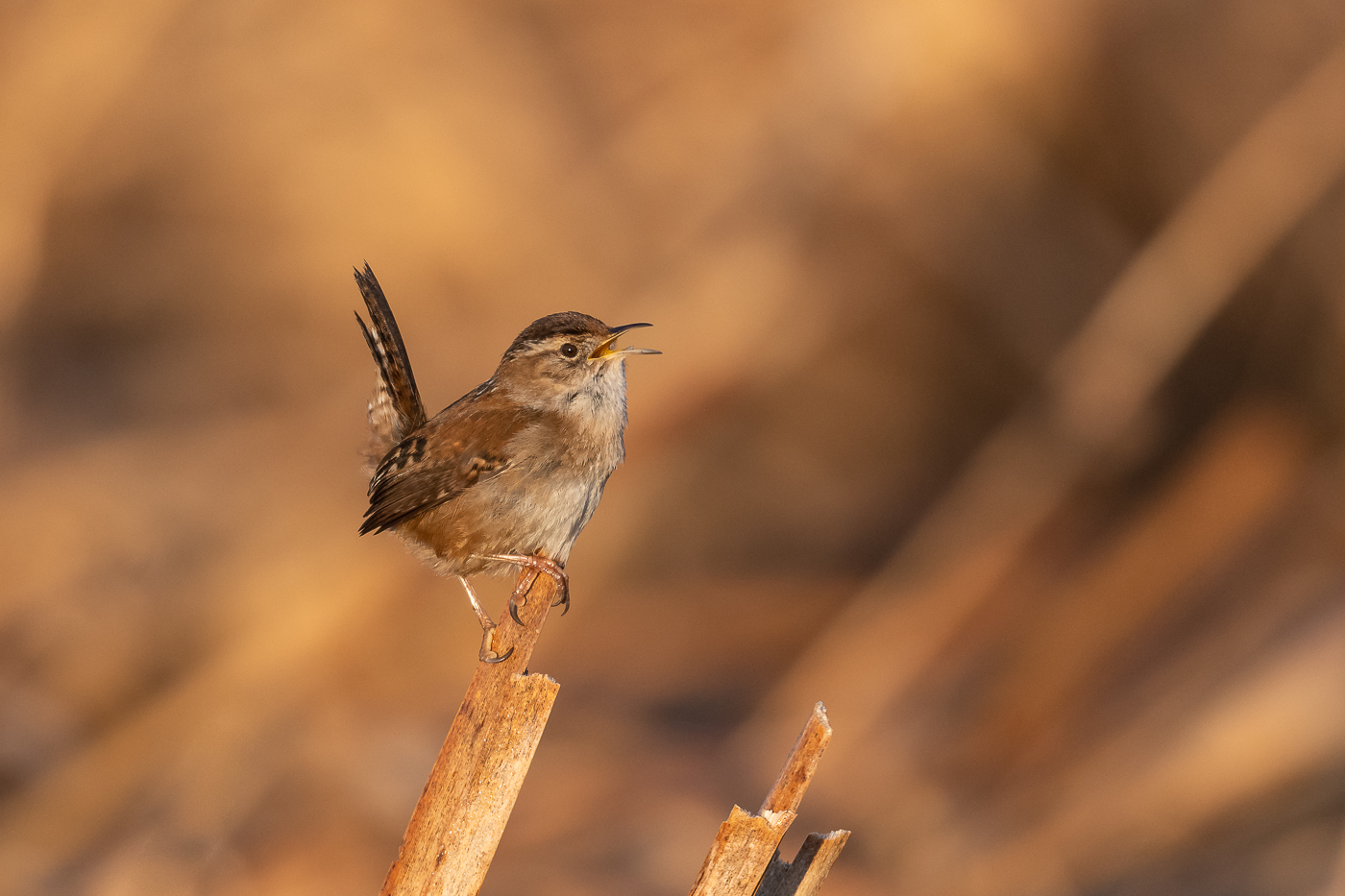

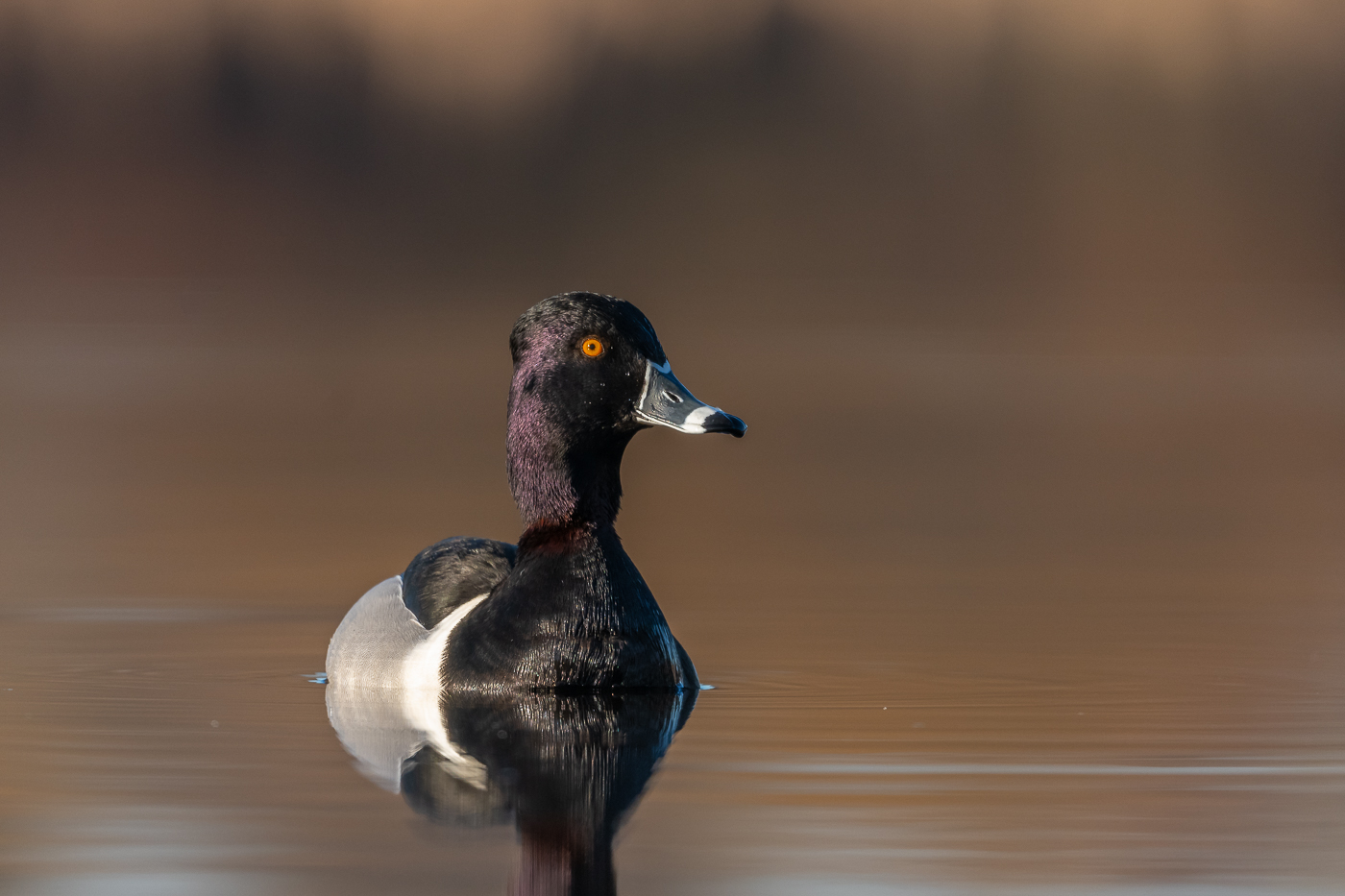
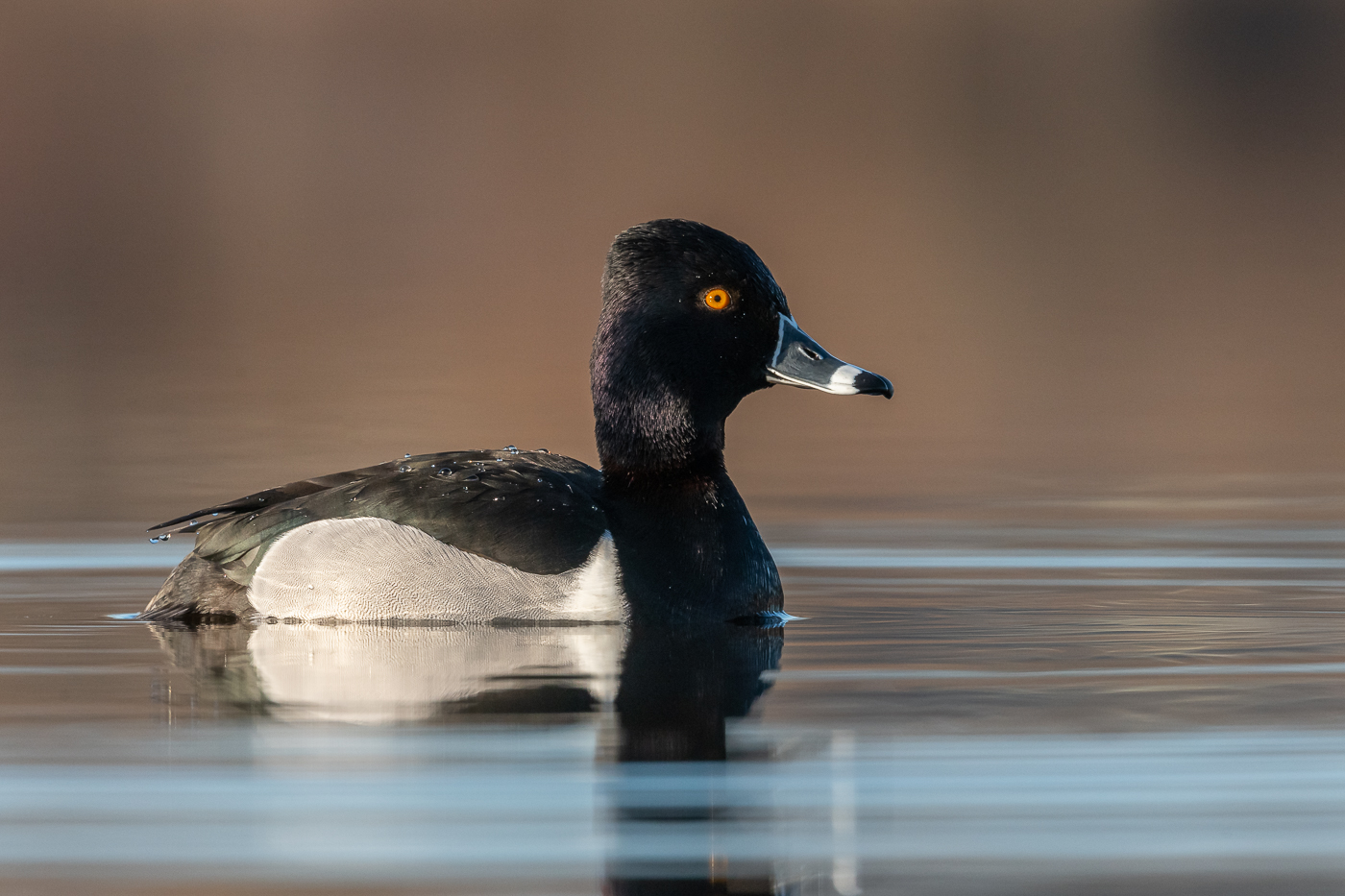



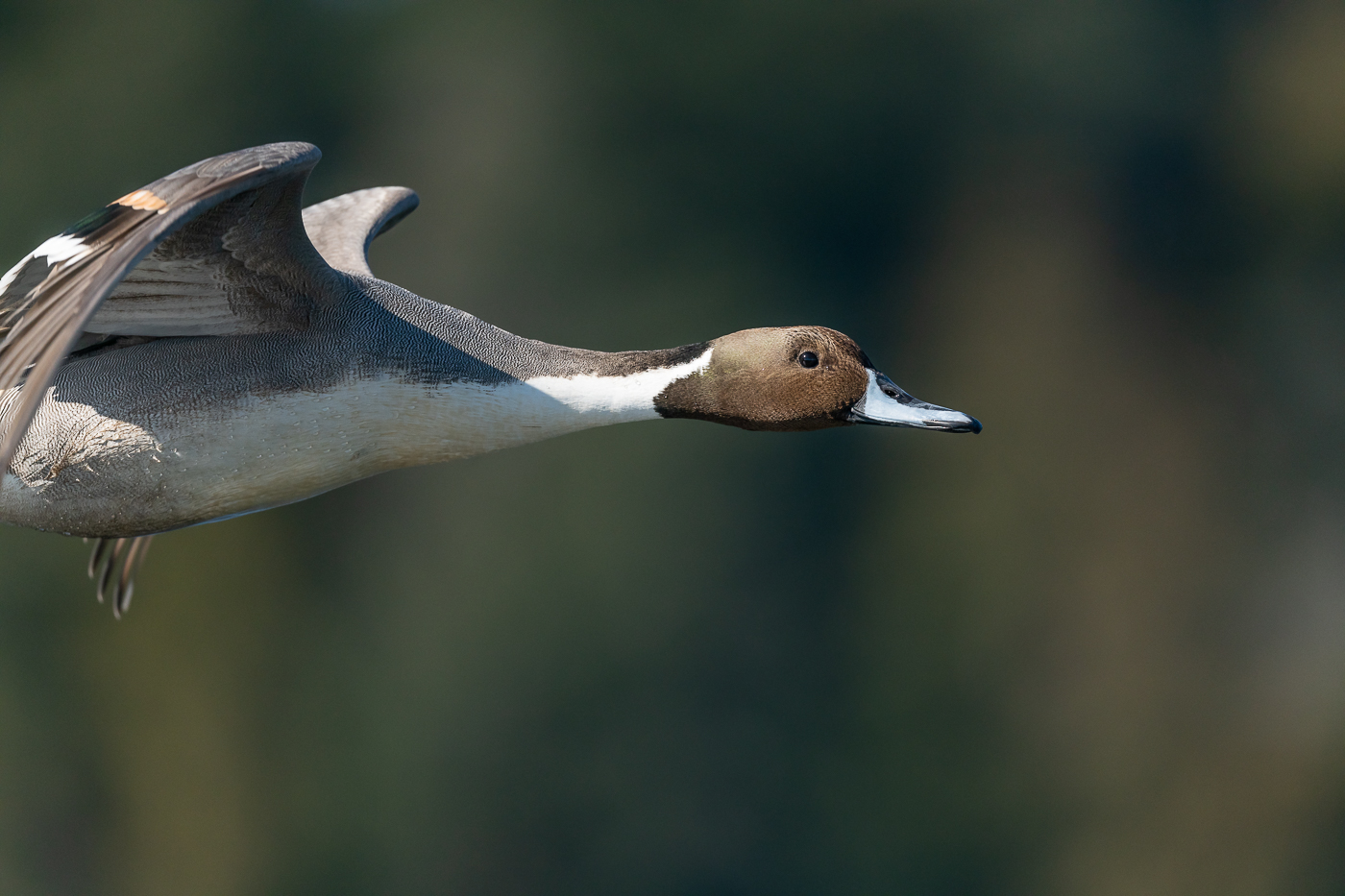




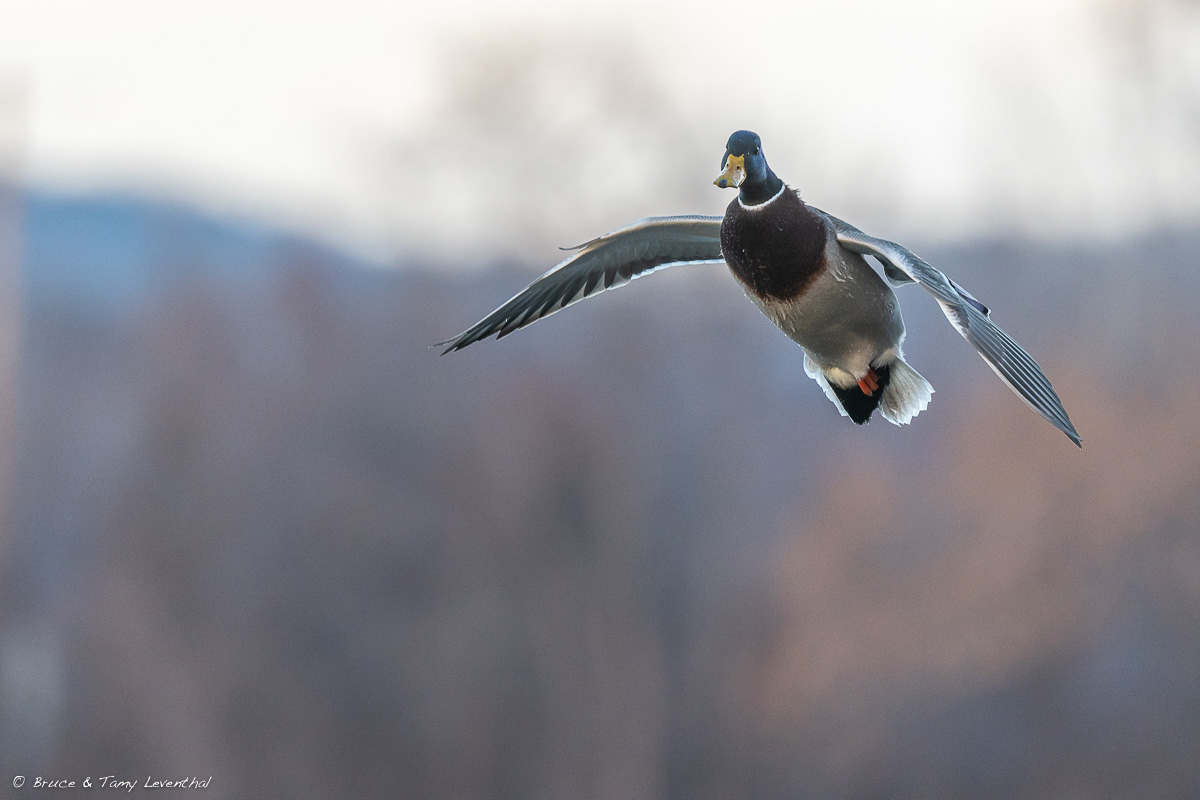


 , thanks! If you saw the full rez versions they'd be a little disappointing... good for web posting etc but fall short of the full potential of the lens (which is on the user, not the lens