bs kite
Offline
• • • • •
Upload & Sell: Off
|
 p.103 #13 · "Official" Nikon 500 f/5.6E PF Discussion and Image Thread p.103 #13 · "Official" Nikon 500 f/5.6E PF Discussion and Image Thread | |
ricardo00 wrote:
[Robert wrote]:
"I have been re-reading much of this thread, going back to the very beginning and doing spot readings at various random locations. One thing struck me as being funny:
When this lens was introduced, for various reasons, more than several of you said you would *not* buy the lens. Now, as I go through your names in my mind, all but one of you have bought it and you really like it a lot. Btw, no insult intended at all.  " "
[I] I too noticed right after this lens was announced a lot of negative comments. Hadn't realized that these same people than bought the lens! So thanks for pointing this out. We all have the right to change our mind. [I]
*Here is my question*:
I get very excited about shooting waterbirds taking off. I love it when it happens and I am ready. Ideally, the bird is moving tangentially toward and ultimately right past me. For that purpose I love my 200-500. Oh, it is not perfect and I know its shortcomings. But it *is* a zoom. And I enjoy the freedom of being able to pull back the focal length.
Have any of you 500 PF shooters/owners yet had the opportunity/pleasure to shoot a waterbird(s) taking to flight? It does not come often. Psychologically, how do you deal with the fact that you cannot reduce the focal length as the bird is beginning to fill the frame as it flies toward you? And how do you deal with it physically?"
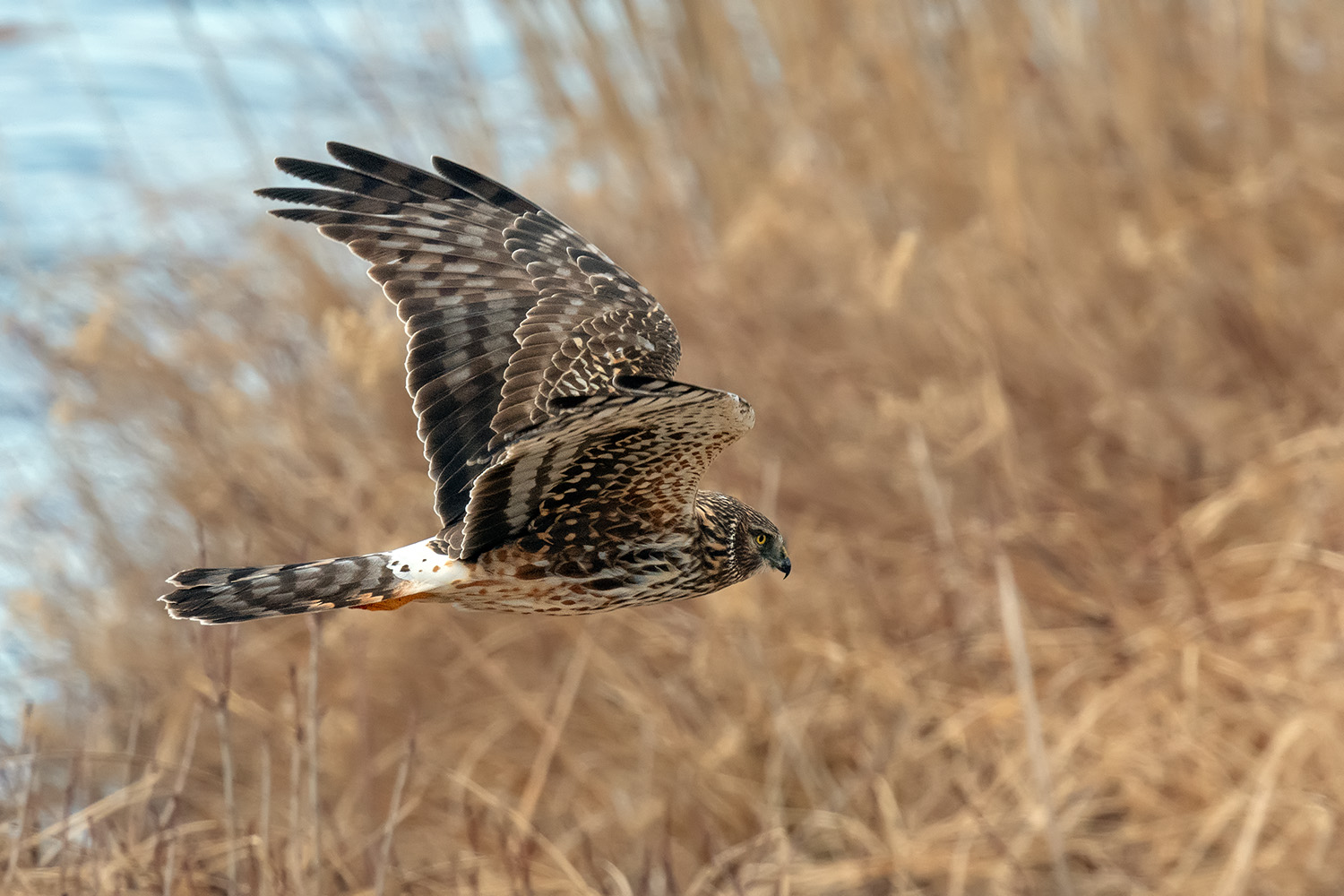
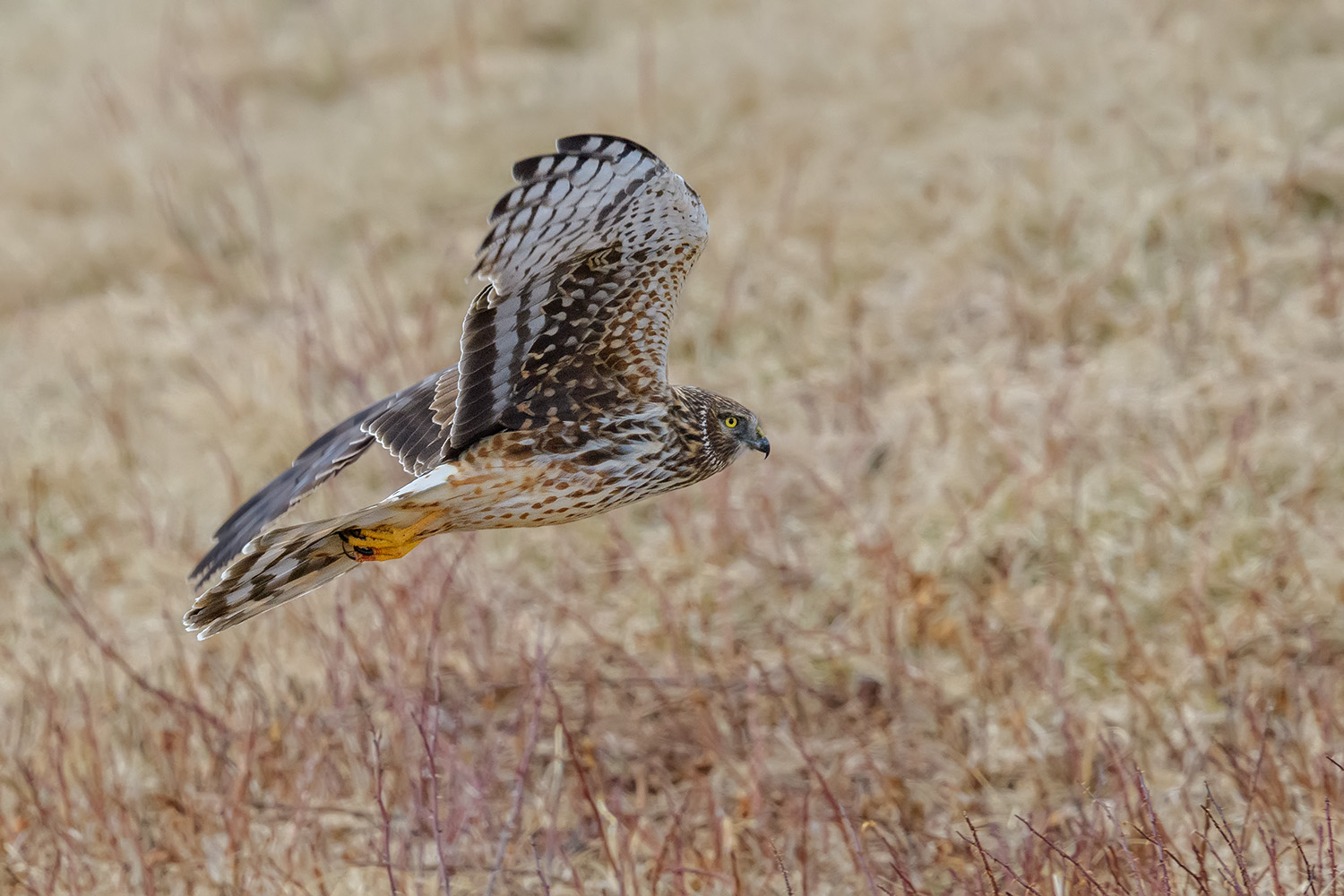
[I] When I got my first DSLR about 9 years ago, I got two zoom lens. However, I was dissatisfied with the quality of my photos compared to others. So I switched to primes. It does change one's perspective and limit one's ability to compose a picture. I have both the 200-500mm lens and 500mm prime and find that, despite this limitation, I prefer the prime because of its ability to focus faster and it being lighter and more maneuverable. However if one is too close, there is no way one would be able to fit the whole subject into the frame. So for slow moving large animals (ie. a bear, etc), I think the 200-500mm lens would work better. In general though, I find with most birds I am not that close and often my brain does not function fast enough to respond to zoom. Recently (I had the 500mm f/5.6 lens on my camera), a harrier hawk landed right in front of me and caught its prey and took off and it was too close for this lens, so just had to focus on the catch:[I]
https://www.flickr.com/photos/60519499@N00/43654300110/in/album-72157702469641884/
...Show more →
That increased maneuverability and speed *is* something I want.
Yes, it is disappointing to miss a Harrier shot like that. At least you got something. That illustrates a very important point in wildlife photography: Having everything preset and being constantly aware of what is happening and what scenarios to expect........are much more important than what equipment we are using.
When I am out there, I am constantly searching the records that are kept in my mind;, i.e. "what could happen next?”.....”is there something I can do now to improve my chances?” I use past experiences to constantly search for the most likely scenarios. That trumps any equipment.
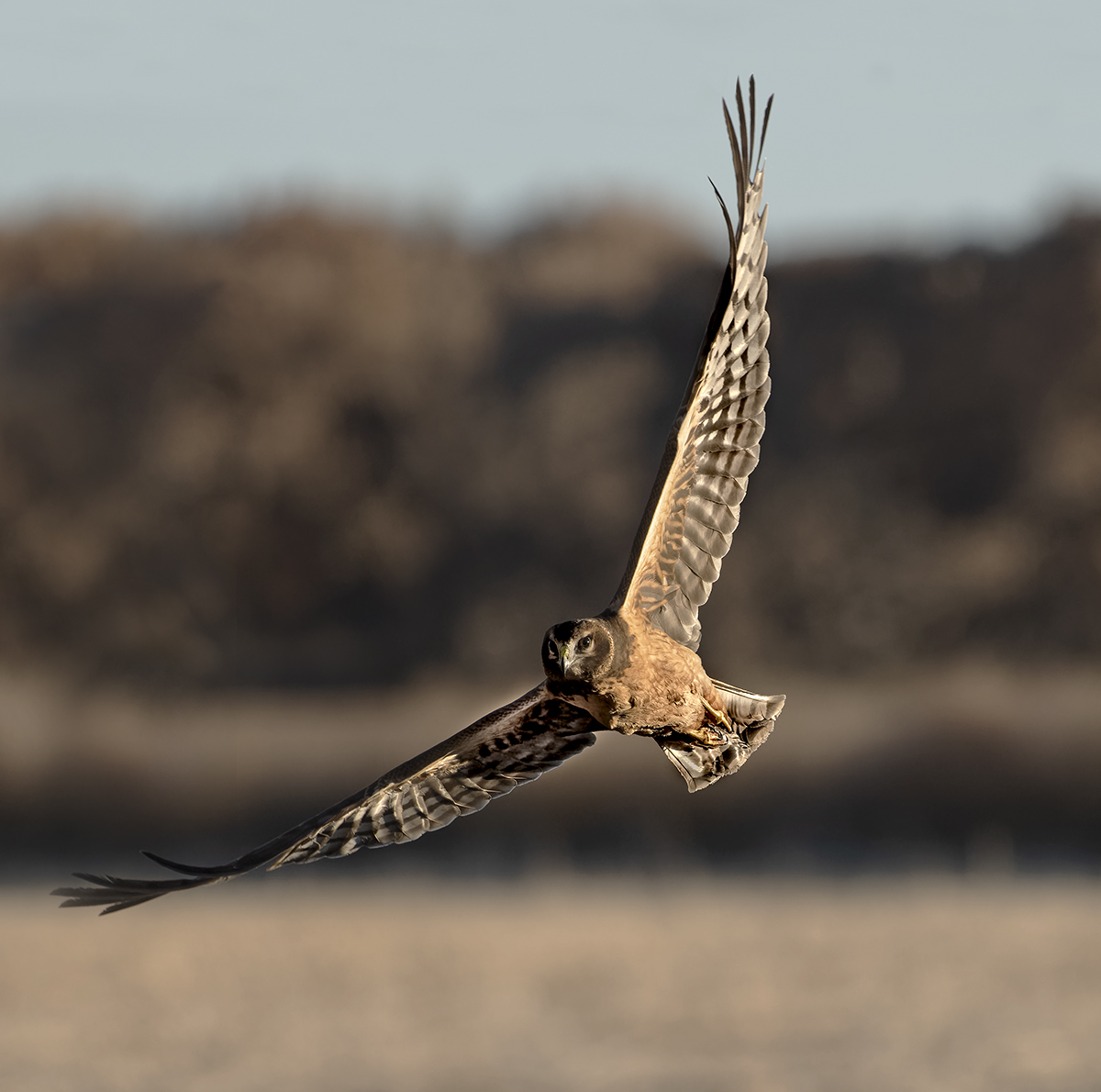
Here is one juvenile Harrier that I captured at Bosque del Apache this last November. Aren’t they fun to shoot! I am back there asap, in pursuit of the perfect Harrier shot and all else that is there. I love it!
This hawk was probably a little naive: As you know, these hawks spend their entire days sweeping back and forth, just above the surfaces of open fields, searching for small rodents. I was seated in the dirt, at the slope-toe of a gravel road, watching as this bird constantly hunted this field in front of me....but it never got close enough to me. Then it left this open field, crossing over the dirt road to another open field behind me. I quickly got up, keeping my eyes on this hawk. It still had not gotten nearly close enough for a good shot.
I was suspecting it would soon return. Within a minute it did turn and headed back to the first field it had left. I kept low, and just by chance, it crossed the dirt road near me. It was not until I released a burst of frames (D850, 200-500mm), that it spotted me and quickly dived behind a dead tree.
Honestly, the 500 5.6 might have been a little better here. But not by much and maybe not at all. It would have acquired faster and maybe been a little sharper....and maybe not. This image is significantly cropped. I believe my 200-500 is very sharp. And I love the D850.
Thanks for your feedback.
Robert
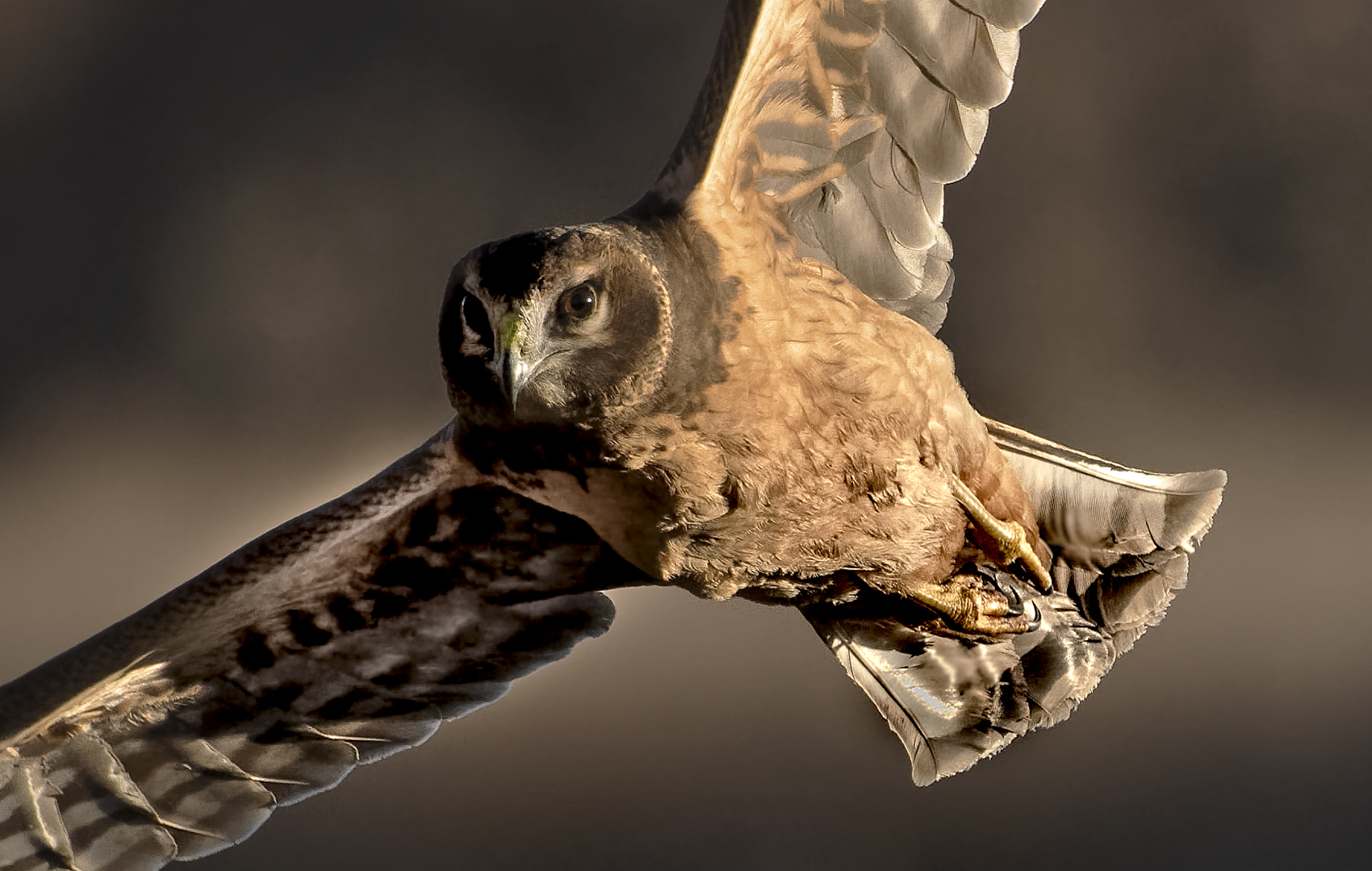
This is an immature Northern Harrier (Marsh Hawk). The owl-like facial disk is diagnostic for the juvenile.
|