This topic is in the 2017 archive. You can read it and like its posts here. It is read only.
Archive 2017Official Nikon D850 image & resource hub thread ...
p.201 #1Official Nikon D850 image & resource hub thread ( images picture )
akul wrote:
Love the rendering of this series.
Luka
Thank you, Luka, for your kind comments. I am very attached to the image qualities of Zeiss' Milvus and Otus lenses, especially when they are used with D850.
ocean2059 wrote
D850 + Zeiss ZF.2 lenses.Luka
Thank you, Luka, for your kind comments. I am very attached to the image qualities of Zeiss' Milvus and Otus lenses, especially when they are used with D850.
Jun 07, 2023 at 08:08 AM
p.201 #2Official Nikon D850 image & resource hub thread ( images picture )
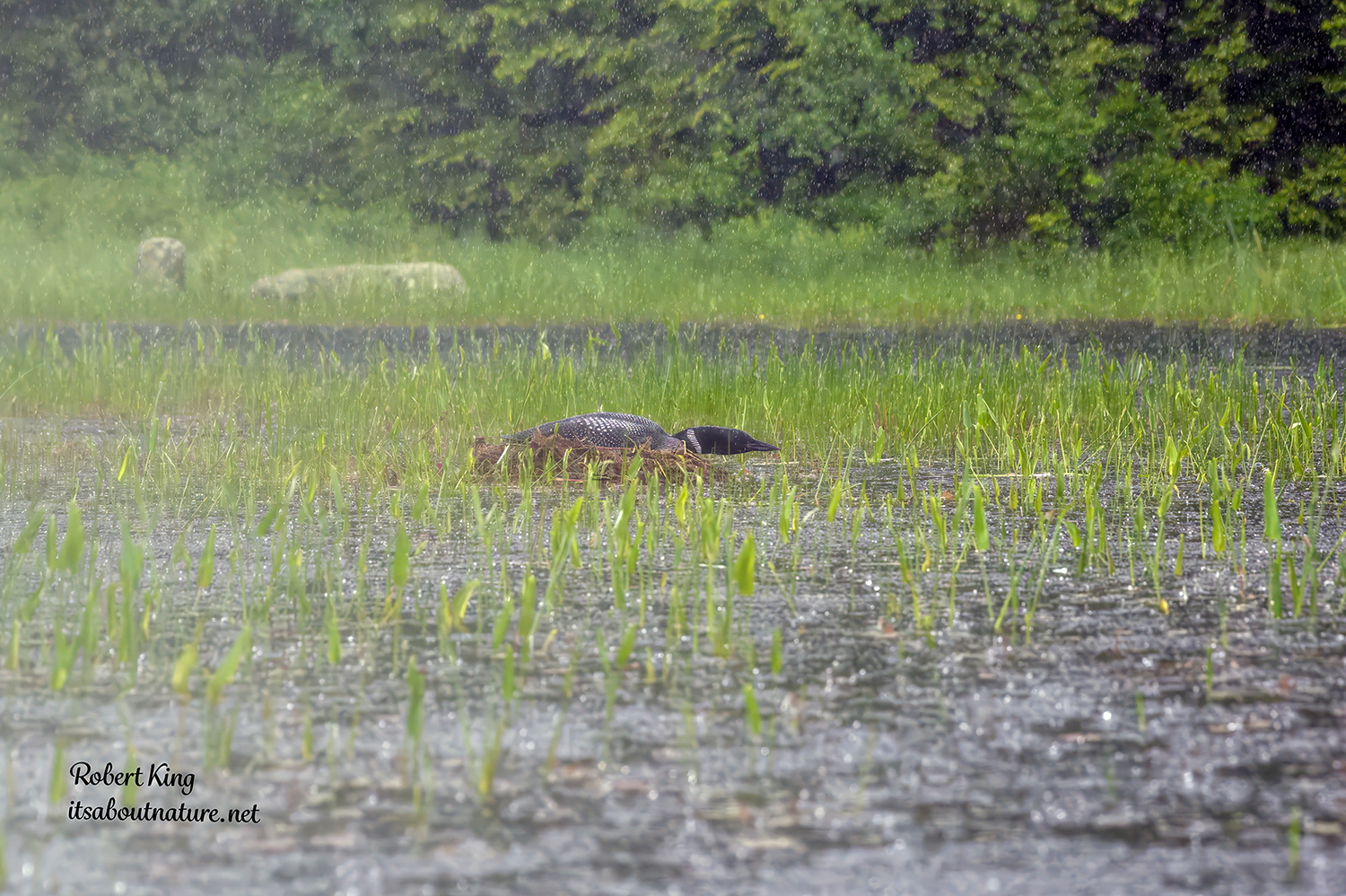
June 8. Parent loon on nest.
I was asked if I had checked for loon nesting yet on the first pond of my boyhood. Nope, for a few good reasons ( ) I had not. It was a perfect day, sunny and windless. But by the time I was asked it was already mid-morning.
By the time I began heading downstream it started into a steady rain. It was one good test for the old D850 and the bazooka (200-500). When I was done and back at the launch, they were soaked. The front lens element was covered in water the entire time.
I suspect they started incubating several days before. If all goes well we will have a chick or two by late June. Fingers crossed.
I did not expect to see a loon nesting at this spot....... so I blundered onto the nest. The loon was as surprised as I was but it stayed on the nest (Thank God... whew!). You can see that it is stressed. If it had slid off the nest in that cold rain.... there is no telling if it would have returned. I was at least 60 feet from the nest at this encounter/image.
After I returned to the launch and as I was preparing to leave, another loon came down into the outlet (toward the nest area). The rain had stopped and I was sure this one was swimming down to relieve its mate. Sure enough, about 15 minutes later another loon (the one that I had photographed on the nest) was swimming quite rapidly upstream to head out onto the lake.
The egg(s) must have a loon sitting on them 24 hours a day for 26-29 days. So, it is a long shift and neither bird is punching a time clock. The sitting loon can't leave until its mate gets back. That loon hurrying to get on the lake was heading out to relax and catch some fish for itself.
Robert
Edited on Dec 06, 2023 at 11:30 AM · View previous versions
I was asked if I had checked for loon nesting yet on the first pond of my boyhood. Nope, for a few good reasons (
) I had not. It was a perfect day, sunny and windless. But by the time I was asked it was already mid-morning. By the time I began heading downstream it started into a steady rain. It was one good test for the old D850 and the bazooka (200-500
). When I was done and back at the launch, they were soaked. The front lens element was covered in water the entire time. I suspect they started incubating several days before. If all goes well we will have a chick or two by late June. Fingers crossed.
I did not expect to see a loon nesting at this spot....... so I blundered onto the nest. The loon was as surprised as I was but it stayed on the nest (Thank God... whew!). You can see that it is stressed. If it had slid off the nest in that cold rain.... there is no telling if it would have returned.
I was at least 60 feet from the nest at this encounter/image. After I returned to the launch and as I was preparing to leave, another loon came down into the outlet (toward the nest area). The rain had stopped and I was sure this one was swimming down to relieve its mate. Sure enough, about 15 minutes later another loon (the one that I had photographed on the nest) was swimming quite rapidly upstream to head out onto the lake.
The egg(s) must have a loon sitting on them 24 hours a day for 26-29 days. So, it is a long shift and neither bird is punching a time clock. The sitting loon can't leave until its mate gets back. That loon hurrying to get on the lake was heading out to relax and catch some fish for itself.
Robert
 |
||
 |
||
|
NIKON D850 200mm f/8.0 1/800s 7200 ISO +1.0 EV
Edited on Dec 06, 2023 at 11:30 AM · View previous versions
Jun 11, 2023 at 02:38 PM
p.201 #3Official Nikon D850 image & resource hub thread ( images picture )
This is the same nest on June 16, 8 days after the above post. This image is taken at about 70 yards distance with the 200-500 @ 500mm. Loons have a low reproductive potential. So when we get a nest-start it is big news for the basin and we do whatever is needed to keep the nest undisturbed. Odds are against this nest being successful, but it is in a spot the loons love and most folks are aware of the need to give it a wide berth. If they're not aware of this, then there are the two signs.
https://photos.smugmug.com/Common-Loons-Gavia-immer-the-Great-Northern-Divers-/From-2023/HL/i-GzJ64tt/0/ca1fac46/X3/DSC_0491_DxO-2%20LOON%20ON%20NEST%20JUNE%2016%2C%202023-X3.jpg
A RWBB female hunting Odonata. I'm sure she has a nest of little ones in the bushes behind her.
https://en.wikipedia.org/wiki/Odonata
https://photos.smugmug.com/Common-Loons-Gavia-immer-the-Great-Northern-Divers-/From-2023/HL/i-F9NVmnJ/0/755a1872/X3/DSC_0532_DxO-3%20RWBB%20FEMALE-X3.jpg
Jun 16, 2023 at 09:02 AM
p.201 #6Official Nikon D850 image & resource hub thread ( images picture )
Amazing photos, Kasper!
Dec 04, 2023 at 06:05 PM
p.201 #7Official Nikon D850 image & resource hub thread ( images picture )
phinix wrote:
Amazing photos, Kasper!
Much appreciated!
Amazing photos, Kasper!
Much appreciated!
Dec 04, 2023 at 06:31 PM
p.201 #8Official Nikon D850 image & resource hub thread ( images picture )
Thank you for pulling the D850 thread back to life. Hopefully it will keep going.
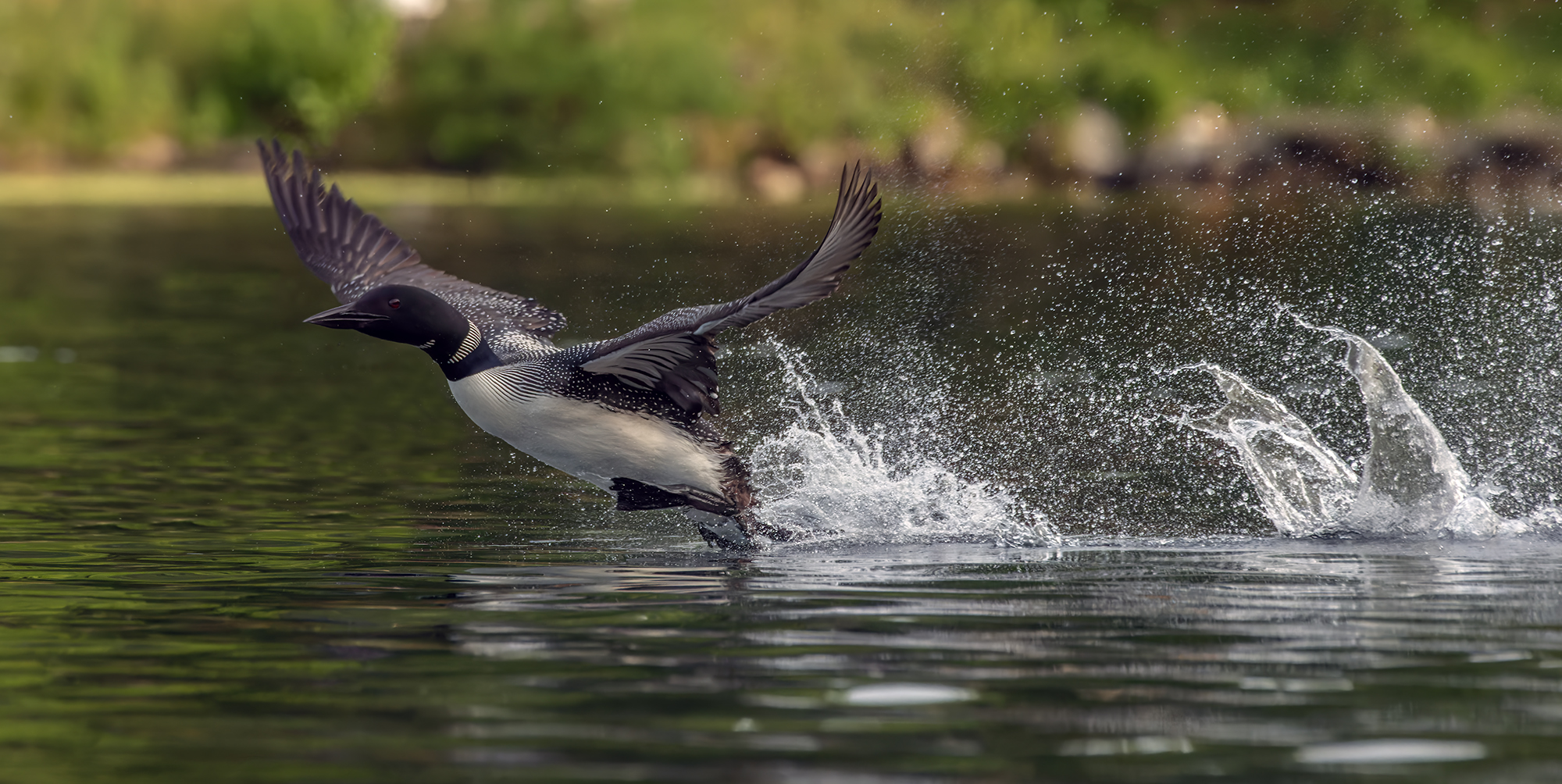
Common loon
Common loon
Common loon
Common loon
NIKON D850 200.0-500.0 mm f/5.6 lens 400mm f/1.0 1/2500s 5000 ISO -0.3 EV
 |
||
 |
||
 |
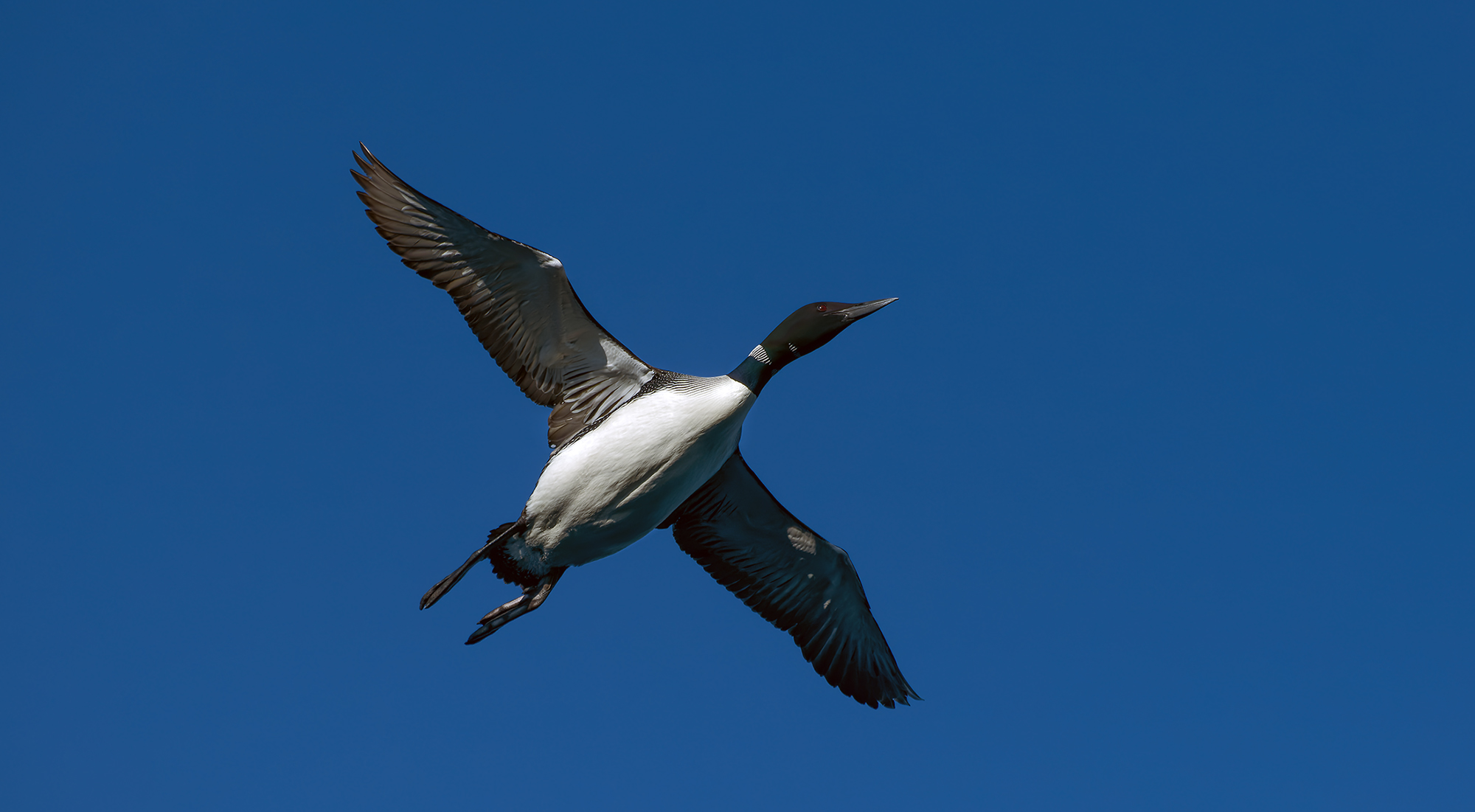
Common loon
NIKON D850 200.0-500.0 mm f/5.6 lens 390mm f/7.1 1/2500s 200 ISO -1.0 EV
|
||
 |
||
|
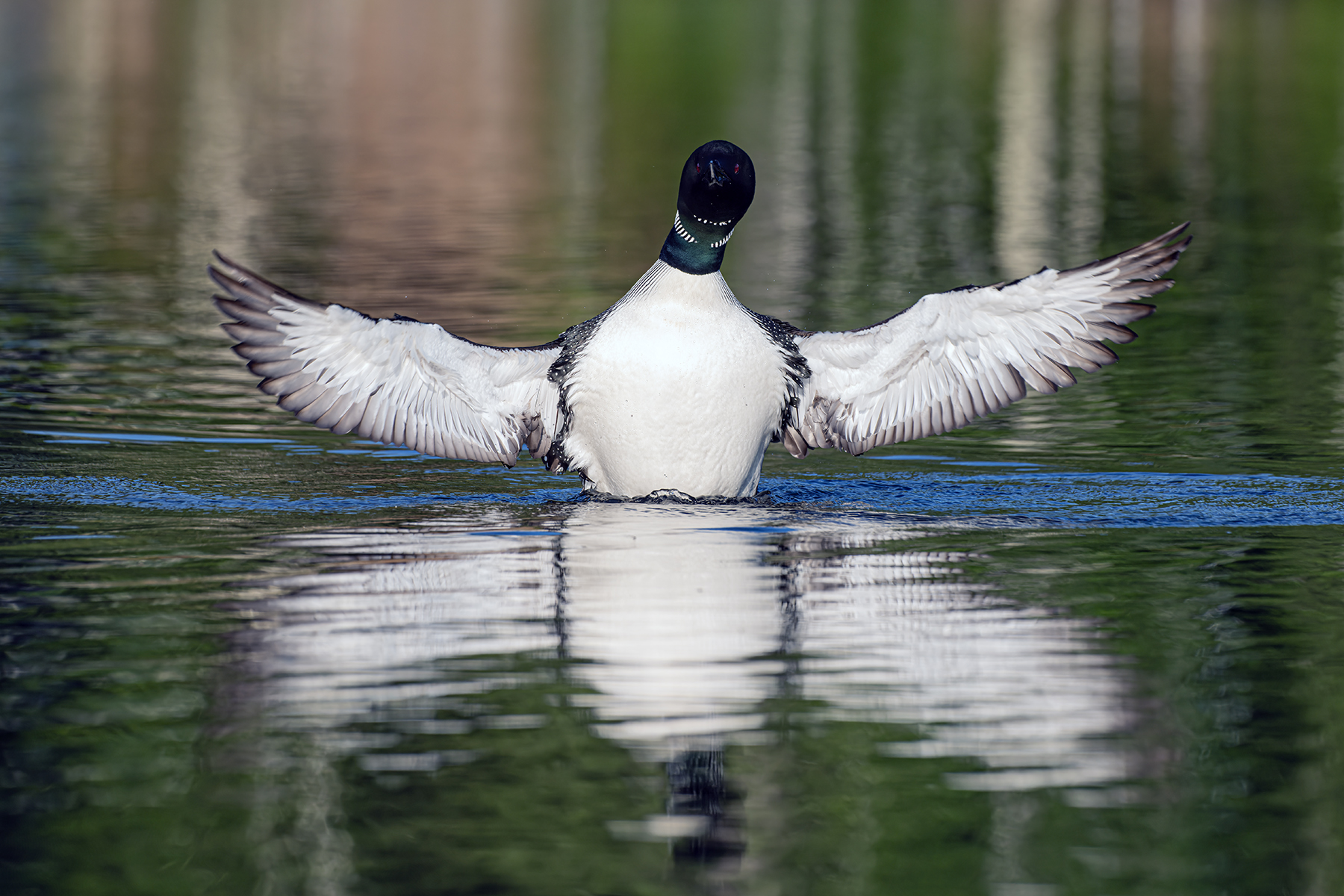
Common loon
NIKON D850 200.0-500.0 mm f/5.6 lens 370mm f/7.1 1/2500s 125 ISO -1.3 EV
Dec 04, 2023 at 06:58 PM
p.201 #9Official Nikon D850 image & resource hub thread ( images picture )
Snowy Egret - D850 with 300mm @ f5.6

Dec 04, 2023 at 11:29 PM
p.201 #10Official Nikon D850 image & resource hub thread ( images picture )
Kasper is killing here, look at that owl photos! 
Dec 05, 2023 at 08:21 AM
p.201 #11Official Nikon D850 image & resource hub thread ( images picture )
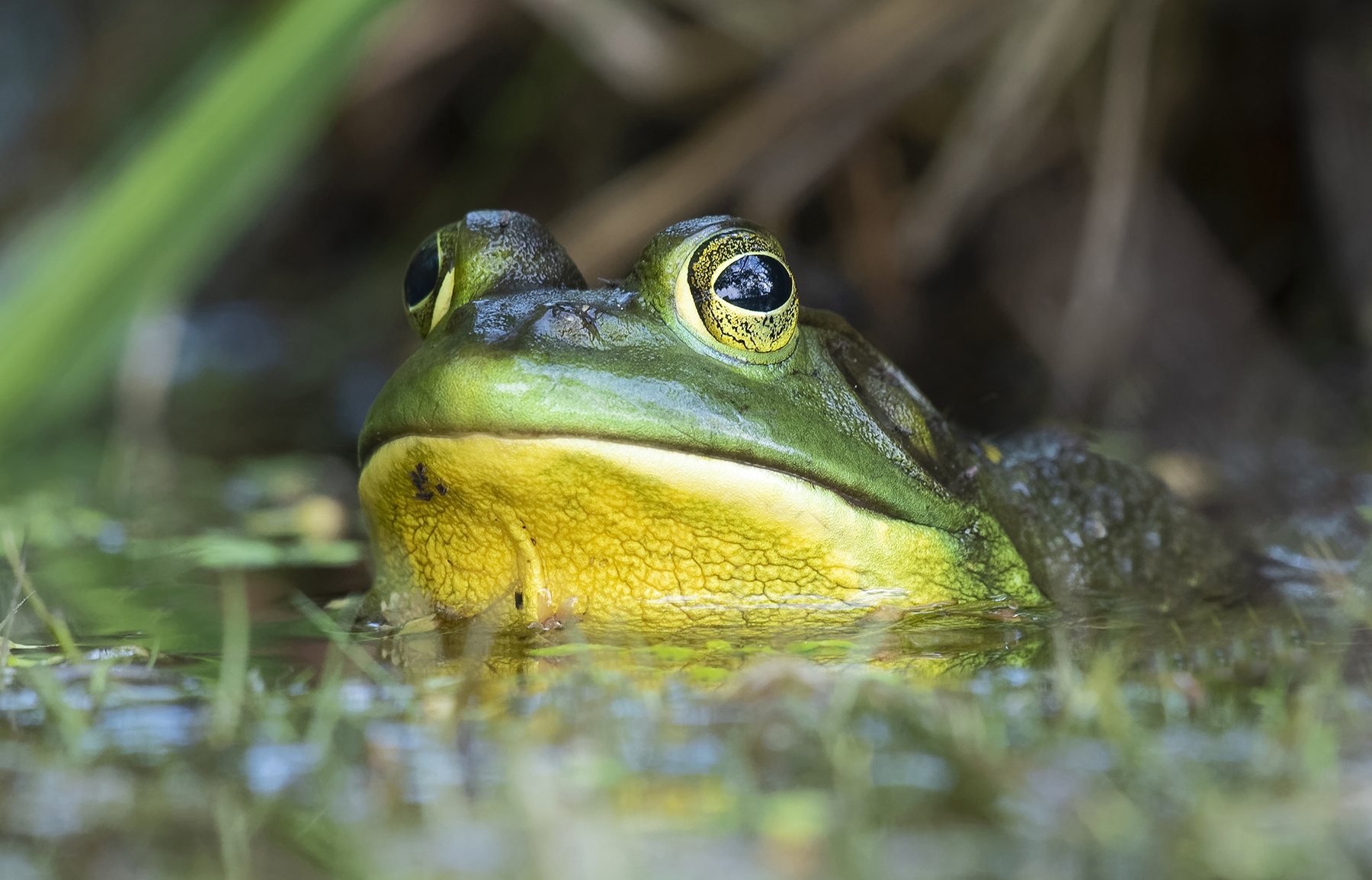
American Bullfrog male
https://animaldiversity.org/accounts/Lithobates_catesbeianus/
https://animaldiversity.org/accounts/Lithobates_catesbeianus/
|
||
 |
||
|
NIKON D850 200.0-500.0 mm f/5.6 lens 500mm f/8.0 1/80s 640 ISO -0.7 EV
Dec 05, 2023 at 02:13 PM
p.201 #12Official Nikon D850 image & resource hub thread ( images picture )
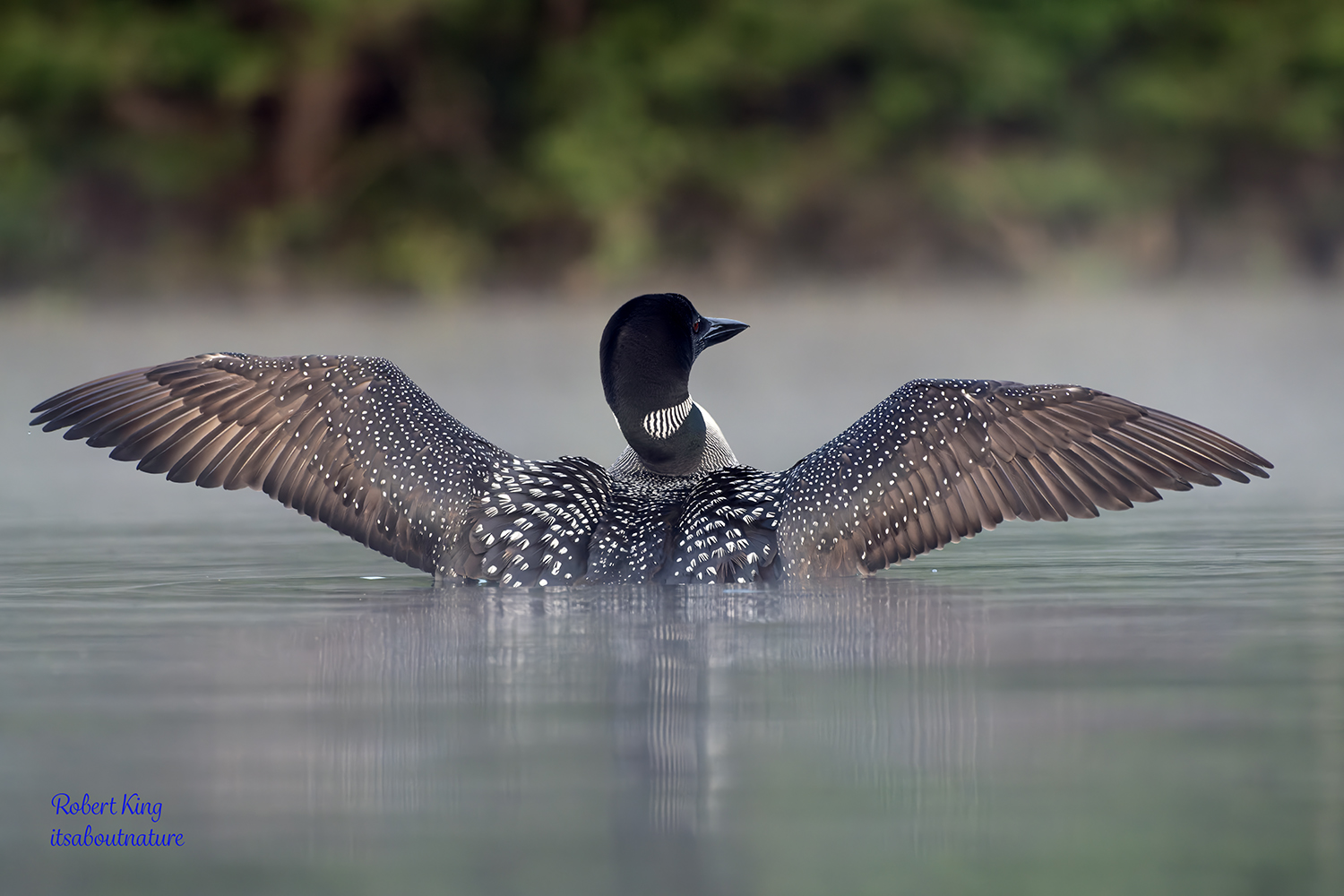
Common Loon
|
||
 |
||
|
NIKON D850 200.0-500.0 mm f/5.6 lens 450mm f/8.0 1/1250s 6400 ISO -0.7 EV
Dec 08, 2023 at 09:15 AM
p.201 #13Official Nikon D850 image & resource hub thread ( images picture )
Incoming!
300mm 2.8 vrII
http://live.staticflickr.com/65535/53383898517_ecdedfca0c_o.jpg
300mm 2.8 vrII
http://live.staticflickr.com/65535/53383898517_ecdedfca0c_o.jpg
Dec 08, 2023 at 05:02 PM
p.201 #14Official Nikon D850 image & resource hub thread ( images picture )
A local superstar
D850 / 300mm 2.8 vrII
http://live.staticflickr.com/65535/53387098431_3e2eb3705c_o.jpg
D850 / 300mm 2.8 vrII
http://live.staticflickr.com/65535/53387098431_3e2eb3705c_o.jpg
Dec 09, 2023 at 07:58 PM
p.201 #15Official Nikon D850 image & resource hub thread ( images picture )
Dec 10, 2023 at 12:43 PM
p.201 #16Official Nikon D850 image & resource hub thread ( images picture )
Squirrel under cover
500pf
http://live.staticflickr.com/65535/53388713726_0b4dbb08c4_o.jpg
500pf
http://live.staticflickr.com/65535/53388713726_0b4dbb08c4_o.jpg
Dec 10, 2023 at 12:59 PM
p.201 #17Official Nikon D850 image & resource hub thread ( images picture )
Northern Cardinal
300pf / 7.1
http://live.staticflickr.com/65535/53389164915_831b31c638_o.jpg
300pf / 7.1
http://live.staticflickr.com/65535/53389164915_831b31c638_o.jpg
Dec 10, 2023 at 01:06 PM
p.201 #18Official Nikon D850 image & resource hub thread ( images picture )
Dec 10, 2023 at 01:18 PM
p.201 #19Official Nikon D850 image & resource hub thread ( images picture )
Jan 14, 2024 at 11:27 AM
p.201 #20Official Nikon D850 image & resource hub thread ( images picture )
Kasper6188 wrote:
500pf
http://live.staticflickr.com/65535/53388940118_2300455705_o.jpg
This image of a Sandhill Crane colt with its parent is extraordinary. I can only imagine the relationship!
500pf
http://live.staticflickr.com/65535/53388940118_2300455705_o.jpg
This image of a Sandhill Crane colt with its parent is extraordinary. I can only imagine the relationship!
Jan 14, 2024 at 06:15 PM