This topic is in the 2017 archive. You can read it and like its posts here. It is read only.
Archive 2017Official Nikon D850 image & resource hub thread ...
p.200 #1Official Nikon D850 image & resource hub thread ( images picture )
Hi BS Kite. Love the photos, but it looks like you've used a lot of noise reduction, particularly on the birds' heads?
Feb 10, 2023 at 07:01 PM
p.200 #2Official Nikon D850 image & resource hub thread ( images picture )
groob wrote:
Hi BS Kite. Love the photos, but it looks like you've used a lot of noise reduction, particularly on the birds' heads?
Glad you love them.
Yup, I like to eliminate all noise.
In real life, there is no noise.
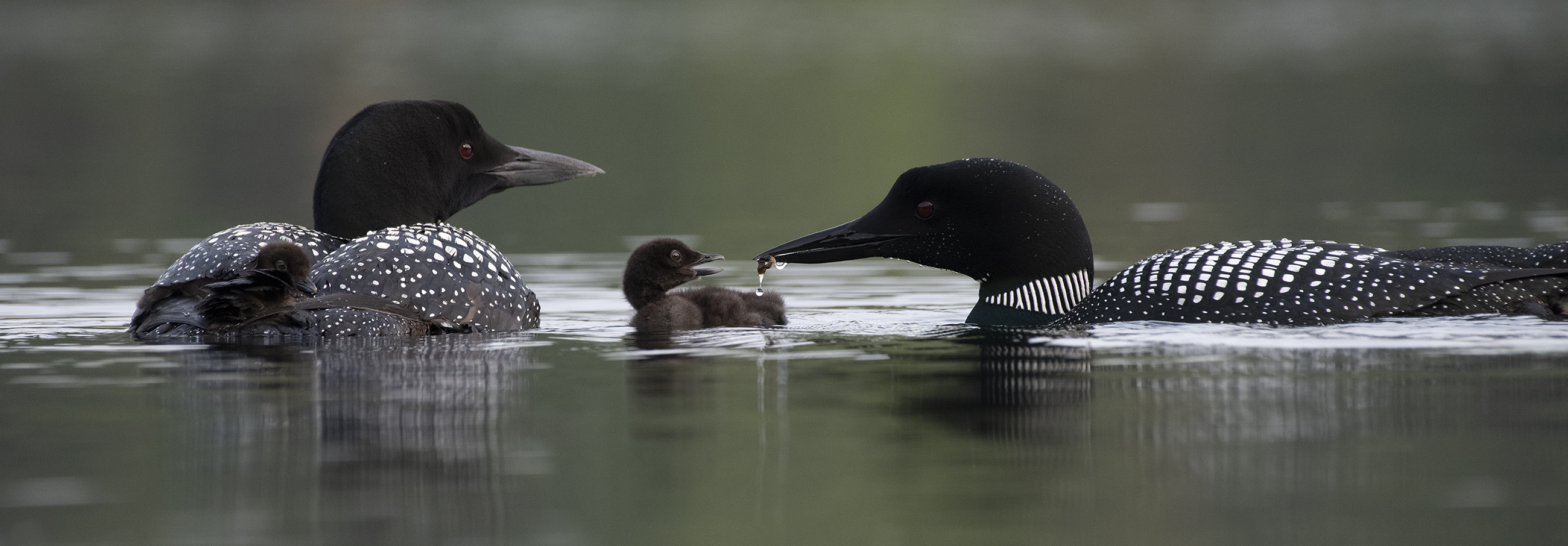
here's the image as it came from the D850 (cropped of course)
Hi BS Kite. Love the photos, but it looks like you've used a lot of noise reduction, particularly on the birds' heads?
Glad you love them.
Yup, I like to eliminate all noise.
In real life, there is no noise.
here's the image as it came from the D850 (cropped of course)
NIKON D850 200.0-500.0 mm f/5.6 lens 500mm f/8.0 1/640s 1250 ISO -0.7 EV
Feb 10, 2023 at 10:39 PM
p.200 #3Official Nikon D850 image & resource hub thread ( images picture )
groob wrote:
Hi BS Kite. Love the photos, but it looks like you've used a lot of noise reduction, particularly on the birds' heads?
Afterthought...
I was fortunate to be able to document the development of this loon family from July 5, 2019 (about 9 days after hatching) to the September day when the two siblings flew from their natal pond.
That's what I get excited about.
I do think you are correct. . I did not have to go that far with the noise reduction. I can see it too, now that you mentioned it.
I just would not have mentioned it to someone unless they asked for critique. But we are all different Groob. No harm done at all.
I love nature simply for what it is. I enjoy learning from nature much more than I do the photography. I mean, post-processing is a pain. How can anyone like it? I photograph nature and post images for the content, the story, the ecology........ and I hope that others will gain a deeper appreciation of nature. I do the best I can for the image quality but it is secondary.... and often drudgery.
Everyone knows it.
Hi BS Kite. Love the photos, but it looks like you've used a lot of noise reduction, particularly on the birds' heads?
Afterthought...
I was fortunate to be able to document the development of this loon family from July 5, 2019 (about 9 days after hatching) to the September day when the two siblings flew from their natal pond.
That's what I get excited about.
I do think you are correct.
. I did not have to go that far with the noise reduction. I can see it too, now that you mentioned it. I just would not have mentioned it to someone unless they asked for critique. But we are all different Groob. No harm done at all.
I love nature simply for what it is. I enjoy learning from nature much more than I do the photography. I mean, post-processing is a pain. How can anyone like it? I photograph nature and post images for the content, the story, the ecology........ and I hope that others will gain a deeper appreciation of nature. I do the best I can for the image quality but it is secondary.... and often drudgery.
Everyone knows it.
Feb 10, 2023 at 11:01 PM
p.200 #4Official Nikon D850 image & resource hub thread ( images picture )
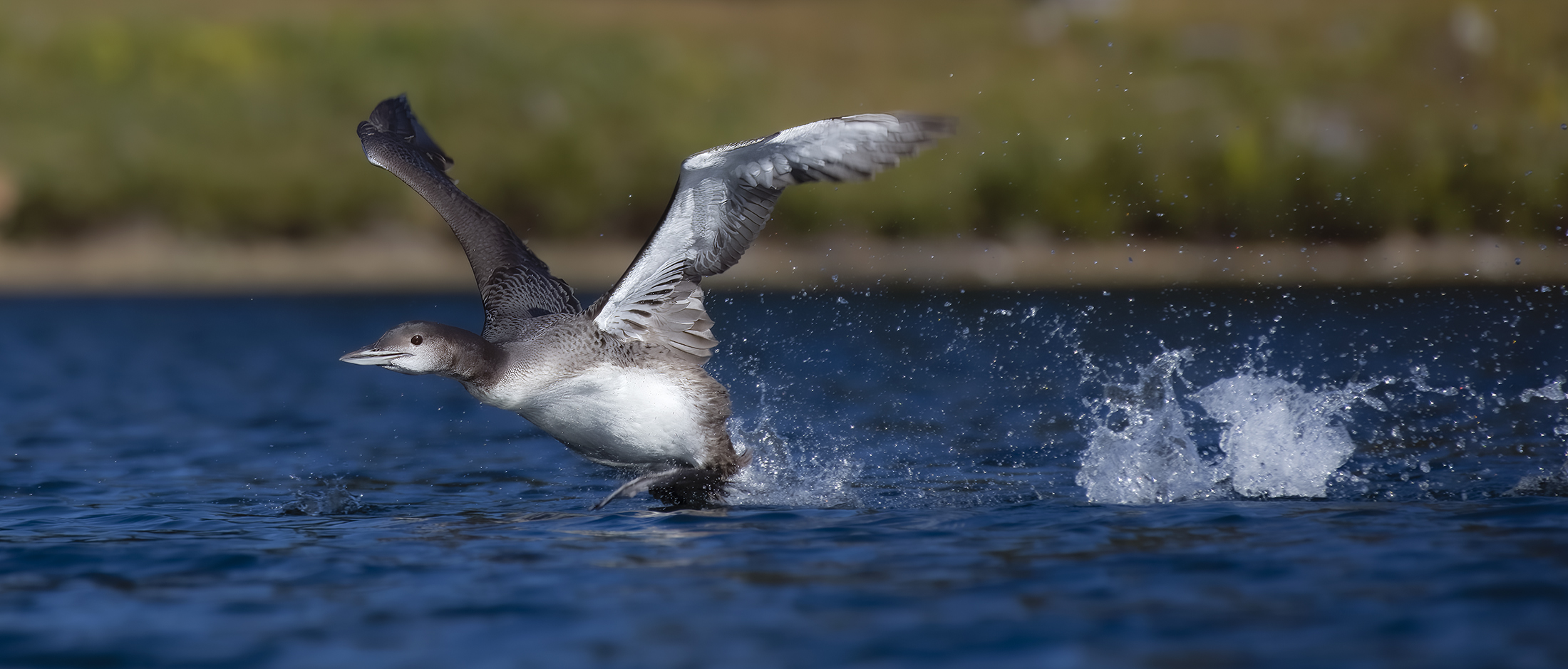
Common Loon chick at 84 days-of-age as it is practicing to make its first flight.
Loon parents need about 90 days to develop a chick to the point where it can make its first successful flight.
Loon parents need about 90 days to develop a chick to the point where it can make its first successful flight.
NIKON D850 200.0-500.0 mm f/5.6 lens 500mm f/8.0 1/1600s 320 ISO -2.0 EV
Feb 24, 2023 at 05:12 PM
p.200 #5Official Nikon D850 image & resource hub thread ( images picture )
D850 is still doing well

Feb 25, 2023 at 04:07 PM
p.200 #6Official Nikon D850 image & resource hub thread ( images picture )
Haven't had the oppurtunity to do photography much lately. Had been to Nagarhole Tiger Reserve few weeks back and got some decent sightings. D850 coupled with 500mm F4.
 |
||
| https://live.staticflickr.com/65535/52677841412_ddfe4742f0_b.jpg | ||
|
|
||
| https://live.staticflickr.com/65535/52697944223_6954a0c163_b.jpg | ||
|
|
||
| https://live.staticflickr.com/65535/52712344289_378cf29c44_b.jpg | ||
|
|
||
| https://live.staticflickr.com/65535/52712664914_fd6e4cc037_b.jpg | ||
|
|
||
| https://live.staticflickr.com/65535/52662101186_51e40f6ef0_b.jpg | ||
|
|
||
| https://live.staticflickr.com/65535/52289771320_1c3d6fbef5_b.jpg | ||
|
Feb 27, 2023 at 02:50 AM
p.200 #7Official Nikon D850 image & resource hub thread ( images picture )
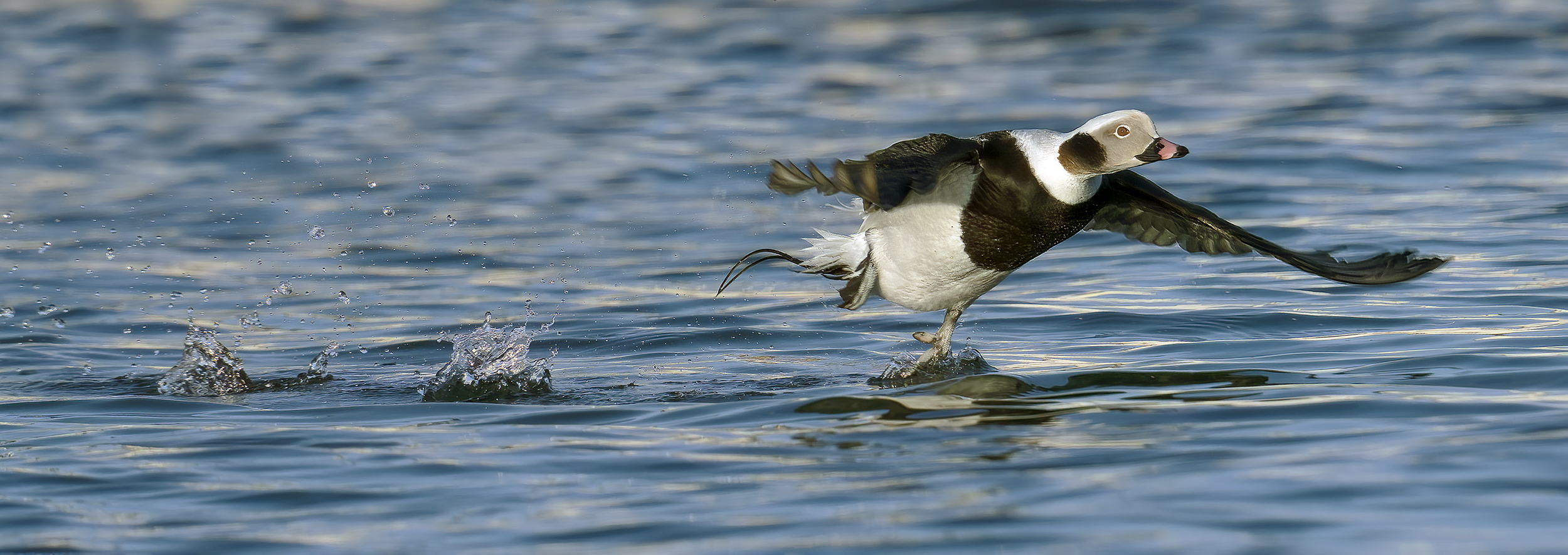
Long-tailed duck
Feb 2023, North Atlantic estuary
Edited on Apr 12, 2023 at 07:10 PM · View previous versions
Feb 2023, North Atlantic estuary
NIKON D850 500.0 mm f/5.6 lens 500mm f/8.0 1/2500s 360 ISO -1.3 EV
Edited on Apr 12, 2023 at 07:10 PM · View previous versions
Apr 11, 2023 at 10:57 AM
p.200 #8Official Nikon D850 image & resource hub thread ( images picture )
*First, I never push ducks up deliberately." It's rough out there and they're trying to make a living. We get to go home while they must live in it regardless of weather conditions.
Just 2 images from today. The battery grip on my D850 has been regularly dropping back to 7fps, distracting me just long enough.
It was a typically cold April day on the water. The north wind was gusting and so at anytime I (in my canoe on the south end) had a clear view of the north end of the basin (about 2 miles distance) the conditions were particularly harsh. Nature has no mercy. My feet are still a little cold. Once I was able to "take cover" on the south side of a point ("the lee") it was calm and so very warm basking in that solar radiation.
Today, I searched the lake for a loon pair that I hoped had made their nesting territory claim. None! Every first outing I made since 2014 the pair that was first to claim the nesting territory would detect me launching and come down to inspect.
But very sadly, last season that old male was beat up by a younger intruding male so that a leg was injured and he could not dive. I thought he would heal. I was wrong. About a week later I got word that the intruder returned and relentlessly pounded the old male so heavily that he collapsed on a sandbar. The next morning he was gone, undoubtedly grabbed in the night by a predator.
Walter Piper's loon research (Wisconsin) leads his team to believe that older males *hang onto their territory too long* and so (depending on how serious an intruding male is) this eventually results in their death. Sounds plausible to me.
I will post images in this D850 thread as a tribute to that male I knew since 2014 (there is no way to tell how many years before 2014 that he was the nesting male for this basin.). In 2021, as I was taking out, the pair came over to me as I sat on the canoe bow. I was in the middle of long covid and on a steroid. It was the only reason I had the strength to get on the water. Thoroughly exhausted, I sat on the canoe bow to regain my strength. Then, two loons appeared from the main lake and gradually began the approach that I had seen in all the other seasons. But this time they came to within 10 feet of me. They stopped moved their heads from side to side as they staired at me and softly emitted "hoot, hoot, hoot". As they did this, I said "I've missed you too." I was thrilled that these two birds remembered me, but I am not now certain that this is the reason they came so close and hooted.
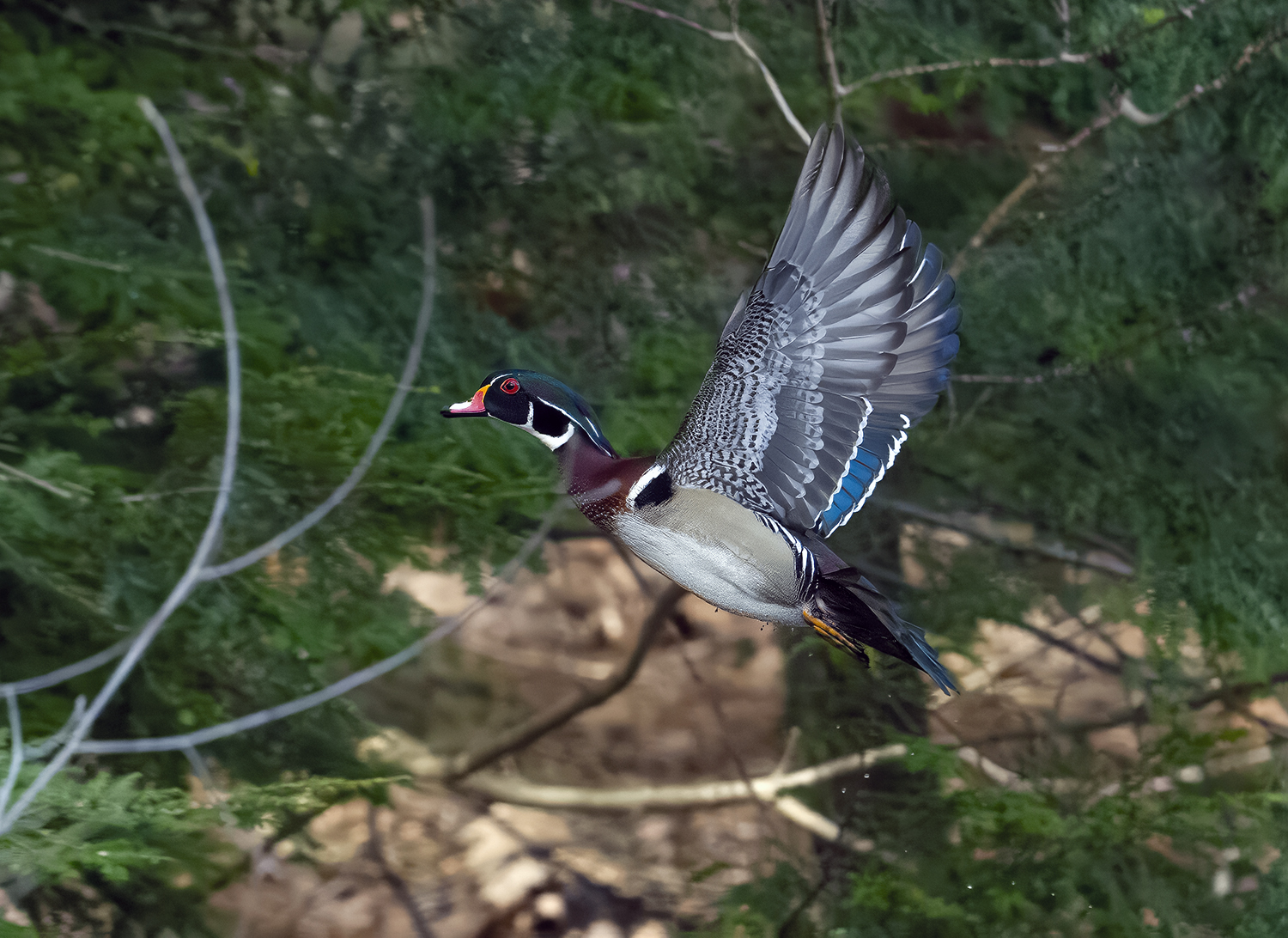
Today, twice in the windy, open outlet marsh I encountered a pair of Wood ducks. I was not willing to stop and wait for them to figure out their next move. They could stay because they were off to the side by 30 or so feet distance. But they are hunted here, and there is no way they would stay while I passed by. So I kept electric-motoring, albeit slowly, while lifting the camera to the eye. They were certain to fly anyway.
The Butterfly - I was totally surprised to see a butterfly flittering over the camp roadside. I had interrupted its basking. "What could it be living on?" I wondered. And there is a small pile of still-melting snow on the other side of this camp road.
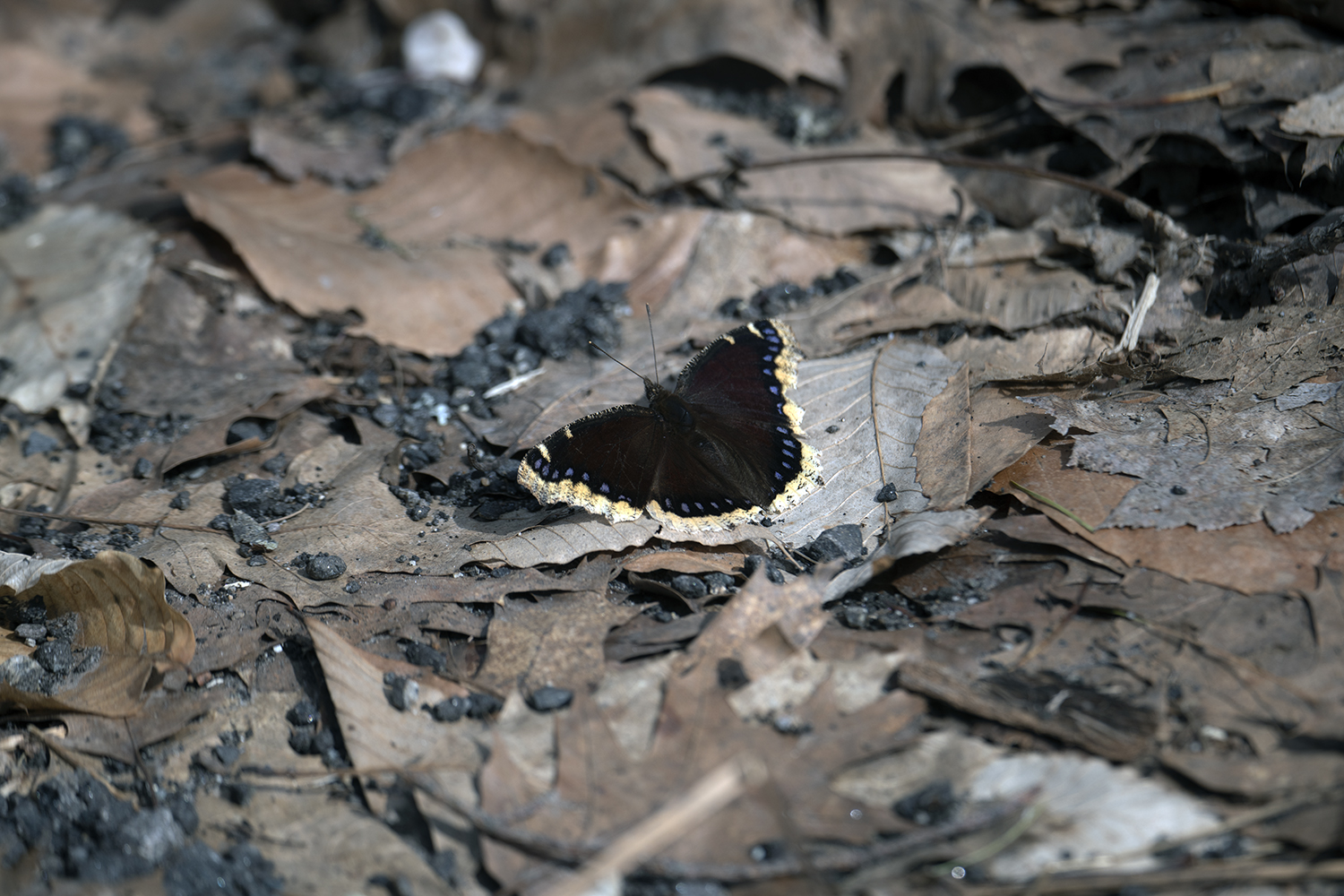
Do we have a lepidopterist on FM? Is there something different about Morning Cloaks that allow them to survive this early? There is no nectar being produced yet.... at all Zero!.
Edited on Apr 17, 2023 at 04:20 PM · View previous versions
Just 2 images from today. The battery grip on my D850 has been regularly dropping back to 7fps, distracting me just long enough.
It was a typically cold April day on the water. The north wind was gusting and so at anytime I (in my canoe on the south end) had a clear view of the north end of the basin (about 2 miles distance) the conditions were particularly harsh. Nature has no mercy. My feet are still a little cold.
Once I was able to "take cover" on the south side of a point ("the lee") it was calm and so very warm basking in that solar radiation. Today, I searched the lake for a loon pair that I hoped had made their nesting territory claim. None! Every first outing I made since 2014 the pair that was first to claim the nesting territory would detect me launching and come down to inspect.
But very sadly, last season that old male was beat up by a younger intruding male so that a leg was injured and he could not dive. I thought he would heal. I was wrong. About a week later I got word that the intruder returned and relentlessly pounded the old male so heavily that he collapsed on a sandbar. The next morning he was gone, undoubtedly grabbed in the night by a predator.
Walter Piper's loon research (Wisconsin) leads his team to believe that older males *hang onto their territory too long* and so (depending on how serious an intruding male is) this eventually results in their death. Sounds plausible to me.
I will post images in this D850 thread as a tribute to that male I knew since 2014 (there is no way to tell how many years before 2014 that he was the nesting male for this basin.). In 2021, as I was taking out, the pair came over to me as I sat on the canoe bow. I was in the middle of long covid and on a steroid. It was the only reason I had the strength to get on the water. Thoroughly exhausted, I sat on the canoe bow to regain my strength. Then, two loons appeared from the main lake and gradually began the approach that I had seen in all the other seasons. But this time they came to within 10 feet of me. They stopped moved their heads from side to side as they staired at me and softly emitted "hoot, hoot, hoot". As they did this, I said "I've missed you too." I was thrilled that these two birds remembered me, but I am not now certain that this is the reason they came so close and hooted.
Today, twice in the windy, open outlet marsh I encountered a pair of Wood ducks. I was not willing to stop and wait for them to figure out their next move. They could stay because they were off to the side by 30 or so feet distance. But they are hunted here, and there is no way they would stay while I passed by. So I kept electric-motoring, albeit slowly, while lifting the camera to the eye. They were certain to fly anyway.
The Butterfly - I was totally surprised to see a butterfly flittering over the camp roadside. I had interrupted its basking. "What could it be living on?" I wondered. And there is a small pile of still-melting snow on the other side of this camp road.
NIKON D850 500.0 mm f/5.6 lens 500mm f/8.0 1/2500s 7200 ISO -1.3 EV
Do we have a lepidopterist on FM? Is there something different about Morning Cloaks that allow them to survive this early? There is no nectar being produced yet.... at all Zero!.
NIKON D850 500.0 mm f/5.6 lens 500mm f/5.6 1/500s 64 ISO -1.7 EV
Edited on Apr 17, 2023 at 04:20 PM · View previous versions
Apr 12, 2023 at 04:37 PM
p.200 #9Official Nikon D850 image & resource hub thread ( images picture )
Yesterday I asked if we had a lepidopterist on board. The reason I asked is because the above butterly flittered by me mid-morning.
WAIT! There are no butterflies in April in Maine. That's because there is no available nectar (none!) because there are no flowers yet.
So I found the answer yesterday in a Wiki reference:
Pollination[edit]
Mourning cloak butterflies are not known to be significant pollinators, since their primary food source is sap of deciduous trees rather than flowering plants. However, they still can occasionally act as pollinators.[8][25]
*The adult Morning Cloak's primary food is the SAP of Deciduous trees.*
Robert
Apr 14, 2023 at 10:24 AM
p.200 #10Official Nikon D850 image & resource hub thread ( images picture )
I don't know if this is the right thread, but anyway.
When shooting landscapes and focus stacks, is there any reasons not to use silent shutter? I read somewhere, that electronic shutter somehow reduces image quality. But if so, how noticeable is it? For example, noise or highlight clipping / lifting shadows? Thanks.
When shooting landscapes and focus stacks, is there any reasons not to use silent shutter? I read somewhere, that electronic shutter somehow reduces image quality. But if so, how noticeable is it? For example, noise or highlight clipping / lifting shadows? Thanks.
May 12, 2023 at 03:57 AM
p.200 #11Official Nikon D850 image & resource hub thread ( images picture )
M_J_Helin wrote:
When shooting landscapes and focus stacks, is there any reasons not to use silent shutter? I read somewhere, that electronic shutter somehow reduces image quality. But if so, how noticeable is it? For example, noise or highlight clipping / lifting shadows? Thanks.
My experience with Z6 and EFCS is: if the delay between two consecutive shots is not long enough, shutter-closure-induced-vibration can ruin the images. Be sure the next shot is taken after the vibrations have been dumpened.
May 12, 2023 at 04:34 AM
p.200 #12Official Nikon D850 image & resource hub thread ( images picture )
Ripolini wrote:
My experience with Z6 and EFCS is: if the delay between two consecutive shots is not long enough, shutter-closure-induced-vibration can ruin the images. Be sure the next shot is taken after the vibrations have been dumpened.
Yeah, previously I've shot landscapes with mirror up and two seconds delay. But now when this D850 has electronic shutter, eg no need to use mechanical shutter, is there any good reasons not to use it? Does using electronic shutter lead to higher noise, smaller bit depth or things like that?
M_J_Helin wrote
When shooting landscapes and focus stacks, is there any reasons not to use silent shutter? I read somewhere, that electronic shutter somehow reduces image quality. But if so, how noticeable is it? For example, noise or highlight clipping / lifting shadows? Thanks.Yeah, previously I've shot landscapes with mirror up and two seconds delay. But now when this D850 has electronic shutter, eg no need to use mechanical shutter, is there any good reasons not to use it? Does using electronic shutter lead to higher noise, smaller bit depth or things like that?
May 12, 2023 at 05:39 AM
p.200 #13Official Nikon D850 image & resource hub thread ( images picture )
bs kite wrote:
Common Loon chick at 84 days-of-age as it is practicing to make its first flight.
Loon parents need about 90 days to develop a chick to the point where it can make its first successful flight.
Honestly, the quality of the 200-500mm is just crazy. Prime territory.
Common Loon chick at 84 days-of-age as it is practicing to make its first flight.
Loon parents need about 90 days to develop a chick to the point where it can make its first successful flight.
Honestly, the quality of the 200-500mm is just crazy. Prime territory.
May 14, 2023 at 08:57 AM
p.200 #14Official Nikon D850 image & resource hub thread ( images picture )
D850 + Zeiss ZF.2 lenses.
 |
||
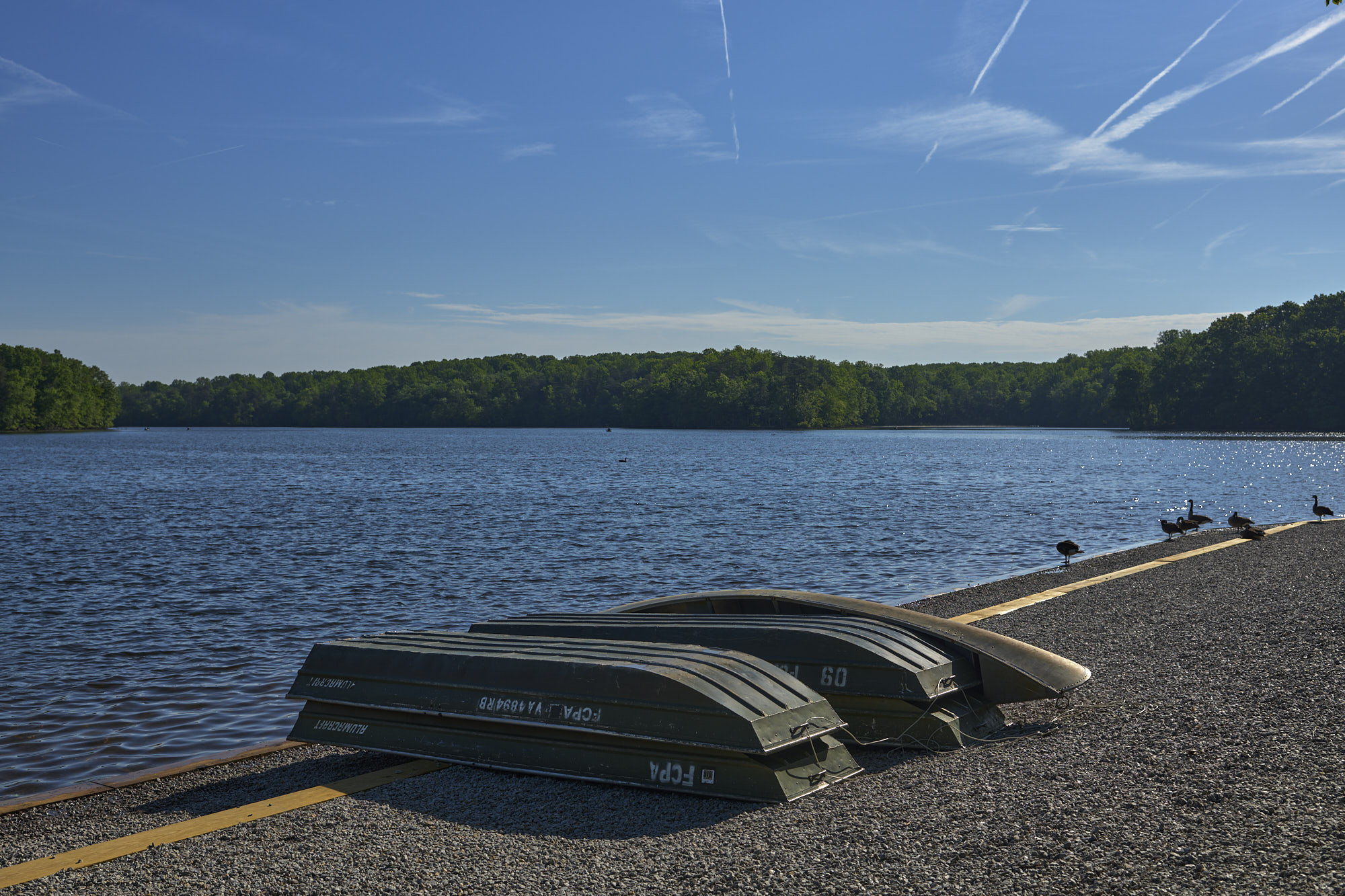 © ocean2059 2023 |
||
|
NIKON D850 Zeiss Milvus 1.4/35 ZF.2 (Nikon F) lens 35mm f/5.0 1/800s 64 ISO -0.3 EV
|
||
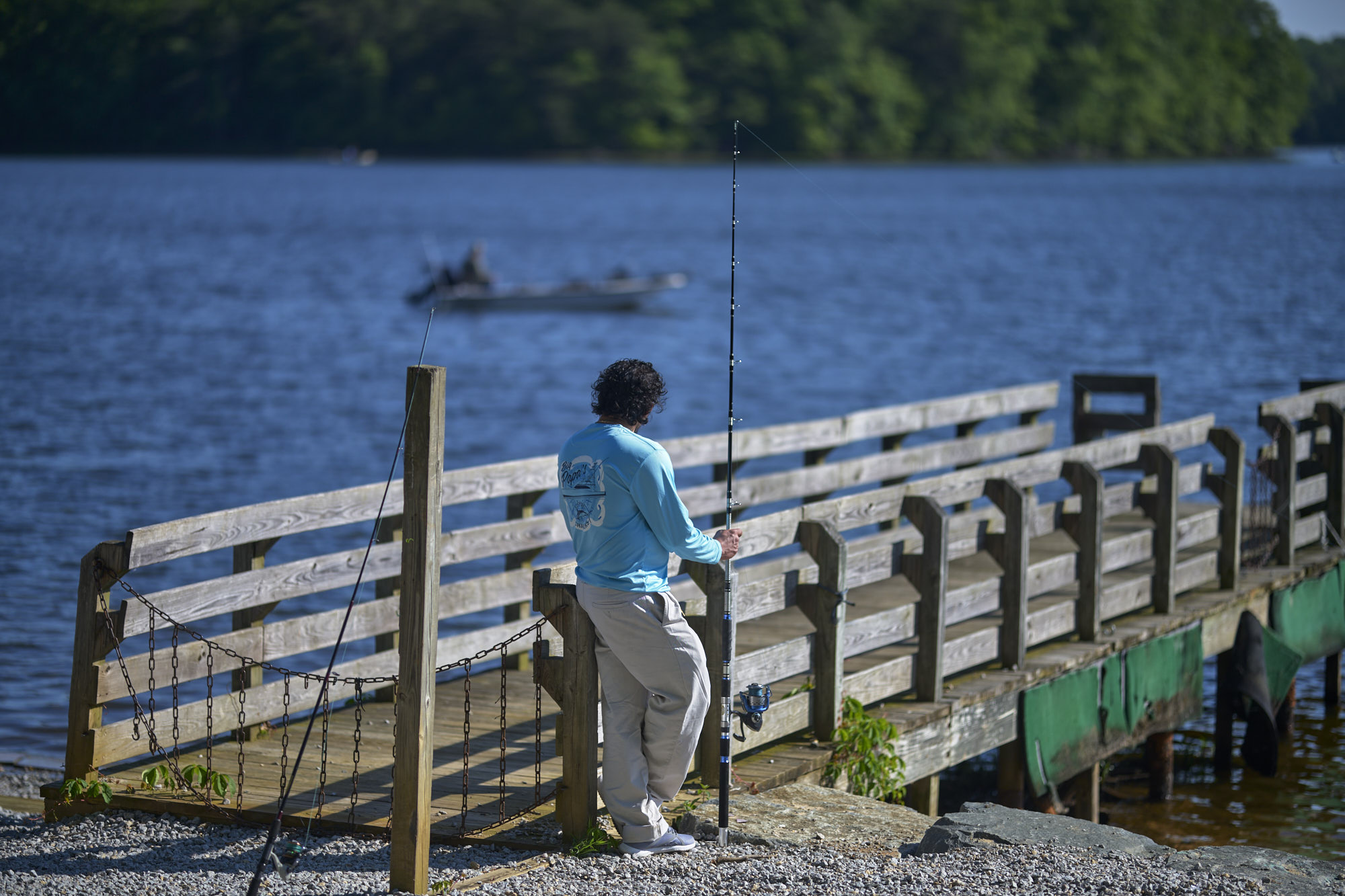 © ocean2059 2023 |
||
|
NIKON D850 Zeiss Otus 1.4/100 ZF.2 (Nikon F) lens 100mm f/1.4 1/8000s 64 ISO -0.3 EV
|
||
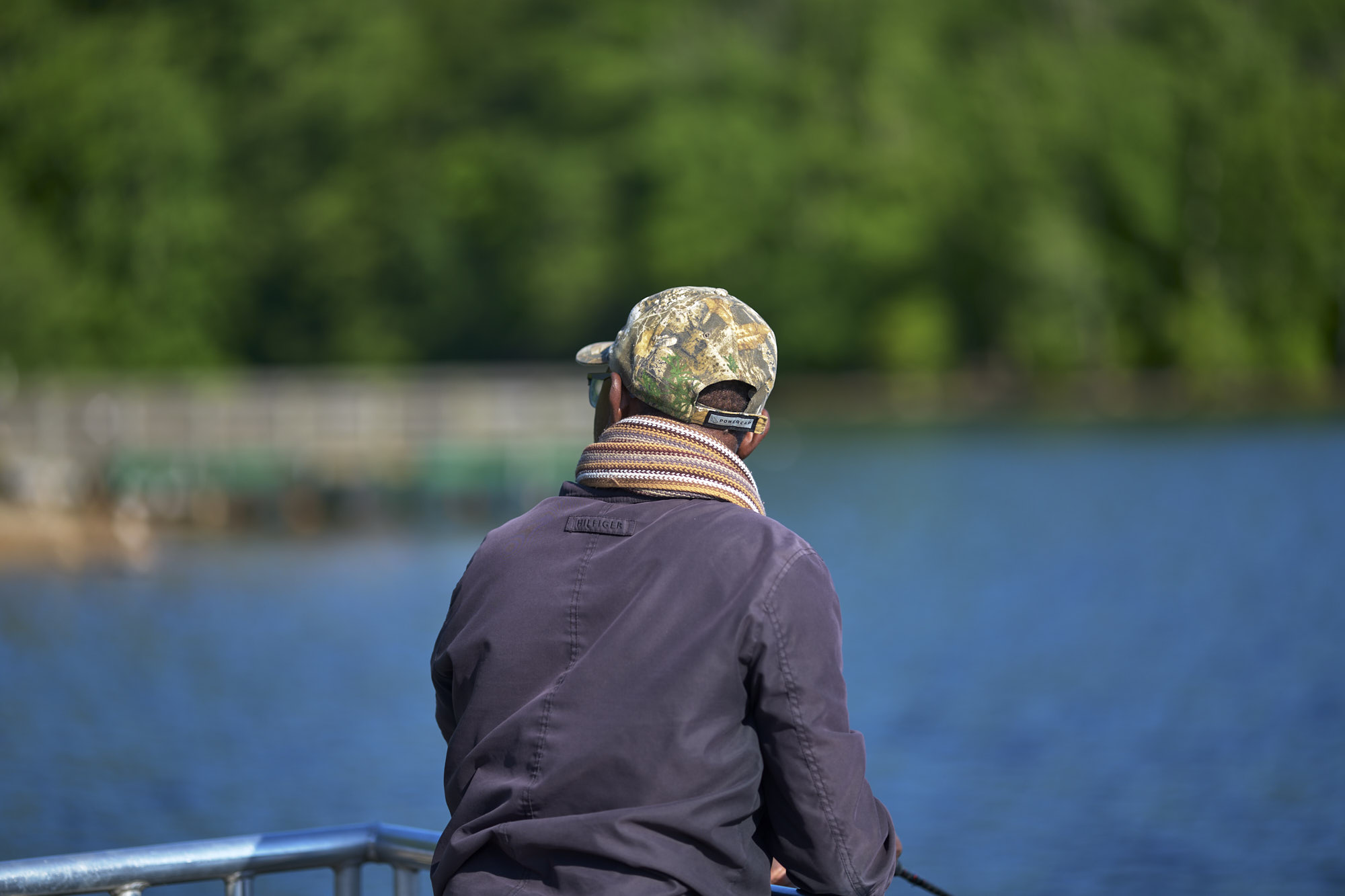 |
||
|
NIKON D850 Zeiss Otus 1.4/100 ZF.2 (Nikon F) lens 100mm f/1.8 1/3200s 64 ISO -0.3 EV
May 14, 2023 at 09:50 AM
p.200 #15Official Nikon D850 image & resource hub thread ( images picture )
Tyr-Sog wrote:
Loon parents need about 90 days to develop a chick to the point where it can make its first successful flight.Honestly, the quality of the 200-500mm is just crazy. Prime territory.
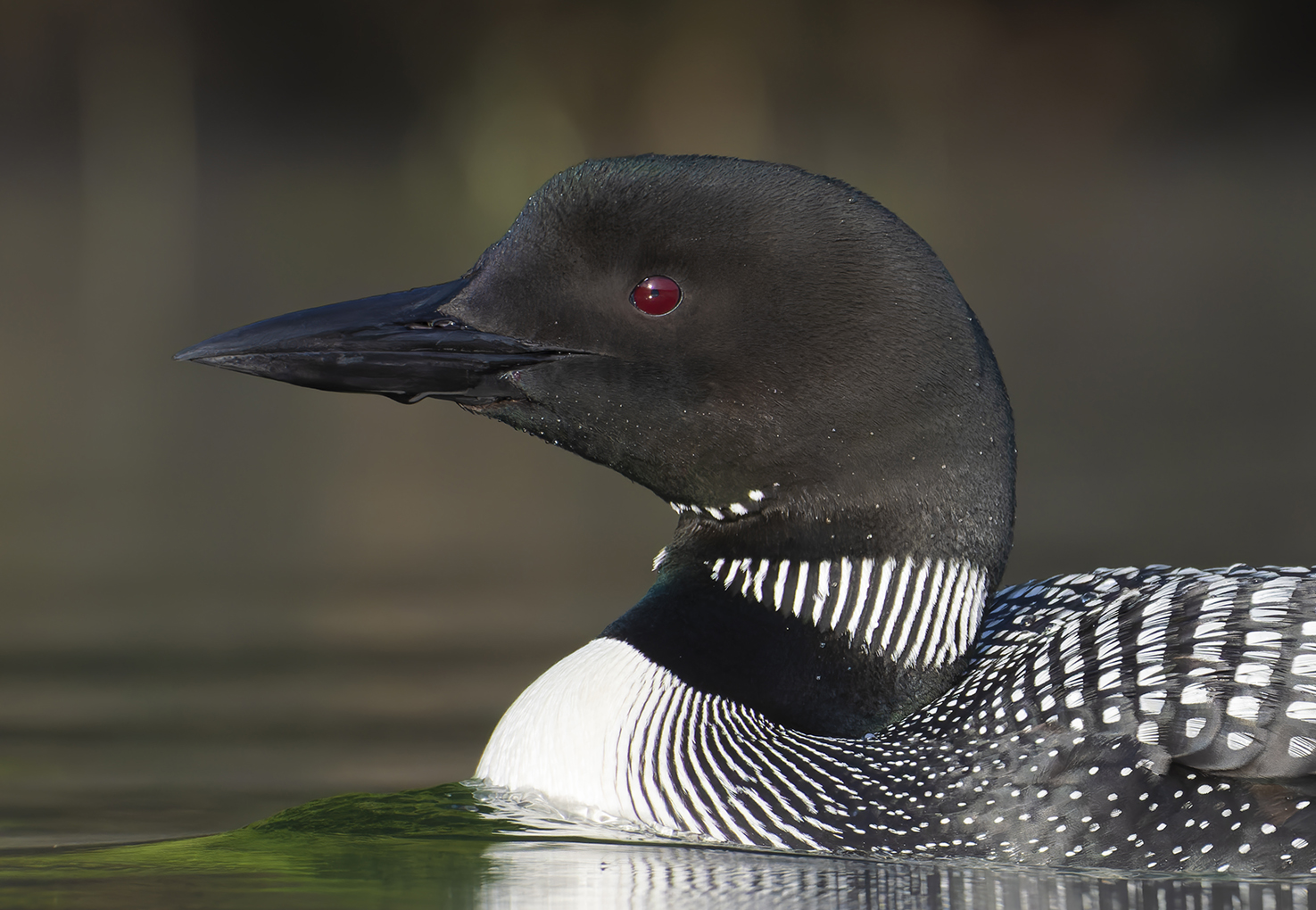
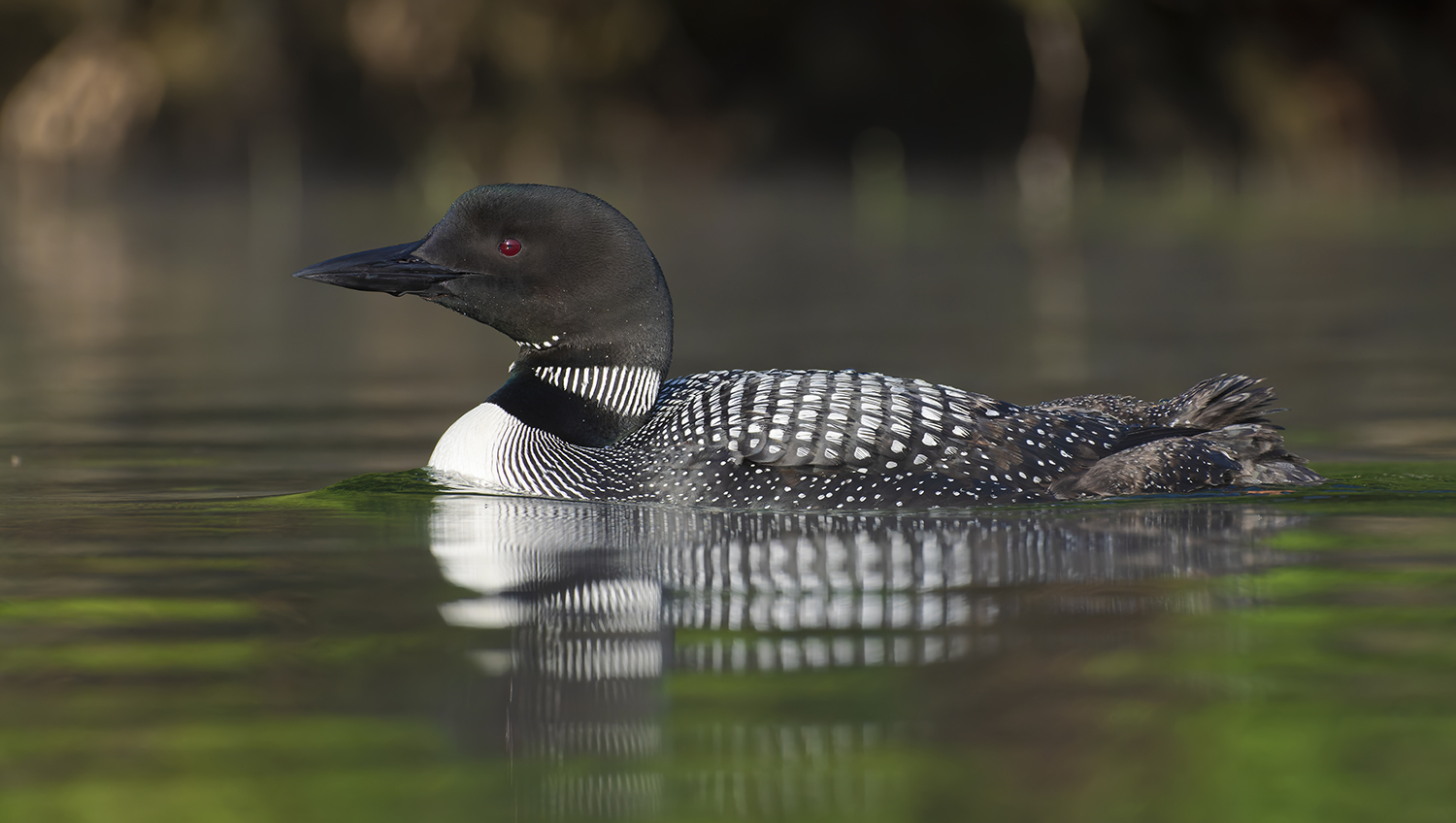
I agree with you. Here is another taken with the 200-500.
200%
67%
bs kite wrote
Common Loon chick at 84 days-of-age as it is practicing to make its first flight.Loon parents need about 90 days to develop a chick to the point where it can make its first successful flight.
I agree with you. Here is another taken with the 200-500.
200%
NIKON D850 200.0-500.0 mm f/5.6 lens 500mm f/8.0 1/2500s 1250 ISO -1.0 EV
67%
NIKON D850 200.0-500.0 mm f/5.6 lens 500mm f/8.0 1/2500s 1250 ISO -1.0 EV
May 14, 2023 at 10:14 AM
p.200 #16Official Nikon D850 image & resource hub thread ( images picture )
Crane of the setting sun
d850 / 500pf
https://live.staticflickr.com/65535/52956884220_e8c52f28af_o.jpg
d850 / 500pf
https://live.staticflickr.com/65535/52956884220_e8c52f28af_o.jpg
Jun 06, 2023 at 06:56 PM
p.200 #17Official Nikon D850 image & resource hub thread ( images picture )
bs kite wrote:
Long-tailed duck
Feb 2023, North Atlantic estuary
That's a superb image, Robert!
Long-tailed duck
Feb 2023, North Atlantic estuary
That's a superb image, Robert!
Jun 07, 2023 at 02:58 AM
p.200 #18Official Nikon D850 image & resource hub thread ( images picture )
bs kite wrote:
Common Loon chick at 84 days-of-age as it is practicing to make its first flight.
Loon parents need about 90 days to develop a chick to the point where it can make its first successful flight.
Also, excellent!
Common Loon chick at 84 days-of-age as it is practicing to make its first flight.
Loon parents need about 90 days to develop a chick to the point where it can make its first successful flight.
Also, excellent!
Jun 07, 2023 at 02:59 AM
p.200 #19Official Nikon D850 image & resource hub thread ( images picture )
Thank you so much Lance
Jun 07, 2023 at 05:02 AM

p.200 #20Official Nikon D850 image & resource hub thread ( images picture )
ocean2059 wrote:
D850 + Zeiss ZF.2 lenses.
Love the rendering of this series.
Luka
D850 + Zeiss ZF.2 lenses.
Love the rendering of this series.
Luka
Jun 07, 2023 at 06:55 AM