Parariss wrote:
Seems like it might also depend on what kind of photos someone wants to take. To me, a 15mm (and to a somewhat lesser extent, an 18mm) creates more perspective distortion which is really fun to utilize in creating unique derivative photographic art, but the results are often not as natural looking (especially indoors) as slightly longer focal lengths. So, if the objective is to document more authentically what it was like to be in a space (and maintain the original proportionality of the resident artwork), the 21mm might actually be easier to work with. No wrong answers; only preferences.
In any event, it seems clear that while the Loxia has the added benefit of being already paid for, it's also indisputable that this trip offers the perfect excuse to go get a new lens!! ...Show more →
Some of it depends on what counts as natural. If you look inside a bid space like a cathedral and think about what it looks like from a certain perspective taking a wide angle of view, you start to realize that it really does - or really can - look just like an ultra wide lens shows - 'distortion' and all. It's just that we often don't see that way but rather move from detail to detail.
This is a very interesting thread for me. I am currently shooting w/ the Nikon D800 / 14-24 combo and looking to go lighter for my backpacking adventures. I can lose a lot weight by switching to a A7R2 / Loxia 21 combo, but was wondering if I would miss the wide 14mm... I wish there was a good native 14mm lens for the Sony.
Voigtlander's 15mm e-mount is also very good, but you need to check it carefully. The newer ones seem to be OK, but the first group had a problem with corner sharpness.
mattpayne11 wrote:
RE: Laowa 12...Looks promising... but its not all that much lighter than the 14-24...
If you want something smaller and lighter in Sony E-mount, you cannot go wrong with the Voigtlander 12mm f/5.6 Hyper Wide. Yes, it is slow but as a landscape lens, you will be mounting your setup on a tripod anyway. It is truly an excellent landscape lens and most of the time, you use it at f/11 anyway with gobs and gobs of depth-of-field. Several folks posted the results on that big Sony FE thread, including myself, but too bad they are buried deep in that thread.
Great images Joshua! I like the lens too. Do you think F11 is better than F8? I have not compared to know. Also, do you have any tips on landscape focusing? Just set on infinity hard stop?
Luvwine wrote:
Great images Joshua! I like the lens too. Do you think F11 is better than F8? I have not compared to know. Also, do you have any tips on landscape focusing? Just set on infinity hard stop?
Thank you, Stephen! Frankly, I am not sure about the difference in IQ between f/8 and f/11 but since it is a landscape lens, I figured, I might as well stop it down to f/11 , most of the time. In a few occasions, I stop the lens down even further. I do not see any ill-effect of defraction but I am not looking for any . I am may be an odd ball in this respect, but I do not set the focus at hard infinity stop. Most of the time I set the focusing ring at a little over 2m unless I know that the shortest distance to the object is less than 2m. According to the DOF scale of the lens, at f/11 infinity is covered by a huge "amount". Again, I do not see any blurred corners/edges at the foreground nor at infinity at that setting. If I know that I would be capturing distant landscape, after I turn the focus ring to the infinity hard stop, I back it down a smidgen.
AGeoJO wrote:
If you want something smaller and lighter in Sony E-mount, you cannot go wrong with the Voigtlander 12mm f/5.6 Hyper Wide. Yes, it is slow but as a landscape lens, you will be mounting your setup on a tripod anyway. It is truly an excellent landscape lens and most of the time, you use it at f/11 anyway with gobs and gobs of depth-of-field. Several folks posted the results on that big Sony FE thread, including myself, but too bad they are buried deep in that thread.
Here are a few images taken with that lens:
Those are great images, sir... unfortunately, I use my WA lens for two things - landscapes and astrophotography. I need f/2.8 or better. This is a huge dilemna for me right now because the 14-24 f/2.8 can do both very well. I'm finding that if I switch to either Fuji or Sony I will have to compromise one way or another.
Dec 26, 2016 at 05:40 PM
Steve Spencer Offline • • • • • • • Upload & Sell: Off
mattpayne11 wrote:
Those are great images, sir... unfortunately, I use my WA lens for two things - landscapes and astrophotography. I need f/2.8 or better. This is a huge dilemna for me right now because the 14-24 f/2.8 can do both very well. I'm finding that if I switch to either Fuji or Sony I will have to compromise one way or another.
A two lens solution with the Samyang 14 f/2.8 and the Zeiss Loxia 21 f/2.8 ought to work well for Sony. If you want an f/2.8 zoom, then there ought to be a Sony GM 16-35 or there abouts offered next year.
Steve Spencer wrote:
A two lens solution with the Samyang 14 f/2.8 and the Zeiss Loxia 21 f/2.8 ought to work well for Sony. If you want an f/2.8 zoom, then there ought to be a Sony GM 16-35 or there abouts offered next year.
Agreed; however, those two lenses combined weigh the same as my 14-24, which defeats the purpose of my going w/ Sony to begin with (less weight).
mattpayne11 wrote:
Those are great images, sir... unfortunately, I use my WA lens for two things - landscapes and astrophotography. I need f/2.8 or better. This is a huge dilemna for me right now because the 14-24 f/2.8 can do both very well. I'm finding that if I switch to either Fuji or Sony I will have to compromise one way or another.
I think you have a few choices.
1) Go with the Batis 18. That will be a compromise on FL but kind of sits in a nice spot in the middle. Wide enough and fast enough to be a very good astro lens and you're saving a ton of weight.
2) 15mm Voigtlander and 21mm Loxia. This is still smaller/lighter than the 14-24 and will get you basically the same thing, maybe with even better IQ, for non-astro use. Astro wise obviously you're not shooting with the Voigt but the Loxia is a very good astro lens if 21mm works for you. You can always stitch to get wider, though that is extra work both in the field and in post.
3) 12mm Voigt and 18mm Batis. Similar to #2, just with different FLs. That Batis gets you a little wider for astro, and the 12mm is even wider than you previously were able to shoot with on the Nikon for non-astro stuff.
4) Laowa 15mm F2 and Loxia 21. Not a lot of info on the Laowa yet and it's not out yet. Not sure how big it will be but this will likely be at worst the same weight as the Nikon, and of course you get that extra stop at 15mm which can be big for astro.
5) Some combination of the above, except with the Tokina 20mm F2 instead of the Loxia/Batis. Again, only a couple reviews of the Tokina so far but if it's good you're getting that extra stop at both 15mm and 20mm which is a big advantage over the Nikon when you're shooting astro.
It's also worth noting that in all of these scenarios you're likely looking at as good if not better IQ than the venerable 14-24, and of course much better flare resistance which is an area where the 14-24 is very weak. You're dropping the fragile bulbous front element and getting easier filter access as well, so even if weight is similar there are other advantages. Lastly, having them as two separate lenses means you can leave one at home depending on the shoot so sometimes you will only be carrying half the weight.
I am facing the same decision as I currently use an adapted 14-24 and am tired of lugging it around, especially with the giant annoying filter system I have for it. To be fair though it's the size of the 14-24 (especially with the filter holder) that bothers me more than the weight. Right now I am leaning towards Laowa 15mm F2 (when it releases) and the Loxia 21, though I will consider the Tokina depending on the reviews.
1) Go with the Batis 18. That will be a compromise on FL but kind of sits in a nice spot in the middle. Wide enough and fast enough to be a very good astro lens and you're saving a ton of weight.
2) 15mm Voigtlander and 21mm Loxia. This is still smaller/lighter than the 14-24 and will get you basically the same thing, maybe with even better IQ, for non-astro use. Astro wise obviously you're not shooting with the Voigt but the Loxia is a very good astro lens if 21mm works for you. You can always stitch to get wider, though that is extra work both in the field and in post.
3) 12mm Voigt and 18mm Batis. Similar to #2, just with different FLs. That Batis gets you a little wider for astro, and the 12mm is even wider than you previously were able to shoot with on the Nikon for non-astro stuff.
4) Laowa 15mm F2 and Loxia 21. Not a lot of info on the Laowa yet and it's not out yet. Not sure how big it will be but this will likely be at worst the same weight as the Nikon, and of course you get that extra stop at 15mm which can be big for astro.
5) Some combination of the above, except with the Tokina 20mm F2 instead of the Loxia/Batis. Again, only a couple reviews of the Tokina so far but if it's good you're getting that extra stop at both 15mm and 20mm which is a big advantage over the Nikon when you're shooting astro.
It's also worth noting that in all of these scenarios you're likely looking at as good if not better IQ than the venerable 14-24, and of course much better flare resistance which is an area where the 14-24 is very weak. You're dropping the fragile bulbous front element and getting easier filter access as well, so even if weight is similar there are other advantages. Lastly, having them as two separate lenses means you can leave one at home depending on the shoot so sometimes you will only be carrying half the weight.
I am facing the same decision as I currently use an adapted 14-24 and am tired of lugging it around, especially with the giant annoying filter system I have for it. To be fair though it's the size of the 14-24 (especially with the filter holder) that bothers me more than the weight. Right now I am leaning towards Laowa 15mm F2 (when it releases) and the Loxia 21, though I will consider the Tokina depending on the reviews.
Good advice and good post. I know I can get great results out of the Loxia 21, it looks so damn good... and the sunstars look so pretty. I know I can always stitch two shots if I want similar field of view as the 14-24... and I am not really worried about astro w/ the Loxia 21 as I can use the same strategy, just a few more shots to stitch together. I've done the math, and by going Sony a7r2 + Loxia 21 + 55 1.8 + 70-200 f/4 or 70-300... it weights 5 lbs less than my Nikon set-up covering the same focal length. My only last hesitation is that Sony does not have a good telephoto option right now and I know I will want that... the Fuji Xt2 setup is appealing because I can get a 100-400 down the road if I want... but their WA lenses and sunstars do not impress me.. but the system is lighter.
Sorry for the rant but it is more or less where I'm at and writing it down does help haha.
stevei wrote:
As I understand it, Zeiss's published MTF graphs are from physical samples of the lenses? That being the case, you'd expect the Batis 18 to be more similar to the Loxia 21 than it is in Fred's comparison, so it seems possible Fred has a better than average Loxia 21 and/or a worse than average Batis 18. It would definitely be interesting to see a comparison with multiple copies.
Yes, I think this is right in statistical and testing terms, and Fred really says as much. The Loxia was handpicked for excellence by Zeiss itself after Fred found several other copies to be sufficiently unsatisfactory to keep. The Batis 18 seems to be an off-the-shelf sample of one. In testing terms, they really are not comparable.
A fairer comparison would be a random selection of one of the copies that Fred did not keep because it was unsatisfactory against the one Batis that he tested. This would at least compare two randomly chosen samples of each lens, though each would still only be a single copy and this would limit the generalizability of the results.
Alternatively, Fred could ask Zeiss to send him a hand-selected excellent copy of the Batis 18 for comparison against his copy of the the 21mm.
The Zeiss MTF curves, created from averages of multiple actual samples of each of the lenses, are a fairer guide in testing and statistical terms, and likely a better predictor of what you will get if you buy one lens rather than the other.


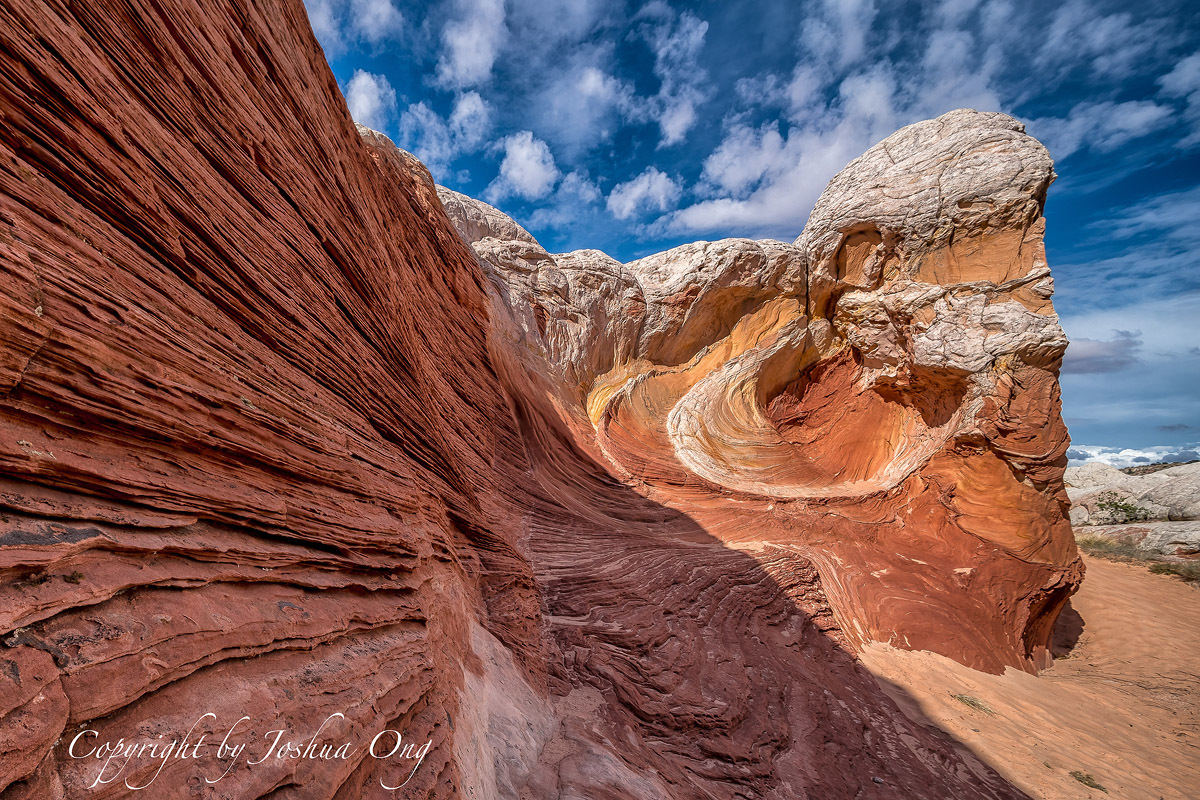

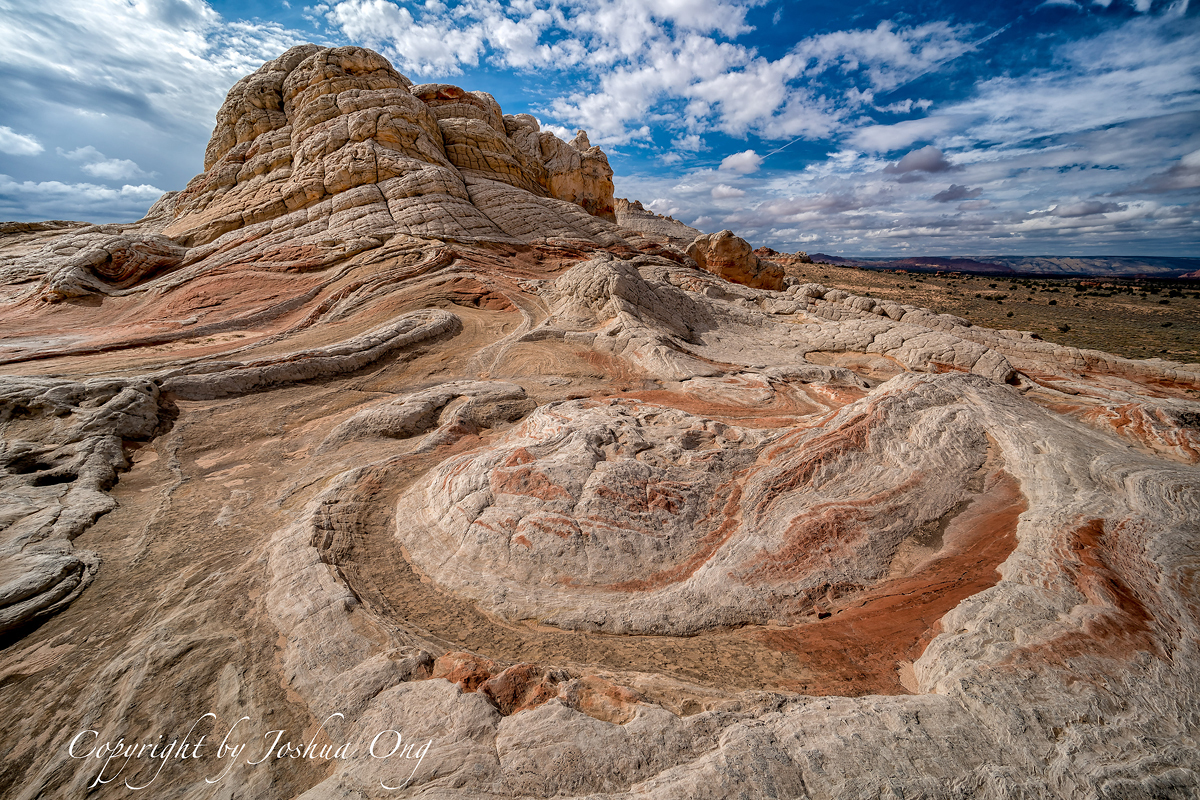
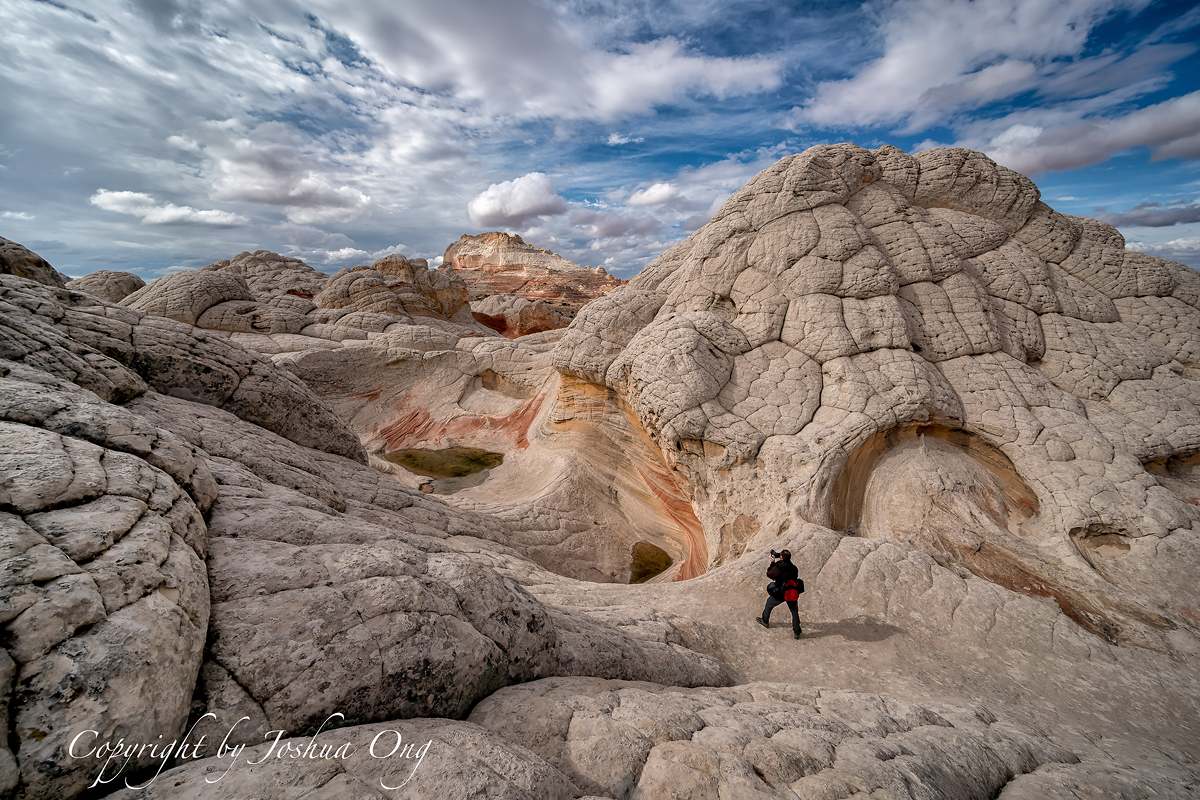
 , most of the time. In a few occasions, I stop the lens down even further. I do not see any ill-effect of defraction but I am not looking for any