This topic is in the 2015 archive. You can read it and like its posts here. It is read only.
Archive 2015A7rII Photographic Dynamic Range results posted
p.1 #1A7rII Photographic Dynamic Range results posted
Bill Claff has posted his PDR results for the A7rII. Links:
A7rII vs A7r vs A7s graphed on Bill's Site
DPreview thread
Cliffs: At ISO 100 the A7rII is about 1/5EV behind the A7r. Starting at ISO 640 the A7rII jumps ahead of both the A7r and A7s, with 1/2EV more DR than the A7s and 2/3EV more than the A7r. Starting at ISO 2000 the A7rII and A7s are equal until ISO 32,000 (A7r trailing both by 1/2EV), where the A7rII jumps ahead of the A7s by 2/3EV until ISO 102,400 where they are equal again - but this is due to noise reduction being applied to the raw data, per FFT analysis here.
Note that unlike DxO's engineering DR measurements that sets the allowable noise floor all the way down to an SNR of 1:1, Bill's PDR uses a higher SNR cutoff based on the belief that the noise down at 1:1 is unusable for photographic purposes, thus the name "photographic dynamic range" (more details here).
Edited on Aug 13, 2015 at 07:14 AM · View previous versions
Aug 13, 2015 at 12:20 AM
p.1 #2A7rII Photographic Dynamic Range results posted
+1. We have already expected this, now wait until the RS version that darn thing will burn our socks off: https://www.fredmiranda.com/forum/topic/1380932/0#13148240
Aug 13, 2015 at 12:46 AM
p.1 #3A7rII Photographic Dynamic Range results posted
Interesting at base ISO that 50 and 100 are equal. Users may like to see how your highlight clipping is displayed at 50 and 100 iso with regards to headroom. My experience with the A7r is that if it shows clipping at 50 iso it's clipping in the RAW file but at 100 you have an extra stop so if you want to confidently squeeze the most DR from an ETTR setup then 50 iso may be your preferred choice.
Aug 13, 2015 at 01:27 AM
p.1 #4A7rII Photographic Dynamic Range results posted
shirozina wrote:
Interesting at base ISO that 50 and 100 are equal. Users may like to see how your highlight clipping is displayed at 50 and 100 iso with regards to headroom. My experience with the A7r is that if it shows clipping at 50 iso it's clipping in the RAW file but at 100 you have an extra stop so if you want to confidently squeeze the most DR from an ETTR setup then 50 iso may be your preferred choice.
One day someone will offer us a RAW histogram (and it'll only cost a $1000 upgrade)
Aug 13, 2015 at 02:31 AM
p.1 #5A7rII Photographic Dynamic Range results posted
The A7R II beats the 5DsR also above ISO 800 - something I didn't expect. The A7R is even with the 5DsR above ISO 800.
Aug 13, 2015 at 05:43 AM
p.1 #6A7rII Photographic Dynamic Range results posted
Updated OP to reflect that the A7rII is applying raw-based NR starting at ISO 32,000.
Aug 13, 2015 at 07:14 AM
p.1 #7A7rII Photographic Dynamic Range results posted
snapsy wrote:
Bill Claff has posted his PDR results for the A7rII. Links:
A7rII vs A7r vs A7s graphed on Bill's Site
DPreview thread
Cliffs: At ISO 100 the A7rII is about 1/5EV behind the A7r. Starting at ISO 640 the A7rII jumps ahead of both the A7r and A7s, with 1/2EV more DR than the A7s and 2/3EV more than the A7r. Starting at ISO 2000 the A7rII and A7s are equal until ISO 32,000 (A7r trailing both by 1/2EV), where the A7rII jumps ahead of the A7s by 2/3EV until ISO 102,400 where they are equal again - but this is due to...Show more →
Thank you for posting this. Jim Kasson's PDR also bases on Bill's definition. However, seeing that there is a ceiling at 11.5EV DR with the current cameras, I wonder if this shows the limitation of the method itself. If they can incorporate something like RED Epic Dragon to show that such hard ceiling can actually be crossed.
By the way, from the chart, I see one whole EV more of DR on the A7RII compared to the A7R (around 1000 on). And despite what Nikon shooters think, the D810 has the same DR at ISO64 (again this could be the method's limitation). However, Tony N. tests show similar thing in real world shooting, while DxO seems to exaggerate it.
Aug 13, 2015 at 08:47 AM
p.1 #8A7rII Photographic Dynamic Range results posted
I'm at odds with the science myself. I think the A7rII has slightly more DR in the shadows but the ability not to blow as fast in the highlights. I'm sticking to my1/2 stop theory. That's me though and I'm not going to test it either. Really a waste of time to be honest. If C1 can pull my shadows up and highlights down with great results that is my end game. So far that's what I'm seeing in the real world.
The one thing that caught my eye was ISO 50 is the same DR as 100. If that's true than ISO 50 can be extremely useful to me.
The one thing that caught my eye was ISO 50 is the same DR as 100. If that's true than ISO 50 can be extremely useful to me.
Aug 13, 2015 at 09:02 AM

p.1 #9A7rII Photographic Dynamic Range results posted
GMPhotography wrote:
I'm at odds with the science myself. I think the A7rII has slightly more DR in the shadows but the ability not to blow as fast in the highlights. I'm sticking to my1/2 stop theory. That's me though and I'm not going to test it either. Really a waste of time to be honest. If C1 can pull my shadows up and highlights down with great results that is my end game. So far that's what I'm seeing in the real world.
The one thing that caught my eye was ISO 50 is the same DR as 100. If that's true...Show more →
Your not really at odds with the science. That 1/2 stop is just at 800 ISO and above (or if you want to be precise 650 and above and about 2/3 of a stop).
Aug 13, 2015 at 09:52 AM
p.1 #10A7rII Photographic Dynamic Range results posted
Steve here is just a snap shot really. Did nothing to it except fix the perspective on it with the Batis 25. Here is the thing there really is no solid black anywhere. I have the highlight shadow warning on and zilch. Its about as perfect a exposure as you can get and yet I am in the worst place I think in the world for light. Its so stinking bright in Arizona I can't tell you . This is DR testing heaven. 
But here is the thing I remember the A7r being a little more blocked up in the shadows. But I admit its been awhile since I shot it. But the bottom line with this much harsh light nothing is blowing apart and the shadows look very good as the are. Sure I could punch it up some but this is darn clean
Oh and if had not noticed the Batis 25 is a serious winner. Seriously out of some of the whining , I'm sitting here with a huge grin on my face. Im loving this cam by a truck load. The 12 bit , long exposure stuff is about my only issue.
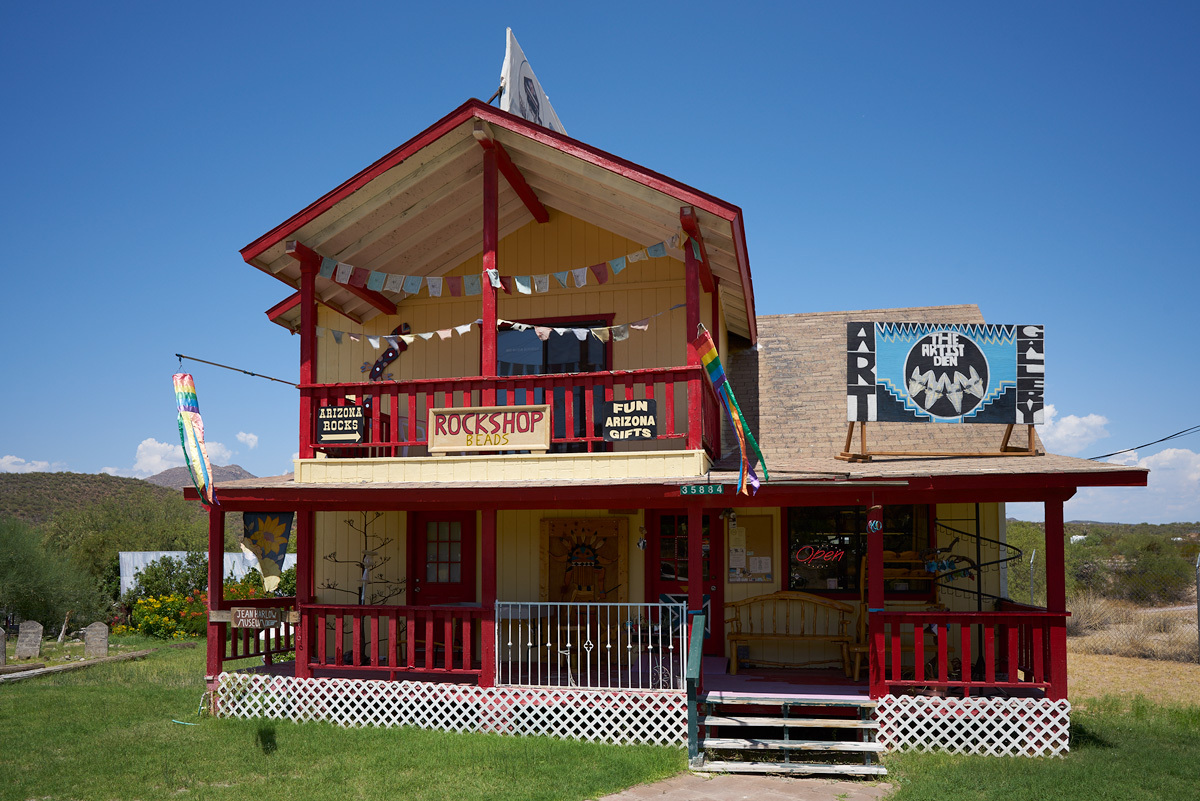
But here is the thing I remember the A7r being a little more blocked up in the shadows. But I admit its been awhile since I shot it. But the bottom line with this much harsh light nothing is blowing apart and the shadows look very good as the are. Sure I could punch it up some but this is darn clean
Oh and if had not noticed the Batis 25 is a serious winner. Seriously out of some of the whining , I'm sitting here with a huge grin on my face. Im loving this cam by a truck load. The 12 bit , long exposure stuff is about my only issue.
Aug 13, 2015 at 10:13 AM
p.1 #11A7rII Photographic Dynamic Range results posted
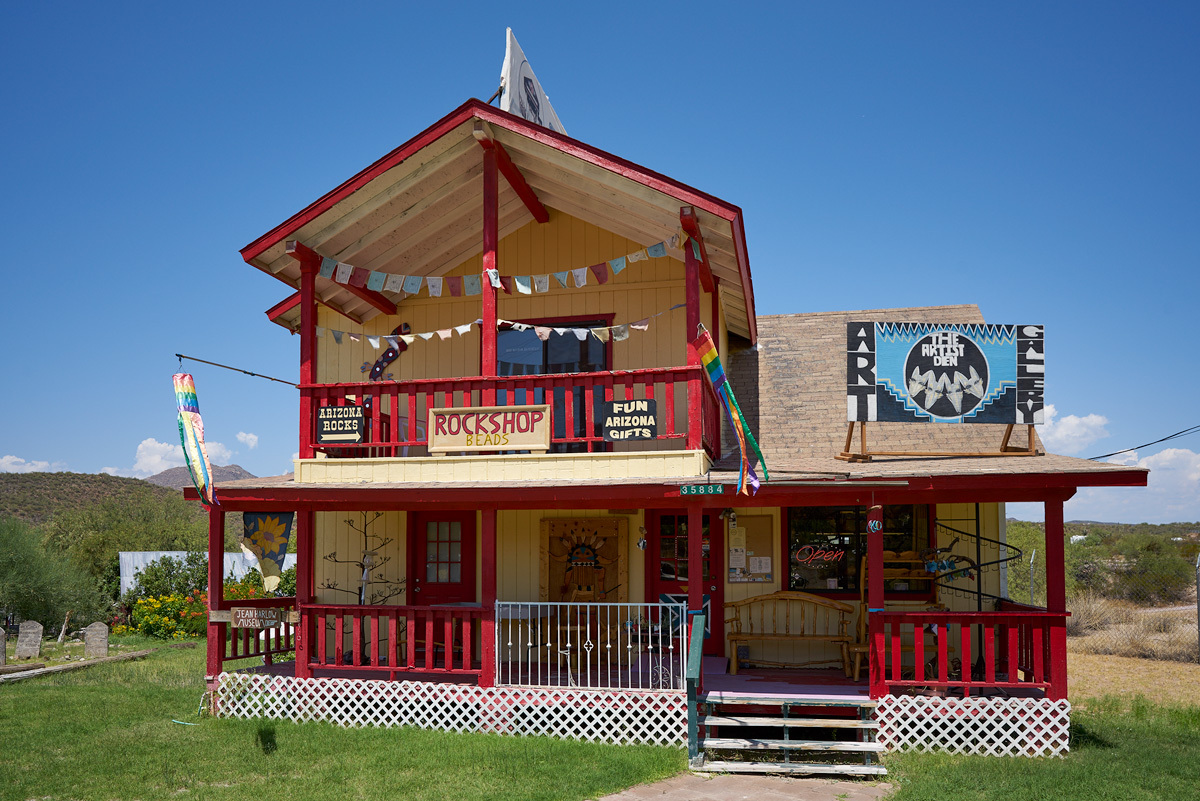
Now if I was going to fix it than I would give a 20 percent increase in the shadows and add 3 points to the black here
Aug 13, 2015 at 10:21 AM
p.1 #12A7rII Photographic Dynamic Range results posted
retrofocus wrote:
The A7R II beats the 5DsR also above ISO 800 - something I didn't expect. The A7R is even with the 5DsR above ISO 800.
I am waiting for RS version, are you?
The A7R II beats the 5DsR also above ISO 800 - something I didn't expect. The A7R is even with the 5DsR above ISO 800.
I am waiting for RS version, are you?
Aug 13, 2015 at 10:51 AM
p.1 #13A7rII Photographic Dynamic Range results posted
mttran wrote:
I am waiting for RS version, are you?
I am sure it is already in the making....
retrofocus wrote
The A7R II beats the 5DsR also above ISO 800 - something I didn't expect. The A7R is even with the 5DsR above ISO 800.I am sure it is already in the making....
Aug 13, 2015 at 12:14 PM
p.1 #14A7rII Photographic Dynamic Range results posted
After these results along with Fred's test picture, I think I'll stick with my A7R. the bump after ISO800 is nice and IBIS would be helpful in some situations, but I bought the A7R to supplement my 5D3 in low ISO DR and weight savings when traveling light. The 5DS R improves DR some, can be my wildlife cam, and has better AF. That seems like a more useful upgrade for me. Note the use of the word 'me' there.
Chris
Chris
Aug 13, 2015 at 12:22 PM
p.1 #15A7rII Photographic Dynamic Range results posted
"but this is due to noise reduction being applied to the raw data"
grrrrr
Sony makes the most amazing sensors but they do bungle little things like messing with RAW in various ways all the time.
I mean at least it's only starting at ISO32,000 where I tend to never go anyway, but still, it's not a good thing and these things have a way of creeping, creeping, until 10 years from now everyone is applying forced NR even at ISO200 in RAW....
still, astonishing camera
Aug 13, 2015 at 01:24 PM
p.1 #16A7rII Photographic Dynamic Range results posted
GMPhotography wrote:
The one thing that caught my eye was ISO 50 is the same DR as 100. If that's true than ISO 50 can be extremely useful to me.
The DR at ISO50 is the same as ISO100 because ISO50 is ISO100. All that happens when you select ISO50 is the camera lies to the metering system about the sensitivity so that it exposes the picture for longer, and then divides all the values by 2 afterwards.
The practical effects of this are: you get a correctly exposed in-camera JPEG, and a stop less highlight headroom in your RAW file (because 1-stop of highlight recovery has effectively been done for you).
It does mean that you could use ISO50 to calibrate the zebras (which are based on the in-camera JPEG) to give you a more accurate indication of the real RAW clipping point as shirozina suggests. As always my advice when pushing highlights close to the clipping point is: bracket. Memory cards are dirt cheap, and once you properly clip the highlights there's no recovery.
Aug 14, 2015 at 03:17 AM
p.1 #17A7rII Photographic Dynamic Range results posted
retrofocus wrote:
I am waiting for RS version, are you?I am sure it is already in the making....
I can't wait to see PDR (usable) 13stops at iso50 and 6stops at iso25600. It is possible on the RS version(I/ II) as the way sony improves their sensor. Whenever they hit the ceiling, they go back the drawing board with a complete different sensor structure to push the envelope not like the way of canon bandage process as we have seen them in last decade.
Edited on Aug 14, 2015 at 10:32 AM · View previous versions
mttran wrote
retrofocus wrote
The A7R II beats the 5DsR also above ISO 800 - something I didn't expect. The A7R is even with the 5DsR above ISO 800.I can't wait to see PDR (usable) 13stops at iso50 and 6stops at iso25600. It is possible on the RS version(I/ II) as the way sony improves their sensor. Whenever they hit the ceiling, they go back the drawing board with a complete different sensor structure to push the envelope not like the way of canon bandage process as we have seen them in last decade.
Edited on Aug 14, 2015 at 10:32 AM · View previous versions
Aug 14, 2015 at 10:17 AM
p.1 #18A7rII Photographic Dynamic Range results posted
Matt Grum wrote:
The DR at ISO50 is the same as ISO100 because ISO50 is ISO100. All that happens when you select ISO50 is the camera lies to the metering system about the sensitivity so that it exposes the picture for longer, and then divides all the values by 2 afterwards.
The practical effects of this are: you get a correctly exposed in-camera JPEG, and a stop less highlight headroom in your RAW file (because 1-stop of highlight recovery has effectively been done for you).
It does mean that you could use ISO50 to calibrate the zebras (which are based on the in-camera JPEG)...Show more →
Thanks Matt sounds like no real gain on the raw itself
GMPhotography wrote
The one thing that caught my eye was ISO 50 is the same DR as 100. If that's true than ISO 50 can be extremely useful to me.The practical effects of this are: you get a correctly exposed in-camera JPEG, and a stop less highlight headroom in your RAW file (because 1-stop of highlight recovery has effectively been done for you).
It does mean that you could use ISO50 to calibrate the zebras (which are based on the in-camera JPEG)...Show more →
Thanks Matt sounds like no real gain on the raw itself
Aug 14, 2015 at 10:31 AM
p.1 #19A7rII Photographic Dynamic Range results posted
Here is the noise test that I tried to break the A7R meter and see how well the FSI EXMOR sensor handles the DR at the top range (1/8,000 sec, f/1, ISO 50, Compensation: -3). It was handheld taken at high noon of CA summer, the highlights section is just barely made it in this sample: http://farm4.staticflickr.com/3826/14270948754_97b876178b_o.jpg
Same test but in lower DR and well within the meter handling range (1/2,500 sec, f/1, ISO 50): http://farm6.staticflickr.com/5476/14245275466_635e44b508_o.jpg
Look at their 100% shadows noise for your pleasure. I would think BSI EXMOR R MKII will pass these test easily. No NR applied to these test.
Same test but in lower DR and well within the meter handling range (1/2,500 sec, f/1, ISO 50): http://farm6.staticflickr.com/5476/14245275466_635e44b508_o.jpg
Look at their 100% shadows noise for your pleasure. I would think BSI EXMOR R MKII will pass these test easily. No NR applied to these test.
Aug 14, 2015 at 10:48 AM
p.1 #20A7rII Photographic Dynamic Range results posted
GMPhotography wrote:
The DR at ISO50 is the same as ISO100 because ISO50 is ISO100. All that happens when you select ISO50 is the camera lies to the metering system about the sensitivity so that it exposes the picture for longer, and then divides all the values by 2 afterwards.
The practical effects of this are: you get a correctly exposed in-camera JPEG, and a stop less highlight headroom in your RAW file (because 1-stop of highlight recovery has effectively been done for you).
It does mean that you could use ISO50 to calibrate the zebras (which are based on the in-camera JPEG) to give you a more accurate indication of the real RAW clipping point as shirozina suggests. As always my advice when pushing highlights close to the clipping point is: bracket. Memory cards are dirt cheap, and once you properly clip the highlights there's no recovery.Thanks Matt sounds like no real gain on the raw itself
It's not. It's effectively doing the same as overexposing a stop at ISO 100 in RAW, pulling back Exposure by 1 stop in Lightroom, and exporting the JPEG.
Good to know that ISO 50 might give a better idea of where the highlight clipping might occur. When doing ETTR, I'll shoot at ISO 100, increase exposure compensation until clipping starts, and then go another +0.3 EV knowing that I have about another stop of usable headroom above that.
Matt Grum wrote
GMPhotography wrote
The one thing that caught my eye was ISO 50 is the same DR as 100. If that's true than ISO 50 can be extremely useful to me.The practical effects of this are: you get a correctly exposed in-camera JPEG, and a stop less highlight headroom in your RAW file (because 1-stop of highlight recovery has effectively been done for you).
It does mean that you could use ISO50 to calibrate the zebras (which are based on the in-camera JPEG) to give you a more accurate indication of the real RAW clipping point as shirozina suggests. As always my advice when pushing highlights close to the clipping point is: bracket. Memory cards are dirt cheap, and once you properly clip the highlights there's no recovery.
It's not. It's effectively doing the same as overexposing a stop at ISO 100 in RAW, pulling back Exposure by 1 stop in Lightroom, and exporting the JPEG.
Good to know that ISO 50 might give a better idea of where the highlight clipping might occur. When doing ETTR, I'll shoot at ISO 100, increase exposure compensation until clipping starts, and then go another +0.3 EV knowing that I have about another stop of usable headroom above that.
Aug 14, 2015 at 04:10 PM