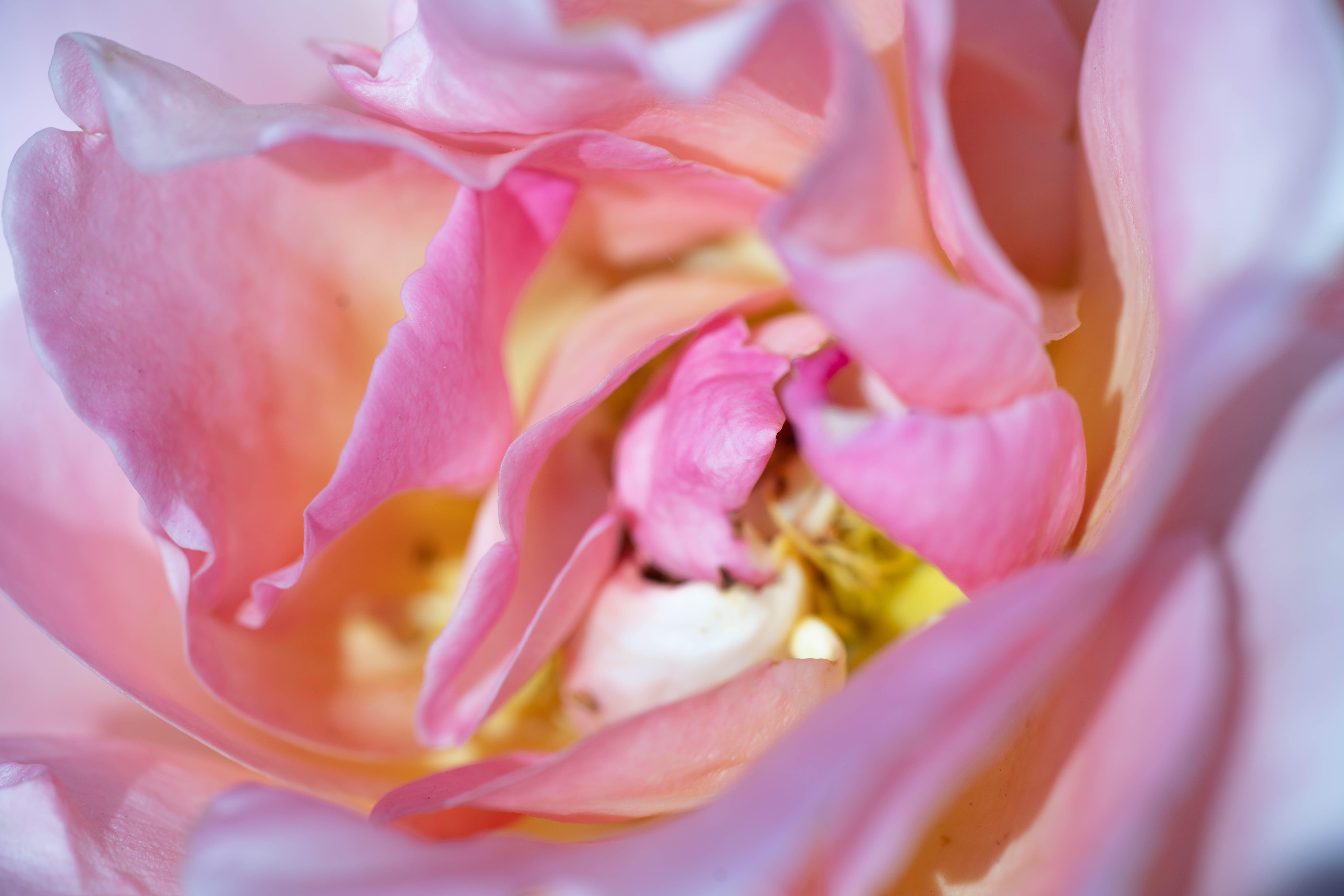
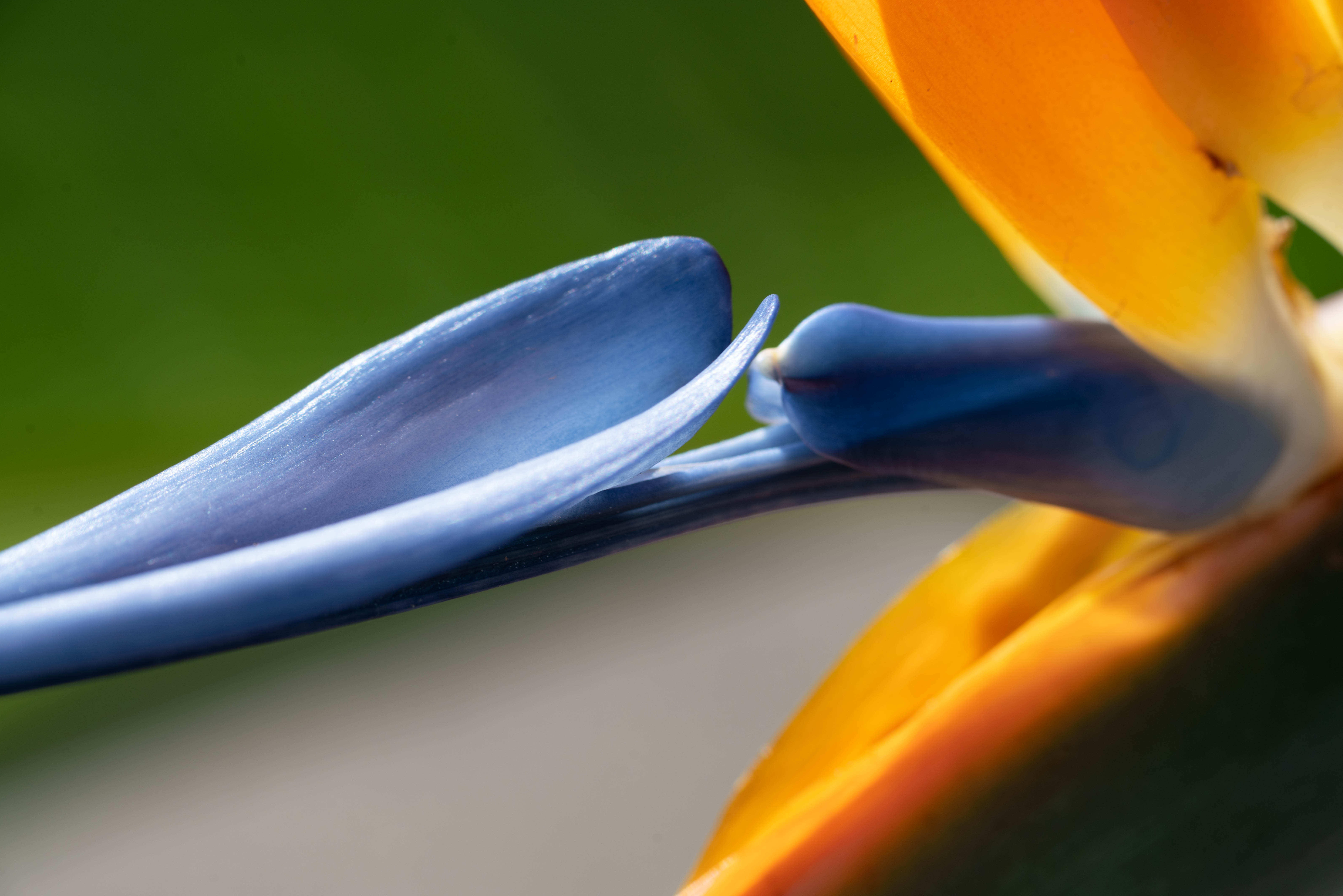
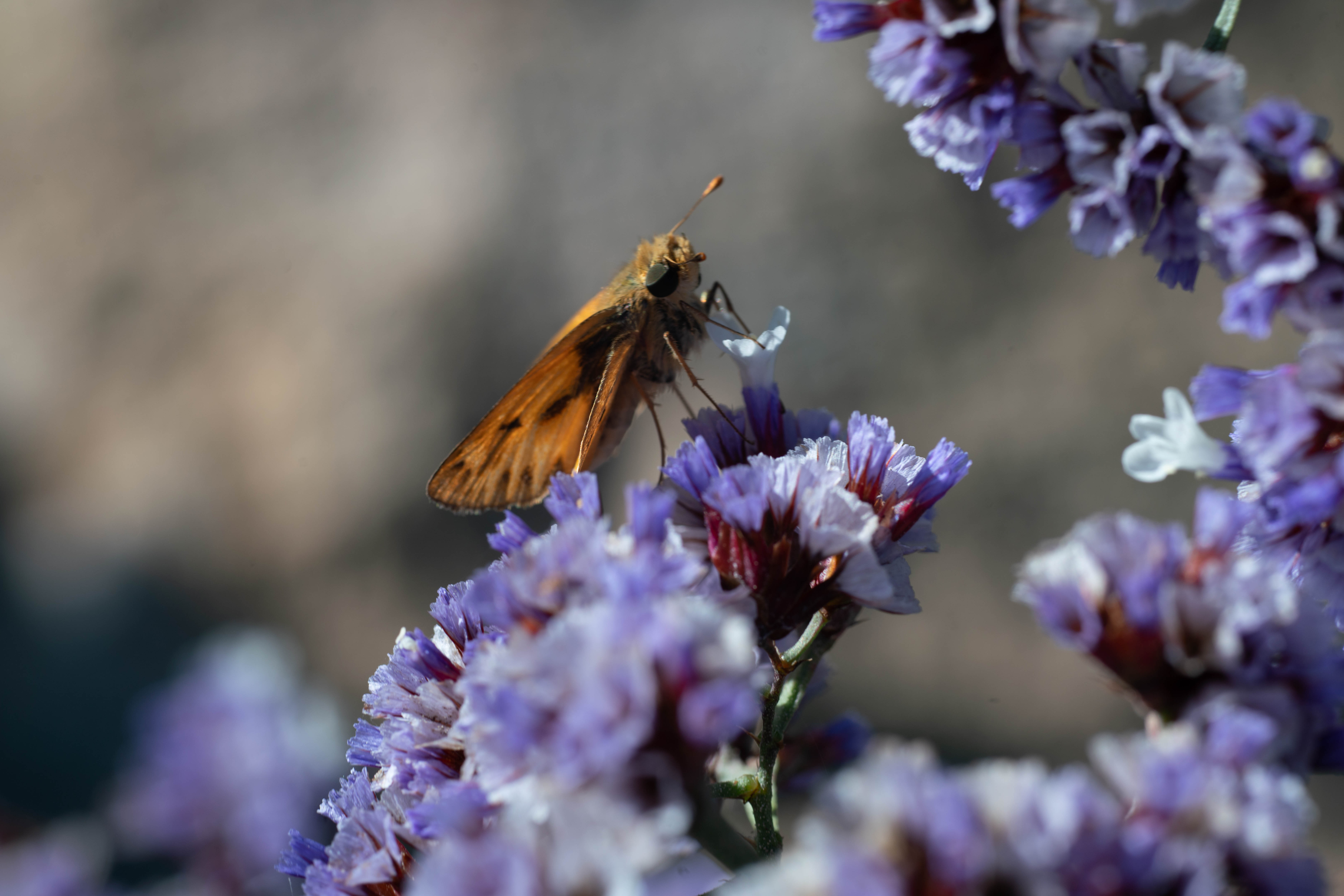
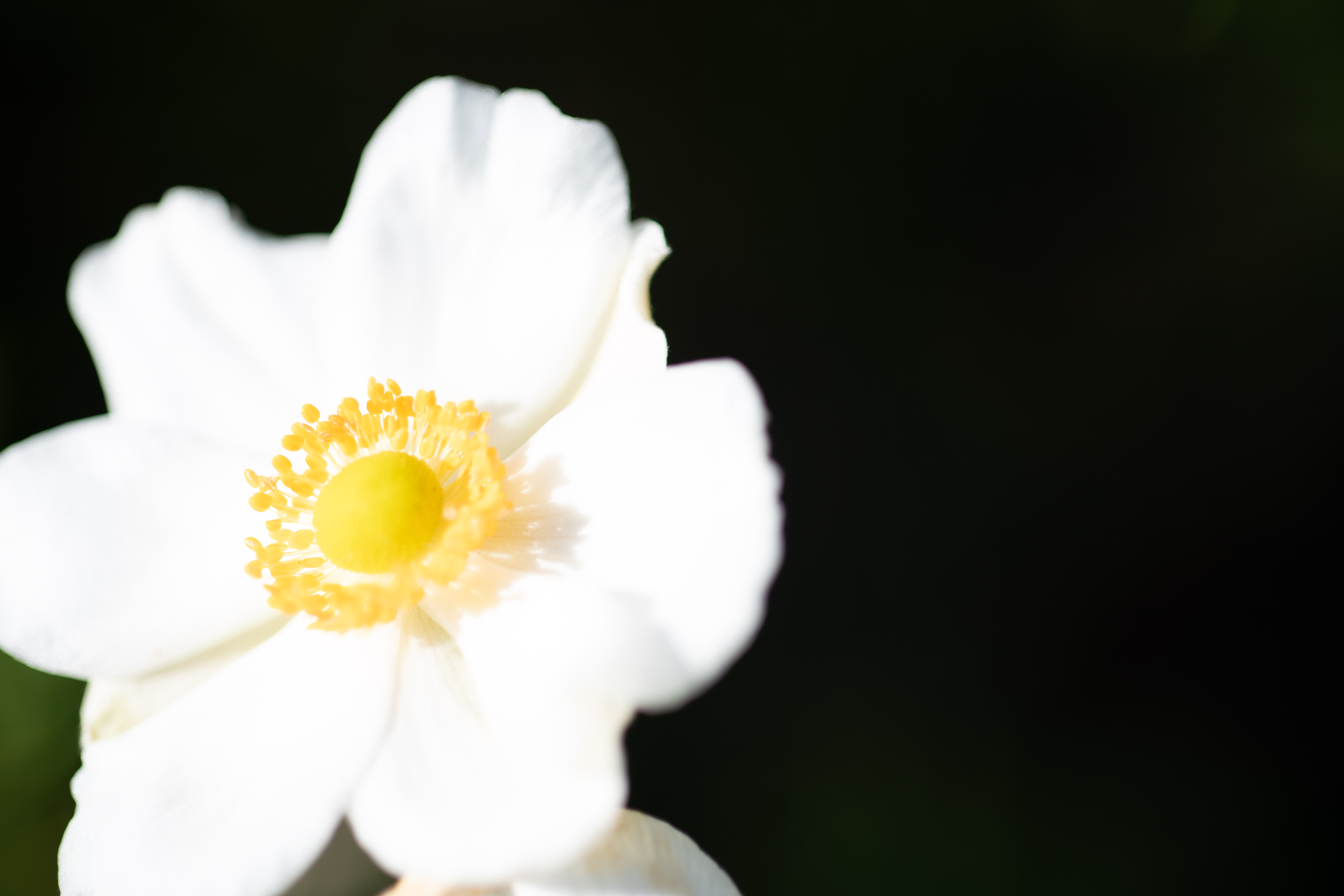
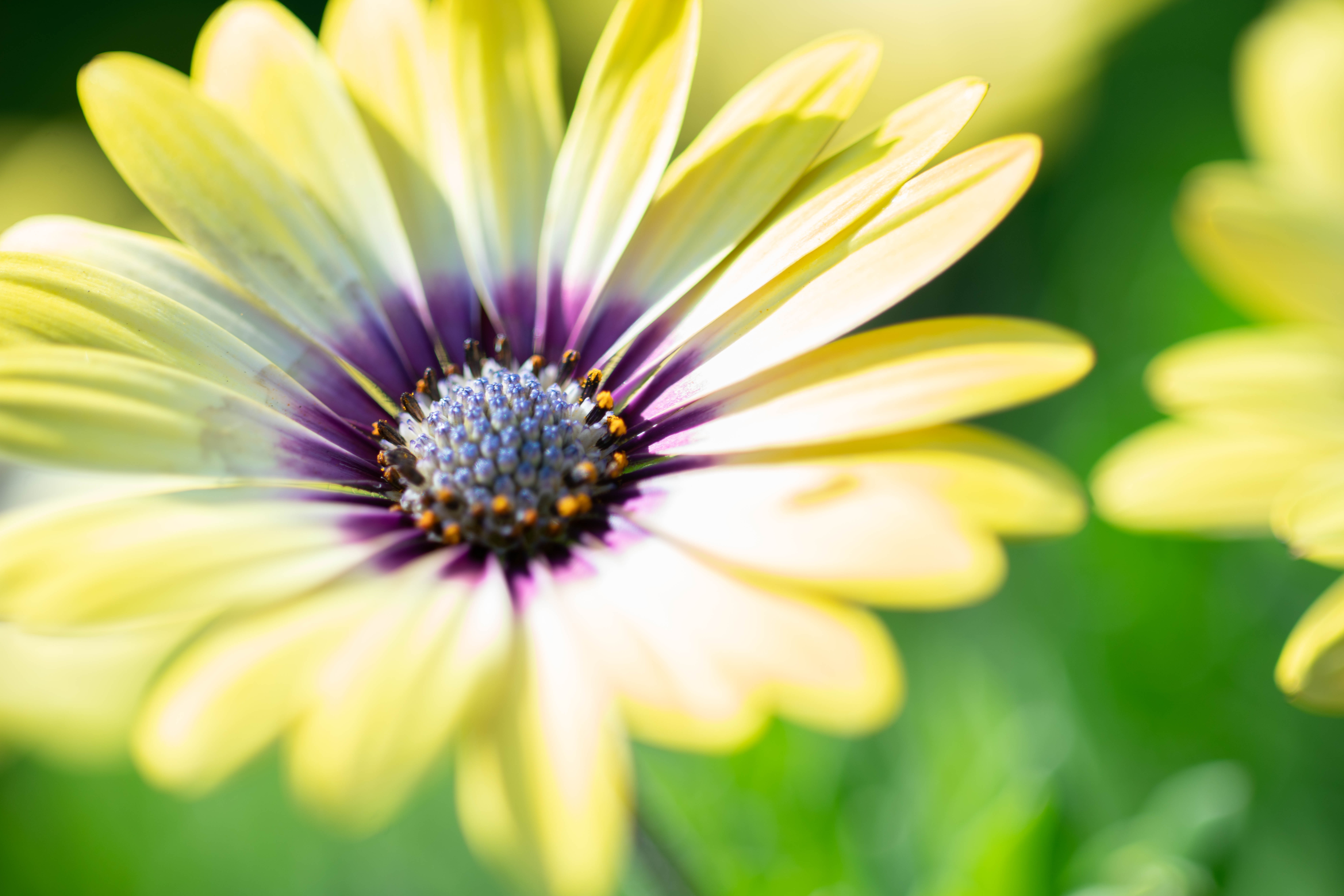
Just picked up the Tamron SP 90mm f2.5 Adaptall lens to use on my A7Rii. Since I am building out my first lens kit, this was my first attempt at macro photography. My plans were to go around the neighborhood to take pictures, but I could hardly make it past 3 blocks because of how distracted I got.
It was a fun exercise - follow the light, determine that your subject isn't a flower but a part of a flower, isolate it, try to catch some bugs with patience. Really nice way to decompress after work without having to drive to some destination at sunset.
Please let me know your thoughts! First time posting pictures at FM - I am in absolute aw of the work posted here, and it really is inspiring and forcing me to get better.
Just picked up the Tamron SP 90mm f2.5 Adaptall lens to use on my A7Rii. Since I am building out my first lens kit, this was my first attempt at macro photography. My plans were to go around the neighborhood to take pictures, but I could hardly make it past 3 blocks because of how distracted I got.
It was a fun exercise - follow the light, determine that your subject isn't a flower but a part of a flower, isolate it, try to catch some bugs with patience. Really nice way to decompress after work without having to drive to some destination at sunset.
Please let me know your thoughts! First time posting pictures at FM - I am in absolute aw of the work posted here, and it really is inspiring and forcing me to get better. ...Show more →
Essentially, all the images are very soft. The DOF also looks very shallow. The very low ISO of 125 with the high shutter speed of 1/400 suggests that you are using the lens wide open. Try some similar shots at, say, f8 and ISO 400.
Thanks! I know the depth of field was very shallow, and maybe some of the pictures could have benefited from more focus, but I didn't think they were that soft. But you are right, I was shooting at f2.5 a lot and stopping down would always benefit focus and sharpness.
akashyap wrote:
Thanks! I know the depth of field was very shallow, and maybe some of the pictures could have benefited from more focus, but I didn't think they were that soft. But you are right, I was shooting at f2.5 a lot and stopping down would always benefit focus and sharpness.
The lens you are using was my macro lens for a couple of decades. When I moved to digital I found it lagging behind the sharpness of other macro specialists and, when tying to get a later version, ended up with a Kiron 105mm, then my current Olympus 4/3 50mm f2. The differences are not huge but very definite. That doesn't mean you can't make good images with your current lens. It would have been optimised for somewhere around f8 or f11.
e6filmuser wrote:
The lens you are using was my macro lens for a couple of decades. When I moved to digital I found it lagging behind the sharpness of other macro specialists and, when tying to get a later version, ended up with a Kiron 105mm, then my current Olympus 4/3 50mm f2. The differences are not huge but very definite. That doesn't mean you can't make good images with your current lens. It would have been optimised for somewhere around f8 or f11.
Harold
Ah, got it! Will try it around the f8-f11 range. There were a lot of macro lenses I was infatuated with, including unreleased CV 110/2.5, Zeiss 100/2, Sony 90/2.8, and Tokina 90/2.5.
Given that I needed a light hiking tele prime, I was ready to buy a Tokina 90/2.5 for ~300 when I picked up this guy for $150. Can't really complain for the price (which does matter for me).
What were your experiences using it for landscapes? In the short walk I took, the flare didn't seem too hot. Did you buy the tele and 1:1 converter? What were your experiences with the extender?
akashyap wrote:
Ah, got it! Will try it around the f8-f11 range. There were a lot of macro lenses I was infatuated with, including unreleased CV 110/2.5, Zeiss 100/2, Sony 90/2.8, and Tokina 90/2.5.
Given that I needed a light hiking tele prime, I was ready to buy a Tokina 90/2.5 for ~300 when I picked up this guy for $150. Can't really complain for the price (which does matter for me).
What were your experiences using it for landscapes? In the short walk I took, the flare didn't seem too hot. Did you buy the tele and 1:1 converter? What were your experiences with the extender?
Thanks! I might try to pick one up on the cheap later if I am interested.
I am covered on most of my landscape kit with a set of very nice Zeiss lenses (Loxia 21, CY 35-70, CY 80-200), but couldn't afford the weight or cost of a Zeiss Makro.
Given that my backpacking kit might switch off between the 80-200 and the Tamron 90/2.5, I was hoping the Tamron 90/2.5 would be sharp, contrasty, and flare-resistant enough for non-macro use.
akashyap wrote:
I was hoping the Tamron 90/2.5 would be sharp, contrasty, and flare-resistant enough for non-macro use.
Your only concern is that of all lenses where a flat rear element is next to the sensor have an issue. You may get slightly darkened hexagonal areas in some images. This is due to reflections between the two surfaces. This is overcome by using a teleconverter, such as the matched one for Tamron, with a curved rear surface.
I use this in my setup with my reversed Schneider HM40 (flat front element) for high magnifications. In this case, without the TC, there was a diffuse pale area in the middle of images.
I haven't used a hood for macro for several years.
e6filmuser wrote:
That's better. You are right to forget about the tripod. There are few chances to use one with active insects.
Harold
Have to disagree with this.
I believe it was world famous bee photographer, Eric Tourneret, who said (something to the effect of), "The day I stopped chasing bees around ... and learned to set my tripod up at the perfect flower, and compose the perfect composition, and learned to be patient and wait, is the day the quality of my bee photography took a quantum leap forward ..."
I believe it was world famous bee photographer, Eric Tourneret, who said (something to the effect of), "The day I stopped chasing bees around ... and learned to set my tripod up at the perfect flower, and compose the perfect composition, and learned to be patient and wait, is the day the quality of my bee photography took a quantum leap forward ..."
That's OK if you want to photograph bees, bees and still more bees. They (honey bees) are abundant if you chose the right place.
e6filmuser wrote:
That's OK if you want to photograph bees, bees and still more bees. They (honey bees) are abundant if you chose the right place.
Harold
Well, of course there are many ways (and styles) for shooting ... and all truth contains paradox.
The paradox here is, yes, with the right flash, and diffuser, hand-holding does give us tremendous flexibility as macro shooters, and the tools to react to the cool moments we come across, often capturing great subjects only because we are unencumbered by setting-up tripods. We can react and capture many moments on the fly.
However, the other side of this paradox remains ... and that is, regardless of the subject, if you select the very best flower (or setting), orient your gear to the optimal angle, compose the framing ... and schedule your efforts during the best light ... then "whatever" comes to that setting already has everything set to perfection, in advance, which is where your "next level" images are most likely to come from.
The above protocol is also how the most ideal hummingbird shots are made too, not by "chasing humming birds" and hoping everything lines up, but through preparation and planning.
The photographer who plans everything out ... first by going to where the key subject is most likely to be found ... and who then sets up and waits for the subject to enter his completely-planned arena ... is more likely to come out with a jaw-dropping shot than those who don't have any of these elements set to perfection in advance, but who have every bit of what they're doing captured on the fly.
I enjoy both aspects, too. But I have to say, my personal favorites, and the most technically perfect shots, are invariably the ones where I've set the most control over the outcome in advance.
I used a tripod a lot when I was using 25 ISO film, but mainly for flowers. Even then, a hand-held setup was the answer, for me, for most insects. If I was using daylight exposure for the flowers, not only was a tripod useful but also often mirror lockup and delayed shutter operation, not a combination for hand held
Hey! first time posting over here in macro land.. testing out some basics with the light 12-50 EZ oly getup. I'm not quite sure what this thing is.. there were a few of them in a wet part of a wooded park in NJ
[url=https://flic.kr/p/2dRcy24] [/url]P3170017



 and only cropping & resizing images (my computer is sloooow).


