Archive 2014 · Through Walter Mandler Glass (on FF Only)
p.18 #1Through Walter Mandler Glass (on FF Only)
Here is a true Mandler classic, the Tele-Elmar 135 in M mount. This copy from 1970 has the removable head. I have Fotodiox adapters for my 1Ds and D3X, and also OTZFO for my OTDYM.  I would call it my favorite portrait lens except that it is a bitch to focus, especially for selfies. That it is not an apochromat is apparent with modern digital sensors (slight color fringing w/o), and that is sometimes a problem. Image taken with D3X, one studio light, f/11:

I've been lately shooting the D3X with Sigmas 35 Art and 70/2.8 macro, and the TE135 can actually compete for sharpness. The color rendition is completely different: no surprise for a design released in 1965 and with single coatings.
I would call it my favorite portrait lens except that it is a bitch to focus, especially for selfies. That it is not an apochromat is apparent with modern digital sensors (slight color fringing w/o), and that is sometimes a problem. Image taken with D3X, one studio light, f/11:I've been lately shooting the D3X with Sigmas 35 Art and 70/2.8 macro, and the TE135 can actually compete for sharpness. The color rendition is completely different: no surprise for a design released in 1965 and with single coatings.
Feb 21, 2015 at 06:48 AM
p.18 #2Through Walter Mandler Glass (on FF Only)
Elmarit 90mm/f2.8:
 Asian Tourist by pictorlucis, on Flickr
Feb 21, 2015 at 08:02 AM
p.18 #3Through Walter Mandler Glass (on FF Only)
Leica M2, Elmarit 90mm f/2.8, Fuji Velvia 50:
 Neptun by pictorlucis, on Flickr
Feb 21, 2015 at 08:06 AM
p.18 #4Through Walter Mandler Glass (on FF Only)
rico wrote:
Here is a true Mandler classic, the Tele-Elmar 135 in M mount. .....
I recently got a beautiful copy of this lens and I've been enjoying it on an A7r
Today on a b****n cold morning. Mist coming off a frozen saltmarsh in the background
http://m9.i.pbase.com/o9/63/551663/1/159212279.HEV3hEdh.20150221-_DSC5779-2.jpg
Frozen harbor
http://m1.i.pbase.com/o9/63/551663/1/159212271.olQ4uSQ0.20150221-_DSC5770.jpg
http://m5.i.pbase.com/o9/63/551663/1/159212275.T5uJVOQx.20150221-_DSC5773.jpg
Feb 21, 2015 at 09:00 AM
p.18 #7Through Walter Mandler Glass (on FF Only)
Wide open, minimum edits
http://www.kozera.ca/photos/images/_DSC7329_640.jpg
http://www.kozera.ca/photos/images/_DSC7329_640.jpg
Feb 22, 2015 at 09:08 PM
p.18 #8Through Walter Mandler Glass (on FF Only)
you continue to impress, my friend..
Feb 22, 2015 at 09:30 PM
p.18 #9Through Walter Mandler Glass (on FF Only)
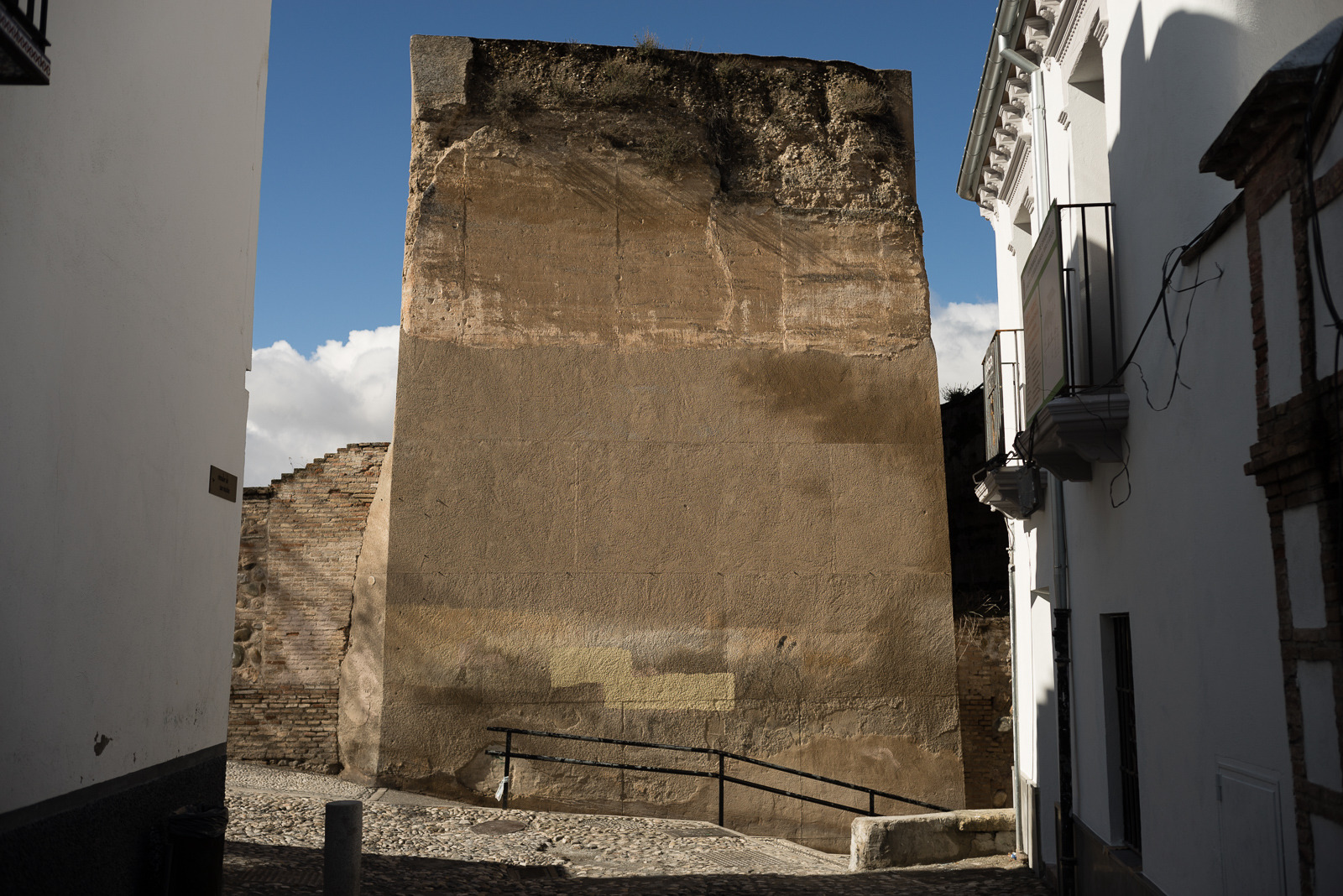
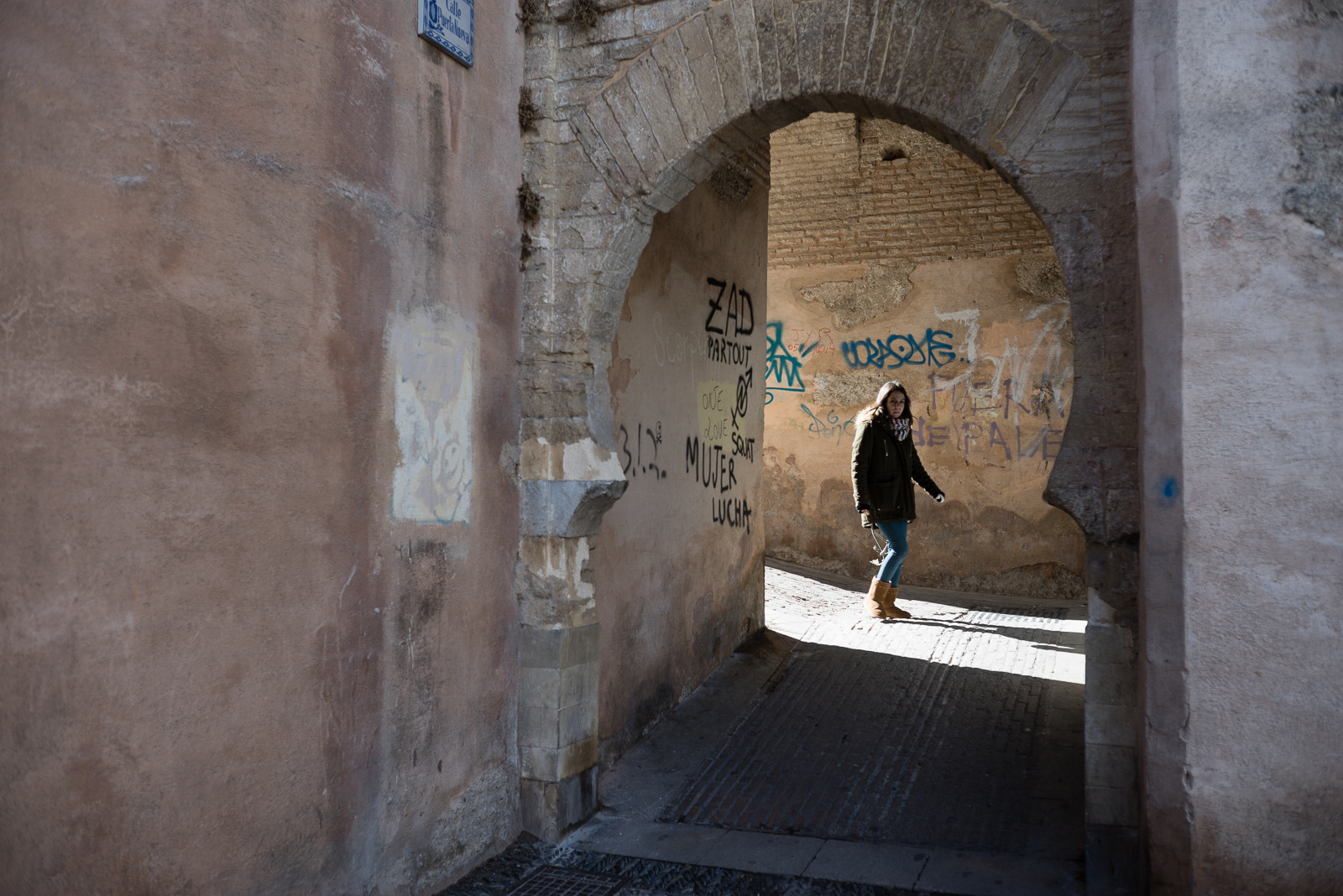
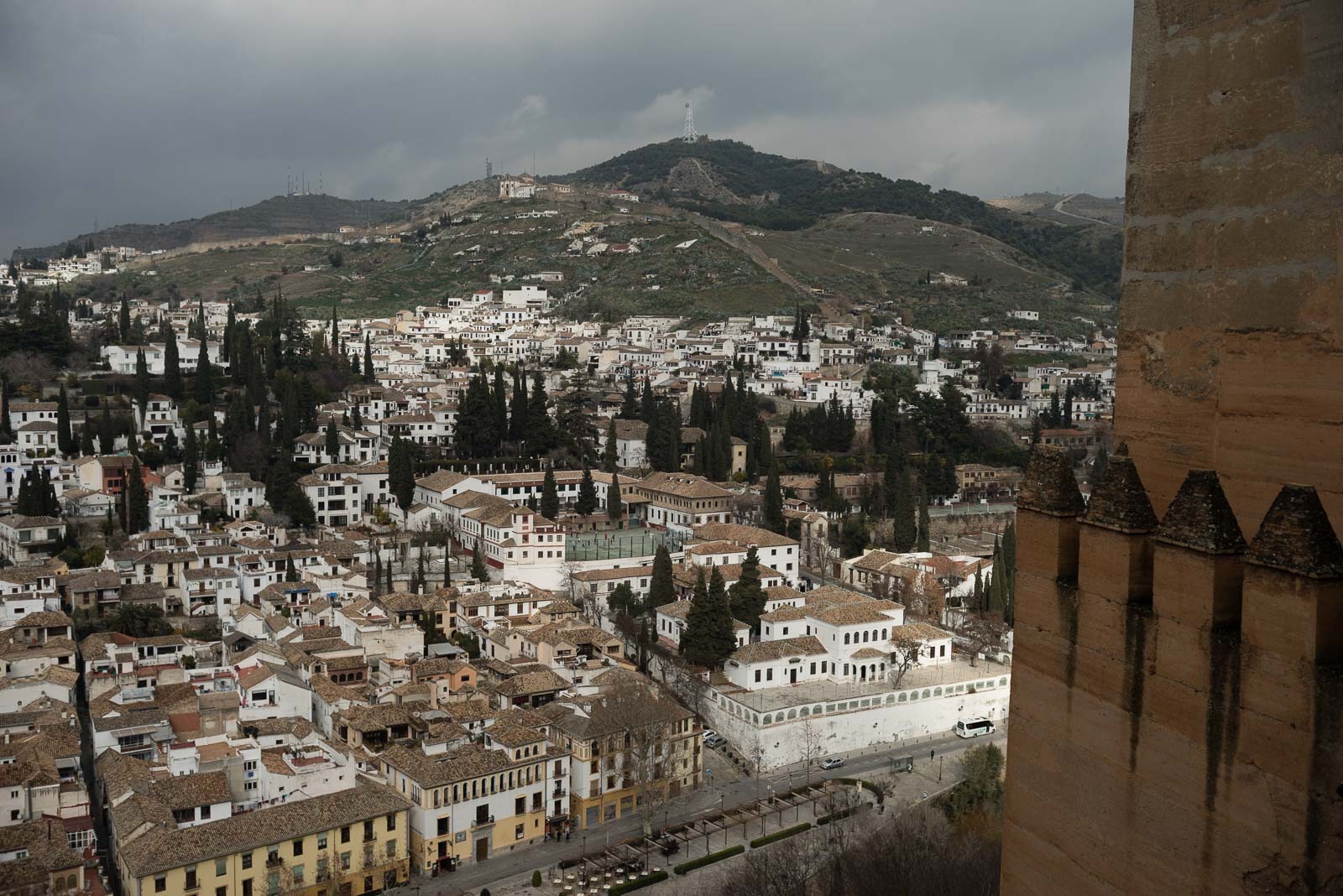
A few more touristy snaps from Spain (R35/1.4, 80/1.4 on A7R).
Having recently used a pre-FLE Summilux-M 35, which is sharper wide open and has more contrast and a flatter field than the R, I still prefer the R's rendition and especially colors.

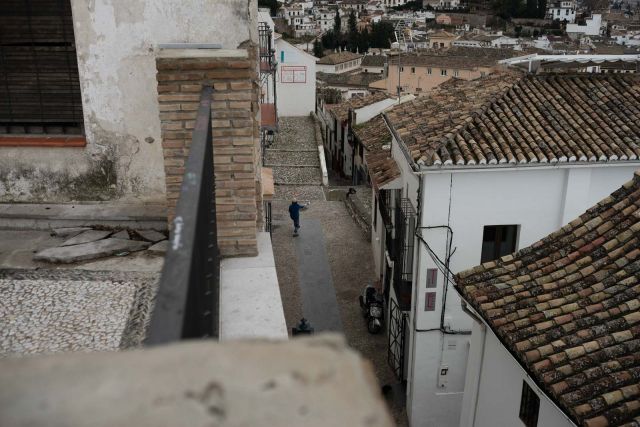
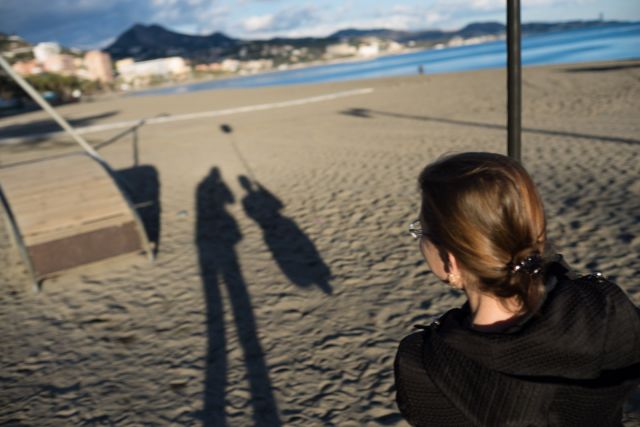
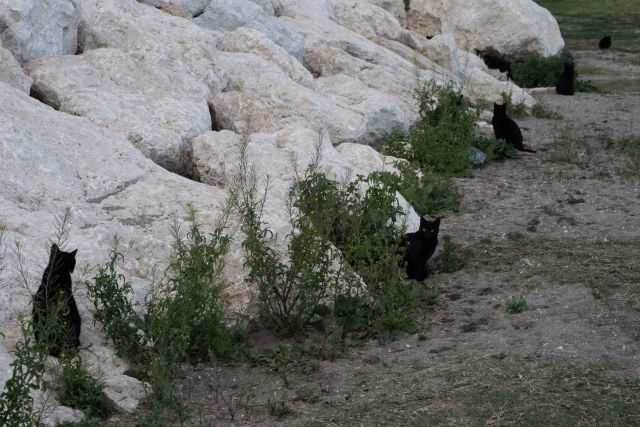
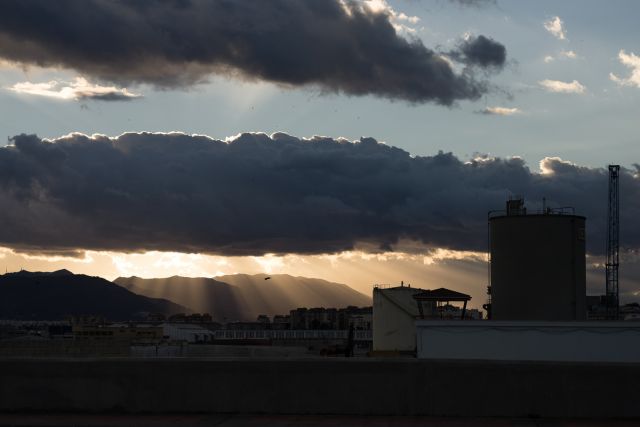
Having recently used a pre-FLE Summilux-M 35, which is sharper wide open and has more contrast and a flatter field than the R, I still prefer the R's rendition and especially colors.
Feb 22, 2015 at 10:45 PM
p.18 #10Through Walter Mandler Glass (on FF Only)
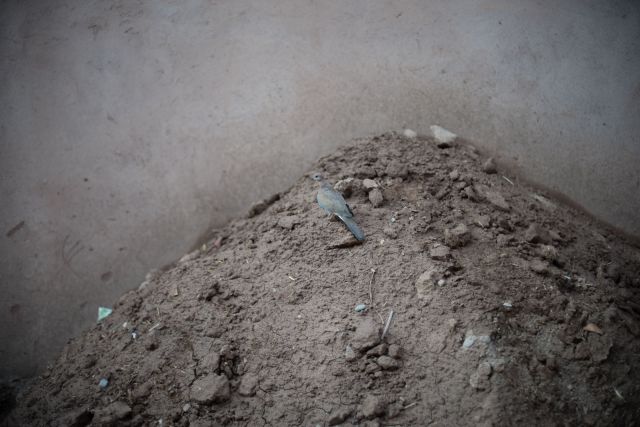
Kashgar R35/1.4 on A7R, a bit OOF but i like that it's all about the subtlety of colors.
Feb 22, 2015 at 10:55 PM
p.18 #11Through Walter Mandler Glass (on FF Only)
Just came across this experience-based and very lucid explanation of why Mandler lenses remain so appealing.
http://www.l-camera-forum.com/leica-forum/customer-forum/45854-praise-mandler-lenses-2.html#post965253
"But when it comes to the overall feel of the image, especially in digital or slide photography, I still find the Mandler designs to be "miles ahead" in terms of rich tonality and the handling of color rendition (as opposed to color correction). For me, it's as clear a difference as that between a Beaujolais and a Bordeaux - one is bright and gay, but the other has infinite depths.
It has been my consistent experience with the M8 that the current designs (except the f/1.4s) push detail off the ends of the tonal scale, where even raw processing cannot recover it. It is normal with them to have exposure set to -1.00 (using ACR), shadows to 0, contrast to 0, and still have a "hot" image. Whereas with the Mandler designs, the same lighting will give exposure "0", or even plus a bit, shadows at 5 or higher, and the midtone contrast can be set as high as 50, giving a boost to midtone separation and saturation. In other words, at least a stop, and more like two stops, of additional dynamic range. And generally a bit less noise, through not having to dig into the shadows as much in post-processing.
I also find the older design telephotos to be more forgiving for RF use. They usually have longer focus throws, which allows for a more precise vernier touch in putting the RF images together carefully.
And the residual spherical aberration means that while they are not always as precisely sharp as the APO teles at full aperture, the zone of "reasonably sharp" covers a slightly wider depth of focus at the image plane. The width of the bright area, left to right, in this example: File:Spherical-aberration-slice.jpg - Wikipedia, the free encyclopedia
All this is why I posted this thread in the first place - on MFT charts, and in some imagery, the new advanced designs from Leica are certainly state-of-the-art - or even ahead of the art, when it comes to the 21 and 24 Summiluxes.
But over and over again, I have gotten pictures that please me more, technically, from the Mandler designs. And ultimately, it is those pictures, not the MFT charts, that I publish or hang on my wall."
Feb 23, 2015 at 07:39 AM
p.18 #12Through Walter Mandler Glass (on FF Only)
Wide open, minimal PP
http://www.kozera.ca/photos/images/_DSC7534_640.jpg
http://www.kozera.ca/photos/images/_DSC7534_640.jpg
Mar 01, 2015 at 05:08 PM
p.18 #13Through Walter Mandler Glass (on FF Only)
Same subject, different lenses. First is the Summicron-M 50 @ f/4, second is the Elmarit-M 28 v3 at f/5.6.
 a7II_Summicron50_SnowCovered by thisgunforhire70, on Flickr
 a7II_Elmarit28_SnowCovered by thisgunforhire70, on Flickr
a7II_Summicron50_SnowCovered by thisgunforhire70, on Flickra7II_Elmarit28_SnowCovered by thisgunforhire70, on FlickrMar 02, 2015 at 10:50 AM
p.18 #15Through Walter Mandler Glass (on FF Only)
sebboh - the expression you caught in the first one is priceless!Opens up a whole suite of possible captions.
Mar 06, 2015 at 11:20 PM
p.18 #16Through Walter Mandler Glass (on FF Only)
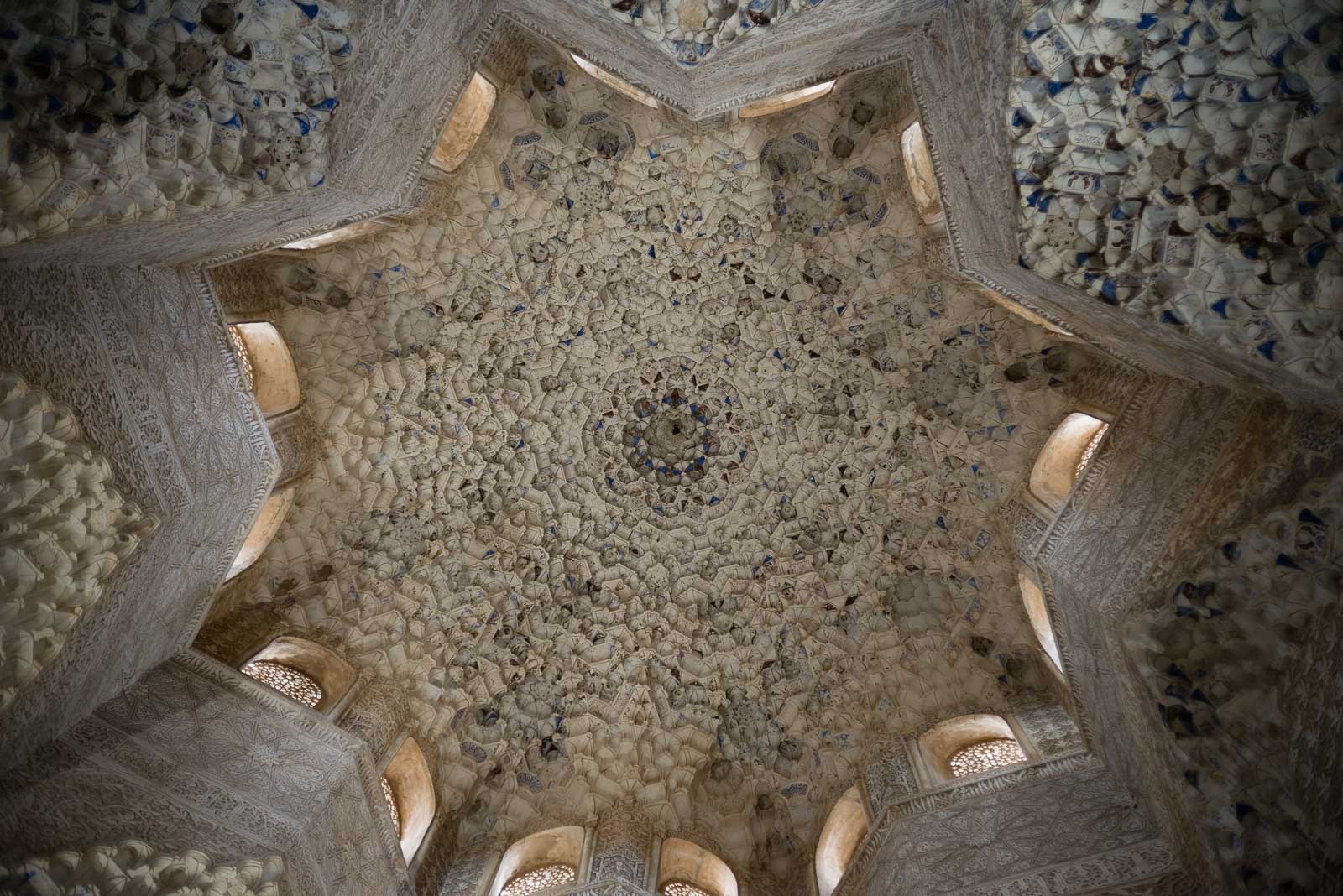
Aly 324: granada ceiling jaw dropping
JaKo wondeful figures
A7.mod Elmarit v3 28:

DSC03176 by unoh7, on Flickr
M9 75lux:

Blue and Silver by unoh7, on Flickr
JaKo wondeful figures
A7.mod Elmarit v3 28:
DSC03176 by unoh7, on Flickr
M9 75lux:
Blue and Silver by unoh7, on Flickr
Mar 06, 2015 at 11:38 PM
p.18 #17Through Walter Mandler Glass (on FF Only)
Welcome here, Charlie
Don't be shy to post your shots with Lux-M 75
http://www.kozera.ca/photos/images/_DSC7575_640.jpg
Don't be shy to post your shots with Lux-M 75
http://www.kozera.ca/photos/images/_DSC7575_640.jpg
Mar 07, 2015 at 12:02 AM
p.18 #18Through Walter Mandler Glass (on FF Only)
Wide open with minimum PP
http://www.kozera.ca/photos/images/_DSC7697_640.jpg
http://www.kozera.ca/photos/images/_DSC7697_640.jpg
Mar 12, 2015 at 04:43 PM
p.18 #19Through Walter Mandler Glass (on FF Only)
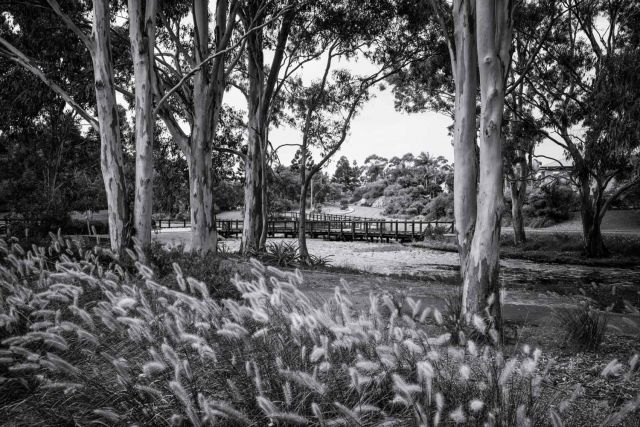
A7r Mod and M28 Elmarit v3. This lens is a sleeper that has wonderful rich tonality when combined with the A7rM. I have yet to try it on the A7s which has great B&W conversions.
 |
||
 |
||
|
Mar 12, 2015 at 07:38 PM