Agnostic wrote:
Thanks for the info! Will read your link. The far corners are not that important to me, I usually shoot a little wide if possible which leaves me some room to crop extreme corners if sharpness there is critical (which is not that often anyway). I'm more interested in the rendering/color/bokeh.
I already have a QBM Distagon 35/2.8, a Minolta MC 35/1.8 and a Schneider Retina Curtagon 35/2.8 but the concave FD 35/2 especially seems to have a big following from what I read online.
The FD 24/2 is another one that's supposed to be very good an I am keeping an eye out for that too. I have an FDn 24/2.8 which I found a bit disappointing especially compared to the FDn 20/2.8 and 28/2 which are both excellent on the a7 (may be just my copy of the 24/2.8 though since most people seem to think the 20/2.8 and 24/2.8 are very close in quality)....Show more →
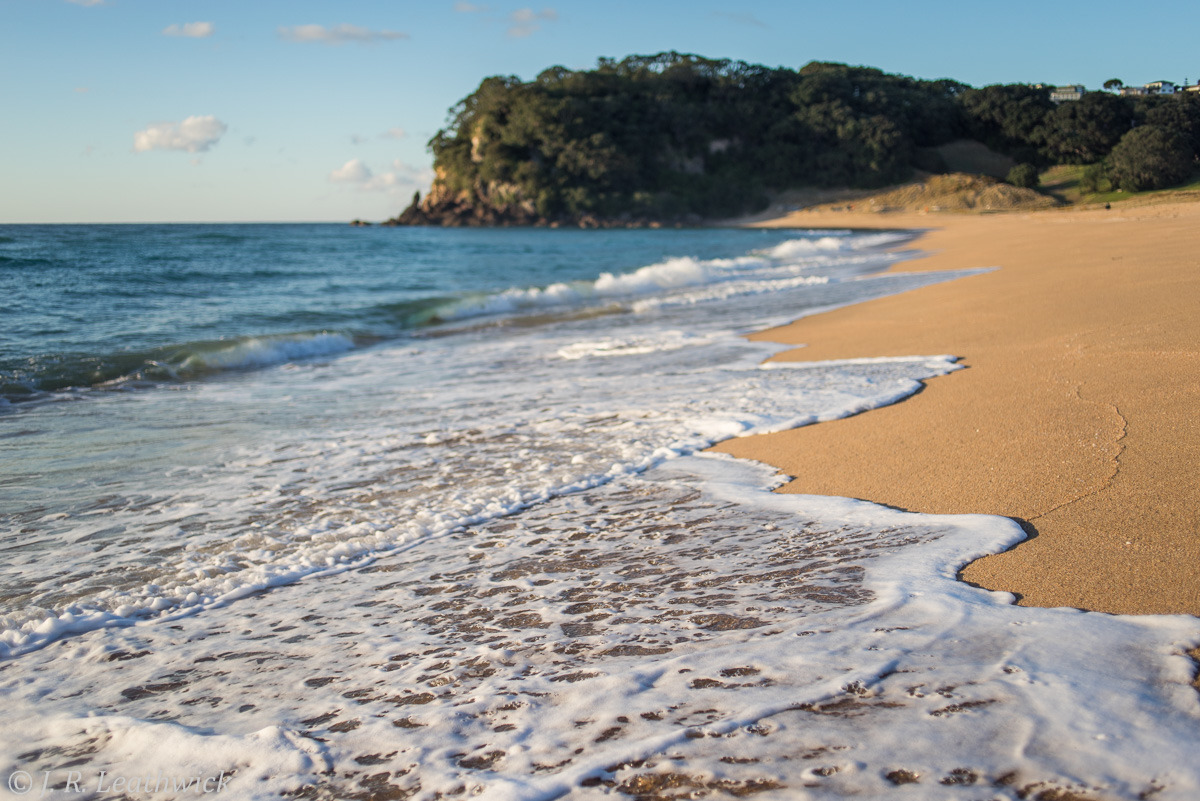
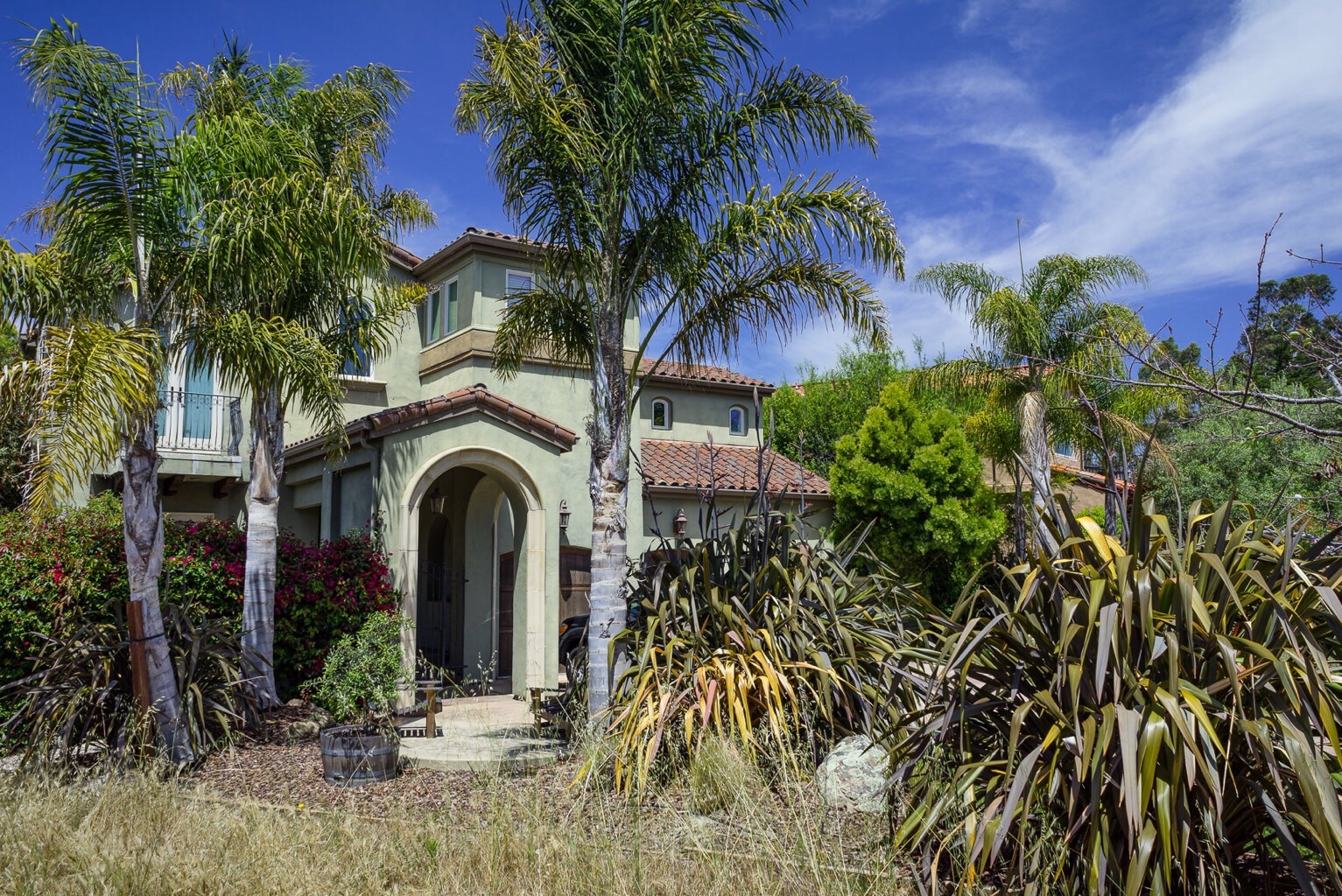
This one might give you an idea of the bokeh of the 35 F/2. I was walking back along the beach dicing with the waves that were coming in onto the only hard sand that offered easy walking - I set it on F/2.8 from memory, set the focus at about 3 m, and took a couple to explore the effect. I find it hard to escape the impression that there is something funny going on here with reverse curvature of the field of sharp focus - look at the waves on the far left and the houses top right, both of which seem in sharper focus than the centre distance.
WRT the 24, both it and the 20 are also tested at the site I put the link in for, and the corners don't come in all that well for either - I have the 20, and I use it only because I don't have an alternative. I'm hopeful that Mr Zeiss will expand the Loxia or Batis lines in that direction. John
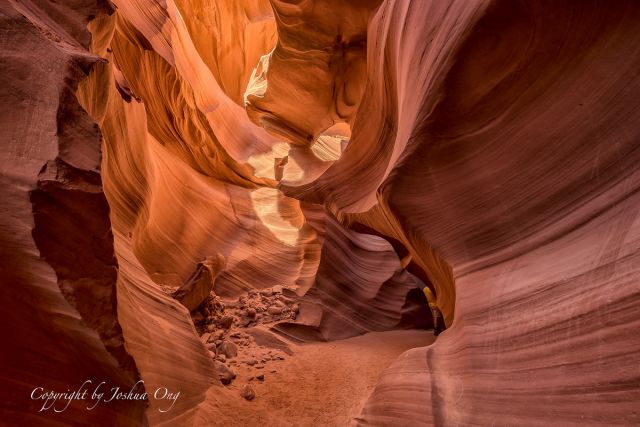
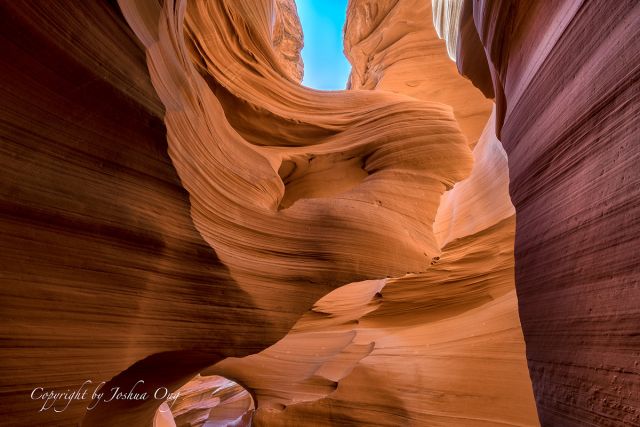
Due to its iron-rich composition, the Navajo Sandstone color is reddish of color. Light reflected off the sandstone in the upper part of the canyon takes on gold-reddish color. The reflected light intensifies the color of the formation further down. All these characteristics create very photogenic slot canyons like nowhere else in the world.
Here are two more images from the Lower Antelope Canyon. Both images were processed using the HDR feature of LR from 4 bracketed images towards under exposure from normal to -3. The DR of the scene is simply too much for the sensor otherwise, regardless how good the Exmor sensor is.
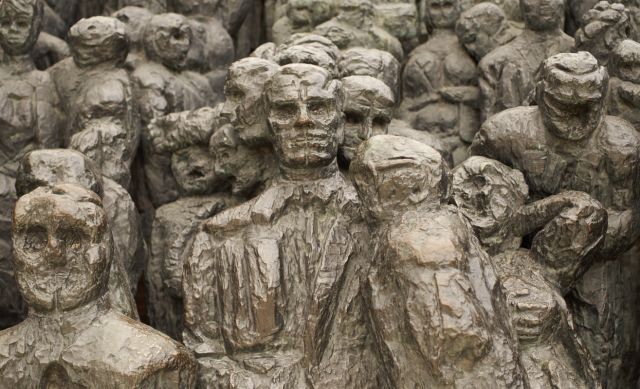
The are naturally sculpted forms in the canyon. The second image is of a maiden with her hair blowing in the wind behind her. You can even see the breast. Of course, a little imagination won't hurt .
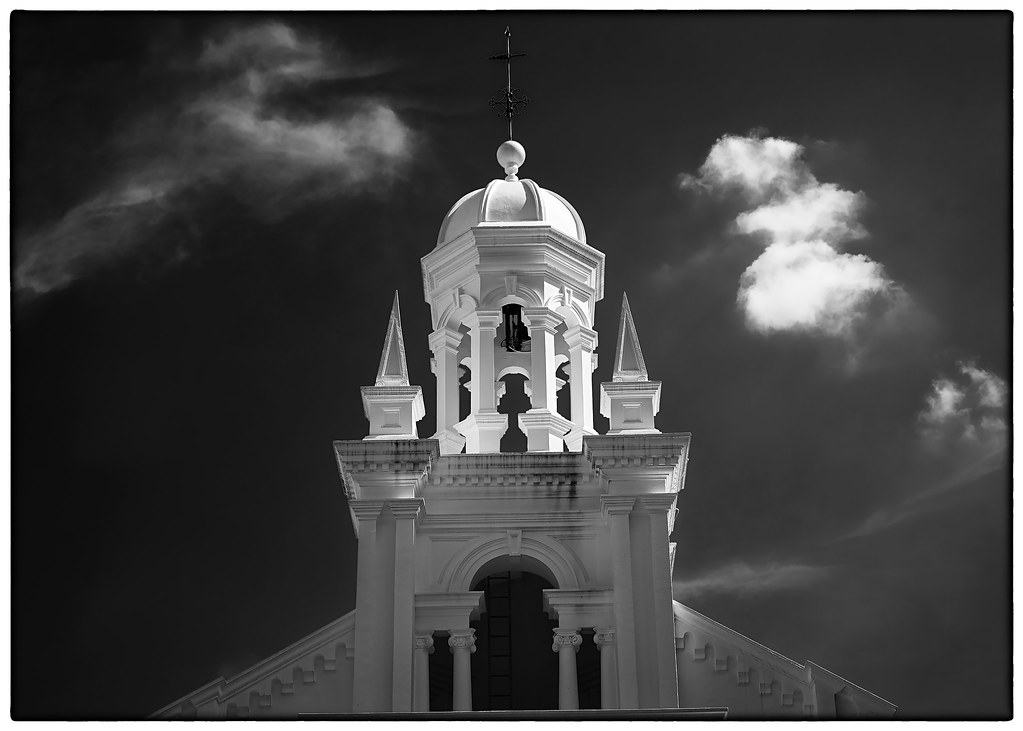
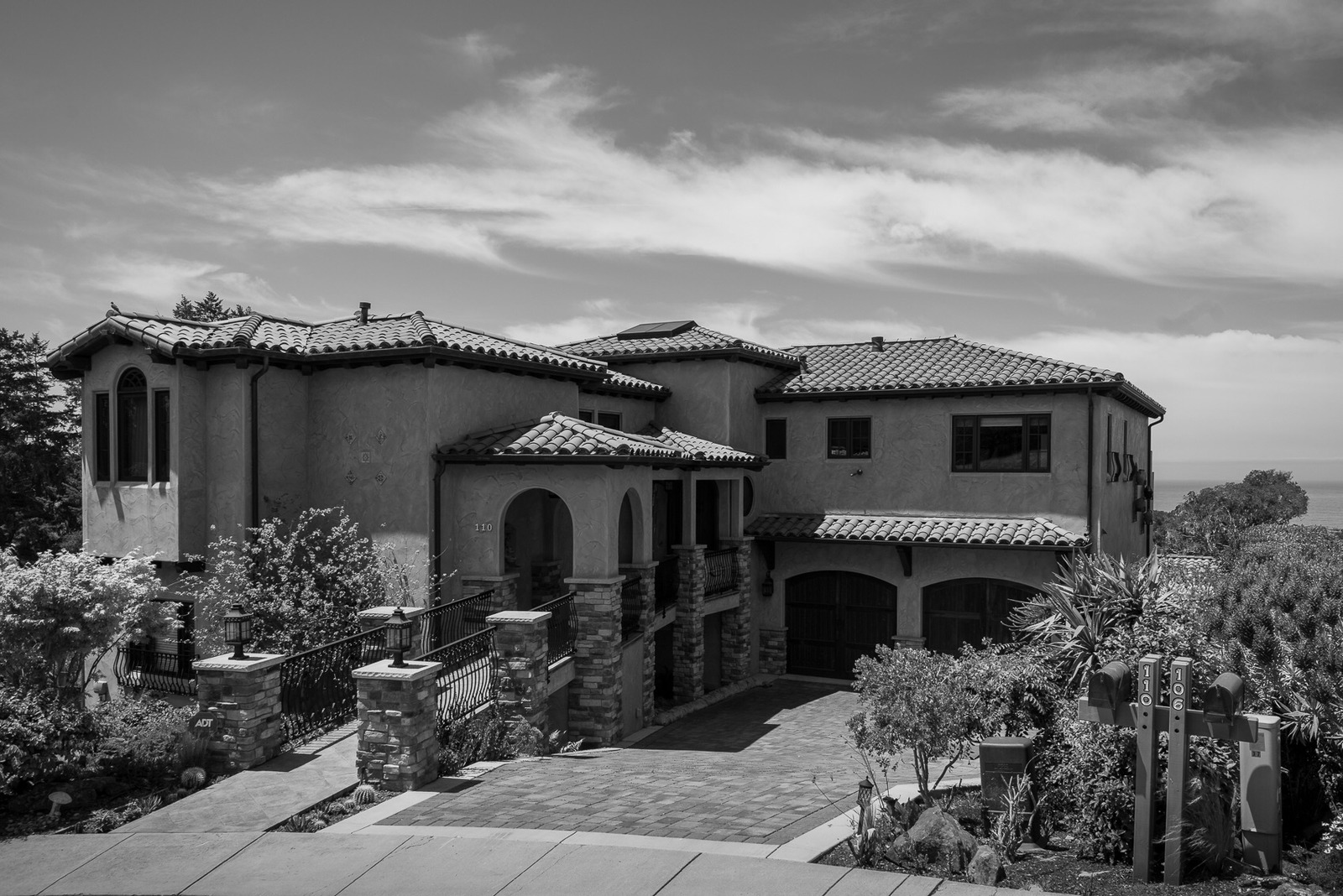
I know you are supposed to put your camera away between 10 AM and 2 PM but I thought I would try to take advantages of the sharp shadows. I think the shadows add a lot to the various shapes and curves of the image. Processed in Silver Efex Pro.