First, great series.
Second, that first little dude looks like he is ready to remove someone's head. Kind of reminds me of the little "chicken hawk" always after Foghorn Leghorn.
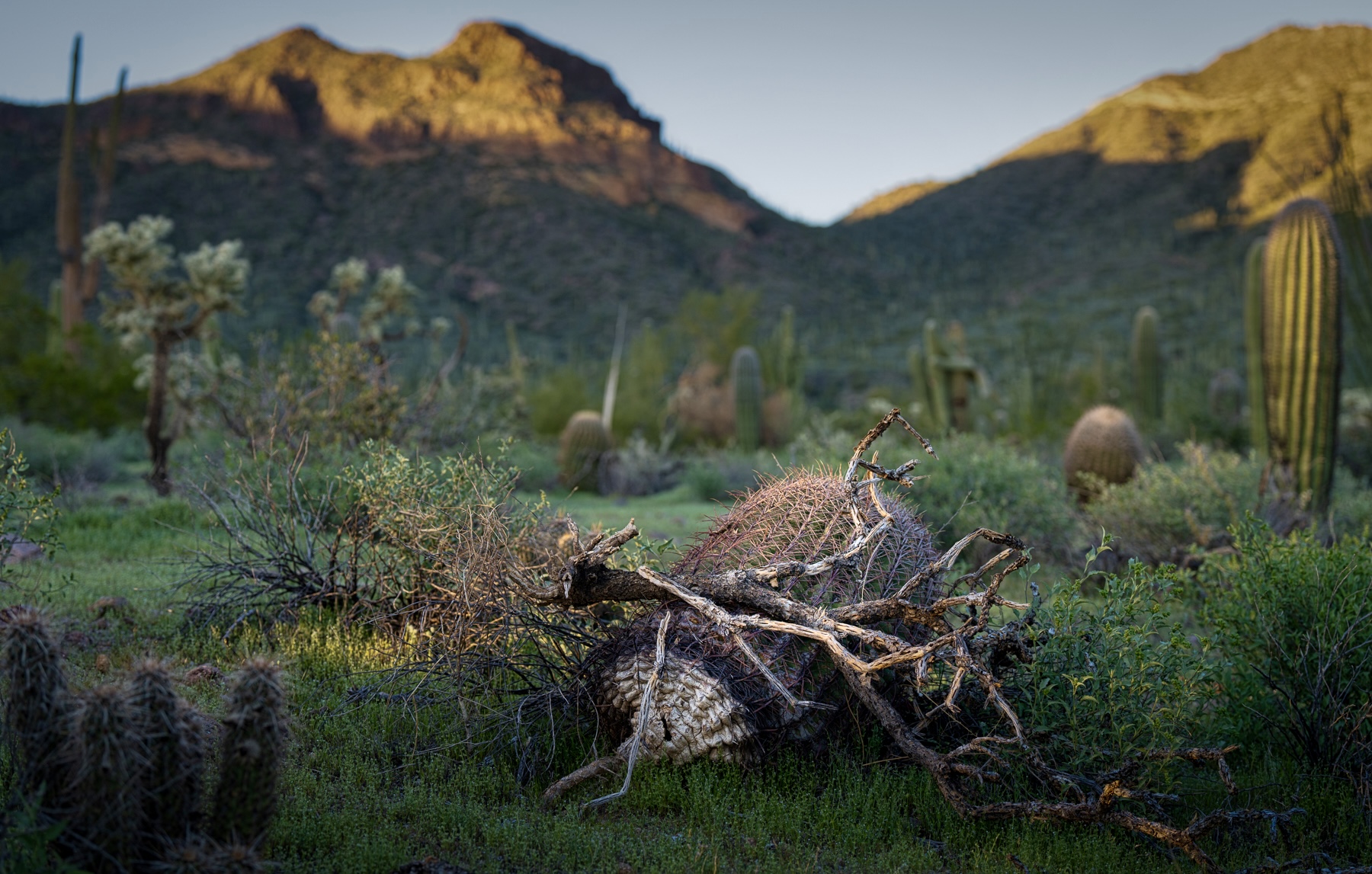
Barrel cactus tipped over but still living. This is a common sight in the desert. The cactus tips over (since they tend to lean to the southwest), but they continue to live since the root system is still in place. The danger for a tipped cactus is that rodents and other wildlife like deer can now access their bottom for water where there are no spines.
ILCE-7RM5FE 70-200mm F2.8 GM OSS II lens70mmf/4.01/90s100 ISO0.0 EV
BillinTexas wrote:
First, great series.
Second, that first little dude looks like he is ready to remove someone's head. Kind of reminds me of the little "chicken hawk" always after Foghorn Leghorn.
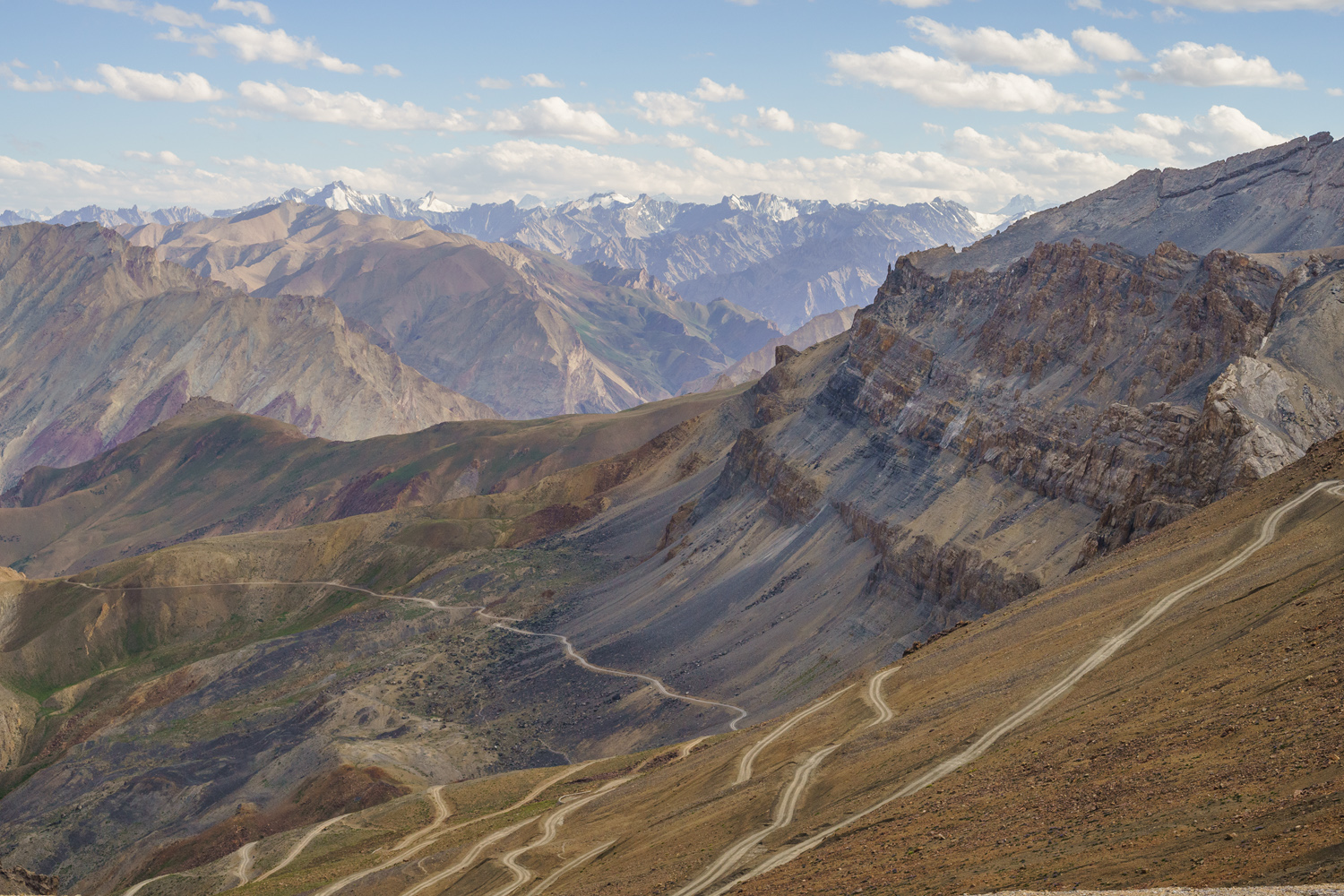
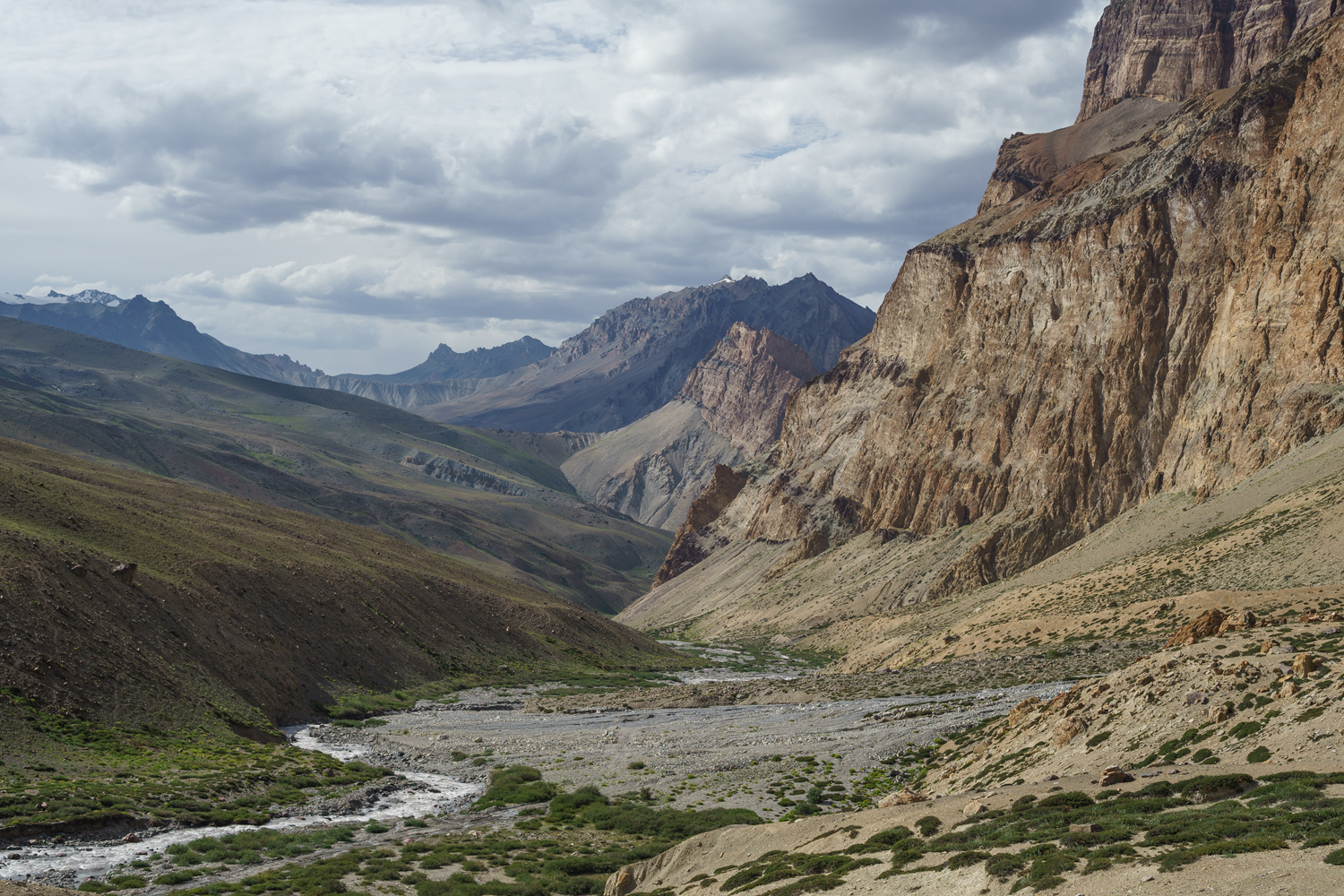
The BRO (Border Roads Organisation) was steadily building the Cross-Zanskar Road in the Transhimalaya, top class engineers. I found myself cast in the unlikely role of alpine road beta tester. The drivers in these parts have absolutely no fear, so they will take you to the end of the Earth if need be - so it's your decision. Image here was taken from the Sengge La, Mapcarta shows this one at 5000m. The 4wd rocks left and right on the uneven surface as only a handful of actual vehicles had passed here - the tracks were from the compact earth movers, now a few kms ahead. You can't really enjoy the view, eyes wide open, almost levitating on the edge of the seat. The 4wd could not make the switchback hairpins, had to back up and go ahead a few times for each one. [A terrific set, Tim, all great. the 35/2 just envelopes you.]
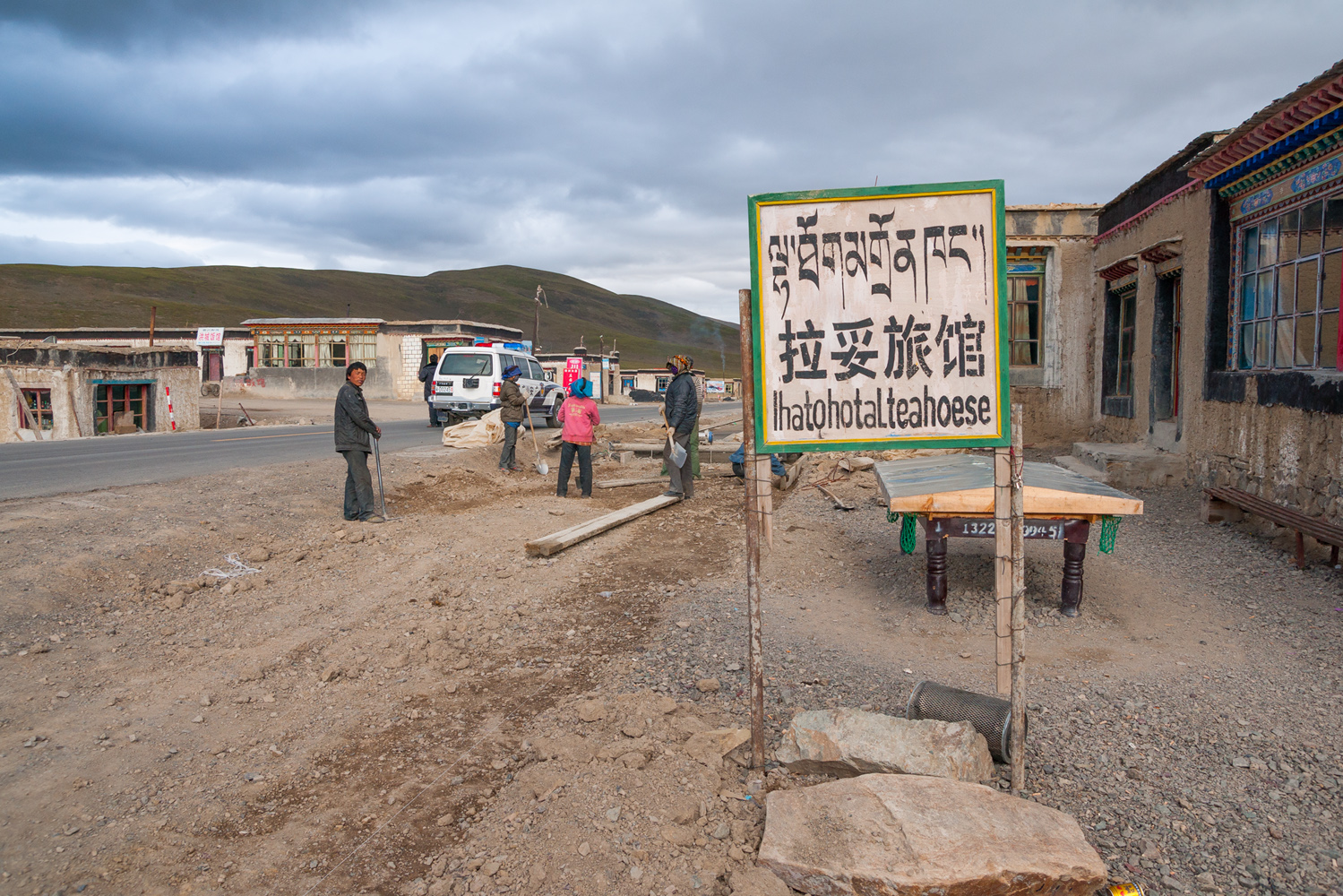
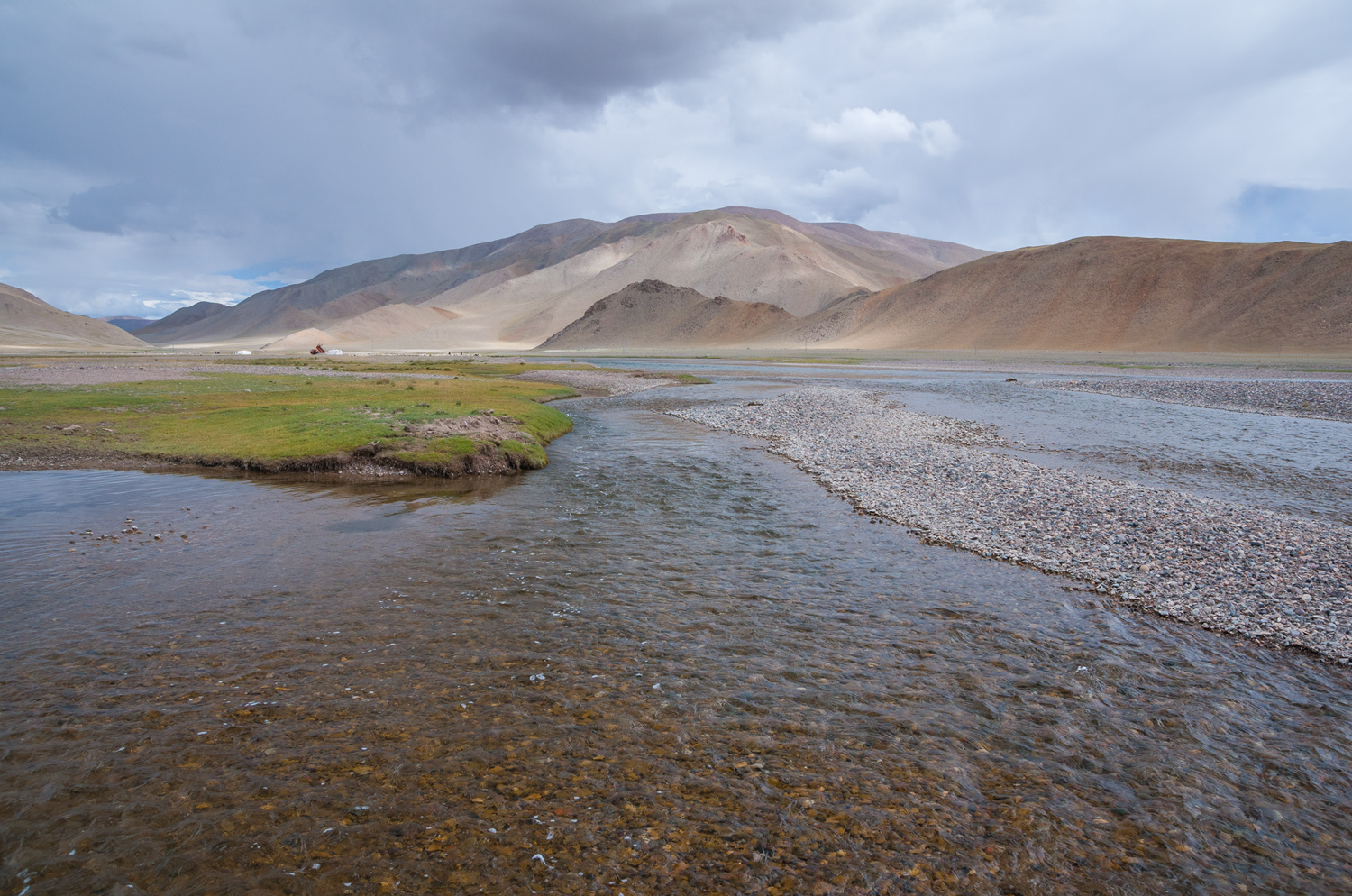
More from over there: people think the sign refers to a tea house, but not so. It was probably the site of a junction on the ancient tea horse route from Tang China to Tibet. 'Lhato' is a marker, usually a small block painted red. Anyway, this establishment had cozy bedding and mud brick rooms, even a wood stove. At 4900m, it's as high as Everest Base Camp on the Tibet side of the big range. #2 this trickle is, believe it or not, the Indus River very close to its source. It goes on to utterly dominate Ladakh and Pakistan.
Sony ILCE-7RM2 + Nikon AF NIKKOR 28mm f/1.4 D Autofocus Lens @ 28 mm (28 mm in 35mm), 1/3200 s, ISO 8,000.
Hmm, 1/2,000 s is not fast enough to avoid motion blur, 1/3,200 s seems to get there.
I shot this scene with a Loxia 85/2.4, an RX1 Sonnar, and this one from the (1986 design) 35-70/3.4. They all look great, but I prefer this one for its 'walk into the scene' look.





 Kind of reminds me of the little "chicken hawk" always after Foghorn Leghorn.