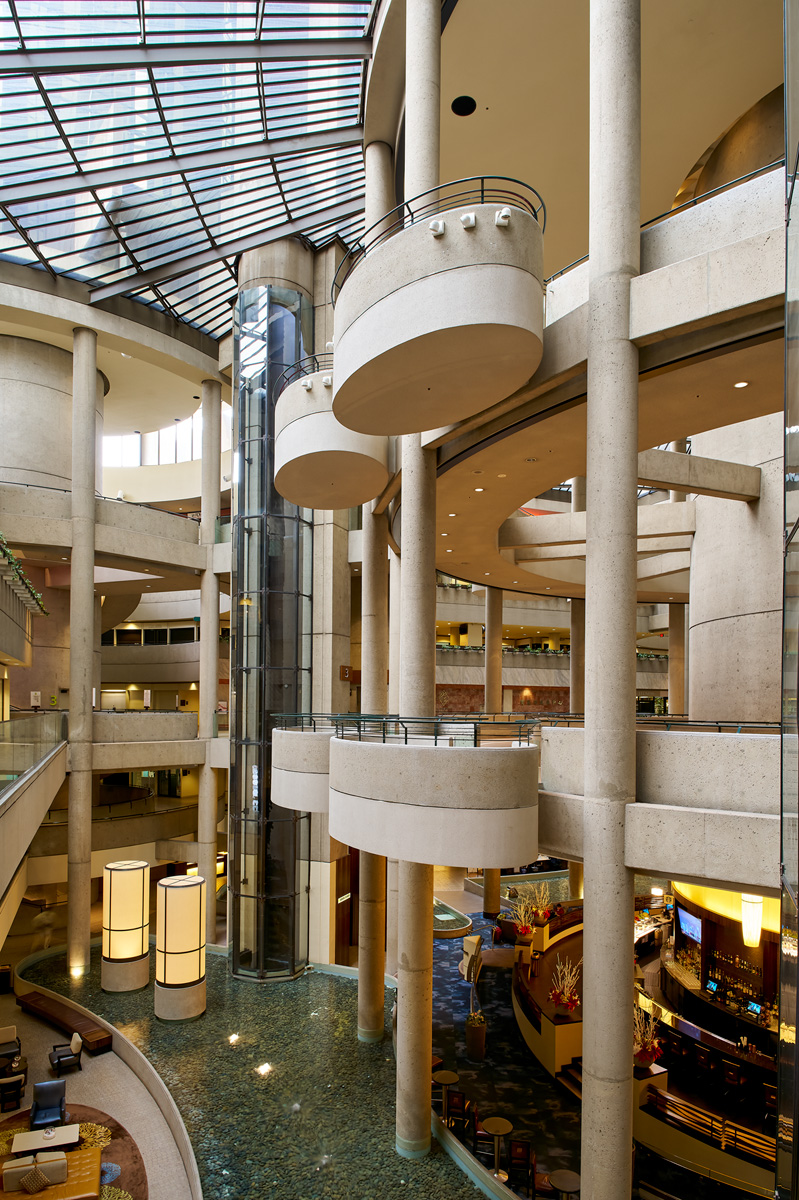
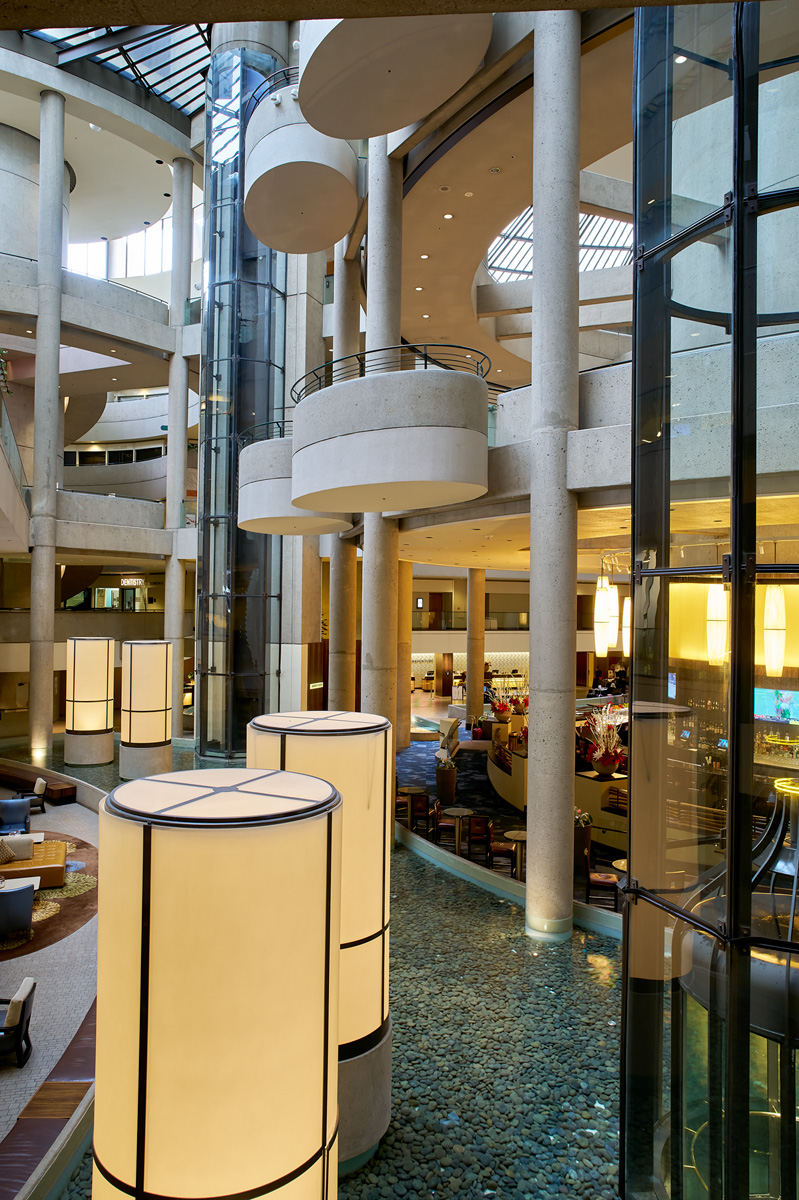
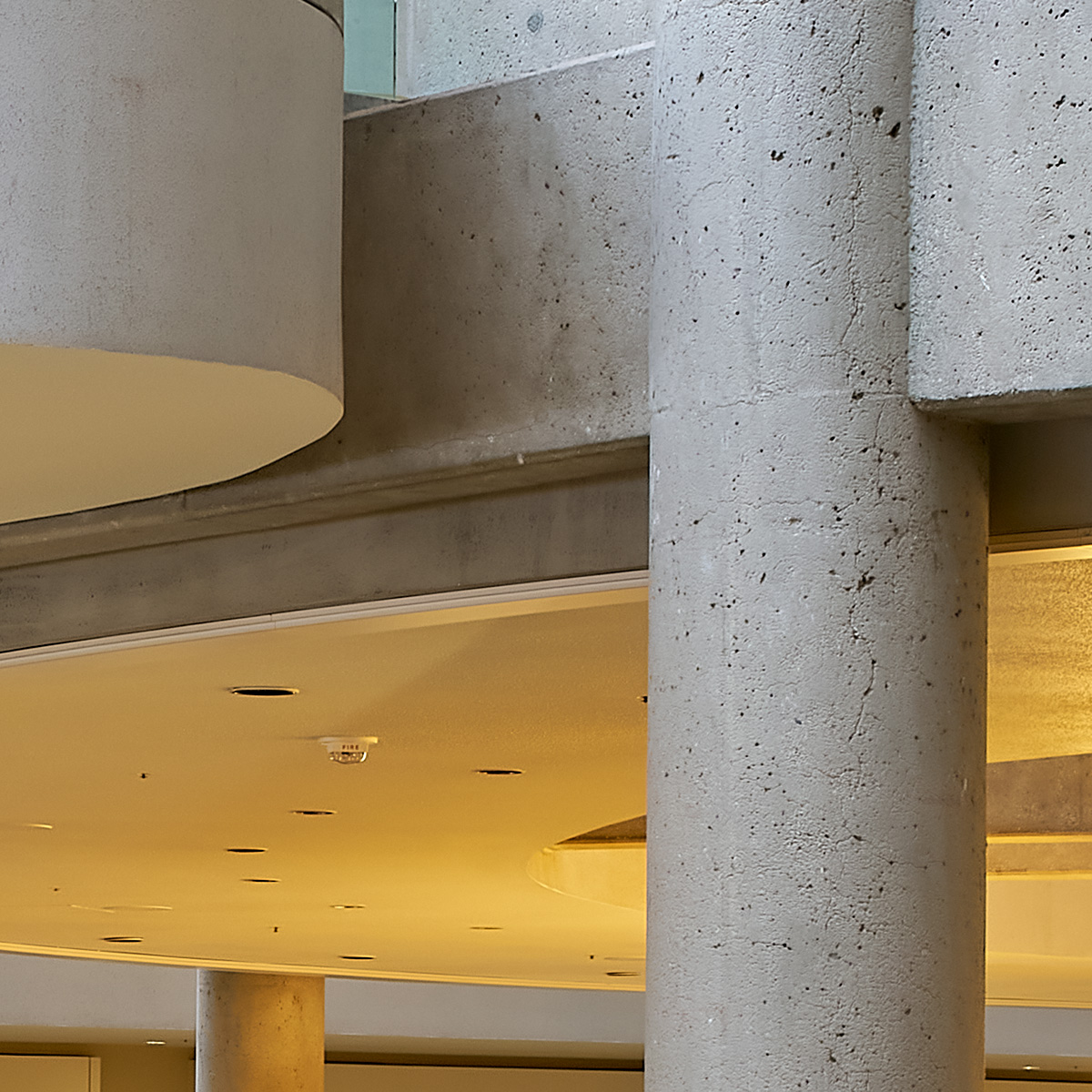
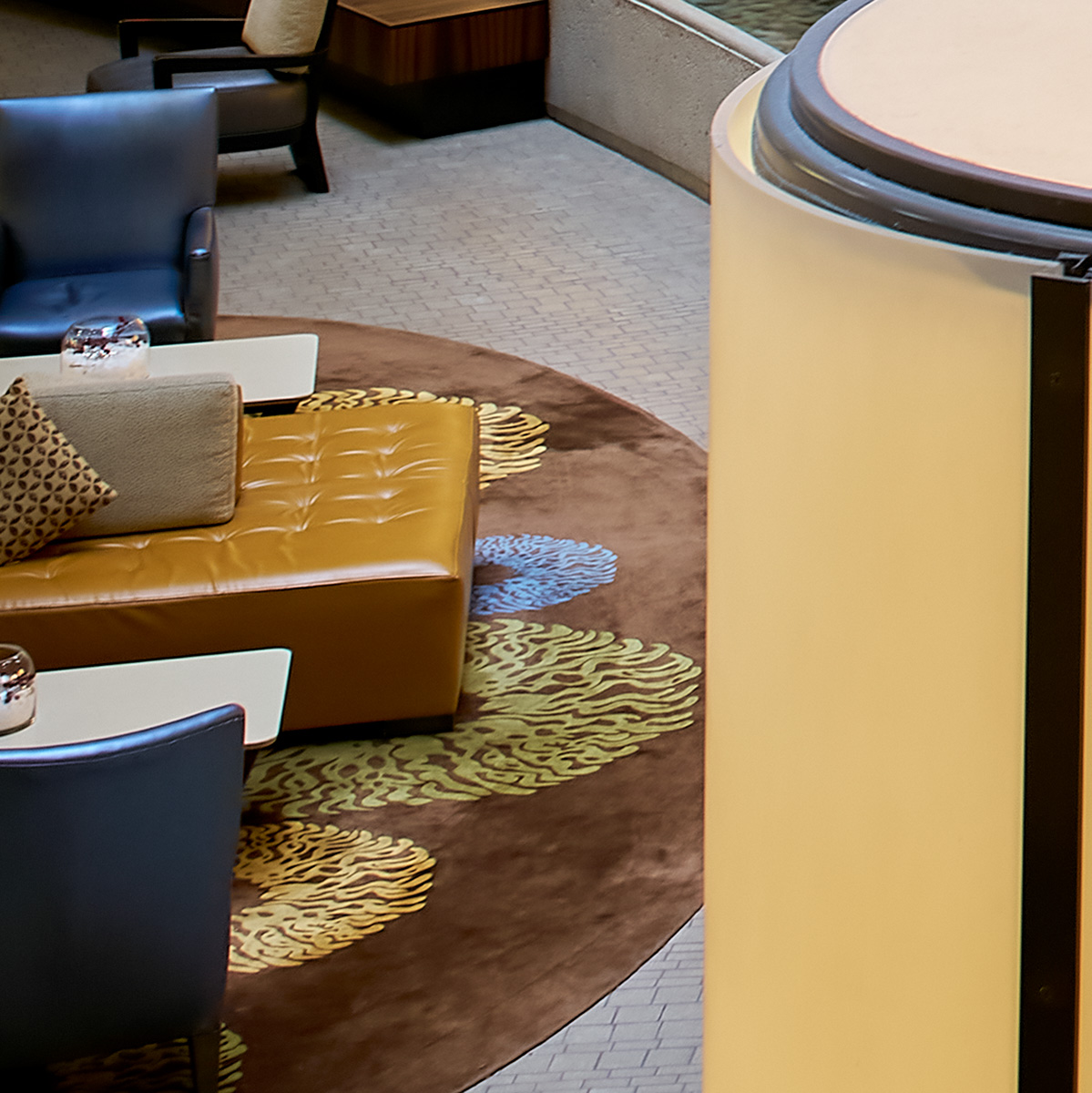
Tim, very impressive! Each of the 16 photographs has an exposition of 3.4s? Can the camera generate the ARW files? or it must be forcefully carried out by the "Imaging Edge Viewer" software?
tsdevine wrote:
Used Sony Imaging Edge Viewer with the stabilize option checked to output an ARQ file. Then used PixelShift2DNG to take it into Lightroom. Then did some color and exposure work in Photoshop, sharpened in Topaz Sharpen AI.
The detail is stunning. I had no expectation that this would have worked so well, especially for this type of subject.
This is really nice. I did something similar with a waterfall but old school - Canon 6dMk2 with 85mm lens and about 40 positions for a mosaic. Exposure stacked to even out the water and then stitched (I think it was 120 images total).
Wanted to print it wall size - but then we moved countries… 😳
Pixel shift seems like really cool tech, although sadly unavailable with my a7iv.
tsdevine wrote:
Sony a7R V + Sigma 28mm f/1.4 DG HSM Art
16 shot pixel shift yielding a 240 megapixel photo.
I wanted the longer exposure to blur the water. You just set up pixel shift and say whether you want 4 shots (gives you full color at each pixel, no change in resolution) or 16 shots (full color at each pixel with more resolution). I think all 16 shots use the same exposure params as the first. Each file is an ARW file, but you need software to work the magic of combining them.
I would suggest using Sony Imaging Edge Viewer as it has the new feature for the a1 and a7R V to better handle motion. I suspect this shot wouldn't have turned out as well without that feature. Literally the viewer is just building the ARQ file, it's not an editor. And then to avoid using the Sony editor, I used PixelShift2DNG to get a linear DNG. Then you can use most software you're already using (Lightroom, C1 I believe, etc.)
PixelShift2DNG can also do the work that the Sony viewer does, but it doesn't have that new stabilize capability.
Edit: I figured out later that Lightroom opens ARQ files natively. So that PixelShift2DNG step isn't required if you use Lightroom.
hanay78 wrote:
Tim, very impressive! Each of the 16 photographs has an exposition of 3.4s? Can the camera generate the ARW files? or it must be forcefully carried out by the "Imaging Edge Viewer" software?
Okay Tim a 4 shot Pixel Shift. Need to test this more but I can see an improvement. This is with a Tamron 20-40 on the A7RV. I used Viewer then converted to DNG than brought in C1 and made my tweaks. Distortion is by hand not sure and certainly don't look like its actually even going into the DNG the lens profile as it don't show up in C1. Obviously this is a process to work on.
ILCE-7RM5E 20-40mm F2.8 A062 lens20mmf/7.11/2s200 ISO0.0 EV
ILCE-7RM5E 20-40mm F2.8 A062 lens24mmf/7.11/2s200 ISO0.0 EV
Looks good. Doing a 4 shot will keep native resolution but will avoid the color interpolation that bayer introduces. The 16 shot version will do the same but also give you higher resolution.
GMPhotography wrote:
Crop from the first image far right side
tsdevine wrote:
Looks good. Doing a 4 shot will keep native resolution but will avoid the color interpolation that bayer introduces. The 16 shot version will do the same but also give you higher resolution.
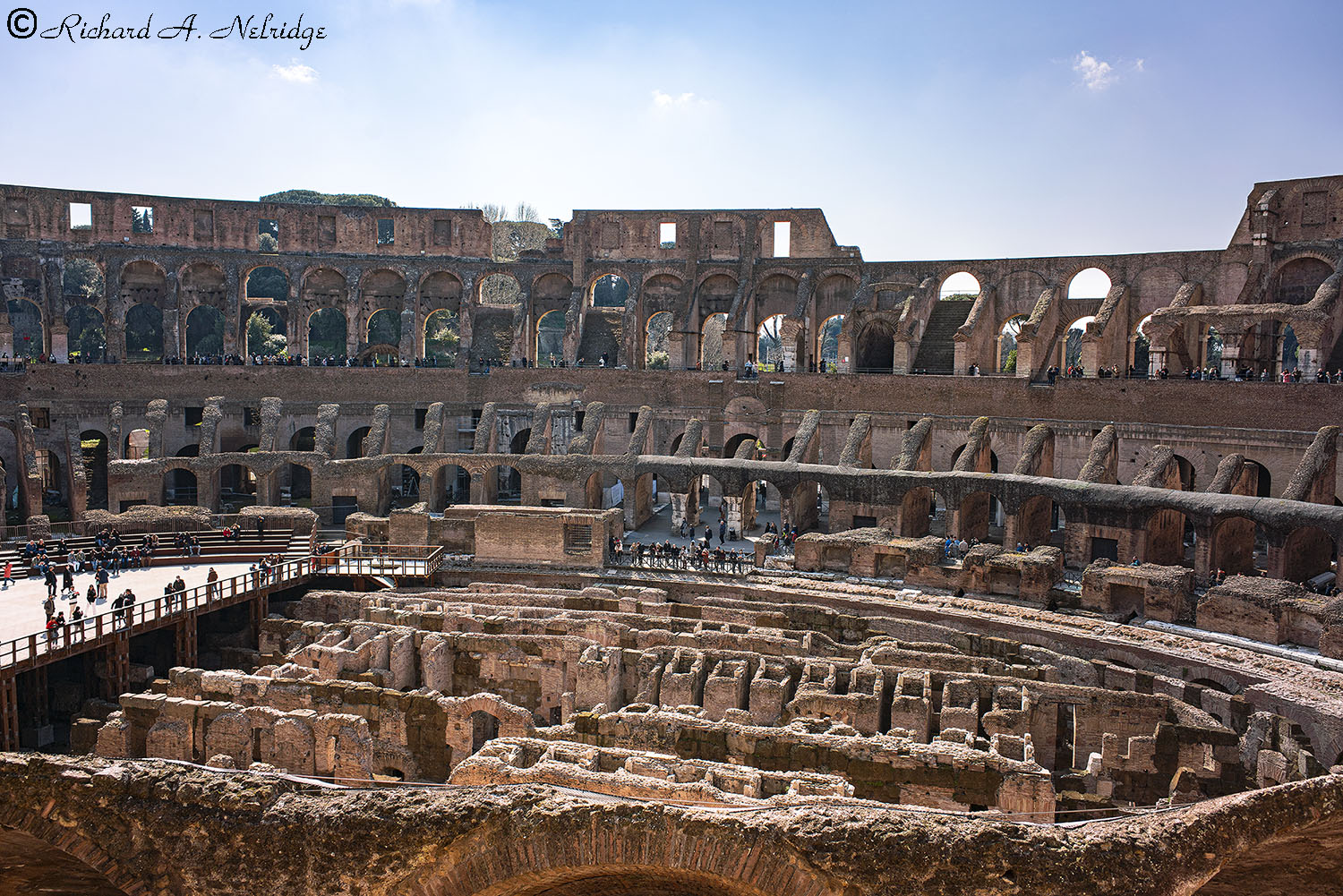
Looking across the inside and lower levels of the backlit Colosseum.
Hand Held relying on Camera IBIS, Sony A7rII Kolari Vision UT sensor modified camera and Voigtlander 28mm f2 Ultron II VM lens; silent shutter.
ISO 100, F8?, 1/2000 Second.
Exposure Corrected +2.02 Stops.
March 7, 2022
At the Colosseum, Roma (Rome) Italy.
Tim, excellent captures! And they do look like the output from a medium format camera, at least that from the Fuji GFX 100s...
__________________________________________
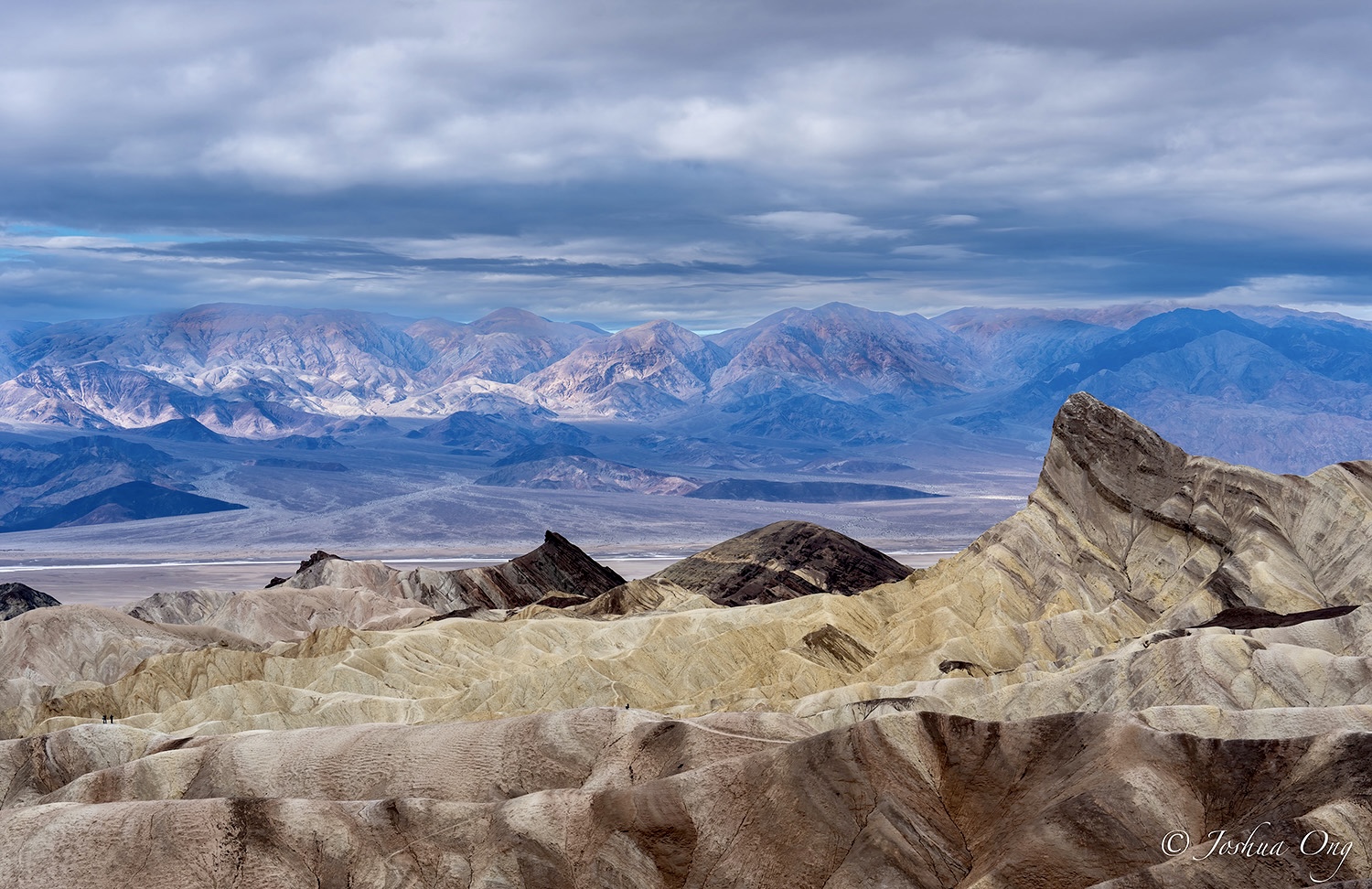
The daughter of my good friends from Italy and her boyfriend came over for a visit with us. Of course, we had to show them around. In addition to a brief stint to Vegas, we stopped by and visit Death Valley.
Here is an image from Zabriskie Point in DV from yesterday... I also made a pano but I still have to work on it.
Very nice, Joshua. It's amazing how dry and barren can be so beautiful.
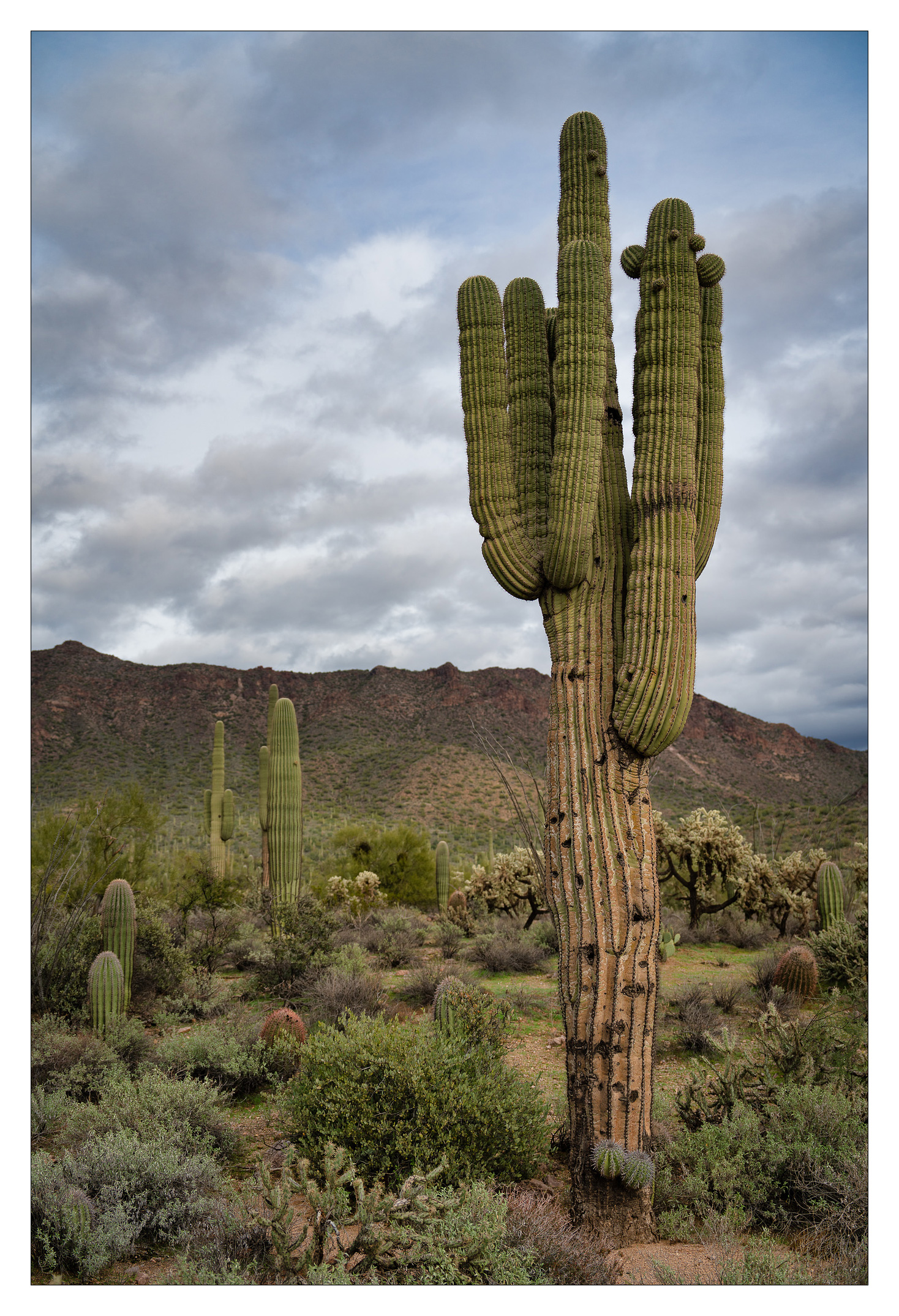
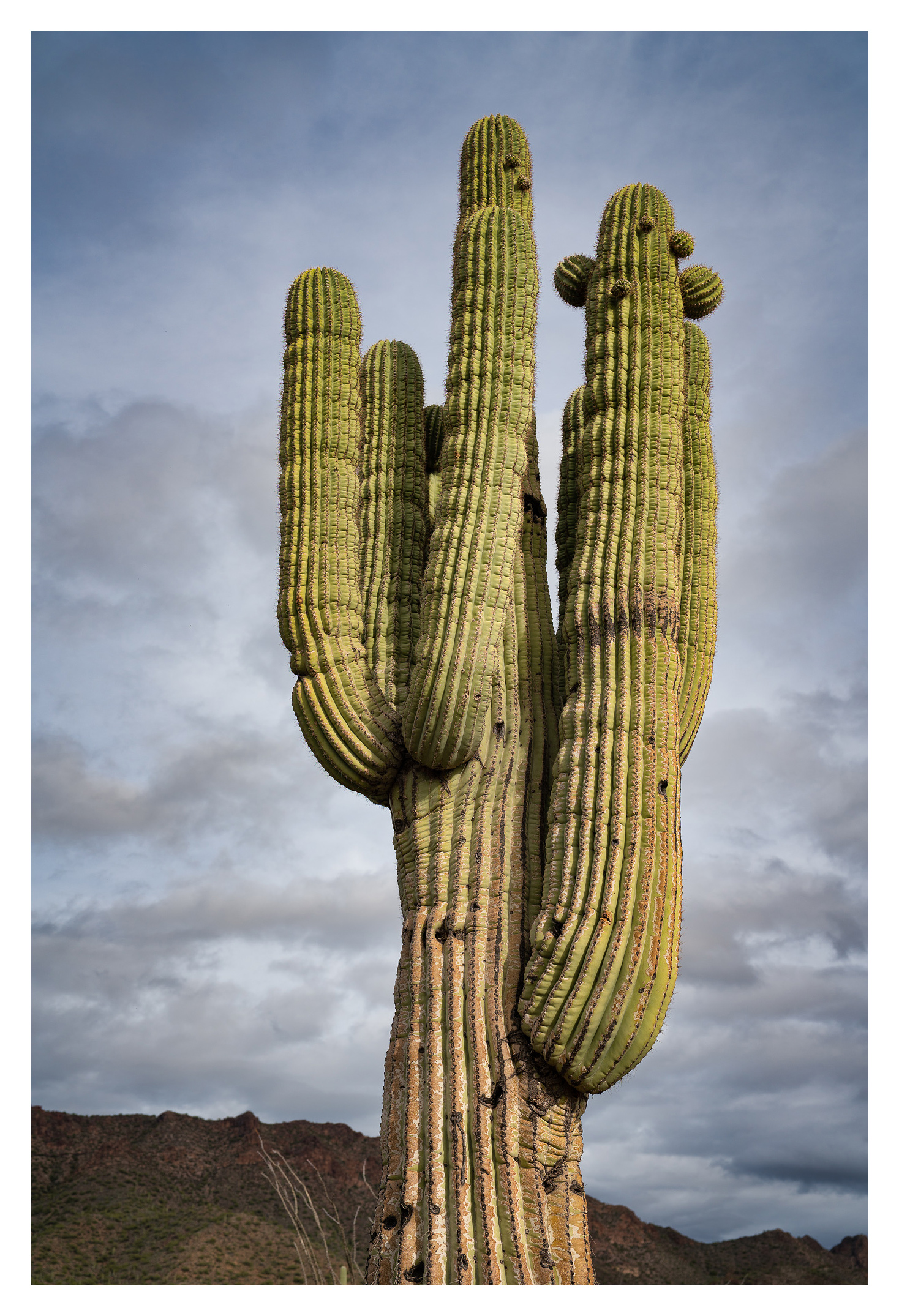
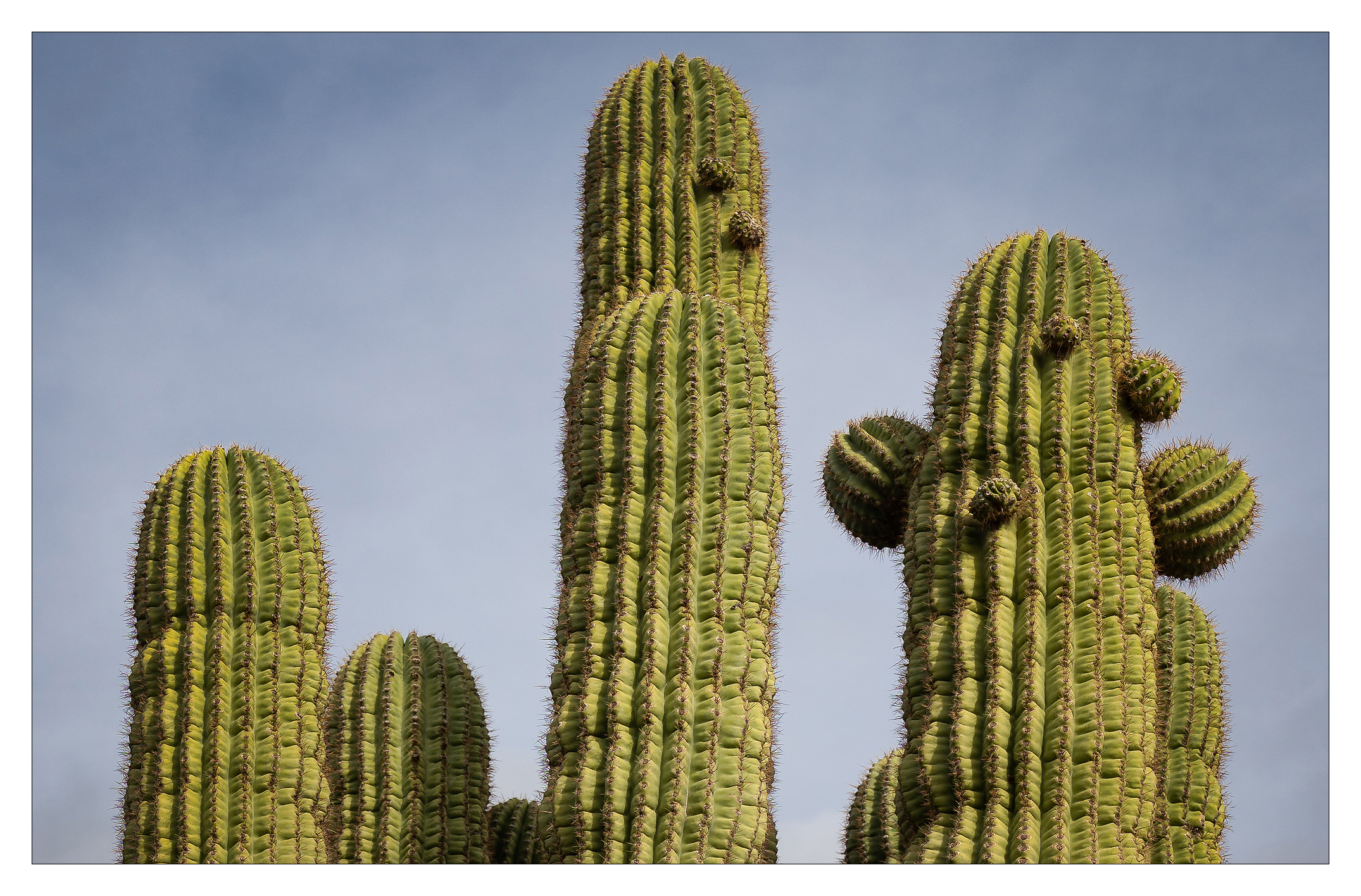
This was from a short hike we did today. This Saguaro cactus has a very interesting and detailed surface and color. Three different looks at it. A7RIII + 24-70GM II.