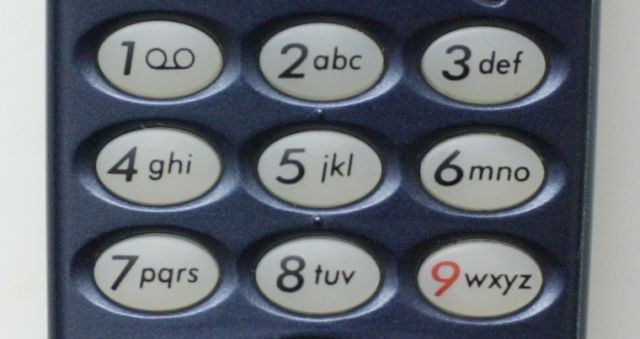
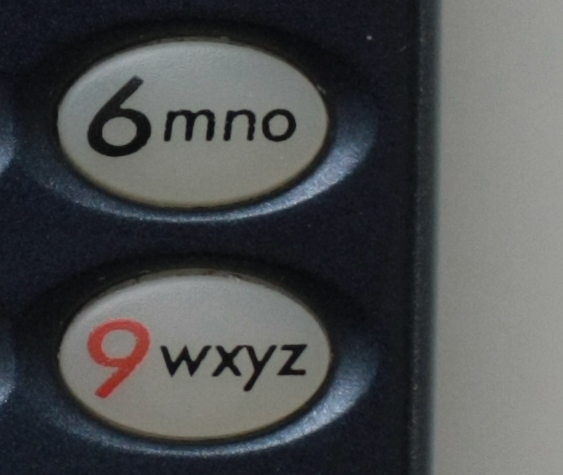
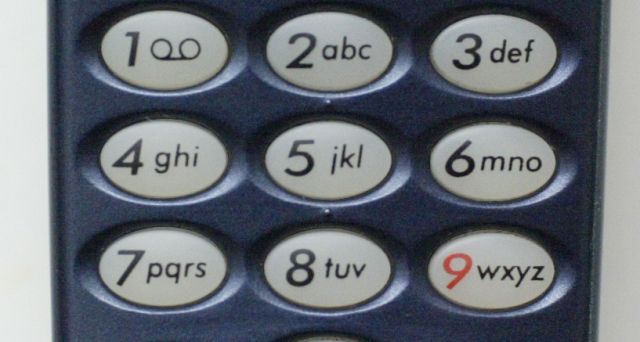
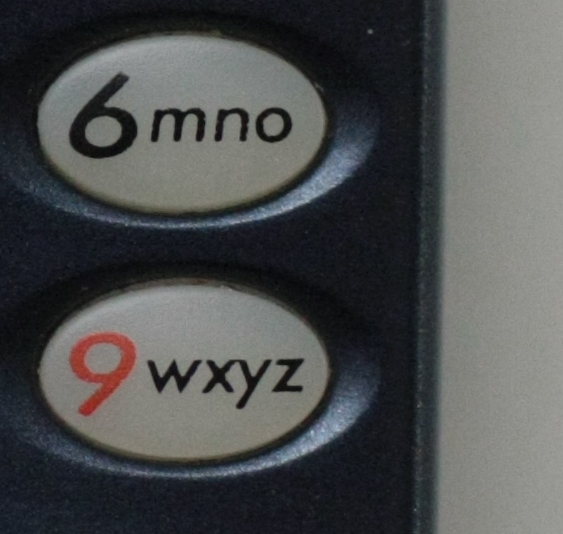
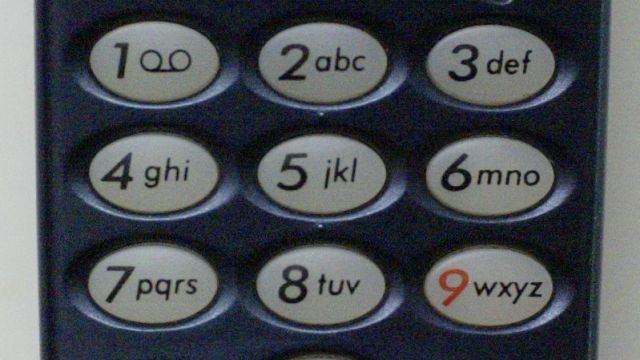
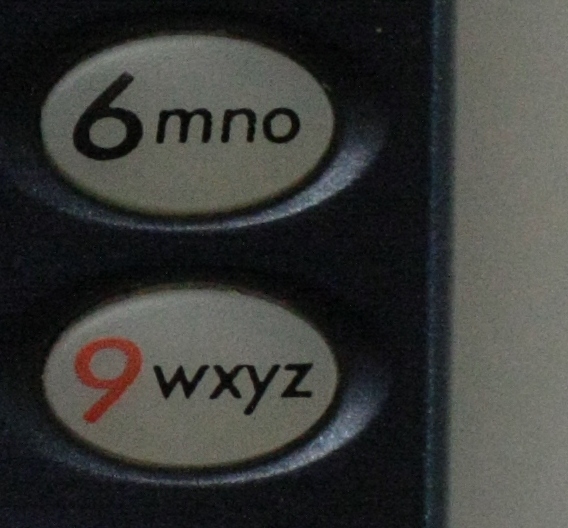
As per my previous post Yakim, I think it would make more sense to see the shots at the same size on screen. 1D performs better than expected though I must admit, but remember the way you are comparing them the 1D is getting to make the most its larger photosites - show them at the same 'size' (ie so they look the same on screen) and I think the 40D will show a bigger difference than you are showing here.
I don't get it. The shots are indeed at the same size on screen. It's just that as the 40D has more pixels, I had to crop more. If I hadn't the 1D pictures would look very small.
Whenever I compare image noise, my personal preference is to compare images at the same resolution. For example, if I compared my 6MP 10D vs 8MP 20D then I would downsize my 8MP 20D image to 6MP and see what it looks like.
Why? Well, if I make a print, it's a set size - it doesn't matter what output is given by the camera. So therefore I'm only interested in the final result. Ultimately what that means is that higher resolution images will look cleaner because they can be downsampled, which helps hide noise.
Though the 1D performs well, try taking a 40D (same framing of shot), and downsize it to a 4MP equivalent. The result will likely show as being very clean. Even though the 100% crops may not differ much, you still have to account for the big difference in output resolution.
Also, another technical test may be to test the camera under conditions where you've significantly underexposed the image. Usually that is the most demanding scenario and really shows how the sensor performs.
Edited by simon_says on Dec 04, 2007 at 06:22 AM GMT
Yakim Peled wrote:
I don't get it. The shots are indeed at the same size on screen. It's just that as the 40D has more pixels, I had to crop more. If I hadn't the 1D pictures would look very small.
Happy shooting,
Yakim.
Hi Yakim. No - you mean that they are the same view size (100%?) however the pics you have posted are different physical sizes, so the comparison is not fair. To my mind the fact that the 40D has more pixels is the point - small pixels = more noise.
Crop the 1D pics so that they only show two buttons and we have a fair comparison
Lord Fluff wrote:
Hi Yakim. No - you mean that they are the same view size (100%?) however the pics you have posted are different physical sizes, so the comparison is not fair. To my mind the fact that the 40D has more pixels is the point - small pixels = more noise.
Crop the 1D pics so that they only show two buttons and we have a fair comparison
We may not be able to agree on this one Yakim - I really think the resulting images need to be the same size on screen or you are not comparing like with like.
I appreciate that your comparison shows something - that at 100% the noise from the 1D is not that bad.
But if were expecting the 40D to be much better with noise then you have to compare in a fair way.
Your assertion that "then the 1D pics would have been very small" is exactly the point.
If the noise at 100% were identical and the 40D has 2.5x the pixels then an equivalent print will have 2.5x worse noise because you are having to blow up the 1D image by 2.5x compared to the 40D. Am I making any sense anyone?
simon_says wrote:
Whenever I compare image noise, my personal preference is to compare images at the same resolution. For example, if I compared my 6MP 10D vs 8MP 20D then I would downsize my 8MP 20D image to 6MP and see what it looks like.
Why? Well, if I make a print, it's a set size - it doesn't matter what output is given by the camera. So therefore I'm only interested in the final result. Ultimately what that means is that higher resolution images will look cleaner because they can be downsampled, which helps hide noise.
Though the 1D performs well, try taking a 40D (same framing of shot), and downsize it to a 4MP equivalent. The result will likely show as being very clean. Even though the 100% crops may not differ much, you still have to account for the big difference in output resolution. ...Show more →
While I have not done that (nor do I know how), it is obvious that in such a test the result will be as you predicted.
simon_says wrote:
Also, another technical test may be to test the camera under conditions where you've significantly underexposed the image. Usually that is the most demanding scenario and really shows how the sensor performs.
You may be right again but under normal shooting conditions you don't do that and this short test was aimed to mimic normal shooting conditions. That is also why I used AF, handheld, used correct exposure etc.