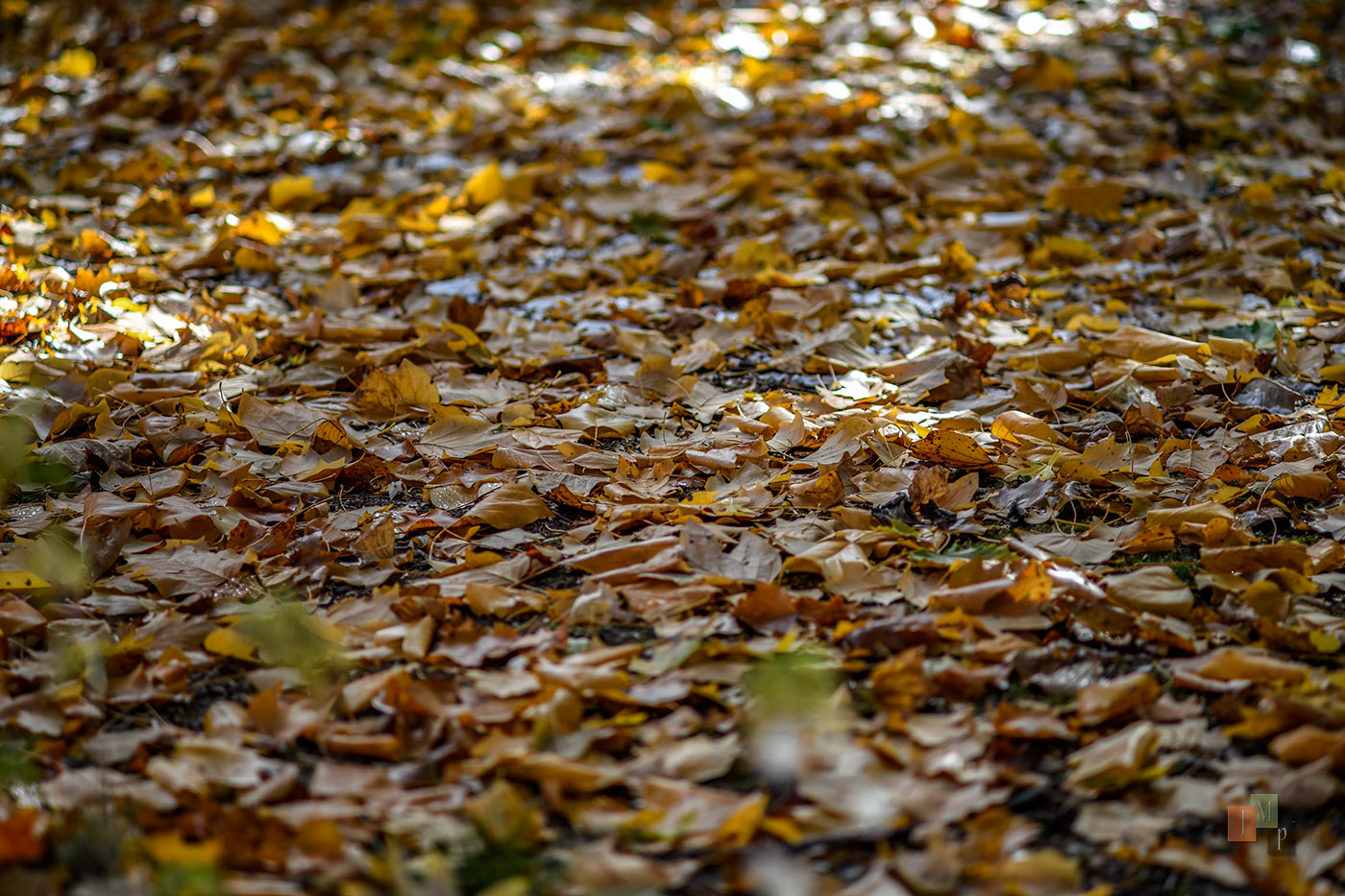
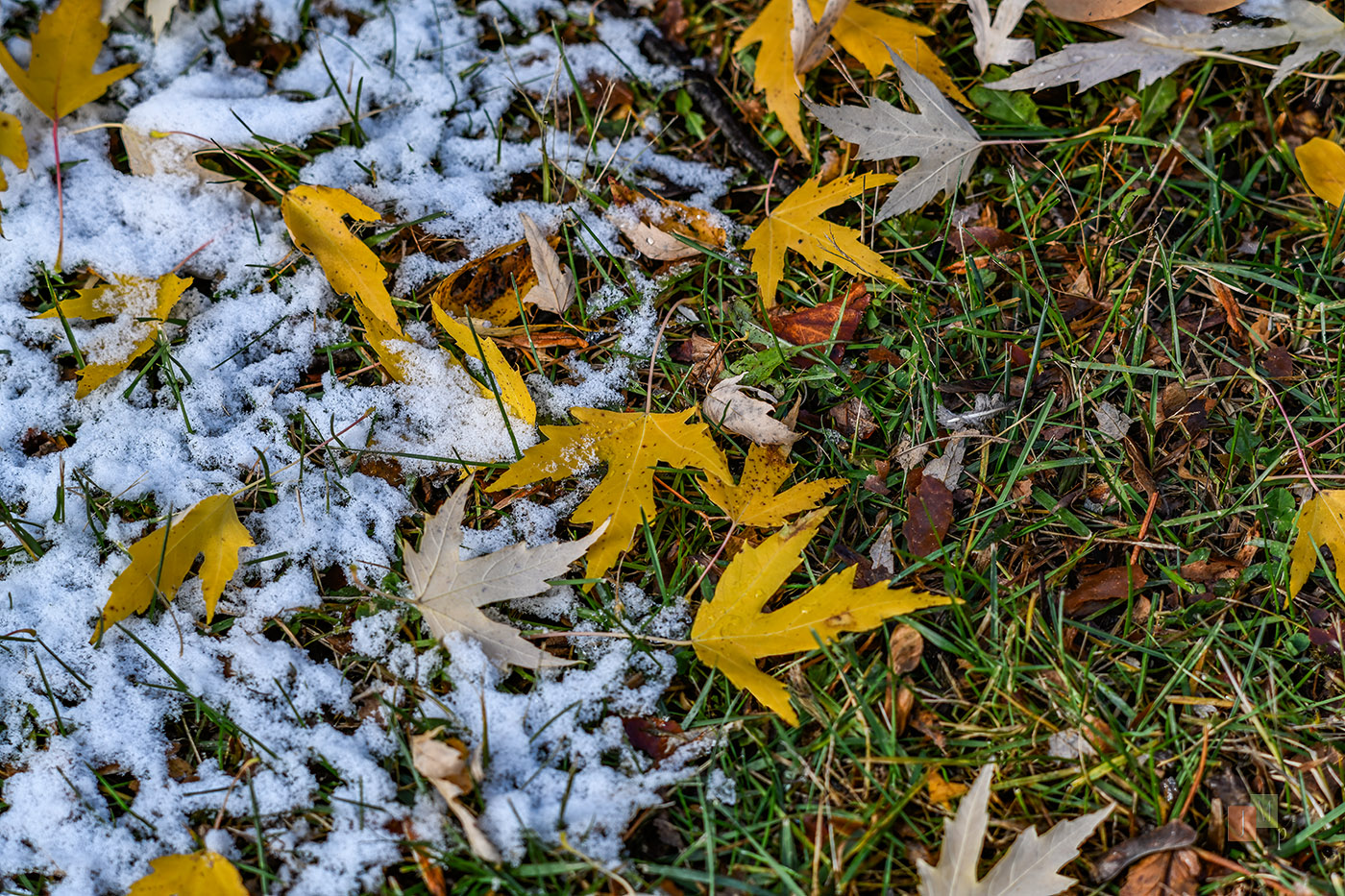
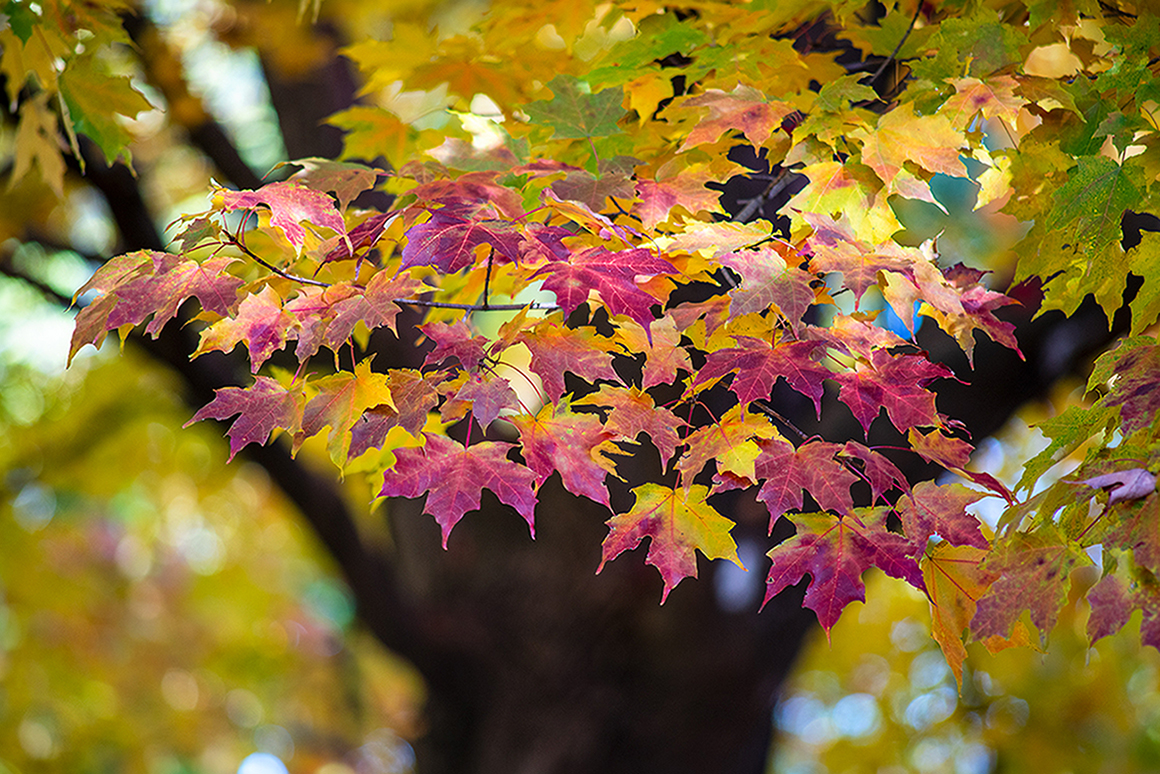
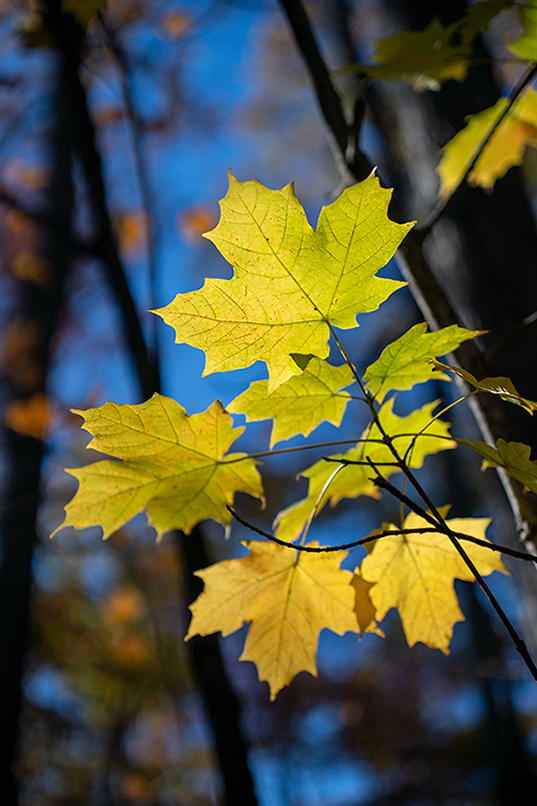
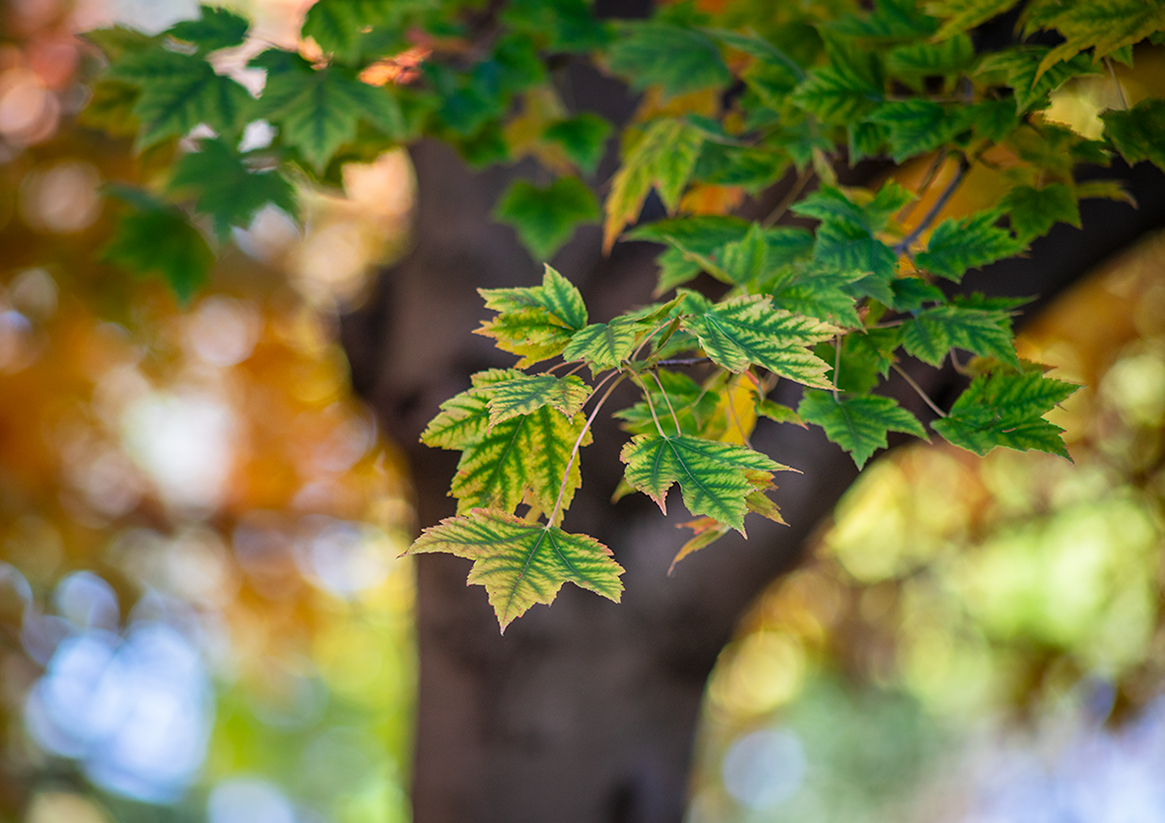
Yesterday morning while looking outside from the kitchen sink I saw something I have never seen before. The Tulip tree began mass releases of it's leaves in wave after wave. It went on for about two hours until very few remained. They came off in sheets - hundreds at a time. I was looking out to admired my lawn job from the day prior (I mulch the leaves with the mower) and gauge how many days I had before getting the mower out again. A good portion of the neighborhood seems to have got the same memo as my Tulip tree, and tree bones are sticking out of the ground everywhere. Not rain, nor wind induced - they just all seemed to give up the ghost at the same time. Right eye was bad the last couple days, but green dot to the rescue with the 135mm f2.0 ai
Really good set Bill. Does the Sony 5-axis in-body image stabilization work with the manual focus Nikkors? Is there AF confirmation (a beep or indicator)
James Markus wrote:
Really good set Bill. Does the Sony 5-axis in-body image stabilization work with the manual focus Nikkors? Is there AF confirmation (a beep or indicator)
Jim, thanks…. The Sony stabilization works great with Nikon lenses. The camera doesn’t have a beep confirmation or indicator, but the magnification tool along with the stabilization is an outstanding combo for nailing focus on the Sony.
lumenspixel wrote:
The 85 2,0 is sometimes maligned on the web. I am content with my copy. It unfortunately shares with my 50 2,0 HC a dry helicoid. A problem I have never encountered with my Canon and Minolta lenses of the same period. Probably a difference in the grease used by Nikon. I have red horror stories about threads self eaten when grease has dried but the cost of servicing is often superior to the price of another lens, so I am leaving them as is. I am frustrated not having the skills to service myself the helicoids.
Anyway the 85 2,0 is a nice lens and I enjoy using it before it self destructs.
This last pic might be one of my favourites with this lens. I have been very impressed by one of the first science fiction/anticipation film in history: Metropolis by Fritz Lang and it reminded me of the atmosphere.
Let's try to keep the pictures rolling. More from the 25-50. It was the only MF lens I shot with that day so it will make some additional appearances. Second shot is cropped in quite a bit.
lumenspixel wrote:
The 85 2,0 is sometimes maligned on the web. I am content with my copy. It unfortunately shares with my 50 2,0 HC a dry helicoid. A problem I have never encountered with my Canon and Minolta lenses of the same period. Probably a difference in the grease used by Nikon. I have red horror stories about threads self eaten when grease has dried but the cost of servicing is often superior to the price of another lens, so I am leaving them as is. I am frustrated not having the skills to service myself the helicoids.
Anyway the 85 2,0 is a nice lens and I enjoy using it before it self destructs. ...Show more →
Oosty wrote:
Google Richard Haw he has many "how to's" regarding Nikon MF lenses
Yes, Richard Haw's lens service guides are pretty much the definitive resource on this topic, but I would say that even a relatively "simple" task like regreasing the helicoids on the 85/2 is NOT for the faint-of-heart. You will need special tools (at a minimum the proper JIS screw-drivers), and probably should practice on a donor/dead lens first. Agreed that it's a dilemma with older, still high quality MF lenses: The repair cost exceeds their current (depressed) value, and it's almost more cost-effective just to look for a new copy. I had an AI'd 24/2.8 that died due to helicoid-seizure (which I then sold), and my AiS 85/1.4 started to seize (I "over" paid $200 to get it fixed), so this isn't an unusual problem with 50yo lenses alas.
grantgoodes wrote:
Yes, Richard Haw's lens service guides are pretty much the definitive resource on this topic, but I would say that even a relatively "simple" task like regreasing the helicoids on the 85/2 is NOT for the faint-of-heart. You will need special tools (at a minimum the proper JIS screw-drivers), and probably should practice on a donor/dead lens first. Agreed that it's a dilemma with older, still high quality MF lenses: The repair cost exceeds their current (depressed) value, and it's almost more cost-effective just to look for a new copy. I had an AI'd 24/2.8 that died due to helicoid-seizure (which I then sold), and my AiS 85/1.4 started to seize (I "over" paid $200 to get it fixed), so this isn't an unusual problem with 50yo lenses alas....Show more →
I feel pretty much the same. I have seen some pages of Richard Haw's website and the explanations are very good. I have spanners and JIS screwdrivers and I underwent very simple operations like cleaning inner surface of first elements of a lens. But I am chickening on the helicoid issue since you pretty much need to disassemble all the lens.
I feel pretty much the same. I have seen some pages of Richard Haw's website and the explanations are very good. I have spanners and JIS screwdrivers and I underwent very simple operations like cleaning inner surface of first elements of a lens. But I am chickening on the helicoid issue since you pretty much need to disassemble all the lens.
Yeah for me it was my (off-topic) 28/1.4D with the dreaded cracked M/A ring. Bought a replacement ring, studied the you-tube videos of precisely this operation, and then... chickened-out and paid a local technician $300 to do the work. Just as well I did, as the replacement ring (the aftermarket metal one) was not an exact fit, and the mounting screw needed shimming, so I would have struggled (and the technician I paid grumbled about how fiddly the repair was).
Some day I would like to tackle some simple lens repairs, but everything I own now is too precious to subject it to the tender mercies of my amateur skills.