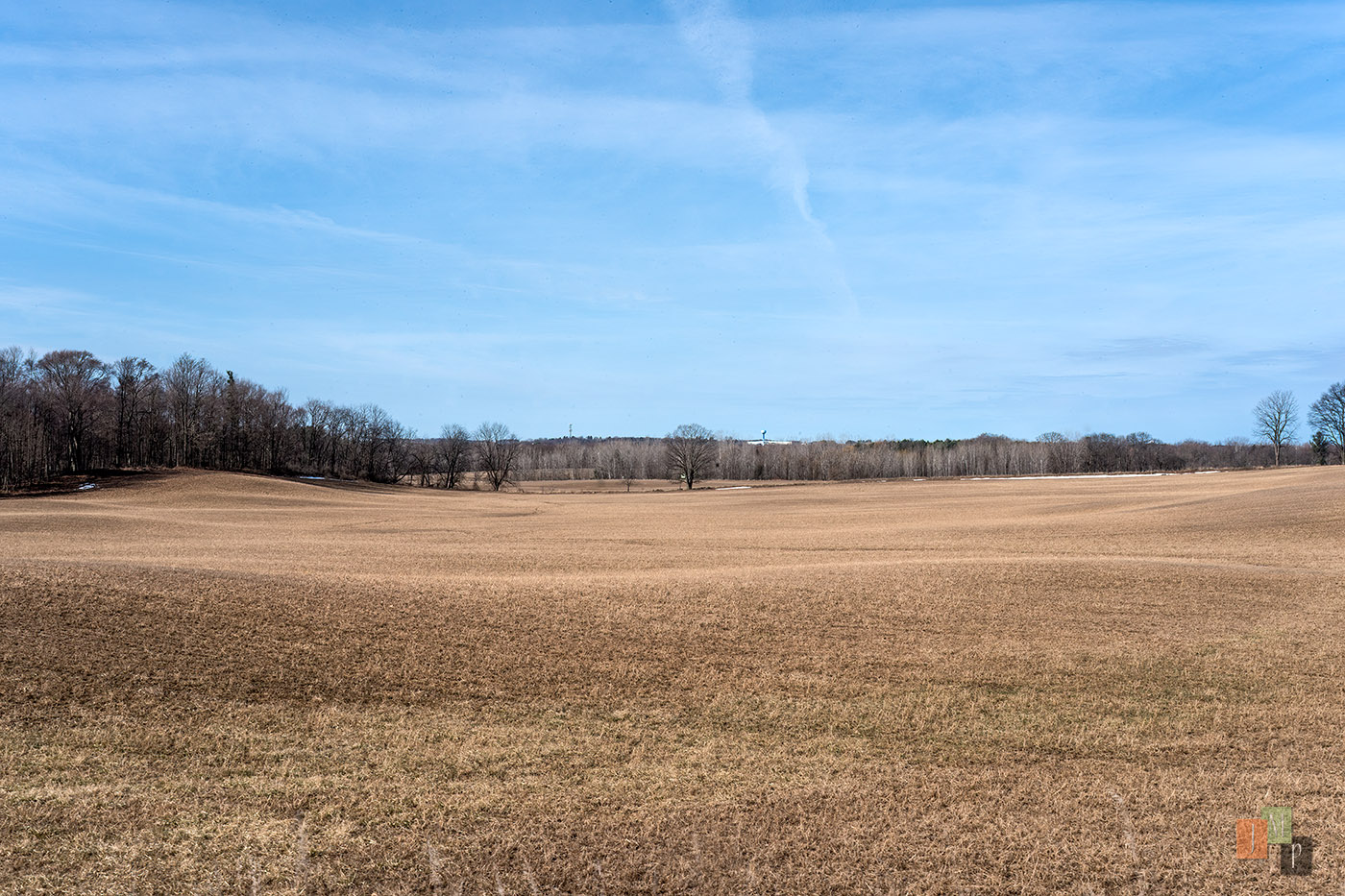
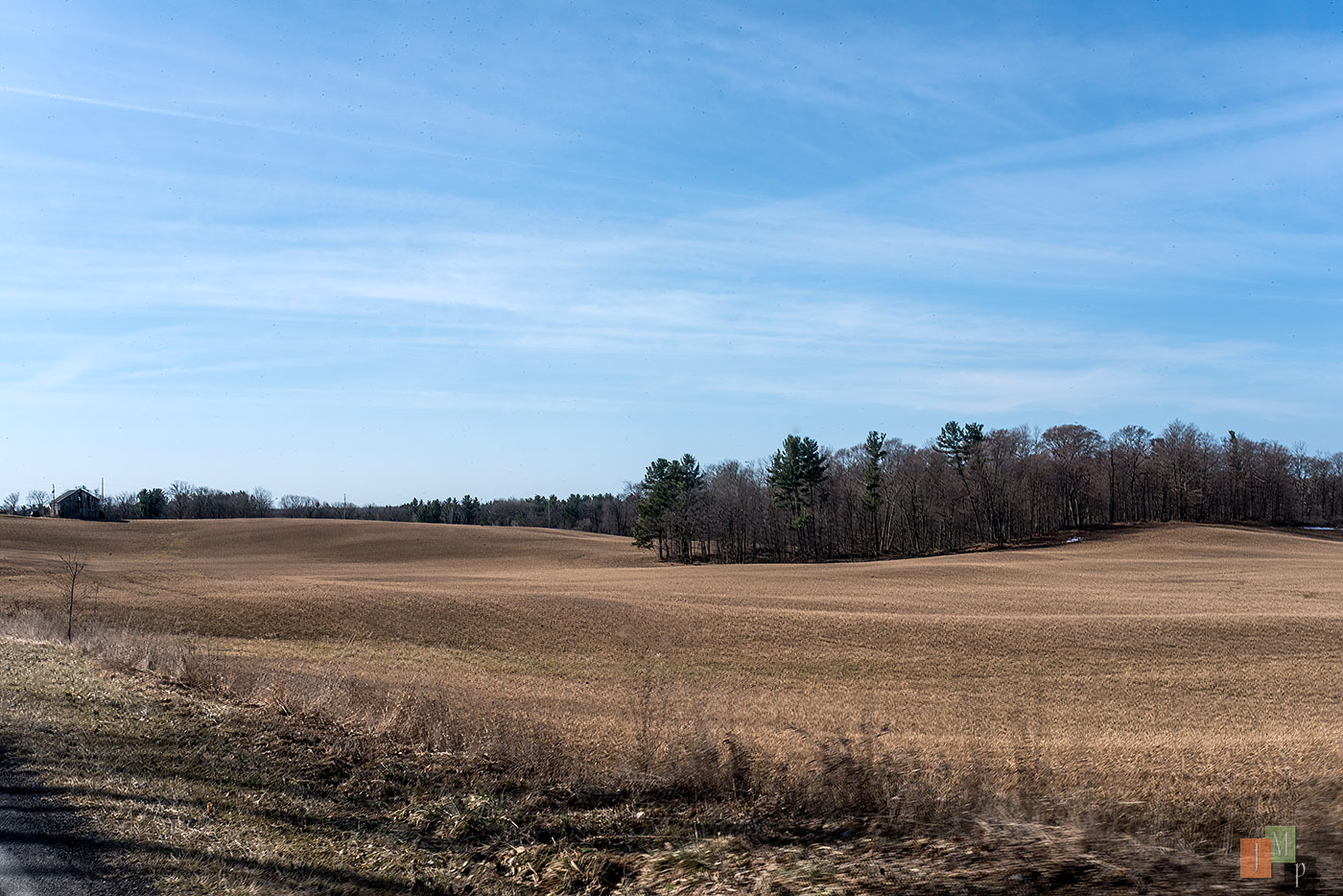
Barb needed to deliver some paperwork to a client and I tagged along with camera in case something popped out. A tiny 40-50 acre lake was stop one, and this lovely golden groomed field, with hazy blue sky were my take aways. I discovered my D800 sensor is filthy. 24mm f2.8 ais + modified tc16a
James Markus wrote:
Barb needed to deliver some paperwork to a client and I tagged along with camera in case something popped out. A tiny 40-50 acre lake was stop one, and this lovely golden groomed field, with hazy blue sky were my take aways. I discovered my D800 sensor is filthy. 24mm f2.8 ais + modified tc16a
Oh you're on the verge of Spring. Still getting unseasonal floods here. Sigh.
Another question, James. I haven't seen it explained before; why is your tc16a modified? Based on the results with yours, one showed up and I have had it in my wish list for over a year and no one has bought it. I'm starting to think it is meant for me. It will be great if I knew what I'll be potentially getting into if I bought it.
SiMuMe wrote:
Oh you're on the verge of Spring. Still getting unseasonal floods here. Sigh.
Another question, James. I haven't seen it explained before; why is your tc16a modified? Based on the results with yours, one showed up and I have had it in my wish list for over a year and no one has bought it. I'm starting to think it is meant for me. It will be great if I knew what I'll be potentially getting into if I bought it.
Siphiwe, I have a modified TC-16A because my eyesight was/is failing. The TC-16A was made in the 1980s for a couple years to only work with a couple Nikon film cameras. If you just put an unmodified TC-16A on a few models of a modern dslr, and change a handful of settings - you can get partial AF on a few MF lenses you attach. Modified it works more seamlessly and on any lens. It works because the TC-16A has a moveable group of elements that are driven by the cameras screw drive motor The only kind of Nikon bodies which the modification will work have a screw drive in the mount. You manually focus to approximate critical focus, and the motor driven TC finishes it for you. I found this web page bought an unmodified TC (+ a lot of reading from others that had done this before)
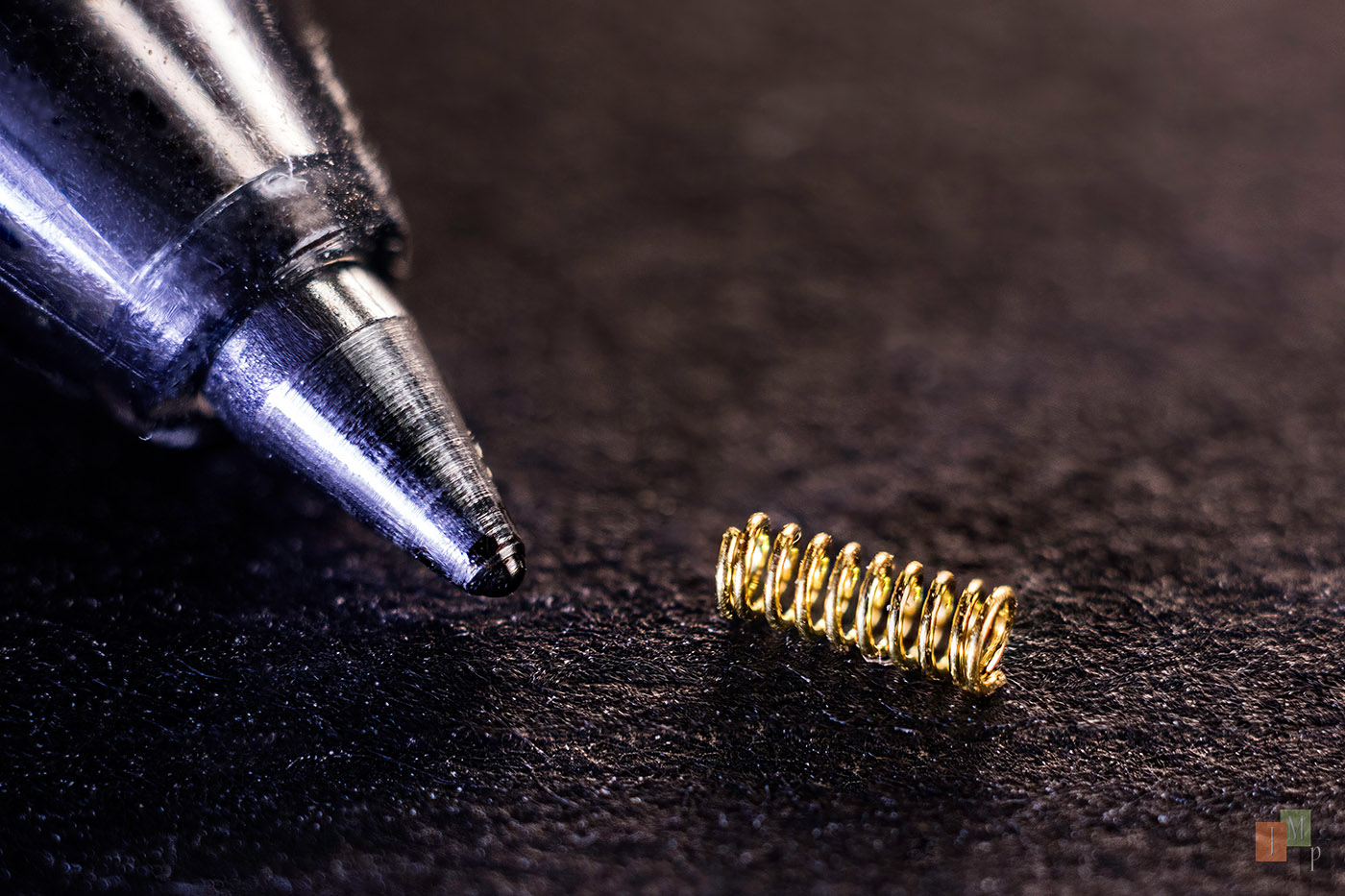
I added de-soldering two connections to the link that I found somewhere. So, you drill a hole, solder a jumper wire to a tiny spring, relocate that spring to the new hole, tape an insulating mask on the bottom of the spring, and reassemble. In theory it is simple, but those damn gold plated springs are possessed by the devil. I have one already to finish re-assembly. but one spring went on walk about for the second time and never returned. I bought another TC to use as an organ donor when I get time (three years ago, cough). I only see one modified copy on ebay, and it's seventh photo shows how the pins have changed with an empty hole where one of them use to reside. The pins are tiny gold plated hats with itty bitty rims to prevent them from sliding out of the holes. Those tiny springs reside in those hats are the connection to the flexible circuit board (see photo). I think Nikon made only about one million TC-16A's and the machine that could assemble that mass of loose parts - or the poor people employed to do so must be amazing.
Canon 5DS-R with Nikkor 55mm f3.5 ai
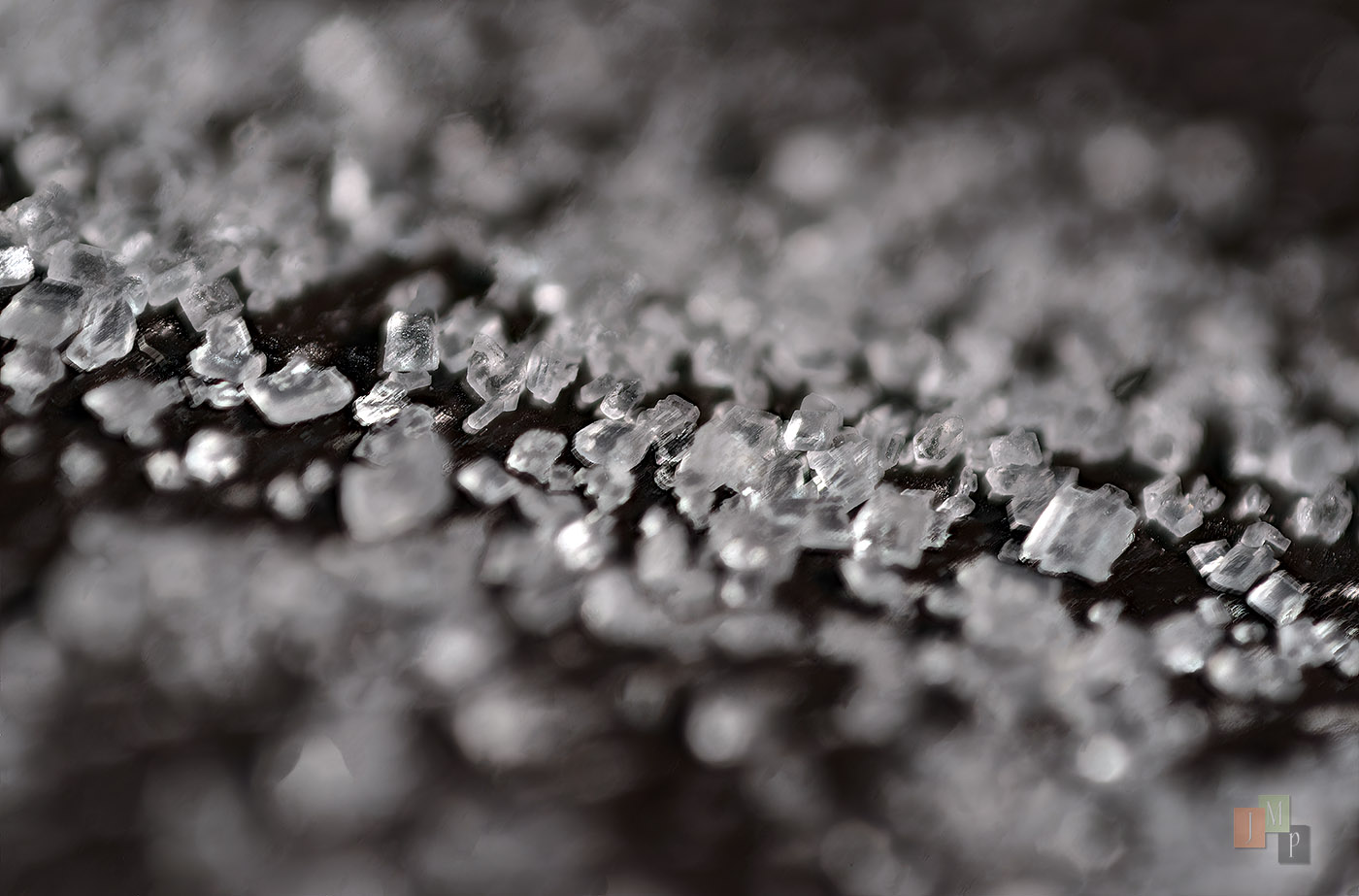
Proving it will focus anything - 221 image focus stack with a reversed 28mm f2.8 ais - granulated sugar
James Markus wrote:
Siphiwe, I have a modified TC-16A because my eyesight was/is failing. The TC-16A was made in the 1980s for a couple years to only work with a couple Nikon film cameras. If you just put an unmodified TC-16A on a few models of a modern dslr, and change a handful of settings - you can get partial AF on a few MF lenses you attach. Modified it works more seamlessly and on any lens. It works because the TC-16A has a moveable group of elements that are driven by the cameras screw drive motor The only kind of Nikon bodies which the modification will work have a screw drive in the mount. You manually focus to approximate critical focus, and the motor driven TC finishes it for you. I found this web page bought an unmodified TC (+ a lot of reading from others that had done this before)
I added de-soldering two connections to the link that I found somewhere. So, you drill a hole, solder a jumper wire to a tiny spring, relocate that spring to the new hole, tape an insulating mask on the bottom of the spring, and reassemble. In theory it is simple, but those damn gold plated springs are possessed by the devil. I have one already to finish re-assembly. but one spring went on walk about for the second time and never returned. I bought another TC to use as an organ donor when I get time (three years ago, cough). I only see one modified copy on ebay, and it's seventh photo shows how the pins have changed with an empty hole where one of them use to reside. The pins are tiny gold plated hats with itty bitty rims to prevent them from sliding out of the holes. Those tiny springs reside in those hats are the connection to the flexible circuit board (see photo). I think Nikon made only about one million TC-16A's and the machine that could assemble that mass of loose parts - or the poor people employed to do so must be amazing.
That explains it being available for so long. Thank you very much, James. I like the photography part of this hobby, the tinkering part, not so much. I'm neither have the finesse, nor the patience. You had one spring take a walk-about, for me it might be springs, screws, and the tc16a will acquire many scratches it didn't have before.
SiMuMe wrote:
That explains it being available for so long. Thank you very much, James. I like the photography part of this hobby, the tinkering part, not so much. I'm neither have the finesse, nor the patience. You had one spring take a walk-about, for me it might be springs, screws, and the tc16a will acquire many scratches it didn't have before.
The prospect of continuing to use my manual focus Nikkors was motive enough for me.
BTW: should anyone purchase a modified TC-16A you do need to change at least one camera setting In the settings menu for “Controls” Aperture set on “sub-Command Dials” won't work so choose “Aperture Ring" which MF Nikkors all have - then that control will show as "off". Camera still meters fine. I have used M, P, & A - but mainly M mode, or P when I don't want to work so hard. I have extensively used the TC of the D300, D7200, D800, & D850, and I expect it would work on many other models. The one lens I got a kick out of is the 500mm f8 reflex Nikkor - effectively a 800m AF with the TC.
Regina, terrific capture of the pony. Good to see you.
Ray, great snowy captures.
James, excellent photograph of the egg collection. Nice eyes on your friends
Siphiwe, very nice close up capture.
The Storm, Pierre-Auguste Cot 1880.
The painting had not been on display at The MET for several years but it was there on Sunday. It is now located on a side corner wall so the lighting is not as uniform compared to its original location. https://live.staticflickr.com/65535/54386183279_bba085bc47_h.jpg
Fuji S5 + 28/2.8 AIs @ f/2.8
Serge
Serge,
Thank you for introducing me to Cot's romantic work. The MET owns his two most famous paintings, and a small group of people are responsible for their existence, and preservation. This one was a commission (according to the MET),by Catharine Lorillard Wolfe under the direction of her cousin who owned his other famous painting "Springtime". Your use of the veiled light that captures the craquelure really does add to your crop of this massive almost 8 foot tall oil painting. It's as close as I'll ever get to experiencing it, and you did a great job of bringing us along.
Dervish show in Istanbul, a few days ago. Zf and 28mm f/3.5 PC
Samy,
I had never seen a red tanoura or tannoura, or sema costume before. I can not find which order of Sufi it signifies
, and what it might mean? The 28mm PC did a good job on the parallax from your angle.
Jim
James Markus wrote:
Serge,
Thank you for introducing me to Cot's romantic work. The MET owns his two most famous paintings, and a small group of people are responsible for their existence, and preservation. This one was a commission (according to the MET),by Catharine Lorillard Wolfe under the direction of her cousin who owned his other famous painting "Springtime". Your use of the veiled light that captures the craquelure really does add to your crop of this massive almost 8 foot tall oil painting. It's as close as I'll ever get to experiencing it, and you did a great job of bringing us along.
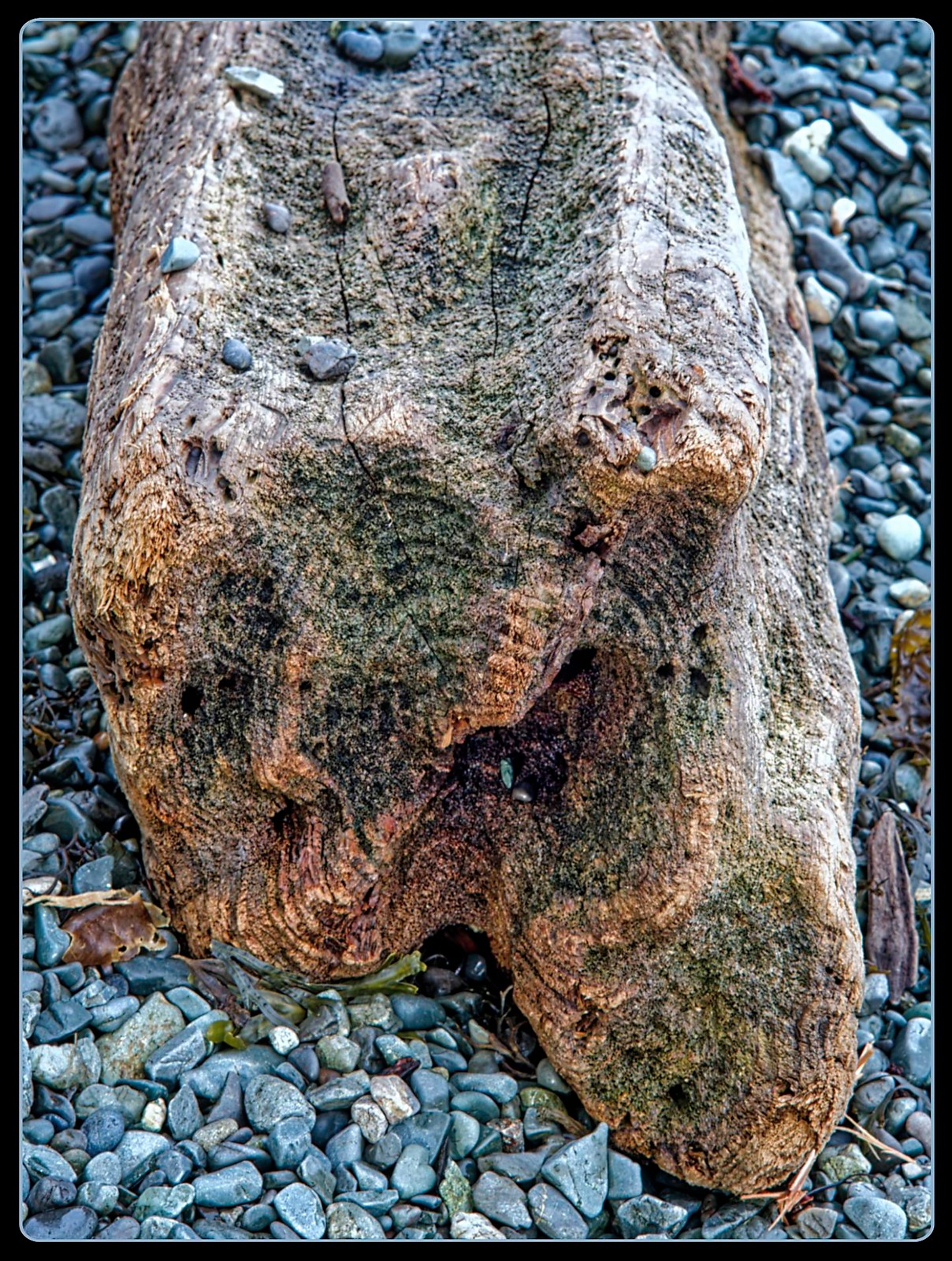
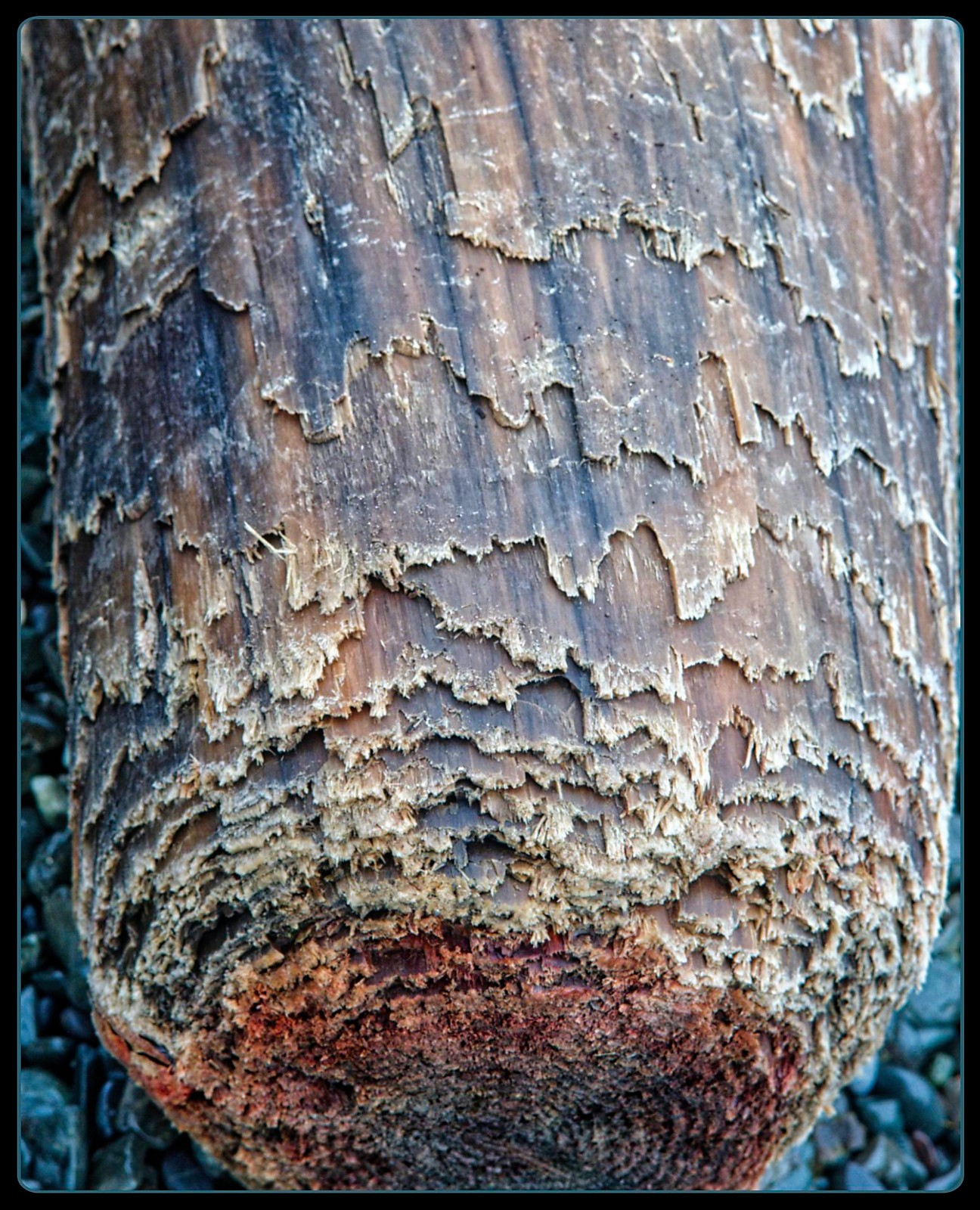
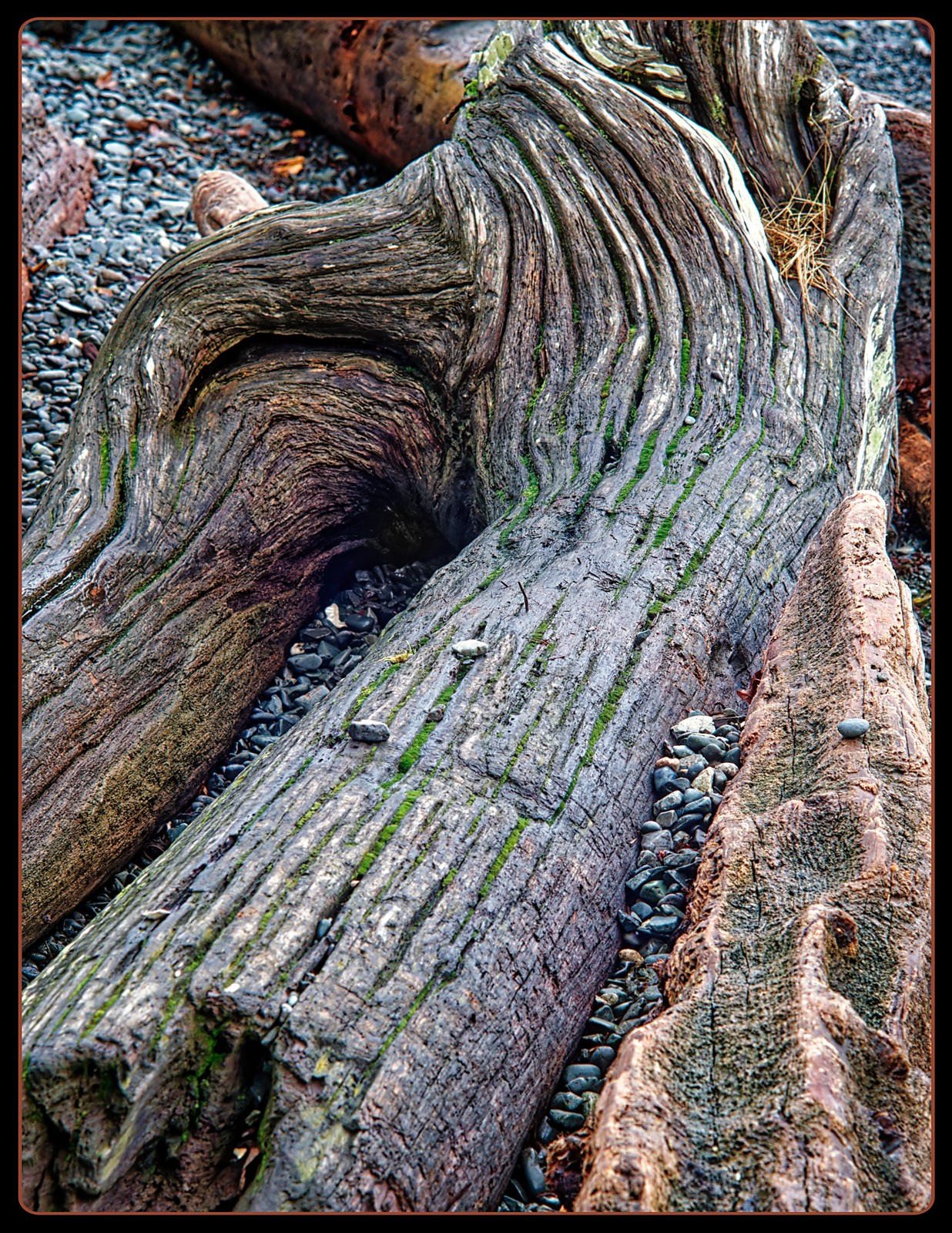
Today seems like a good day to drop in from behind the Like button to post a few photos from Nippi at Neck Point. These are some portraits of driftwood, of which there is a vast amount on the beaches of Vancouver Island.
Sorry that I have been absent for a couple of weeks, did not even send NIPPI on her way but I will this week, promise.
Been busy getting a ship ready for deployment.
Been busy buying what I really wanted, this thing is like driving a tractor on the farm, or a chevy pickup, only faster - no power anything. C1 1962, 4 speed, 300HP, immaculate inside, out and below.
This was in the collection of Jim Smith, a racer who won the Baja 1000 a couple of times and founded Ultra Wheel company, hence the plate.
He had a collection of 40 or so cars but due to his age they are being sold. This one had obviously not been used, it is in outstanding condition but has a myriad loose parts and latches that don't latch properly, a leaky gas pump, and non-working gas gauge and turn signal. These are little challenges that I enjoy fixing. No C8 for me, they do not motivate me.