But it is a difficult camera to operate, the knobs are tiny as pinheads and the camera itself light as paper - hard to keep still, even at higher shutter speeds. At least to me.
Question about scanning fuji negatives on a flatbed: How do you keep your film flat? I notice that when I get Kodak negatives back from processing, they tend to lay flat and hence the scans are better. Fuji on the other hand tends to want to curl and NOT lay flat leading to a lesser quality scan. Tips, tricks? I love kodak gold 200 as a cheap film alternative and it used to be easy to buy. However, now all I find is fuji films. I don't really mind for mindless shooting (I buy the pro films online) however if I can't get a quality scan, I am relegated to ordering which kind of defeats my purpose. Thanks in advance for any insight.
Rollei 6008 Pro with Rollei zeiss 80mm 2.8 HFT PQS Planar lens, scanned by Epson V500, Fujifilm FP-100C Professional Instant Color Film ISO 100 (10 Exposure, Glossy)
Hollender von georgsfoto auf Flickr
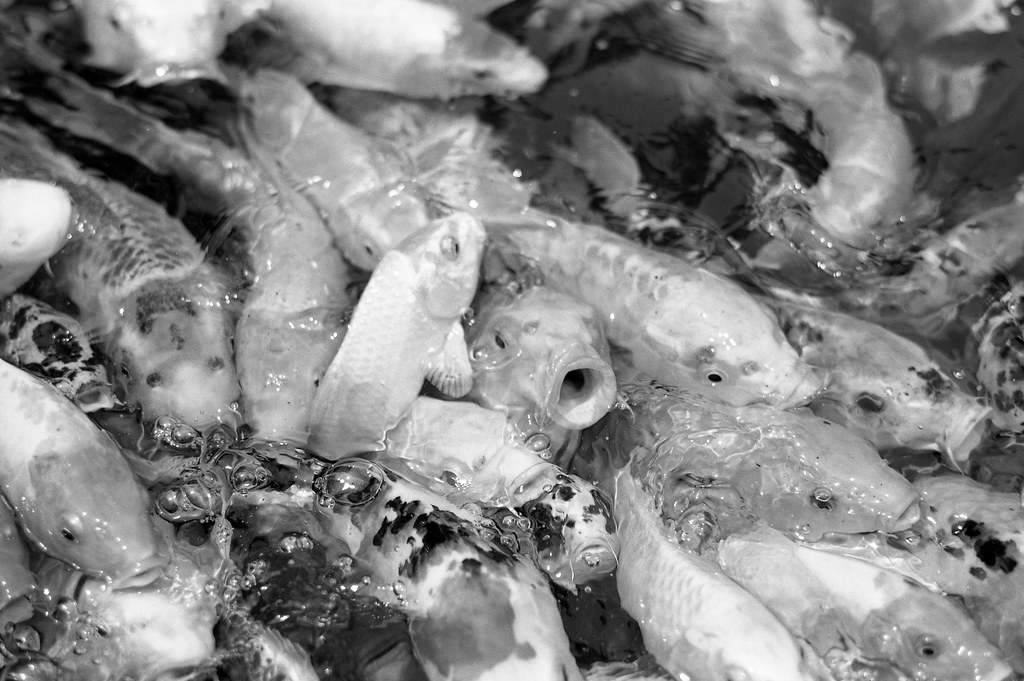
framing could be a bit tighter and the scan a whole lot better - Leica M3, Summicron rigid 50, Acros in Rodinal 1:50
A red-filter (or at least a dark orange-filter) would probably have been a better choice than the dark yellow-filter used here.
At first I thought its made in software. Perfect shot.. I would say its Leica even without knowing it. Nice glow/3D. Looks damn good..
Out of curiosity, how big it can be scanned/printed?
Thanks! To be honest: the flatbed-scan was really bad and I adjusted the contrasts in Silver-Efex, so software was involved. The scan is pretty large (4500x3000 pixels) but the actual level of details speak against a large print (DIN A4 would be a stretch already).
Cheers, Georg!



 well, now I can go back to not liking it from afar