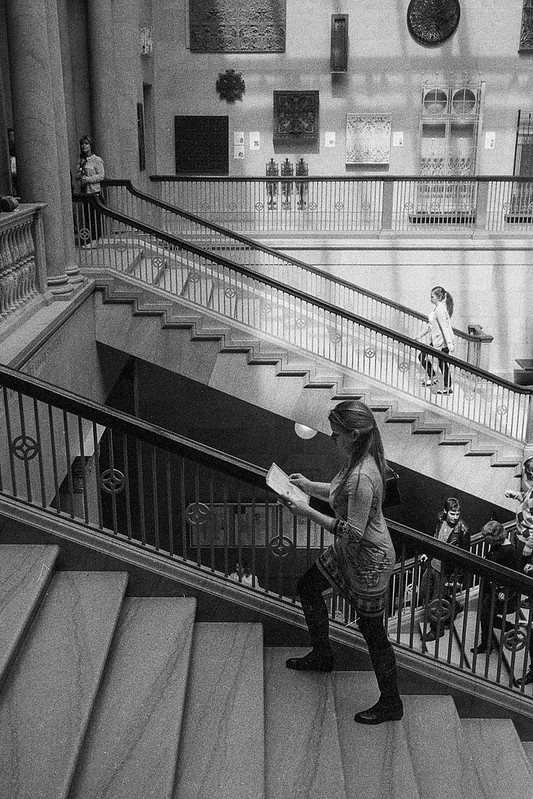
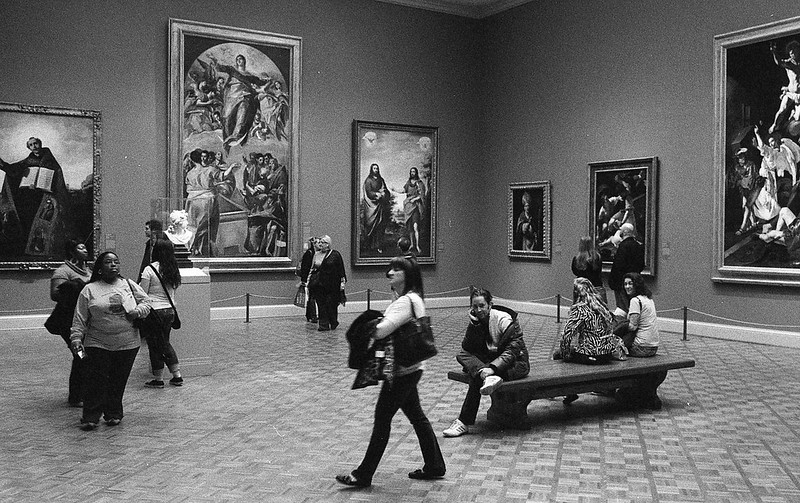
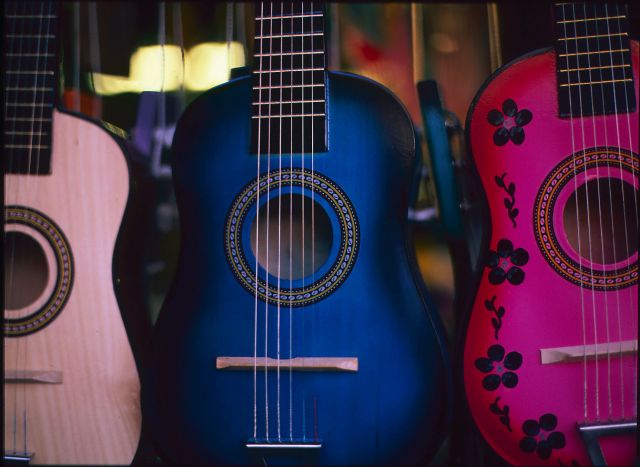
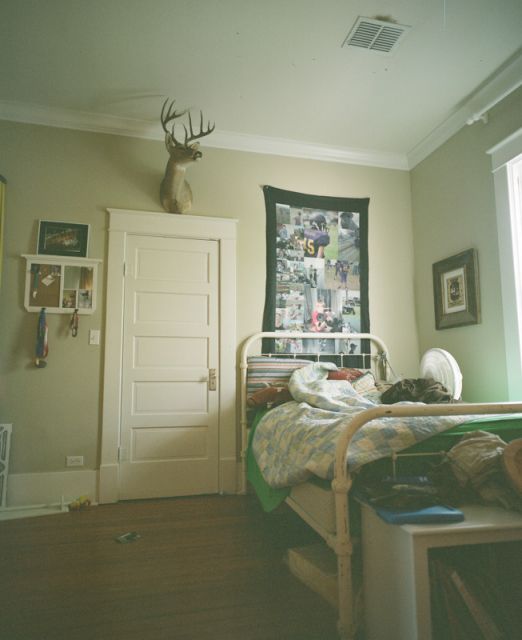
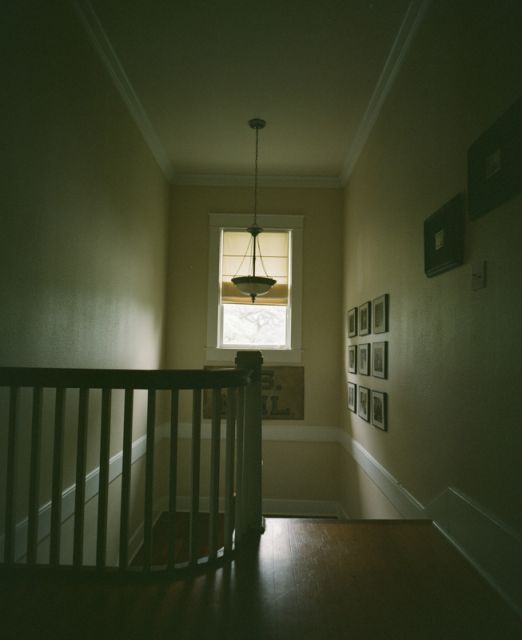
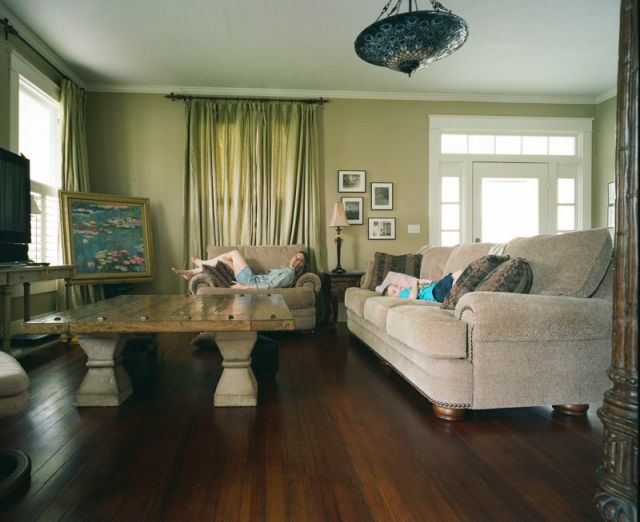
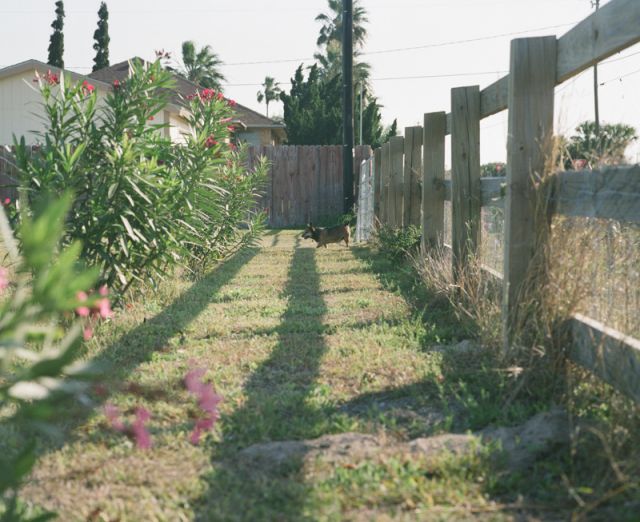
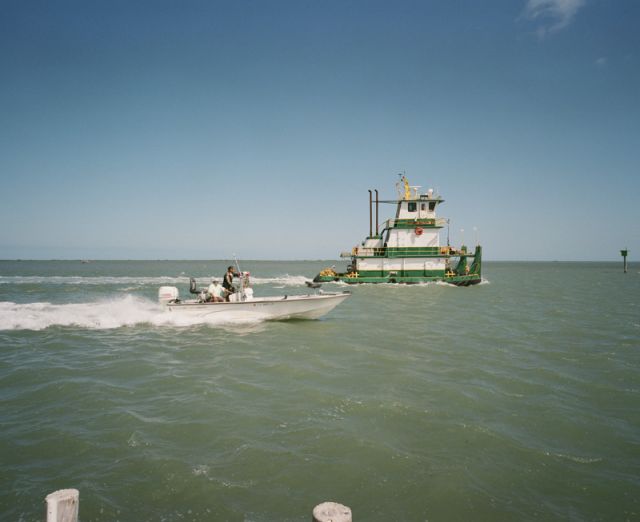
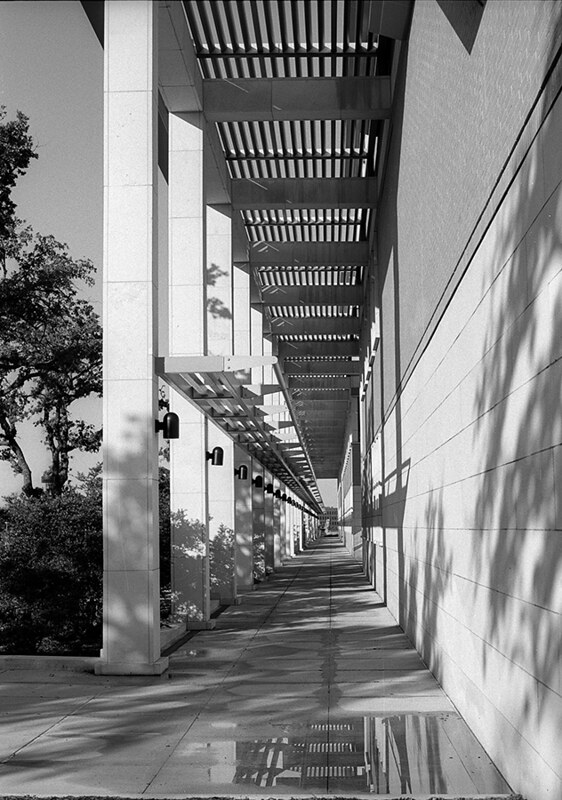
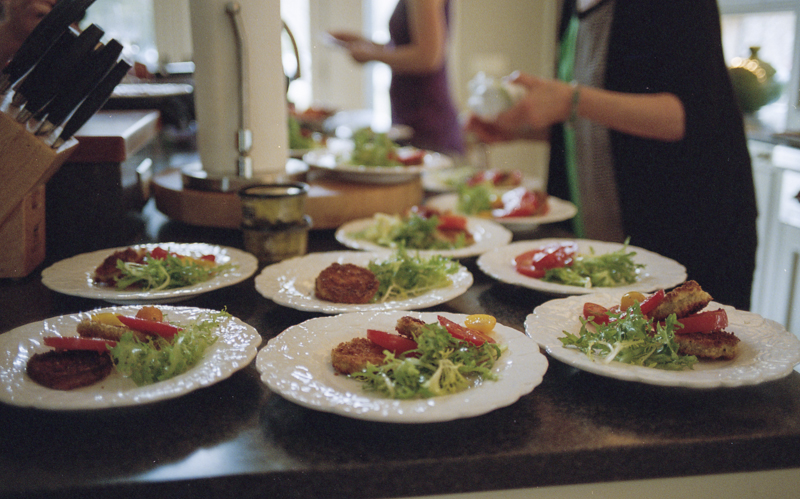
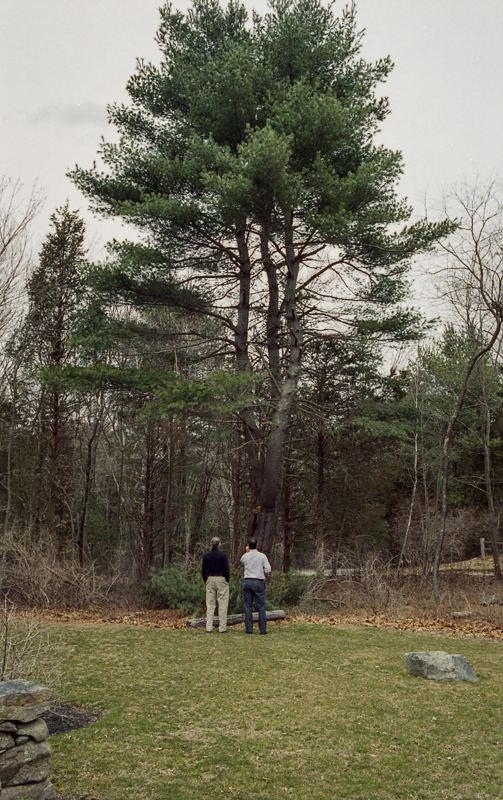
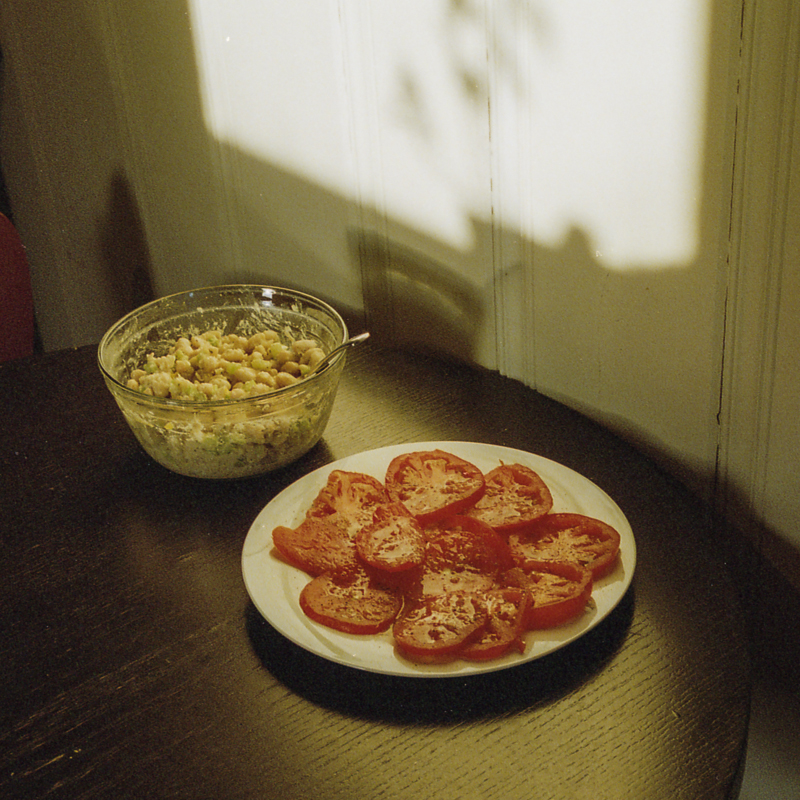
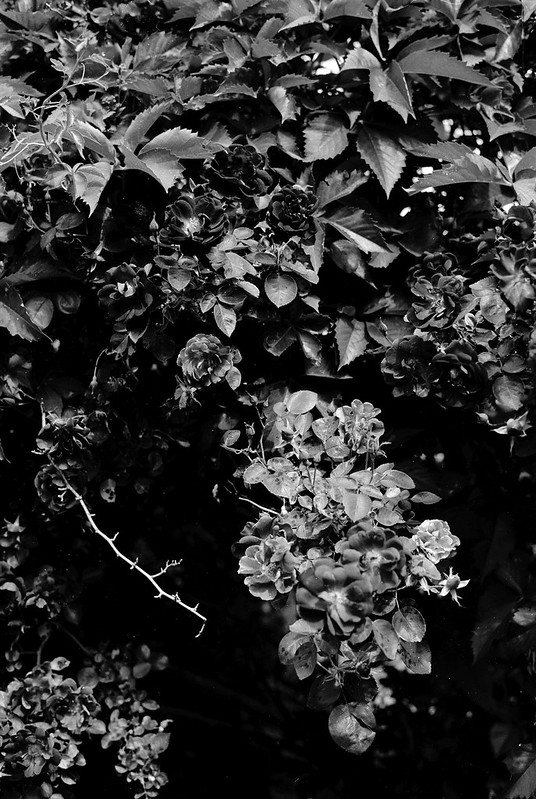
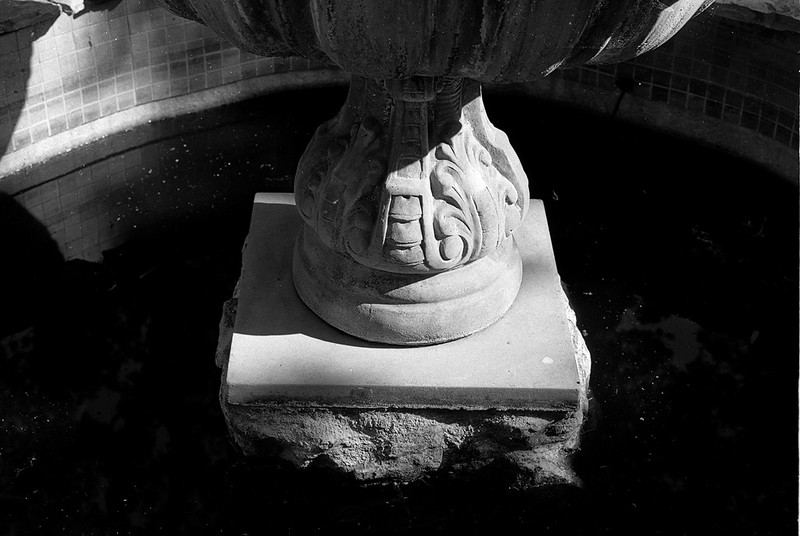
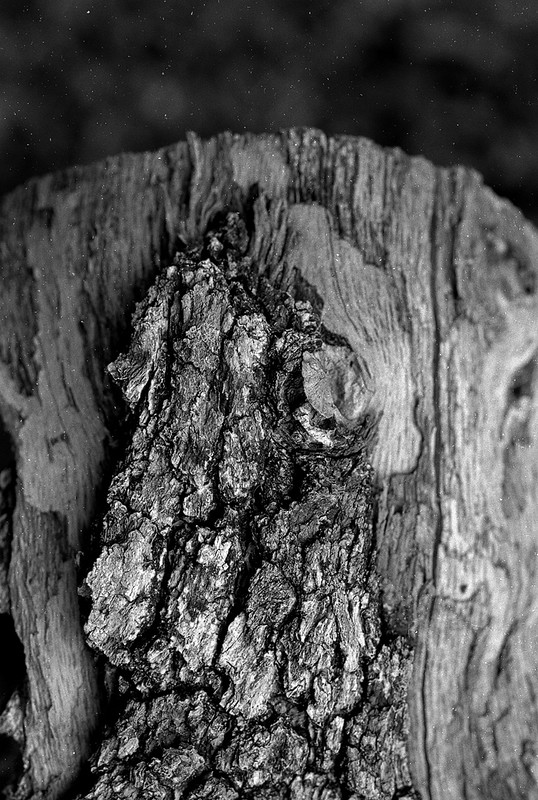
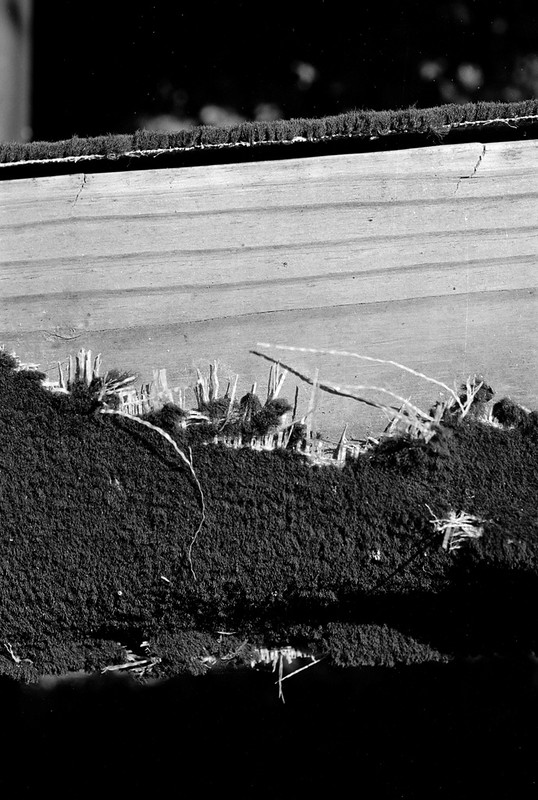
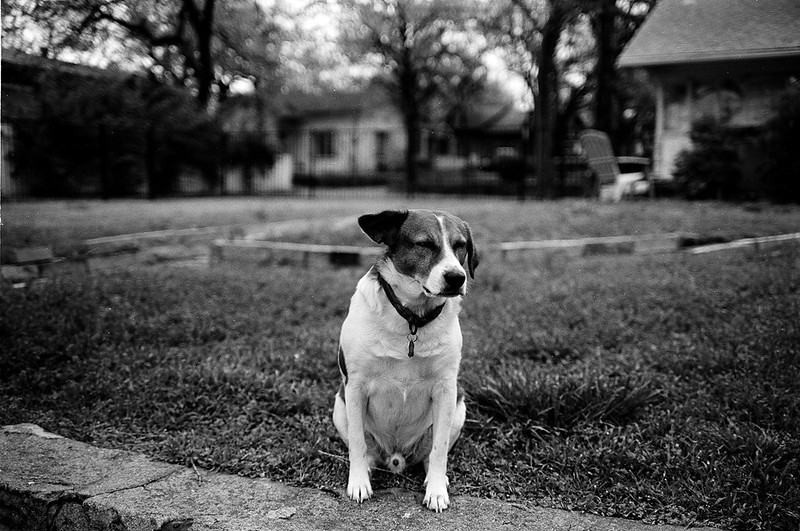
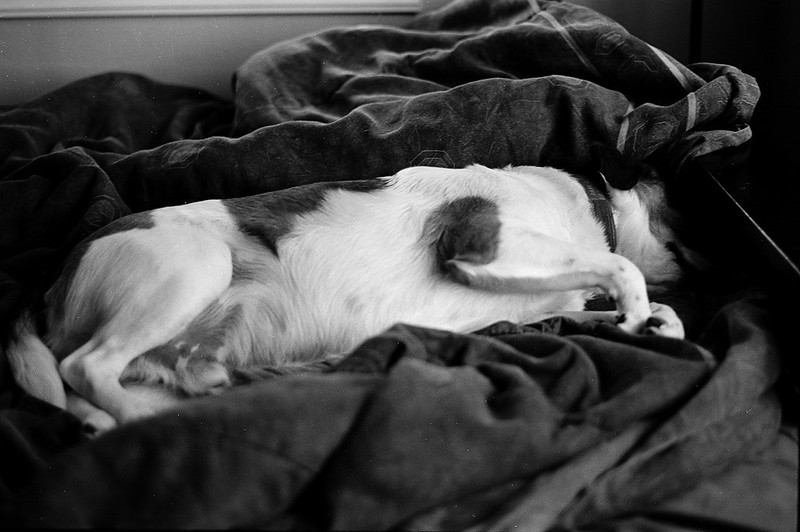
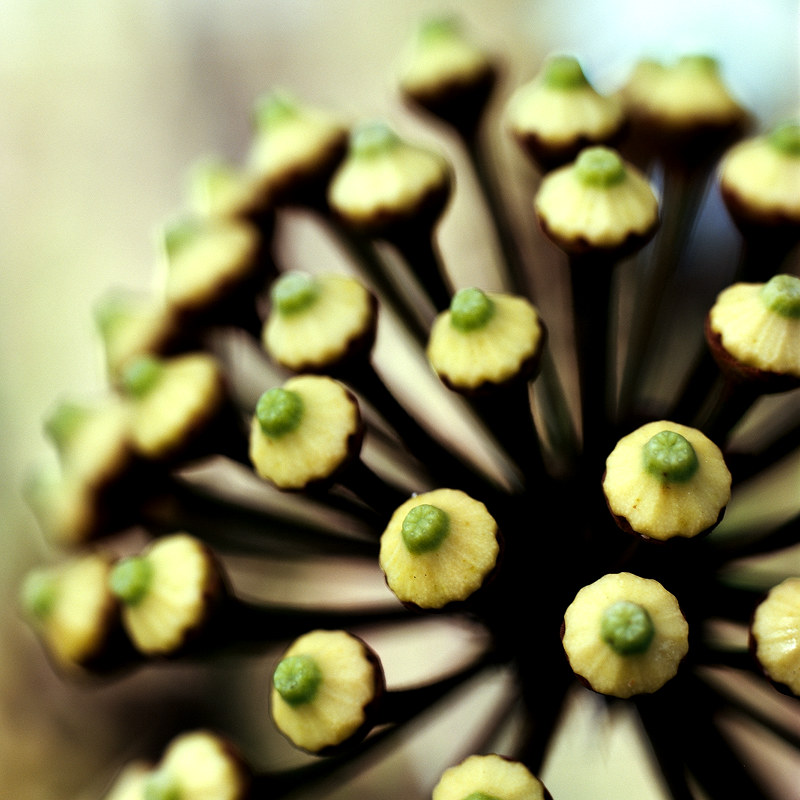
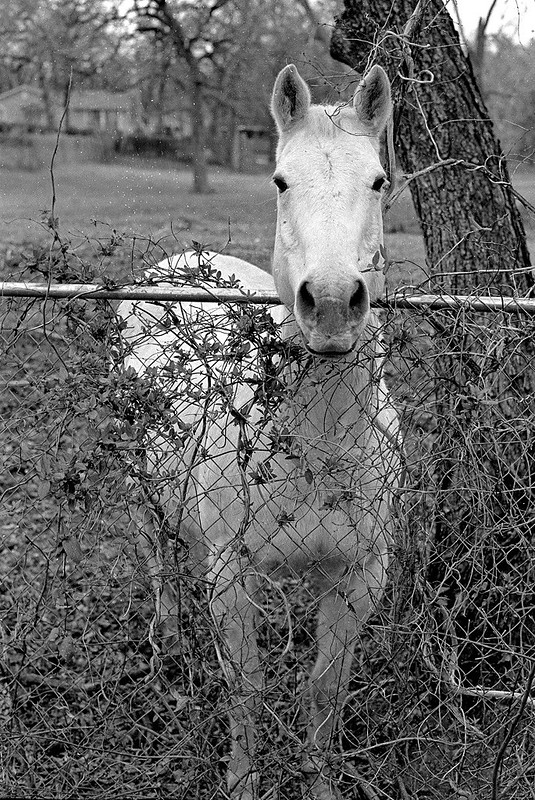
here are a few shot with delta 3200. this is from the previous development/scan i did, and i had someone take a look at my negatives and i think i under developed a bit overall. maybe that's why i found these files hard to work with, but the grain is pretty darn heavy.
goosemang wrote:
here are a few shot with delta 3200. this is from the previous development/scan i did, and i had someone take a look at my negatives and i think i under developed a bit overall. maybe that's why i found these files hard to work with, but the grain is pretty darn heavy.
you can make a comparison with Xtol 1:1 in terms of grain, maybe tonal gradation. I really push my negatives after scanning though, in general Xtol provides higher contrast but IMO at the expense of some tonality. I will be trying Xtol on Neopan 400 and T-Max 100 next and Ill see if I prefer it for that, but frankly I like Rodinal better for Acros. this is contrary to my initial findings, but first impressions are seldom the best ones. by all means, if you see an appreciable difference tell me which one you prefer and why.
redisburning wrote:
you can make a comparison with Xtol 1:1 in terms of grain, maybe tonal gradation. I really push my negatives after scanning though, in general Xtol provides higher contrast but IMO at the expense of some tonality. I will be trying Xtol on Neopan 400 and T-Max 100 next and Ill see if I prefer it for that, but frankly I like Rodinal better for Acros. this is contrary to my initial findings, but first impressions are seldom the best ones. by all means, if you see an appreciable difference tell me which one you prefer and why.
Just like the combination of Red Vines and Mr. Pibb, T-Max 100 + T-Max RS = crazy delicious.
goosemang wrote:
man how can you guys shoot iso 100 35mm?
it's so slow, every picture i take has friggin' camera shake with iso 800 nevermind 100. it's like tripod or nothin'
redisburning seriously that's a great set and what wonderful tonality you're getting out of those images. very inspiring.
first of all thanks.
as far as 100 iso goes, I don't know what to say other than it's never been an issue for me. not only do I shoot 100 in 35mm but more than 95% of my limited medium format work has been with ISO 100 or 50 film, specifically Acros and Velvia, without a tripod. I really only use a tripod for 4x5 or when I need to take a picture of something to sell.
some of what mitigates it is that Im using an RF. some of it may be that I get 100 iso out of it come hell or high water. some of it may be natural handholding ability.
this would have been 1/15 on my Leica with a 50mm putting his white bits on middle grey. yes that is technically a stop underexposed, but that much is easy to compensate for during scanning, since thin negatives are usually not an issue as long as there is still something somewhere: Untitled by redisburning, on Flickr
I think that is acceptably sharp to make a decent image given the low level of light on the plane of best focus. I dont think it's in that danger zone where you are just blurry enough to be in no mans land between enough definition to carry the picture and enough blur to make things degenerate into appealing abstract shapes.
as far as the latter goes, I've always felt images like this were compelling: Untitled by redisburning, on Flickr
but this image has gone past the point of breaking with definition; I also hate hate hate when the background is sharp and the subject is blurry. to me, that is bad technique 99 out of 100 times. just make everything blurry, IMO, or make your subject sharp. those are the rules, I only break them when I have a reason too.
redisburning wrote:
Acros 100 in Rodinal 1:50, from the same roll
I've seen these here and at RFF, and I really like the set. Do you mind sharing your developing routine for Acros as I have been looking to evaluate it at as my medium speed B&W film and wanted to get a few developing notes from someone who knew what they were doing.
huddy wrote:
I've seen these here and at RFF, and I really like the set. Do you mind sharing your developing routine for Acros as I have been looking to evaluate it at as my medium speed B&W film and wanted to get a few developing notes from someone who knew what they were doing.
you give me far too much credit. it would be an overstatement to say that I know what I am doing.
however, if you like what I do and wish to emulate it, that I can help you with.
I shoot Acros at 100. Development is 13 minutes in Rodinal 1:50 at 68F, invert continuously for 30 seconds then do 5 seconds of "wine swishing" every minute (second at 1:30, last at 12:30). water stop, fix then wash.
most of what you see in my images is aggressive post processing. I used to just do levels to set a white and black point and while I perceived that as being "nice" it did not look to me much like a print, of which I have made a few. so what I did was take a bunch of photos by my personal favorite Jean-Loup Sieff and spend time analyzing their histograms and saw that they were either flat or looked like the bottom of a flat bowl, and mine looked like a little hill. what you see now is aggressive curves -> levels to push the histogram into that shape and then set the white and black points.
fwiw the following images are all acros in rodinal 1:50, with the same process, but you can see how different they look:
and for comparison in medium format where I got closer to what I do now but using the same processing as the above two shots: Untitled by redisburning, on Flickr
b&w processing is a long journey; just as long as learning composition. I must admit I do chuckle a bit at things like that nik conversion software.
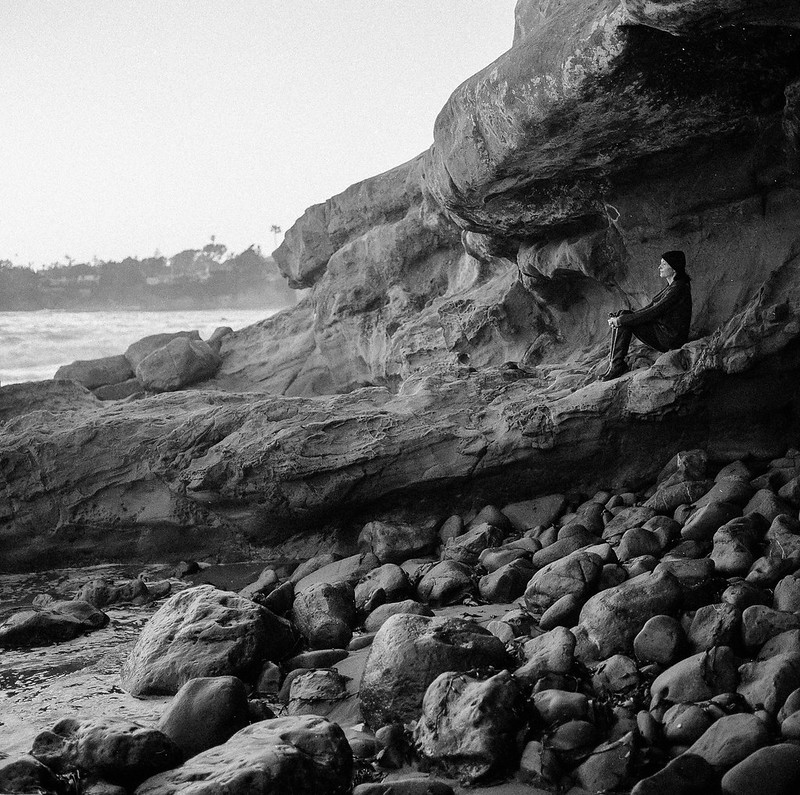
Flickr added some excess noise it would seem. Hmm...
This was Fuji Pro 400h but I didn't care for the colors so I converted it to black and white instead.
Old, old Hassy 500CM with an equally old 80mm T* and a back that likes to skip frames. (In other words: It needs help)
AbramG wrote:
Flickr added some excess noise it would seem. Hmm...
This was Fuji Pro 400h but I didn't care for the colors so I converted it to black and white instead.
Old, old Hassy 500CM with an equally old 80mm T* and a back that likes to skip frames. (In other words: It needs help)
Where did you take this? Also, make sure you are sitting down when you receive your quote to fix the spacing issue...
corposant wrote:
Where did you take this? Also, make sure you are sitting down when you receive your quote to fix the spacing issue...
I already got the quote. It made me choke up a little bit lol. I'm looking at a bit chunk of change to get this whole kit tuned up. Anyways, this was in Laguna at Rockpile. I don't know the woman, she just sat down there while I was shooting the surrounding landscape. Perfect opportunity.
carstenw wrote:
Brillaint shot, Abram! Give that Hassie some help, it has deserved it!
Thank you good sir, I know I want to get this camera restored ASAP, I've got a nice setup with it and it'll be complete when I get a 50mm, but it holds some sentimental value to me as this very camera was used to shoot my parents wedding 36 years ago. The photographer was a family friend and I just inherited the camera about 8 months ago. Makes it kind of special to me. I've got 3 backs for it, 2 lenses and other stuff, but it all needs a tuneup as it sat in a hard-case for 20 years.
AbramG wrote:
Flickr added some excess noise it would seem. Hmm...
This was Fuji Pro 400h but I didn't care for the colors so I converted it to black and white instead.
Old, old Hassy 500CM with an equally old 80mm T* and a back that likes to skip frames. (In other words: It needs help)